What Happens at Dog Groomers? First Visit Walkthrough
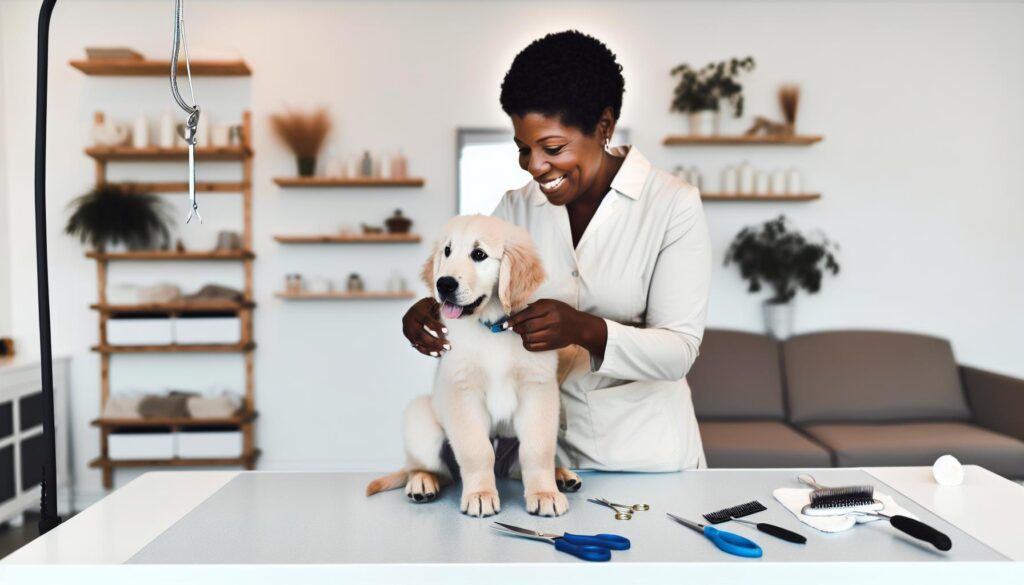
Did you know that regular grooming is more than just keeping your dog looking cute-it’s essential for their health and happiness? whether you have a fluffy French Bulldog or a curly-coated Poodle, understanding what happens during your dog’s first grooming visit can ease nerves and set the stage for a positive experience.Grooming is a gentle, step-by-step process that includes bathing, brushing, nail trimming, and ear cleaning, all tailored to your dog’s breed and coat type. As a groomer who truly cares, I’ll guide you through what to expect, share helpful tips on handling common challenges, and explain the difference between what your vet and groomer do, so you feel confident and calm. Together, we’ll prioritize your dog’s comfort and safety over any “perfect look,” making grooming a stress-free, even enjoyable part of your pet’s routine. Ready to see what happens behind the scenes and how grooming supports your dog’s well-being? Let’s dive in!
What to Expect During Your Dog’s First Grooming Visit
Table of Contents
- 1 What to Expect During Your Dog’s First Grooming Visit
- 2 Preparing Your Dog for the Groomer: Tips for a Smooth Experience
- 3 Step-by-Step Walkthrough of Common grooming Tasks
- 4 Understanding Coat Types and Grooming Needs
- 5 Essential Tools and Equipment Used by Professional Groomers
- 6 How Groomers Handle Nervous or Anxious Dogs Compassionately
- 7 The Role of Groomers vs. Vets vs. At-Home Care Explained
- 8 Common Grooming Challenges and How Groomers Solve Them
- 9 Aftercare Tips to Keep Your Dog Comfortable Post-Groom
- 10 Questions to Ask Your Groomer Before and After the Visit
- 11 frequently asked questions
- 11.1 Q: How do groomers ensure my dog feels safe during their first visit?
- 11.2 Q: What health checks do groomers perform before grooming my dog?
- 11.3 Q: How long does a typical first grooming appointment last for different coat types?
- 11.4 Q: Can I stay with my dog during their first grooming session?
- 11.5 Q: What should I bring to my dog’s first grooming appointment?
- 11.6 Q: How do groomers manage dogs that are not used to grooming equipment?
- 11.7 Q: What are signs my dog enjoyed or disliked their first grooming experience?
- 11.8 Q: When should I schedule my dog’s next grooming after the first visit?
- 12 Wrapping Up
A dog’s first grooming visit can feel like a big step for both pet and owner, but it’s often an exciting introduction to a new kind of care that supports your dog’s health and happiness. Expect a calm, gentle approach tailored to your dog’s unique breed, coat type, age, and temperament. Professional groomers prioritize safety and comfort above all-especially during that initial appointment when everything is unfamiliar. It’s normal for dogs to be curious or even a little nervous, and skilled groomers use patience and positive reinforcement to create a reassuring environment.
Before any tools or baths come into play, your groomer will start with a thorough but gentle assessment of your dog’s coat condition, skin health, and overall comfort level. This lets them customize the experience right from the start. For example, if your dog has a thick double coat like an Alaskan Klee Kai or a curly coat that mats easily, the groomer will explain which brushes and detangling methods work best. Dogs with sensitive skin or older pets might get extra tender handling and shorter sessions to keep stress low.
What Happens During the Visit?
The appointment usually follows a clear, step-by-step routine that feels predictable and safe to your furry friend:
- Brushing and Dematting: Starting here helps remove loose hair and prevents painful tangles. If mats are severe, a groomer might carefully trim them out rather than force brushing.
- Bath Time: Using shampoos suited to your dog’s skin type or any allergies, this step refreshes the coat and helps reduce odors. Groomers also use warm water and gentle handling to keep this relaxing.
- Nail Trimming: A critical but sometimes intimidating part of grooming. Groomers trim nails carefully to avoid hitting the swift, explaining each step to ease owner concerns.
- Ear Cleaning and Teeth Checks: These are done delicately and only if your dog tolerates it. Groomers may ask if you’d prefer your vet to handle more in-depth ear or dental care.
- Styling or Haircuts: Specific to breed standards or owner requests, keeping your dog’s comfort and coat health in mind. A good groomer gauges how long to work each section to keep things stress-free.
This slow, methodical process combined with plenty of breaks as needed usually means the visit goes smoothly-even for shy or wiggly dogs. For instance, a nervous puppy might begin with just a short brushing before building up to more involved tasks on future visits.
Building Trust and Understanding
First visits frequently enough include a kind chat where groomers encourage you to share any concerns or special needs your dog has. This dialog is invaluable and helps groomers adapt their techniques. Plus,at the conclusion of the session,expect practical tips on how to maintain coat health at home and when to schedule the next visit. Remember, the goal is never perfect aesthetics but steady progress toward a calm, comfortable grooming routine that supports your dog’s wellbeing.
Understanding what occurs and why helps remove the mystery and builds your confidence as an owner, while your dog learns grooming is a kind, caring experience-not just a chore.
Preparing Your Dog for the Groomer: Tips for a Smooth Experience
Few experiences shape your dog’s comfort with grooming more than the careful planning before that very first visit. A little thoughtful groundwork can turn what might feel like an overwhelming adventure into a calm and positive experience for both of you. Understanding your dog’s breed, coat type, temperament, and any past exposures to handling really sets the stage for success.
Set clear Expectations and Acclimate Early
Begin by gently introducing your dog to the tools and sensations involved in grooming. For example, if your dog has a dense double coat-like the alaskan Klee Kai or a Pomeranian-it’s helpful to familiarize them with brushes designed for their specific fur type. Let your pup sniff and investigate combs, brushes, or nail clippers while offering treats and calm praise. If baths tend to be stressful, try offering short, positive water-related experiences (like brief paw dips) before the visit. This gradual introduction builds confidence and reduces surprise.
Practice Basic Handling at Home
Many groomers must trim nails, examine ears, and brush through sensitive or tangled fur. You can support the process by routinely handling paws, ears, and gently brushing your dog at home.Keep sessions short and upbeat to avoid frustration. This not only helps your dog become accustomed to touch but also makes the groomer’s job smoother and quicker, minimizing stress on your pet.
- For bath prep: Brush loose hair to prevent mats from tightening when wet.
- For nail trimming prep: Touch and gently press your dog’s toes regularly, rewarding calm behavior.
- For ear comfort: Clean ears carefully with vet-approved wipes to avoid surprises during grooming.
Communicate Clearly With Your Groomer
A confident partnership with your groomer is invaluable.Share important details such as your dog’s breed, coat specifics, any allergies, fears, or behavioral quirks. Ask what shampoo or equipment they plan to use and if they have experience with your dog’s coat type. For example, dogs with curly or easily matted coats require different combs and detangling sprays than short-haired breeds. This openness allows groomers to tailor their approach and recommend helpful at-home practices.
Keep Your Dog Calm on Appointment Day
On the day of the grooming visit, maintain a calm presence and bring along your dog’s favorite toy or blanket for comfort. A short walk beforehand can help release energy and promote relaxation. Try to arrive on time with your dog well-hydrated but not overly hungry. If your pup tends to get anxious in new places, discussing arrival strategies with your groomer-such as waiting outside or in a quite area-can make the experience less daunting.
Remember, grooming is not about perfection, but about caring for your dog’s health and happiness at their own pace. Each positive visit builds trust, turning grooming from a chore into a bonding moment that supports lifelong wellness.
Step-by-Step Walkthrough of Common grooming Tasks
A dog’s first grooming visit can feel like a big step, but breaking it down into clear, manageable moments helps everyone feel more at ease.Each task is designed not just for appearance, but to maintain your dog’s health and comfort, with gentle hands and patience at the core. Whether your pup sports a silky coat or a thick double layer, understanding what happens in each phase empowers you to support them confidently.
Brushing and Dematting
The process usually begins with a thorough brush-out to remove loose fur and gently detangle mats. Groomers select tools based on your dog’s coat type-slicker brushes and metal combs for dense or curly coats, softer bristle brushes for fine or short hair.Mat removal requires extra care; painful yank-free combing is the goal, sometimes needing a dematting tool or professional trimming to prevent skin irritation. for example, a Pomeranian’s fluffy double coat demands patient brushing to avoid frustrating tangles, while short-haired breeds like Beagles get a gentler sweep. This step not only improves shine but prepares fur for easier washing.
Bath Time and Drying
Next comes the bath, tailored with shampoos that suit your dog’s skin condition and coat needs. Hypoallergenic formulas are common for sensitive dogs, while medicated shampoos might potentially be used if recommended by a vet for certain skin issues. Many groomers start with lukewarm water, soothing anxious pups by gradually introducing spray pressure. After shampooing, thorough rinsing ensures no residue remains to cause itchiness. drying styles vary: thin-coated dogs might be towel-dried and air-dried, whereas thick-coated or curly-coated breeds frequently enough get a gentle blow-dry to avoid dampness that can encourage matting or skin problems. A calm voice and frequent breaks during drying help nervous dogs feel secure.
Nail Trimming and Paw Care
A key health maintenance step is nail trimming, which some dogs find scary at first. Groomers use sharp clippers or grinders and watch closely to avoid the quick-the sensitive pink area inside nails. If your dog resists, it’s okay to pause and reward calm moments, returning slowly to build trust. Paw pads get inspected for debris or irritation, and sometimes moisturizers or balms are applied for dry pads. encouraging paw handling at home beforehand makes this easier and faster on visit day.
Ear Cleaning and Final Touches
Ears can trap moisture and wax, so groomers gently clean them with vet-approved wipes or solutions, looking out for signs of infection. For breeds prone to ear issues, like Cocker Spaniels, this step is especially thorough. The groomer will also trim any excessive hair around the face, sanitary areas, and between paw pads, using scissors or clippers suited to your dog’s coat and sensitivity. Throughout, the emphasis stays on comfort-not quick perfection-allowing your dog to relax and enjoy positive associations.
- Remember: Should you notice anything unusual-like redness, swelling, or a persistent odor-it’s worth consulting your veterinarian, as some issues require medical care beyond grooming.
- at-home follow-up: Regular brushing, gentle ear checks, and paw pad moisturization extend the benefits of professional grooming and keep your dog feeling great between visits.
this step-by-step routine builds a foundation of trust and health, showing your dog that grooming is a gentle routine-not just a chore. A skilled groomer combines knowledge of breed-specific needs, coat types, and your dog’s unique temperament to craft an enjoyable and safe experience every visit.
Understanding Coat Types and Grooming Needs
Every dog’s coat is a unique blend of texture, thickness, and growth patterns, shaping not only their appearance but also their grooming needs. Understanding these differences helps ensure your pup’s grooming experience is comfortable and effective. For example,a silky Afghan Hound with long,flowing hair requires gentle detangling and frequent brushing to prevent mats,while a short,dense-coated Labrador thrives with simpler brushing,focusing mostly on loose hairs and skin health. Recognizing your dog’s coat type allows groomers-and you-to choose the right tools and techniques that honor your dog’s comfort and natural beauty.
Coat Types and Their Specific Needs
Dog coats generally fall into several categories: single coat, double coat, curly or wiry coat, and long coat. Each comes with its own grooming rhythms and special care.
- Single Coat: These dogs (like Boxers or Dalmatians) have one layer of fur without an insulating undercoat. They tend to shed less, so a regular brush with a bristle or rubber curry comb helps keep their coat shiny and clean.
- Double Coat: Common in breeds like Golden Retrievers and Huskies, double coats have a soft, dense undercoat beneath a coarser topcoat. Grooming involves careful brushing to remove loose undercoat and prevent matting, especially during shedding seasons. Clippering is typically avoided or done carefully to maintain coat integrity.
- Curly or Wiry Coats: Breeds like Poodles and Terriers feature tight curls or wiry hair that requires specialized grooming.These coats are prone to matting and need frequent trimming and dematting with slicker brushes or combs designed for dense curls.
- Long Coat: Breeds such as Shih Tzus and Maltese have long, flowing hair that can easily tangle. Consistent brushing with a pin brush and gentle dematting tools is vital to maintain health and prevent painful mats.
Tailoring Grooming with Purpose
Selecting the right shampoo and grooming tools depends on the coat type as well as skin health. For instance, a dog with a drier, curly coat needs moisturizing shampoos and conditioners, while sensitive skin benefits from hypoallergenic or medicated formulas recommended by a vet. Likewise, brush types vary: slicker brushes for thick coats, bristle brushes for smooth, short hair, and gentle combs for daily passes to prevent tangles. A groomer’s knowledge of these nuances ensures each dog receives care that prioritizes comfort and safety over aesthetics.
Real-World Examples and Gentle Approaches
Take, for example, a young Cockapoo arriving nervous and tangled. The groomer patiently uses a detangling spray and dematting comb, pausing frequently enough to reward calm behavior. This breaks up mats slowly without stress. Simultaneously occurring, a Labrador’s short coat means less brushing time and a focus on skin check and gentle bath to keep the coat glossy and healthy. Emphasizing patience and reading each dog’s cues creates a supportive experience that builds trust.
- Tip: Regular home brushing between grooming visits is essential, but trying to “force” mats out can hurt your dog-leave tough tangles to the pros.
- Tip: If you notice skin redness or irritation during grooming, it’s a cue to consult your vet rather than proceed with heavy treatments.
Understanding your dog’s coat lays the foundation for a positive grooming relationship, guiding both professional groomers and pet parents toward compassionate care that respects your dog’s unique needs every visit.
Essential Tools and Equipment Used by Professional Groomers
Few things set the tone for a positive grooming experience like the right tools-professional groomers rely on an arsenal carefully chosen to suit your dog’s coat type, temperament, and individual needs. The equipment isn’t about perfection or flashy trims; it’s about delivering gentle, effective care that keeps your pup comfortable from start to finish. Whether your dog’s fur is short and sleek, thick and double-layered, curly, or long and flowing, each tool has a purpose grounded in empathy and respect for their wellbeing.
brushing and Dematting Tools
For many dogs, the grooming session begins with thorough brushing. Groomers typically select from a range of brushes tailored to coat type: slicker brushes for thick, double coats; pin brushes for long, silky hair; and bristle brushes for shorter coats. For tough mats, specialized dematting combs and detangling sprays help gently break up tangles without pulling or stress. For example,a groomer working with a curly-coated Poodle uses a slicker brush combined with a dematting comb,patiently tooling through knots with breaks to praise calm behavior. This careful approach ensures the dog feels safe, not rushed.
Bathing and Drying Equipment
The bath phase involves shampoos formulated for your dog’s skin sensitivity and coat condition, whether moisturizing formulas for dry curls or soothing sprays for irritation-prone skin. Professional tubs are often designed to keep dogs secure and comfortable, reducing the anxiety that many pets feel around water. After washing, high-velocity dryers gently remove water while avoiding overheating-a crucial comfort factor. While loud dryers can be intimidating, groomers gently acclimate dogs by starting on low settings or gradually increasing air flow, always monitoring stress signals.
Clippers, Scissors, and Nail Care
Professional grooming kits include clippers fitted with different blade sizes to tailor coat trimming, along with rounded-tip scissors for delicate areas like around the ears and face.These tools allow groomers to balance style and safety, trimming just enough while avoiding skin irritation. Nail clippers and grinders keep paws healthy and prevent discomfort from overgrown nails. Many groomers explain that trimming nails should never be rushed-slow, progressive clipping with frequent breaks and treats vastly improves the dog’s experience, building confidence over future visits.
- Example: A nervous Cocker Spaniel arriving for its first groom might receive a gentle nail file instead of clippers, avoiding sudden noise and vibration that could trigger anxiety.
Supporting Comfort and Safety
Beyond grooming tools, professionals often use non-slip mats, grooming loops, and calming aids like pheromone sprays to help dogs feel secure throughout their visit. Tables adjustable in height reduce strain for both dog and groomer, allowing gentle handling. When ears require cleaning, soft cotton balls and vet-approved solutions ensure gentle yet effective care without discomfort. Practices like offering water breaks, monitoring breathing, and adjusting technique based on your dog’s mood are as vital as the physical tools.
| Task | Common Professional Tools | Key Grooming Insight |
|---|---|---|
| Brushing & Dematting | Slicker brush, pin brush, bristle brush, dematting combs, detangling spray | Choose tools based on breed coat; patience prevents discomfort |
| Bathing | Professional dog-safe shampoos, grooming tub, high-velocity dryer | Calm approaches and proper drying lower stress |
| Hair Trimming | Adjustable clippers, guard combs, rounded-tip scissors | Safety first to avoid nicks; customize to coat texture |
| Nail Care | Nail clippers, grinders, styptic powder (for emergencies) | Slow, gentle nail trims build tolerance |
| Ear Care | Vet-approved ear cleaners, cotton balls | Gentle cleaning prevents infections and discomfort |
every tool in the groomer’s kit reflects a commitment to compassionate care. By understanding these essentials, you can feel confident that your dog’s first grooming visit prioritizes their comfort, health, and happiness above all. If you’re curious about particular tools or techniques used during your dog’s appointment, don’t hesitate to ask your groomer-they’ll appreciate your involvement and can tailor their approach to your family’s needs.
How Groomers Handle Nervous or Anxious Dogs Compassionately
Many dogs arrive at the groomer feeling uneasy, uncertain, or even scared-especially during their very first visit.Understanding this, professional groomers approach each nervous or anxious dog with extraordinary patience and genuine empathy. The goal isn’t simply to achieve a neat trim but to create a calm, safe environment where the dog feels supported every step of the way. This thoughtful approach begins the moment your pup walks through the door and continues until the last brushstroke.
Gentle Introductions and Building Trust
Upon arrival, groomers frequently enough take time to let dogs explore the space at their own pace, sometimes offering treats or gentle petting to build positive associations. For breeds known to be anxious-like some Cocker Spaniels,Chihuahuas,or rescue dogs-a groomer might use a slow,quiet voice and avoid direct eye contact initially,helping to prevent accidental overwhelm. When starting bathing or brushing sessions, they introduce touch gradually, watching carefully for stress signals like yawning, lip licking, or tensing. Pausing to praise or offer breaks makes the experience feel less demanding and more like gentle play.
Customized Handling Techniques by Task
Different grooming tasks can provoke anxiety for different reasons-loud dryers,clippers,or nail trims each bring their own challenges. Skilled groomers choose tools and methods tailored to your dog’s temperament and coat type:
- Brushing: For a thick-coated German Shepherd nervous about brushing, a groomer might start with a soft-bristle brush before using slicker brushes, moving slowly to avoid pulling mats.
- Bathing: Dogs afraid of water receive lower, less rushing baths with calmer water flow. Groomers often use hand-held sprayers gently, covering ears and eyes with cotton temporarily to shield sensitive areas.
- Nail Care: Instead of clippers, a grinder can be used on sensitive paws to reduce pressure and noise. For example, a timid Pomeranian might respond better when nail handling is broken down into multiple short steps with frequent treats.
This step-by-step, tailored process helps dogs gain trust and gradually tolerate grooming instead of fearing it.
When calming Aids and Environment Matter
Recognizing that many dogs pick up on ambient stress, groomers create serene, low-stimulation workspaces. Calming pheromone sprays, white noise machines, or lavender scents are frequently enough present to soothe anxious scent and hearing pathways without overpowering. Non-slip mats underneath prevent slips that could startle a nervous dog. Adjustable tables bring dogs to a comfortable height, minimizing awkward positions that increase discomfort or resistance.
Empowering Owners and Setting Realistic Expectations
Groomers always encourage owners to share insight about their dog’s fears and past experiences, which directly shapes how the session unfolds. They also explain the difference between veterinary care, professional grooming, and home grooming efforts, emphasizing that when a dog is very anxious, a gradual, multi-visit approach is preferable to rushing procedures that risk negative associations. compassion and safety are paramount-sometimes the best outcome is a calm dog who tolerates a basic trim, not a perfect show cut.
By focusing on kindness, individualized support, and realistic pacing, professional groomers transform what could be a stressful ordeal into an opportunity for positive, confidence-building experiences for even the most anxious pups. This gentle approach provides not just clean coats, but a foundation of trust that helps dogs look forward to future visits.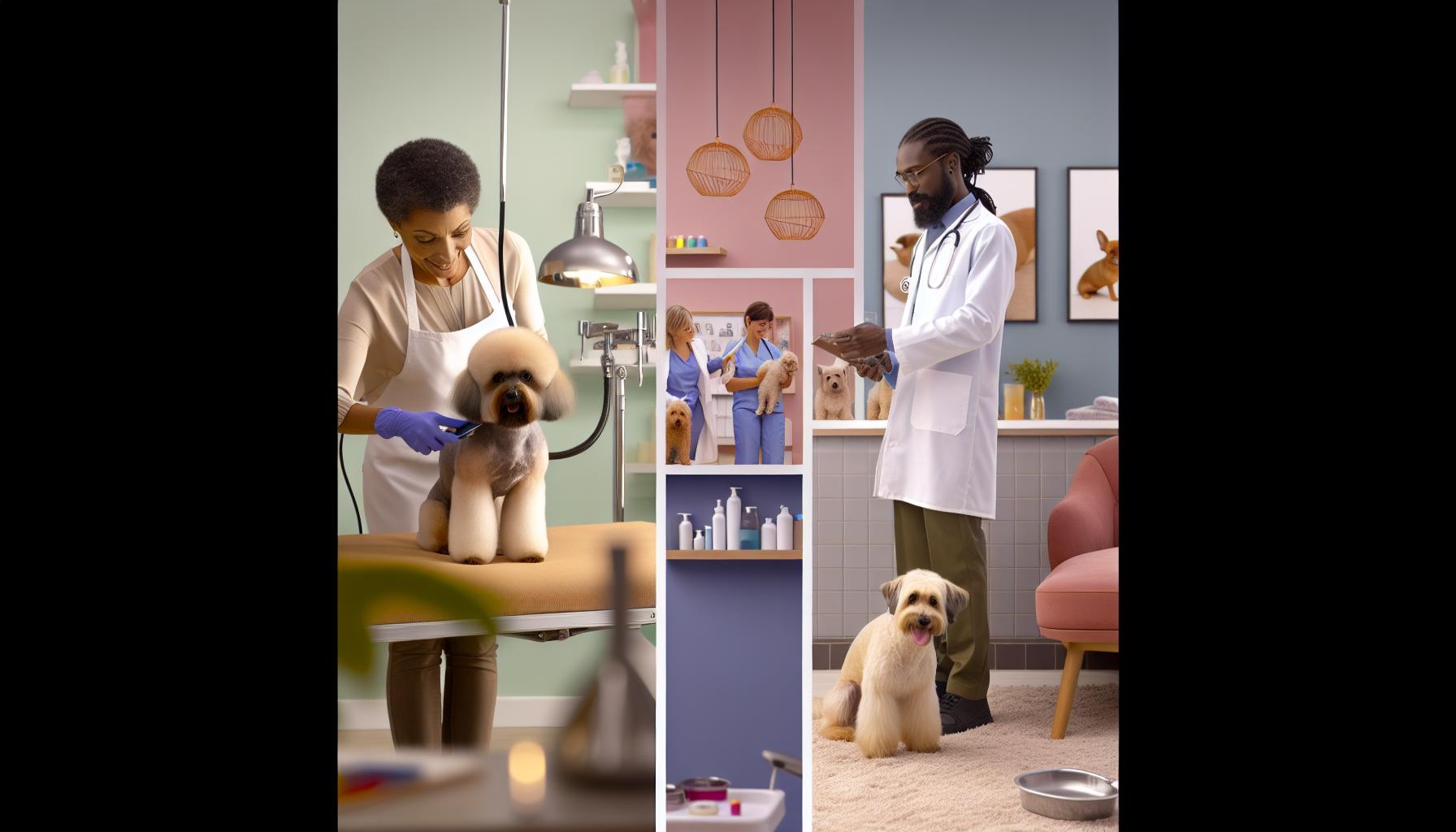
The Role of Groomers vs. Vets vs. At-Home Care Explained
Many pet owners wonder where grooming fits within their dog’s overall health and care routine-especially when balancing visits to the vet and regular home maintenance.While all these efforts overlap in keeping your dog happy and healthy, each plays a unique and essential role. Groomers focus on maintaining your dog’s coat,skin,nails,and general appearance using specialized tools and techniques that go beyond everyday home care,but they are not substitutes for veterinary care.
professional Grooming: more Than Just a Pretty Coat
Professional groomers are trained to handle a variety of coat types and temperaments, using tools like deshedding blades, slicker brushes, nail grinders, and gentle shampoos suited to sensitive skin. They tackle everyday hygiene tasks-bathing, brushing, ear cleaning, nail trimming-frequently enough spotting early signs of skin infections, parasites, or unusual lumps that may need a vet’s attention. For example, a groomer may notice redness around your dog’s ears or an unusual odor signaling an infection and recommend a veterinary checkup. Groomers also specialize in dematting thick or curly coats, which can be painful and difficult to manage at home without causing stress or injury.
Unlike vets, groomers do not diagnose or treat medical conditions. Instead, their goal is to keep your dog comfortable and looking their best within the boundaries of safe, cosmetic care. They use calming techniques tailored to fearful or sensitive pups,ensuring grooming sessions are gentle and positive experiences. If a dog shows signs of extreme discomfort, pain, or behavioral changes during grooming, a responsible groomer will advise owners to consult a veterinarian before proceeding.
Veterinary Care: Health First,Always
Veterinarians diagnose and treat illnesses,injuries,and chronic conditions,including allergies,skin diseases,and infections that can affect your dog’s coat quality and comfort. Vets may prescribe medicated shampoos or treatments that groomers can’t provide, and they perform essential wellness checks like vaccinations, dental exams, and blood work.
While grooming can reveal hidden health issues, vets have the training and tools to conduct thorough exams and offer medical interventions. For instance, a vet woudl address painful nail infections or ear mites discovered during grooming visits. Some veterinarians also perform professional grooming but primarily as part of complete health maintenance.
At-Home Care: Daily Upkeep and Bonding
At-home grooming is invaluable for keeping your dog comfortable between professional visits. Simple daily or weekly brushing helps prevent tangles and mats, especially in long-haired breeds like Poodles or golden Retrievers. Regularly checking ears and wiping away dirt reduces the risk of infections, while nail trimming every few weeks prevents overgrowth and discomfort.Using dog-specific shampoo and gentle handling familiarizes your pet with grooming sensations, easing visits to the professional groomer.
Though, some tasks-especially dematting, precise haircuts, or nail grinding for sensitive paws-are best left to pros equipped with specialized tools and experience. Attempting complex grooming without proper knowledge can unintentionally injure your dog or increase anxiety.
- For coats: Thick double-coated breeds like German Shepherds often need professional deshedding and seasonal trims beyond at-home brushing.
- For nails: Dogs with dark nails make it hard to see the quick; groomers have the expertise and equipment to safely trim without pain.
- For skin: Professionals can perform deep cleaning for stubborn odors or flakiness-signs you might need to consult your vet about underlying issues.
| Care type | Primary Focus | Examples | When to Seek Vet |
|---|---|---|---|
| Professional Grooming | Coat hygiene, nail trimming, ear cleaning, mat removal | Bath with hypoallergenic shampoo, dematting, nail grinding | Skin infections, severe anxiety, unexplained lumps |
| Veterinary Care | Medical diagnosis and treatment | Allergy treatment, infection management, health exams | Persistent skin issues, wounds, behavioral changes |
| At-Home Care | Everyday maintenance and bonding | Brushing, weekly ear wiping, spot cleaning | Signs of pain or discomfort during grooming tasks |
together, vets, groomers, and at-home care create a supportive triangle of well-being for your dog. Communicating openly with both your groomer and veterinarian about your dog’s history, sensitivities, and behaviors helps ensure coordination and consistent care.Remember, the aim is not a perfect haircut but a happy, comfortable pet whose coat and skin reflect good health-and who looks forward to each grooming visit as a moment of calm and kindness.
Common Grooming Challenges and How Groomers Solve Them
Dogs come in all shapes, sizes, and coat types, which means grooming can present a variety of unique challenges-especially during a first visit. Whether it’s a curly Poodle coat prone to matting or a thick double coat shedding fur everywhere like a German Shepherd, professional groomers bring patience, skill, and customized tools to gently solve these common hurdles, ensuring your dog stays calm and comfortable throughout.
Handling Tough Mats and Tangles
Dense mats can be painful and stressful for your dog,especially when they tug at sensitive skin. Groomers start by assessing the severity and coat type. Using specialized dematting tools like mat splitters and slicker brushes, they carefully work through tangles without forcing or cutting blindly. Sometimes, a short soak with hypoallergenic conditioners softens stubborn knots, making gradual removal kinder. If mats are extremely close to the skin and too painful to detangle, a groomer may recommend a professional shave and advise more frequent visits or at-home brushing techniques to prevent recurrence.
Bathing and Skin Sensitivities
Bath time is frequently enough a challenge for dogs sensitive to water, scents, or handling. Groomers select shampoos tailored to your dog’s skin condition-hypoallergenic, omega-enriched, or medicated formulas when needed. To keep anxious pups relaxed, they use gentle water pressure and warm water, closely watching for any signs of discomfort. If your dog has dry, flaky skin or odors that linger after bathing, groomers will alert you to possible underlying issues better handled by a vet.
Nail Trimming Without Tears
Dark nails can be tricky to trim safely as it’s hard to see the quick, the blood vessel inside the nail. Professional groomers use high-powered lights and nail grinders instead of scissors or clippers for a smoother, less stressful trim. They trim gradually, stopping at the first sign of resistance or discomfort, and distract nervous dogs with soothing words or treats. If your dog’s nails are overgrown or cracked, groomers will approach trimming with extra care or consult a vet if there are signs of infection or pain.
Cleaning Ears and Managing Sensitive Spots
Ear cleaning demands a gentle touch and a keen eye. Groomers know not to push deep into the ear canal and use vet-approved solutions that reduce irritation. For dogs prone to ear infections, groomers look for redness, swelling, or unusual odors and will recommend veterinary examination if needed. Sensitive areas-like underarms or groin with thinner skin-are handled delicately with soft brushes, avoiding needless stress or discomfort.
- Tip for owners: Regular brushing at home can significantly reduce matting and help your dog feel more at ease during professional grooming visits.
- Tip for groomers: Always watch for behavioral cues like tensing or lip licking that can indicate stress or pain, and adjust handling accordingly.
- Critically important: Grooming is cosmetic, not medical-if severe anxiety, persistent skin problems, or lumps are noticed, suggesting a veterinary consult protects your dog’s health first.
| Common Challenge | Groomer’s Solution | Owner’s Role | When to See a Vet |
|---|---|---|---|
| matted Fur | Gentle dematting tools, careful brushing, medicated baths | Regular at-home brushing, early grooming visits | Skin irritation, open wounds under mats |
| Fearful or Anxious Behavior | Calm handling, treats, breaks, desensitization techniques | Positive pre-visit prep, consistent routines | Extreme stress, aggression, or pain during grooming |
| Overgrown Nails | Lighted tools, gradual trimming, nail grinding | Routine nail checks and trims between visits | Signs of infection, bleeding, or limping |
| Ear Issues | Vet-approved cleaners, gentle wiping, visual checks | Weekly ear inspection at home | Redness, discharge, foul odor |
By understanding these common challenges and the carefully tailored approaches that groomers use, you can feel confident that your dog’s well-being is at the heart of every grooming session.Remember,the goal is comfort and health,not perfection,and professional groomers are partners in creating a positive experience that supports your dog’s unique needs.
Aftercare Tips to Keep Your Dog Comfortable Post-Groom
A freshly groomed dog frequently enough looks and smells splendid, but the hours and days following grooming are just as critically important for maintaining comfort and health. After a grooming session, your dog’s skin and coat may be more sensitive than usual-especially if they endured dematting or a close trim. Paying attention to gentle care and observation right after the groom helps prevent irritation,reinforces your dog’s positive experience,and extends the benefits of professional grooming.
Immediate Post-Groom Comfort
Many dogs feel refreshed and light after a bath and trim; others might seem a bit unsettled or tired. This is normal, especially for first-timers or nervous pups. To ease your dog’s transition home:
- Keep them calm and quiet: Avoid overly stimulating environments or rough play for at least a few hours after grooming. A cozy, quiet resting spot can work wonders.
- Monitor for skin reactions: Redness, itchiness, or small bumps might appear if your dog has sensitive skin or a reaction to shampoo or product residue. If you notice persistent scratching or discomfort, contact your groomer or vet for advice.
- Hydrate and feed normally: Grooming can be a bit tiring. Ensure fresh water and a regular meal help your dog recharge comfortably.
Brushing and Maintenance at Home
Even after professional brushing and detangling, your dog’s coat benefits from gentle at-home care to prevent mats and tangles from forming. Specific coat types have different needs-long-haired breeds like Yorkshire Terriers or Shih Tzus often demand daily gentle brushing,while short-haired dogs like Boxers may only need weekly touch-ups.
- Use a soft brush or comb suitable for your dog’s coat type and work in the direction of hair growth.
- Focus on sensitive spots under the armpits,behind ears,and around collars where mats commonly reappear.
- Be mindful of any areas groomers highlighted as prone to tangling or irritation so you can keep them comfortable between visits.
Nail and Ear Care Follow-Up
Your groomer may have trimmed nails or cleaned ears, but it’s important for you to maintain these regularly to avoid discomfort or infections.
- Nails: Check nails weekly for overgrowth, cracks, or signs of discomfort when walking. if nails are growing fast or your dog dislikes trims, ask your groomer for recommended tools or professional scheduling tips.
- Ears: Keep ears dry and clean between visits.Use vet-approved ear wipes or cleaners if recommended by your groomer, especially for floppy-eared breeds prone to infections.
When to Reach Out for Help
While groomers are experts in cosmetic care,certain concerns need veterinary attention. If you observe any of these signs post-grooming, contact your vet promptly:
| Issue | Common Signs | Suggested Action |
|---|---|---|
| Skin Irritation or Allergic Reaction | Swelling, redness, hives, excessive scratching or licking | Contact vet for examination and possible allergy testing |
| Infection in Ears or Nails | Foul odor, discharge, limping, swelling or sensitivity | Seek veterinary care for treatment |
| Anxiety or Behavioral Changes | Persistent stress, hiding, aggression, refusal to eat | Consult groomer for desensitization strategies or vet for behavioral help |
By staying observant and providing gentle care, you create a seamless bridge between professional grooming and your dog’s daily comfort. Every dog is unique-some love their after-groom bath time rubdown from you, while others prefer a calming cuddle. trust your dog’s cues, and embrace this as a time to deepen your bond while supporting their health and happiness.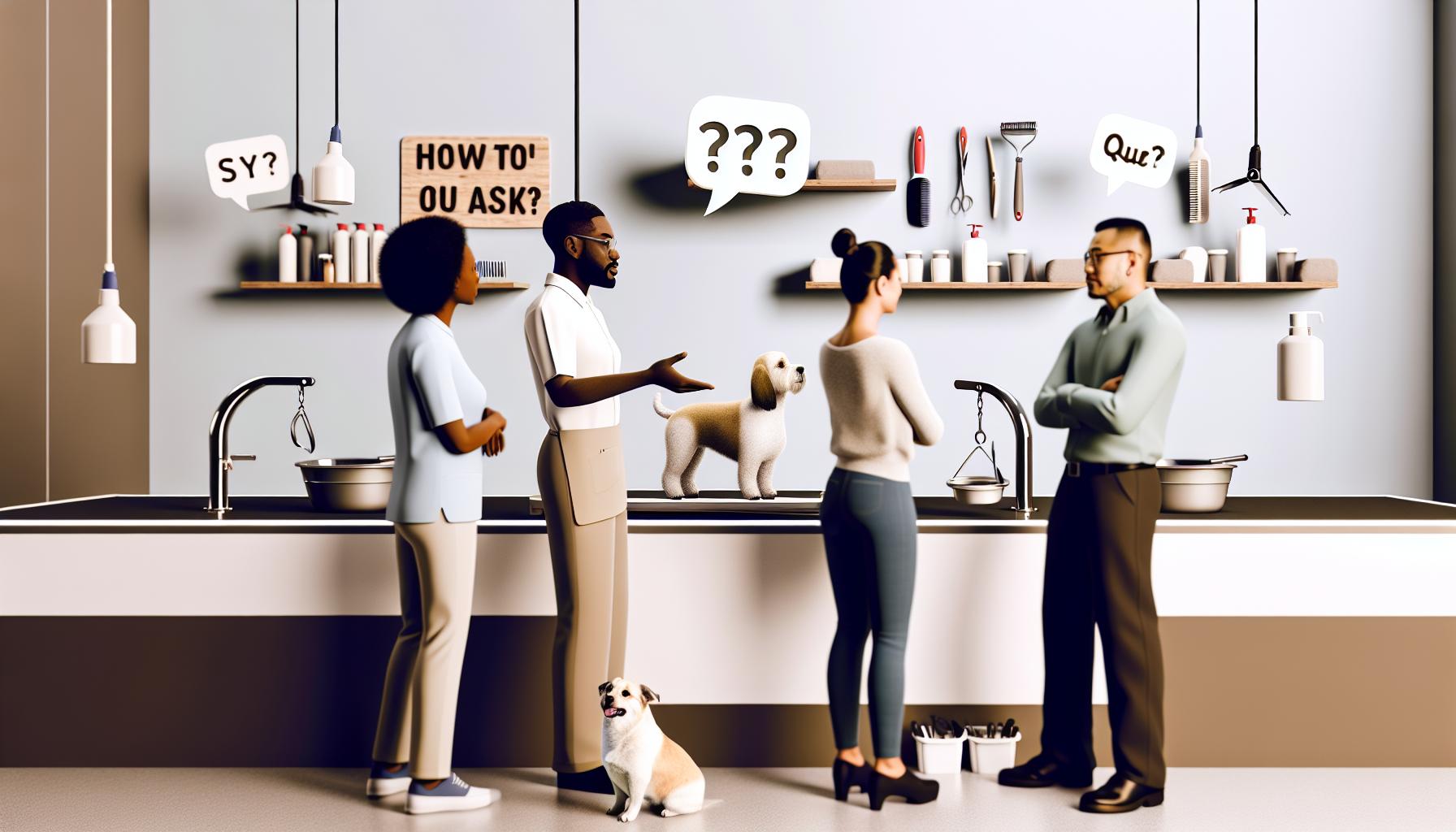
Questions to Ask Your Groomer Before and After the Visit
When you bring your dog in for their first grooming appointment, it’s natural to have lots of questions swirling in your mind. Asking the right questions before and after the visit not only eases your worries but also ensures your furry friend receives care tailored to their unique needs. Knowing your dog’s breed,coat type,and any behavioral quirks upfront helps your groomer prepare properly and offer the gentlest,most effective grooming possible.
Questions to Ask Before the Appointment
- How do you customize grooming for my dog’s breed and coat type? Different coats demand different tools and techniques. Such as, a thick double coat like a Husky’s requires careful de-matting and a different bath routine than a smooth-coated Boxer.
- What grooming services are included, and which are optional? Clarify details such as nail trimming, ear cleaning, teeth brushing, or flea treatments.This helps you prioritize what’s best for your dog’s comfort and health.
- How do you handle nervous or anxious dogs? Every dog responds differently to grooming. A compassionate groomer uses patience, breaks when needed, and positive reinforcement. It’s valuable to know their approach and if they’ll allow you to stay or gently reassure your dog during the session.
- Are there any health checks or concerns I should share? Informing the groomer about allergies,skin sensitivities,recent vet visits,or behaviors like fear of clippers helps them tailor care responsibly and avoid accidental stress or harm.
- What safety protocols and equipment do you use? Knowing your dog will be handled safely on grooming tables with appropriate restraints and sanitized tools builds trust and confidence.
Questions to Ask After Grooming Is Complete
Once you see your freshly groomed dog,it’s helpful to have a quick debrief with the groomer. This strengthens your partnership in ongoing care and spotlights anything to watch out for until the next visit. Consider asking:
- Did you notice any skin issues, mats, or unusual findings? Early detection of hotspots, tenderness, or parasites like ticks can make a big difference with prompt care.
- How did my dog respond during grooming? Any signs of stress or discomfort? Understanding what parts were challenging lets you prepare your dog better next time or ask for extra patience in those areas.
- What grooming tasks can I safely continue at home, and which should I leave to professionals? for example, gentle daily brushing for a long coat helps prevent mats, but trimming nails might be best left to the groomer if your dog is anxious.
- Do you recommend any products or routines tailored to my dog’s coat and skin? Whether that’s specific shampoos, conditioners, or detangling sprays, these can keep your pup comfortable and coat healthy between visits.
- When should I schedule the next appointment based on coat growth and condition? Some breeds grow out quickly and need frequent grooming, while others can wait longer. This helps avoid discomfort or matting as time passes.
Empowering You as Your Dog’s Grooming Advocate
Don’t hesitate to take notes or even ask for a quick photo of specific areas if you want to monitor them at home. Groomers love working with engaged, thoughtful owners as it helps create a positive grooming experience for dogs who frequently enough read their humans’ mood.If you ever feel uncertain or worried, bringing up your concerns openly with your groomer builds trust and a personalized approach – after all, your dog’s comfort and safety are their top priorities.
Approaching your groomer as a knowledgeable partner means your dog gets the best care possible while reducing stress for both of you. And remember, grooming is about health and happiness, not perfection. Together you and your groomer can support your dog’s wellbeing,one gentle brushstroke at a time.
frequently asked questions
Q: How do groomers ensure my dog feels safe during their first visit?
A: Groomers create a calm, welcoming environment by using gentle handling, positive reinforcement, and gradual introductions to grooming tools. They assess your dog’s temperament early and tailor care accordingly to reduce stress, prioritizing safety and comfort. See how groomers handle anxious dogs compassionately in our detailed guide.
Q: What health checks do groomers perform before grooming my dog?
A: Groomers typically check for skin issues, parasites, ear infections, and any injuries before starting. This quick health-scan helps prevent discomfort during grooming and alerts owners to potential vet visits. Regular communication with your groomer enhances your dog’s well-being-learn more about vet vs. groomer roles in our article.
Q: How long does a typical first grooming appointment last for different coat types?
A: First appointments usually range from 1 to 3 hours, depending on breed, coat thickness, and grooming needs.Thick or matted coats may take longer for thorough brushing and safe bathing. Scheduling enough time ensures your dog receives careful attention without rushing, as detailed in our step-by-step grooming walkthrough.
Q: Can I stay with my dog during their first grooming session?
A: Many groomers welcome owner presence to comfort nervous dogs,especially during the first visit. Staying nearby or interacting when allowed can definately help your dog feel secure, but some groomers ask owners to wait outside to maintain a calm workspace. Ask your groomer directly about their policy for best results.
Q: What should I bring to my dog’s first grooming appointment?
A: Bring vaccination records,your dog’s favorite treats or toys,and any special care instructions. Sharing your dog’s history and preferences helps groomers provide personalized care tailored to breed, coat type, and temperament. Preparing well aids a smooth first visit-see our preparation tips for more details.
Q: How do groomers manage dogs that are not used to grooming equipment?
A: Groomers introduce tools like clippers and dryers gradually and carefully, often using slow, reassuring motions and breaks to help dogs acclimate. They focus on building trust through patience and positive reinforcement, reducing fear associated with grooming equipment. Learn more about this in the nervous dog handling section.
Q: What are signs my dog enjoyed or disliked their first grooming experience?
A: Dogs who enjoyed grooming frequently enough show relaxed body language, wagging tails, or eagerness to visit again. Signs of discomfort include trembling, avoidance, or excessive licking after the session. Sharing these observations with your groomer helps improve future visits and aftercare strategies.
Q: When should I schedule my dog’s next grooming after the first visit?
A: Scheduling the next visit usually depends on breed and coat care needs, typically every 4-8 weeks.Consistent grooming maintains coat health and makes future sessions easier. Your groomer can recommend an ideal timeframe based on your dog’s breed and coat type-refer to our coat care guide for personalized advice.
For personalized grooming advice, explore our full guide sections on preparing your dog and managing common grooming challenges. We’re here to ensure every grooming experience is gentle, safe, and positive for your beloved pet.
Wrapping Up
Now that you know what to expect during your dog’s first grooming visit-from gentle baths and careful brushing to nail trims and ear cleaning-you’re better equipped to support your pet’s comfort and safety every step of the way. Remember, each breed’s coat type and personality might require different tools and techniques, so don’t hesitate to ask your groomer for tailored advice or troubleshooting tips. Prioritizing your dog’s well-being over perfect styling builds trust and makes future visits smoother for everyone.
Ready to dive deeper? Explore our guides on choosing the right grooming tools for your dog’s coat and how to maintain your pup’s hygiene between appointments. If you’re curious about the difference between vet care, professional grooming, and DIY options, our detailed comparison will help you find the best fit for your furry friend.Don’t forget to sign up for our newsletter to get expert grooming tips, seasonal care reminders, and exclusive offers delivered right to your inbox.
have questions or want to share your grooming experiences? Drop a comment below or share this walkthrough with fellow dog lovers. Together, we can keep tails wagging, paws healthy, and pets happy-one grooming visit at a time.
Get our latest guides, news, and insights highlighted in your Google Search & AI Overviews.
Keep reading about the same coat and cut.



Popular grooming guides
Bath vs clip, first grooms, and salon how-tos.