What Do Groomers Use to Bathe Dogs? Product Secrets Revealed
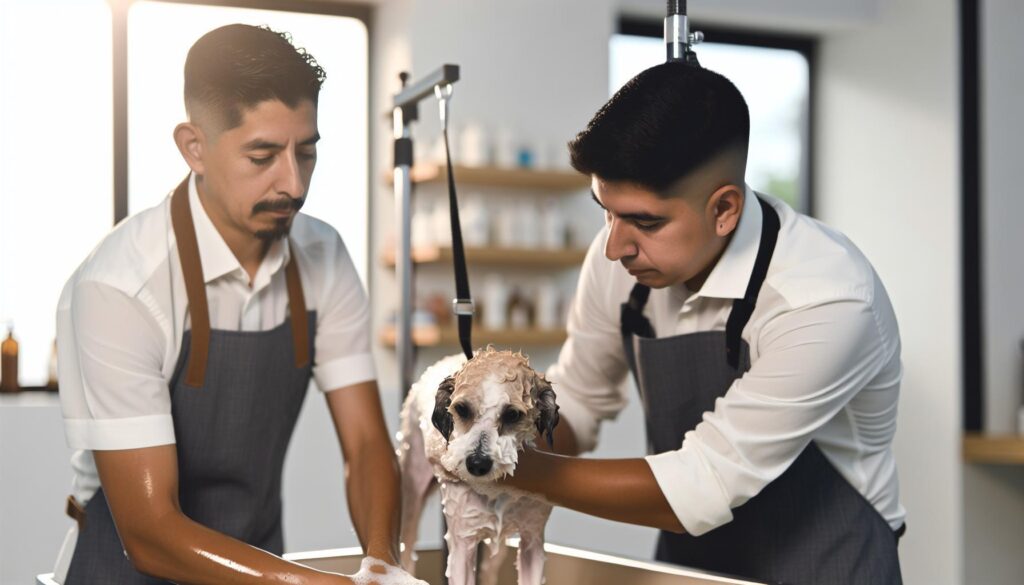
Did you know that the secret to a happy,healthy dog bath goes far beyond just soap and water? Professional groomers carefully choose shampoos,conditioners,and tools tailored to each dog’s breed,coat type,and skin needs to ensure comfort and cleanliness without irritation. If you’ve ever wondered what products groomers trust to make your furry friend shine, you’re not alone. Bathing dogs isn’t just about appearance-it’s about their wellbeing, from protecting sensitive skin to managing coat health. Whether your pup has a thick double coat, a delicate allergy-prone nose, or needs extra calming during bath time, knowing what pros use can help you feel confident and prepared for your own grooming routine. in this guide, we’ll reveal the essential products and insider tips groomers rely on, helping you navigate bath time with patience, care, and the right tools. Let’s dive in together-your dog’s next soothing, safe bath awaits.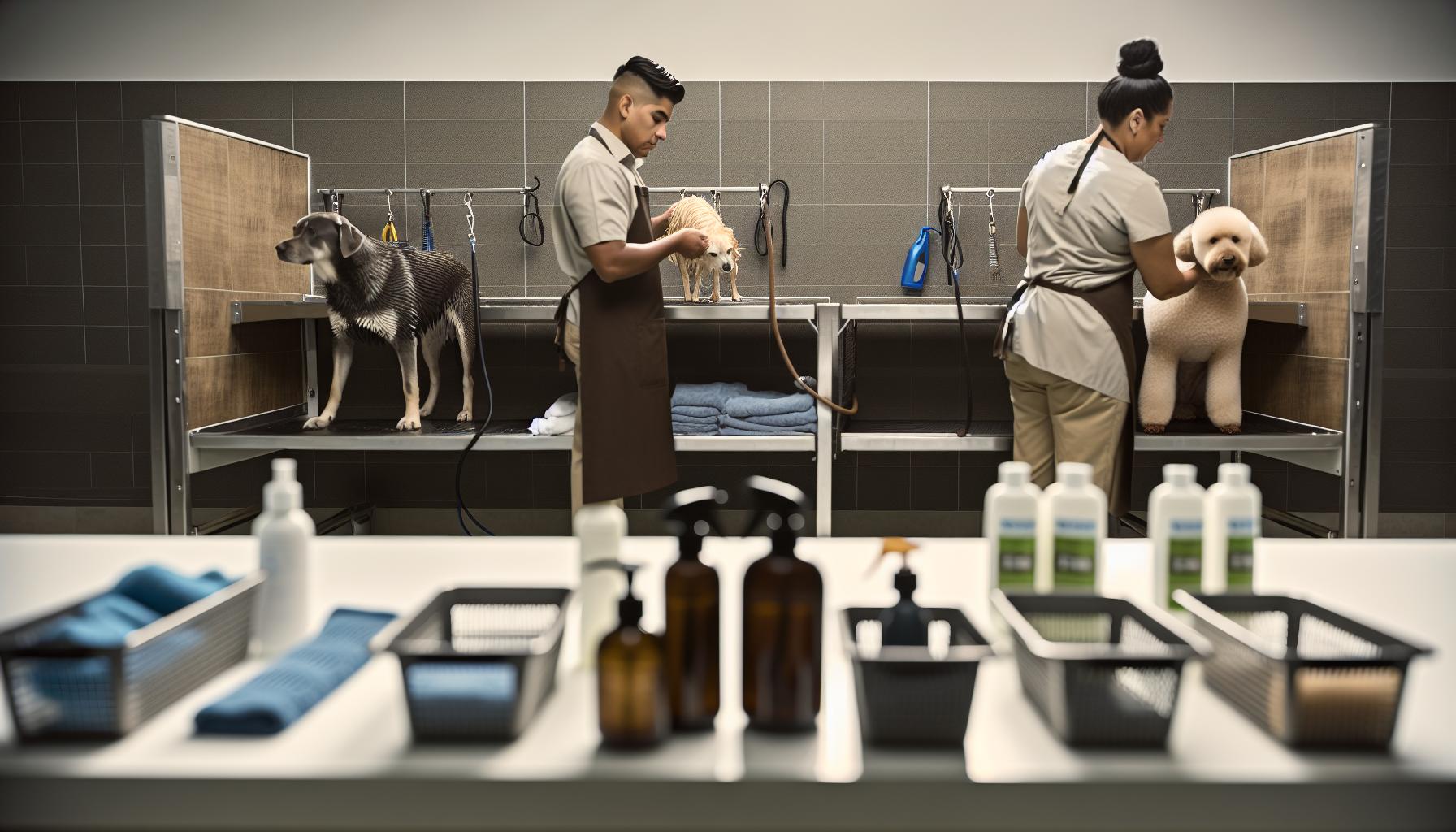
What Groomers Choose: Best Dog Bath Products Explained
Table of Contents
- 1 What Groomers Choose: Best Dog Bath Products Explained
- 2 How to Select the Right Shampoo for Your Dog’s coat
- 3 The Role of conditioners and Detanglers in Dog Baths
- 4 safe and Gentle Cleansers for Sensitive or Allergy-Prone Dogs
- 5 Professional-Grade Tools Groomers Use for Bathing Dogs
- 6 Step-by-Step Groomer Bathing Techniques for Calm and Clean Pets
- 7 Essential Tips to Keep Dogs Comfortable During Baths
- 8 Common Bathing Mistakes Groomers Avoid and How to Fix Them
- 9 Natural and Organic Dog Bath Alternatives Pros Use
- 10 How Groomers handle Special Cases: Puppies, Elderly, and Anxious Dogs
- 11 After-Bath care: Drying, Brushing, and Skin Health Secrets
- 12 When to Trust a Groomer vs. DIY Dog Baths for Safety and Results
- 13 Frequently asked questions
- 13.1 Q: What special grooming products do professionals use to remove stubborn dirt and odors from dogs?
- 13.2 Q: How do groomers adjust bathing products for different dog coat types?
- 13.3 Q: Why do groomers use separate tools during baths, and which ones are essential?
- 13.4 Q: When do groomers recommend avoiding certain shampoos during dog baths?
- 13.5 Q: What methods do groomers use to make anxious dogs more comfortable during baths?
- 13.6 Q: How do professional groomers incorporate conditioners and detanglers during dog baths?
- 13.7 Q: Can groomers’ bathing products help with common skin issues in dogs?
- 13.8 Q: What are the secrets to keeping a dog’s coat healthy with professional bath products?
- 14 To Wrap It Up
few things impact a dog’s comfort and coat health more than the bath products selected by groomers. Professionals carefully choose shampoos, conditioners, and additional treatments that not only cleanse but also nurture each unique coat and skin type. The right products can transform bath time from a stressful chore into a soothing wellness ritual, making all the difference for anxious pets and sensitive skin.
Groomers tend to favor formulations that combine gentle, natural ingredients with proven performance. For example, mild shampoos infused with oatmeal or aloe vera are popular for their soothing properties, especially for dogs prone to irritation or allergies. Meanwhile, breed-specific shampoos that address thick double coats, fine silky fur, or curly hair are selected to enhance natural shine and manageability without stripping essential oils. Many professionals avoid harsh detergents or overwhelming fragrances that can upset a dog’s skin or stress their senses.
What goes Into professional Bath Products?
- Balanced pH formulas: Dogs’ skin is more alkaline than humans’, so groomers pick shampoos that maintain this balance to avoid dryness or flaking.
- Hypoallergenic ingredients: Products without sulfates, parabens, or artificial dyes help keep sensitive skin calm and reduce allergic reactions.
- Conditioning agents: Many shampoos include moisturizers or are paired with specialized conditioners and detanglers to keep coats soft and tangle-free.
- Targeted treatments: Some blends include anti-itch additives, medicated components, or natural extracts like tea tree or chamomile to address specific concerns safely.
An insightful pet parent once asked about the shiny coat transformations they observed after professional baths. The secret wasn’t just the shampoo but a trusted line known for natural ingredients and complementary supplements-products like those offered by Isle of Dogs, which combine superior shampoo formulas with health-supporting treats and supplements to promote overall wellness alongside grooming[[1]].
why Not just Any Shampoo?
Many pet owners initially opt for human shampoos or budget options, unaware that these can disrupt the delicate skin barrier or dry out fur. Groomers primarily use professional-grade products designed for frequent use and tailored to canine needs. This includes brands vetted by industry experts and recommended for maintaining coat integrity between grooming sessions. Using quality products reduces the chance of secondary issues such as skin infections or discomfort.
By selecting thoughtfully balanced, gentle, and effective bathing products, groomers prioritize more than just cleanliness-they promote long-term skin health and reduce the stress of bathing. These choices empower every dog,from hyperactive puppies to elderly companions,to feel calm,comfortable,and cared for in the tub.
—
For more detailed selections of trusted dog grooming supplies and natural bath product lines frequently enough favored by professionals,visit resources such as Isle of Dogs and Love Groomers,both offering vetted options that cater to diverse coat types and skin sensitivities[[1]][[2]].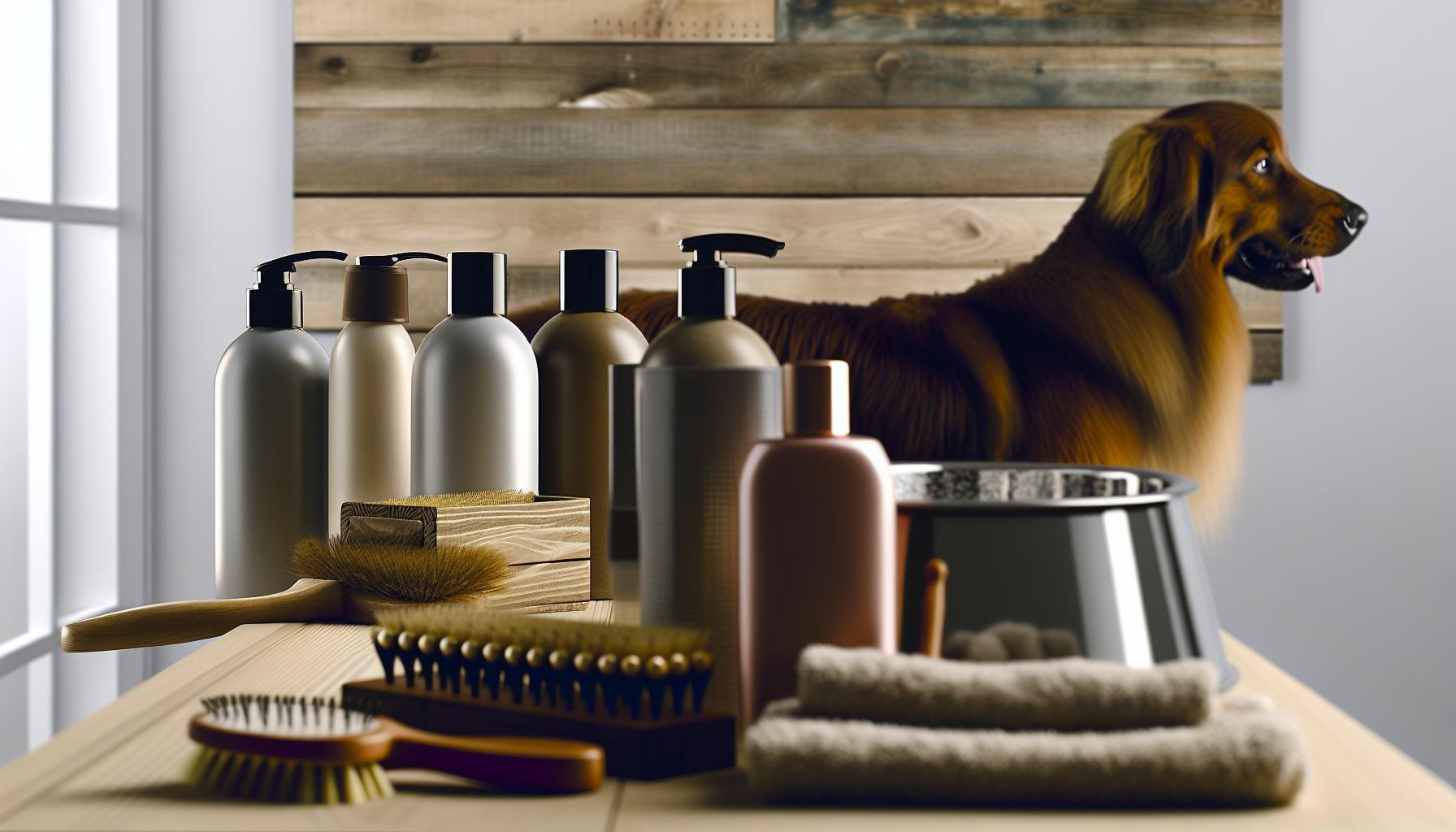
How to Select the Right Shampoo for Your Dog’s coat
Finding the perfect shampoo for your dog can feel like navigating a sea of choices, but it’s one of the most significant decisions you’ll make for their comfort and coat health. Different breeds and coat types have unique needs, and selecting a product tailored to those specifics ensures not only a clean dog but also a soothing, stress-free bath time experience.
Start by identifying your dog’s coat texture and length-whether it’s a silky, fine coat like a Maltese, a dense double coat such as a Siberian Husky’s, or curly fur typical of Poodles. Each requires shampoos designed to work with their structure. For instance, thick double coats benefit from deep-cleaning formulas that remove undercoat debris without stripping essential oils, while finer coats need shampoo that adds volume and shine without weighing hair down. Groomers often recommend breed-specific or coat-type shampoos for this reason.
Key Factors to Consider When Choosing shampoo
- pH Balance for Canine Skin: Dogs have a naturally higher skin pH than humans, so shampoos formulated specifically for dogs help maintain this delicate balance, preventing dryness, itching, or irritation.
- Hypoallergenic and Gentle Ingredients: Look for products free from harsh sulfates, parabens, and artificial dyes-these reduce the risk of allergic reactions, especially in sensitive or allergy-prone dogs.
- Moisturizing and Conditioning Properties: Shampoos with ingredients like oatmeal,aloe vera,or fatty acids offer soothing moisture and support coat softness,frequently enough paired with separate conditioners or detanglers to keep tangles at bay.
- Special Treatments: If your dog has specific concerns like itchiness or dandruff, select shampoos containing safe anti-itch or medicated ingredients such as tea tree or chamomile extracts, but always consult your vet for persistent skin issues.
For example, a shepherd with a thick double coat might need a deodorizing shampoo with gentle cleansing power that cuts through dirt but keeps their skin supple. Meanwhile, a small breed with fine hair might respond better to a volumizing, mild shampoo that adds body without buildup. Puppy shampoos are a world of their own-they prioritize tear-free, ultra-gentle formulas that won’t overwhelm or irritate delicate young skin and eyes. Always pick a product labeled specifically for puppies to avoid discomfort during those early baths.
Matching Shampoo to Your Dog’s Bath Routine and Lifestyle
Consider how often you bathe your dog and their typical activity level. A dog that spends a lot of time outdoors may benefit from a deep-cleansing shampoo occasionally but will need a more moisturizing option for routine washes to maintain skin health. Groomers frequently update shampoo choices seasonally or based on coat condition, which can change after shedding cycles or the onset of allergies.
Think of shampoo choice as part of an ongoing partnership between you and your furry friend-a little trial and error is natural, but prioritizing gentle, breed-appropriate formulas lays a foundation for happy, healthy baths. If you’re uncertain, don’t hesitate to ask a professional groomer who can recommend specific products and guide you through routine adjustments to keep your dog comfy and clean.
The Role of conditioners and Detanglers in Dog Baths
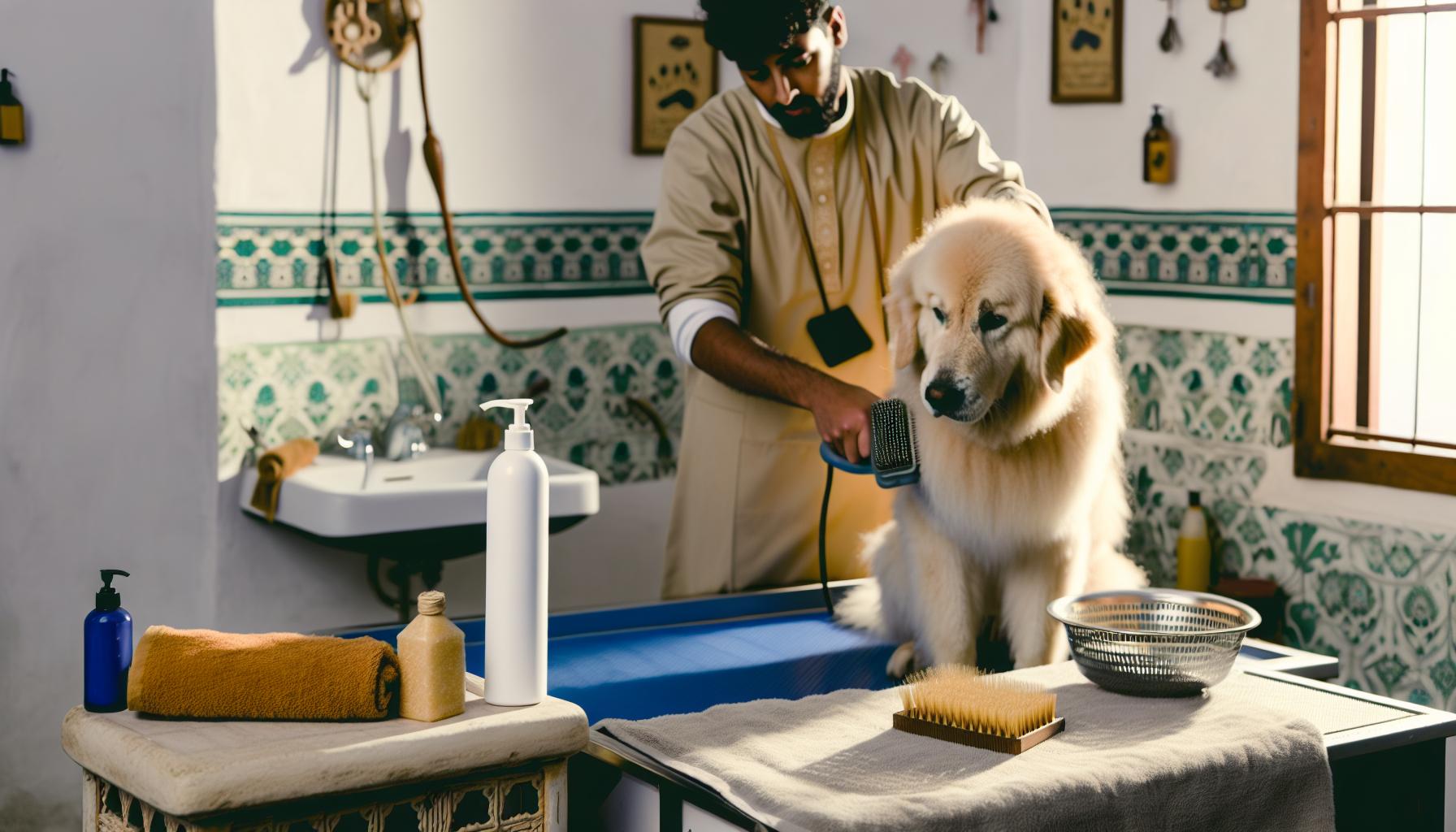
Conditioners and detanglers play an essential but sometimes underappreciated role in a dog’s bathing routine. While shampoo cleans the coat, conditioners soften, protect, and make the hair more manageable, which can transform bath time from a stressful ordeal into a smoother, more comfortable experience for dogs and owners alike. For many breeds, especially those with longer, thicker, or curlier coats-like Golden Retrievers, Poodles, or Doodles-a good conditioner is what prevents the coat from matting and turning into painful knots.Conditioners work by replenishing moisture stripped away during shampooing and sealing the hair cuticle. This reduces static and friction, making the coat feel silky and easier to brush. When you apply conditioner,focus on coat type:
- Long and wavy coats: Use a rich detangling conditioner that penetrates deep into tangles and softens stubborn mats.
- Thick double coats: Look for a lightweight, moisturizing formula that won’t weigh hair down but still helps maintain the undercoat’s softness and health.
- Short-haired breeds: A simple, soothing conditioner can still help with skin hydration and coat shine, even if detangling isn’t necessary.
Leaving conditioner in (“leave-in” formulas) can add extra protection and ease brushing, but always follow product instructions to avoid buildup or residue. For example,TropiClean’s kiwi & Cocoa Butter Detangling Conditioner is loved for its moisturizing properties and smoothing effect,especially on dry coats[[1]].
Detanglers specifically help with removing snarls and preventing painful mats that cause skin irritation. When used after shampoo but before brushing, a good detangler softens the coat fibers, making the grooming process gentler for your dog. Groomers often use 4-in-1 conditioner-detangler sprays-for instance, those combining aloe, jojoba oil, and organic ingredients-to tackle multiple issues at once: moisturizing, detangling, deodorizing, and protecting the skin[[3]].
How to Use Conditioners and Detanglers Effectively
- Apply on wet, clean fur: after rinsing out shampoo thoroughly, apply conditioner to the entire coat but avoid the dog’s face and eyes.
- Work it in gently: Use your fingers to massage the product through tangles and mats, allowing it to penetrate.
- Leave or rinse: some conditioners are designed to be rinsed out after a few minutes,while others stay in as leave-in formulas-always follow the product guidance.
- Brush promptly: Once conditioned, use a slicker brush or comb to gently detangle. The coat will feel softer and less prone to breakage or pulling.
It’s important to remember that conditioners don’t fix underlying skin problems. If you notice persistent dryness,itching,or irritation,consult your vet. In some cases, medicated conditioners recommended by professionals might be necessary.
In real-world grooming,I’ve seen nervous dogs perk up when conditioner takes the sting out of brushing. For anxious pups,adding a leave-in detangler spray not only eases coat maintenance but also turns grooming into a calming bonding moment. Plus, using gentle, natural conditioners-like those with oatmeal and aloe vera-ensures an extra layer of skin comfort and protection[[1]][[3]].
Ultimately, conditioners and detanglers are not just for looks-they’re vital tools that support coat health, reduce grooming stress, and keep your dog’s skin barrier intact. With the right product and technique, you’ll find that your fur buddy enjoys baths more, and grooming sessions go much more smoothly.
safe and Gentle Cleansers for Sensitive or Allergy-Prone Dogs
Many dogs suffer from sensitive skin or allergies,making their bath time a delicate affair. Choosing the right cleanser isn’t just about getting a clean coat-it’s about protecting a fragile skin barrier and preventing irritation that can lead to discomfort or even infections. Groomers understand this deeply and rely on shampoos specially formulated to be gentle, moisturizing, and free from harsh chemicals, fragrances, or dyes.
Dogs with sensitivities frequently enough benefit from shampoos featuring natural soothing ingredients like colloidal oatmeal, aloe vera, and plant-based extracts. These ingredients help calm inflammation, lock in moisture, and restore the skin’s natural balance. Such as, fragrance-free oatmeal shampoos are a go-to choice becuase they gently cleanse without stripping away essential oils, reducing itching and redness while maintaining hydration[[1]](https://kin-kind.com/products/oatmeal-shampoo?srsltid=AfmBOoq2UEC3wYRS-l7-cUX-LL6EB4EbL9sqOGHCutAFvnCuqaqtzsdO). Many professional groomers recommend hypoallergenic shampoos that are free from sulfates and parabens, avoiding common irritants that can trigger flare-ups[[2]](https://earthbath.com/products/hypoallergenic-shampoo?srsltid=AfmBOoo3L9hKdPC88Bn2Jz7_W5AdR9iTQB05-z-tJeB6w_jOekedyRhp).
Choosing the Right Shampoo for Sensitive Skin
- Look for mild, tearless formulas: Your goal is a shampoo that cleans thoroughly but won’t burn eyes or cause stinging.
- Hypoallergenic and fragrance-free: These reduce the risk of allergic reactions or aggravating sensitive skin.
- Moisturizing ingredients: Colloidal oatmeal, shea butter, and aloe are proven to soothe and hydrate.
- Free from harsh detergents: Avoid shampoos with sulfates or synthetic dyes, which can dry out the skin.
Practical Tips from Groomers
When bathing a dog prone to allergies:
- Use lukewarm water: Hot water can worsen itchiness and dry skin.
- Rinse thoroughly: Leaving shampoo residue behind may cause irritation, so a full rinse is crucial.
- Limit frequency: Overbathing can strip natural oils-groomers often recommend bathing once every 3-4 weeks unless your vet advises otherwise.
- Test new products gradually: Introduce any new cleanser slowly and watch your dog’s reaction over the next day or two.
When to Seek Veterinary Advice
If your dog shows persistent redness, dry patches, scaliness, or constant scratching, it’s best to consult your vet before trying home remedies or over-the-counter shampoos.Sometimes, medicated shampoos or topical treatments are necessary to manage underlying conditions like dermatitis or fungal infections.
Real-World Example
I once worked with a Golden Retriever whose sensitive skin flared up every time he was bathed with a standard shampoo. Switching to a fragrance-free oatmeal formula transformed his grooming experience-his skin calmed, his coat softened, and soon he was no longer anxious around bath time. Paired with gentle massage and slow, reassuring handling, the bath became a moment of calm rather than stress.
Choosing the right cleanser for allergy-prone or sensitive dogs is a cornerstone of compassionate grooming. With patience, proper products, and attention to your dog’s unique needs, bath time can be both safe and soothing-protecting their skin health and nurturing your bond.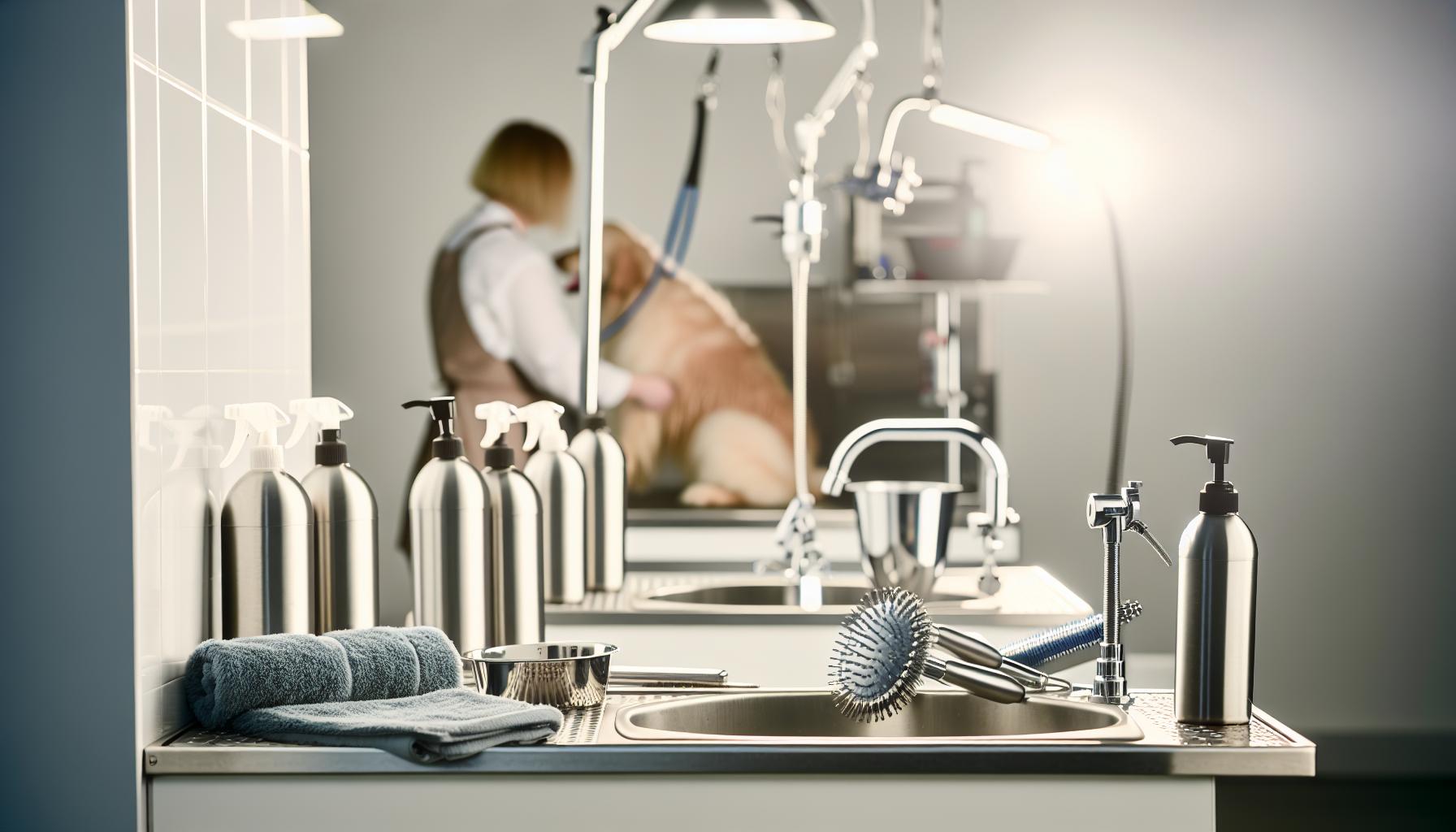
Professional-Grade Tools Groomers Use for Bathing Dogs
Bath time can be a transforming moment for dogs when paired with the right professional-grade tools. Skilled groomers rely on carefully selected equipment designed not just to clean, but to ensure safety, comfort, and ease. These tools work together to tackle different coat types, manage anxious behavior, and treat sensitive or thick fur with kindness and precision.
Starting with the basics, a high-quality, ergonomically designed bathing tub with adjustable heights can make all the difference for a groomer. It keeps the dog secure and reduces strain on the handler,setting the stage for a calm experience. Coupled with this,sprayers with adjustable water pressure and temperature control allow for gentle rinsing,essential for dogs who dislike strong water jets or sudden cold shocks. As an example, sprayers with a soft, multi-mode nozzle gently loosen dirt while avoiding frightening sensitive dogs.Beyond the tub, the right brushes and combs come into play immediately after wetting the coat. As a notable example, slicker brushes help safely remove loose fur and detangle soft mats, while dematting combs can carefully work through tougher tangles before shampooing. Many groomers also use special rubber grooming mitts during washing; these encourage circulation and provide a relaxing massage while distributing shampoo evenly without overwhelming the dog.
essential Tools for Every Dog’s Coat and Comfort
- Adjustable grooming Tub: Supports dogs of varying sizes and helps keep pets secure during baths.
- Multi-Setting Sprayer Nozzle: Controls water pressure and temperature for sensitive skin and coat types.
- Grooming Mitts/Brushes: Facilitate gentle scrubbing and improve shampoo distribution.
- Dematting Tools: Prevent painful mat pulling by softening tangles pre-bath.
- Non-slip Mats: Ensure safety and confidence for dogs hesitant about slippery surfaces.
In my experience with anxious or elderly dogs, pairing these tools with a calm, soothing voice makes a huge difference. For example, a shy Shih Tzu once found baths overwhelming, but using a rubber grooming mitt combined with slow water application on a low-pressure setting allowed soft, comforting contact without stress. The dog’s confidence grew quickly and bath times became less of a battle.
Every groomer will tell you that even the best tools don’t replace an understanding approach. Though, owning professional-grade equipment tailored to your dog’s coat and temperament allows you to create a safer, more comfortable grooming environment. And when used mindfully, these tools support the most important goal: your dog’s well-being, every step of the way.For those curious about where to find such equipment,many professional grooming suppliers offer comprehensive kits including brushes,dematting tools,sprayers,and tubs designed for durability and ease of use.Investing in these tools can make the difference between a stressful or a serene bath day for your pet[[1]](https://www.petedge.com/grooming-tools?srsltid=AfmBOooS_TdnozP0W3uS1g-737ekcUzIx77vS4cwYF3NiZtmZT7Z4KeT)[[2]](https://shop.smallpetselect.com/collections/grooming-tools-for-dogs?srsltid=AfmBOopv9kcxbe3NRCEz2aWjInNhic-ZWKEqg9lVYBLp9I6hlgSF40DP).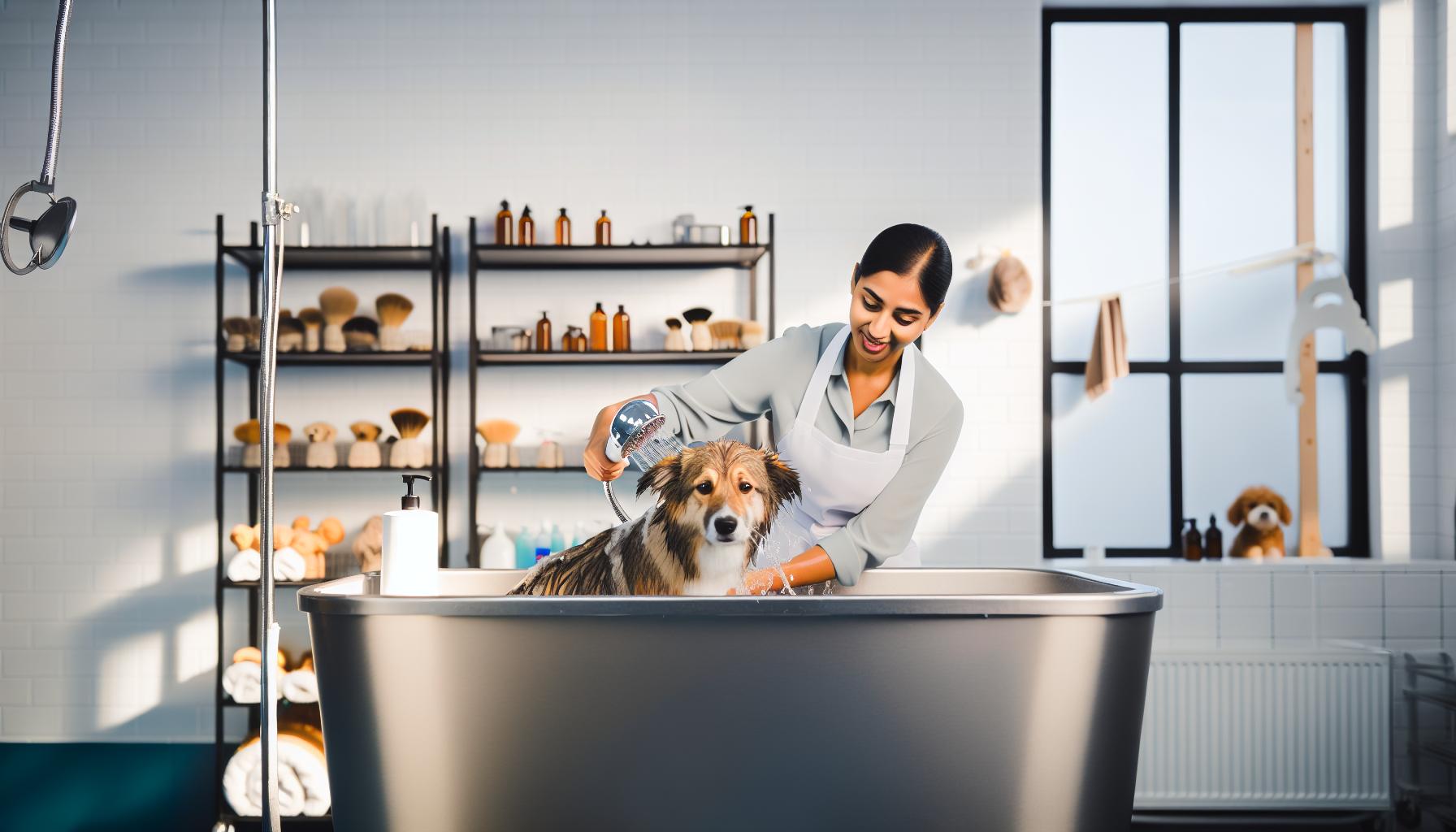
Step-by-Step Groomer Bathing Techniques for Calm and Clean Pets
Bath time can quickly become a favorite routine, even for the most nervous pups, when handled with patience, gentle tools, and a thoughtful approach. Success comes from breaking the process into manageable steps that respect your dog’s unique coat type, temperament, and comfort level. Whether working with a curly-coated poodle or a dense-coated shepherd, experienced groomers prioritize calmness and control, turning an often stressful event into an enjoyable bonding experience.
Preparation and Initial Wetting
Start by gathering all your tools-appropriate shampoo, grooming mitts, dematting combs, and rinse sprayers-within arm’s reach to avoid interruptions. Use lukewarm water, testing it carefully, as water that’s too hot or cold can spook sensitive dogs.Begin wetting the coat slowly from the neck down, avoiding the face initially to prevent discomfort and reflexive shaking. For long or thick coats, use a sprayer with adjustable pressure set to a gentle mist, easing into the experience gradually.
Applying Shampoo and Gentle Massage
apply a dog-formulated shampoo tailored to your pet’s coat and skin needs. Using a grooming mitt can help massage the shampoo deep into the coat while providing soothing, tactile reassurance. work in sections-start with the back and sides, then move to the legs and underbelly-so the dog doesn’t feel overwhelmed. Keep your voice soft and encouraging. Avoid harsh scrubbing; instead, use circular motions that feel more like a comforting massage than a chore. If mats are present, pre-treat with a detangler before shampooing to reduce tugging and discomfort.
Rinsing and Face Cleaning
Rinse thoroughly with a low-pressure sprayer to remove all shampoo residues, which can irritate the skin. take extra care around sensitive areas like the eyes, ears, and muzzle-many groomers use damp washcloths rather than direct water streams here to prevent distress. For facial cleansing, a pet-safe foam or gentle wipe can effectively freshen these zones without causing anxiety.
Conditioning, drying, and Final Brushing
If a conditioner is appropriate for your dog’s coat type, apply it now to reduce static and enhance softness, focusing on the mid-lengths and ends of the fur. After rinsing, gently towel-dry the dog, followed by a blow dryer on a low, cool setting-some dogs find the warm air calming, others might prefer just air drying in a cozy environment. Finish with a slicker brush or comb suited to your dog’s hair texture, working carefully to detangle while praising your furry friend.This step helps prevent mats and keeps the coat looking its best.
- Tip: If dogs become anxious, pause to give treats or short breaks, and maintain a reassuring tone throughout.
- Example: A golden retriever with thick double fur may need extra patience and pre-rinse brushing to reduce shedding and tangling.
Every dog is unique,so feel free to adjust these steps to their tolerance and coat demands. Professional groomers frequently enough emphasize that bath time is not about speed but about creating a relaxed and safe atmosphere. This helps foster positive associations with baths, paving the way for smoother grooming sessions in the future. Remember, if your dog has skin issues or behavioral challenges beyond your skill set, bringing in a vet or a professional groomer is always the safest choice. Your patience and kindness make all the difference in turning bath time into a peaceful, clean, and happy experience for both you and your canine companion.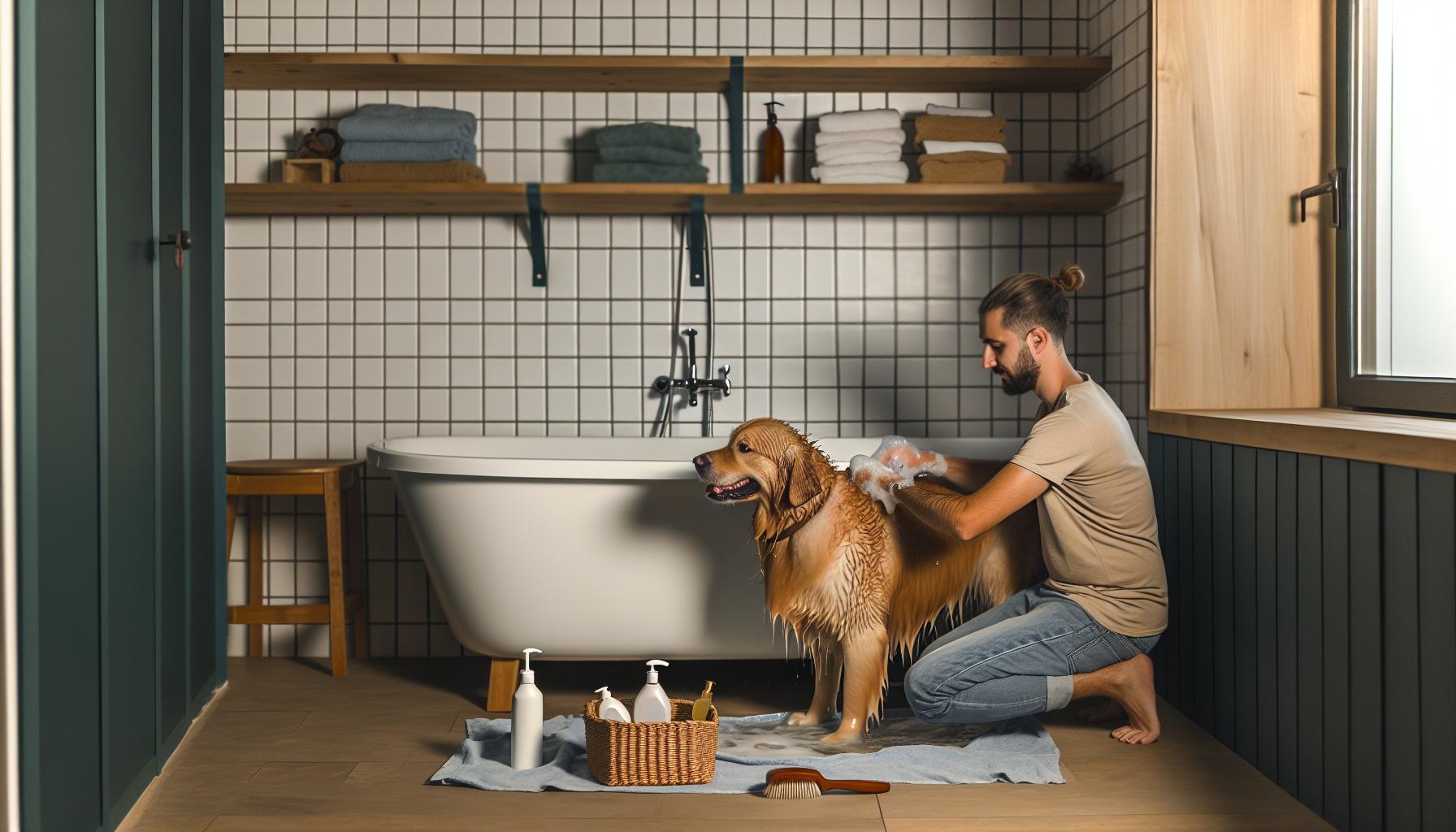
Essential Tips to Keep Dogs Comfortable During Baths
Bathing can be an overwhelming experience for many dogs, but with the right approach, it becomes a calm and even comforting ritual. The key to keeping your dog relaxed during bath time lies in combining gentle techniques with thoughtful product choices and a caring attitude that acknowledges each dog’s unique personality and coat type.For instance, a silky-coated maltese may need a softer touch and slower movements compared to a confident Labrador that enjoys splashing around.
Prepare the Environment and Manage Sensory Factors
Dogs are highly sensitive to temperature, sound, and sensation, so starting with a warm bath area and lukewarm water prevents any shock or discomfort.Use a non-slip mat in the tub or sink to help your dog feel secure underfoot,reducing anxiety about slipping. Many professional groomers rely on sprayers with adjustable pressure, beginning with a gentle mist rather than a harsh spray that could startle or upset your dog. This thoughtful introduction helps pets settle in gradually.
Encourage Calmness Through Voice and Touch
Speaking softly and calmly throughout the bath creates a reassuring atmosphere, especially for anxious or shy dogs. Use slow, circular massage motions with a grooming mitt or your hand when applying shampoo-this not only cleans effectively but also promotes relaxation and bonding. If you notice signs of stress, like trembling or attempts to escape, don’t hesitate to pause, offer gentle praise, or give a treat break. groomers often say patience outweighs speed; rushing can escalate tension and spoil the bath experience.
- Example: When bathing a nervous beagle, keeping the water pressure very low and using a scent-free, hypoallergenic shampoo helps prevent sensory overload.
- Tip: Pre-brushing before the bath removes tangles and loose fur, making the washing process smoother and less uncomfortable.
Focus on Sensitive Areas and use Appropriate products
Eyes, ears, and noses are delicate zones that frequently enough make dogs uneasy during baths. Instead of spraying water directly on their face, gently wipe these areas with damp washcloths or use pet-safe cleansing foams recommended by groomers. For dogs with sensitive skin or allergies, selecting gentle, fragrance-free shampoos can prevent irritation and itching afterward. Many groomers opt for conditioners or detanglers that soothe the coat and reduce static without weighing down or causing discomfort.
Make Drying an Inviting Finish
While some dogs enjoy warm-air drying, others may prefer to be towel-dried and left in a cozy space to air-dry calmly. Always check your dog’s reaction to the dryer at a low, cool setting before increasing the heat. The final touch is a thorough but gentle brushing to prevent mats and keep fur smooth - an activity that can also be turned into a rewarding bonding time filled with praise and treats.
Remember, no two dogs are alike.recognise their individual cues and adjust your method as needed to ensure that bath time is a positive experience, not just a hygiene task. And if your dog has specific health concerns or persistent anxieties, consulting a professional groomer or veterinarian will provide guidance tailored for their well-being.With empathy, patience, and the right products, every bath can definitely help build trust, comfort, and shine in your dog’s coat.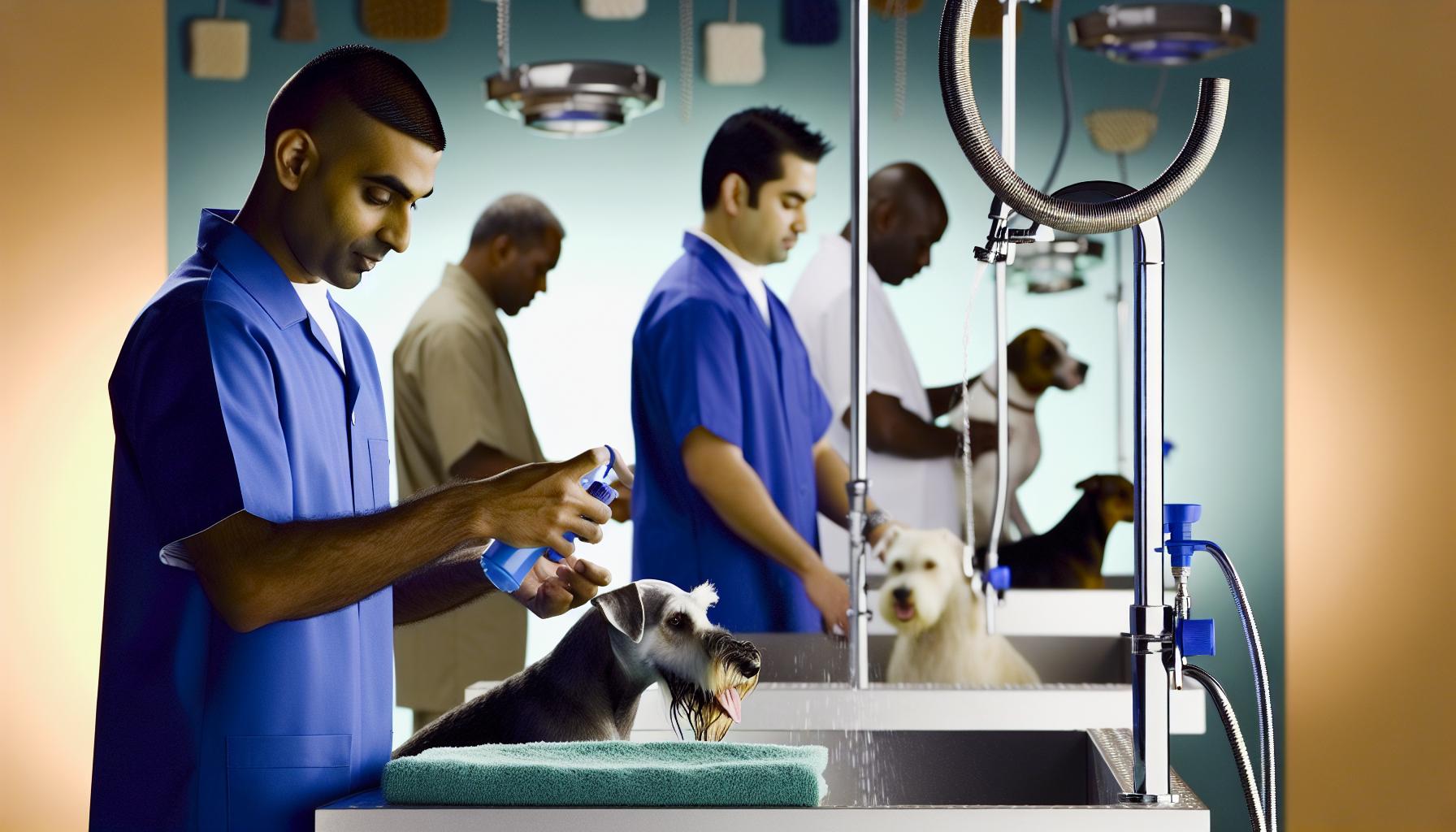
Common Bathing Mistakes Groomers Avoid and How to Fix Them
Bathing dogs might seem straightforward, but even experienced groomers carefully avoid certain pitfalls that can cause discomfort or skin issues for our furry friends. One common snag is not rinsing shampoo thoroughly. Residue left behind can irritate the skin, cause itching, or dull a coat’s natural shine. To fix this, groomers use gentle, warm water and take their time rinsing, frequently enough with handheld sprayers that allow fine control, ensuring every trace of product is washed away without stressing the dog [[1]](https://www.chewy.com/education/dog/grooming/dog-grooming-mistakes).
Another frequent mistake is brushing the dog’s coat while it’s still wet. Wet fur is more fragile and prone to breakage, leading to frizz and mats. Instead, pro groomers wait until the coat is mostly dry or use specialized detangling sprays designed for damp hair, then brush gently with tools suited for the coat type. For example, a slicker brush might be best for a curly-coated poodle, whereas a pin brush suits a long-haired breed like a Shih Tzu. This careful approach saves the coat’s beauty and minimizes discomfort from tugging [[2]](https://luckypuppygrooming.com/the-top-5-dog-grooming-mistakes-you-should-avoid/).
Protecting Tender Areas
A key area that groomers watch closely during baths is the dog’s ears. Water trapped inside can cause infections or discomfort.Experts avoid pouring water directly into the ears by placing cotton balls gently at the ear canals or holding floppy ears down. Using cotton balls provides a physical barrier without causing pain or panic. This technique, combined with the use of dog-friendly ear cleaning solutions afterward if needed, helps keep ears healthy and pain-free [[1]](https://www.chewy.com/education/dog/grooming/dog-grooming-mistakes).
don’t Shave too Short in Summer
Though it’s tempting to shave a dog’s coat super short during hot months, some groomers advise against cutting too close to the skin. The dog’s coat actually provides natural sun protection and helps regulate body temperature. Cutting too short can lead to sunburn and skin irritation. Rather,trimming a bit shorter while leaving a safe layer prevents heatstroke and maintains coat function. This subtle balance varies by breed-thicker-coated breeds like Huskies need different care than short-haired dogs such as Boxers [[2]](https://luckypuppygrooming.com/the-top-5-dog-grooming-mistakes-you-should-avoid/).
- Tip: Always select shampoos formulated for your dog’s specific coat and skin condition to avoid dryness or allergic reactions.
- Example: For sensitive or allergy-prone dogs, fragrant-free, hypoallergenic shampoos and conditioners soothe without irritation.
- Advice: Avoid over-bathing. Too-frequent baths strip natural oils, causing dryness-generally, once a month or as directed by a groomer or vet is ideal.
By recognizing and correcting these common mistakes, you can transform bath time into a soothing ritual for your dog. Taking cues from professional groomers ensures you’re not only making your pet look great but also prioritizing their comfort and health-as a happy dog makes for an even happier owner.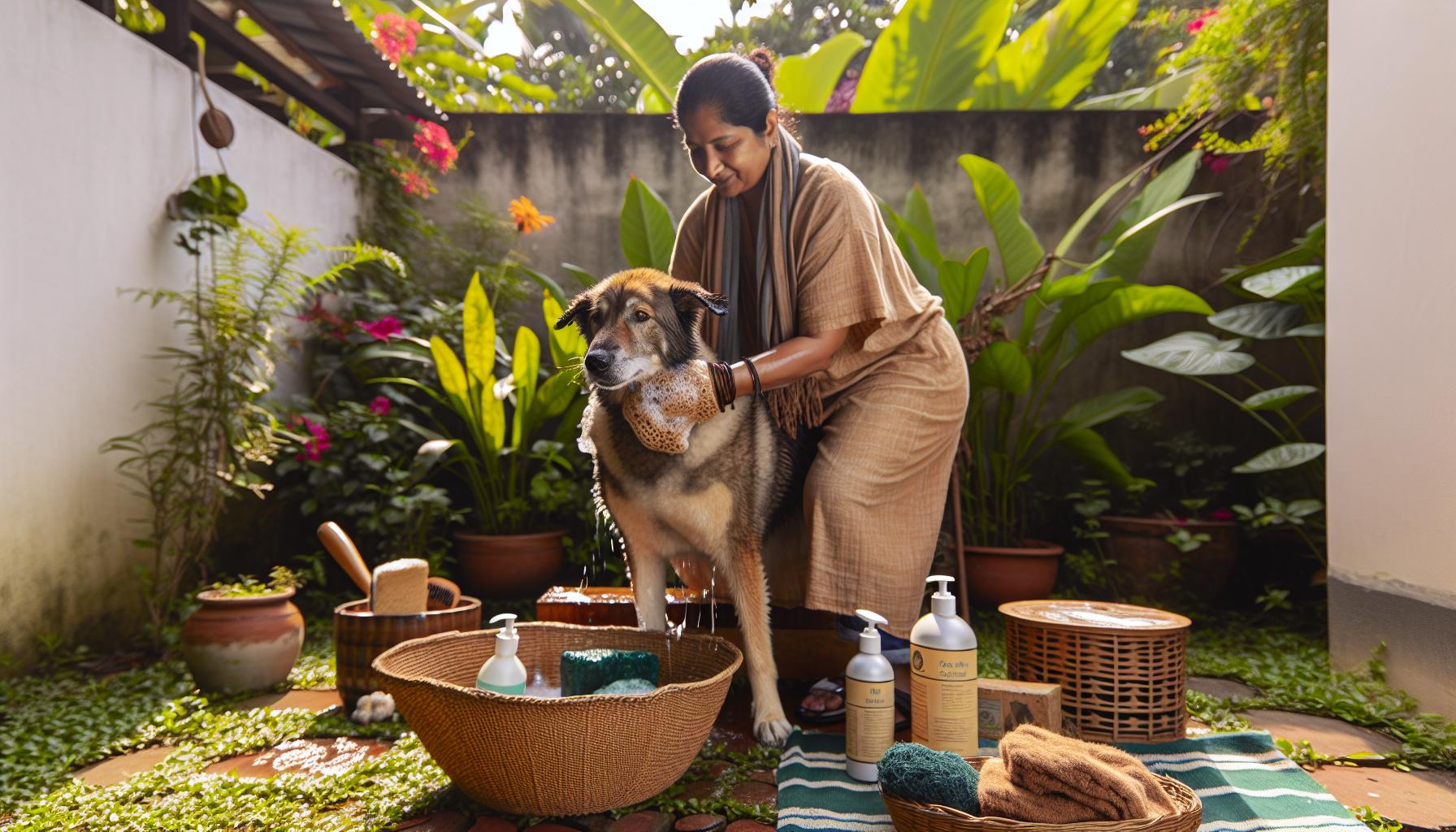
Natural and Organic Dog Bath Alternatives Pros Use
Natural and organic dog bath alternatives have become a favorite among groomers who prioritize their clients’ skin health and overall well-being. These formulas often use plant-based, gentle ingredients that cleanse without stripping away essential oils, making them an ideal choice for dogs with sensitive skin or allergies. For breeds prone to dryness-like Greyhounds or Whippets-or dogs with delicate coats, these products provide a soothing bath experience that traditional shampoos might not offer.
Many professional groomers turn to certified organic shampoos featuring calming botanicals such as aloe vera, lemongrass, or chamomile. These ingredients help reduce inflammation, ease itchiness, and restore moisture balance, giving the coat a natural shine without harsh chemicals. Such as, 4-Legger Organic Dog Shampoo has earned loyal fans in grooming salons due to its USDA-certified formula that comforts irritated skin while gently cleansing [[3]](https://www.houndtherapy.com/blog/best-natural-dog-shampoo-guide/). Using such products regularly can help maintain vibrant coats and reduce flare-ups in dogs prone to dermatitis or seasonal allergies.
Choosing the Right Natural Shampoos and Rinses
When selecting natural or organic shampoos, it’s critically important to pay attention to your dog’s specific coat type and skin condition. For dogs with thick, double coats like German Shepherds or Huskies, a foaming shampoo with deep cleansing yet hydrating properties works best to reach the undercoat without causing dryness. On the other hand, silky or fine-coated dogs benefit from lighter formulas enriched with conditioning agents to prevent tangles.
- Fragrance-free options: Essential for dogs with allergy sensitivities or those who may react to artificial scents.
- pH-balanced products: Dogs’ skin has a different pH than humans, so groomers choose shampoos designed to keep their skin’s natural barrier intact.
- Multipurpose ingredients: Aloe, oatmeal, and botanical extracts that nourish and support skin healing.
Beyond Shampoo: Supporting Skin and Coat Health Naturally
Nature-inspired bathing routines don’t stop at shampoo. Many groomers incorporate conditioning sprays or leave-in treatments featuring natural oils like coconut or jojoba to detangle fur and lock in moisture. These tools are notably helpful for curly-coated breeds like Poodles, where maintaining curl definition after bathing is essential but delicate. Additionally, some use rinse additives that provide gentle antiseptic or anti-inflammatory benefits, aligning with holistic pet care approaches.
For nervous or anxious dogs,the gentle scent and texture of organic products can make bath time less overwhelming. Always apply these products with calm, slow strokes, allowing your dog to associate baths with comfort rather than stress. Groomers emphasize that natural formulations often lend themselves better to this patient approach, avoiding the stinging or drying effects that conventional detergents can cause.
By integrating natural and organic options into your dog’s grooming routine, you’re not only enhancing their coat’s appearance but also prioritizing long-term skin health and comfort. This thoughtful choice reflects a deeper understanding groomers have about animal welfare-where clean meets compassion.
For more facts on trusted organic dog shampoos, check out reputable sources like kin+kind’s collection or The Natural Dog Store, known for carefully vetting ingredients to be safe and effective [[1]](https://kin-kind.com/collections/natural-dog-shampoo?srsltid=AfmBOopmDBMkWRRIp-ics7kGNKZMN3e521u_LGkl3v916CrZBO1xHoii) [[2]](https://thenaturaldogstore.com/collections/natural-dog-shampoos).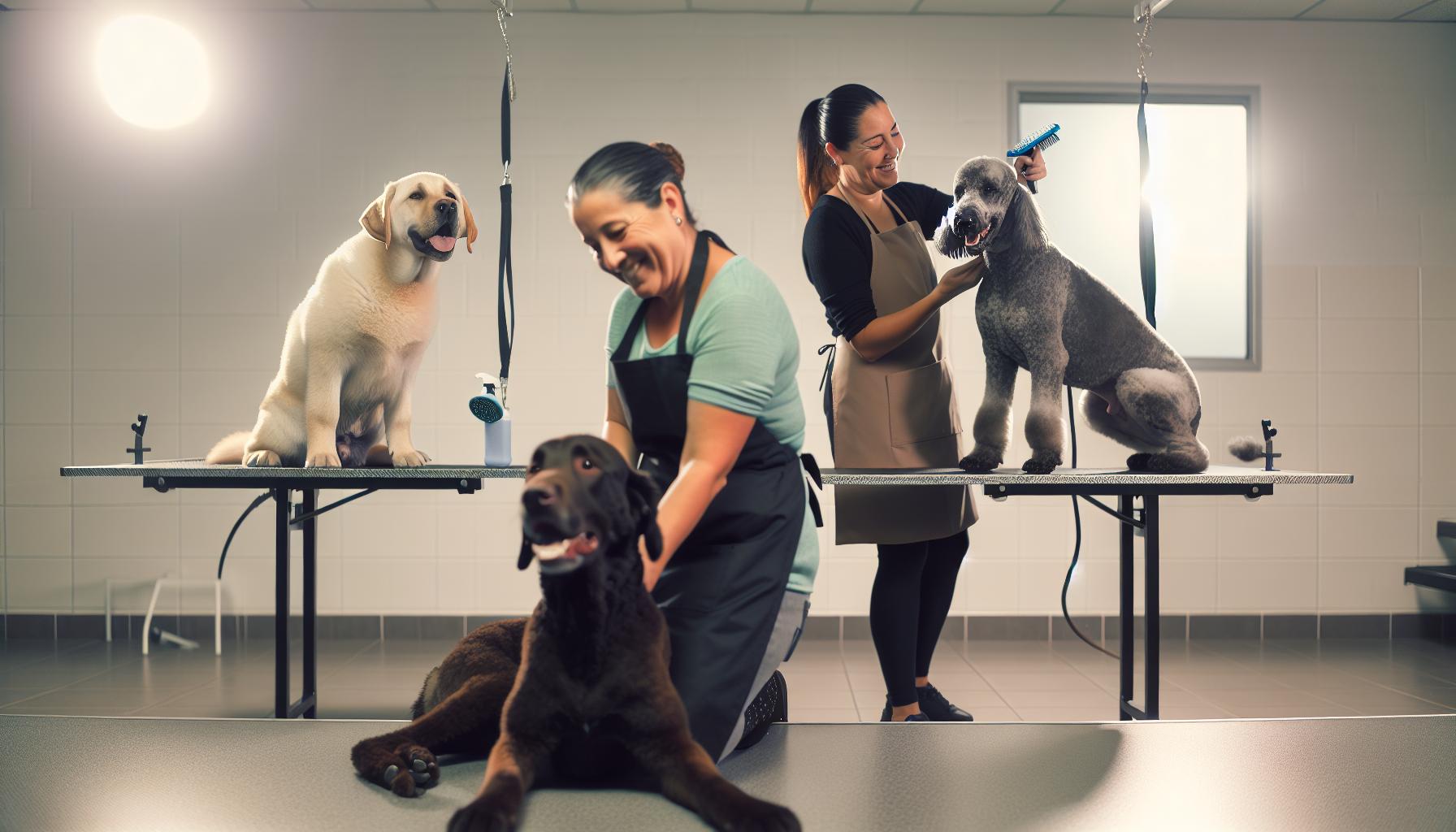
How Groomers handle Special Cases: Puppies, Elderly, and Anxious Dogs
Bathing dogs who fall outside the typical grooming routine-such as playful puppies, senior dogs with sensitive skin, or anxious pets fearful of water-requires not just skill but a gentle, tailored approach that prioritizes comfort and trust.These special cases challenge groomers to go beyond shampoo and soap, focusing instead on building calm environments where every dog feels safe and cared for.
For puppies, whose skin is delicate and coats are frequently enough still developing, groomers choose ultra-mild, tearless shampoos formulated specifically for young dogs. Products with soothing ingredients like oatmeal and aloe vera help prevent irritation. To ease their nerves, baths are kept short and warm, with soft towels and gentle handling. Using small-scale tools-like slower water pressure sprayers and soft brushes-lets puppies acclimate to the sensation without overwhelming them. Frequent breaks, praise, and treats turn bath time into a positive experience, encouraging lifelong grooming comfort.
elderly dogs often present unique challenges such as fragile skin, arthritis, or decreased stamina. Here,warmed water at a comfortable temperature and specially formulated shampoos with hydrating,hypoallergenic properties are essential. Some seniors benefit from no-rinse or dry bath sprays to minimize stress when full bathing isn’t necessary. Groomers slow the pace, supporting joints during lifting and repositioning, and carefully check skin for dryness or sores that require veterinary attention. A worry-free schedule with shorter sessions and enveloping wraps during drying helps preserve dignity and ease discomfort.
Anxious dogs need an especially patient and calming touch. Groomers often start with slow introductions-letting the dog explore the bathing area beforehand, using non-slip mats, and avoiding sudden movements or loud noises. Natural, fragrance-free shampoos or those infused with calming botanicals like chamomile or lavender can ease anxiety chemically without overwhelming senses. During washing, soft massage techniques and voice reassurance keep the dog grounded. For severe cases, groomers might work with owners and vets to use pheromone sprays or mild sedatives safely, always aiming to reduce stress rather than simply manage behavior.
practical Tips for All Special Cases
- Choose products based on coat type and skin sensitivity. For puppies and seniors, opt for gentle, moisturizing shampoos free from harsh chemicals or fragrances.
- Use gentle tools: Soft-bristle brushes, adjustable sprayers, and warm towels make a big difference in comfort and cooperation.
- Patience is key: Allow rest breaks, reward calm behavior, and keep talking softly to reassure your dog throughout.
- Know when to pause: If skin issues, pain, or extreme distress arise, consult a vet before continuing grooming.
When to Seek Professional Help Versus DIY bathing
While many owners can bathe their pets at home, puppies, elderly dogs, or those with anxiety often benefit from professional groomers trained in safe handling and product selection tailored to these needs. groomers are skilled at noticing early signs of discomfort or medical issues and can coordinate care with veterinarians as needed. However, consistent gentle care from owners remains vital between visits, reinforcing trust and helping dogs remain calm and comfortable with grooming routines long-term.
With the right products, tools, and a compassionate approach, even the most sensitive or nervous dogs can learn to tolerate-and eventually enjoy-their bath time. Creating a bath experience that honors their individual needs strengthens the human-animal bond, ensuring that clean, healthy coats come from kindness and care rather than stress or discomfort.
After-Bath care: Drying, Brushing, and Skin Health Secrets
Few moments are as crucial to your dog’s comfort and coat health as the time right after their bath. This stage, frequently enough overlooked, is where careful attention ensures your dog dries safely, their coat stays tangle-free, and their skin remains nourished and healthy.The right tools, gentle techniques, and a calm approach transform post-bath care from a rushed chore into a soothing routine that both you and your dog can enjoy.
Drying with Care: Tools and techniques
Immediately after the bath, removing excess moisture is essential to prevent skin irritation or cold stress, especially in breeds with thick or double coats. Most professional groomers rely on high-velocity blow dryers designed specifically for pets. These dryers remove water swiftly and fluff the coat to avoid mats while being gentle enough not to frighten or burn sensitive skin. For smaller or more anxious dogs, a soft microfiber towel works wonders-patting rather than rubbing helps maintain the coat’s natural oils and reduces stress. When using a dryer, keep the airflow moderate and the nozzle moving to avoid focusing heat on one spot. If your dog is new or nervous, start with short bursts and lots of praise.
Brushing for Health and Shine
The moment your dog is damp but no longer dripping is perfect for brushing. Brushing helps speed the drying process, evens out the coat, and untangles any developing knots before they set. The type of brush matters a lot according to coat type:
- Short coats: Use a soft bristle brush or rubber curry mitt to remove loose hair and boost circulation.
- Medium and long coats: Start with a slicker brush to gently detangle, followed by a wide-tooth comb to reach underlayers.
- Double coats: An undercoat rake helps remove dead hairs that can trap moisture and cause irritation.
Groomers frequently enough remind owners that brushing in the direction of hair growth avoids skin irritation and respects your pet’s natural coat patterns.For sensitive skin, a grooming spray with light conditioning ingredients can ease brushing and add protection.
Protecting Skin Health Beyond the Bath
Bathing strips natural oils from your dog’s skin,so aftercare should focus on replenishing moisture and maintaining balance. Many professionals use leave-in conditioners or oils formulated for dogs to soothe skin and add a gentle barrier against dryness. Ingredients like aloe vera, oatmeal, and chamomile calm irritation, while lightweight oils such as jojoba or sweet almond can restore suppleness without greasiness.Be vigilant for signs of skin issues-redness, flakes, or hotspots-that may need veterinary attention rather than just topical fixes. Regular post-bath inspection helps catch problems early. Groomers also emphasize the importance of frequent brushing and proper diet in supporting skin health, alongside baths.
Balancing Professional Insight with DIY Realities
while many dog owners can nurture excellent post-bath care at home, professional groomers offer specialized knowledge in choosing products and techniques tailored to your dog’s coat and temperament. If your pet has persistent skin problems or is particularly fearful during drying and brushing,working with a groomer ensures both safety and comfort. Remember, no matter the setting, a calm voice, gentle handling, and patience make all the difference in fostering your dog’s grooming trust.
By approaching after-bath care as a nurturing ritual rather than a race, you enrich your dog’s wellbeing and build a stronger, more relaxed bond. With the right methods, your dog’s coat stays resilient, shiny, and healthy long after the water stops running.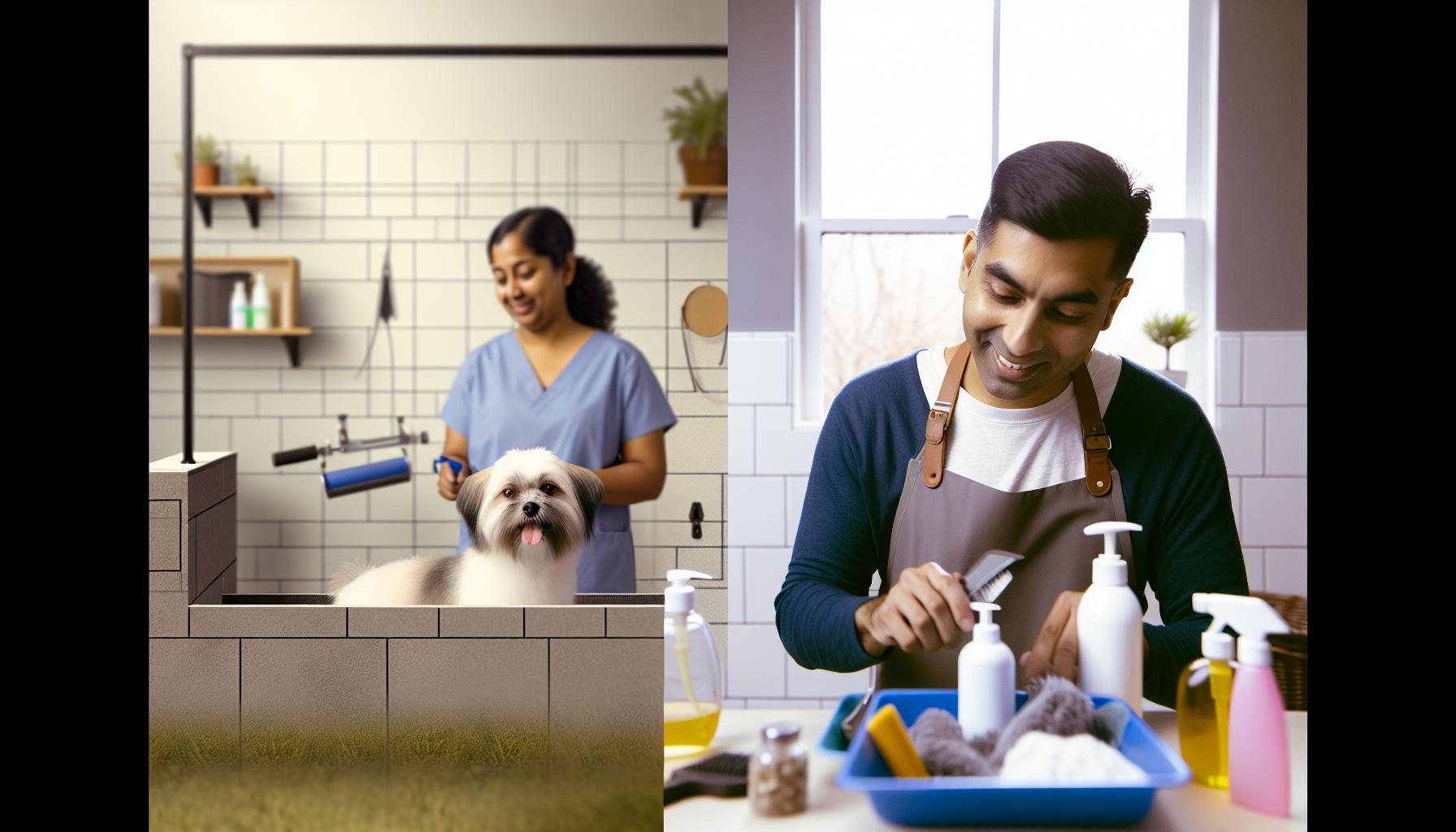
When to Trust a Groomer vs. DIY Dog Baths for Safety and Results
Bathing your dog at home can be a rewarding way to strengthen your bond and keep your furry friend clean and happy. However, there are moments when trusting a professional groomer not only elevates results but also safeguards your dog’s wellbeing. Understanding when to handle baths yourself-and when to seek expert help-empowers you to make decisions that prioritize safety, comfort, and coat health.
Many dogs, especially those with straightforward coat needs like short, smooth fur, tolerate and even enjoy DIY baths when you have the right tools: a gentle shampoo suited for their skin, a soft brush for pre- and post-bath care, and a calm routine that includes plenty of praise. such as, a Labrador Retriever frequently enough dose well with home baths, provided the water temperature is warm and the shampoo is mild and fragrance-free. but when coats become complex-thick double coats like those of Huskies or dense curly coats of Poodles-your approach needs to be more specialized. These dogs require precise grooming products, professional-grade tools like force dryers and undercoat rakes, and techniques to prevent mats or skin irritation that an experienced groomer is trained to deliver safely.
Knowing When DIY Is Enough
- Simple Coats and healthy Dogs: Short-haired, healthy dogs with no skin issues are often great candidates for DIY baths. Use shampoos tailored to their coat without additives that might irritate sensitive skin. Be mindful of water temperature and drying speed to prevent stress or skin problems.
- Calm Temperaments: Dogs who feel comfortable in their bathing space and respond well to grooming routines can generally be bathed at home. The key is patience-taking breaks, gentle handling, and ensuring your dog feels safe throughout the process.
When to Bring in a Groomer
Certain situations call for professional intervention to avoid harm or distress:
- Sensitive Skin and Allergies: Groomers have access to veterinary-grade and hypoallergenic shampoos that aren’t sold retail. If your dog has recurrent skin irritation, rashes, or allergies, trust a groomer’s expertise to select safe products and apply them correctly.
- Behavioral Challenges: Nervous, anxious, or wriggly dogs can be tricky to bathe safely at home. Groomers understand calming techniques and have secure bathing setups, reducing injury risk for both dog and owner.
- Specialized Coats or Mats: Thick, long, or curly coats often require professional de-matting and conditioning to prevent painful pulling and skin damage. Groomers use specialized detanglers and tools designed to handle these challenges efficiently and gently.
- Health Conditions and Age: Puppies, elderly dogs, or those with mobility issues or medical conditions benefit from experienced handling during baths. Groomers can adapt bath length, water pressure, and temperature with these needs in mind to keep your dog comfortable.
Balancing DIY and Professional Care
If you enjoy bathing your dog but face occasional challenges, consider a hybrid approach: handle regular, gentle baths at home and schedule professional deep cleans or mat removal as needed. this strategy also allows you to observe your dog’s skin and coat closely and seek vet advice if unusual symptoms arise.
| Situation | Recommended Approach | Why |
|---|---|---|
| Short-coated, healthy adult dog | DIY bath with mild shampoo | Low maintenance coat and tolerant temperament |
| Dog with sensitive skin allergies | Groomer with hypoallergenic, vet-grade products | Specialized products and professional application reduces irritation |
| Long-haired dog with mats | Professional grooming session | Expert de-matting tools and techniques prevent pain and skin damage |
| Puppy or senior dog with mobility issues | Professional groomer | Adjustments in handling and bath setup ensure comfort and safety |
Ultimately, the decision boils down to your dog’s coat type, health status, and temperament. approach bathing as a compassionate act that respects your dog’s needs first-whether performed in your bathroom or a professional salon. With the right products and mindset, both DIY baths and groomer visits can be positive experiences that keep your dog clean, comfortable, and content.If you’re ever unsure, don’t hesitate to consult your groomer or veterinarian-they are invaluable partners in your dog’s grooming journey and overall wellbeing.
Frequently asked questions
Q: What special grooming products do professionals use to remove stubborn dirt and odors from dogs?
A: Professional groomers often use enzymatic or deodorizing shampoos specifically designed to break down stubborn dirt, oils, and odors safely. These products penetrate deeply without stripping natural oils, keeping coats healthy. For tough smells, groomers may also apply odor-neutralizing sprays after the bath to maintain freshness.Learn more about gentle cleansers in our article’s section on safe bath products.
Q: How do groomers adjust bathing products for different dog coat types?
A: Groomers select bathing products based on coat type-heavy conditioners for thick or curly coats,lighter cleansers for short-haired breeds,and moisturizing shampoos for dry or brittle fur.Customizing product choice helps maintain natural shine and manageability. See our guide on choosing the right shampoo for your dog’s unique coat for expert tips.
Q: Why do groomers use separate tools during baths, and which ones are essential?
A: Groomers use specialized tools like slicker brushes, combs, and rinse sprayers during baths to efficiently clean, detangle, and rinse coats. These tools help minimize discomfort while ensuring thorough cleaning. Investing in pro-grade tools can make at-home baths easier-refer to the professional tools section for a full list.
Q: When do groomers recommend avoiding certain shampoos during dog baths?
A: Groomers advise avoiding shampoos with harsh chemicals, artificial fragrances, or dyes, especially for dogs with sensitive skin or allergies. using hypoallergenic or veterinary-recommended formulas prevents irritation and maintains skin health. Our detailed section on safe and gentle cleansers explains how to identify suitable products.
Q: What methods do groomers use to make anxious dogs more comfortable during baths?
A: to calm nervous dogs, groomers use slow water flow, lukewarm temperatures, and calming sprays or scents like lavender. Gentle handling and praise help build trust. Including distractions like toys and breaks reduces stress. Find step-by-step calming techniques in our article’s bathing tips for anxious pets.
Q: How do professional groomers incorporate conditioners and detanglers during dog baths?
A: Groomers apply conditioners and detanglers after shampooing to restore moisture and soften the coat,making brushing easier and preventing matting. These products also protect skin and enhance coat shine. To see best practices, check our detailed explanation of conditioners and detanglers used by pros.
Q: Can groomers’ bathing products help with common skin issues in dogs?
A: Yes, groomers often use medicated shampoos formulated for skin conditions like dermatitis, hot spots, or infections. These products soothe irritation,reduce inflammation,and support healing while cleaning.It’s important to consult your vet before using medicated baths,as explained in our advice on special case handling.
Q: What are the secrets to keeping a dog’s coat healthy with professional bath products?
A: Groomers prioritize pH-balanced, nutrient-rich shampoos and conditioners that maintain the skin’s natural barrier and coat moisture. Regular use of these products,paired with proper drying and brushing,keeps coats glossy and resilient. For a full care routine, see after-bath care tips to optimize skin and coat health.
For more detailed insights and product recommendations, explore our main article sections linked above. Feel free to reach out with questions about your dog’s specific coat needs-we’re here to help you and your furry friend enjoy stress-free baths!
To Wrap It Up
Now that you know the key products professional groomers use to bathe dogs-tailored to coat type, breed, and skin sensitivity-you’re better equipped to choose safe, effective options for your furry friend. Remember, bathing is just one step; brushing, nail care, and ear cleaning all play vital roles in keeping pets healthy and comfortable. Whether you’re a seasoned pro or a caring pet parent, prioritizing gentle, vet-approved tools and techniques ensures a stress-free grooming experience every time.
Ready to dive deeper? Explore our guides on “Dog Grooming Tools You Can’t Live Without” and “At-Home Nail Trimming Tips for Anxious Dogs” to build your grooming confidence. Don’t forget to sign up for our newsletter for expert advice, product recommendations, and exclusive discounts-because your pup deserves the best care now. if you have questions or want to share your grooming wins (or struggles), drop a comment below-we love hearing from fellow dog lovers. Together, we can make every bath a tail-wagging success!
Get our latest guides, news, and insights highlighted in your Google Search & AI Overviews.
Keep reading about the same coat and cut.



Popular grooming guides
Bath vs clip, first grooms, and salon how-tos.