What Do Groomers Do to Dogs Glands? Anal Gland Care 101
Did you know that many dogs rely on their groomer not just for a clean coat, but also for proper anal gland care? These tiny glands, located near your dog’s tail, can cause discomfort if they become full or impacted. Understanding what groomers do to care for these glands can save your furry friend from irritation, scooting, or infections. Whether you’re new to dog ownership or have a sensitive pup, learning about gentle, safe gland expression is key to keeping your pet agreeable and healthy. In this article,we’ll walk you through what anal glands are,why they matter,and how professional groomers handle them with care-always prioritizing your dog’s comfort and well-being. You’ll gain the knowledge to recognize when your dog might need help and what to expect during a grooming session. let’s explore this often misunderstood topic together, so you feel confident caring for your dog’s needs at home or with your trusted groomer.
Understanding Dog anal Glands: What They Are and Why They Matter
Table of Contents
- 1 Understanding Dog anal Glands: What They Are and Why They Matter
- 2 Signs Your Dog’s Anal Glands Need Attention
- 3 How Professional groomers Safely Express Anal Glands
- 4 Step-by-Step guide: DIY Anal Gland Care at Home
- 5 Tools and Supplies for Safe Anal Gland Maintenance
- 6 Common Mistakes and How to Avoid Them
- 7 When to Seek Veterinary Help for Anal gland Issues
- 8 Managing Anal Gland Health with Diet and Lifestyle
- 9 Calming Anxious Dogs During Anal Gland Care
- 10 preventing Future Problems: Long-Term Anal Gland Care Tips
- 11 FAQ
- 11.1 Q: How often should groomers express a dog’s anal glands during grooming?
- 11.2 Q: What techniques do groomers use to minimize stress when expressing anal glands?
- 11.3 Q: Can groomers detect anal gland infections during routine grooming?
- 11.4 Q: Are there breed-specific considerations groomers follow for anal gland care?
- 11.5 Q: What hygiene practices do groomers use to ensure safe anal gland expression?
- 11.6 Q: How do groomers differentiate between normal anal gland expression and medical treatment?
- 11.7 Q: can groomers recommend dietary changes to improve a dog’s anal gland health?
- 11.8 Q: What should owners expect during a professional groomer’s anal gland care session?
- 12 In Summary
Did you know that nearly every dog has a pair of tiny scent glands tucked just inside their rear end? These anal glands, also called anal sacs, play an crucial role for dogs, even if they’re not something we often think about. Located on either side of the anus, they naturally fill with a smelly fluid that dogs use to communicate with their world-marking territory or identifying themselves to other dogs through scent. While this might sound a little odd to us, it’s a perfectly normal, instinctive part of canine biology.
For most dogs, these glands empty naturally and unnoticed when they go to the bathroom. However, in some cases, the fluid builds up and causes discomfort, leading to scooting, licking, or even more severe irritation. As a groomer, I see many dogs with stubborn or impacted anal glands, especially in certain breeds with tighter skin or diets low in fiber. small to medium dogs with thick coats, like Cocker Spaniels or Bulldogs, often require gentle, routine maintenance of these glands during grooming sessions to keep them comfortable and healthy.
Why Owners Should understand Anal Glands
Being aware of what anal glands are and how they function empowers you to recognize when your dog might need extra help. It’s not just about hygiene-anal gland issues can cause real pain or infections if left untreated. While some owners feel nervous about this topic, it’s important to know that expressing anal glands is a common and safe part of grooming when done gently and correctly.Groomers are trained to identify signs of discomfort and handle the glands with care to avoid causing stress or injury.
A Balanced Viewpoint on Care and Comfort
The goal is always comfort and wellness over any “perfect look.” For example, if your dog has a thick undercoat or sensitive skin around their rear, a groomer might adjust techniques or use calming tools to make the experience as gentle as possible. For dogs anxious about having their glands expressed, slow, patient handling combined with positive reinforcement helps build trust. And remember, if you or your groomer notice signs of swelling, redness, or persistent problems, a veterinarian should get involved-some issues require medical treatment beyond grooming care.
- Speedy tip: Regular bowel movements frequently enough help with natural gland expression.
- Breed note: Small breeds like Chihuahuas or terriers may need more frequent checks.
- Coat consideration: Thick or dense fur around the rear may hide discomfort, so careful observation is key.
Understanding these glands and how they matter goes a long way toward keeping your dog comfortable and stress-free. It builds a bridge of knowledge that supports you,your groomer,and your veterinarian in working together for your furry friend’s best care.
Signs Your Dog’s Anal Glands Need Attention
Sometimes your dog can’t tell you when they’re feeling uncomfortable, but their behavior might just give away a secret signal: their anal glands could be bothering them. It’s surprisingly common, especially in small to medium breeds with dense coats or tighter skin around their rear, like Bulldogs, Cocker Spaniels, or smaller terriers. Recognizing these subtle or obvious signs early can prevent your dog from suffering needless discomfort and avoid more serious complications.
Frequent scooting-dragging their rear across the floor-is often the first and most noticeable clue. This behavior is a dog’s way of trying to relieve itching or pressure caused by impacted or full anal glands. You might also catch your dog licking or biting at their backside excessively, which signals irritation or soreness. If your pup suddenly seems distracted during bathroom breaks or strains without much success, this could mean their glands are swollen or blocked.
Behavioral and Physical Clues to Watch For
- Tail chasing or biting: Dogs may spin in circles or nibble at their tail area as discomfort increases.
- Redness or swelling: Look carefully at the skin around the anus for signs of irritation, inflammation, or even a visible lump.
- Unpleasant odor: Anal gland secretions have a distinct, fishy smell. If you notice a stronger or foul odor near your dog’s rear, this can indicate leakage or infection.
- Changes in stool consistency: Loose stools or diarrhea may cause glands to express naturally less effectively, leading to build-up.
As a groomer, I’ve seen dogs with thick, long coats who mask these signs well. That’s why routine grooming appointments aren’t just about appearances; they’re a vital possibility to check for hidden discomfort. During grooming, if a dog seems notably nervous or tugs away when working around their tail, it’s worth a professional exam of the glands. Some breeds like Chihuahuas or terriers may need more regular checks, as their anatomy or dietary habits can make gland issues more common.
When to Act and Who to Contact
Gentle, routine expression by a skilled groomer can often relieve mild buildup and keep your dog happy. But if you notice persistent scooting,swelling,or your dog cries out in pain,it’s a sign to stop and consult your veterinarian.
- DIY limits: While you can learn to care for anal glands at home,don’t force or rush the process-this can hurt your dog or cause infection.
- Veterinary referral: If glands are inflamed, infected, or abscessed, vets provide medical treatment and prescribe antibiotics if needed.
- Groomer’s role: Groomers detect early signs,provide gentle care,and know when to suggest vet follow-up.
Always approach this care with patience and compassion. your dog will thank you with comfort and calm, and you’ll gain peace of mind knowing you’re tuned into their needs beyond skin-deep grooming.
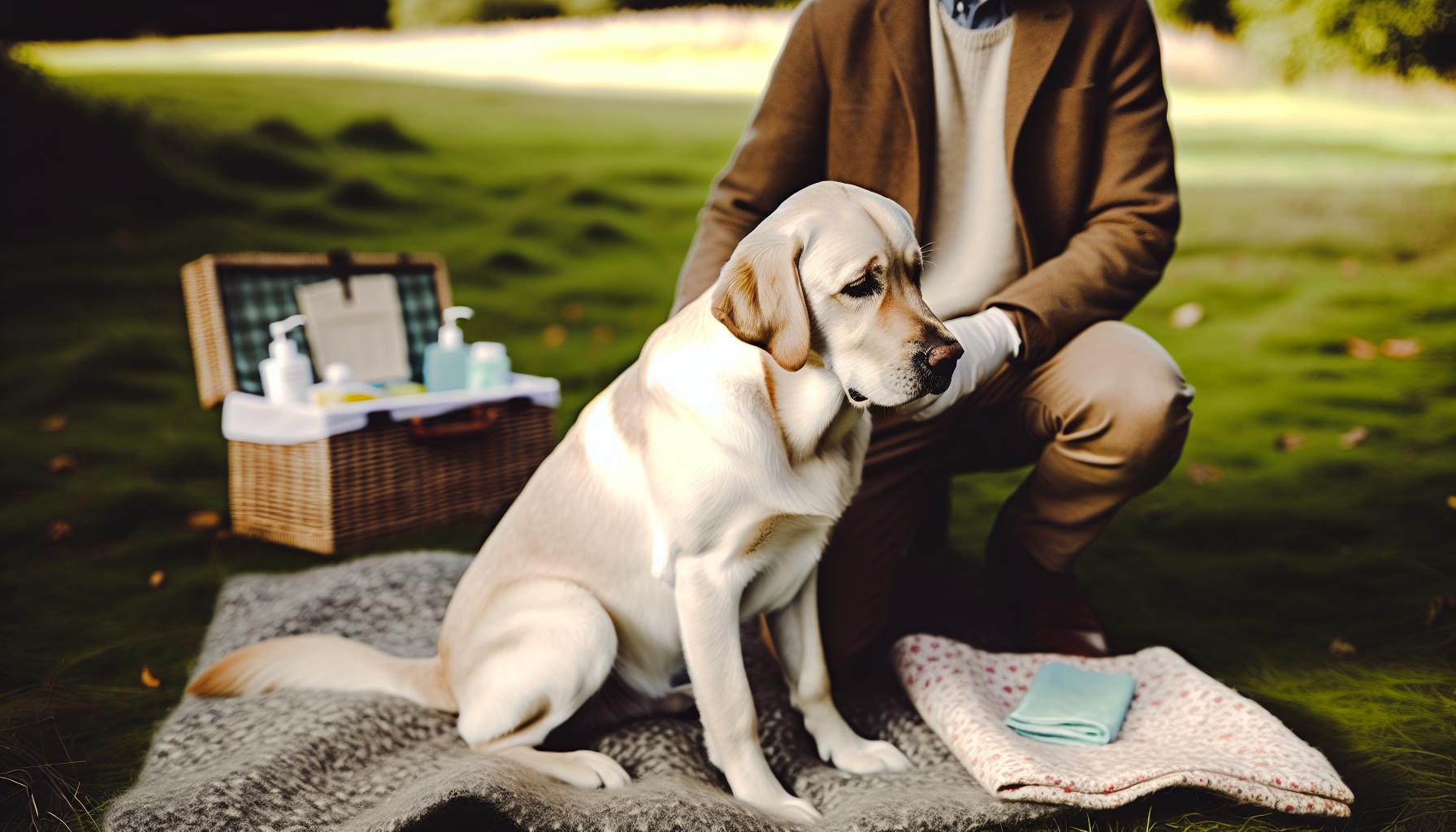
How Professional groomers Safely Express Anal Glands
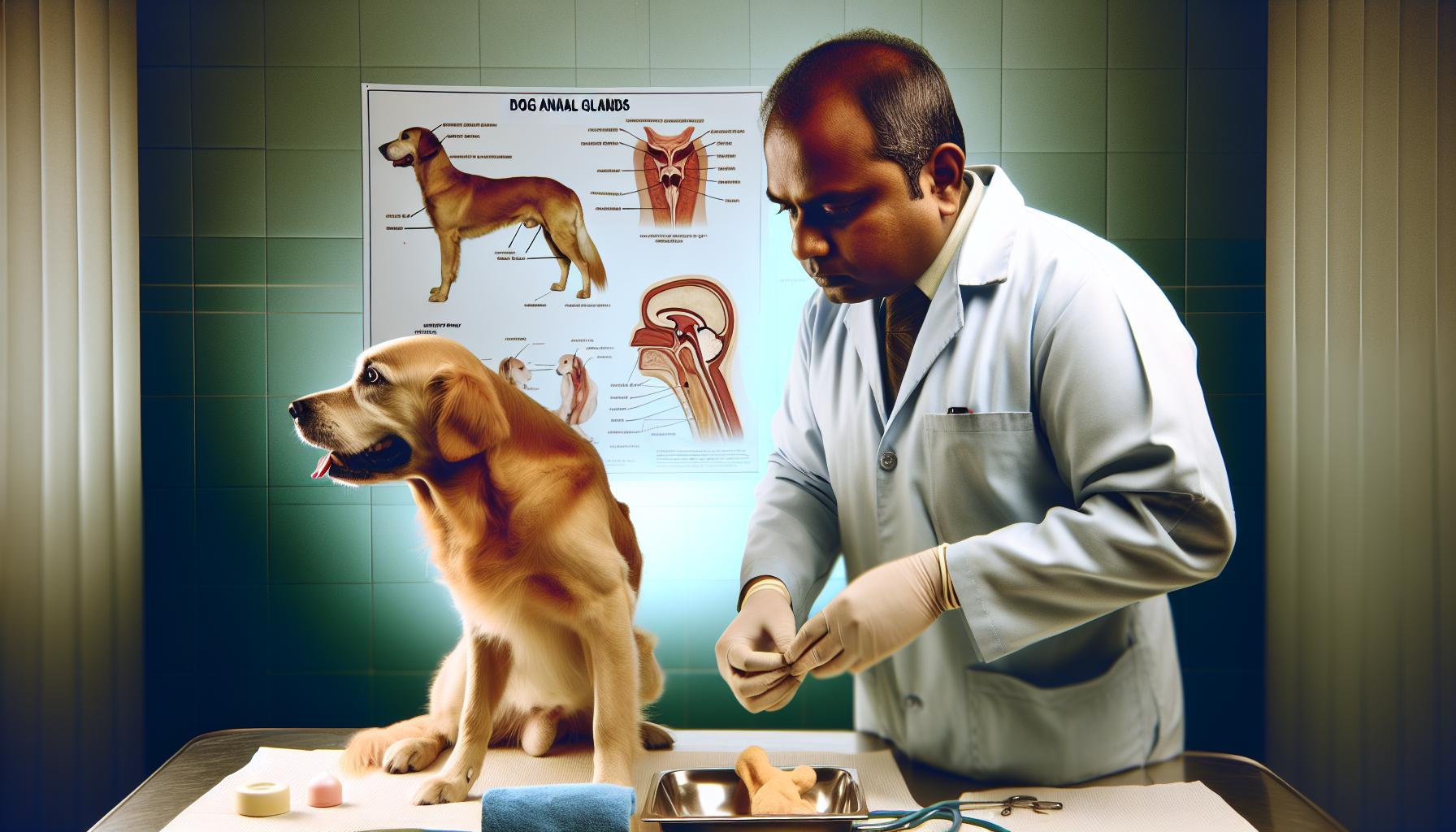
Few routine grooming tasks require as much gentle care and sensitivity as expressing a dog’s anal glands. These small sacs, located just inside the anus, can cause discomfort if they become full, impacted, or infected. Professional groomers approach this delicate procedure with skill, patience, and a deep understanding of each dog’s unique needs, especially since breeds like small terriers or thick-coated Spaniels may be more prone to gland issues. The goal is always to relieve pressure carefully while keeping your furry friend calm and safe.
The Groomer’s Approach: Safety and Comfort First
Before expression begins, a groomer assesses the dog’s overall comfort and body language. Often, a calm dog makes the process smoother, so some groomers incorporate gentle soothing techniques-like soft talking or treats-to ease anxiety. The dog’s coat may be lightly trimmed around the tail area if long or dense, allowing better access and improving hygiene. Cleanliness is paramount; gloves and disinfecting wipes are essential to prevent infection for both pet and groomer.
Step-by-Step Expression Technique
- Positioning: Dogs are typically positioned standing or lying gently on their side to minimize stress and allow clear visibility.
- Locating the glands: The anal glands sit roughly at the four and eight o’clock positions around the anus.Using a gentle finger-wrap technique, the groomer applies slow, steady pressure inward and upward to encourage gland secretion without causing pain.
- Collecting the secretion: The material released can range from liquid to pasty and has a distinct smell. A groomer uses absorbent pads or tissues to clean this safely and hygienically as it emerges.
- Post-care: After expression, the area is wiped clean and sometimes treated with pet-safe wipes to soothe the skin, especially if there was any irritation.
Knowing When to Pause and Refer
Experienced groomers know when to stop. If the glands feel hard, overly swollen, or if the dog yelps in pain, this may indicate infection or abscess that needs veterinary attention.Groomers never force expression and always prioritize the dog’s welfare over speed or convenience. This careful approach prevents injury and builds trust with the animal, making future sessions easier.
Real-World Insights and Tips
From years of practise, groomers understand that some dogs, especially nervous or small breeds, benefit from brief breaks and lots of reassurance during the process.the use of calming pheromones or scheduled grooming sessions can help reduce anxiety over time. Also, routine expression paired with balanced diets and regular exercise can keep glands healthy and reduce the need for frequent manual emptying.
Whether your dog has a thick, fluffy coat or a short, sleek one, a professional groomer’s safe, compassionate approach ensures that anal gland care is stress-free and hygienic-supporting your dog’s comfort and wellbeing beyond just looking good.
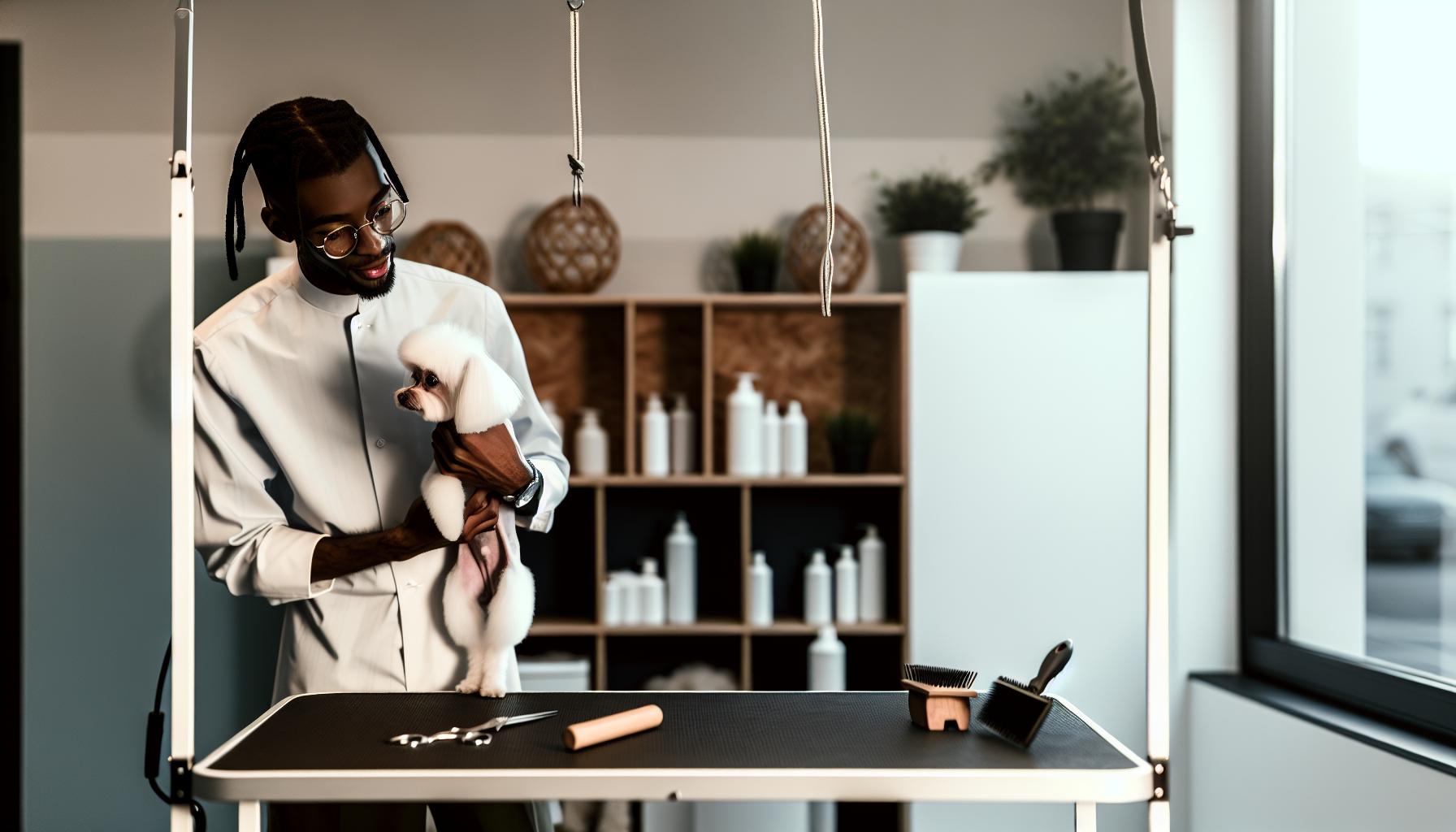
Step-by-Step guide: DIY Anal Gland Care at Home
Expressing your dog’s anal glands at home can feel a bit daunting at first, but with patience, the right tools, and a gentle approach, many owners can safely help relieve their pet’s discomfort. It’s critically important to understand that not all dogs need regular manual expression-breeds like small terriers or those with chronic issues may benefit more-but knowing how to carefully support your dog can empower you to provide comfort between vet or groomer visits. always prioritize your dog’s comfort and watch for any signs of pain or distress, stopping immediately if your pet becomes anxious or resistant.
Gather Your Supplies Before you Start
- Disposable gloves: Essential for hygiene and your protection.
- Absorbent pads or paper towels: To catch and clean gland secretions.
- Pet-safe wipes or gentle cloth: For cleaning the area afterwards.
- Styptic powder (optional): In case of minor irritation or small nicks.
- A helper (optional but recommended): Someone to gently hold or soothe your dog.
Step-by-Step Expression Technique
- Position your dog calmly: Having your dog stand comfortably or lie gently on their side helps both visibility and access. Speak in a soothing tone and keep treats handy for rewards.
- Locate the anal glands: They sit approximately at the 4 and 8 o’clock positions around the anus.using a finger (usually the index finger) and thumb, gently feel for small sacs beneath the skin-never rush this part.
- Apply gentle, steady pressure: Slowly squeeze the gland between your thumb and forefinger, pushing inward and upward, toward the anus. The secretion texture may vary from watery to pasty, and yes, it will have a strong odor. Use the absorbent pads to catch any mess.
- clean and soothe: After expression, gently wipe the area with a pet-safe wipe to remove residue and reduce irritation. Monitor your dog’s reaction throughout to ensure they remain comfortable.
Safety Tips and When to Stop
Never force the glands if they feel very hard or if your dog shows signs of pain such as yelping or pulling away-that’s a sign to seek a professional’s help. If you notice swelling, redness, or discharge that looks infected, please consult your veterinarian immediately. Some owners find it helpful to practice on calm days when their dog is relaxed, and always keep sessions brief with plenty of positive reinforcement.
Practical realities from Experienced groomers
We’ve seen that dogs with thick coats, like fluffy Spaniels, may need trimming around the tail for better access and hygiene before expression. For nervous dogs, some owners gently massage the hips and back before starting to help them relax. If your dog is small or wary, enlisting the help of a calm family member to gently hold them can make all the difference. Remember,DIY anal gland care complements veterinary and professional grooming-not replaces it. When in doubt, your vet or groomer is your best resource for advice tailored to your dog’s specific health and temperament.
Tools and Supplies for Safe Anal Gland Maintenance
Few home care tasks require as thoughtful a setup as safely expressing your dog’s anal glands. The right supplies not only keep the process hygienic but also help maintain your dog’s comfort and your confidence throughout the task.Whether your dog has a thick, fluffy coat that means you need extra cleanup around the area or a small, fidgety frame that demands extra patience, preparing thoughtfully is the key to success.
- Disposable gloves: These are your first line of defense against bacteria and odors. Choose snug-fitting gloves that let you feel what you’re doing while providing a hygienic barrier. Changing gloves between sessions keeps things fresh and reduces infections.
- Absorbent pads or paper towels: The gland secretions can be surprisingly plentiful and strong-smelling. Lay down absorbent pads to protect surfaces and have plenty of paper towels on hand to wipe away mess quickly.
- Pet-safe wipes or gentle cloths: After expression, the area needs to be cleaned carefully to avoid irritation. Opt for unscented, hypoallergenic wipes or a soft damp cloth.Some dogs’ skin is quite sensitive, so always avoid harsh chemicals or alcohol-based products.
- Styptic powder (optional): Sometimes, gentle expression can inadvertently cause minor nicks or redness. Having styptic powder nearby can quickly soothe small irritations and stop mild bleeding-think of it as your first aid for grace under pressure.
- A helper (optional but highly recommended): Especially with energetic or nervous dogs, a calm, steady pair of hands can make all the difference. A helper can gently hold your dog or offer treats, turning what might be a tense moment into a bonding opportunity.
Extra tools for Specific Needs
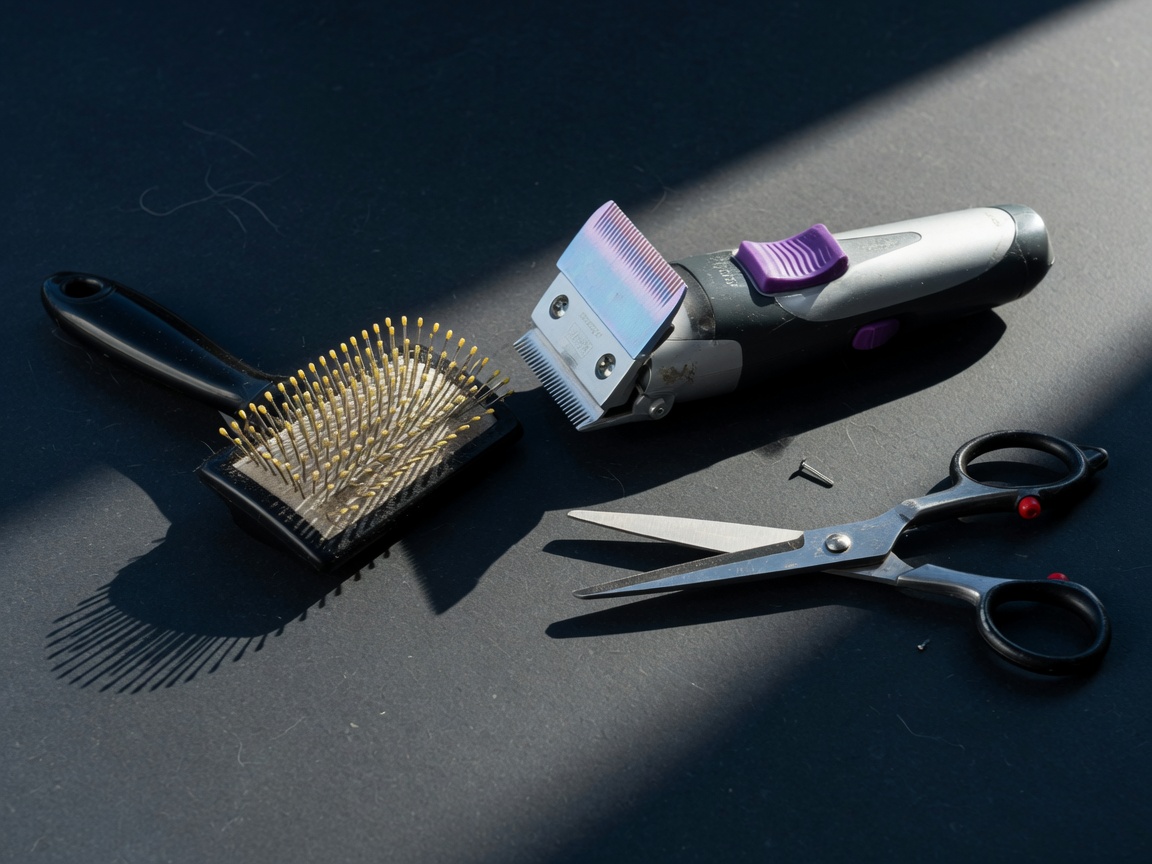
Certain breeds and coat types add particular challenges to anal gland maintenance. for example, dogs with long or dense fur-Spaniels, shelties, or Poodles-may benefit from a light trim around the tail area before expression. This trimming helps keep the area clean and makes the glands easier to locate and express safely.A pair of small grooming scissors or clippers should be used carefully to avoid startling your pet. If your dog is anxious or sensitive around grooming tools, perform trimming gradually over several days, rewarding all calm behavior.
- Brush or comb: Before starting, a quick groom can prevent tangles or matting that might make the area more uncomfortable during gland care.
- Soothing sprays or balms: Some groomers use pet-safe calming sprays or barrier balms post-expression to soothe the skin and reduce redness-always check with your vet before introducing new products.
Understanding boundaries: Groomer vs. Vet vs. DIY
While groomers can safely express glands on many dogs, they rely on the correct tools and lots of experience, especially with tricky breeds or ones prone to infections. As a dog owner, equipping yourself with basic supplies is excellent for maintenance between professional visits but know when to step back. If glands feel hard, swollen, or your dog exhibits pain or anxiety beyond the usual, it’s safest to visit your veterinarian. they may need to check for underlying issues, prescribe treatments, or even express glands under sedation if necessary.
Your toolkit is your first step in compassionate anal gland care. Keep it tidy,stock it thoughtfully,and use it with kindness and patience-and your dog will thank you with wagging tails and eased discomfort.
Common Mistakes and How to Avoid Them
Many well-meaning dog owners and even some groomers occasionally fall into common traps when handling anal gland care, but most missteps can be easily avoided with awareness and gentle techniques. One of the biggest pitfalls is rushing the process. Anal gland expression is delicate work, especially for anxious dogs or breeds with thick coats like Spaniels or Poodles. taking a calm, steady approach reassures your furry friend and prevents unnecessary stress or injury. Remember, this is about comfort and health, not speed or perfection.
Another frequent error is using to much force. The anal glands are small, sensitive sacs, and applying excessive pressure can cause pain, bruising, or even damage the delicate tissues. Instead, use gentle, consistent pressure, guided by your sense of touch and your dog’s signals.If you feel resistance or your dog flinches sharply,pause and reassess. Sometimes, the glands need time to soften or professional attention if they are impacted.
Tools and technique Mistakes
Not preparing with the proper supplies can quickly turn a routine session into a struggle.Skipping disposable gloves, for example, increases the risk of infection or spreading bacteria. Similarly, neglecting to have absorbent pads beneath your dog can lead to a messy cleanup that stresses both you and your pet. Groomers always keep pet-safe wipes and styptic powder nearby-they’re small but critical helpers in keeping the area clean and addressing minor irritations instantly.For dogs with dense or long fur, missing a light trim around the tail before expressing glands can lead to matting and hiding the glands entirely. This makes the process harder and less hygienic. Use small grooming scissors carefully and gradually, rewarding your dog to maintain a calm atmosphere. Brushing beforehand smooths fur and reduces discomfort during expression.
When to Say ”No” and Let the Vet Step In
Trying to DIY anal gland care beyond maintenance is a common error. If glands feel hard,unusually swollen,or your dog shows signs of significant discomfort,pain,or distress,it’s critically important to seek veterinary care promptly. Avoid forcing expression in these cases. Veterinarians have sterile tools and, if needed, can sedate dogs to safely relieve impacted glands or treat infections. Groomers, while skilled, know their limits and invite vet involvement for concerns beyond routine maintenance.
- Patience over pressure: Take your time to keep your dog relaxed and still.
- Prepare tools wisely: Gloves, pads, wipes, and calming aids are necessities, not optional extras.
- Groom before care: Trim and brush to prevent discomfort and access glands safely.
- Recognize your boundaries: Don’t hesitate to consult your vet for hard or painful glands.
By avoiding these common mistakes and focusing on compassionate care,you’ll build your confidence and create a calm experience your dog can trust. Safe, gentle maintenance between professional visits helps prevent problems and keeps tails wagging happily.
When to Seek Veterinary Help for Anal gland Issues
Sometimes, despite our best efforts and gentle care, your dog’s anal glands may present challenges that require professional veterinary attention. One of the most critically important signs to watch for is persistent discomfort or pain. If your dog is frequently scooting, biting or licking the anal area, showing unusual swelling, or flinching sharply when you attempt to express the glands, it’s time to pause and consider expert care. Anal glands that feel firm or rock-hard can indicate impaction, and pushing too hard or too fast at home or during grooming risks injury or infection.
Certain breeds like smaller or overweight dogs-Chihuahuas, Cocker Spaniels, or Bulldogs-are more prone to gland problems, making it essential to stay extra vigilant. If your dog develops redness, swelling, or an unpleasant odor around the anus, these can be signs of infection or abscess, conditions that call for prompt veterinary intervention. Veterinarians have sterile instruments and advanced techniques, including sedation if needed, to safely relieve severe impactions or treat infections without causing your pet undue stress or pain.
When to Step Back and call the Vet
- Hard or swollen glands: If glands resist expression or feel abnormally firm.
- Signs of pain or distress: Excessive whining, biting at the area, or difficulty sitting.
- Visible swelling or discharge: Redness, pus, blood, or foul smells near the gland.
- Recurrent problems: Frequent expressions needed despite routine care indicate an underlying issue.
Even professional groomers understand their limits. They can perform routine expressions safely but will always recommend veterinary evaluation for complex cases.For example, if your dog’s glands are impacted regularly despite proper diet and hygiene, a vet may recommend manual internal expression, antibiotic treatment, or in rare cases, surgical options. Remember, your vet is your partner in ensuring your dog’s comfort and long-term health.
how to Support Your Dog Before and after the Visit
Prior to your appointment, keep your dog calm with familiar routines and gentle praise. Avoid trying aggressive home expression on painful glands to prevent worsening the condition. After veterinary care, follow their instructions for medications or warm compresses carefully, and maintain a soft diet and gentle hygiene to aid recovery. Sharing your grooming routine with your vet can help tailor ongoing care to your dog’s specific needs, creating a seamless team approach between you, groomers, and the vet.
Your compassion, patience, and attentiveness are key to managing these sensitive issues. By knowing when to let the professionals step in, you safeguard your dog’s comfort and health-keeping those tails wagging and spirits high.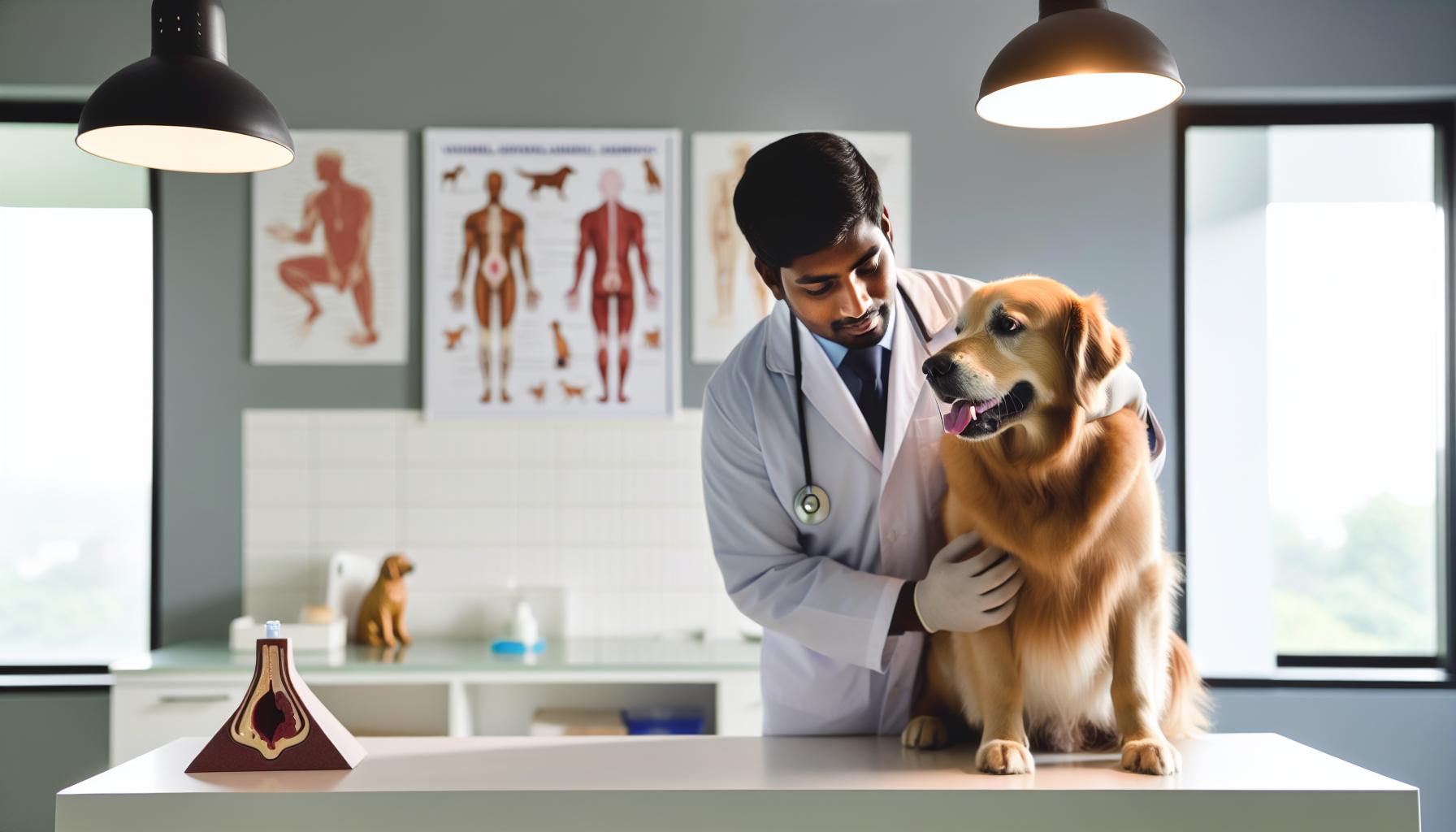
Managing Anal Gland Health with Diet and Lifestyle
Dogs’ anal glands play a small but important role in their overall health, and managing their well-being often goes hand-in-hand with thoughtful attention to diet and lifestyle. One fascinating fact is that a well-balanced diet rich in fiber can naturally encourage your dog’s anal glands to empty during regular bowel movements, reducing the buildup that leads to discomfort or impaction. For many dogs, especially smaller breeds and those prone to anal gland issues, adding fiber through pumpkin puree or high-quality, fiber-rich dog food has worked wonders in supporting gland health without extra manual expression.
Fiber and Digestive Health: The Foundation for Anal Gland Function
Fiber bulks up your dog’s stool, making it firmer and easier to pass. This natural “squeezing” effect helps the anal glands release their fluid on schedule. If your dog’s stools are soft or mushy, the glands might not empty fully, leading to blockage and irritation. Try incorporating gentle sources of fiber such as canned pumpkin (plain, no additives), oat bran, or specially formulated fiber supplements after consulting your vet. Always introduce dietary changes gradually to avoid upsetting your pup’s sensitive tummy.
Weight Management and Exercise: Less Is More for Gland Health
Carrying extra weight can put pressure on your dog’s anal area,hindering gland drainage and increasing the risk of impaction. Keeping your dog at a healthy weight through balanced meals and regular walks is a compassionate way to reduce gland trouble. Consistent exercise not only supports digestive regularity but also helps maintain tone in the muscles around the glands, aiding natural emptying. for instance, gentle play sessions and daily walks customized for your dog’s ability can make a significant difference over time.
Routine Hygiene and Stress reduction: Gentle Care Matters
While diet and activity form the internal foundation, external care complements this. Keeping the rear area clean with gentle wipes during grooming helps prevent infections if discharge occurs. Groomers frequently enough recommend avoiding harsh soaps or overwashing the area, as they can irritate delicate skin. Additionally, stress can affect your dog’s digestive system, so maintaining calm routines around feeding, grooming, and play supports overall gland health. When grooming sessions include anal gland expression,calm reassurance and positive reinforcement can ease anxiety,making future care less stressful for everyone involved.
- Consider these practical tips:
- Introduce fiber supplements slowly, observing stool consistency.
- Keep your dog’s weight in check with portion control and exercise.
- Use hypoallergenic, gentle wipes during baths or as needed.
- Maintain a calm environment to reduce stress-related digestive upset.
By weaving diet,exercise,and gentle hygiene into your dog’s daily life,you empower their body’s natural ability to manage these small but sensitive glands.If issues persist despite these efforts, partnering with your vet and groomer to fine-tune care ensures your furry friend enjoys comfort and confidence every day.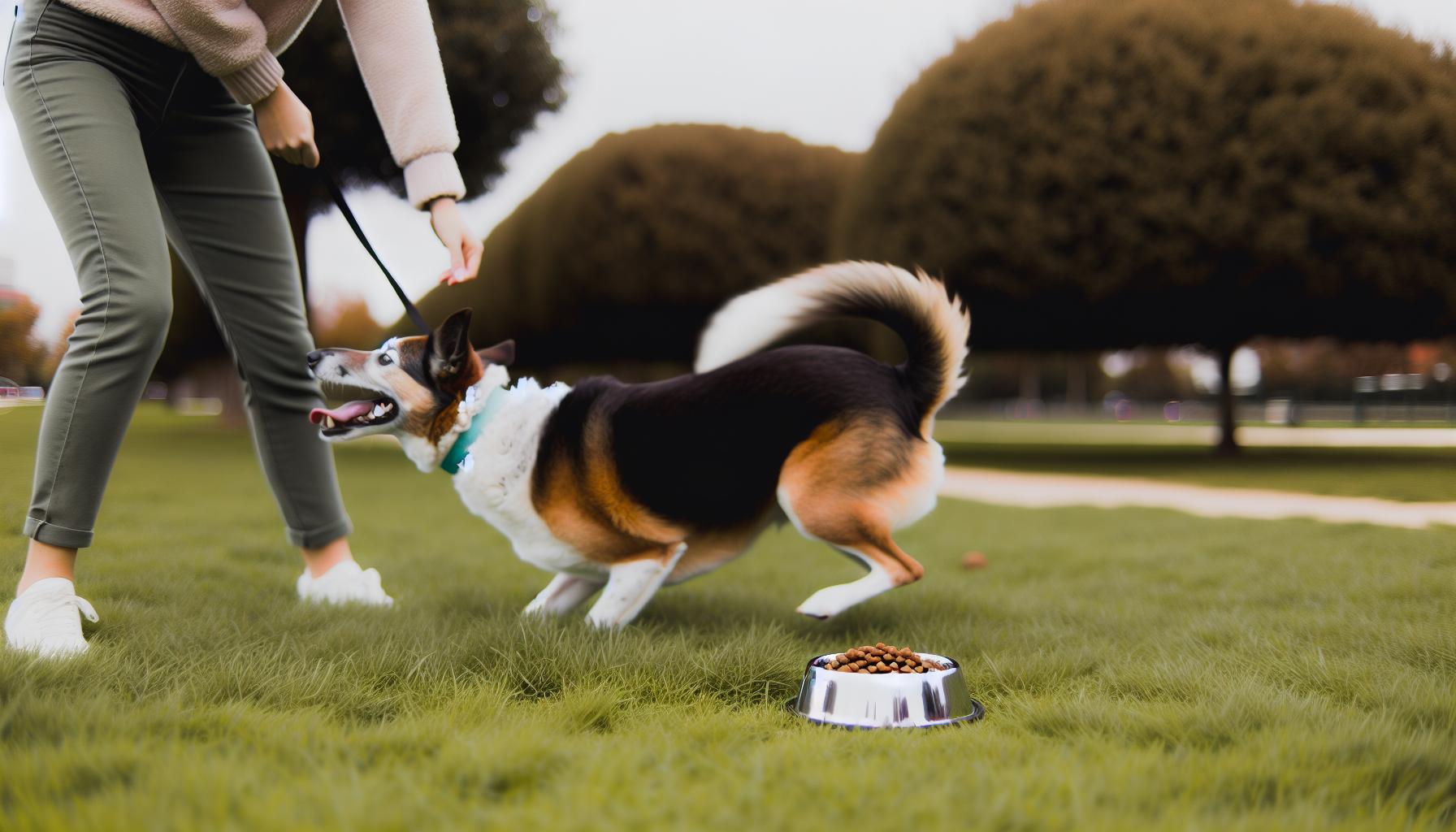
Calming Anxious Dogs During Anal Gland Care
Anal gland care can understandably trigger anxiety in many dogs, particularly those who’ve had uncomfortable experiences or who are naturally sensitive around their rear end. Creating a calm, trusting environment is key not only to easing your dog’s nerves but also to making the process safer and more effective. Dogs with sensitive temperaments-small breeds like Chihuahuas,Dachshunds,and toy spans often fall into this category-benefit greatly from a slow,reassuring approach that prioritizes their comfort above all.
Building Trust Before and During Care
Start by gently introducing your dog to the idea of having their rear area touched without rushing into expression. Lightly stroking the flank and tail base,paired with a soothing voice or favorite treats,can make a huge difference.using positive reinforcement here-such as giving a calm ”good boy/girl” and tasty rewards-helps them associate the sensation with something pleasant, not stressful. Consistency is important: regular short sessions where you simply handle the area without expressing glands trains your dog to trust you and builds tolerance.
Setting Up a Comfortable Environment
Choose a quiet,familiar spot where your dog feels secure. Avoid loud noises, sudden movements, or interruptions that could spike anxiety. Many groomers use nonslip mats and supportive handholds to keep dogs stable and prevent injury during the procedure. If you are performing anal gland care at home, enlist a helper to gently hold and comfort your dog while you work carefully. Soft blankets, calming pheromone sprays, or even playing low-volume classical music can further ease tension.
Tools,Techniques,and Pace
use only clean,gentle tools such as soft gloves and pet-safe wipes. Keep nails trimmed to avoid accidental pinches,and always have a tissue or towel handy for any discharge. Express the glands slowly, with minimal pressure-firm but gentle is the rule of thumb. If your dog suddenly pulls away, barks, or whines, pause and comfort them before trying again. Over time, many dogs learn not to dread the process when it’s conducted with patience and care.
- Tip: For particularly anxious dogs, try “before care” calming techniques such as a short walk or light massage session.
- Tip: Speak softly and maintain eye contact to reassure your dog while expressing glands.
- Tip: Regular grooming sessions that include non-invasive handling of the rear area help normalize touch.
If you find your dog is too anxious or wriggly to safely perform gland care,don’t hesitate to consult your veterinarian or a professional groomer. They have expertise in managing fearful dogs and can provide alternatives such as sedation or specialized handling techniques. Remember, the goal is always comfort and safety over speed or completeness.
Bringing empathy and calm confidence to anal gland care transforms a stressful task into an achievable routine that supports your dog’s health and strengthens your bond. With time, patience, and the right approach, even the most sensitive pups can learn to stay relaxed during this important part of their grooming.
preventing Future Problems: Long-Term Anal Gland Care Tips
Anal gland health is an ongoing commitment that pays off in comfort and fewer stressful visits to the vet or groomer. Many dogs, especially small breeds like Chihuahuas, Corgis, or those with sensitive digestive systems, benefit immensely from consistent, mindful maintenance.Beyond occasional expressions, your goal is to support your dog’s natural ability to empty glands regularly and reduce irritation or blockages before they start.
Consistent Hygiene and Grooming Routine
Keeping the area clean and well-groomed is a foundational step. Regular baths using mild, dog-safe shampoos help prevent buildup that might trap dirt and bacteria near the glands. For dogs with longer coats-like Spaniels or Shih Tzus-trimming the fur around the anus reduces hair matting, helping secretions flow naturally and making visual checks easier. While clipping nails and cleaning ears are staples, don’t overlook this sensitive zone; a gentle brush or wipe after outdoor activities can be very beneficial.
Dietary and Lifestyle Factors That Support Healthy Glands
A fiber-rich diet can naturally encourage firmer stools, which in turn helps dogs empty their anal glands during bathroom breaks. Adding pumpkin puree or specially formulated high-fiber dog foods can be an easy fix for many pets prone to soft stools or constipation issues.Staying hydrated and maintaining regular exercise also supports smooth digestion and bowel movements. If your dog is overweight or less active,this can increase the chance of gland problems,so working on weight management alongside gumption for movement pays dividends.
Know When and How to Check at Home
Regular, gentle inspection of your dog’s rear can help you notice subtle changes early-such as redness, swelling, or odor-that signal your glands might need attention. Using clean, disposable gloves and soft wipes, you can slowly explore the area, building your dog’s tolerance as you go. For most pet parents, learning a gentle expression technique from a groomer or vet is empowering, but always remember that some dogs do better with professional or veterinary care, especially if there’s discomfort or ongoing issues.
- Tip: Schedule grooming sessions to include relaxed anal gland checks without immediate expression to maintain trust and avoid triggering anxiety.
- Tip: Keep a log of your dog’s bowel consistency and any expression frequency to detect patterns or changes that need vet review.
- Tip: If your dog shows signs of discomfort-licking or scooting frequently-it’s time to pause home care and get professional guidance.
Remember, while professional groomers and vets handle acute gland issues and expressions, your daily and weekly habits shape your dog’s long-term gland health. By combining thoughtful hygiene, diet, and observation, you create the best environment for your dog’s comfort and well-being. it’s a team effort rooted in patience, respect, and lots of love.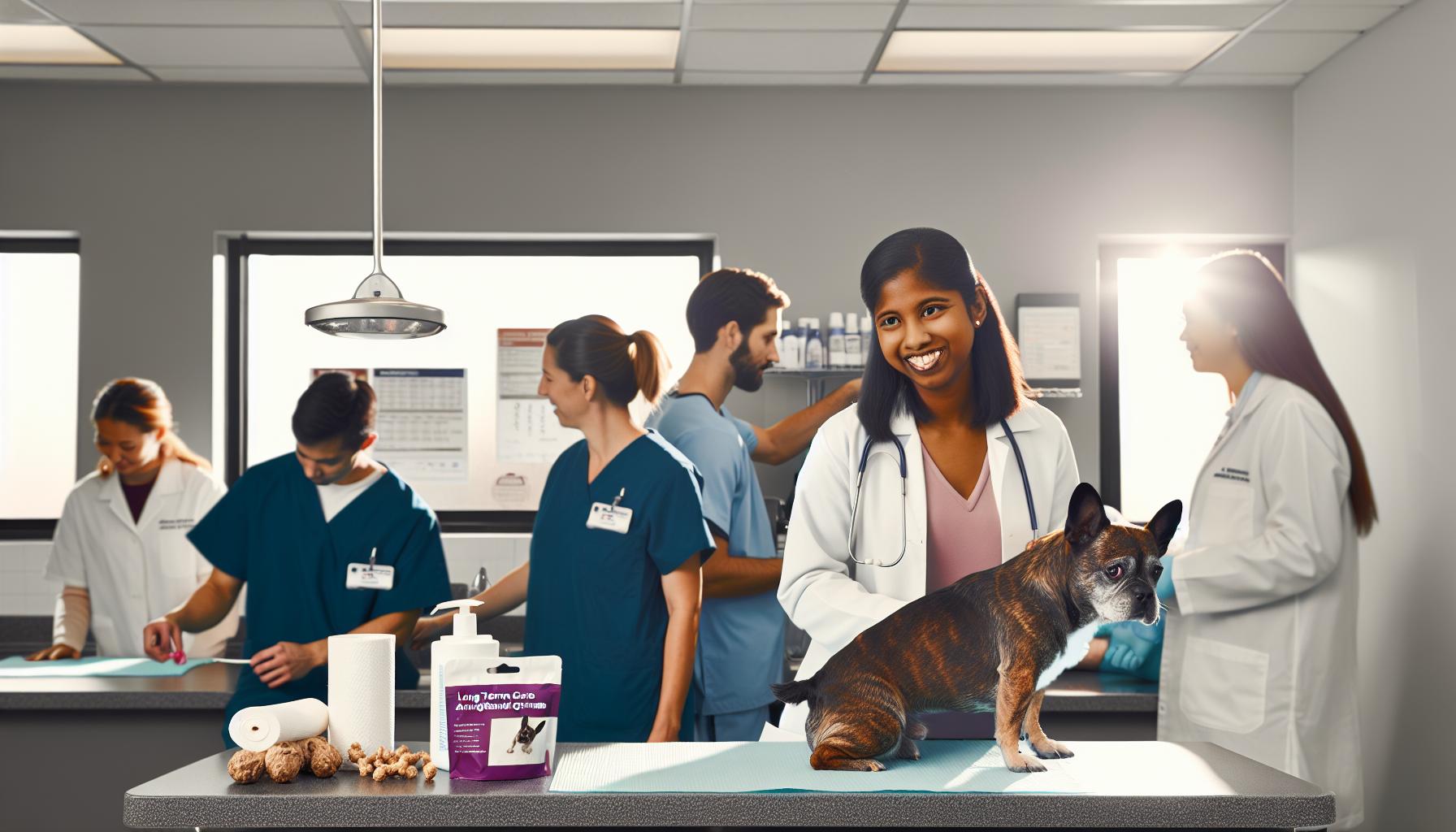
FAQ
Q: How often should groomers express a dog’s anal glands during grooming?
A: Groomers typically express a dog’s anal glands every 4 to 6 weeks or as needed based on the dog’s breed, size, and odor signs. Regular expression helps prevent discomfort and infections, but overdoing it can irritate the glands. Consult your groomer or vet for a schedule tailored to your dog’s needs and lifestyle for optimal gland health.
Q: What techniques do groomers use to minimize stress when expressing anal glands?
A: Groomers use gentle restraint, calm voice tones, and slow, careful pressure to minimize stress during anal gland expression. Distraction with treats or soothing touches helps nervous dogs relax. This approach ensures safe, comfortable care while preventing anxiety. See our Calming Anxious Dogs section for tips on making the process easier at home or the groomer’s.
Q: Can groomers detect anal gland infections during routine grooming?
A: Yes, skilled groomers can often spot signs of anal gland infections like swelling, foul odor, redness, or unusual discharge. Early detection allows quicker veterinary intervention. If groomers notice any symptoms, they will advise immediate vet care to prevent complications. Refer to When to Seek Veterinary Help for more guidance on infection signs.
Q: Are there breed-specific considerations groomers follow for anal gland care?
A: Certain breeds, like small dogs or overweight breeds, may have more frequent anal gland issues.Groomers consider breed, size, and coat type to adjust expression frequency and technique, ensuring effective care without discomfort. Tailored grooming plans promote better long-term gland health-check Managing Anal Gland Health with Diet and Lifestyle for breed-specific tips.
Q: What hygiene practices do groomers use to ensure safe anal gland expression?
A: Groomers always wear gloves, use clean towels, and sanitize hands and tools between dogs to prevent infection. They carefully contain gland secretions to maintain hygiene and protect both dog and groomer. Proper hygiene protects your pet’s sensitive skin and keeps grooming environments safe and sanitary.
Q: How do groomers differentiate between normal anal gland expression and medical treatment?
A: Groomers perform routine gland expression for maintenance but avoid deep or painful manipulation. If signs indicate infection or abscess, they recommend veterinary care rather than aggressive treatment. Groomers prioritize safety, recognizing the boundaries between grooming and medical intervention-see when to Seek Veterinary Help for signs that require a vet.
Q: can groomers recommend dietary changes to improve a dog’s anal gland health?
A: While groomers aren’t veterinarians,many suggest high-fiber diets to improve stool consistency,aiding natural anal gland expression. They encourage consulting vets for personalized diet plans. Improving diet supports long-term gland health and reduces expression frequency-explore Managing Anal Gland Health with Diet and Lifestyle for more info.
Q: What should owners expect during a professional groomer’s anal gland care session?
A: During anal gland care, groomers gently locate and express the glands externally, using gloves and clean towels for hygiene. The process lasts just a few minutes, prioritizing your dog’s comfort and safety. Groomers also observe for any concerns and advise if veterinary care is needed. Visit How Professional Groomers Safely Express Anal Glands for detailed procedures.
—
For more in-depth facts, explore our full Anal Gland Care 101 guide and reach out to your trusted groomer or vet for tailored advice. remember, compassionate care and regular maintenance keep your dog comfortable and happy!
In Summary
Taking good care of your dog’s anal glands is essential for their comfort and health, and knowing what groomers do can make all the difference. whether your furry friend has breed-specific needs or sensitive skin, understanding when and how to safely handle anal gland expression helps prevent discomfort and keeps your pup happy. If you’re wondering about at-home care versus professional grooming, remember that a trained groomer or vet ensures safety and hygiene, especially for breeds prone to gland issues.
Ready to dive deeper? explore our guides on DIY Dog grooming Tips and When to See the Vet for Anal Gland Problems to further empower your pet care routine. Don’t forget to sign up for our newsletter for ongoing expert advice and handy grooming tools designed for every coat type and temperament. Share your experiences or questions in the comments-your insights help create a supportive, pet-loving community. By staying informed and proactive, you’re giving your dog the gentle care they deserve while mastering anal gland care basics with confidence.
Get our latest guides, news, and insights highlighted in your Google Search & AI Overviews.
Keep reading about the same coat and cut.


Popular grooming guides
Bath vs clip, first grooms, and salon how-tos.