What Do Dog Groomers Use to Calm Dogs During Appointments
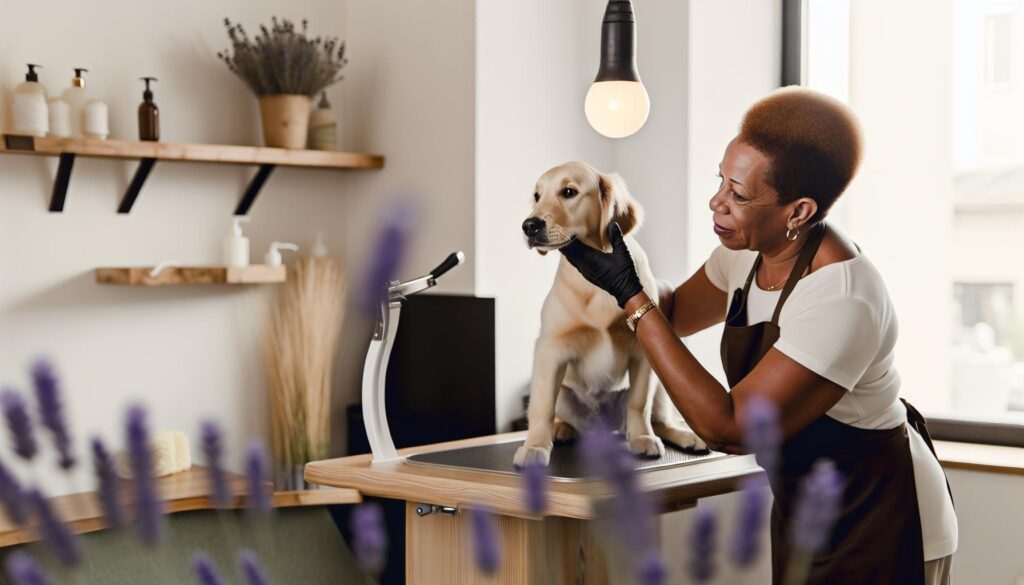
Many dogs feel anxious or scared during grooming appointments, which can make these necessary sessions stressful for both pets and owners. Understanding what dog groomers use to calm dogs-such as calming treats, gentle handling, and specialized products-can ease your worries and help your furry friend feel safe and relaxed. Whether your dog has a thick double coat or delicate skin, knowing these calming methods can transform grooming from a dreaded chore into a peaceful, positive experience. in this article, we’ll explore practical, compassionate techniques groomers rely on to soothe nervous dogs, sharing tips that empower you to support your pet before, during, and after grooming. From natural remedies to professional tools, discover how patience and care come together to prioritize your dog’s comfort, making each appointment smoother and stress-free for everyone involved.
How Dog Groomers Recognize and Manage Anxiety
Table of Contents
- 1 How Dog Groomers Recognize and Manage Anxiety
- 2 Safe calming Products Groomers Trust
- 3 Natural Remedies and Aromatherapy for Calm Dogs
- 4 Behavioral Techniques to Soothe Nervous Pets
- 5 Creating a Comforting Grooming Environment
- 6 Tools and Equipment That Reduce Stress
- 7 Training Tips Groomers use to Build Dog Trust
- 8 When and Why Groomers Use Gentle Restraints
- 9 Signs a dog Needs Extra Calming Support
- 10 Communicating Calm: Owner-groomer Collaboration
- 11 Emergency Calming Methods for High-Stress Dogs
- 12 Balancing Safety and Comfort During Grooming
- 13 Q&A
- 13.1 Q: How do dog groomers use music and sounds to calm dogs during appointments?
- 13.2 Q: What role does treat timing play in calming dogs at the groomer?
- 13.3 Q: Can specific handling techniques help soothe anxious dogs during grooming?
- 13.4 Q: When do groomers recommend scheduling shorter sessions to keep dogs calm?
- 13.5 Q: How do dog groomers use desensitization tools to calm pets before grooming?
- 13.6 Q: What calming supplements are safe for dogs during grooming appointments?
- 13.7 Q: How do groomers adjust grooming tools to reduce noise and stress for sensitive dogs?
- 13.8 Q: why is owner presence sometimes encouraged during grooming to calm dogs?
- 14 The Conclusion
Many dogs come into teh grooming salon with a bit of trepidation,and recognizing early signs of anxiety is a crucial skill for any groomer who wants to turn that fear into calm cooperation. Experienced groomers quickly learn to spot subtle cues like trembling, excessive panting, yawning, lip licking, or avoidance behaviors. These signs tell us that your dog isn’t just “fussy,” but genuinely stressed, allowing us to adjust our approach immediately. This gentle attentiveness helps prevent escalation and fosters a trusting, safe surroundings.
Understanding that every dog is unique, skilled groomers tailor their methods based on breed temperament, coat type, and each pet’s individual history. Such as, a long-haired spaniel who dislikes bathing might need slower, segmented steps with frequent breaks, while a short-coated terrier may respond better to speedy, confident handling.Tools and techniques are selected carefully, ensuring that grooming feels like a series of small, manageable steps rather than an overwhelming ordeal. patience is key-if a dog shows rising stress,we pause,reassess,and never rush,keeping safety and emotional comfort our top priority.
Practical Steps Groomers Take to Ease Anxiety
- Gradual Introductions: Starting with simple touch and short activities builds familiarity before moving into full grooming tasks.
- Positive Reinforcement: Calm voices, gentle petting, and treats create pleasant associations with grooming sessions.
- Monitoring Stress Signals: Continuous observation allows early intervention before anxiety worsens.
- Customizing the Environment: Soft lighting, minimal noise, and non-slip surfaces help dogs feel secure.
- Interaction with Owners: Gathering insights on what calms or frightens the pet improves personalized care.
For instance, a golden retriever hesitant about nail trims once showed clear signs of distress by pulling its paw away and shaking. Rather than forcing the trim,the groomer broke the task into tiny steps-touching the paw,then gently holding it,and finally clipping one nail at a time-while praising and offering treats. This stepwise approach significantly reduced fear over time and built lasting trust.
Groomers know when to refer a dog back to the vet if behaviors suggest medical causes like pain or allergies,recognizing their role as advocates for the pet’s well-being-not just beautification. By prioritizing empathy, observation, and tailored strategies, groomers help transform stressful appointments into calm, even enjoyable experiences for anxious dogs and their worried owners alike.
Safe calming Products Groomers Trust
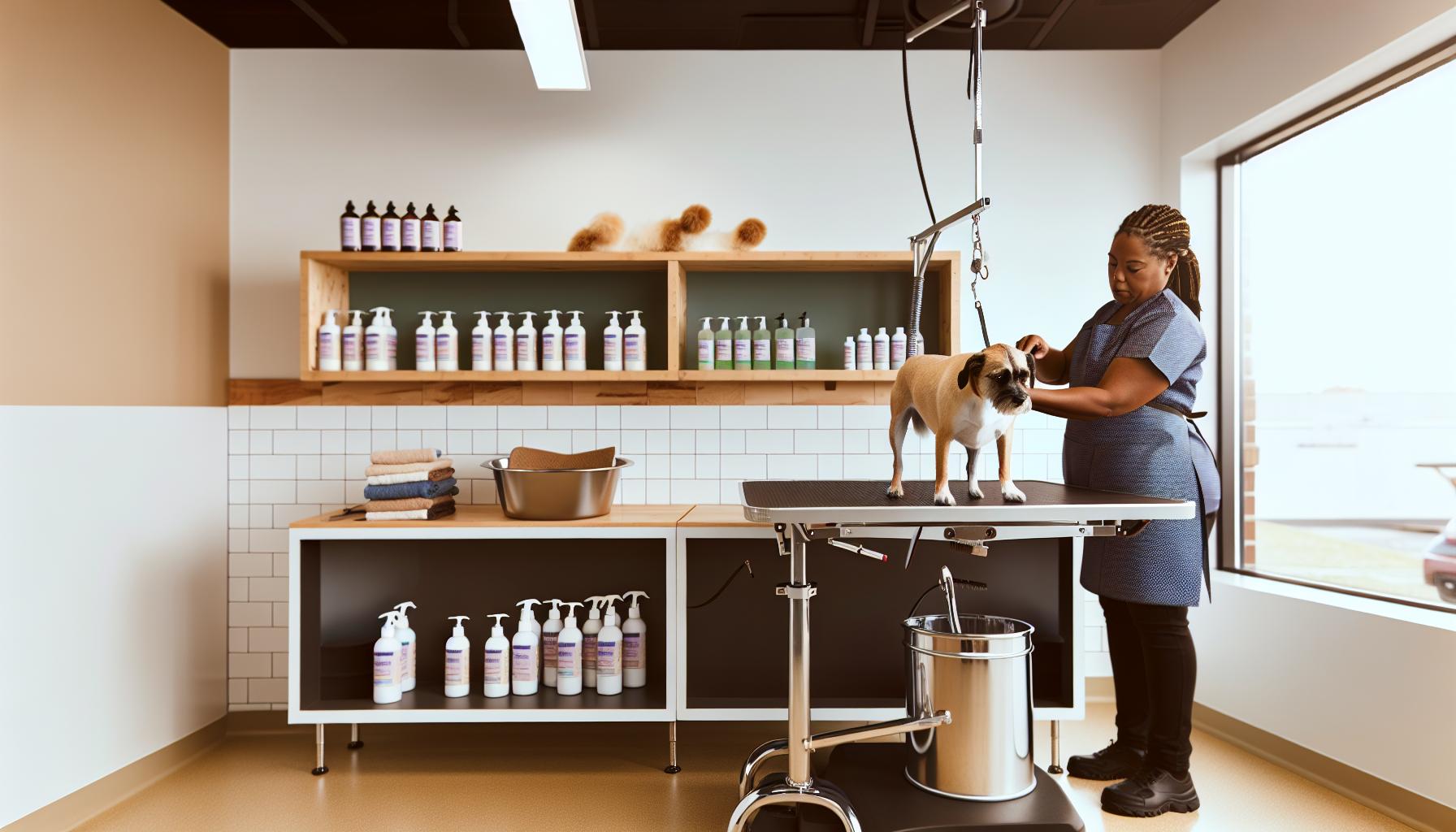
it’s remarkable how a carefully chosen calming product can transform a tense grooming session into a peaceful experience for both dog and groomer. Many groomers rely on trusted, safe products designed to ease anxiety gently without sedation, helping dogs feel more secure throughout baths, brushes, and trims. These products complement skilled handling and behavioral techniques to create a holistic approach to pet care.
Synthetic Pheromone Diffusers and Sprays
One of the most widely used calming aids are synthetic pheromone products,which mimic the natural comforting scents mother dogs produce to soothe their puppies. When used as plug-in diffusers in grooming areas or as sprays applied lightly to the dog’s coat or bedding, these pheromones create a subtle sense of calm. For breeds sensitive to environmental changes, such as nervous toy breeds or rescue dogs with unknown histories, this can be a game-changer. The scent is odorless to humans and wholly safe, making it an easy, non-invasive addition to any grooming routine[[[[[2]](https://www.meadowvistavet.com/site/blog/2023/02/15/grooming-anxiety-dogs).
Calming Supplements and Treats
Many groomers incorporate natural supplements or soft chews that contain ingredients like L-theanine, valerian root, or chamomile. These can be offered before or after grooming to promote relaxation without causing drowsiness. For example, a long-coated spaniel who gets overly stressed with prolonged brushing may receive a calming chew beforehand, helping keep them agreeable and patient. It’s important these supplements are vet-approved and used alongside professional advice,especially if your dog is on medication or has health conditions.
- How to Use: Administer chews 30-60 minutes before the appointment for best results.
- Safety Tip: Avoid giving any product without consulting your vet first.
Calming Sprays and Atomizers
Light, fast-acting sprays are another favorite among groomers, often used right before nail trims or ear cleaning-moments that can trigger spikes in nervousness. These sprays may combine lavender or other gentle essential oils with calming pheromone formulas to relax muscles and ease tension. Groomers usually apply a small amount to their hands and rub it gently into the dog’s fur, allowing the calming effects to take hold gradually. As some dogs may be sensitive to scents, these should be tested in small doses and never sprayed directly in the face or eyes.
Working Within boundaries: Groomer, Vet, and Owner Roles
While calming products can be vrey effective, groomers recognize the boundary between their role and that of a veterinarian. Sedatives or prescription medications are strictly for vet use. Groomers rely on these safe, over-the-counter products to manage mild to moderate anxiety.If a dog’s anxiety is severe or linked to medical issues, the groomer will recommend an evaluation by a vet to determine the best course of action, possibly including prescription calming aids.
By combining these trusted calming products with gentle handling and patience, groomers create an environment where anxious dogs can relax and even learn to enjoy grooming. This balanced approach reassures worried owners that their pets are in kind, competent hands.
Natural Remedies and Aromatherapy for Calm Dogs
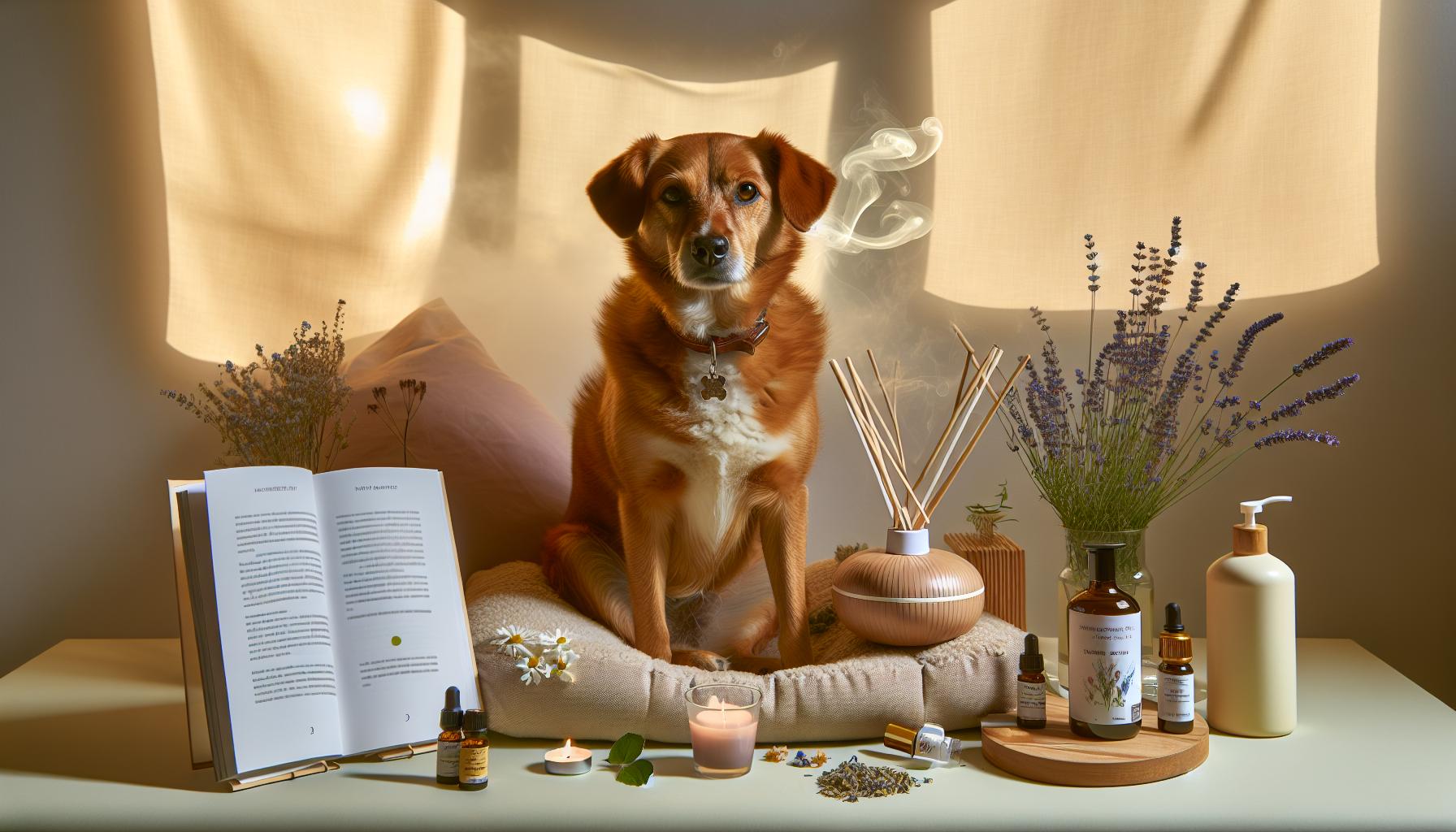
Dogs are incredibly sensitive to scents and touch, which makes natural remedies and aromatherapy wonderful allies in calming nervous pets during grooming sessions. Many groomers embrace these gentle, holistic tools as they tap into the dog’s instincts and promote relaxation without harsh chemicals or medications. When chosen thoughtfully and applied carefully,these remedies help turn grooming from a stressful chore into a more soothing experience for anxious pets of all breeds and sizes.
Safe essential Oils for Sensitive Noses
essential oils, when used properly, can create a tranquil atmosphere that supports calm behavior. Oils like lavender, chamomile, and frankincense are favorites in grooming salons becuase they’re known for their calming and anti-anxiety properties while being safe for dogs in diluted forms.For instance, a nervous terrier with a thick double coat might receive a light spritz of diluted lavender spray just before bath time to ease tension.Groomers often apply these oils indirectly-spraying a towel or diffuser rather than the dog’s skin-to avoid any irritation or overwhelming scents. Always testing on a small area and avoiding the face or mucous membranes ensures safety and comfort.
how Groomers Use Aromatherapy Practically
- Diffusers in the Grooming area: A diffuser releasing calming essential oils helps create a serene environment that dogs feel as soon as they enter. For shy or rescue dogs, this background scent is like a gentle hug.
- Pre-grooming Sprays: Light sprays containing blends of calming oils and pheromones are used moments before sensitive tasks like nail trimming or ear cleaning. This helps reduce the startle reflex and keeps muscles relaxed.
- massage and touch Combined with Oils: Applying diluted essential oils to the hands and using slow, soothing strokes during brushing can maximize relaxation, especially in breeds prone to anxiety such as border collies or toy poodles.
Herbal remedies amplify Calm and Comfort
Many groomers also recommend vet-approved herbal supplements or treats formulated with chamomile, valerian root, or L-theanine. These natural compounds encourage mental calmness without sedation, making them ideal for longer sessions or dogs with high-strung temperaments. for example, a golden retriever who struggles with ear cleaning might be given a calming chew 30-60 minutes before the appointment to promote patience and reduce nervous energy. Groomers always urge owners to consult with their vets before starting any herbal remedies, as individual health and medications can affect safety.
Knowing When to Refer to Veterinary Care
While natural remedies and aromatherapy offer wonderful support, groomers respect their limits. If a dog’s anxiety is severe or tied to underlying health issues, professional veterinary advice is essential.Sedatives or prescription treatments remain within the vet’s domain. Groomers focus on creating calm through scent,touch,and natural ingredients-empowering owners with practical tools that lift anxiety gently while prioritizing the dog’s welfare above all.
Bringing these thoughtful, natural calming strategies together helps groomers build trust with each nervous visitor. With patience, compassion, and the right essentials on hand, even the most anxious dog can face grooming day with a little more ease and a lot less fear.
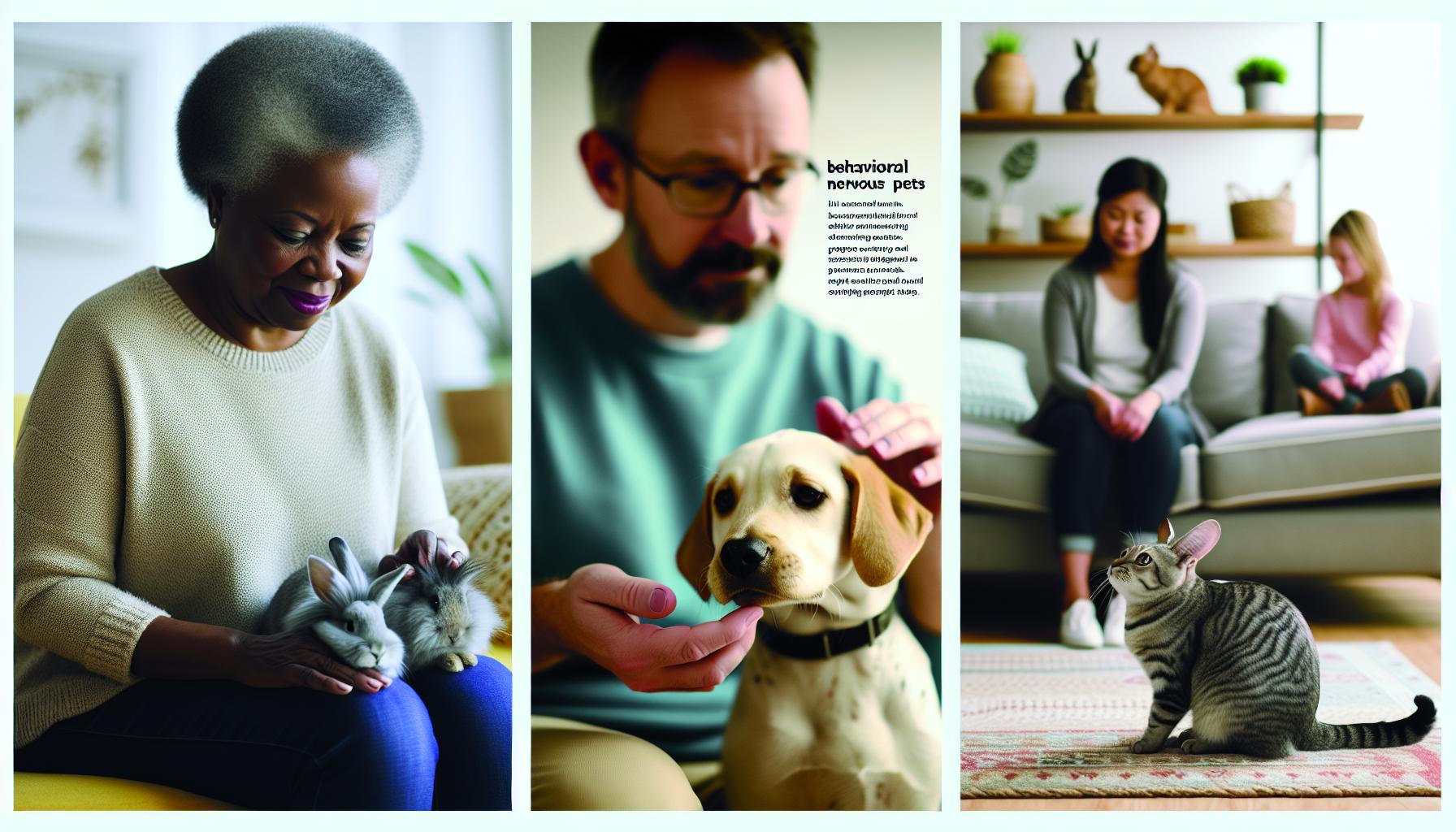
Behavioral Techniques to Soothe Nervous Pets
One of the most powerful ways to ease a dog’s grooming anxiety is through thoughtful, gentle behavioral techniques that prioritize the dog’s emotional experience over speed or appearance. Calm communication, patient handling, and step-by-step desensitization help build trust and transform grooming from an ordeal into a more manageable, even enjoyable, routine.
Building Trust Through Slow, Predictable Interactions
Approaching a nervous dog with slow movements and a soft voice can reduce initial stress dramatically. Groomers often begin sessions with quiet, hands-off greetings, allowing the dog to sniff and get comfortable before any touch happens. For example, a shy terrier or a sensitive retriever might first receive gentle praise and a few minutes to explore the grooming area.This phase is crucial-rushing into brushing or bathing risks triggering panic or resistance.Groomers might pause frequently, offering calming words and brief rests to prevent overstimulation.
Gradual Desensitization to Grooming Tools and Tasks
Instead of diving straight into challenging parts like nail trimming or ear cleaning, groomers break the process into small, manageable steps. They may first show the clippers or scissors to the dog from a distance, then allow light touches or gentle taps on less sensitive areas such as the shoulder or back.This stepwise introduction helps the dog mentally prepare and reduces fear of unfamiliar sensations.For dogs with thick double coats – like Huskies or Border Collies – gradual brushing sessions paired with plenty of rewards can prevent frustration and foster cooperation.
- Bathing: Use lukewarm water and softly talk through the process. Spray water gradually to avoid startling water-sensitive breeds like Chihuahuas.
- Brushing: Start with wider-toothed combs for tangles and work toward finer brushes. Groomers frequently enough time brushing sessions to match the dog’s attention span.
- Nail Trimming: Introduce the nail clippers as a toy first, letting the dog sniff and play. Begin clipping one nail at a time, rewarding after each to build positive associations.
- Ear Cleaning: Use soft cotton balls and gentle strokes. A quick stop for praise after each ear reassures the dog.
Positive Reinforcement and Calming Touch
Praise, treats, and gentle petting serve as the cornerstone of calming techniques. groomers know that timely rewards encourage cooperation and help the dog associate grooming with positive outcomes. Techniques like slow stroking along the ears, chest, or behind the elbows mimic comforting cues dogs experience with their humans or other dogs. For highly anxious breeds, such as toy poodles or Italian greyhounds, the combination of soothing massage and frequent breaks builds calm resilience. Groomers also match their energy to the dog’s mood, maintaining steady, relaxed body language that dogs instinctively read as non-threatening.
when to Seek Veterinary or Behavioral Assistance
While many behavioral techniques work wonders, some dogs have anxiety that requires professional intervention. Groomers recognize signs like persistent trembling, aggression, or freezing that suggest a referral to a vet or a certified animal behaviorist. It’s important to understand that groomers provide foundational support but do not replace medical or therapeutic treatments for severe fear or phobias. Collaborating with your veterinarian ensures the best outcomes if your dog needs prescribed calming aids or specialized behavior modification programs before or alongside grooming.
By valuing patience over perfection and focusing on the dog’s comfort and emotional needs,groomers create a safe space where anxiety can gradually loosen. Every dog’s pace is unique, and behavioral techniques tailored with kindness make that pace possible, soothing even the most jittery pets and their worried owners alike.
Creating a Comforting Grooming Environment
Creating a space where a dog feels genuinely safe and relaxed can transform the grooming experience from a source of stress into a calming routine. Dogs are incredibly sensitive to their environment, so grooming areas should be thoughtfully designed to minimize noise, distractions, and unfamiliar stimuli. Such as, quieter rooms away from bustling reception areas help reduce auditory triggers that may startle dogs, especially smaller or more skittish breeds like Toy Poodles or Papillons.Soft, natural lighting is preferred over harsh fluorescents, creating a warm, inviting ambiance that feels less clinical and more comforting.
- Temperature control: Lukewarm air and water are essential, especially in bath areas.Dogs with double coats-such as Huskies or Golden Retrievers-may feel chilled during bathing or drying, so maintaining gentle warmth prevents added discomfort.
- Non-slip surfaces: Secure footing helps prevent slips that can increase anxiety. Grooming tables and bathtub floors with textured, rubberized mats give dogs confidence to stand calmly.
- Familiar scents: Introducing comforting, natural aromas (like lavender or chamomile) via diffusers or sprays can soothe nervous dogs, but always test for individual sensitivities first. Alongside aromatherapy, familiar smells brought from home-like a favorite blanket or toy-can be quietly placed nearby for reassurance.
Minimizing Visual and Auditory Overload
Beyond physical comfort, the visual and auditory environment matters. Grooming salons that reduce harsh noises-such as high-pitched dryers or loud clippers-avoid overwhelming dogs’ sensitive hearing. Some groomers use quieter grooming tools specifically designed to operate with less vibration and noise to keep dogs calm throughout clipping or trimming.Visual distractions, such as the presence of other restless dogs or sudden movements, are minimized by arranging spaces with partitions or private rooms when possible, helping dogs focus on calm sensations rather than external chaos.
Engaging Gentle Transitions Between Tasks
Changing from one grooming task to another without abrupt movements or loud noises reassures your pup. For instance, after brushing, a groomer might pause for a few moments of calm petting or offer treats before moving to nail trimming. These short, predictable breaks allow the dog to mentally “reset,” lowering anxiety levels. Groomers often speak softly and keep their energy steady, matching the dog’s calm demeanor.This mindful pacing turns the environment itself into a partner in relaxation, encouraging cooperation rather than resistance.
By combining these thoughtful elements, groomers create a sanctuary tailored not just for cleanliness and appearance, but for emotional well-being. Each dog’s responses guide subtle tweaks in lighting, sound, temperature, and handling. It’s this attention to detail, paired with compassionate patience, that makes a huge difference in transforming grooming into a positive experience-for both the dog and the owner. Remember, providing a comforting environment is the foundation on which all other calming techniques build trust and success.
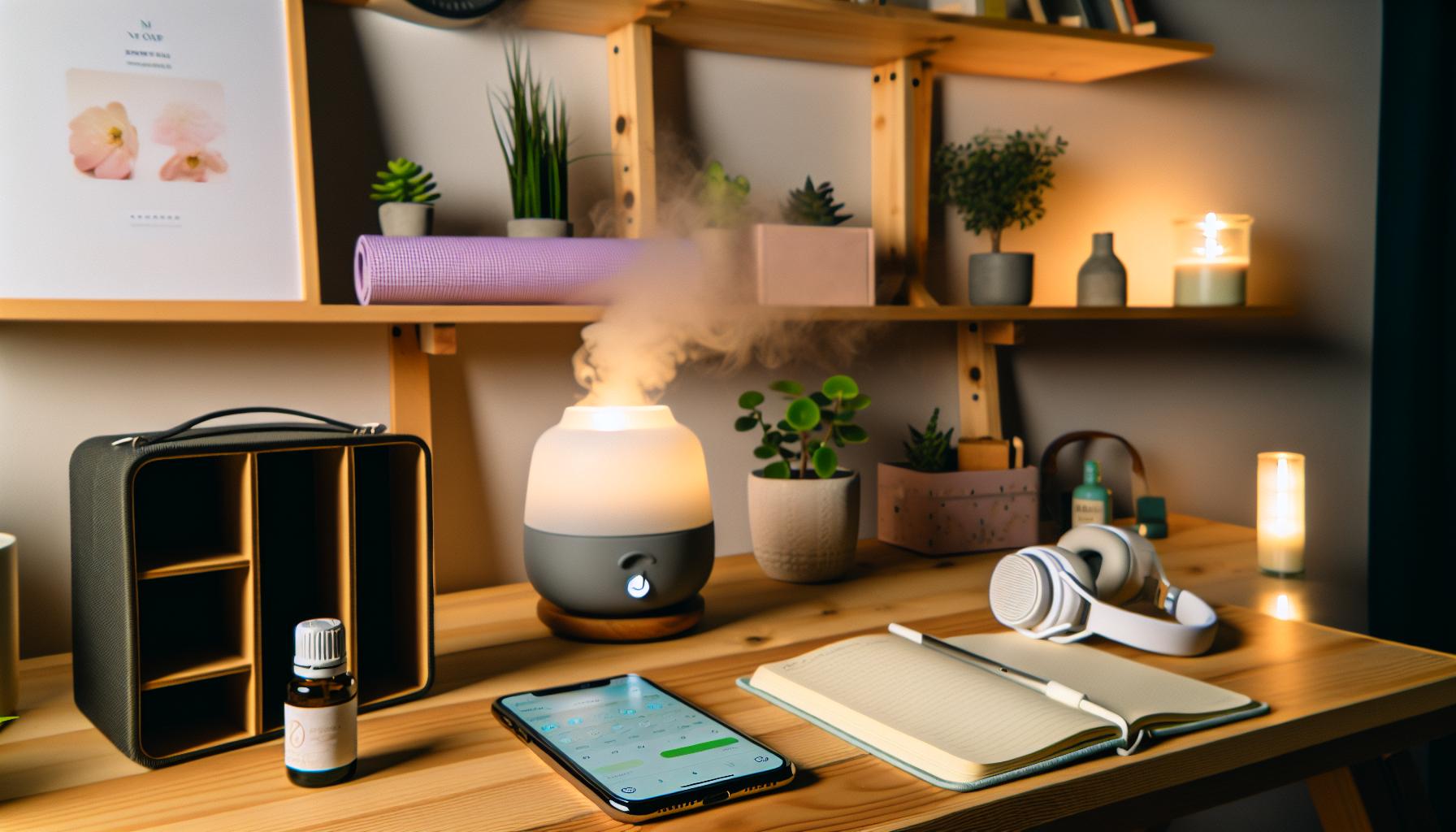
Tools and Equipment That Reduce Stress
Few things can calm an anxious dog quite like the right tools used thoughtfully. Groomers who truly understand nervous pups know that ordinary clippers or brushes often become sources of stress if they cause sudden noises, uncomfortable vibrations, or too much motion. that’s why selecting grooming equipment designed with a dog’s comfort in mind makes all the difference in helping sensitive dogs feel safe and relaxed.
Quiet Clippers and Scissors
Traditional grooming clippers can be noisy and intimidating, especially for breeds with sensitive hearing like Papillons or Shih Tzus. Many experienced groomers opt for low-vibration, whisper-quiet clippers that run smoothly and without the harsh buzz. By reducing sound output and eliminating jerky movements, these clippers help prevent startle responses during delicate trimming around the face or paws. Paired with sharp, well-maintained blades, they also reduce tugging or pulling on the coat, sparing the dog any discomfort.
Ergonomic Brushes and Grooming Tools
Brushing can be a calming ritual or a trigger for anxiety, depending on the tools used. Brushes with flexible bristles or pins provide gentle detangling without harsh scraping, which is especially welcome for dogs with sensitive skin or double coats like Huskies or Golden Retrievers. slicker brushes with rounded tips and soft rubber curry combs soothe while promoting circulation-an enjoyable sensation that builds positive grooming associations over time. For example, starting with short gentle strokes often encourages even the most shy dogs to relax into the touch.
Non-Slip, Adjustable Grooming tables
Adding stability to the physical environment profoundly supports emotional calm. Groomers rely on tables with adjustable heights and non-slip surfaces that keep dogs firmly planted without fear of slipping. this reduces the dog’s instinct to resist or become uneasy while being groomed. Tables with padded edges and rounded corners prevent accidental knocks and the potential for sudden jerks that can unsettle anxious dogs.
Bathing Accessories that Promote Calm
During baths,lukewarm water temperature and gentle,low-pressure sprayers lessen sensory overload. Many groomers use handheld sprayers with soft nozzles to avoid startling jets of water, and shallow tubs with supportive mats lend dogs a sense of security underfoot. Shampoo and conditioner formulas with calming botanicals, carefully selected to avoid irritation, add another layer of comfort. Using quiet dryers designed with noise reduction technology completes the sensory-friendly bathing experience.
- Tip: For dogs with nail sensitivities, groomers prefer nail grinders or quieter clippers over standard clippers to minimize noise and vibration.
- Tip: Grooming gloves with textured palms can be a soothing option for initial brushing sessions on very wary dogs, allowing slow acclimation.
Knowing when to modify equipment choices according to coat type, breed characteristics, and individual temperament is paramount. For example, a silky-coated Maltese requires gentler brushes and slower clipper speeds than a dense-coated Labrador. Groomers combine compassion with expertise, always adjusting tools or pausing to keep fear at bay, making the grooming appointment a kind, confidence-building experience for every dog.
By thoughtfully selecting and skillfully handling their tools, groomers do much more than maintain coats-they build trust. This gentle approach nurtures calmer behavior at every appointment, paving the way for a lifelong positive grooming relationship.
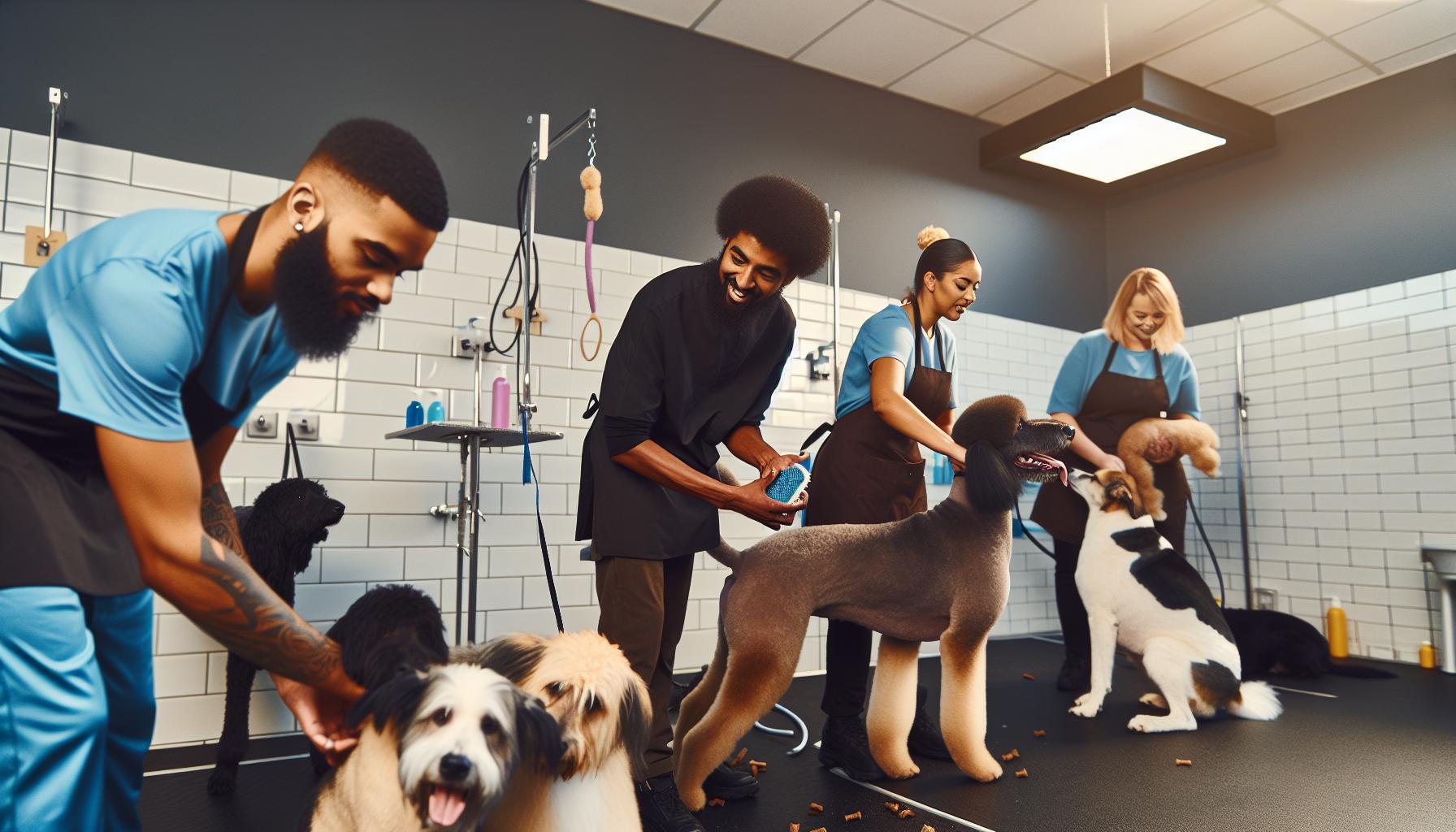
Training Tips Groomers use to Build Dog Trust
Building a foundation of trust is the cornerstone of a calm grooming experience. Groomers know that dogs aren’t just cooperative machines-they’re sensitive beings with unique fears and comfort zones.A successful appointment often begins well before the shears come out, through gentle, slow introductions that allow the dog to acclimate at their own pace. This might mean spending a few minutes engaging with the dog using soft voice tones, offering treats, or simply allowing the dog to explore grooming tools without pressure. For example, shy or rescue dogs benefit immensely when groomers invite them to “investigate” brushes or clippers from a distance before touching them, turning what could be ominous objects into familiar, non-threatening items.
Step-by-Step Acclimation to Each Grooming Task
Breaking down the grooming process into small,manageable steps helps nervous dogs gain confidence. Rather than rushing through grooming all at once, experienced groomers approach each task-whether bathing, brushing, nail trimming, or ear cleaning-as its own positive experience. For instance, when it comes to nail care, groomers often start with brief, non-invasive touches to the paws, rewarding calm behavior before even reaching for clippers or grinders. Over subsequent appointments, they gradually increase handling duration, using praise and treats as reinforcement. This incremental exposure reduces fear and builds familiarity,empowering dogs to rest more easily during future sessions.
Utilizing Positive Reinforcement and Body Language
Successful groomers observe each dog’s body language closely, responding with kindness to signals of stress to avoid escalating fear.They use soft eye contact and avoid looming over the dog,favoring a crouched or sideways stance that feels less intimidating. Positive reinforcement, like offering small, high-value treats or gentle petting, is integrated throughout to reward calm behavior. For example, a groomer might quietly praise a Golden Retriever for simply standing relaxed during brush strokes or pause and give a favorite snack after the first successful clipping.These repeated positive associations transform grooming from a chore into a rewarding ritual.
Personalizing Techniques Based on Breed, Coat, and Temperament
Diffrent breeds and coat types require not only specific grooming tools but also tailored approaches to build trust effectively. A silky-coated Maltese may become anxious if rushed or overhandled, needing slower strokes and extra breaks, while a robust, confident Lab might tolerate quicker, firmer touch. Groomers often keep detailed notes on individual dogs, including favorite treats, sensitivities, and calming methods, to provide consistent, personalized care on every visit. This detailed attention signals to the dog that they are understood and safe. In cases where owners begin grooming at home, groomers offer guidance on replicating these trust-building steps, emphasizing the importance of patience, consistency, and celebrating small wins.
- Tip: Use a calm, steady voice and avoid sudden movements during all interactions.
- Tip: Incorporate short, frequent breaks especially for longer appointments or highly anxious dogs.
- Tip: Always reward calm resting postures and gentle responses with treats or praise.
- Tip: Engage owners in the process to reinforce positive experiences between visits.
Patience isn’t just a virtue; it’s a powerful tool in building lifelong trust that transforms grooming from a stressful event into a nurturing, bonding time between dogs, groomers, and owners alike. Keeping a dog’s comfort and emotional wellbeing front and center paves the way for smooth appointments and happy, well-cared-for pets.
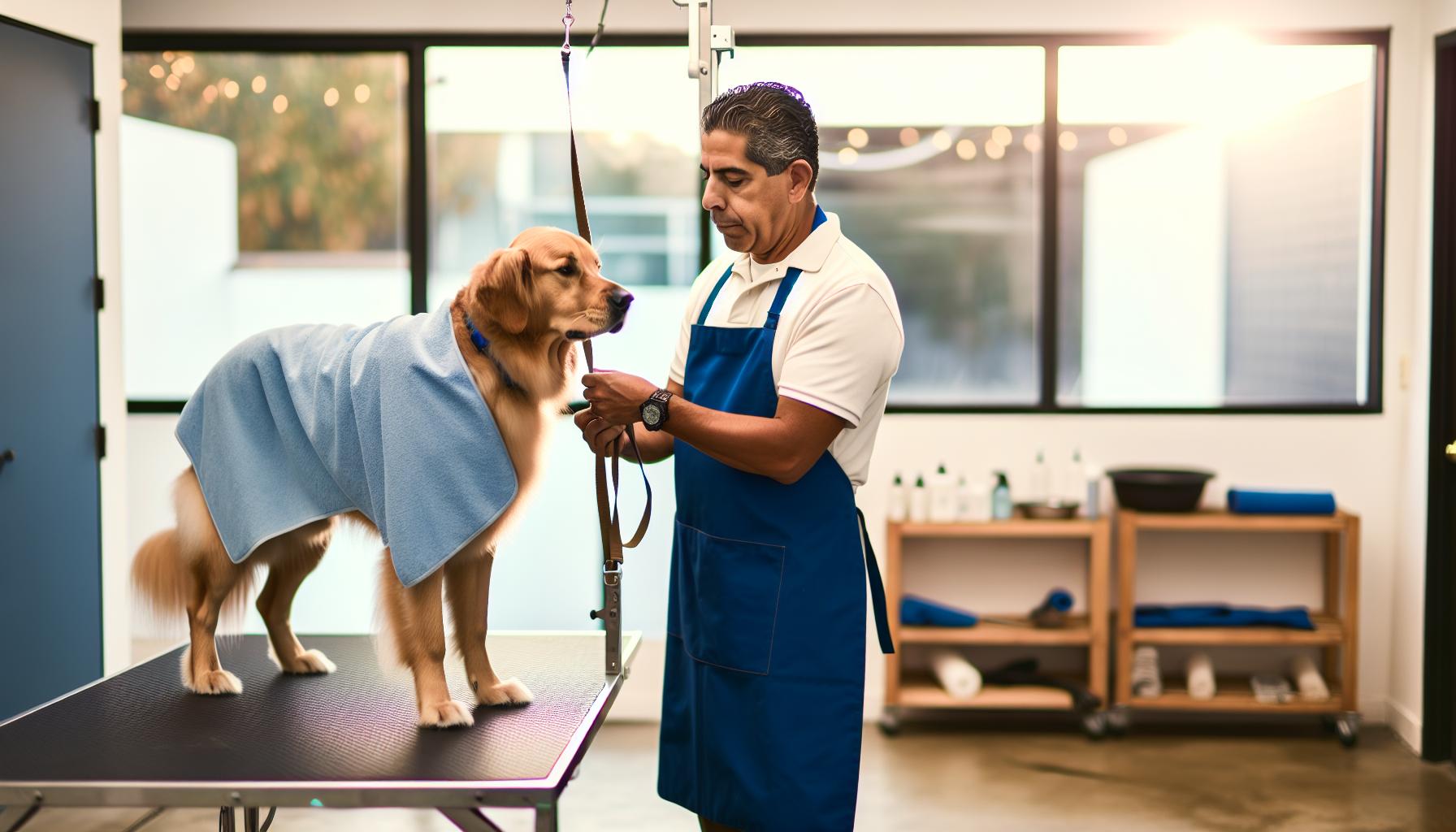
When and Why Groomers Use Gentle Restraints
Gentle restraints are often misunderstood, but when used thoughtfully, they become invaluable tools that enhance safety and calmness during grooming sessions. For many dogs-especially those who are anxious, wriggly, or unfamiliar with grooming-these restraints provide a subtle, soothing sense of security rather than discomfort or fear.By supporting a dog’s posture and preventing sudden movements, gentle restraints help groomers work calmly and efficiently, avoiding the need for force or rushed handling that can escalate stress.
Different dogs and grooming tasks call for specific restraint types. For example, a soft padded noose around the neck can definitely help steady a nervous terrier during careful trimming around sensitive areas like the face or ears. For a wriggly spaniel needing a bath, a belly band or sling support may provide comforting gentle pressure, similar to a calming hug, which encourages relaxation without restricting breathing or circulation. Even chain sets can be adjusted to offer secure but sensitive control for stronger dogs who might otherwise jump down from the grooming table.these tools are never about restraint for restraint’s sake-they’re about enabling safe, compassionate handling while maintaining dignity and respect for each dog’s limits.
When Restraints Help Most
- Bath Time: Wet fur and slippery surfaces can make dogs uneasy. A gentle strap or hammock support helps maintain balance safely, reducing the stress of slipping or feeling unstable.
- Brushing and Dematting: Sensitive dogs or those with thick undercoats may resist brushing. Light restraint keeps them steady, helping groomers take the process slowly and apply calming techniques without sudden jerks.
- Nail Trimming: This is a major source of anxiety for many dogs. Using a gentle hold on the paw combined with a secure neck loop helps prevent quick escapes or fearful reactions, allowing for careful, steady nail care.
- Ear Cleaning: Delicate ear tissue requires precision. Restraints position the head softly but firmly so groomers can work without abrupt movements, minimizing discomfort and anxiety.
Gentle Restraints in Practice: Real Examples
I once worked with a shy Cocker Spaniel who feared baths.using a padded noose combined with a soft belly sling allowed her to feel cradled rather than trapped. With these gentle supports, she gradually relaxed enough to tolerate the shampoo and rinse steps. another example is a bulldog with thick skin folds who disliked ear cleaning. A careful neck loop and calm, steady reassurance gave him the stillness needed while maintaining trust. In every case, the key is to introduce restraints gradually, pairing their use with soothing words, treats, and breaks to ensure the dog views them as safe helpers-and not a cause of fear.
Safety and Compassion First
It’s important to remember restraints are not a substitute for skilled handling or patient desensitization. They are tools to enhance comfort and safety, never punishment. Groomers carefully assess each dog’s temperament, health, and past experiences before deciding on restraint use. If a dog shows severe stress or pain, groomers may recommend consulting a veterinarian or a behaviorist to explore medical or training solutions beyond the grooming salon. For owners who groom at home,simple restraint tools-like a slip lead or grooming loops-can be valuable but should always be introduced gently and used sparingly to foster a positive,trusting bond.
By choosing gentle restraints thoughtfully and compassionately, groomers ensure safety without sacrificing the dog’s emotional wellbeing. This balanced approach turns grooming from a potentially fearful ordeal into an experience where every dog feels held, safe, and respected.
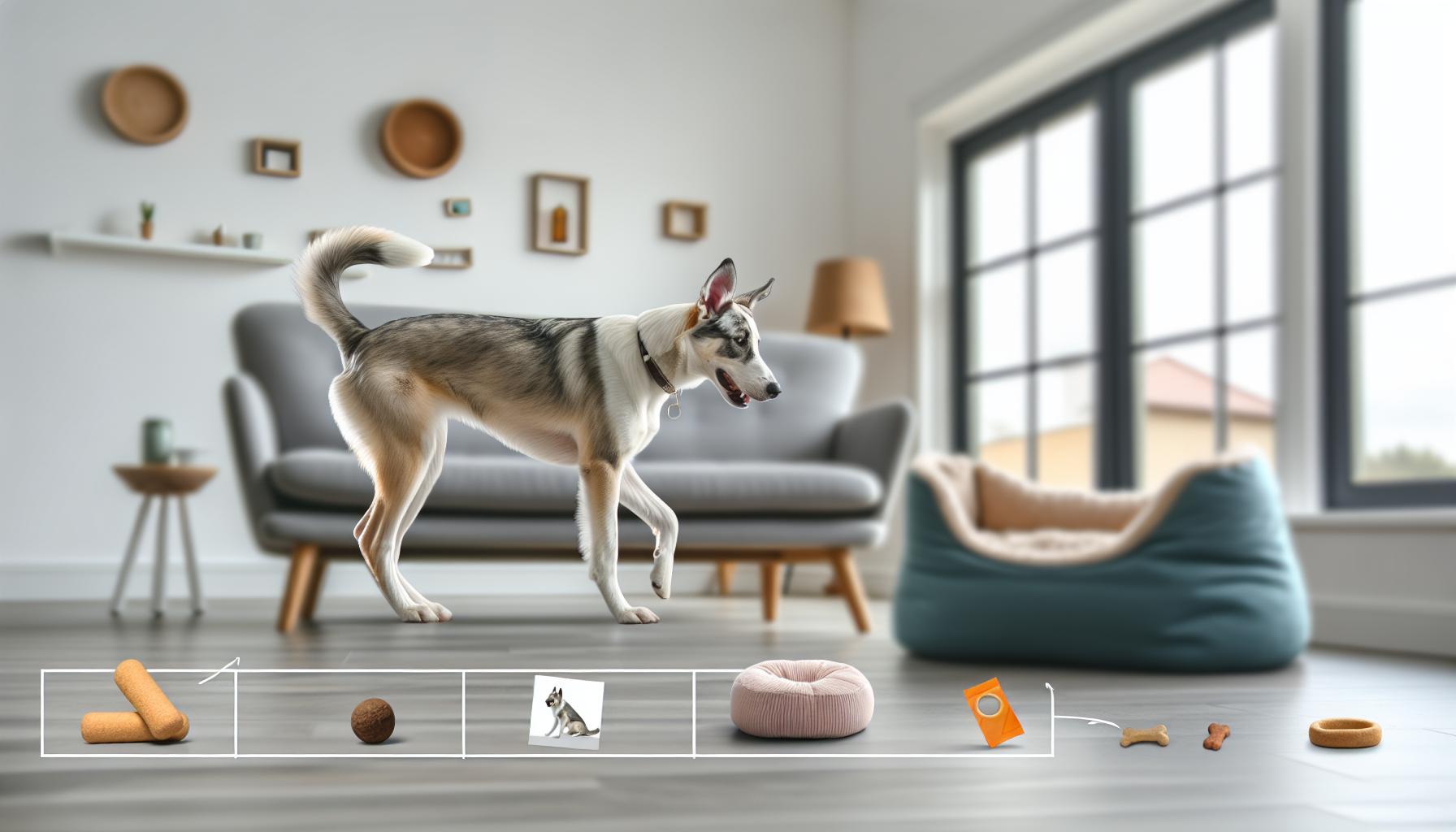
Signs a dog Needs Extra Calming Support
Many dogs mask their discomfort until the grooming process becomes overwhelming, so recognizing subtle signs of distress early can make all the difference. A dog that needs extra calming support often shows behaviors that indicate fear, stress, or uncertainty even before the first snip of the scissors. these signals help groomers tailor their approach to each dog’s unique needs, ensuring a safer and more comfortable grooming experience.
Early Indicators of Stress to Watch for
- Body Language: Look for tucked tails, flattened ears, tense muscles, or a lowered head. these classic signs often mean the dog feels insecure or fearful.
- avoidance Behaviors: Dogs that shy away from touch,pull back from the grooming table,or repeatedly attempt to flee are signaling discomfort that requires gentle encouragement and slower handling.
- Excessive Panting or Drooling: though sometimes overlooked, these physiological signs frequently enough indicate anxiety or fear, especially when not related to heat or thirst.
- Whining, Growling, or Barking: Vocal signals can be a dog’s way of saying “I’m uneasy” or “Please stop.” They deserve careful attention to avoid escalating stress.
- Shaking or Trembling: Frequently enough a clear signal that a dog is overwhelmed or frightened, trembling during nail trims or baths is a red flag for extra calm support.
Task-Specific Clues That Point to Extra Support
Some grooming tasks trigger more anxiety than others,and recognizing behavior patterns related to specific steps can guide groomers and owners in providing targeted calm. As an example:
- Bath Time: If a dog clings to the edge, resists stepping into the tub, or tries to jump out, gentle support like a belly sling or non-slip mats can help provide reassurance and safety.
- Brushing and Dematting: Dogs with thick undercoats, like Huskies or Golden Retrievers, may grow impatient or snap when mats tug. Signs such as nibbling at the brush or stiffening the body signal a need for breaks and soothing talk.
- Nail Trimming: Perhaps the most dreaded step for many pups,trembling paws,sudden jerks,or pulling away suggest the dog needs a slower,kinder approach with possible distractions such as treats or a calming pheromone collar.
- Ear Cleaning: pulling the head away or pawing at ears during cleaning frequently enough means sensitivity that demands gentle, steady restraint and a calm voice to ease worry.
Real-Life Example: A Shy Poodle’s Journey
I recall a Toy Poodle named Bella who visibly froze and trembled at the sight of clippers.Her coat required frequent trims, yet she was terrified of the noise and sensation. Recognizing her stress early, we took a stepwise approach-starting with short, quiet clipper sessions paired with treats and praise to build trust. We used a soft padded noose for gentle control but always paired it with soothing words and breaks. Over time, Bella began associating grooming with calm, positive experiences rather than fear-showing how early recognition and compassionate response empower even the most skittish dogs.
When to Seek Professional Advice
Some dogs’ anxiety goes beyond what a groomer can safely handle alone. If signs escalate to trembling so severe the dog cannot stand, aggressive snapping, or collapse, it’s essential to pause grooming and recommend a consultation with your veterinarian or a qualified animal behaviorist. Medical or therapeutic interventions,sometimes combined with gentle behavioral training,help address underlying issues and make future grooming visits manageable and safe.
Understanding subtle and overt signs that a dog needs extra calming support allows groomers and owners to work together compassionately, creating a nurturing atmosphere where every dog feels safe and valued. Remember, gentle patience and observation are the best first steps toward turning grooming fears into peaceful routines.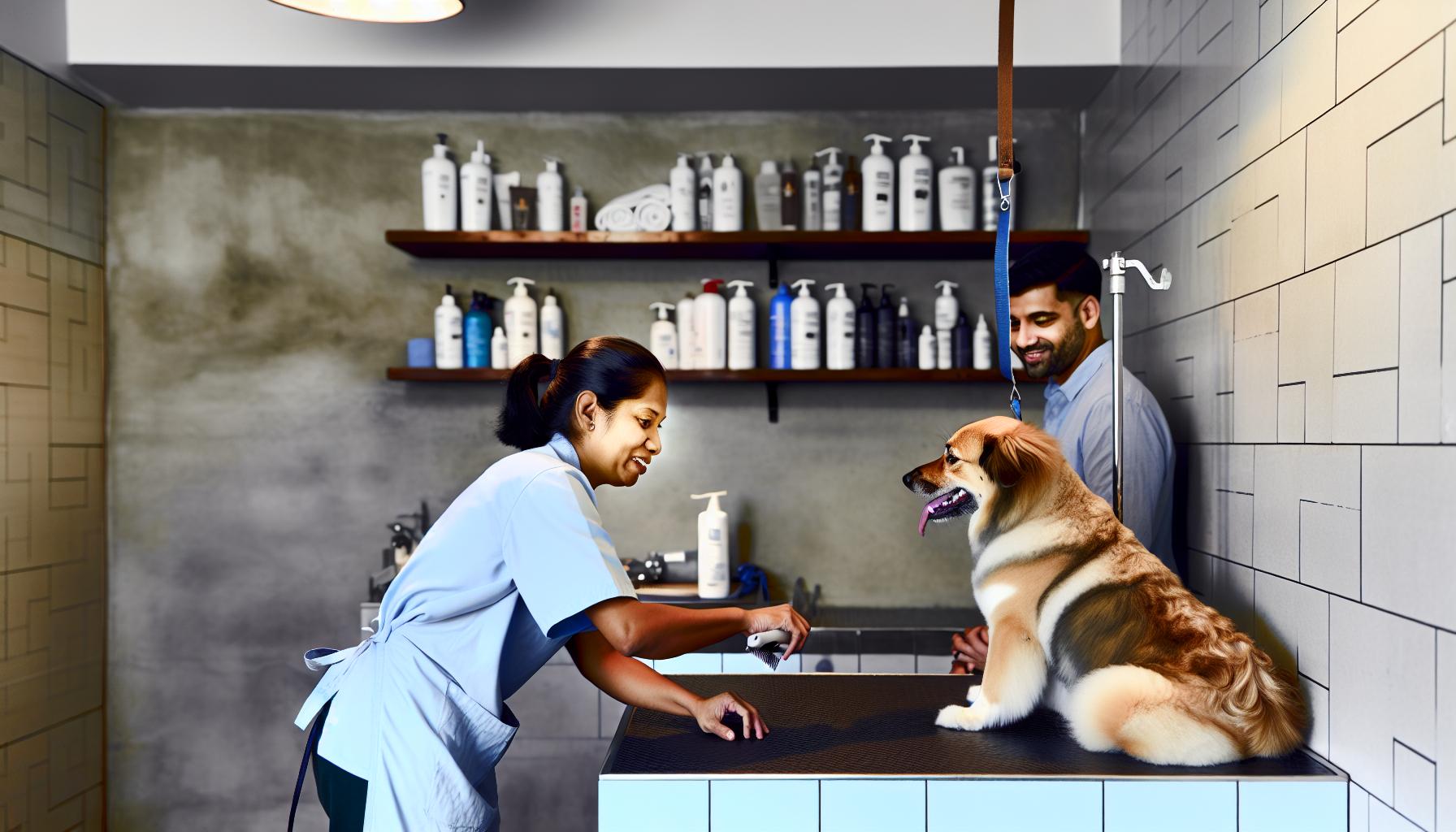
Communicating Calm: Owner-groomer Collaboration
Many anxious dogs arrive at the groomer carrying tension that only their owner truly understands. This rich insight forms the foundation of a calm, successful grooming session. Open, honest communication between groomer and owner is key to creating an atmosphere where the dog feels seen, safe, and supported throughout the appointment.By sharing details about your dog’s temperament, triggers, and past grooming experiences, you empower the groomer to tailor their approach with compassion and patience.
Sharing the Full Picture: What Owners should Communicate
- Temperament and Personality: is your dog naturally shy or excitable? Do they prefer gentle touch or more firm handling? Informing the groomer helps them decide when to slow down or use reassuring phrases.
- Past Experiences: Has your dog had negative grooming encounters? Awareness of fear triggers, like nail trims or clipping noise, allows the groomer to start slowly or introduce desensitization techniques.
- Medical or Sensory Issues: Skin sensitivities,arthritis,or hearing loss may require special handling or equipment choices. This data supports safety and comfort.
- Favorite Calming Items or Activities: Tell the groomer if your dog likes a particular treat, toy, or calming scent. Small comforts can make a big difference during stressful moments.
How Groomers Use Owner Insights to Foster Calm
Experienced groomers know that understanding your dog’s unique needs means adjusting everything from the pace of brushing to the choice of restraint. For example, if a Golden Retriever is known to dislike nail trims, the groomer may split that task across multiple sessions or incorporate treats and praise generously. For a Poodle with sensitive ears, the groomer might use extra gentle products and talk softly while working.
Some groomers ask owners to stay nearby during early appointments if it helps the dog settle. Others coordinate with owners on the best time of day for grooming, aiming to fit sessions when the dog tends to be naturally calmer. Regular feedback from owners after each grooming visit also guides improvements in handling and environment.
Partnering for Positive Outcomes at Home and Beyond
Encourage open dialog before and after appointments-this collaborative spirit builds trust not only between groomer and owner but also reassures the dog. Groomers can suggest simple training exercises or gradual desensitization tactics for owners to try at home, such as touching paws or handling ears in quiet, rewarding moments. When both parties work together, grooming shifts from a fearful task to a cooperative, even enjoyable, part of a dog’s routine.
Remember, groomers are your allies, focused on the welfare and dignity of your pet-not just the cut or style. If grooming-related anxiety seems to spike beyond manageable levels, they can recommend consulting a veterinarian or behaviorist for professional support, ensuring your dog’s overall well-being remains the priority.
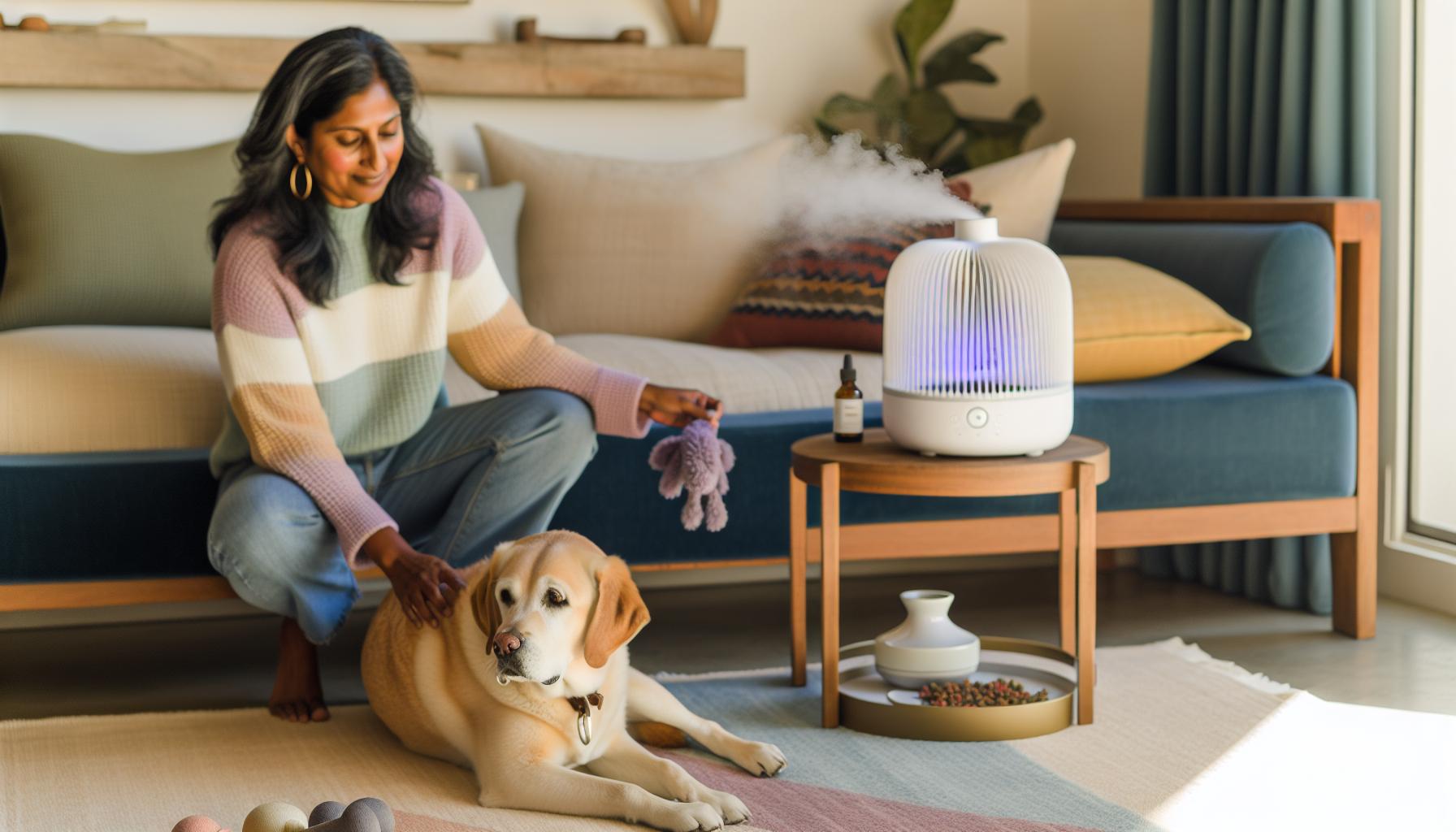
Emergency Calming Methods for High-Stress Dogs
Few things challenge a groomer more than a dog overwhelmed by stress during an appointment. High-stress moments can escalate quickly, but with calm, deliberate actions and a toolbox of effective methods, groomers can help a nervous pet find peace and cooperation. The key lies in recognizing early signs of distress and responding promptly using techniques grounded in compassion and safety.
Immediate Soothing Techniques
When a dog shows signs such as trembling, excessive panting, whining, or attempting to escape, the groomer’s first step is to pause the procedure. A gentle, soft voice and slow, deliberate movements go a long way to ease panic.Sometimes, simply stepping back allows the dog space to breathe and recalibrate. Offering a favorite treat or a comforting toy, if known, can work as a powerful anchor, redirecting focus.
Deep pressure touch-like a calming “hug” or gently wrapping the dog in a soft towel-often mimics the reassuring sensation puppies experience with their mothers and can quickly lower anxiety. For example,a groomer working with a small,delicate breed like a Shih Tzu might wrap the dog snugly in a blanket during a nail trim break,creating a safe cocoon to relax.
Calming Aids on Hand
Experienced groomers frequently keep a selection of trusted calming tools ready for emergencies:
- Adaptil® diffusers or collars: These release synthetic dog-appeasing pheromones proven to reduce stress.
- Thundershirts or snug wraps: These gentle compression garments provide constant, reassuring pressure.
- Calming sprays or wipes: Containing natural ingredients like lavender or chamomile, these can soothe skin and nerves alike.
- Soft classical music or white noise: Background sounds can drown out frightening noises such as clippers or dryers.
These tools complement behavioral calming, never replace it. Always check with owners before introducing new products, respecting any allergies or sensitivities.
Managing High-Stress Tasks Step-by-Step
Some parts of grooming-especially nail trims, ear cleaning, and bathing-tend to trigger higher anxiety. In emergencies, breaking these tasks into smaller steps is crucial:
| Task | emergency Calming Approach |
|---|---|
| Nail trim | Clip just one or two nails at a time, alternating with breaks for treats and praise; use quiet tools or nail grinders on low speed |
| Ear cleaning | Warm the solution beforehand, speak softly, gently lift the ear flap, and proceed slowly to avoid shocking nerves |
| Bath | Use lukewarm water, introduce water with a slow flow, and apply calming sprays beforehand to ease discomfort |
If stress cannot be contained safely, groomers must know when to halt and reschedule rather than push through. Safety of dog, groomer, and equipment is paramount.
Professional Boundaries and When to Seek Help
it’s important to understand the limits of what groomers can safely manage alone. For dogs with extreme anxiety, collaboration with veterinarians or animal behaviorists is essential. Prescription calming aids or professionally supervised behavioral modification plans may be necessary to transform grooming into a manageable and even enjoyable experience over time.
Meanwhile, groomers serve as compassionate allies, offering support, patience, and expert handling. When emergency calming methods are used effectively, many dogs move from fearful resistance to relaxed participation, building trust that will benefit future appointments-and their overall well-being.
Balancing Safety and Comfort During Grooming
Few things influence a grooming session’s success more than the delicate balance between keeping a dog safe and ensuring they feel comfortable throughout every step. Groomers know that pushing too hard can backfire, while being overly cautious may leave important care incomplete. The real skill-and heart-comes from finding the sweet spot where a pet remains calm, secure, and physically protected, even if that means slowing down or changing tactics.
tailoring Comfort by Task and Breed
understanding the dog’s breed, coat type, and temperament is essential. For instance, a heavy-coated Newfoundland might require longer brushes and slower drying routines, increasing the chance of overheating or restlessness. Conversely,a tiny Chihuahua’s fragile build means even minimal restraint must feel gentle,with breaks offered frequently. Groomers frequently enough select tools that minimize discomfort: slicker brushes with rounded tips, quiet dryers set to low-speed, and non-slip mats beneath the dog to prevent slipping or startling movements.Bath time can be tricky for sensitive dogs. Warm water temperature, as close to body temperature as possible, and slow water flow prevent shocks to the nervous system. Using calming shampoos with natural ingredients such as oatmeal or aloe can soothe skin and promote relaxation. When drying, a soft towel wrap before gentle air drying reduces the feeling of vulnerability and helps regulate body temperature.
Stepwise Approach with Real-Time Monitoring
Instead of trying to complete a grooming task all at once, groomers break down procedures into smaller, manageable chunks marked by clear signs of progress and comfort. Such as, during nail trims, clipping one or two nails at a time followed by treats and soothing praise gives the dog control over the situation.Quiet grinders on low speed avoid unpleasant vibrations and sounds that frequently enough startle anxious pets.
Ear cleaning is approached with slow, deliberate touch: warming the cleaning solution beforehand and softly lifting the ear flap. If a dog displays signs of discomfort, the groomer steps back, allowing time for the dog to relax before continuing.
Gentle Restraints: Support, Not control
When gentle restraint is necessary, it’s used to support the dog’s natural posture rather than forcibly immobilize. A loosely wrapped towel, a Thundershirt, or a soft no-pull harness can calm by providing reassuring pressure without causing panic or restricting breathing. Groomers are attentive to choose appropriate restraint methods based on size, health, and comfort level, always ready to remove them at the first sigh of distress.
Knowing When to Pause or Hand Off
One of the most important skills groomers have is recognizing when safety and comfort can’t be maintained together. If a dog’s anxiety becomes unsafe, stopping the session or rescheduling with a handler or veterinarian’s involvement is not a failure but a win for the dog’s welfare. Such as, a poodle with extreme fear of dryers might be calmed better at home with a desensitization protocol designed by a vet behaviorist before future groomings. Groomers communicate openly with owners to set realistic expectations focused on the dog’s health and happiness first.
With patience, a calm voice, and the right blend of tools and techniques, groomers transform potentially stressful moments into gentle, caring experiences that respect each dog’s unique needs-as safety and comfort are the true measures of grooming success.
Q&A
Q: How do dog groomers use music and sounds to calm dogs during appointments?
A: Dog groomers often play soft classical or calming music to create a peaceful atmosphere. Gentle sounds mask stressful noises from clippers and dryers, helping dogs stay relaxed. Using soothing background music is an easy, non-invasive way to reduce anxiety during grooming sessions.Learn more about creating a comforting environment in grooming routines.
Q: What role does treat timing play in calming dogs at the groomer?
A: Timely use of high-value treats acts as positive reinforcement, helping dogs associate grooming steps with rewards. Groomers strategically offer treats during or after stressful tasks to promote calm behavior and cooperation. This technique clusters with behavioral tips to build trust and reduce nervousness over time.
Q: Can specific handling techniques help soothe anxious dogs during grooming?
A: Yes, gentle, slow, and confident handling reassures anxious dogs, reducing stress signals. Groomers use calm touch combined with steady movements to avoid startling pets. These methods paired with behavioral understanding create a safe experience for sensitive breeds or fearful dogs.
Q: When do groomers recommend scheduling shorter sessions to keep dogs calm?
A: For dogs prone to stress,groomers often suggest multiple short grooming appointments instead of one long session. This approach prevents overwhelm, allows gradual acclimation, and improves overall comfort. Shorter visits paired with calming strategies promote a positive grooming relationship.
Q: How do dog groomers use desensitization tools to calm pets before grooming?
A: Groomers may use desensitization tools like brushes or clippers turned off to slowly introduce sensations before actual grooming. This gradual exposure helps dogs adjust without stress. Owners can support this method at home, reinforcing calmness with practice guided by grooming professionals.
Q: What calming supplements are safe for dogs during grooming appointments?
A: Groomers sometimes recommend veterinarian-approved calming supplements, like CBD oil or pheromone-based products, which can ease nervousness. These should be used under vet guidance considering dosage and individual health. Supplements are part of a holistic calm approach, complementing natural remedies and behavioral care.
Q: How do groomers adjust grooming tools to reduce noise and stress for sensitive dogs?
A: Groomers may select quiet or low-vibration clippers and maintain sharp blades to lessen noise and pulling. Adjusting tool speed and using noise-dampening accessories minimizes sensory overload. These tool adaptations are essential in managing stress for dogs sensitive to sound or touch.
Q: why is owner presence sometimes encouraged during grooming to calm dogs?
A: Some groomers invite owners to stay nearby or briefly interact to provide comfort through familiar presence.This helps reduce separation anxiety and enhances dog’s trust. However, groomers balance owner involvement to avoid distractions and maintain professional calm during grooming processes.
For detailed insights on grooming safety and behavioral techniques, check sections like [Creating a Comforting Grooming Environment] and [Training Tips Groomers use to Build Dog Trust] in our main article. If your dog shows extra anxiety signs,it’s always wise to consult both your groomer and vet for personalized care.
The Conclusion
Knowing how professional dog groomers use calming techniques-from gentle handling and soothing pheromones to specialized tools and patient, step-by-step care-can make your pet’s grooming experience safer and less stressful. Whether your dog has a sensitive coat, anxieties, or specific grooming needs, understanding these practices empowers you to choose the right groomer or try simple calming methods at home with confidence.
Ready to dive deeper? Explore our guides on [choosing the best grooming tools for different breeds], [tips for bathing and brushing anxious dogs], and [how to recognize when a vet’s help is needed during grooming]. These resources help you build a stress-free grooming routine that prioritizes your dog’s comfort and well-being. Don’t wait-subscribe to our newsletter for expert advice delivered straight to your inbox, and join a community of caring pet owners just like you.
Have questions or success stories about calming your dog during grooming? Share them below-we love hearing from fellow dog lovers! Keep your furry friend calm, safe, and happy with the right knowledge and care, and visit us often for the latest tips and trusted insights.
Get our latest guides, news, and insights highlighted in your Google Search & AI Overviews.
Keep reading about the same coat and cut.




Popular grooming guides
Bath vs clip, first grooms, and salon how-tos.