What Do Dog Groomers Do: Complete Service Breakdown and Process
Did you know that regular grooming goes far beyond just keeping your dog looking good? It’s essential for their health, comfort, and happiness. In this guide, we’ll walk you through exactly what professional dog groomers do-from bathing and brushing to nail trims and ear care-tailored to different breeds and coat types. If you’ve ever worried about how to keep your pup safe and agreeable during grooming, or wondered when to trust a groomer versus handling care at home, you’re in the right place. With kindness and patience, we’ll break down each step of the grooming process, share helpful tips, and clarify what tools and techniques work best, ensuring both you and your furry friend feel confident and calm. Whether your dog needs a simple wash or specialized care, understanding what goes into professional grooming helps you make informed choices that prioritize their well-being-and creates a happier experiance for everyone involved.Let’s explore how thoughtful grooming keeps tails wagging and fur silky, while safeguarding health every step of the way.
What dog Groomers Actually Do Every Visit
Table of Contents
- 1 What dog Groomers Actually Do Every Visit
- 2 Step-by-Step Dog grooming Process Explained
- 3 Essential Tools and Products Groomers Use
- 4 How Groomers Handle Different coat Types
- 5 Bathing Techniques for a Calm, Clean Dog
- 6 Brushing, Dematting, and Coat Care Tips
- 7 Nail Trimming and Paw Care Safety
- 8 Ear Cleaning and Health Checks by Groomers
- 9 Cutting, Styling, and Breed-Specific Haircuts
- 10 How Groomers Work with Nervous or Anxious Dogs
- 11 When to See a Veterinarian vs. Groomer
- 12 Tips to Prepare your Dog for Grooming Visits
- 13 FAQ
- 13.1 Q: How do dog groomers ensure safety during stressful grooming sessions?
- 13.2 Q: What special grooming services can definitely help dogs with skin allergies?
- 13.3 Q: When is it recommended to choose professional grooming over at-home grooming?
- 13.4 Q: How do groomers prevent matting in thick or long-haired dogs between visits?
- 13.5 Q: What should dog owners expect during the initial consultation with a groomer?
- 13.6 Q: How do groomers accommodate senior dogs or those with mobility issues?
- 13.7 Q: What hygiene standards do groomers follow to maintain a clean and safe environment?
- 13.8 Q: How can owners help reduce their dog’s stress before and after grooming appointments?
- 14 the Way Forward
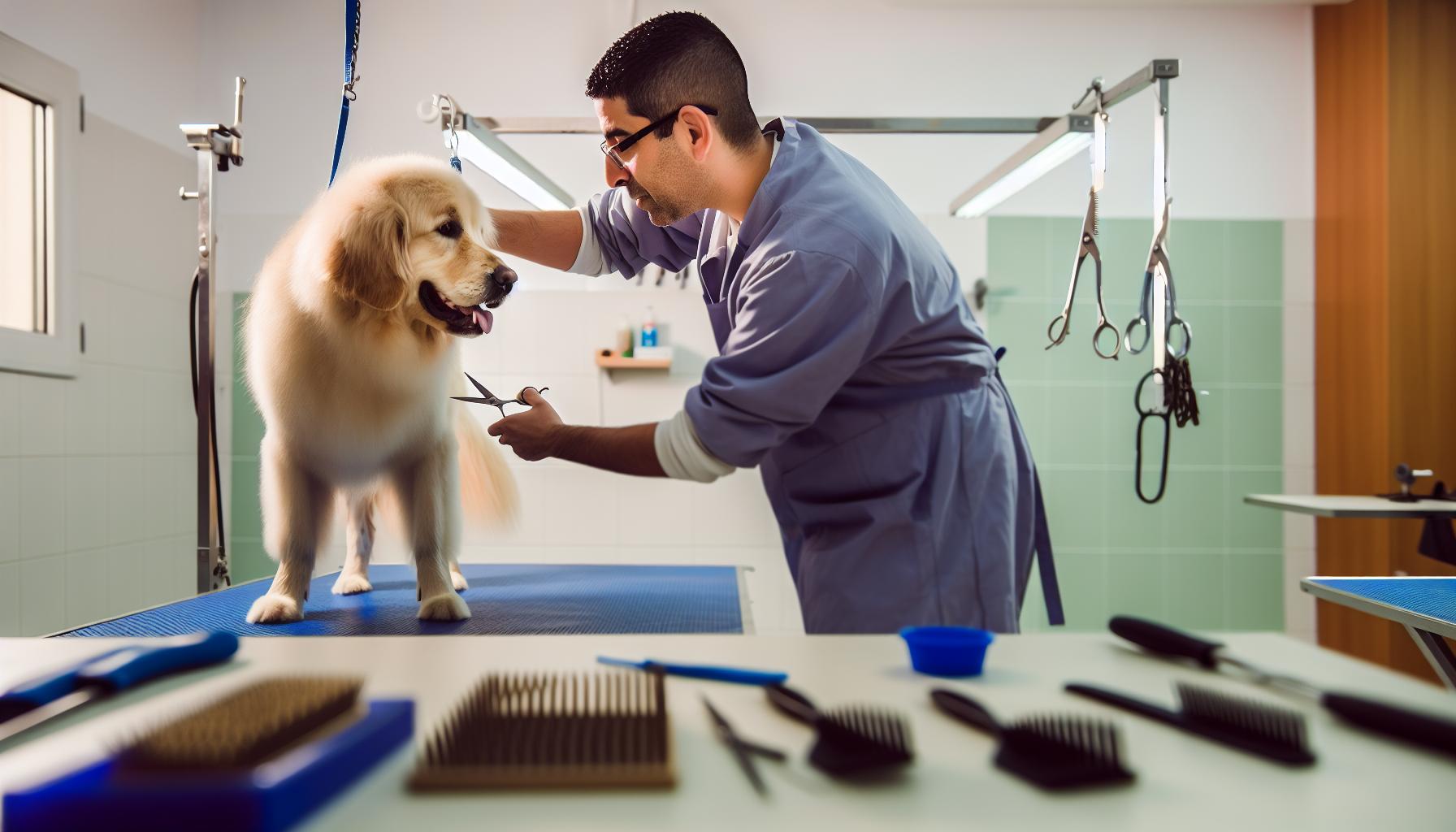
Many pet owners don’t realize just how much care and attention goes into each grooming visit. Beyond a fresh haircut or bath, groomers play a crucial role in keeping dogs healthy, comfortable, and happy. Each appointment is thoughtfully designed to address your dog’s unique coat type, behavior, and health needs, making every visit an individualized experience rooted in compassion and expertise.
When your dog arrives, the groomer begins with a gentle assessment, checking the coat condition, skin health, ears, nails, and overall demeanor. This isn’t just about aesthetics; it’s the foundation for tailoring the entire session to what your dog needs most.Such as,a thick double coat like that of an Alaskan Klee Kai requires different handling from a silky Maltese or curly Poodle coat. The groomer carefully selects tools and techniques that protect your pet’s skin and coat while minimizing stress.Throughout the visit, you’ll see a blend of skilled techniques including calming approaches for anxious dogs, specialized brushing to prevent matting, and precise trimming to keep your dog looking and feeling their best. Nail trims and paw care are performed with steady hands and patience, knowing how sensitive these areas can be. Plus, groomers ofen spot signs of ear infections or skin issues early, advising owners when a veterinarian’s input is needed-safeguarding your dog’s wellbeing.
By the end of the appointment, your dog isn’t just cleaner or better styled; they feel nurtured and comfortable. groomers focus on safety,comfort,and positive reinforcement at every step,creating a welcoming routine that turns nervous or shy pups into relaxed stars of their next visit.
What to Expect in a Typical Visit
- Initial Health & Coat Check: Evaluation of skin, coat, and overall comfort.
- detangling & Brushing: Tailored to dog’s coat type to remove mats or loose fur.
- Bath Time: Use of gentle, breed-appropriate shampoos and conditioners.
- Nail Trimming: Carefully clipped or filed to a safe length.
- Ear Cleaning & Inspection: Removal of debris and early detection of issues.
- Cut & Style: Breed-specific or customized trims based on owner preference and dog’s comfort.
With every visit, groomers become your partner in your dog’s health and happiness, combining technique with tender care to make grooming a positive experience for all.
Step-by-Step Dog grooming Process Explained
Every grooming session is much more than just a trim or wash-it’s a carefully orchestrated routine aimed at ensuring your dog’s comfort, health, and happiness. Starting with a calm introduction helps set the tone for the whole process, especially crucial for nervous pets. Groomers begin by closely examining your dog’s coat, skin, ears, and nails to tailor the session specifically to their needs. This initial check frequently enough uncovers hidden issues like mats, skin irritations, or ear infections, allowing early intervention or a recommendation to visit the vet if necessary.
Preparing and Detangling
Before any bath, your groomer will gently brush and detangle the coat. This step is crucial as mats and tangles can tighten when wet, making them painful and difficult to remove. For thick double coats, such as those found on huskies or Akitas, dematting requires patience and the right rake or comb tools to avoid skin irritation. with curlier coats like Poodles, specialized slicker brushes and dematting tools help ease out tangles without pulling harshly on the fur. The groomer works slowly, using calm, reassuring strokes to keep your dog relaxed.
Bathing and Conditioning
Next is bath time, which isn’t just about cleaning; it’s also a moment to soothe and refresh. Groomers use gentle, breed-appropriate shampoos and conditioners that safeguard skin health and maintain coat texture. For example, dogs with sensitive skin might get oatmeal-based shampoos, while water-repellent coats need formulas that don’t strip natural oils. Water temperature and spray pressure are carefully controlled to make this a peaceful experience. After rinsing, towel drying and often blow drying with a low-heat setting complete the bath, especially important for thick or dense fur which can otherwise trap moisture leading to skin problems.
Nail Trimming and Ear Care
Once dry, nail trimming is approached with intentional care to avoid discomfort or injury. Groomers commonly use clipper types based on nail thickness and dog size, sometimes finishing with gentle filing for smooth edges. Paw condition matters too; groomers check for cracks or debris lodged between pads.Ear cleaning follows, involving a gentle removal of dirt and wax using specialized solutions and cotton balls-never Q-tips, which can harm the ear canal. This step helps prevent infections and is often when subtle signs of issues are detected, prompting advice to consult a vet if needed.
Cutting, Styling, and Final Touches
The session typically ends with haircutting or trimming tailored to your dog’s breed standards and personal comfort. Skilled groomers blend technical knowledge of specific trims with respectful handling, frequently checking in with your dog’s response. Whether it’s a full breed-standard haircut or a simple sanitary trim, the goal is to combine aesthetics with practicality, such as keeping coats manageable for swimming or allergy relief. Positive reinforcement and breaks throughout ensure your dog stays calm. This thoughtful, stepwise approach means your furry friend leaves feeling cared for – not just looking great.
| Step | Key Focus | Tools Used | Notes |
|---|---|---|---|
| Initial Assessment | Health, coat condition, behavior | Visual inspection, gloves as needed | Identifies special needs or vet referrals |
| Brushing & Detangling | Remove mats, loose fur | Slicker brush, combs, dematting tools | Technique varies by coat type |
| Bathing | Cleanliness, skin protection | Breed-specific shampoo, conditioner | Water temp & pressure controlled |
| Nail trimming | Comfort, safety | Clippers, nail files | Avoid cutting quick |
| Ear Cleaning | Debris removal, infection prevention | Ear cleaner, cotton balls | Gentle, no probing |
| styling & Trimming | breed standards, owner prefs | Scissors, clippers | Comfort prioritized over style |
remember, every dog is unique. What makes one coat easy to manage can present a challenge for another. A compassionate groomer adapts to those differences with patience and expertise. If your dog feels uneasy at any stage, breaks and soothing touch bring comfort and confidence back-turning grooming from a chore into a bonding experience that promotes lifelong well-being.
Essential Tools and Products Groomers Use
Grooming a dog well requires more than just a good pair of scissors and a splash of water. The right tools and products make all the difference in ensuring a safe,comfortable,and effective session that respects each dog’s unique coat,skin,and temperament. Professional groomers carefully select their gear not only for efficiency but also for the wellbeing of the dog-as a relaxed dog means a more positive grooming experience for all involved.
brushing and Dematting Tools
Different coat types demand specific brushes and combs. For example, a slicker brush is a must-have for dogs with curly or wiry coats like Poodles and Terriers, as it gently lifts dirt and detangles with minimal pulling. For double-coated breeds such as Huskies or Golden Retrievers, rakes and undercoat combs help remove loose fur and prevent mats beneath the top layer. Dematting tools with carefully designed blades are used sparingly and only where necessary to avoid skin irritation. Experienced groomers always start with the least invasive tools and methods to keep your dog comfortable.
- slicker brushes to loosen surface tangles and debris
- Dematting combs for breaking down stubborn mats gently
- Undercoat rakes to remove loose dense fur in double coats
- Pin brushes for finishing and fluffing coats
Bathing Essentials
Bath time involves more than shampooing. Groomers choose shampoos and conditioners formulated for specific coat types and skin conditions. As an example, oatmeal-based shampoos soothe sensitive or itchy skin, while moisturizing formulas maintain healthy oils in water-repellent coats like those of Retrievers. Water temperature and spray settings are customized to keep the bath calming, not stressful. Soft nozzles and gentle streams avoid frightening smaller or anxious pets. Post-bath drying tools-plush towels and low-heat blow dryers-are critical to prevent moisture from lodging in dense coats,which can cause irritation or infections.
- Breed-specific shampoos and conditioners to balance cleansing with skin health
- Gentle sprayers and adjustable water heaters for a soothing wash
- Super-absorbent towels to quickly remove excess water
- Low-heat blow dryers designed to prevent stress and heat damage
Nail Care and Ear Cleaning Tools
Trimming nails safely is a hallmark of skilled grooming. Whether using customary clippers, guillotine-style trimmers, or electric grinders, groomers select their tools by nail thickness and dog size. A steady hand and patience help avoid cutting into the sensitive quick, which can cause pain and bleeding. Nail files smooth out rough edges for added comfort. Ear care involves gentle cleaning solutions and soft cotton balls to clear wax and debris without probing too deep. This crucial step helps prevent infections and alerts groomers to early warning signs like inflammation or unusual odors.
- Specialized nail clippers and grinders for precision and safety
- Quality nail files to smooth sharp edges
- Vet-approved ear cleaning solutions to gently remove buildup
- Cotton balls or pads for safe, careful ear cleaning
Cutting, Styling, and Finishing tools
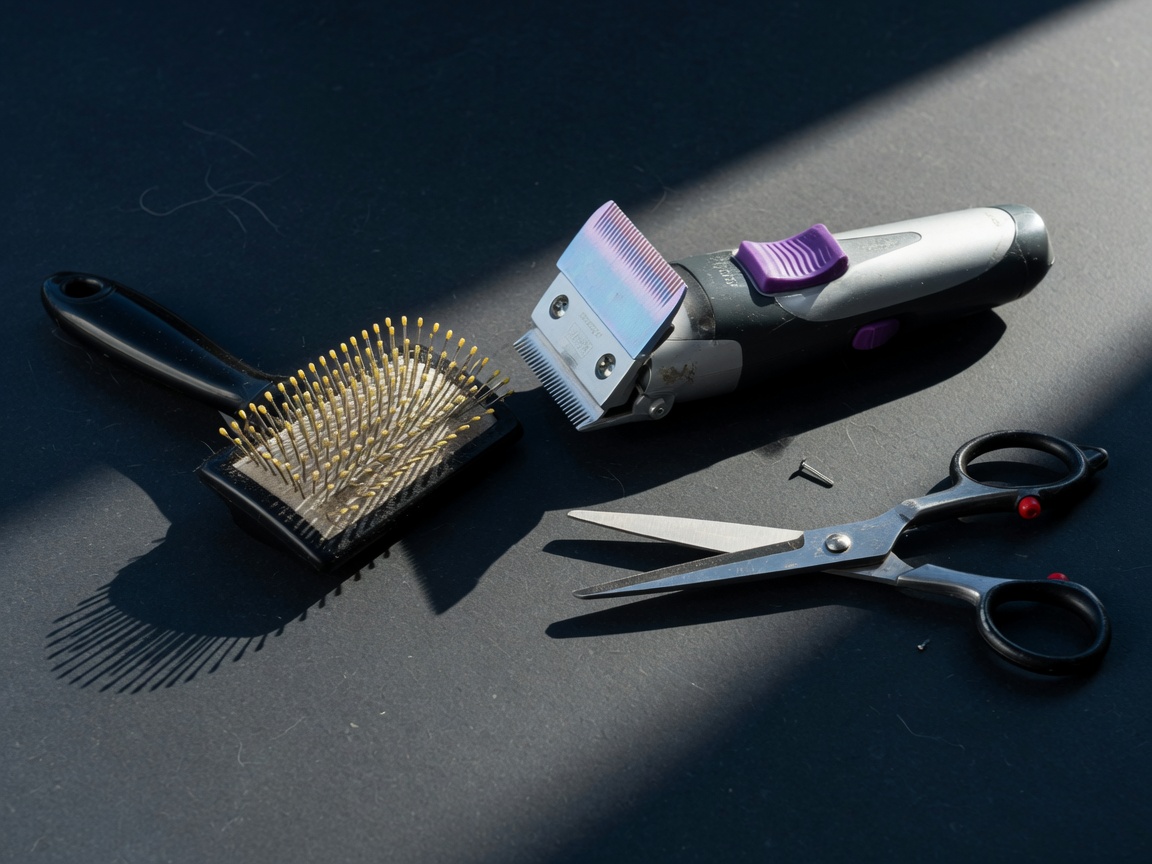
Achieving the perfect trim combines technical skill with the right equipment. Groomers rely on sharp, well-maintained scissors and electric clippers with various blade guards to customize coat length and style per breed standards or owner preferences. Detail tools like thinning shears soften harsh lines and add texture. Given the wide spectrum of coat textures and styles-from the fluffy fluff of a Bichon Frise to the sleek outline of a Doberman-a groomer’s confidence with these tools is vital to keep dogs comfortable and avoid overhandling.
| Tool | Purpose | Example Use |
|---|---|---|
| Slicker Brush | Detangle and remove loose hair | Prepares thick coats like Poodles for bathing |
| Undercoat Rake | Remove dense undercoat fuzz | Used on double-coated breeds like Huskies |
| Electric Clippers with Blade Guards | Trim coat to desired length safely | Shaving bulky coats; finishing sanitary trims |
| Nail Clippers / Grinders | Trim and smooth nails | Prevent snagging and discomfort from overgrown nails |
| Ear Cleaner & Cotton Balls | Remove earwax gently | Maintain ear health without injury |
Every tool is chosen to prioritize your dog’s safety and comfort during grooming. That means knowing when to pause,how to adjust for sensitive skin or anxious behavior,and often using calming techniques alongside the right products.If a coat is heavily matted or a skin issue is detected, a gentle groomer will advise seeing a veterinarian rather than risk discomfort or worsening a problem. This balanced, thoughtful approach turns grooming into a caring ritual your dog can trust.
For pet owners looking to replicate some of these steps at home,understanding the purpose and correct use of each tool can make a noticeable difference in your dog’s comfort and coat health. Always remember, the right tool in kind hands makes grooming a rewarding experience-for your dog and for you.[1] [2] [3]
How Groomers Handle Different coat Types
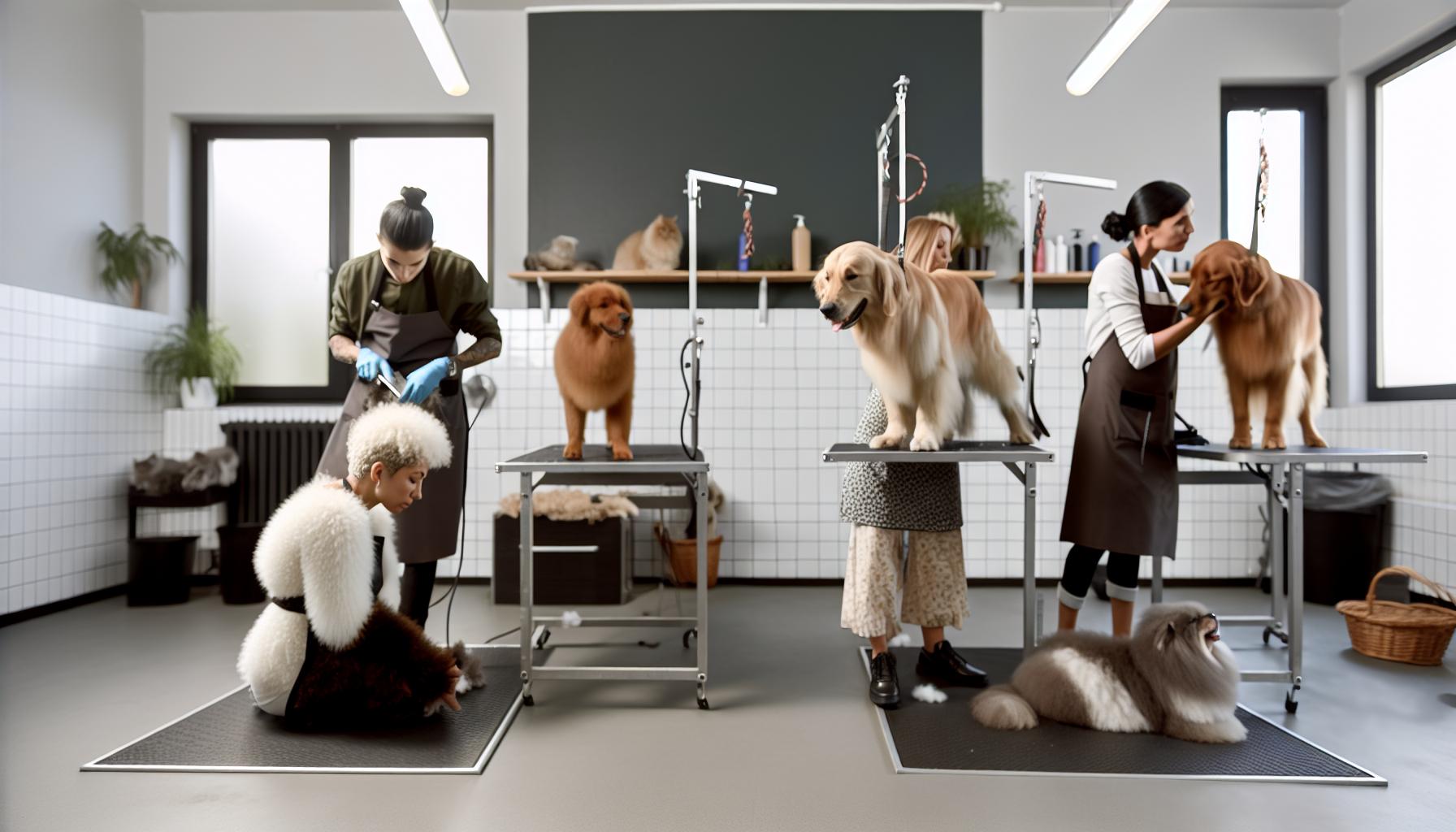
handling the variety of dog coat types is one of the biggest challenges-and joys-of professional grooming. Each coat has its own personality, from silky and fine to thick and curly, and understanding these differences ensures your dog feels comfortable and looks their best.Whether working with a soft Bichon Frise fluff or the dense double coat of a siberian Husky, groomers focus on techniques and tools tailored to the coat’s unique needs rather than imposing a “one-size-fits-all” approach.
groomers begin by identifying the coat type, which influences every step-from brushing to bathing and trimming. For example,curly or wiry coats found in poodles or certain Terriers demand slicker brushes and dematting combs to gently remove tangles without breakage. These coats tend to trap dirt and oils close to the skin, so thorough, breed-specific shampoos with conditioning agents are essential to maintain softness and reduce matting. In contrast, double-coated breeds like Golden Retrievers or Malamutes have a thick undercoat that sheds seasonally. groomers spend extra time with undercoat rakes to remove loose fur and prevent painful mats beneath the topcoat.This not only improves the dog’s comfort but also reduces shedding around the home.
Adjusting Techniques by Coat Type
- Curly & Wiry coats: Frequently enough require slow,patient brushing with slicker brushes and dematting tools to avoid skin irritation. Groomers take care to work in small sections,softly teasing apart mats rather than cutting aggressively.
- Double Coats: Rely on undercoat rakes and wide-tooth combs. Bathing is followed by meticulous drying and fluffing to ensure the thick layers don’t remain damp, which can cause irritation or infection.
- Short & Smooth Coats: Like those on Boxers or Beagles, require less intensive brushing but benefit from gentle exfoliating brushes to remove loose hair and dirt, keeping the skin healthy.
- Long, Flowing Coats: Seen in breeds such as Shih Tzus and Maltese, demand careful daily brushing by owners between groomings to avoid mats. Groomers support this with specialized pin brushes and conditioners that help maintain manageability.
Real-World Tips from the Grooming Table
Occasionally, a stubborn mat will challenge even the most experienced groomer.In these cases, the priority is always the dog’s comfort. Rather than forcing removal,groomers may carefully trim mats with thinning shears or clippers,avoiding skin injury. If mats are severe or near irritated skin, a recommendation to consult a veterinarian is given, as underlying health issues sometimes worsen coat condition.
Groomers also watch closely for signs of sensitive skin or allergies, choosing hypoallergenic shampoos or medicate treatments when needed. Such as, with delicate skin, they avoid harsh tools or excessive brushing frequency, rather focusing on gentle massage and soothing rinses to make bath time a calming experience rather than a stressful event.
| Coat Type | Common Breeds | Key Tools | Grooming Tips |
|---|---|---|---|
| Curly / Wiry | Poodles,Terriers | Slicker Brush,Dematting Comb | Work in sections,gentle detangling,use conditioning shampoos |
| Double Coat | Golden Retriever,Siberian Husky | Undercoat Rake,Wide-Tooth Comb | Remove undercoat regularly,dry thoroughly post-bath |
| Short / smooth | Beagle,Boxer | Rubber or Bristle Brush | Regular gentle brushing,exfoliate to promote healthy skin |
| Long / Flowing | Shih Tzu,Maltese | Pin brush,Slicker brush | Daily brushing recommended,use detangling sprays |
Ultimately,handling coats thoughtfully ensures grooming isn’t just about appearance-it’s about respect,comfort,and maintaining your dog’s health. If a coat has unusual issues like severe matting, skin sores, or unusual shedding, groomers wisely refer to veterinarians to rule out medical concerns. This collaboration keeps grooming safe and supportive for every furry client.
Bathing Techniques for a Calm, Clean Dog
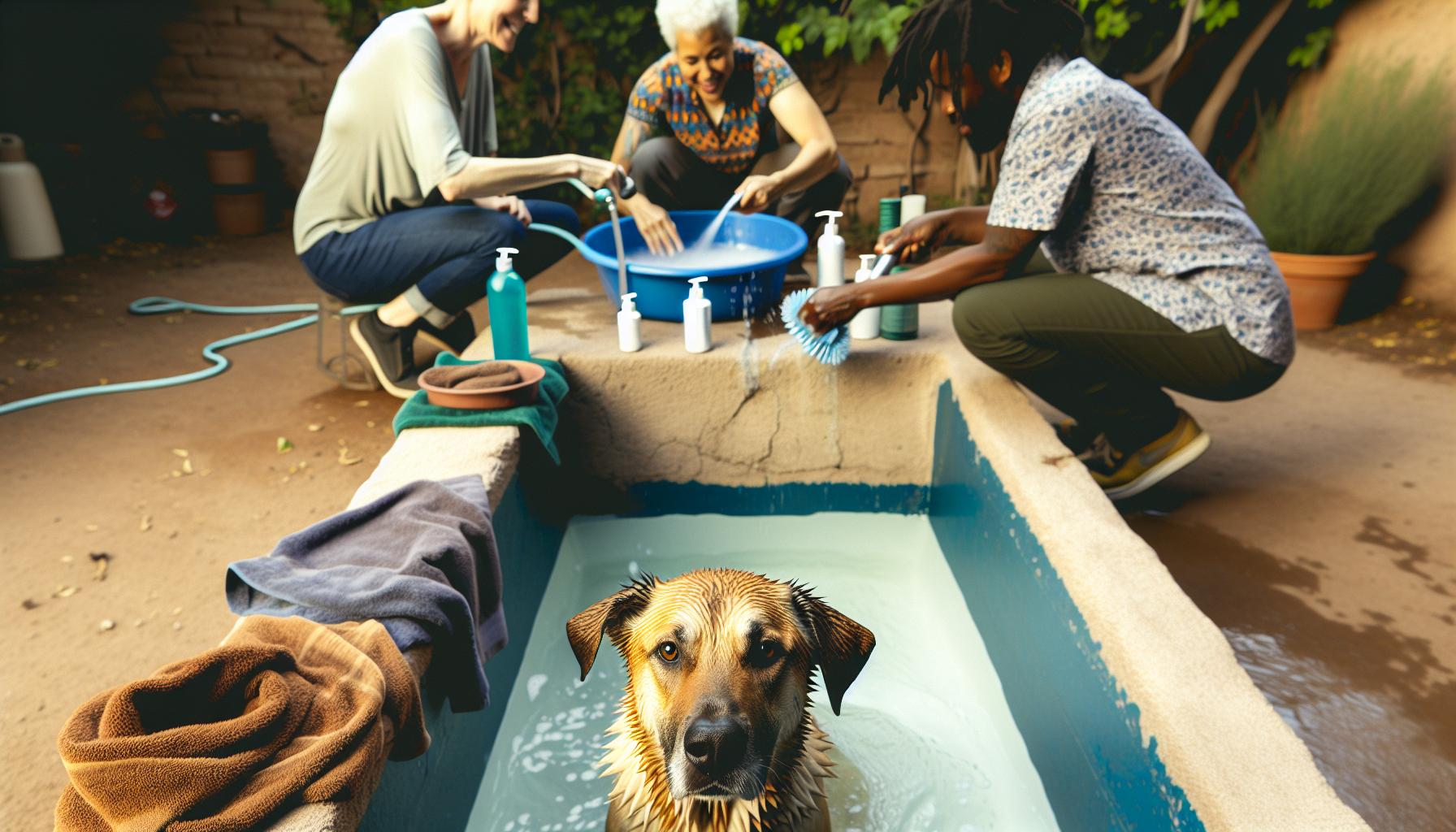
A bath can be a moment of calm connection or a source of stress for many dogs-and how it’s done makes all the difference. Groomers approach bathing not just as a cleaning step but as an opportunity to promote comfort and trust. the goal is a coat that’s clean, well-conditioned, and healthy without triggering anxiety or discomfort. Understanding your dog’s coat type and temperament sets the foundation for a smooth experience.
Preparing for the Bath
Before any water touches fur, groomers carefully brush the coat to remove loose hair and tangles, especially critically important for curly or long-haired breeds prone to mats. This reduces pain and damage during the bath and improves shampoo penetration.Bathing tools and products are selected based on the dog’s skin sensitivity and coat needs-hypoallergenic shampoos for puppies or allergy-prone pets, moisturizing formulas for dry coats, and medicated treatments when necessary.
Water temperature is kept lukewarm-never hot or cold-to soothe rather than shock the skin. Many groomers gently wet the dog incrementally, starting with the legs and chest, allowing the dog to acclimate rather than jetting a full stream at once. speaking calmly and using gentle touches throughout lets the dog know they’re safe.
Step-By-Step Bathing Approach
- Wet Thoroughly but Gently: using a handheld sprayer or cup, the groomer wets the coat section by section to avoid overwhelming the dog.
- Apply Shampoo Mindfully: Concentrating first on the dirtiest areas like paws, belly, and rear, shampoo is massaged in with care to avoid rubbing too hard on delicate skin.
- Use the Right Shampoo for Coat Type: Poodles with curly hair get moisturizing, detangling shampoos, while double-coated breeds like Huskies require formulas that clean undercoat oils without stripping natural barriers.
- Rinse Completely: Leaving even small shampoo residues can cause irritation. Groomers take extra time here to ensure all suds are washed away, moving water along the coat’s natural lay.
- Condition When Needed: For long or curly coats,a conditioner helps keep hair soft and manageable,reducing future matting.
Keeping Calm and Comfortable
If a dog shows signs of stress-shaking,whining,or trying to escape-groomers pause and work at a slower pace,sometimes using treats or breaks to reward calm behavior. Gentle massage during rinsing can soothe nerves, transforming bath time into a relaxing ritual.For nervous breeds or rescue dogs unfamiliar with bathing, groomers sometimes employ specialized techniques such as pheromone collars or soft music to calm the environment.
Drying With Care
After the bath, drying is just as critically important. Toweling often comes first,carefully blotting rather than rubbing to avoid tangling. For thick or double coats, groomers use adjustable low-heat dryers that fluff the coat while preventing heat stress or hot spots. Some dogs prefer air drying in a quiet area, which groomers facilitate whenever possible. This step is crucial: wet, dense coats left damp risk skin irritation or fungal infections.By prioritizing patience, safety, and the dog’s emotional comfort, groomers turn what some fear into a gentle, healthful experience that leaves every pup feeling fresh and relaxed. With consistent practice and positive reinforcement at home, owners can definitely help their dogs build happy associations with bath time too.
Brushing, Dematting, and Coat Care Tips
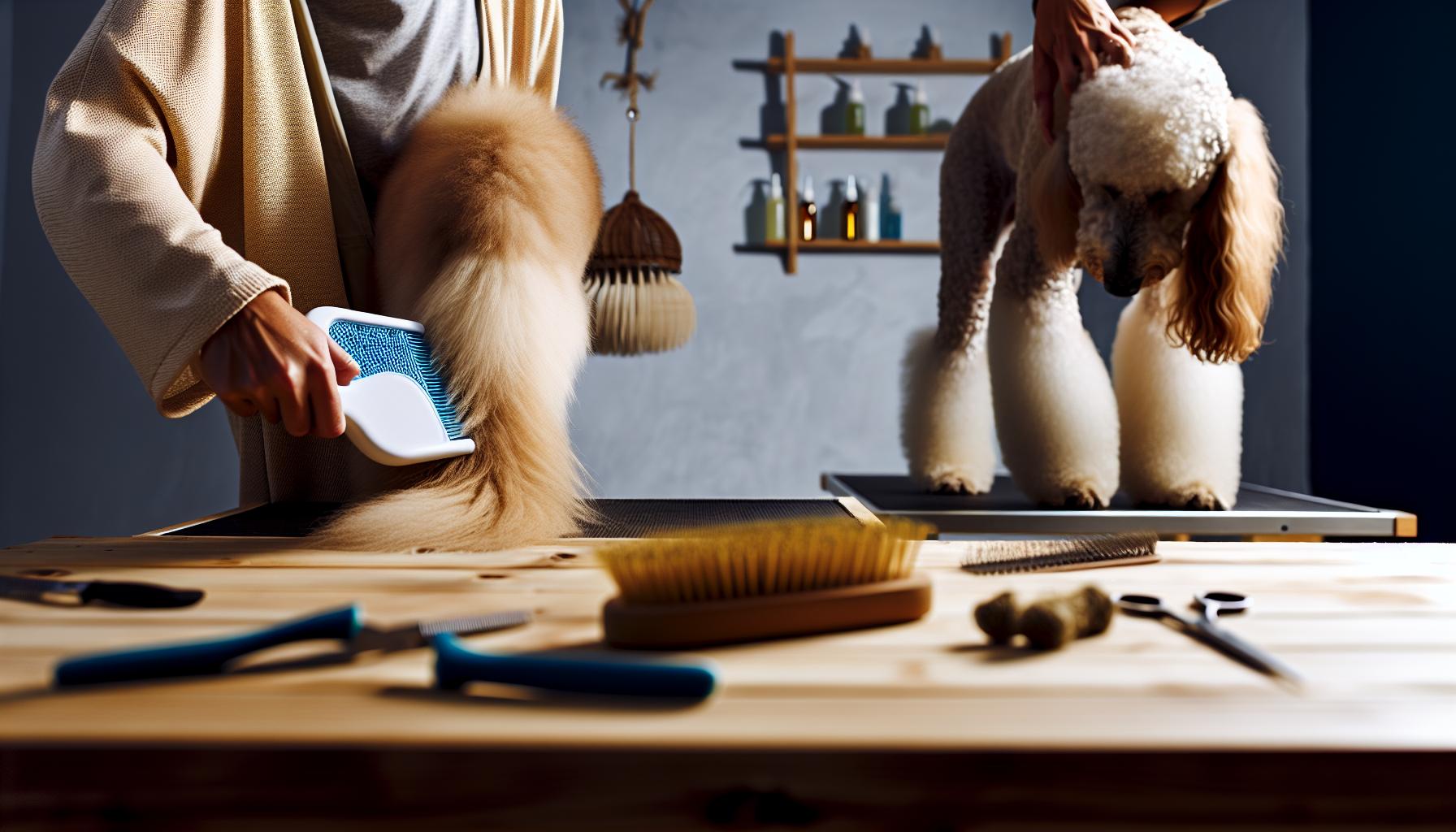
Many dog owners underestimate how crucial regular brushing and dematting are-not just for appearance, but for your dog’s comfort and skin health. As groomers, we see firsthand how too much neglect can lead to painful mats that tug at the skin, cause irritation, and even hide hot spots or infections. The best coats, whether silky, curly, or dense double coats, always start with consistent, gentle brushing practices tailored to the breed and coat type.
Understanding Your Dog’s Coat and Tools
Different breeds and coat textures demand different grooming approaches.Such as, a Poodle’s curly coat requires a slicker brush or comb designed to delicately separate curls without breaking hair. By contrast, double-coated dogs like Golden Retrievers benefit from rakes or undercoat brushes to remove loose, dead hair beneath the top coat-otherwise, matting can start close to the skin, unnoticed. For fine-haired breeds,soft bristle brushes keep the coat sleek,while dematting tools are reserved for stubborn tangles.
Step-by-Step Brushing and Dematting
- Start with a Calm Environment: Pick a quiet spot and keep the session short initially to build your dog’s tolerance. Use gentle praise and treats to reinforce positive behavior.
- Work in Sections: Divide the coat into manageable patches. This helps you focus on trouble spots without overwhelming your dog or yourself.
- Use the Right Brush: For mats, start with fingers or a dematting comb to gently loosen tangles before moving to slicker brushes. Never force a brush through a knot-this can hurt and discourage your dog.
- Regular Maintenance: Daily brushing is ideal for long or curly coats, while twice weekly can be sufficient for short, smooth coats. Frequent brushing reduces mat formation and excessive shedding.
Coat Care Beyond brushing
Maintaining coat health means more than just fending off tangles. Groomers recommend occasional deep conditioning treatments, especially for dry or brittle coats, to restore moisture and softness. Also, pay attention to seasonal shedding cycles-shedding tools and more frequent brushing can prevent loose hair buildup inside your home. If mats are severe or the dog shows skin irritation, it’s best to seek professional grooming help rather than risk injury.
Remember, brushing is as much about bonding and trust as it is about upkeep. being patient and gentle lets your dog feel safe and builds a positive grooming routine. When in doubt,your groomer can demonstrate the safest techniques and recommend tools perfect for your pup’s unique coat needs,putting you on the path to a healthier,happier dog.
Nail Trimming and Paw Care Safety
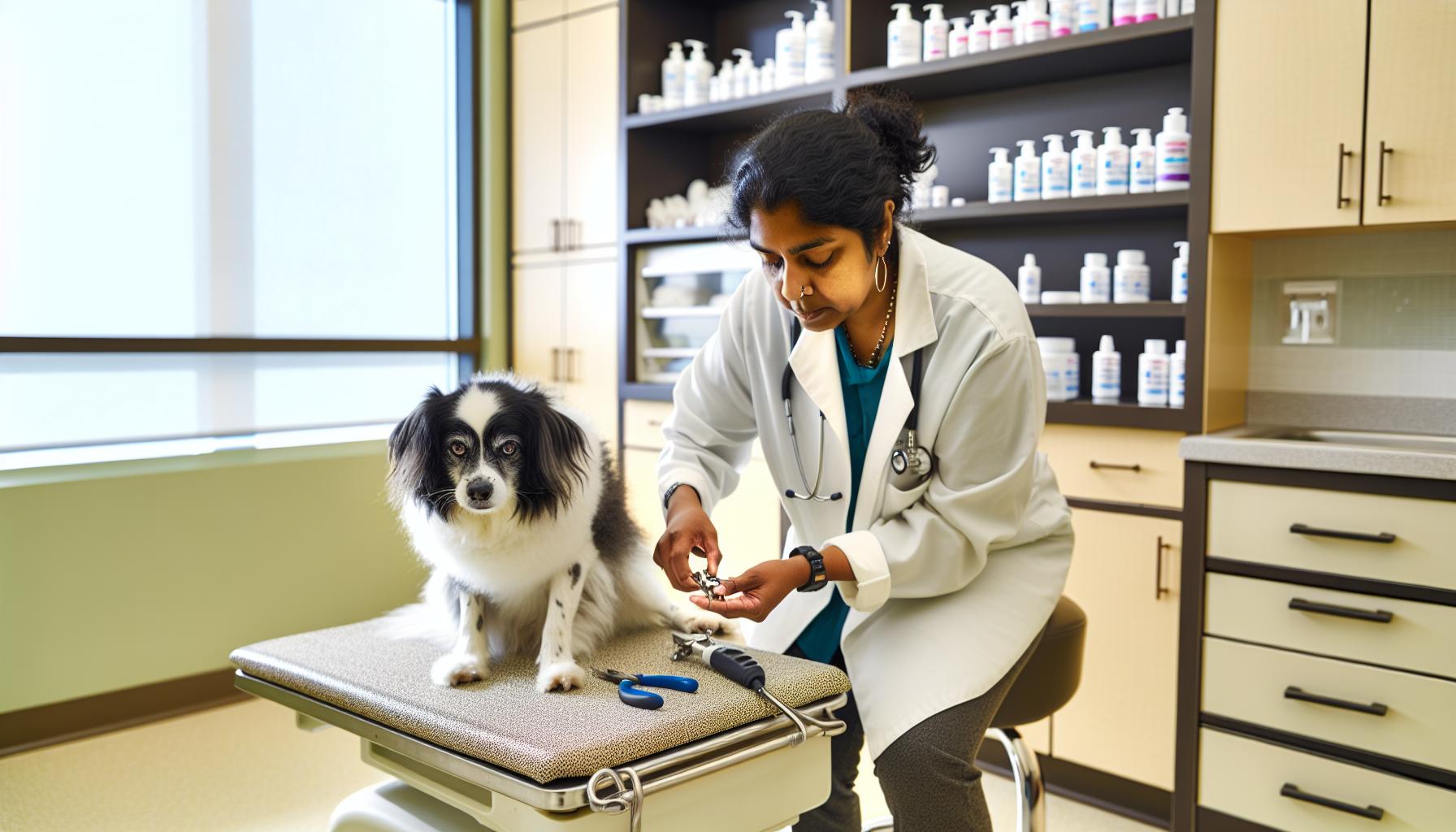
Nail care is frequently enough an overlooked but critical part of your dog’s overall health and comfort. Overgrown nails can cause discomfort, affect your dog’s gait, and even lead to painful breaks or infections.Groomers take special care to trim nails safely and gently, understanding that this is an area where many dogs feel sensitive or anxious. For breeds with dark nails, where the quick is hard to see, groomers rely on experience and careful techniques to avoid cutting too close and causing bleeding.
Tools That Make Nail Trimming Safer and Easier
Professional groomers typically use specialized nail clippers, such as guillotine or scissor-style trimmers, designed for clean, precise cuts. Some prefer electric grinders that gently file nails down, which can be less intimidating and reduce the chance of splits or cracks. Before trimming, nails are often sanitized, and groomers keep styptic powder or gel nearby to quickly stop any accidental bleeding.Choosing the right tool depends on your dog’s nail thickness, size, and tolerance.
Step-by-Step Approach to Calm, Comfortable Nail Trims
- Start With Familiarization: Groomers start by gently handling paws during early visits, helping dogs get used to touch and pressure around their feet.
- use Positive Reinforcement: Praises, treats, and a calm voice ease anxiety and build trust, especially for nervous dogs.
- Trim Small Amounts Slowly: Taking off a bit at a time lowers the risk of cutting the quick and helps the dog stay relaxed.
- Watch for Warning Signs: Panting, pulling away, or sudden movement signals discomfort; groomers pause and soothe before proceeding.
Daily Paw Checks and Maintenance Beyond Cutting
Groomers don’t just trim nails-they check pads for cracks,dryness,or irritations. Gentle massage and moisturizing balms can be recommended for dogs prone to dry, cracked paws. Keeping hair trimmed around paw pads also prevents mats and slipping on smooth surfaces. For dogs with sensitive feet or arthritis,extra care and slower sessions are essential.
Knowing When to Seek Veterinary Help
While groomers expertly handle routine nail trims, any bleeding that won’t stop, signs of infection, or painful swelling in paws require a vet’s attention. Similarly, dogs with severe nail deformities or recurring paw issues benefit from a professional medical evaluation before grooming continues.
By incorporating patience,skillful handling,and careful monitoring,groomers help keep your dog’s nails tidy and paws healthy-crucial steps in ensuring your furry friend’s comfort with every step they take.
Ear Cleaning and Health Checks by Groomers
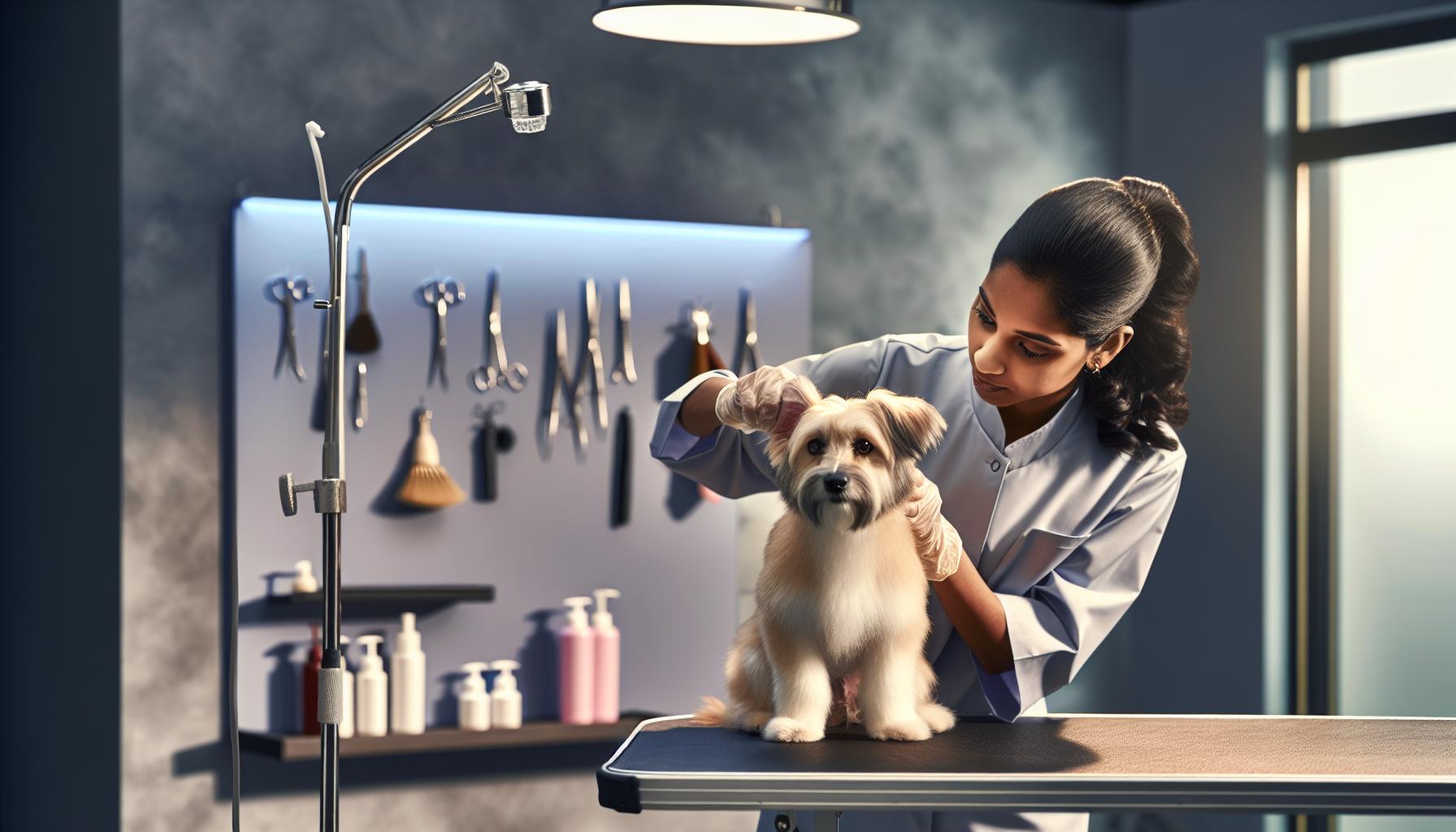
Cleaning a dog’s ears is about much more than just keeping them looking neat-it’s a vital health check that helps prevent painful infections and discomfort. Many dogs,especially breeds with floppy or hairy ears like Cocker Spaniels,Basset Hounds,and Poodles,are prone to ear buildup,moisture,and debris,which can create a perfect environment for bacteria or yeast.Groomers know how important it is to gently and thoroughly care for ears without causing distress, helping your dog feel comfortable and clean long after they leave the salon.
Tools and Techniques for Safe, Effective Ear Care
Using the right tools can make all the difference. Groomers commonly use cotton balls or soft gauze-never cotton swabs-to gently wipe away dirt and wax from the outer ear canal. Special ear cleaning solutions, often veterinarian-approved and designed to soothe sensitivity, are applied to loosen buildup. The process starts with a gentle massage at the base of the ear to help the cleaner reach deep inside without hurting the dog. This soothing motion also helps calm anxious pups who might be wary of their ears being touched.
Recognizing Signs of Trouble During Grooming
Part of the groomer’s role is to spot any early warning signs of ear issues that may need veterinary attention. Redness, foul odor, excessive scratching, swelling, or discharge are all red flags. If these signs are detected, groomers advise owners to seek a vet’s evaluation before continuing with grooming. Early intervention can prevent minor irritations from becoming painful infections.
Routine Checks and Dialog with Owners
ear cleaning sessions often double as an opportunity for groomers to educate pet owners. For dogs prone to ear problems,groomers might recommend more frequent cleaning at home or special preventive care products. They’ll explain how to watch for subtle changes in behavior, such as head shaking or pawing at the ears, which can indicate discomfort. Providing these insights helps owners feel empowered to maintain ear health between professional visits.
Handling Different Ear Types with Compassion
Dogs’ ears come in all shapes and sizes, from tight, upright tips of a German Shepherd to the long, floppy ears of a Beagle.Groomers adapt their techniques accordingly-floppy ears get extra careful drying after baths to prevent moisture buildup, while hairy ear canals may require gentle plucking to improve airflow.Above all,groomers move slowly,with plenty of reassuring touches and positive reinforcement,especially for dogs who may be nervous about having their ears handled.
By combining skill, patience, and a gentle touch, groomers do more than clean-they support your dog’s overall wellbeing and keep ears happy and healthy. For best results, always follow your groomer’s advice and don’t hesitate to reach out to your veterinarian if you notice anything unusual.
Cutting, Styling, and Breed-Specific Haircuts
Dogs wear their coats every day, but cutting and styling go far beyond mere appearance-they’re essential for your pet’s comfort, hygiene, and health. Groomers approach each haircut with a deep understanding of breed-specific standards and individual coat needs,tailoring their techniques to enhance your dog’s wellbeing while keeping stress low. Whether it’s a precise Schnauzer trim, the fluffy contouring of a Poodle, or a simple tidy-up for a mixed-breed mutt, expert grooming balances function with style.
Understanding Breed and Coat Type
Different dog breeds come with vastly different grooming needs. For example, double-coated breeds like Golden Retrievers need careful clipping to avoid damaging their insulating undercoat; the goal is to trim without compromising natural protection from weather. Conversely, curly-coated dogs, such as Poodles or Bichons, require regular, skillful scissoring or clipper work to prevent matting and keep their curls soft and defined. Groomers start every session by assessing coat texture and condition, choosing tools and clipping lengths accordingly.
Tools That Shape the Look
The right toolkit is essential. Groomers rely on a combination of:
- Professional-grade clippers with adjustable blades for precise cuts
- Scissors and thinning shears to sculpt and blend hair smoothly
- Combs and brushes to ensure even cutting and to detect mats or uneven spots
- Styling sprays or detanglers for curly and fragile coats
During the haircut, groomers proceed methodically, frequently enough clipping the body first for comfort and then moving to detailed work around the face, paws, and tail. They frequently pause to check in with the dog, using calm tones and gentle touches to reduce anxiety.
Style Meets Safety
A critical part of styling involves knowing when to adapt or simplify depending on your dog’s behavior and physical condition. For nervous pets, shorter trims may be safer and less overwhelming, allowing for an enjoyable experience rather than a stressful one. When a dog has sensitive skin, hot spots, or healing injuries, groomers will modify clipping techniques or avoid certain areas entirely, always prioritizing comfort over a “perfect” look.
Breed-Specific Cuts in Action
Many owners want their dog’s cut to reflect traditional breed styles, which groomers achieve by adhering to AKC or breed club standards. Such as:
| Breed | Typical Cut Style | Key Considerations |
|---|---|---|
| Poodle | Continental or Puppy Cut | Regular clipping and scissoring to prevent mats and keep curls defined; lots of drying time |
| Shih Tzu | Show Cut or Puppy Trim | Frequent trims around the face to avoid eye irritation; delicate hand-scissoring around ears |
| West Highland White Terrier | Hand-Stripped or Clipper Cut | Hand-stripping preferred for coat health; clipper cuts for ease but must keep coat texture |
| Golden Retriever | Tidy Trim | Light trimming on ears, feet, and tail feathering; no shaving of double coat to maintain insulation |
When uncertain about a breed’s ideal style, groomers encourage communication with owners before and during the visit, discussing preferences and maintenance expectations. This collaboration ensures that trims match lifestyle and grooming budgets, while keeping the dog’s welfare front and center.By focusing on individualized care and expert technique, groomers transform what may feel like a daunting haircut session into a positive experience that leaves your dog looking and feeling their best, ready to strut with confidence and comfort.
How Groomers Work with Nervous or Anxious Dogs
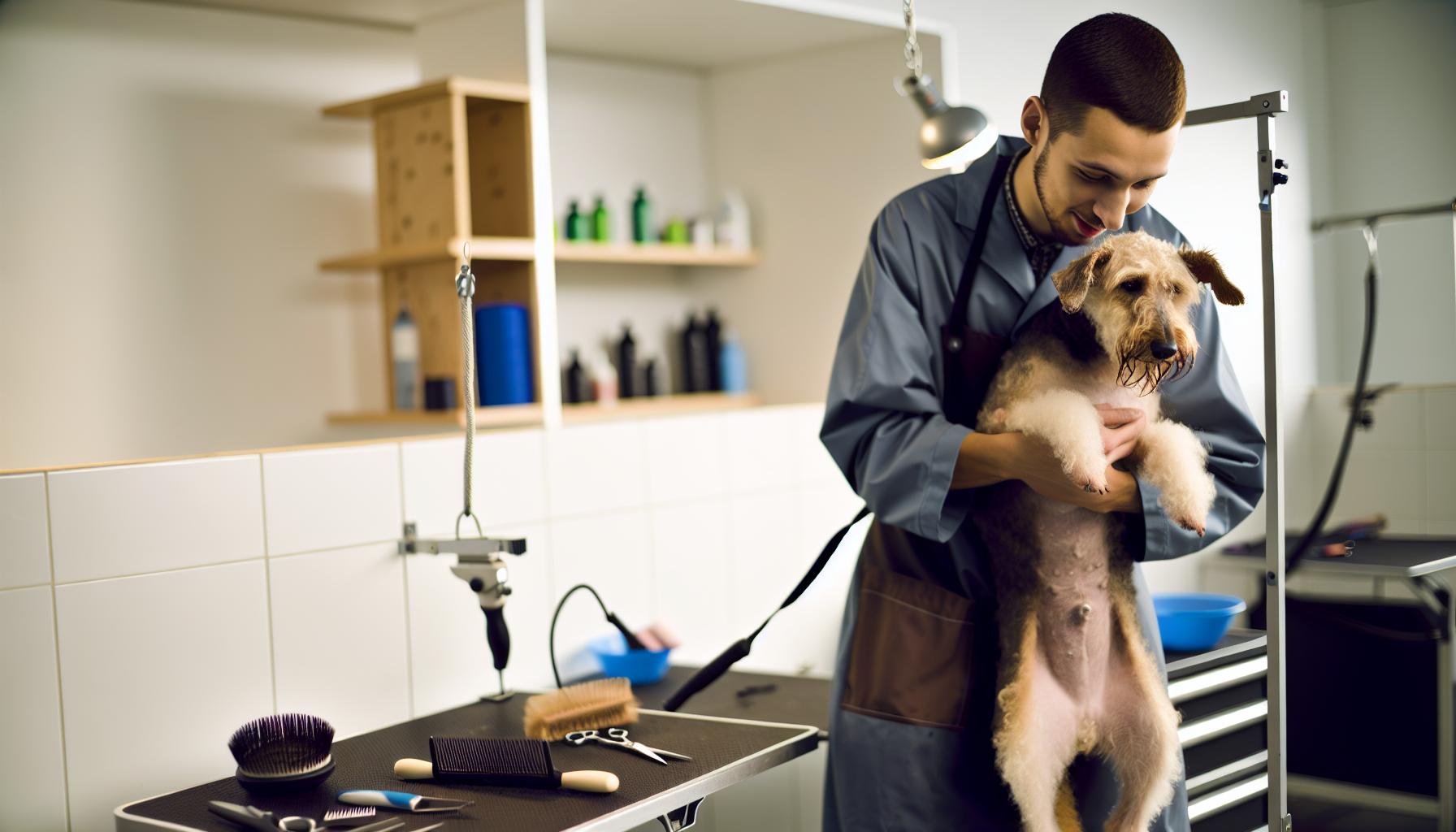
Many dogs feel apprehensive or even scared when visiting the groomer, especially if they’re experiencing new sights, sounds, and sensations all at once. What many pet parents don’t realize is that a skilled groomer approaches these nervous or anxious dogs with as much patience and gentleness as they do with the actual grooming tools.Building trust starts the moment your pup steps through the door, and maintaining a calm environment is key to turning grooming into a positive, low-stress experience.
Setting the Stage for Calm
Groomers frequently enough begin with a slow, reassuring introduction-soft voices, slow movements, and occasional treats help ease anxiety right away. For dogs with notably sensitive personalities or a history of stress, sessions might potentially be broken into shorter visits focusing on one task at a time rather of rushing through a full grooming all at once. such as,the groomer might start by simply letting the dog explore the grooming area or get familiar with the brush before moving to bath time.
- Bathing: Using gentle, warm water and calming shampoos helps reduce tension. Some groomers add a touch of lavender or chamomile formulas designed to soothe.
- Brushing and Dematting: Slow, careful strokes with detangling sprays minimize discomfort. Groomers often pause frequently to reward calm behavior,reducing the chance of flare-ups.
- nail trimming and Ear Care: These sensitive areas are handled with extra gentleness. Using soft grips and small, quiet clippers or ear wipes helps keep the dog relaxed.
Tools and Techniques Tailored to Sensitive Dogs
Understanding coat type and temperament guides the groomer’s choice of tools. For instance, fine, thin-coated dogs with anxiety might do better with softer brushes and quieter clippers to avoid startling noises or skin irritation. in contrast, thick or matted coats may require professional-grade dematting tools used slowly and carefully, with breaks to keep stress low.
In cases where dogs are particularly anxious, groomers may recommend or use:
- Thundershirts or calming wraps that apply gentle pressure for a soothing effect
- Desensitization and counter-conditioning: slow introductions to tools over multiple visits to build positive associations
- Pre-grooming exercise: a short walk or play session to expend nervous energy
When More Help Is Needed
It’s critically important to know that groomers are experts in comfort and care, but they aren’t veterinarians. If a dog’s anxiety is severe or accompanied by physical issues like skin sores,infections,or behavioral concerns,groomers encourage owners to consult a veterinarian first. Sometimes, medication or a professional behaviorist’s support can make a world of difference before grooming resumes.
groomers always prioritize a dog’s welfare above aesthetic perfection. If a trim or bath becomes overwhelming, the session may be paused or rescheduled, ensuring the dog stays safe and calm. Over time, repeated positive experiences with a compassionate groomer build trust, making grooming a more pleasant activity for both dog and owner. This approach helps even the most nervous pups step out feeling relaxed, clean, and confident.
When to See a Veterinarian vs. Groomer
Sometimes, it’s easy to wonder when grooming tasks cross the line into health concerns that need veterinary care. while groomers play a vital role in keeping dogs clean, comfortable, and looking their best, there are clear signs that a dog’s condition requires a vet’s expert attention rather than a grooming table.Knowing these distinctions not only protects your dog’s well-being but also helps prevent unneeded stress during grooming.
groomers handle routine care like bathing, brushing, nail trimming, and ear cleaning, all crucial for maintaining a happy, healthy coat and skin. However, if during a routine visit the groomer notices persistent skin infections, open wounds, unusual lumps, severe matting causing pain, or signs of ear infection such as foul odor or discharge, these are red flags that should be evaluated by a veterinarian before continuing grooming. For example, superficial ear cleaning is part of grooming, but if inflammation or bleeding is seen, the groomer will recommend veterinary care to properly diagnose and treat the underlying issue.
Similarly, if a dog exhibits behavior changes like extreme anxiety, disorientation, or sudden aggression, this can hint at underlying health problems or pain that only a vet can address. Grooming can sometimes highlight subtle issues – such as difficulty standing during nail trims that might indicate arthritis, or unexplained hair loss that might suggest hormonal imbalance. When these indicators arise, groomers don’t push forward but instead advise owners to seek veterinary advice first, ensuring the dog’s safety and comfort come first.
- Groomer’s Scope: Bathing, gentle brushing, nail trimming, ear cleaning, basic coat and skin assessment
- Vet’s Scope: Diagnosing infections, treating skin conditions, managing pain, resolving behavioral or medical concerns
- when to Pause grooming: visible sores, bleeding, swelling, aggressive behavior, extreme stress, or persistent discomfort
By understanding these boundaries, you empower yourself to recognize when grooming is simply maintenance versus when health concerns require professional diagnosis and treatment. This clear communication between you, your groomer, and your veterinarian creates a team focused on your dog’s total wellness – not just appearance. A compassionate groomer will always prioritize your dog’s comfort and encourage veterinary care when it’s the safest and most responsible choice.
Tips to Prepare your Dog for Grooming Visits
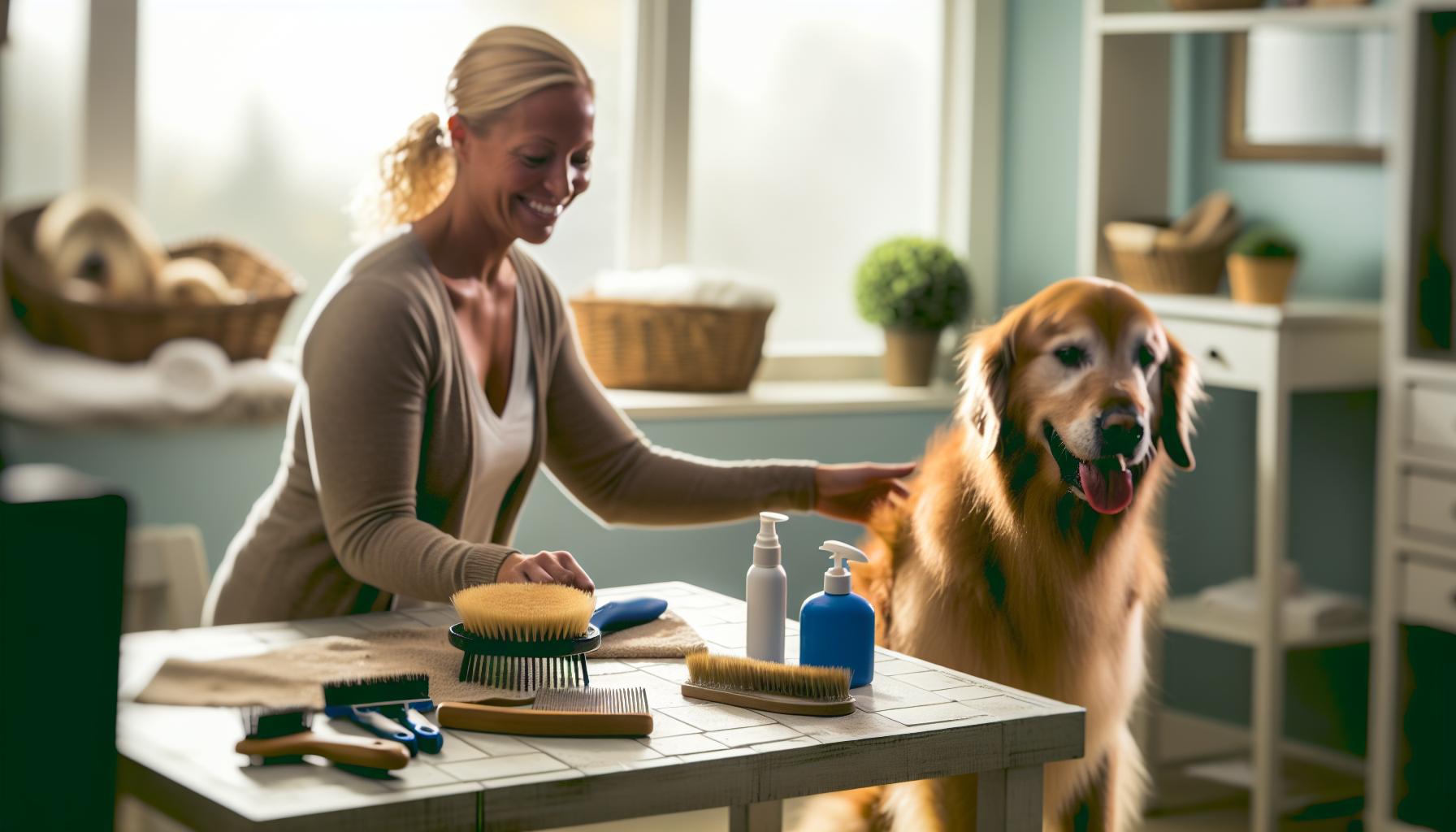
Grooming visits can be a positive experience for your dog when prepared thoughtfully, turning what might feel stressful into a comfortable and even enjoyable routine. Many dogs come to grooming a bit nervous simply because it’s unfamiliar or they’ve had mixed experiences before. The key is to set them up for success well before they step through the salon door. This means building trust, breaking grooming into smaller, manageable steps at home, and communicating your dog’s unique needs clearly to your groomer.
Start with gentle Familiarization
If your dog isn’t used to frequent grooming,start by introducing each tool-like brushes or nail clippers-in a calm,no-pressure way at home. For example, let your dog sniff and explore these items while rewarding calm behavior with treats or praise. Try running a soft brush lightly over their coat for a few seconds, then gradually increase the time over days or weeks. This helps dogs associate grooming tools with positive feelings rather than fear or discomfort.
Make Bath Time a Bonding Ritual
Bathing can be one of the most stressful parts if your dog isn’t accustomed. before the groomer’s visit, try gentle baths in a non-slip tub at home. Use warm water, pet-safe shampoo, and speak softly during the process. Keeping the experience short and rewarding helps reduce anxiety. If bathing at home is challenging, discuss with your groomer-they’re skilled at creating calming environments and may tailor their techniques accordingly.
Practice handling Key Areas
Routine grooming involves touching sensitive spots such as paws, ears, and nails-areas that can trigger resistance if your dog doesn’t feel comfortable. At home,slowly and gently handle these areas regularly. Touch their paws for a few seconds, then reward calmness. Check their ears lightly with a soft cloth and lift their lips to show teeth briefly,pairing every step with a treat or soothing voice.These small daily sessions build resilience and make the groomer’s job safer and smoother.
Communicate with Your Groomer and Set Realistic Expectations
Before the appointment, share your dog’s personality traits, past grooming experiences, and any health concerns with the groomer. For example, if your dog is prone to anxiety or has sensitive skin, mention this so the groomer can prepare appropriate tools and techniques. Understand that some tasks might take more than one visit if your dog is nervous or heavily matted; patient,gradual progress is far kinder than rushing through and causing distress.
- Feeding and Hydration: Ensure your dog eats a light meal a few hours before grooming and has access to water. Avoid heavy feeding promptly before to reduce nausea during grooming.
- Exercise: A good walk or playtime before the appointment helps burn energy and may ease nervousness.
- Stay Calm Yourself: Dogs pick up on your energy. Approaching grooming with calm confidence reassures your pet that they’re safe.
By gradually preparing your dog with patience and kindness, each grooming visit can become a moment of care rather than stress. Remember, grooming isn’t about chasing perfection but about respecting your dog’s comfort while keeping them healthy and clean. Your groomer’s expertise combined with your thoughtful planning creates the best outcome for your four-legged friend.
FAQ
Q: How do dog groomers ensure safety during stressful grooming sessions?
A: Dog groomers use calm handling techniques, frequent breaks, and gentle reassurance to keep dogs safe during stressful grooming. They may also adapt tools and procedures based on a dog’s anxiety level. Prioritizing pet comfort and safety helps prevent injuries and fosters trust,as explained in how groomers work with nervous dogs. For more tips, see the section on handling anxious pets.
Q: What special grooming services can definitely help dogs with skin allergies?
A: Groomers offer hypoallergenic baths, medicated shampoos, and gentle coat care to soothe dogs with skin allergies. They avoid harsh products and use techniques that minimize irritation. Discussing your dog’s specific condition with the groomer before the visit can optimize care. Learn about bathing techniques and product choices for sensitive skin in our bath and coat care sections.
Q: When is it recommended to choose professional grooming over at-home grooming?
A: Professional grooming is best for dogs with complex coats, difficulty staying still, or when breed-specific cuts are desired. Groomers have specialized tools and skills that reduce risks of injury or stress. If your dog is anxious or requires trimming you’re unfamiliar with, booking a pro is safer and more efficient. Check the “when to choose groomer vs. DIY” guide for detailed advice.
Q: How do groomers prevent matting in thick or long-haired dogs between visits?
A: Groomers advise regular brushing at home with breed-appropriate tools and scheduling more frequent trims if your dog is prone to matting. They also demo dematting techniques and recommend specific products during appointments. Consistent coat care is key to preventing painful mats and keeping your dog comfortable.
Q: What should dog owners expect during the initial consultation with a groomer?
A: During an initial consultation, groomers assess your dog’s coat type, temperament, and health to tailor grooming plans. They discuss style preferences, any special needs, and safety guidelines. This meeting builds trust and ensures a smooth grooming process. Reviewing your dog’s history and grooming goals beforehand helps make the session productive and stress-free.
Q: How do groomers accommodate senior dogs or those with mobility issues?
A: Groomers accommodate senior or mobility-challenged dogs by using gentle handling, padded grooming tables, and shorter sessions to reduce stress. They prioritize comfort and often modify techniques, such as avoiding lifting or quick movements. If your pet has special needs, sharing this info before the visit ensures a compassionate, tailored experience.
Q: What hygiene standards do groomers follow to maintain a clean and safe environment?
A: Professional groomers follow strict hygiene protocols like sanitizing tools between pets, regular workstation cleaning, and using fresh towels. These practices prevent infections and protect your dog from germs. Understanding these standards helps owners feel confident in their chosen groomer’s professionalism and commitment to pet safety.
Q: How can owners help reduce their dog’s stress before and after grooming appointments?
A: Owners can reduce dog stress by preparing with short practice sessions, providing treats, and keeping a calm demeanor before and after grooming.Scheduling appointments at quiet times and maintaining routine also ease anxiety. see our preparation tips section for step-by-step ways to make grooming visits enjoyable for your dog.
For further guidance on managing anxious pets, coat care, and safety tips, we invite you to explore the detailed sections in the full article on [What Do Dog Groomers Do: Complete Service Breakdown and Process]. This support helps you feel confident in your dog’s grooming journey!
the Way Forward
Understanding what professional dog groomers do-from breed-specific coat care to gentle nail trimming-helps you make the best choices for your pet’s comfort and health. Whether your furry friend needs a soothing bath, careful ear cleaning, or expert styling, knowing when to trust a groomer versus safely handling some tasks at home is key. Prioritizing safety, patience, and your dog’s well-being always comes first, ensuring every grooming session is a positive experience.
Ready to dive deeper? Explore our detailed guides on DIY dog grooming tips and choosing the right grooming tools to confidently care for your pup between professional visits. If you’re still unsure, consider booking a consultation with a trusted groomer to address specific needs or anxieties-because every dog deserves compassionate care tailored just for them. Don’t forget to subscribe to our newsletter for ongoing expert advice, real-life grooming troubleshooting, and updates. Your dog’s best look and happiest days are just a click away!
Have questions or want to share your grooming stories? Drop a comment below or join our community forum to connect with fellow dog lovers.We’re here to support you and your pet every step of the way-because great grooming is about comfort, confidence, and care, not just appearance.
Get our latest guides, news, and insights highlighted in your Google Search & AI Overviews.
Keep reading about the same coat and cut.



Popular grooming guides
Bath vs clip, first grooms, and salon how-tos.