What Cologne Do Dog Groomers Use to Keep Pets Fresh
Keeping your dog smelling fresh and clean after a grooming session is about more than just looks-it’s about comfort, confidence, and health.Dog groomers rely on carefully chosen colognes designed specifically for pets to gently deodorize and leave a pleasant, lasting scent without irritating sensitive skin. These fragrances help maintain that just-groomed feeling between baths, easing worries about odor and boosting your dog’s happiness. Whether your pup has a curly coat that traps odors or a sleek coat needing a subtle refresh, the right cologne can make a noticeable difference.In this article, we’ll walk you through the types of colognes groomers prefer, how they select scents safe for your furry friend, and tips for using them at home-always putting your pet’s comfort and well-being first. Let’s explore how to keep your dog smelling delightful, calm, and cared for every day.
Understanding Why Cologne is used in Dog Grooming
Table of Contents
- 1 Understanding Why Cologne is used in Dog Grooming
- 2 Top Ingredients in Dog-Friendly Colognes Explained
- 3 How Groomers Choose Cologne for Different Coat types
- 4 Safe Application Techniques for Pet Cologne
- 5 Common Fragrances Pets and Owners Love
- 6 Natural and Hypoallergenic Cologne Options
- 7 Do’s and Don’ts: Cologne Use Around sensitive Pets
- 8 Alternatives to Cologne for Fresh-Smelling Dogs
- 9 How Often Should colonge Be Reapplied After Grooming?
- 10 Tips to Help Nervous Pets Stay Calm During Fragrance Application
- 11 When to Avoid Cologne: Health and allergy Considerations
- 12 Frequently Asked Questions
- 12.1 Q: What types of dog colognes do professional groomers prefer for long-lasting freshness?
- 12.2 Q: How do groomers safely apply cologne to avoid irritating a dog’s skin?
- 12.3 Q: Why do some dog groomers use seasonal or specialty scents in their colognes?
- 12.4 Q: Can dog cologne help mask odors caused by medical conditions? When should it be avoided?
- 12.5 Q: How do groomers select cologne based on different dog coat types and breeds?
- 12.6 Q: What natural ingredients are groomers looking for in hypoallergenic dog colognes?
- 12.7 Q: How often do professional groomers recommend reapplying cologne between baths?
- 12.8 Q: What option grooming products do groomers use to keep pets smelling fresh without cologne?
- 13 The Conclusion
A fresh, pleasant scent can do wonders for both pets and their owners after a grooming session. While dogs don’t naturally carry the same body odor humans do, their fur can sometimes retain smells from outdoor adventures, wet weather, or even their own unique scent glands. This is where cologne becomes a thoughtful finishing touch-not just to mask odors, but to enhance the overall grooming experience with gentle, soothing aromas that help pets feel pampered and cared for.
Groomers often choose colognes not merely as a fragrance but as part of a calming ritual. For example, after a warm bath and thorough brushing, a light mist of dog-friendly cologne can signal the end of the grooming process, leaving pets smelling fresh while also associating the experience with comfort and positive attention. A well-selected scent can improve the pet’s mood, making future grooming visits less stressful, especially for nervous or sensitive dogs.
It’s vital to remember that colognes used in professional grooming are specially formulated for pets’ sensitive skin and noses.Unlike human perfumes,they avoid harsh chemicals,alcohols,and irritants that could cause discomfort or allergic reactions. Groomers frequently enough opt for sprays with natural or hypoallergenic ingredients that not only smell pleasant but also include moisturizing or detangling properties, making the coat look and feel healthier. This gentle approach means cologne isn’t just about fragrance-it also supports skin and coat well-being.
When considering cologne for your own dog,think about their breed and coat type,as these factors influence how the fragrance interacts with their fur. Long-haired breeds might benefit from colognes with detangling elements, while short-haired dogs often need lighter formulas to avoid overwhelming their sensitive skin. If your dog is anxious about new scents or sprays, starting with a subtle application on a cloth or your hands before gently introducing it on their fur can definitely help ease them into accepting the new smell. This patient method shows that choosing the right cologne isn’t about masking odors alone but enhancing your dog’s grooming routine with care and respect for their unique needs.
Top Ingredients in Dog-Friendly Colognes Explained
A well-crafted dog cologne does much more than impart a pleasant scent-it also nourishes the coat and soothes sensitive skin. The secret lies in the thoughtful selection of ingredients designed specifically for a pet’s unique physiology. Unlike human perfumes, dog-friendly colognes prioritize gentle, natural components that avoid harsh chemicals, alcohol, or overwhelming fragrance oils. These blends help maintain coat softness, reduce static, and create a calming sensory experience for pets who may feel uneasy during grooming.
Many groomers favor colognes containing natural moisturizers like aloe vera or glycerin,which hydrate the skin beneath dense fur. Hydration prevents dryness that often leads to itchiness or irritation in breeds with thick undercoats, such as Golden Retrievers or Poodles. In addition, subtle botanical extracts such as chamomile and lavender are common for their calming effects-helpful in making fidgety or anxious dogs more comfortable during and after grooming sessions. For example, a light spritz of lavender-infused cologne after brushing can signal relaxation, turning grooming into a positive routine rather of a stressful ordeal.
Common ingredients and Their Benefits
- Distilled Water: The essential base for nearly all dog colognes, ensuring a light, non-greasy feel that quickly dries without residue.
- Natural Essential Oils: Carefully selected oils like orange,geranium,or peppermint provide fresh,mild aromas while also offering antibacterial and antifungal properties. However, these oils are used sparingly due to pets’ sensitive noses.
- Castile Soap: Sometimes integrated for gentle cleansing in cologne sprays,it aids in removing lingering odors without stripping natural oils.
- Moisturizers: Ingredients such as aloe or coconut-derived oils nourish the coat, promote shine, and combat dryness.
- Softening Agents: Natural conditioners or silk protein extracts might potentially be added to detangle long coats, making brushing easier and more comfortable for breeds like Shih Tzus or Afghan Hounds.
Groomers often experiment with blends to match pet coat type and temperament. For instance, light citrus notes like orange or lemon are popular for short-haired breeds, lending a fresh but subtle scent that doesn’t overpower sensitive skin or noses. Meanwhile, deeper floral or herbal mixes with geranium or chamomile provide a soothing aura around more nervous or older dogs. A great example is the DOG Spring Cologne by Dr. lisa Rose, which features geranium and orange to naturally mask odors while moisturizing the coat with a gentle touch [1].
Many pet parents also ask about DIY colognes. while homemade blends can be tempting, professionals urge caution and recommend simple, safe formulations if attempting at home. For example, a recipe combining distilled water, a touch of Castile soap, and just a few drops of lavender or eucalyptus essential oils can create a mild yet effective spray that’s safe for most dogs when used sparingly [3]. Always test any new scent on a small patch of fur first and watch for signs of discomfort or allergies.
the best dog colognes rely on carefully chosen natural ingredients designed to respect a dog’s sensitive skin and keen sense of smell. When selecting a product, look for formulas emphasizing moisturizing agents, gentle botanical extracts, and restrained fragrance to ensure your furry friend enjoys a fresh, calming finish to each grooming session.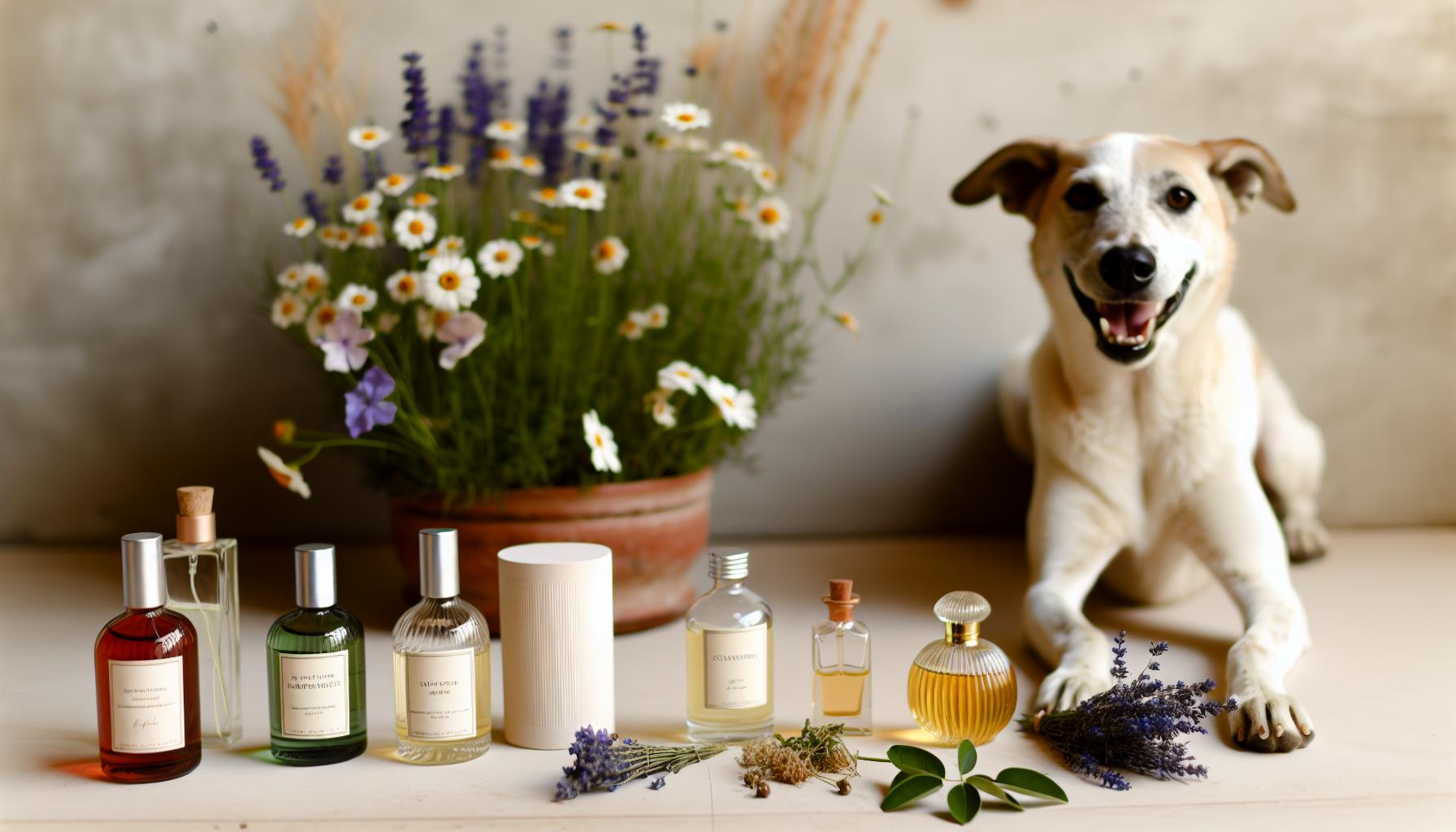
How Groomers Choose Cologne for Different Coat types
Choosing the right cologne for a dog’s coat is both an art and a science, relying on a groomer’s understanding of coat textures, breed-specific needs, and the pet’s temperament. Just as humans pick fragrances to complement their personal style and skin type, groomers select colognes that enhance the natural qualities of each dog’s fur without overwhelming their sensitive noses or skin.For example, a thick double-coat like that of a Siberian Husky requires different considerations than a soft, silky coat such as a Maltese’s.
Dogs with dense or curly coats frequently enough benefit from moisturizing colognes with added softening agents to maintain coat manageability and avoid tangles.Ingredients like silk proteins or aloe vera help condition these heavier coats while imparting a fresh scent that won’t weigh down the fur. Conversely, short-haired breeds like Beagles or Boxers tend to do well with lighter, citrus-based colognes that lift odors without leaving a residue. The goal here is always subtle freshness – keeping a clean, natural smell rather than masking the dog’s unique scent with overpowering fragrance.
Matching Cologne to Coat Type and Grooming Needs
- Long, Flowing Coats: Breeds like Afghan Hounds or Shih Tzus require colognes that aid in detangling and adding shine.Look for sprays enriched with conditioning agents and soft botanicals such as chamomile, which soothe skin and help reduce static.
- Curly or Woolly Coats: Poodles and Bichon Frises need moisture-rich formulations that penetrate dense fur to prevent dryness. Hydrating colognes containing glycerin or coconut oils keep curls bouncy and soft.
- short, Smooth Coats: Dogs like Dalmatians or Greyhounds benefit from lightweight colognes with fresh, crisp scents-think mild citrus or herbal notes that evaporate quickly and avoid buildup on the skin.
- Double Coats: Breeds such as Golden Retrievers or German Shepherds have thick undercoats prone to dryness. Cologne with nourishing ingredients that calm itchiness-as a notable example, lavender or geranium extracts-can promote comfort post-grooming.
Because every dog’s skin reacts differently, groomers take a cautious approach, often testing a small area before full application. This helps detect any sensitivity early and ensures the cologne enhances the grooming experience rather than becoming a source of irritation. Experienced groomers also adjust scent intensity based on the dog’s age and temperament – lighter on shy or anxious pets, and sometimes foregoing cologne fully if a dog shows any sign of discomfort.
Practical Tips for Owners and Groomers
- When selecting a cologne, prioritize pet-safe, alcohol-free formulations with natural moisturizers to avoid drying out the skin.
- If your dog has a history of allergies or sensitive skin, seek hypoallergenic options or consult your vet before using scented products.
- Use cologne after a thorough bath and brushing session to lock in freshness and coat softness.
- For nervous dogs, a calming blend with lavender or chamomile can help create a positive association with grooming.
- Always apply cologne sparingly-too much can overwhelm your dog’s sensitive nose and cause stress.
In the hands of a compassionate groomer, cologne is not just a final touch but a thoughtful tool tailored to each coat’s unique demands.By considering coat type, skin health, and the dog’s personality, groomers ensure that every spray contributes to a fresh, comfortable, and enjoyable grooming experience for both pet and owner.
Safe Application Techniques for Pet Cologne
Dogs have incredibly sensitive noses and delicate skin, so applying cologne should always be done with gentle care and respect for their comfort. Even the most pleasant scents can become overwhelming if not used thoughtfully. Skilled groomers no that proper technique-not just the product-makes all the difference in leaving pets smelling fresh yet feeling calm and comfortable.
Before reaching for the spray, ensure your dog’s coat is clean, dry, and fully brushed out. Applying cologne right after a bath, onc the fur is fluffy and tangle-free, allows the fragrance and any conditioning agents to settle evenly without clumping or trapping moisture. For dogs with longer or thicker coats, parting the fur carefully helps distribute the cologne closer to the skin where odor tends to accumulate, rather than just resting on the surface hairs.
- Sparingly goes a long way: When starting out, use short bursts or a single light mist from at least 8-12 inches away. This prevents drenching one area and keeps the scent subtle rather than overpowering-a key for nervous or sensitive pups.
- Target neutral scent zones: Focus on the back, shoulders, and chest rather than the face, legs, or tail where cologne may irritate skin or get into eyes and noses. Groomers frequently enough avoid spraying directly on the face entirely, opting rather to gently mist the air and let the dog walk through it for a light fragrance.
- Patch test first: A critical safety step is applying cologne on a small skin patch before full use, observing for redness, itching, or discomfort over 24 hours. This helps identify allergic reactions early and avoids unneeded distress to your pet.
- Customize by coat type: For dogs with curly, dense, or double coats, colognes enriched with moisturizing botanicals like aloe vera or chamomile help prevent dryness and make the coat more manageable. Short-haired dogs do well with lighter sprays that evaporate quickly and avoid buildup.
Real-world example: When I groom a shy Bichon Frise, I always choose a mild, alcohol-free cologne with natural ingredients and spray lightly after bathing. I part their curly fur gently and avoid spraying near the face to keep them relaxed. Conversely,a confident Labrador Retriever with a short coat can handle a slightly more noticeable mist applied along the back and chest to keep that fresh ”just groomed” scent.
Remember, cologne is a finishing touch-not a solution for underlying skin issues or persistent odors. If your dog has recurring odor or skin sensitivities, a vet visit may be advisable before adding fragrance to their routine. when in doubt, consult professionals who can definitely help balance safety with freshness, always prioritizing your pet’s well-being above all.
Step-by-Step Application guide
- Prepare your tools: Freshly bathed, towel- and brush-dried dog; pet-safe, alcohol-free cologne spray.
- Start small: Test one spray on the leg or belly patch, then wait 24 hours.
- Use a light hand: Hold the bottle 8-12 inches from the coat; apply 1-3 quick sprays depending on size and coat texture.
- Focus placement: Target back, shoulders, and chest; avoid the face, ears, paws, and genitals.
- Calm habitat: Speak softly and keep movements slow; for anxious dogs, pair application with soothing treats or gentle petting to create positive associations.
By blending careful technique and compassion, cologne application becomes a stress-free ritual that highlights your dog’s natural beauty and keeps them feeling fresh – all while respecting their unique needs and sensitivities.
—
Sources affirm that pet colognes should be alcohol-free,hypoallergenic,and contain gentle botanicals like aloe vera and chamomile to be safe and soothing for fur and skin[[[[[1]](https://www.amazon.com/GJYC-PET-Long-Lasting-Fur-Conditioning-Travel-Friendly/dp/B0DNW2PC17),[[[[[3]](https://aroma-luxe.co.uk/blogs/journal/the-ultimate-guide-to-dog-colognes-safety-benefits-how-to-keep-your-dog-smelling-amazing?srsltid=AfmBOorU2usqCQeMKt6RCIjSWmkurChCuyOQtCTRxi6XiT-mUq7jBqAV). approaching cologne use with patience and respect helps ensure the experience is fresh, safe, and enjoyable.
Common Fragrances Pets and Owners Love
Dogs and their humans both appreciate when grooming leaves a subtle,pleasant scent that comforts rather than overwhelms. Because dogs experience smells far more intensely than we do, groomers tend to select fragrances that are light, fresh, and soothing-enhancing the grooming experience without causing stress or irritation.Many popular dog colognes feature natural,clean scents that blend well with a dog’s own aroma,fostering calmness and enjoyment for pets and owners alike.
- Fresh and Clean notes: Scents like gentle linen, cucumber, or baby powder are crowd-pleasers, loved for their crisp, airy qualities that evoke freshly laundered softness. These fragrances feel familiar and comforting to humans while remaining subtle enough not to overwhelm a sensitive dog’s nose.
- Herbal and Floral Touches: Light botanical notes such as chamomile, lavender, or aloe vera provide a calming effect and can be especially suitable for nervous or anxious dogs. These scents often double as natural relaxants, helping pets settle during or after grooming.
- Mild Citrus Accents: Soft hints of mandarin or sweet orange introduce a radiant, uplifting aroma without harshness.Citrus notes are also appreciated for their natural odor-neutralizing qualities, making them practical and also pleasant.
as some dogs may have individual sensitivities or preferences, groomers frequently enough tailor fragrance choices to the dog’s personality and coat type. For example, a sturdy Golden Retriever with a thick double coat might carry a mist of fresh linen or subtle herbal scent that lingers pleasingly, while a delicate Maltese benefits from an ultra-light spray of chamomile-infused cologne that won’t mask their natural scent or irritate sensitive skin.Many groomers cherish colognes formulated with pet-safe, natural extracts-not just for safety but as these botanical ingredients enrich the coat’s texture and shine. Products like the popular Hepper Pet Cologne combine water-based, alcohol-free formulas with soothing aloe vera and mild moisturizers, creating a balanced scent experience that owners rave about.Such colognes work well across breeds, from curly-coated poodles to sleek Labradors, ensuring freshness without sacrificing comfort[[[[[1]](https://www.dogster.com/lifestyle/best-dog-colognes).
Tips for Choosing a Scent Your Dog Will Love
- Observe your dog’s reaction: If your pet shows signs of discomfort-pawing at their face,sneezing,or trying to escape-the cologne might be too strong or irritating. Opt for milder formulas and test on small areas first.
- Keep it minimal: Less truly is more. A delicate spritz is enough for a fresh scent that won’t overwhelm your dog or visitors.
- Match to grooming frequency: For dogs groomed weekly, lighter scents that fade naturally between sessions work best. For monthly grooming, a longer-lasting cologne with moisturizing benefits adds an extra touch without dryness.
- Personalize scents by activity: Dogs that spend lots of outdoor time may benefit from fresh herbal or citrus boosts to neutralize “doggy” odors, while more indoor pets often do well with clean, powdery notes.
Ultimately,choosing a cologne is as much about enhancing the bond between you and your furry friend as it is indeed about scent alone. When the fragrance is gentle, safe, and thoughtfully applied, it can create a peaceful, pampered moment that both you and your dog look forward to.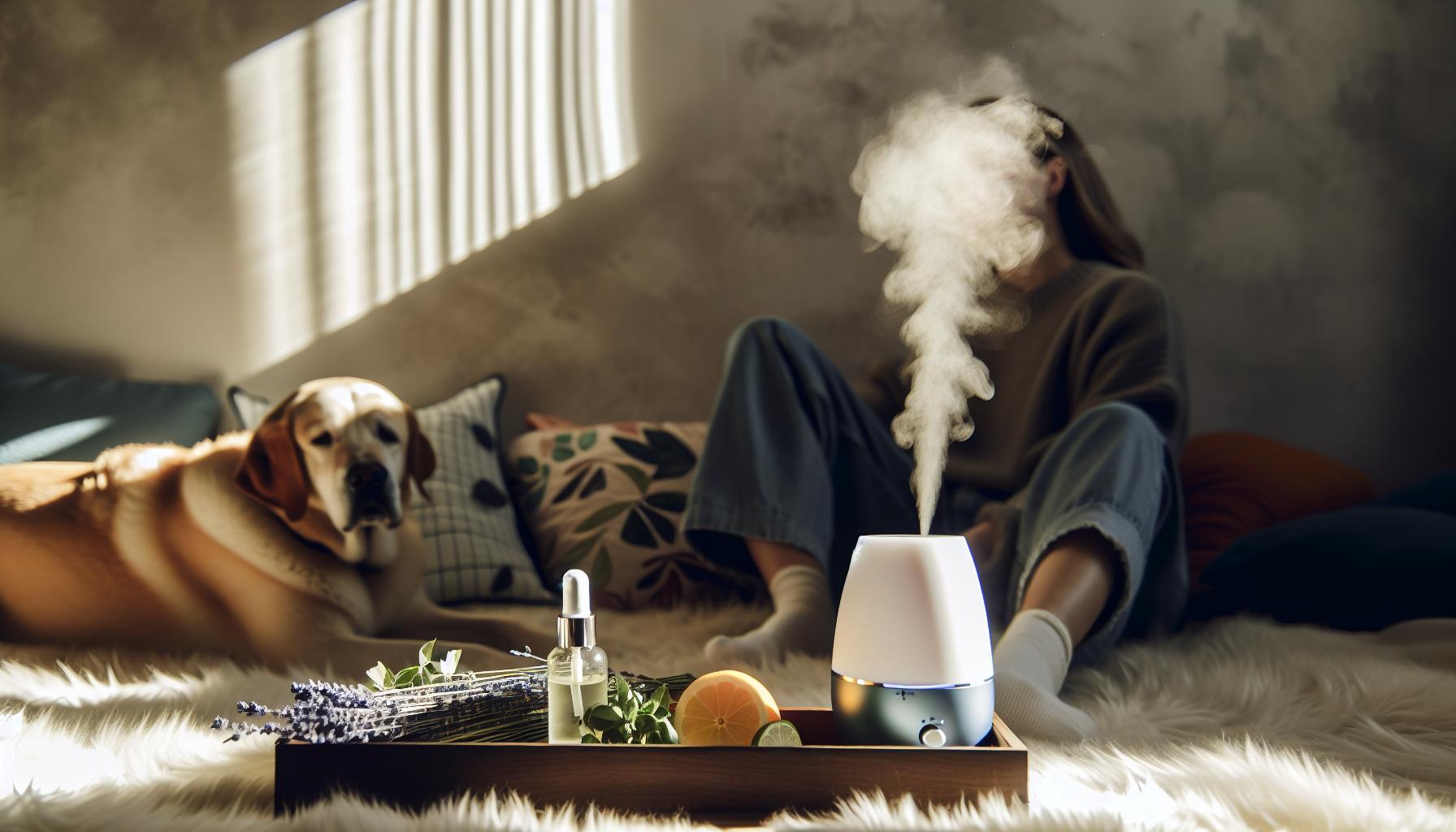
Natural and Hypoallergenic Cologne Options
Many pet owners worry about using colognes on their dogs because of sensitivities and allergies. The good news is that there are thoughtful, natural options designed specifically to keep your furry friend smelling fresh while respecting their delicate skin and sensitive noses. Choosing a hypoallergenic or natural cologne is a wonderful way to offer a light, pleasant scent without adding unnecessary chemicals or irritants, especially for dogs prone to allergies or skin conditions.Natural dog colognes frequently enough incorporate botanical extracts such as aloe vera, chamomile, or lavender, which are not only gentle on the skin but also promote soothing and calming effects. These ingredients act as mild conditioners, helping maintain coat softness and shine while neutralizing odors.For example, sprays with alcohol-free, water-based formulas avoid drying out the coat and reduce the risk of irritation, making them ideal for breeds like Maltese or Bichon Frises, known for their delicate skin and fine coats.Larger dogs with thicker coats, such as Golden Retrievers or Labradors, can also benefit from natural, moisturizing colognes that penetrate without leaving a heavy residue or overwhelming their sensitive noses.
How to Choose and Use Natural Colognes Safely
- Start with a patch test: Before spraying your dog all over, test a small amount on a hidden patch of skin or fur. watch for redness, itching, or any adverse signs over 24 hours.
- Light application: Use minimal spritzes to avoid overwhelming your dog’s sensitive nose. Focus on areas like the chest or shoulders, rather than the face, ears, or paws.
- Check ingredient lists: Avoid synthetic fragrances, parabens, and harsh alcohols. Look for colognes labeled specifically for pets, such as Bodhi Dog Natural Dog Cologne, which features gentle, natural ingredients safely formulated for dogs and cats[1].
- Consider hypoallergenic options: These are less likely to provoke an allergic reaction and can be a wise choice for dogs with history of dermatitis or respiratory sensitivities.
Examples of Popular Natural Ingredients
| Ingredient | Benefit | Best For |
|---|---|---|
| Aloe Vera | Soothes skin, hydrates coat, gentle conditioner | Sensitive or dry skin, puppies, hypoallergenic needs |
| Chamomile | Calming scent, anti-inflammatory properties | Nervous or anxious pets, delicate coats |
| Lavender | relaxing aroma, mild antiseptic properties | Anxiety-prone dogs, freshening after baths |
| Cucumber Extract | Fresh, clean scent, gentle on skin | All coat types, dogs with sensitive noses |
When in doubt, always lean toward simplicity and safety.Many groomers prefer colognes that include natural conditioners and moisturizers rather than heavy perfumes. Some specialize in products that truly complement your dog’s natural coat flora rather of masking it. This thoughtful approach helps maintain your dog’s unique scent profile while leaving them fresh and comfortable.
remember that your dog’s comfort is the most critically important factor. If your pet shows signs of discomfort-such as scratching, redness, or sneezing-discontinue use and consult your veterinarian before trying another product. Natural and hypoallergenic colognes offer a gentle way to add a touch of freshness, turning grooming into an even more pleasant experience for both pets and their people.
Do’s and Don’ts: Cologne Use Around sensitive Pets
Dogs with sensitive skin or noses require an extra gentle approach when it comes to using colognes. While a fresh scent can add a lovely touch after grooming, rushing in with strong fragrances or improper application risks discomfort, allergic reactions, or even distress for your beloved pet. That’s why selecting the right product and following a few thoughtful guidelines make all the difference in turning cologne use into a safe and positive experience.
Do’s for Using Cologne around sensitive Pets
- Choose pet-specific, hypoallergenic colognes: Always opt for products formulated especially for dogs. Ingredients like aloe vera, chamomile, and lavender soothe the skin and calm the nerves, unlike synthetic perfumes that can irritate or overwhelm sensitive dogs. For example, a grooming spray with natural botanicals and no harsh alcohols helps maintain coat health and keeps odors at bay gently [2].
- Perform a patch test: Before full application,spray a small amount on a discreet part of your dog’s coat or skin. Observe for 24 hours for any redness, itching, or sneezing. If any signs of irritation appear, avoid using that product.
- Apply lightly and selectively: Focus on the chest or shoulders rather of the face, ears, paws, or belly, where skin might potentially be thinner or more sensitive. A few gentle mist spritzes are sufficient-less is more with fragrance, especially for nervous pets.
- Choose water-based or alcohol-free formulas: These tend to be less drying and reduce the risk of skin flares. many groomers recommend colognes that nourish the coat and contain antimicrobial agents that fight odor rather than simply masking it [1].
Don’ts to Protect Sensitive Pets
- Don’t use human perfumes or strong scents: These often contain oils or chemicals toxic or irritating to pets. Their noses are much more sensitive than ours; overwhelming fragrances can cause stress or avoidance behaviour.
- Avoid spraying directly on the face or near eyes and nose: This can cause discomfort, tearing, or sneezing, making your dog associate cologne use with unpleasant sensations.
- Don’t apply cologne instantly after grooming bath if skin is irritated: If your dog’s skin looks red or flaky, soothe first with appropriate treatment and allow healing before introducing any scented sprays.
- Don’t force cologne application: If your dog resists or shows anxiety signs, stop and try again later.Use calming techniques first (soft voice, treats, gentle petting) to build trust around the grooming routine.
In practice, a groomer working with a shy Maltese named Bella found that switching from a heavily perfumed cologne to a mild, aloe-infused spray made Bella noticeably more relaxed. Instead of spraying her every session, the groomer applied a small amount only on the back, avoiding ears and nose, which allowed Bella to enjoy grooming days rather than dread them. This simple adjustment turned cologne from a source of stress into part of a comforting routine.
Remember,cologne is never about creating a ”perfect” smell but about complementing your dog’s natural aroma and making grooming a positive experience. When in doubt, prioritize your dog’s comfort by consulting your veterinarian or professional groomer. Their combined expertise ensures your four-legged friend stays safe, happy, and fresh-smelling without compromising health or well-being.
Alternatives to Cologne for Fresh-Smelling Dogs
Few things brighten a grooming session like that fresh, clean scent many dog owners love. Yet, sometimes conventional colognes aren’t the best fit, especially for pups with sensitive skin or noses.Luckily, there are gentle and effective alternatives that help keep your dog smelling pleasant without relying on added fragrances. These options focus on enhancing natural scents and maintaining healthy skin and coat, prioritizing comfort and wellbeing over overpowering perfume.
Bath Time Basics: Choose odor-Neutral or Deodorizing shampoos
the foundation for a fresh-smelling dog starts with a quality bath. Opt for shampoos specifically formulated to neutralize odors rather than just mask them. Many groomers rely on natural ingredients like oatmeal, aloe vera, or baking soda that clean deeply while soothing delicate skin. For dogs with different coat types-from the silky Maltese to the thick-coated Husky-select a shampoo tailored for your pet’s needs.For example, a gentle hypoallergenic formula is best for sensitive or allergy-prone dogs, while moisturizing shampoos work wonders on dry or brittle fur. A clean bath reduces odor at the source and sets the stage for a softer,fresher coat without the need to add scent afterward.
Harness the Power of Grooming Sprays and Water Rinses
Instead of cologne, many groomers turn to light, water-based grooming sprays that gently condition and freshen the coat.These sprays often contain botanical extracts like chamomile or green tea,which have natural calming and deodorizing properties. When used lightly, they add a subtle sheen and help repel lingering odors without overwhelming sensitive noses. Another simple trick is a diluted apple cider vinegar rinse (consult your vet first) applied carefully to reduce skin bacteria while balancing pH. Both approaches focus on health and freshness rather than fragrance – perfect for dogs who dislike strong smells.
Regular Brushing: A Key to Odor Control
Brushing isn’t just about tangles and mats; it actively distributes natural oils and removes dirt and dead hair that trap odors. For breeds with dense or double coats like Golden Retrievers or Shih Tzus, daily brushing helps maintain airflow to the skin, cutting down on moisture and odor buildup. Use brushes suitable for your dog’s coat texture-for example, a slicker brush for thick fur or a soft bristle brush for short-haired breeds. Coupled with regular baths, brushing is a simple, cost-effective way to keep your dog’s coat fresh naturally.
Keeping Ears and Teeth Clean: The Unsung Heroes
Sometimes, a dog’s “doggy smell” actually comes from less obvious sources like dental plaque or ear infections. Routine ear cleaning with vet-approved solutions can prevent buildup of wax and bacteria that cause unpleasant odors. Likewise, regular tooth brushing or dental chews help reduce bad breath, another component of overall freshness.If you notice persistent smells despite good grooming, consulting your vet to rule out infection or other health issues is a wise step.
- Use odor-neutral shampoos and conditioners matching your dog’s coat type.
- Incorporate light grooming sprays with soothing botanicals instead of cologne.
- brush daily to promote healthy coat and reduce trapped odors.
- Maintain ear and dental hygiene regularly to prevent underlying odor causes.
All these strategies work together to create a gentle, natural approach to keeping dogs smelling fresh. By focusing on your pup’s unique needs and comfort, you can build a grooming routine that feels good and smells great-without overwhelming scents or unnecessary chemicals. Remember, the best ”fragrance” for your dog is one that pampers their skin and eases their anxiety, making every groom a calm, happy experience.
How Often Should colonge Be Reapplied After Grooming?
It’s natural to want your furry friend to carry that freshly groomed scent a little longer, but knowing when and how often to reapply cologne plays a big role in keeping your dog comfortable and happy. Unlike human fragrances, pet colognes are designed to be light and gentle, but even then, too frequent application can overwhelm a dog’s sensitive nose or irritate delicate skin. Generally, cologne should be used sparingly-often, a single application right after grooming is enough to keep your dog smelling fresh for several days, depending on their coat type and activity level.
Dogs with thick or oily coats, such as Labradors or newfoundlands, might experience faster scent fading due to natural oils and outdoor play, so a light spritz 2-3 times a week can help maintain that pleasant aroma without buildup.For breeds with finer or shorter hair like Italian Greyhounds or Chihuahuas, reapplying less often-maybe once a week or less-usually suffices because their scent retains longer and skin sensitivity tends to be higher. Always observe your pup’s reaction; if they seem to sniff or rub frequently after cologne application, it’s best to space out the uses more.
- Choose colognes formulated specifically for dogs featuring natural ingredients to reduce irritation.
- Test on a small patch of skin first before full application, especially in sensitive or allergy-prone pets.
- Use light, even sprays avoiding the face, eyes, ears, and genitals for safety and comfort.
- Consider the environment and lifestyle: more outdoor time or swimming may warrant more frequent cologne touch-ups.
If you find your dog needs a scent boost between grooming appointments, opt for grooming sprays rather than heavy colognes, especially those enriched with soothing botanicals like chamomile or lavender. These freshen the coat delicately without overwhelming. Another tip is to incorporate regular brushing and bathing with deodorizing shampoos designed to keep odors at bay, which lessens reliance on cologne altogether[[[[[1]](https://groomerschoice.com/coat-care/sprays/colognes/?srsltid=AfmBOorqL3bytvojaRf__4qLXiPluBd84lKnd28337ZjBRqAFQFedJgG). Remember, frequent over-application can mask natural cues dogs use to communicate and may create anxiety, so prioritize their comfort foremost.
Ultimately, cologne reapplication is a balance between enhancing freshness and respecting your dog’s skin and senses. By tailoring frequency to coat type, skin sensitivity, and daily activities, along with observing your pet’s cues, you’ll keep your companion smelling lovely without crossing into irritation or stress. When in doubt, consult your groomer or veterinarian for personalized guidance-as nothing is more critically important than your dog’s wellbeing paired with that crisp, clean scent you both enjoy.
Tips to Help Nervous Pets Stay Calm During Fragrance Application
It’s a common scenario: a dog who turns anxious or restless the moment they sense something unfamiliar-like a spritz of cologne-coming their way. For many pups, new scents can feel overwhelming or startling, especially if they’re sensitive or prone to stress during grooming routines.The key to helping your furry friend stay calm is understanding their unique personality and creating a gentle, reassuring environment that prioritizes their emotional comfort alongside cleanliness.
Start with Familiarization and Positive Associations
Before applying any fragrance, introduce your dog to the cologne subtly.Let them sniff the bottle from a distance while offering praise or a favourite treat. This builds a positive link between the scent and happy experiences. If your companion is a breed known for sensitivity-like Greyhounds or small toy types-or has a thin coat, proceed slowly, using minimal amounts during initial sessions. Such as, a calm Beagle that’s ready to explore might only need one light spray, while a shy Chihuahua could benefit from diluting the product first or switching to a calming deodorizer spray enriched with soothing botanicals like lavender or chamomile[[[[[1]](https://shop.welovedoodles.com/products/dog-deorderizer-cologne-perfume?srsltid=AfmBOooePSQUSUmEaRlN4jrXY9ywyA9VQ6kTanuuhjqPcxmD4t9ppyyz).
Use Gentle Touch and Calm Voice During Application
Dogs read body language and tone deeply, so your approach matters more than the fragrance itself. Apply cologne in a calm, slow manner, avoiding sudden movements or spraying near the face. Hold the spray bottle at a safe distance (about 8-12 inches), misting lightly and evenly across the mid-body and back, areas less likely to trigger discomfort. Throughout, use soft, reassuring words-think of it like a massage with gentle pats rather than a rush through a chore. If your dog flinches, pauses, or tries to move away, slow down or stop. Sometimes letting them lick a small treat while you spray can shift focus away from the sensation.
- Spray outdoors or in a well-ventilated area to minimize scent buildup and sudden bursts of fragrance.
- Avoid facial areas, ears, eyes, and sensitive skin folds to prevent irritation or overwhelm.
- Keep sessions brief-a few sprays and loving pets can do wonders compared to a prolonged application.
Incorporate relaxation Techniques Before and After
Pair cologne application with calming rituals like a gentle brush-out using a soft bristle brush or a short cuddle session. Many groomers use lavender-scented sprays, valued not only for freshness but also for their proven anxiolytic properties in dogs[[[[[3]](https://outpetcare.com/pet-cleaner/grooming/dog-cologne-body-mist-spray-calming-lavender). If your pet is especially nervous, consider short training steps breaking up the grooming routine over days, gradually increasing exposure to the scent. This helps reduce stress responses over time.
For very anxious pups, supplement grooming with natural calming aids recommended by vets-like pheromone diffusers or vet-approved supplements-so cologne becomes part of a broader comfort plan, not the sole focus. Always consult your vet if your dog has a history of allergies or respiratory issues before introducing new fragrances.
By tuning in to your dog’s behavior and needs, you can transform cologne application from a scary event into a gentle, bonding moment that enhances your furry friend’s grooming experience-not just adding freshness, but fostering trust and well-being.
When to Avoid Cologne: Health and allergy Considerations
Many pet parents and groomers feel that a spritz of cologne on a freshly bathed dog adds a lovely finishing touch, but it’s critically important to recognize when fragrances might do more harm than good. Dogs have incredibly sensitive skin and noses that detect scents far beyond human capability. Because of this, certain colognes or perfumed sprays-especially those not specifically formulated for pets-can trigger skin irritation, allergic reactions, or even respiratory discomfort. If your dog has a history of skin troubles or shows signs of itchiness, redness, or licking after a fragrance application, it’s wise to pause and reassess the products you use.
dogs with pre-existing allergies, such as atopic dermatitis or flea hypersensitivity, deserve special consideration. Their skin barrier is often compromised, making them more prone to reactions from chemicals or fragrance enhancers commonly found in colognes designed for humans. Such as, ingredients like alcohol, synthetic dyes, and strong essential oils can cause stinging or dry patches. In these cases, it’s best to consult your veterinarian before introducing any scented products. Similarly, pets with respiratory conditions-like asthma or chronic bronchitis-may find potent fragrances overwhelming or irritating, perhaps triggering coughing or wheezing episodes.
Signs to Watch For
- Redness or inflammation around sprayed areas
- Excessive scratching, licking, or biting after application
- Sneezing, coughing, or watery eyes that can indicate respiratory sensitivity
- Behavioral changes such as avoidance, restlessness, or anxiety around the scent
When you notice these signs, step back and give your dog’s skin a break from cologne altogether. Opt rather for fragrance-free grooming alternatives or natural, hypoallergenic options that focus on skin health without masking odors. Remember, for some dogs-especially breeds with sensitive coats like Westies, Bulldogs, or older dogs with thinning fur-the safest route is frequently enough to skip cologne entirely and prioritize regular cleansing with medicated shampoos recommended by your vet.
Practical Tips for Sensitive Dogs
- Patch-test new products: Spray a very small amount on a less visible area like the flank and wait 24 hours to monitor any reaction.
- Avoid heavy application: Even pet-friendly colognes should be used sparingly,applied lightly,and never directly onto broken or inflamed skin.
- Choose products labeled ‘hypoallergenic’ or ‘dermatologist tested’: These are formulated with gentler ingredients and lower risk of allergens.
- Clean environment: Instead of masking odors with fragrance, ensure your dog has a clean bedding and living space, which often significantly reduces scent issues naturally.
Far from simply aiming for a “fresh-smelling dog,” the priority is always your pet’s comfort and well-being. Sometimes that means recognizing when fragrances aren’t the right solution. when in doubt, lean on your vet or trusted groomer’s advice to choose safe products or adjust grooming routines accordingly. After all, a happy, healthy dog who feels good inside and out is the most beautiful sight of all.
—
For further reading on how perfumes can cause skin irritation and allergies in dogs, check this detailed resource[[[[[1]](https://www.belayered.com/blogs/blog/can-i-spray-my-dog-with-perfume?srsltid=AfmBOoq3DuQhd9IJsNVXTKrYiMQtY3xVenKHO4oK9XeXXrKOPQyePv3S). If your pup has a complex allergy profile or unexplained odors, professional vet advice and medicated regimens are often the best first step[[[[[3]](https://www.reddit.com/r/doggrooming/comments/16z71ym/doggy_perfume_for_dog_with_lots_of_allergies_or/).
Frequently Asked Questions
Q: What types of dog colognes do professional groomers prefer for long-lasting freshness?
A: Professional groomers often choose long-lasting, lightly scented dog colognes specially formulated for pets to maintain freshness without overwhelming their sensitive noses. Brands with natural extracts and hypoallergenic formulations are popular, as they balance lasting scent with pet safety. Explore options tailored for your dog’s coat in the Safe Application Techniques section for best results.
Q: How do groomers safely apply cologne to avoid irritating a dog’s skin?
A: Groomers spray cologne lightly from a distance, avoiding direct contact with the eyes, ears, and sensitive areas to prevent irritation. They often dilute stronger scents and test on a small patch before full application. For detailed steps, see our Safe Application Techniques for Pet Cologne section and always prioritize gentle, pet-friendly use.
Q: Why do some dog groomers use seasonal or specialty scents in their colognes?
A: Seasonal or specialty dog colognes offer fresh, mood-enhancing fragrances that align with current trends or events, enhancing the grooming experience. Groomers select these scents to appeal to owners and keep pets smelling delightful year-round. Learn more about popular fragrances in our Common Fragrances Pets and Owners Love section.
Q: Can dog cologne help mask odors caused by medical conditions? When should it be avoided?
A: Dog cologne can temporarily mask odors but should not replace veterinary care for skin infections or allergies. Avoid cologne if a dog shows skin irritation, wounds, or respiratory issues.For health-related advice, refer to When to Avoid Cologne: Health and Allergy Considerations and consult your vet first for persistent odors.
Q: How do groomers select cologne based on different dog coat types and breeds?
A: Groomers choose colognes according to coat texture and breed sensitivities to ensure scent absorption and avoid residue buildup. For example,light sprays suit fine coats,while richer colognes work for dense or double coats. Review our How groomers Choose Cologne for Different Coat Types section for breed-specific recommendations.
Q: What natural ingredients are groomers looking for in hypoallergenic dog colognes?
A: Groomers prefer calming, plant-based ingredients like lavender, chamomile, and aloe, which soothe skin while offering gentle fragrance. hypoallergenic colognes exclude harsh chemicals,making them ideal for sensitive pets. Explore natural options highlighted in Natural and Hypoallergenic Cologne options to find safe,effective choices.
Q: How often do professional groomers recommend reapplying cologne between baths?
A: Most groomers suggest reapplying cologne every few days or as needed when scent fades but emphasize not to overuse for skin health. Light spritzes help maintain freshness without irritation. Check How Often Should Cologne Be Reapplied After Grooming? for tailored timing based on activity level and coat type.
Q: What option grooming products do groomers use to keep pets smelling fresh without cologne?
A: Groomers often use odor-neutralizing sprays, deodorizers, and scented grooming wipes as alternatives to cologne, especially for dogs with allergies or sensitivities. These products help maintain freshness naturally and safely. For suggestions, see our Alternatives to Cologne for fresh-Smelling Dogs section to support your pet’s comfort.
For continued tips on pet grooming safety and fragrance application, explore our full guide sections and discover how to keep your furry friend both fresh and happy!
The Conclusion
Keeping your furry friend fresh goes beyond just a bath-it’s about choosing the right cologne that suits their coat type, skin sensitivity, and personality. Professional dog groomers rely on specially formulated pet colognes designed to be gentle, safe, and long-lasting, helping pets smell great without irritation. Whether you have a curly-coated poodle or a short-haired terrier, understanding which scents and grooming sprays maintain freshness can transform your pet’s grooming routine with ease and confidence.
Ready to give your dog that signature groomer-fresh scent at home? Explore our selection of top-rated dog colognes and grooming sprays tailored for every breed and occasion. And while you’re here, don’t miss our detailed guides on dog grooming basics, seasonal coat care tips, and choosing the perfect pet-safe products. These resources will equip you with practical, step-by-step advice to keep your pet comfortable and stylish all year round.
Have questions or stories about your dog’s grooming journey? Share them in the comments below or sign up for our newsletter to get expert tips and exclusive offers delivered right to your inbox. Remember, a happy pet starts with attentive care-and the right cologne is a simple, loving touch that lasts beyond the groomer’s chair.
Get our latest guides, news, and insights highlighted in your Google Search & AI Overviews.
Keep reading about the same coat and cut.




Popular grooming guides
Bath vs clip, first grooms, and salon how-tos.