What Age Can Puppies Go to Groomers? Safe Timeline Explained
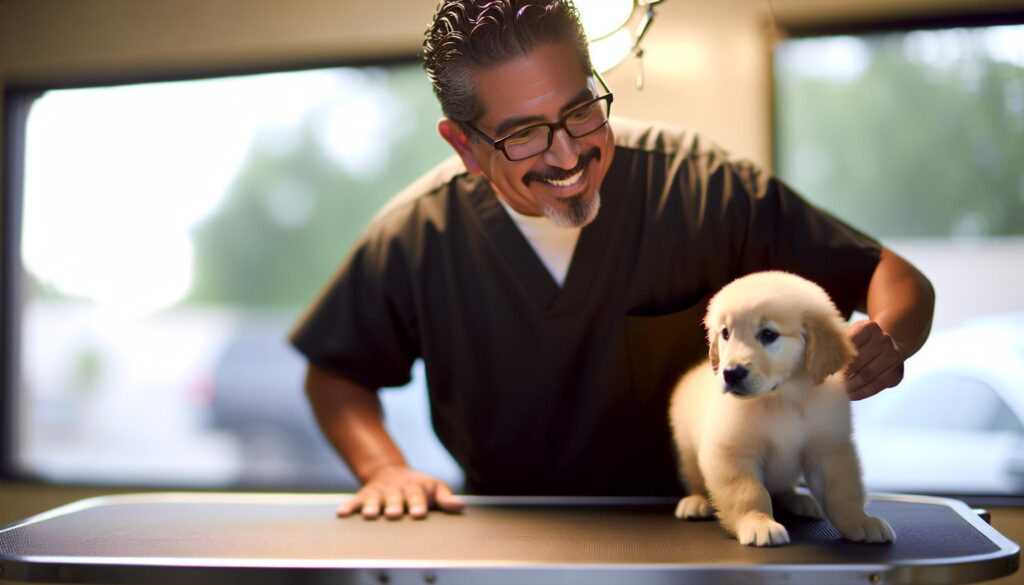
Did you know that when to take your puppy to a groomer is just as meaningful as how you care for them daily? Many new puppy owners wonder,”What age is safe for their first professional grooming?” This decision can affect your puppy’s comfort,health,and how they respond to grooming later in life. Whether you have a fluffy breed needing regular trims or a short-haired pup who still benefits from nail trims and ear cleaning, knowing the right timeline helps you avoid stress and ensures safety.
In this guide, we’ll walk you through the ideal age to start grooming, what to expect during those first visits, and how to prepare your furry friend – step by step. From bathing and brushing techniques to understanding when to rely on a vet instead of a groomer, you’ll gain practical tips and real-life advice. Our focus is on your puppy’s well-being, promoting positive experiences with grooming that set the stage for a lifetime of happy, healthy care. Let’s make those early grooming visits gentle, safe, and a bonding moment for you and your new best friend.
When Can Puppies Safely Visit Groomers?
Table of Contents
- 1 When Can Puppies Safely Visit Groomers?
- 2 Essential Puppy Age Guidelines for Grooming
- 3 How Puppy Coat Types Affect Grooming Timing
- 4 Preparing Your Puppy for Their First Grooming Visit
- 5 What Grooming Services Are Safe for Young Puppies?
- 6 Signs Your Puppy Is Ready for Professional Grooming
- 7 Choosing the Right Groomer for Your Puppy’s Needs
- 8 Health Checks Before Puppy Grooming: What to Know
- 9 How to Make Grooming a Positive Experience for Puppies
- 10 DIY Puppy Grooming Tips Before Visiting a Groomer
- 11 Handling Common Puppy Grooming Challenges With Care
- 12 Knowing When to Postpone puppy Grooming for Safety
- 13 Q&A
- 13.1 Q: How do puppy vaccinations affect the age for a safe first grooming visit?
- 13.2 Q: Can very young puppies get stressed during grooming, and how can owners help?
- 13.3 Q: What grooming tools are safest to use at home before a puppy’s first pro grooming session?
- 13.4 Q: How does a puppy’s breed and coat type influence the timing of their first grooming appointment?
- 13.5 Q: Why might a groomer postpone a puppy’s grooming session even if they meet the age requirement?
- 13.6 Q: What are signs to watch for that indicate a puppy is ready for professional grooming beyond age alone?
- 13.7 Q: How can owners choose a groomer who specializes in safely handling puppies?
- 13.8 Q: Can certain grooming services be introduced earlier than others for young puppies?
- 14 Insights and Conclusions
Puppies are bundles of joy,but they are delicate,especially during their first few months. Knowing when your puppy can safely visit a groomer helps set the stage for positive experiences rather than stress or risk. Generally, most professional groomers recommend waiting until puppies have completed their initial round of vaccinations-usually around 12 to 16 weeks old-before a full grooming session. This timeline helps ensure your puppy’s immune system is better prepared to handle potential exposure to germs or other animals in the grooming environment.
However, “safe” doesn’t always meen a full haircut or bath right away. Early visits can be more about gentle introductions. A groomer who understands puppy behavior will often focus on simple tasks first, such as handling paws for nail trimming or softly brushing the coat, to build trust. This gradual exposure helps reduce anxiety and sets a foundation for calmer grooming visits in the future. For example, a shy toy breed puppy might start with just a 10-minute visit focused on positive touch and maybe a mini nail trim, while a more robust coat type like a poodle mix may need slower acclimatization to scissor handling over multiple short visits.
- Vaccinations First: Always check with your vet to confirm that your puppy’s vaccines are up to date before scheduling grooming.
- Breed and Coat Type Matter: Puppies with curly or dense coats might need earlier brushing sessions to prevent matting, even before full grooming.
- Choose a puppy-Pleasant Groomer: Groomers experienced with young dogs employ gentle techniques and patience suited to nervous or fidgety puppies.
Remember, the goal of early grooming visits is not perfection in appearance, but creating a safe, comfortable space where your puppy learns to enjoy care routines. If your puppy is hesitant or stressed, communicate openly with your groomer-they may suggest breaking grooming into multiple, shorter visits to keep your puppy confident and safe. Patience and compassion here make every groom a positive step in your puppy’s lifelong wellness journey.
Essential Puppy Age Guidelines for Grooming
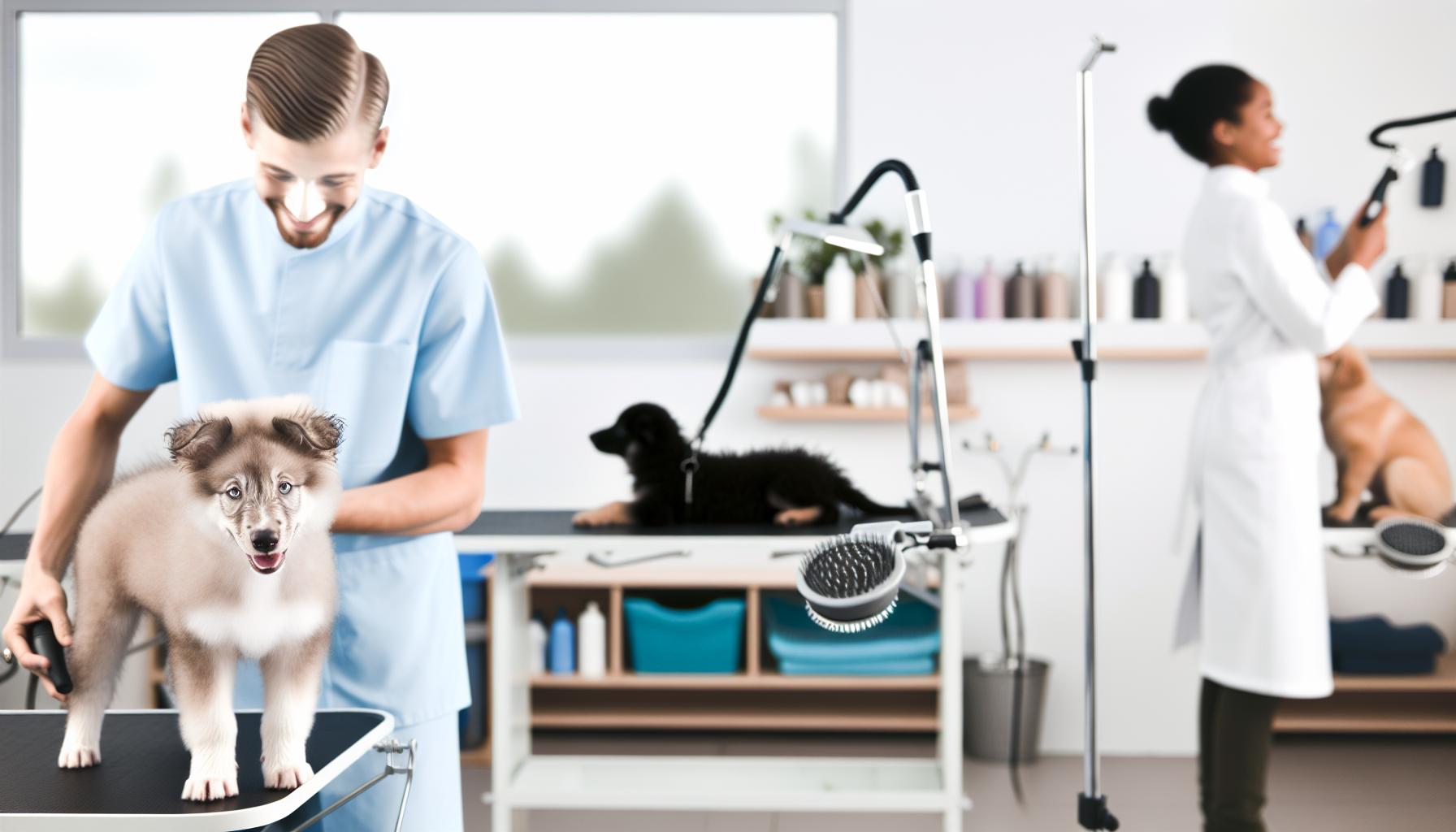
Puppies grow fast, but their bodies and immune systems need time to develop before they face the sights, sounds, and touch of a grooming salon. While it’s tempting to give your curious little furball their first trim or bath right away, waiting for the right age is crucial to keep them safe and comfortable.Most grooming professionals recommend beginning gentle grooming visits after your puppy has completed primary vaccinations-typically between 12 and 16 weeks old. This window is key because your puppy’s defenses are better armed against common infections, reducing the risk of illness during grooming.
Having mentioned that,”waiting” doesn’t mean missing out on all care routines at home or delaying early exposure to grooming-like experiences. Starting early with very basic hands-on sessions-like softly handling paws, ears, and brushing coat sections-can build trust and ease anxiety. For instance, a shy Cavalier king Charles Spaniel puppy might benefit from short, positive brushing sessions at 8 weeks, gradually introducing nail trims with treats and praise. Meanwhile, breeds with dense or curly fur, such as Poodles or Bichons, might need earlier coat maintenance at home to prevent mats, with professional grooming introduced carefully after vaccination milestones.
- Vaccination verification: Always coordinate with your veterinarian to confirm your puppy’s shot schedule is up to date before scheduling grooming appointments.
- Breed-specific timing: Coat type influences grooming needs; thicker coats might require earlier brushing to prevent discomfort, while shorter-haired breeds may tolerate longer intervals between grooming sessions.
- Gradual introduction: The first groomers should be sensitive to puppy behavior-shorter sessions focusing on positive touch, like gentle nail filing or light combing, are ideal first steps.
Remember that grooming at this stage is about creating a calming, safe atmosphere-not flawless trimming or thorough baths. If you notice signs of stress in your puppy, encourage your groomer to break the process into smaller visits, focusing on rewarding good behavior with treats and soothing words. this patient approach lays a foundation for grooming to become part of your puppy’s lifelong wellness routine, making future visits smoother and more enjoyable for both pet and owner.
How Puppy Coat Types Affect Grooming Timing
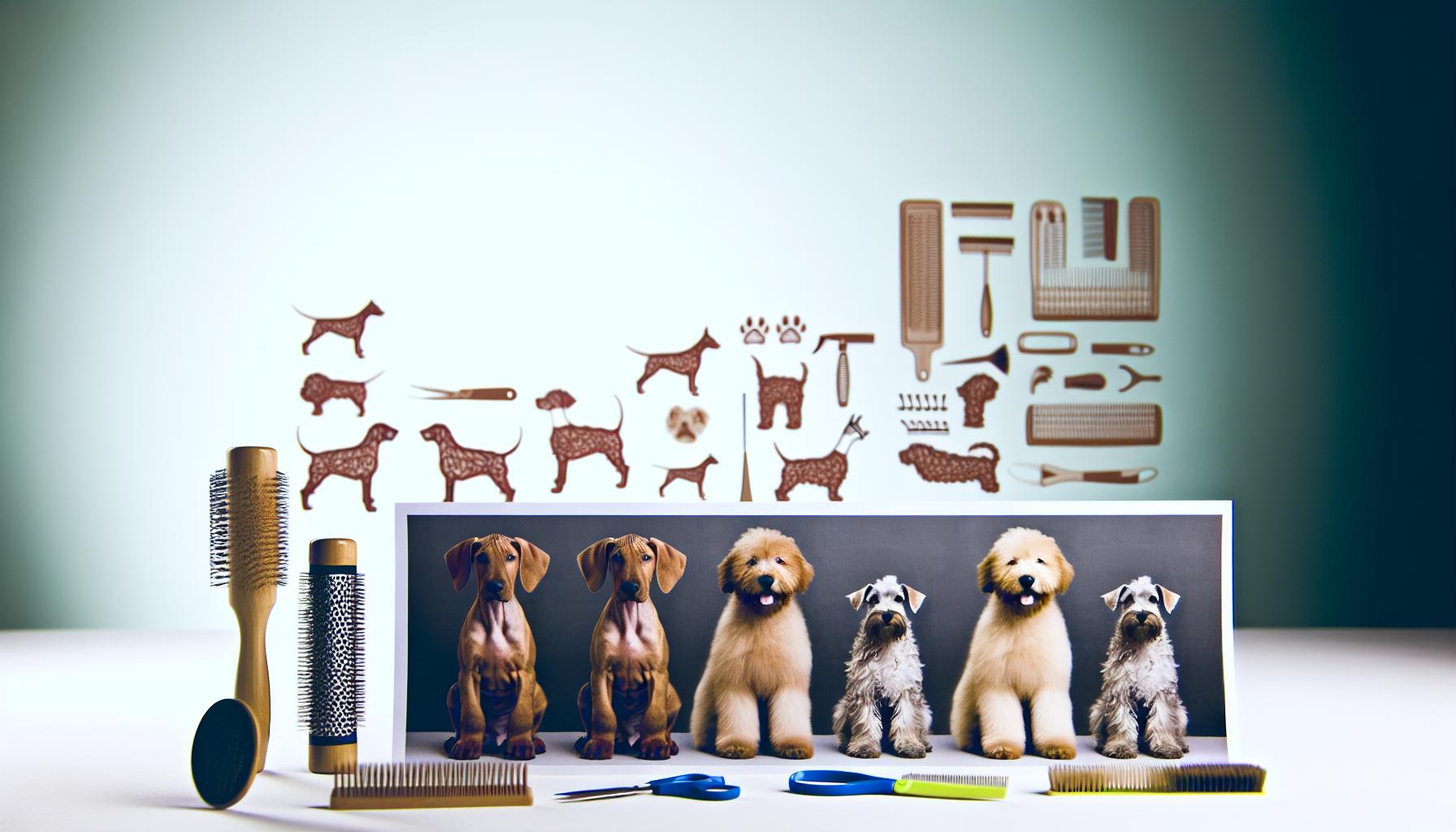
Puppy coat types play a surprisingly big role in deciding when and how grooming should begin. While all puppies need gentle care and socialization,the texture,density,and growth pattern of their fur influence the timing and approach that keep them comfortable and safe.For example, puppies with thicker, curlier coats-like Poodles or Bichons-may benefit from earlier home brushing to prevent mats, even before professional grooming is advisable. On the other hand, short-haired breeds such as Beagles or Boxers typically require less frequent grooming and can start professional sessions a bit later without risking discomfort.
Understanding your puppy’s coat helps you plan a personalized grooming schedule as they grow. Breeds with double coats-think Golden Retrievers or Huskies-shed heavily, so introducing gentle brushing early helps with loose fur and reduces tangling. Curly or dense coats, meanwhile, demand careful attention as mats can form quickly, leading to skin irritation if left unattended. Starting with short, calm brushing sessions at home around 8 weeks gets your puppy used to the sensation, so they’re more relaxed when visiting a groomer after vaccination milestones.
- Short-haired coats: These puppies often tolerate longer intervals between groomer visits but benefit from regular nail trims and ear checks to stay healthy.
- Long-haired and silky breeds: early introduction to gentle combing and brushing prevents tangles and builds positive associations.
- Curly and thick coats: Require more frequent maintenance, especially nail care, to prevent discomfort; scheduling professional grooming soon after vaccines is ideal.
Tools to Make Home Grooming Easier
Starting at home with the right tools sets a foundation for stress-free professional grooming. A soft-bristle brush suits short-haired pups, while slicker brushes or combs work best for longer or curly coats.Introducing paw handling and gentle ear rubs alongside brushing creates a full sensory experience that feels safe and reassuring.Always complement these routines with treats and praise, turning each grooming moment into a positive reward.If mats appear, especially in dense coats, don’t force removal yourself-rather, consult your groomer to prevent causing your puppy pain.
taking coat type into account lets owners and groomers work together, crafting a gradual timeline tailored for each puppy’s unique fur and temperament. this nurturing, informed approach builds confidence, turning grooming from a stressful encounter into a comforting and healthy ritual.Remember, patience and kindness are just as important as technique when caring for your growing pup’s coat and well-being.
Preparing Your Puppy for Their First Grooming Visit
Taking your puppy to the groomer for the first time is an exciting milestone-but it can also be a bit overwhelming for both pet and owner. Early readiness is key to making this experience not onyl safe but also positive and stress-free. Start by gently introducing your puppy to basic grooming at home well before the appointment, which helps build their comfort and trust with being touched and handled.
Focus first on short, calm sessions of brushing that match your puppy’s coat type. Such as, if you have a curly-coated breed like a Poodle, use a slicker brush and go slowly to prevent mats, while short-haired pups respond well to a soft-bristle brush. Incorporate gentle handling of paws and ears during these sessions, pairing the actions with soothing words and treats to create positive associations. this early sensory exposure helps reduce nervousness when visiting the groomer,where the environment is unfamiliar and noisier.
- Bath practice: Before the professional bath,gently wipe your puppy with a warm damp cloth to mimic the sensation of water,ensuring they stay relaxed around washing.
- Nail tapping and trimming: Regular gentle tapping on the nails can desensitize your puppy to the sound and feel of nail clippers, while carefully trimming only tiny amounts minimizes discomfort.
- Ear checking and cleaning: Introduce soft cloths or cotton balls dipped in vet-approved ear cleaner to softly wipe the outer ears, avoiding deep insertion.
Offering calm reassurance during these at-home sessions mirrors the gentle care your groomer will provide. Importantly, always observe your puppy’s reactions-if they seem distressed, pause and try shorter, more frequent sessions instead of a long one. This patience fosters trust and prevents setting up grooming as a negative experience.
When you schedule your puppy’s first professional grooming visit, communicate your puppy’s breed, coat type, temperament, and any concerns to the groomer. A responsible groomer will tailor the service accordingly, focusing on basic needs like a gentle bath, nail trim, and light brushing rather than full haircuts or styling. Remember, the goal for that first visit is comfort and familiarity, not a picture-perfect look. Prioritize your puppy’s well-being, and let the groomer guide you on timing-usually after full vaccinations are completed, around 12 weeks or older-to ensure safety.
What to bring and Expect
- Vaccination records: Most groomers require up-to-date vaccines for safety.
- Favorite treats or toys: You can bring these to comfort and distract your pup.
- Familiar collar and leash: Helps your puppy feel secure.
By framing grooming as a routine part of loving care-not a scary ordeal-you’re setting your puppy up for a lifetime of healthy coat and skin, plus happy outings to the groomer. With time, patience, and gentle introduction, those first few sessions can become moments of calm bonding between your pup and the caring hands that keep them looking and feeling their best.
What Grooming Services Are Safe for Young Puppies?
few moments are as important in a young puppy’s life as their first grooming experience. It shapes how they perceive handling and care for years to come. For the youngest pups-typically around 12 weeks or once fully vaccinated-the safest grooming services are simple, gentle, and focused on basic hygiene rather than styling or cosmetic trims.
- Bathing: A calm, brief bath with puppy-safe shampoo is an excellent first service. This refreshes the coat without overwhelming sensitive skin. Groomers usually use lukewarm water and softly massage,avoiding the face and ears unless the pup is comfortable.
- Light brushing: Groomers will use brushes suited to the puppy’s coat type-soft bristle for short hair, slicker brushes for curly or double coats. The goal is to remove loose hair and mild tangles rather than deep dematting, which can be stressful for young pups.
- Nail trimming: Trimming just the sharp tips is safe and prevents soreness or injury. Many puppies need some time to adjust to nail clippers, so a groomer experienced with nervous pups will work slowly and pause frequently.
- Ear cleaning: Only surface-level wipes with vet-approved cleaners are appropriate at this stage, never deep or invasive cleaning.This helps prevent discomfort and builds positive tolerance for ear care.
Services to Avoid for Young Puppies
At this tender age, full haircuts, shaving, or any styling that involves complex tools like clippers or scissors should be postponed. These procedures can be too overwhelming both physically and emotionally and may increase stress or accidental injury risk. Also, chemical treatments such as de-shedding sprays or flea baths should only be applied under veterinary advice.
Examples and Tips for a Smooth Session
If your puppy has a soft, single coat like a Beagle, a gentle bath combined with light brushing is perfect for the first groom. For breeds with thicker or curlier coats, such as Poodles or Bichons, prioritize slow, patient brushing before any cutting to prevent mats. One client’s puppy needed several short visits just for slow nail trims before tolerating a full bath-this gradual approach is key.
Remember, the goal is comfort and positive experiences, not perfection. A calm groomer who talks softly, uses treats, and allows breaks will make that first visit a soothing introduction to grooming as a loving care routine. Always communicate your pup’s temperament and any concerns before the appointment so your groomer can tailor the service with your puppy’s safety and happiness front and center.
Signs Your Puppy Is Ready for Professional Grooming
Puppies don’t all spring into grooming readiness at the same time-recognizing the signs that your furry friend is ready for professional grooming can save everyone stress and help set the stage for positive, lifelong care habits. Beyond just age or vaccination status, readiness is a blend of physical growth, temperament, and comfort with handling that reflects your pup’s unique personality and coat type.
Most puppies start showing signs of grooming readiness around 12 weeks or after completing their vaccination series, but it’s equally important to notice their behavior and reactions to routine touch. As an example, if your puppy calmly allows you to handle their paws, ears, and coat during play or gentle grooming at home, that’s a splendid green light. Puppies with short, smooth coats like Beagles or Boxers might potentially be easier to introduce to brushing and bathing early on, while breeds with dense, curly, or double coats-think Poodles or Shetland Sheepdogs-frequently enough require more patience to tolerate slow brushing before even stepping into full grooming sessions.
- Handling comfort: Does your puppy accept firm but gentle touch around sensitive areas-ears, paws, nails-without pulling away or showing distress? Gradual desensitization through short, frequent handling at home prepares them well for the groomer’s touch.
- Tolerance for new experiences: Has your puppy encountered experiences like baths or nail clipping in a calm setting without overwhelming fear? early positive experiences, even if brief, can be a reliable readiness indicator.
- Physical development: strong neck and back muscles help puppies hold still during grooming. Very young pups might squirm due to immature control, so if your puppy can stay reasonably still even for a few minutes, the timing is right for more professional help.
Real-world example: One client’s Poodle puppy needed several brief sessions centered just on nail trims and touch handling before she was relaxed enough for her first bath and brushing. The groomer’s slow, patient approach-using treats, breaks, and calm voice-built the pup’s confidence steadily. Conversely, a lively short-haired breed may be ready for a full grooming experience sooner but still benefits from extra patience with nail and ear care.
Remember, the goal isn’t a perfect grooming session on the first visit but building trust. If your puppy shows signs of stress despite gentle attempts, it’s perfectly okay to pause and try again sooner with more positive at-home prep. Always share your puppy’s behavioral cues and health status with your groomer in advance.A informed groomer will customize the approach to your puppy’s comfort and safety, reinforcing a loving grooming routine from day one.
Choosing the Right Groomer for Your Puppy’s Needs
Finding the perfect groomer for your puppy is more than just about convenience-it’s about choosing someone who understands the unique needs of young dogs and can create a calm, trusting environment from the very first visit.A groomer with experience in handling puppies will appreciate that their tiny bodies, tender skin, and developing temperaments require extra patience and gentleness. This carefully tailored approach sets the stage for stress-free grooming sessions throughout your pup’s life.
When searching for a groomer,it’s important to consider factors like their familiarity with your puppy’s specific breed and coat type. As an example, a groomer accustomed to curly-coated breeds such as Poodles knows the right tools and techniques to prevent matting without overwhelming a sensitive pup. Conversely, short-haired breeds might need a gentler introduction to nail trimming or ear cleaning, which some groomers specialize in. Don’t hesitate to ask if the groomer has experience with puppies under four months old, as early socialization and grooming exposure can set the foundation for cooperative behavior.
- Observe the atmosphere: A welcoming and calm grooming space can make all the difference. Puppies are naturally curious but easily overwhelmed. Look for a groomer who greets your puppy softly,uses positive reinforcement like treats or gentle praise,and respects your pup’s boundaries during handling.
- Discuss safety Protocols: Confirm that your groomer requires up-to-date vaccinations and performs a brief health check before starting. this ensures your puppy is protected and comfortable. Also,ask how they handle situations if your puppy becomes anxious or restless during grooming.
- Step-by-Step Services: A professional who offers gradual grooming sessions-starting with simple nail trims or light brushing-can definitely help build your puppy’s tolerance. This approach often includes breaks, soothing talk, and flexibility rather than rushing through all grooming tasks in one go.
Real-Life Tip from a Puppy Parent
One owner shared how their Shih Tzu puppy initially panicked at the groomer’s for a full haircut. The groomer wisely began with short, positive-only visits involving just brush-outs and nail trims. Over a few visits, the puppy grew to trust the process, eventually sitting calmly for baths and haircuts. This patient method saved the family from fractious grooming battles and taught the pup to enjoy being cared for.
Remember, a groomer isn’t just a stylist but a partner in your puppy’s wellness journey. Communication is key-share your puppy’s temperament quirks, prior handling experiences, and any health concerns openly.This collaboration allows a groomer to customize the visit focused on comfort and safety rather than speed or style perfection. Prioritizing your puppy’s emotional and physical ease guarantees positive grooming foundations that last a lifetime.
Health Checks Before Puppy Grooming: What to Know
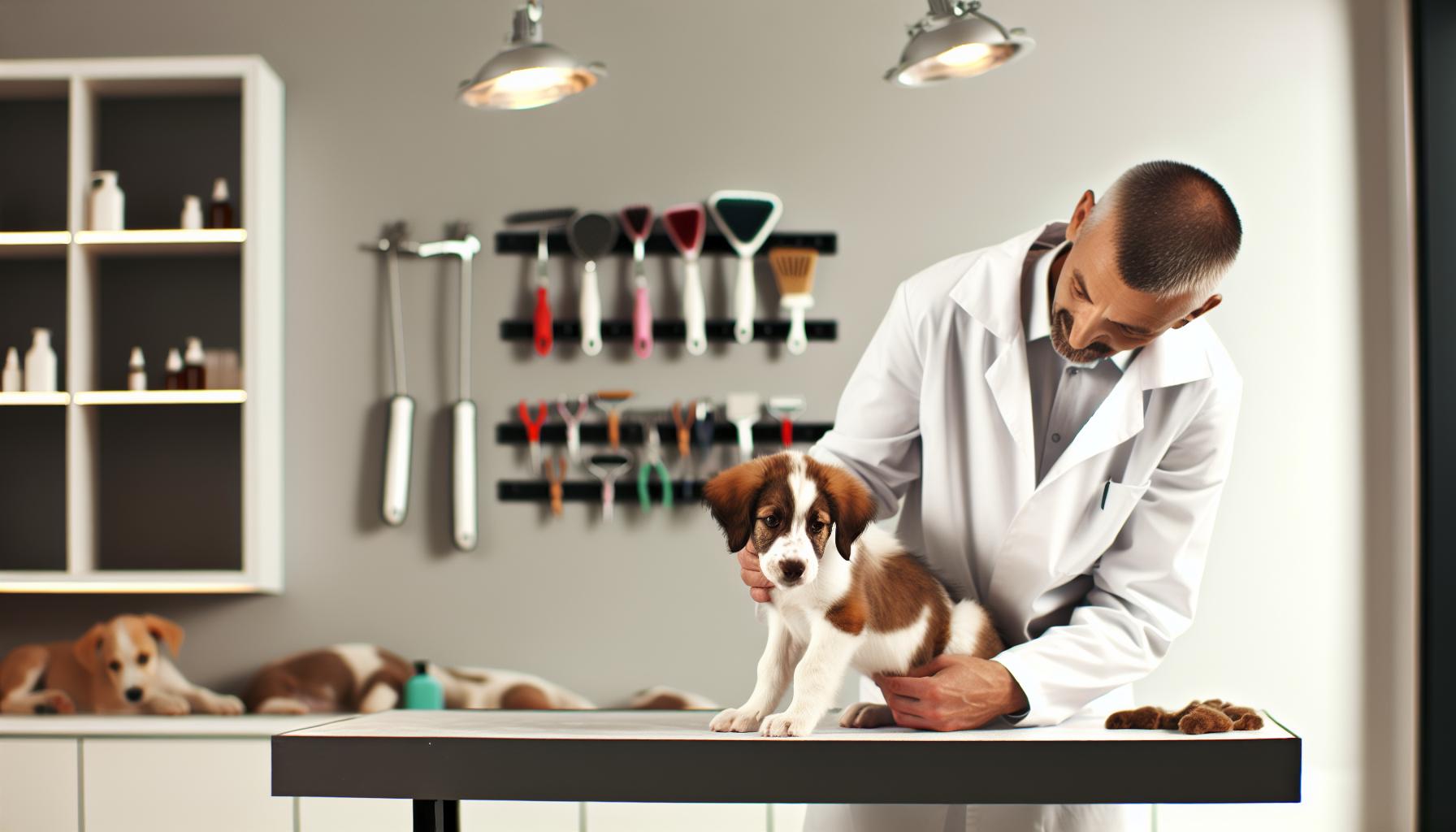
Puppies are bundles of energy and curiosity, but before bringing them into a grooming environment, their health and comfort should be the top priority. A simple but thorough health check before each grooming session helps ensure your little one is ready and safe for the experience. Puppies have delicate immune systems, and even minor health concerns can be exacerbated by the stress or handling involved in grooming. Making a habit of pre-grooming health assessments fosters trust and keeps both puppy and groomer confident throughout the visit.
- vaccination Status: Ensure your puppy has received the essential core vaccines,including the distemper,parvovirus,and rabies series as recommended by your vet. Many groomers require proof of vaccinations to protect all pets in their care. This step guards against contagious diseases that puppies are particularly vulnerable to, especially in busy grooming salons.
- Skin and Coat Condition: before any bath or brushing, inspect your puppy’s skin for irritation, redness, ticks, or fleas. Puppies can develop sensitive spots or early skin infections that may worsen if bathed or brushed aggressively. If you spot any abnormalities, it’s wise to consult your vet first or inform your groomer so they can use extra gentle techniques or postpone services if needed.
- General Physical Check: Simple checks-like examining the ears for wax buildup or signs of infection, looking over the nails for cracks, and checking the eyes for discharge-can uncover issues a groomer needs to be aware of. Handling these areas carefully can prevent accidental pain or discomfort. As a notable example, nail trimming a cracked or infected nail can cause severe pain, so identifying this before grooming saves your puppy distress.
Collaboration Between owner, Vet, and Groomer
Regular communication with your veterinarian and groomer forms the safest path for your puppy’s grooming journey. Your vet ensures your pup is healthy and ready for grooming activities, especially when it comes to skin conditions or recent illnesses that may not be obvious at first glance. Simultaneously occurring, experienced groomers can flag concerns noticed during visits and offer advice or request checks before the next session. Keep records of any allergies, sensitivities, or medications your puppy needs, and share this openly with your groomer.
Real-World Example
One young Labrador Retriever’s puppy had subtle ear sensitivity noticed only during grooming visits. As the groomer conducted a gentle ear inspection and shared concerns with the owner, a vet appointment was scheduled. It turned out to be a mild ear infection easily treated early, avoiding pain and prolonged discomfort. This situation highlights how small health checks protect puppies and make grooming a positive experience, building trust rather than fear.
Making health checks a natural step before grooming creates a safe, compassionate routine that respects your puppy’s growing body and mind. This foundation of care reduces anxiety, prevents injury, and helps your pup happily anticipate future grooming sessions. Remember, it’s always better to pause and check than to rush a puppy into grooming when they might not be ready physically or emotionally.
How to Make Grooming a Positive Experience for Puppies
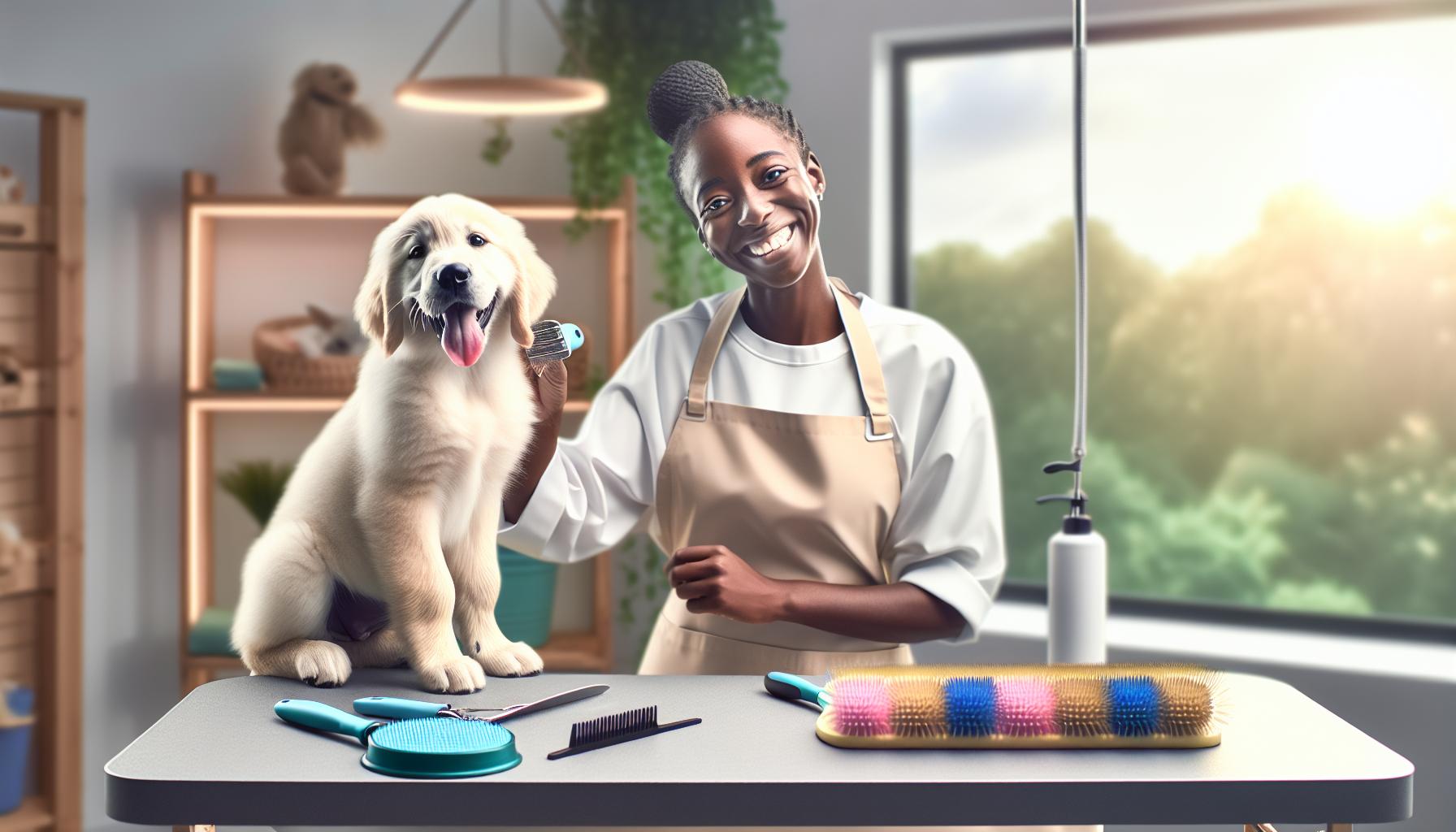
Puppies often approach grooming with a mix of curiosity and nervousness,so creating a comforting and positive environment is key to setting the stage for a lifetime of stress-free grooming. The goal is to focus on gentle introductions to handling and equipment, allowing your puppy to build confidence without overwhelming them. Starting slow and keeping all experiences upbeat can transform grooming from a scary chore into a bonding moment filled with smiles and tail wags.
- Begin with Familiarization at Home: Before any professional grooming visit, spend time gently touching your puppy’s paws, ears, and coat. Use soft brushes or damp cloths and praise generously. Familiar tools such as a slicker brush or rubber grooming mitt can help your pup get used to the sensation without stress.
- Keep Sessions brief and Rewarding: Puppies have limited patience and energy,so short,frequent sessions are better than lengthy ones. After each touch or brushing step, offer small treats or affection. This positive reinforcement teaches your puppy to associate grooming with good things.
- Introduce Sounds Gradually: Noises like blow dryers or clippers can be intimidating. Play recordings of these sounds at low volume while your pup is relaxed,then slowly increase the volume over days or weeks. This desensitization technique prevents future fear of grooming equipment.
Helping During the First Professional Grooming Visit
Choosing a groomer who is experienced with puppies is essential. A gentle groomer will use patience and calm handling techniques, allowing your puppy to take breaks if needed. Arriving calm yourself helps your pup feel secure-puppies quickly sense their owner’s emotions.If your pup is shy or anxious, you can bring a favorite toy or blanket to provide comfort. Some groomers even invite owners to stay nearby for reassurance during the session.
Practical steps like scheduling the first grooming after your pup’s vaccinations, and avoiding heavy grooming procedures (like nail trimming or full haircuts) initially, will help ease your pet in. Consider asking the groomer to focus on a light bath, gentle brushing, and ear cleaning, rather than a full makeover. This approach builds trust and prevents sensory overload.
Signs to Watch and How to Respond
Stay attentive to your puppy’s body language: licking lips, yawning, freezing, or whining can indicate stress.If these signs appear, ask the groomer to slow down or pause. Never force your puppy into uncomfortable situations; instead, schedule shorter visits and gradually increase grooming intensity. Over time, these positive experiences form the foundation of your puppy’s grooming confidence and willingness.
Remember, grooming is about care and comfort first-not perfection. Providing patience, soothing voices, and plenty of praise empowers puppies to enjoy grooming as a natural, loving routine. When grooming is a joy rather than a chore, puppies grow into calm, well-groomed dogs who look forward to these essential wellness moments.
DIY Puppy Grooming Tips Before Visiting a Groomer
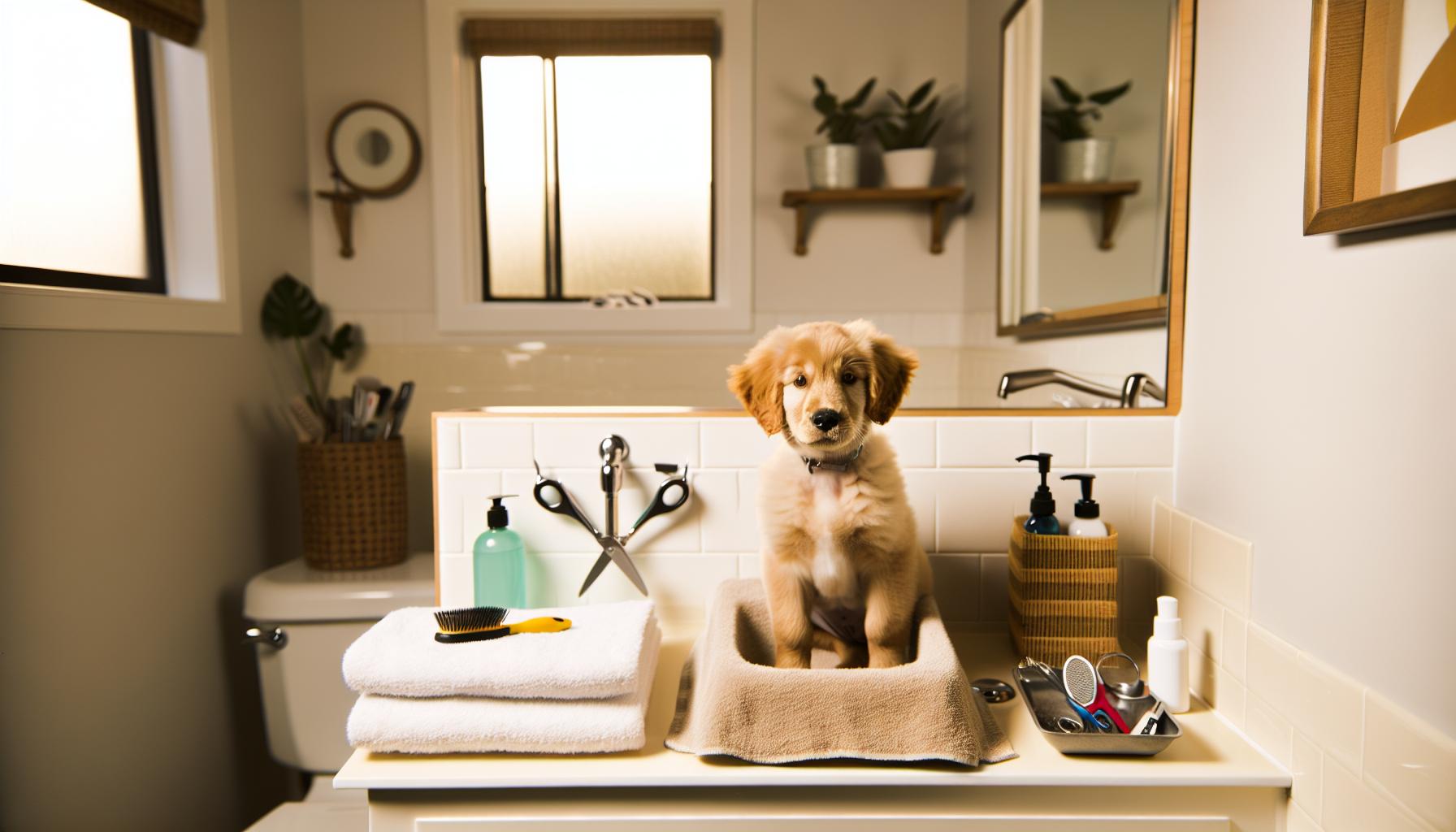
Getting your puppy comfortable with grooming at home sets a wonderful foundation for stress-free visits to the professional groomer. Early, gentle exposure to basic grooming tasks not only builds trust but also helps your pup accept handling with ease and positivity. Remember, this isn’t about striving for a perfect look – it’s about nurturing your puppy’s comfort and confidence with touch and care, so grooming becomes a natural, loving routine.
Starting With the Right Tools and Coat Awareness
The kind of coat your puppy has really guides which grooming tools to use and how often to groom at home. For example, a soft, short coat like a Beagle’s requires a gentle rubber curry brush to remove loose hair and stimulate the skin, while fluffy or curly coats (think Poodles or Bichons) benefit from a slicker brush and comb to prevent mats from forming early.
- Choose gentle, puppy-specific brushes: Rubber mitts or soft-bristled brushes minimize discomfort and get your puppy used to the sensation without irritation.
- Keep grooming sessions short: Puppies have short attention spans. Aim for 3-5 minute sessions, gradually lengthening as your pup learns to enjoy it.
- Always pair grooming with rewards: Use small treats, soft praise, or playtime after each session to build positive associations.
Bath Time Basics Safe for Puppies
Bathing your puppy before a groomer visit helps them get accustomed to water and gentle cleaning, yet it must be done with care to protect their sensitive skin and immune systems. Use lukewarm water and a mild, puppy-formulated shampoo – avoid harsh chemicals or heavy fragrances.
- Start slow and fun: Use a non-slip surface,talk softly,and use calm,reassuring touches to ease anxiety.
- focus on essentials: Clean the coat, face (carefully avoiding eyes and ears), and paws, but don’t worry about styling yet.
- Dry gently: Use a soft towel first, then low-heat or cool air blow drying if your puppy tolerates it, or simply air dry in a warm room.
Handling Nails, Ears, and Teeth at Home
Introducing paw handling early helps when the groomer needs to trim nails or clean ears.Use these steps gently and patiently.
- Nail trimming practice: Even if you don’t cut yet, touch and hold paws daily. Show the tools (clipper or grinder) without using them first to reduce fear.
- Ear exploration: Carefully wipe ears with a damp cloth or vet-approved ear cleaner. Watch for signs of discomfort or infection and consult your vet if needed.
- Teeth brushing: Use a puppy toothbrush and pet-safe toothpaste to start building a good oral hygiene habit.
Know Where to Draw the Line Between DIY and Professional Help
While you can tackle many basics at home, certain tasks are best left to grooming pros or veterinarians – especially full haircuts, challenging mats, nail grinding, or any grooming that causes distress.Your groomer’s experience ensures safety and keeps your puppy’s well-being the priority. If you notice signs of skin irritation, ear infections, or behavior changes, consult your vet before grooming.By spending these quiet moments at home practicing gentle grooming, you’re creating a calm and cooperative puppy who looks forward to regular professional visits. Patience, positive reinforcement, and a loving approach transform grooming from a source of stress into a shared activity that deepens your bond and keeps your furry friend happy and healthy.
Handling Common Puppy Grooming Challenges With Care
Puppy grooming can sometimes feel like navigating a maze, especially when your little one is new to the experience and still finding their footing in the world.Challenges like squirming during nail trims, sensitivity to water baths, or fear of unfamiliar tools are completely normal. The key is to approach these moments with patience and understanding, recognizing that each puppy’s comfort and confidence grow at their own pace.
Making Bath Time Calm and Comfortable
Water can be a big hurdle for puppies who haven’t had much exposure to it yet.If your pup shows signs of anxiety during baths-whining, trembling, or trying to escape-try to break the process into tiny steps.Start by simply introducing them to the bath area without water, rewarding calm behavior. Gradually add shallow water and use warm, puppy-friendly shampoo. Speak softly and use slow, gentle strokes to soothe your puppy’s nerves. Sometimes using a damp cloth to wipe the face and sensitive areas first helps build tolerance before a full bath.
Gentle Nail Handling With Positive Reinforcement
Nail trimming is a common stumbling block that can make both pups and owners anxious. Begin by touching and holding your puppy’s paws regularly without attempting a trim. Show them the nail clippers or grinder from a distance, letting them sniff and explore the tools, creating familiarity and reducing fear. When you do trim, use small, speedy snips and offer treats immediately to create positive associations. if resistance is high, it’s perfectly fine to trim just one or two nails at a time over several days. Remember, your groomer can take over stressful trims, but home practice makes the appointments less daunting.
Dealing With Tangles and Coat Challenges
Coat type significantly affects grooming ease. Puppies with thicker or curly coats, like Poodles or Bichons, are prone to mats which can be uncomfortable or even painful if left unattended.Regular brushing is your first defense-use a slicker brush or comb designed for your puppy’s coat and keep sessions brief but consistent. If mats do appear, never pull harshly; instead, apply a detangling spray and slowly work through tangles with patience. In tricky cases,getting the groomer involved early helps prevent discomfort and damage to the coat.
When to Seek Veterinary Assistance
Sometimes what seems like a simple grooming challenge hides an underlying health issue-scratching during ear cleaning may signal an infection, or excessive licking before baths might suggest skin irritation.keep a close eye on your puppy’s behavior and skin condition. If you spot redness, swelling, foul odors, or sudden behavioral changes around grooming, consult your vet before visiting the groomer. This ensures your puppy is comfortable and safe, and prevents complicating existing issues.
- Stepwise exposure: break grooming tasks into small stages and reward frequently.
- Tool familiarization: Let your puppy sniff and observe grooming tools without pressure.
- Short, frequent sessions: Multiple brief sessions beat one long, stressful grooming attempt.
- Observe and adapt: Watch your pup’s signals closely and pause if stress rises.
By embracing your puppy’s unique pace and challenges with kindness and consistent, gentle exposure, grooming can evolve from a dreaded chore to a trusted routine. This careful, pet-first approach fosters not only a healthier coat and skin but also a lasting bond built on trust and care.
Knowing When to Postpone puppy Grooming for Safety
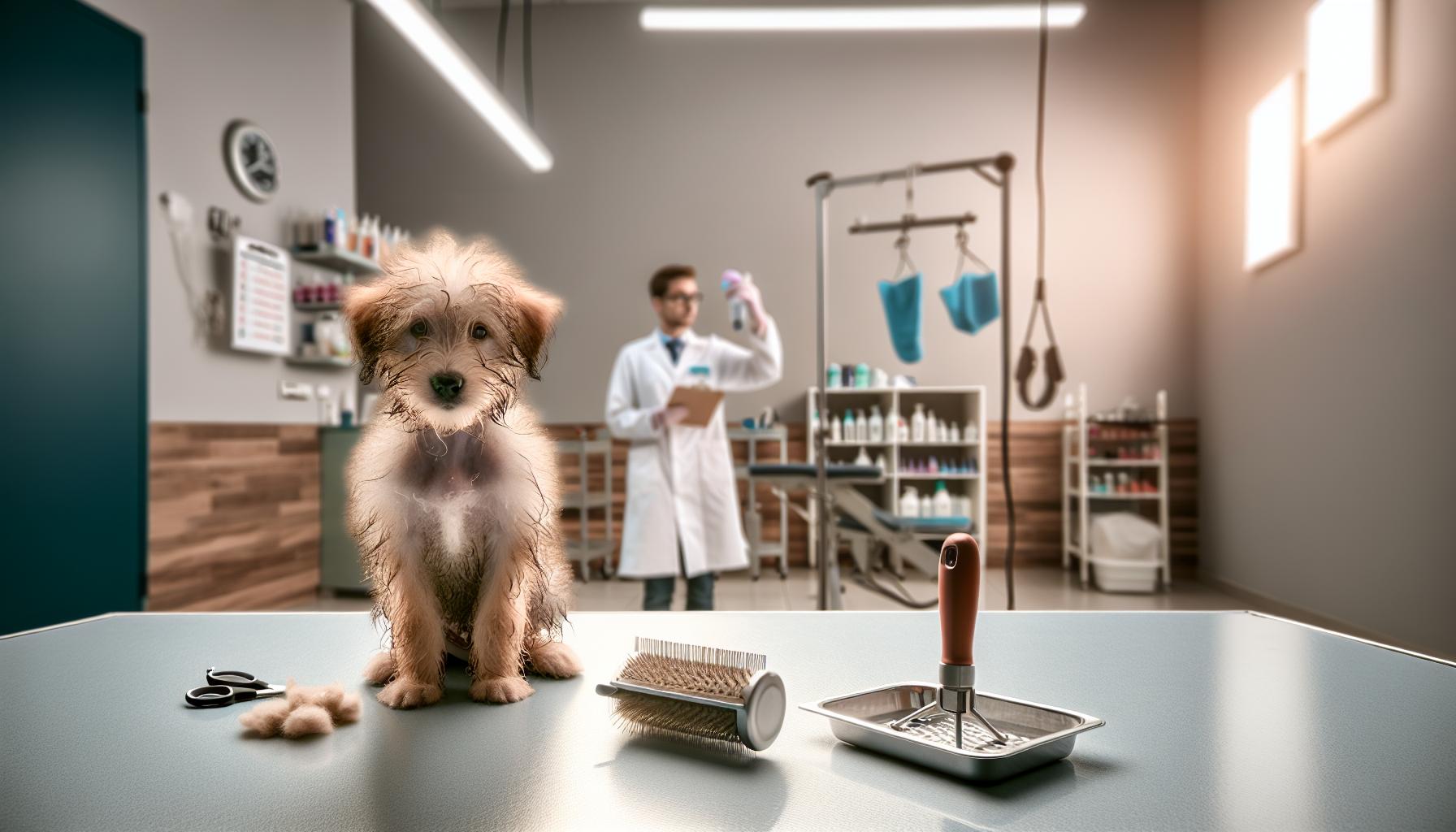
It’s important to remember that while grooming is a vital part of your puppy’s care routine, sometimes the best choice is to wait a little longer before scheduling that first professional session. Puppies, much like toddlers, have delicate systems and developing immune defenses, which means their comfort and safety need to come first-always. Rushing into a grooming appointment when your pup isn’t quite ready can cause unneeded stress, physical discomfort, or even risk exposing them to infections.
Many puppies aren’t fully vaccinated until around 16 weeks of age. until then, their immune systems are still maturing, making them more susceptible to illnesses that could be picked up in grooming salons or other public places.If your puppy is still within this vulnerable window, it’s wise to postpone grooming visits and focus on gentle, at-home care like short brushing sessions or wiping them down with a soft, damp cloth. This approach keeps them clean and helps build positive grooming associations without the added risks.
Signs to Hold Off on Grooming
- Recent illness – If your puppy is showing symptoms like sneezing, coughing, diarrhea, or lethargy, wait until they have fully recovered before any grooming.
- Skin problems – Redness, bumps, itching, or sores are cues to see your vet first. Grooming irritated or infected skin too soon can worsen the condition.
- Fear or anxiety – Some puppies need extra time to build confidence around strangers and new environments. Pushing too quickly may create negative grooming associations.
- Lack of vaccination completion – Until core vaccines are done, exposure to public places, including groomers, should be minimized for health safety.
When Postponing Is a Patient Power Move
By delaying professional grooming, you give your puppy’s body and mind the time they need to grow strong and comfortable. Use this period to gently acclimate them to grooming tools and touch at home. Short, playful sessions with brushes, nail trimmers, or towels build trust and help reduce later stress. When your pup is healthy, calm, and fully vaccinated, that first groomer visit becomes a positive milestone rather than a stressful hurdle.
Remember,some coat types and breeds-like curly Poodles or double-coated Huskies-require careful maintenance to prevent mats or skin irritation. If your puppy’s coat is developing mats or debris early and professional grooming can’t wait, consult your vet or a groomer experienced in handling young pups safely. They can offer specialized advice or gentle care options that don’t compromise your puppy’s wellbeing.
When in doubt,err on the side of compassion and patience. A well-timed grooming session, combined with your loving preparation, sets the stage for a lifetime of happy, healthy grooming experiences. Your puppy’s safety and emotional comfort deserve the utmost priority every step of the way.
Q&A
Q: How do puppy vaccinations affect the age for a safe first grooming visit?
A: Puppies usually need to complete core vaccinations before visiting a groomer safely, commonly around 12 weeks old. This reduces infection risk while exposed to other animals or grooming equipment. Always check with your vet and groomer about your puppy’s vaccine status before the first appointment to ensure safe timing and health protection.
Q: Can very young puppies get stressed during grooming, and how can owners help?
A: Yes, puppies under 4 months can easily get stressed in new environments. Owners should gradually introduce grooming tools at home and choose calm,patient groomers experienced with puppies. Reading “How to Make Grooming a Positive Experience for Puppies” can help prep your puppy emotionally and physically for grooming visits.
Q: What grooming tools are safest to use at home before a puppy’s first pro grooming session?
A: Start with soft brushes, nail grinders, and gentle wipes before the first groomer visit. These tools are puppy-friendly and help your pup get used to handling. This gradual exposure supports a smoother transition to professional grooming and reinforces positive grooming experiences early on.
Q: How does a puppy’s breed and coat type influence the timing of their first grooming appointment?
A: Breed and coat type strongly impact grooming needs; long-haired or double-coated breeds may need earlier grooming visits around 12-16 weeks. Short-haired breeds may be fine later. Refer to the section on “How Puppy Coat Types Affect Grooming Timing” for breed-specific guidance tailored to your puppy.
Q: Why might a groomer postpone a puppy’s grooming session even if they meet the age requirement?
A: Groomers might delay services if a puppy shows signs of illness, extreme anxiety, or incomplete vaccinations. Grooming at the wrong time can harm health or stress your puppy excessively. always communicate your puppy’s health and behavior status with your groomer beforehand to ensure safety.
Q: What are signs to watch for that indicate a puppy is ready for professional grooming beyond age alone?
A: Signs include calmness during touch, ability to stand still, and tolerance for noises and handling. If your puppy exhibits these behaviors, they’re more likely to have a positive grooming experience. For detailed signs, see “Signs Your Puppy Is Ready for Professional Grooming.”
Q: How can owners choose a groomer who specializes in safely handling puppies?
A: Look for groomers with specific puppy-handling experience, positive reviews, and a gentle approach. Ask about their methods for acclimating young dogs and their policies on health checks. Visiting the groomer beforehand helps ensure a pet-friendly environment tailored to your puppy’s comfort.
Q: Can certain grooming services be introduced earlier than others for young puppies?
A: Yes, services like basic brushing, nail trimming, and ear cleaning can frequently enough start earlier than full haircuts or baths, especially for sensitive puppies. consult your groomer for a tailored grooming plan that respects your puppy’s age and stress levels, easing them into professional care step-by-step.—
For more detailed guidance on preparing your puppy and choosing the right groomer, consider revisiting sections on preparation and selecting groomers in the main article. Remember, prioritizing your puppy’s safety, comfort, and gradual socialization ensures grooming becomes a positive and stress-free part of their routine.
Insights and Conclusions
Knowing the right age to bring your puppy to a groomer sets the foundation for a happy, stress-free grooming experience. Remember,each breed and coat type may need different care timing and tools,so start slow with gentle baths,brushing,nail trims,and ear cleaning at home to build your pup’s comfort. When you’re ready to visit a professional groomer, prioritizing safety and your pup’s emotional wellbeing is key.If you’re curious about home grooming techniques or how to choose the right groomer near you, check out our detailed guides on [DIY Puppy Grooming tips] and [How to Find the Best Groomer for Your Dog].Don’t wait until grooming feels like a challenge-early, positive experiences make all the difference. For more insights on puppy care and grooming schedules, subscribe to our newsletter or explore our [Puppy Health & wellness Resources]. Have any questions or personal tips? Share your thoughts in the comments below-we’d love to hear about your puppy’s grooming journey! By keeping your puppy safe, comfortable, and confident, you’re setting them up for a lifetime of happy, healthy paws and coats.
Get our latest guides, news, and insights highlighted in your Google Search & AI Overviews.
Keep reading about the same coat and cut.



Popular grooming guides
Bath vs clip, first grooms, and salon how-tos.