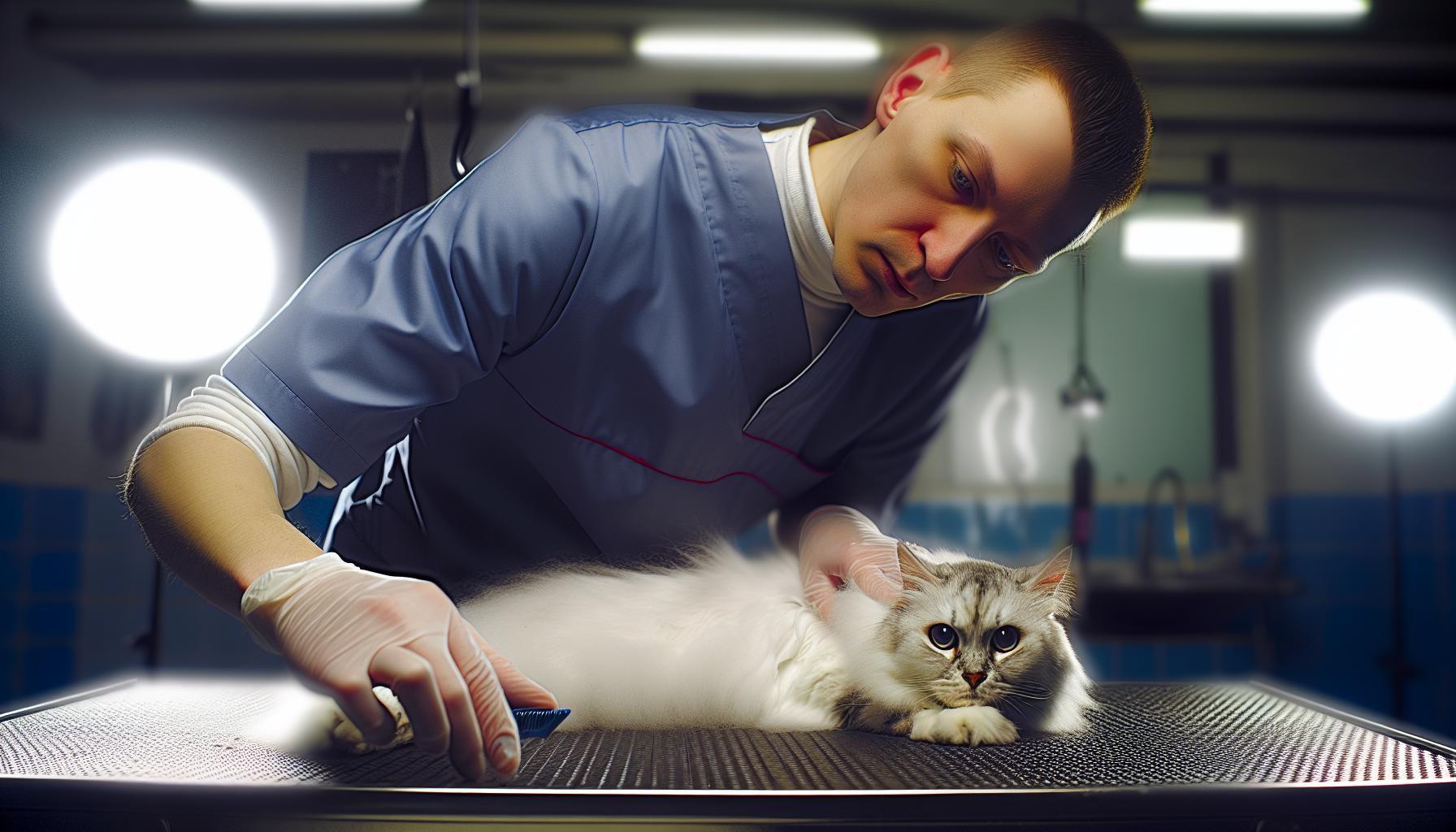
Did you know that while many cats enjoy a good brushing at home, some breeds and coat types require more specialized care than a simple DIY routine can provide? Whether your cat has a thick, long coat prone to matting or is anxious during bath time, knowing when to visit a professional groomer can make all the difference in their comfort and health. Grooming isn’t just about appearance-it’s about keeping your feline friend safe, happy, and feeling their best. In this guide, we’ll explore how to recognize when home grooming isn’t enough, what tools and techniques you can use at home, and when it’s wise to call in the experts. Together, we’ll focus on gentle, patient care that respects your cat’s unique needs, so you can feel confident supporting their well-being every step of the way.
when DIY Cat Grooming Falls Short: Signs to Seek Professional Help
Table of Contents
- 1 when DIY Cat Grooming Falls Short: Signs to Seek Professional Help
- 2 Choosing the Right Groomer: What to Look for and ask
- 3 Understanding Different Cat Coats and Grooming Needs
- 4 Step-by-Step Guide to DIY Cat Grooming Basics
- 5 Handling Common Grooming Challenges: Mats,Shedding,and More
- 6 Nail trimming Made Easy: Tools and Techniques for cats
- 7 Keeping Your Cat Calm: Tips to Reduce Stress During Grooming
- 8 When to Avoid DIY Grooming: Safety Risks and Health Concerns
- 9 How Professional Groomers Enhance Your Cat’s Comfort and Care
- 10 Comparing Vet, Groomer, and At-home Care: What Each Provides
- 11 Budgeting for Professional Grooming: Costs and Frequency explained
- 12 FAQ
- 12.1 Q: How do I know if my cat needs professional grooming instead of DIY?
- 12.2 Q: What special skills do cat groomers have that owners usually don’t?
- 12.3 Q: Can certain cat breeds require more frequent visits to groomers? If so, which ones?
- 12.4 Q: how can professional grooming help with my cat’s anxiety during grooming sessions?
- 12.5 Q: What grooming services do professionals offer that I can’t easily do at home?
- 12.6 Q: When is professional grooming unsafe or unnecessary for cats?
- 12.7 Q: How frequently enough should cats ideally visit a professional groomer based on coat type?
- 12.8 Q: Where can I find a reliable cat groomer who specializes in feline care?
- 13 closing Remarks
Many cat owners begin grooming at home with good intentions-brushing through loose fur,trimming nails,or even attempting a bath. But sometimes,despite your best efforts and patience,the task becomes more than you or your cat can comfortably handle. Recognizing when your DIY grooming efforts are falling short is essential-not just for your cat’s appearance but, more importantly, for their health and well-being.
Cats with thick or long coats like Persians, Maine Coons, or Ragdolls often develop stubborn mats that brushing at home can’t safely remove without risking skin injury or causing discomfort. If matting covers large areas or feels tight to the touch, it’s a clear sign to seek professional help. Attempting to cut mats at home may inadvertently cut the skin, which professionals are trained to avoid with specialized tools and techniques.Strong signs that call for professional grooming include persistent behavioral stress during sessions-hissing, aggressive swatting, or hiding-especially if your cat becomes tense or shows signs of fear when you approach with grooming tools. Some cats naturally dislike being groomed, and when anxiety leads to resistance, a skilled groomer can calmly manage the situation. They employ strategies and gentle restraint that minimize stress while completing the grooming safely.
Health-related concerns also play a vital role. If you notice skin irritations, wounds, fleas, unusual discharge from eyes or ears, or severe shedding linked with patchy bald spots, it’s best to consult a professional groomer and possibly your veterinarian. Groomers frequently enough spot issues owners miss and work alongside vets, ensuring your cat’s skin and coat are cared for without worsening underlying problems. Likewise, cats with mobility issues, obesity, or older age might need professional grooming because daily brushing or bathing at home could be painful or frustrating for them-and you.
When To Call in the Experts
- Severe matting that can’t be brushed out safely
- Signs of skin infection or injury visible beneath the fur
- Extreme stress or aggressive behavior that endangers you or the cat
- Health conditions: arthritis,obesity,or sensory impairments
- Persistent flea infestations or other parasites
- Difficulty trimming nails due to your cat’s resistance or fast growth
Remember,grooming is a form of loving care-not a task to be rushed or forced. When challenges arise that disrupt trust or jeopardize safety, a professional groomer’s expertise becomes an invaluable ally. They provide compassionate, experienced hands that help maintain your cat’s comfort, health, and dignity, while giving you peace of mind that grooming is handled skillfully and safely.
For many cat parents, the decision to seek professional grooming isn’t about giving up-it’s about choosing the most supportive option for their beloved fur baby’s unique needs. Embracing this help can preserve the joy and bond of regular grooming without stress or struggle.
[1] offers useful tips on timing and technique for DIY sessions, but recognizing when to pause and call in professionals is just as crucial-your cat’s comfort comes first.
Choosing the Right Groomer: What to Look for and ask
Finding the right professional to care for your cat’s grooming needs can feel overwhelming, but knowing what to look for-and what to ask-can make all the difference in your experience and, most importantly, your pet’s comfort. A skilled cat groomer isn’t just about giving your cat a neat haircut; it’s about offering gentle, compassionate care that prioritizes your cat’s unique coat type, temperament, and health. When you connect with the right groomer, grooming sessions can become positive and even enjoyable visits, rather than stressful ordeals.
Start by looking for a groomer who specializes in cats or has extensive experience working with felines. Cats are very different from dogs-not just in grooming tools and techniques but in how they respond to touch and restraint. A groomer who understands feline behavior will be patient and skilled at reading your cat’s signals. You might say, “My Maine Coon hates nail trims and gets very anxious during baths.” A proficient groomer should have strategies to soothe anxious cats-using calming touches, quiet environments, or breaks as needed. Ask whether they’ve handled specific breeds or coat types like Persians with dense undercoats or Ragdolls with fine long hair, since different coats require different tools and grooming frequencies.
Clear dialog upfront sets expectations and builds trust. It’s helpful to ask practical questions such as:
- What grooming services do you offer? This can include baths,brushing,nail trims,ear cleaning,dematting,and haircuts.
- How do you handle cats who are nervous or resistant? A thoughtful groomer will discuss their approach to stress reduction, such as gentle restraint or familiarization sessions.
- Are you trained to recognize skin or health issues? As groomers frequently enough spot concerns like fleas,infections,or skin sensitivity,knowing their level of awareness and collaboration with vets can reassure you.
- Can you accommodate special needs? cats who are older, overweight, or have mobility problems may require extra care and a slower pace during grooming.
- What kind of tools and products do you use? Safe, cat-pleasant shampoos and grooming tools designed specifically for different fur types ensure your cat’s comfort and coat health.
Meeting the groomer and touring their facility before booking a session can also ease your mind. A calm, clean, and cat-friendly environment with private grooming areas helps reduce anxiety. Ask for references or reviews from other cat owners-real stories often reveal how well a groomer handles arduous cats. Such as, a groomer who once helped a fearful Persian become comfortable with regular dematting deserves your consideration.
Remember, it’s perfectly okay to prioritize your cat’s well-being over aesthetics. A good groomer values comfort and safety above delivering a “perfect” cut, recognizing that patience and kindness build your cat’s trust for future visits. Choosing the right professional is about creating a partnership that supports both your cat’s health and your peace of mind.
[3] offers an example of groomers who provide full-service care including waterless shampoos, nail trims, and ear cleaning-all services to consider when evaluating groomers near you.
Understanding Different Cat Coats and Grooming Needs
Cats come in a stunning variety of coat types and textures, and understanding these differences is key to providing the kind of grooming that truly supports your cat’s health and happiness. from the sleek, short hair of a Siamese to the luxurious, dense fur of a Persian or the wiry coat of a Cornish rex, each coat demands its own care, tools, and techniques. When grooming needs go beyond the occasional brushing, knowing what your cat’s coat specifically requires helps you decide if DIY grooming is enough or if it’s time to seek professional help.
Coat Types and Their Grooming Essentials
- Short-haired cats like Americans Shorthairs or British Shorthairs typically need weekly brushing to remove loose hair and distribute natural oils. A soft bristle or rubber grooming brush works well here,making the process gentle and effective.
- Medium-haired breeds, such as Bengals or Ragdolls, benefit from a combination of brushes-slicker brushes for tangles and undercoat rakes to manage shedding and prevent mats. These cats may require grooming more frequently to stop hairballs and matting.
- Long-haired cats like Persians, Maine Coons, or Himalayans often have thick undercoats prone to matting. These cats need daily combing with a wide-toothed comb and occasional professional dematting tools. Baths using cat-specific shampoo dilute skin oils gently without irritation, often beyond what most owners can manage alone without anxiety or stress for their cat.
- Specialty coats, such as the curly, soft fur of the Devon Rex or Cornish Rex, usually don’t shed as much but require delicate care with minimal trimming. Their unique textures make some tools harsh,so gentle grooming mitts or soft brushes work best.
Matching the Right Tools and Techniques
Understanding your cat’s coat helps you select tools that are safe and effective. Such as, using a slicker brush on a short-haired cat might be uncomfortable or needless, while a fine-toothed comb is essential for preventing tangles in long-haired cats. Nail trimming and ear cleaning vary less by coat but still require patience and correct tools (sharp trimmers with rounded tips, gentle wipes). Never underestimate how much temperament and sensitivity play a role in your cat’s grooming success-what suits one cat might stress another.
When DIY Grooming Isn’t Enough
Sometimes, mats form despite regular brushing, or shedding becomes excessive due to stress, health changes, or seasonal shifts. Thick undercoats can become so dense that they trap moisture, leading to skin irritation or infections that DIY grooming can’t safely address. In these cases, professional groomers have the experience, tools, and techniques to carefully and humanely manage difficult coats while monitoring skin health. They also know when a visit to the vet is needed for underlying issues like allergies or parasites. Choosing professional grooming is a compassionate choice when your cat’s unique coat needs exceed what’s safe or feasible at home, ensuring their comfort and well-being remain top priority.
Whenever you pick up a brush or plan a grooming session, remember that coat care is about comfort and health more than flawless appearance. Regular, gentle care tailored to your cat’s coat type fosters trust and calms anxiety-for both of you. When in doubt, professional groomers skilled in felines bring peace of mind with their knowledge of breed-specific grooming needs and calming handling-helping make grooming a positive experience tailored just for your cat.
[3] offers detailed tips on brushing and bathing techniques suited for different cats, emphasizing skin and coat health alongside safety and comfort.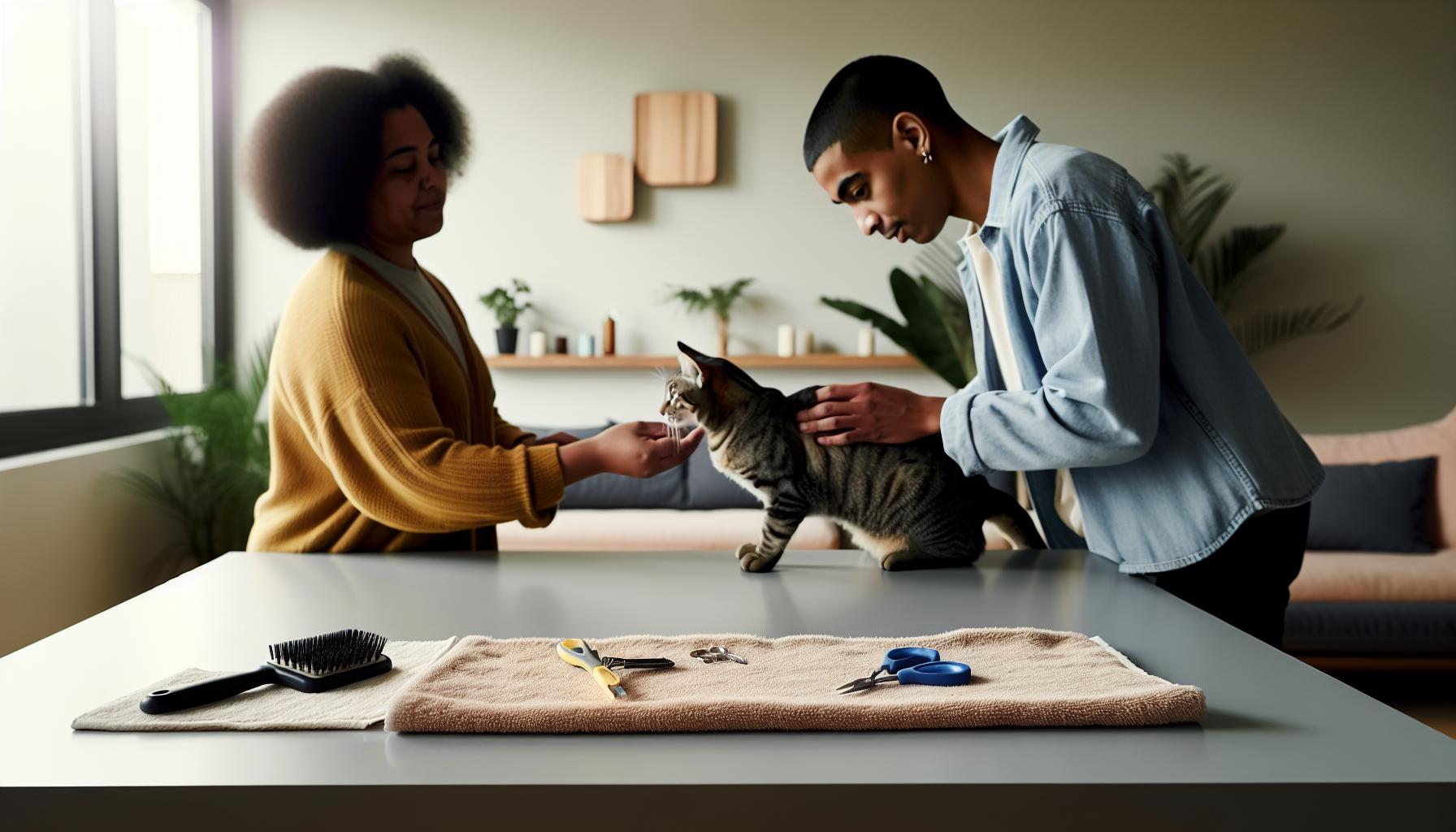
Step-by-Step Guide to DIY Cat Grooming Basics
Cats are masters at keeping themselves clean,but even the most diligent feline can benefit from a little extra help at home. DIY grooming can be a rewarding way to bond and support your cat’s health, especially when done with patience and the right approach tailored to your cat’s unique coat and temperament. Before you begin, remember that every cat is different-what works for a calm, short-haired kitty might not be ideal for a long-haired or especially shy cat. With a gentle touch and some preparation, you can navigate basic grooming at home confidently and compassionately.
Gathering Your Tools
Start by assembling the essentials based on your cat’s coat type. For short-haired cats, a rubber grooming brush or soft bristle brush will gently remove loose hairs and stimulate skin oils. Medium-haired breeds benefit from slicker brushes combined with undercoat rakes to reduce shedding and prevent tangles. Long-haired cats usually require a wide-toothed comb for daily detangling and occasional use of a dematting tool (with extreme care).Always have nail clippers designed for cats, grooming wipes or damp cloths for ears and eyes, and a no-rinse or waterless cat shampoo handy if bathing is necessary.
Brushing and Dematting
Begin by choosing a calm time, ideally when your cat is relaxed or sleepy. Hold your cat gently on your lap or a secure surface, speaking softly to comfort them. start brushing with gentle strokes in the direction of hair growth. For long-haired cats, pay special attention to vulnerable spots like behind the ears, armpits, and under the legs where mats tend to form. if you encounter mats, do not pull hard-instead, try to loosen them using your fingers or a dematting comb, working patiently from the edges inward. If a mat cannot be safely removed, it’s wise to seek professional help.
Bathing Basics
Bathing is rarely needed but sometimes essential, especially if your cat has gotten into something unpleasant or has an oily buildup.Use a cat-formulated shampoo-human shampoos can irritate delicate skin-and warm (not hot) water. Before you start, trim nails to prevent accidental scratches. Fill a sink or tub with just a few inches of water and wet your cat slowly,avoiding the face. Use a damp cloth for the face to prevent water in ears or eyes.Lather gently, rinse thoroughly, and dry with a soft towel. Many cats prefer a no-rinse dry shampoo or grooming wipes, which can be a much less stressful alternative to a full bath[[[[[1]](https://addictionpet.com.sg/blogs/skin-coat-cat/the-ultimate-diy-cat-grooming-guide-essential-tools-how-to-use-them?srsltid=AfmBOooyansGyTIhxbSlJiEf232ZESFSlHE98ET-uv0tDMtKoprwMheq).
Nail Trimming and Ear Cleaning
Nail trimming can be intimidating, but using sharp, rounded-tip clippers and approaching slowly will build your cat’s trust. If your cat is sleepy (as many cats groom more effectively when relaxed), take advantage of this calm window. Clip only the tip of each nail, avoiding the pink fast to prevent bleeding. For ear cleaning, use a soft, damp cloth or cat-specific ear wipes-never insert anything deep into the ear canal, and stop if your cat shows signs of pain or irritation [[2]](https://www.reddit.com/r/cats/comments/ujz3fj/how_to_groom_a_cat_at_home/).
Knowing When to Pause and Seek Help
If at any point your cat becomes highly stressed, or if mats are too dense or close to the skin, it is kinder and safer to stop and consider a professional groomer or vet visit. Groomers have the training and equipment to rescue tangled coats and handle anxious cats gently, while veterinarians can evaluate for underlying skin or health issues affecting coat quality. Remember, the goal of DIY grooming is your cat’s comfort and well-being-not perfection in appearance. When you keep calm, use gentle techniques, and read your cat’s cues, grooming becomes a loving ritual rather than a chore.
by following these straightforward steps and respecting your cat’s limits, you empower yourself to contribute positively to their health and happiness. DIY grooming doesn’t replace professional care but complements it-helping maintain a cleaner, happier feline until the next expert visit[[[[[3]](https://blog.homesalive.ca/cat-blog/cat-grooming-tips).
Handling Common Grooming Challenges: Mats,Shedding,and More
Cats’ coats can be as varied as their personalities,and each coat type brings its own unique grooming challenges. Whether your feline friend sports a sleek short coat or a flowing mane, managing shedding, mats, and skin health is essential-not just for appearance but for their overall comfort. When these challenges arise, it’s important to know how to handle them gently and effectively, while recognizing when the situation calls for a professional’s touch.
Understanding Mats and How to Address Them
Mats form when loose fur, skin oils, dirt, and sometimes moisture tangle together, creating tight clumps that pull on your cat’s skin. They’re most common in long-haired breeds like Persians or Maine Coons but can also occur in medium-haired cats,especially around softer,less accessible areas such as behind the ears,under the legs,and along the belly. Attempting to yank or force mats apart can cause pain and skin damage, so patience is key.
- Gentle dematting techniques: Use your fingers first to separate the mat’s edges gently. A dematting comb or rake designed specifically for cats can help loosen stubborn tangles. Work slowly from the outer edges inward, never forcing the comb.
- Trim with care: If mats are too dense or close to the skin, trimming may be necessary. This is frequently enough better left to professional groomers who have the right tools and experience to minimize discomfort and stress.
If mats are causing your cat discomfort or your unsure how to proceed, seeking a groomer’s expertise is often the kindest choice.
Managing Shedding and Coat Health
Shedding varies by season, breed, and individual health. short-haired cats may shed less noticeably, but medium and long-haired breeds can leave fur tumbleweeds around your home! Regular brushing helps remove loose hairs before they fall, reducing hairballs and keeping your cat comfortable.
- Choose the right brush: For short-haired cats,a rubber grooming mitt or soft bristle brush works wonders.Medium to long coats benefit from slicker brushes or undercoat rakes that reach deeper layers.
- Consistent grooming schedule: Even 5-10 minutes daily can dramatically reduce shedding and maintain coat health. It also reinforces bonding and trust.
Other Common Issues and When to Step Back
Grooming isn’t just about fur.Dry skin, dandruff, oily buildup, or parasites may also appear during brushing. These signs might indicate underlying health issues and warrant a vet visit. Moreover, if your cat becomes overly stressed, resists grooming, or shows pain, it’s a signal to pause and consider professional help.
Professional groomers provide comfort using specialized calming techniques and equipment. They’re trained to work efficiently while minimizing stress, especially with anxious or sensitive cats. This partnership between at-home care and professional grooming ensures your kitty stays happy, healthy, and beautifully comfortable without forcing any “perfect” looks.
Remember, handling grooming challenges with empathy and patience makes all the difference. Each stroke of the brush is an chance to say, “I see you, and I care.” when DIY efforts meet their limits, professional groomers are ready to step in as trusted allies for your cat’s wellbeing – always prioritizing safety, comfort, and a calm experience that your furry friend deserves.
Nail trimming Made Easy: Tools and Techniques for cats
Trimming your cat’s nails can feel like a daunting task, especially if you’re new to it-or if your kitty has a strong aversion to having their paws handled. But keeping those claws in check is crucial not only to protect your furniture but also to prevent painful overgrowth or splits that can harm your feline friend. With the right mindset, tools, and techniques, nail trimming doesn’t have to become a battle for either of you.
Essential Tools for Safe and Stress-Free Nail Trimming
Choosing the right nail trimmers specifically designed for cats can make all the difference.There are a few popular types to consider:
- Scissor-style clippers: Straightforward and familiar in design, these offer precise control and are preferred for beginners.
- Guillotine-style clippers: Easy to use but require careful positioning to avoid crushing the nail.
- Electric rotary grinders: Great for smoothing edges and gradually reducing length but can take time for a nervous cat to adjust.
Whichever you choose, ensure they are sharp and clean to make clean cuts that reduce the chance of splitting.
Step-by-Step Approach to Keep Your Cat Calm and Comfortable
The key to a successful trim is patience mixed with a gentle routine. Start by getting your cat comfortable with paw handling during calm moments-offer treats or soft petting to create positive associations. When it’s trimming time:
- Positioning: Sit in a quiet place with good lighting. hold your cat securely but gently in your lap or a comfortable surface.
- Expose the nails: Slowly press the pad of the toe to extend the nail, avoiding sudden moves that can startle them.
- identify the quick: Look for the pinkish area inside the nail-the quick contains nerves and blood vessels. Trim just the sharp tip, staying clear of this sensitive zone.
- One nail at a time: Take breaks if needed,praising and offering small treats after each nail to keep your cat relaxed and cooperative.
When to Know It’s Time to Call in the Professionals
Some cats, particularly elderly felines or those with arthritis, may resist even the gentlest attempts and become stressed or aggressive. In these cases,or if you accidentally nip the quick and your cat reacts strongly,a professional groomer or your vet can safely handle nail trimming. Professionals have experience calming anxious cats and know how to avoid injury, turning this task into a less traumatic experience for both of you.Remember, there’s no shame in seeking help-keeping your cat’s nails healthy is about comfort and wellbeing, not just cosmetic care. With practice, most cats accept routine nail trims, especially if it’s done with kindness and respect for their boundaries. Empower yourself with patience and the right tools, and you’ll be nurturing not only your cat’s paws but also your trusting bond.
Keeping Your Cat Calm: Tips to Reduce Stress During Grooming
Cats are masters at sensing our energy and environment, which means their stress levels can skyrocket during grooming if not handled with care. Creating a calm and secure atmosphere isn’t just a “nice to have” – it’s the foundation for a positive grooming experience. Even the most anxious or squirmy cats can learn to tolerate, and sometimes even enjoy, grooming sessions when approached with patience, respect, and thoughtful preparation.
Set the Stage for Serenity
Begin by choosing a quiet, comfortable spot with minimal distractions. Soft natural light or gentle,warm lighting helps cats feel safe and relaxed. Consider your cat’s personality and coat type; for example, long-haired breeds like Maine coons may need more frequent brushing but benefit from shorter, gentler sessions to avoid overwhelm. Keep essential tools – such as a soft slicker brush, wide-tooth comb, or nail trimmers - handy and ready to reduce unnecessary handling or searching during the session.
Before brushing or bathing, spend a few minutes just petting your cat slowly around their favorite spots. This builds trust and calms their nerves. Speaking in soft tones and offering high-value treats (think small pieces of cooked chicken or commercial cat treats) after each gentle touch reinforces that grooming is a positive, reward-filled activity rather than something to fear.
Divide and Conquer: Break Grooming into Manageable Steps
Rather than tackling the whole grooming routine in one go, break it down into smaller tasks. For example:
- Brushing: Focus on one area at a time-start with easy-to-reach spots like the back and shoulders.
- Nail trimming: Introduce paw handling when your cat is calm, rewarding each small step, such as touching paws or pressing toes gently.
- Bathing: If necessary,keep baths short,use lukewarm water and cat-safe shampoo,and gently cradle your cat to make them feel secure.
Spacing sessions across days or weekly intervals can help avoid overstimulation and build grooming tolerance. If your cat shows signs of stress like heavy panting, biting the air, or trying to escape, pause and allow a break or stop completely to avoid damaging their trust.
Use Tools to Enhance Comfort and Safety
Certain grooming aids can reduce stress enormously. A soft grooming glove, for instance, can feel more like petting than brushing, which helps anxious cats relax. slow, intentional strokes mimic self-grooming and trigger calming nerve responses.
If you notice your cat is particularly sensitive to sounds or vibrations-like the whir of an electric nail grinder-start by letting them explore the tool turned off, associating it with treats and praise before use. For ultra-sensitive cats, wrapping them gently in a soft towel (“cat burrito”) during nail trimming or bath time can provide a comforting sense of security. Remember, your calm demeanor will ripple through your cat – speak softly, move slowly, and keep your hands relaxed.
Know When Outside help Is the Best Choice
Despite your best efforts, some cats simply do not respond well to grooming attempts at home. Excessive stress or aggression during sessions can be harmful to both pet and owner. Professional groomers specialize in calming techniques and have experience managing difficult cases safely. They can also recommend or provide tools and products to ease future DIY grooming.
Veterinarians should be consulted if you notice skin irritations, unusual hair loss, or if your cat’s stress skyrockets-sometimes underlying medical issues contribute to grooming difficulties or overgrooming. Knowing these boundaries helps you keep your cat comfortable and happy, prioritizing their welfare above all else.For cats with coats prone to matting or for seniors with mobility issues,regular visits to a skilled groomer might potentially be the kindest and healthiest approach. With time and kindness, you and your cat can build a grooming routine that feels less like a chore and more like loving self-care.[1][3]
When to Avoid DIY Grooming: Safety Risks and Health Concerns
Cats are incredibly sensitive creatures, especially when it comes to grooming. What seems like a simple brushing or nail trim to us can quickly become a stressful or even dangerous ordeal if certain health or behavioral factors are overlooked. It’s critically important to recognize when your cat’s grooming needs might surpass what you can safely manage at home, not only for their well-being but for your peace of mind too.
Understanding When Grooming Becomes a Risk
Cats with thick, long, or curly coats-such as Persians, Maine Coons, or Ragdolls-often require regular detangling and professional-grade dematting tools that can be challenging to wield without experience. Attempting to remove mats at home using scissors or clippers without proper skill can easily result in painful nicks or cuts. In addition,mats close to delicate areas like the ears,belly,or paws increase the likelihood of injury and discomfort. If your cat has a thick undercoat prone to heavy shedding or seasonal fur changes,regular gentle brushing is crucial,but if mats and tangles form despite your efforts,a groomer’s expertise is often essential.
cats experiencing underlying medical issues also deserve extra caution during grooming. Skin conditions like dermatitis, infections, or allergies can cause pain or sensitivity that your cat will instinctively defend-sometimes aggressively-if touched. If you notice redness, swelling, hair loss, or unusual flakes during your grooming attempts, avoid heavy manipulation and seek veterinary advice before continuing. Grooming should never cause your cat distress or physical harm; persistent resistance or signs of pain mean professional intervention is safer and kinder.
When bath Time Turns Risky
bathing is one of the most challenging tasks to do at home. many cats dislike water, and struggling during a bath increases the risk of accidental scratches or escapes that could injure you or your feline friend. If your cat hasn’t been acclimated to water gradually from a young age, or if they have respiratory or heart conditions that bathing could exacerbate, skip DIY baths altogether. Professional groomers use waterless shampoos, calming sprays, and low-stress handling techniques that reduce anxiety and the chance of injury.
Nail Trimming: Tools,Tolerance,and Timing
nail trimming requires precision,proper tools,and,most importantly,a calm,cooperative cat. If your cat is nippy or overly restless,forcing trims at home can result in painful cuts to the quick (the sensitive pink part inside the nail). Alternatively, skipped trims can lead to overgrown, painful nails or ingrown claws. For cats with a history of nail anger or those with thick, fast-growing nails (like outdoor or hunting cats), a groomer’s skilled hands and specialized equipment can make nail care safer and stress-free.
Knowing When to Call in the Experts
To help you decide, here are a few clear signs that professional grooming isn’t just preferable but necessary:
- Severe Matting: Mats that are too tight, painful, or in hard-to-reach areas.
- Behavioral Risks: Aggression, biting, or extreme stress during grooming attempts.
- Health Concerns: Open sores, skin infections, excessive hair loss, or unusual odors.
- Age or Mobility Issues: senior cats or those with arthritis who cannot self-groom properly.
- Complex Coat Types: Breeds that require specialized trimming or styling beyond basic brushing.
remember, veterinarians, groomers, and DIY care each play unique roles. Groomers specialize in handling tough grooming tasks sensitively, frequently enough employing calming pheromone sprays and expertise with difficult cats. Vets address underlying health problems that affect grooming comfort and safety. Your role as a cat parent is to recognize boundaries and prioritize safety and comfort above all.
By understanding when grooming is no longer just a home task but a job for professionals, you empower yourself to keep your cat happy, healthy, and safe-even when handling becomes tricky.[2][1]
How Professional Groomers Enhance Your Cat’s Comfort and Care
Cats often respond profoundly to gentle, specialized care – an art that seasoned professional groomers master to enhance your pet’s comfort far beyond what’s possible at home. With extensive training and years of experience, these experts handle everything from challenging coats to anxious personalities with patience and precision.They don’t just aim for a tidy look; their true goal is to make grooming a soothing experience that supports your cat’s well-being in every stroke and snip.
Tailored Techniques for Every Coat and Cat
Professional groomers understand that each breed and coat type demands unique care. As a notable example, long-haired breeds like Persians or Maine Coons require dematting tools that minimize pain while safely detangling stubborn knots, something most owners aren’t equipped for.Groomers use specialized brushes, combs, and clippers designed to gently reach delicate areas without causing discomfort. They also know the subtle signs of distress, adjusting their approach to keep even the most fidgety or fearful cats calm.
- bathing: Professionals employ waterless shampoos or hypoallergenic products perfectly suited for sensitive skin, often incorporating low-stress handling methods and calming pheromone sprays to reduce anxiety.
- Nail trimming: They use sharp, precise clippers and techniques to avoid cutting the quick, even in cats with hard-to-manage nails or nail sensitivity, making the process far less stressful.
- Ear and Eye Care: Groomers clean sensitive areas carefully, watching for signs of infection or irritation that might go unnoticed at home.
Creating a Safe, Soothing Environment
A professional grooming space is a refuge where cats feel safe and respected. Experienced groomers excel at reading feline body language and know when to pause or use gentle reassurance. Many groomers integrate breaks, softness in touch, and quiet environments to help reduce the fear and stress often linked to grooming tasks. This attentive approach prevents traumatic experiences that might discourage grooming efforts at home later on.
Real-World Benefits for You and Your Cat
Imagine your cat – relieved of painful mats and sharp claws – walking out relaxed rather than frazzled. Beyond aesthetics, professional grooming promotes healthier skin and coat, aids in early detection of lumps, sores, or parasites, and prevents chronic issues like painful ingrown nails. It is indeed especially vital for older cats or those with mobility or health challenges who find self-grooming difficult. By trusting a groomer, you save yourself time and reduce vet visits for grooming-related injuries or infections.
In many ways, professional groomers complement your role as a caring cat parent. They bridge the gap between veterinary care and daily DIY grooming, offering expert handling when challenges arise that surpass what simple home tools or skills can safely address.This partnership prioritizes your cat’s comfort first-because looking good should never come at the cost of feeling stressed or hurt.
For more on how skilled professionals make all the difference, petco and other reputable grooming services offer specialized cat grooming tailored to your feline’s unique needs, ensuring a gentle, effective experience every visit [[2]](https://www.petco.com/c/cat-grooming-services?srsltid=AfmBOoqmhz3Z8IznSwtZlr4z7KfQeEG4xsZCptKcYutFBdQXrjls-Wy6).
Comparing Vet, Groomer, and At-home Care: What Each Provides
Cats rely on grooming not just to look their best but to feel their best, too. When faced with mats, excessive shedding, or stubborn nail trimming, understanding where to turn for help can make a huge difference in their comfort and your peace of mind. The triad of care options-veterinary, professional groomer, and at-home grooming-each offers unique benefits and has distinct roles in supporting your cat’s well-being.
Veterinary Care: Medical Expertise for Skin and Health Issues
Vets are your go-to experts when grooming overlaps with health concerns. If your cat shows signs of skin infections,allergies,parasites,or unexplained lumps while grooming,a vet’s assessment is crucial. They can treat underlying conditions that might cause itching, hair loss, or irritation, which no brush or shampoo can fix at home. Vets also handle safe sedation for cats who cannot tolerate grooming due to pain or severe anxiety, ensuring medical and grooming needs are met without stress. Such as, if your senior cat suffers from arthritis making it painful to move during grooming, a vet-guided approach may involve medication or sedation paired with gentle grooming to maintain coat health safely.
Professional Groomers: Skilled Comfort and Specialized Tools
Professional groomers bridge the gap between clinical care and home grooming. They specialize in handling all coat types – from short-haired tabbies to luxuriant Persians – and know exactly which brushes, dematting tools, and gentle shampoos work best for each. Groomers excel at tackling tough mats and thick undercoats without injuring your cat. Their trained hands read subtle stress signals,allowing breaks or calming techniques to reduce fear. Such as, a groomer might use a low-stress approach with pheromone sprays and quiet music to soothe a nervous cat while carefully trimming nails or bathing. Unlike vets, grooming appointments focus primarily on comfort and cosmetic care, making them a great choice for regular maintenance and preventing problems before they start.
At-Home Grooming: Daily Essentials and Bonding Time
Daily brushing, gentle ear cleaning, and routine nail trimming at home are foundational to your cat’s ongoing comfort. familiar tools – a slicker brush for longer coats, a soft comb for sensitive areas, and a sharp nail trimmer designed for cats – equip you to stay on top of shedding and minor grooming needs. At-home care fosters bonding and builds your cat’s tolerance by using patient,calm handling. However, recognize your limits: tight mats, heavily soiled fur, or signs of infection are better handled by pros.for instance, if your cat’s nails turn thick and difficult, or mats persist despite regular brushing, it’s wiser to seek specialized help to prevent injury.
| Care Setting | Primary Focus | Best For | Limitations |
|---|---|---|---|
| Veterinary | Medical diagnosis and treatment | Skin/health problems, sedation, emergencies | Less emphasis on cosmetic grooming or aesthetics |
| Professional Groomer | Comfort-oriented grooming with specialized tools | Mats, coat upkeep, nail trims for challenging cats | Does not diagnose or treat medical issues |
| At-Home Care | Routine daily grooming and monitoring | Shedding control, minor cleaning, building trust | Limited by skill, tools, and stress tolerance of cat |
In short, these three care approaches work best as a team centered on your cat’s needs.Regular, gentle grooming at home keeps your cat comfortable and alert to any changes. Professional groomers provide expert handling for tricky tasks or anxious cats, while vets step in for medical interventions that require professional diagnosis or treatment. By understanding the strengths and boundaries of each, you empower yourself to give your cat the safest, most compassionate care possible-as their comfort and health should always come first.
Budgeting for Professional Grooming: Costs and Frequency explained
Few things bring peace of mind like knowing your cat’s grooming needs are met with care and expertise-yet it’s natural to wonder how much that kind of professional attention might cost, and how often it’s really needed. Professional grooming expenses can vary widely, influenced by your cat’s breed, coat type, temperament, and specific services required. Understanding these factors helps owners budget realistically while prioritizing their cat’s comfort and well-being.
Factors Influencing Grooming costs
A short-haired domestic cat typically requires less time and specialized work, so grooming sessions often fall on the lower end of the price spectrum-usually between $40 and $75 per visit. In contrast, long-haired breeds like Persians, Maine Coons, or Ragdolls might demand more thorough brushing, detangling, and bathing, pushing the cost to $80-$150 or more. Mats or severe shedding increase time and labor, sometimes leading to additional fees for dematting or specialized care.
Temperament is another key consideration. Cats who are nervous, fearful, or resistant may need a slower, gentler approach, requiring more time and patience from the groomer-sometimes a separate calming session before grooming, or even the use of pheromone sprays and quiet environments. These extras, designed to reduce stress and keep your cat safe, can also affect your final cost.
How Often Should Your cat Visit a Groomer?
Frequency depends largely on coat type and daily maintenance:
- Short-haired cats: Typically, a professional groom every 3-4 months is sufficient for a bath, nail trim, and ear cleaning, complemented by regular brushing at home.
- Long-haired or thick-coated cats: Require grooming more frequently enough-every 4-6 weeks or as mats develop-to prevent tangles and promote skin health.
- Senior or health-compromised cats: May benefit from tailored schedules, sometimes more frequent sessions, to help manage mobility issues or sensitive skin conditions.
Regular professional sessions paired with at-home grooming can prevent matting and skin problems, making each visit smoother and more affordable over time.
Planning Your Grooming Budget
To avoid surprises and ensure your cat’s care stays consistent,here are a few budgeting tips:
- Ask upfront about pricing: Inquire if the quoted fee includes nail trimming,bathing,ear cleaning,or if those are add-ons.
- Discuss potential extra charges: Mats tricky to remove, extra time due to anxiety, or late cancellations can all impact cost.
- Consider grooming packages or memberships: Some salons offer discounts for regular clients paying for multiple sessions in advance-great for long-haired cats needing frequent care.
- Factor in travel or mobile grooming fees: Mobile groomers bring convenience but may charge more for home visits.
For example, a long-haired cat prone to mats might require a monthly session costing roughly $100 each. Over a year, that amounts to about $1,200. While this might sound like an investment, consider the benefits: fewer painful mats, healthier skin, and reduced risk of vet visits due to grooming-related injuries or infections.
| Grooming Service | Estimated Cost Range | Typical Frequency | Notes |
|---|---|---|---|
| Basic Grooming (Bath, brush, Nail Trim) | $40 - $75 | Every 3-4 months (short-haired cats) | Includes minor ear cleaning; ideal for maintenance |
| Full Groom (Detangling, Dematting, Long Coat Care) | $80 – $150+ | Every 4-6 weeks (long-haired cats) | More intensive; may require sedation in some cases |
| Mobile Grooming | $60 – $120+ | Varies | Convenient for anxious cats; travel fee may apply |
| Specialty Services (Medicated Baths, Flea Treatment) | $30 – $75 extra | As needed (per vet suggestion) | Usually add-on services, often coordinated with vets |
Prioritizing your cat’s comfort over a “perfect” appearance leads to better temperament and health. If budget constraints arise, consider prioritizing essential services like nail trims and ear cleaning regularly, and schedule full grooming less frequently. Remember,a calm,positive grooming experience protects your cat’s well-being-and investing in professional care when needed can prevent costly medical issues down the road.
It’s also helpful to coordinate with your veterinarian when your cat has health concerns affecting grooming. Some grooming appointments may blend with veterinary visits, especially if sedation or special shampoos are needed. an informed budgeting approach paired with regular at-home care ensures a happy, healthy cat who enjoys looking-and feeling-their best.
FAQ
Q: How do I know if my cat needs professional grooming instead of DIY?
A: Your cat may need professional grooming if they have severe matting, thick or long fur hard to manage, or show stress during DIY sessions.Also, elderly or ill cats often benefit from experts to ensure safety and comfort. Learn more in our section When DIY cat Grooming Falls Short: Signs to Seek Professional Help for clear guidelines.
Q: What special skills do cat groomers have that owners usually don’t?
A: Professional cat groomers are trained in safe handling, specialized tools, and coat-type specific techniques reducing stress and injury risks. They excel at managing anxious cats and complex grooming challenges, supporting overall cat wellness beyond typical DIY methods. See How Professional Groomers Enhance Your Cat’s Comfort for detailed insights.
Q: Can certain cat breeds require more frequent visits to groomers? If so, which ones?
A: Yes, long-haired breeds like Persians, maine Coons, and Ragdolls need more frequent grooming visits due to thick, easily matted coats. Regular professional care helps maintain coat health and prevents painful tangles.Check Understanding Different Cat Coats and Grooming Needs for breed-specific advice.
Q: how can professional grooming help with my cat’s anxiety during grooming sessions?
A: Groomers use calm, patient handling techniques and sometimes cat-friendly calming aids to reduce anxiety. They create a stress-free environment that many cats cannot experience at home, improving grooming acceptance and overall comfort. Explore tips in Keeping Your Cat Calm: Tips to Reduce stress During Grooming.
Q: What grooming services do professionals offer that I can’t easily do at home?
A: Professionals provide deep fur detangling, breed-specific haircuts, ear cleaning, and precise nail trims using specialized tools and expertise. They also detect skin or health issues during sessions. For a full list of actions and when to seek pros, refer to Comparing vet, Groomer, and At-Home Care.
Q: When is professional grooming unsafe or unnecessary for cats?
A: Grooming may be unsafe if your cat is severely ill, extremely elderly without vet approval, or too stressed to tolerate handling. Unnecessary frequent grooming with harsh tools can damage sensitive skin. Always consult your vet to coordinate care and review our When to Avoid DIY Grooming and safety sections for details.
Q: How frequently enough should cats ideally visit a professional groomer based on coat type?
A: Cats with long or dense coats generally benefit from grooming every 4-6 weeks, while short-haired cats may only need professional care a few times per year. Frequency depends on shedding, matting risks, and your grooming skills. Check the section Budgeting for Professional Grooming: Costs and Frequency Explained for tailored recommendations.
Q: Where can I find a reliable cat groomer who specializes in feline care?
A: Look for groomers certified in feline grooming through trusted institutes and review client testimonials. salons focused on cats frequently enough advertise cat-specific services; you can also ask your vet for recommendations. Use local store locators or call to confirm cat grooming availability, as detailed in Choosing the Right Groomer: What to Look for and Ask.
Feel free to explore these FAQs alongside our main guide for detailed step-by-step tips on grooming your cat safely and compassionately, empowering you to choose the best care method for your feline friend.
closing Remarks
When DIY grooming feels overwhelming or your cat’s coat needs professional care,trusting a skilled groomer can make all the difference. Whether it’s a long-haired breed prone to matting or a nervous feline needing gentle handling, expert groomers provide the right tools and techniques to keep your cat comfortable and healthy. Remember, regular brushing, nail trims, and ear checks at home complement professional grooming and help maintain your cat’s well-being between visits.
If you’re curious about finding the best groomer for your cat or want tips on at-home care, explore our guides on handling matted fur and calming anxious cats during grooming. don’t wait until mats or discomfort build up-taking early action ensures your furry friend stays happy and healthy. Sign up for our newsletter to get expert advice, product recommendations, and grooming checklists delivered straight to your inbox. Have questions or stories to share? Join the conversation below and connect with fellow cat lovers committed to compassionate care.