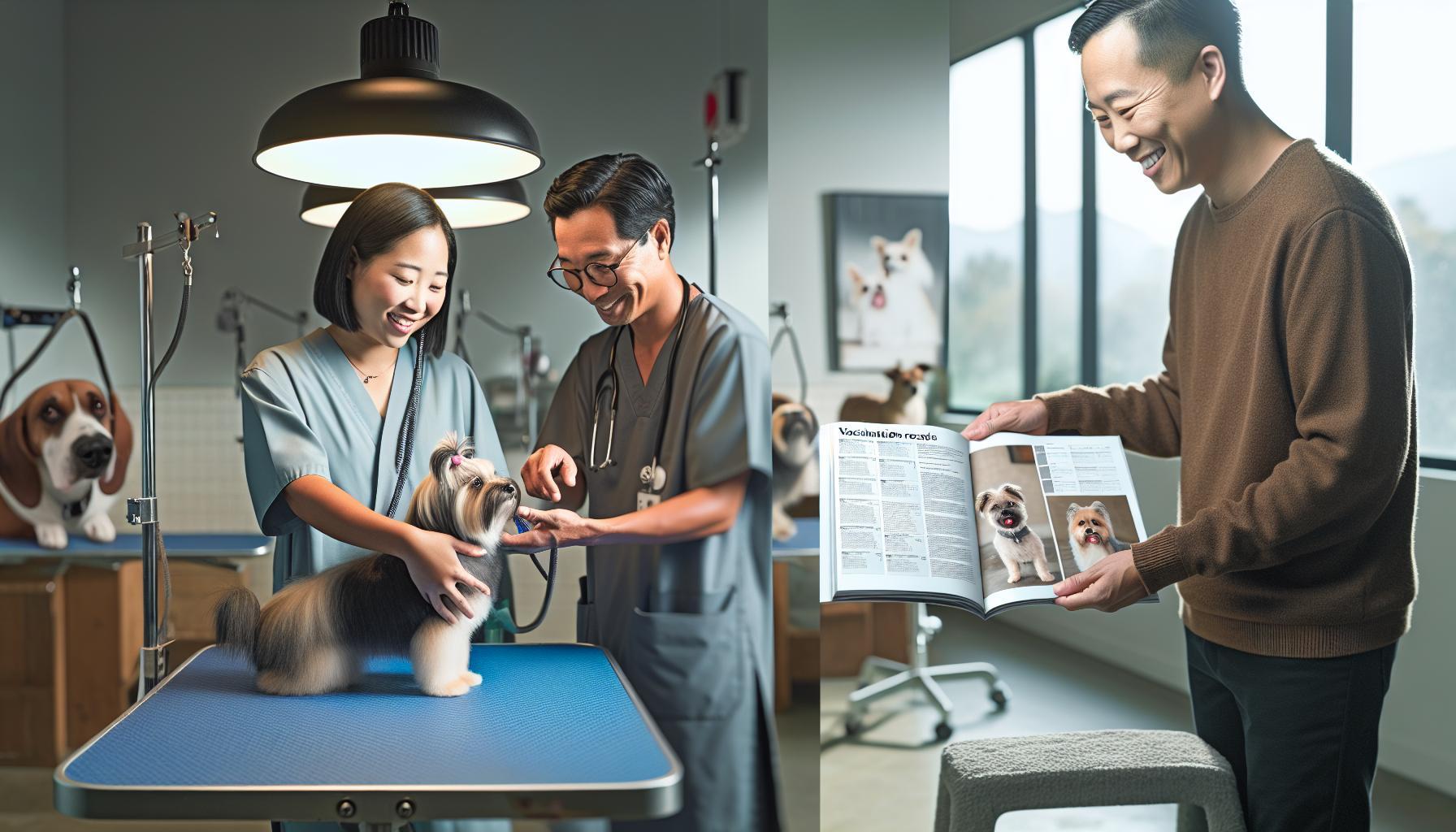
Did you know that regular grooming does more than just keep your dog looking their best-it plays a vital role in their overall health and comfort? But if you’ve ever wondered, “Is it truly safe to take my dog to a groomer?” you’re not alone. Many pet owners worry about their dog’s well-being during grooming sessions, especially if their furry friend is anxious, has special health needs, or a tricky coat type. Understanding the health considerations involved helps you make confident decisions that prioritize your dog’s safety and happiness. In this article, we’ll explore practical tips on choosing the right groomer, what to expect during a grooming visit, and how to tell when professional care is the best option versus home grooming. By focusing on compassion, patience, and your dog’s individual needs, you can ensure every grooming experience is safe, comfortable, and even enjoyable-for both you and your best friend. let’s dive in and take the mystery out of grooming safety, together.
Is It safe to Take Your Dog to Groomers? Understanding the Risks
Table of Contents
- 1 Is It safe to Take Your Dog to Groomers? Understanding the Risks
- 2 Common health Issues Linked to Professional Grooming
- 3 How to Choose a Trustworthy and Hygienic Groomer
- 4 Essential Grooming Safety Precautions for Nervous Dogs
- 5 Vaccinations and Health Requirements Before Grooming Visits
- 6 Recognizing Signs of Stress and Discomfort in Your Dog
- 7 Groomer vs. Veterinarian: When to Seek Medical Care
- 8 Preparing Your Dog at Home for a Safe Grooming Experience
- 9 Handling Grooming Emergencies: What Every Owner Should Know
- 10 DIY Grooming Tips When Professional Care Isn’t an Option
- 11 Q&A
- 11.1 Q: How can I tell if my dog is healthy enough for a grooming appointment?
- 11.2 Q: What special grooming precautions should I take for senior or medically fragile dogs?
- 11.3 Q: Can grooming salons prevent the spread of infections between dogs?
- 11.4 Q: How soon after vaccination is it safe to take my dog to a groomer?
- 11.5 Q: What signs during grooming indicate that my dog may need a vet check instead?
- 11.6 Q: How can I help reduce my dog’s stress before and during grooming sessions?
- 11.7 Q: Are there breed-specific health risks I should discuss with a groomer?
- 11.8 Q: What are the best ways to maintain my dog’s health between professional grooming visits?
- 12 Concluding Remarks

Many pet parents wonder if trusting someone else with their furry friend’s care is truly safe. Taking your dog to a professional groomer can be a positive experience, but it’s natural to want to understand the possible risks before booking that appointment. Groomers work hard to make grooming comfortable and enjoyable, but it’s crucial to recognize that not all dogs respond the same way, and there are health and safety considerations to keep in mind.
Dogs come in all shapes, sizes, and temperaments, and certain breeds or coat types may require specialized tools and techniques. For example, a fluffy Pomeranian’s double coat needs gentle detangling brushes, while a short-haired Chihuahua may simply need nail trims and ear cleaning. Groomers trained in these specifics can reduce the chance of accidental cuts, mat pulling, or stress-related reactions. However, grooming places dogs in a public environment where they interact with other dogs and humans, which may introduce risks such as exposure to contagious skin conditions, parasites, or bacteria.
Common Concerns and How Groomers Address Them
- Stress and Anxiety: Some dogs experience anxiety during grooming, leading to trembling or resistance.Skilled groomers use calming techniques like soft voices, short breaks, and positive reinforcement to ease nervous pets safely.
- Injury Risk: Accidental nicks or ingrown nails can happen but are minimized when groomers use sharp, well-maintained tools and handle each dog gently.
- Health Issues: Undetected health problems (e.g., skin infections, lumps) may be noticed by an attentive groomer and flagged for veterinary attention early.
- Infection Control: Reputable groomers sanitize equipment and workspaces between appointments to prevent cross-contamination.
Empowering You as a Dog Owner
Choosing a groomer who demonstrates kindness, patience, and expertise aligned with your dog’s unique needs is crucial. Before the appointment, be upfront about any health conditions, behavioral issues, or sensitivities your dog has. This extra dialog ensures your groomer tailors care effectively. remember, your presence and calm confidence can also soothe your dog before and after grooming.
In cases where your dog struggles significantly with grooming,consider breaking the process into shorter,more frequent sessions or exploring stress-relief options like pheromone sprays or professional training support. For example, a nervous Maltese with sensitive skin might benefit from at-home brushing sessions before a professional bath, followed by nails and ear care to build confidence gradually.
While professional grooming is generally safe and beneficial, understanding these risks helps you make informed decisions, keeping your dog healthy, comfortable, and truly cared for. With the right approach, grooming can feel less like a chore and more like a pampering ritual that supports your dog’s overall well-being.
Common health Issues Linked to Professional Grooming
Taking your dog to a professional groomer introduces many benefits, but it’s important to be aware of some health challenges that might arise, especially if precautions aren’t fully followed. Grooming involves close handling and contact with various tools and environments where your dog can be exposed to infections,skin irritations,or minor injuries. certain breeds with delicate skin, sensitive coats, or underlying health conditions require extra care to prevent these issues.
One common health concern is skin irritation, which can be caused by inappropriate shampoo choices, rough brushing, or overly aggressive clipping. for example, dogs with thin skin like Greyhounds or those prone to allergies such as West Highland White Terriers may react negatively to harsh chemicals or tight mat removal. When mats are pulled too hard, it can create painful tears or sores. A knowledgeable groomer will select hypoallergenic products and use gentle, breed-specific techniques to prevent trauma and soothe the skin during and after baths.
Another issue to watch for is nail damage or infection. Over-trimming nails may lead to bleeding or ingrown nails,which can quickly become painful and cause limping. Dogs that are anxious or wriggly during nail trims, such as lively Chihuahuas or small Jack Russells, benefit from careful restraint and short trimming sessions. Groomers trained in canine behavior can help reduce stress-related struggles, lowering the risk of accidental injury. If your dog has existing nail problems or fungal infections, informing your groomer ahead of time helps tailor a safer approach or signals when veterinary care is needed.
Infrequently, grooming facilities can be a source of contagious parasites (like fleas or mites) or bacterial infections if hygiene practices slip. even tho reputable groomers diligently disinfect tools and workstations, take-home skin rashes or hotspots can occasionally appear due to cross-contamination.Immunocompromised or senior dogs may be more vulnerable, so confirming vaccination status and inspecting your dog daily after visits helps catch concerns early. Groomers who observe suspicious skin lesions or unusual behaviors often recommend veterinary evaluation, which highlights how grooming and vet care complement each other.
- tools and Techniques: Proper tool choice matters greatly-sharp scissors and clippers reduce pulling, while soft brushes help detangle without damaging sensitive coats.
- Baths: Using water temperature that’s too hot or shampoos that aren’t pH-balanced for dogs may worsen dry skin or allergic reactions.
- Environment: Loud noises and stress in busy salons can worsen anxiety-related reactions, some dogs may develop nausea or drooling.
Sometimes, mild discomfort or stress-related symptoms mask more serious underlying conditions that the groomer cannot treat but should flag for you and your vet. Knowing the boundary between grooming care and veterinary medicine is key to ensuring your dog’s health and happiness.
By choosing a groomer who appreciates your dog’s breed-specific needs and health history, you reduce these risks significantly. Open communication builds trust and allows for adjustments tailored to your dog’s unique sensitivities, helping turn grooming from a stressful ordeal into a comfortable, even enjoyable, routine.
How to Choose a Trustworthy and Hygienic Groomer

Finding a groomer who truly cares for your dog’s well-being as much as you do can make all the difference in turning grooming sessions into positive experiences.When searching,look beyond glossy salon photos or flashy marketing-your best clue lies in how the groomer talks about and handles animals. A trustworthy groomer is patient, compassionate, and attentive to your dog’s individual needs, including breed-specific coat types and any health sensitivities. For example, a groomer who knows how to gently detangle a double-coated Akita’s thick fur without causing pain, or who recognizes that small chihuahuas may need shorter, calming grooming sessions, is invaluable.
Key Signs of a Hygienic and Caring grooming Environment
Before booking, visit the facility in person if possible. Check that tools like scissors,clippers,and brushes are clean and well-maintained-rusty or dirty equipment increases the risk of infections or skin irritation. The bathing area should be tidy and free of leftover fur or grime, and water temperature tests are a sign of thoughtful care. Ask about their cleaning schedule and how frequently enough tables and tools are disinfected between dogs. A good groomer keeps separate brushes or combs for each dog or thoroughly sanitizes them after every use to prevent cross-contamination, especially important for dogs prone to skin infections or parasites.
Communication and Clarity Matter Most
Open dialogue is a cornerstone of trust. A professional groomer will welcome your questions and share their approach clearly, from what shampoo brands they use (favoring hypoallergenic, pH-balanced products) to how they handle nail trims or ear cleaning.Don’t hesitate to mention any special concerns-your pet’s anxiety, allergies, or past grooming trauma. Watch how they respond: compassionate groomers adjust techniques accordingly rather than forcing a one-size-fits-all method. Such as, if your dog has mats, a skilled groomer might opt for gradual dematting over aggressive cutting to avoid skin tears. They should also inform you promptly if they spot unusual skin lesions or behavioral changes during the visit, recommending veterinary advice when necessary-this respect for boundaries shows professionalism and genuine care.
Tips to Choose the Right Fit for Your Dog
- Research breed expertise: Some groomers specialize in certain coat types or breeds; choose one familiar with your dog’s needs.
- Observe demeanor: Calm, confident handling of dogs-even nervous or wriggly ones-signals experience and empathy.
- Trial runs: Schedule a swift introduction visit or a simple bath appointment to gauge how your dog reacts and how the groomer manages stress.
- Check credentials: Certification through groomer associations or positive client reviews can boost your confidence.
- Ask about emergency protocols: Knowing your groomer has a plan if an injury or health issue arises is reassuring.
Putting your dog’s health and comfort first is always the priority. A trustworthy groomer works as a partner, easing anxiety through familiar routines, gentle touch, and expert care that respects your dog’s temperament-turning grooming from a chore into a moment of kindness and relaxation.
Essential Grooming Safety Precautions for Nervous Dogs

Many dogs experience anxiety around grooming, which can turn a routine wash or trim into a stressful ordeal-for both pet and owner. Understanding your dog’s unique fears and working with a groomer who prioritizes comfort and patience can transform grooming from a fearful event into a calm, safe experience. Nervous dogs need special handling, thoughtful pacing, and reassuring touch-not just skill with scissors and clippers.
Calming Techniques for Bathing and Brushing
Begin with a gentle introduction to water temperature and sound,as loud dryers or cold water can trigger anxiety. Using a non-slip mat in the tub helps your dog feel secure underfoot. For dogs with thick or double coats, like Golden Retrievers or Alaskan malamutes, slowly detangling mats before bath time reduces discomfort and stress-avoid rushing or aggressive mat cutting. Brushing sessions should be short but consistent, with frequent breaks and plenty of praise. Choosing a brush suited to your dog’s coat type-slicker brushes for medium to long coats, bristle brushes for short, smooth coats-also prevents pulling and irritation.
Handling Nails and Ears with Sensitivity
Many dogs fear nail trims due to the sensation and sound of clippers. For nervous dogs, gradual desensitization is key-touching paws during calm moments at home, pairing touches with treats, and only clipping a few nails per session. Let your groomer know if your dog flinches easily or has dark nails, making quick trims safer. Ear cleaning can also provoke anxiety. Use gentle, dog-specific cleansers and avoid forcing the ear canal-if your dog pulls away, pause and try again later.
Safe Tools and Environment Matter
For anxious dogs, the grooming space itself should be as low-stress as possible. Quiet rooms away from other barking dogs reduce sensory overload. Groomers frequently enough use quieter clippers or hand-stripping tools on sensitive or small breeds like chihuahuas or Shih Tzus to minimize noise and vibration. Always confirm that the groomer uses sanitized tools and has a calm, experienced approach tailored to your dog’s signals.
When to Adjust or Delay Grooming
If your dog shows severe fear, trembling, excessive panting, or signs of aggression, speak up promptly. A good groomer will adjust the process or suggest shorter visits to build trust. Sometimes, postponing a session until after veterinary clearance or behavioral support is the safer choice. Remember, grooming is about your dog’s well-being over appearance-quality and comfort trump speed or aesthetics every time.
- tell your groomer upfront about your dog’s fears and past experiences.
- Bring favourite treats or toys to reward calm behavior throughout.
- Schedule grooming after exercise to help reduce excess energy and nervousness.
- Plan for slow introduction visits where your dog can explore the grooming area without pressure.
- Consider at-home pre-grooming grooming like gentle brushing to familiarise your dog with handling.
By approaching grooming with empathy and patience,you empower your dog to feel safe and even enjoy their time at the groomers.it’s less about perfect styling and more about building positive experiences that protect their health and happiness.
Vaccinations and Health Requirements Before Grooming Visits

One of the most important steps before bringing your dog to a professional groomer is ensuring their health is up to date-especially vaccinations. Grooming salons often see many dogs, sometimes in close quarters, which can increase the chance of contagious illnesses spreading. Protecting your dog, and others, starts with confirming core vaccines like rabies, distemper, and parvovirus are current.Some groomers may also request proof of a bordetella (kennel cough) vaccination, especially if your dog will be interacting in group settings or daycare areas connected to the grooming facility.
When your pup is nervous or immunocompromised,this preventative step becomes even more crucial.Such as, a young puppy still completing their vaccine series might potentially be more vulnerable to infections. In those cases, it’s best to delay grooming appointments or opt for gentle at-home care until your veterinarian clears your dog as fit for social grooming environments. Similarly, dogs with existing skin infections, wounds, or parasites should be treated first, as grooming can worsen these conditions or expose other pets.
health Checks and Groomer Policies
Many groomers now require a basic health screening or a recent veterinary certificate before booking an appointment. This helps identify any contagious or underlying health issues that might make grooming a risk. It also gives groomers vital information to handle your dog safely. For example, a dog with arthritis or a heart condition might need extra breaks or special handling during nail trims or drying.
If your dog shows signs of illness-like coughing, sneezing, vomiting, diarrhea, lethargy, or skin irritations-reschedule grooming and consult your vet. Not every minor symptom is a deal-breaker, but transparency with your groomer helps protect all pets involved.
Practical Tips to Prepare for Grooming Visits
- Maintain a health log: Keep records of vaccinations and vet visits handy. Some groomers ask for updated proof before the first appointment.
- Communicate allergies or sensitivities: Inform your groomer about any shampoo or product reactions your dog has had in the past.
- Be honest about behavior changes: If your dog has any recent health or behavioral changes, share them. this can effect what grooming methods are safest.
- Schedule grooming after vet check-ups: This way you’re confident your dog is in good health before facing any new environment or handling.
By prioritizing vaccinations and health checks, you create a safer grooming experience built on trust, comfort, and wellbeing. remember, grooming is more than style-it’s about care, safety, and preserving your dog’s happiness for every visit.
Recognizing Signs of Stress and Discomfort in Your Dog

Grooming can be a stressful experience for many dogs, especially when they encounter new environments, unfamiliar handling, or loud equipment. Recognizing the signs that your dog is feeling uncomfortable or stressed during grooming is essential to ensuring their wellbeing and making future visits more positive. Dogs communicate stress in subtle ways, so tuning in closely to their body language and behavior lets you or your groomer intervene early and adjust the approach.
Some common signals include wide eyes with visible whites, excessive panting, trembling, yawning, lip licking, or avoiding eye contact.Your dog might also try to escape, freeze stiffly, or growl softly when touched in sensitive areas like paws or ears. For example, a long-coated breed with a thick undercoat, such as a Bernese Mountain Dog, may become stressed during dematting or blow drying sessions because these tasks take longer and can tangle with knots, creating discomfort. Recognizing early signs like sudden restlessness or attempts to back away allows the groomer to pause, calm your dog, and perhaps use gentler tools or shorter sessions.
how to Respond to Stress Signals During Grooming
- Pause frequently: Give your dog short breaks to relax, offer gentle praise, or briefly step away to reduce overwhelm.
- Use calming aids: Items like a familiar favorite toy or scent, calming sprays (approved by your vet), or soft music can help soothe anxiety.
- Adjust grooming techniques: Swapping from clippers to scissors, reducing water temperature during baths, or handling paws last may ease discomfort.
- Watch for escalation: If tension grows into snapping, biting, or extreme panic, stop immediately and evaluate whether professional help or veterinary advice is needed.
Spotting Hidden Discomfort
Not all distress is obvious. Sometimes, dogs with thick double coats or breeds prone to skin sensitivities might experience itchiness or pain that they silently endure.Signs such as excessive scratching after grooming,flinching when touched in specific areas,or sudden behavioral changes at home are important clues. These might indicate underlying skin infections, allergies, or nerve irritation worsened by grooming. If you notice these, consulting your vet before the next appointment ensures your dog’s comfort and safety.
Being alert to your dog’s subtle stress signals and sharing these observations with your groomer strengthens the partnership focused on kindness and care.Remember, a calm, patient approach helps your furry friend enjoy grooming as a nurturing experience - not just a routine chore.
Groomer vs. Veterinarian: When to Seek Medical Care

Many dog parents wonder when a trip to the groomer is enough and when it’s time to call the veterinarian. While professional groomers are skilled in keeping your pup clean, comfortable, and looking their best, their role isn’t to diagnose or treat medical issues. Knowing the difference-and when to seek veterinary care-ensures your dog stays safe and healthy throughout their grooming journey.
Professional groomers can handle baths, brushing, nail trims, ear cleaning, and even minor coat care like detangling. however, if you or your groomer notice anything unusual-such as persistent redness, swelling, open wounds, signs of infection (pus, foul odor), severe matting causing pain, or abnormal lumps-these are signals to immediately consult your vet instead of proceeding with grooming. for example, attempting to shave away mats that are tightly knotted to inflamed skin can exacerbate injury and discomfort. Groomers are trained to recognize these red flags and will often recommend veterinary evaluation before continuing.
When Grooming Is Enough
- Routine care: Bathing, brushing, nail trims, and ear cleaning in healthy dogs with no visible skin issues or behavioral concerns.
- Minor irritations: slight dirtiness,mild shedding,or typical seasonal coat changes.
- Stress management: Adjusting grooming techniques for nervous dogs without signs of pain or infection.
When to Seek Veterinary Attention
- Signs of infection or injury: Open wounds, hot spots, abscesses, or bleeding during grooming.
- Severe matting: Mats pulling at the skin causing bleeding or skin damage requiring medical treatment or sedation.
- Behavioral changes: Sudden aggression, excessive anxiety, limping, or signs of pain during handling.
- Chronic skin issues: Ongoing itching, dandruff, unusual odors, or hair loss that may require diagnosis and treatment.
Groomer and Vet Working Together
It’s perfectly normal-and beneficial-for groomers and vets to team up for your dog’s wellbeing. Many grooming salons clarify that if they spot concerns beyond their scope, they will advise you to contact your vet. On the flip side, veterinarians frequently enough recommend regular grooming as part of holistic pet care, and may suggest specialized care for dogs with sensitive skin or chronic conditions.
To support this partnership, always keep your groomer informed about your dog’s medical history and any recent vet visits. This helps them customize their approach and avoid triggering sensitive areas. If your groomer notices a sudden change in your dog’s coat or behavior, they should share these observations with you so you can make informed decisions about veterinary care.
Creating clear boundaries between what grooming can safely handle and when vet expertise is necessary builds trust and confidence. Remember, your groomer’s goal is your dog’s comfort and safety first-not just a flawless haircut.when in doubt,err on the side of compassion and consult your veterinarian to rule out hidden health concerns before continuing with grooming.
| issue | Groomer Response | Vet Needed When |
|---|---|---|
| Minor Dirt & Shedding | Handled during grooming sessions | Rarely needed |
| severe Matting | Recommend vet if mats cause pain or wounds | Mat removal under sedation or treatment for skin damage |
| Skin Infection or Hot Spots | Stop grooming; advise vet visit | Medical diagnosis & antibiotics |
| Behavioral Changes During Grooming | Modify technique; advise monitoring | Evaluate for pain, neurological, or systemic illness |
Preparing Your Dog at Home for a Safe Grooming Experience

Few things set the tone for a smooth grooming visit more than a well-prepared pup at home. Starting with a relaxed, comfortable dog can ease anxiety significantly-not just for your furry friend but also for the groomer handling them. Planning isn’t about perfection or a “spa-ready” dog before arrival; it’s about nurturing trust,safety,and calmness through simple routines and gentle familiarity with grooming tools and touch.
Familiarize Your Dog With Grooming Tools
Introducing brushes, nail clippers, or even a handheld dryer in a low-pressure environment turns these frequently enough-intimidating items into ordinary, non-threatening objects. For example, let your dog sniff the brush or softly run it over their coat while offering gentle praise and treats. Start with short sessions-just a few strokes or one paw at a time-to build positive associations gradually. This step is especially important for breeds with thick or curly coats like Poodles or Golden Retrievers, whose grooming can feel invasive without preparation.
Establish Basic Grooming Routines at Home
Consistent at-home care simplifies what your groomer needs to do and can help identify any issues before the visit. Here’s a simple checklist to consider:
- brushing: Brush your dog’s coat according to breed needs-daily for double-coated dogs like Huskies, a few times a week for short-haired breeds, and every few days for curly coats. Keeping mats under control reduces discomfort drastically.
- Bathing: Give your dog a gentle bath 24-48 hours before the appointment using pet-safe shampoo to ensure they’re clean but also minimize skin sensitivity on the day of grooming.
- Nail checks: Regularly trim or file nails at home if you’re comfortable. If not, at least get your dog used to having their paws handled and touched between grooming sessions.
- Ear care: Wipe outer ears with a damp cloth or vet-approved ear cleaner regularly to prevent dirt buildup or odors.
Recognize When to Pause and Consult Your vet
Before your grooming appointment, do a quick full-body check for any signs of irritation, open wounds, or abnormal lumps. Attempting to groom over hot spots or severe matting can cause pain and worsen skin conditions. If you notice anything concerning-persistent redness, swelling, or your dog is overly sensitive to certain spots-schedule a vet visit first. Groomers at reputable salons, like Bark Avenue Pet Resort or Aunt Donna’s Grooming, appreciate owners who do this as it helps protect dogs’ health and ensures safe grooming [[1]](https://barkavepet.com/grooming/) [[2]](http://www.auntdonnagrooming.com/dog-grooming).
Practice Short “Grooming Together” Sessions
Breaking grooming into bite-sized, positive moments builds confidence.Spend 5-10 minutes every couple of days practicing brushing or touching paws,rewarding calm behavior. Over time, this habituates your dog to the types of handling performed during professional grooming.For nervous dogs, use a calm voice and plenty of treats. Reward small wins-such as allowing nail handling-without rushing.
| Task | Tips for Success | Breed or Coat Notes |
|---|---|---|
| Brushing | Use slicker brushes or combs suitable for coat type; avoid tugging mats aggressively | Long-haired (Shih Tzu, maltese): daily; short-haired (Beagle, Boxer): weekly |
| Bathing | Use lukewarm water, gentle shampoo, and treat after drying | Maintain regular schedule; avoid over-bathing to prevent dry skin |
| Nail care | Clip after exercise when nails are softer; file sharp edges | Some breeds (Greyhounds) have naturally thin nails that are easier to trim |
| Ear Cleaning | Use vet-approved wipes or solutions; never insert deep into ear canal | Floppy ears (Basset Hound) need more frequent checks |
Though professional groomers are skilled and experienced, preparing your dog at home enhances their comfort and safety throughout the grooming process. Remember, compassion and patience are your best tools-listen to your dog’s body language and adjust accordingly. This collaborative approach sets the stage for a positive, safe experience, whether at home or with your trusted groomer.
Handling Grooming Emergencies: What Every Owner Should Know
Few things test an owner’s calm like an unexpected hiccup during grooming. While professional groomers are trained to handle most situations with care, accidents or health issues can occasionally arise-knowing how to respond calmly and effectively can make all the difference for your dog’s safety and comfort. Being prepared is not about expecting the worst, but empowering yourself to act thoughtfully when seconds count.
Responding to Cuts, Scratches, or Bleeding
Minor nicks, especially during nail trims or hair clipping, are fairly common and frequently enough manageable at home. If you notice a small cut or bleeding spot:
- Stay calm: Your dog senses anxiety, so speak soothingly and gently restrain if needed.
- Apply gentle pressure: Use a clean gauze pad or cloth to halt bleeding. For nail trims, styptic powder or pencil can quickly stop bleeding and is good to keep in your grooming kit.
- Disinfect carefully: clean the wound with a mild antiseptic suitable for pets to reduce infection risk.
- Monitor: Keep an eye on swelling,discharge,or if your dog continues to lick the area excessively-it may require veterinary care.
If the bleeding is profuse, won’t stop after a few minutes, or the wound is deep, seek veterinary attention promptly.
Handling heat Stress and Overheating
Warm environments, excited dogs, or prolonged drying sessions can lead to overheating. Signs include heavy panting, drooling, weakness, or collapse. If you see these signs:
- Immediately stop grooming activities.
- Move your dog to a cool, shaded area. Use cool (not cold) water to wet their paws and belly.
- Offer small amounts of water. Avoid forcing drinks if they seem disoriented.
- Monitor breathing and behavior closely. If symptoms worsen or don’t improve quickly, a vet visit is crucial.
Certain breeds with thick coats (e.g., Chow Chows, Huskies) or short muzzles (e.g., Pugs, Bulldogs) are more prone to heat stress and need extra precaution.
Reacting to Severe Matting or Skin Reactions
Matted fur can cause pain, restrict movement, and sometimes hide sores or infections. If your dog suddenly flinches, yelps, or refuses grooming in certain areas, it’s frequently enough a warning sign. Trying to force through severe mats can harm skin or worsen discomfort. Your best approach is:
- Pause and assess: If mats are tight and resisting gentle brushing, seek professional advice rather than forcing removal.
- Watch for redness,swelling,or bumps: These could indicate skin infections requiring veterinary treatment.
- Maintain open communication with your groomer: Experienced groomers can modify techniques, splits sessions, or recommend medical intervention.
Knowing When to Call the Vet Versus Managing at Home
Groomers are skilled at handling routine and minor concerns, but they aren’t veterinarians. Some situations require a vet’s expertise:
- Suspected allergic reactions: Itching, swelling, or hives after a bath or product use.
- Signs of infection: pus, foul odor, persistent redness.
- Unexplained lumps or skin changes discovered during grooming.
- Severe behavioral changes or extreme distress that prevents safe handling.
If in doubt, prioritizing your dog’s health through a vet visit helps prevent complications.
| Common Grooming Emergency | First Response | When to Seek Vet Care |
|---|---|---|
| Bleeding (cuts or nails) | Apply pressure with clean cloth, use styptic powder for nails | Bleeding persists > 5 min, deep wounds, excessive blood loss |
| Heat stress | Cool environment, cool water on paws/belly, small water sips | collapse, disorientation, no improvement in 15 minutes |
| Severe matting/pain | Stop grooming, avoid forceful removal, check skin condition | Open sores, infection signs, worsening pain |
| Allergic reaction | Rinse area with water, remove suspected irritant | Swelling of face/throat, difficulty breathing, intense itching |
Your presence and calm reassurance during grooming emergencies provide invaluable comfort to your pet. Equipping yourself with basic first-aid supplies-like styptic powder, antiseptic wipes, and a pet-safe wound cleaner-and maintaining open communication with your groomer and veterinarian ensures you’re ready. remember, cultivating patience and kindness protects your dog’s welfare above all else, making every grooming session safer and more comfortable for both of you.
DIY Grooming Tips When Professional Care Isn’t an Option

Few things are more rewarding than learning to groom your dog yourself, especially when professional options are limited or your pup feels more comfortable at home. Grooming your dog can strengthen your bond and reduce anxiety, but it’s critically important to approach this with patience, the right tools, and a clear understanding of what you can safely manage at home. Every coat type and breed has different needs; such as, long-haired dogs like Shih Tzus require more frequent brushing to prevent mats, while short-haired breeds like Boxers usually do well with minimal brushing but still benefit from regular baths and nail care.
Bathing and Brushing basics
Start with a gentle bath using a dog-specific shampoo that suits your dog’s skin type-avoid human shampoos as they can irritate.Use lukewarm water and keep the experience positive with soothing talk and treats. After rinsing thoroughly, towel dry and, if your dog tolerates it, use a low-heat blow dryer on a calm setting to avoid overheating or stress. Brushing should be breed-appropriate: use a slicker brush for thick or curly coats and a bristle brush for smooth coats. regular brushing removes loose hair and distributes natural oils, promoting healthy skin.
Nail Trimming and Ear Care
Nail trimming is often a source of stress but can be safely done at home if you proceed gently. Identify the “quick” – the sensitive pink area inside transparent nails-and trim small bits only, especially if your dog has dark nails where the quick is harder to see.Styptic powder is a must-have for stopping bleeding in case of accidental nicks. Ear cleaning should be done with a vet-approved solution; apply a small amount on a cotton ball and gently wipe the outer ear without pushing deep inside, to prevent damage.
Knowing Your Limits and When to Pause
While DIY grooming empowers you to care for your dog’s comfort and hygiene, recognize when professional help or veterinary advice is necessary. Deep mats that cause pain,persistent skin irritations,or behavioral signs of severe distress indicate that grooming should be paused and rescheduled with an experienced groomer or checked by your vet. Remember, grooming is about your dog’s well-being-not just a polished appearance. keeping sessions short and positive, offering breaks, and rewarding calm behavior go a long way toward building trust and making DIY grooming a nurturing experience for both of you.
Q&A
Q: How can I tell if my dog is healthy enough for a grooming appointment?
A: Ensure your dog is free of infections, skin irritations, or contagious conditions before grooming. Check for lethargy, open wounds, or unusual behavior.A quick vet check-up can confirm your dog’s readiness. Refer to Vaccinations and Health Requirements Before Grooming Visits for guidelines to keep grooming safe and comfortable.
Q: What special grooming precautions should I take for senior or medically fragile dogs?
A: For senior or health-compromised dogs, choose groomers experienced with special needs, and schedule shorter sessions to reduce stress. Inform the groomer about your dog’s medical history and monitor closely for fatigue or anxiety during grooming.See Essential Grooming Safety Precautions for Nervous Dogs to adapt care effectively.
Q: Can grooming salons prevent the spread of infections between dogs?
A: Trusted grooming salons follow strict sanitation protocols to prevent infections,including equipment sterilization and bathing between clients. Always confirm with your groomer about their hygiene practices to reduce risks.Learn more in How to Choose a Trustworthy and Hygienic Groomer for safer grooming experiences.
Q: How soon after vaccination is it safe to take my dog to a groomer?
A: It’s generally best to wait at least 7-14 days after your dog’s vaccinations before grooming to ensure immunity is effective. This timing helps protect your dog against contagious diseases during group grooming sessions. Check Vaccinations and Health Requirements Before Grooming Visits for vaccination timelines.
Q: What signs during grooming indicate that my dog may need a vet check instead?
A: If your dog shows severe pain, swelling, cuts, excessive bleeding, or breathing difficulties during grooming, seek veterinary care immediately. Groomers trained in recognizing health issues can alert you to symptoms needing medical attention. Refer to Groomer vs. Veterinarian: When to Seek Medical Care for guidance.
Q: How can I help reduce my dog’s stress before and during grooming sessions?
A: Prepare your dog with calming exercises, familiar toys, and gradual exposure to grooming tools at home. use positive reinforcement and trust a groomer skilled with nervous dogs for a smoother experience. See essential Grooming Safety Precautions for Nervous Dogs for detailed calming strategies.
Q: Are there breed-specific health risks I should discuss with a groomer?
A: Yes, certain breeds have unique coat types and skin sensitivities requiring special grooming tools and techniques. Inform your groomer about your dog’s breed and any known issues to tailor care safely. Explore breed-specific tips in your grooming preparation section for optimal results.
Q: What are the best ways to maintain my dog’s health between professional grooming visits?
A: to maintain health, regularly brush your dog’s coat, check for skin changes, clean ears, and trim nails at home. This reduces reliance on frequent grooming and prolongs coat health. For practical tips,visit Preparing Your Dog at Home for a Safe Grooming Experience and keep your furry friend comfortable.
Feel free to explore these FAQs alongside the full article sections to deepen your understanding and keep your dog safe, happy, and healthy during every groomer visit!
Concluding Remarks
Taking your dog to a professional groomer can be a safe, healthy choice when you prioritize their comfort and well-being. Remember, understanding your dog’s breed, coat type, and any special health needs helps ensure a positive grooming experience-whether it’s a bath, nail trim, or ear cleaning. If concerns linger,exploring our guides on medium dog breeds or dog nutrition for better health may offer valuable next steps for overall care.
Ready to keep your furry friend happy and healthy between visits? Subscribe to our newsletter for expert tips, or check out our detailed resources on grooming safety and health considerations. Your dog’s comfort and safety always come first-let’s work together to make grooming stress-free and beneficial. Feel free to share your grooming stories or questions in the comments below; your experience might help other pet parents, too. For trusted advice and more pet care insights, continue exploring our site and discover how to give your dog the best life possible.