Is It Common for Pet Groomers to Sedate Dogs? Industry Facts
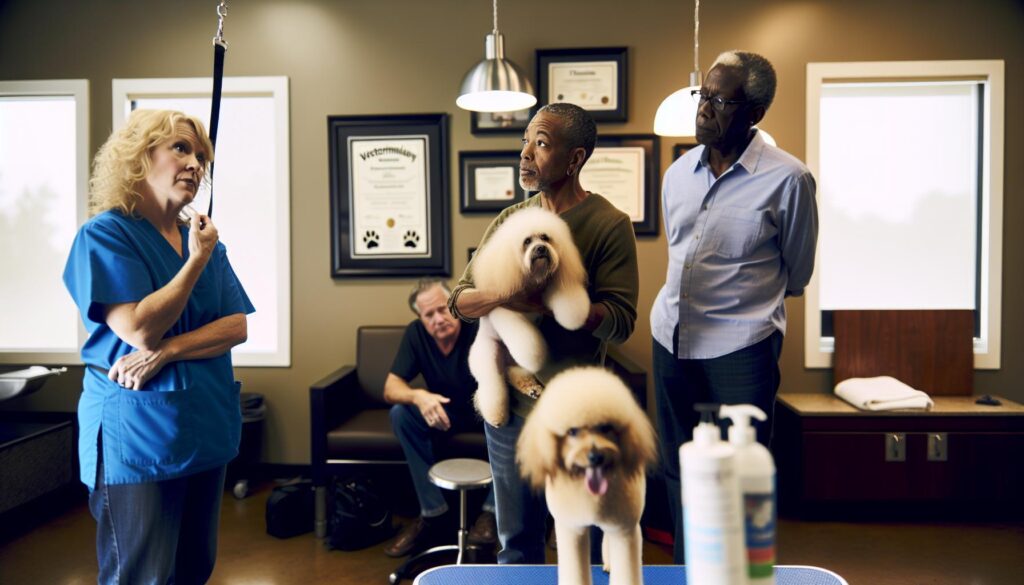
Did you know that while sedation can sometimes help anxious or challenging dogs during grooming, it’s not a common practice for most pet groomers? Many owners worry about whether sedating their furry friend is safe or necessary, especially when their dog gets nervous around clippers and baths.Understanding when and why sedation might be used-and who should administer it-can ease your worries and help you make informed decisions that prioritize your dog’s comfort and well-being. In this article, we’ll explore the facts about sedation in grooming, share practical insights on handling anxious pups, and clarify when sedation is truly a last resort. Whether you have a sensitive breed, a thick coat, or a dog with past grooming challenges, this guide aims to empower you with knowledge and compassion so every grooming session can be a positive experience for both you and your beloved pet.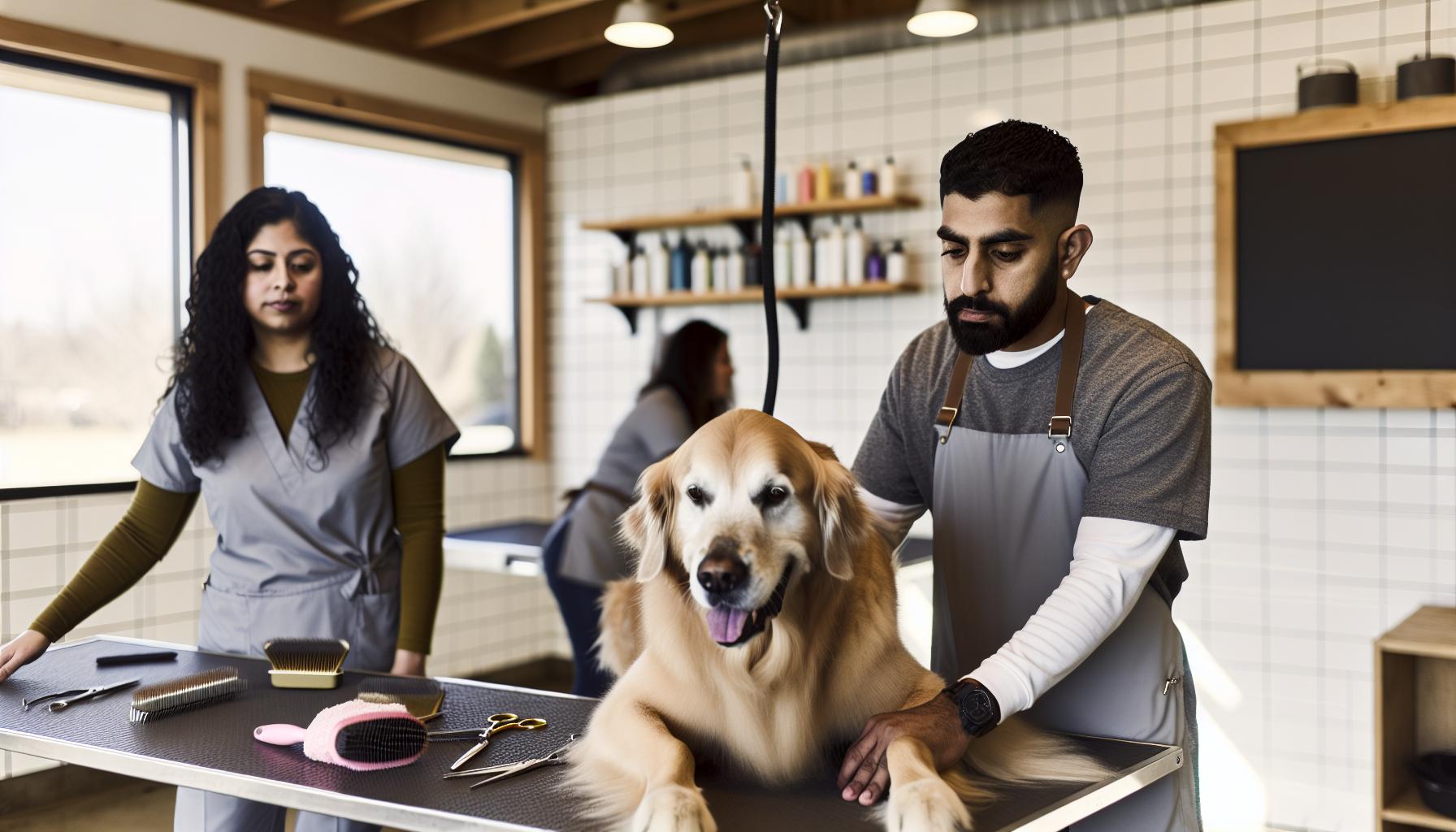
when Do Groomers Consider Sedation for Dogs
Table of Contents
- 1 when Do Groomers Consider Sedation for Dogs
- 2 Common Sedatives Used in Pet Grooming explained
- 3 risks and Safety Precautions with Dog Sedation
- 4 How Sedation Impacts Your Dog’s Grooming Experience
- 5 Alternatives to Sedation: Calming Techniques for Dogs
- 6 Legal and Ethical Guidelines for Sedating Pets
- 7 Signs Your Dog Might Need Sedation Before Grooming
- 8 Veterinarian vs. Groomer: Who Should Sedate Your Dog?
- 9 How to Prepare Your Dog If Sedation Is Needed
- 10 Owner Concerns and Questions About Dog Sedation
- 11 Real Groomer Stories: Sedation Experiences and Outcomes
- 12 Faq
- 12.1 Q: How often do professional pet groomers recommend sedating dogs during grooming?
- 12.2 Q: What are the main reasons some dogs might require sedation at the groomer?
- 12.3 Q: Can sedating dogs for grooming affect their behavior long-term?
- 12.4 Q: How can pet owners discuss sedation options with their groomer responsibly?
- 12.5 Q: Are there specific dog breeds or coat types more likely to need sedation during grooming?
- 12.6 Q: What safety measures do groomers follow when sedation is used on dogs?
- 12.7 Q: How can I help my dog avoid the need for sedation during grooming?
- 12.8 Q: Do groomers ever sedate dogs without owner permission or veterinary approval?
- 13 In Retrospect
Sometimes, even the most experienced groomer faces a challenging situation where calming a dog through gentle handling or familiar routines just isn’t enough. Sedation may become an option not as the groomer seeks a “perfect haircut” but to protect the dog’s safety, reduce extreme stress, and allow the grooming process to proceed without trauma. These moments typically arise in cases of severe anxiety, pain, or behavioral difficulties that make routine grooming unsafe for the dog and the handler.
Certain breeds or coat types are known to require more intricate grooming, which can be overwhelming for nervous dogs. For example, breeds with thick mats like Poodles or Shih Tzus often need extra time on brushing and dematting, tasks that can pinch or tug uncomfortably when a dog is distressed. Groomers might consider sedation when a dog’s anxiety leads to uncontrollable shaking, biting, or attempts to escape, making it unfeasible to safely manage baths, nail trims, or ear cleanings. Older dogs with health issues or dogs recovering from surgery may also benefit from mild sedation to prevent pain-induced agitation during grooming.
- Unmanageable fear or aggression: If a dog responds to grooming with aggressive behaviors or intense fear, sedation can prevent injury to both dog and groomer.
- Severe matting and coat care: Dogs with heavily matted coats that cause pain during brushing may need sedation for safe and humane handling.
- Medical vulnerabilities: Senior pets or those with physical challenges may require sedation to minimize stress and allow gentle grooming.
- Past traumatic experiences: Dogs that have had negative grooming experiences can develop anxiety that only sedation can gently overcome.
When Sedation Makes Sense: real-World Insight
One groomer shared the story of a timid Maltese who would tremble violently during baths, making rinsing and drying impossible without adding stress. After consulting with the owner and veterinarian, mild sedation allowed the team to complete the grooming while keeping the pup calm and comfortable. This collaborative approach highlights an important rule-sedation is always a considered decision made with the pet’s best interests in mind, often involving guidance from a vet.
While sedation is not a first-line approach, recognizing when it might provide a kinder grooming experience helps owners feel less guilty and more empowered to seek help for their dog. Always remember, the goal isn’t simply grooming perfection but ensuring your furry friend feels safe, respected, and cared for with every snip and scrub.
Common Sedatives Used in Pet Grooming explained
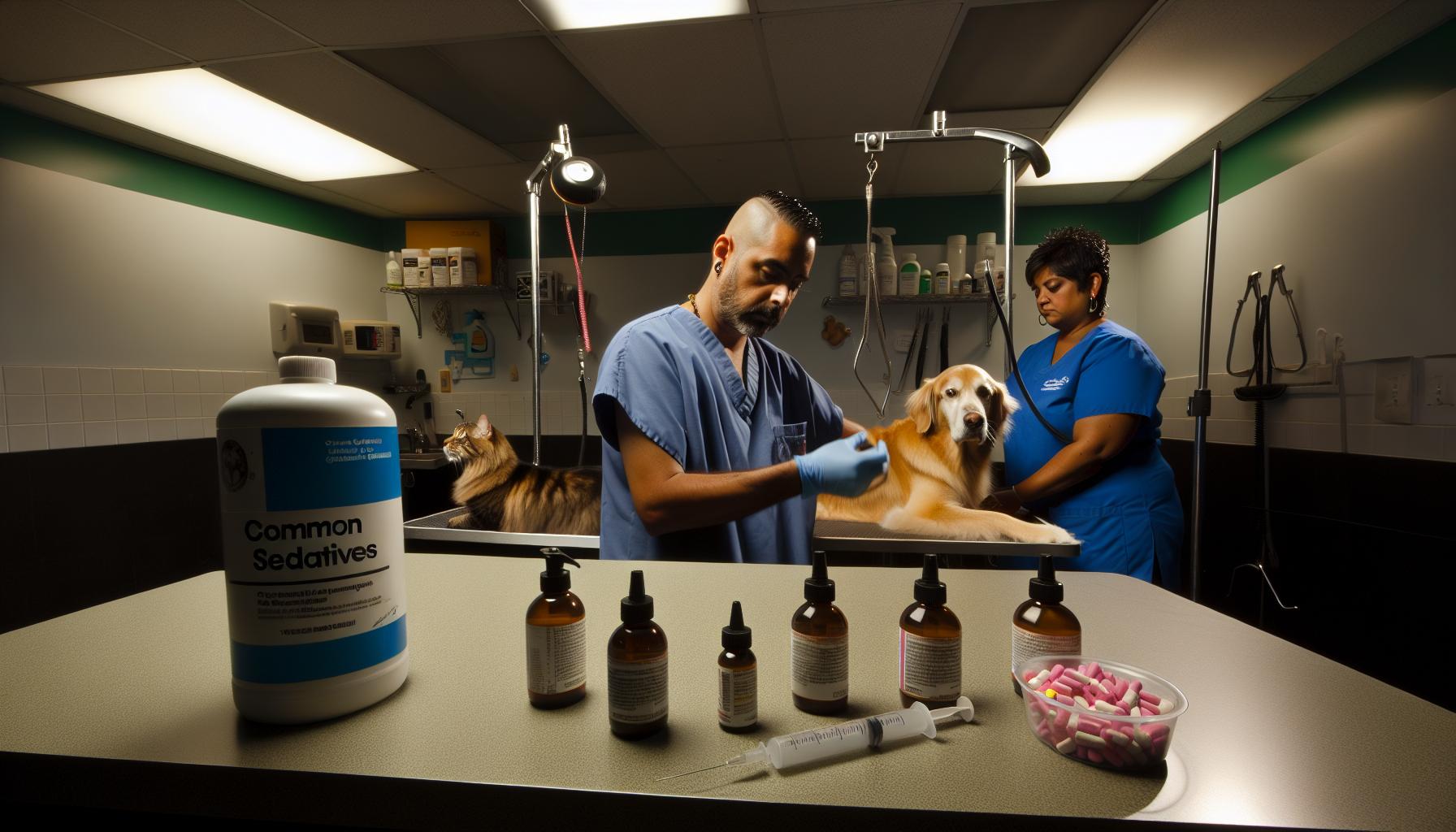
Sometimes,sedation becomes a valuable tool for groomers working with especially anxious or sensitive dogs. While it’s never a casual choice, understanding the common types of sedatives can help pet owners feel more at ease when their groomer or vet recommends this approach. These medications are carefully selected for their calming properties, safety profiles, and ability to reduce stress without causing deep anesthesia or unnecessary discomfort.
Common sedatives You Might Encounter
- Alpha-2 Adrenergic Agonists (e.g., Acepromazine, Dexmedetomidine): These are widely used in veterinary settings for their calming effects and muscle relaxation. Acepromazine is a classic choice but can cause low blood pressure and should be used cautiously,especially with older dogs. Dexmedetomidine is frequently enough preferred for its quick onset and reversibility with specific antidotes, which adds a safety net during grooming.
- Tranquilizers (e.g., Benzodiazepines like Diazepam or Midazolam): These drugs promote relaxation and can reduce anxiety without heavy sedation.They are often combined with other medications to achieve a balanced mild sedation, useful during nail trims or ear cleanings when noise or touch triggers fear.
- Opioids (e.g.,Butorphanol): Typically used more in clinical pain management,mild opioids may sometimes be part of a sedation protocol if a dog’s discomfort contributes to agitation. Though, opioids need careful dosing and veterinary supervision.
- Natural and Supplement-Based options: While not sedatives in the traditional sense, calming supplements like CBD oil, L-theanine, or pheromone sprays can sometimes be used alongside mild sedatives or as alternatives for dogs with mild anxiety.
Why Is Veterinary Involvement Essential?
Pet sedatives are powerful and tailored to each dog’s health status, breed sensitivities, and grooming needs. Such as, brachycephalic breeds like bulldogs or Pugs may have respiratory concerns requiring extremely cautious use. This is why sedatives should only be given under veterinary guidance or prescribed directly by a vet. Groomers typically collaborate closely with vets – they don’t administer sedatives on their own. The vet’s assessment ensures that your dog is healthy enough for sedation and helps select the safest medication and dose.
A real-world example comes from a Poodle client with severe matting and a history of panic during baths.the veterinarian prescribed a mild dose of Dexmedetomidine before grooming appointments. This allowed the groomer to take the time needed to carefully detangle mats without stressing the dog or risking injury to anyone.
Safety First: Administering sedation During Grooming
Sedation is a balancing act – enough to relax but not enough to cause undue side effects.Groomers always watch vital signs closely, and the dog’s behavior after governance offers critically important clues about comfort levels. During the grooming session,frequent breaks and gentle,reassuring touch complement the sedative’s effects to maintain calm.
If you ever feel unsure about sedation, ask your groomer about the specific medications, their effects, and the role your vet plays. Remember, sedation isn’t about convenience or speeding up the process – it’s about kindness and safety when all else fails. Through a compassionate, informed approach, sedation can transform grooming from a nightmare into a manageable, low-stress experience for both dog and human.
| Medication | Typical Use in Grooming | Key Benefits | Considerations |
|---|---|---|---|
| Acepromazine | Calming severe anxiety | Long history of use; muscle relaxation | May lower blood pressure; avoid in elderly or heart-issue dogs |
| Dexmedetomidine | Mild to moderate sedation | Fast onset; reversible | Requires vet supervision; careful dosing needed |
| Diazepam/Midazolam | Anxiety reduction | Promotes relaxation; often combined with other meds | May cause sedation variability |
| Butorphanol | Pain-related agitation | Helps calm in painful situations | Strict vet control; risk of side effects |
risks and Safety Precautions with Dog Sedation
Dogs, like people, can react unpredictably to sedation, which is why understanding risks and taking thorough safety precautions is crucial whenever sedation enters a grooming plan. While sedation can transform a stressful grooming session into a calm and manageable experience,it’s not without potential side effects or complications. Factors such as your dog’s breed, health status, age, and coat condition all influence how safely sedation can be used-and how closely your dog needs to be monitored before, during, and after the process.
Key Risks to Know and Watch For
- Respiratory and Cardiovascular Effects: Sedatives can lower heart rate and blood pressure, sometimes leading to breathing difficulties. Brachycephalic breeds (like Bulldogs and Pugs) are notably sensitive because their airway structures already make breathing more challenging. This is why vets use extra caution and why close monitoring is essential.
- Over- or Under-Sedation: The goal is to achieve calm, not unconsciousness. Too much medication can cause drowsiness that’s unsafe or interfere with breathing. Too little can leave your dog anxious and restless, undermining the point of sedation. Veterinarians carefully calculate doses based on weight, age, and temperament to strike this balance.
- Allergic or Adverse Reactions: Just like any medication, sedatives carry the risk of allergic responses or unexpected side effects like nausea, agitation, or dizziness. Groomers who work with sedated dogs are trained to recognize when something doesn’t feel right and to seek immediate veterinary help.
- Underlying Health Concerns: Dogs with heart, liver, kidney issues, or neurological conditions might potentially be more vulnerable to sedation complications. This is why a pre-sedation vet exam is so critically important. It ensures the dog can safely handle the medication chosen.
Practical safety Steps Groomers and Owners Can Take
- Veterinary Collaboration is Non-Negotiable: Only sedatives prescribed and dosed by a licensed veterinarian should be used. Groomers do not-nor should they-administer sedation on their own.Vet involvement ensures a safety net before, during, and after grooming.
- Monitor and Adjust: During grooming, the dog’s breathing, gum color, responsiveness, and overall comfort are closely observed. Groomers take frequent breaks if needed and avoid rushing so the dog isn’t overwhelmed.
- Prepare a Calm Environment: Soft lighting, gentle handling, and minimal noise can reduce anxiety, sometimes allowing for lower sedation doses. Use cozy blankets and familiar scents to soothe your dog.
- Post-Grooming Care: After sedation, the recovery period is critical. Your dog may be groggy or uncoordinated. Owners should plan to keep their dogs quiet and controlled until full alertness returns, which coudl take several hours.
Real-World Example:
Consider a senior Golden Retriever with severely matted fur and arthritis, who flinches at the touch of scissors or clippers. A vet might prescribe a carefully measured low dose of dexmedetomidine before grooming to ease anxiety and muscle tension. The groomer then works slowly, giving breaks between steps like nail trimming and brushing. Monitoring vital signs throughout helps catch any early signs of distress. This approach prioritizes the dog’s comfort and safety without rushing the session just for cosmetic perfection.
| Common Sedative | primary Risk | Precautions |
|---|---|---|
| Acepromazine | Low blood pressure, long sedation duration | Use cautiously with older dogs; monitor vitals closely |
| Dexmedetomidine | Respiratory depression potential | Vet supervision mandatory; use reversal agent if needed |
| Benzodiazepines (Diazepam/Midazolam) | Unpredictable sedation levels | Combine carefully with other meds; adjust doses by temperament |
| Butorphanol | Side effects related to respiratory and CNS depression | Strict veterinary control required; use for pain-related agitation |
Remember, sedation is a tool of compassion-not convenience.It’s about prioritizing your dog’s welfare when anxiety or physical conditions make grooming otherwise impossible or traumatic. Open conversations with your groomer and vet about your dog’s history, temperament, and health help create a safe, tailored sedation plan. That teamwork ensures grooming becomes not just possible but positive and kind.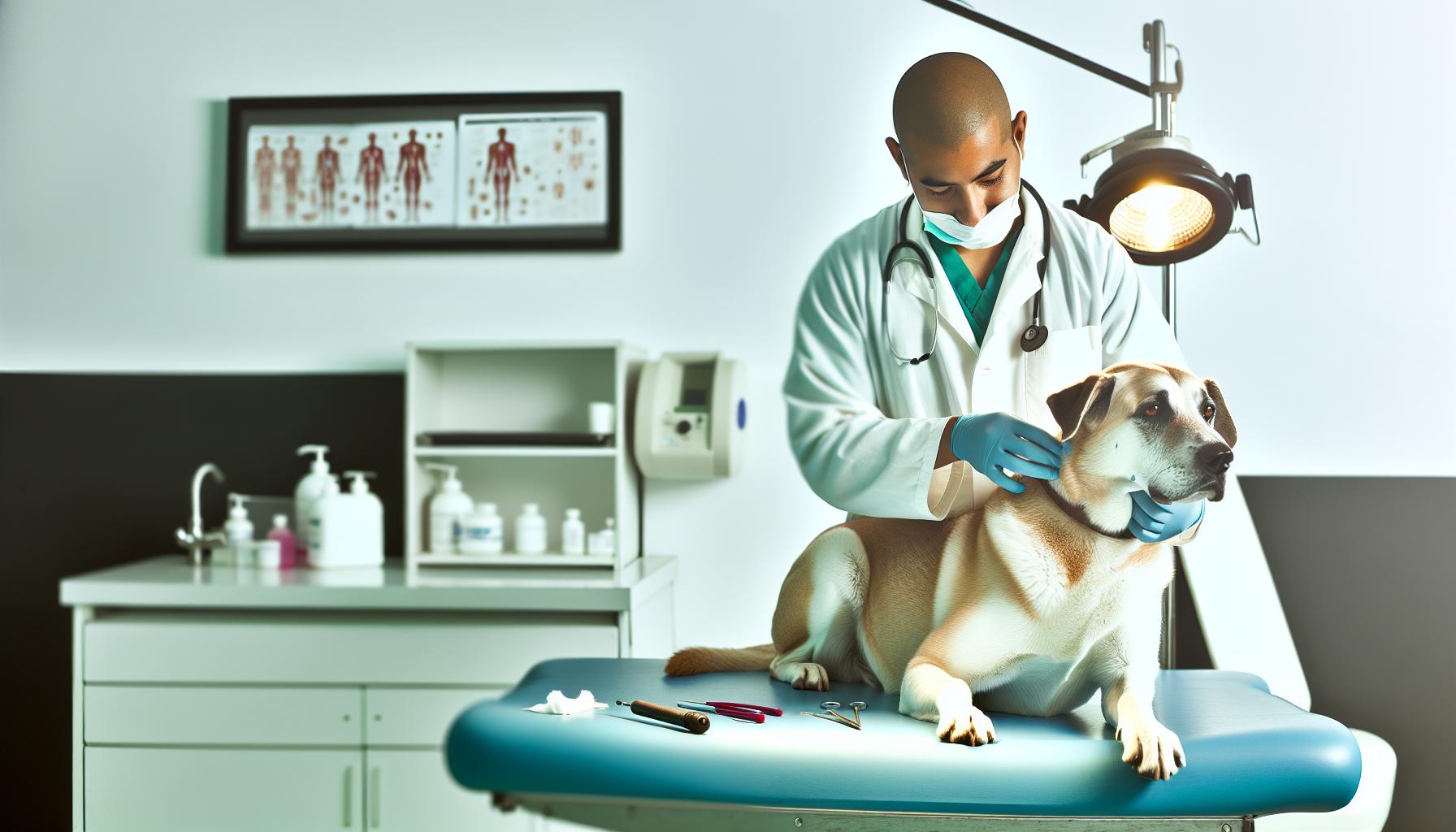
How Sedation Impacts Your Dog’s Grooming Experience
It’s remarkable how sedation can gently transform a grooming session from a stressful ordeal into a calm and manageable experience for many dogs. When a dog is calm and relaxed, groomers can handle everything from bath and brush to nail trims and ear cleaning more easily-and safely. However, sedation isn’t a magic fix; its impact depends greatly on the dog’s breed, coat condition, temperament, and overall health. For example, a senior dog with long, matted fur and joint pain may benefit immensely from mild sedation that eases anxiety and muscle stiffness, allowing the groomer to work thoughtfully without rushing or causing discomfort.
- Bathing: Sedated dogs usually tolerate bathing without resistance, making it easier to rinse thoroughly and avoid water stress. Groomers can use gentle shampoos and conditioners suited for sensitive skin while maintaining a calm environment with soft voices and warm water.
- Brushing and Dematting: Knots can be painful, and anxious dogs often resist this step. Sedation softens muscle tension and anxiety, allowing careful, slow brushing that reduces the risk of accidental nicks or pulling.
- Nail Trimming: This is often a trigger for fear or defensive behavior. Under sedation, dogs remain still, enabling precise, pain-free nail cuts that prevent bleeding or injury.
- Ear Cleaning: sedation helps with sensitive or scratchy ears where dogs might otherwise flinch or snap, making this step safer and more comfortable.
What You Might Notice During Grooming
Under sedation, your dog will likely appear drowsy but not unconscious, which means mild responsiveness to touch and sound. This state allows groomers to pause as needed if the dog seems uneasy, helping them maintain a positive, low-stress pace. Some dogs might drool more, breathe a bit slower, or have less muscle tone, so experienced groomers are trained to watch these signs and adjust accordingly. Importantly, sedation can prevent the adrenaline spikes that escalate fear behavior, turning grooming from a power struggle into a cooperative process.
When Sedation Is Not the same as Anesthesia
Understanding this difference is key. Sedation calms and relaxes but keeps your dog’s reflexes and breathing intact, whereas anesthesia induces unconsciousness and requires much more intensive monitoring. Groomers never administer sedation without veterinary involvement-this partnership ensures your dog’s safety every step of the way. for example, in breeds like Bulldogs or Pugs, which may have harder-to-manage airways, vets select sedation methods carefully and supervise the entire process.
Real-Life Grooming with Sedation: A Compassionate Approach
Consider Bella, a fearful Shih Tzu with a double coat. Sedation allowed her groomer to gently de-mat the thick fur without Bella becoming overwhelmed or defensive. The groomer broke down the session into small steps-bath, brush, nails-giving Bella cozy breaks wrapped in a blanket with her favourite scent.The calm, measured pace transformed what used to be a traumatic experience into one Bella gradually learned to tolerate with less fear. This example highlights that sedation, used thoughtfully, prioritizes your dog’s comfort and dignity over speed or superficial perfection, making every grooming session a compassionate success story.
Your dog’s grooming experience under sedation is about creating calm,trust,and safety. By respecting their individual needs and collaborating with your vet and groomer,sedation becomes a powerful tool-not a convenience-to ensure your furry friend’s well-being throughout the grooming journey.
Alternatives to Sedation: Calming Techniques for Dogs
Many dogs respond incredibly well to gentle, non-medicinal calming techniques that can make grooming a more comfortable and even enjoyable experience-without the need for sedation. These approaches empower owners and groomers to work patiently with the dog’s unique personality,covering common challenges across breeds,coat types,and temperaments in a safe,stress-free way. Before considering any sedation,exploring these alternatives can improve your dog’s grooming routine,strengthen trust,and promote positive associations with self-care.
Creating Calm with Routine and Environment
Dogs thrive on predictability, so setting a regular grooming schedule helps reduce anxiety by turning grooming into a familiar event. Use a quiet, softly lit grooming space away from loud noises or distractions. Playing gentle classical music or white noise can soothe your dog while masking sudden sounds like clippers or water running. For nervous breeds, such as small dogs with fine coats (think Maltese or Chihuahua), starting with very short, simple sessions-just a few minutes a day brushing or gentle paws-handling-helps build comfort over time.
Working Through Grooming Tasks with Patience
- Bathing: Use warm water and the gentlest soap formulated for sensitive skin. Speak softly and calmly throughout, using slow movements that soothe rather than startle. Try offering treats or a favorite toy during rinses to keep your dog’s mind engaged positively.
- brushing and Dematting: Use quality, ergonomic tools suited for your dog’s coat type. For example, slicker brushes for poodles or combs for double coats. start by brushing areas the dog likes, rewarding calm behavior. If mats are severe, work on small sections over multiple days to avoid discomfort and resistance.
- Nail Trimming: Many dogs fear nail trims, so first get your dog used to paw handling by gently massaging paws daily. Use nail grinders rather of clippers if your dog is sensitive,and trim only one or two nails per session,offering praise and breaks as needed.
- Ear Cleaning: Gently rub the base of the ear while offering treats. Use vet-approved ear solutions and cotton balls, and never insert anything deep into the ear canal. Frequent positive reinforcement makes ear cleaning feel like a gentle massage.
Simple Relaxation Tools That Help
Many dogs find relief through calming aids you can easily integrate into grooming time:
- Pressure wraps: Like a snug shirt or ThunderShirt, these tools apply gentle, consistent pressure that reassures anxious dogs.
- Essential oils: Lavender or chamomile aromatherapy (used sparingly and safely) can create a calming atmosphere.
- Interactive feeding toys: During grooming, puzzle feeders or stuffed Kongs distract and engage your dog positively.
- Massage and touch: Slow, calming petting stimulates oxytocin release, which naturally lowers stress.
Teamwork Between Owner, Groomer, and vet
Remember, this gentle roadmap works best as a collaborative effort. Owners can prepare their pets at home by gradually desensitizing to grooming steps between appointments. Groomers can share specific techniques or toys that calm your dog and suggest tools or products to use. And veterinarians can recommend supplements or natural remedies like pheromone sprays when appropriate.
For example, a groomer once worked with a fearful Pomeranian named Max by coaching the owner to practice short daily brushing and rewarding calmness. Over a few weeks, sessions lengthened, and Max started to enjoy bath time with the aid of a cozy wrap and soft music. This patience and respect prevented the need for sedation altogether.
These strategies aren’t about quick fixes but building lasting comfort. Every dog deserves kindness and individualized care that honors their needs and emotions-helping grooming become an chance for bonding, wellness, and calm connection.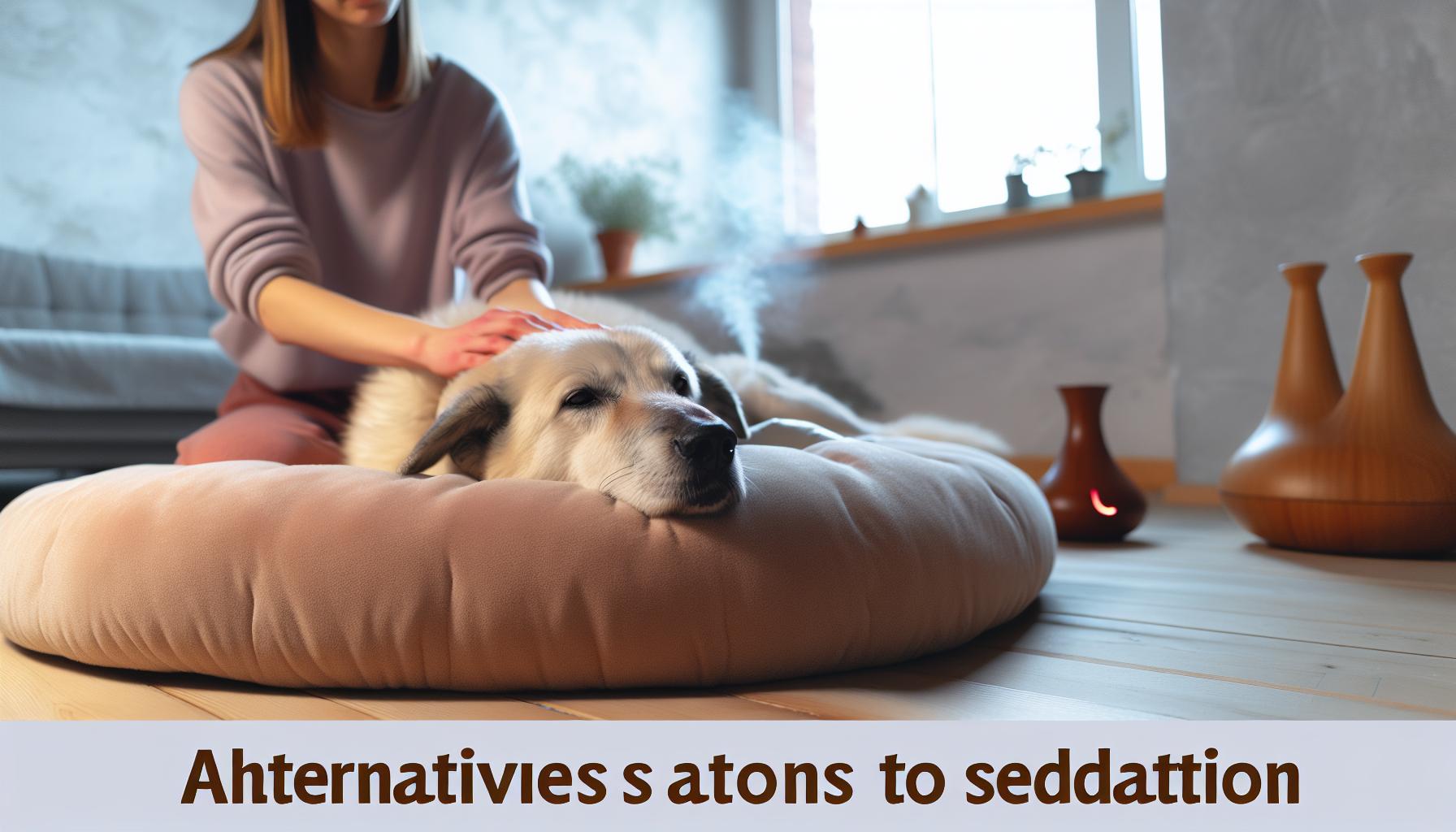
Legal and Ethical Guidelines for Sedating Pets
Sedating a dog during grooming isn’t a decision to take lightly, and it’s important to remember that strict legal and ethical boundaries guide when and how sedation is used. In most places, sedatives for pets must only be administered under the supervision of a licensed veterinarian, ensuring the dog’s health and safety come first. Groomers themselves typically are not authorized to give sedatives, reflecting a vital industry standard designed to protect pets from inappropriate use of medication or potential harm. This separation helps guarantee that sedation is truly necessary and medically appropriate for each individual pet.
ethically, sedation should never be the first go-to option for managing a dog’s nerves or behavior during grooming. Rather, the focus always remains on gentle handling, behavioral training, and non-medicinal calming techniques that respect the dog’s comfort and dignity. When sedation becomes necessary-such as for extremely anxious dogs, those with special medical conditions, or in cases of heavy matting that could cause pain-veterinary consultation is essential. The veterinarian will assess the dog’s overall health, determine the safest sedative and dosage, and provide guidance on monitoring before, during, and after the grooming session.
Clear Roles and Responsibilities
- Veterinarians: Responsible for deciding if sedation is appropriate, prescribing medications, and instructing on their safe use based on a dog’s health status, breed sensitivities, and age.
- Groomers: Skilled in reading dog behavior and managing grooming tasks with kindness and patience, they collaborate with vets but do not administer sedatives themselves.
- Owners: Play a crucial part in disclosing medical history and following pre-groom preparation advice, including when sedation is recommended.
Following ethical guidelines also means obtaining informed consent. Owners must be fully informed about why sedation is recommended, what drugs might be used, possible risks involved, and post-sedation care. This transparency builds trust and helps owners make confident, compassionate decisions for their pets.
Prioritizing Animal Welfare Over Appearance
Sedation should never serve purely cosmetic grooming goals but should be reserved for genuine welfare concerns-such as preventing injury or reducing extreme anxiety. Such as, a large breed dog with thick mats that would cause pain during brushing might be a candidate for sedation after exploring all other options. But a dog simply exhibiting mild nervousness should ideally benefit from calming routines rather. This viewpoint helps groomers and owners alike maintain a pet-first mindset, valuing the dog’s wellbeing over achieving a “perfect” haircut or spotless nails.
Ultimately, legal and ethical guidelines reinforce a compassionate approach: sedating dogs for grooming is a carefully regulated tool in a groomer’s toolkit-one used only when truly needed, always guided by veterinary expertise, and always with the dog’s physical and emotional safety at heart. by respecting these rules, we create an environment where grooming is a positive experience that supports lasting health and happiness for our four-legged friends.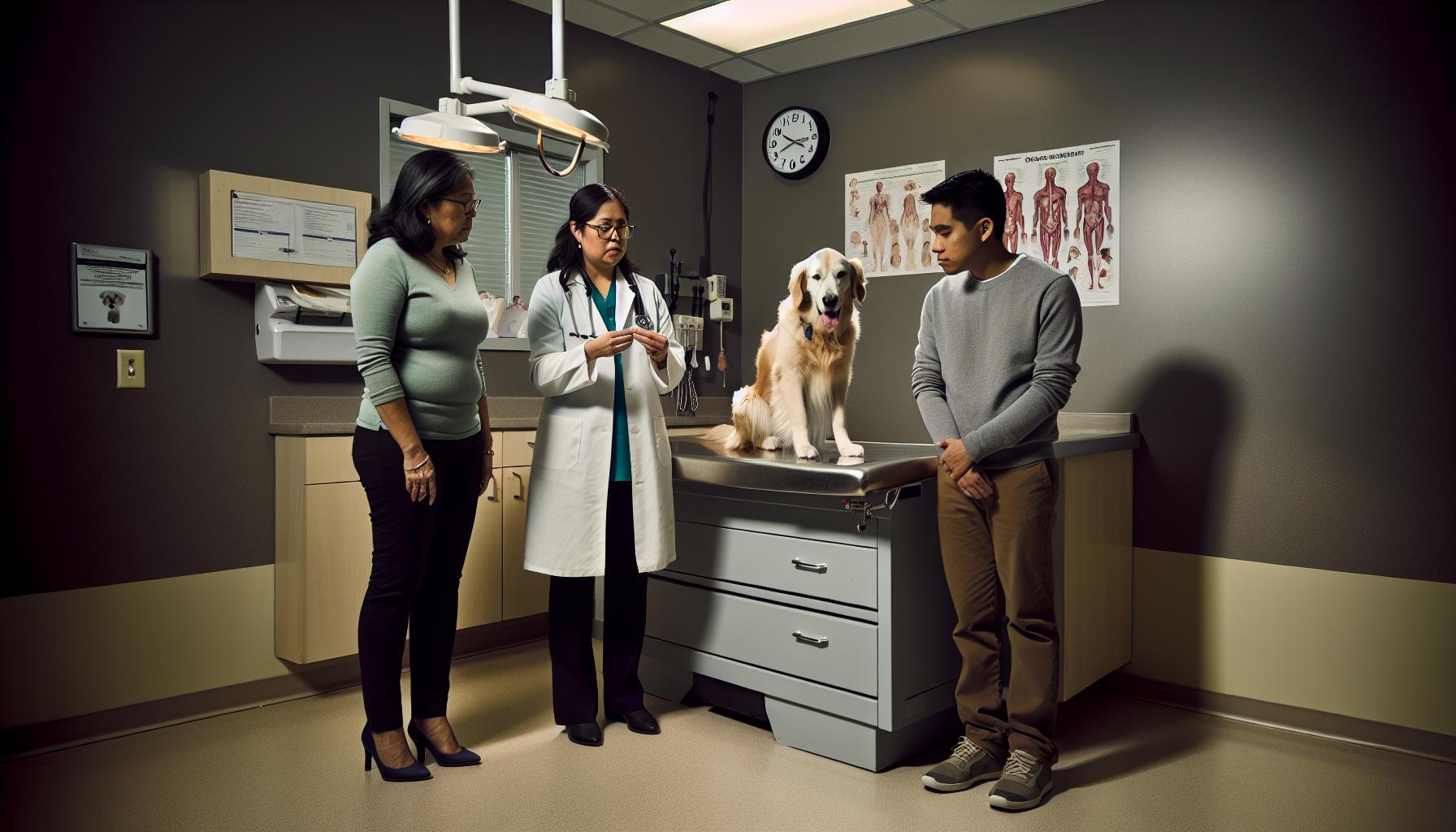
Signs Your Dog Might Need Sedation Before Grooming
There are times when a dog’s anxiety or physical condition during grooming goes beyond what gentle handling and patience can manage.Watch closely for behaviors that signal your dog is struggling in ways that could cause stress, fear, or even injury – these signs often mean sedation might be the safest route, under veterinary guidance, to make the experience humane and manageable. for example, dogs that freeze fully, become uncontrollably aggressive, or panic at the sight of clippers or nail trimmers may benefit from sedation to protect their wellbeing and that of the groomer.Strong indicators include extreme restlessness combined with trembling, repeated attempts to escape the grooming station, or vocalizations like frantic barking or whining that don’t subside with calm reassurance or standard calming techniques. Dogs with thick mats that settle tight against sensitive skin can also show signs of pain-related distress when touched or brushed. In these cases, sedation helps prevent injury during the removal process and transforms a traumatic ordeal into a more bearable one. Large-breed dogs or older pets with arthritis or other medical issues may also struggle with prolonged grooming sessions, showing signs that warn of physical discomfort or exhaustion – another scenario where sedation under a vet’s care might potentially be advisable.
Behavioral and Physical clues to Watch For
- Severe anxiety or panic: Avoidance behaviors, frantic pacing, or aggressive lunging beyond simple nervousness.
- Excessive trembling or drooling: Indicators of extreme stress that make grooming unsafe or too overwhelming for your dog.
- Pain responses when touched: Particularly around matted fur, nails, or ears, signaling that normal grooming would cause significant discomfort.
- History of traumatic grooming experiences: Dogs who have “frozen” or injured themselves or groomers in past sessions.
- Physical limitations: Arthritis, heart conditions, or sensitivities that make movement difficult or risky during grooming.
Remember, sedation is never about convenience or altering a dog purely for cosmetic reasons. Instead,it’s a carefully considered choice focused on your pet’s safety and preserving their dignity during a potentially overwhelming process. As always, decisions about sedation are best made in close consultation with a veterinarian who understands your dog’s medical history, temperament, and grooming needs. Together, you can weigh options and arrive at a plan that prioritizes a positive, calm outcome without compromise to health or comfort.
if you’re unsure whether your dog’s behavior or condition points toward sedation, share your observations openly with your groomer and veterinarian. They can provide expert guidance and perhaps suggest pre-groom behavior modification techniques or safer grooming tools before deciding on sedation. This teamwork approach empowers you as an owner to advocate for your dog’s best interest while maintaining trust and confidence in the grooming process.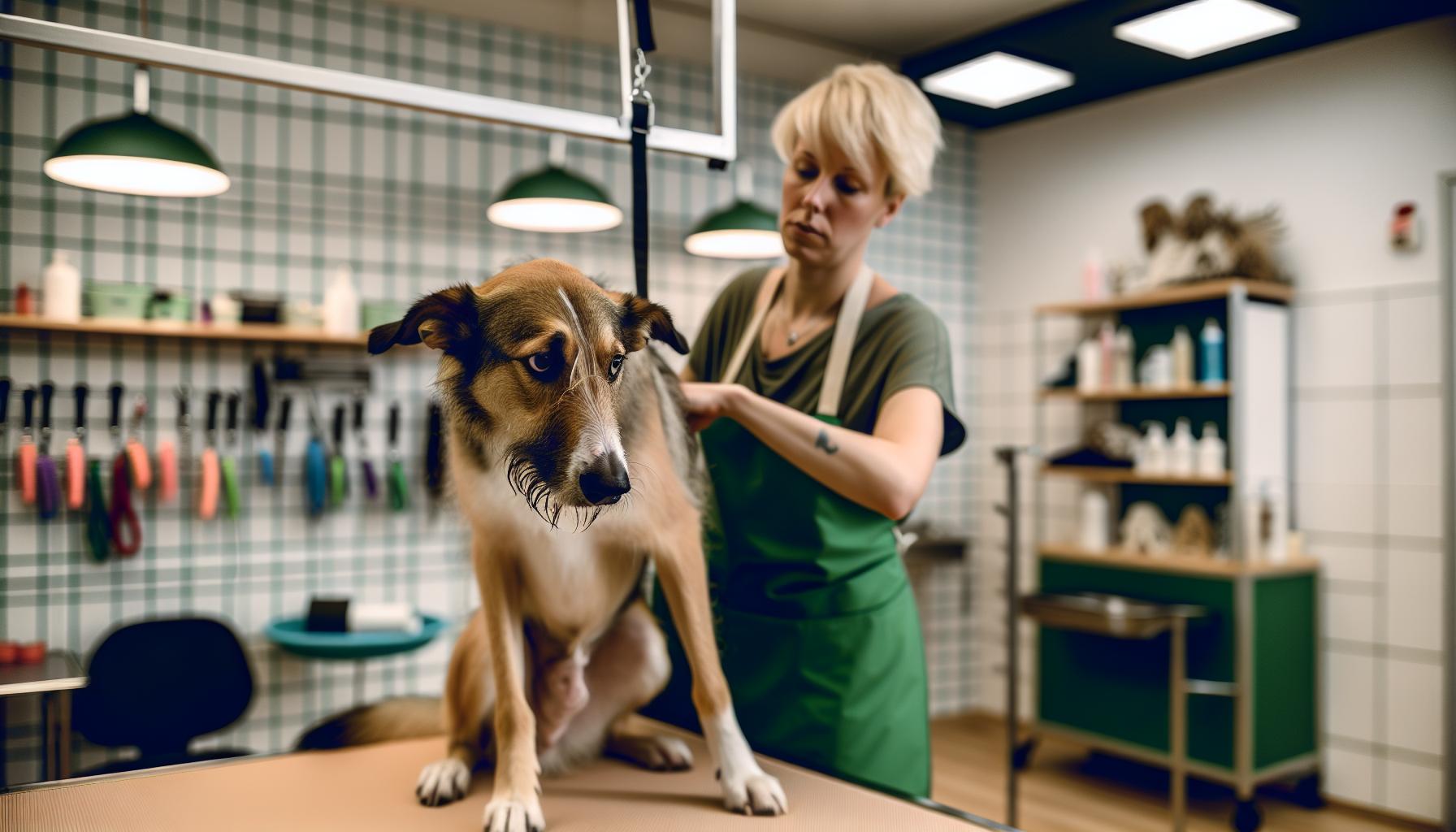
Veterinarian vs. Groomer: Who Should Sedate Your Dog?
When a dog’s grooming needs go beyond brushing and baths-especially when sedation is considered-it’s important to understand who is qualified and legally empowered to administer these medications. While groomers are skilled experts in handling pets gently and managing many challenging behaviors, sedation is a medical procedure and is best left in the hands of a licensed veterinarian.
Veterinarians have the training,knowledge,and tools to carefully evaluate a dog’s health history,breed sensitivities,and physical condition before recommending or administering sedation. They can select the safest sedative option tailored to your pet’s unique needs and monitor vital signs to prevent any adverse reactions during the process. Such as, a senior dog with arthritis and heart issues requires a very different sedation plan than a young, healthy dog with grooming anxiety.On the other hand, pet groomers play a crucial role in grooming day success-providing calm reassurance, gentle restraint, and expert handling. However, they typically do not have the professional scope to administer sedatives. A responsible groomer will always collaborate closely with your veterinarian and may recommend sedation only after veterinary approval. This approach protects your dog’s safety first while ensuring the groomer remains focused on what they do best: grooming and care.
Working Together: A Team Approach for Safe grooming
- Initial Assessment: Groomers observe behavior and physical signs that indicate extreme stress or pain during grooming.
- Veterinary Consultation: The vet assesses your dog’s health and prescribes sedation if necessary.
- Pre-Groom Preparation: Guidelines for fasting, medication timing, and monitoring are explained by the vet to the owner and groomer.
- on Grooming Day: Sedation is administered under veterinary supervision or guidance, ensuring safety and immediate response if needed.
- Post-Groom Care: Owners receive recovery instructions from the vet to keep their dog comfortable at home.
In rare cases, some groomers who are also certified veterinary technicians may administer sedation under a veterinarian’s direct supervision. But for most pet owners, best practice means the veterinarian handles sedation. This line of responsibility ensures your dog’s health isn’t compromised and your groomer can focus fully on making the grooming experience as positive as possible.
By choosing this collaborative route, you empower every member of your dog’s care team to do what they do best. Your veterinarian safeguards medical safety, the groomer provides compassionate handling and expertise, and you as the owner maintain peace of mind knowing your pet’s well-being is always the top priority.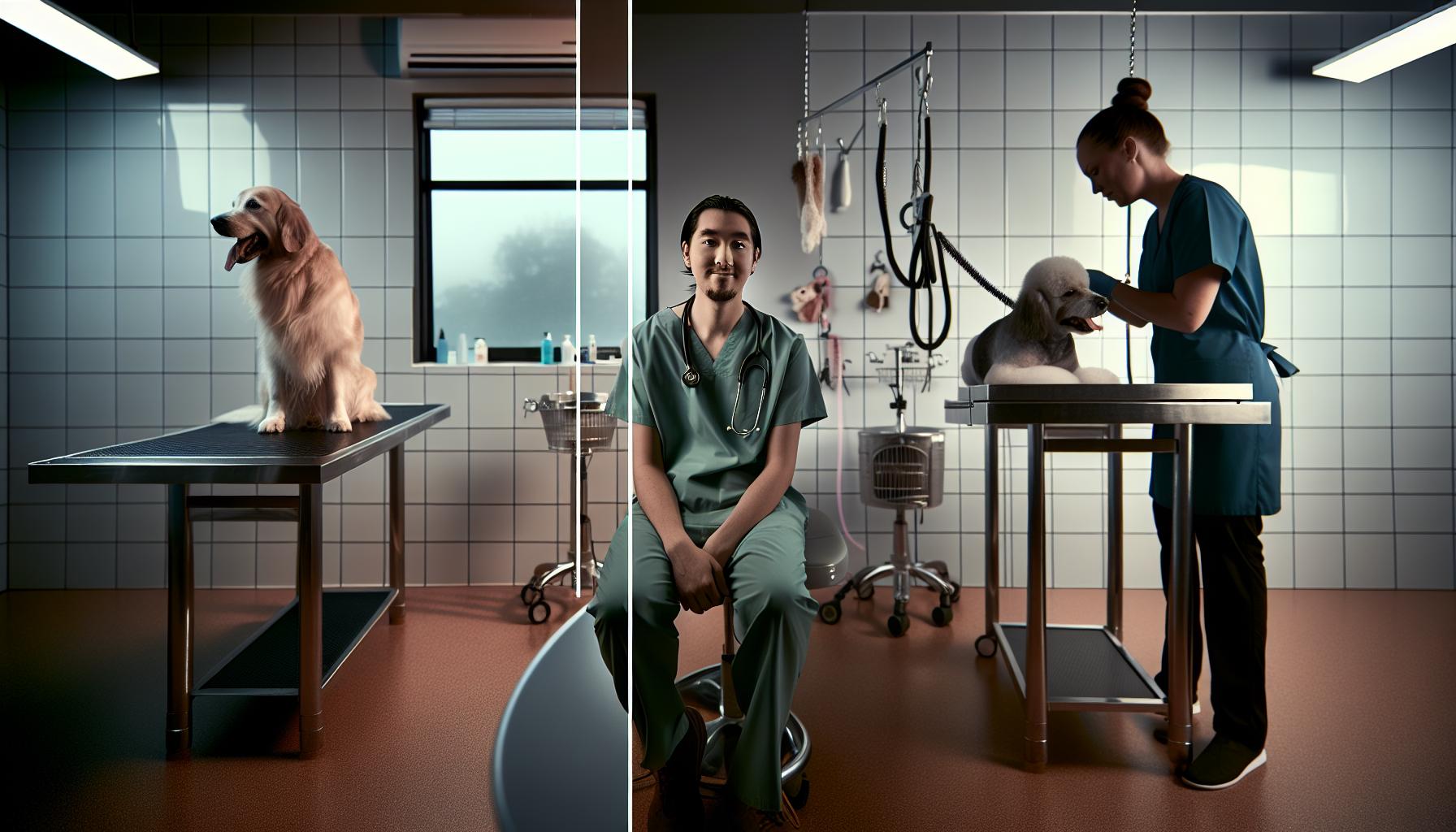
How to Prepare Your Dog If Sedation Is Needed
it’s normal to feel a mix of concern and hope when sedation is recommended to help your dog through grooming. Preparing your furry friend thoughtfully can make a huge difference in how calm and safe the experience turns out. Every step you take ahead of time supports their comfort and helps the veterinarian and groomer do their best work.
Follow Veterinary Guidelines Closely
Since sedation is a medical procedure, your vet will provide clear instructions tailored to your dog’s specific needs. This often includes fasting for about 8 to 12 hours before the appointment to reduce the risk of nausea or complications during sedation. Make sure to confirm if water is allowed up to the grooming time, as this can vary. Also, never give your dog any medications or supplements on your own without checking first-some can interfere with sedation or affect vital signs.
Prepare Your Dog Emotionally and Physically
Dogs pick up on our emotional states, so entering the day calmly helps set the tone. Spend quiet time cuddling or doing a favorite low-energy activity to ease their anxiety. If your dog has a thick or matted coat, a gentle brush prior to the visit (only if they tolerate it well) can prevent added discomfort during grooming. Be sure to inform the groomer about any sensitive areas, past reactions, or specific triggers. An example: a golden retriever with a heavy double coat may need extra patience during brushing, whereas a small anxious toy breed might benefit from close physical reassurance.
Understand Roles and Communication
Remember, sedation is administered by your veterinarian or under their direct supervision-not the groomer.Keep open communication between you, the groomer, and the vet. Ask any last-minute questions about arrival times, post-sedation care, and who to contact if you notice unusual behavior after grooming. As a notable example, some dogs may need a quiet space at home to rest deeply and may experience mild grogginess or disorientation. Writing down key instructions from your vet or groomer can make this easier to remember during a busy day.
- Day before grooming: Confirm appointment details and vet prep steps.
- Morning of appointment: Withhold food; provide a calm environment.
- post-grooming: Watch for signs of discomfort or unusual lethargy, and keep your dog hydrated.
By taking these steps, you become an essential part of a caring team that puts your dog’s welfare first, paving the way for a safer, gentler grooming experience under sedation.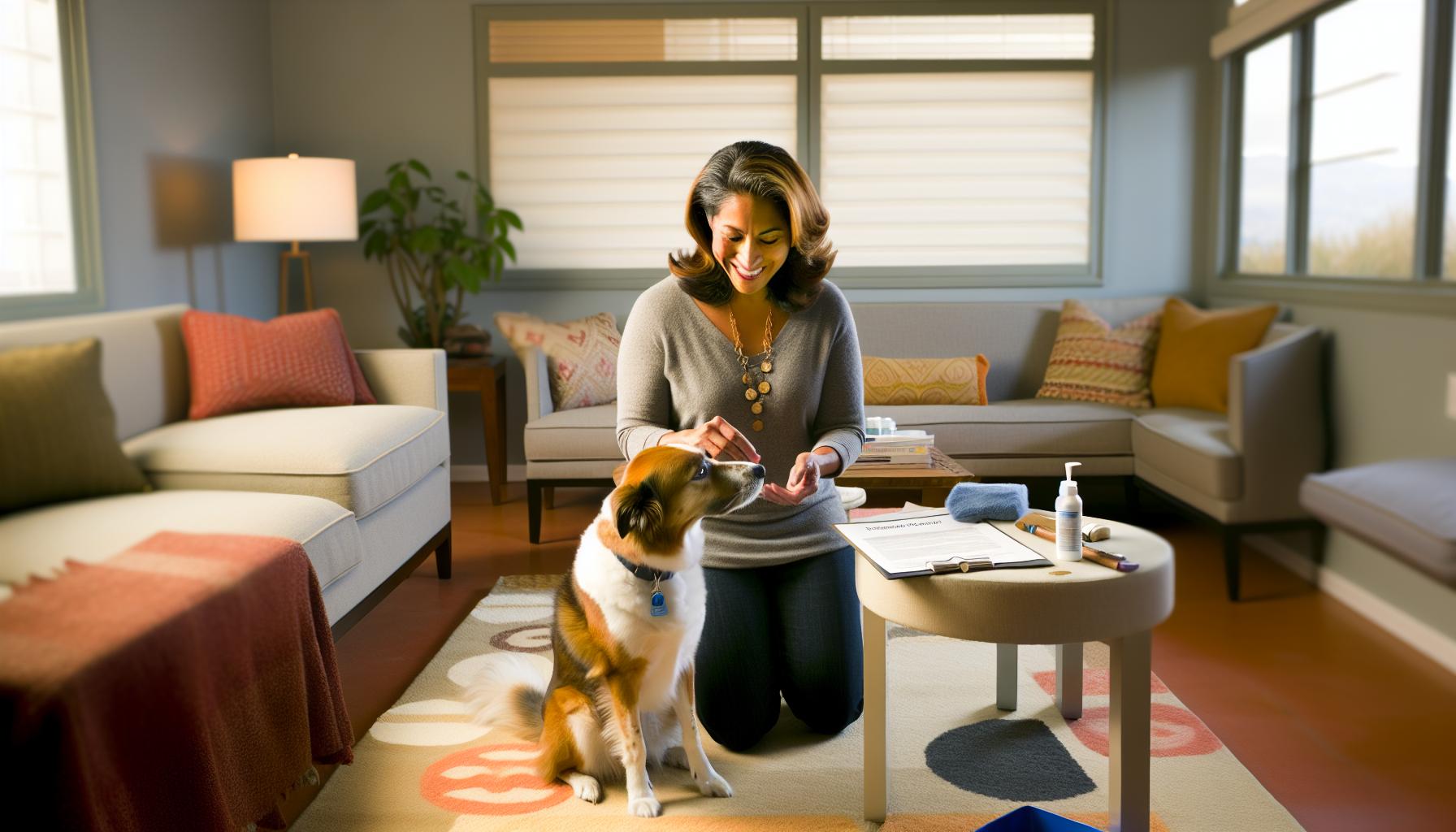
Owner Concerns and Questions About Dog Sedation
It’s completely natural to have questions and even worries about the idea of sedation during your dog’s grooming. Many owners want to know if sedation is truly necessary or if it’s just a convenient shortcut. The reality is that sedation is a thoughtful tool reserved for specific situations where a dog’s safety and comfort would otherwise be compromised-such as in cases of severe anxiety, pain, or thick, matted coats that could cause distress or skin damage if handled when uncooperative. Understanding when and why sedation comes into play can help ease your mind and put your dog’s welfare front and center.
common Owner Concerns Addressed
- Is sedation safe for my dog? When administered by a veterinarian or under their direct supervision, sedation is very safe. Vets tailor medication types and dosages based on your dog’s health, age, breed, and size to minimize risks.
- Will sedation affect my dog long-term? Sedation effects wear off usually within hours, and most dogs recover fully with no lasting side effects. Mild grogginess or disorientation may happen briefly but resolves quickly with rest.
- Can a groomer sedate my dog if I prefer? Groomers do not typically administer sedation themselves. This is a medical procedure overseen by vets to ensure proper monitoring and safety.
- Are there alternatives to sedation? Absolutely. Many techniques like gentle handling, calming wraps, pheromone sprays, and behavioral conditioning frequently enough reduce stress enough to avoid sedation entirely.
Real-Life Insights
Owners of large breeds with heavy double coats (like Newfoundlands or Saint Bernards) sometimes face grooming that’s physically overwhelming for their pet. One groomer shared how a Saint Bernard with matted fur was nearly impossible to brush without sedation, and after sedation was safely administered, the dog showed greater relaxation and zest later with no trauma from the experience.Another owner of a sensitive toy breed worried about sedation, but after working closely with the vet and groomer introducing calming exercises, their dog managed well without medications.
How You Can Help
You have an important role in advocating for your dog’s comfort and safety bysharing full medical history, discussing previous grooming reactions, and emphasizing any anxiety triggers. Preparing your dog with early exposure to grooming tools at home-like gentle brushing or nail handling-can also make a big difference.Remember, a calm and patient approach beats rushing every time. If sedation becomes necessary, view it as a compassionate option designed to protect your dog’s well-being, not just a way to “get it done fast.”
By staying informed,asking clear questions,and partnering with trustworthy groomers and veterinarians,you’ll feel more confident and empowered to make the best choices throughout your dog’s grooming journey. This teamwork ensures your dog remains comfortable, loved, and safe from start to finish.
Real Groomer Stories: Sedation Experiences and Outcomes
Few experiences reveal the true value of sedation in grooming better than the stories shared by groomers who have witnessed the difference it can make for anxious or challenging dogs. Consider a Saint Bernard with a thick, heavily matted double coat-brushing and dematting such a dog can be a lengthy, stressful ordeal without sedation. One groomer recalls carefully coordinating with a veterinarian to safely sedate the dog, which allowed them to work more gently and thoroughly. The result? The dog relaxed remarkably during and after the session, showing no signs of trauma or distress, and the owner reported a happier pet in the days following.
Another memorable case involved a tiny toy breed known for extreme nervousness. The owner feared sedation might be too risky and insisted on natural approaches. The groomer and vet collaborated to implement calming strategies beforehand-acclimating the pup to brushing, using pheromone sprays, and employing gentle restraint with a calming wrap during the session. Although slower, this approach avoided medication and still resulted in prosperous grooming without undue stress. This highlights how sedation is not always the only path; working closely with professionals to tailor approaches can empower owners and pets alike.
Practical Grooming Insights
When sedation is warranted, groomers and vets emphasize safety as the priority. it’s not about rushing through the bath, brush, nail trim, or ear cleaning-it’s about ensuring the dog’s comfort while accomplishing essential grooming gently. In complex cases like severely matted coats, sedation allows thorough detangling that prevents skin injury and pain. Groomers often suggest these steps when sedation is involved:
- Bath: Use mild, soothing shampoos and avoid harsh scrubbing to maintain skin health, as the dog may be less responsive.
- Brush: Carefully detangle mats, working in small sections with wide-tooth combs to avoid pulling.
- Nails: Trim nails gently with comfortable restraint, understanding the dog may have delayed reactions.
- Ears: Clean softly to prevent irritation, monitoring for any unusual signs, as sedation may mask discomfort.
Vet-Groomer Partnership and Owner Role
Sedation always happens under veterinary supervision, never administered by groomers themselves.This joint approach ensures proper dosage, monitoring, and emergency preparedness. Groomers advise owners to share detailed medical histories and note any prior reactions to grooming or medications. Preparation at home, like introducing gentle brushes or nail handling before appointments, often reduces the need for sedation altogether.
Ultimately, real groomer experiences remind us that sedation is a tool of compassion-used judiciously to protect the dog’s safety and well-being. By embracing teamwork between vets, groomers, and owners, you ensure the grooming process remains a positive, low-stress experience. Through patience and care, even the most challenging grooming needs can be met-leaving dogs feeling comfortable, cared for, and loved.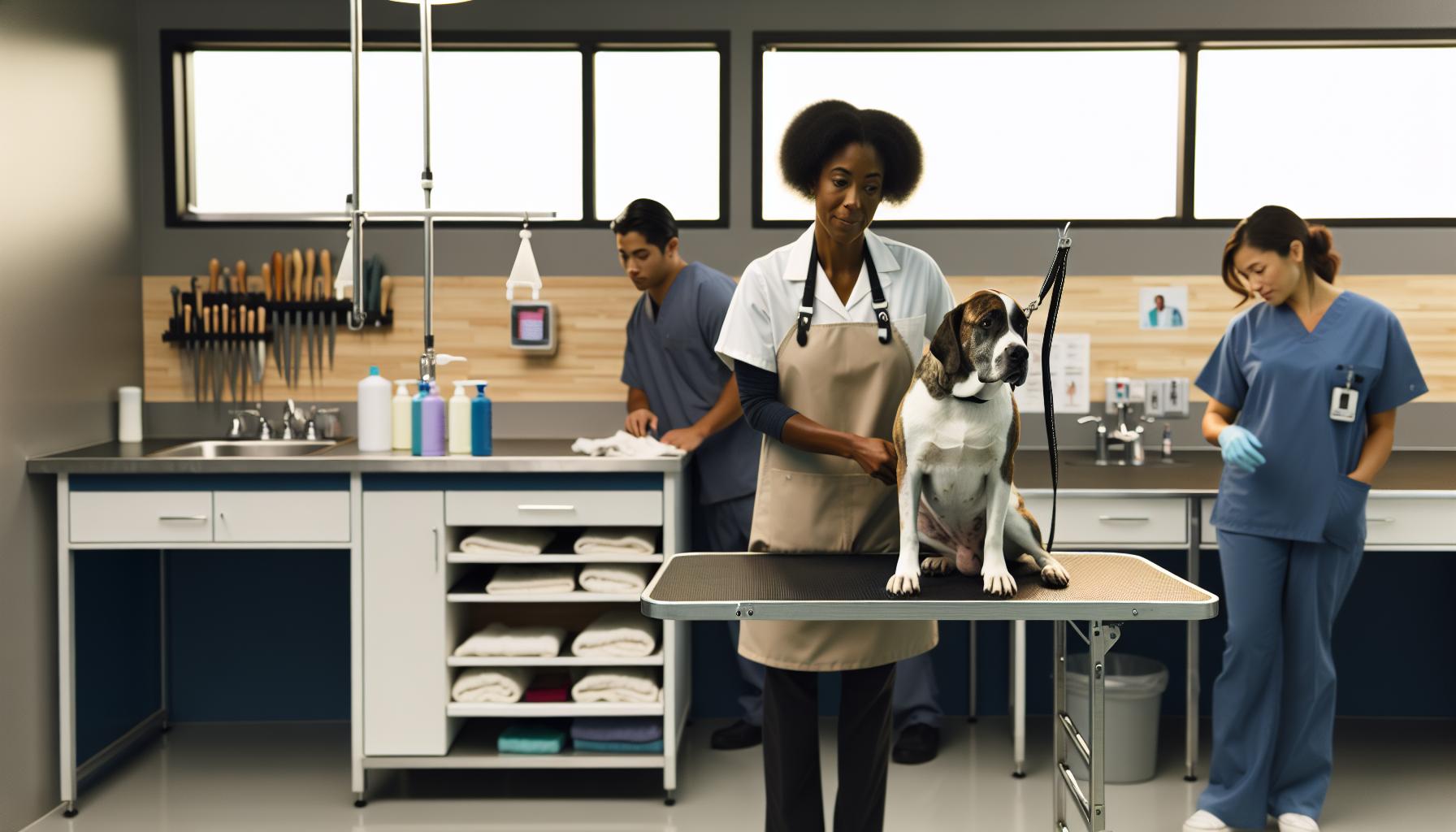
Faq
Q: How often do professional pet groomers recommend sedating dogs during grooming?
A: Sedation is rarely recommended by professional groomers and is typically reserved for dogs with severe anxiety or medical issues. Most groomers use calming techniques first and only consider sedation under veterinary guidance to ensure safety and comfort. For routine grooming, sedation is generally not common or necessary.
Q: What are the main reasons some dogs might require sedation at the groomer?
A: Dogs may need sedation if they experience extreme fear, aggression, or have health conditions that make grooming stressful or unsafe. Sedation helps reduce stress and movement, allowing groomers to work carefully on sensitive areas like nails or mats while prioritizing the dog’s wellbeing.
Q: Can sedating dogs for grooming affect their behavior long-term?
A: Sedation itself does not cause long-term behavior changes, but repeated negative grooming experiences without sedation alternatives may increase anxiety.Combining sedation with positive reinforcement and calming techniques ensures a better grooming experience and supports long-term trust.
Q: How can pet owners discuss sedation options with their groomer responsibly?
A: Owners should have an open conversation with their groomer about their dog’s temperament and medical history. Ask about alternatives to sedation, safety protocols, and whether a veterinarian’s input is needed. Clear communication helps ensure a tailored, stress-free grooming plan.
Q: Are there specific dog breeds or coat types more likely to need sedation during grooming?
A: Breeds prone to anxiety, such as small toy breeds or rescue dogs, and those with thick or matted coats like Poodles or Shih Tzus may sometimes need sedation for safe grooming. Though, many groomers first use patience and calming tools before considering sedation.
Q: What safety measures do groomers follow when sedation is used on dogs?
A: When sedation is necessary, groomers ensure it’s administered under veterinary supervision with proper dosing and monitoring. They check vital signs and keep the dog comfortable throughout. safety protocols minimize risks and help maintain a positive grooming experience.
Q: How can I help my dog avoid the need for sedation during grooming?
A: Early socialization, regular grooming to prevent mats, and gradual desensitization to grooming tools reduce stress. Use at-home calming techniques and choose experienced groomers who prioritize gentle handling to keep your dog calm and avoid sedation.
Q: Do groomers ever sedate dogs without owner permission or veterinary approval?
A: Professional groomers should never sedate dogs without explicit owner consent and veterinary advice. Sedation carries risks and legal considerations,so it must be handled responsibly to ensure your dog’s safety and comply with ethical guidelines.
For more detailed tips on calming techniques and preparing your dog for grooming visits, see the related article sections on Alternatives to Sedation and How to Prepare Your Dog If Sedation Is needed. Encouraging open dialog with your groomer enhances your dog’s comfort and safety throughout their grooming experience.
In Retrospect
Understanding whether sedation is common in pet grooming helps you make informed choices that prioritize your dog’s comfort and safety. While sedation is rarely routine and generally reserved for anxious or medically sensitive dogs, knowing the alternatives-like calming techniques, gradual acclimation, and professional handling-empowers you to find the best approach for your pet’s unique needs. If you’re curious about grooming tools tailored for various breeds and coat types, or how to safely manage nails and ears at home, explore our detailed Grooming Basics Guide and DIY Grooming Tips for step-by-step support.
Ready to take the next step? Sign up for our newsletter to receive expert advice, exclusive discounts on grooming products, and updates on pet wellness. Have questions or personal experiences with sedation in grooming? Share your story in the comments below-we love hearing from caring pet parents like you. Remember, safe grooming is a partnership between you, your groomer, and your vet, always centered on compassion and your dog’s well-being. Keep your furry friend feeling calm, confident, and happy with every grooming session!
Get our latest guides, news, and insights highlighted in your Google Search & AI Overviews.
Keep reading about the same coat and cut.




Popular grooming guides
Bath vs clip, first grooms, and salon how-tos.