How to Make My Dog Smell Like the Groomers (At Home Secrets)

Did you know that the fresh,clean scent your dog has right after a groomer’s visit isn’t just from shampoo? It’s a mix of carefully chosen products,thorough brushing,and a gentle drying routine that keeps your pup happy and pleasant. If you’ve ever wished your dog could smell that fresh at home-without the stress of a salon trip-you’re in the right place. Whether you have a short-haired Labrador or a fluffy Poodle, this guide will walk you through simple, safe steps to recreate that groomer-fresh scent using tools and techniques suited for your dog’s coat type. We’ll cover everything from choosing the right shampoo and conditioner to brushing, drying, and even speedy fixes to keep your dog feeling fresh between baths. Along the way, you’ll learn how to avoid common pitfalls, know when it’s best to call a professional, and most importantly, keep your dog calm and comfortable throughout. Let’s make bath time a soothing, bonding experience that leaves your furry friend smelling and feeling their best-right in your own home.
Choosing the Right Shampoo and Conditioner for Your Dog’s coat
Table of Contents
- 1 Choosing the Right Shampoo and Conditioner for Your Dog’s coat
- 2 Step-by-Step guide to Bathing Your Dog Like a Pro
- 3 Essential Grooming Tools to Achieve That Fresh Groomer Scent
- 4 How to Properly Dry Your Dog for Long-Lasting Freshness
- 5 Brushing Techniques to Enhance Shine and Reduce Odors
- 6 DIY Natural Sprays and After-Bath Scents for a Groomer-Like Smell
- 7 Cleaning Ears, Teeth, and Paws to Prevent unpleasant Odors
- 8 Tips for Nail Trimming That keep Your Dog Comfortable and Clean
- 9 When to Visit the Vet or Professional Groomer vs. DIY Care
- 10 Troubleshooting Common Smell and Grooming Challenges at Home
- 11 Maintaining Your Dog’s Fresh Scent Between baths
- 12 Creating a Calm and Positive Grooming Routine for Nervous Dogs
- 13 Q&A
- 13.1 Q: How can I use scent layering techniques at home to make my dog smell professionally groomed?
- 13.2 Q: What role does diet play in keeping my dog smelling fresh like after a groomer visit?
- 13.3 Q: How often should I perform at-home touch-ups to keep that groomer-fresh scent?
- 13.4 Q: Can homemade conditioning sprays help replicate the groomer smell on my dog?
- 13.5 Q: What grooming habits help prevent odor buildup between professional grooming sessions?
- 13.6 Q: How can I create a grooming space at home that smells fresh and inviting like a professional salon?
- 13.7 Q: Why do some dogs lose their groomer-fresh smell quickly and how can I extend it?
- 13.8 Q: Do grooming tools impact how long my dog stays fresh-smelling after a bath?
- 14 To wrap It Up
Finding the perfect shampoo and conditioner for your dog is more than just picking a pretty scent-it’s about honoring their unique coat and skin needs while working towards that signature fresh, groomer-like smell we all adore. Dogs come in an unbelievable variety of coat types, from silky and fine to thick, curly, or dense double coats. Choosing products formulated specifically for your dog’s coat type and skin sensitivity can make all the difference in how clean, soft, and fresh they smell after a bath.
Coat Type Matters-Match your Product to Your Dog
- Short-haired breeds often do well with gentle, moisturizing shampoos that don’t strip their natural oils, as their thinner coats can become dry and dull.
- Long-haired or curly-coated dogs benefit from a conditioner that smooths tangles and adds slip, making brushing easier and reducing that “matty” smell that can linger.
- Double-coated breeds need shampoos that penetrate deeply yet rinse thoroughly to avoid trapping residue that contributes to odor or irritation.
Many specialty shampoos highlight moisturizing ingredients like oatmeal, aloe vera, or coconut oil, which soothe sensitive skin and keep the coat shiny without harsh chemicals. Conditioners paired with these shampoos help lock in moisture and leave behind that luxurious softness akin to a professional groom.
Look Beyond the Fragrance
while the appeal of designer scents is strong, true freshness comes from healthy skin and a balanced coat. Avoid shampoos with artificial dyes, parabens, or sulfates that can cause dryness or itching, which can worsen odors over time. Rather, look for formulas containing natural botanicals and gentle surfactants to cleanse without stripping. Conditioners with subtle, natural fragrances contribute to that lingering “just-groomed” aroma without overwhelming your dog’s sensitive nose.
Examples of Trusted Ingredients and Why They Matter
| Ingredient | Benefit | Why It Supports Freshness |
|---|---|---|
| Oatmeal | Soothes irritated skin and reduces itching | Healthy skin resists odor-causing bacteria |
| Aloe Vera | Moisturizes and calms inflammation | Keeps coat shiny and smell-fresh naturally |
| coconut Oil | Hydrates and has natural antibacterial properties | Fights microbes that cause bad odors |
| Chamomile extract | Reduces redness and refreshes skin | Promotes a clean, fresh scent after bathing |
Helpful Tips for Selecting Products
- Test new products carefully: Start with a small area to monitor for reactions, especially if your dog has sensitive skin or allergies.
- Consult your vet or groomer: When in doubt, professionals can recommend shampoos tailored to your dog’s breed and health.
- Skip human products: Human shampoos are often too harsh for dogs and can cause skin imbalance, leading to increased odor.
- Use conditioner sparingly: Apply mainly to the midcoat and ends, avoiding the skin to prevent buildup that might trap odors.
By taking the time to thoughtfully select the right shampoo and conditioner, you nourish your dog’s coat and skin holistically. This approach not only supports a natural, healthy shine but also helps maintain lasting freshness that keeps your furry friend smelling like they just stepped out of the groomer’s chair-right at home.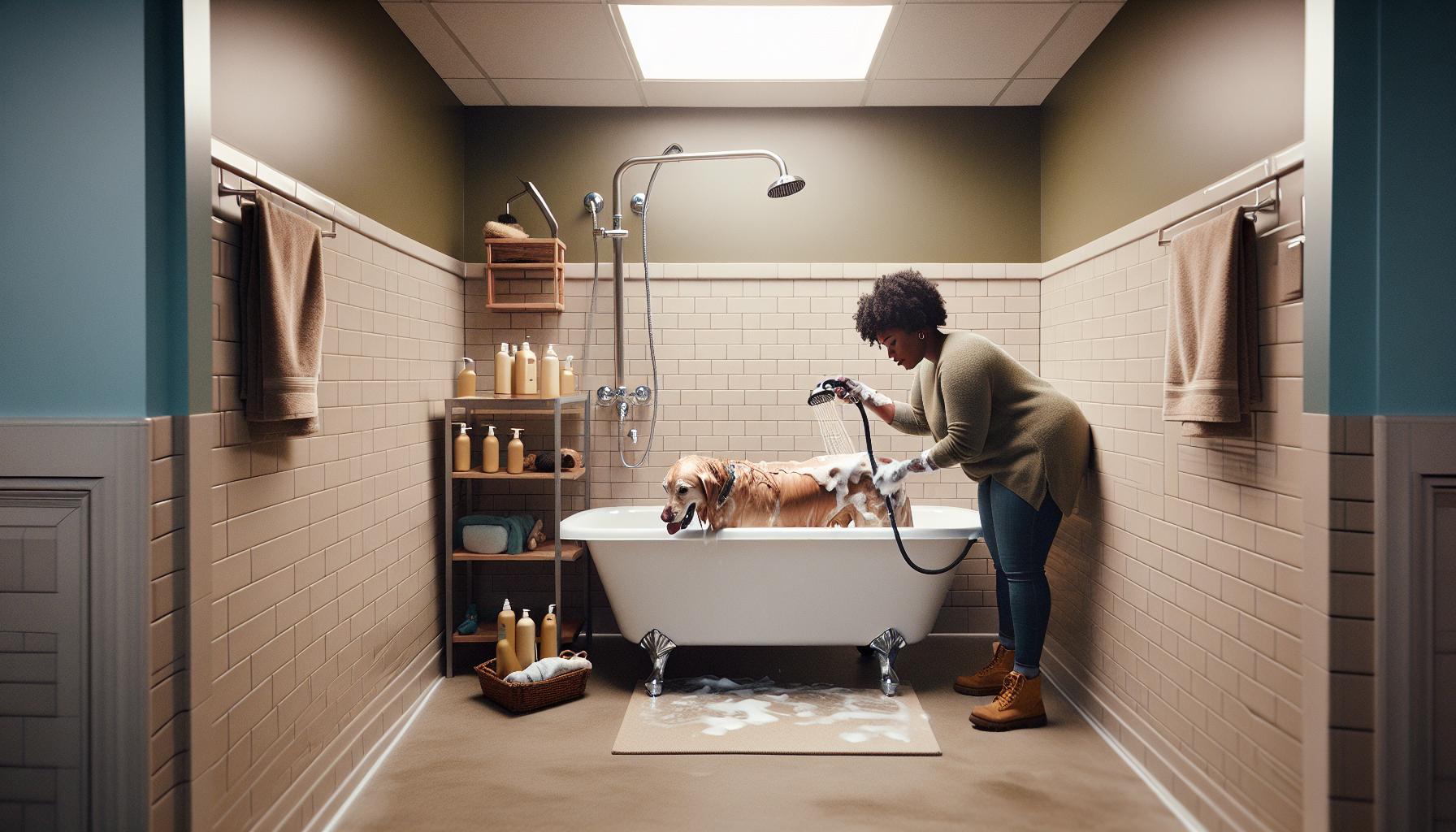
Step-by-Step guide to Bathing Your Dog Like a Pro
Few things compare to the refreshing scent and soft coat your dog has right after a professional groom. Recreating that experience at home is entirely possible with the right approach, tools, and a calm mindset. Bathing your dog like a pro goes beyond just applying shampoo – it’s about turning bath time into a soothing routine that respects your dog’s comfort and coat needs. Whether you’re dealing with a tiny terrier or a big double-coated buddy,careful preparation and gentle handling make all the difference.
Prepare Your Space and Gear
Start by gathering everything within reach: a quality dog shampoo and conditioner suited to your dog’s coat (refer to our product guidance), a non-slip mat, a few towels, and a sturdy brush. For small dogs, a sink or bathtub works well; for larger dogs, a walk-in shower or outdoor hose with a gentle spray nozzle is ideal. Have treats on hand to reward good behavior and keep your dog calm. Remember, lukewarm water helps avoid chill or skin irritation-too hot or too cold can stress your dog and affect their skin health.
Step-by-Step Bathing process
- Start with brushing: Before getting your dog wet, brush out mats and tangles to prevent painful pulling when wet. For thick coats, focus on detangling the undercoat gently.
- Wet the coat thoroughly: Use a handheld sprayer or cup to soak your dog’s body, protecting the eyes and ears from water and shampoo intrusion.
- Apply shampoo strategically: Dilute shampoo if recommended and work from neck down, massaging deeply to lift dirt and oils. Avoid direct contact with eyes, ears, and mouth.
- Rinse completely: Residue can cause itchiness and odor, so taking extra time to rinse until water runs clear is key for freshness.
- Condition carefully: For long or curly coats, apply conditioner mainly on the midcoat and ends, avoiding the skin to prevent buildup.
- Final rinse and soothe: Finish with a cool rinse to close hair cuticles and leave the coat shiny and fresh.
Calm Communication Makes a Difference
Bath time can be stressful for some dogs, especially nervous or rescue dogs. Soft voice, gentle strokes, and breaks when needed help build trust. If your dog dislikes water or being handled, try short sessions gradually building up to a full bath. Speaking calmly and offering treats reinforce positive associations. Remember, it’s better to have a short, peaceful bath than a long, stressful ordeal.
Troubleshooting Common Issues
If your dog shakes excessively or tries to escape, check water temperature and comfort level first. For dogs with sensitive skin or allergies, stick to hypoallergenic, fragrance-free shampoos and consult your vet for recommendations. Dogs prone to ear infections need extra caution to keep water out of their ear canals-use cotton balls lightly placed in ears during the bath (but don’t push too deep), and clean ears afterward with vet-approved solutions. If your dog develops redness or irritation post-bath, stop using the product and seek veterinary advice.
By embracing a patient, step-by-step method that prioritizes your dog’s comfort and coat type, you’ll not only end up with a cleaner, fresher-smelling pup but also deepen your bond and set the stage for easier grooming sessions ahead. This gentle approach closely mirrors professional grooming care – without the stress or cost – so your dog walks away smelling like the groomers every time.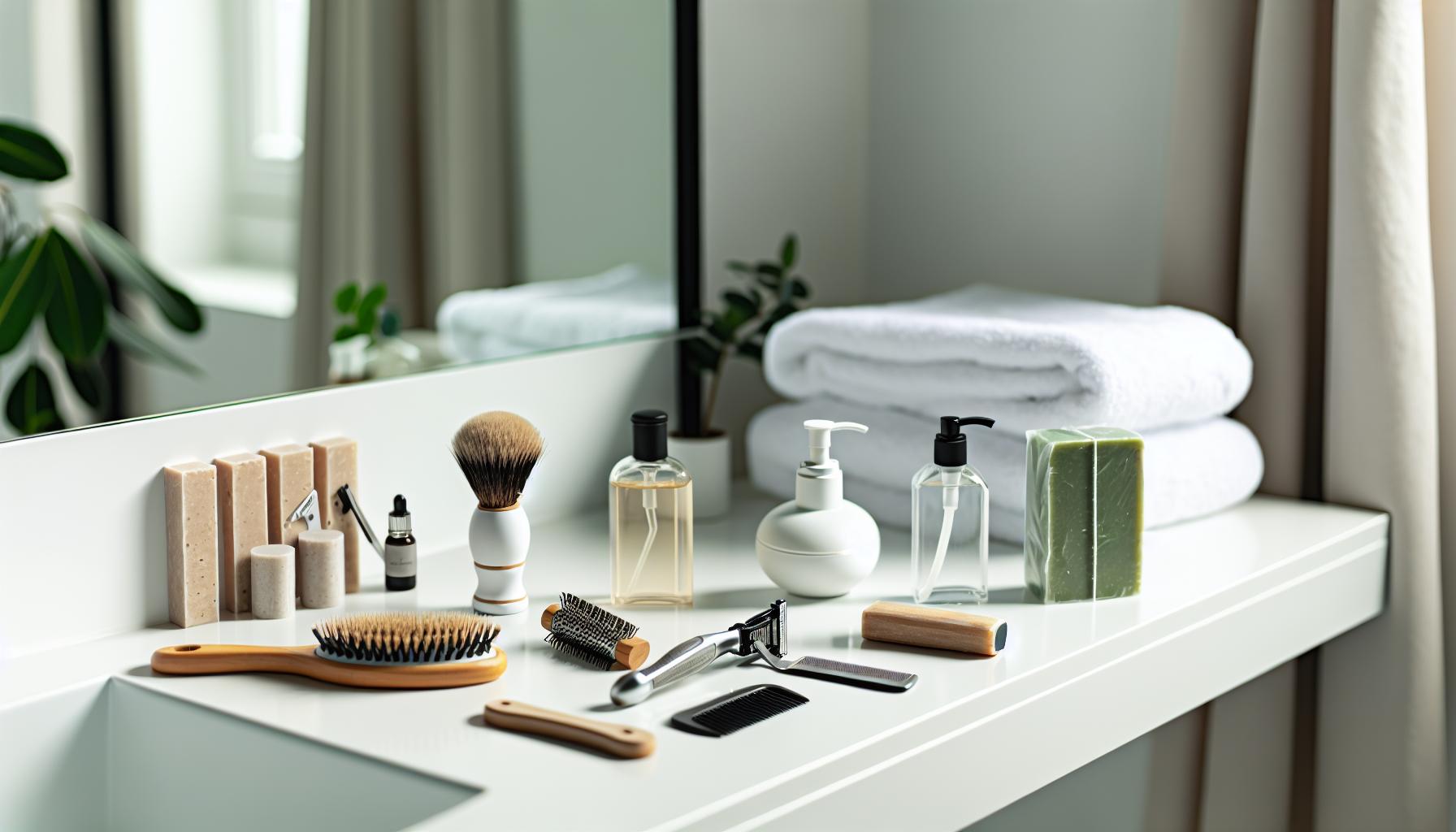
Essential Grooming Tools to Achieve That Fresh Groomer Scent
Few things elevate a home grooming session like using the right tools-these are your secret weapons to not just a clean dog, but one that walks away smelling fresh and feeling pampered. Achieving that coveted groomer scent isn’t magic; it comes down to having quality, breed-appropriate gear that cares for your dog’s coat and skin while enhancing natural softness and shine. Whether you’re tackling a silky Maltese or a wiry terrier, the right tools set the tone for a smooth, calming experience and leave behind that unmistakable “fresh from the groomer” scent.
Brushes and Combs Tailored to Coat Type
before baths,brushing is essential to remove tangles and loose fur that trap odor. For thick,double-coated breeds like Golden Retrievers,a slicker brush combined with an undercoat rake does wonders in reaching deep layers without causing discomfort. Fine-haired or short-coated dogs benefit from softer bristle brushes or rubber grooming gloves that stimulate natural oils, giving the coat a subtle sheen and fresh feel. Remember, brushing also distributes natural oils which help hold shampoo’s mild scents longer.
- Slicker brushes: Ideal for medium to long coats to detangle and remove loose hair.
- Undercoat rakes: Perfect for dense undercoats, helping control shedding and odors.
- Rubber grooming gloves: Great for sensitive skin and short-haired breeds; they massage while grooming.
- Fine-toothed combs: Helpful for sensitive areas like ears and face to remove dirt gently.
Bathing Tools That Maximize Clean and Comfort
A handheld sprayer or a cup for rinsing enables precise water control, essential to thoroughly remove shampoo and conditioner residues which, if left behind, can cause odor buildup and irritation. Non-slip mats keep your dog steady and relaxed, helping reduce stress smells born from fear or discomfort. Towels made of microfiber soak up water faster, cutting drying time-and slower drying is a common culprit in unwanted damp dog odors.
Additional Essentials for Freshness
After drying, incorporating grooming tools like a high-velocity dryer (for bigger or thick-coated dogs) can help fluff the coat, sealing in freshness and that coveted groomer ”bounce.” Nail trimmers keep your dog’s paws clean and odor-free; untrimmed nails can carry dirt and bacteria. Don’t forget ear cleaning tools designed for safe, vet-approved maintenance-clean ears dramatically reduce natural odors.
| Tool | Purpose | Best for | Notes |
|---|---|---|---|
| Slicker Brush | Detangle & remove loose fur | Medium & long-haired coats | Use gently to avoid skin irritation |
| Undercoat Rake | Remove thick undercoat & shedding fur | Double-coated breeds | Helps reduce odor-causing dead hairs |
| Rubber Grooming Gloves | Massage & remove loose hairs | Short-haired & sensitive skin dogs | Boosts natural oil distribution |
| Handheld Sprayer | Drench & rinse coat efficiently | All breeds | Gentle spray preferred over strong jets |
| Microfiber Towels | Quick water absorption | All breeds | Keeps drying time short to avoid odors |
| Nail Clippers | Maintain paw hygiene | All breeds | Prevents dirt accumulation under nails |
Approaching your grooming routine equipped with tools that prioritize both your dog’s coat and comfort sets the stage for a fresh, clean scent that lasts. Remember, the goal is wellness and calm confidence-tools are your partners in creating a spa-like experience that leaves your best friend not just looking groomed, but feeling truly cared for.
How to Properly Dry Your Dog for Long-Lasting Freshness
Drying your dog thoroughly after a bath is one of the most crucial steps toward keeping that fresh,groomer-like scent lasting all week long. A damp coat can trap odors and dirt quickly, leading to that typical “wet dog smell” that no dog parent wants lingering in their home. Plus, leftover moisture close to the skin invites bacteria and yeast growth, which not only causes unpleasant odors but can also lead to skin irritation. Prioritizing a complete, gentle drying routine ensures your pup stays comfortable and fresh between baths.
match Your Drying Method to Coat Type
Different coats need different drying strategies. For dogs with short or fine coats-like Beagles or Boxers-a simple towel rub-down often does the trick. Use a soft, absorbent microfiber towel and gently press and blot rather than rub, to avoid tangling or irritating the skin. For thicker or double coats, such as those on Golden Retrievers or Huskies, towel drying gets you started, but a high-velocity dryer (often called a pet dryer) really shines.It helps blow out trapped moisture from dense undercoats without overheating or causing stress. Keep the dryer moving, never linger on one spot, and maintain a comfortable distance to prevent burns.
If your dog is nervous around the noise of dryers, try introducing it gradually-turn it on at a low setting away from them first. Pair this with gentle, reassuring words and treats to build positive associations. A calming pheromone collar or diffuser in the room can also help ease anxiety during drying.
Step-by-Step Drying Tips for Lasting Freshness
- Start with towel absorption: Use multiple microfiber towels to soak up as much water as possible. Blot gently along the direction of hair growth.
- Use air circulation: Bringing your dog to a well-ventilated space or using a fan helps speed drying,especially in humid environments.
- Apply a cool or warm (never hot) pet dryer: For thicker coats, use short bursts, continually moving the nozzle. Avoid overheating sensitive areas like ears, paws, and belly.
- Finish with a soft brush: Once mostly dry, brushing helps fluff the coat, separates hairs to prevent matting, and redistributes natural oils for shine and odor control.
Common drying Challenges and How to Overcome Them
Some breeds,such as Bulldogs or Greyhounds with thin coats,dry extremely fast but may still benefit from a gentle towel rub to remove residual dirt. Long-haired breeds like Afghan Hounds need patient, thorough drying-if any dampness remains, they risk skin infections. Hair mats also trap moisture and odors, so carefully detangle before drying.If your dog dislikes drying or becomes restless, take breaks and use positive reinforcement consistently.Stick to short sessions and keep the environment soothing. For puppies or rescue dogs, a calming wrap or a cozy blanket post-bath can provide comfort while drying.Proper drying is not just about aesthetics; it’s a core wellness practice that supports your dog’s skin health and keeps them smelling delightful well after bath time. With the right tools and gentle attention, you’ll build a grooming habit that both you and your dog look forward to-and that “fresh from the groomer” scent will become the new norm in your home.
Brushing Techniques to Enhance Shine and Reduce Odors
Brushing is one of the simplest yet most powerful ways to keep your dog’s coat glowing with health and smelling fresh between baths. Beyond maintaining appearance, regular brushing helps distribute natural oils across the fur, which not only enhances shine but also creates a protective barrier against dirt and odor-causing bacteria. Think of brushing as a gentle massage for your dog’s skin that improves circulation and reduces the buildup of debris that can harbor unpleasant scents.
Different coat types require tailored brushing techniques and tools for the best results. Such as, short-haired breeds like Boxers or Beagles benefit from a soft-bristle brush or rubber grooming mitt that removes loose hair and stimulates the skin without irritation. Meanwhile,dogs with medium to long coats,such as Golden Retrievers or Collies,need a slicker brush or pin brush to detangle mats and lift hair away from the skin,allowing air to circulate and moisture to evaporate-key factors in reducing funky smells. Double-coated breeds like Huskies frequently enough require a de-shedding tool during shedding season to remove loose undercoat hair that could trap moisture and odors.
- Start with gentle strokes: Always brush in the direction of hair growth to avoid pulling or discomfort. Use slow, patient movements and praise your dog frequently, especially if they’re nervous or new to brushing.
- focus on common odor traps: Areas like under the collar, behind the ears, the armpits, and around the hind legs tend to accumulate dirt and oils. Spend extra time hear, but be mindful of sensitive spots.
- Brush regularly but sensibly: For most dogs, daily brushing isn’t necessary, but 2-3 times a week can vastly improve coat health and freshness. Long-haired or double-coated breeds may require more frequent attention.
- Use the right tools for your dog’s coat: A slicker brush for tangles, a bristle brush for short fur, a comb for sensitive sections, and a de-shedding rake for thick undercoats each serve distinct purposes.
Regular brushing also plays an important role in odor control by breaking up and removing loose dirt before it embeds into the coat or skin. It helps air reach the hair follicles, decreasing trapped moisture that leads to bacterial or yeast growth-common culprits in unpleasant dog smells. For example, when brushing a Labradoodle after a bath and dry, you might notice how the coat “floofs” back to life with a light, airy texture, signaling that it’s properly dried and well-maintained.if you encounter mats or tangles, resist the urge to forcefully pull. Instead, carefully work through them with a detangling spray designed for dogs or use your fingers gently to loosen the hair. For stubborn mats close to the skin, a groomer’s thinning shears or seeking professional help is safer and less stressful for your pet.
Practicing calm, consistent brushing sessions turns this essential routine into bonding time and helps anxious dogs associate grooming with positive experiences. Bringing in soft praise, treats, and a quiet environment can transform a stressful moment into a soothing ritual-building trust and ensuring your dog’s coat stays fresh and radiant all year round.
DIY Natural Sprays and After-Bath Scents for a Groomer-Like Smell
A fresh, lingering scent after a bath isn’t just about cleanliness-it’s about creating a comfortable, calming experience for your dog that lasts well beyond drying time. Many professional groomers use light, natural sprays or finishing mists that add that signature “just groomed” fragrance, and good news-you can craft safe, effective versions at home tailored to your dog’s coat and sensitivities.
Starting with simple, gentle ingredients helps you avoid harsh chemicals or overpowering perfumes that might irritate your dog’s skin or overwhelm their sensitive noses. A well-balanced DIY spray combines subtle freshness with nourishing benefits, enhancing that groomer-like glow without masking your dog’s natural scent.
Building your Natural After-Bath Spray
- Choose a gentle base: Use distilled water or a mild aloe vera juice base to hydrate and soothe the skin without weighing down the coat.
- Essential oils caution: Only use dog-safe essential oils, and always dilute heavily. Lavender, chamomile and calendula oils are soothing and calming but keep usage very low-such as, 1-2 drops per cup of base liquid.
- Add natural deodorizing agents: Witch hazel or a small splash of apple cider vinegar can gently neutralize odors without drying the skin.
- Optional coat conditioners: A teaspoon of fractionated coconut oil or a few drops of vitamin E oil added to your spray can add softness and shine while helping protect against dryness.
Tips for Application and storage
Spray your homemade mist lightly onto your dog’s coat after brushing and drying, avoiding the eyes and sensitive areas like inside ears. It’s best to test on a small patch first to rule out any reactions, especially if your dog has allergies or sensitive skin.Store your spray in a glass bottle with a tight lid, refrigerated if possible, and use it within two weeks to keep it fresh.
For example, a Golden Retriever with longer hair benefits from a conditioner-infused spray to keep the coat silky and temptingly touchable, while a short-haired Boxer might only need a simple witch hazel deodorizing spritz for a light, fresh scent. Tailor the formula based on breed and coat type, always prioritizing your dog’s comfort and skin health.
Enhancing the Experience
To truly mimic that groomer-fresh vibe at home, consider alternating your spray routine with brushing sessions using a well-chosen brush after the spray has dried. The combined action reactivates the oils and scent while fluffing the fur for a soft, inviting finish. For anxious dogs, incorporating calm, gentle praise during spray application and brushing helps build trust and makes this step a favourite part of grooming day, not a chore.
Creating your own natural sprays bridges the gap between vet care, professional groomers, and loving DIY pet parents. It’s a chance to connect with your dog in a nurturing way that’s as much about confidence and compassion as it is about scent and shine.
Cleaning Ears, Teeth, and Paws to Prevent unpleasant Odors
A dog’s fresh “groomer smell” goes far beyond a clean coat-it’s about keeping those often-overlooked areas tidy that can silently harbor odors: the ears, teeth, and paws. These spots trap moisture, dirt, and bacteria, creating that faint but persistent “doggy” smell. Regular, gentle care can transform your at-home grooming into a truly fresh, salon-worthy experience that comforts your dog and delights your nose.
Grooming the ears with Care
Ears are a common source of odor, especially for breeds with floppy ears like Cocker Spaniels or Retrievers, where moisture and air movement are limited. Use a dog-specific ear cleaner and soft cotton balls or pads-never cotton swabs, which risk damaging the ear canal. After a bath or outdoor play, gently wipe the outer ear folds and visible canal entrance to remove wax and debris. Look for redness, swelling, or a foul smell, which signals a vet visit rather than DIY. For nervous dogs, start by lightly massaging the ear base to relax them before cleaning-praise and small treats help build trust here.
Radiant Smiles, Fresh Breath
Stale breath contributes as much to that “unclean” odor as a wet coat. Tooth decay and plaque harbor bacteria that produce unpleasant smells. Daily brushing with a soft-bristled dog toothbrush and pet-safe toothpaste is the gold standard, but if your dog resists, try dental chews or water additives designed to reduce tartar naturally. Small breeds like Chihuahuas and toy Poodles, prone to dental issues, benefit from more frequent attention. Regular checks will also catch early signs of problems like gum disease or loose teeth, where professional cleaning is necessary.
Refreshing Paws at Every Step
Paws pick up all kinds of dirt, oils, and sometimes even fungal infections that cause odor. After walks, especially in moist conditions, gently wipe each paw with a damp cloth or pet wipe and carefully clean between the pads and toes where grime can hide. Dry thoroughly since trapped moisture can lead to yeast or bacterial growth, causing that distinct funky smell. For dogs with thick fur between toes-like Newfoundlands or Samoyeds-regular trimming helps air circulation and reduces odor buildup. If paw odor persists despite cleaning, consult your vet about allergies or infections.
- Keep tools handy: mild ear cleaner, dog toothbrush and toothpaste, damp cloths, nail scissors or clippers.
- Routine matters: weekly ear wipes, daily or every-other-day tooth brushing, paw cleaning as needed, especially after outings.
- Patience is key: introduce each step gradually to reduce stress; remember, calm dogs tolerate grooming best.
By addressing ears, teeth, and paws as part of your grooming ritual, you eliminate hidden odor sources that no shampoo alone can fix. This holistic approach creates that unmistakable groomer-fresh ambiance-a subtle, clean scent paired with a happy, healthy dog. when in doubt about persistent smells or discomfort, a professional groomer or vet visit ensures your canine friend stays comfortable and odor-free.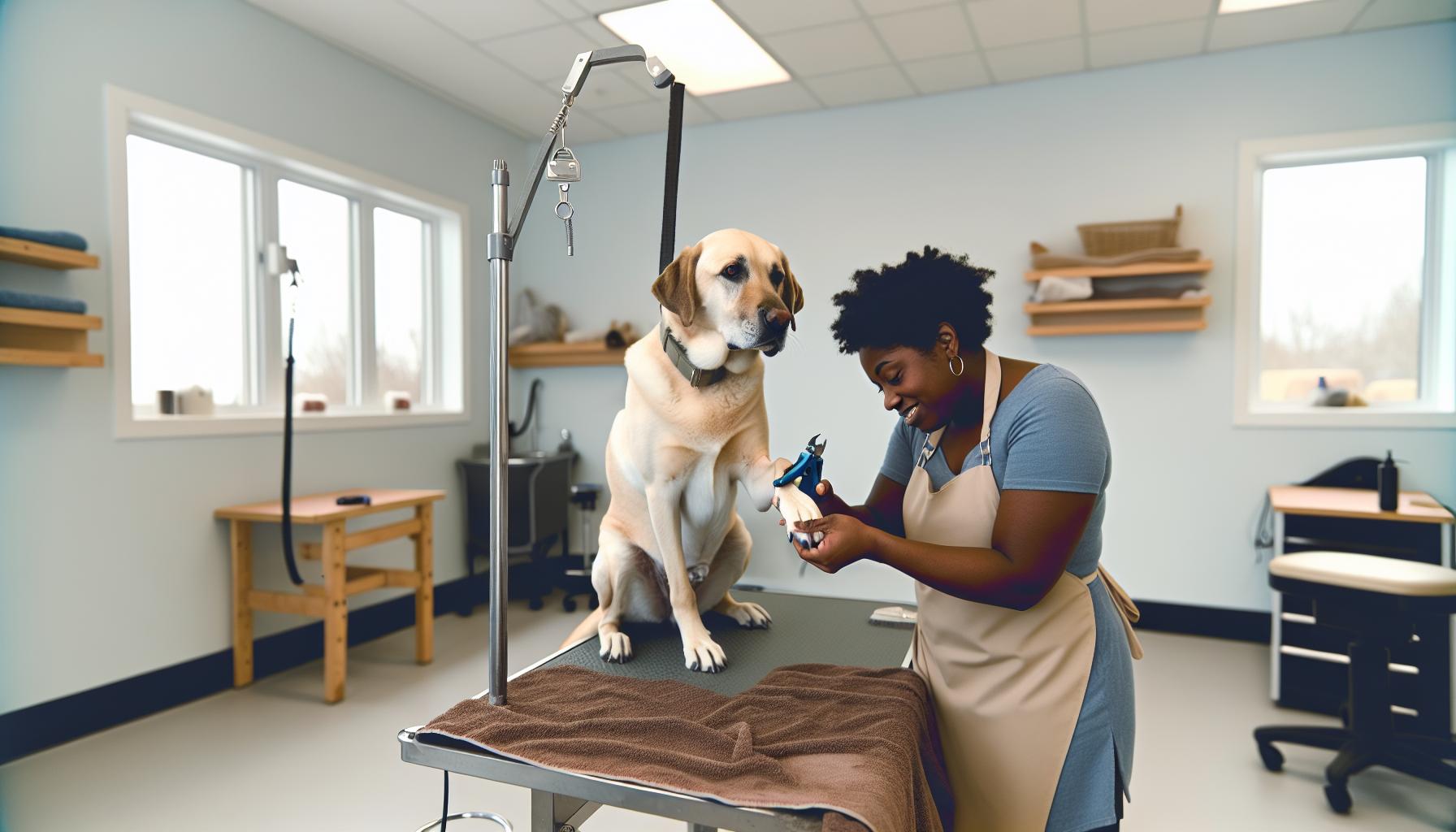
Tips for Nail Trimming That keep Your Dog Comfortable and Clean
nail trimming is a small but mighty part of grooming that plays an outsized role in keeping your dog comfortable, clean, and smelling fresh. Overgrown nails don’t just cause foot discomfort-they can trap dirt and debris that contribute to unpleasant odors and even impact your dog’s gait. Regular trimming keeps nails at a healthy length, preventing cracks, breaks, and the buildup of grime that can carry that subtle but stubborn “doggy” smell. Plus, clean paws with neatly trimmed nails feel fabulous to your furry friend and help maintain that coveted groomer-fresh vibe.
Choosing the Right Tools for Every Paw
Start with sharp, high-quality clippers or a rotary grinder designed specifically for dogs. Nail scissors work well for small or delicate breeds, while larger dogs often require sturdy guillotine or scissor-style clippers. For dogs with dark nails-where the quick (the sensitive inner part) is hard to see-using a grinder lets you trim slowly to avoid cutting too deep. Always have some styptic powder or cornstarch on hand to quickly stop any accidental bleeding, so you can stay calm and confident during the process.
Step-by-Step Trimming for a Calm Experience
Set a soothing tone by choosing a quiet,comfortable spot with good light. Gently hold your dog’s paw and stroke the nails to get them accustomed to the touch. Trim in small increments, snipping just the tip of each nail to avoid the quick. If you’re unsure, it’s better to cut less frequently enough and more frequently than to risk hurting your pup.Reward each prosperous clip with praise or a tasty treat to build positive associations.
For anxious or squirmy dogs, break up sessions into manageable chunks across a few days rather than doing it all at once. Some breeds, like Greyhounds or Corgis, have nails that grow quickly or curl, so keeping a close eye on nail length and trimming every 1-2 weeks can make a huge difference in comfort.
The Link Between Nail Care and Cleanliness
Long nails can collect dirt, mud, and even watery grime after walks, making paws a hotspot for bacteria and odor. After trimming, wipe paws clean with a damp cloth and dry thoroughly, paying attention to the pads and between the toes. This helps prevent moisture buildup that attracts odor-causing microbes. Trimming excess fur around nails, especially for thick-coated breeds like Huskies or Labradors, also improves airflow and cleanliness.
- Keep sessions positive: Use calm reassurance and treats. If your dog resists, try trimming one paw at a time and take breaks.
- Watch for signs of discomfort: If nails look cracked, inflamed, or your dog favors a paw, consult your vet.
- Know your limits: For dogs with very long nails or aggressive behavior, seeking assistance from a professional groomer or vet ensures safe trimming and peace of mind.
With gentle,consistent nail care,you’re not only grooming for good looks-you’re promoting healthier paws,fresher odors,and a happier dog who feels pampered and pain-free.Nail trimming might feel tricky at first, but patience and kindness transform it into a routine your dog can even come to enjoy, making your home grooming ritual truly professional.
When to Visit the Vet or Professional Groomer vs. DIY Care
A fresh, groomer-like scent starts with understanding when home grooming is enough-and when professional hands or veterinary care are the safest and most effective choice. While DIY grooming is deeply rewarding and works well for most standard baths, brushing, and trimming, there are times when expert intervention is the kinder, safer option for your dog’s health and comfort.
Many pet parents feel confident freshening up their dog at home but quickly find that certain coats, skin types, or behavioral challenges need specialized care. As an example, thick double coats like those of Huskies or Malamutes require de-matting blades and blow dryers that can be tricky to use without causing discomfort or damage. Similarly, dogs with sensitive skin, chronic odors, or persistent ear infections often benefit from veterinary evaluation to rule out underlying issues such as allergies, yeast infections, or anal gland problems that simple soap and brush techniques can’t resolve.
Knowing When to Call the Vet
If your dog’s odor persists despite regular baths and good hygiene practices, it’s worth consulting your veterinarian.Signs like red or inflamed skin, excessive scratching, foul discharge from ears, or unusual paw licking can signal infections or allergies needing medical treatment. Nail trimming that repeatedly causes bleeding or discomfort, or any foot abnormalities, also warrant professional attention to avoid long-term pain or infections.
Why Choose a Professional Groomer?
Professional groomers bring skills,tools,and a calm,positive approach to handling various coat types and temperaments. For pets with thick, curly, or long coats, groomers can perform safe de-matting, precise trims, and deep-conditioning treatments that restore shine and reduce odors far beyond typical home care. Groomers also use powerful yet gentle dryers and finishing sprays designed to leave that signature fresh-from-the-salon scent you want.
Dogs who are anxious or wriggly during baths or nail trims often respond better to groomers trained in stress-reduction techniques, ensuring grooming stays a positive, stress-free experience for dog and owner alike.Some breed-specific trims-like the teddy Bear cut on Poodles or breed-standard shaping for Spaniels-require professional expertise to execute well.
Balancing DIY and Professional care
For many pet owners, a hybrid approach works beautifully: maintaining weekly brushing, ear cleaning, and occasional baths at home, with regular professional grooming every 6 to 8 weeks to handle the tougher tasks. Always listen to your dog’s comfort level; if your pup stiffens, tenses, or shows signs of distress during grooming, it’s OK to seek help rather than push DIY too far.
- Breed and coat considerations: Thick or long coats frequently enough need professional equipment; short-haired breeds usually groom well at home.
- skin and health flags: Persistent odors, redness, or irritation require vet input before using more products or scrubbing at home.
- Behavior and stress: Nervous pets benefit from groomers skilled in gentle handling techniques.
- Tool availability: Professional salons have specialized clippers,dryers,and grooming sprays that make a noticeable difference in scent and coat health.
When you combine your loving touch at home with professional grooming and veterinary guidance, your dog not only looks and smells amazing but also feels comfortable and cared for. above all, trust your instincts-prioritizing your dog’s welfare will always lead to the best, freshest results for both of you.
Troubleshooting Common Smell and Grooming Challenges at Home
Few frustrations rival that stubborn “doggy odor” that lingers despite a recent bath. Tackling this issue means looking beyond surface cleaning to uncover less obvious culprits and using smarter strategies tailored to your dog’s unique coat and skin needs. Sometimes, the cause of that lingering smell or grooming challenge isn’t a lack of effort but a mismatch between your tools, techniques, or products and what your furry friend truly requires.
bath Time Basics: Why Smells Sometimes Stick Around
Choosing the right shampoo is crucial. Many dog shampoos either strip natural oils or aren’t formulated for specific skin types, leaving your dog’s coat dry or irritated, which can worsen odor by triggering excessive oil or itchiness. Such as, dogs with oily skin or certain breeds like Basset Hounds may need a medicated shampoo, while sensitive, dry-skinned pups benefit from gentle oatmeal-based formulas. Use lukewarm water, work shampoo into a rich lather, and rinse thoroughly-any leftover residue invites bacterial growth and odors. If your dog has a thick, double coat (think Huskies or Golden Retrievers), baths can feel overwhelming and trapping moisture under that dense fur is common, so a slow, thorough rinse and extra drying time help prevent “wet dog” smell.
Brushing and Drying: Two Steps Many Overlook
Brushing is your secret weapon against odors.Matted fur traps dirt, oils, and moisture, breeding a funky scent and making thorough baths difficult. Before and after baths, use a breed-appropriate brush: slicker brushes work well on curly or long coats, while bristle brushes help maintain short coats. Regular brushing removes dead hair and distributes natural oils, enhancing shine and scent.After bathing, a high-velocity dryer or at least towel drying with gentle rubbing is essential. Simply letting your dog air-dry, especially in cooler or humid environments, often results in musty odor buildup.
addressing Common Odor Hotspots
Some stinky spots require special attention:
- Ears: Dogs prone to ear infections or excessive wax-like Cocker Spaniels-often emit odors from trapped debris. Clean ears gently with vet-approved solutions, avoiding cotton swabs inside the canal to prevent damage.
- Paws: Dirt and moisture build-up between toes can cause smells and irritation. Wipe paws after walks and inspect regularly for cuts or infections.
- Anal glands: When these glands become impacted or infected, your dog’s odor changes dramatically. If you notice an especially strong, fishy smell, a vet or groomer should express the glands safely.
Brush and bath resistance or nail trimming stress are common challenges that can escalate if handled abruptly. Try breaking grooming tasks into short, predictable sessions filled with treats and praise-make it a game, not a chore. For dogs nervous about being wet or handled, using calming pheromone sprays, having a helper, or consulting a groomer skilled in gentle techniques makes a huge difference.
If odor or coat issues persist despite your best home efforts, it’s wise to consider vet input. Conditions like allergies, yeast infections, or parasites may masquerade as grooming problems but require medical treatment. Similarly, thick mats or complex trims on breeds like Poodles and Malamutes frequently enough need specialized tools and professional experience to avoid discomfort or injury.
Remember: DIY grooming is powerful, but safety, patience, and knowing when to delegate keep your dog happy, healthy, and smelling fresh-just like after a day with the pros.
| Common Issue | Possible Cause | Home Solution | When to Seek Help |
|---|---|---|---|
| Persistent Odor | Residual shampoo, yeast infection, anal glands | Deep clean, ear checks, express glands if trained | If odor won’t budge after bathing or is foul-smelling |
| Matted Fur | Infrequent brushing, thick coat type | Daily gentle brushing, detangling sprays | Severe mats causing discomfort or skin damage |
| Dry, Flaky skin | Overbathing, harsh soaps, allergies | Switch to moisturizing shampoo, reduce bath frequency | Redness, itching, sores develop |
| Bath Time Anxiety | Negative past experiences or fear of water | Short sessions, treats, calming aids | If dog shows extreme distress or aggression |
| Difficult Nail trims | Wiggly dog, sensitive nails | Use nail grinders, trim one nail per day | Bleeding, recurrent infections, extreme fear |

Maintaining Your Dog’s Fresh Scent Between baths
Sometimes, even if your dog is freshly bathed, that groomer-fresh scent seems to slip away quickly. The secret to sustaining that clean, just-stepped-out-of-the-spa aroma isn’t just in the bath itself but in the little daily habits you build between washes. Think of it as a gentle maintenance routine that keeps your dog comfortable, odor-free, and gleaming, without stressing them-or you-with frequent full baths.
Quick Freshen-Ups Without Bathing
If your dog’s coat type or skin sensitivity means you can’t bathe them too frequently enough, try these easy steps to keep odors at bay:
- Daily Brushing: This really is your best friend for freshness. For short coats, a bristle brush works well, while slicker brushes help break up mats in longer or curly coats. Brushing removes loose hair, dirt, and distributes natural oils, keeping that soft shine and natural scent lingering longer.
- Spot-Cleaning: Focus on smelly areas like paws, under the collar, or the rear end with a damp cloth or pet-safe wipes.This reduces localized odor buildup and keeps your dog more comfortable.
- Air Out Bedding and Toys: Your dog’s scent frequently enough mingles with their environment,so regularly washing bedding and cleaning toys helps prevent that stale “eau de dog” smell.
Using Refreshing, Safe Sprays and Powders
Between baths, a spritz of a mild, pet-friendly deodorizing spray can mimic that groomer-fresh scent.Many natural sprays use gentle ingredients like chamomile or aloe vera to soothe skin while adding a subtle fragrance. Avoid human perfumes or heavily scented products, as dogs’ skin is sensitive and prone to irritation.
For dogs with thick undercoats prone to moisture trapping, lightweight powders designed for pets can absorb excess oils and help neutralize odors.Sprinkle a small amount, then brush thoroughly to distribute evenly without leaving residue.
Routine Care Beyond the Coat
freshness isn’t only coat-deep. Ears, teeth, and paws frequently enough harbor hidden odors:
- Ears: Check weekly and use vet-approved wipes or solutions if your dog is prone to earwax buildup or infections.
- Teeth and Breath: Regular brushing with dog-specific toothpaste helps prevent bad breath, a common source of unwelcome smells.
- Paws: Wipe paws after walks, especially after rain or muddy outings, to clear dirt and avoid that “wet dog” aftermath.
Knowing When to Pause and Seek Help
If you notice persistent, strong odors despite diligent upkeep, it might be time to consult your vet or a professional groomer. Sometimes unpleasant smells hint at underlying infections, allergies, or even impacted anal glands that need expert care.
Remember, a calm, consistent routine tailored to your dog’s needs-whether they have a thick double coat, sensitive skin, or an anxious personality-supports their well-being and keeps that fresh groomer scent alive longer. With patience and gentle care, you’ll feel confident knowing you’re doing your best for your furry friend’s health and happiness.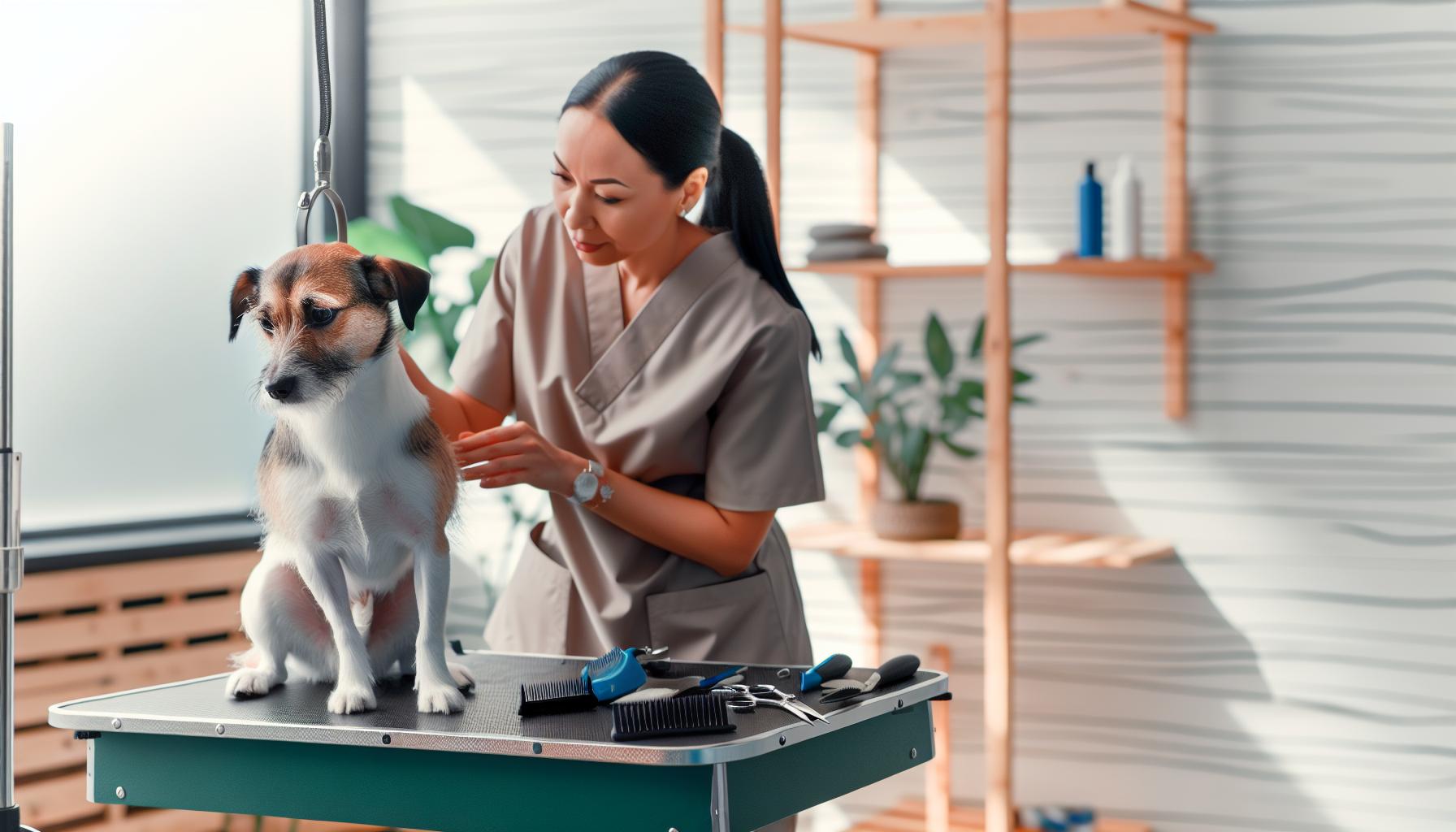
Creating a Calm and Positive Grooming Routine for Nervous Dogs
Creating a calm atmosphere is the single most powerful tool to help a nervous dog enjoy-and even look forward to-grooming sessions. Many dogs associate grooming with stress, especially if past experiences were rushed, uncomfortable, or stretched beyond their tolerance.The good news is that with patience and thoughtful preparation, you can change the entire emotional landscape around grooming, turning it into a peaceful, bonding activity that leaves your dog smelling fresh and looking their best.
Start by setting the stage in a quiet, familiar space where your pup feels safe. Soft lighting, gentle background music, and having all your grooming tools within reach can reduce tension for both you and your dog. Before you even pull out the shampoo, take a few moments for calming practices: offer treats, speak in soothing tones, and gently pet your dog to build positive associations. Remember, dogs pick up on our energy-appearing relaxed and confident helps them relax, too.
Step-by-Step Guidance for sensitive Dogs
- Bath time: Use lukewarm water and a gentle,hypoallergenic shampoo suited to your dog’s coat and skin type.Pour water slowly, avoiding the face initially to prevent anxiety. Keep the bath short and reward your dog throughout with praise or treats to reinforce the calm behavior.
- Brushing: Choose the right brush for your dog’s coat: a slicker brush for thick or curly fur, and a soft bristle brush for short coats. Break brushing into short sessions if your dog gets restless, focusing on small areas at a time. Pausing for a quick cuddle or treat can make all the difference.
- Nail trimming: For many nervous dogs,nail trims are the most stressful. Start by gently touching their paws regularly outside of grooming time, rewarding calm reactions. Use sharp, quiet clippers in a well-lit area. Only clip a few nails at a time if necessary, and always have styptic powder handy in case of accidental quick cuts.
- Ear and Teeth Care: use vet-approved wipes or gentle solutions for cleaning ears and dog-specific toothpaste to brush teeth. Keep sessions brief and positive-these routines help prevent odors that can counteract your fresh grooming efforts.
Understanding Limits and When to Seek Help
If your dog’s anxiety persists despite your best efforts, consider consulting a professional groomer experienced with nervous pets or a veterinary behaviorist. They can offer techniques such as desensitization training or calming aids that help your dog tolerate or even enjoy grooming. Remember, forcing a dog to stay still can damage trust and increase stress, so safety and comfort always come first.
Many owners find success by scheduling shorter, more frequent home grooming sessions rather than occasional long, intense ones. This gradual exposure builds familiarity, making your dog more relaxed over time. Small victories-like successfully brushing a knot or trimming a nail-can rebuild confidence for both of you, ultimately making it easier to maintain that fresh-from-the-groomer scent with loving care.
Q&A
Q: How can I use scent layering techniques at home to make my dog smell professionally groomed?
A: To replicate that fresh groomer scent, try layering different scents starting with a scented dog-safe bath rinse, followed by a light application of an after-bath spray and finishing with a mild fragrance wipe. This multi-step approach boosts lasting freshness and mimics professional grooming smells. See our DIY Natural Sprays and after-Bath Scents section for recipes and tips.
Q: What role does diet play in keeping my dog smelling fresh like after a groomer visit?
A: A balanced diet rich in omega fatty acids and probiotics can improve your dog’s skin and coat health, reducing odors naturally. Adding healthy foods and supplements supports internal freshness, complementing your grooming routine. Refer to the Maintaining Your Dog’s Fresh Scent Between Baths section for more holistic care ideas.
Q: How often should I perform at-home touch-ups to keep that groomer-fresh scent?
A: For most dogs, weekly light grooming-including brushing and scent spritzing-maintains that fresh scent without over-bathing. Adjust frequency based on your dog’s coat type and lifestyle. Consistent care, described in Maintaining Your Dog’s Fresh Scent Between Baths, ensures long-lasting freshness between full baths.
Q: Can homemade conditioning sprays help replicate the groomer smell on my dog?
A: Yes, homemade conditioning sprays combining natural oils and light floral or herbal scents can soften fur and add subtle fragrance similar to groomer products. Use pet-safe recipes from our DIY Natural Sprays and After-Bath Scents guide for best results and gentle conditioning.
Q: What grooming habits help prevent odor buildup between professional grooming sessions?
A: Regular brushing to remove dirt, cleaning ears and paws, and wiping your dog’s coat daily reduce odor buildup. These simple habits, covered in Brushing Techniques to Enhance Shine and Reduce Odors and Cleaning Ears, Teeth, and Paws, keep your dog smelling clean naturally between baths.
Q: How can I create a grooming space at home that smells fresh and inviting like a professional salon?
A: Use essential oil diffusers with safe scents like lavender (away from your dog’s nose), maintain good airflow, and clean grooming tools regularly to avoid lingering odors. A clean environment supports your dog’s fresh scent and calm behavior. For practical steps, see Creating a Calm and Positive Grooming Routine for Nervous Dogs.
Q: Why do some dogs lose their groomer-fresh smell quickly and how can I extend it?
A: Loss of fresh scent often comes from natural oils, skin conditions, or environmental factors. Use prolonged drying techniques and avoid over-bathing to maintain natural oils while refreshing coats with grooming sprays. Troubleshooting tips in Troubleshooting Common Smell and Grooming Challenges can help you find the right balance.
Q: Do grooming tools impact how long my dog stays fresh-smelling after a bath?
A: Absolutely! Tools like high-quality brushes and dryers designed for your dog’s coat type evenly distribute natural oils and efficiently remove moisture, which helps maintain fresh scent longer. Check out Essential Grooming Tools to achieve That Fresh Groomer Scent for recommended equipment and usage tips.
Feel free to explore our detailed Step-by-Step Guide to Bathing Your Dog Like a Pro for a deeper dive into techniques that ensure a beautiful,lasting groomer scent every time!
To wrap It Up
Now that you know the simple steps to make your dog smell like the groomers right at home-tailored to their breed,coat type,and comfort-you’re well on your way to creating a soothing,spa-like experience for your furry friend. Remember, focusing on gentle baths, proper brushing, nail care, and ear cleaning not only freshens up their scent but promotes overall health and happiness. If you ever feel unsure about certain grooming challenges or want to explore advanced techniques, check out our detailed guides on [DIY Dog Grooming Essentials] and [Best Natural Dog Shampoos] to keep your routine fresh and effective.
Don’t wait to pamper your pup-adding these at-home grooming secrets to your weekly care will build calm confidence in both you and your dog.Be sure to subscribe to our newsletter for expert tips, product recommendations, and real stories from fellow dog lovers. Have questions or success stories? Drop a comment below and join our community passionate about gentle, effective dog care. For more on keeping your best friend happy and healthy, explore our related posts on [Safe Nail Trimming Tips] and [How to Calm Your Anxious Dog During Grooming]. Your pet deserves the best, and with these easy, vet-approved steps, a fresh, groomer-fresh scent is always within reach.
Get our latest guides, news, and insights highlighted in your Google Search & AI Overviews.
Keep reading about the same coat and cut.


Popular grooming guides
Bath vs clip, first grooms, and salon how-tos.