How Often Should Dogs Go to Groomers: The Complete Schedule Guide

Did you know that regular grooming isn’t just about keeping your dog looking good-its essential for their health and happiness? But how often should dogs actually visit a groomer? the answer depends on factors like breed, coat type, and your dog’s lifestyle. In this guide, we’ll walk you through a clear, practical schedule tailored to your furry friend’s unique needs, so you can feel confident that grooming is both safe and comfortable.
Many pet owners worry about stressing their dogs or overdoing grooming, especially with anxious or sensitive pups. That’s why we focus on compassionate, step-by-step advice that prioritizes your dog’s welfare first-covering everything from baths and brushing to nail trims and ear care. You’ll learn when it’s best to visit a professional groomer, when you can handle things at home, and how to spot signs that your dog needs extra attention. Whether you have a long-haired breed that requires frequent trims or a short-coated buddy who just needs occasional upkeep,this guide will empower you with practical tips and real examples-making grooming a positive experience for both of you. Keep reading to discover an easy-to-follow schedule that keeps tails wagging and coats healthy!
How Breed and Coat Type affect Grooming Frequency
Table of Contents
- 1 How Breed and Coat Type affect Grooming Frequency
- 2 Signs Your dog Needs a Groomer More Often
- 3 Essential Grooming Tasks and How Often to do Them
- 4 How to Create a Personalized Grooming Schedule
- 5 Comparing Professional Groomers,DIY,and Vet Care
- 6 Tools and Products That Make Grooming Easier
- 7 Handling grooming Anxiety: Tips for Nervous Dogs
- 8 Seasonal Grooming Adjustments for Health and Comfort
- 9 Managing Special Needs: Senior, Skin, and Allergy Care
- 10 Cost Breakdown: what to Expect from Regular Grooming
- 11 Troubleshooting Common Grooming Challenges at Home
- 12 Q&A
- 12.1 Q: How can I tell if my dog’s grooming needs are changing over time?
- 12.2 Q: What are the benefits of scheduling regular professional grooming versus occasional visits?
- 12.3 Q: How does weather impact how frequently enough dogs should visit the groomer?
- 12.4 Q: Why might some dogs need grooming more often despite having short coats?
- 12.5 Q: What signs indicate it’s time to switch from DIY grooming to professional services?
- 12.6 Q: How does grooming frequency affect a dog’s overall health besides appearance?
- 12.7 Q: What grooming tools are most important if I want to maintain my dog’s coat between groomer visits?
- 12.8 Q: How can I reduce my dog’s anxiety about grooming appointments?
- 13 The Conclusion

Dogs’ grooming needs can differ dramatically, and a big part of that comes down to their breed and coat type. Understanding these factors helps you plan a grooming schedule that keeps your dog happy, healthy, and comfortable-not just looking good. For example, a sleek, short-haired breed like a Beagle or Boxer might only need professional grooming a few times a year, while a long-haired, double-coated breed like a Shih Tzu or maltese benefits from monthly visits to prevent mats and tangles.
Coat Types and Their Grooming Rhythms
- Short, smooth Coats: breeds like Dalmatians and Greyhounds have minimal grooming needs.Regular brushing every couple of weeks removes loose hair and stimulates skin health. Baths and nail trims every 6-8 weeks usually suffice, with professional grooming less frequent unless special care is needed.
- Double Coats: Think Golden Retrievers or Siberian Huskies. These dogs shed seasonally and require frequent brushing-sometimes daily during heavy shedding periods-to avoid matting beneath the top coat. Professional grooming every 6-8 weeks helps with undercoat removal and keeps their fur in good shape.
- Long, Silky Coats: Breeds such as yorkshire Terriers or Maltese have coats prone to tangling and matting. They benefit from professional grooming every 4-6 weeks, including baths, trims, and dematting as needed. Owners should brush long-haired dogs daily at home to minimize discomfort and maintain coat health.
- Curly or Corded Coats: Poodles and Bichon Frises fall here. Their coats don’t shed much but grow continuously, requiring clipping or trimming every 4-6 weeks. Frequent brushing prevents mats, and skipped grooming visits can quickly lead to painful tangles.
Tools and Tips to Match Your Dog’s Coat
Using the right tools at home can dramatically reduce the need for emergency grooming visits:
- Slicker Brushes: Great for removing loose fur and preventing mats, especially in curly or double coats.
- Undercoat Rakes: Help with thick undercoats during shedding months to avoid painful clumps.
- Fine-toothed Combs: Essential for long or silky coats to catch tangles early.
Real-World Example
Imagine a Lhasa Apso named Bella,who hasn’t been brushed in weeks. As her coat thickens, mats form close to the skin, making her uncomfortable. A professional groomer’s visit every 4-6 weeks can help keep Bella’s coat manageable, and daily gentle brushing at home avoids the dread of painful mat removal. In contrast, Max, a short-coated Boxer, enjoys weekly brushing and only visits the groomer twice a year for baths, nail trims, and a health check.ultimately, your dog’s breed and coat are your grooming compass. With patience and kindness, tailoring care to their natural needs puts comfort and wellbeing first, building trust in grooming routines that both you and your furry friend feel good about. Remember, when in doubt, consulting a professional groomer or your vet ensures you’re never alone on this journey.
Signs Your dog Needs a Groomer More Often
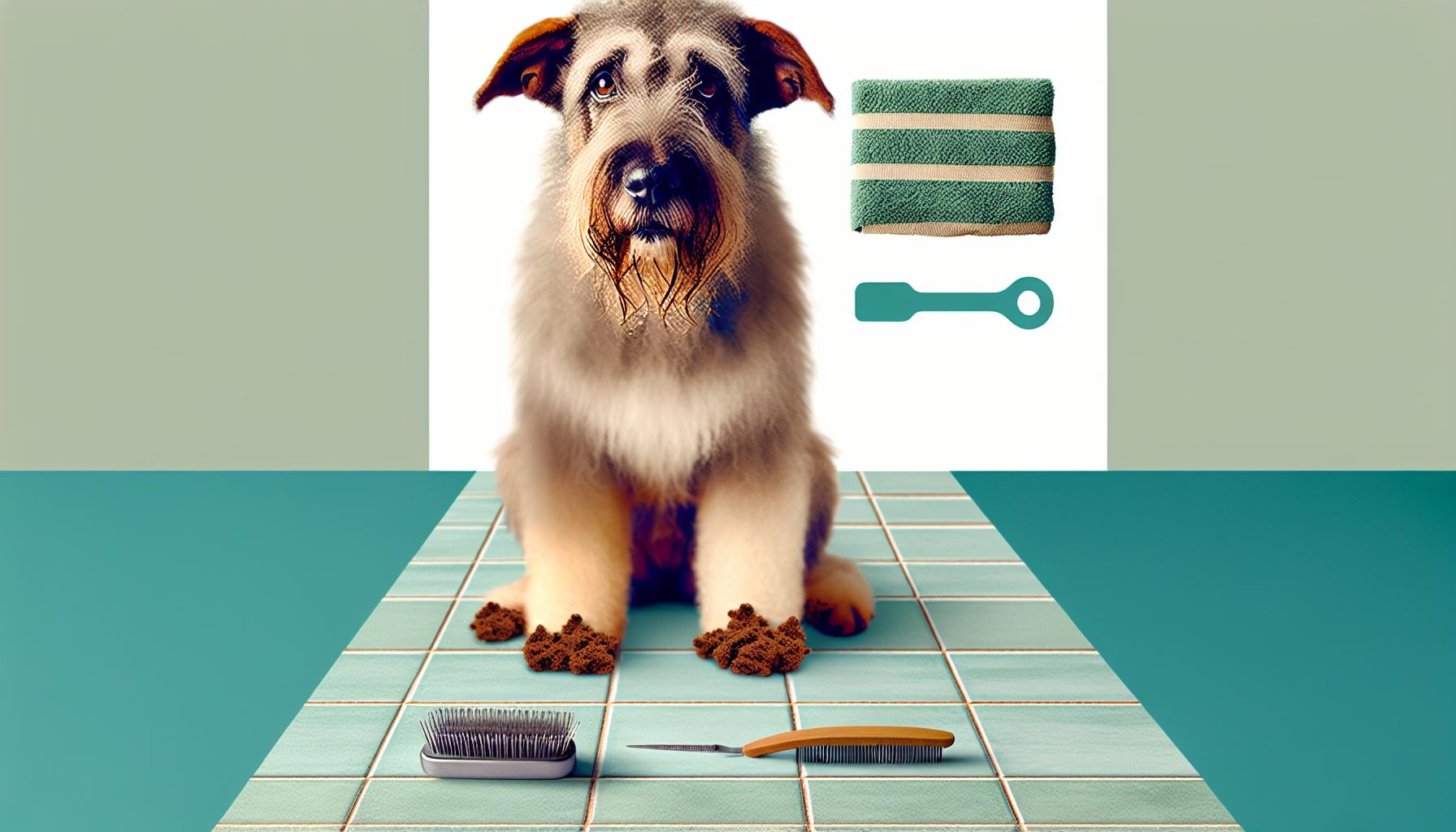
Sometimes, the signs that your dog needs more frequent visits to a groomer are subtle and easy to overlook until your furry friend becomes uncomfortable or stressed. Paying close attention to your dog’s coat, skin, and general behaviour can definitely help you catch these early signals and prevent more serious grooming issues. For example,if you notice your dog scratching more than usual,it may indicate trapped debris,mats,or irritations that regular brushing at home isn’t resolving. This is especially common in long-haired or double-coated breeds, where hidden mats can quickly cause discomfort and skin inflammation. A professional groomer’s expertise is invaluable here, as they can safely detangle and identify skin problems before they worsen.
When Brushing Becomes a Battle
If brushing sessions turn into a struggle or your dog resists being touched in certain areas, this frequently enough points to pain caused by matting or skin issues. A small knot in a short-coated dog can be irritating, but in curly or silky coats, mats can form close to the skin, pulling painfully. In these cases, it’s wise to schedule professional grooming sooner rather than later. Groomers have the right tools-like dematting combs and thinning shears-and techniques to gently and safely ease out tangles without distressing your dog.
Noticeable Changes in Appearance or Odor
Changes in your dog’s smell or coat texture can signal the need for a grooming appointment. A foul odor often comes from dirt buildup, trapped moisture, or bacterial growth, which a bath from a groomer can address thoroughly. Likewise, a dull, greasy, or excessively shaggy coat may mean it’s time for trimming, deep cleaning, or even specific skincare treatments. Notably in breeds with double coats or those prone to oily skin, neglecting these signs can lead to discomfort or even skin infections, underscoring the importance of regular professional care.
Persistent Nail and Ear Issues
Keeping nails trimmed and ears clean can be challenging for many owners, especially if the dog is anxious or wriggly. Overgrown nails cause limping or sore paws, and dirty ears can lead to infections. If you find yourself frequently struggling with these tasks or your dog tries to avoid them completely, it may be time to increase grooming visits. Groomers are skilled at handling nervous pets calmly and safely,minimizing stress while taking care of these essential tasks. Remember, veterinarians handle medical issues like chronic infections, but routine ear cleaning and nail trims are frequently enough best left to groomers who can focus on comfort and maintenance.
- Increased scratching, biting, or licking-possible irritation or matting beneath the surface
- Tugging or flinching during brushing-sign of discomfort needing professional help
- dull, greasy, or foul-smelling coat-requires thorough professional cleaning
- overgrown nails causing discomfort or difficulty walking
- Ear discharge or odor suggesting the need for proper cleaning
Regularly monitoring these signs can empower you to adjust your dog’s grooming schedule wisely and compassionately. Take Bella, the Lhasa Apso from earlier-her tendency to develop mats quickly is a cue for monthly grooming visits. Simultaneously occurring, your short-haired dog, like Max the Boxer, may only need a groomer twice a year but still requires occasional checks for nail trimming or baths. Knowing when to step in and call a professional can save your pet a lot of stress, keep their coat and skin healthy, and strengthen the trusting bond between you both.
Essential Grooming Tasks and How Often to do Them
Regular grooming is about much more than keeping your dog looking good-it’s essential for their health, comfort, and happiness.Knowing which tasks to focus on and how often to do them can empower you to keep your furry friend feeling their best between professional appointments. Different breeds and coat types mean every dog’s grooming needs will look a bit different, but understanding the basics will give you a solid foundation.
Bathing
Most dogs benefit from a bath every 4 to 6 weeks, but this varies. For instance, dogs with oily coats like Basset Hounds or those that spend lots of time outdoors might need more frequent baths to prevent odor and buildup.Conversely, short-coated breeds like Boxers or Dobermans may only need a bath every few months. Use a gentle, dog-specific shampoo to avoid irritating sensitive skin, and always rinse thoroughly to remove all soap residue. Overbathing can dry out skin, so balance is key.
Brushing and Dematting
Brushing frequency depends heavily on coat length and type:
- Short-haired breeds: Weekly brushing helps remove loose hair and distributes natural oils.
- Medium to long-haired breeds: Require brushing several times a week to prevent tangling and mats.
- Curly or double coats: May need daily brushing especially during shedding season to avoid painful mats close to the skin.
Use the right tool-slicker brushes for tangles, bristle brushes for short coats, and dematting combs when knots form. If mats are tough or your dog reacts painfully during brushing, it’s safer to visit a groomer to professionally and gently detangle.
Nail Trimming
Nail length greatly affects your dog’s gait and paw health. Most dogs require a trim every 3 to 6 weeks, depending on activity level and surface they walk on. Active dogs that run on pavement naturally wear nails down more, while indoor or less active dogs’ nails grow faster and may need grooming more frequently. If you hear clicking nails on hard floors or see the toes splaying, it’s time for a trim. Be cautious to avoid cutting into the quick-if unsure, a groomer or vet tech can definitely help.
Ear care
Routine ear checks and cleanings help prevent infections-especially for floppy-eared breeds like Cocker Spaniels or dogs that swim regularly. Inspect and clean ears every 2 to 4 weeks with a veterinarian-approved cleaner. If your dog shows signs of redness, odor, or scratching, it’s best to visit a professional for evaluation and treatment. Ear infections need medical attention, so don’t delay.
Teeth and Anal Glands
While not always part of standard grooming appointments,dental care is crucial.Regular brushing at home, ideally a few times a week, helps prevent plaque buildup and dental disease. Many groomers offer teeth cleaning services,but more intensive dental work should be done by a vet. Similarly, anal gland expression is a task groomers can perform if your dog shows scooting behavior or discomfort-never try this yourself without guidance, as it can be painful if done incorrectly.
Mastering these essential tasks creates a loving grooming routine that supports your dog’s health while reducing anxiety and promoting trust. If any task feels overwhelming, professional groomers are a marvelous resource-they can show you techniques, recommend tools, and ensure your dog stays comfortable and safe throughout.
How to Create a Personalized Grooming Schedule
Every dog is wonderfully unique, and so should be their grooming routine.Crafting a personalized schedule starts with understanding your dog’s breed, coat type, lifestyle, and temperament-each factor plays a crucial role in how often grooming tasks should happen to keep your pup happy and healthy without overwhelming them or you.
Assess Your Dog’s specific Needs
begin by noting your dog’s coat characteristics. Does your pup have a short, sleek coat like a Beagle, or is it a thick, curly coat such as a Poodle’s? Short-coated dogs may only need weekly brushing and fewer baths, while longer or double-coated breeds frequently enough require more frequent brush-outs and regular trims to prevent matting.
Consider your dog’s activity level and environment too. Dogs that love hiking or swimming may accumulate dirt or ear moisture faster, demanding more frequent baths and ear checks. Conversely, low-activity indoor dogs typically need less frequent washings but consistent nail trimming and brushing to avoid buildup of dead hair and to stimulate the skin.
Create a Simple, Flexible Routine
- Bathing: Plan baths based on coat oiliness and dirt accumulation, typically every 4-6 weeks, adapting for seasons and lifestyle changes.
- Brushing: Schedule brushing sessions that match coat length-once a week for short hair, several times weekly for longer or curly coats.
- Nail trimming: Set reminders every 3-6 weeks, adjusting to your dog’s activity and nail wear.
- Ear checks: Include ear inspections and cleanings every 2-4 weeks, especially if your dog swims or has floppy ears prone to infections.
Keeping these tasks on a calendar or using reminder apps can help maintain consistency without adding stress.
Balance Professional Help with At-Home Care
Recognize what tasks you are comfortable handling and where a professional groomer or vet can step in. For example, brushing and basic bathing are great DIY tasks that strengthen your bond, while tackling tough mats, anal gland expression, or nail trims requiring handling the quick may best be left to experts. Building this balance honors your dog’s comfort and your confidence while ensuring their wellbeing.
Lastly, be patient with both yourself and your dog as you try out your personalized schedule. It’s okay to adjust frequency up or down as you observe how your furry friend responds. A calm, positive environment, treats, and gentle handling will help every grooming session become a moment of trust and care, ensuring your pup feels loved, safe, and healthy all year round.
Comparing Professional Groomers,DIY,and Vet Care
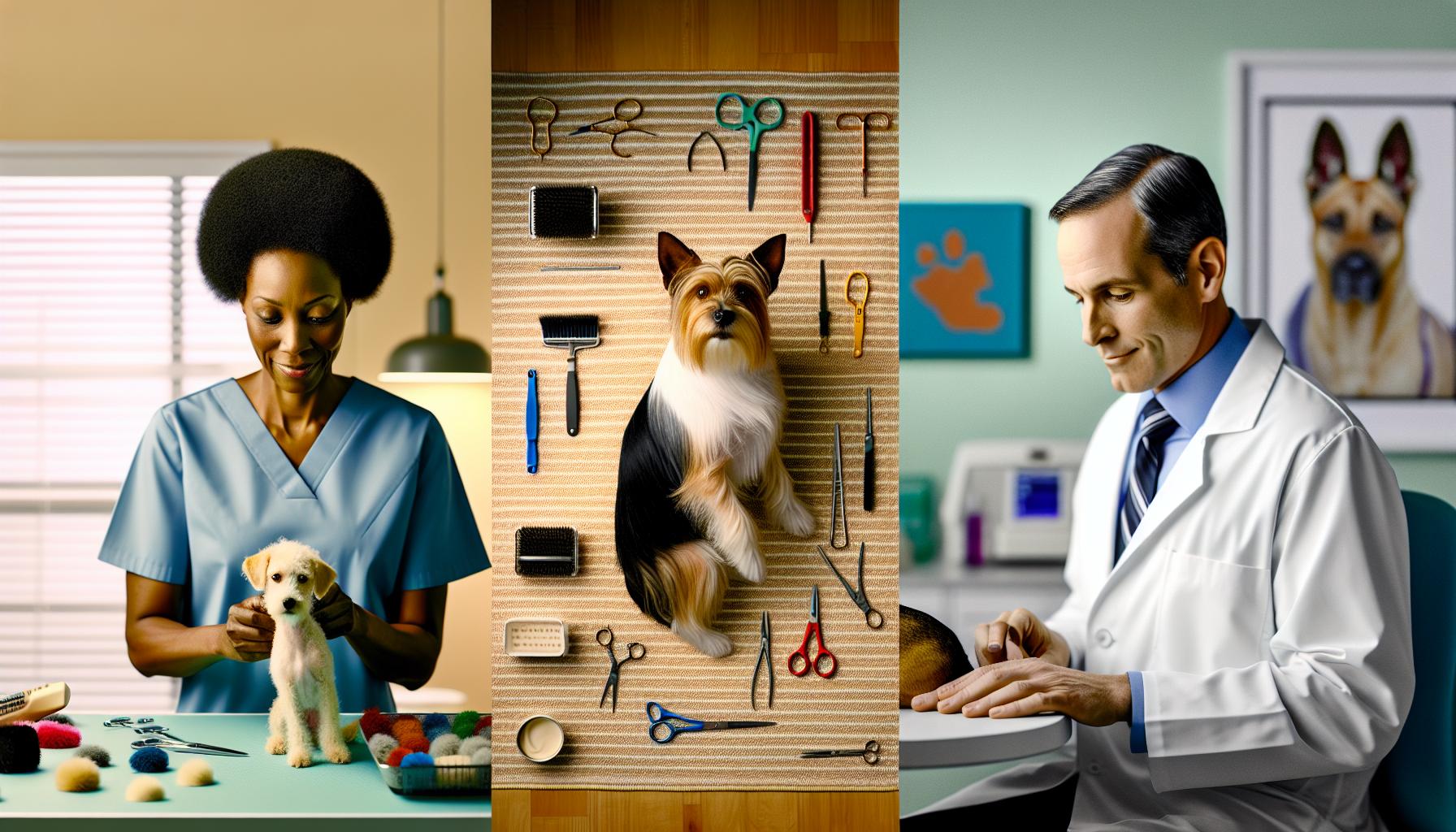
Every dog’s grooming needs vary, and knowing when to seek professional help versus what you can comfortably manage at home can make all the difference in your dog’s happiness and health. Many owners find themselves asking: Should I handle everything myself, book regular appointments with a groomer, or rely on the vet for certain care? Let’s explore these options with compassion and clarity to help you choose the best path for your furry friend.
At-Home Grooming: Building a Loving Routine
Caring for your dog’s grooming needs at home is a wonderful way to deepen your bond. Basic tasks like daily brushing, weekly nail checks, and occasional baths are manageable for most owners, especially when you use the right tools for your dog’s coat type-think slicker brushes for curly coats or bristle brushes for short-haired breeds. For example, brushing a Golden Retriever several times a week helps prevent mats and reduces shedding, while a short-haired dog like a Beagle often needs less frequent brushing but benefits from nail trims every few weeks.
Tho, some tasks can be tricky without experience-nail trimming requiring care around the quick, cleaning ears prone to infection, or detangling stubborn mats. If your dog is nervous or fidgety, rushing into difficult grooming can cause stress for both of you. In these cases, patience and positive reinforcement matter most. Start slow, use treats, and create a calm environment.
Professional Groomers: Expertise at Your Service
Professional groomers bring specialized knowledge, skill, and the right equipment to handle the tougher jobs. Whether trimming the coat of a Poodle into a breed-standard cut or safely managing difficult nails for a dog with dark quicks, groomers enhance safety and comfort. If your dog’s coat matting feels overwhelming, or if you notice areas you dread grooming, booking an appointment can prevent discomfort or skin issues.
Many groomers are trained to work patiently with anxious dogs, using gentle techniques that build trust. Let’s say you live near Arden-Arcade,CA – you can find groomers praised for professionalism and care who make these visits easier for nervous pets[[2](https://www.yelp.com/search?find_desc=Dog+Groomer&find_loc=Arden-Arcade%2C+CA+95825)]. Some salons, like PetSmart, also offer walk-in services with safety-certified stylists experienced across many breeds and coat types[[1](https://services.petsmart.com/grooming)].
Veterinary Care: When Grooming Meets health
Your vet plays a vital role, especially for grooming tasks tied to health conditions. While typical grooming-bathing, brushing, nail trims-often fits well with either DIY or professional groomers, vets should handle issues like skin infections, severe ear problems, or anal gland expressions. For example, if your dog’s nails bleed when trimmed or you notice swelling around glands, a vet visit is critical. They can also advise on specialized shampoos or care routines for allergies or skin sensitivities.
Veterinarians and groomers often work together: groomers can alert you to potential health issues they notice during appointments, and your vet can recommend when professional grooming or specialized care is needed.
Finding the Right Balance
The best approach combines all three options based on what suits your dog’s unique coat, temperament, and health status:
- DIY routines are ideal for daily brushing, regular baths every 4-6 weeks, and mild nail maintenance.
- Professional groomers step in for breed-specific trims, dealing with mats safely, and handling dogs who need a calming, consistent grooming experience.
- Veterinary care addresses grooming-related health concerns, ensuring no underlying issues are missed during your pet’s upkeep.
Remember, grooming is about comfort, safety, and connection, not perfection. whether you’re gently brushing curls at home, booking a groomer for a fancy cut, or consulting the vet over a skin flare-up, each step prioritizes your dog’s wellbeing and builds confidence in your routine together.
Tools and Products That Make Grooming Easier

Many dog owners are pleasantly surprised to learn how the right grooming tools can transform a stressful chore into a gentle, bonding experience.Just like people, dogs have unique coat types and temperaments that call for specific products to keep grooming safe, efficient, and enjoyable. Whether your dog has a dense double coat like a Husky or a silky, easy-care coat like a Maltese, equipping yourself with appropriate tools helps you care for them confidently, while reducing stress for both of you.
Brushing and Dematting Made Simple
Choosing the right brush is the first step to success. For thick, curly, or long coats such as those of Poodles and Goldendoodles, a slicker brush with fine, short wires is invaluable for gently detangling mats without pulling the skin. Combine that with a metal comb to catch stubborn tangles or check for debris. Dogs with short or smooth coats like Boxers or Beagles benefit most from a bristle brush or a rubber curry mitt, which gently lifts loose hair and stimulates healthy skin without irritation. If your dog sheds seasonally, a de-shedding tool like the FURminator helps capture loose undercoat hair to cut down on shedding and hair around your home.
- Tip: When brushing, always start from your dog’s head and follow the direction of hair growth.Take breaks for treats to keep your pup happily engaged.
Bathing Products That Protect Skin and Coat
Bath time requires gentle, dog-safe products. Choose shampoos formulated for your dog’s coat type and skin needs-hypoallergenic formulas for sensitive skin, moisturizing options for dry coats, or medicated shampoos recommended by your vet for allergies or skin conditions. Avoid human shampoos; pH differences can irritate your dog’s skin. A handheld sprayer or detachable shower head makes rinsing simpler and less stressful, while a microfiber towel or a pet drying glove speeds drying without loud blow dryers that may frighten nervous dogs.
Nail Care and Ear Cleaning Essentials
Nail trimming is often nerve-wracking for owners and dogs alike. Equip your grooming kit with a quality guillotine- or scissor-style nail clipper or a grinder tool for smoothing rough edges. Remember to trim slowly and check for the “quick”-the sensitive area inside nails-especially in dogs with dark nails. If you see quicking (bleeding), pause and soothe your dog before continuing in another session. Ear cleaning tools such as vet-approved ear wipes or solutions can definitely help prevent infections but never insert cotton swabs deep inside the ear canal.
Enhancing Comfort and Confidence
If your dog shows nervousness, tools that offer gentle touch-like soft-bristled brushes or calming grooming gloves-can build positive associations. Use non-slip mats during baths, try wrapping anxious smaller dogs snugly in a towel for security, and always praise or reward calm behavior with treats. For mats that feel overwhelming, it’s safer and kinder to book a professional groomer’s appointment to prevent painful pulling or skin damage.
| Coat Type | Recommended tools | Difficulty Level | Tips |
|---|---|---|---|
| curly/Long (e.g., Poodle, Goldendoodle) | Slicker brush, metal comb, dematting tool | Medium to High | Brush frequently to prevent mats; use detangler spray |
| Short/Smooth (e.g., Boxer, Beagle) | Bristle brush, rubber mitt | Low | Weekly brushing removes dead hair and stimulates skin |
| Double Coat (e.g., Siberian Husky, Golden Retriever) | De-shedding tool, slicker brush, undercoat rake | Medium | Brush during shedding season daily; regular baths |
| Wire Hair (e.g., Schnauzer, Wirehaired Terrier) | Pin brush, stripping tool (pro recommended) | High | Professional trimming advised to maintain coat texture |
Remember, the best grooming product is one that respects your dog’s comfort and works well with their specific needs. When in doubt about which tools to use or how often, your groomer or vet can provide personalized advice. These partnerships between you, your dog, and professionals ensure grooming stays a safe, kind, and enjoyable routine for everyone involved.
Handling grooming Anxiety: Tips for Nervous Dogs
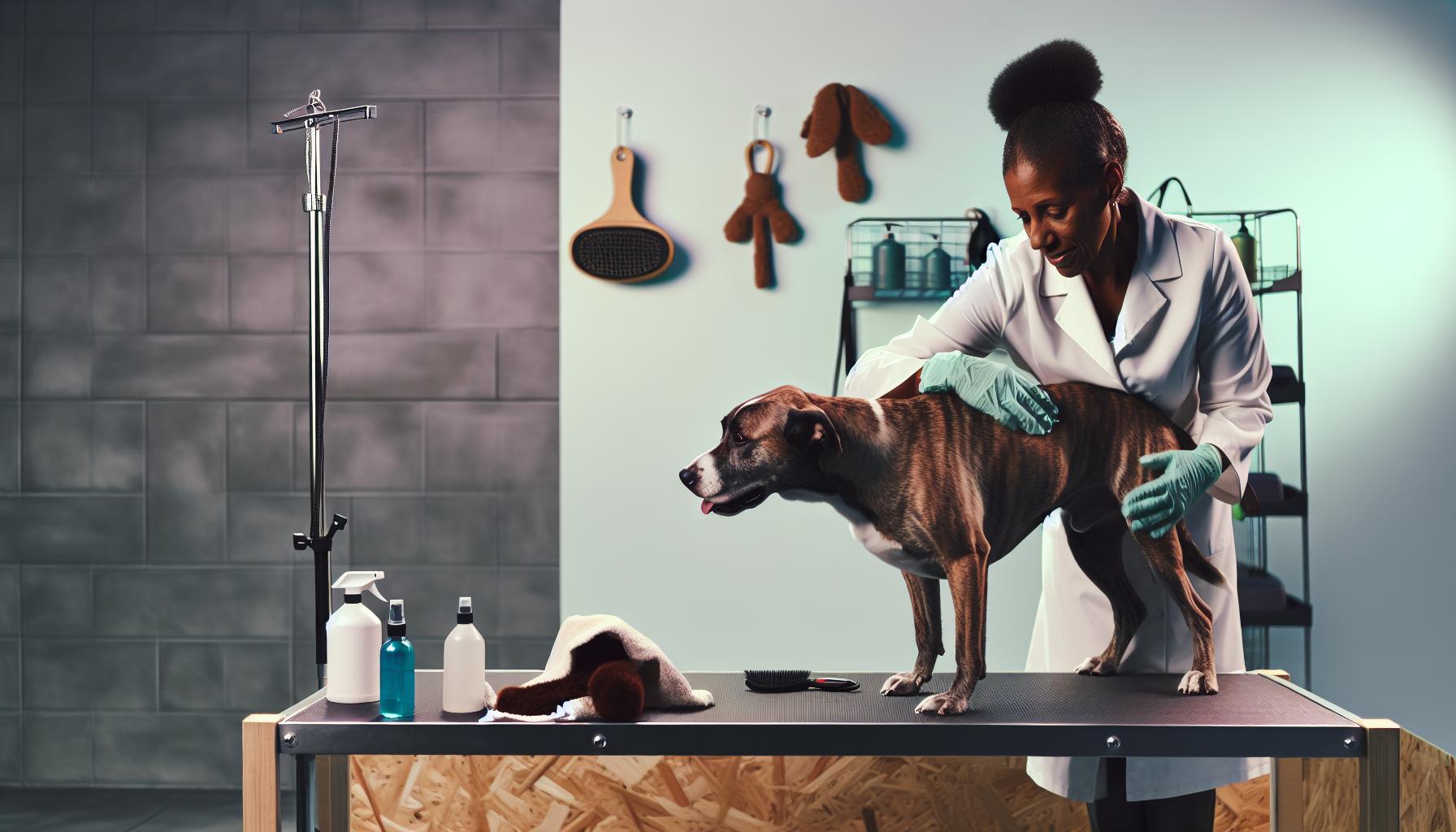
Sometimes, grooming can be a stressful experience for dogs, especially those who are naturally anxious or unfamiliar with the routine. It’s importent to remember that grooming isn’t just about appearance-it’s a critical part of your dog’s health and comfort. Helping your pup overcome nervousness with patience and gentle care will turn grooming sessions from tense struggles into positive bonding moments.
Building Trust Before Grooming Sessions
Start with short, low-pressure “practice” grooming at home. Let your dog explore and sniff the tools-whether it’s a soft brush, nail trimmers, or a damp washcloth-without rushing into actual grooming. Use calm, reassuring tones and offer plenty of treats and praise to create positive associations. For dogs with sensitive coat types, such as curly or double-coated breeds, introducing appropriate tools like slicker brushes or de-shedding combs gradually can reduce overwhelm.
Breaking Grooming Into Manageable Steps
Divide grooming into smaller, more manageable tasks dispersed over several days or sessions. Instead of tackling everything at once-brushing, bathing, nail trimming, and ear cleaning-try focusing on just brushing one day and nails another. This approach particularly helps dogs who resist nail care or ear cleaning, which are often the most stressful parts of grooming. If your dog starts to show signs of distress, pause and comfort them, and try again later rather than forcing the issue.
- Brushing: Use gentle, slow strokes and follow the direction of hair growth. For anxious dogs, soft-bristled brushes or grooming gloves are excellent choices.
- Bathing: Keep water lukewarm and use a handheld sprayer or gentle pour. Speak to your dog calmly,and consider a soothing bath additive or calming spray if recommended by your vet.
- Nail Care: Trim just a few nails per session if needed. Use a nail grinder tool for a quieter, less startling experience compared to clippers.
- ear Cleaning: Wipe gently without forcing anything deep into the ear canal. Only use vet-approved products.
When to Seek Professional Help
If grooming anxiety continues despite your best efforts, professional groomers trained in low-stress handling can be an excellent resource. Look for groomers who specialize in fearful or reactive dogs-they frequently enough have calming techniques and environments designed to ease anxiety. Sometimes, a vet’s advice is necessary if anxiety stems from pain or underlying medical issues. Avoid forcing grooming at home when your dog is visibly distressed; safety for both of you is paramount.
Creating a Calm Environment and Routine
At home or the groomer’s, small adjustments can make a big difference. Use non-slip mats to help dogs feel secure during baths. Wrap small or trembling dogs lightly in a soft towel for comfort. Maintaining a consistent grooming schedule also builds predictability,helping nervous dogs prepare mentally. Above all, celebrate each small success, no matter how minor, with praise and treats to reinforce positive experiences and build your dog’s confidence.
By approaching grooming with empathy, patience, and the right tools tailored to your dog’s coat type and temperament, you’ll foster a trusting relationship that makes grooming something your dog can anticipate calmly rather than dread. Always prioritize your dog’s emotional and physical comfort-after all, a happy pup is the best-treated pup.
Seasonal Grooming Adjustments for Health and Comfort

Dogs’ grooming needs ebb and flow with the seasons, much like their moods and energy levels. As daylight hours, temperatures, and humidity shift, so do your pup’s coat condition, skin health, and comfort requirements. recognizing these seasonal changes allows you to adjust grooming routines thoughtfully, helping your dog stay comfortable, healthy, and happy year-round without unnecessary stress.
Spring and Summer: Battling Shedding and Heat
For many breeds, spring triggers a heavy shedding phase, as winter coats give way to lighter summer fur. Double-coated dogs like Siberian Huskies, Golden Retrievers, and German Shepherds benefit greatly from more frequent brushing-ideally several times a week-to prevent matting and reduce loose hair around your home. Using tools such as de-shedding combs or undercoat rakes can make this process easier and more effective.
Bathing frequency might increase slightly during warm months to wash away pollen, dirt, and excess oils but keep in mind not to over-bathe, which can strip natural oils and dry out the skin. Lukewarm water and gentle, moisturizing shampoos work best.This is also a great time to trim paw pads and keep nails short since summer activity tends to pick up and paw wear changes.
- Brushing: 3-5 times weekly for shedding breeds using undercoat tools.
- Bathing: Every 4-6 weeks or as needed after outdoor adventures.
- Nail trimming: Check weekly,trim before overgrowth causes discomfort.
- Ear care: More frequent cleaning if outdoor activity increases exposure to dirt and moisture.
Fall and Winter: Protecting Against Dryness and Cold
in cooler months, dogs often grow thicker coats, but dry indoor heating and cold whether can cause skin dryness and irritation. Brushing remains essential, though you might reduce frequency slightly to avoid stimulating excess oil depletion.Focus on detangling without over-brushing sensitive dry areas. Using a humidifier in your home benefits both your dog’s skin and your own comfort.
Baths become less frequent during winter, usually every 6-8 weeks, unless your dog is especially active outside or prone to dirt. Add a conditioning rinse or oatmeal-based shampoo for sensitive skin if dryness is apparent. For breeds with longer fur, trim lightly around the sanitary and paw areas to prevent mats from snow, ice, or mud buildup.
- Brushing: 1-3 times weekly to maintain coat health.
- Bathing: Every 6-8 weeks, with moisturizing shampoo options.
- Paw care: Use balm to protect against salt and cold surfaces.
- Nail trimming: Regular checks, as less outdoor abrasion means slower natural wear.
Adjusting grooming Tools and Techniques Seasonally
Simple tweaks to your grooming kit can make a big difference: switch to softer brushes and avoid metal combs during winter to be gentler on dry skin. In summer, lightweight, breathable trims by a professional groomer reduce overheating risks in sensitive breeds.Professional groomers also offer expertise in seasonal styles ideal for your dog’s breed and climate, so consider scheduling appointments that coincide with seasonal coat changes.Remember, changes in behavior like excessive scratching, licking paws, or unusual dryness may signal seasonal allergies or discomfort needing vet guidance. And never hesitate to seek professional help if grooming feels overwhelming due to your pet’s anxiety or special needs.
By tuning into your dog’s seasonal rhythm and making thoughtful grooming adjustments, you’re not just caring for their look-you’re safeguarding their comfort, skin health, and overall wellbeing throughout the year. This attentive, season-aware approach builds trust, so each grooming session feels like a nurturing moment rather than a chore.
Managing Special Needs: Senior, Skin, and Allergy Care
Aging dogs and those with sensitive skin or allergies frequently enough require a gentler, more personalized grooming approach that honors their unique needs.As fur thins, joints stiffen, or skin becomes fragile, rushing through a grooming session can cause stress or discomfort.Patience and observation become your best tools-watching how your dog responds to each step helps you adjust the pace and methods for their comfort and well-being.
Bathing and Skin Care: Choose Wisely and Go Gentle
For dogs with sensitive or allergy-prone skin, mild, hypoallergenic shampoos are a must. Look for oatmeal-based or moisturizing formulas designed to soothe irritation rather than strip away natural oils. Bathing frequency often drops to every 6-8 weeks, unless your vet advises otherwise. Overbathing can worsen dryness or trigger flare-ups, so always check with your vet if skin problems persist. remember, lukewarm water is kinder on older or hypersensitive skin, and a gentle rinse ensures no residue causes itching.
Brushing: Slow, Steady, and Comfortable
Brushing can be a relief for dogs prone to mats but may also trigger soreness where arthritis or skin problems exist. Use soft,flexible brushes and take your time,breaking sessions into short,calm intervals if needed.For thin-coated or older dogs with fragile skin, finger-combing may be less invasive. Regular light brushing promotes circulation and helps distribute oils evenly,which supports skin health. If mats form in delicate areas like behind ears or under arms, a professional groomer experienced with special needs dogs can skillfully detangle without discomfort.
Nail Trimming and Paw Care: Safety First
Senior dogs or those with arthritis frequently enough resist nail trims due to discomfort or anxiety.Using nail grinders instead of clippers can provide smoother results with less pressure. Try trimming nails slowly over several short sessions, rewarding calm behavior with treats. Inspect paw pads regularly for dryness,cracks,or irritation,especially if allergies cause licking or chewing. Applying veterinarian-recommended paw balms can soothe and protect tender skin from rough terrain or seasonal hazards like salt and ice.
When to Consult Professionals and Vets
Certain issues-persistent redness, swelling, open sores, or suspicious lumps-require veterinary attention and may demand specialized grooming tools or techniques beyond home care. Professionals trained to work with dogs who have anxiety,mobility challenges,or special skin conditions can make grooming safer and more pleasant. Don’t hesitate to ask a groomer about their experience with dogs having special needs, or to discuss how to break down sessions for your pet’s comfort.Always communicate openly about your dog’s health history and behavioral cues to help create a stress-free grooming routine.
- Patience: Adapt grooming pace to your dog’s tolerance.
- appropriate Tools: Use soft brushes, hypoallergenic shampoos, and nail grinders.
- Routine Checks: Monitor skin, ears, nails, and paws closely.
- Professional Help: Seek groomers and vets familiar with special needs care.
By embracing these strategies with kindness and attentiveness,grooming becomes a positive,health-supportive act-even for the most sensitive or senior dogs. Confidence grows as you learn your dog’s unique cues, making each session not just about appearance, but about comfort, trust, and well-being.
Cost Breakdown: what to Expect from Regular Grooming

Regular grooming is more than a beauty routine-it’s an investment in your dog’s overall health and happiness. Knowing what costs to expect helps take the guesswork out of budgeting while ensuring your furry friend gets the care they deserve.Prices can vary widely depending on your dog’s breed,coat type,size,and any special needs,but understanding the key components of grooming services prepares you to make informed,stress-free decisions.
What Influences Grooming costs?
several factors contribute to the price tag on grooming appointments. For example, curly or long coats like those of Poodles or Shih Tzus usually require more time and effort than short-haired breeds such as Beagles or Boxers. Dogs needing deshedding treatments, dematting, or special skin-sensitive care often incur additional fees. Senior dogs or anxious pets who require extra patience may also increase grooming duration. specialty services such as teeth cleaning, gland expression, or flea treatment add to the overall cost too.
Typical grooming Services and Their Price Ranges
Grooming breaks down into essential tasks, each influencing final costs:
- Bath and Blow-Dry: A thorough bath using quality shampoos tailored to your dog’s skin type, followed by gentle drying. Typical cost: $25-$50.
- Haircut and Styling: Includes trimming and shaping coats, especially for breeds with show standards or longer hair. Typical cost: $40-$90.
- Nail Trimming and Paw Care: Essential for preventing discomfort and injury; some groomers offer this as a standalone service. Typical cost: $10-$25.
- ear Cleaning: Removes wax and debris to prevent infection; frequently enough included but sometimes extra. Typical cost: $5-$20.
For straightforward grooming, most pet owners see bills in the $50-$100 range per session, but highly specialized or large breeds can see charges climb beyond $150.
Professional Groomers vs. DIY and Vet Care: Understanding Value
While DIY grooming can save money, it requires proper tools, know-how, and a calm setting to avoid stressing your dog. Inadequate grooming can lead to skin infections or painful mats, which end up costing more in vet bills or professional intervention. Vet grooming typically focuses on medical-related tasks, such as nail trims for arthritic dogs or skin treatments, frequently enough at higher hourly rates and with a health-first approach.
Professional groomers balance efficiency and gentleness, often spotting early signs of skin issues or health changes, adding value beyond just aesthetics. Some groomers offer package deals or loyalty discounts, which can reduce costs over time if grooming is done regularly.
Budgeting with Comfort and Compassion
Budget for grooming not just as a routine chore but as an ongoing partnership in your dog’s well-being. If your dog is extra anxious or has special needs, communicate openly with your groomer-they can modify sessions into shorter visits or use calming techniques that may affect pricing but improve your pet’s experience dramatically. Scheduling regular appointments helps avoid costly emergency detangling or skin problems caused by infrequent care.
| Breed / Coat Type | Average Grooming Frequency | Estimated Cost Per Session | Notes |
|---|---|---|---|
| Short-haired breeds (e.g., Beagle) | Every 8-12 weeks | $40-$60 | Basic bath, nail trim, ear cleaning |
| Medium coat breeds (e.g., Cocker Spaniel) | Every 6-8 weeks | $60-$90 | Regular trimming and brushing needed |
| Long or curly coats (e.g., poodle, Shih Tzu) | Every 4-6 weeks | $80-$150+ | Includes haircut, detangling, specialty shampoos |
Remember, a little planning can make a big difference in your dog’s comfort and your wallet. Open conversations with your groomer about your dog’s temperament and needs allow them to tailor services that balance care quality with your budget. After all, the goal isn’t a “perfect” appearance but a relaxed, healthy pup who enjoys every grooming visit.
Troubleshooting Common Grooming Challenges at Home
Regular home grooming can sometimes feel like a puzzle – one moment everything flows smoothly, and the next you’re facing tangles, anxiety, or uncertainty about the right technique. Many dog owners run into common challenges that can make DIY grooming seem daunting, but with a little knowledge and patience, these hurdles can be managed or even prevented entirely. Remember, the goal is never to achieve perfection but to keep your dog comfortable, safe, and happy between professional grooming visits.
Bath Time Battles and Coat Troubles
Bathing a dog isn’t just about suds and rinses; it’s where many owners stumble, especially with breeds prone to thick, curly, or double coats like Poodles or huskies. Tangling and matting often arise if the coat isn’t brushed thoroughly before the bath. Always use a slicker brush or detangling comb suited to your dog’s coat type to gently work out mats beforehand – soaking or scrubbing tangles in the tub only tightens them, making pain and frustration for both of you. If mats are too stubborn, it’s safer to gently clip around them or seek professional removal rather than risk skin irritation or injury.
Use shampoo formulated for your dog’s specific skin and coat condition. Sensitive or allergy-prone dogs benefit from hypoallergenic or oatmeal-based shampoos. Rinse thoroughly: leftover product residue can irritate skin or cause itching, leading your dog to scratch or lick excessively. afterward, a slow, gentle drying process can prevent chills and reduce anxiety – many dogs relax more if you use a quieter, low-heat blower designed for pets.
Mastering the Art of Brushing
Different coats require different tools and frequencies.Such as, short-haired breeds like Beagles generally need a weekly shine-up brush, while double-coated dogs (think Golden Retrievers) benefit from more frequent de-shedding with an undercoat rake. To avoid frustration for both of you, set a calm, reward-filled environment. Use treats, soothing talk, and short brushing bursts to build your dog’s tolerance.
If your dog resists specific areas like the tail or belly,try distraction techniques like gentle massage or a favorite toy nearby. Remember to check for skin issues during brushing – redness, bumps, or hair loss might mean it’s time to visit your vet or groomer for a professional check.
Safely Tackling Nails and Ears
Nail trims often top the list of homeowner challenges. Dogs with dark nails can be tricky because the quick (the blood vessel inside the nail) isn’t visible. To avoid painful cuts, trim little by little, or if unsure, use a nail grinder for gradual smoothing. If your dog pulls away or gets anxious, take breaks and try wrapping toenails in soft fabric or using calming pheromone sprays around grooming gear. For stubborn dogs, occasional visits to a professional groomer or vet for nail trims can ease the process and prevent injury.
Ear cleaning is another frequent source of worry,especially for floppy-eared or allergy-prone breeds. Use only veterinarian-approved ear cleaners and cotton balls – never cotton swabs,which can damage delicate ear canals. Signs like strong odor, redness, or discharge mean professional evaluation is needed, as untreated infections can worsen quickly.
Knowing When to Reach Out for Help
While many home grooming challenges can be solved with practice and proper tools, some situations call for professional intervention. Severe matting, skin abnormalities, or behavioral distress require the expertise and patience of a skilled groomer or vet. Grooming professionals not only handle these with care but also provide early detection of health issues. Collaborate with your groomer to create a supportive routine that respects your dog’s unique needs and temperament.
Remember,grooming is a dialogue – ask questions,seek advice,and approach each session with kindness. Your calm confidence can transform a chore into a bonding experience that supports your dog’s lifelong health and happiness.
- Tool tip: Invest in breed-appropriate brushes, nail grinders, and gentle shampoo to make home grooming easier and safer.
- Patience is key: Keep sessions short with plenty of breaks; offer treats and praise to reduce anxiety.
- Recognize limits: Don’t hesitate to book professional grooming or vet visits when challenges exceed your comfort or skill.
Q&A
Q: How can I tell if my dog’s grooming needs are changing over time?
A: Changes in your dog’s coat texture, shedding patterns, or increased matting frequently enough signal shifting grooming needs. Older dogs or those with health changes may require more frequent baths or trims. Regularly assessing your dog’s coat and comfort helps you adjust their grooming schedule-see our *Managing Special Needs* section for tailored tips.
Q: What are the benefits of scheduling regular professional grooming versus occasional visits?
A: Regular professional grooming ensures consistent coat health, early detection of skin issues, and proper nail and ear care. Unlike occasional visits, frequent sessions help maintain comfort and hygiene, especially for breeds prone to matting. For practical advice, explore our *Comparing Professional Groomers, DIY, and Vet Care* section for the best balance.
Q: How does weather impact how frequently enough dogs should visit the groomer?
A: Weather changes can increase dirt, shedding, and skin dryness, requiring adjusted grooming frequency. For example, humid summers may call for more baths, while dry winters need moisturizing care and coat trimming to prevent mats.Refer to the *Seasonal Grooming Adjustments* guide for season-specific grooming strategies.
Q: Why might some dogs need grooming more often despite having short coats?
A: Even short-coated dogs may need frequent grooming due to skin sensitivities, allergies, or active lifestyles leading to dirt accumulation and odor. Regular cleaning maintains skin health and prevents issues. Check the *Managing Special Needs* section to tailor grooming frequency beyond coat length.
Q: What signs indicate it’s time to switch from DIY grooming to professional services?
A: Signs include difficulty managing mats safely, stress in your dog during grooming, or inadequate cleaning of ears and nails. Professionals handle complex tasks with the right tools and techniques. Review our *Troubleshooting Common Grooming Challenges* section for guidance on when to seek expert help.
Q: How does grooming frequency affect a dog’s overall health besides appearance?
A: Frequent grooming promotes healthy skin, reduces parasite risks, prevents infections, and supports comfort, especially in sensitive or elderly dogs. Well-maintained coats also allow for early illness detection. See *Essential Grooming Tasks* for routines that boost both health and well-being.
Q: What grooming tools are most important if I want to maintain my dog’s coat between groomer visits?
A: Key tools include breed-specific brushes, nail clippers, ear cleaning solutions, and gentle shampoos. Using them correctly keeps your dog comfortable and extends professional grooming benefits. For a detailed toolkit and care timetable,consult *Tools and Products That Make Grooming Easier* in our guide.
Q: How can I reduce my dog’s anxiety about grooming appointments?
A: Start by gently introducing grooming tools at home, using positive reinforcement, and scheduling shorter, frequent professional sessions.Communicate your dog’s comfort needs with groomers. explore *Handling Grooming Anxiety* for step-by-step calming techniques that keep grooming a positive experience.For more detailed guidance, be sure to check the related sections in our full grooming schedule guide. Your dog’s comfort and health thrive with the right grooming rhythm!
The Conclusion
Every dog’s grooming needs vary based on breed, coat type, and lifestyle, but maintaining a consistent schedule is key to their comfort and health. Whether it’s a quick bath, nail trim, or professional groomer visit, prioritizing safety and compassion will keep your furry friend happy and looking their best. If you’re wondering how frequently enough your specific dog should be groomed or want tips on at-home care, dive into our detailed guides on Dog Breed Care & Health and DIY Grooming Essentials to build your confidence step-by-step.
Ready to create the perfect grooming routine tailored just for your pet? Don’t wait-schedule your next appointment today or explore our expert advice on nail care and coat maintenance to extend your dog’s wellness between visits.Share your grooming stories or questions below, and join our community of caring pet owners who put their dogs’ wellbeing first. Together, we can ensure your dog enjoys every grooming session with calm, compassionate care.
Get our latest guides, news, and insights highlighted in your Google Search & AI Overviews.
Keep reading about the same coat and cut.


Popular grooming guides
Bath vs clip, first grooms, and salon how-tos.