How Often Do Dog Groomers Get Bit: Workplace Injury Stats
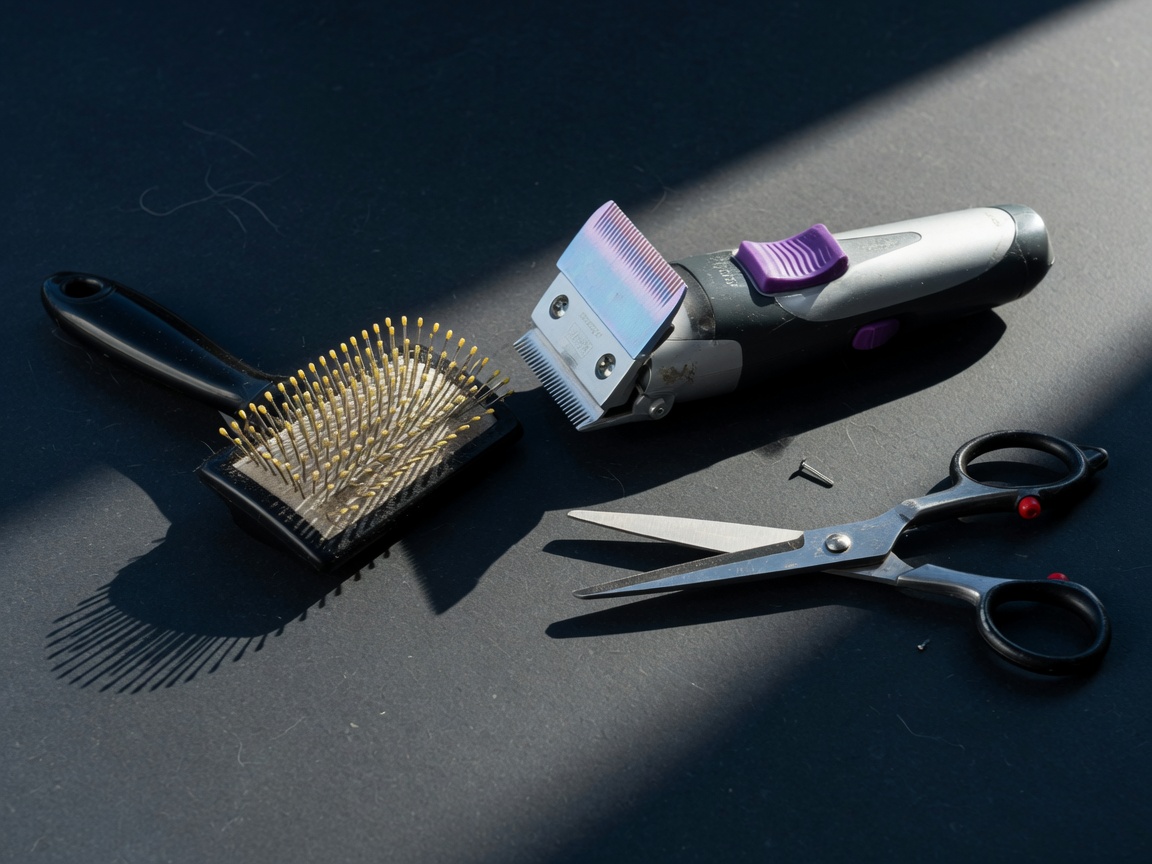
Did you know that even the most experienced dog groomers can face bites during their work? Understanding how often these injuries happen is vital-not just for groomers’ safety,but also for pet owners who want to ensure their dogs are handled with care and respect. Grooming can be a stressful time for some dogs, especially certain breeds or coat types that require special attention, and knowing the risks helps us all prepare better. This article will explore real workplace injury statistics, highlight common triggers, and share practical tips on how groomers and owners can work together to keep every grooming session safe and cozy.Whether you’re a pet parent or a grooming professional, learning about this helps build calm confidence-and fosters an habitat where pets feel valued beyond just their looks. Let’s dive into the facts and find out how compassion, patience, and smart practices reduce bite risks and create a safer grooming experience for everyone involved.
How Common Are Dog Groomer Bite Injuries?
Table of Contents
- 1 How Common Are Dog Groomer Bite Injuries?
- 2 Why Dogs Bite During Grooming: Key Triggers Explained
- 3 Most At-Risk Grooming Tasks for Bites and Injuries
- 4 Preventing Bites: Essential Safety Tips for Groomers
- 5 How Breed and Coat Type Affect Bite Risk
- 6 Tools and Techniques to Minimize Injury Incidents
- 7 handling Nervous or Aggressive dogs with Compassion
- 8 Training and Certification to Reduce Workplace Injuries
- 9 When to Seek Veterinary Help After a Bite
- 10 Real Groomer Stories: Lessons from Bite Experiences
- 11 Legal and Insurance Considerations for Groomer Injuries
- 12 Empowering Pet Owners to Support Safe Grooming Sessions
- 13 FAQ
- 13.1 Q: How does the experience level of a dog groomer affect bite injury rates?
- 13.2 Q: What workplace factors contribute to higher bite risks for dog groomers?
- 13.3 Q: How do breed-specific behaviors impact the frequency of dog groomer bites?
- 13.4 Q: How often do bite injuries result in time off work or medical treatment for groomers?
- 13.5 Q: What role do grooming tools play in preventing or causing bite injuries?
- 13.6 Q: How can groomers protect themselves when handling aggressive or fearful dogs to reduce bites?
- 13.7 Q: Are bite incidents more common with certain grooming tasks like nail trims or ear cleaning?
- 13.8 Q: How can pet owners help reduce the chance of their dog biting during grooming sessions?
- 14 Final thoughts
Dog grooming is a hands-on job, and despite the best intentions and gentle handling, bites are an occupational hazard that many groomers face. While the exact frequency can vary depending on the grooming environment and the experience level of the groomer, studies and industry anecdotes suggest that minor bite incidents are surprisingly common-affecting a significant portion of groomers at some point in their careers. It’s important to understand that these bites are rarely malicious but more often reflexive responses from dogs feeling stressed, anxious, or uncomfortable during the grooming process.
Statistics from grooming salons show that minor bites or nips may occur in up to 30-50% of grooming sessions across various breeds, usually as a reaction to sensitive areas being touched or hurried handling. For example, nail trims and ear cleanings are frequent triggers. However, serious bite injuries that require medical intervention are comparatively less frequent, often under 5% of all bite incidents. This difference underlines the importance of grooming professionals employing careful techniques and keen observation to prevent escalation.
Understanding the Frequency Through Experience
Experienced groomers frequently enough share stories where a sudden snap or quick bite is an instinctual “no” from a dog, not a sign of aggression. One professional recalled how a normally calm labrador suddenly snapped during a quick nail trim, alerting her to the dog’s sore paw-a small injury unnoticed until that moment. This highlights how bite incidents can serve as early warning signs of discomfort, prompting safer, more customized handling.
Key takeaway for owners and groomers:
- Bites happen more often than you might expect but are mostly minor and avoidable.
- Early signs of stress in dogs can reduce bite risks when recognized promptly.
- Clear dialog between groomers and pet owners about a dog’s history and sensitivities can dramatically lower bite frequency.
Keeping a bite incident log at salons can help recognize patterns and improve grooming protocols. Remember, a calm, patient approach combined with respectful handling reduces stress and the chance of bites, making each grooming session safer and more pleasant for everyone involved.
Why Dogs Bite During Grooming: Key Triggers Explained
It’s important to remember that when dogs bite during grooming,it’s rarely out of aggression or malice. Instead, biting is often a natural, instinctive reaction to discomfort, fear, or stress. Dogs can feel vulnerable when restrained or touched in ways thay don’t enjoy, especially in unfamiliar settings with radiant lights, loud dryers, and strange smells.Recognizing these triggers helps groomers and owners anticipate and reduce biting incidents.
Certain parts of a dog’s body are more sensitive, and touching them can quickly trigger a defensive bite. Such as,many dogs dislike having their paws handled during nail trims,which is why this task is one of the top triggers for snaps or nips. Similarly, ear cleaning exposes sensitive skin and can cause irritation or pain, making dogs more likely to react suddenly. Bath time, especially water splashing near the face or ears, can also unsettle some dogs, leading to a bite if they feel trapped or stressed.
Identifying Key Triggers by Task
- nail Trims: Dogs with sore paws, arthritis, or nail sensitivity often react when pressure or clipping occurs. Taking breaks, using proper tools, and gently handling each toe can lower stress.
- Ear Cleaning: This task can cause discomfort if there is an infection or wax buildup. Always check with the owner about any ear health issues beforehand and move slowly to avoid startling the dog.
- Brushing and Dematting: Dogs with thick, matted coats may experience pulling or tugging that hurts. Using detangling sprays and patience prevents frustration and biting.
- Bathing: Water temperature, pressure from sprayers, and unfamiliar sensations can be distressing.Approaching baths as a calming, gentle experience helps many dogs feel safe.
Occasionally, biting serves as an critically important communication signal. one groomer shared how a gentle Golden Retriever bit lightly during brushing; it later turned out the dog had a tender spot from a minor skin infection. The bite was a helpful warning sign that adjusted the groomer’s approach and avoided further discomfort. These nuances remind us that bites often come from confusion or pain, not from “bad” behavior.
- Stress Behaviors to Watch For: Yawning, lip licking, shifting weight, and avoiding eye contact often precede a bite. Recognizing these signs early creates time to adjust handling.
- Breed and Temperament Influence: Some breeds with guarding instincts or high anxiety may bite more readily, especially if not socialized for grooming. Gentle introductions and shorter sessions can foster trust.
For owners and groomers alike, the best approach is patience and close observation. Never rush through sensitive tasks. Give dogs time to relax between steps, and use positive reinforcement to associate grooming with safety and kindness. When discomfort or fear leads to a bite, the dog’s behavior is a call for gentle care and better communication-not blame.
Most At-Risk Grooming Tasks for Bites and Injuries
Many groomers find that certain tasks consistently carry a higher risk of bites and injuries-not because a dog is “bad,” but because these activities often involve touching sensitive or vulnerable areas that can trigger fear or discomfort. Understanding which grooming steps commonly lead to defensive reactions helps both professionals and pet owners prepare, reducing stress and increasing safety during sessions.
Nail Trimming: A High-Stress Moment
Handling paws is one of the most bite-prone tasks. Many dogs naturally guard their feet, especially if they have arthritic joints, past injuries, or nail sensitivity. Thin quicks or overlength nails can cause pain when clipped, prompting a quick defensive snap. Using slow, intentional motions, offering treats, and taking frequent breaks help ease tension here. Some groomers use specialized nail grinders for a gentler finish, which dogs frequently enough tolerate better.
Ear Cleaning: Approaching With Care
Ears are delicate and sometimes painful spots, especially if an infection or wax buildup is present. Dogs unfamiliar with the process may tense up or try to jerk away suddenly. Always have a quick conversation with the owner about ear health before starting.Employ gentle tools like soft cotton balls or pet-safe wipes and avoid deep probing. Moving slowly and talking softly reassures dogs and reduces defensive reactions.
Bathing and brushing: Managing Surfaces of Unease
Water around the face or ears and the sensation of soaking wet fur can frighten some dogs. Additionally, thick or matted coats create actual discomfort when brushed or detangled. Using lukewarm water, low-pressure sprays, and calm verbal encouragement helps many dogs relax in the tub. For dematting, using detangling sprays and working through mats patiently, a little at a time, limits pulling pain that might lead to snapping.
Trimming Sensitive areas
Areas like the face, underarms, and sanitary zones require close work that can feel invasive for a dog. These spots often trigger anxiety or fear because dogs cannot easily see or move away from the groomer’s hands. Keeping sessions short,praising progress,and offering frequent breaks builds trust. Sometimes, trimming sensitive spots is best handled gradually over multiple visits or with a vet’s assistance if skin issues exist.
- Patience is key. Rushed work often increases stress and bite risk.
- Know each dog’s unique sensitivities. Not all dogs react the same way to tasks.
- Observe body language. Early signs like stiffening, lip licking, or yawning can alert you before a bite.
Real-world experience shows that bites frequently enough serve as critically important communication, signaling pain or fear, and not just “bad behavior.” One groomer shared a story of a timid Shih Tzu who nipped during brushing,revealing a hidden skin irritation. Adjusting handling and working gently kept future sessions safe and comfortable. This compassion-first approach keeps both dog and groomer safe, turning grooming into a positive, trust-building experience.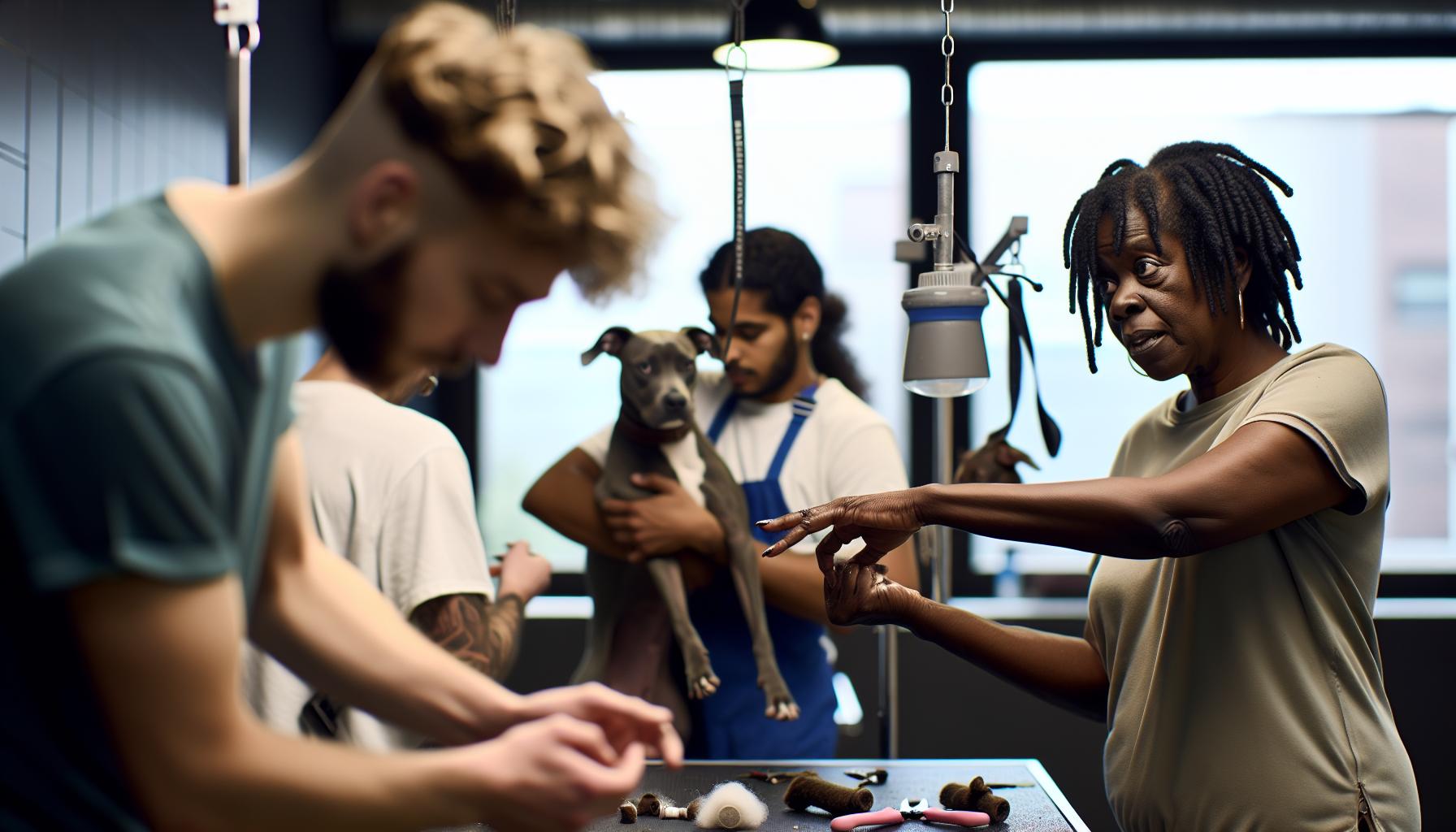
Preventing Bites: Essential Safety Tips for Groomers
Dogs communicate in many ways, and sometimes a nip during grooming is their way of saying, “Please, this hurts” or “I’m scared.” Preventing these bites is all about creating an environment where dogs feel safe and understood, rather than rushed or trapped. Many workplace injury statistics show that bites frequently occur when stress levels peak-often during sensitive tasks like nail trims or ear cleaning. the good news is that with thoughtful preparation, keen observation, and gentle handling, most bite incidents can be avoided altogether.
Understanding Each Dog’s Unique Needs
No two dogs are the same,and what triggers one may not faze another.Before reaching for the clippers or nails,take a moment to *assess the dog’s body language*: is the tail low? Are the ears pinned back? A subtle lick of the lips or a stiffened stance can warn of rising anxiety. Recognize those early cues and adjust your approach immediately-sometimes a short break or a calming word helps the dog regain trust and composure. Establishing a bond with the dog before using any tools turns the grooming session into a positive experience rather than a fearful one.
Task-Specific Tips for Safer Handling
- Nail Trims: Use slow, deliberate clipping combined with treats and breaks. Some groomers prefer nail grinders over scissors to reduce sharp noises and discomfort.Always trim small amounts to avoid hitting the quick.
- Ear Cleaning: work with soft cotton or pet-kind wipes. avoid deep probing and constantly check if the dog is tensing. A gentle voice and reassurance go a long way.
- Bathing and Brushing: Water near the face can trigger panic-use a damp cloth for sensitive areas rather. For matted coats, apply detangling sprays and patiently work through knots, stopping if the dog shows discomfort.
- Trimming Sensitive Zones: Keep sessions in these areas brief and spread out if needed. Praise and reward progress, so the dog associates grooming with kindness, not fear.
Real-World Wisdom: Patience and Preparation
One experienced groomer shared how their terrier mix used to snap during baths until they introduced a soft rubber mat,preventing slipping,and switched to a handheld sprayer with adjustable pressure. Small adjustments like these not only reduced stress but lowered bite risks dramatically.Another groomer found success by scheduling “acclimation visits” before full grooming-just sitting calmly with the dog, letting it sniff tools, and creating positive associations.
Encouraging dog owners to keep their pets’ coats maintained between professional visits can also lessen biting risk.Matted fur or overgrown nails often cause discomfort that triggers defensive behavior, so a little home care helps everyone involved.
Stay In Control but Compassionate
Remember, your calm confidence conveys safety. If a dog becomes increasingly uncomfortable, pause and reassess-sometimes a few minutes of quiet time or a brief walk can reset the situation. Never force a dog into compliance; this only heightens fear and can lead to injury. When safety is maintained through compassion and clear understanding, both groomer and dog thrive in every session.
| Task | Risk Factors | Preventive Actions |
|---|---|---|
| Nail Trimming | Sensitivity to clipping, arthritis, quick exposure | Slow clipping, use grinders, frequent treats and breaks |
| Ear Cleaning | Infections, wax buildup, sudden movement | Gentle tools, avoid deep probing, check with owner |
| Bathing and Brushing | Fear of water, mat pulling, slippery surfaces | Use lukewarm water, non-slip mats, detangle sprays |
| Trimming Sensitive Areas | Limited visibility, anxiety, close contact | Short sessions, praise progress, consider vet help if needed |
How Breed and Coat Type Affect Bite Risk
It’s no secret that a dog’s breed and coat type play significant roles in how a grooming session unfolds-and these factors can influence bite risk in surprisingly critically important ways. Some breeds have natural guarding instincts or lower thresholds for discomfort, which means they might be quicker to snap under stress. Meanwhile, coat type can affect how long grooming takes and how much stress the dog experiences, directly impacting their patience and tolerance.
Take double-coated breeds like the Akita or Siberian Husky, for example. Their thick undercoats demand more intensive brushing and deshedding sessions that can sometimes feel overwhelming to the dog. These longer, involved tasks may increase frustration, especially if mats or tangles cause pulling. In such cases, proceeding slowly with frequent breaks and positive reinforcement helps maintain calm. Conversely, short-coated breeds like Boxers or Dobermans often require less brushing, but may be more sensitive to touch, making careful handling around areas like ears and paws essential.
How Coat Types Influence Task difficulty and Stress
- Long, Silky Coats: Breeds like Afghan Hounds or Shih Tzus need gentle detangling and often daily maintenance. Rugs and mats can hide discomfort, so attentiveness is key to spotting early signs of agitation. Use slicker brushes and detangling sprays liberally to ease the coat and reduce coat-pulling bites.
- Curly or corded Fur: Poodles and Bichon Frises demand precision clipping and clipping patterns. The tools and techniques require patience both from groomer and dog. Sudden movements due to discomfort can lead to nips, so slow, calm interactions-paired with powerful but quiet clippers-help maintain trust.
- Dense or Wire Coats: Terriers and some hunting breeds often have wiry textures that can hide mats and irritations. Regular hand stripping or specialized combs lessen tugging or painful spots-prevention that naturally lowers bite likelihood.
Breed Temperament Matters-Not Just Looks
Some dogs have reputations for being more reactive: small breeds like Chihuahuas may bite out of fear or overstimulation, while large breeds like Akitas or Rottweilers might nip defensively to protect their space. Groomers frequently enough tailor their approach by reading breed-specific signals. For example,a nervous Dachshund may fidget during nail trims,so slow clipping and using grinders softly applied with breaks is invaluable.
An experienced groomer shared that grooming a nervous German Shepherd became safer after building rapport through desensitization-allowing the dog time to sniff tools and offering treats throughout. this patient approach honors the dog’s temperament and reduces the chance of defensive bites.
Practical Tips to Reduce Bite Risk by breed and Coat
| Breed or Coat Type | Common Challenges | Grooming and Safety Tips |
|---|---|---|
| Double-coated (e.g., Akita, Siberian Husky) | Mats, heavy shedding, longer grooming times | Use de-shedding tools, detangling sprays, frequent breaks, calm voice |
| Long silky coats (e.g., Shih Tzu, Afghan) | Tangles hidden near skin, sensitive skin areas | Slicker brushes, careful detangling, gentle comb-through, praise often |
| Curly/coiled fur (e.g.,Poodle,Bichon) | Clipper noise sensitivity,hair matting | Quiet clippers,slow clip pattern,positive reinforcement,acclimation sessions |
| short coats (e.g., Boxer, doberman) | Higher touch sensitivity, nervousness during close contact | Gentle handling, minimize restraint, soft towels for drying |
| Wiry coats (e.g., Terrier breeds) | Hidden mats, irritation under coat | Hand stripping, specialty combs, spot-checks for irritation |
Remember, no coat or breed type is “bad” or “hard” by default; understanding their unique needs and responding with kindness is what truly makes a difference. When owners maintain regular grooming schedules to reduce matting and anxiety, groomers can focus more on gentle care and less on managing stress-triggered bites. And always keep communication open-whether with your pet or their owner-to tailor every step toward safety and comfort.If a dog’s coat or breed suggests certain grooming will be particularly stressful or challenging, don’t hesitate to recommend a veterinary check-up before proceeding. Sometimes underlying skin irritations or pain can be the real bite triggers-beyond coat type alone. Protecting your furry client’s wellbeing and your own safety go hand in paw with patience, knowledge, and respect.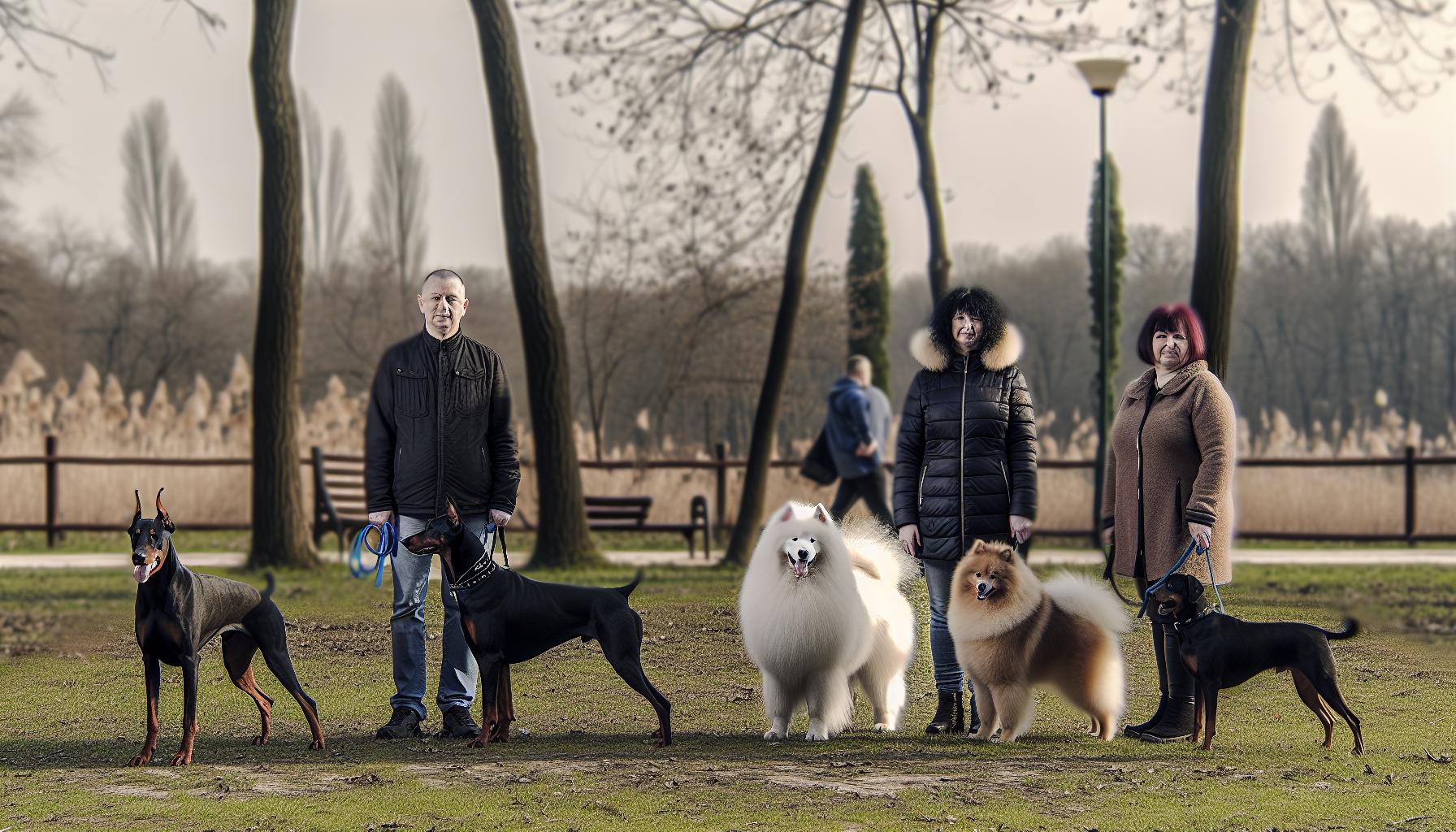
Tools and Techniques to Minimize Injury Incidents
It’s surprising how much the right tools and techniques can transform a grooming session-not just making it smoother for the dog, but substantially reducing the chance of bites and injuries in the workplace. A calm dog is less likely to become defensive or reactive, and the equipment you choose plays a huge role in setting that tone. Think of your tools as an extension of your hands and kindness-precise, gentle, and thoughtfully selected for each coat type and temperament.
Choosing the Right Tools for the Job
Every coat comes with its unique demands, so equip yourself accordingly. Such as, using a quiet, low-vibration clipper on sensitive breeds like Poodles or Bichons can prevent sudden flinches that often lead to nips. De-shedding tools and slicker brushes with rounded tips are kinder on double-coated or long-haired breeds, reducing the need for force that might trigger discomfort. For wiry or dense coats, specialty combs and hand stripping knives allow you to work carefully without pulling or tugging, which helps maintain the dog’s trust.
- Bathing: Use gentle, hypoallergenic shampoos suited to the dog’s skin type. Invest in non-slip mats and consider detachable shower heads for minimal splash and faster rinse times.
- Brushing/Detangling: Work in small sections. When mats appear, apply detangling spray first and patiently loosen them with a comb rather than forcing a brush through. Frequent breaks during this task calm dogs overwhelmed by the sensation.
- Nail Care: Use quiet grinders or sharp clippers with safety guards. Softly earn trust by showing the tools beforehand and trimming only a few nails per session if needed.
- Ears and Face: opt for small, precise scissors or clippers, and approach gradually-these sensitive areas can be hot spots for stress and sudden movement.
Techniques That Prioritize Comfort and reduce Reactivity
Patience and timing are just as important as the tools you use. When approaching a dog that is nervous or shows early signs of discomfort, slow your movements, use a calm voice, and offer treats frequently to build positive associations. For longer or challenging sessions-such as working through heavy mats on a Siberian Husky-breaking the grooming into multiple shorter visits can prevent frustration buildup. Sometimes, setting up a desensitization routine at home with the owner’s cooperation before a grooming appointment makes all the difference.
Another technique to minimize injury risk is gentle restraint. Instead of forcing a dog into position, use soft, padded nooses or grooming loops that support without causing panic. Letting the dog find a comfortable stance or gently guiding them rather than holding tightly helps avoid defensive snaps.
Setting Expectations: When to Refer and When to Proceed
Understanding your boundaries as a groomer is crucial.If a dog shows persistent aggression or anxiety that escalates beyond your control,it’s wise to advise a veterinary behavior assessment or a professional trainer’s involvement. Similarly, if mats hide underlying skin infections or injuries, a vet visit should precede further grooming. This not only keeps your safety intact but ensures the dog’s health and welfare remain priority.By combining thoughtfully selected tools with compassionate,step-by-step handling techniques,groomers can dramatically lower bite occurrences. It turns possibly stressful sessions into opportunities for connection-building trust that benefits both the dog’s wellbeing and the groomer’s peace of mind. Remember, every slice, brush, or trim is an invitation to care, not just grooming perfection.
handling Nervous or Aggressive dogs with Compassion
it’s a common misconception that aggressive or nervous dogs are simply “bad” or untrainable during grooming. In fact, many dogs who appear reactive are simply overwhelmed, scared, or uncomfortable.Understanding this allows groomers to approach each dog with empathy,transforming stress into calm cooperation. For example, a large double-coated breed like an Akita, known for its dignified but sometimes reserved nature, may exhibit anxiety around loud tools or unfamiliar touch-a challenge that gentle pacing and correct tool selection can ease significantly.
Creating a Calm Environment for Sensitive Dogs
Before any clipping or washing begins, take a moment to read the dog’s body language: tucked tails, pinned ears, or constant shifting frequently enough signal discomfort or fear. Starting with low-stress introductions is key.Use quiet, slow movements and speak in a soft, reassuring tone. Offering treats throughout the session-not just as a distraction, but as positive reinforcement-builds trust and breaks the anticipation of discomfort. Many groomers find that working in small stages, especially with breeds that have dense or layered coats, such as Huskies or Terriers, helps dogs feel less overwhelmed.
- Bathing: Introduce water slowly and use detachable shower heads to control pressure and temperature, reducing shock that can trigger avoidance behaviors.
- brushing: Focus on one small section at a time, using detangling spray and holding the hair gently to prevent tugging-this avoids pain-induced reactivity.
- Nail trimming: Always allow the dog to sniff and see the clippers or grinders first, then trim just a few nails per session if necessary, respecting the dog’s tolerance levels.
- face and Ear Care: Approach these sensitive areas very slowly. Pausing to let the dog adjust can prevent sudden jerks or bites.
Using Gentle Restraints and reading Limits
Rather than using forceful holds, a padded grooming loop that supports without pressure helps anxious dogs feel secured yet unthreatened. Letting the dog choose a comfortable stance, rather than forcing a position, respects their natural coping mechanisms. Groomers frequently enough share stories of dogs initially reactive in the grooming tub who, after a few gentle sessions with consistent pacing, learned to relax and even enjoy their visits.
Knowing when to step back is just as critically important. If a dog’s stress escalates to continuous growling or snapping, it’s time to pause, regroup, and often recommend seeking a veterinary behaviorist’s guidance. This professional input can offer specialized training or anxiety management techniques that complement grooming efforts. This collaboration protects groomers from injury while enhancing the dog’s long-term welfare.
Empathy as a Path to Safety and Success
Compassionately handling nervous or aggressive dogs benefits everyone. A calm dog is less likely to bite,and a groomer who prioritizes welfare over speed or aesthetics creates a safer,more positive workplace.embrace patience, celebrate small victories, and remember each resistant moment is an opportunity to build trust one gentle stroke at a time. Owners feel reassured when they see their pets treated with kindness, and dogs respond with less fear and more cooperation over time. This approach is not only humane but essential for reducing bite injuries in grooming salons.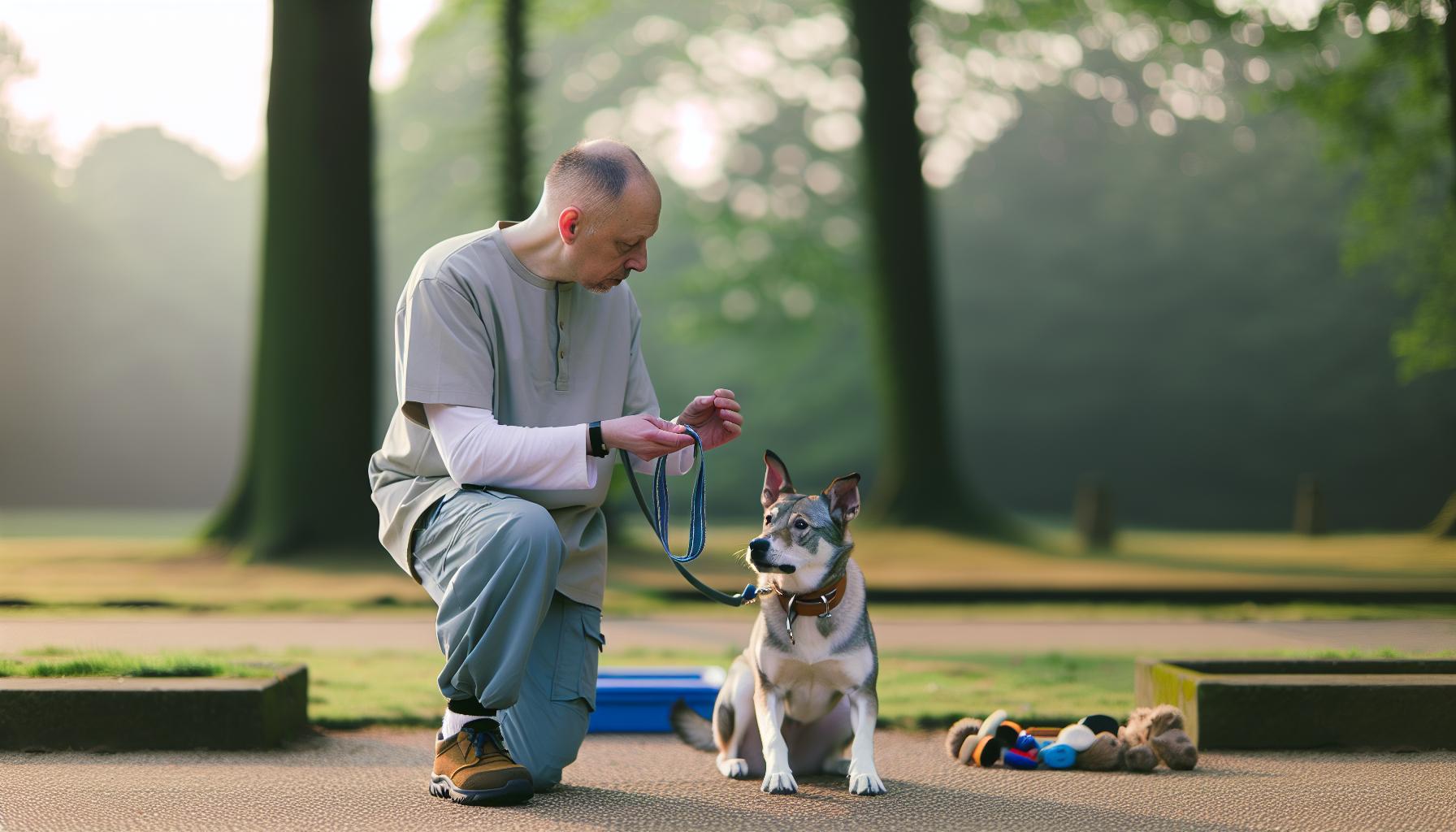
Training and Certification to Reduce Workplace Injuries
Many grooming-related bite injuries can be significantly reduced through proper training and certification, yet these steps often go overlooked in busy salons. Did you know that groomers who complete formal education programs report fewer incidents of dog bites and related injuries? That’s not just a coincidence-it’s real evidence that knowledge, practiced skills, and confidence go hand-in-hand with safety. Grooming isn’t simply trimming fur; it requires understanding canine behavior, breed-specific traits, and how to use tools gently but effectively-especially with dogs prone to stress or fear.
Building a Strong Foundation: What Training Covers
Thorough grooming courses emphasize more than just coat clipping techniques. They include:
- Canine behavior basics: Learn to read subtle signs of stress or discomfort before a dog escalates to biting.
- Safe restraint methods: How to support a dog’s posture without causing panic or pain, respecting their boundaries.
- First aid essentials: Immediate response for minor wounds or reactions if a bite does occur, ensuring quick and proper care.
- Tool handling and maintenance: Understanding which tools suit different coat types and how to avoid pulling or accidental injury.
Personally, I remember when I first trained on double-coated breeds like Samoyeds and Akitas.The right clippers and a patient approach prevented countless scratches and bites that had seemed certain before. These skills weren’t learned overnight but were polished under expert guidance-something certification programs provide.
Certification: A Mark of Professionalism and Safety
Obtaining certification from accredited organizations shows not only mastery of grooming techniques but also a commitment to ongoing learning.It often involves hands-on testing and knowledge assessments, helping groomers internalize safety protocols. Salons staffed with certified groomers tend to have better reputations for handling even arduous dogs compassionately, reducing nervous owners’ worries. Some programs now include modules on stress management and dog psychology-valuable tools for minimizing triggers that make grooming sessions unsafe.
Employers should encourage or require certification, while pet owners can look for it as a quality indicator. It’s a win-win: fewer bite injuries mean less downtime, fewer medical costs, and happier dogs going home calm and clean.
Continuous Learning and On-the-Job Training
Certification isn’t the finish line. Regular refreshers, workshops, and mentorship can keep a groomer’s skills sharp and adaptable to new challenges. For example, learning to work with rescue or anxious dogs takes sensitivity and specific techniques that evolve as the industry grows. Some groomers even collaborate with vets or behaviorists to tailor approaches for high-risk cases.
- Seek out webinars or local classes on canine stress signals and behavior modification.
- Practice scenarios with difficult breeds under supervision before solo sessions.
- Keep updated with advances in grooming tools designed to minimize discomfort and accidents.
Even when handling familiar breeds, patience, empathy, and evolving expertise are essential. The more groomers understand their four-legged clients, the safer and more enjoyable the experience becomes-for everyone involved.
By investing in proper training and embracing certification, groomers equip themselves to handle the unpredictability of grooming tasks gracefully, keeping bites and injuries as rare as possible. this not only protects the groomer but honors the trust owners place in their hands-and the comfort every dog deserves during their spa day.
When to Seek Veterinary Help After a Bite
Bites during grooming can range from minor nips to more serious wounds, but knowing when to move beyond first aid and seek veterinary care is crucial for your dog’s health and safety. Sometimes, even a small puncture can lead to infections, swelling, or complications, especially in dogs with dense coats or sensitive skin. Recognizing the warning signs early empowers groomers and pet owners to act quickly and confidently, ensuring the best possible outcome for the dog.
Assessing the Injury: What to Look For
not every bite requires an immediate vet visit. Begin by gently examining the bite site once the dog is calm and restrained safely.Look for:
- Deep puncture wounds or tearing: These can easily become infected and may need professional cleaning or stitches.
- Excessive bleeding or swelling: persistent bleeding or rapid swelling is a red flag signaling the need for veterinary attention.
- Signs of pain or lameness: If the dog is limping or consistently licking the area, this may indicate deeper tissue injury.
- Discharge or foul smell: Early infection frequently enough causes pus or an unpleasant odor and should be treated promptly.
If the dog has a thick coat, be sure to part and inspect carefully – wounds can be hidden under mats or dense fur.
First Aid Steps Before Veterinary Care
Immediate but gentle care can reduce complications. Here’s a simple protocol to follow right after a bite:
- Clean the area: Use warm water and mild pet-safe antiseptic to rinse away dirt and saliva.
- Apply gentle pressure: Stop any bleeding with a clean cloth or gauze, avoiding excessive force.
- Observe behavior: Note if the dog shows unusual signs like lethargy, shaking, or refusal to eat.
- Prevent licking: Use an Elizabethan collar or bandage to keep the dog from aggravating the wound.
After this initial care, if any concerning symptoms are present, err on the side of caution and reach out to a veterinarian.
When Professional Help Is Essential
Seek veterinary care immediately if:
- The bite has punctured deeply beyond the skin.
- The dog is bleeding heavily and you cannot stop it within a few minutes.
- There’s swelling that rapidly increases or spreads beyond the wound.
- The dog develops fever, lethargy, or loss of appetite.
- Signs of infection like redness, heat, or colored discharge appear.
- The bite is near critical areas such as eyes, neck, or joints.
- The dog’s vaccination history is unknown or not up to date (especially for rabies).
A vet can thoroughly clean deep wounds, prescribe antibiotics if needed, and provide pain relief or tetanus shots. Sometimes, stitches or minor surgery may be required to ensure proper healing.
Groomer’s Role vs. Vet’s expertise
As groomers, it’s important to balance doing what’s safe and appropriate during the session while recognizing your limits. Minor scrapes and scratches can often be handled with first aid and monitoring.Though, serious bites belong in the hands of veterinary professionals.Good communication with pet owners after a bite is key: calmly explain the bite details, your first aid actions, and why veterinary care may be necessary. This builds trust and ensures the dog’s well-being remains top priority.
Ultimately, a swift, compassionate response to bite injuries shows respect to the dog’s comfort and health. When in doubt, a quick veterinary check can prevent small wounds from turning into painful complications-and give peace of mind to everyone involved.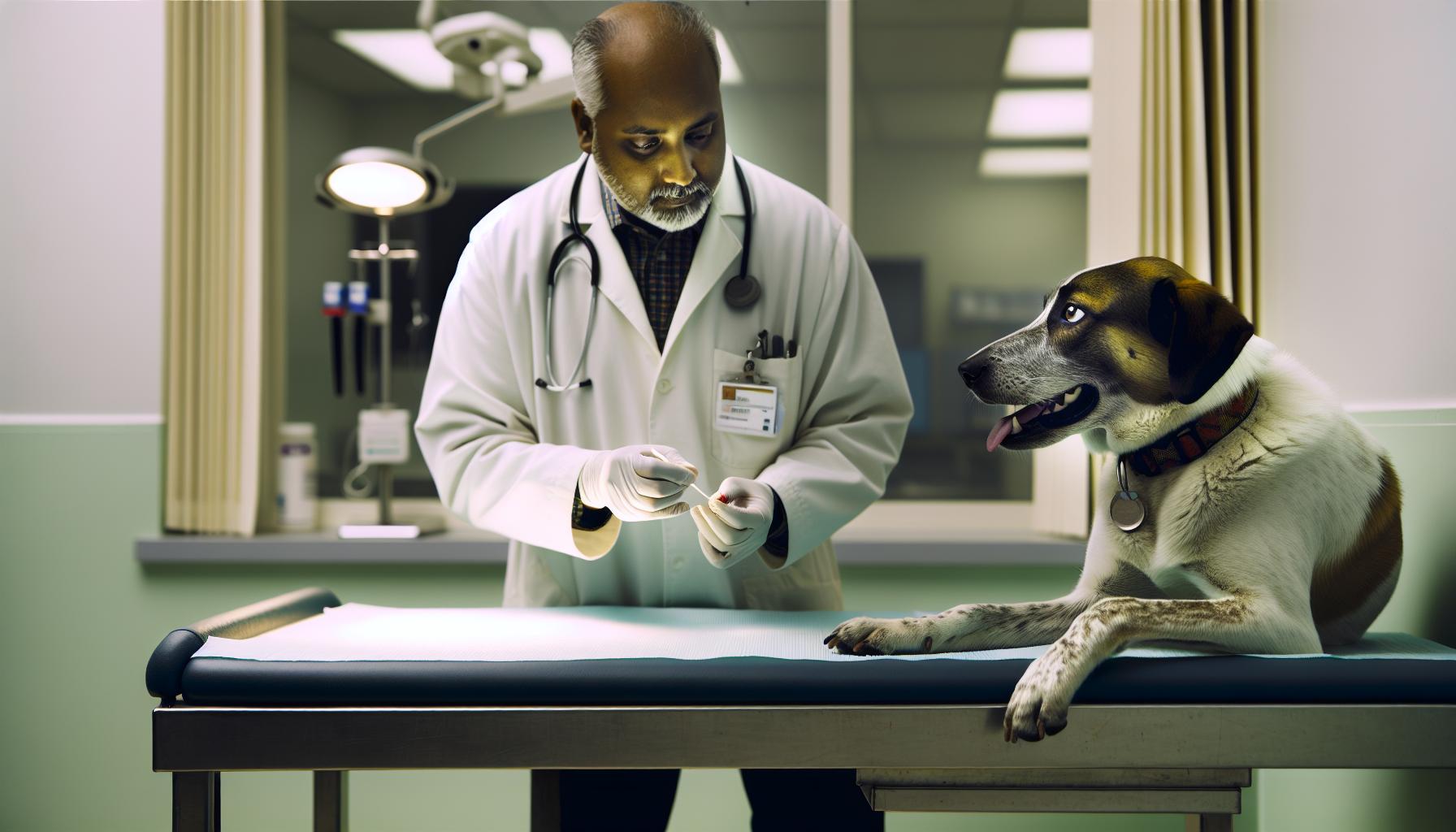
Real Groomer Stories: Lessons from Bite Experiences
Grooming can sometimes be unpredictable, even with the calmest dogs. One experienced groomer recalls a sweet but anxious Maltese with a notoriously matted coat that made brushing a slow, delicate task. During a particularly tough detangling session, the dog suddenly snapped. This wasn’t out of aggression but sheer discomfort and fear. What saved this session was the groomer’s quick response: stopping immediately, offering soothing words, and reaching for a high-quality detangling spray to gently loosen the mats before trying again. This story highlights how understanding a dog’s discomfort-especially breeds like Maltese, known for dense, fine coats-and taking breaks can prevent bites and make grooming safer for both parties.Another lesson comes from a groomer specializing in small breeds like Chihuahuas and Pomeranians, which can be more prone to biting due to their size and nervous energy. Nail trims were often the most challenging, with sudden flinches resulting in incidental nips. Over time, the groomer developed a steady, reassuring approach: using slow, deliberate movements and speaking softly while gently wrapping the dog’s paw to keep it steady.They also found investing in a nail grinder rather than clippers reduced the risk of sharp, sudden sounds that startled the dogs and triggered biting reflexes. This small adjustment in tools and tempo made a marked difference.
Understanding Triggers and Staying Calm
Common triggers for bites during grooming include handling sensitive areas like ears, paws, and tails. One groomer shared a story about a Labrador with thick, curly fur who was fine during baths but became increasingly agitated during ear cleaning-a task that can feel invasive to many dogs. The groomer learned to pause often, use positive reinforcement like treats, and employ specialized ear cleaning tools designed to be gentle. This approach built trust and slowly reduced the dog’s stress, cutting down bite risks.
When to Step Back and Refer to a Vet or Behaviorist
Some grooming bites come from deeper anxiety or medical discomfort.A groomer who worked with an older Akita reported that what initially seemed like a random bite during brushing was actually linked to arthritis pain in the dog’s shoulder. Recognizing this, the groomer communicated with the owner to adjust techniques and recommend a vet visit.This example reinforces the critical boundary between grooming care and veterinary expertise, showing how teamwork benefits the dog’s wellbeing.
These real-world glimpses remind us that bites are often a dog’s way of saying “I’m uncomfortable” rather than just “I’m mean.” Groomers who respond with empathy, patience, and creativity-switching tools, slowing down, or taking breaks-can reduce incidents and keep grooming a positive experience. Always remember: safety comes first, and a calm, compassionate approach protects both the dog and the groomer.
Legal and Insurance Considerations for Groomer Injuries
Accidents can happen even in the most careful grooming sessions, and understanding the legal and insurance landscape is essential for both groomers and pet owners. When a bite injury occurs, knowing your rights and responsibilities can ease stress and protect everyone involved. Groomers should be aware that bites-while often unintentional-may still require documentation, communication, and sometimes legal consideration, especially if injuries are severe or if recurring issues arise with the same dog.
Insurance Policies Every Groomer Should Consider
Most professional groomers carry liability insurance tailored to cover injuries caused by animals during grooming. This insurance can definitely help cover medical expenses,lost income,and legal fees if a bite leads to a claim. It’s worth noting that typical business insurance policies may not cover all bite-related incidents, so opting for specialized pet groomer coverage is wise. For mobile groomers, additional insurance related to vehicle use and on-site injuries might also be necessary.
- General Liability Insurance: Protects against claims of bodily injury or property damage caused during grooming.
- Professional Liability Insurance: Covers negligence claims-if a client alleges the groomer failed in standard care resulting in an injury.
- Workers’ Compensation: If the groomer employs others, this covers staff injuries, including bites and scratches.
Practical Steps to Minimize Legal risks
Clear communication and documentation are your best defenses. Always have dog owners fill out detailed intake forms, noting any aggressive history or medical conditions that may influence behavior. Inform owners upfront about bite risks associated with challenging grooming tasks like nail trims or ear cleanings and discuss possible management strategies.
In the event of a bite:
- Document the incident meticulously with date,time,and detailed description.
- Take photos of any injuries immediately, whether to the groomer or the dog.
- Provide the dog owner with clear information about the circumstances and any recommended steps, such as a veterinary check.
- If the bite causes significant injury, seek medical attention promptly-even minor wounds can become infected.
Understanding Liability and Legal Boundaries
Bites can legally be a gray area. In many places, if a groomer is injured due to an owner’s failure to disclose a dog’s aggressive tendencies or health issues, liability may partially rest with the owner. Conversely, groomers must ensure they are using proper techniques and following local animal welfare laws to avoid negligence claims.
Remember, most dog bites during grooming are defensive-dogs are communicating discomfort or fear, not malice. Approaching these situations with clear policies and respectful dialogue reduces the chance of legal disputes.
Building Trust With Clients Through Clarity
Groomers can empower pet owners by openly discussing bite risks and prevention strategies. Explaining breeds or coat types that may pose more challenges, like nervous Chihuahuas during nail trims or sensitive Maltese with matting, helps set realistic expectations. Offering signed consent forms and personalized care plans strengthens the client-groomer relationship, fostering patience and cooperation during tough sessions.
Establishing these legal and insurance safeguards creates a safety net, allowing groomers to focus on compassionate care and keep dogs comfortable throughout their grooming journey. Remember, a calm, informed approach benefits everyone-dogs, groomers, and owners alike.
Empowering Pet Owners to Support Safe Grooming Sessions
dogs can sense our emotions, and your calm, confident presence can transform a grooming session into a positive experience for your furry friend. Being proactive as a pet owner plays a huge role in reducing stress and potential bite incidents during grooming. Understanding your dog’s unique needs-whether it’s breed sensitivities, coat challenges, or known anxiety-helps groomers tailor their approach for safer, gentler handling.
Every dog communicates discomfort or fear differently-some might growl softly, pull away, or freeze. Before the appointment, make sure to share any observed signs of stress with your groomer. This could be as simple as a subtle ear twitch or licking lips excessively during a bath. Clear communication about what tasks cause your dog unease-like nail trims for a nervous Chihuahua or ear cleaning for a sensitive Maltese-allows the groomer to prepare with extra patience and specialized tools.
Prepare Your Dog for Each Grooming Task
Helping your dog become familiar with grooming steps at home can ease anxiety on the big day. For example:
- Bath: Practice gentle handling of paws and ears using positive reinforcement.
- Brushing: Start with short sessions, focusing on coat areas prone to matting, like behind the ears.
- Nail Care: Gradually introduce nail trims with a quiet, calm environment and plenty of treats.
- Ears: Use vet-recommended ear cleaners and softly massage the base to reduce sensitivity.
This gradual, nurturing approach builds trust and reduces fear responses during professional grooming.
Recognize When to Trust the Groomer-and When to Consult the Vet
While many aspects of grooming can be safely done at home, recognizing limits is key.Some dogs have hidden conditions, such as skin infections or painful mats, that require special veterinary attention before grooming. Communicate openly with both your groomer and vet if your pet shows aggression tied to pain or discomfort. Remember, preventing bites is not just about safety-it’s about your dog’s comfort and wellness.
Stay Involved and Patient During Grooming Appointments
Your presence and calm reassurance can make a big difference. Before the session, discuss the grooming plan with your groomer, including what to watch for and how to handle any resistance. Trust that skilled groomers are trained to prioritize your dog’s welfare over aesthetics. If a task isn’t safe at the moment, they might recommend splitting sessions or altering techniques to keep everyone safe.
Working hand-in-hand with your groomer builds a solid partnership focused on your dog’s safety and happiness. By being an informed, compassionate advocate for your pet, you help create grooming experiences filled with kindness, patience, and respect-laying the groundwork for fewer bite incidents and a lifelong bond built on trust.
FAQ
Q: How does the experience level of a dog groomer affect bite injury rates?
A: Less experienced groomers tend to have higher bite injury rates due to less familiarity with dog behavior and handling techniques. Ongoing training and certification can significantly reduce bite incidents by improving skills in recognizing stress signals and safely managing difficult dogs. Learn more in our section on training and certification to reduce injuries for practical tips.
Q: What workplace factors contribute to higher bite risks for dog groomers?
A: High bite risks often stem from stressful environments, rushed appointments, and inadequate safety protocols. Groomers working in busy salons without proper handling tools or breaks may face more injuries. Implementing structured workflows and calm spaces can help lower bite risk and improve safety.
Q: How do breed-specific behaviors impact the frequency of dog groomer bites?
A: Certain breeds with naturally anxious or protective temperaments show higher bite frequency during grooming. Such as, terriers and herding breeds may react strongly to restraint or specific tools. Understanding breed traits and coat types helps groomers anticipate challenges and adapt techniques accordingly.
Q: How often do bite injuries result in time off work or medical treatment for groomers?
A: While many bites cause minor injuries, approximately 10-15% of groomers who get bitten require medical attention or time off, depending on bite severity. Prompt first aid and knowing when to seek veterinary or medical help ensure better recovery and workplace safety.
Q: What role do grooming tools play in preventing or causing bite injuries?
A: Using safe,breed-appropriate tools reduces bite risks by minimizing discomfort and stress for dogs. Sharp clippers, gentle brushes, and non-slip gloves protect both dog and groomer. Proper tool choice and technique, as detailed in the tools and techniques section, are key to lowering injury rates.
Q: How can groomers protect themselves when handling aggressive or fearful dogs to reduce bites?
A: Groomers should use calibrated restraint techniques, calming signals, and allow gradual familiarization to ease nervous dogs. When signs of aggression appear, stepping back and using safety equipment like muzzles or barriers is essential. See our guidance on handling nervous or aggressive dogs with compassion for step-by-step strategies.
Q: Are bite incidents more common with certain grooming tasks like nail trims or ear cleaning?
A: Yes, bite incidents occur most frequently during nail trims and ear cleaning, as these are sensitive areas that can provoke a sudden reaction. taking extra care with gentle handling, distractions, and communication with the pet owner can greatly reduce these bite-related injuries.
Q: How can pet owners help reduce the chance of their dog biting during grooming sessions?
A: Pet owners can support safe grooming by acclimating their dogs to handling at home, sharing behavioral history, and booking appointments when dogs are calm. Collaboration between groomer and owner fosters trust and minimizes bite risks. Check out our section on empowering pet owners to support safe grooming sessions for practical tips.
For more insights and to ensure safer grooming for your pet and groomers, explore the full article and feel confident asking your groomer about their safety practices.
Final thoughts
Understanding how frequently enough dog groomers get bit sheds light on the real risks and safety practices essential in this caring profession.Prioritizing gentle handling, the right tools, and clear communication helps minimize bites and workplace injuries-ensuring a safer, more comfortable experience for both groomers and pets. If you’re looking to dive deeper into dog behavior or grooming safety, explore our guides on dog breed temperaments and effective grooming techniques to build confidence and skill.
Ready to take the next step in pet care? Consider subscribing to our newsletter for expert tips on grooming,health,and safety,or reach out for a consultation tailored to your dog’s unique needs. Remember, mastering bite prevention isn’t just about technique-it’s about compassion, patience, and understanding each pup’s story. Share your thoughts or experiences below, and join our community where safety and wellbeing always come first. for more resources on injury prevention and dog care,keep exploring and stay connected!
Get our latest guides, news, and insights highlighted in your Google Search & AI Overviews.
Keep reading about the same coat and cut.




Popular grooming guides
Bath vs clip, first grooms, and salon how-tos.