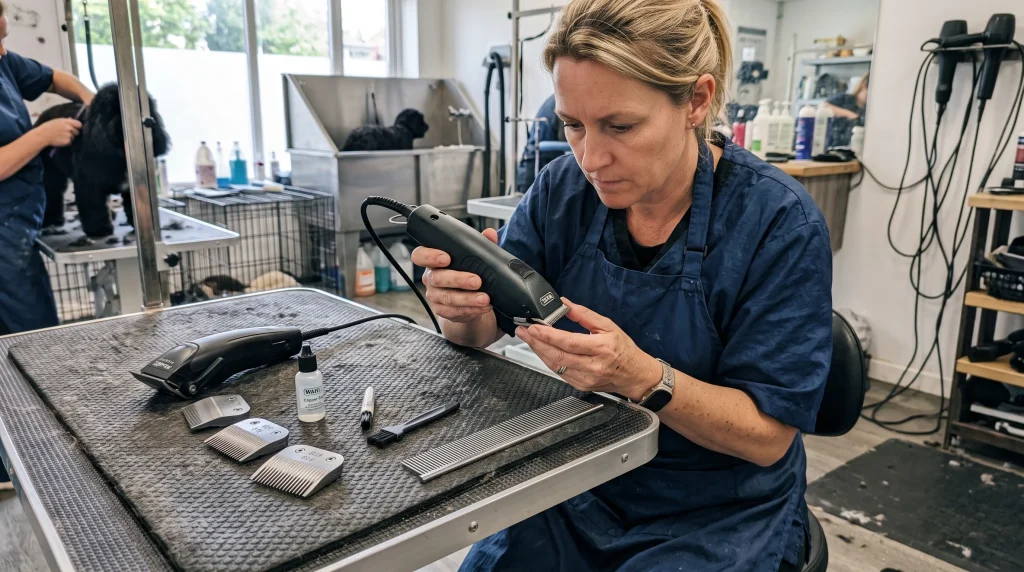
Did you know that the average dog groomer in the UK earns between about £15,000 and nearly £39,000 a year, depending on experience and location? Understanding these figures can help you decide if a career in dog grooming is the right path or simply satisfy your curiosity about what goes into this rewarding work. Grooming isn’t just about a pretty trim-it’s about caring for furry friends with patience and skill, handling everything from baths and brushing to nail care and ear cleaning. Many owners look for groomers they trust to keep their pets comfortable and safe, which is why knowing the financial side of this compassionate profession helps both groomers and pet parents appreciate the value of expert care. Stick around as we break down what dog groomers in the UK make in 2025, exploring pay ranges, work hours, and what influences those numbers, so you can get a clear, practical picture of this vital, loving role.Whether you’re thinking about grooming as a career or simply want to support your local groomer, this guide will provide you with friendly, expert insight every step of the way.
Dog Groomer Salary Overview in the UK 2025
Table of Contents
- 1 Dog Groomer Salary Overview in the UK 2025
- 2 Factors Influencing Dog Groomer Earnings
- 3 Hourly vs. Annual Salary: What to Expect
- 4 How Experience Boosts Groomer Income
- 5 Regional Salary Differences across the UK
- 6 Full-Time vs. Part-Time Dog Grooming Pay
- 7 Additional Income Streams for Groomers
- 8 Impact of Certifications and Specializations on Pay
- 9 Starting Your Career: Entry-Level Salary Insights
- 10 Freelance and Mobile Groomer earnings Explained
- 11 How Business Costs Affect Your Take-Home Pay
- 12 Trends Shaping the Future of Groomer Salaries
- 13 Frequently asked Questions
- 13.1 Q: How can dog groomers increase their earnings beyond the base salary in the UK?
- 13.2 Q: What impact does seasonal demand have on dog groomer salaries in the UK?
- 13.3 Q: Are there specific dog breeds that influence grooming costs and groomers’ pay rates?
- 13.4 Q: How do dog groomers manage business expenses to maximise their take-home pay?
- 13.5 Q: What are the key licensing or certification requirements affecting dog groomer salaries in the UK?
- 13.6 Q: How does the cost of living in different UK regions affect dog groomers’ wages?
- 13.7 Q: what are common challenges that limit dog groomers’ income growth in the UK?
- 13.8 Q: Can part-time dog groomers earn a sustainable income in the UK?
- 14 In Retrospect
Did you know that the average dog groomer in the UK now earns close to £38,000 per year? this figure reflects a growing appreciation for professional grooming and the special care groomers provide to nervous or elderly pets. Grooming isn’t just about making dogs look their best-it’s about their comfort, health, and wellbeing. As demand rises, so too does the prospect for groomers to build fulfilling, sustainable careers.
Many groomers begin with an entry-level salary around £15,000 but can expect to see notable increases with experience, specialization, and building clientele. As a notable example, groomers who develop expertise with specific breeds or coat types, or those who master gentle handling techniques for anxious dogs, frequently enough command higher fees. Mobile groomers offering flexible, at-home services in busy urban centres frequently earn between £30,000 and £50,000 annually, benefiting from convenience premiums and loyal repeat clients.
Salary Breakdown at a Glance
| Position type | Typical Annual Salary | working Hours |
|---|---|---|
| Entry-Level Groomer | £15,000 - £18,000 | 30-37 hours/week |
| Experienced Groomer (Salon-Based) | £23,000 – £30,000 | Full-time or Part-time |
| Self-Employed/Mobile Groomer | £30,000 – £50,000+ | Flexible |
In practical terms, many groomers find that building strong relationships with owners through compassionate care leads to repeat appointments and better earnings. Remember, a calm bath, gentle brush-out, and careful nail trim not only create happy pups but build trust that keeps clients coming back. While grooming standards vary, putting pet welfare first enhances both the dog’s experience and the groomer’s reputation-and paycheck.
Ultimately, the salary range in 2025 reflects the blend of skills, experience, and the groomer’s approach to making each session as stress-free as possible. With passionate care and a professional touch, dog grooming in the UK continues to be a career full of joy-and financial reward.
Sources: learndirect (2025), Glassdoor UK (2025), National Careers Service (2025)
Factors Influencing Dog Groomer Earnings
Many factors come into play when determining how much a dog groomer earns in the UK, beyond just hours worked or jobs completed. one of the biggest influences is the type of clients and pets you cater to. Grooming a lively West Highland Terrier with its thick double coat requires different tools and handling skills than trimming a short-haired Greyhound. Dogs with dense, long, or curly coats typically take longer bath, brush, and drying times-meaning groomers can charge more for these specialised sessions due to the extra care and expertise involved.
Working patiently and calmly with nervous or senior dogs also impacts earnings. Groomers who develop gentle handling techniques and create a soothing surroundings frequently enough become much sought-after, with clients willing to pay premium rates for a stress-free experience. For example, spending extra time acclimatising a shy dog to new surroundings or carefully trimming nails without causing discomfort demonstrates true care, encouraging repeat bookings and referrals.
Key Factors That Affect Pay
- Breed and coat type: Complex coats like poodles or spaniels require special clippers, scissors, and extensive brushing, which increases session time and cost.
- Grooming skills and specializations: Mastering styles such as breed-specific cuts or therapeutic grooming (e.g., for skin conditions) can justify higher fees.
- Location and client base: Groomers in busy urban areas with higher living costs often earn more than those in smaller towns.
- Service offerings: Mobile groomers, who provide the convenience of at-home care, charge more per appointment, reflected in their annual income.
- Experience and reputation: Established groomers known for reliability and kindness can raise prices confidently due to loyal clientele.
Example: A self-employed groomer in London might command £50 for a full grooming session on a medium-coated dog, while a beginner in a less populated area might start at £25-£30. Over time, investing in cruelty-free and high-quality grooming products also helps build trust, setting practitioners apart and allowing them to maintain steady, higher-paying clients.
Managing Time and Building Trust
Another subtle influence is how a groomer handles appointment scheduling. Rushing through a bath or brushing to fit in as many dogs as possible may lead to lower satisfaction and fewer repeat customers. Conversely, pacing sessions to suit each dog’s comfort level can lengthen grooming time but ultimately boosts income through loyal bookings and positive word-of-mouth.
it’s important for groomers to assess the dog’s needs carefully at every stage. As a notable example:
- Bath: Choose shampoo tailored to the coat and skin condition; allow extra rinsing to prevent itchiness.
- Brush-out: Use detanglers and appropriate combs to gently remove mats, avoiding force that could hurt.
- Nail trimming: Keep sessions calm and stop if the dog shows stress signs; encourage owners to follow routine nail care at home.
Prioritising wellbeing alongside skill not only enhances a groomer’s reputation but directly influences earnings by inspiring trust and client loyalty. After all, happy dogs and assured owners are the heart of a thriving grooming business.

Hourly vs. Annual Salary: What to Expect
Understanding how dog groomers are paid can feel a bit like unravelling a tricky knot-ther’s quite a bit tied up in hours worked, client types, and service levels. Many new groomers wonder if to focus on an hourly rate or to aim for an annual salary figure, and the answer depends a lot on how you structure your days and services.for instance, hourly pay gives clear control over each appointment’s worth, but your total earnings fluctuate with how many dogs you can fit comfortably and compassionately into your schedule. Annual salary, simultaneously occurring, offers a steady view of income but frequently enough factors in less tangible things like client retention and seasonal demand dips.
When considering hourly earnings,it’s critically important to remember that the breed and coat type directly affect how long a grooming session takes. A wiry-coated terrier might be ready in under an hour, whereas a thick-coated Afghan or curly poodle will need considerably more time dedicated to gentle brushing, careful clipping, and patient drying. Groomers often charge anywhere from £20 to £50 per session, with complex coats and extra care pushing fees upwards. Being mindful not to rush baths, brushes, or nail trims – especially with nervous or elder dogs – not only safeguards the dog’s wellbeing but also builds long-term trust, enabling you to charge fair rates without shortcuts.
Balancing hours and Earnings
- Hourly pay: Ideal for those working within salons or as assistants, where you may earn around £9 to £15 per hour depending on experience and location.
- Annual salary: Self-employed or established groomers with a loyal client base frequently enough see income ranging from £25,000 to £50,000+ per year, reflecting more than just grooming time-booking management, product costs, and client care also factor in.
Take a mobile groomer in a busy city: charging £45 for a full grooming session that lasts around 90 minutes might translate to about £30 per hour. But add travel time, appointment setup, and non-grooming duties, and that rate adjusts accordingly. Alternatively,a groomer working full-time in a larger salon might have more predictable hours but a capped hourly wage,often supplemented by tips or bonuses for quality care and customer satisfaction.
One practical tip is to track how much time you spend not just grooming, but also on prep, cleaning tools, and client dialog. Overbooking can compromise care and comfort, possibly pushing dogs into stress; this impacts customer loyalty and your income long term. By pacing yourself and integrating brief breaks, you maintain quality grooming standards that clients appreciate and are willing to pay a premium for. remember, compassion and patience aren’t just good ethics-they’re good business.

How Experience Boosts Groomer Income
Experience is one of the most powerful levers for increasing your earnings as a dog groomer. With time, you develop a knack not only for speeding up grooming tasks but also for reading a dog’s temperament and tailoring your approach to meet their specific needs. This means fewer stressful moments for both you and the pet,leading to happier clients who trust you with their beloved companions. Such trust often translates into repeat bookings, positive word-of-mouth, and the ability to charge premium rates.
Consider the coat type and breed knowledge gained through years of hands-on work. A seasoned groomer knows that a silky Afghan’s coat needs slower, gentler brushing with specific detangling tools, while a terrier’s wiry coat benefits from a wholly different technique, like hand stripping. mastering these differences means less time spent wrestling with mats or irritated skin, and more time delivering polished, safe results that owners appreciate and are willing to invest in.
Elevated Skills That Reflect In Earnings
- Efficient grooming routines: Experienced groomers streamline bath, brush, nail trim, and ear care tasks without rushing, preserving dog comfort while fitting more appointments into their day.
- Client communication expertise: Building honest conversations about coat health,at-home care tips,and realistic style options fosters loyalty and upselling opportunities.
- Calming techniques: Knowing when to pause or soothe an anxious dog avoids stressful blowouts and cancellations, protecting your schedule and income.
For example, an experienced groomer working in a busy London mobile grooming service can command session fees upwards of £40 to £50, especially when servicing breeds with complex coats or offering specialised trims. That compares favorably to entry-level rates hovering closer to £20-£25 per session.Over a full year, these differences can translate into a £10,000+ salary gap, emphasizing how valuable those skills become. experience also brings confidence in setting fair prices that reflect the real care, time, and expertise offered-not just the time spent behind clippers.
Ultimately, the path of experience is about kindness combined with efficiency. Focus first on the dog’s comfort at every step-whether bathing, brushing, clipping, or drying-and your reputation will grow. As clients see and feel that care, they reward it not simply with repeat business-but with respect for your earning worth as a truly dedicated professional.

Regional Salary Differences across the UK
It’s interesting to see how geography gently shapes what a dog groomer might earn across the UK. Just as every dog’s coat requires a unique touch, the local demand, cost of living, and client expectations in different regions create subtle but meaningful salary variations.For instance,groomers in bustling urban centres often charge more due to higher living costs and a larger pet-owning population,while rural areas might offer fewer clients but sometimes closer community trust and loyalty.
In London and the South East, expect to find the highest rates, particularly for mobile groomers who bring the salon experience right to a pet’s doorstep. These groomers can often command £40-£50 per session, especially when working with breeds requiring specialist care, like Poodles or Shih Tzus. Simultaneously occurring, areas like the North East or Wales generally offer lower average wages. Here, groomers might see starting salaries closer to £15,000-£20,000 annually, reflecting both lower overheads and client spending power.
Tailoring Your Approach to Regional Needs
Understanding your area’s typical clientele can be just as critically important as knowing the breed specifics. For example, an experienced groomer working in Manchester might find many medium-haired breeds that need regular trims and detangling, whereas a groomer in cornwall may encounter more working dogs with coarser coats requiring specialized handling. By tailoring your toolbox and skills to local dogs’ needs, you not only boost pet comfort but also client satisfaction and repeat business.
- Research local competition: Knowing nearby groomers’ pricing helps set fair rates without undercutting yourself.
- Focus on niche expertise: Specializing in certain breeds or grooming styles can justify premium charges, especially in areas with specific pet populations.
- Build relationships and trust: In smaller communities, word-of-mouth is powerful. Compassionate, patient handling of nervous pets can make your reputation shine.
- consider flexible services: Offering mobile grooming or home visits might fill gaps in underserved regions,providing convenience that clients value.
Ultimately, balancing your care quality with local economic realities helps ensure a rewarding career wherever you are. Your passion and attentiveness, combined with a wise understanding of your region’s market, will help both you and the dogs you care for thrive.

Full-Time vs. Part-Time Dog Grooming Pay
in the world of dog grooming, whether you commit to full-time hours or choose a part-time schedule can significantly shape your income, lifestyle, and even your connection with clients and their pets. Full-time groomers frequently enough enjoy a steadier flow of appointments, which directly translates into a more consistent paycheck and the opportunity to deepen relationships with regular customers. On the other hand, part-time groomers may have greater versatility, balancing other commitments such as family or further training, but typically face less predictable earnings.
For full-time groomers, a typical workweek ranges from 35 to 40 hours, often spread over 5 days. This steady schedule allows them to build a reliable client base, offering comprehensive services that might include bathing, grooming, nail trimming, and even specialized coat care for breeds like Poodles or Shih Tzus.such consistency not only enhances their skills but also usually means access to employee benefits when working for established salons. Though, these hours can also bring physical demands and require stamina, so pacing oneself and prioritizing pet comfort remain essential.
Part-time groomers, by contrast, might work around 15 to 25 hours weekly, focusing on peak times like weekends and school holidays when pet demand surges. This option can be especially appealing to new groomers easing into the profession, parents managing care responsibilities, or those honing niche skills such as hand-stripping or dematting. While fewer weekly hours may meen lower gross pay, the reduced mental and physical load frequently enough translates into better energy for each pet-and calmer, more compassionate care, which clients quickly notice and appreciate.
Maximising Earnings and Job Satisfaction in Either Role
- Optimize scheduling: Full-time groomers can block appointments efficiently to avoid burnout, ensuring busy days mix simple trims with more complex grooming.
- Offer flexible options: Part-timers might find success offering mobile sessions or last-minute bookings, filling gaps that salons often can’t.
- Set fair,clear pricing: Whether full or part-time,clarity about costs helps owners feel confident and supports steady referrals.
- Continue learning: Regular courses improve skills, enhancing earning potential nonetheless of hours worked.
At its heart, the choice between full-time and part-time grooming is a personal balance between passion, capacity, and lifestyle. Both paths demand patience, gentle handling, and a deep respect for every pet’s well-being. for example, a part-time groomer working weekends may transform anxious dogs into calm companions in a few gentle trims, while a full-time groomer’s daily touch can keep coats healthy and shining year-round. Understanding what suits you best helps build not just a career-but a caring community around the pets you love.
Additional Income Streams for Groomers
It’s a splendid truth in dog grooming: your skillset can open doors to more than just trimming and bathing appointments. Many groomers discover that expanding their services and tapping into complementary income streams not only bolsters their earnings but also deepens client trust and pet comfort. These additional avenues often stem from a genuine passion for animal welfare and a knack for understanding owners’ needs-perfect ingredients for sustainable growth in this caring profession.
- Offering Pet Care Products: Stocking and selling high-quality shampoos, conditioners, brushes, and coat care items tailored to different breeds can bring in steady supplement income. For example, recommending a gentle oatmeal shampoo for sensitive skin or a specific detangling spray for curly-coated breeds like Bichon Frises can reassure clients you truly care about their pet’s wellbeing.
- Seasonal or Specialty Services: Think beyond the usual trims. Services such as flea treatments after summer months, paw balm applications in winter, or festive grooming packages around holidays create unique upsell opportunities. These offerings meet particular seasonal needs, showing owners you’re attentive to their pet’s changing care requirements.
- Educational Workshops or Private Coaching: For groomers who enjoy teaching, hosting gentle handling classes or DIY grooming basics for nervous pet owners can be rewarding and profitable. These sessions emphasize safety and comfort, helping owners maintain their pets between professional appointments without stress.
- Mobile Grooming Extras: Mobile groomers can increase earnings by offering add-on services like express baths, ear cleaning, or nail trims as standalone visits-perfect for busy owners or pets who need just a swift touch-up. This flexibility makes grooming more accessible and less overwhelming for anxious animals.
Many experienced groomers find that combining these options with their regular appointments creates a more resilient income stream. Plus, promoting products and services with clear instructions and compassionate advice reassures owners, especially those nervous about their pet’s first grooming. As you expand your offerings, always prioritize what suits each dog’s coat type and temperament. For example, heavy coats like those of Newfoundlands require different brushing tools and care than sleek, short-haired breeds like Greyhounds. This thoughtful approach builds long-lasting relationships based on trust and wellbeing, not just style.
Practical Tips for Success
- Focus on Pet Safety: Never reccommend products or services unless you understand their purpose and potential impact. When in doubt, consult veterinary guidelines or collaborate with pet health professionals.
- Keep Client Communication Clear: Explain why a particular product or service benefits their specific pet. Such as, ”This moisturizing paw balm can soothe your Lab’s rough winter pads and reduce cracking.” Simple, kind words ease owner worries.
- Start Small and Scale Gradually: Test new services on a few regular clients to gather feedback and build confidence before full rollout.
- Leverage Social Media: Share before-and-after photos, product highlights, and gentle grooming tips to attract more clients interested in your extra offerings.
By thoughtfully weaving these additional income streams into your dog grooming business, you create a more balanced, compassionate, and satisfying career that supports the animals you cherish and the families who love them.
Impact of Certifications and Specializations on Pay
Few investments bring as much lasting reward-both emotionally and financially-as gaining formal certifications and honing special skills in dog grooming.When it comes to earnings, having recognised qualifications isn’t just a nice-to-have; it can be a genuine game-changer. Certified groomers often command higher fees because clients and employers trust their expertise and commitment to pet welfare. This trust is especially important when working with nervous dogs or breeds with challenging coats that demand specialised handling and tools.
Why Certifications matter
Certifications typically show proficiency in essential grooming techniques, animal handling, and health and safety standards. for example, qualified groomers learn how to safely manage thick double coats-like those on Newfoundlands or Huskies-where careless brushing can cause skin irritation or matting. They also receive guidance on recognising early signs of skin conditions that might need veterinary attention, ensuring pets’ wellbeing remains front and center. By understanding limits-knowing when a visit to the vet is necessary rather than trying to groom through problems-certified groomers protect both animals and their professional reputation.
Specialisations That Boost Earnings
Along with general certifications, specialising in niche areas can significantly raise your earning potential. Some examples include:
- breed-Specific Styling: mastering the precise trims and finishes for breeds like Poodles, Cocker Spaniels, or Schnauzers allows you to offer premium services that justify higher prices.
- Senior and Special Needs Pets: Training in gentle handling and adaptive grooming for elderly or anxious dogs opens doors to a market of pet owners seeking compassionate care. These services frequently enough command premium rates for the extra time and sensitivity required.
- Creative Grooming and Show Preparation: Skills in decorative trims, coat colouring, or preparing dogs for shows attract a select clientele, often willing to pay above-average fees.
These focused skills typically require additional courses or mentoring, but they pay off both in better service quality and client confidence.
Turning Qualifications into Clear Value
It’s not enough to have certificates tucked away; clear communication with clients about what your qualifications mean for their pet is key. A simple description like, “My training ensures I use the safest and most effective methods for your dog’s coat type and temperament,” helps owners feel reassured. Offering clients personalised care plans based on your specialised knowledge can also lead to repeat bookings and referrals, steadily growing your income.
Practical considerations
bear in mind that gaining certifications often involves upfront costs-courses, exams, or membership fees. But think of them as investments in your skillset and professionalism. Start with foundational qualifications recognised by UK bodies such as City & Guilds or the National Association of Creative Groomers. Then, consider additional modules in canine first aid, behavioural handling, or breed standards.
| Certification Type | focus Area | Impact on Earnings |
|---|---|---|
| City & Guilds Level 2/3 | Professional Grooming Skills | Higher base pay, wider job opportunities |
| Canine First Aid | Health & Safety Awareness | Builds client trust, justifies premium pricing |
| Breed-Specific Courses | Specialist Styling | Access to niche markets, higher service fees |
Ultimately, certifications and specialisations empower you to work with a wider variety of dogs-whether it’s a high-maintenance show dog or a timid rescue-while confidently setting fees that reflect your skills, care, and professionalism. This approach not only supports your financial goals but also ensures every pet receives safe, compassionate grooming tailored to their unique needs.
Starting Your Career: Entry-Level Salary Insights
Many new dog groomers start their careers with a genuine love for animals and a desire to help pets feel comfortable and cared for, even if their initial pay doesn’t reflect the emotional rewards. Entry-level salaries in the UK typically range from around £18,000 to £22,000 annually, depending on location and employer, with wages sometimes closer to the National Minimum Wage for those just starting out. This can feel modest, but it’s important to remember that your income will grow as your skills and confidence deepen, along with client trust.
Getting Your Feet Wet: What to Expect Early On
Starting out, your typical day might include gentle bathing, careful brushing to ease knots without stressing the dog, nail trims with steady hands, and ear cleaning using vet-approved methods. You’ll quickly learn that no two coats are the same-whether it’s a silky Afghan Hound coat needing delicate handling or a dense Terrier coat requiring tougher tools for mat removal. Early experience often means building these essential skills patiently while working under supervision or alongside more seasoned groomers. Safety and animal welfare always come first; knowing when to pause or suggest a vet visit (for skin conditions or anxiety issues beyond your scope) shows true professionalism.
Practical Tips for Boosting Entry-Level Earnings
While you’re gaining hands-on experience, consider enhancing your appeal by:
- Completing basic certifications like the City & Guilds Level 2 qualification to show commitment and professionalism.
- Volunteering or shadowing experienced groomers to learn efficient techniques and client communication skills that improve retention.
- Offering extra care for anxious or senior dogs which can justify slightly higher fees for your patience and gentle handling.
Even as a beginner, demonstrating empathy and respect for each dog’s unique needs will build your reputation faster than speed or perfection.
Understanding Wage Progression
As you gather experience and perhaps take on responsibilities like scheduling or basic client consultations, entry-level payscale can quickly rise to around £22,000-£26,000 annually in more competitive settings or through part-time self-employed work. For example, newly qualified groomers who remain patient and focused often find their day rate increases, especially if they specialize in less common breeds or offer mobile grooming services. your investment in education and kindness can turn a modest starting salary into a sustainable and fulfilling career income over time.
| experience Level | Typical Salary Range (Annual) | Key focus |
|---|---|---|
| Entry-Level (0-1 Year) | £18,000-£22,000 | Basic grooming, learning coat handling, safety procedures |
| Early Career (1-3 Years) | £22,000-£26,000 | Greater independence, client communication, special care |
Remember, the focus at this stage is far more about developing gentle, effective grooming habits and gaining client trust than hitting top earnings immediately. Prioritize calmness and care, and your income will grow hand in paw with your experience.
Freelance and Mobile Groomer earnings Explained
One of the truly rewarding avenues in dog grooming is working as a freelance or mobile groomer, where flexibility meets opportunity right at your client’s doorstep. Many pet owners deeply appreciate the calm and convenience of home visits, especially nervous dogs who find new salon environments stressful. This personal touch frequently enough allows freelance groomers to command premium rates-typically higher than salon-based roles-reflecting not just the service, but the travel time, equipment transport, and the gentle, attentive care these clients require. Experienced mobile groomers in high-demand areas of the UK often earn between £30,000 and £50,000 yearly, provided they establish a reliable, returning clientele[[1]](https://www.learndirect.com/blog/dog-grooming-career-in-the-uk-salary-training-and-roi-explained).
Setting Your Rates and Managing Expectations
When pricing freelance or mobile grooming services, consider the breed and coat type first. A dense, curly-coated breed like a Poodle demands more time and special tools, such as slicker brushes and dematting combs, compared with a short-haired Labrador where a quick bath and brush might suffice. You’ll want to account for:
- Travel time and expenses: Petrol costs, parking fees, and time spent on the road aren’t billable grooming tasks, but they must factor into your fees.
- Customized tools and setup: Portable grooming tables, quiet clippers, and safe bathing areas are essential to maintain safety and comfort at each client’s home.
- Additional patience for anxious pets: Some dogs need extra breaks or soothing techniques, which benefit grooming quality but also extend session length.
Communicating these variables transparently helps set client expectations while ensuring your work is fairly valued.
Building Trust and Growing Your Mobile Business
Word-of-mouth is your greatest ally here. Early on, you might offer discounted or “friends and family” rates to build a positive reputation and collect honest reviews.Equally important is knowing when a pet’s condition exceeds grooming-such as, persistent skin irritations or behavioural issues-and gently advising a vet visit.This compassion not only prioritizes animal welfare but strengthens your credibility as a trusted pet-care professional.
Balancing Workload and Income
Working independently means juggling grooming appointments alongside marketing, client communication, and equipment maintenance. Efficient scheduling prevents burnout and maximizes your earnings without compromising care quality. Many successful freelancers find value in offering bundled services-such as a nail trim plus a bath-or loyalty discounts that encourage repeat bookings. Remember, your earnings are directly linked to your ability to combine professional skill with kindness, patience, and clear communication.
| Type of Grooming | Typical Mobile Groomer Fee (per session) | Considerations |
|---|---|---|
| Basic Bath & Brush | £35-£50 | Short-haired breeds,generally quicker |
| Full Groom (Wash,Cut,Trim) | £50-£80 | Long or thick coats; may include dematting |
| Special Needs or Anxious Dogs | £60-£90 | Extra time and gentle handling required |
Ultimately,mobile and freelance grooming allow you to shape a career that respects both your passion for animals and your financial needs. By building trust, honing your craft, and maintaining a realistic pricing strategy, you can turn this path into a fulfilling livelihood that benefits both you and the pets you care for.
How Business Costs Affect Your Take-Home Pay
It’s easy to think that the money you charge is the money you take home, but in reality, running a dog grooming business comes with several costs that quietly nibble away at your earnings. Whether you’re working in a salon,running your own mobile service,or freelancing,understanding these expenses is key to setting fair prices without undercutting yourself. These overheads don’t just affect your wallet-they impact the kind of care and comfort you’re able to provide to anxious pups and careful owners alike.
Essential Tools and Equipment
Good grooming demands good tools, and they don’t come cheap. Investing in durable clippers, a variety of brushes (slicker, pin, bristle), safe shampoos tailored to sensitive skin, nail clippers, and portable grooming tables (for mobile groomers) is a must. Replacing blades or blades sharpening regularly keeps your work precise and safe. For certain breeds, specialised dematting tools or conditioners are necessary to maintain coat health without causing discomfort. Budgeting for gradual upgrades and safe storage solutions means your equipment supports gentle grooming that prioritises pet welfare.
Product and Supply Costs
Every bath, trim, and brush uses consumables. High-quality shampoos, conditioners, ear cleaners, wipes, and towels add up over time. For dogs with skin sensitivities or allergies, hypoallergenic or veterinary-recommended products may increase supply costs but are vital for comfort and safety. Remember, clean surroundings reduce infection risks-for both pets and groomers-so disinfectants and laundry expenses for towels and smocks should also be accounted for.
Operational Expenses and Travel
If you work freelance or run a mobile grooming business, travel becomes a daily factor. Petrol, parking fees, and wear-and-tear on your vehicle reduce net income, yet they rarely get direct billing from clients. Scheduling appointments efficiently helps reduce wasted miles. Salon groomers face their own operational costs like rent, utilities, insurance, and business licenses.While these may be hidden behind a salary, self-employed groomers must manage them carefully to keep their service sustainable.
Time and Emotional Labour
Not all costs are financial. Time spent calming a nervous rescue dog, managing schedules, or educating owners about safe grooming practices is invaluable but often invisible. Balancing patience with efficiency ensures quality without fatigue, but it means factoring in longer appointment slots at appropriate rates. This compassion, while not ‘billable’ in the customary sense, is a core part of responsible grooming that protects animal welfare.
| Cost Category | Typical Monthly Estimate (£) | Notes |
|---|---|---|
| Tools & Equipment | £50 – £150 | Clippers,brushes,grooming tables (amortised) |
| Grooming Supplies | £30 - £70 | Shampoos,conditioners,towels,disinfectants |
| Travel & Vehicle | £50 - £120 | Fuel,parking,maintenance (mobile groomers) |
| Business Overheads | £100 - £300 | Insurance,licenses,marketing (varies by setup) |
being transparent with clients about why prices vary-such as,explaining extra time and supplies needed for a matted coat or anxious dog-not only fosters trust but ensures you’re fairly compensated. Balancing these costs thoughtfully helps create a career that’s not just financially viable but deeply fulfilling, reflecting the love and care you give every four-legged friend who sits in your grooming chair.
Trends Shaping the Future of Groomer Salaries
The dog grooming industry in the UK is evolving swiftly, bringing fresh opportunities and challenges that will shape how groomers earn in the years ahead. Increasingly, pet owners are prioritising not just a neat trim but a gentle, health-focused approach, which means groomers who combine skill with compassionate care will be in high demand. This growing attention to animal welfare encourages groomers to invest time in specialised training, which frequently enough translates into higher-paying roles or premium service options.
- Technology and Digital Presence: More groomers are taking advantage of online booking systems, social media marketing, and digital payment options.This not only streamlines client communication but also helps build loyal customer bases,which is essential for boosting income consistency.
- Specialisation and Certifications: Groomers focusing on particular breeds or skin conditions can command higher prices. Advancing skills with certifications in canine dermatology grooming or behavior management increases trust and value.
- Mobile and freelance Growth: The convenience of mobile grooming is rising, offering flexible hours and expanding client reach, especially in suburban and rural areas.Groomers who balance travel costs with efficient scheduling see better net earnings.
- Sustainability and Eco-Friendly Services: Customers increasingly prefer groomers using natural, hypoallergenic products and eco-conscious methods. Investing in such supplies and highlighting their use can attract a niche willing to pay a premium.
Adapting to Changing Customer Expectations
Customers’ understanding of what grooming entails is growing, especially regarding breeds with complex coat types like poodles or Shih Tzus. Groomers who educate owners on ongoing at-home care, seasonal coat changes, and behavioural calming techniques stand out. For example, using gentle baths with breed-specific conditioners or recommending de-shedding tools for double-coated dogs adds value beyond the appointment itself. These efforts often justify charging more, as clients recognize the specialist knowledge and time required.
Economic Influences and Wage Trends
While average salaries for dog groomers hover around £25,000 to £38,000 annually depending on experience and location, inflation and living costs naturally pressure wages upwards. However,business expenses-from quality product sourcing to insurance-also rise,meaning groomers must balance fair pricing with client expectations.A practical tip is to communicate openly with clients about why prices fluctuate, for example, extra time taken to care for an anxious dog or specialised treatments required for sensitive skin.
By staying informed about industry trends, continually enhancing skills, and prioritising compassionate, pet-first care, groomers can not only protect but potentially increase their earnings while nurturing deep trust with both pets and their humans. This future-forward mindset ensures that your work as a groomer remains both financially rewarding and deeply fulfilling.
Frequently asked Questions
Q: How can dog groomers increase their earnings beyond the base salary in the UK?
A: Dog groomers can increase earnings by offering premium services like breed-specific grooming, nail care, or dental cleaning, and by selling pet care products. Building a loyal client base and leveraging mobile grooming can also boost income. Learn more in the Additional Income Streams for Groomers section to diversify your revenue effectively.
Q: What impact does seasonal demand have on dog groomer salaries in the UK?
A: Seasonal demand often causes fluctuations in dog groomers’ earnings, with peak periods during spring and summer increasing bookings and income. Planning for slower months by offering promotions or additional services ensures steady earnings. Check Trends Shaping the Future of Groomer salaries for advice on managing seasonal income variations.
Q: Are there specific dog breeds that influence grooming costs and groomers’ pay rates?
A: Yes, grooming costs and salaries can vary depending on the dog’s breed, coat type, and grooming difficulty. Breeds with thick,long,or curly coats,like Poodles or Spaniels,generally command higher grooming fees,impacting groomer earnings. See the Factors Influencing Dog Groomer Earnings section for breed-related insights.
Q: How do dog groomers manage business expenses to maximise their take-home pay?
A: Managing expenses like grooming tools, salon rent, and marketing is crucial to maximise take-home pay. Keeping detailed budgets and investing in durable equipment helps reduce costs. For detailed strategies, refer to how Business Costs Affect Your Take-Home Pay and optimise your grooming business for profitability.
Q: What are the key licensing or certification requirements affecting dog groomer salaries in the UK?
A: While formal licensing isn’t mandatory across the UK, obtaining certifications from recognised grooming bodies significantly boosts trust and salary prospects.certified groomers tend to attract higher-paying clients. See Impact of Certifications and Specializations on Pay to understand which qualifications matter most.
Q: How does the cost of living in different UK regions affect dog groomers’ wages?
A: Groomers in higher cost-of-living areas like London tend to earn more to match local expenses, while those in rural areas may earn less but face lower overheads. Regional pay differences are explained in Regional Salary Differences Across the UK-a useful guide to setting competitive rates.
Q: what are common challenges that limit dog groomers’ income growth in the UK?
A: Common challenges include intense local competition, lack of specialised skills, and inconsistent client flow. Building a niche, enhancing skills via training, and marketing effectively help overcome these barriers. Explore solutions in the How Experience Boosts Groomer Income section to sustain income growth.
Q: Can part-time dog groomers earn a sustainable income in the UK?
A: Part-time dog groomers can earn a sustainable income by targeting busy times and offering specialised services or mobile grooming.Effective time management and client retention strategies are key. For detailed guidance, see Full-Time vs. Part-Time Dog Grooming Pay for balancing workload and income.
—
For more detailed salary insights and practical growth tips, be sure to explore the full article sections on Factors Influencing Dog Groomer Earnings and Additional Income Streams for Groomers to elevate your career with confidence.
In Retrospect
Understanding how much dog groomers make in the UK in 2025 sheds light on a rewarding career filled with hands-on animal care and skill progress. Whether you’re starting with essential grooming tasks like bathing and brushing different coat types or progressing to nail trimming and ear cleaning, the right tools and compassionate approach ensure both pet safety and owner peace of mind. If you’re considering growing your expertise or turning your passion into profit, now is the perfect time to explore training resources and detailed career guides to boost your earning potential and confidence.
Ready to take the next step? Dive deeper into related topics such as “Essential Grooming Tools for Beginners” or “how to Build a Successful pet grooming Business” to enhance your knowledge and skills. Don’t forget to sign up for our newsletter for practical tips, insider advice, and the latest salary trends in pet care professions. If you have questions or personal experiences to share, we’d love to hear from you in the comments – your story could inspire others starting their grooming journey. Remember,every great groomer begins with patience,compassion,and a love for animals,and your dedication can truly make a difference.
Stay connected and keep learning - whether it’s mastering breed-specific grooming techniques or understanding the difference between vet care and grooming services,continuing your education will help you thrive in this dynamic field. Explore more career insights and resources right here to keep your passion for dog grooming flourishing and your earnings growing in 2025 and beyond.