How Do Groomers Keep Cats Calm? Stress-Free Techniques
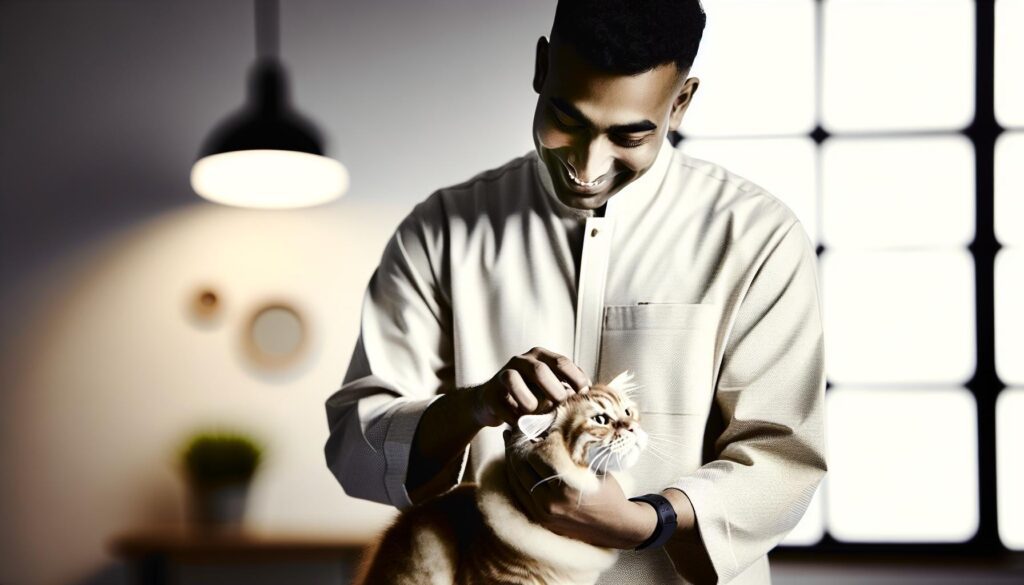
Did you know that many cats find grooming stressful, even though it’s essential for their health and comfort? Understanding how professional groomers keep cats calm can transform this necessary routine from a struggle into a gentle, stress-free experience. Whether your feline friend has a thick Maine Coon coat or a delicate Siamese coat, knowing the right techniques and tools can make all the difference. In this guide, we’ll explore how groomers use patience, soothing handling methods, and carefully chosen tools to ease anxiety during bathing, brushing, nail trims, and ear cleaning. You’ll learn practical tips to recognize your cat’s comfort signals and how to create a calm environment at home or when visiting the groomer. By putting your cat’s welfare first and setting realistic expectations, you can take the stress out of grooming for both you and your furry companion-helping them look and feel their best with kindness and care. let’s dive into easy, compassionate steps that work for all cats, from shy kittens to seasoned adults, so grooming becomes a peaceful routine everyone can trust.
Understanding Cat Stress Signals Before Grooming
Table of Contents
- 1 Understanding Cat Stress Signals Before Grooming
- 2 Preparing a Calm Environment for cat Grooming
- 3 Essential Tools for stress-Free Cat Grooming
- 4 Step-by-Step Brushing Techniques for Anxious Cats
- 5 How to Safely Bathe a nervous Cat
- 6 Gentle Nail Trimming Tips to Reduce cat Stress
- 7 Cleaning Ears without Causing Discomfort
- 8 Using Positive Reinforcement to Comfort Cats
- 9 Dealing with Common Grooming Challenges Calmly
- 10 When to seek Professional Grooming Help
- 11 Aftercare Tips to Keep Cats Relaxed Post-Grooming
- 12 FAQ
- 12.1 Q: How do groomers use scent and pheromones to keep cats calm during grooming? A: Groomers often use synthetic pheromone sprays or diffusers that mimic cat facial pheromones to create a calming environment. These scents help reduce anxiety by signaling safety, making cats more relaxed during grooming.Using pheromones complements preparing a calm space and enhances the soothing effect described in our environment section. Q: What role does gentle handling technique play in reducing cat stress during grooming?
- 12.2 Q: How can scheduled grooming routines help anxious cats stay calm over time?
- 12.3 Q: Why do groomers use towels or wraps when grooming nervous cats?
- 12.4 Q: What is the importance of short grooming sessions for stressed cats?
- 12.5 Q: How do groomers recognize when to pause or stop grooming to keep cats calm?
- 12.6 Q: How do positive rewards during or after grooming help calm cats in the long run?
- 12.7 Q: What grooming tools do groomers prefer for sensitive or stressed cats, and why?
- 13 the way Forward
Cats are masters at hiding discomfort, so recognizing subtle signs they’re stressed before grooming can make all the difference in keeping the experience calm and safe. Many cats don’t openly protest at first; instead, they display quiet signals that tell you they’re uneasy. Tuning into their body language early lets you adjust your approach to prevent escalation and build trust.
- Tail flicking or twitching: A cat’s tail is a powerful indicator. Rapid flicks or sudden stiffening of the tail tip frequently enough mean agitation, even before vocal cues appear.
- Ears positioning: Watch for ears flattening sideways or swiveling backward. This usually shows your cat feels threatened or overwhelmed.
- Whisker pull-back: whiskers pulled tight against the face suggest anxiety, as whiskers are sensitive sensory tools cats use to feel safe around them.
- Pupil dilation: Wide, dilated pupils can indicate fear or heightened alertness during grooming attempts.
- Body posture: A cat crouched low or refusing to move signals discomfort that frequently enough precedes overt resistance such as hissing or swatting.
Understanding these signs before you even touch your cat with grooming tools lets you pause and create a gentler, slower introduction. Such as, if your kitty flicks their tail or flattens their ears when you come near with a brush, take a few moments to offer calm talk, gentle strokes in their favorite spots, or a rapid play break before resuming. This approach respects their emotional limits and prevents fear from building up.
Reading Stress Signals in Different coat Types and Breeds
Long-haired or thick-coated breeds like Persians or Maine Coons may resist grooming due to the physical sensations of mats or brushing, so restlessness might come sooner.Short-haired cats may display subtle tail or ear signals since grooming feels less invasive. Tailoring your observation to your cat’s breed and coat type means you can predict which cues might appear first, making your grooming sessions smoother and more compassionate.
By learning to recognize and honor your cat’s stress signals, you become a nurturing groomer who keeps your feline friend safe and confident, turning grooming from a dreaded chore into a bonding moment built on trust.
Preparing a Calm Environment for cat Grooming

Creating a soothing environment before grooming begins is one of the moast effective ways to keep your cat calm and cooperative. Cats are exquisitely sensitive to changes in their surroundings, so a quiet, familiar space helps build trust and reduces anxiety. Find a spot where your cat feels safe-this might be a favorite room or a cozy corner with their bedding nearby. Minimize loud noises, sudden movements, and distractions like other pets or household commotion. Turning off televisions or music can also help lower sensory overload.
Consider the lighting and temperature,too. Soft, natural light is less intimidating than harsh fluorescents, and a comfortably warm room will prevent your cat from feeling cold or stressed. Bringing along a familiar blanket or toy can offer additional comfort. Many groomers recommend gently warming grooming tools (like brushes or towels) beforehand to avoid shocking sensitive skin, especially for shyer or older cats. Simple actions like these signal to your cat that grooming won’t be a jarring experience, but a gentle, cared-for activity.
- Use calming pheromone diffusers: Products like Feliway can subtly ease tension by mimicking natural feline facial pheromones.
- Create a slow introduction plan: Allow your cat to inspect grooming tools at their own pace before touch begins.
- Maintain a consistent routine: Regular grooming sessions simultaneously occurring and place help cats anticipate and accept the process more readily.
Real-world example: A Maine Coon named Luna took to grooming more smoothly once her owner set up a quiet corner with her favorite fleece blanket and placed a low-volume classical music playlist nearby. Over time, Luna’s grooming sessions shortened and became more relaxed, demonstrating how calming environments lead to happier cats.
If your cat is particularly anxious or new to grooming, breaking the session into short intervals can prevent overwhelm. Groom just one area at a time with gentle praise or treats in between. Remember, patience and empathy aren’t just kind-they’re key to making grooming less about restraint and more about relaxation and trust. Always prioritize your cat’s emotional welfare over chasing a “perfect look.” This mindset transforms grooming into a shared moment of care and calm connection.
Essential Tools for stress-Free Cat Grooming
The right grooming tools do more than just get the job done-they can transform a stressful experience into a soothing ritual that your cat looks forward to. Cats’ coats vary widely, from short-haired sleekness to long, dense fur prone to mats, so choosing tools tailored to their specific needs is essential. Using improper brushes or clippers can cause discomfort and increase anxiety, while well-selected, gentle tools help maintain their coat health and trust in you.
Start with a soft, ergonomic brush suited to your cat’s coat type. For short-haired breeds, a fine-bristled brush or rubber grooming mitt gently removes loose fur without overstimulating sensitive skin. Long-haired cats or those prone to tangles benefit from a slicker brush or a comb with rounded teeth designed to untangle mats without pulling harshly. Some owners find that brushes with interchangeable heads provide versatility for different grooming tasks, reducing the need for multiple bulky tools and allowing a more gradual introduction to each step of grooming [[1]](https://www.chewy.com/best/cat-grooming-tools_s112904).
Essential Grooming Toolkit
- Soft-Bristled Brush or Grooming Mitt: Ideal for everyday brushing to remove loose hair and distribute natural oils.
- Slicker Brush or Wide-Tooth Comb: Best for detangling longer or thicker coats.
- De-shedding Tool: Helpful during shedding seasons but introduced slowly to avoid overwhelming sensitive cats.
- cat-Specific Nail Clippers: Small, sharp, and designed for precise trimming to reduce pulling or splitting.
- Ear Cleaning Supplies: Gentle vet-approved solutions with soft cotton balls or pads-avoid Q-tips to prevent injury.
- Calming Accessories: Items like pheromone diffusers (e.g.,Feliway) or a favorite blanket help create a reassuring atmosphere.
Using warmed tools can further reduce stress.Just like you might prefer a warmed towel after a bath, gently heating brushes or combs (just slightly, never hot) can prevent shocks to sensitive skin, especially in older or more skittish cats. A practical tip from experienced groomers is to introduce each tool as a “friend”-allow the cat to sniff or paw at brushes before use, turning it into a game rather than a chore.
choosing Tools for Coat and Temperament
| Coat Type | Recommended Grooming Tools | Stress Level Considerations |
|---|---|---|
| Short-haired | Soft brush, rubber mitt | Use gentle strokes; keep sessions short to prevent overstimulation |
| Long-haired | Slicker brush, wide-tooth comb, de-shedding tool | Apply careful detangling steps; use calming breaks |
| Sensitive/Anxious Cats | Rubber mitts, soft brushes, positive reinforcement tools (treats, clicker) | Slow introduction, multiple brief sessions, frequent praise |
Remember, stress-free grooming is not about perfection but connection. For example, one groomer shared how a shy Siamese named Bella blossomed once gentle rubber mitts replaced stiff brushes in her routine. Bella tolerated brief sessions better when her owner combined soft strokes with quiet praise and treats-a small change with powerful results.
If your cat isn’t cozy with nail trims or ear cleanings, consider tools that allow gradual familiarization, like nail files for gentle smoothing instead of immediate clipping. Always inspect grooming tools regularly for cleanliness and sharpness; blunt clippers or dirty brushes can cause pain or infections.
By equipping yourself with the right tools tailored to your cat’s coat and temperament, and introducing them with patience and kindness, grooming transforms from a struggle to a shared moment of care and trust.
For more ideas on the best grooming tools and how to use them effectively, reputable sites offer well-reviewed guides updated for 2025, ensuring you find products suited to your cat’s unique needs [[2]](https://www.catster.com/cat-health-care/best-cat-grooming-tools) [[3]](https://articles.hepper.com/best-cat-grooming-tools/).
Step-by-Step Brushing Techniques for Anxious Cats
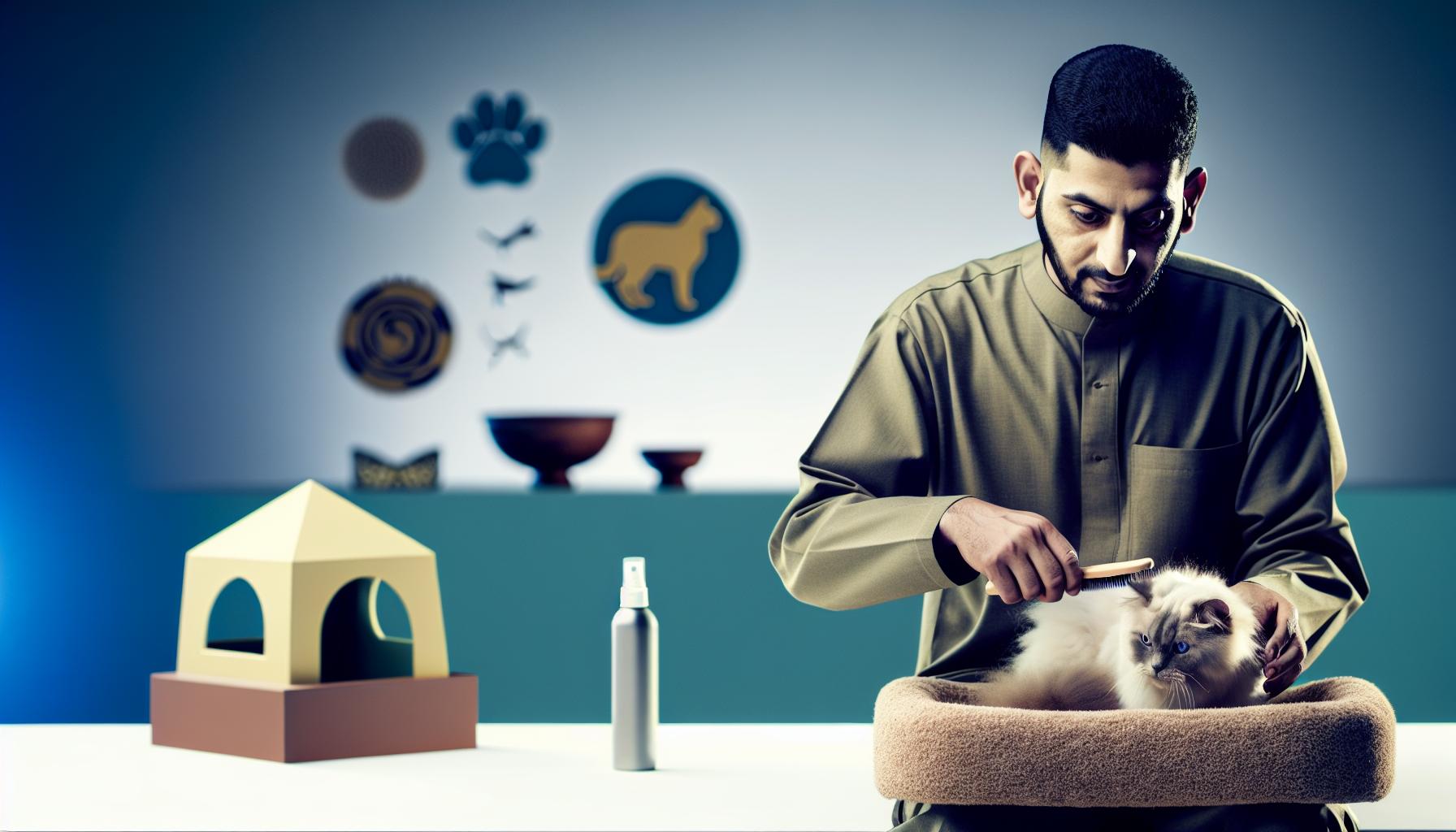
Many cats find brushing to be a source of anxiety, especially if they’ve had negative experiences or possess sensitive temperaments. But with gentle, patient handling and the right approach, grooming can become a comforting routine rather than a stressful event. Just like people, cats appreciate predictable, calm interactions. Starting slow and respecting your cat’s signals will build trust and even enjoyment over time.
Begin by choosing the proper tool for your cat’s coat and sensitivity – typically a soft brush or rubber grooming mitt for short-haired or anxious cats, and a slicker brush or wide-tooth comb for longer coats prone to tangles. Before you start brushing, take time to let your cat explore the tool. Place it near their resting spot or gently brush it against their paw to create curiosity rather than fear. This simple step helps turn the brush into a non-threatening object.
Step 1: Create a Relaxing Space
Find a quiet, familiar spot where your cat feels safe. Sit down calmly and hold your cat securely but gently; wrapping them lightly in a towel can help reduce sudden movements. Use slow,soothing strokes to pet them first,establishing a sense of comfort before bringing out the brush.
Step 2: Start with Short Sessions
Begin brushing in small increments, about 1-2 minutes, depending on your cat’s tolerance. focus on easy-to-reach areas with loose fur like the back or sides, avoiding sensitive zones such as the belly or tail initially. Use gentle, slow strokes following the direction of hair growth, and watch for signs of discomfort like twitching ears or tail flicks. If your cat stiffens or tries to escape, pause and offer a treat or soft praise to reconnect positively.
Step 3: Gradual Desensitization
For very nervous cats, break the brushing process into multiple brief interactions each day rather than a single long session. This repeated but gentle exposure conditions your cat to the experience without overwhelming them. Over days and weeks, increase brushing time and slowly include trickier areas, always prioritizing your cat’s calmness over thoroughness. remember, a relaxed 5-minute groom is better than a stressed 15-minute session.
Practical Tips That Work
- Warm the brush slightly: A room-temperature tool feels more soothing than cold plastic or metal.
- Use positive reinforcement: Treats, soft voices, or even play after brushing make it an event your cat looks forward to.
- Mind your cat’s mood: Avoid grooming when they are overly energetic or irritable; aim for calm, drowsy moments after naps.
- Handle mats carefully: If tangles appear, use a wide-tooth comb gently or seek professional help rather than forcing the issue, which increases fear and discomfort.
One groomer recalls a shy Russian blue named Milo, who initially hissed at the brush. By letting Milo sniff the brush first and brushing only a few strokes per session, the cat gradually relaxed, and eventually even leaned into the strokes for affection. This story highlights how small, kind changes in technique rebuild trust.
By focusing on your cat’s comfort and reading their body language closely, brushing shifts from a chore into a cherished moment of connection. Always remember: go slow, be kind, and celebrate every little success on the way to a calm, groomed companion.
How to Safely Bathe a nervous Cat

Many cats dread water, making baths one of the biggest challenges in home grooming. But with patience, careful preparation, and a calm approach, even the most nervous feline can tolerate-and sometimes even enjoy-a gentle bath. The goal isn’t a perfect, bubble-filled spa session but rather a safe, low-stress experience that respects your cat’s feelings and preserves trust.
Gather the Right Tools and Prepare the Space
Use a shallow basin or sink lined with a nonslip mat to prevent slipping and reduce panic. Choose a mild, cat-safe shampoo formulated for sensitive skin. Avoid products with strong fragrances or harsh chemicals. Have several soft towels, a shallow cup or handheld sprayer with gentle water flow, and a few treats ready. fill the basin with lukewarm water-never cold or hot-as temperature greatly affects comfort. Keep the room quiet,warm,and free of distractions.
Introduce Water Slowly and Reassure Constantly
Before wetting your cat, spend time gently stroking and soothing them in the bathing area. Let them sniff the shampoo bottle and play near the water without pressure. When you start,dip a washcloth or your fingers wet with water to gently moisten the cat’s fur,begining at the back or sides-areas less sensitive than the face or belly. Use calm, low tones and soft, reassuring touches throughout. This gradual introduction minimizes shock and builds acceptance.
Effective and Compassionate Bathing Technique
Keep your movements slow and deliberate. Use the shallow cup or sprayer to wet fur carefully, avoiding the head, ears, and eyes. Gently massage a small amount of shampoo into the coat, focusing on dirty or oily spots. Rinse thoroughly with lukewarm water, ensuring no soap residue remains to prevent skin irritation. If your cat struggles, pause and offer soothing strokes or brief breaks wrapped in a warm towel.
- protect sensitive areas: use a damp washcloth to clean the face and ears without water immersion.
- Keep sessions short: Aim for under 10 minutes to reduce stress buildup.
- Use a helper if needed: A calm assistant can gently hold or distract your cat while you wash.
Drying and Post-Bath Comfort
Wrap your cat immediately in a soft, dry towel and pat gently to absorb moisture without rubbing, which can irritate skin or fur. Keep the room warm and quiet as your cat dries. Avoid blow dryers unless your cat is accustomed to the noise and sensation-if used, keep airflow low and cool to prevent overheating or fright. Follow up with treats or gentle play to create a positive association.
Trying to bathe a cat with thick or long coats may require extra care or might be best left to professionals who understand how to manage mats and sensitive skin safely. If your cat shows signs of extreme stress-hissing, scratching, or fleeing-consider consulting a groomer experienced with fearful cats or a veterinarian for advice on alternatives like waterless shampoos or medicated wipes.
With empathy, patience, and these careful steps, bathing is less a battle and more an act of kindness that enhances your cat’s health while deepening your bond.Remember: every calm minute matters more than a spotless coat.
Gentle Nail Trimming Tips to Reduce cat Stress
Many cats instinctively dislike having their paws handled, which can make nail trimming one of the most stressful grooming tasks for both cats and their owners. Yet, with gentle, patient techniques and respectful handling, trimming your cat’s nails can become a calm, even bonding experience.the key lies in approaching the process in small, manageable steps that honor your cat’s comfort and natural boundaries.
Choose the Right Tools and Setting
Start with a pair of sharp, high-quality cat nail clippers or a rotary-style grinder designed specifically for cats. Dull or inappropriate tools can cause crushing or splintering, increasing discomfort and fear. Find a quiet, well-lit space where your cat feels safe-often their favorite resting spot works well. Keep a soft towel nearby for gentle restraint if needed, and have treats on hand to reinforce calm behavior.
Begin with Gentle Handling and Desensitization
Before ever clipping, spend time touching and gently massaging your cat’s paws during relaxed moments-such as when they’re sleepy or purring. Gradually extend the time spent holding each paw, rewarding calmness with soft praise or treats. This step builds trust and reduces surprise when it’s time for clipping. For cats prone to anxiety,break sessions into very short increments-just a paw or two per day-to avoid overwhelming them.
Step-by-Step Trimming Process
- Position comfortably: Hold your cat securely but gently, wrapping them loosely in a towel if they fidget, leaving one paw exposed.
- Locate the quick: On light-colored nails, the quick is the pinkish area containing nerves and blood vessels-avoid cutting hear to prevent pain and bleeding. For dark nails, trim tiny bits at a time.
- Clip cautiously: Use small, decisive snips at the tip of each nail, staying well clear of the quick. If you’re unsure, err on the side of trimming less.
- Take breaks: If your cat becomes restless or stressed,pause to soothe with gentle strokes or a treat. It’s better to trim a few nails calmly than rush and cause upset.
Real-World Tips from Groomers
Professional groomers often handle anxious cats by pairing nail trims with positive distractions like tasty treats or pheromone sprays that promote relaxation. When a cat is especially fearful or reactive, groomers may recommend trimming just a single nail per session or using mild calming aids advised by a veterinarian.If nails become overgrown, causing discomfort or damage, seeking professional guidance ensures safe, stress-minimized care.
Remember, your cat’s comfort always comes first.Nail trimming aims to keep paws healthy, not to achieve perfection. With gentle persistence, a relaxed environment, and plenty of love, you’ll help your feline friend accept this essential grooming routine with less fear and more trust.
Cleaning Ears without Causing Discomfort
cats’ ears are delicate and sensitive places that can quickly become a source of discomfort if cleaned improperly. Many cats resist this part of grooming not because they dislike cleanliness, but because the process can feel intrusive or startling. With a gentle approach and the right techniques, ear care can become a peaceful part of your grooming routine, helping prevent infections and maintain your cat’s overall comfort.
Gathering Your Supplies and Setting the Stage
Keep the process simple by using only a few essential tools: a veterinarian-approved ear cleaning solution, soft cotton balls or pads, and a towel for gentle restraint if needed. Avoid cotton swabs, which can push debris further into the ear canal or cause injury. Choose a quiet, comfortable space where your cat feels secure-often their favorite resting spot. Begin during a calm moment when your cat is relaxed or sleepy, making sure to have treats ready to reward cooperation.
Step-by-Step Ear Cleaning for Calm Comfort
- Start with gentle handling: Slowly lift one ear flap and rub the outer surface alongside the base, speaking softly to reassure your cat.
- Apply the cleaner with care: Gently squeeze a few drops of the ear solution into the ear canal without forcing the tip too deep. Immediately stop if your cat shows signs of pain.
- Massage and let your cat shake: Lightly massage the base of the ear for 20-30 seconds to loosen debris. This frequently enough results in your cat shaking its head-this natural action helps expel loosened dirt.
- Wipe away residue: Use a soft cotton ball or pad to wipe out the ear canal opening and ear flap gently. Change pads as they become dirty to avoid reintroducing debris.
Tips for Sensitive or Fearful Cats
If your cat is particularly anxious, break the cleaning into very short steps spread over several days.You can start by just touching and praising the ears without applying any solution. Gradually build up to lifting the ear flap, then to applying drops over multiple sessions. Using pheromone sprays or soft calm music in the background may also ease nerves. Remember to always observe for signs of irritation or infection, such as redness, swelling, or a foul odor-these require veterinary evaluation rather than home cleaning.
When discomfort or resistance is too high, it’s kinder and safer to consult a professional groomer or your vet. Both have experience with stressed cats and can handle ear care with minimal distress. Routine ear cleaning, done patiently and respectfully, promotes your cat’s health and strengthens your trusting relationship, making grooming a more positive, stress-free experience for both of you.
Using Positive Reinforcement to Comfort Cats

Few things soothe a stressed cat as effectively as genuine, positive attention combined with thoughtful rewards. Positive reinforcement is a cornerstone in helping nervous cats associate grooming with safety, comfort, and even enjoyment. When used right, it transforms grooming from a dreaded chore into a series of moments your cat can tolerate – or even look forward to.
Start by recognizing that every cat is unique-long-haired breeds like Persians might require longer, more frequent grooming sessions than short-haired cats like Siamese, and their tolerance levels will differ. For example, a fluffy Maine Coon might patiently accept brushing when coupled with gentle words and treats, while a naturally anxious Sphynx may need shorter, slower introductions.In either case, using soft, calm vocal tones, slow movements, and frequent praise sets the tone for a positive encounter.
Implementing Positive Reinforcement During Grooming
- Identify your cat’s favorite treats or rewards: This could be small pieces of cooked chicken, catnip, or a special dental chew.Having these ready before you start creates clear incentives.
- Use rewards immediately after calm behavior: When your cat stays still during brushing or nail trimming, pause to give a treat and gentle petting. This timing helps them link the grooming task with positive outcomes.
- Break tasks into manageable steps: Instead of tackling the full grooming in one go, divide the process. Maybe start with just lifting a paw or brushing a single section of fur, rewarding each small success.
- Incorporate play and affection: After a session, engage your cat in a favorite game or cuddle time. This reassures them that grooming leads to pleasant experiences beyond just the task itself.
Practical Tips and Real-World Examples
A cat named Luna,who once panicked during baths,learned to tolerate them better when her groomer began each session with a few minutes of gentle petting and offered her a favorite fish-flavored treat after every calm rinse. Similarly, Max, a shy cat hesitant about nail trims, responded well when his owner clipped just one nail at a time, rewarding with a heartfelt “good boy” and a tiny bite of cheese. These examples highlight patience and small victories as keys.
If your cat shows signs of stress despite your efforts-ears pinned back, tail flicking, tense body-pause and calm them with soothing words and treats. sometimes,it helps to use pheromone diffusers or sprays nearby to ease anxiety subtly. Keep sessions brief, and gradually build tolerance over weeks rather than expecting instant cooperation.
Knowing When to Pause and Seek Help
Positive reinforcement doesn’t mean pushing your cat past their comfort zone. if grooming repeatedly causes distress or aggressive behavior, consider consulting a professional groomer or veterinarian who can offer advanced calming techniques or medical support. Remember, the goal is a stress-free experience that prioritizes your cat’s welfare-not just a spotless coat.
By embedding kindness, rewards, and respect into your grooming routine, you help create trust that lasts a lifetime. Over time, your cat may not only tolerate but welcome these moments as part of their care and bonding with you.
Dealing with Common Grooming Challenges Calmly

Cats are masters of subtle dialog, and when grooming gets tricky, their stress signals can sometimes be easy to miss until tension escalates. Challenges like matting, unexpected squirms during baths, or resistance to nail trims are common and best handled with a mix of patience and thoughtful technique. Recognizing your cat’s limits early and adapting your approach minimizes stress-for both of you-and transforms arduous moments into opportunities for trust-building.
Handling Mats and Tangles Without Upsetting Your Cat
Long-haired breeds such as Persians and Maine Coons are more prone to mats, which can be painful if pulled harshly. Instead of rushing, start by gently teasing apart tangles with a wide-toothed comb or specialized detangling spray. Hold the fur close to the skin to minimize pulling sensation. If your cat flinches or tries to escape, pause and redirect with soothing petting or a brief treat break. Sometimes, breaking the task into tiny steps-working on just a small area per session-prevents overwhelm and encourages calm acceptance.
Bathing the Reluctant Cat
Many cats dislike water inherently, but those with oily or dirty coats require periodic baths for health. Prepare everything in advance: towels, lukewarm water, a cat-specific mild shampoo, and a non-slip mat for the sink or tub. Speak softly and move slowly to avoid startling your cat. A gentle spritzing rather than a flood of water can ease discomfort. If your feline friend squirms or tries to leap out, holding them securely with one hand under their chest and another supporting their hindquarters can definitely help maintain safety. Remember, if bathing escalates into fear or aggression, it’s okay to seek professional help to avoid trauma.
Making Nail Trims Manageable
Nail trims can be daunting, especially for cats who dislike having their paws handled. Try desensitizing by gently touching and massaging paws during calm moments outside grooming times. Use sharp, ergonomically designed clippers intended for cats and trim just the clear white tip of the nail to avoid the quick-a painful area.cutting one or two nails per session reduces anxiety, with praise and treats following each success. If your cat is highly resistant, wrapping them in a soft towel (“burrito style”) can offer gentle restraint while protecting you from scratches.
Addressing Ear Cleaning Sensitively
Cleaning ears requires a delicate touch. Use cotton balls or pads dampened with a veterinarian-approved ear cleaner, avoiding cotton swabs that can injure.Approach the task when your cat is relaxed-after a meal or playtime. If your cat resists, stop and try again later rather than forcing it. Never proceed if you notice redness, foul odor, or excessive debris; these signs warrant a vet visit instead of home cleaning.
- Stay patient: Break grooming into brief, consistent sessions over days or weeks rather than forcing all at once.
- Use calming aids: Pheromone diffusers or natural calming sprays can reduce anxiety in sensitive cats.
- Read body language: Ears pinned back, flattened body, or vocalizations are red flags to pause and comfort.
By tailoring your methods to your cat’s unique personality and grooming needs, you foster a safer, kinder environment. Remember, when challenges persist despite your best efforts, professional groomers and veterinarians have the expertise and tools to assist-always prioritizing your cat’s well-being over cosmetic perfection.Every small step forward is a victory toward a calmer grooming routine that honors your cat’s comfort and trust.
When to seek Professional Grooming Help

Sometimes,despite your best efforts,grooming your cat at home can become a source of important stress-for both you and your furry friend. Knowing when to hand over the reins to a professional groomer isn’t a sign of failure but rather an important step in prioritizing your cat’s well-being and comfort. Professional groomers specialize in gentle, low-stress techniques tailored to cats’ unique needs, and their expertise can make a world of difference-especially with specific breeds or particularly challenging grooming tasks.
Recognizing When Your Cat needs Expert Care
Cats with long, dense coats like Persians, Himalayans, or Maine Coons frequently enough develop stubborn mats that can be painful if not handled correctly. If you notice mats that resist gentle combing or your cat shows signs of distress when brushing-even after trying slow, gradual sessions-it’s wise to seek a professional. Experienced groomers have the right tools and safe dematting skills to remove tangles without pulling harshly or causing injury. This prevents frustration and potential trauma that might turn your cat away from grooming forever.
similarly,if your cat becomes aggressive,extremely fearful,or shows signs of physical discomfort during baths,nail trims,or ear cleanings,a professional’s calm confidence can be invaluable. Groomers trained in feline behavior use careful restraint methods, calming pheromones, and distraction techniques that often aren’t easily replicated at home. This approach helps the cat feel safe and less anxious, making the grooming session smoother and less stressful.
When Medical Issues or Specialized Care necessitate a Vet or Groomer
While groomers excel at routine care,some situations call for veterinary attention. For example, persistent skin problems, ear infections, or severe mats entwined with sores should be evaluated by a vet before grooming. If your cat has underlying health conditions like arthritis or heart issues, discussing a grooming plan with both your vet and groomer ensures safety.
Ulteriorly, veterinarians may perform procedures like medicated baths or sedation when necessary, but it’s essential to keep in mind that sedation should be a last resort and only under medical supervision. Professional groomers often collaborate with vets and can recommend when bringing in a specialist is the best decision for your cat’s health and comfort.
Practical Tips for Transitioning to Professional Grooming
If you’re feeling uncertain about this step, start by researching groomers who specialize in cats and prioritize low-stress handling. Many salons now offer consultation visits where your cat can meet the groomer in a calm environment, reducing anxiety during the first appointment. Mention any anxiety triggers your cat has,such as noise sensitivity or past trauma,so the groomer can prepare accordingly.
Ask about specific services, like partial trims for mat-prone breeds or gentle nail trims using distraction techniques, and express your preferences about keeping your cat’s comfort the top priority rather than focusing on purely cosmetic outcomes. A reputable groomer will always pause if your cat signals distress and work at a pace that fosters trust.
- Breeds benefiting most: Long-haired or double-coated cats, senior cats, or those with special needs.
- Challenging tasks: Severe dematting, medicated baths, or handling extreme anxiety.
- Signs to watch: Vocalizing distress, attempts to escape, aggression, or physical symptoms like skin irritation.
Remember, entrusting professional groomers isn’t about avoiding your role but enhancing your cat’s grooming experience.It gives both of you peace of mind and ensures your cat looks and feels their best-comfort and safety always come first.
Aftercare Tips to Keep Cats Relaxed Post-Grooming

It’s a common misconception that once grooming is done, a cat’s day returns immediately to normal. In reality, the moments following a grooming session are crucial for helping your feline friend decompress and feel safe again. Just as careful handling during grooming sets the tone, thoughtful aftercare can transform a stressful experience into one of comfort and trust.
Creating a Calm, Cozy Space
Right after grooming, guide your cat to a quiet, familiar area where they feel most secure-this might be their favorite bed, a cozy corner, or near a window where they can observe the outside world. Soft blankets or a warm towel can help soothe sensitive skin, especially after baths or nail trims. Keep the environment dim and free from loud noises or sudden activity, giving your cat a chance to settle without overwhelming stimuli.
Gentle Touch and Reassurance
Many cats appreciate gentle petting or slow, calming strokes after grooming, but it’s essential to read their body language carefully. If your cat seems overstimulated or prefers space, respect their boundaries. Use a soft voice to reassure them and consider offering favorite treats or a small meal to associate grooming with positive rewards. Patience is key-some cats may take several hours to fully relax after a session.
Hydration and Light Activity
After baths or extensive brushing, ensure fresh water is readily available to help your cat rehydrate. Some cats may also benefit from light play or exploration once calm, which can definitely help dissipate nervous energy. However, avoid vigorous activity immediately post-grooming, especially for older cats or those with joint issues; a slow, gentle approach supports comfort and healing.
Monitoring for Any Signs of Discomfort
Keep an eye out for any unusual behavior following grooming such as excessive licking,scratching,or sensitivity to touch that might indicate irritation or injury. If your cat shows persistent distress, swelling, or signs of infection-particularly around nails or ears-don’t hesitate to contact your veterinarian. Remember, groomers can handle many tasks, but health concerns need a vet’s expertise.
- Tip: Use calming pheromone diffusers or sprays in the aftercare area to ease anxiety.
- Tip: Offer quiet time separate from other pets or loud children during recovery.
- Tip: Keep grooming tools clean and ready for next use, minimizing stress for future sessions.
In sum, aftercare is an extension of the compassion and patience shown during grooming. By setting a peaceful stage post-session, you reinforce a positive routine and build your cat’s trust-turning grooming into a balanced experience of care and calm.
FAQ
Q: How do groomers use scent and pheromones to keep cats calm during grooming?A: Groomers often use synthetic pheromone sprays or diffusers that mimic cat facial pheromones to create a calming environment. These scents help reduce anxiety by signaling safety, making cats more relaxed during grooming.Using pheromones complements preparing a calm space and enhances the soothing effect described in our environment section.
Q: What role does gentle handling technique play in reducing cat stress during grooming?
A: Gentle handling is crucial to keeping cats calm.Groomers employ slow, soft strokes and avoid sudden movements to prevent startling cats. This approach respects a cat’s comfort zone, minimizing stress signals and encouraging cooperation, reinforcing the gentle brushing and nail trimming tips covered in the article.
Q: How can scheduled grooming routines help anxious cats stay calm over time?
A: Regular grooming routines build familiarity and trust,helping cats anticipate and accept grooming with less fear. Consistent timing and familiar tools create predictable experiences that reduce anxiety,supporting stress-free techniques explained under brushing and bathing sections.
Q: Why do groomers use towels or wraps when grooming nervous cats?
A: towels or wraps provide gentle restraint, making cats feel secure and preventing sudden movements that cause stress or injury. This technique offers a comforting cocoon effect, especially useful in nail trimming or bathing, linking closely to safe handling and calming approaches detailed in grooming challenges.
Q: What is the importance of short grooming sessions for stressed cats?
A: Short,frequent grooming sessions prevent overwhelming anxious cats and reduce buildup of stress.This method allows gradual desensitization and helps maintain calm, aligning with step-by-step grooming tactics and stress management addressed in the brushing and bathing sections.
Q: How do groomers recognize when to pause or stop grooming to keep cats calm?
A: Groomers watch for stress signals like growling, flattening ears, or struggling. Recognizing these signs early allows immediate pausing or stopping to prevent escalation. This respectful approach prioritizes cat welfare and ensures safer sessions, complementing the “Understanding Cat Stress Signals” and grooming challenges sections.
Q: How do positive rewards during or after grooming help calm cats in the long run?
A: Rewarding cats with treats or affection during and after grooming builds positive associations and encourages relaxation in future sessions. This reinforcement technique is a gentle, effective way to reduce anxiety, tied closely to positive reinforcement strategies you’ll find in the main article.
Q: What grooming tools do groomers prefer for sensitive or stressed cats, and why?
A: Groomers use soft-bristled brushes, rounded nail clippers, and quiet clippers designed for less noise to minimize discomfort. Choosing the right tools reduces irritation and stress, promoting a calm grooming experience as discussed in the article’s essential tools and gentle nail trimming sections.
For more detailed tips, explore our sections on step-by-step brushing techniques and when to seek professional grooming help** to ensure your cat’s grooming is always safe and stress-free.
the way Forward
Keeping your cat calm during grooming is all about patience, the right tools, and understanding each step-from gentle brushing to safe nail trimming. Whether your furry friend has a thick coat or sensitive skin, using stress-free techniques ensures their comfort and wellbeing. Remember, whether you’re handling baths, ear cleaning, or brushing, prioritizing your cat’s safety and emotional state makes all the difference.
If you’re looking to deepen your grooming knowledge, check out our guides on DIY Cat Grooming Tips and How to Choose the Best Cat Grooming Tools. For those considering professional help, learn when to consult a groomer versus your vet in our article on Cat Care and Health Essentials. Ready to create a calm, enjoyable grooming routine? Sign up for our newsletter for expert advice delivered straight to your inbox and share your own tips or questions in the comments-we love hearing from fellow cat lovers!
By embracing gentle, evidence-based grooming methods, you’re not just maintaining your cat’s appearance-you’re supporting their trust and happiness. Implement these stress-free techniques today,and watch your cat’s grooming experience transform. Stay connected for more pet-first care insights that make every grooming session a positive moment.
Get our latest guides, news, and insights highlighted in your Google Search & AI Overviews.
Keep reading about the same coat and cut.
Popular grooming guides
Bath vs clip, first grooms, and salon how-tos.