How Do Groomers Groom Cats: Feline Grooming Process

Cats are often masters of self-care, but even the most autonomous feline can benefit from professional grooming tailored to their unique needs. How do groomers care for cats’ diverse coat types-from sleek Siamese to fluffy Maine Coons-while ensuring comfort and safety? Understanding the grooming process can definitely help you feel confident about what goes into each step: gentle baths,careful brushing to prevent mats,nail trimming,and ear cleaning.Wiht the right tools and techniques, groomers prioritize your cat’s well-being above all, making the experience less stressful for both pet and owner. Whether you’re managing a nervous kitty or a long-haired beauty prone to tangles, this guide walks you through what happens during a professionalgroomingsession-offeringpracticaltipscalminginsightsandclearboundarieswhentoseekveterinarycareLet’sunraveltheartandsciencebehindfelinegroomingsoyoucanbettersupportyourbelovedcompanion’shealthhappinessandsilky-softcoat
Understanding the Feline Grooming Process: What Groomers Do
Table of Contents
- 1 Understanding the Feline Grooming Process: What Groomers Do
- 2 Essential Tools and supplies for Grooming Cats at Home
- 3 Step-by-Step guide to Brushing your Cat’s Coat
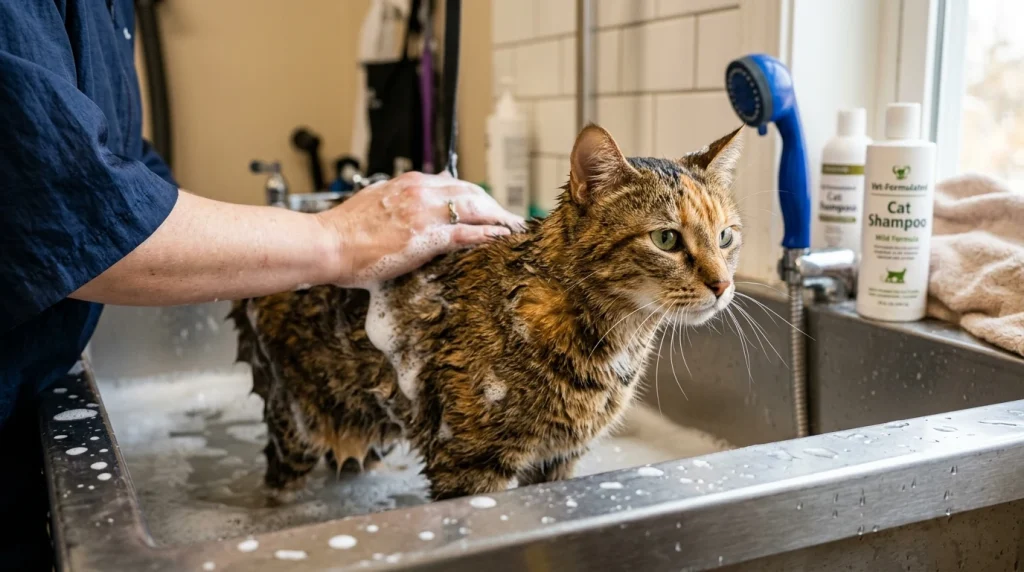
- 4 How Groomers Safely Bathe Cats: Tips and Techniques
- 5 Clipping and Trimming: Nail Care for Stress-Free Cats
- 6 Cleaning Cat Ears and Eyes: Gentle Grooming Practices
- 7 Dealing with Mats and Tangles: Groomer-Approved Solutions
- 8 Recognizing When to Seek professional Grooming Help
- 9 How Groomers Handle Anxious or Nervous Cats with Care
- 10 Common Grooming Mistakes and How to Avoid Them
- 11 Tips for Creating a Calm, Comfortable Grooming routine
- 12 Understanding the Differences: Vet,Groomer,and DIY Care
- 13 FAQ
- 14 The Conclusion
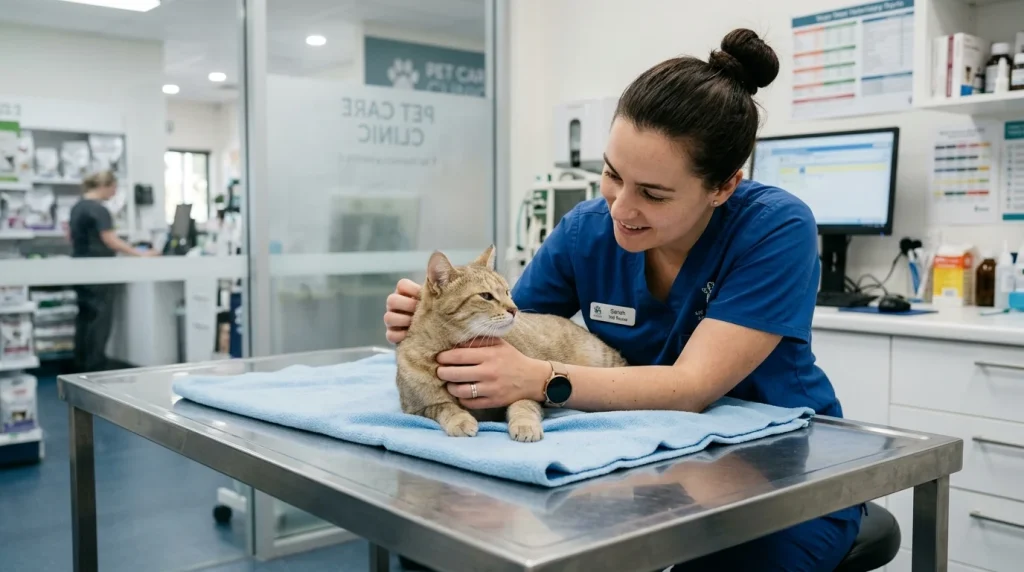
Cats are naturally fastidious groomers, but even the most meticulous felines benefit from a gentle, professional touch. Groomers bring specialized skills and tools to the table, not just to keep your cat looking neat, but to maintain health and comfort. each grooming session is tailored to your cat’s unique coat type and personality-whether it’s a sleek Siamese, a fluffy Maine Coon, or a dense Persian-because every feline’s needs vary widely.
The process begins with a calm assessment,where the groomer checks coat condition,skin health,and temperament.This helps in planning the approach, prioritizing safety and stress reduction. Dry brushing removes loose fur and light debris, while bathing (if needed) is done using cat-friendly shampoos designed to protect sensitive skin. Groomers use specially designed brushes and combs suited to each cat’s coat-slicker brushes for dense fur, fine-toothed combs for tangles. Nail trimming is handled with patience, avoiding quick cuts, and ear and eye cleaning involves gentle swabs to clear away dirt without irritation.
Compassionate Handling and Tailored Technique
Professional groomers are experts in reading feline body language. when a cat feels anxious or fidgety, the groomer slows down or uses subtle calming techniques-soft talking, breaks, or gentle restraint-to make the experience positive. Mats and tangles, often the trickiest part, are carefully detangled or trimmed without causing pain. Some cats may require short “lion cuts” in heavily matted areas, which groomers perform while minimizing stress. This compassionate, step-by-step method ensures the cat’s welfare always comes frist, helping owners feel confident that their pet is cared for-not just cosmetically groomed.
Why Choose a Groomer Over DIY?
While home grooming is a loving practice, groomers have expertise and tools that many owners don’t. they know when a problem like severe mats or skin issues needs professional care-or even vet intervention. Groomers also provide valuable advice on maintaining your cat’s coat between visits, promoting a healthy routine at home. This partnership between groomer and owner creates a safer, more agreeable grooming experience, reducing the chance of injury or anxiety for your furry friend.Ultimately, professional grooming is about enhancing your cat’s comfort, health, and happiness through patient, informed care tailored exactly to their individual needs.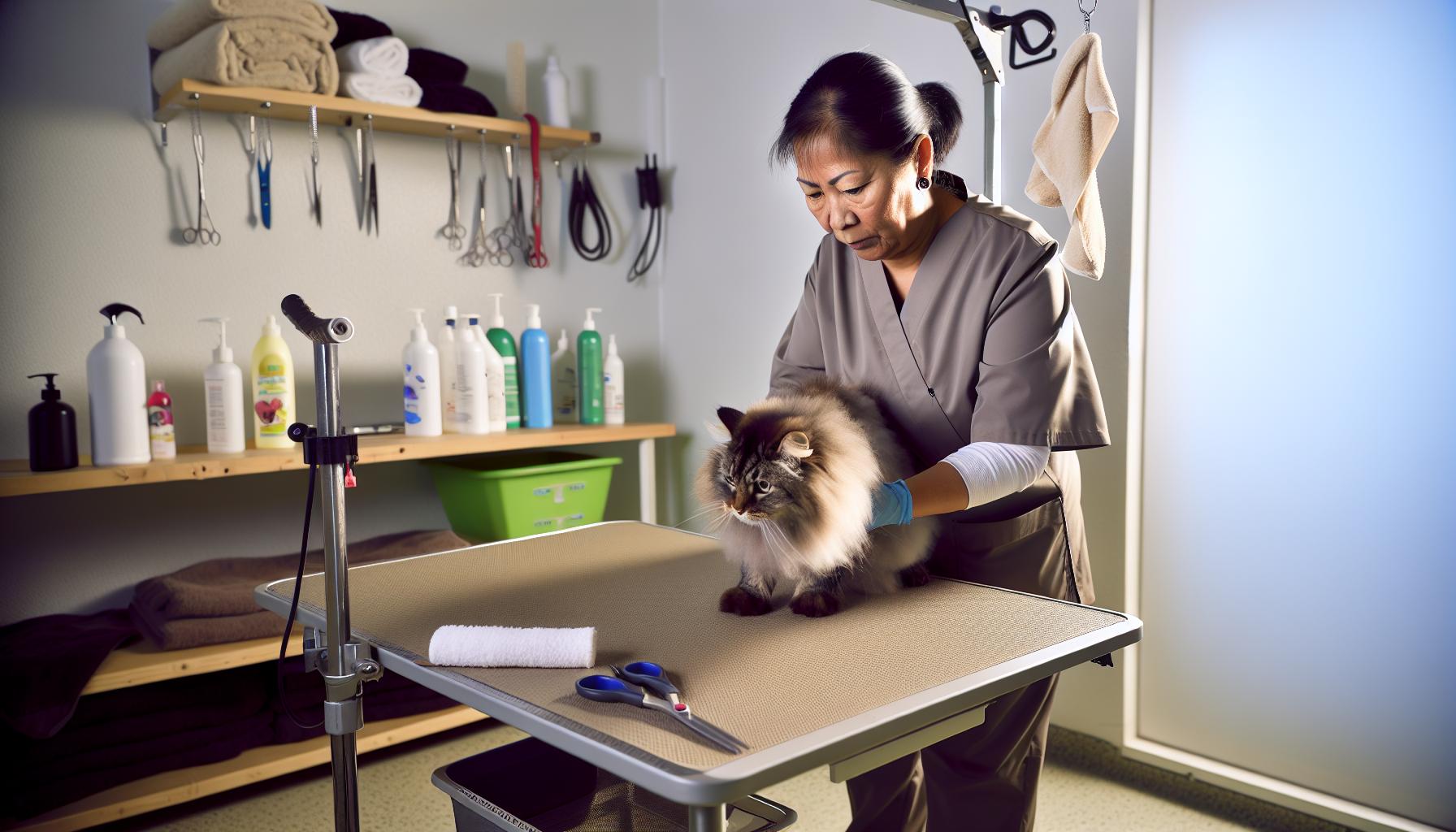
Essential Tools and supplies for Grooming Cats at Home
Cats may be natural groomers, but having the right tools at home makes the process safer, less stressful, and far more effective-for both you and your feline friend. Just as professional groomers tailor their approach to a cat’s breed and coat type, you’ll want to choose supplies that suit your cat’s unique needs. Such as, a long-haired Persian requires different brushes compared to a short-haired Siamese, and knowing what works best helps prevent frustration for you and discomfort for your pet.
Brushes and Combs: Choosing What Fits Your cat’s coat
A quality brush is your best friend when tackling shedding and keeping fur smooth. For dense or long coats, a slicker brush helps loosen mats and remove loose hair gently. Cats with finer or shorter fur do well with a bristle brush or a rubber grooming mitt, which mimic the sensation of petting while cleaning effectively. Alongside these, a fine-toothed comb is essential-especially for spotting small tangles or debris and easing out stubborn knots without pulling.
Bathing Supplies: Gentle Tools for Sensitive Skin
Bathing cats is often a last resort, but when needed, the right supplies make all the difference. Use a cat-specific shampoo formulated to protect delicate skin and maintain natural oils-never human products. A handheld, gentle spray nozzle or a shallow basin keeps water at a tame level, reducing panic. Have towels ready for drying, and consider a soft, absorbent microfiber towel rather than a rough bath towel to keep your cat comfortable and warm afterward.
Nail Care Essentials: Clippers Made for Felines
Trimming nails can be stressful if your tools aren’t up to the task. Invest in cat nail clippers-guillotine-style or scissors-style depending on your preference and your cat’s comfort. Avoid using human nail clippers or dull tools, which risk cracking or splintering nails. If your cat is particularly anxious, having styptic powder or a coagulant nearby is wise in case of accidental nicks.
Cleaning Accessories: Keeping Ears and Eyes Healthy
Gentle grooming goes beyond coat and nails. Use soft cotton balls or pads dampened with a vet-approved ear cleaner to wipe away dirt-never insert anything deep into the ear canal. for eyes, a clean, damp cloth or specialized wipes can gently lift away discharge without irritation.
- Basic Kit Checklist:
- Slicker brush or bristle brush (depending on coat type)
- Fine-toothed comb
- Cat-specific shampoo
- Microfiber towels
- Cat nail clippers
- Styptic powder (for nail trimming accidents)
- Soft cotton balls/pads for ear and eye cleaning
- Vet-approved ear cleaner and eye wipes
Remember, even with the right tools, patience and kindness remain your best strategy. Take grooming in small, calm steps, and watch your cat relax more each time. If mats, skin problems, or unusual behavior appear, it’s always best to consult a professional groomer or your vet rather than pushing ahead with DIY solutions beyond your comfort or skill level. This thoughtful approach ensures grooming is a joyful bonding moment rather than a source of stress for your cherished companion.
For popular,well-reviewed grooming supplies tailored to cats,consider browsing curated selections online or trusted pet stores,where expert advice often accompanies the products [1], [2], [3].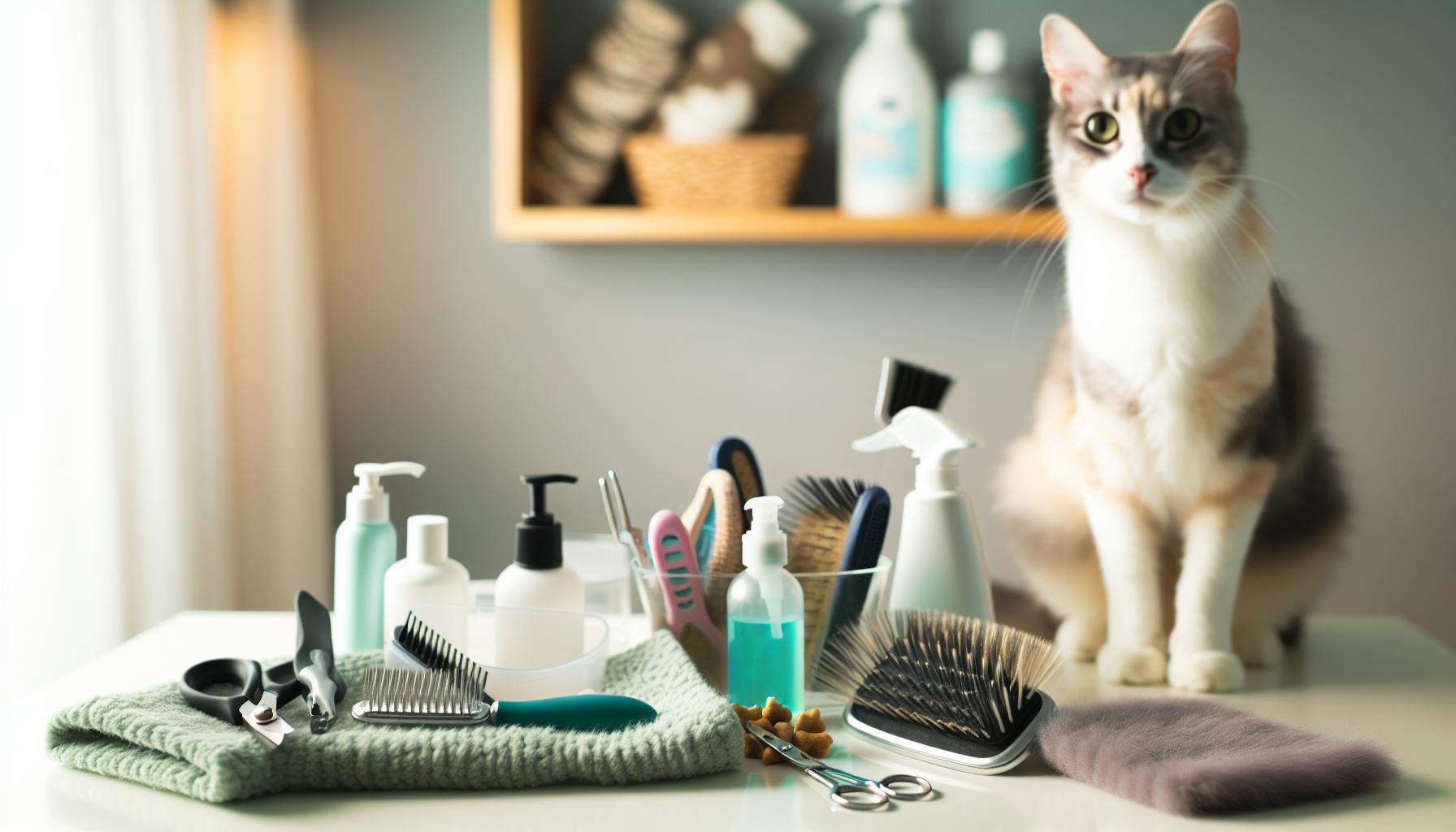
Step-by-Step guide to Brushing your Cat’s Coat
Cats frequently enough seem like effortless groomers, but regular brushing is a gentle art that goes beyond aesthetics-it’s a vital ritual that supports their skin health, reduces shedding, and strengthens your bond. Knowing how to brush your cat’s coat properly can transform grooming from a stressful chore into a moment of calm connection, especially for nervous pets or those new to handling. tailoring your approach based on your cat’s coat length and texture is the first step towards success. As an example,a fluffy Maine Coon requires different care than a sleek,short-haired Bombay.
Choosing the Right Brush and Setting the Scene
Start by selecting the appropriate brush: slicker brushes work wonderfully for dense or long fur, helping to loosen mats and remove loose hairs without pulling. for short-haired cats, a soft bristle brush or a rubber grooming mitt provides a soothing pet-like stroke while cleaning. Always have a fine-toothed comb handy-it’s ideal for spotting hidden tangles or debris missed by the brush. Before you begin, pick a quiet, comfortable spot where your cat feels safe.Speaking softly and offering gentle pets can definitely help set a positive tone.
Step-by-step Brushing Approach
- Begin Slowly: Gently stroke your cat with your hand to reassure them, then start brushing with light, slow strokes following the natural growth of their fur.
- Focus on Sensitive Areas: Pay special attention to areas prone to tangles such as behind the ears, under the legs, and around the collar line.Use the fine-toothed comb carefully here to ease out knots without tugging.
- Watch Your Cat’s Cues: If your cat shows signs of discomfort-tail flicking, ears back, or trying to escape-pause and offer calming strokes or treats before continuing.
- Short Sessions Work Best: Especially for shy or anxious cats, break grooming into multiple short sessions instead of one long one to keep stress low.
- Remove Loose hair Promptly: Keep a damp cloth nearby to wipe away gathered fur from the brush and keep your cat’s habitat tidy during grooming.
Troubleshooting and helpful Tips
If mats or stubborn tangles appear, never force the brush-it can hurt your cat and make them fearful. Instead,hold the fur closest to the skin gently to minimize pulling and work from the edges inward with the comb. Long-haired cats may benefit from regular daily brushing, while short-haired breeds often do well with 2-3 times weekly grooming. Remember, brushing isn’t about making your cat look perfect but ensuring their comfort and happiness.
This mindful brushing routine, practiced with patience and kindness, encourages your cat to see grooming as a positive, even enjoyable, experience. Over time, you’ll develop an intuitive sense of when your cat needs more care or when it’s time to seek a professional groomer’s support, ensuring their coat and wellbeing flourish together.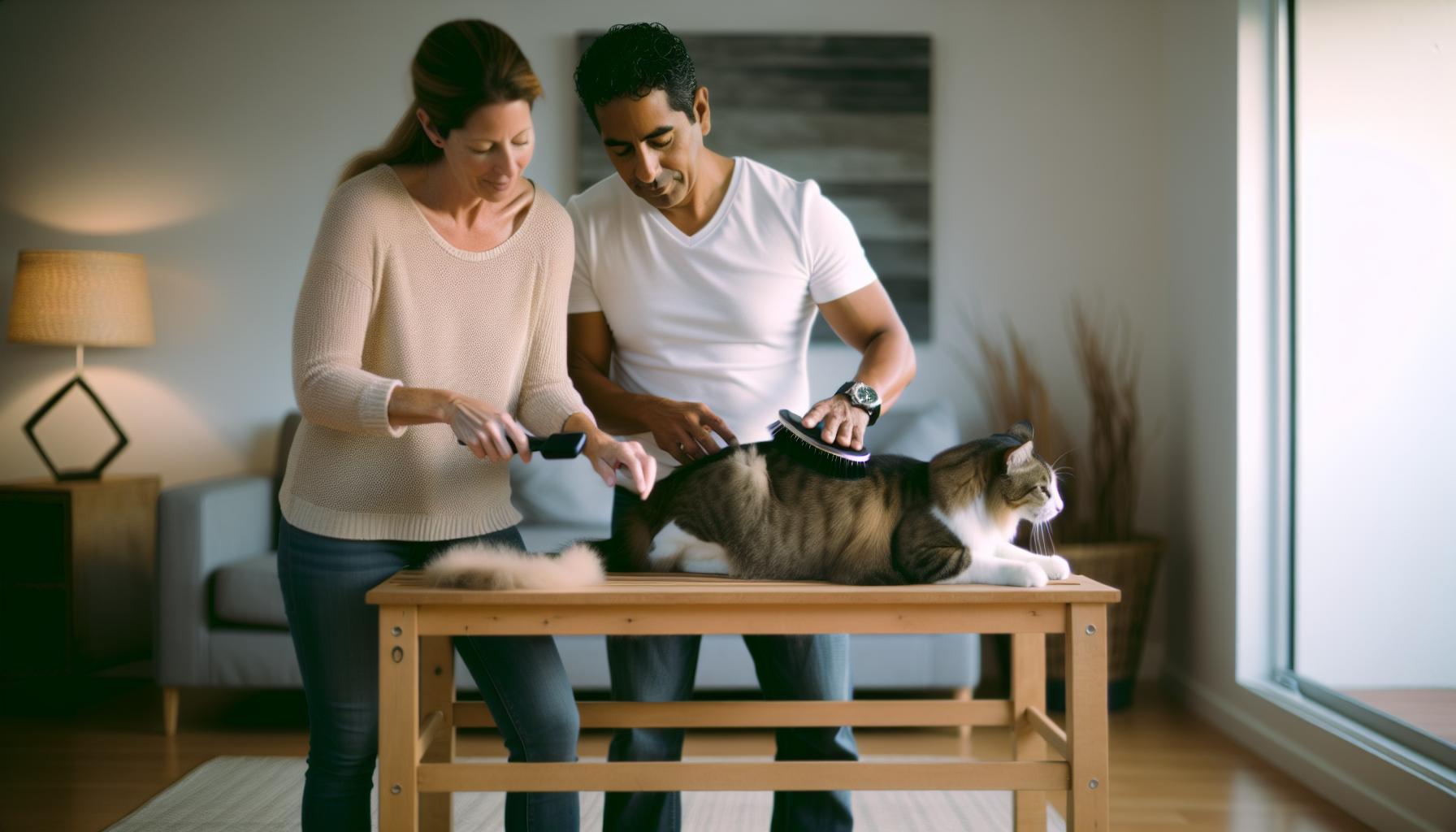
How Groomers Safely Bathe Cats: Tips and Techniques
Cats are known for their fastidious grooming habits, yet even the most self-sufficient feline can benefit from a carefully supervised bath. Groomers understand that bathing cats safely requires a blend of patience,gentle handling,and specialized techniques to reduce stress and maintain the cat’s natural coat health. Not all cats need frequent baths, but for breeds with longer fur, oily coats, or skin conditions, or for cats who’ve gotten into something sticky or smelly, a professional approach ensures comfort and cleanliness without trauma.
Preparing for the Bath
Before any water touches fur, groomers take time to thoroughly brush the coat to remove tangles and mats that could tighten when wet. Using a gentle, detangling comb or slicker brush suited to the cat’s fur type helps prevent painful matting. Water temperature is kept warm but not hot – around 100°F (38°C) – to avoid discomfort, and the bathing area is made quiet and slip-free. Many groomers use nonslip mats inside the tub or sink to help cats feel secure. To reduce anxiety, they may softly talk or offer treats throughout the process.
Step-by-step Bathing Technique
- use Cat-Safe Shampoo: Only mild, hypoallergenic shampoos formulated specifically for felines are used. Human or dog shampoos can irritate sensitive feline skin.
- Gentle Wetting: Start by slowly introducing water-using a handheld sprayer or a damp washcloth-avoiding the cat’s head and ears initially, which can be particularly sensitive.
- Careful Application: Shampoo is applied sparingly and massaged gently into the coat without vigorous rubbing. this protects the skin barrier and reduces the chance of tangling.
- Rinsing Thoroughly: Ensuring all shampoo is rinsed out is crucial, as residue can cause irritation or dry skin. Groomers use a stream of lukewarm water or damp cloths to carefully rinse without splashing water into the eyes or ears.
Handling the Head and Sensitive Areas
The cat’s face and neck are cleaned with a damp washcloth or pet-safe wipes rather than direct water exposure. Ears are gently wiped with a soft cloth-never flooded or scrubbed-and eye areas are treated gently to remove any discharge without causing discomfort. This avoids the risk of water entering sensitive ear canals or eyes, which could lead to infections.
Drying and Post-Bath Care
Many cats dislike loud dryers,so groomers often start by blotting excess water with a soft towel,then use a low-heat,low-noise dryer if tolerated. For nervous or older cats, air-drying in a warm, draft-free room may be safer and less stressful. After drying, a final gentle brushing helps remove any loosened hairs and prevents new mats from forming. Groomers always watch for signs of distress during drying and adjust their approach with patience and care.
By combining calm handling with clear attention to a cat’s unique coat type, skin sensitivity, and temperament, professional bath time becomes a nurturing routine rather than a frightening ordeal. For those managing at home, remember that a groomer’s expertise is sometimes essential-especially for cats with special needs or those prone to anxiety during baths-to maintain safety and wellbeing above all else. This careful approach preserves not only cleanliness but the trust and comfort your cat deserves.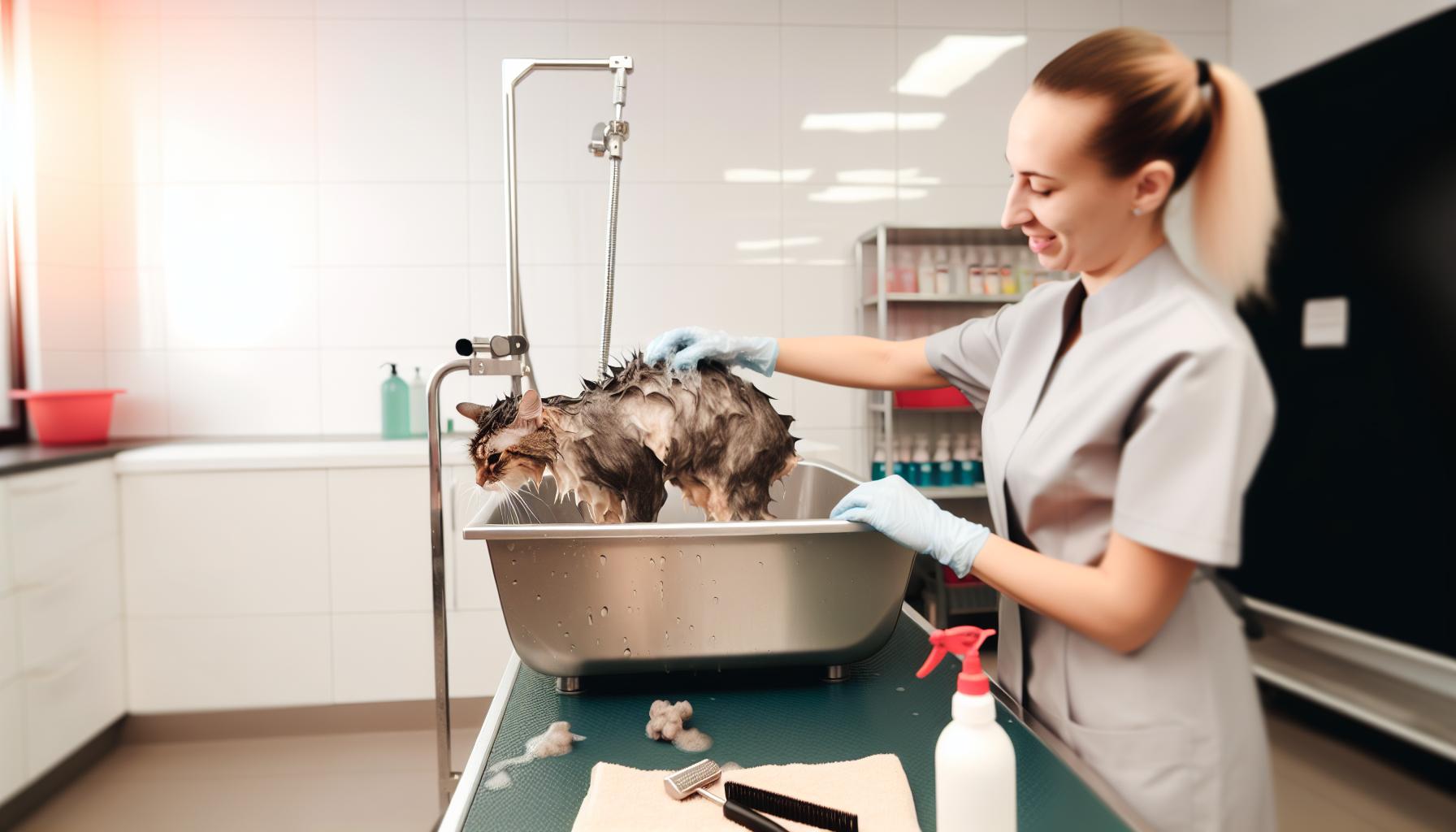
Clipping and Trimming: Nail Care for Stress-Free Cats
Nail trimming is more than a cosmetic task-it’s a vital part of keeping your cat comfortable, mobile, and injury-free. Many cats aren’t fans of having their paws handled, so the key to stress-free nail care lies in gentle, thoughtful techniques that prioritize your feline’s wellbeing over speed or perfection. Remember, trimming nails regularly prevents painful overgrowth that can curl into paw pads or furniture, while reducing the chance of accidental scratches for both your cat and household members.
Getting ready: Tools and Calm Readiness
Before you start, gather the right tools. Use sharp, small pet nail clippers or a rotary file designed for cats-these minimize crushing or splintering the nails. Some owners find nail grinders easier on nervous cats, as they trim gradually without the risk of cutting too deep. Have styptic powder or cornstarch nearby to stop any minor bleeding if you accidentally clip the quick (the sensitive pink area inside the nail).Choose a quiet,well-lit room,and approach the session in short,slow steps.
Step-by-Step Trimming for a Positive experience
- Acclimate Your Cat: Gently handle your cat’s paws during calm moments,offering treats and praise. This builds trust and helps the cat accept future nail trims as less scary.
- Position Comfortably: Sit somewhere comfortable, holding your cat securely but not tightly. Wrapping anxious cats in a soft towel with one paw exposed can provide reassurance and control.
- Identify the Quick: Examine each claw carefully. For light-colored nails, the pink quick is visible-you want to avoid cutting into it to prevent pain and bleeding. For dark nails, trim small bits cautiously, watching for a chalky white or gray center.
- Trim Small Amounts: Cut off just the sharp tip of each nail at a slight angle,avoiding the quick. If your cat pulls away, pause and soothe before continuing.
Handling Sensitivity and Stress
If your cat is particularly anxious or inexperienced, try trimming just one or two nails per session. this gradual approach reduces overwhelm,turning nail care into manageable moments rather than a battle. Some groomers also recommend special pheromone sprays or calming collars that help relax nervous cats during grooming. Positive reinforcement-soft words, petting, favorite treats-works wonders in reinforcing good behavior and building lasting trust.
When to Call a Professional
For cats with very overgrown nails, underlying joint pain, or extreme fear of handling, professional groomers and veterinarians can provide safe, low-stress nail care. Groomers experienced in feline behavior use gentle restraint and sometimes sedation options to protect your cat’s comfort and safety. Don’t hesitate to seek help if home trimming feels unsafe or overly stressful.
With patience, kindness, and the right tools, regular nail trimming becomes a bonding ritual that protects your cats’ health and happiness. Taking small, reassuring steps empowers you to maintain healthy paws-even the most timid kitties can learn to tolerate this essential care when their comfort comes first.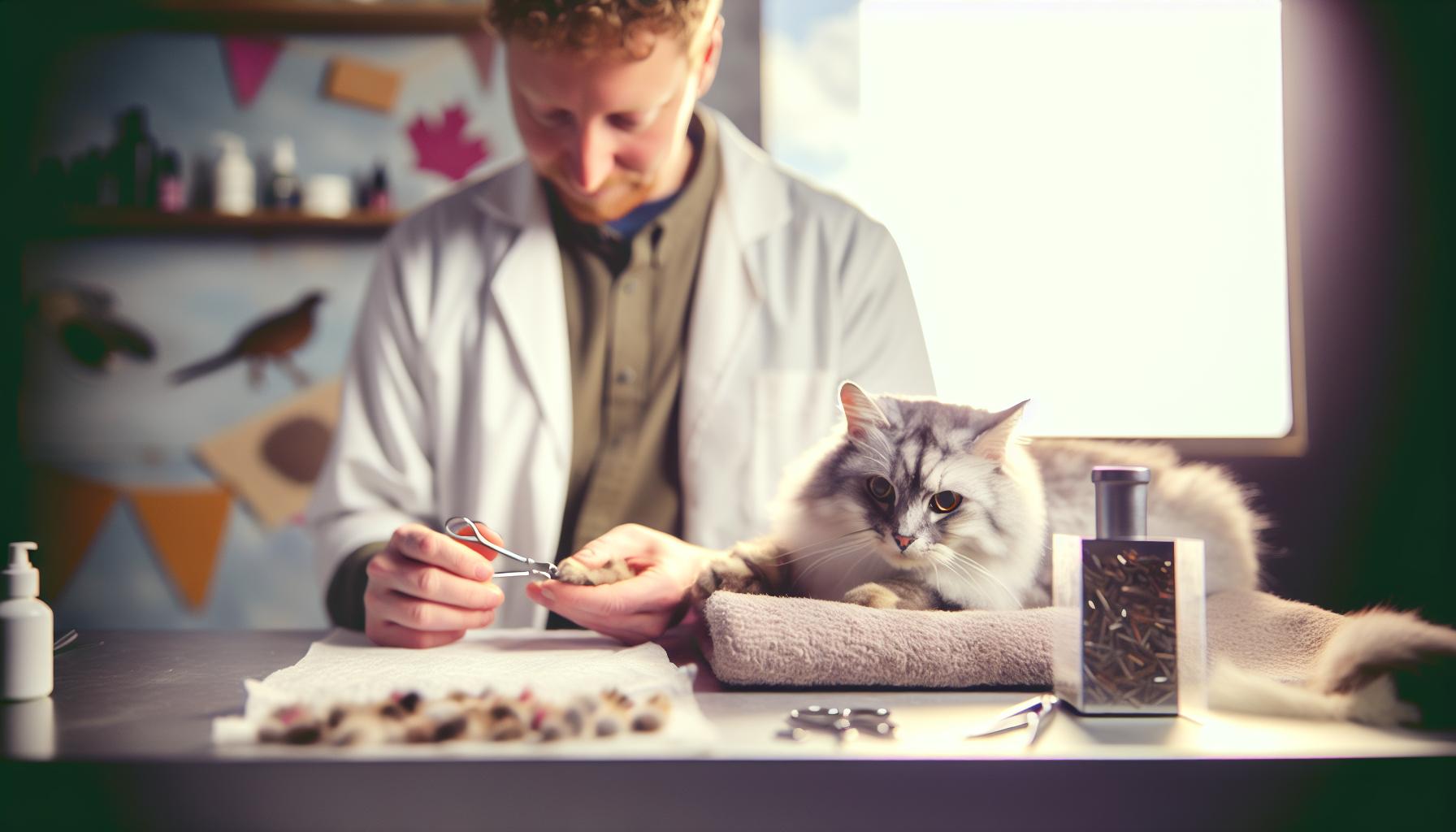
Cleaning Cat Ears and Eyes: Gentle Grooming Practices
Ear and eye care might seem like small details, but they’re vital components of your cat’s overall health and comfort. Groomers understand that these sensitive areas demand the gentlest touch and a lot of patience-especially because many cats instinctively resist having their ears or eyes handled. With the right approach and tools,these routine cleanings can become stress-free moments that keep your feline friend feeling fresh and healthy.
Essential Supplies and Setting the Scene
Before starting,gather soft cotton balls or pads,veterinarian-approved ear cleaning solution,and a gentle eye wipe or damp,lint-free cloth. Avoid using cotton swabs inside the ear canal, as these can push debris deeper or damage delicate structures. Choose a quiet,well-lit area where your cat feels secure. Sitting on your lap or a non-slip surface helps your cat feel supported.Speak softly and reward calm behavior with treats or gentle pets to build trust.
Cleaning Ears Safely and Comfortably
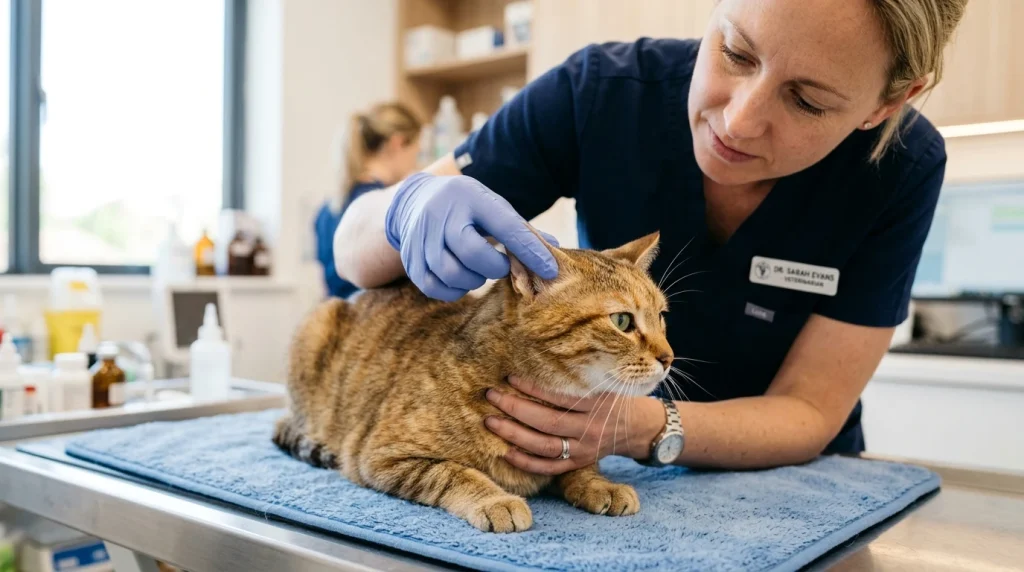
Start by lifting the ear flap and inspecting for debris, wax, or redness. If your cat’s ear looks inflamed, unusually smelly, or heavily soiled, it’s best to consult your veterinarian before attempting to clean. For routine cleaning, place a few drops of ear cleaner into the visible part of the ear canal. Let your cat gently shake their head to help loosen wax and dirt. Use a cotton ball to wipe away excess solution and debris around the ear’s outer edges-not deep inside.If your cat resists,pause and try again later,breaking the task into very short sessions.
Gently Caring for the Eyes
Eye cleaning is often needed for cats with tear staining or mild discharge, especially breeds prone to watery eyes like Persians. Use a dampened cloth with warm water or special eye wipes recommended by your vet. Wipe from the inner corner outward, using a fresh part of the cloth for each stroke to avoid spreading infection. Avoid touching the eyeball or forcing the eyelid open. If you notice persistent redness, discharge, squinting, or cloudiness, these signs indicate a veterinary exam is necessary.
- Tip: If your cat is anxious, try cleaning ears and eyes after playtime or when they’re naturally calm.
- Gentle Restraint: Wrapping your cat snugly in a towel can help calm them and prevent sudden movements.
- Never rush: Patience and slow movements reassure your cat that grooming is safe and predictable.
Understanding when cleaning is a simple grooming task versus when it requires veterinary care is essential. groomers focus on maintaining cleanliness and spotting potential problems early, but they always defer to vets when infection or discomfort is suspected. This partnership ensures your cat’s delicate ears and eyes stay healthy, happy, and free from pain.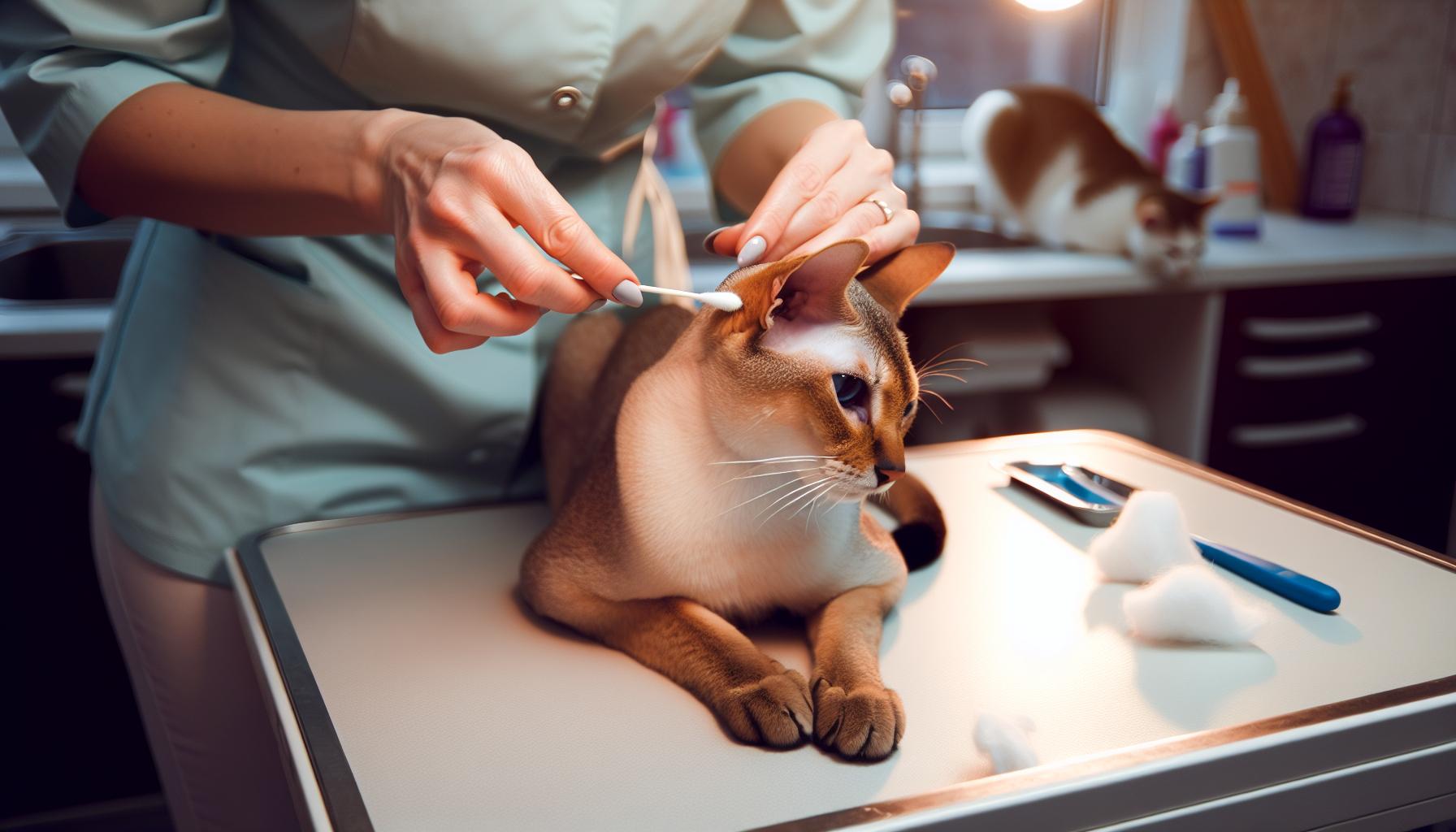
Dealing with Mats and Tangles: Groomer-Approved Solutions
Mats and tangles are more than just unsightly-they can cause real discomfort, skin irritation, and even restrict a cat’s movement if left untreated. Especially common in long-haired breeds like maine Coons, Persians, and Ragdolls, mats often sneak up quickly in areas such as behind the ears, under the neck, and along the belly. the good news is that with patience, gentle techniques, and the right tools, you can safely manage or prevent these tricky clumps while keeping your cat calm and comfortable.
Identifying and Approaching mats
groomers begin by thoroughly inspecting the coat for uneven patches or knots, gently feeling for lumps beneath the fur. It’s crucial to differentiate between light tangles, which can be worked out with a brush, and severe mats that may need specialized attention.Attempting to comb out dense mats without the right approach can hurt your cat or worsen the problem.
Start by isolating small sections of fur and using a wide-tooth comb or dematting tool designed to ease through tangles without pulling harshly.For sensitive or fidgety cats,break the session into very short intervals with plenty of pauses and praise. Wrapping your cat in a towel can help keep them gently restrained, protecting both your pet and your hands from sudden movements.
Tools That Make a Difference
- Wide-tooth combs: Great for loosening light tangles gently.
- Dematting combs or rakes: Designed to carefully break up denser mats without tugging.
- Mat splitter or scissors: Used only by experienced groomers or vets to carefully cut out mats too tight to comb.
- Conditioning sprays: These can definitely help soften fur before brushing, making mats easier to work through.
Groomers often recommend regular use of conditioner sprays that hydrate the coat and prevent fur from becoming brittle-a key factor for easy mat removal at home.
When to Call in the Professionals
Very tight or close-to-skin mats can trap moisture and dirt, leading to skin infections and painful sores. If you find mats so severe that your cat shows signs of distress, sensitivity, or the mats cover large areas, it’s time to seek professional grooming help. Groomers are trained to safely trim mats with carefully controlled tools and to recognize if a veterinary exam is needed for underlying skin issues. Attempting to remove serious mats at home risks injury or discomfort.
Troubleshooting and Prevention Tips
- Regular brushing: Short daily or every-other-day brushing for long-haired cats goes a long way to reduce mat formation.
- Keep calm: Use slow, reassuring movements and breaks so your cat associates grooming with positive experiences.
- Be gentle: Mat removal is never a race: patience prevents frustration, fear, and accidental scratches.
- Know your limits: If your cat becomes fearful or aggressive, stop and try again later or consult a groomer.
many owners find that tying grooming sessions to quiet, relaxed times-for instance, after play or a nap-helps their cat settle and tolerate grooming better. Remember, keeping mats away is about more than looks-it’s a simple act of kindness showcasing how well you care for your companion’s comfort and health.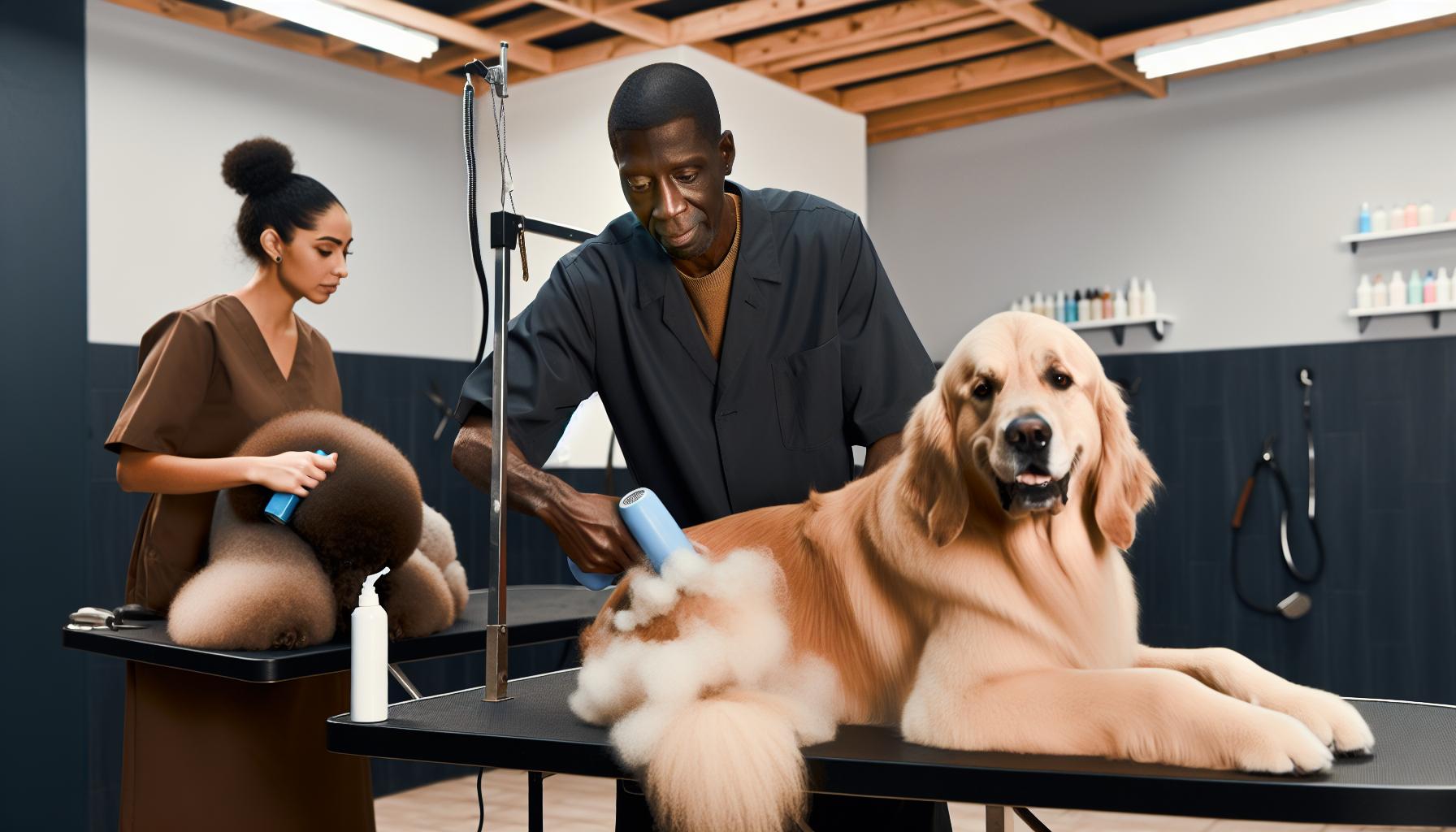
Recognizing When to Seek professional Grooming Help
cats are masters at hiding discomfort, but when grooming becomes a source of stress or physical pain, it’s time to pause and consider professional help. Not every mat,coat trouble,or nail trim is within the scope of do-it-yourself care,especially for breeds with thick,dense fur like Persians or Maine Coons. Professional groomers bring experience, patience, and specialized tools that protect your cat’s wellbeing, making even tough grooming challenges manageable and less frightening.
Knowing When at-Home grooming Isn’t enough
Cats with long or dense coats can develop mats so firmly tangled that they pull on the skin, cause irritation, or trap dirt and moisture, leading to infection. If your cat flinches, hisses, or tries to escape when you approach problem areas, or if mats are so close to the skin that they seem painful, this is a clear sign to seek a groomer’s expert touch. While gentle brushing and conditioning sprays work wonders for light tangles, professional groomers use safe clipping or splitting tools to carefully release tight mats without hurting your cat.
Older cats, cats with medical concerns, or especially nervous felines frequently enough benefit from professional grooming sessions, where personalized care rhythms are followed. Groomers can read your cat’s body language and adjust handling techniques to minimize anxiety and prevent injuries to both pet and owner. Attempting to force a stressed or fearful cat through grooming at home can backfire, creating negative associations and risks of scratches or bites.
Practical signs It’s Time to Book an Appointment
- Mats that cover large areas: When mats become widespread and unmanageable, removing them safely requires equipment and skill.
- Visible skin irritation or odor: Signs like redness, swelling, or foul smells may indicate infections needing professional care.
- Reluctance or fear: If your cat resists all attempts to groom and becomes aggressive, careful professional handling is safer.
- Difficulty accessing nails and sensitive spots: Trimming nails or cleaning ears can be tricky and stressful without proper restraint and technique.
- health conditions: Cats with arthritis, obesity, or skin disorders often require grooming adjusted to their comfort levels.
Understanding the Boundaries: Groomer, Vet, or DIY?
it’s important to differentiate between grooming situations and medical needs. Groomers excel at coat maintenance, nail trimming, and gentle cleaning. Though, if your cat has wounds under mats, persistent skin infections, or shows systemic signs like lethargy or loss of appetite alongside grooming issues, a vet’s evaluation is essential. Communicating with your groomer can also guide you on when to seek veterinary care-they are trained to spot signs that warrant medical attention.
Ultimately, knowing when to seek professional grooming is about safeguarding your cat’s comfort and health while reducing stress for everyone. A skilled groomer becomes a trusted partner, helping your cat look and feel their best, no matter the coat challenges. Once in professional hands, even cats who initially resisted grooming frequently enough relax and learn to enjoy the experience with confidence and care.
How Groomers Handle Anxious or Nervous Cats with Care
Few things challenge a groomer more than working with a cat who is anxious or fearful. But with patience,keen observation,and a gentle approach,even the most nervous felines can experience grooming as a safe,calm process rather than a stressful ordeal. Understanding that every cat is unique-whether a skittish Siamese or a stubborn Maine Coon-helps tailor the grooming session to their specific needs, building trust one slow step at a time.
Creating a Calm Environment
The foundation for handling anxious cats begins before any brushes or nail clippers come out. Groomers frequently enough design quiet, softly lit spaces away from loud noises and busy areas. familiar scents like calming pheromone sprays (e.g., Feliway) or gentle classical music can soothe a cat’s nerves. Keeping the atmosphere predictable with consistent routines-such as starting with short, simple tasks like gentle brushing-helps cats adjust without feeling overwhelmed.
Reading Body Language and Building Trust
Experienced groomers rely heavily on reading feline body language to gauge comfort levels. Signs like slow blinking, relaxed ears, or a softly swishing tail indicate a cat is calming down. Conversely, twitching whiskers, flattened ears, or dilated pupils signal anxiety or fear. By respecting these signals and pausing as needed, groomers avoid pushing cats into panic. such as, for a cat that freezes or hisses when touched around the paws, the groomer might start by softly stroking less sensitive areas first, gradually working towards more challenging spots over several sessions.
- Tip: Use non-slip mats and gentle restraint techniques that avoid force, such as wrapping a cat in a towel (“kitty burrito”) to give a sense of security during nail trims.
- Tip: Enlist help from the owner for familiar touch or soothing words, especially for cats who calm quickly around their humans.
Stepwise Approach to Grooming Tasks
Breaking grooming into smaller, manageable steps allows anxious cats to acclimate without sudden stress spikes. For example, during a bathing session:
- Start by introducing lukewarm water gently with a damp cloth rather of full immersion.
- Use hypoallergenic, cat-safe shampoos to minimize irritation.
- Keep bath time brief and follow immediately with a cozy towel wrap to signal comfort.
Similarly, brushing may commence with short sessions-just a few stroke passes over a favorite spot-then gradually build to more extensive grooming.Patience trumping speed is essential.
Knowing When to Pause or Refer
Safety and welfare always come first. if a cat’s stress escalates to aggressive behaviors like biting or scratching despite gentle handling,or if underlying health issues contribute to discomfort,pauses or referrals to a veterinarian become necessary. Groomers trained in low-stress handling can often collaborate with vets on medical treatments that ease grooming, such as mild sedatives for select cases.This teamwork ensures cats maintain their comfort without compromising care quality.
Ultimately,helping an anxious cat navigate grooming is as much about emotional support as it is about technical skill. Through kindness,observation,and patience,groomers empower both cats and their owners with confidence-turning grooming from a dreaded chore into a shared experience of care and calm.
Common Grooming Mistakes and How to Avoid Them
Few experiences can unsettle a cat-and their owner-quite like a grooming session gone wrong. Many common mistakes arise simply from rushing or misunderstanding a cat’s unique needs, but with attentive care and gentle patience, these pitfalls are easily avoided. Remember, grooming is about supporting your cat’s well-being, not achieving a flawless look. Prioritizing comfort keeps both cat and groomer calm, turning regular maintenance into a caring ritual.
Overlooking Coat Type and Breed Differences
Approaching every cat’s coat with the same tools and techniques can lead to discomfort or ineffective grooming. For example, long-haired breeds like Persians or Maine Coons often require more frequent brushing with a slicker brush to prevent mats, whereas short-haired cats may only need a gentle bristle brush weekly. Using a fine-toothed comb on a silky coat, or neglecting dense undercoats, can cause tangles and skin irritation. always match your brush type and frequency to your cat’s specific coat type for the best results.
Rushing Through brushing and Bathing
Hasty grooming frustrates cats and increases stress, which often results in resistance-and sometimes injury. Short, calm sessions work best, gradually extending time as your cat grows more comfortable. During baths, avoid hot water or harsh shampoos not designed for feline skin, as these can cause dryness or allergic reactions.Instead, use lukewarm water and hypoallergenic shampoos labeled safe for cats. Remember to rinse thoroughly; residue buildup often irritates skin but is a common oversight.
Neglecting Nail Care or Using Improper Technique
Owners often delay nail trimming until the claws become overgrown or sharp. This leads to painful scratching and damaged furniture. Waiting too long makes cats more fearful and resistant. Another frequent issue is clipping too close to the quick-the sensitive pink area of the nail-which causes bleeding and discomfort. Use proper cat nail clippers,trim just the sharp tip,and approach with gentle restraint such as wrapping your cat in a towel (“kitty burrito”) to keep them secure without pressure.
Ignoring Signs of Discomfort or Overstimulation
Cats communicate clearly when they’re overwhelmed, whether through tail flicks, pupil dilation, or subtle vocalizations. Continuing despite these signals can worsen anxiety and damage trust. A good groomer pauses, allowing the cat to settle or takes breaks to reconnect with gentle petting or treats. Recognizing these cues early keeps grooming positive. If your cat is repeatedly distressed, consult your vet or professional groomer before attempting extensive home grooming.
- Tip: Create a consistent grooming routine to reduce unpredictability, helping your cat feel safe over time.
- tip: Use gentle, feline-specific tools-avoid human shampoos or dog brushes as they don’t suit a cat’s delicate skin and coat.
- Tip: Don’t skip ear and eye cleaning; buildup or infections can worsen, but use only vet-approved wipes or solutions to avoid irritation.
by approaching grooming with knowledge,empathy,and careful technique-tailored to your cat’s breed,coat,and temperament-you foster a trusting partnership that makes routine care far easier for everyone involved. Your calm confidence is the secret ingredient to turning grooming from a struggle to a shared moment of well-being.
Tips for Creating a Calm, Comfortable Grooming routine
Few things make grooming a cat go smoother than creating a calm and predictable routine that both you and your feline friend can rely on. Cats thrive on consistency, so setting a regular grooming schedule helps reduce anxiety and builds trust slowly but surely. Even a simple daily brushing session at the same time each day can become a soothing ritual, turning what once might have been a struggle into a peaceful bonding moment. remember, patience and empathy are the cornerstones – each cat’s temperament and coat type will shape what works best.
prepare the Environment Before You Begin
Choose a quiet, comfortable space with minimal distractions, ideally familiar to your cat. A soft towel or non-slip mat on a table or your lap can create a cozy grooming station. Keep all your tools – brushes, combs, nail clips, and wipes – within easy reach to avoid rushing or searching mid-session. Speaking softly and moving slowly reassures nervous cats; never force or restrain harshly, as negative experiences build quickly. If your cat enjoys treats, use them generously to reward calm behavior throughout, reinforcing positive associations.
break Grooming into Manageable Steps
Instead of tackling the entire grooming process in one go, try dividing it into short, focused sessions-brushing today, ears and eyes tomorrow, nails another day. This approach prevents overwhelming your cat while gradually exposing them to each task.For example,if your long-haired Maine Coon resists brushing,start with gentle strokes on a favored spot,then retreat to play or cuddles before trying again. Over weeks, increase grooming time as comfort grows. This technique not only improves cooperation but also protects fragile skin and avoids overstimulation.
Tools Tailored to Your Cat’s Coat and Sensitivity
Choose grooming tools designed specifically for cats. A slicker brush and wide-toothed comb help detangle long coats, while gentle bristle brushes suffice for short-haired breeds. Avoid human hairbrushes or dog grooming tools that may irritate sensitive feline skin. Keep fingertips in tune with your cat’s responses: if they twitch their tail, flatten ears, or try to escape, pause and offer reassurance. This mindful, paced grooming mimics how professional groomers prioritize your cat’s welfare over speed or aesthetics.
- Tip: Establish a consistent routine-same place, tools, and even time of day aid in calming anxiety.
- Tip: Use positive reinforcement liberally-treats, praise, or gentle petting reward relaxed behavior.
- Tip: Don’t hesitate to take breaks. Short pauses prevent stress buildup and keep sessions positive.
- Tip: If you notice persistent fear or aggression, consult a professional groomer or veterinarian-sometimes outside help is safest.
By valuing comfort over perfection and embracing a step-by-step, compassionate approach, grooming becomes more than a chore-it turns into quality time that strengthens the bond you share with your cat.When your cat trusts you not to rush or force them, they will respond with calmness and even enjoyment, making future grooming easier and less stressful for all involved.
Understanding the Differences: Vet,Groomer,and DIY Care
Sometimes it’s tricky to know exactly when a grooming task crosses the line from something you can manage at home to when professional help becomes essential-or when a vet’s involvement is necessary for your cat’s health.Understanding these roles helps you confidently care for your cat’s coat and comfort without overwhelm or worry.
While you can handle everyday brushing, nail trims, and basic ear cleaning at home with the right tools and patience, professional groomers bring specialized skills, experience, and equipment that make certain tasks easier and safer-especially for cats with thick coats, matting issues, or anxiety. Groomers are experts at techniques like safely bathing cats, removing mats without injury, and trimming nails gently but efficiently, all while reading subtle feline body language to reduce stress. Such as, a groomer may use a slicker brush and dematting comb designed specifically for long-haired breeds like Persians or Maine Coons, applying slow, gentle strokes that avoid tugging or distress.
Veterinarians, on the other hand, step in when grooming concerns involve medical conditions. If you notice skin infections, allergic reactions, open wounds, severe matting causing skin irritation, or changes in your cat’s behavior linked to grooming distress, it’s time to consult a vet. Vets can diagnose underlying issues and may recommend medicated baths, prescribe treatments, or perform grooming procedures that require sedation for safety-something groomers do not provide. For example, if your cat’s mats have become so tight they cut off circulation or cause sores, a vet’s intervention ensures health comes first.
Clear Boundaries for Safe and Compassionate Care
- DIY Grooming: Daily brushing, gentle nail trims using appropriate clippers, basic ear wiping with vet-approved products, and regular checks for parasites or skin changes.
- Professional Groomers: Bathing with cat-safe shampoos, dematting stubborn tangles, styling and trimming coats, stress-sensitive handling for fearful cats, and extensive grooming sessions designed for specific breeds or health needs.
- veterinary Care: Diagnosis and treatment of skin diseases, parasitic infections, surgical nail or coat care, sedation for grooming in arduous or medically fragile cats, and overall health assessments linked to grooming challenges.
Knowing where each role fits empowers you to create a grooming routine built on trust and safety. For example, a shy cat with a delicate coat might benefit from weekly brushings at home and a monthly professional groom to handle baths and nail trims. Meanwhile, if you spot persistent redness or swelling around the ears during cleaning, consulting a vet can prevent pain or infection.When in doubt, prioritize your cat’s comfort and wellbeing. A gentle groomer or a compassionate vet will always appreciate owners who notice and ask questions as grooming is ultimately about more than appearance-it’s about your cat feeling calm,protected,and loved at every step.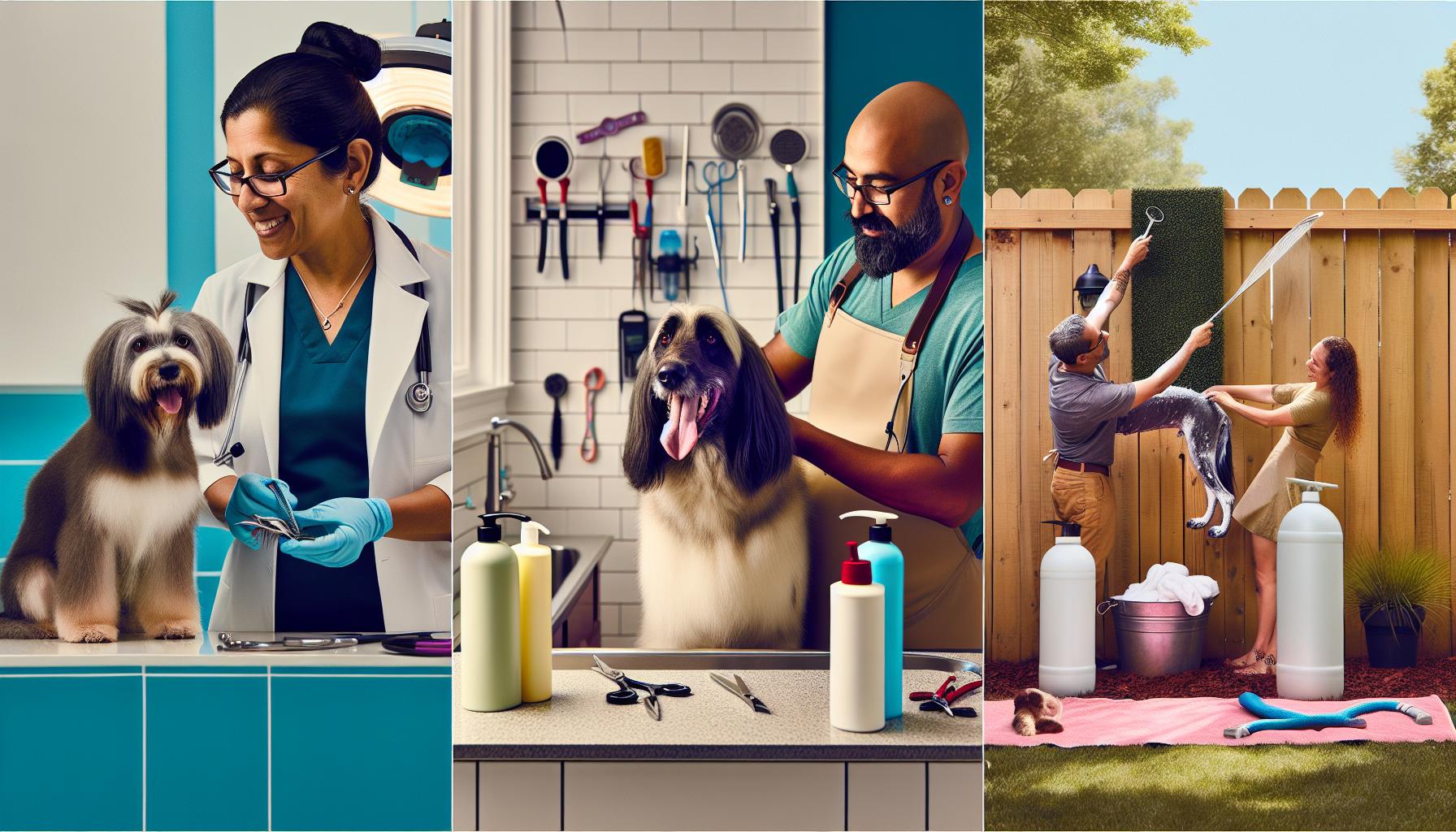
FAQ
Q: How do professional groomers manage cats with thick or double-layered coats?
A: Professional groomers use specialized tools like de-shedding brushes and undercoat rakes to carefully remove loose fur in thick or double-layered coats. They work gently to avoid skin irritation while preventing mats and tangles. regular grooming maintains coat health and reduces shedding-see essential tool recommendations in our article’s tools section for more tips.Q: What techniques do groomers use to keep cats calm during stressful grooming sessions?
A: Groomers employ gentle handling, soothing voices, and frequent breaks to ease feline stress.They may use pheromone sprays or wraps like a grooming bag to create a calming environment. Learn more about handling anxious cats safely in the section on how groomers care for nervous felines.
Q: Why is professional grooming sometimes recommended over home grooming for cats?
A: Professional grooming is advised for cats with severe matting, skin issues, or for breeds requiring precise coat trims. Groomers have experience and tools to safely manage complex needs or nervous cats, reducing injury risks. Consult the ’Recognizing When to Seek Professional Grooming’ section for deeper guidance.Q: How do groomers address delicate areas like a cat’s face and paws without causing discomfort?
A: Groomers use soft-bristled brushes and blunt-ended scissors to carefully clean and trim around sensitive spots like the face and paws. They prioritize slow, purposeful movements and frequently enough distract cats with treats or gentle petting to minimize discomfort-refer to our cleaning ears and eyes section for detailed practices.Q: What post-grooming care do groomers recommend for cats to maintain coat and skin health?
A: After grooming, groomers suggest regular brushing, balanced nutrition, and monitoring skin for dryness or irritation. Owners should maintain a calm routine and schedule periodic professional trims or baths for best results. See the article’s tips to create a comfortable grooming routine for ongoing care ideas.Q: How do groomers safely use clippers on cats with sensitive or thin skin?
A: Groomers select clippers designed with quiet motors and sharp blades to prevent pulling. They use slow passes and stretch the skin gently to minimize nicks,frequently enough trimming in short sessions to keep cats calm. Refer to our nail care and clipping techniques for stress-free grooming insights.Q: When should cat owners avoid grooming at home and seek expert help?
A: Owners should seek professional grooming if their cat shows aggressive behavior, has deep mats, wounds, or persistent skin issues. Groomers are trained to handle these safely, preventing harm. Review the ‘Recognizing when to Seek Professional Grooming Help’ part for signs to watch for.Q: How do groomers adapt grooming methods for different cat breeds and coat types?
A: Groomers tailor tools and techniques based on breed-specific coat textures-long-haired cats may need detangling sprays and more frequent brushing, while short-haired breeds require less frequent but thorough care.See the brushing guide and tools section for breed-focused strategies.
—
For more detailed grooming steps and compassionate handling methods, explore the full article sections linked above. These FAQs aim to boost your confidence in feline grooming with kindness and expertise!
The Conclusion
Understanding how professional groomers care for cats-from handling breed-specific coats to using gentle tools for baths, brushing, nail care, and ear cleaning-helps you see the expert balance of safety, comfort, and compassion in every grooming step. Whether your feline friend has a short, sleek coat or a more challenging long-haired breed, knowing when to seek a groomer versus DIY care ensures their well-being is always the top priority.Remember, grooming is more than looks; it’s about nurturing your cat’s health with patience and kindness.
Ready to deepen your cat care routine? explore our guides on DIY Cat Grooming Tips, Recognizing Signs Your Cat Needs Professional Grooming, or Best Grooming Tools for Different Coat Types to confidently tailor care at home. Don’t wait until mats or discomfort arise-start incorporating gentle grooming today to keep your cat happy and healthy. If you found this helpful, subscribe to our newsletter for expert advice straight to your inbox and join our community of caring cat owners who trust us for compassionate pet guidance.
Have questions or want to share your grooming stories? Leave a comment below and connect with fellow cat lovers. Your cat’s comfort matters, and we’re here to support every step of the feline grooming process.
Make Perfect Pooches Grooming a Preferred SourceGet our latest guides, news, and insights highlighted in your Google Search & AI Overviews.
✓ Preferred Source Added
A: Groomers employ gentle handling, soothing voices, and frequent breaks to ease feline stress.They may use pheromone sprays or wraps like a grooming bag to create a calming environment. Learn more about handling anxious cats safely in the section on how groomers care for nervous felines.
A: Professional grooming is advised for cats with severe matting, skin issues, or for breeds requiring precise coat trims. Groomers have experience and tools to safely manage complex needs or nervous cats, reducing injury risks. Consult the ’Recognizing When to Seek Professional Grooming’ section for deeper guidance.
Q: How do groomers address delicate areas like a cat’s face and paws without causing discomfort?
A: Groomers use soft-bristled brushes and blunt-ended scissors to carefully clean and trim around sensitive spots like the face and paws. They prioritize slow, purposeful movements and frequently enough distract cats with treats or gentle petting to minimize discomfort-refer to our cleaning ears and eyes section for detailed practices.
Q: What post-grooming care do groomers recommend for cats to maintain coat and skin health?
A: After grooming, groomers suggest regular brushing, balanced nutrition, and monitoring skin for dryness or irritation. Owners should maintain a calm routine and schedule periodic professional trims or baths for best results. See the article’s tips to create a comfortable grooming routine for ongoing care ideas.Q: How do groomers safely use clippers on cats with sensitive or thin skin?
A: Groomers select clippers designed with quiet motors and sharp blades to prevent pulling. They use slow passes and stretch the skin gently to minimize nicks,frequently enough trimming in short sessions to keep cats calm. Refer to our nail care and clipping techniques for stress-free grooming insights.Q: When should cat owners avoid grooming at home and seek expert help?
A: Owners should seek professional grooming if their cat shows aggressive behavior, has deep mats, wounds, or persistent skin issues. Groomers are trained to handle these safely, preventing harm. Review the ‘Recognizing when to Seek Professional Grooming Help’ part for signs to watch for.Q: How do groomers adapt grooming methods for different cat breeds and coat types?
A: Groomers tailor tools and techniques based on breed-specific coat textures-long-haired cats may need detangling sprays and more frequent brushing, while short-haired breeds require less frequent but thorough care.See the brushing guide and tools section for breed-focused strategies.
A: Owners should seek professional grooming if their cat shows aggressive behavior, has deep mats, wounds, or persistent skin issues. Groomers are trained to handle these safely, preventing harm. Review the ‘Recognizing when to Seek Professional Grooming Help’ part for signs to watch for.
Q: How do groomers adapt grooming methods for different cat breeds and coat types?
A: Groomers tailor tools and techniques based on breed-specific coat textures-long-haired cats may need detangling sprays and more frequent brushing, while short-haired breeds require less frequent but thorough care.See the brushing guide and tools section for breed-focused strategies.
For more detailed grooming steps and compassionate handling methods, explore the full article sections linked above. These FAQs aim to boost your confidence in feline grooming with kindness and expertise!
Get our latest guides, news, and insights highlighted in your Google Search & AI Overviews.
Keep reading about the same coat and cut.
Popular grooming guides
Bath vs clip, first grooms, and salon how-tos.