How Do Groomers Get Dogs So White? Brightening Secrets
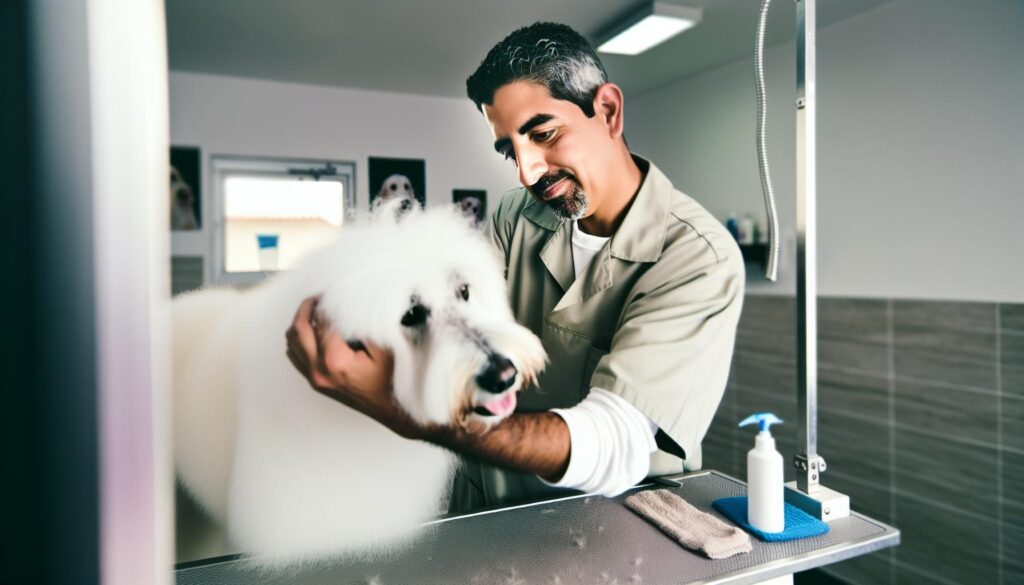
Did you know that achieving a radiant, white coat on your dog involves more than just a regular bath? Many pet owners struggle with dull or stained fur, especially on breeds with naturally white coats like Maltese or West Highland Terriers. In this guide, we’ll uncover how professional groomers safely brighten your dog’s coat using gentle techniques, specialized products, and expert care tailored to your pup’s unique needs. Whether your dog’s coat is short, curly, or fluffy, understanding these secrets can help you maintain that clean, fresh look at home, while keeping your furry friend comfortable and happy. With step-by-step tips from bathing to brushing and troubleshooting common issues,you’ll gain confidence in caring for your dog’s lovely white coat-without stress or harsh chemicals. Let’s explore these brightening strategies together, so your pet can glow with health and happiness every day.
How Groomers Safely Brighten Dogs’ Coats
Table of Contents
- 1 How Groomers Safely Brighten Dogs’ Coats
- 2 Understanding Coat Types and Whitening Challenges
- 3 Essential Tools for Achieving a bright White Coat
- 4 Step-by-Step Bathing Techniques for Maximum Brightness
- 5 Top whitening Shampoos and Natural Alternatives
- 6 Expert Brushing and Drying Tips to Enhance Shine
- 7 Professional Treatments vs. At-Home Whitening Options
- 8 Dealing with Stains, Tear marks, and Discoloration
- 9 When to Consult a Groomer or Veterinarian
- 10 maintaining Brightness Between Grooming Sessions
- 11 Frequently Asked Questions
- 11.1 Q: How do groomers prevent yellowing when whitening a dog’s white coat?
- 11.2 Q: What natural ingredients do groomers use to brighten white dog coats?
- 11.3 Q: Why do tear stains affect the whiteness of white dog coats, and how do groomers handle them?
- 11.4 Q: How frequently enough should white-coated dogs be professionally groomed to maintain brightness?
- 11.5 Q: Can diet impact a dog’s coat whiteness and what foods can help groomers achieve a bright coat?
- 11.6 Q: What are common mistakes owners make that reduce their dog’s coat whiteness at home?
- 11.7 Q: How do groomers safely handle whitening treatments on sensitive or allergy-prone white coats?
- 11.8 Q: What grooming tools do professionals use to enhance whiteness beyond just shampooing?
- 12 Wrapping Up
There’s something truly magical about transforming a dull, tired coat into a bright, glowing white that seems to light up a room.This process isn’t just about appearance-it’s about enhancing your dog’s natural beauty while prioritizing their comfort and skin health. Groomers achieve these brightening results safely by tailoring every step to the dog’s unique coat type and temperament, using gentle yet effective methods that maintain the coat’s integrity.
Every white or light-colored coat reacts differently depending on breed, coat length, and whether the fur is curly, silky, or dense. Such as, a Bichon Frisé’s cottony texture requires a different approach compared to the silky, fine coat of a Maltese. The first priority is always a thorough but gentle cleaning routine that removes dirt and surface stains without stripping natural oils. Experienced groomers often use specialized whitening shampoos with natural brightening ingredients that work to enhance whiteness safely rather than harsh chemicals which can dry or irritate the skin. Alongside these, they may incorporate mild whitening conditioners or light sprays designed to boost shine and softness.
Prioritizing Comfort and Safety throughout the Process
Dog safety and well-being come first. Groomers carefully check for any skin sensitivities or underlying conditions before selecting products, ensuring chosen treatments won’t cause allergic reactions or exacerbate dryness. They maintain a relaxed habitat with calm handling techniques to minimize stress for nervous pets. For example,if a dog has sensitive eyes or tear staining,extra precautions like tearless formulas and gentle wiping help avoid irritation during the whitening process. Throughout bathing and brushing, slow, reassuring touches and frequent breaks keep your dog comfortable.
Tools and Techniques That Protect the Coat
In addition to shampoos, tools such as slicker brushes, combs with rounded tips, and grooming gloves are used to gently remove loose hairs and lift stains without damaging the coat or skin. Carefully timed drying with a low-heat blower helps avoid overheating or tangling. Groomers know that rushing through this stage can undo all their hard work.
- Step 1: Pre-bath brushing removes debris and loose hair.
- Step 2: Using lukewarm water and whitening shampoo applied gently.
- Step 3: Thorough rinsing to prevent residue,which can cause irritation.
- Step 4: Conditioner application to hydrate and protect coat fibers.
- Step 5: Slow, methodical drying combined with gentle brushing to maintain smoothness and brightness.
The combination of careful product selection,patient handling,and tailored grooming steps is what really sets professional coat brightening apart from quick fixes or harsh home treatments. This thoughtful approach helps owners feel confident their dog’s coat is being cared for safely, beautifully, and with compassion.
Understanding Coat Types and Whitening Challenges
Achieving a brilliantly white coat is as much about understanding your dog’s unique fur as it is about the products and techniques used. Different coat types-from silky and fine to dense and curly-present distinct challenges when it comes to brightening without damage. For instance, the fluffy, cotton-like coat of a Bichon frisé tends to trap dirt and moisture differently than the sleek, flowing fur of a Maltese. Recognizing these differences helps groomers select the right cleansing agents and handling methods that respect each coat’s natural texture and health.
another factor is the common presence of stains, such as tear markings or discoloration from environmental exposure, which are especially tricky on white or light-colored dogs. These stains are often caused by natural pigments in tears, saliva, or even rust and minerals in water. They require targeted solutions that break down staining without harsh abrasives or bleach-like chemicals that risk drying out sensitive skin.
Matching Techniques to coat Needs
- Silky,Fine Coats: These benefit from gentle shampoos that prevent tangling and breakage. Over-brushing or friction during drying can cause matting or split ends,so a delicate touch and soft-bristle brushes work best.
- Curly or Dense Coats: Often prone to matting and moisture retention, requiring thorough pre-bath detangling and careful drying strategies to avoid skin irritation or fungal issues.
- Double Coats: Such as those on some Spitz breeds, need attention to undercoat shedding and residue removal, as trapped dirt beneath can dull whiteness.
Understanding these nuances allows groomers to adjust water temperature, shampoo type, and brush selection appropriately. For example, lukewarm water helps open hair follicles gently for a deeper clean but avoids stressing delicate coats. Groomers also stay alert to any signs of skin sensitivity, scaling, or dryness, adjusting product choice accordingly and sometimes recommending a veterinary check if conditions seem beyond routine grooming care.
Setting Realistic Expectations and Boundaries
While occasional brightening treatments and quality shampoos considerably improve coat brightness, no method fully eliminates genetic or persistent discoloration. Stains from health issues, persistent tear marks, or diet can affect the coat’s appearance despite best efforts. This is where the groomer’s expertise shines-not only in enhancing natural whiteness but also in advising owners when a veterinarian’s input is needed to address underlying causes before cosmetic treatments continue.
Essential Tools for Achieving a bright White Coat
Getting a dog’s coat to shine with a bright, healthy white glow starts well before the first lather of shampoo. The right set of tools tailored to your dog’s coat type makes all the difference-not only for the final look but for keeping your furry friend comfortable and calm throughout the grooming process. Whether you’re working with a fluffy Bichon Frisé, a silky Maltese, or a curly Poodle, having the essentials on hand allows you to address dirt, tangles, and stains gently and effectively.
Start with brushes and combs designed for your dog’s specific fur texture. Such as, a soft-bristle brush is ideal for fine, silky coats that are prone to breakage, while a slicker brush or metal comb works well for curly or dense fur to gently detangle and lift dirt without pulling harshly. A fine-toothed comb helps reach deep undercoats and catch stubborn mats that can trap discoloration. Having these tools handy not only speeds up the grooming but also avoids needless stress or discomfort for your dog.
Bathing Tools that Make a Difference
- Non-slip mats: These calm anxious pups by preventing slippery footing during baths, offering stability and safety.
- Spray nozzles or handheld showers: Adjustable spray patterns help rinse shampoo gently yet thoroughly. Lukewarm water is key to opening pores without shocking sensitive skin.
- Quality microfiber towels: These absorb moisture quickly with less rubbing, which reduces friction and potential coat damage.
- Blow dryer with cool or low-heat settings: careful drying prevents damp fur from matting and discourages fungal or bacterial growth. Avoid high heat to protect delicate coats.
Addressing Tear stains and Surface Marks
To tackle common tear stains and discoloration, carefully chosen stain-removal tools add a targeted touch-like cotton swabs dipped in mild enzymatic solutions or gentle wipes formulated for sensitive skin.Remember, these should be used sparingly and only after vet approval if stains persist or the skin seems irritated. For example, a gentle enzymatic cleaner applied with minimal pressure helps break down stain-causing pigments without abrasive scrubbing that could worsen inflammation.
Additional Essentials for a Comfortable Grooming Experience
- Detangling sprays or leave-in conditioners: They prep the coat by easing knots, reducing the risk of painful pulling during brushing.
- Nail clippers and ear cleaning supplies: While focused on coat brightness, grooming safety includes trimming nails and cleaning ears to avoid discomfort or infections that could distract your dog.
- Calming aids: For nervous dogs, tools like gentle pheromone sprays or soft music can create a serene environment, making the grooming session more enjoyable and effective.
Each tool plays its role in a balanced routine focused on your dog’s wellbeing. Remember, shiny white fur isn’t just about aesthetics-it reflects careful care, confidence-building handling, and respect for your pet’s unique needs. if you’re unsure about product choices or techniques, consulting a professional groomer can provide personalized recommendations to keep your dog safe, calm, and glowing.

Step-by-Step Bathing Techniques for Maximum Brightness
Bathing a dog to reveal a radiant white coat is truly an art that combines the right products, gentle techniques, and a calming presence. Each dog’s coat type-from the silky strands of a Maltese to the thick curls of a Poodle-dictates a slightly different approach, but the goal is always the same: lift dirt and stains without stripping natural oils or causing stress. Many owners worry about their pup’s comfort during bath time; patience and a steady, soothing hand can turn this routine into a bonding moment rather than a battle.
Begin by thoroughly brushing out your dog’s fur before the bath. This removes loose hair, tangles, and surface dirt that can trap discoloration.Using a slicker brush or a comb suited to your dog’s coat texture ensures a smooth canvas that makes shampooing more effective and less frustrating for your pet. If mats are present, apply a detangling spray and gently work them out to prevent painful pulling during the bath.
Preparing the Bathing Space
- Non-slip mat: Set this in your tub or sink to help your dog feel secure and prevent slips, especially for nervous or older pups.
- Lukewarm water: Always test water temperature; too hot or too cold can cause distress and skin irritation.
- Handheld sprayer or cup: Use for gradual wetting and rinsing, avoiding sudden water sprays that might startle your dog.
Step-by-Step Bathing Process
- Wet the Coat Slowly: Start by gently wetting the fur from the neck down, allowing your dog to adjust to the sensation. Avoid the head initially to lower stress.
- Apply Whitening Shampoo: Choose a gentle, coat-type appropriate whitening shampoo and massage it in with your fingertips-not nails-covering all areas evenly. For a Bichon Frisé with dense curls, extra care during lathering helps lift hidden dirt or discoloration.
- Let it Sit Briefly: Allow the shampoo to dwell for 3-5 minutes; this helps to break down stains and brighten fur naturally without harsh chemicals.
- Rinse Thoroughly: Use the handheld sprayer to rinse away shampoo wholly. Residue can dull the coat and irritate skin, so take your time ensuring all suds are gone.
- Tackle the Face Last: use a damp washcloth with a tiny amount of shampoo to clean around the eyes, muzzle, and ears-areas prone to tear stains or buildup-avoiding direct water in eyes or ears.
Aftercare for Shine and Comfort
Promptly after bathing, wrap your dog in a soft microfiber towel to absorb excess water without generous rubbing, which can cause tangles or static. Blow-dry using a cool or warm setting at a safe distance, keeping the dryer moving constantly to avoid overheating the skin, especially in sensitive areas like underarms or belly. For breeds like a Maltese, where silky hair can be thin, using a leave-in conditioner designed for white fur helps maintain moisture balance and shine.
Routine baths every 3 to 4 weeks with spot treatments in between aid in preventing stains from settling deeply. If stubborn tear marks or discoloration persist, grooming professionals often use enzymatic cleaners and moisturizing wipes safe for pets. Home treatments should always consult your veterinarian first, particularly if the skin shows signs of irritation or infection.
Remember, a glowingly white coat is as much about loving care and gentle respect as it is about technique. By pacing your bathing sessions thoughtfully and adapting to your dog’s comfort level, you set the stage for success-bright fur and a happier, healthier companion.
Top whitening Shampoos and Natural Alternatives
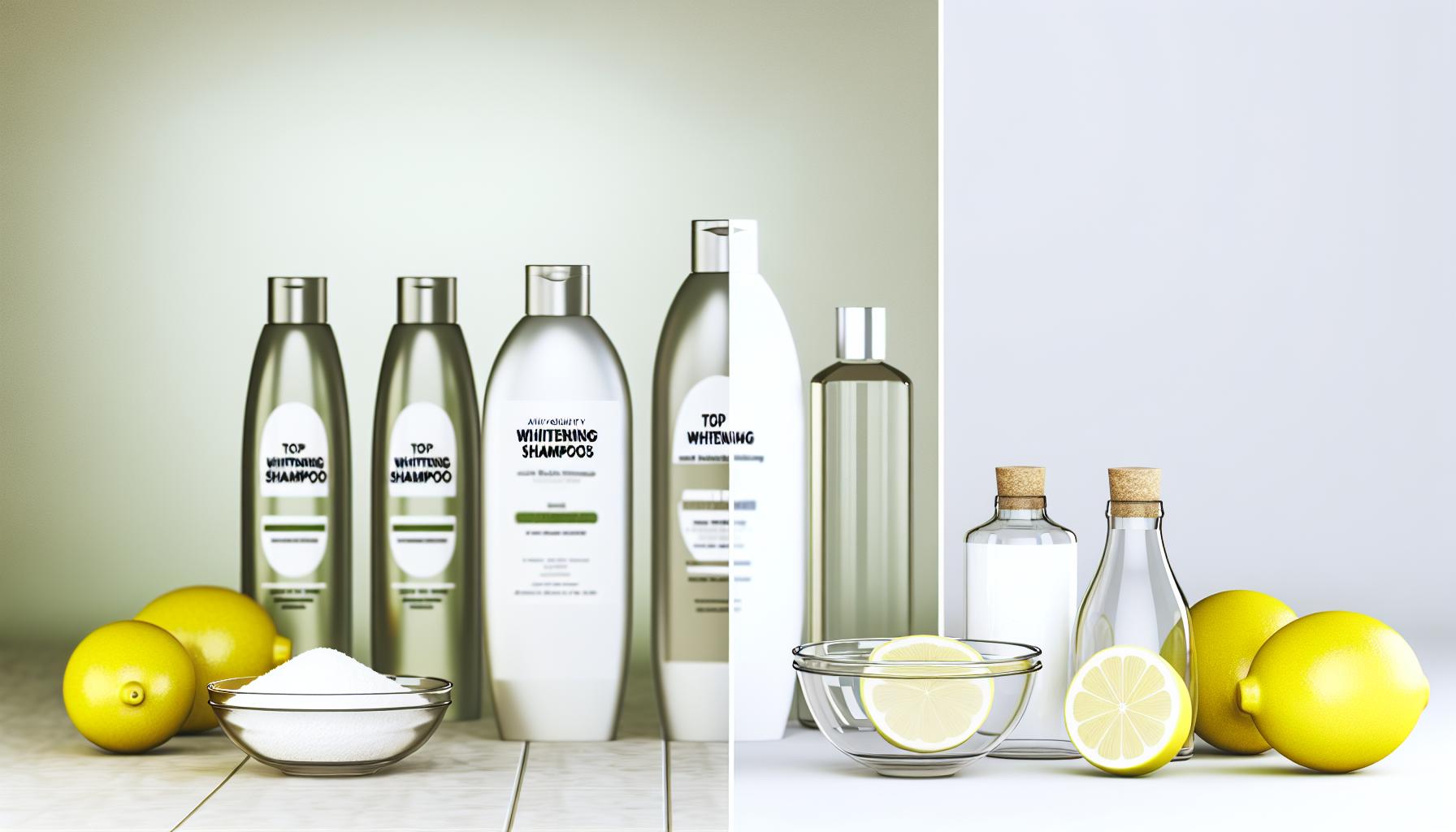
Achieving that dazzling white coat comes down not just to technique but also to choosing the right products tailored to your dog’s unique coat and skin sensitivity.Many professional groomers rely on whitening shampoos with gentle, natural brightening agents-avoiding harsh chemicals-to lift surface stains and enhance the coat’s natural glow. Such as,shampoos containing ingredients like oatmeal soothe sensitive skin,while botanical extracts such as chamomile or aloe offer calming anti-inflammatory benefits,perfect for pups prone to irritation.
For dogs with fine, silky coats like Maltese or Westies, lightweight formulas that hydrate without weighing the fur down work wonders. In contrast, creamier, richer shampoos are ideal for breeds with dense or curly fur like Bichons or Poodles, helping to penetrate and lift dirt from deeper layers. Keep in mind that whitening shampoos function best when used consistently every 3 to 4 weeks, paired with thorough rinsing to avoid residue buildup that can dull brightness or cause itching.
Natural Alternatives You Can Try at Home
Along with professionally formulated shampoos, several natural alternatives have earned a place in groomers’ toolkits-especially for owners looking for gentle, all-natural care.A mild mixture of diluted hydrogen peroxide (used cautiously and not directly on the skin), diluted lemon juice rinse, or baking soda paste applied sparingly can brighten coats without harsh chemicals.However, these require careful testing on a small patch first to rule out sensitivity. Always avoid vinegar on open skin or around the eyes.
- Oatmeal-based shampoos: Soothing and safe for sensitive or allergy-prone pups.
- Chamomile tea rinse: Naturally brightens while calming irritated skin.
- Baking soda paste spot treatment: Effective for stubborn local stains, but don’t leave on too long-5 minutes maximum.
- Aloe vera-infused blends: Add moisture and reduce redness, ideal for fair-skinned dogs.
Practical Tips for Safe Use
Remember, always select products labeled specifically for dogs and avoid human shampoos, which may disrupt your dog’s pH balance and lead to dryness or itching. When trying new products or natural treatments, test a small patch first and observe for any skin reaction overnight. If your dog has a history of skin issues or sensitive eyes, consult your groomer or vet before experimenting. Lastly, patience and gentle handling during the application will make the experience more pleasant-brightening results come with care, not force.
Expert Brushing and Drying Tips to Enhance Shine
A bright, gleaming coat frequently enough comes down to what happens after the bath-careful brushing and drying are absolutely vital to reveal that true shine. When hair is wet, it’s more vulnerable, so a gentle touch is essential to avoid breakage or skin irritation. Think of this time as a soothing ritual for your dog, not a race. Taking it slow helps build trust, especially with anxious pets who may be wary after grooming.For breeds with fine or silky coats, like Maltese or Westies, use a soft-bristle brush or a slicker brush to gently detangle from root to tip.Start at the ends and work upwards to prevent tugging, which can stress both coat and skin. For curlier or denser coats, such as Bichons or Poodles, a wide-toothed comb followed by a slicker brush works well to release mats and fluff the fur, enhancing volume and brightness. Always brush in sections to ensure every strand gets attention and to catch hidden debris or stubborn dirt.
Drying with Care to Maximize luster
Drying technique plays a huge role in making a coat appear luminous. Toweling first with a microfiber cloth is best-avoid rough towels that can cause static or frizz. For dogs comfortable with blow dryers, use a low heat, low airflow setting and keep the dryer moving constantly. This prevents hotspots that can dry out the skin or dull the fur. clip or comb the coat gently while blow-drying to encourage the hair to stand and reflect light better, creating that signature glossy effect.
If your dog is nervous around dryers, natural air drying in a warm, draft-free room is perfectly fine-just be sure to brush frequently during drying to keep the coat smooth and prevent tangles. Some groomers use a soft finishing spray with light conditioning agents to seal in moisture and add just a touch of shine, but avoid heavy sprays that weigh the coat down or irritate sensitive skin.
Tools and Tips for Optimal Brushing and Drying
- Soft-bristle or slicker brushes: Ideal for different coat textures; always choose what suits your dog’s fur.
- Wide-toothed combs: Great for detangling curly or dense coats without pulling.
- microfiber towels: Absorb moisture quickly without roughing up hair.
- Low-heat blow dryer or air drying: Protects delicate skin and enhances coat shine.
- Patience and calm handling: Keeps your dog relaxed, making grooming a positive experience.
Remember, a bright white coat doesn’t come from harsh scrubbing or rushing but from gentle, consistent care tailored to your dog’s unique needs. if you notice persistent mats, excessive dryness, or skin irritation, it’s a good idea to consult your groomer or veterinarian before proceeding-sometimes professional treatments or medical advice are the safest routes to maintain both beauty and health.
Professional Treatments vs. At-Home Whitening Options
Many dog owners find themselves weighing the benefits of professional whitening treatments versus at-home options when aiming for that perfectly bright and healthy white coat. While both paths can lead to a gleaming finish, understanding the differences helps ensure you choose what’s safest and most effective for your furry friend’s specific coat type and skin sensitivity.Professional groomers often have access to specialized whitening products and treatments that aren’t available for consumer use. These include commercial-grade brightening shampoos, conditioners, and sometimes gentle toners designed to neutralize yellow or rusty hues, especially on breeds with naturally white or light coats like Bichons, Maltese, or West Highland Terriers. skilled groomers tailor these treatments carefully,considering your dog’s unique coat texture and skin health,which minimizes any risk of irritation or over-drying. Their expertise also shines when tackling persistent tear stains or stubborn discoloration, using safe, targeted solutions combined with expert brushing and drying techniques to amplify brightness without harsh scrubbing.
At-home whitening care can be very effective too-especially as part of a regular maintenance routine. Many pet parents rely on whitening shampoos formulated with gentle, natural ingredients like oatmeal, baking soda, or chamomile extracts that brighten without stripping oils. For instance, using a whitening shampoo specifically crafted for sensitive skin 1-2 times a month can help maintain vibrancy between professional visits. You might also add homemade rinse mixtures such as diluted apple cider vinegar or a mild chamomile tea rinse to enhance shine naturally. However, owners should be cautious with DIY recipes or human products, as some ingredients can disrupt your dog’s skin barrier or coat pH. Always patch-test any new product and avoid over-bathing, which can cause dryness or irritation.
Knowing When to Choose Professional Care
- Breed and coat challenges: Dogs with curly or dense coats (like Poodles or Bichons) may benefit from professional detangling and moisturizing whitening treatments to avoid matting and dullness.
- Persistent stains and tear marks: If tears or discoloration resist home remedies, a groomer’s expertise with enzymatic cleaners can help without damaging the skin.
- Sensitivity issues: Dogs prone to skin allergies or hot spots often require vet-approved products and professional guidance rather than trial-and-error at home.
Ultimately, combining gentle at-home care with periodic professional whitening refreshes allows for the healthiest, brightest coat without stress. Always prioritize your dog’s comfort-pausing if you notice redness, dryness, or discomfort and consulting a professional to avoid unintended harm. Remember, glowing coats reflect not just cleanliness, but well-being nurtured with patience, kindness, and the right knowledge.
Dealing with Stains, Tear marks, and Discoloration
Sometimes, those stubborn stains and tear marks can feel like a losing battle, especially on white or light-colored coats. These discolorations are often caused by environmental factors, saliva, or persistent tear staining, and they can make a beautifully groomed dog look dull or tired.The good news is, with a little patience and the right approach, you can gently lift these marks without causing irritation.
Understanding Tear Stains and their Causes
Tear stains commonly appear as reddish-brown discolorations beneath the eyes and are especially noticeable on breeds with white or pale fur,like Maltese,Bichons,or Westies. These stains are caused by porphyrin, a pigment found in tears and saliva that reacts with bacteria and light to create that rusty hue. It’s vital to rule out underlying medical issues such as eye infections,allergies,or blocked tear ducts,which a veterinarian can definitely help diagnose and treat.
Gentle Cleaning and Targeted Stain Removal
When addressing stains at home or in the grooming salon, start with a soft, damp cloth or specially formulated eye wipes to clean around the eyes daily. Avoid harsh scrubbing as skin in this area is delicate and prone to irritation. For more persistent marks,enzymatic cleaners designed specifically for tear stains can break down porphyrin buildup safely. Many professional groomers carry these products and know how to apply them effectively without discomfort.
- tools typically used: cotton pads or microfibre cloths, tear stain removal wipes, enzymatic stain removers
- Key practice: Use a light touch with patience; repeated gentle cleaning is better than aggressive scrubbing
handling Other Discolorations and Stubborn Stains
For stains on other coat areas, such as paws or underbelly, caused by dirt, rust, or pigments in water, regular bathing with a whitening shampoo can help prevent buildup. Groomers may also use whitening conditioners or overlays with safe toners to brighten these spots. Avoid home use of bleach or whitening agents not endorsed for pets, as these can damage the coat and skin barrier.Also, keeping the coat well-brushed helps reduce matting where dirt can hide and discolor.
knowing when to Seek Professional Help
Persistent discoloration that doesn’t respond to gentle at-home care is often best handled by a groomer, who has access to professional-grade whitening products and knows how to safeguard your dog’s skin and coat health. Additionally, if the stains are accompanied by redness, swelling, or signs of discomfort, it’s crucial to consult a veterinarian to rule out infections or allergies before proceeding with cosmetic treatments.
Remember, the goal is more than just brightness-it’s about nurturing your dog’s comfort and confidence. With consistent,gentle care and the right expertise,those arduous stains can fade,letting your dog’s natural glow shine through.
When to Consult a Groomer or Veterinarian
Brightening a dog’s coat is a rewarding process, but sometimes even the gentlest home care can hit a stubborn patch.Knowing when to turn to a professional groomer or veterinarian can make all the difference-not just for your dog’s appearance but for their health and comfort too. If your dog has persistent stains, unusual redness, or shows signs of irritation despite regular cleaning and whitening efforts, it’s time to pause and seek expert help.
A professional groomer brings more than just fancy shampoos to the table.They have experience with all coat types-from the fine, silky fur of a maltese to the thick double coat of a Samoyed-and access to high-quality, pet-safe whitening products that aren’t available over the counter. For example, groomers know how to blend whitening shampoos with conditioners and use gentle toners that lift discoloration without stripping natural oils. They also understand how to adjust their techniques to a dog’s skin sensitivity or any underlying coat challenges, ensuring a safe and stress-free session.
Signs Your Dog Needs a Groomer’s Expertise
- Stains won’t budge: After multiple attempts at cleaning with specialized wipes or shampoos,marks under eyes or on paws linger.
- Skin irritation: Redness, swelling, itching, or flaking around stained areas suggest your dog’s skin needs a professional’s careful assessment.
- Matted or tangled coat: When dirt and discoloration embed deep in mats,basic brushing won’t suffice,and expert detangling is necessary.
- Breed-specific coat issues: Some breeds with delicate or unique coats require particular whitening methods only a groomer can safely provide.
When Should a veterinarian Step In?
If stains come paired with signs of discomfort-such as frequent paw licking, eye discharge, or persistent redness-medical causes could underlie the discoloration. Conditions like blocked tear ducts, allergies, infections, or skin diseases are common culprits that only a veterinarian can diagnose and treat effectively.such as, tear stains caused by porphyrin pigment buildup can sometimes result from chronic eye irritation or anatomical issues needing veterinary intervention. It’s critically important not to overlook these signs; addressing the root cause helps prevent recurrence of stains and protects your dog’s well-being.
Clear boundaries between groomer and vet care empower you to keep your dog comfortable while achieving that bright, healthy coat.Groomers excel at cosmetic and behavioral care-they can sanitize ears, trim nails, remove surface stains, and maintain coat brightness in safe, non-invasive ways. Veterinarians manage health-related concerns that manifest as coat discoloration or discomfort. Together, their expertise forms a partnership centered on your dog’s long-term happiness.
Taking these steps gives you confidence to know exactly when professional care is needed:
| Issue | Best Action | Why |
|---|---|---|
| Persistent tear or paw stains without irritation | Visit groomer | Professional products and techniques offer safe stain removal and maintenance |
| Stains with redness, swelling, or discomfort | Consult veterinarian | Possible infection or allergy needs medical diagnosis and treatment |
| Severe matting or coat damage | Professional groomer | Expert detangling prevents skin injury and restores coat condition |
| Unexplained sudden discoloration or hair loss | Veterinarian evaluation | Could signal illness requiring prompt care |
Remember, the goal is gentle care that prioritizes your dog’s health over cosmetic perfection. If you ever feel unsure, reaching out to a trusted groomer for advice or your vet for a check-up offers peace of mind and the best path forward.When professionals collaborate, your furry friend’s bright, clean coat becomes a true reflection of their wellness and joyful spirit.
maintaining Brightness Between Grooming Sessions
Keeping your dog’s coat bright and fresh between grooming appointments can feel like a gentle dance – one that balances routine care with an understanding of your dog’s unique needs.Even with regular professional grooming, natural oils, environmental dirt, and playful adventures can dull that sparkling white shine. The good news? With a few thoughtful habits and safe tools, you can support your dog’s bright coat and comfort in the days that follow a spa day.
Gentle Daily Brushing
Brushing isn’t just about looking good-it’s a crucial step to remove dirt,debris,and loose hair that settles on the coat.For dogs with white or light-colored fur, using a soft-bristle brush or rubber grooming mitt daily helps prevent dirt buildup that might cause dullness or discoloration. Brushing also stimulates natural oil production, which maintains healthy shine and safeguards skin. Remember to choose a brush appropriate for your dog’s coat type: a slicker brush suits curly or thick coats, while a bristle brush is better for fine or silky hair.
Targeted wipe-Downs and Spot Cleaning
After walks or playtime, you can extend your dog’s brightness by quickly wiping areas prone to staining-like the paws, underbelly, and face-with gentle, pet-safe wipes designed to lift away grime and tear stains. Keep a pack handy for quick use, especially for breeds prone to tear marks like Maltese or Bichons.For stubborn spots, a diluted mixture of water and a splash of dog-friendly whitening shampoo applied on a microfiber cloth can be a mild refresher without the full bath stress.
hydration and Skin Health Support
A shiny coat reflects inner health, so supporting skin vitality is key. Good hydration and a balanced diet rich in omega fatty acids contribute to maintaining your dog’s glow. Some owners find success in adding veterinarian-approved supplements or omega-rich oils to meals, but always check with your vet before introducing new dietary elements.
Bathing Tips for In-Between Brightening
When it’s time for a light bath between professional sessions,opt for mild whitening shampoos formulated for your dog’s specific coat and skin sensitivity. Overbathing can strip natural oils-so focusing on spot treatments or short, gentle baths helps keep that delicate balance. After bathing, a cool rinse aids in sealing the hair cuticle, locking in moisture and brightness. Always towel dry gently and use a low-heat blow dryer if your dog tolerates it, brushing through the coat as you dry to prevent tangles and maintain silkiness.
Keeping an Eye on Problem Areas
Certain zones like tear-stained faces, paws, and underarms require extra attention. If you notice recurring stains or redness, it’s important to distinguish between cosmetic issues and signals of discomfort or irritation. Mild tear staining can frequently enough be managed at home with regular cleaning, but persistent or inflamed areas call for a groomer’s expertise or veterinary review. Consistent care hear not only preserves brightness but also ensures your dog’s comfort and prevents skin problems.
- Use hypoallergenic wipes daily for sensitive skin areas to gently lift stains without harsh chemicals.
- Trim hair carefully around eyes and paws to reduce staining surfaces.
- Check water hardness if staining persists, as minerals can dull coats-consider filtered water for baths if needed.
Maintaining your dog’s brightness between grooming sessions is a team effort-with you, your groomer, and sometimes your vet all playing vital roles. Your ongoing soft touch and attentive care keep your dog comfortable, happy, and glowing long after the professional salon visit ends. Taking these steps patiently and lovingly turns routine maintenance into a bonding ritual that honors your dog’s well-being above all.
Frequently Asked Questions
Q: How do groomers prevent yellowing when whitening a dog’s white coat?
A: Groomers prevent yellowing by using specialized whitening shampoos with brightening agents and ensuring thorough rinsing to avoid residue buildup. Avoiding harsh chemicals and limiting sun exposure also helps. For ongoing care, *regular maintenance baths* protect the white coat’s vibrancy. See our guide on safe whitening methods for more tips.
Q: What natural ingredients do groomers use to brighten white dog coats?
A: Groomers often use natural brighteners like oatmeal, baking soda, and chamomile extract to gently lift stains and enhance whiteness without irritation. These ingredients soothe the skin while providing a subtle glow, making them ideal for sensitive coat types. Check the section on natural alternatives to whitening shampoos for recipes and recommendations.
Q: Why do tear stains affect the whiteness of white dog coats, and how do groomers handle them?
A: Tear stains result from porphyrin pigments in saliva and tears that discolor the fur. Groomers gently clean affected areas with enzyme-based stain removers and use light-reflecting powders to camouflage discoloration. Managing tear stains is crucial to maintaining overall coat brightness; consult our tear stain treatment tips for more details.
Q: How frequently enough should white-coated dogs be professionally groomed to maintain brightness?
A: Most white-coated dogs benefit from professional grooming every 4 to 6 weeks. This schedule includes whitening treatments, stain removal, and coat conditioning, all pivotal for keeping a bright, healthy coat. consistent grooming prevents buildup and discoloration-explore our maintenance strategies to extend brightness between visits.
Q: Can diet impact a dog’s coat whiteness and what foods can help groomers achieve a bright coat?
A: Yes,diet affects coat quality and brightness.Foods rich in omega-3 fatty acids, vitamins A and E, and antioxidants support skin health and vibrant fur. Groomers recommend balanced nutrition alongside topical brightening for best results. Review our advice on holistic care to combine diet and grooming for optimal whiteness.
Q: What are common mistakes owners make that reduce their dog’s coat whiteness at home?
A: Common mistakes include over-bathing with harsh shampoos, skipping rinsing, and using non-specialized products that cause dryness or residue. Owners may also neglect stain-prone areas like paws and face. Following expert brushing, bathing, and stain management techniques from our article helps maintain professional-level whiteness safely at home.
Q: How do groomers safely handle whitening treatments on sensitive or allergy-prone white coats?
A: groomers choose hypoallergenic, fragrance-free whitening shampoos and perform patch tests on sensitive coats.They avoid chemicals that irritate and use calming tools like gentle brushes and cool dryers. Always prioritize *pet comfort and safety* by consulting a groomer before DIY whitening, detailed in our safety and vet consultation advice section.
Q: What grooming tools do professionals use to enhance whiteness beyond just shampooing?
A: Professionals use soft bristle brushes, deshedding tools, and microfiber towels to remove dirt and dead hair that dull the coat. High-velocity dryers lift the fur, enhancing natural light reflection for a glowing white look. Learn more about essential tools and techniques that groomers rely on in our expert brushing and drying tips.
—
For detailed how-to steps and safety guidance on keeping your dog’s coat naturally bright and healthy, explore the full article sections and feel free to reach out with your specific pet care questions!
Wrapping Up
Keeping your dog’s coat bright and white is all about consistent care, the right grooming tools, and gentle techniques tailored to their breed and coat type. Whether you’re tackling routine baths, brushing, nail care, or ear cleaning, remember safety and comfort always come first. If you’re curious about how professional groomers achieve those stunning bright coats or wont a step-by-step guide for at-home care, be sure to check out our detailed tips on dog grooming basics and choosing the right shampoo for your pup’s coat.
Ready to give your furry friend that radiant glow? Start implementing these brightening secrets today and watch your dog shine with health and happiness. Have questions or want personalized advice? Join our community by subscribing to our newsletter for expert grooming insights and exclusive offers. Don’t forget to share your pet’s transformation or ask your grooming questions below – we love hearing from fellow dog lovers who prioritize compassion,patience,and gentle care. Explore more about healthy coat maintenance to keep your best friend feeling their best every day.
By following these trusted grooming tips and prioritizing your dog’s well-being, you’re not just enhancing their appearance-you’re supporting their overall health. Keep exploring, stay curious, and remember, the happiest dogs are those who feel loved and cared for inside and out.
Get our latest guides, news, and insights highlighted in your Google Search & AI Overviews.
Keep reading about the same coat and cut.



Popular grooming guides
Bath vs clip, first grooms, and salon how-tos.