How Do Groomers Deshed Dogs: Professional Techniques That Work

Shedding is a natural part of a dog’s life, but when loose fur starts to pile up, it’s more than just a household nuisance-it can affect your dog’s comfort and skin health. Professional groomers use specific deshedding techniques tailored to your dog’s breed and coat type to safely remove loose hair and prevent mats, keeping your pup happy and healthy. Whether your dog has a thick double coat or a fine single layer, knowing how groomers approach deshedding can definitely help you better care for your furry friend between visits.
In this article, we’ll walk you through the gentle, effective methods groomers use to tackle shedding, from the right tools-like stainless steel deshedding brushes-to step-by-step grooming routines that prioritize your dog’s safety and comfort. You’ll learn how professional techniques go beyond just brushing, including bathing tips and how to recognize when a coat needs special attention or veterinary care. If you’ve ever felt overwhelmed by shedding or worried about stressing your pet during grooming, this guide will give you calm confidence and practical advice to make deshedding a positive experience for both you and your dog.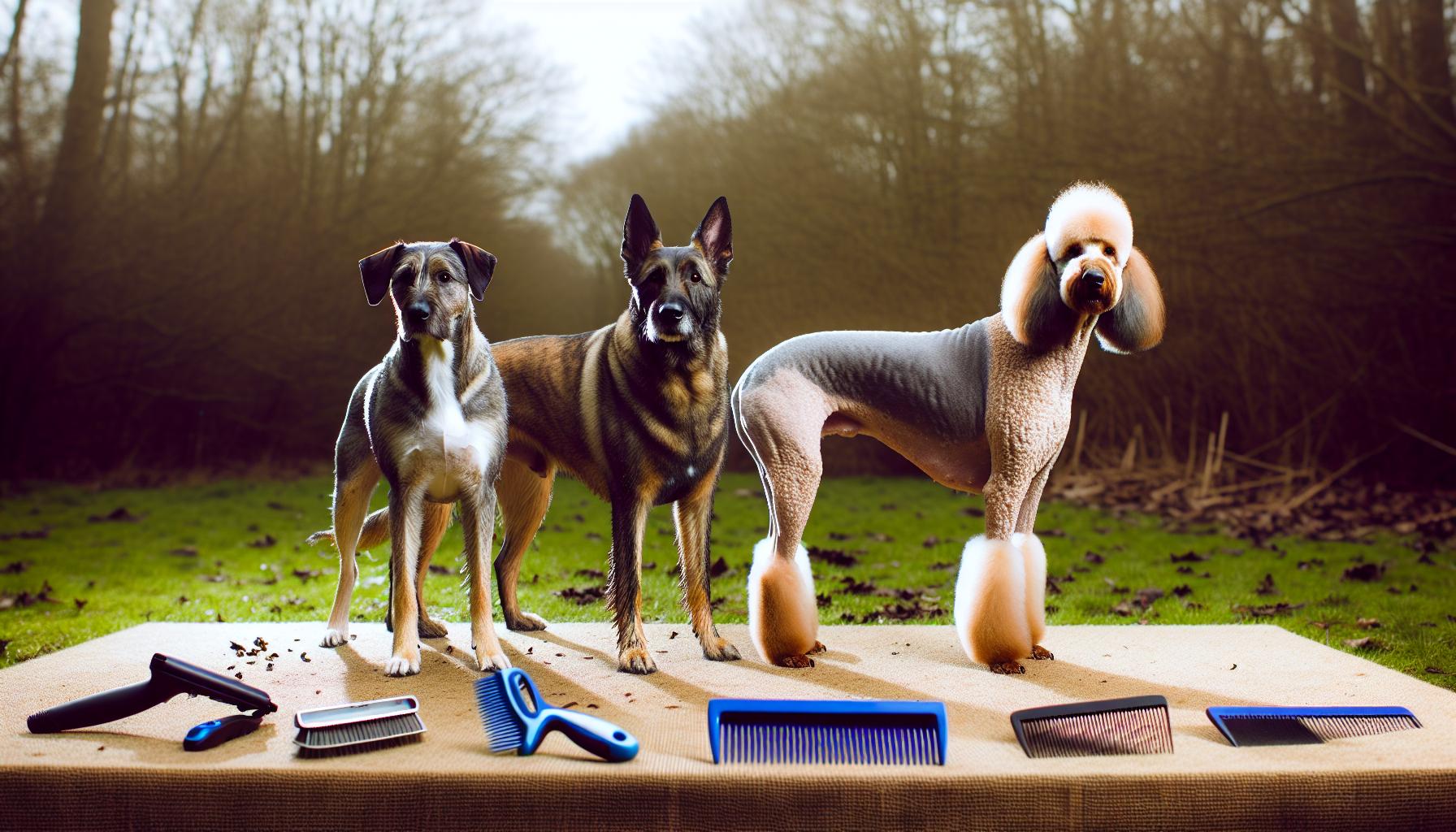
Understanding Dog Coats: Types and Shedding Patterns
Table of Contents
- 1 Understanding Dog Coats: Types and Shedding Patterns
- 2 essential Tools for Safe and Effective Deshedding
- 3 Step-by-Step Deshedding Technique for Groomers
- 4 Bathing Tips to Loosen and Remove Dead Fur
- 5 Brushing Methods That Target Undercoat Removal
- 6 How to Handle Sensitive Dogs During Deshedding
- 7 Common Deshedding Mistakes and How to Avoid Them
- 8 When to Use Professional Deshedding Treatments and Products
- 9 Nail, Ear, and Paw Care During Deshedding Sessions
- 10 Recognizing signs of Skin Issues or Allergies While Grooming
- 11 Balancing DIY Deshedding with Professional Grooming visits
- 12 FAQ
- 12.1 Q: How do professional groomers prevent skin irritation while deshedding?
- 12.2 Q: What role does a deshedding dryer play in professional dog grooming?
- 12.3 Q: How do groomers handle dogs with mats or tangles before deshedding?
- 12.4 Q: When is it best to schedule professional deshedding for heavy shedders?
- 12.5 Q: Why do groomers use special deshedding shampoos and conditioners during treatment?
- 12.6 Q: How do groomers adjust deshedding techniques for various dog breeds?
- 12.7 Q: What professional strategies ensure anxious dogs stay calm during deshedding?
- 12.8 Q: How can owners maintain results between professional deshedding appointments?
- 13 Concluding Remarks
Every dog’s coat tells a unique story, carrying clues about its breed, environment, and health. Understanding the different coat types and their natural shedding rhythms is the cornerstone of effective and compassionate deshedding. For example, double-coated breeds like German Shepherds, Huskies, and Golden Retrievers have a dense undercoat beneath a protective topcoat.this undercoat acts like a thermal blanket-trapping warmth in cold months and shedding heavily come spring to help the dog stay cool. Recognizing this seasonal pattern can definitely help you time your grooming sessions to prevent overwhelming hair loss and keep your home cleaner.
On the other hand, single-coated dogs such as Greyhounds or Dalmatians shed more evenly throughout the year but usually in smaller amounts. Their coats lack that insulating undercoat,meaning deshedding requires gentler techniques and less intensive tools to maintain skin health. When you know what type of coat you’re dealing with, you can select the right grooming tools and tailor your approach-whether it’s a slicker brush, undercoat rake, or specialized comb-that target specific layers without causing discomfort.
Types of Dog Coats and Shedding Patterns
- Double Coat: Consists of a soft, dense undercoat and longer guard hairs. Shedding is typically heavy twice a year during “blowing coat” seasons. Regular brushing and deshedding tools are crucial to loosen and remove dead undercoat.
- Single Coat: Thinner with fewer layers, shedding is moderate and year-round. These dogs benefit from gentle grooming to prevent skin irritation and maintain shine.
- Corded or Curly Coat: Seen in breeds like Poodles or Komondors, these require specialized grooming to prevent matting rather than traditional deshedding, as loose hair is minimal.
- Wire Coat: Featuring a rough, bristly texture, these coats shed intermittently and often need stripping or trimming rather than brushing alone.
For nervous pet parents worried about comfort,know that shedding is natural and an essential way dogs keep their skin healthy by renewing coats. Patience and mindfulness during grooming sessions build trust,making it easier to remove loose hair safely. As an example, using the right undercoat rake on a Golden Retriever can remove the dead winter fur without scraping the skin, preventing irritation. Simultaneously occurring,staying attentive to how your dog reacts lets you pause or switch to softer tools as needed,supporting their well-being throughout the process.
With these insights, you’re better equipped to read your dog’s coat like a groomer and adjust your deshedding routine accordingly. Whether working at home or in a salon, your knowledge of coat types and shedding habits ensures your pet stays pleasant, healthy, and happy during every session.
essential Tools for Safe and Effective Deshedding
Choosing the right grooming tools sets the foundation for a calm, safe, and prosperous deshedding session. Just as every dog’s coat is unique,tools should be selected not only based on breed and coat type but also on the pet’s temperament and skin sensitivity. Using specialized deshedding brushes and combs designed to reach the undercoat without damaging the topcoat helps remove loose fur gently, reducing discomfort and promoting healthy coat renewal.
For double-coated breeds like Huskies, German Shepherds, or Golden Retrievers, an undercoat rake or professional deshedding tool with fine, tightly spaced teeth works wonders. These tools gently pull through thick layers, detangling and lifting dead undercoat without scratching the skin. As an example, a tool similar to the andis Deshedding Tool is popular in salons for its balance of efficiency and safety, effectively removing loose hairs while preventing irritation and overheating during heavy shedding seasons.[3]
Single-coated dogs, like Greyhounds or Dalmatians, require gentler tools such as soft-bristle brushes or rubber grooming gloves that capture loose hairs without overstimulating sensitive skin. Using overly aggressive brushes on thin coats can cause redness or damage, so always observe your dog’s reaction and adjust tool choice or pressure accordingly. Corded or curly coats (poodles, Komondors) rarely benefit from deshedding but rather need combs and scissors for careful detangling and mat prevention.
Must-Have tools for Effective Deshedding
- Undercoat Rake: Excellent for thick, double coats to lift dead hair beneath guard hairs.
- Deshedding Brush (Slicker Brush): Suitable for short to medium coats, helps collect loose fur gently.
- Metal Comb with Wide & Narrow Teeth: For finishing, checking for tangles, and evenly distributing natural oils.
- Rubber Grooming Gloves or Mitts: Perfect for sensitive or short coats to remove loose fur during gentle stroking.
- Bathing Tools: Specialized shampoos and conditioners that loosen dander and dead fur to complement brushing.
When shopping, prioritize tools with quality stainless steel teeth to resist rust and maintain sharpness without scratching skin. Ergonomic handles decrease strain during long grooming sessions and encourage steady, gentle strokes. Many recommend brands that consistently appear in professional selections and Amazon’s best sellers for dog shedding tools, ensuring reliability and effectiveness.[2]
Remember, tools are only part of the equation. How you use them-patiently,attentively,and with your dog’s comfort as your guide-is what truly transforms deshedding from a chore into a bonding experience. Resist the temptation to rush; shifting to softer tools or shorter sessions if your pup becomes stressed will foster trust and promote coat health over the long term.
Step-by-Step Deshedding Technique for Groomers
Deshedding is more than just brushing away loose fur-it’s a thoughtful process that blends patience, proper tools, and keen observation to bring out the healthiest coat while keeping your dog comfortable. Whether you’re working on a thick-coated German Shepherd or a sensitive short-haired breed, starting with respect for your dog’s unique needs sets the tone for a successful grooming session. Tackling shedding step by step ensures you don’t overwhelm your pet, avoids skin irritation, and maximizes fur removal without stress.
Step 1: Assess the Coat and Choose Your Tools
Begin by gently examining your dog’s coat to identify its type, length, and any tangles or mats.For thick double-coated breeds, an undercoat rake paired with a slicker brush works well. Single-coated or short-haired dogs respond better to soft-bristle brushes or rubber grooming mitts. Make sure your tools are clean, ergonomic, and ready for gentle use to avoid skin scratches or overstimulation.
Step 2: Pre-Brushing Preparation
- Start with a calming approach; speak softly and offer reassuring pets to relax your dog.
- Use a slicker brush in long, gentle strokes following hair growth direction to loosen dead fur and stimulate the skin.
- Work any mats out carefully with a metal comb, using short, delicate strokes to prevent pulling or pain.
Prepping the coat like this not only makes shedding removal easier but promotes blood flow and skin health-an essential foundation before deeper grooming.
Step 3: Target the Undercoat
For double-coated breeds,once the surface fur loosens,gently work the undercoat rake through the fur.Go slowly and methodically, section by section, avoiding harsh pressure. You might notice thicker furballs being lifted; that’s a sign your tool is working effectively. Always monitor your dog’s body language-if they pull away or show stress, pause and offer a break or some treats.
Step 4: Bathing to Loosen Dead Hair
After brushing, a bath with a deshedding shampoo can soften the remaining loose fur and dander, making removal easier. Use lukewarm water and gently massage the shampoo to avoid irritating the skin. Follow with a conditioner designed to loosen dead hairs and reduce static, which helps clumps of fur rinse cleanly away. Dry your dog thoroughly with a towel and consider a cool air dryer to avoid heat stress.
Step 5: Final Touches
- After your dog is dry, use a stainless steel comb to finish off by catching any missed loose hairs and checking for tangles or skin issues.
- Trim nails carefully if needed, being cautious to avoid quicks, and clean ears to prevent infections especially if your dog is prone to ear problems.
- Reward your dog with treats or playtime to associate grooming sessions with positive experiences-this works wonders for future visits!
Remember, every dog is different, and mastering deshedding takes time. A slow,considerate pace with frequent breaks and positive reinforcement builds trust. When in doubt-if your dog has sensitive skin, chronic shedding, or signs of irritation-consult your veterinarian or a professional groomer for tailored advice. This approach balances DIY care with professional expertise, always prioritizing your furry friend’s well-being alongside a beautiful, healthy coat.
Bathing Tips to Loosen and Remove Dead Fur
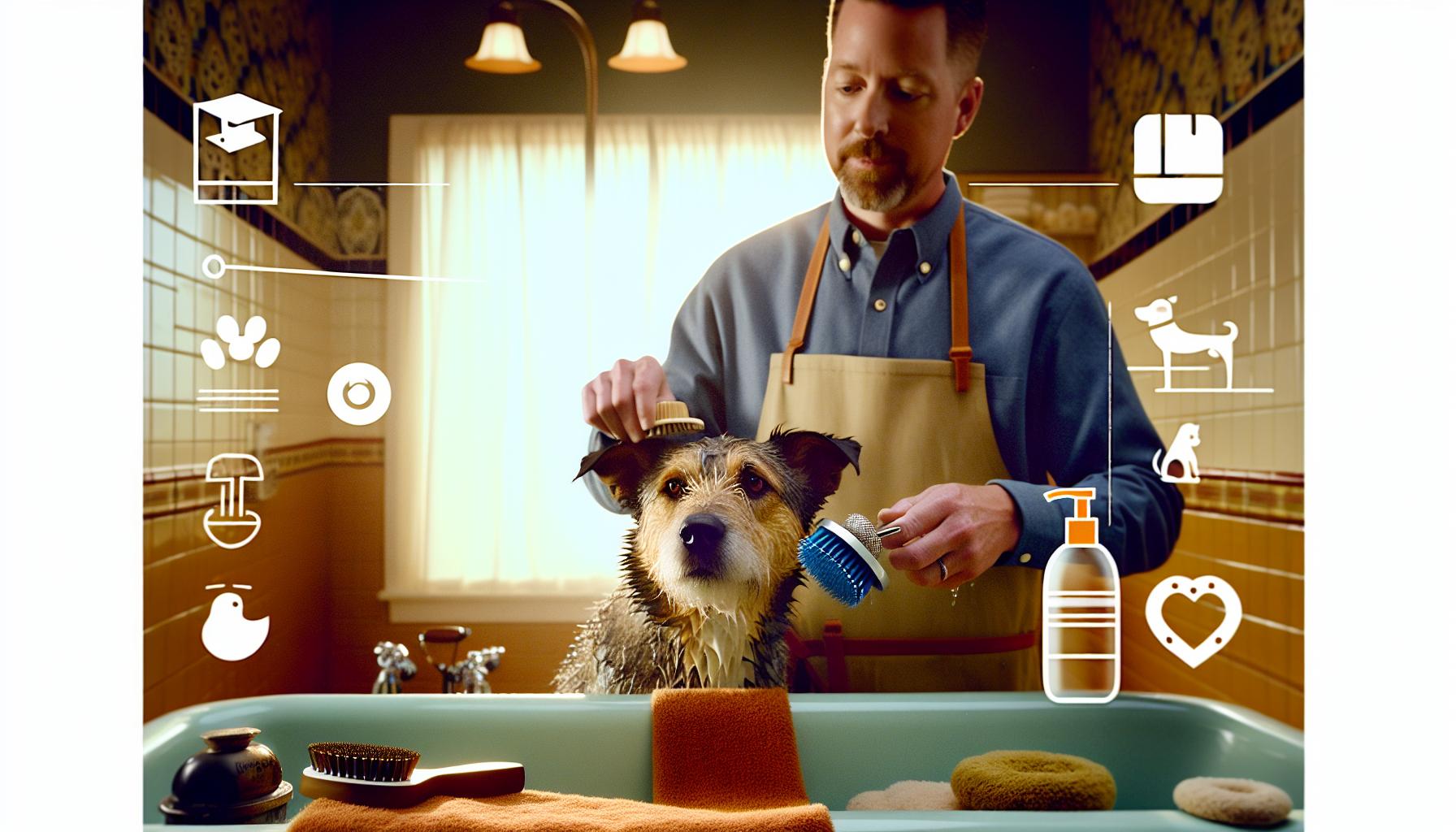
Bathing your dog isn’t just about keeping them clean-it’s a powerful step in the deshedding process that can dramatically improve your results. Think of a bath as a gentle reset for the coat, where water and the right products work together to soften and loosen stubborn dead fur and dander that brushing alone can’t always reach. This is especially true for thick double coats, like those on Huskies or Malamutes, where the dense undercoat traps a lot of loose hair waiting to be released.
Preparing for the Wash
Keep the water temperature lukewarm-too hot or too cold will make your dog uncomfortable and less cooperative. start by wetting the coat thoroughly, allowing the water to penetrate deep into the fur. Use your hands to massage the skin gently, encouraging circulation and helping to lift loose hairs. Avoid using too much pressure; the goal is to soothe, not scratch.
Choosing and Applying the Right Shampoo and Conditioner
- Use a deshedding-specific shampoo: These shampoos contain gentle ingredients that dissolve dead hair and reduce static cling, helping to lift loose fur during rinsing without stripping essential oils.
- Follow with a conditioner formulated for shedding control: Conditioners help soften dead hair and detangle the undercoat, making the final brushing easier and more effective.
- Apply with care: Massage shampoo and conditioner deeply but gently into the coat, mimicking the pressure of a relaxing scalp massage, which can calm anxious dogs.
Rinsing and Drying Tips
Rinse thoroughly to ensure all shampoo and conditioner residues, along with loosened fur, are entirely washed away. Residual product can irritate the skin or attract dirt. use a gentle stream of water and focus on areas prone to matting, like behind the ears or under the legs.
When it comes to drying, towel-dry your dog using gentle pats rather than vigorous rubbing, which can tangle fur and stress sensitive skin. For thick coats, a cool air dryer (never hot!) works wonders to blow away loose undercoat while avoiding heat damage. This method not only speeds drying but also makes the next brushing session easier and more productive.
Practical Example
Take bella, a 5-year-old Golden Retriever who’s notoriously stubborn during baths. By introducing a calming pre-bath routine-soft music, treats, and slow massage-like shampoo submission-her grooming stress dropped considerably. After her bath with a specialized deshedding shampoo, we let her towel dry before using a cool air dryer. The result? Large clumps of dead fur came free during the final brushing, with Bella relaxed and wagging her tail throughout.
Remember, patience is a groomer’s best tool. If your dog resists bathing or has sensitive skin, consult your veterinarian before trying new products or intensifying the deshedding routine. When done with kindness and the right approach, baths become a cherished part of your bonding time and a cornerstone for a healthy, shedding-minimized coat.
Brushing Methods That Target Undercoat Removal
Few things feel as satisfying as watching clumps of loose undercoat come away with each gentle stroke during grooming. For dogs with thick double coats-think Huskies, Golden Retrievers, or Shelties-targeting that dense undercoat is where brushing truly shines in the deshedding process. The key is to use tools and techniques designed to safely lift and release dead fur without irritating sensitive skin or damaging the protective topcoat.
Selecting the Right Tools
Start with the right equipment: an undercoat rake is a groomer’s best friend for this job. Its longer, widely spaced teeth reach deep through the topcoat to loosen and remove dead hairs trapped underneath. Pair this with a slicker brush to smooth the coat and clear away remaining loose fur,while stimulating healthy skin circulation. Always avoid harsh pulling or forcing the tool through mats, as this can distress your dog and damage fur.
Technique Matters
Begin gently-work in small sections, brushing in the direction of hair growth. Use slow,purposeful strokes with the undercoat rake to lift the underlayer,then follow with the slicker brush to free loosened hairs and tidy the surface coat. If you encounter tangles or gentle mats,patiently work them out with a stainless-steel comb or a dematting tool specifically designed to ease out knots without pain.
Creating a calm Experience
Your dog’s emotional comfort is the foundation of successful grooming. Talk softly, take frequent breaks, and offer treats to encourage cooperation. This not only reduces stress but makes your sessions more effective over time. For anxious or sensitive dogs, shorter, more frequent grooming appointments often work best, building positive associations and trust.
Tips from the Trenches
- For stubborn undercoats: Try a rapid pre-brush with a slicker brush before using the undercoat rake to loosen surface debris, making the deeper brushing smoother.
- Keep tools clean: Regularly remove accumulated hair from brushes during grooming to maintain tool efficiency and comfort.
- Watch the skin: If you notice redness,bumps,or sores,pause the session and consult a vet before proceeding to avoid worsening any irritation.
Remember,consistent,compassionate brushing is more valuable than hurried,aggressive techniques. When you center your dog’s comfort and use the right tools with care,you’ll see shedding diminish and coat vitality blossom-turning grooming into a joyful routine for both of you.
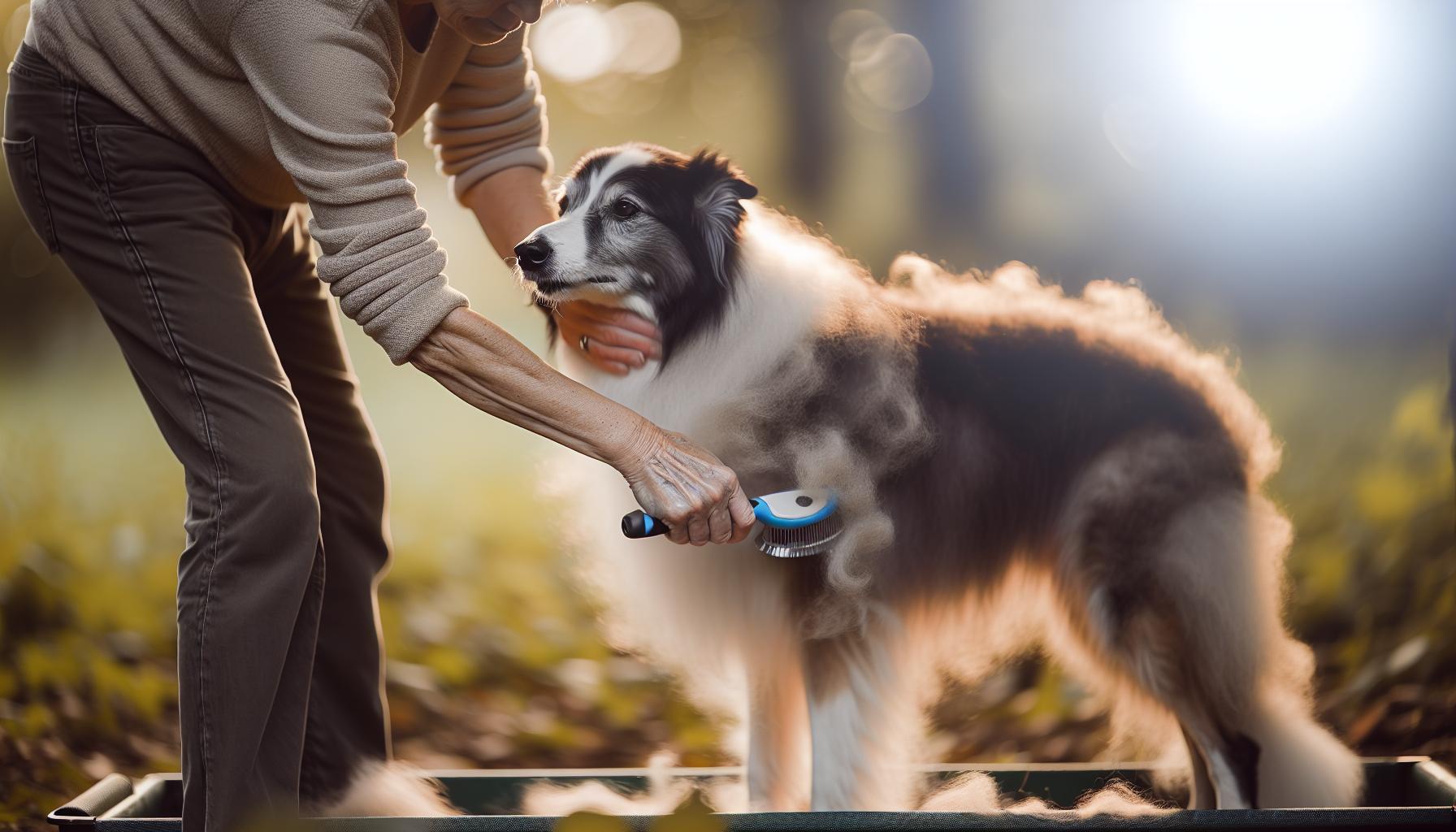
How to Handle Sensitive Dogs During Deshedding
Many dogs find deshedding sessions a bit overwhelming, especially those with anxious temperaments or sensitive skin. Understanding that stress and discomfort can cause resistance or even physical reactions is key to helping your dog feel safe throughout the process. Grooming sensitive dogs successfully requires a calm and patient approach, tailoring tools and techniques to their individual needs to ensure not only effective fur removal but also emotional well-being.
Choose Gentle, Skin-Friendly Products
start by selecting mild, hypoallergenic shampoos and conditioners formulated for sensitive skin to avoid irritation during baths. For example, Nature’s Specialties EZ Out® Deshedding Shampoo is known for being gentle and reduces allergic reactions, making it a great option for dogs with skin sensitivities [[1]](https://www.naturesspecialties.com/products/ez-out-dog-cat-shampoo?srsltid=AfmBOooWIIIyvGjXcPlfMSMtQuI9Pm97F2yx7EdLobv7Qgbpxy1rtqBM). always rinse thoroughly to prevent leftover residue that could cause itchiness or discomfort.
Tool Selection and Handling for Sensitive Skins
Opt for tools designed to minimize pulling and skin irritation. Undercoat rakes with rounded, widely spaced teeth help loosen loose fur gently without scraping the skin, while slicker brushes with softer bristles can smooth away surface hairs without harsh tugging. Before brushing, inspect the coat carefully for mats, as aggressive mat removal can be painful. Use dematting tools sparingly and only when necessary. Patience during brushing is critical-slow, deliberate strokes prevent discomfort and increase your dog’s acceptance over time.
Calm the Mind: Creating a Stress-Free Environment
- Set the mood: Use a quiet room with minimal distractions and soft lighting to soothe nervous dogs.
- Communicate softly: Your calm voice and gentle touch reassure dogs that grooming is safe and not a threat.
- Offer frequent breaks: Shorter intervals of grooming with pauses give your dog moments to relax and prevent overwhelm.
- Incorporate rewards: Small treats or favorite toys during and after brushing create positive associations and build trust.
For extremely sensitive or fearful dogs,initiating multiple short grooming sessions over several days rather than tackling everything at once can gradually build their tolerance.
Know When to Call in the Pros or the Vet
If your dog shows signs of skin irritation,such as redness,bumps,or hair loss,pause grooming promptly and consult your veterinarian before continuing. Groomers trained to handle sensitive or anxious dogs often use professional-grade deshedding products and techniques tailored to fragile skin. Remember, over-the-counter deshedding shampoos can sometimes cause mild allergic reactions, so it’s important to monitor your dog’s response closely[[[[[2]](https://www.reddit.com/r/doggrooming/comments/x1gcet/thoughts_onexperience_with_deshedding_shampoo/).
Ultimately, prioritizing your dog’s comfort and emotional state above all helps create grooming sessions that are gentle, safe, and effective. This compassionate approach builds a positive grooming relationship and ensures your sensitive dog stays calm and cared for through every stage of the deshedding routine.
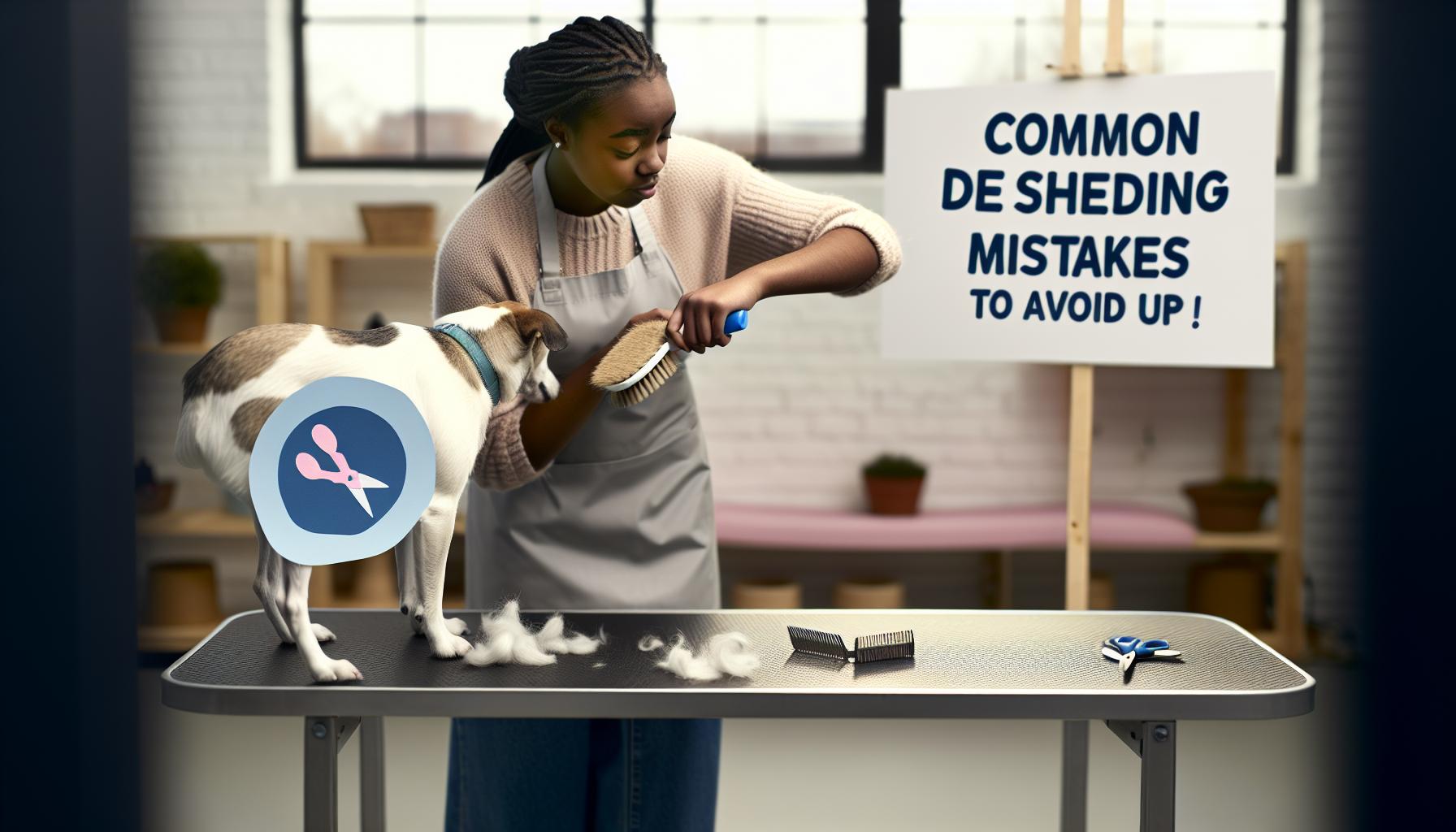
Common Deshedding Mistakes and How to Avoid Them
It’s surprising how often pet parents and even experienced groomers unintentionally make mistakes that can turn a deshedding session from a bonding experience into a stressful ordeal for both dog and handler. The good news is, many common pitfalls have straightforward fixes once you know what to look for. Understanding these can boost your confidence, enhance your dog’s comfort, and achieve more effective shedding results without causing unnecessary discomfort or skin issues.
Rushing the Process
One of the biggest errors is trying to speed through deshedding. Coats like double-layered breeds (think Siberian Huskies or German Shepherds) need gentle, patient attention. Hurrying leads to rough brushing that can irritate the skin and stress your dog, especially if they’re nervous. Take breaks often, work in short sessions, and always watch for signs of discomfort. A calm pace helps your dog relax and makes the grooming process less overwhelming.
Using the Wrong Tools or Technique
Not all tools fit every coat type or dog’s needs. Such as, using a slicker brush alone on thick undercoats can result in surface fur being removed but still leaving dead hair trapped underneath. Conversely, an undercoat rake, correctly used, lifts loose fur without damaging the topcoat or scratching skin. Always tailor your toothbrush and rake choice to coat density, length, and sensitivity. Pro groomers often combine tools-slicker brush for loosening, undercoat rake for deeper removal, and a steel comb to check for missed areas. Using sharp or poorly maintained tools can pull hair painfully or cause micro-cuts, so keep them clean and in good condition.
neglecting Proper Bathing Prep and Timing
Skipping a quality pre-bath brushing or selecting the wrong shampoo can turn deshedding into a messy, less effective chore. Groomers emphasize that loosening dead hair before bathing reduces drying time and helps dead coat rinse out smoothly. Using gentle, hypoallergenic shampoos specifically formulated for deshedding supports skin health and coat condition. Many homemade or harsh shampoos strip natural oils, leading to dry skin and more shedding over time.Remember: Baths are not just for cleanliness-they’re an essential part of a thorough deshedding routine.
Overlooking the dog’s Emotional and Physical Limits
It’s a mistake to assume all dogs tolerate prolonged brushing or clipping. Anxiety, past trauma, or skin sensitivity require tailored approaches.Signs like restlessness, yelping, flinching, or excessive licking suggest pain or stress-and signal it’s time to pause or adjust your technique. An experienced groomer reads these cues and may schedule multiple shorter sessions, use calming pheromone sprays, or enlist a helper for gentle restraint if needed. Such as,a rescue dog with fearful tendencies may initially tolerate just five minutes of brushing before needing a break.Pushing beyond this can erode trust and lead to resistance.
- Don’t overstrip delicate coats: Some breeds need only light deshedding to preserve protective fur.
- Avoid harsh tugging on mats: Dematting tools are helpful but should be used cautiously to prevent pain or injury.
- Never deshed infected or irritated skin: Infection requires veterinary attention first, since grooming can worsen the condition.
- Monitor reaction to products closely: Even gentle shampoos can cause allergic reactions for some pets.
It’s always better to err on the side of patience and gentleness than to seek rapid results.Deshedding is as much about protecting your dog’s well-being as it is about removing loose fur. When in doubt, your veterinarian or a professional groomer experienced with your dog’s breed and temperament can offer personalized guidance. Remember, good deshedding honors your dog’s comfort just as much as their coat’s health and beauty.
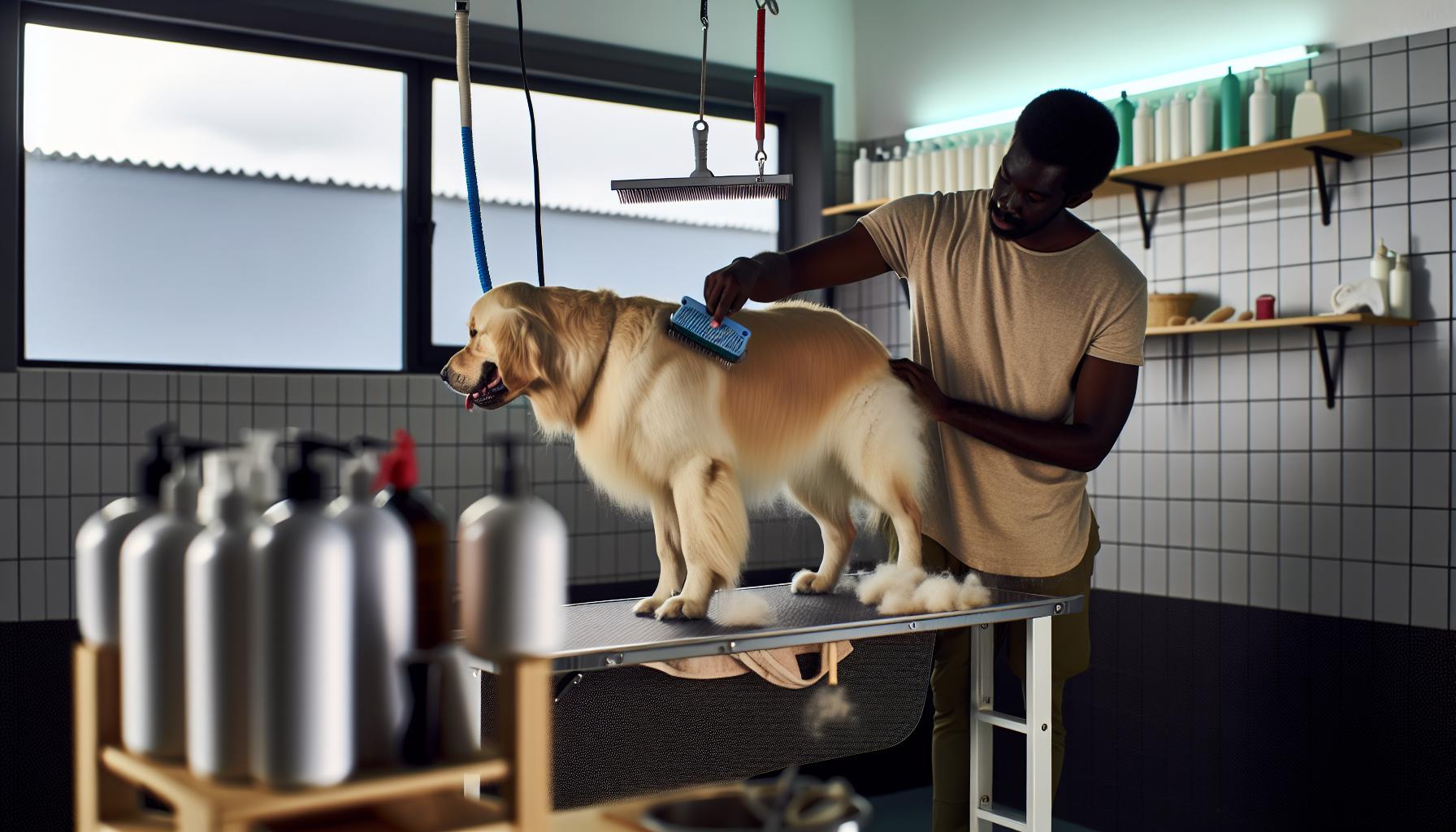
When to Use Professional Deshedding Treatments and Products
Knowing when to turn to professional deshedding treatments and products can make all the difference in helping your dog feel comfortable and look their best-especially if their coat is thick, double-layered, or prone to heavy shedding. While regular grooming at home is invaluable,certain breeds like Huskies,German Shepherds,and Malamutes frequently enough benefit from specialized care that targets deep undercoat removal without risking skin irritation or coat damage. Professionals have access to industry-grade tools and treatments designed to gently yet effectively loosen and remove dead hair that standard home brushes sometimes miss.
When Professional help Makes Sense
Consider professional deshedding if you notice:
- Excessive shedding despite regular home brushing: Some dogs blow their coats seasonally, releasing immense volumes of hair. Groomers use specialized undercoat rakes and deshedding tools-like the FURminator or professional-grade equivalents-that remove loose fur deeply and safely.
- Coat matting or heavy tangling: Thick coats with mats can trap dead hair beneath, making home removal difficult. Professionals are trained to carefully detangle and remove loose undercoat hair while minimizing discomfort.
- Sensitivity to touch or grooming anxiety: Experienced groomers know how to read subtle stress cues and use calming techniques, breaks, and sometimes pheromone sprays to keep anxious dogs relaxed during longer deshedding sessions.
- Skin conditions or allergies needing gentle product choices: Many professionals offer hypoallergenic, coat-friendly deshedding shampoos and conditioners that support skin healing and prevent drying or irritation.They can also advise when veterinary intervention is necessary versus when a grooming approach is appropriate.
Professional Tools and Products Beyond Home Use
Unlike typical home brushes, professional groomers often use a combination of:
- Heavy-duty undercoat rakes and slicker brushes: These penetrate thick coats better without harsh tugging.
- Medical or therapeutic shampoos: Formulated to loosen dead hair during baths, these also nourish sensitive skin and reduce itchiness.
- Conditioning sprays and detanglers: Applied post-bath or mid-grooming,these help soften fur making deshedding gentler and more effective.
Many pet parents share that after a thorough professional deshedding appointment, their dogs shed significantly less at home and seem cooler and more comfortable, especially during warmer months. One client with a double-coated breed noticed their dog was less irritable and more willing to be brushed after a professional treatment that included a tailored bath and expert use of deshedding tools.[[1]](https://www.amazon.com/HOP-Deshedding-Professional-Home-Paws/dp/B0C8C3SWMV)
Guidance on DIY vs. Professional Treatments
While at-home deshedding is part of great pet care, professional treatments are best for:
- Hard-to-reach thick undercoats and multiple-layer shedding.
- Puppies or rescue dogs who might feel overwhelmed by extended sessions.
- When persistent shedding coincides with skin irritation or allergies.
remember, a professional groomer’s role is complementary-not a replacement-for your veterinarian’s advice when skin health issues arise. Routine appointments help maintain coat and skin vitality, allowing you to space out intensive grooming sessions in a way that keeps your dog happy and healthy year-round.
In essence, investing in professional deshedding treatments can transform a difficult shedding season into a calm, effective experience-giving your dog a fresh, clean coat and you the relief of less fur around the house.
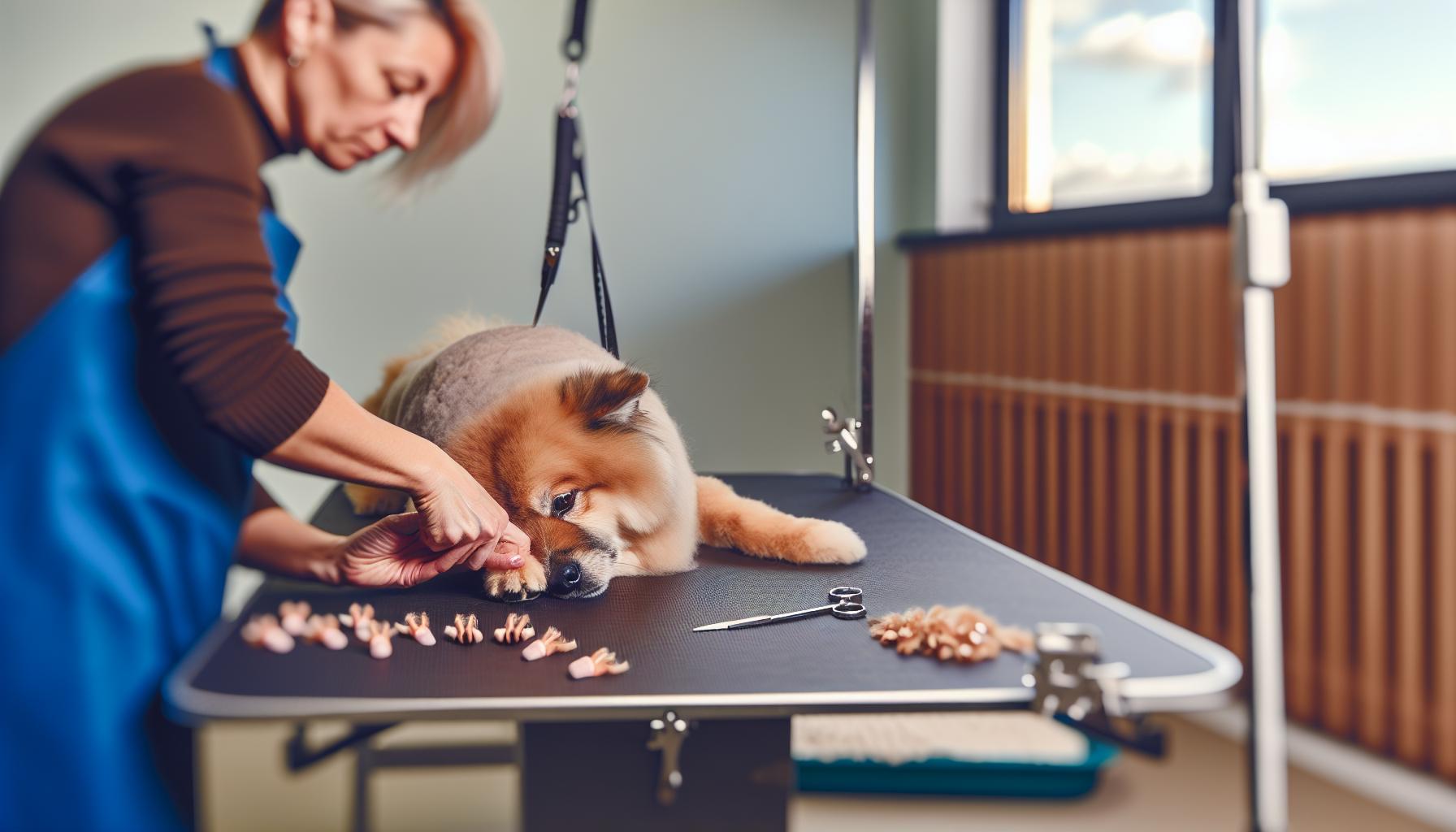
Nail, Ear, and Paw Care During Deshedding Sessions
A well-rounded grooming session goes beyond just tackling the shedding coat-it also addresses the frequently enough-overlooked areas of nails, ears, and paws, which play a vital role in your dog’s overall comfort and health.Many dogs get tense or restless during deshedding as these sensitive zones are ignored or handled roughly. Attending to nails, ears, and paws with patience and care enhances your dog’s confidence and reduces grooming anxiety, especially in breeds with thick undercoats who might already be wary of extended sessions.
Nail Trimming: Keeping movement Comfortable and Safe
Before or after the main deshedding, gently checking and trimming nails prevents discomfort that can worsen with active brushing and bathing. For breeds like Huskies or German Shepherds, whose stamina is high but nail overgrowth common, trimming helps avoid painful walking or slipping on smooth floors. Use sharp, quality nail clippers designed for dogs, and take small, gradual cuts to avoid hitting the quick-a sensitive blood vessel inside the nail. If your dog shows signs of fear or squirms, offer breaks or try a calming environment with soothing voice tones.Having styptic powder on hand is a good safety net if accidental nicks occur.
Ear Care: Preventing Irritation While You Groom
Ears frequently enough accumulate wax, dirt, and moisture that can cause irritation or infections-particularly in dogs with floppy ears or thick fur around the ear canal. After de-shedding the body, softening the ear fur and cleaning the visible parts ensures no irritants worsen during or after a bath. Use a vet-recommended ear cleaner applied with cotton balls or pads gently,avoiding deep insertion into the ear canal. If your dog is sensitive, taking slow, gentle strokes and rewarding calm behavior reinforces trust. Never use cotton swabs, which can damage delicate inner ear tissues.
Paw Inspection and Moisturizing: Protecting the Foundation
Paws are the foundation of your dog’s mobility and often overlooked during deshedding. Brush away debris between the toes and pads,trim excess fur around the paw pads if prone to matting,and check for cuts,cracks,or irritations that grooming might expose or exacerbate. Some dogs develop dry or cracked paws, especially in winter or urban environments, so applying a veterinarian-approved paw balm after grooming can soothe and protect. If you notice redness,swelling,or persistent licking,a vet check is recommended before proceeding with any DIY care.
- Tools to keep handy: Sharp nail clippers, styptic powder, gentle ear cleaner, cotton pads, paw balm, small scissors for paw fur trimming.
- Key signs to watch for: Nail overgrowth or splitting, ear odor or redness, paw pad dryness or irritation.
- When to ask a professional: If your dog is extremely anxious, if there’s bleeding, infection signs, or if you’re unsure about proper nail or ear care.
In practice, I once worked with a senior German Shepherd whose nails were so overgrown he wobbled during deshedding. By patiently trimming his nails first and soothing his ears with calming wipes, we transformed grooming into a stress-free experience for him and his worried owner. Prioritizing these sensitive areas during deshedding means your dog stays comfortable, healthy, and more willing to enjoy future grooming sessions-making your coat management routine a winsome, caring ritual.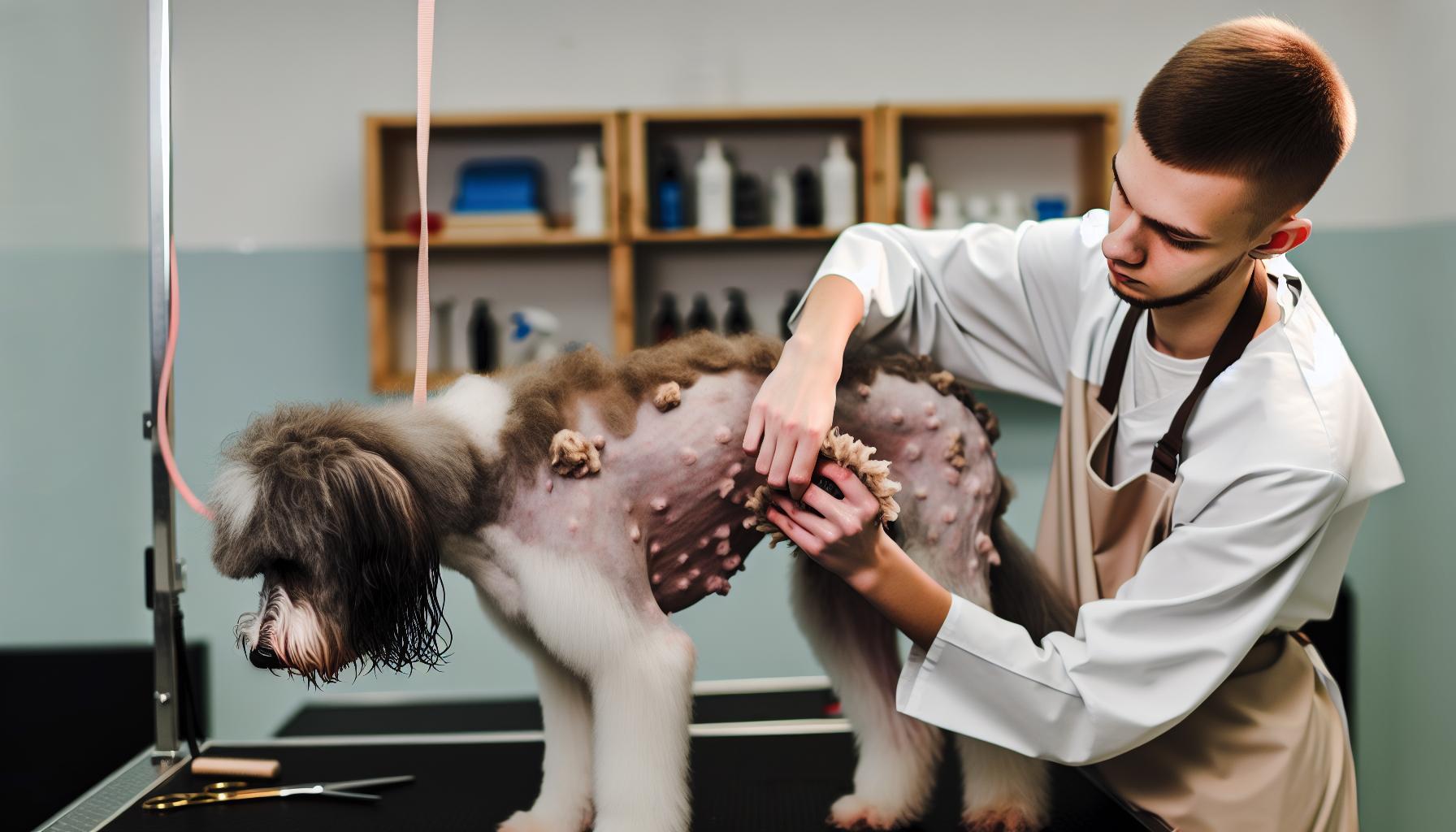
Recognizing signs of Skin Issues or Allergies While Grooming
Many dogs show subtle signs of skin distress long before obvious symptoms appear. As a groomer, your regular close contact with a dog’s coat and skin provides a valuable opportunity to spot early clues of irritation, allergies, or underlying skin conditions. Catching these signs early can prevent discomfort from escalating and ensures that both you and the owner can take timely, appropriate steps, prioritizing the dog’s health and comfort above all.
The first place to start is by watching for changes in the skin’s appearance and texture during brushing and bathing. signs such as redness, flakiness, swelling, or hot spots-areas where the dog may have chewed or scratched excessively-are key warning signals. Dogs with thick undercoats or dense fur, such as Huskies or German Shepherds, are prone to hiding these issues beneath layers of hair, so parting the coat gently during grooming to fully inspect the skin is essential. If you notice any raised bumps, scabs, or raw patches, it’s a strong indication that the dog might potentially be experiencing irritation or even an allergic reaction. Often, these reactions stem from harsh grooming products incompatible with canine skin pH or environmental allergens trapped in the fur [[1]](https://poochesatplay.com/grooming/treating-dogs-sensitive-skin/).
Reading Your Dog’s Behavior for Clues
Apart from visual cues, how a dog reacts during grooming can tell you a lot. Dogs may suddenly become restless, attempt to escape, or show sensitivity when you touch certain areas. Hives, swelling, or even mild rash-like eruptions can sometimes be felt before being clearly seen.if a dog flinches or attempts to lick or bite at their skin during brushing, pause and examine closely. Groomers working with sensitive or allergic dogs often recommend using hypoallergenic, fragrance-free grooming products and performing patch tests before baths or deshedding sessions to reduce the risk of flare-ups[[[[[2]](https://dogloverstowel.com/blogs/news/tips-for-treating-dog-skin-irritation-after-grooming?srsltid=AfmBOopJLzcuceZ7X1iHJ5I4VI52T_kEvDpGqxsbES3RgHFnW6WJsHeG).
When Bathing Uncovers Hidden Issues
bath time is another revealing moment. If your deshedding routine involves bathing, take note of how your dog’s skin responds. Soaking in an oatmeal bath is not only calming but can expose inflamed patches needing special care[[[[[3]](https://wagwalking.com/grooming/bathe-a-dog-with-skin-allergies). Pay attention to unusually dry, scaly areas or persistent redness after rinsing. while gentle massaging with fingers can help loosen dead undercoat, excessive rubbing over sensitive zones may worsen irritation, so adapt your technique accordingly.
- Key signs to watch for: redness, hives, hot spots, flaky or scaly patches, swelling, scabs, unusual odors, or excessive scratching during grooming.
- helpful tools: soft-bristle brushes,gentle hypoallergenic shampoos,cotton pads for wiping sensitive spots,and a keen eye for behavioral changes.
- When to pause and refer: If you observe open wounds, oozing sores, strong odors indicative of infection, severe hair loss, or if the dog shows extreme discomfort, advise the owner to consult their veterinarian promptly before continuing grooming.
In my experience working with dogs prone to skin allergies, such as Golden Retrievers or Labs, owners often underestimate how quickly a friendly grooming session can turn into an irritation trigger.By creating a calm atmosphere, switching to skin-friendly products, and slowing down to check and soothe sensitive patches, we not only preserve the coat’s health but also build trust. remember, your role isn’t just to remove loose fur-it’s to keep every dog safe, comfortable, and confident in the grooming chair.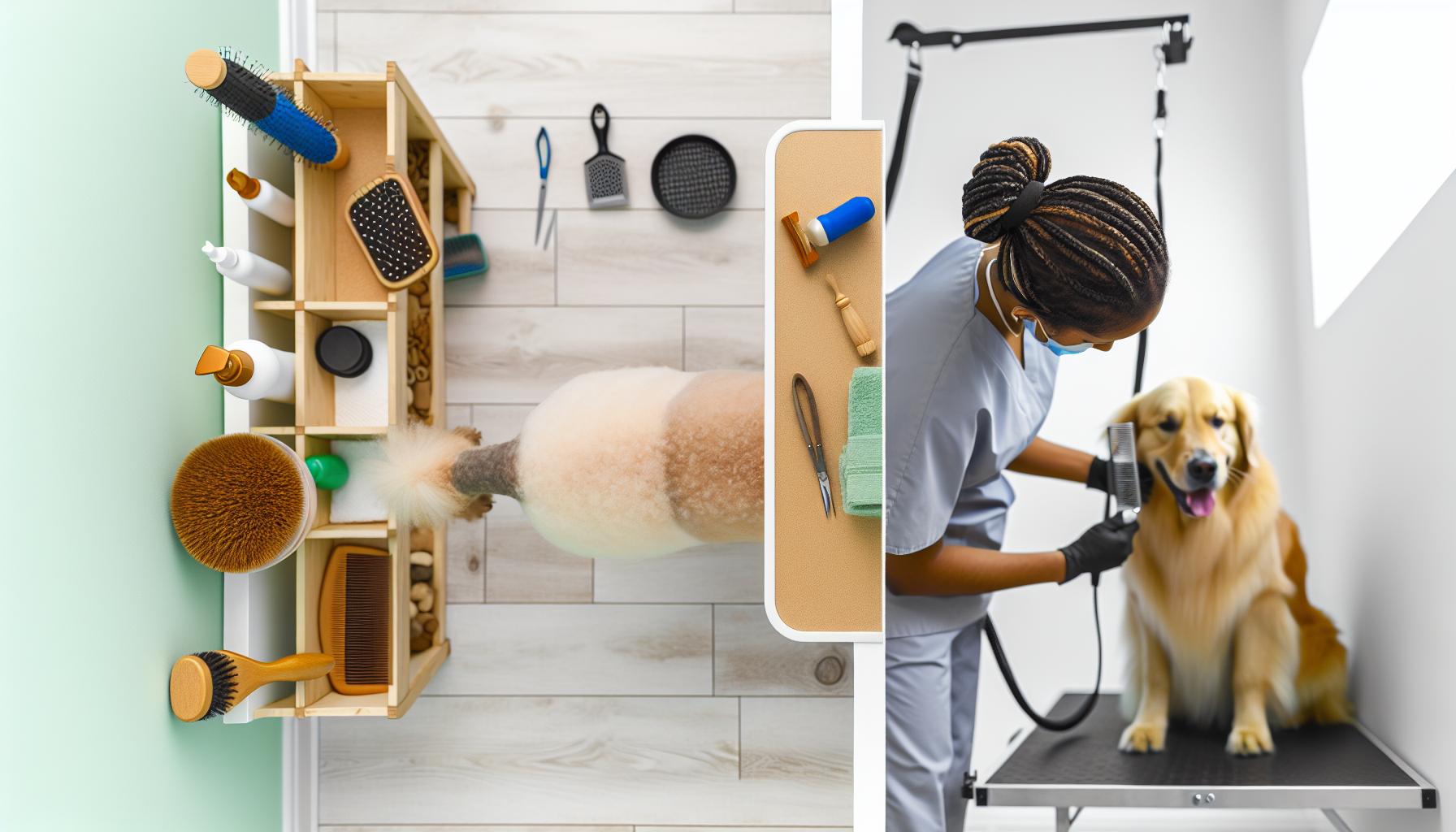
Balancing DIY Deshedding with Professional Grooming visits
Many dog owners find themselves overwhelmed by the sheer amount of fur shedding, especially when seasonal changes bring out thick undercoats in breeds like Golden Retrievers, German Shepherds, or Huskies. Tackling deshedding at home is not only a loving way to care for your dog’s coat but also a great way to reduce the amount of loose hair in your living space. However, balancing this DIY effort with professional grooming visits is key to keeping your dog’s coat healthy and comfortable-without overwhelming you or your pet.
When you take charge of deshedding at home, start by using tools designed specifically for your dog’s coat type. For double-coated breeds, undercoat rakes or deshedding tools like the FURminator can help remove dead fur gently and effectively between professional sessions. pair your brushing routine with regular baths using hypoallergenic, gentle shampoos to loosen dead hair and soothe the skin. Remember, less is more-overbrushing or using harsh techniques can irritate sensitive skin or push dead hair deeper into the coat, making matters worse.
Maximizing DIY Deshedding Steps
- Brush Smart: Work in small sections, follow the natural lay of the coat, and be gentle around sensitive areas like the belly, ears, and tail.
- Bath Time Benefits: Use lukewarm water and specialized bathing products that support coat health and reduce shedding.
- Monitor Skin Health: Keep an eye out for redness, flakes, or signs of irritation. If these appear,pause and adjust your routine or consult a professional.
professional groomers bring experience, specialized tools, and advanced techniques that can make a remarkable difference when your dog’s coat needs a deeper treatment. Such as, groomers can safely remove thick undercoat layers that are difficult to tackle at home and spot early signs of skin problems before they become serious. They can also manage anxious or sensitive dogs carefully, adjusting their approach to reduce stress-something that may be difficult when you’re trying to juggle coat care alongside everyday life.
Knowing When to Seek Professional Help
When you notice persistent shedding despite your best efforts, extreme matting, or any skin abnormalities during your brushing or bathing, it’s a good time to consult a professional groomer. Regular grooming visits also ensure nails, ears, and paws are checked and cared for, which supports overall wellbeing. Never hesitate to ask your groomer about recommended frequency-some breeds, like the Siberian Husky, may benefit from visits every 6 to 8 weeks, while others with lighter shedding coats might only need quarterly appointments.
For nervous dogs, combining short, calm brushing sessions at home with less frequent, positive professional grooming visits can build trust and reduce anxiety associated with grooming. Set your DIY sessions to be light and pleasant,avoiding overwhelming your dog.Then,allow the professional to do the heavy lifting: deep deshedding,thorough skin checks,and treatments that require advanced grooming tools.Remember, the goal is not “perfect” coat management but consistent care that prioritizes your dog’s comfort and health. By blending your attentive daily brushwork with expert support, you create a grooming routine that suits both your lifestyle and your dog’s unique needs. This partnership invites fewer surprises, less stress, and a happier, healthier dog all year round.
FAQ
Q: How do professional groomers prevent skin irritation while deshedding?
A: Professional groomers prevent skin irritation by using gentle, breed-appropriate deshedding tools and hypoallergenic shampoos. They carefully monitor pressure and avoid over-brushing sensitive areas. Pre-bath moisturizing and post-deshedding skin treatments help soothe skin, ensuring comfort. Learn more about handling sensitive dogs during deshedding in our article’s dedicated section.
Q: What role does a deshedding dryer play in professional dog grooming?
A: A deshedding dryer efficiently removes loose undercoat after bathing by blowing out dead fur without harsh brushing. This tool enhances coat health and reduces shedding dramatically, working best on thick double coats. Explore how dryers fit into step-by-step deshedding routines in our bathing and brushing tips for groomers.
Q: How do groomers handle dogs with mats or tangles before deshedding?
A: Groomers gently detangle mats using specialized dematting tools or scissors before deshedding to avoid discomfort or skin damage. They prioritize careful sectioning and soothing breaks, ensuring the dog’s safety and cooperation.See our common deshedding mistakes section for more on preventing injury and stress.
Q: When is it best to schedule professional deshedding for heavy shedders?
A: For heavy shedders, professionals recommend deshedding sessions at least every 6-8 weeks, ideally timed before seasonal coat changes. Regular grooming helps maintain skin health and minimizes shedding mess. Check balancing DIY vs professional visits in our article for timing advice tailored to coat types.
Q: Why do groomers use special deshedding shampoos and conditioners during treatment?
A: Special deshedding shampoos soften the topcoat and undercoat, loosening dead fur for easier removal. conditioners reduce static and improve fur release,making brushing more effective and gentle. This two-step bath process is vital before brushing,detailed in our bathing tips section for groomers.
Q: How do groomers adjust deshedding techniques for various dog breeds?
A: Groomers tailor deshedding by assessing coat type-single vs. double and length-choosing tools and brush patterns accordingly. Such as, double-coated breeds require undercoat-specific tools, while short-haired dogs need gentler strokes. Refer to our understanding dog coats section to match breed needs precisely.
Q: What professional strategies ensure anxious dogs stay calm during deshedding?
A: Professionals use calm voices, slow movements, and frequent breaks to ease anxiety. They may employ treats, gentle massage, and sometimes pheromone sprays to create a soothing environment, prioritizing the dog’s comfort and trust throughout. More on handling sensitive dogs during grooming is provided in our sensory approach section.
Q: How can owners maintain results between professional deshedding appointments?
A: Owners should brush regularly using breed-appropriate deshedding tools and schedule baths with deshedding shampoos, following groomer advice. this upkeep reduces shedding buildup and supports skin condition between visits. Refer to our balancing DIY and professional grooming guidance for practical, safe at-home tips.
For a smooth and stress-free deshedding experience, remember that every dog’s coat and needs differ. Embrace gentle, consistent care paired with expert help. Feel free to explore our detailed tips on how to handle sensitive dogs and step-by-step deshedding techniques to empower your grooming routine!
Concluding Remarks
Mastering professional deshedding techniques truly unlocks your dog’s comfort and coat health,irrespective of breed or coat type. Remember, using the right tools-such as specialized brushes and deshedding blades-combined with gentle steps like bathing, brushing, nail care, and ear cleaning, can make all the difference. If you’re unsure when to seek a groomer versus handling DIY at home, always prioritize your pet’s safety and well-being first.
Ready to take your grooming skills further? Explore our detailed guides on Choosing the Best Dog Brush for Your Pet and How to Keep Your Dog Calm During Grooming to build confidence with every session. Don’t forget to sign up for our newsletter for exclusive tips and expert advice tailored just for caring pet parents like you. Have questions or success stories about deshedding? Share them below-we love hearing from you and helping you make grooming a positive experience for your furry friend.
Consistent,compassionate care transforms grooming from a chore into bonding time. By embracing these professional deshedding strategies, you’re giving your dog’s coat the best chance to shine while reducing shedding around your home. Keep exploring,stay patient,and let’s make every grooming session a stress-free success!
Get our latest guides, news, and insights highlighted in your Google Search & AI Overviews.
Keep reading about the same coat and cut.


Popular grooming guides
Bath vs clip, first grooms, and salon how-tos.