How Do Dog Groomers Get Dogs So Fluffy: Finishing Secrets
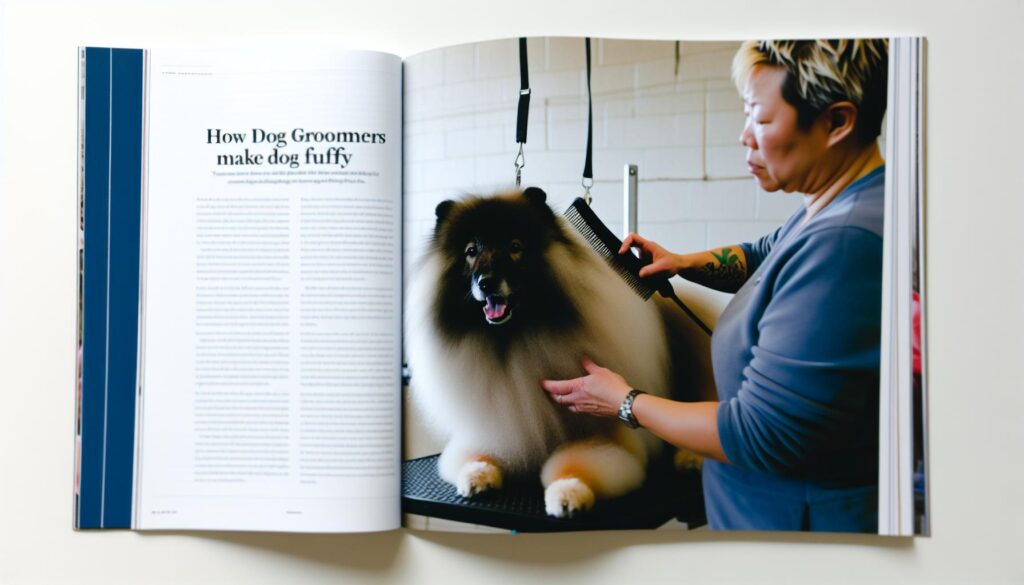
Have you ever wondered how professional dog groomers achieve that irresistibly fluffy, soft coat that makes your pup look and feel their best? It’s not just about a swift bath-getting a dog truly fluffy involves a careful blend of techniques tailored too their breed and coat type, along with the right tools and patient care. Whether your dog has long flowing fur or a dense, curly coat, knowing these finishing secrets can transform your grooming routine from stressful to soothing. In this guide, we’ll walk you through the gentle steps groomers use-from bathing and brushing to drying and trimming-that prioritize your dog’s comfort and safety while unlocking that perfect, cloud-like fluff. You’ll gain practical tips, learn when to seek professional help, and feel empowered to keep your furry friend looking-and feeling-healthy and happy. Let’s dive into the art and heart behind every fluffy finish!
How Dog Groomers Prep Coats for Maximum fluff
Table of Contents
- 1 How Dog Groomers Prep Coats for Maximum fluff
- 2 Essential Tools for Creating That Fluffy Finish
- 3 Bathing Secrets: Products and Techniques That Work
- 4 Expert Brushing Tips to Unlock Coat Volume
- 5 Blow Drying Like a Pro: Step-by-Step Guide
- 6 Trimming and Scissoring Tricks for Fluff and Shape
- 7 How Coat Types Affect Grooming Strategies
- 8 Common Grooming Challenges and How to Solve Them
- 9 Safe Handling Tips to Keep Dogs Calm and Comfortable
- 10 DIY Fluff Boosts: When to Groom at Home vs.Pro
- 11 Understanding the Role of Diet and Health in Coat Quality
- 12 Inside Groomer Wisdom: Mistakes to avoid for Fluffy Results
- 13 FAQ
- 13.1 Q: Why do groomers give dogs multiple baths to achieve extra fluffy coats?
- 13.2 Q: What grooming products enhance fluffiness without weighing the coat down?
- 13.3 Q: How does coat drying technique affect a dog’s fluffiness?
- 13.4 Q: What role does grooming sequence play in achieving a fluffy dog coat?
- 13.5 Q: How do groomers handle different coat types to keep fluffiness consistent?
- 13.6 Q: Can diet improvements really make a dog’s coat fluffier over time?
- 13.7 Q: Why do groomers focus on safe handling to improve fluffy finishes?
- 13.8 Q: When should owners choose professional grooming over DIY fluff boosting?
- 14 Closing remarks
Achieving that irresistible fluffy coat starts long before the scissors come out or the blow dryer hums to life. The foundation for maximum fluff lies in meticulous coat planning-an essential stage where groomers combine knowledge of breed-specific hair textures, gentle handling, and carefully chosen products to unlock volume and softness. For sensitive or anxious dogs,this phase is especially vital,as calming interactions paired with gradual,non-intimidating introductions to grooming tools set the tone for success and comfort.
Understanding the Coat and tools Needed
Every breed’s coat has its quirks: whether dense double coats like those of a Samoyed, silky single coats as seen in Maltese, or curly textures like Poodles. Groomers begin by evaluating the coat type to determine which tools will best prepare the hair. Typically, a high-quality slicker brush, a wide-tooth comb, and occasionally a detangling rake are essential to gently remove mats and tangles without causing discomfort. These tools help separate hairs rather than break them, preserving coat integrity and volume.
Pre-Bath Brushing: The Critical First Step
Starting with a thorough yet gentle pre-bath brush-through avoids knotty surprises later in the grooming process. Applying a diluted conditioner on a dry coat can soften stubborn tangles before wetting, making the bath more effective and helping retain softness afterwards. This technique-popular among professionals-also helps distribute natural oils and primes the fur for shampoo penetration.[[3]](https://www.reddit.com/r/doggrooming/comments/18fbs41/what_are_your_ultimate_coat_prep_tips/)
Slow Introduction to Drying Tools
Since sudden loud noises or unfamiliar sensations can spike canine stress, many groomers introduce tools like blow dryers gradually. Starting with the dryer turned on but facing away from the dog helps the pet acclimate calmly over time. This patient approach minimizes fear reactions and ensures a more positive coat prep experience.[[1]](https://tarheeltotalpetcare.net/how-to-prep-a-dog-for-grooming/) Consistent practise results in a relaxed dog more willing to cooperate, which directly contributes to a fluffier finish as the coat isn’t stressed or matted down by anxious movements.
- Key Takeaway: Proper preparation is about respect and understanding of each dog’s individual needs. Patience during brushing, de-matting, and drying sets the stage for a soft, airy coat that holds shape beautifully.
- Safety Tip: Always check for skin irritations or hotspots during prep to avoid worsening any issues with bathing or clipping.
Essential Tools for Creating That Fluffy Finish
Unlocking that dreamy, fluffy coat is as much about using the right tools as it is about gentle technique and understanding your dog’s unique coat type. Groomers swear by specific brushes, combs, and clippers that help enhance volume without damaging the delicate hair shafts. The tools you choose set the foundation – imagine trying to fluff a cloud with a broom versus a soft feather duster; the right tool helps tease coat fibers apart softly and evenly, creating that coveted airy finish.
Brushes and Combs: Your fluff’s Best Friends
Each coat type deserves its own specialized set. For dense double coats like Huskies or Samoyeds, a slicker brush paired with a wide-tooth comb helps gently loosen dead undercoat and separate hairs to encourage lift and bounce. In contrast,curly coats like Poodles benefit greatly from a pin brush,which can reach through tight curls without crushing their natural volume. Fine single coats,such as Maltese or Shih Tzus,often respond best to soft bristle brushes that smooth without flattening.
Tip: Always start with a detangling tool or rake (if mats are present) before moving to finer brushes. This avoids tugging and discomfort, especially with sensitive or anxiety-prone dogs.
Shears, Clippers, and Scissors: precision meets Fluff
After the coat is clean and brushed out, the correct use of grooming shears and clippers creates shape without sacrificing fluffiness. Using thinning shears or blending scissors softens edges, allowing the coat to flow naturally rather than appearing boxy or dull. Clippers with adjustable blades are essential for carefully sculpting layered texture that enhances volume rather than flattening it.
For example, a groomer might lightly scissor around the ears and paws to preserve fluffy tufts while trimming bulkier areas closely enough to maintain a fresh shape. This delicate balance requires patience and practice but makes a world of difference in final coat presentation.
Additional Must-Have Tools for Fluff Magic
- Dematting Tools: Spiked combs or deshedding rakes help gently break up tangles without breaking hairs or irritating skin.
- Nail Grinders: Keeping nails trimmed reduces stress on paws, helping the dog stand and move comfortably, which in turn supports proper coat fall.
- Ear and Dental care Products: While not directly affecting fluff, these tools complete overall grooming health, promoting comfort that lets your dog relax during grooming sessions.
choosing professional-grade, dog-safe tools offers the best results. Products labeled specifically for dogs ensure safety, especially on sensitive skin and coat types. Reliable brands trusted by groomers provide durability and performance that home tools frequently enough can’t match.[2]
remember, the goal of these products is to care for your dog’s coat and skin, reducing discomfort and stress while unlocking maximum fluffiness. When used skillfully and with lots of patience, these tools transform grooming from a chore into a bonding ritual that results in a soft, voluminous coat you and your dog can be proud of.

Bathing Secrets: Products and Techniques That Work
bathing is the foundation of fluff-it’s where the magic begins to transform a coat from dull and tangled to soft and voluminous.Yet, it’s not just about sudsing up; the choice of products and techniques tailored to your dog’s coat type makes all the difference. Such as, double-coated breeds like Golden Retrievers require shampoos that gently cleanse without stripping essential oils, while curly-coated dogs such as Poodles benefit from moisturizing, detangling formulas that support curl definition and softness.
Choosing the right Products
- Gentle, pH-balanced shampoos: Dogs have a different skin pH than humans.Using dog-specific shampoos prevents dryness and irritation, which can compromise coat health and fluffiness.
- Conditioners and detanglers: These are essential for smoothing and softening the hair shaft, making it easier to brush out mats and encourage lift. For thick or coarse coats, leave-in conditioners or hydrating sprays can provide extra slip and reduce static.
- Medicated options: Sometimes skin conditions call for vet-approved formulations. always follow your vet’s guidance,as these may impact coat texture temporarily but are critical for overall comfort and health.
Step-by-Step Bathing Technique
Begin by brushing your dog thoroughly before wetting the coat. This removes loose fur and breaks up tangles that could tighten when wet. Use lukewarm water – too hot or cold can shock sensitive skin and upset anxious dogs. A handheld sprayer or gentle pitcher is great for controlled rinsing without scaring your pet.
Apply shampoo sparingly to avoid residue build-up that weighs down the coat. Focus on the body but be gentle around the face and ears. Massage the shampoo into a rich lather to lift dirt and oils without harsh scrubbing. Rinse thoroughly-any leftover soap can cause irritation and dullness.
follow with conditioner, especially on longer or coilier coats, applying mainly to the mid-lengths and ends. Let it sit a few minutes to penetrate before rinsing clean. Dry the coat gently with a microfiber towel to absorb excess water without rough rubbing that causes tangles.
Common Mistakes and Helpful Fixes
- Skipping the pre-bath brush: leads to matting that tightens during washing-always brush first.
- Over-bathing: can strip natural oils, leaving the coat dry and brittle. limit baths to every 4-6 weeks unless otherwise advised.
- Using human shampoos or dish soap: These disrupt the skin’s protective barrier and dull the coat.
- Inadequate rinsing: Causes itching and coat dullness – rinse until water runs clear.
for anxious or sensitive dogs, incorporating calming scents like chamomile or lavender in shampoos, plus a slow, steady approach, helps ease bath time stress. Grooming is a chance to build trust and comfort, so speak softly, reward generously, and move at your dog’s pace.
Professional groomers often add conditioning boosters or protein treatments to enhance fluff and shine while maintaining skin health. While these are fantastic options at the salon, many gentle, high-quality products are available for home use to keep coats healthy in between appointments.
Expert Brushing Tips to Unlock Coat Volume
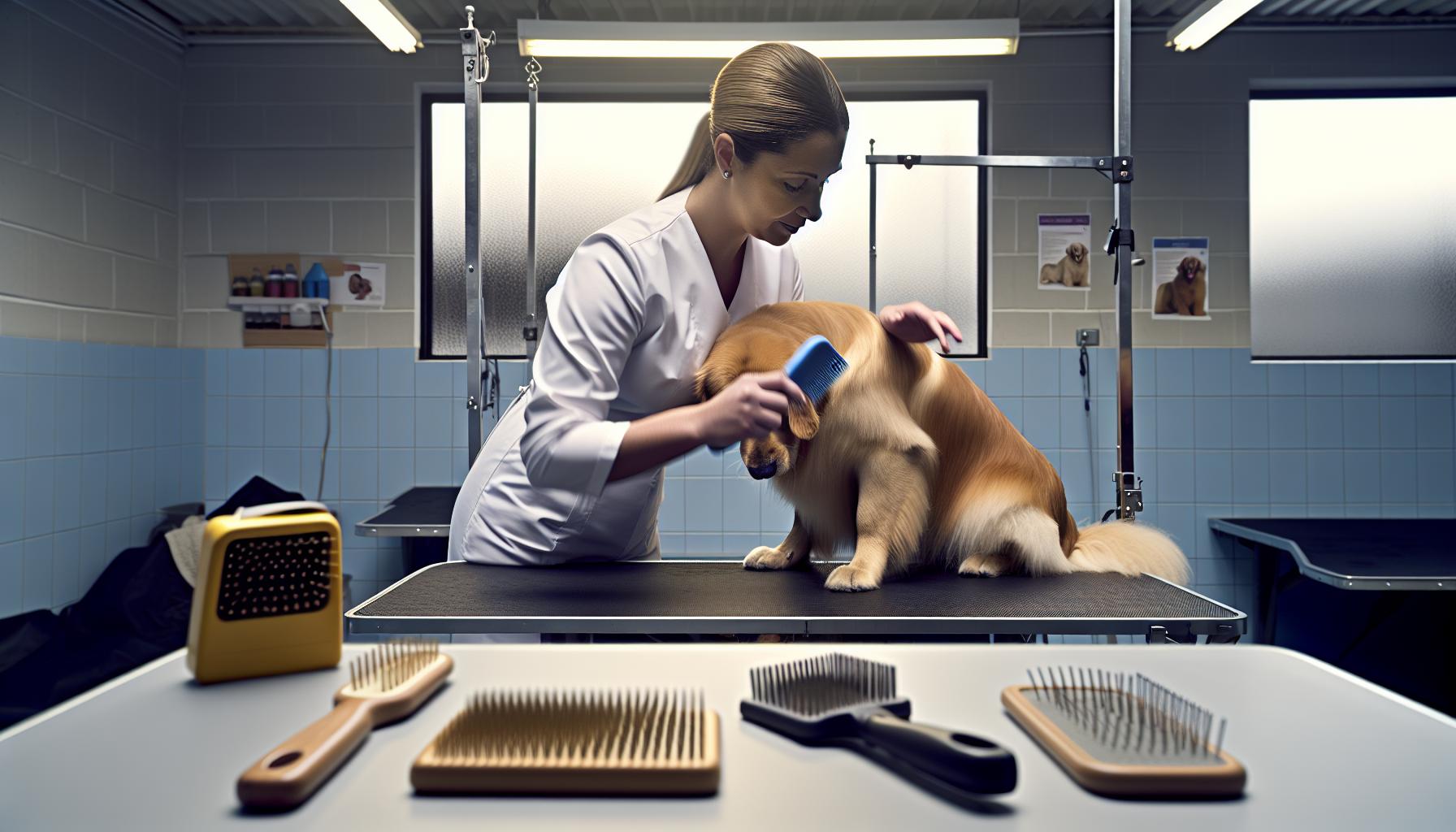
Brushing is where the real conversion happens-it’s the secret weapon in unlocking a dog’s full fluffy potential. The right brushing technique not only removes loose hair and dirt but also teases the coat open, adding volume and bounce that instantly lifts your dog’s appearance. Different coat types demand different approaches,so choosing the correct tools and knowing how to use them gently and effectively is essential for both your dog’s comfort and the best fluff results.
Selecting Brushes and Combs for Maximum Lift
- Slicker brushes: Ideal for medium to long coats,these fine-wire brushes penetrate deeply to remove tangles and loose undercoat,which helps create a full,airy look without damaging the coat.
- Pin brushes: Great for long, silky or wavy coats, pin brushes smooth without crushing volume, making them perfect for breeds like Afghan Hounds or Cocker Spaniels.
- Undercoat rakes: Essential for double-coated breeds such as Golden Retrievers or Huskies, these tools reach the dense underlayer to reduce shedding and prevent matting, allowing the outer coat to lift freely and fluff beautifully.
- Wide-tooth combs: Best used after brushing to catch any missed tangles and gently separate hair strands, enhancing the fluffy, full-bodied effect.
Technique Tips for Comfortable, Effective Brushing
Always start brushing with a calm, reassuring touch-talk softly and take breaks if your dog feels anxious. Begin at the head and work methodically toward the tail, brushing in the direction of hair growth to clear surface debris first.Then, gently lift against the grain to loosen undercoat and encourage volume. For thick or curly coats, divide the coat into sections, working carefully through each to avoid pulling and discomfort.
When you encounter mats, don’t rush. Use a detangling spray and your fingers to gently separate knots before using a slicker brush or comb.Attempting to force through mats can hurt your dog and damage the hair, so patience is key. In cases of severe mats, a professional groomer’s expertise is invaluable-not only for the dog’s comfort but also to preserve the coat’s health.
Maintaining Volume Between Grooming Sessions
Brushing daily or at least several times weekly prevents matting and keeps the coat fluffy longer. It also distributes natural oils that maintain softness and shine. Remember, over-brushing with overly harsh tools can cause breakage or skin irritation, so adjust frequency and brush type to your dog’s specific coat needs.
By incorporating these brushing techniques, you’re not only boosting your dog’s fluff but also strengthening your bond through gentle, attentive care. This essential step bridges the gap between a freshly bathed pup and the show-stopping fluffy finish groomers master every day.
Blow Drying Like a Pro: Step-by-Step Guide
imagine transforming a damp, flat coat into a cloud of soft, buoyant fluff with just the right touch of air and technique.Blow drying is where a groomer’s patience and skill truly shine, making it the pivotal step that lifts the entire grooming experience from “clean” to “wow.” The secret to professional-level fluff lies in understanding your dog’s coat type, starting with the right tools and breaking down the drying process to keep your furry friend safe, happy, and looking picture-perfect.
Choosing Your Dryer and Preparing Your Dog
Not all dryers are created equal-while human hair dryers are often too hot and noisy, professional pet dryers operate at adjustable speeds and cooler temperatures to protect delicate skin. Opt for a dryer with multiple settings and a blower-only (no heat) option if your dog’s skin is sensitive or the surroundings is warm.Always introduce the dryer gradually, letting your dog sniff and get comfortable before starting. If your dog is anxious, try using treats or gentle petting to build calm positive associations.
Step-by-Step Drying Method
- Start with a towel dry: Gently blot excess water with a soft towel-avoid vigorous rubbing, which can tangle hair and irritate skin.
- Section the coat: Divide the coat into manageable areas using clips or by hand, especially on thick or long-haired breeds like Poodles or shih Tzus. This helps you focus the airflow and ensures even drying.
- Use a slicker brush or pin brush during drying: Keep your brush moving alongside the dryer, brushing gently to lift the hair as it dries. This prevents hair from lying flat and encourages volume.
- Dry in the direction of hair growth, then blow lightly against the grain: This two-step motion first removes excess moisture and debris, then teases the undercoat to increase loft and softness.
- Maintain a safe distance: Hold the dryer several inches away to avoid overheating the skin.If your dog shows signs of discomfort-panting, flinching, or restless behaviors-pause and comfort them.
Common Challenges and How to Overcome Them
Some coats resist fluffing due to natural curl patterns, coarse texture, or underlying matting. For curly coats, drying slowly with a diffuser attachment or alternating brushing can help loosen curls without frizz. Double-coated breeds may require undercoat rakes after drying to tease out the dense base. Never attempt to blow dry heavily matted fur-this can trap heat and hurt your dog. Instead, seek professional grooming to safely address mats.
Remember, patience and positive reinforcement are your best tools. Take breaks when needed, reward calm behavior, and keep the environment quiet and warm. With time, your dog may even start to enjoy the gentle hum of the dryer as part of their grooming ritual.
Quick Safety Checklist
- use a pet-specific or cold air dryer: Avoid heat settings that can burn or irritate skin [[1]](https://pamperedpooches.quora.com/Is-it-safe-to-blow-dry-my-dog).
- Keep airflow moving constantly: Don’t hold in one spot to prevent hot spots.
- Ensure grooming tools are clean: Dirty brushes can cause discomfort or infection.
- Monitor your dog closely: Stop if signs of stress or overheating appear.
In essence, blow drying is the joyful bridge between clean and fluffy. With the right tools, patience, and gentle technique, you can bring that professional, show-quality bounce home – all while nurturing your dog’s comfort and confidence.
Trimming and Scissoring Tricks for Fluff and Shape
Achieving that signature fluffy look isn’t just about drying and brushing-skilled trimming and thoughtful scissoring are the final magic touches that truly bring out your dog’s coat volume and shape. Well-executed trims create clean lines and eliminate bulk in the right spots, which can make a coat appear more buoyant and balanced. Whether your dog sports a curly Poodle coat, a feathered Spaniel coat, or a silky Terrier coat, the correct tools and techniques will allow you to sculpt without compromising softness or comfort.
Selecting the Right Tools
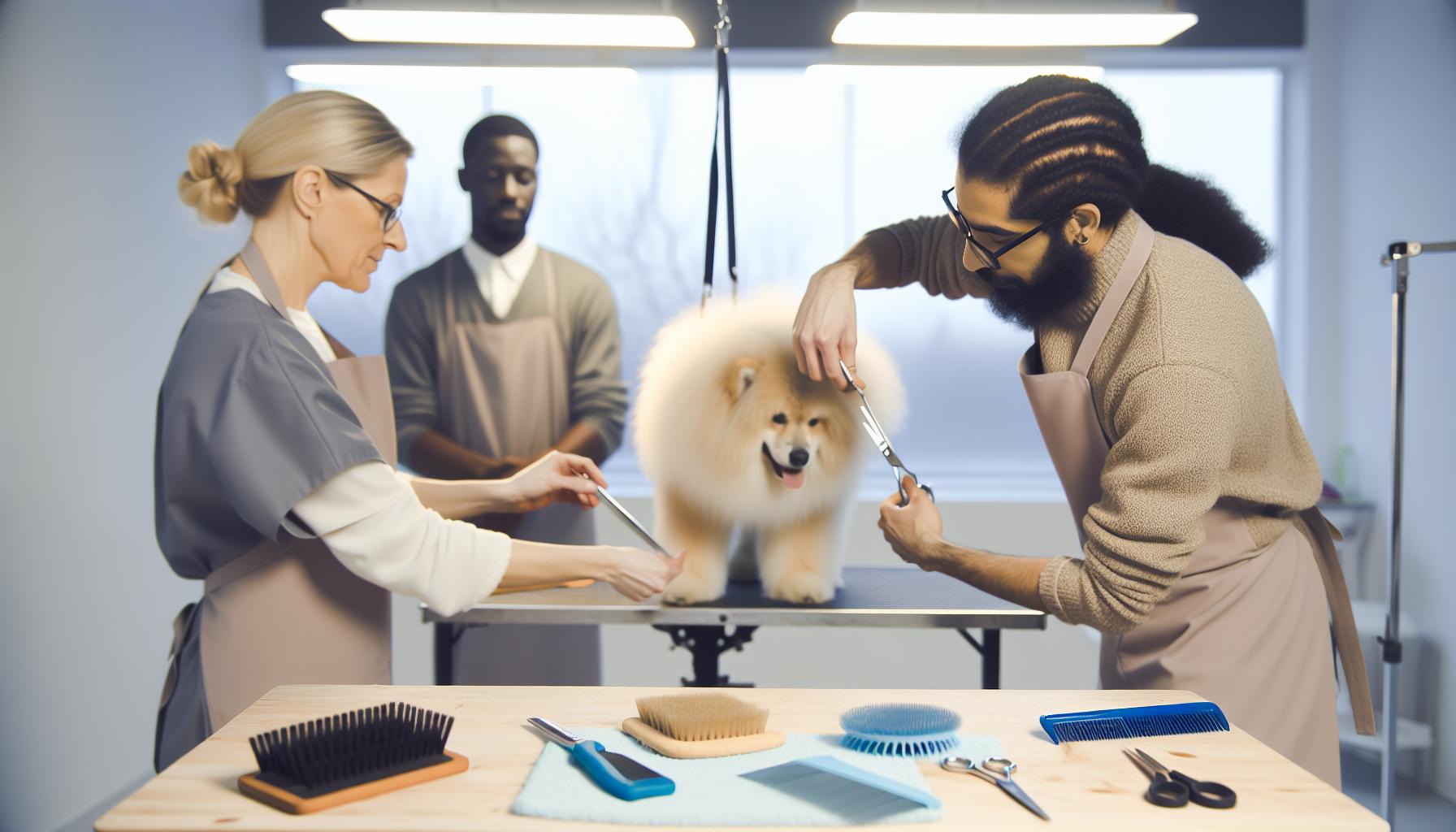
Invest in high-quality, sharp scissors designed specifically for pet grooming. Straight shears are perfect for general trimming, while curved shears help follow body contours for softer edges. Thinning shears are indispensable for blending thick or dense fur, removing mats, and preventing an overly blunt finish. A small grooming comb assists in gently lifting the coat layer by layer,enabling precise cuts that enhance volume.
Key Techniques for Fluff and shape
- Work with a dry, brushed coat: Always trim after your dog is completely dry and brushed out to avoid uneven cuts and to see the natural lay of the hair.
- Trim in small, controlled sections: Using your fingers or a comb, lift small sections of fur perpendicular to the body and trim just the ends to maintain length while shaping volume.
- Use point cutting to soften edges: Instead of cutting straight across, snip into the fur vertically with the tips of your scissors to create a soft, fluffy texture rather than harsh lines.
- Shape the silhouette by focusing on key areas: Pay attention to the chest, legs, and tail where fluffiness shows best.Such as, trimming the legs in a gentle round shape enhances a plush, full look, while tapering the chest coat keeps it looking clean but voluminous.
Consider the natural coat growth and texture as your guide. For example,Poodles benefit from scissoring that encourages upward lift and roundness,using a combination of thinning shears and precise cuts to avoid a blocky look. In contrast,a long-haired breed like a Maltese thrives with minimal trimming to preserve the flow and shine,focusing more on blending stray hairs for a tidy silhouette without sacrificing fluff.
Safety and Comfort First
Trim only when your dog is calm and comfortable. Nervous dogs might fidget, increasing the risk of nicks or uneven cuts. Use gentle restraint if necessary, but never force your dog. If your pet is especially anxious or has sensitive skin, breaks between trimming sessions are essential. In these cases, leaving the more intricate shaping to professional groomers is a wise choice to prioritize your dog’s well-being.
Remember, the goal isn’t perfection-it’s enhancing your dog’s natural beauty and promoting coat health. With practice and patience, trimming and scissoring become more intuitive, turning grooming into a bonding experience that leaves your dog feeling pampered and looking irresistibly fluffy.
How Coat Types Affect Grooming Strategies
Few things affect how fluffy a dog’s coat can look more than the type of coat they naturally have. Understanding your dog’s unique fur texture and structure is the cornerstone of any accomplished grooming session. Whether your furry friend sports a wiry coat, lush curls, or sleek short hair, tailoring your grooming approach will make all the difference between a flat coat and one that practically bursts with volume.
Dogs fall broadly into categories like single versus double coats, and each demands a thoughtful, specific routine. Single-coated breeds, like Greyhounds or Maltese, have just one layer of fur and often require more careful moisture control and finishing to coax volume without weighing the coat down. Double-coated breeds, such as Golden Retrievers or Siberian Huskies, possess a dense undercoat beneath a coarser outer layer that provides natural insulation. For these dogs, rigorous deshedding and blow drying techniques to lift and separate the layers are essential to unlock true fluffiness without matting or flatness [1].
Adjusting Bath and Brush Techniques by Coat
Bathing routine and brush choice play starring roles in the fluff factor. Curly-coated dogs like Poodles benefit from moisturizing shampoos formulated for curls that hydrate while preventing tangles. After bathing, a slicker brush combined with a wide-tooth comb gently teases out curls without breaking the hair shaft. Conversely, wire-coated breeds require hand stripping or careful trimming to maintain their coat’s characteristic texture. A firm bristle brush paired with stripping tools works best here to keep the coat lively, rather than soft and fluffy [2].
for dogs with long, silky fur – for example, Yorkshire Terriers or Maltese – light conditioning after shampooing and delicate brushing in sections prevent tangles while preserving natural shine and flow. The goal is never to pull or damage the fine hair, but rather to encourage smooth layers that puff up naturally during careful blow drying.
Blow Drying and Finishing Vary Widely
Blow drying is where coat type really reveals its personality. For double-coated dogs, aiming a high-velocity dryer beneath the topcoat to fluff up the dense undercoat is the secret. This lifts hair strands upward, creating impressive volume and bounce. In contrast, single-coated dogs often respond better to lower heat settings and a gentler approach to avoid striping natural oils that keep the coat glossy and supple.
- Curly coats: Dry by fluffing and scrunching curls with fingers and slicker brush to activate natural shape.
- Wire coats: Use hand stripping post-dry to maintain texture rather than trim.
- Short, smooth coats: Typically need less drying, focus on brushing direction and light conditioning to enhance sheen rather than bulk.
Real-Life Grooming Tips and Owner Empowerment
If you’re nervous about tackling complex coats at home, remember that some textures simply require professional tools and expertise to thrive. Double-coated and curly-coat breeds often need periodic professional grooming to keep mats and undercoat buildup in check. That said, basic daily brushing suited to your dog’s coat type will keep tangles away and coat health top-notch between sessions.
For example, a Poodle owner might do daily slicker brushing and monthly trims to maintain fluffy bounce, while a Labrador owner focuses on weekly de-shedding using an undercoat rake to prevent matting from loose fur. Always match your tools and grooming frequency to the coat’s unique needs and watch your dog’s comfort above all.
Prioritizing patience and kindness during grooming-even when detangling thick or challenging fur-protects your dog’s well-being. Embrace a calm approach tailored to their coat type, and you’ll both enjoy a calmer, fluffier grooming experience that highlights your dog’s natural beauty [1] [2].
Common Grooming Challenges and How to Solve Them
Sometimes, even with the best intentions and tools, grooming can present a handful of challenges that leave both you and your dog feeling frustrated.Matting, sensitive skin, and anxious behavior top the list of the most common obstacles-but with a gentle approach and the right strategy, these hurdles can be turned into manageable steps on the path to that coveted fluffy finish.
mats and Tangles: Prevention and Gentle Removal
One of the biggest frustrations is dealing with mats, especially on long-haired or double-coated breeds. Mats start because the coat becomes damp, dirt accumulates, or loose hair isn’t brushed out regularly. When mats form close to the skin, they can cause discomfort or even skin irritation. The key is prevention-daily brushing suited to your dog’s coat type dramatically reduces tangles. Tools like a slicker brush combined with a wide-tooth comb work wonders for curly or silky coats, while an undercoat rake is indispensable for double-coated dogs like Huskies.
If mats do appear, tackle them slowly. Start by applying a conditioning spray or detangler to soften the hair. Use your fingers to carefully separate the mat before bringing in a dematting comb or mat splitter. For severe mats, it’s best to consult a professional groomer rather than risk hurting your dog with scissors or clippers. Patience here is essential; rushing can lead to pain and break trust.
Sensitive Skin and Bathing Woes
Many dogs have sensitive skin that flares up with the wrong shampoo or too-frequent baths. Signs can include redness, itching, or dry flaky patches. Selecting gentle, hypoallergenic shampoos designed for dogs-often oatmeal-based or formulated for sensitive skin-helps maintain the natural oils that keep skin healthy. Overbathing strips these oils, so tailor your dog’s bathing schedule based on coat type and skin condition: such as, many double-coated breeds do best with monthly baths, while short-coated dogs may need even less frequent washing.
Avoid using human products or heavily fragranced shampoos, which irritate and dry out the coat. Always rinse thoroughly, as leftover residue can cause itching. If you notice persistent skin problems, a vet consultation is crucial to rule out allergies or infections that require medical treatment rather than grooming fixes.
Keeping Nervous Dogs Calm and Still
Stress during grooming is a common challenge that can make even routine trims or blow drying fraught with difficulty. Dogs who are anxious or fidgety benefit from a calm environment: speak softly, use slow movements, and keep sessions short enough to avoid overwhelm. introducing grooming tools gradually (like letting your dog sniff clippers or brushes) builds positive associations.
Using positive reinforcement-treats, praise, and comforting touch-helps a nervous dog relax over time. Sometimes, simple breaks during grooming for play or soothing petting work wonders. For dogs prone to stress, professional groomers trained in low-stress handling excel at making the process smooth.Remember,forcing a scared dog can backfire,so always prioritize safety and comfort.
Practical Tips for Nail, Ear, and Coat Care Challenges
- nail trimming: Many dogs dislike nail trims, but keeping them short prevents discomfort during walking and grooming. Use nail grinders or small clippers, and trim little by little to avoid cutting the quick. If you’re unsure, ask your vet or groomer for guidance.
- Ear cleaning: Dogs with floppy ears frequently enough suffer wax buildup or infections. Use vet-approved ear cleaners and cotton balls gently-never insert cotton swabs deep inside.
- Coat dryness or dullness: Regular conditioning and brushing boost natural oils. If the coat looks lifeless despite grooming, check with your vet: nutrition or health issues might be at play.
By addressing each challenge with kindness,patience,and the right tools,you empower yourself to keep your dog comfortable and looking their fluffiest. Remember, some situations do require professional help-don’t hesitate to reach out to your groomer or vet if problems persist. Your dog’s welfare is always the top priority, and a little extra care goes a long way toward a beatiful, fluffy coat and a happy, healthy friend.
Safe Handling Tips to Keep Dogs Calm and Comfortable
Few things make grooming more challenging than a dog who feels stressed or uncomfortable. Creating a calm, safe space isn’t just a kindness – it’s essential for unlocking that signature fluffy finish.When dogs feel relaxed, their coat responds better to brush strokes and blow drying, making grooming easier and more effective. The secret? Patience, empathy, and thoughtful handling tailored to each dog’s personality and needs.
Setting the Stage for Calmness
Before you even pick up a brush, spend a few quiet moments connecting with your dog. Use a soothing voice and gentle strokes to build trust. for naturally anxious or energetic breeds – think Border Collies, Toy Poodles, or rescued dogs with past traumas – a short walk or play session beforehand can help burn off excess energy and reduce jitters [[1]](https://www.meadowvistavet.com/site/blog/2023/02/15/grooming-anxiety-dogs). During grooming, keep your movements slow and deliberate. Sudden gestures or rushing can make your dog uncertain or fearful.
Handling Techniques by task
- Bathing: Use lukewarm water and a gentle spray to avoid startling sensitive dogs.Speak softly and apply shampoo with slow, reassuring motions. Allow your dog time to adjust to the bath area before beginning.
- Brushing: Start with areas your dog enjoys being touched, gradually moving to spots prone to tangles. Let your dog sniff and explore brushes beforehand to boost their comfort level.
- nail Trims: Many pups find nail clipping stressful. trim tiny bits at a time, rewarding after each snip. If your dog pulls away, pause and try again later rather than forcing through anxiety.
- Ear Cleaning: Approach ears with care. Use vet-approved cleaning drops and soft cotton balls, avoiding deep insertion. Pair this with gentle praise or treats to create positive memories.
Calming Aids and Environment
adding familiar scents such as lavender or chamomile can have a surprisingly calming effect during grooming[[[[[2]](https://www.facebook.com/groups/523952251062901/posts/9573033559488013). Synthetic pheromone diffusers are another supportive option; these mimic comforting natural signals and can ease nervousness considerably [[1]](https://www.meadowvistavet.com/site/blog/2023/02/15/grooming-anxiety-dogs). Keep the room quiet and free from distractions or sudden noises that might startle your dog.
When to Seek Professional Help
Sometimes, even the gentlest handling isn’t enough-especially with severely anxious dogs or complicated grooming needs like heavy mats or sensitive skin. Professional groomers trained in low-stress handling techniques can offer extra support and safety. Remember, forcing a fearful dog can harm your bond and make future grooming harder. Know when to pause, seek guidance from your vet or groomer, and prioritize your dog’s welfare above all.
With gentle, informed care and respect for your dog’s limits, grooming becomes a positive experience that brings out their best fluff, making both of you proud and relaxed.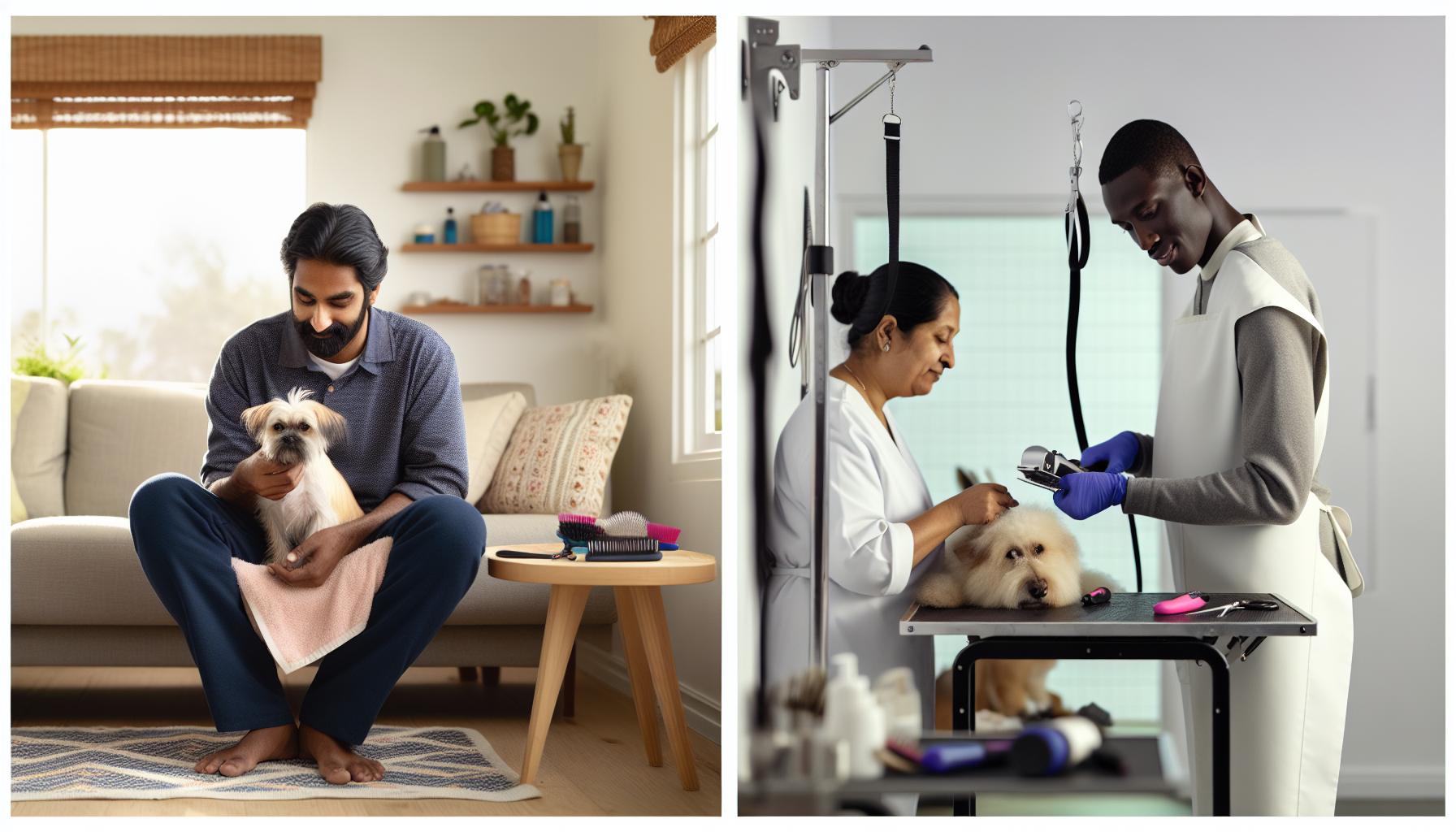
DIY Fluff Boosts: When to Groom at Home vs.Pro
Many pet parents delight in giving their dogs a little extra fluff between professional grooming sessions, but knowing exactly when to step in at home-and when to call in the pros-can make all the difference.Simple maintenance like regular brushing or a light bath can do wonders for daily coat health and volume, especially for breeds with easy-care fur. However, certain coat types and grooming tasks call for specialized skills and tools that are best left to experienced groomers to avoid causing stress or accidental injury.
At-Home grooming Basics for Fluff Maintenance
For most dogs, you can keep that bouncy, fluffy look going with regular brushing using breed-appropriate tools. For example, rubber grooming gloves or slicker brushes work well on short coats, while longer, curly-coated breeds like Poodles benefit from pin brushes and detangling combs. Incorporate a gentle, dog-safe shampoo during baths and always let your dog fully dry before brushing to unlock maximum volume. Nail trims and ear cleanings can also be comfortably handled at home with a calm approach, keeping your dog confident and cooperative. Remember: keep sessions short and positive, pairing each step with praise or treats to build a happy grooming routine.
When Professional Grooming Makes Sense
Certain challenges often tip the scales toward seeking professional help, especially if your dog’s coat is prone to mats, heavy shedding, or skin sensitivities. Thick double coats (think Huskies or Golden Retrievers) may require power drying and specialized thinning shears to preserve fluff without damaging the undercoat.Dogs with curly or wiry coats often need precise scissoring and trimming skills to maintain flattering shape and prevent clogging of hair follicles. Also, groomers are trained to safely handle skittish or reactive dogs, using low-stress techniques that most owners can’t replicate at home. If your pup has any medical skin conditions, infections, or behavioral anxiety around grooming, a professional groomer working alongside your vet can ensure health and comfort are prioritized.
Tools, Time, and Temperament: Finding your Balance
Consider your dog’s personality and your comfort level with grooming tasks when deciding between DIY and pro care. Some dogs love the one-on-one attention at home, while others struggle to stay calm beyond quick brushing. Your home setup matters too – blow dryers designed for dogs, high-quality brushes, and non-slip bathing mats all help boost your DIY success.Don’t hesitate to break grooming into smaller sessions across days-to keep your dog calm and prevent frustration. And if you ever feel uncertain about tackling a trim or managing a stubborn mat, that’s a perfect signal to book a pro appointment.
- DIY-pleasant tasks: Light brushing, spot baths, nail trims, gentle ear cleaning.
- Best left to professionals: Heavily matted fur removal, major trims/scissoring, blow drying dense coats, managing skin issues.
Building confidence over time by gradually learning and observing grooming pros will empower you to nurture your dog’s plush coat safely and lovingly – whether at home or in the salon. The key is focusing on what’s best for your dog’s comfort and health first. After all, fluffy doesn’t have to mean stressful. With patience, the right tools, and knowing your limits, every dog can sport a soft, voluminous coat that turns heads without overwhelming either of you.
Understanding the Role of Diet and Health in Coat Quality
A dog’s fluffy, radiant coat is much more than just surface-level beauty-it’s often a clear window into their overall health and well-being. While skilled groomers can work wonders with baths, brushes, and trims, the foundation for a soft, voluminous coat starts with proper nutrition and health care at home. Think of the coat like a garden: no matter how expertly you prune and style it, the soil and roots (a dog’s internal health) must be well tended for lasting shine and resilience.
Nutrition: Feeding the Glow from Within
High-quality protein is the building block of your dog’s hair, forming nearly the entire structure of their coat. Dogs fed diets lacking sufficient protein may develop dull, brittle fur that sheds excessively. Omega fatty acids, especially Omega-3 and Omega-6, play a vital role in maintaining skin hydration and elasticity, reducing itchiness, and preventing flakiness-common culprits behind a limp or patchy appearance. Vitamins like A, E, and B-complex (notably Biotin) support cell repair and promote healthy hair growth, while minerals such as zinc and copper aid in pigment production and coat strength. Introducing supplements should always be done thoughtfully and in consultation with your veterinarian to avoid imbalances.
How Health Affects Coat Quality
Underlying skin conditions-ranging from allergies and infections to hormonal imbalances-can severely impact fluffiness. Such as, hypothyroidism often leads to hair thinning and loss, making grooming less effective until the condition is managed medically. Groomers frequently collaborate with vets to recognize signs that require a medical professional, especially if bathing or trimming reveals persistent irritation, redness, or dandruff. Stress and anxiety can also dull a coat by influencing hormonal health, so keeping a calm, routine-oriented environment both at home and in the grooming salon supports better skin and fur quality over time.
DIY Tips to Support Coat Health Daily
- Feed a balanced diet rich in essential fatty acids. Look for foods or supplements containing fish oils or flaxseed.
- Keep your pup hydrated. Proper hydration supports skin elasticity, enhancing natural fluff.
- Regular,gentle baths with nutrient-rich shampoos. Avoid harsh detergents that strip natural oils.
- use grooming tools that match your dog’s coat type. Proper brushing stimulates circulation and distributes oils evenly.
When you combine thoughtful diet and health maintenance with regular professional grooming, you set the stage for that show-stopping fluff every groomer strives to create. Remember,patience and kindness are key-changes in coat quality take time,but consistent care pays off with a soft,resilient coat that feels as good as it looks. If you ever notice a sudden change in shedding patterns or skin texture, a prompt vet visit paired with your groomer’s insights ensures your dog stays vibrant and comfy inside and out.
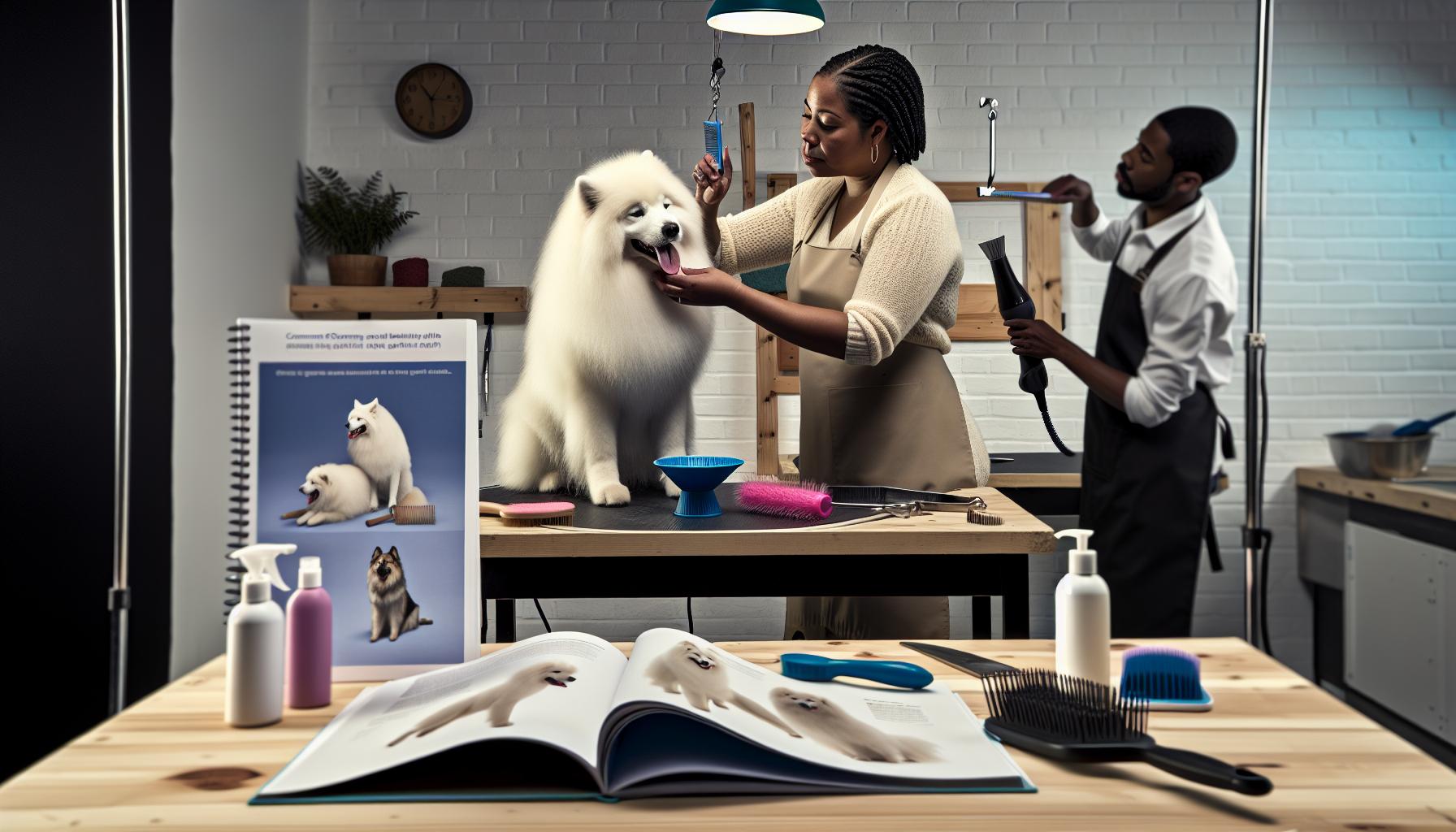
Inside Groomer Wisdom: Mistakes to avoid for Fluffy Results
Few things are more rewarding than unveiling a beautifully fluffy dog after a thorough grooming session-but achieving that plush look consistently requires mastering both technique and timing. One of the biggest pitfalls groomers and owners alike fall into is rushing the process. Fluffiness isn’t just about a quick brush or a fast blow dry; it’s the result of patience, understanding your dog’s unique coat, and never sacrificing comfort for speed.Pushing a dog beyond their tolerance during brushing or drying can trigger anxiety, leading to stiff muscles and a coat that lies flat rather of flaring out.
Rushing Baths and Skipping Conditioning
Bath time is often underestimated. Using harsh shampoos or skipping a good conditioner can strip a dog’s natural oils, leaving the coat dry, brittle, and prone to tangling.This not only dulls the fluff but also causes stress to the skin and hair follicles. Instead, choose gentle, hydrating products specially formulated for your dog’s coat type, and allow Conditioner or detangling sprays to work their magic before rinsing thoroughly. Real-life tip: For breeds like Pomeranians or Bichon Frises, conditioning is a must to achieve maximum loft and softness.
Ignoring coat Type Variations
Not all fluff is created equal. A double-coated dog like a Samoyed requires a different approach than a single-coated fluff ball like an American Eskimo. Failing to recognize these differences often results in over-trimming or improper brush selection-both of which can damage the coat’s natural volume or cause patchiness. Invest in the right tools; for example, slicker brushes and undercoat rakes work wonders on thick, dense coats, while pin brushes and combs are better for wavy or curly fur. Groomers frequently enough recommend observing the coat’s reaction after each grooming step and adjusting their technique accordingly.
brushing: Too Little,Too Hard,or the Wrong Way
Many owners stop brushing too soon or apply too much pressure,which can worsen tangles and discomfort. Brushing should be methodical and gentle, starting from the skin to the outer hair to distribute natural oils evenly and promote volume. When dealing with mats, avoid yanking or forceful combing; instead, use detangling sprays and work in small sections to ease knots out gradually. For example,a fluffy Goldendoodle‘s curly coat benefits from a consistent weekly routine-with key touch-ups in problem areas like behind the ears and under the legs,which tend to mat quickly.
Overdrying or Overheating During Blow Drying
A powerful blow dryer can be a groomer’s best friend, but improper use can flatten curls and pose a heat risk to your pup’s delicate skin. Keep the dryer moving constantly and use a warm, not hot, setting. Holding the dryer too close to the coat or leaving it on one spot can cause hair damage and irritation. Pro groomers often use a “ruffle and fluff” technique-using fingers and brushes to lift hair while directing airflow underneath, promoting volume without compromising coat health.
- Always check your dog’s skin temperature and comfort during drying.
- Break the drying session into short bursts for anxious dogs.
- Finish with a cold air blast to help seal cuticles and maintain shine.
Ultimately, the secret to fluffy success is subtlety combined with consistency. Avoid treating fluff like a “one and done” fix; rather, nurture each phase of grooming gently and deliberately. Remember, a happy dog with a calm disposition will showcase their fluff best.If you ever face persistent mats or irritations, consulting a professional groomer or vet sooner rather than later protects your pup’s health and keeps the coat looking its fluffiest.
Small adjustments in your approach-like slowing down, using the right tools, respecting breed differences, and prioritizing your dog’s comfort-transform grooming from a chore into a joyful bonding experience that results in gorgeous, touchable fluff every time.
FAQ
Q: Why do groomers give dogs multiple baths to achieve extra fluffy coats?
A: Groomers often give 3 to 4 baths to make the dog’s coat completely squeaky clean, which removes oils and leftover styling products. This deep cleaning helps the hair to stand up and appear fluffier. Always ensure thorough rinsing and drying afterward for maximum volume. See Bathing Secrets for tips on product choice and technique.
Q: What grooming products enhance fluffiness without weighing the coat down?
A: Groomers use lightweight,volumizing shampoos and conditioners specially designed for fluff coats. Leave-in sprays and detanglers also help lift the hair and prevent matting without heaviness. Avoid heavy oils or silicone-based products that cause limp hair. Consult Bathing Secrets and Essential Tools for groomer-recommended brands.
Q: How does coat drying technique affect a dog’s fluffiness?
A: Proper blow drying with a high-velocity dryer fluffs out the hair fibers by separating strands and smoothing the coat.Groomers use the dryer on low heat, brushing while drying to add volume and shape. This method avoids tangles and maximizes fluff without damage. Check Blow Drying Like a Pro for step-by-step guidance.
Q: What role does grooming sequence play in achieving a fluffy dog coat?
A: The grooming sequence-bathing, towel drying, detangling, drying, and trimming-builds on each step to maximize fluff. Skipping or rushing any part can reduce volume and coat health. Groomers carefully progress through each phase for a soft, full finish. Review How Dog Groomers Prep Coats to optimize your routine.
Q: How do groomers handle different coat types to keep fluffiness consistent?
A: Groomers adjust techniques based on coat types-curly, double coat, or fine hair-choosing tools and drying methods accordingly. For example,double coats require thorough drying under the topcoat to avoid matting,while curly coats benefit from gentle finger combing. Explore How Coat types Affect Grooming for tailored approaches.
Q: Can diet improvements really make a dog’s coat fluffier over time?
A: Yes, a balanced diet rich in omega fatty acids, vitamins, and proteins supports healthy hair growth and improves coat texture, making fur naturally fuller and shinier. Groomers often recommend dietary supplements alongside regular grooming for long-term fluff enhancement.See Understanding the Role of Diet for details.
Q: Why do groomers focus on safe handling to improve fluffy finishes?
A: Calm handling reduces dog stress, preventing static, hair breakage, and poor coat condition that hamper fluffiness.Groomers use gentle restraint and positive reinforcement, ensuring pets stay relaxed throughout grooming for better, safer results. Check Safe Handling Tips for expert guidance on keeping dogs comfortable.
Q: When should owners choose professional grooming over DIY fluff boosting?
A: Professional grooming is best when your dog has complex coat types or needs advanced fluff styling such as breed-specific cuts or blow drying techniques.At-home fluff boosts can maintain volume between visits, but pros have specialized tools and experience for lasting results. refer to DIY Fluff Boosts for smart scheduling advice.
For a complete step-by-step fluff guide and product recommendations, explore the related sections linked above. Empower yourself with both groomer wisdom and easy DIY tips to keep your dog looking and feeling plush and comfortable year-round!
Closing remarks
Mastering the art of getting your dog irresistibly fluffy involves a mix of breed-specific care, the right tools-like slicker brushes and gentle shampoos-and a calm, patient approach to baths, brushing, and nail and ear care. Remember, safety and comfort always come first, whether you’re grooming at home or consulting a professional. for anxious pets, a slow, reassuring routine makes all the difference.
Ready to take your dog’s coat to the next level? Explore our detailed guides on DIY grooming tips for shy dogs and choosing the best grooming products to build your confidence and skills. Don’t forget to sign up for our weekly newsletter-packed with expert advice and grooming secrets to keep your furry friend looking their fluffiest all year round. Curious about professional grooming options or local groomers? Check out our how to pick the perfect groomer article to ensure your pup’s safety and well-being.
Got questions or success stories? Share them in the comments below-we love hearing from pet parents just like you! Keep exploring, stay patient, and remember: every fluffy coat starts with love, consistency, and the right knowledge. Your best grooming journey is just beginning.
Get our latest guides, news, and insights highlighted in your Google Search & AI Overviews.
Keep reading about the same coat and cut.



Popular grooming guides
Bath vs clip, first grooms, and salon how-tos.