How Do Dog Groomers Dry Dogs: Professional Drying Methods
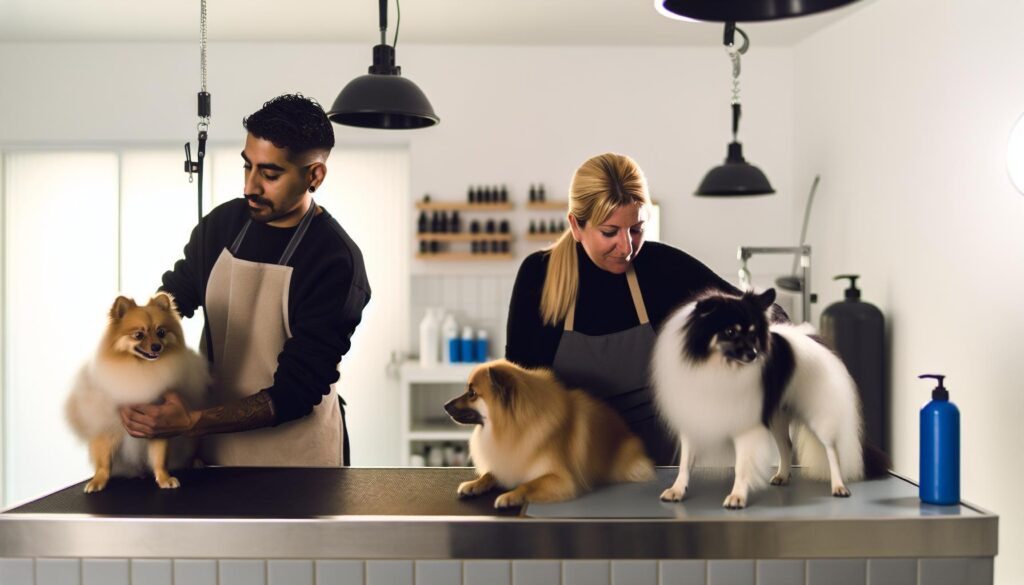
Did you know that drying a dog properly after a bath is just as important as the wash itself? For many pet owners, the drying stage can feel tricky-especially when dealing with anxious pups or thick coats that hold moisture. Professional dog groomers use specific drying methods and tools tailored to different breeds and coat types, ensuring your furry friend is not only dry but comfortable and calm throughout the process. Whether it’s using a high-velocity dryer designed to speed things up gently or a cozy kennel dryer to relax nervous dogs, these expert techniques prioritize safety, patience, and the well-being of every pet. If you’ve ever wondered how groomers achieve that fluffy, healthy finish without stressing your dog, this guide will walk you through the most effective, compassionate drying methods, giving you confidence and practical tips to keep your pup happy and healthy after every bath.
Professional Tools and Equipment for Drying Dogs Safely
Table of Contents
- 1 Professional Tools and Equipment for Drying Dogs Safely
- 2 Understanding Coat Types and Their Drying Needs
- 3 Step-by-Step Guide to Blow Drying Dogs Like a Pro
- 4 Using High-Velocity Dryers: Tips and Techniques
- 5 Effective Towel Drying Methods for Sensitive Dogs
- 6 Air-Drying vs. Machine Drying: Pros and Cons
- 7 How to manage Anxious or Sensitive Dogs during Drying
- 8 Common Drying Mistakes and How to Avoid Them
- 9 Maintaining Skin and Coat Health After Drying
- 10 When to Let a Professional Groomer Dry Your Dog
- 11 Eco-Friendly and Low-Noise Drying Options
- 12 Troubleshooting Drying Challenges: Matting, Odor, and Dampness
- 13 Frequently asked questions
- 13.1 Q: Why do professional groomers use cage dryers instead of handheld dryers?
- 13.2 Q: How long does professional dog drying typically take after a bath?
- 13.3 Q: What are the benefits of blower dryers with variable speed controls for dogs?
- 13.4 Q: How do groomers prevent heat damage while drying a dog’s coat?
- 13.5 Q: What drying techniques are best for dogs with double coats?
- 13.6 Q: When is it better to air-dry a dog instead of using a dryer professionally?
- 13.7 Q: How do groomers handle dogs that resist drying with a high-velocity dryer?
- 13.8 Q: What post-drying care do groomers recommend to maintain coat health?
- 14 Key Takeaways
Drying a dog after a bath is more than just a finishing touch-it’s a crucial step to keep your pet comfortable, healthy, and happy. Professional groomers understand that the right tools make all the difference in drying dogs efficiently while minimizing stress and protecting sensitive skin. Choosing equipment tailored to your dog’s coat type and temperament can transform drying time from a challenging chore into a soothing, safe experience.
Many groomers rely on specialized dryers designed explicitly for pets,which balance power with quiet operation and safety features. For instance,high-velocity stand dryers are prized for their ability to efficiently blow out water and loose fur from thick or double-coated breeds without overheating,reducing drying time dramatically. These dryers frequently enough come with adjustable stands and multiple speed settings, allowing groomers to customize airflow and height for each dog’s comfort. On the gentler side, cage dryers emit a warm, low-velocity air stream ideal for sensitive or anxious dogs who need a calm, hands-free drying surroundings. These options prevent excessive noise and prevent the direct blast that might startle some pets.
- Stand Dryers: Provide hands-free drying with adjustable height and positioning; great for long or thick coats.
- Force Dryers: High-velocity air for fast drying, especially beneficial for double-coated breeds like Huskies or Golden Retrievers.
- Cage Dryers: Low-intensity warm air, perfect for stressed or small dogs who tolerate less intense airflow.
Alongside these dryers,professional groomers also use sturdy,absorbent towels made specifically for pets-often microfiber to lock in moisture faster without harsh rubbing. Some even use specially formulated drying mitts that combine gentle wiping with massaging action to calm nervous dogs while drying.
Safety and Comfort First
The best tools aren’t just powerful-they’re designed to protect skin and coat integrity. Groomers select dryers with variable temperature controls and safety cut-offs to avoid burns or irritation. For example, brushless motor technology found in many professional dog dryers creates strong airflow with less noise and vibration, reducing stress for dogs prone to anxiety. Using attachments like wide nozzles or diffuser heads helps spread air evenly, minimizing the risk of matting or tangles during drying.
Equipping your grooming space with these professional-grade aids ensures that drying is not rushed or rough, but done with precision and patience. It mirrors the gentle expertise a dog deserves, whether in the groomer’s hands or your own. For those tackling drying at home, considering a stand dryer with adjustable speeds and combining it with frequent breaks and positive reinforcement replicates a professional experience while prioritizing pet welfare.
Bringing together the right gear with kindness and observation creates the safest, most effective environment for drying dogs-honoring their unique coats and personalities every step of the way.
For a deeper look into various professional drying tools and an extensive product range, you can explore selections like the Master Equipment FlashDry Stand Dryers or PowerDri System dryers, highly regarded among professional groomers for reliability and pet-pleasant features [[2](https://www.petedge.com/dog-grooming-equipment/dog-dryers?srsltid=AfmBOoqulwgpfVzJNFwAO7gIQE8CG7xBZ9l2jf2-o)]and stand dog dryers tailored for hands-free use [[1](https://www.frankroweandson.com/dog-grooming/dog-dryers/stand-dog-dryers?srsltid=AfmBOorcmEzCO-ycPrNT35Jn2P9XzMkVXoYrEcj1UkiggngglfrMy6LN)].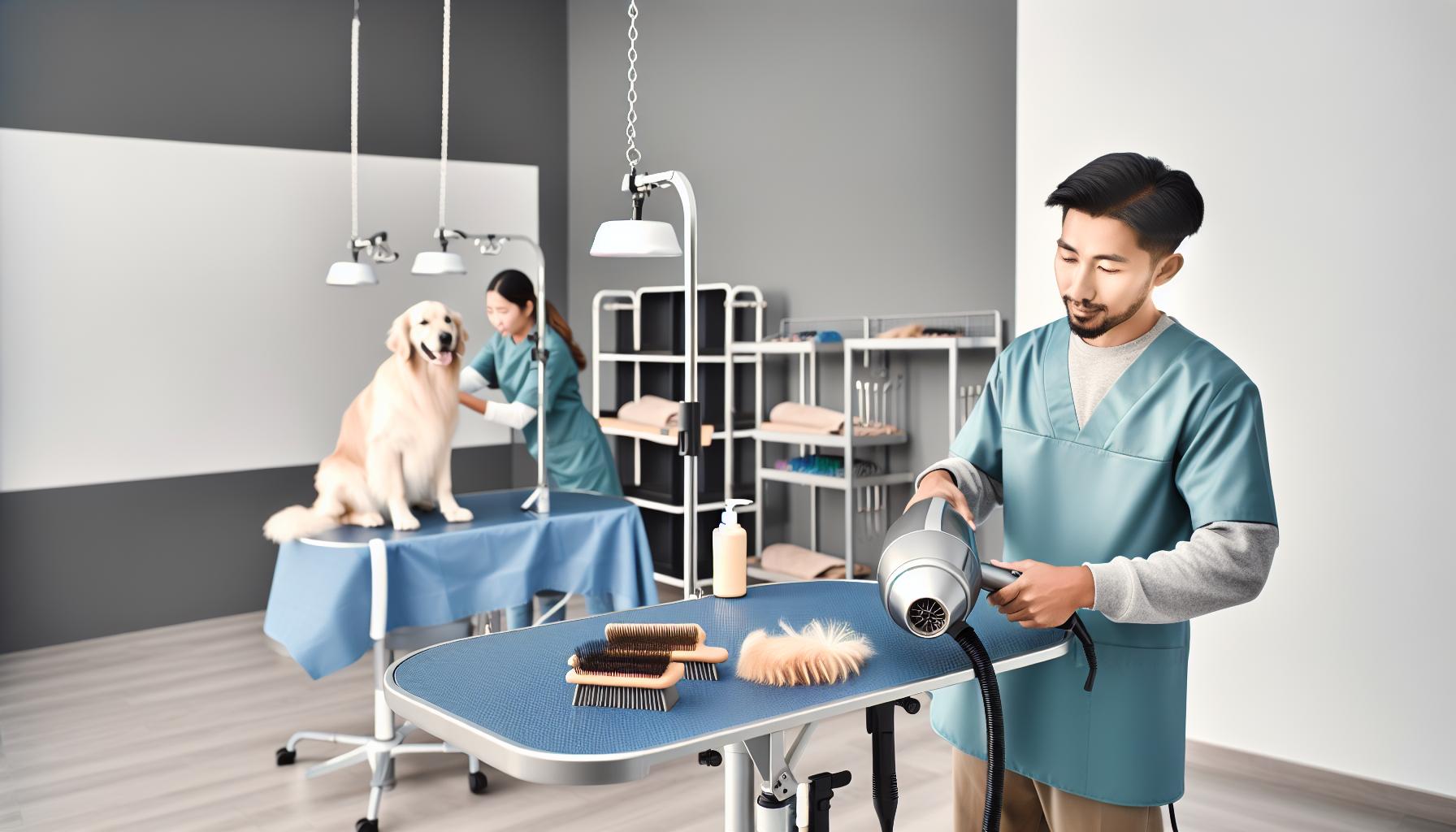
Understanding Coat Types and Their Drying Needs
Dogs come in a splendid array of coat types, each with its own unique texture, density, and drying needs.Understanding these differences is key to drying your dog safely and effectively-as what works for a fluffy Pomeranian may not suit a sleek Dachshund or a dense double-coated Husky. Tailoring your approach to the specific coat not only prevents skin irritation and matting but also helps your dog stay comfortable throughout the drying process.
Coats generally fall into a few categories: single-layer coats,double coats,curly or wavy coats,and hair coats that grow continuously. Such as, breeds like Labrador Retrievers and Dalmatians have single coats that are relatively easy to dry since their fur lies close to the skin and sheds water more readily. in contrast, double-coated dogs such as Golden Retrievers or Siberian Huskies have a dense undercoat beneath a coarser topcoat. This undercoat traps moisture, which can prolong drying time and raise the risk of skin problems if not dried properly.
- Single coats: quick to dry; gentle towel drying followed by a moderate airflow is usually sufficient.
- Double coats: Require powerful,high-velocity drying to reach the undercoat and prevent dampness that can lead to hot spots or fungal growth.
- Curly or wavy coats: Like Poodles or Bichons, these need careful drying with lower heat and frequent brushing during the drying to avoid tangles and matting.
- Hair coats: Such as Shih Tzus or maltese, benefit from a slow, thorough drying process combined with gentle brushing to maintain coat health and prevent knots.
A common challenge is managing sensitive skin and anxiety in dogs with delicate coats, such as toy breeds or senior pets. These dogs thrive with lower heat settings, softer airflow, and the comfort of a well-timed towel wrap before any machine drying begins. Likewise, coats that tend to mat easily ask for extra patience, frequent brushing during drying, and sometimes even a professional’s touch. Groomers often recommend splitting drying into stages: starting with towel absorption, moving on to a low-velocity dryer for surface drying, and finishing with a high-velocity tool if the coat type tolerates it well.
Tips for Identifying and Caring for your Dog’s Coat during Drying
- assess coat density: Before drying, run your fingers through the coat to feel how thick or thin the fur is. Thick undercoats suggest a need for more powerful drying tools.
- Watch for tangles: If your dog’s coat knots easily, incorporate detangling sprays and gentle brushing alongside drying to prevent painful mats.
- Adjust your tools: Select dryer attachments like wide nozzles or diffusers to spread airflow evenly,which reduces hot spots and coat damage.
- Respect your dog’s comfort: Start low and slow with dryer settings, especially on sensitive or anxious dogs, and offer breaks for positive reinforcement.
By approaching each drying session with a clear understanding of your dog’s coat type and individual comfort levels, you create a safer and more enjoyable grooming experience. Remember, drying isn’t just about speed or appearance-it’s about your dog’s health, comfort, and trust in you.When in doubt, consult grooming professionals who can guide you based on breed-specific needs, coat condition, and any underlying skin sensitivities.This care ensures drying transforms from a stressful hurdle into a loving routine your pet looks forward to.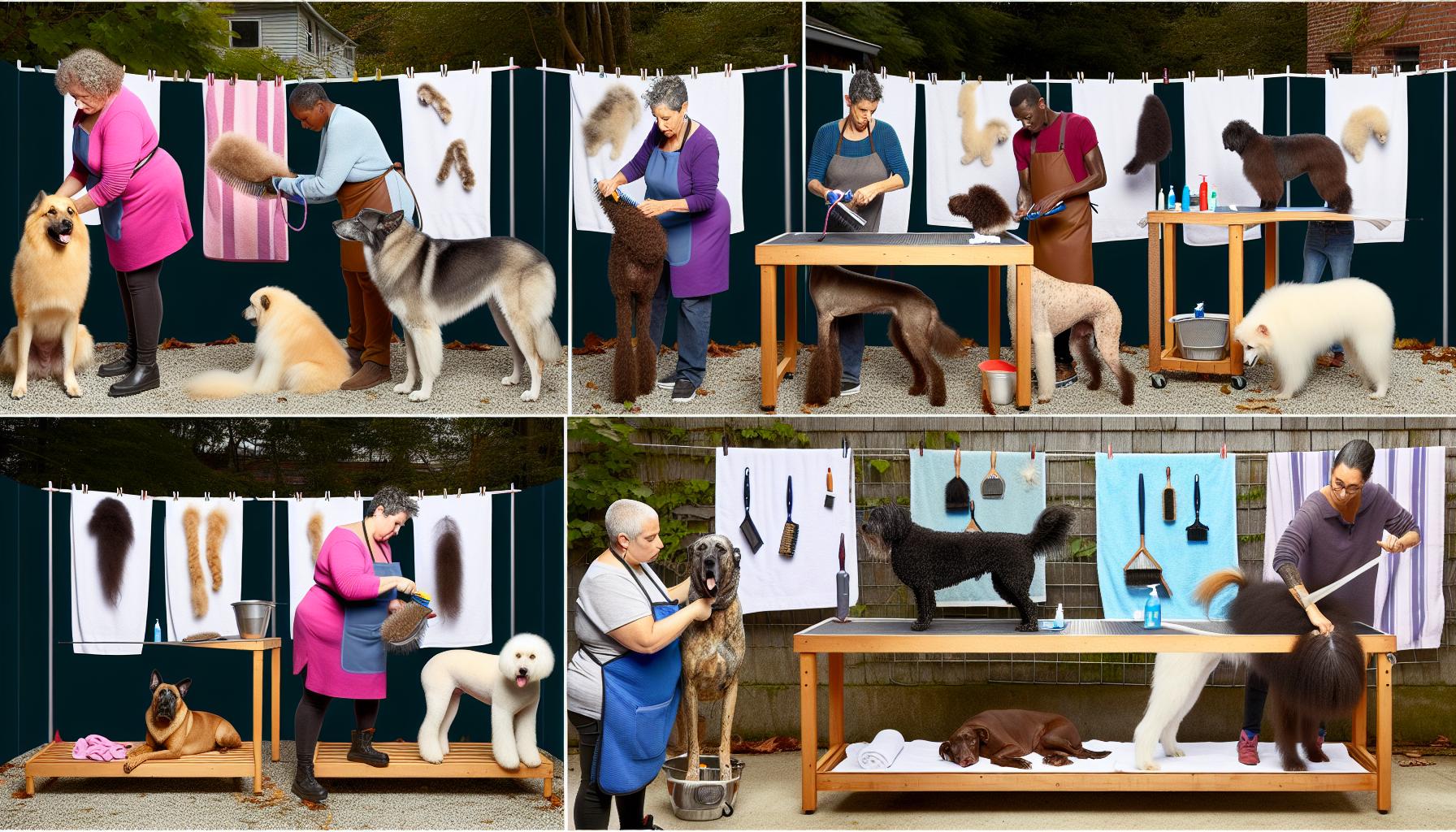
Step-by-Step Guide to Blow Drying Dogs Like a Pro
Dogs rely on us not just for their baths but also for the drying moments that follow – key to their comfort and skin health. Blow drying may seem straightforward, but mastering it with calm confidence, especially on diverse coat types and nervous pups, is truly an art.The right approach sets the stage for a relaxed, safe experience while ensuring a healthy, beautiful coat free of matting or irritation.
Before turning on any dryer, start with a thorough towel dry to absorb excess water without rubbing harshly, which can tangle fur or irritate sensitive skin. Use a soft microfiber towel or an absorbent drying coat tailored to your dog’s size and coat type for gentle moisture removal. This step reduces the drying time and helps avoid the stress of loud airflow blasting on a soaking wet dog.
gathering Your Tools
- Appropriate dryer: For single or short coats, a low-heat pet dryer or household hairdryer on a cool setting works well. Double coats and dense fur often need a high-velocity dryer designed to reach the undercoat effectively.
- Brushes and combs: Pin brushes for curly coats, slicker brushes for double coats, and fine-toothed combs to detangle are must-haves during drying.
- Drying coat or robe (optional): useful to keep moisture at bay between strokes or during breaks.
Step-by-Step Drying Process
- Start low and slow: Use the dryer on the lowest heat and airflow setting initially. Whisper-quiet is best if your dog is noise-sensitive. Begin drying on less sensitive areas like the back or sides to let your dog acclimate to the sound and sensation.
- Keep the dryer moving: Avoid holding the nozzle too close or in one spot to prevent overheating or skin burns. Maintain at least a few inches of distance, sweeping air evenly along the coat in the direction of hair growth.
- Brush as you dry: For curly or wavy coats, gently brush through the fur while drying to prevent tangles. For double coats, a slicker brush helps lift layers so the warm air penetrates deeply.
- Focus on damp spots: Ears,belly,and neck often retain moisture longer. Use a lower heat setting and gentle strokes in these areas, checking often for any signs of discomfort.
- Take breaks and reward: Praise your pup frequently and offer calm pauses to keep stress low. A tired or anxious dog dries less effectively,so patience is a key ally.
Examples to Inspire Confidence
Imagine drying a Golden Retriever: start with an absorbent towel, then move to a high-velocity dryer set to moderate heat. While drying,use a slicker brush to tease apart the dense undercoat in small sections. For a Poodle,towel dry gently,then switch to a low-heat setting. Use a pin brush to carefully separate the curls as you work the air through, helping prevent mats.Tiny breeds like chihuahuas need the lowest heat and softest airflow possible with frequent breaks to avoid freeze-ups.
Remember, if your dog shows signs of anxiety or skin sensitivity, you can always pause or switch to a drying coat to wick away residual moisture before slowly resuming with the dryer.
Blow drying is as much about reading your dog’s cues and maintaining their comfort as it is about technique. With gentle,consistent care,it becomes a bonding moment rather than a chore-helping your dog feel clean,safe,and loved.
For quick reference:
| Coat Type | Recommended Dryer Setting | Key Brush Type | Notes |
|---|---|---|---|
| Single coats (e.g., dalmatian) | Low heat, moderate airflow | Wide-toothed comb | Dry quickly; gentle towel dry first |
| Double coats (e.g., Golden Retriever) | Moderate heat, high-velocity air | Slicker brush | Focus on undercoat; avoid damp spots |
| curly coats (e.g., Poodle) | Low heat, low airflow | Pin brush | Brush while drying to prevent mats |
| Hair coats (e.g., Shih Tzu) | Low heat, gentle airflow | Fine-toothed comb | Slow, thorough drying; frequent breaks |
Using High-Velocity Dryers: Tips and Techniques
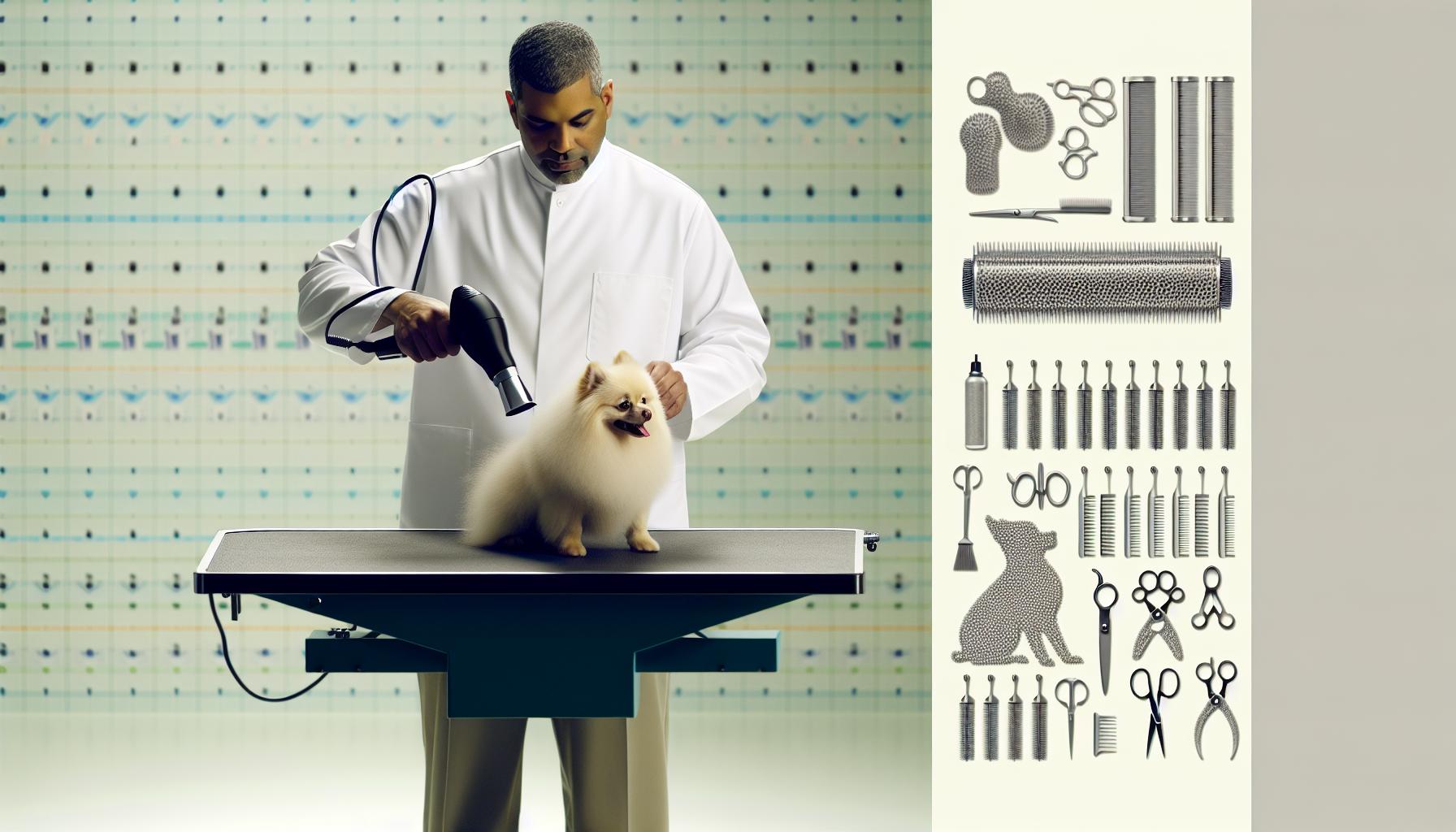
Few grooming tools transform drying from a timed chore into an efficient, comfortable experience quite like a high-velocity dryer. These powerful machines use concentrated, fast-moving air streams to blast through thick, dense coats, considerably cutting down drying time while lifting undercoats to prevent matting-a blessing for breeds like Golden Retrievers, Huskies, and German Shepherds. But using these dryers effectively is a gentle art, blending technique, timing, and your dog’s comfort at every step.
Choosing the Right High-Velocity Dryer
Not all high-velocity dryers are created equal. Look for models designed specifically for pets, such as the PetEdge Force Dryers or K-9 High Velocity Dryers, which balance power with adjustable heat and airflow settings to avoid overheating or frightening sensitive dogs [[1]](https://www.petedge.com/dog-grooming-equipment/dog-dryers/force-dog-dryers?srsltid=AfmBOopEkCcWDIdlvH0aOv4IuknxJ0o_rBJn7GL92X1Edl9br6GOfnvQ) [[3]](https://k-9dryers.com/collections/k-9-machines?srsltid=AfmBOor5UOrS7ZA3jAbF3f7utNfew7FidoRWuK3Q1djNRiESmc-fQTZu). A quieter dryer with several fan speed options lets you start gently, increasing as your dog relaxes.
mastering the Technique
- Begin with a solid towel dry: High-velocity dryers work best when excess moisture has been reduced first. toweling prevents overexposure to the dry airflow that can irritate skin.
- Keep the dryer moving constantly: Never hold the nozzle in one spot.Keep it about 4 to 6 inches from the coat and sweep with wide,gentle passes. This prevents hot spots and skin burns.
- Work in sections: Divide thick coats into manageable areas. For example, start with the back and sides, then move to legs, belly, and finally the head, avoiding direct airflow to sensitive eyes and ears.
- Use a slicker brush as you dry: This lifts the undercoat so air penetrates deep, reducing dry time and fluffing the coat naturally.
- Adjust airflow and heat as you go: Sensitive areas like the belly or neck often need lower heat and gentler air. Watch your dog’s reactions,and don’t hesitate to pause or switch to a drying coat if they seem uncomfortable.
practical Tips for Nervous or Sensitive Dogs
Powerful airflow can be intimidating. To ease your dog in:
- Use treats and praise frequently, rewarding calm behavior.
- Let your dog sniff and investigate the dryer before turning it on.
- Start on the lowest speed and increase gradually as they build tolerance.
- Consider using a quiet-style high-velocity dryer if noise sensitivity is an issue.
example: Drying a Dense Double Coat
Imagine drying a Siberian Husky with a thick double coat. After a patient towel dry,set your high-velocity dryer to moderate airflow and low heat. Holding a slicker brush in your other hand, gently separate the fur, allowing the dryer to reach the dense undercoat. Move systematically from the back to the chest and legs. Avoid focusing heat or air on the belly and head-opt for gentle towel drying or a drying coat for those areas. Frequent breaks and soothing words help maintain your dog’s comfort.This technique results in a dry, fluffy, mat-free coat without the stress of overbearing heat or noise.
Using a high-velocity dryer isn’t just about speed-it’s about confidence, patience, and the shared rhythm you establish with your dog. When done thoughtfully, it turns drying from a hassle into a moment of care and connection.
For those seeking powerful drying tools, professional-grade machines like those offered by PetEdge and K-9 Dryers provide adjustable settings essential for safety and effectiveness in home or salon use [[1]](https://www.petedge.com/dog-grooming-equipment/dog-dryers/force-dog-dryers?srsltid=AfmBOopEkCcWDIdlvH0aOv4IuknxJ0o_rBJn7GL92X1Edl9br6GOfnvQ) [[3]](https://k-9dryers.com/collections/k-9-machines?srsltid=AfmBOor5UOrS7ZA3jAbF3f7utNfew7FidoRWuK3Q1djNRiESmc-fQTZu).These machines empower you to nurture your pup confidently, speeding drying while safeguarding delicate skin and temperaments.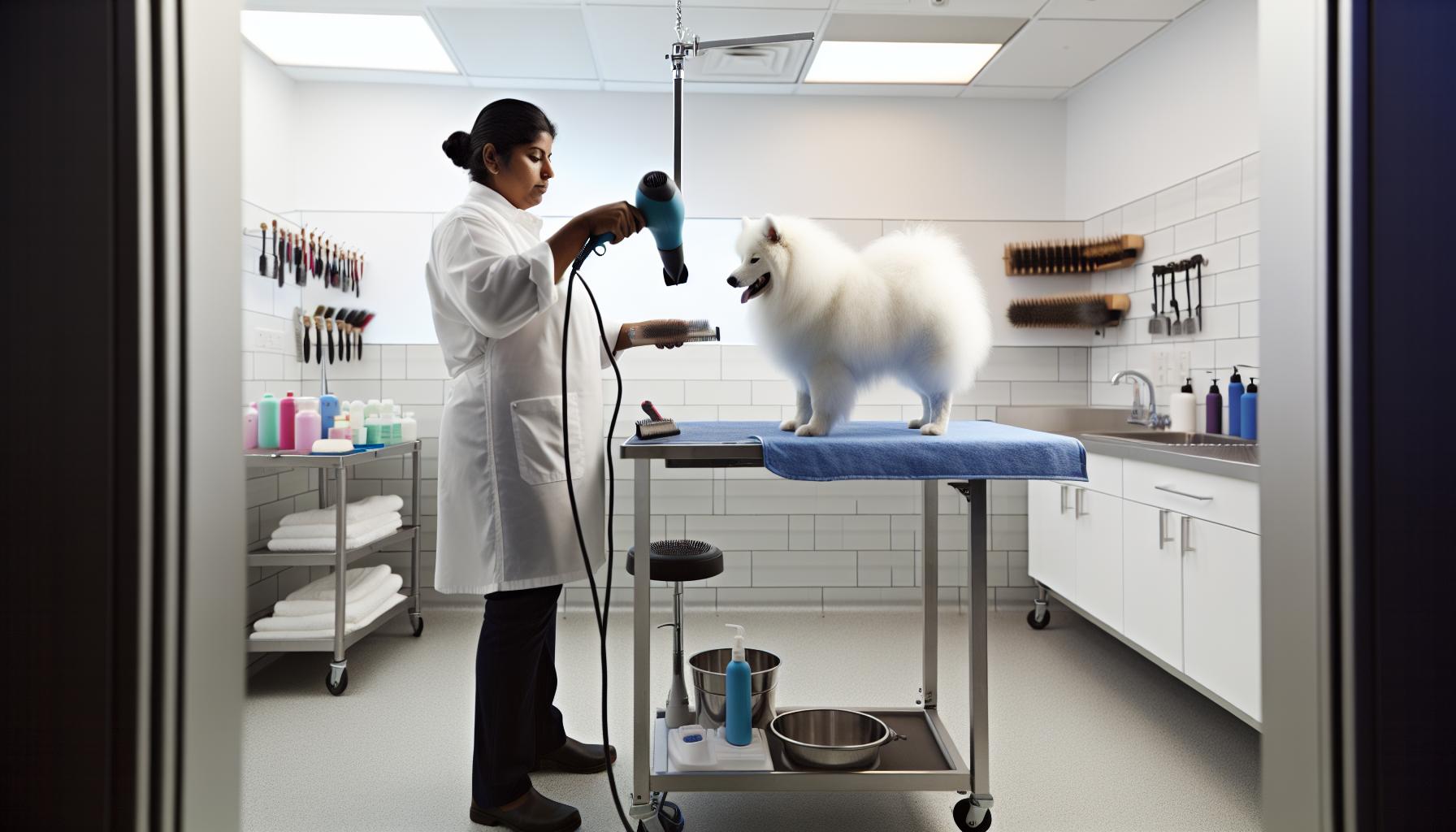
Effective Towel Drying Methods for Sensitive Dogs
It’s frequently enough the gentle touch of a towel that sets the tone for drying sensitive dogs, transforming what might be a stressful part of grooming into a comforting routine. Dogs with delicate skin, thin coats, or nervous dispositions need a calm, slow approach. Towel drying is more than just blotting away water-it’s about connecting with your dog, reading their body language, and using the right tools and techniques to keep them relaxed and safe while removing excess moisture effectively.
Tools for a tender towel Dry
Choosing the right towel matters. Microfiber or specialized dog towels are soft, highly absorbent, and gentle on sensitive skin. They’re often less abrasive than regular bath towels and can soak up water quickly without excessive rubbing. For breeds with long or thick coats like Shih Tzus or Cockapoos, consider a large, plush towel to wrap and gently squeeze moisture out without tangling or pulling on fur.
Practical Steps to Comfortable Towel Drying
- Blot, don’t rub: Start by pressing the towel gently against the dog’s coat to absorb water. Avoid vigorous rubbing that can irritate skin or cause knots.
- Section the coat: Work in manageable areas-back, sides, legs, and chest-paying special attention to places that retain moisture such as under the belly, armpits, and behind the ears.
- Use repeated gentle pats: After blotting an area, softly squeeze the fur with your hands or towel to help release trapped moisture, as you would with a delicate fabric.
- Be mindful of vulnerable spots: Toweling near the face, eyes, and ears should be especially delicate. Consider using a smaller, soft towel or muslin cloth to carefully dry these parts.
Creating a Calm Environment
sensitive dogs often pick up on our energy, so keeping a soothing tone, gentle movements, and lots of praise is essential. offering treats during towel drying can help build positive associations. If your dog shows signs of discomfort-like restlessness or flattening ears-pause and soothe before continuing. Sometimes, breaking drying into shorter sessions can prevent overwhelm.Such as, towel dry most of the body first, then return to the head area after a calm break.
Handling Different Coat Types and Challenges
Thin-coated breeds like Whippets usually towel dry quickly but need extra care to avoid chills; wrapping them in a warm towel helps retain body heat. Double-coated breeds may require multiple towels and more patience to get beneath the dense undercoat. If your dog has tangles or mats, use a detangling spray and your fingers or a wide-tooth comb before toweling, preventing painful pulling. In these cases, professional grooming help might be necessary to avoid damage or stress.
By embracing a slow,respectful towel drying routine,you not only remove excess water but also accommodate your dog’s comfort and emotional well-being. This foundational step sets up succeeding drying phases-whether air drying or machine drying-to be safer and more effective, especially for dogs prone to anxiety or sensitive skin.
Air-Drying vs. Machine Drying: Pros and Cons
dogs dry in different ways, and choosing between air-drying and machine drying is frequently enough about matching the method to your dog’s unique coat type, temperament, and the weather conditions. Both approaches have their place in a professional grooming routine, and understanding their strengths and limitations can definitely help you make the best choice for your furry friend’s comfort and coat health.
Air-drying is the gentlest way to let moisture leave the coat naturally. This method works well for dogs with thin, short coats - think Greyhounds or Boxers – who quickly lose water without risk of matting or chilling. It’s also a low-stress option for anxious dogs who might find the sound and sensation of dryers unsettling. Though, air-drying requires patience and a warm, draft-free environment to avoid your dog getting chilled, especially for breeds with dense double coats like Huskies or Golden Retrievers. For these longer or thicker coats, trapped moisture can lead to skin irritation or odor if not properly addressed.
Machine drying, especially with professional high-velocity dog dryers, speeds up the drying process while helping fluff the coat and prevent tangles. These dryers blow warm air through the hair at controlled speeds and temperatures,making them especially useful for thick,curly,or double-coated breeds that hold water deep within their fur. The consistent airflow helps separate hairs and break down mats as you dry, resulting in a groomed finish without excessive brushing force. That said,some dogs may be sensitive to noise or airflow pressure,so introducing the dryer gently and using settings suited to your dog’s size and coat type is essential.
Balancing Benefits and Considerations
- Speed vs. Calm: Machine drying significantly decreases grooming time, which is a relief for fidgety or energetic dogs. In contrast, air-drying offers a calm, quiet alternative that can suit nervous dogs but requires more time and supervision.
- Coat Health: Machine drying with regulated heat helps minimize residual dampness that could breed bacteria or cause matting.Air-drying may prolong moisture exposure, so it’s best paired with thorough towel drying and grooming to avoid issues.
- Season and Environment: Warm weather favors air-drying; in colder or humid climates, machine drying is often safer to prevent chills and maintain skin integrity.
- Tools and Training: Using a microfiber dog robe or coat after bath and towel dry supports air-drying by trapping warmth and absorbing moisture gently. Groomers rely on adjustable nozzles and speeds on machine dryers to customize the experience for breeds and individual dogs alike [[1]](https://www.reddit.com/r/dogs/comments/18g5ett/dog_drying_strategies/), [[2]](https://www.amazon.com/dog-dryer/s?k=dog+dryer).
Such as, a nervous Cockapoo with a curly coat might start with a slow, calm air-dry while wrapped in a cozy dog robe, breaking up drying sessions into manageable chunks with plenty of praise. Then, a short burst with a low-heat blower can finish the job without terrifying the dog. Simultaneously occurring, a large double-coated breed like a bernese Mountain Dog will benefit from a high-velocity dryer to push moisture out efficiently, reducing the chance of matting or skin issues.
Deciding between the two is less about “which is better” and more about what fits your dog’s unique needs. Combining methods thoughtfully-using towel drying as a foundation, followed by machine drying or air-drying tailored to coat and personality-ensures your dog’s safety, comfort, and grooming success.
For more detailed guidance on using dryers safely and effectively, consider exploring professional-grade grooming tools designed specifically for dogs, and remember, patience and compassion are just as critically important as the equipment you use [[3]](https://www.akc.org/expert-advice/health/dry-your-dog/).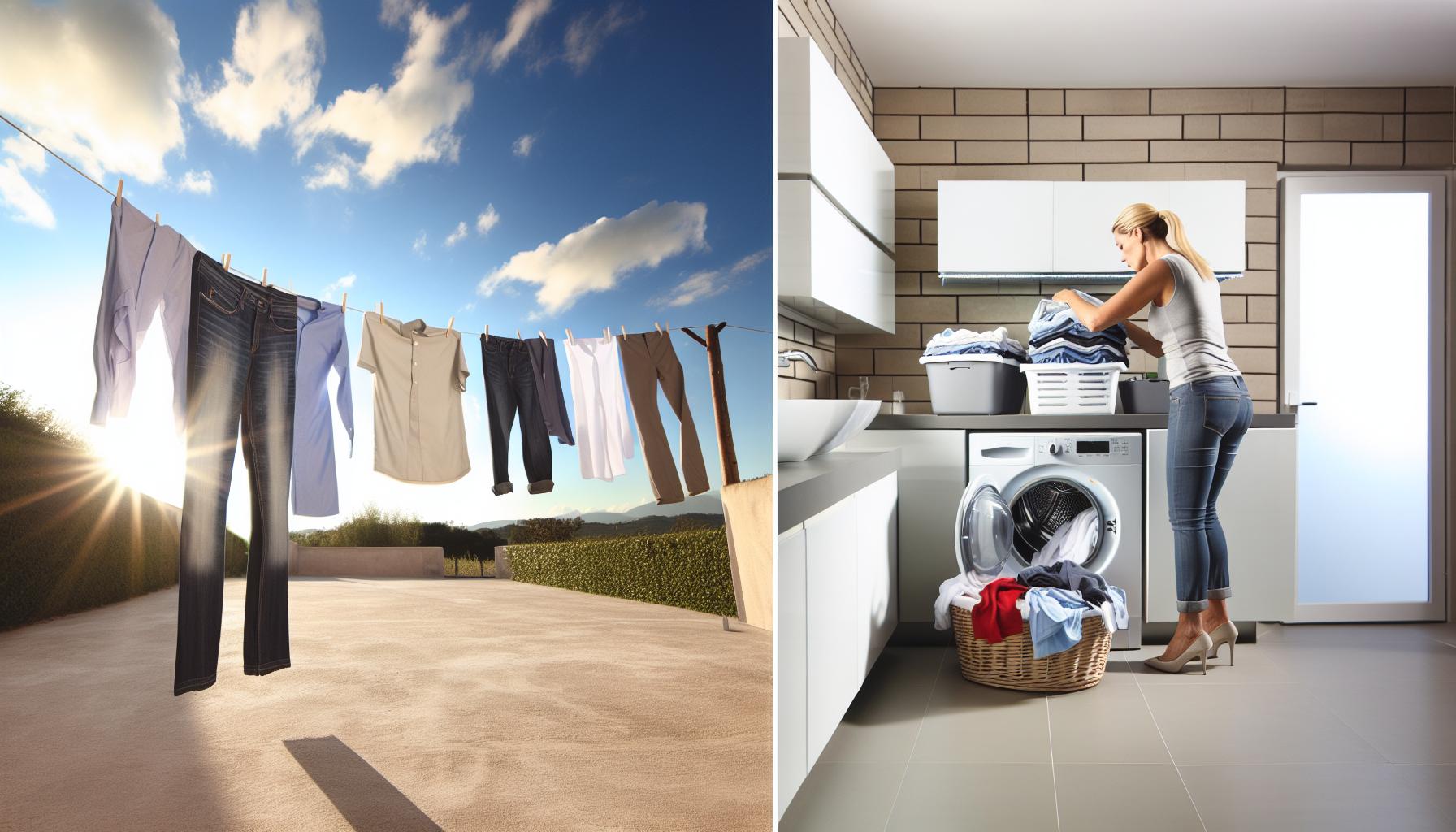
How to manage Anxious or Sensitive Dogs during Drying
Many dogs experience anxiety around drying, especially when unfamiliar noises, sensations, or restraint enter the scene. It’s important to remember that drying is as much about emotional care as it is about technique. Building trust and creating a calm environment helps even the most sensitive dogs feel safe and comfortable throughout the process. With a gentle approach and some patience, drying time can become a peaceful period instead of a stressful chore.
Start Slow and Set Your Dog Up for Success
Before turning on any dryer,give your dog a chance to get used to the space and tools-as you would when introducing new people or experiences. Let your dog sniff the dryer off, so the noise and airflow aren’t a shock when you switch it on. For pups and adults prone to anxiety, *short, positive sessions* frequently enough work best. You might begin with gentle towel drying while offering treats and calm praise, letting your dog associate the whole experience with kindness rather than pressure. Such as, a nervous Cockapoo with a curly coat might appreciate being wrapped in a soft dog robe during towel dry to feel secure and warm, making a smooth transition to blow drying easier.
choose the right Tools and Settings for Sensitive Dogs
Opt for dryers with adjustable speeds and heat settings so you can keep the airflow gentle and the noise level low. some high-velocity dryers have “quiet” modes that significantly reduce sound, which makes a huge difference for noise-sensitive dogs. If the noise of a typical dryer triggers fear,try air drying combined with frequent brushing,or consider using a microfiber drying coat to soak up moisture naturally while creating a cozy barrier against drafts.
- Towel first, then air or low-heat machine drying: This minimizes direct exposure to noise and airflow pressure.
- Break up drying into manageable chunks: Short bursts with rests and rewards prevent overwhelm, helping dogs stay relaxed.
- Incorporate calming scents or pheromone diffusers: These can soothe the nervous system during grooming.
Read Your Dog’s Signals and Adjust as Needed
Watch for signs of distress such as trembling, lip licking, yawning, or attempts to escape. These cues mean it’s time to slow down or take a break. Redirect your dog’s attention with treats or a favorite toy, and speak softly to reassure them. Some dogs thrive with a gentle neck or head massage during drying, which can reinforce calmness and trust.Groomers frequently enough find that using a combination of touch, voice, and timing helps transform drying from a confrontation into a bonding moment.
| Common Signs of Stress | recommended Response |
|---|---|
| Trembling or wide eyes | Pause drying, offer gentle praise or treat |
| Excessive panting or yawning | Take a break, reduce noise/airflow |
| Trying to hide or escape | Resecure area, use calming wraps or robes |
Know When to Seek Help From Professionals or Vets
If your dog’s anxiety is severe or you find it impractical to dry them safely at home, professional groomers trained in behavior-friendly techniques can provide a better experience. sometimes anxiety is linked to underlying medical issues; a veterinarian checkup can rule out pain or sensitivity that might make drying uncomfortable. Always prioritize your dog’s well-being-no drying method is worth sacrificing their peace of mind or safety.
By approaching drying with compassion and attention to your dog’s individual needs,you’re setting the stage for a grooming routine that supports both health and happiness. Remember, it’s about making every step positive and stress-free-not racing for a dry coat. With time, patience, and calibrated tools, even the most sensitive dogs can learn to enjoy this vital part of their care.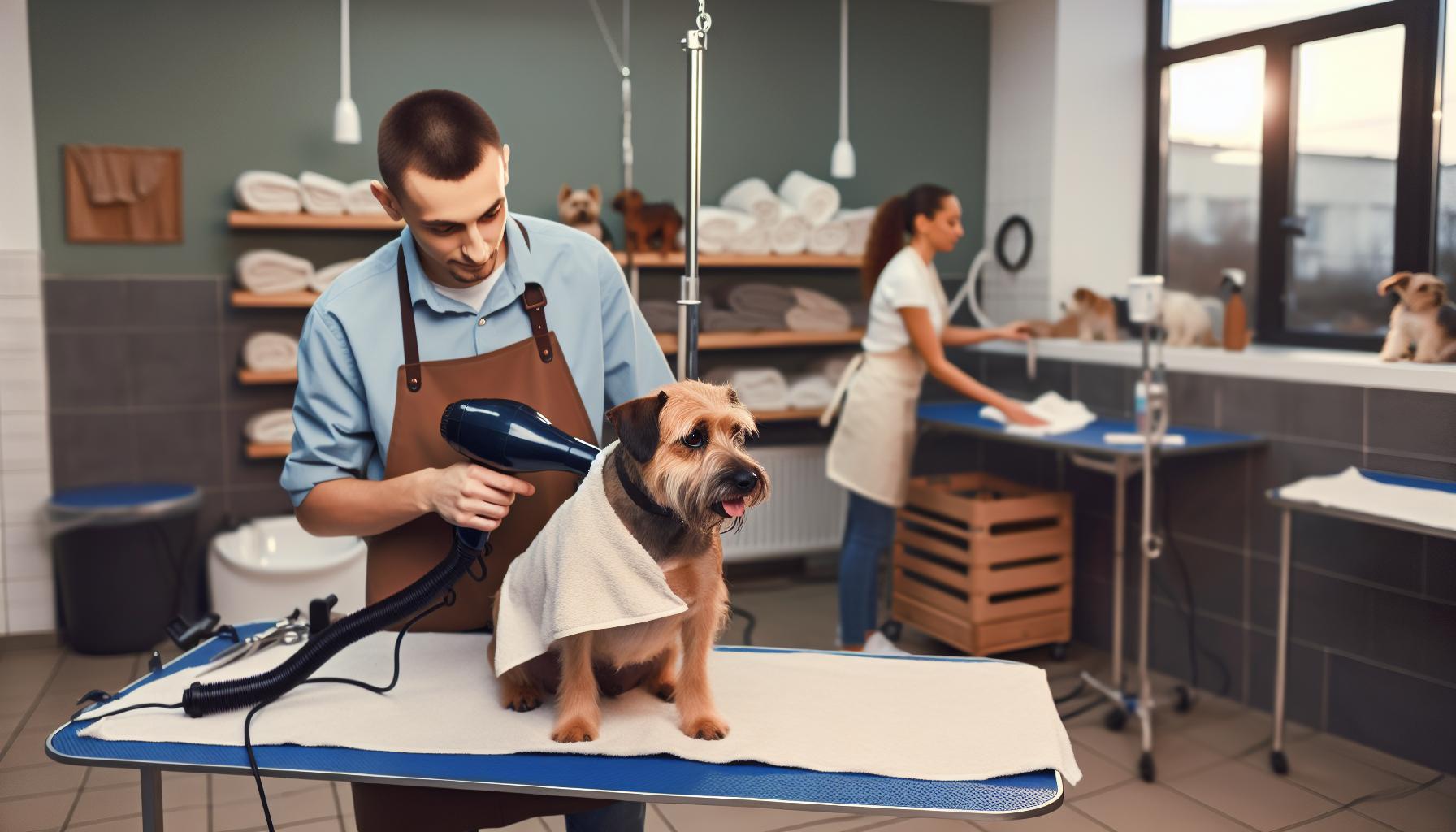
Common Drying Mistakes and How to Avoid Them
Drying a dog might sound simple, but even experienced groomers occasionally encounter pitfalls that can turn this essential step into a nightmare-for both pet and owner. One of the most common missteps is rushing through drying or applying excessive heat, especially on delicate breeds with sensitive skin or thick undercoats. For example, using a high heat setting on a Shih Tzu’s dense double coat can cause skin irritation and even burns, while insufficiently drying a long-haired dog like an Old English Sheepdog may lead to matting and unpleasant odors. recognizing the specific needs of each coat type and adjusting your technique accordingly is key to safer, more effective drying.
- Avoid hot air temperatures: Always select low to medium heat settings or cool air modes on dryers to protect your dog’s skin from drying out or overheating.
- Don’t rub wet coats aggressively with towels: While towel drying is essential,vigorous rubbing can cause tangling and break fragile hairs.instead, use gentle blotting motions to absorb water.
- Never leave damp areas unattended: Certain spots like underarms, behind the ears, and belly creases can stay damp, inviting bacteria or fungal infections. Take your time to carefully dry these areas, using a brush or towel as needed.
Practical Tips to Sidestep Common Issues
Start by thoroughly towel drying your dog to reduce moisture before turning on any dryer-this fast-tracks the process and minimizes exposure to heat and noise. Groomers frequently enough recommend high-velocity dryers for thick coats but emphasize the importance of adjusting airflow strength to prevent windburn or overwhelming anxious dogs. Introducing breaks during drying sessions helps pets recover and prevents stress,which if ignored,can cause them to flinch or jump,increasing risk of accidental injury.
in one example, a groomer shared how a nervous Cockapoo learned to tolerate blow drying by starting with towel drying wrapped snugly in a microfiber robe, then increasing dryer time gradually over several visits. This patient approach not only calmed anxiety but also prevented drying mistakes like overheating or rushed sessions.
watch for Subtle Signs of Trouble
Sometimes mistakes happen because we overlook the dog’s feedback. signs like lip licking, avoiding eye contact, or trembling aren’t just behavioral quirks-they signal discomfort. Adjust your drying strategy instantly by lowering heat, reducing noise, or offering a soothing touch.
| Common Drying Mistake | How to Avoid It |
|---|---|
| Using high heat indiscriminately | Always start with cool or low heat; adjust based on coat type and dog’s tolerance |
| Aggressive towel rubbing leading to matting | Pat or blot gently instead; use a detangling spray before drying |
| Failing to dry undercoat thoroughly | Use a brush to reach the undercoat and separate hairs during drying |
| Ignoring dog’s stress signals | Take breaks, reward good behavior, and modify approach accordingly |
every dog’s drying needs are unique, and no one-size-fits-all method exists. Prioritize your pet’s safety, comfort, and emotional well-being over speed or aesthetics. by maintaining a respectful pace, using proper tools, and tuning in to your dog’s cues, you’ll create a positive drying experience that keeps tails wagging long after the last breeze.
Maintaining Skin and Coat Health After Drying
Dogs’ skin and coats continue to need tender care long after the last drop of water has been removed. Proper after-drying care is essential not just for appearance, but for maintaining a healthy, comfortable coat and preventing issues like dryness, irritation, or unpleasant odors. Many owners don’t realize how much ongoing attention their pup’s skin requires after grooming to stay vibrant and protected.
Balancing Moisture and Cleanliness
As drying frequently enough follows a bath,the skin’s natural oils can become temporarily stripped,especially in breeds with sensitive or dry skin like West Highland Terriers or Afghan Hounds. After drying, applying a light, pet-safe conditioner or moisturizing spray designed for dogs helps restore this essential barrier. Avoid human products, as these can disrupt the pH balance and lead to irritation. For dogs with oily or acne-prone skin, a rinse-free cleansing spray keeps fur fresh without overwashing.
Brushing as a Vital Follow-Up
Once your dog is dry, a gentle brushing session is more than cosmetic-it promotes healthy skin by distributing natural oils and stimulating blood flow. Use brushes suited for the coat type: slicker brushes for thick or curly coats, pin brushes for long-haired breeds, and bristle brushes for short coats. Such as,after drying a Golden Retriever,a slicker brush can help lift the undercoat and prevent matting that might have begun during the drying process. Regular brushing also removes loose hairs and dirt particles, keeping the coat sparkling and tangle-free.
Protecting Sensitive Areas and Preventing Problems
Certain spots tend to be prone to dryness or infection after drying as they hold moisture longer-underneath the ears, belly folds, and between toes are primary examples. Make it a habit to gently inspect these areas for redness,flakiness,or lingering dampness.If you notice persistent dampness or odor,it might potentially be time for a vet consult to rule out infections. Incorporating a soft microfiber towel or cotton cloth after drying can wick residual moisture in these vulnerable spots without abrasion.
- Check ears carefully: Always dry inside and around the ears carefully to prevent moisture build-up, a common cause of ear infections.
- Monitor skin for irritation: If you spot redness or hot spots,soothe with vet-approved creams or sprays.
- Regular grooming appointments: Enlist a professional groomer for thick coats or breeds prone to matting as they can provide expertise in ongoing coat health.
Prioritizing your dog’s comfort and skin integrity over cosmetic perfection will foster a happier, healthier companion. Remember, patience during drying and maintenance translates to fewer irritations and a coat that truly shines. If ever in doubt, don’t hesitate to seek advice from your groomer or veterinarian-they’re your partners in your dog’s well-being.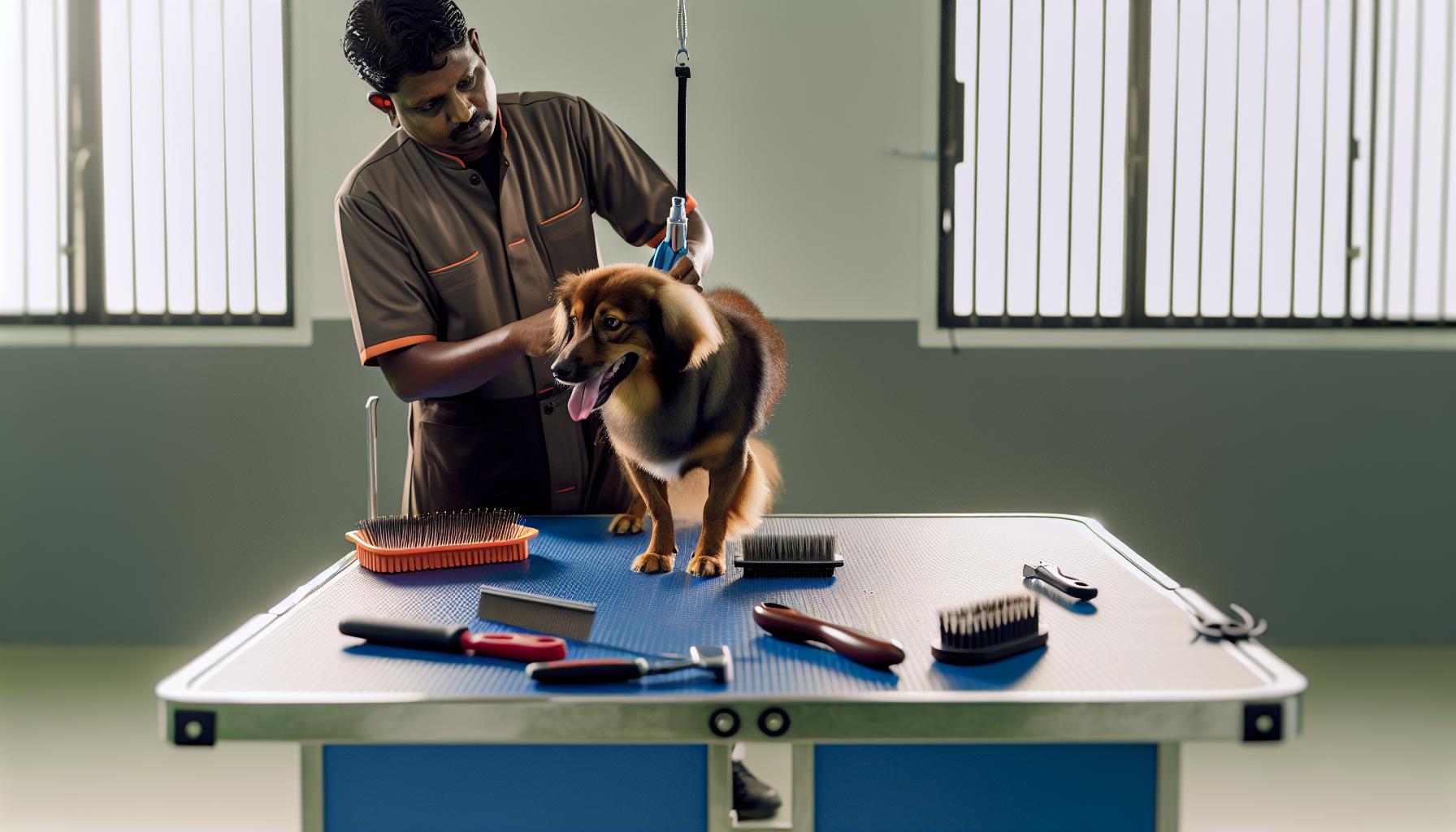
When to Let a Professional Groomer Dry Your Dog
Sometimes, drying your dog isn’t just a quick post-bath chore-it can be a complex task that requires skill, patience, and the right tools. Professional groomers have the experience and specialized equipment to handle all coat types safely, making a notable difference for dogs with thick, long, or double coats, or those prone to matting and skin sensitivities. If you find that drying becomes stressful for you or your dog, or if your dog’s fur just won’t dry properly, it may be the perfect moment to trust a pro.
Dogs with dense coats-think Newfoundlands, Huskies, or Poodles-frequently enough need high-velocity dryers to blow out water trapped deep in their undercoat. This airflow reduces drying time dramatically without overheating the skin. Professionals expertly adjust airflow and temperature to keep your dog comfortable while preventing burn or drying out the skin.For example, a groomer might use a 5.2 HP high-velocity dryer for a large dog, delivering rapid drying and fluff without anxiety-inducing noise or heat [[1]](https://www.amazon.com/Velocity-Grooming-Temperature-Adjustable-Secadora/dp/B0CLC6B3D4). If your dog is especially hairy or curly, trying to dry them well at home can lead to frustration for both of you-and potentially a tangled, or even matted, mess if done improperly.
Signs Your Dog Could Benefit from Professional Drying
- Persistent Dampness: If your dog’s coat remains soggy even after thorough towel drying, professional equipment can effectively remove that hidden moisture.
- Coat Texture Changes: Noticeable matting,excessive shedding,or coat clumping may need expert handling to detangle safely and prevent damage.
- Behavioral Challenges: Dogs that become anxious, fearful, or stressed during drying at home often respond better to the calm, focused environment groomers can create, using desensitization techniques and specialized tools.
- Health and Skin Concerns: Groomers can spot skin irritation, hotspots, or infections during the drying process and advise you if a vet visit is necessary.
Why professional Drying Often Beats DIY
Professional groomers go beyond simply removing moisture. They combine drying with gentle, strategic brushing that prevents tangles and distributes natural oils-a key step many owners unintentionally skip at home. Special dryers, such as cage dryers or stand dryers, enable hands-free drying that lets your dog relax calmly, avoiding the stress and noise of handheld models [[3]](https://www.petedge.com/dog-grooming-equipment/dog-dryers?srsltid=AfmBOoovsDAaoF4zMis8hmRTFC7SASfX0MHYJLMeGrErQk2xsvNnUZ7A). For nervous or sensitive dogs,this environment combined with the groomer’s trained approach can make the drying process not just tolerable but even soothing.
Veterinary drying options become essential if your dog has wounds, sensitive skin conditions, or allergies that need expert monitoring. Although groomers aren’t vets, they often work in partnership to ensure your pet’s well-being is holistically supported.
Tips for Deciding When to Book a Groomer
- Complex Coat Types: Thick double coats, curly African poodles, or long-haired breeds like Shih Tzus generally benefit from professional drying to avoid matting and maintain skin health.
- Anxiety or Dislike of Dryers: Observe if your dog shows signs of fear such as trembling, hiding, or hiding ears-consider letting a pro use gentle methods and desensitization protocols.
- Owners Short on Time or confidence: professional drying can save you time while providing peace of mind that your dog is dry,comfortable,and well cared for.
Remember,the goal isn’t a “perfect” photo-ready dry but a comfortable,safe,and healthful approach that serves your dog’s unique needs. Groomers are partners who prioritize your pet’s welfare just as much as you do. Letting a professional take the reins during drying can turn a stressful chore into an enjoyable part of your dog’s grooming routine-helping both of you feel confident and calm.If you need a trustworthy groomer, look for those with experience in your dog’s breed and coat type, who use adjustable, high-quality dryers and approach each dog with patience and empathy. Your dog might just thank you with a shiny coat and a happy tail wag.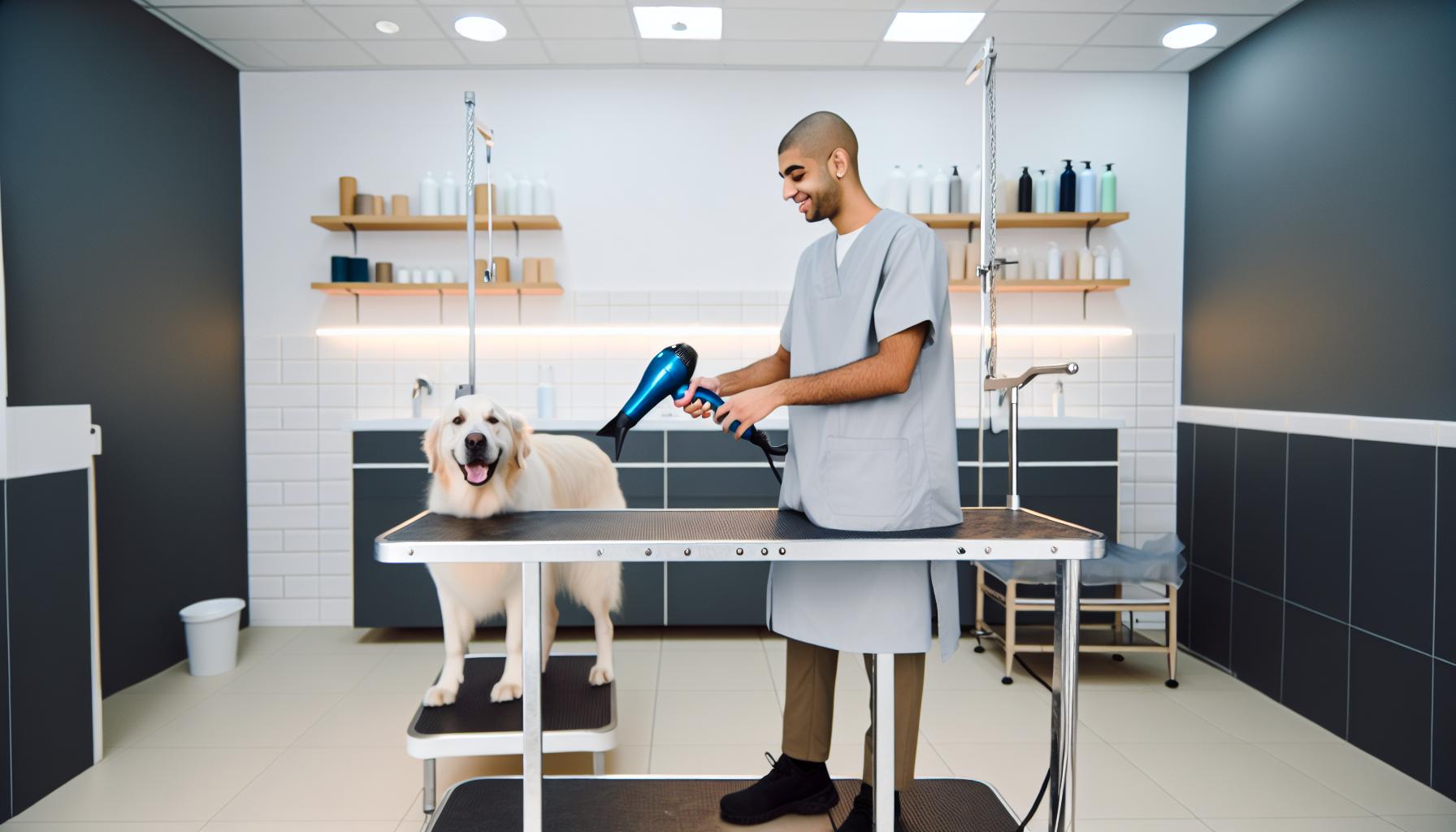
Eco-Friendly and Low-Noise Drying Options
Dogs often respond best to drying methods that combine gentle yet effective airflow with a calm atmosphere-this is where truly shine. For many dogs,especially those with sensitive temperaments or noise fears,a quieter drying experience can transform a stressful moment into one of comfort and trust. Groomers increasingly choose equipment that balances power and softness, prioritizing your pet’s emotional well-being alongside efficient drying.
Why Low-Noise Dryers Matter for Anxious Pets
Many customary high-velocity dryers are powerful but can be quite loud, which may startle or even frighten dogs, complicating the grooming process. Models specifically designed with sound dampening technology reduce this noise significantly, making them a compassionate choice for nervous or older dogs. A calmer environment helps encourage relaxation, letting your dog stand still and enjoy a gentle grooming session rather than reacting defensively. This quiet airflow also reduces the risk of overstimulation, which can cause shaking or attempts to bolt.
Eco-Friendly Options: Sustainable and Safe
Energy-efficient dryers often feature advanced motors that use less electricity while maintaining adequate airflow and temperature control, helping to minimize environmental impact. These devices not only save energy but can run cooler, reducing heat stress on delicate skin and undercoats. For those working with particularly thick or long coats-such as Newfoundlands or Huskies-a dryer that balances speed and eco-conscious design ensures water is blown out quickly without unnecessary power waste.
Practical Tips for Home and Professional Use
- Choose adjustable speed and heat settings: Start with a low airflow and temperature, especially for smaller or more sensitive breeds, then gradually increase as your dog acclimates.
- Consider silent stand dryers or cage dryers: Hands-free drying appliances let your pet relax in a comfy space with airflow circulating quietly around them, cutting down on stress and noise.
- Use natural fiber towels first: This reduces drying time, meaning you can use the dryer less-benefiting both your pet’s comfort and energy conservation.
- Mind the environment where you dry: A quiet room with soft lighting and minimal distractions works wonders for anxious dogs, helping them associate grooming with calm and safety.
Aquarium-grade or ceramic dryers are another innovation groomers increasingly adopt due to their energy efficiency and gentle output. These units generate steady heat without spikes, preventing the common problem of overheating. Using them with airflow directed carefully to avoid your dog’s face and sensitive spots keeps the experience pleasant.Ultimately, prioritizing eco-friendly and low-noise drying methods reflects a thoughtful balance between your dog’s emotional comfort, skin health, and your household’s environmental values. When combined with patience and gentle handling, these approaches foster grooming sessions that your dog may even begin to look forward to-soft fur and happy hearts guaranteed.
For professional-grade options that cater to these needs, many groomers recommend dryers like the 5.2 HP units with adjustable settings, and quieter operation, ensuring safety and comfort without compromising power [[1]](https://www.amazon.com/grooming-dryer/s?k=grooming+dryer) or stand dryers that provide hands-free quiet airflow [[3]](https://ryanspet.com/equipment/dryers?srsltid=AfmBOooH_12pXosYp6YVMjtviDZlJyioO5iLTGyi6TZ4o9agH-a8m3Qn).
Troubleshooting Drying Challenges: Matting, Odor, and Dampness
Dogs with thick or long coats can sometimes present a real challenge after a bath, especially when stubborn mats, lingering odors, or damp patches refuse to resolve easily.These drying challenges are not just a cosmetic issue-they can cause discomfort, skin irritation, and even infections if left untreated. As a groomer, I’ve witnessed how patience and the right tools transform these tricky moments into smooth, stress-free experiences for both dogs and their humans.
When mats appear during drying, they often start as tiny tangles that tighten as dampness sets in. This is most common with breeds like Poodles,Shih Tzus,or any curly or dense-coated dog. Immediate preventive brushing before and during drying is crucial. Use a slicker brush or a wide-toothed comb gently on damp fur to loosen tangles without pulling at sensitive skin. For severe mats, it’s often safer and kinder to carefully trim them out instead of forcing combs through, which can cause pain or skin damage. Regular coat maintenance between baths reduces the frustration of matting after grooming sessions.
Odor can also develop if a dog stays damp too long, particularly in folds of skin or dense undercoats. Thorough towel drying combined with high-velocity dryers helps evaporate hidden moisture. Always ensure airflow reaches under ears, underbelly, and tail areas-common spots where dampness hides. Sometimes, a mild, dog-safe deodorizing spray or post-bath conditioning rinse designed for odor control can support freshness without irritating skin.
Quick Tips to Tackle Matting, odor, and Dampness:
- Select dryers with adjustable heat and speed: Starting on low prevents discomfort and reduces coat damage, while higher airflow speeds drying of thicker, denser fur.
- Invest in grooming tools tailored to coat type: Slicker brushes for curly coats, pin brushes for silkier fur, and dematting combs for stubborn tangles.
- Divide drying into sections: Work methodically through the dog’s body to avoid missing damp patches or mats that may be hidden under heavy coats.
- Use layering with towels and dryers: Begin with thorough towel absorption to minimize drying time, then switch to a dryer for safe, efficient airflow.
- Check skin regularly during drying: Look for redness, irritation, or signs of discomfort, adjusting heat and airflow accordingly.
For anxious dogs, break the drying process into shorter, calm sessions with plenty of praise and breaks. Sometimes, matting or damp smells indicate a visit to the vet if skin infections or allergies are suspected-groomers and vets working together are the best team for your pet’s health. when in doubt, don’t hesitate to seek professional advice rather than pushing through potentially harmful drying.
Remember, drying is as much about care and comfort as it is about appearance. A warm, gentle approach helps your dog feel safe and relaxed, making future grooming a welcoming experience rather than a stressful one. With the right techniques and tools at hand, even the toughest drying challenges become manageable moments of kindness and care.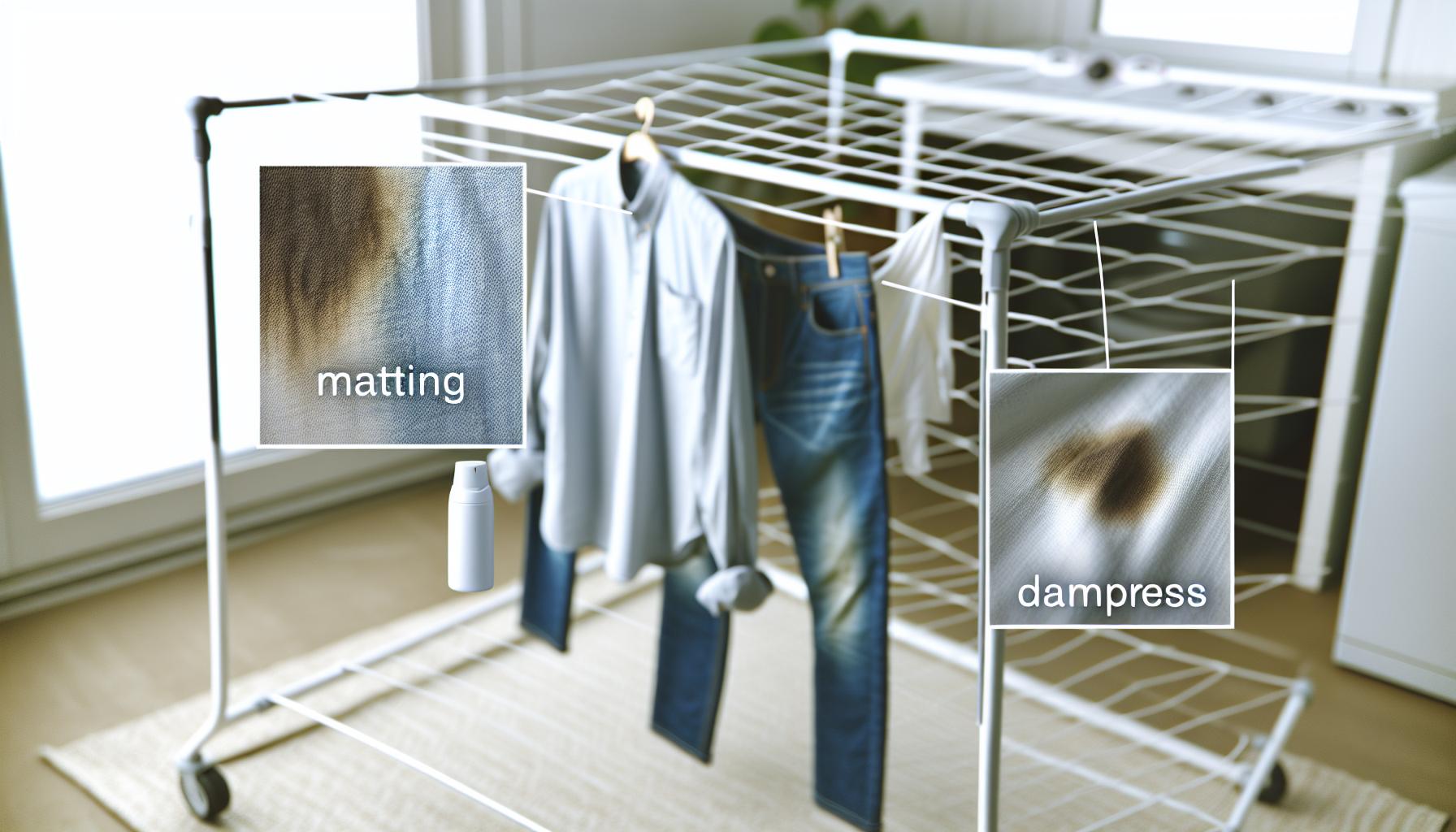
Frequently asked questions
Q: Why do professional groomers use cage dryers instead of handheld dryers?
A: Professional groomers use cage dryers to provide gentle, hands-free drying with warm air, allowing dogs to relax safely while drying. This method is ideal for anxious or sensitive pets, as it reduces noise and stress compared to handheld blow dryers. Learn more about managing nervous dogs during drying in the section on How to Manage Anxious or Sensitive Dogs for a calm experience.
Q: How long does professional dog drying typically take after a bath?
A: Professional drying times vary by coat type but usually take 20 to 40 minutes. Long-haired or double-coated breeds require thorough drying with high-velocity dryers or cage dryers to prevent dampness and matting. Faster methods combine towel drying with machine drying for efficiency. See the Step-by-Step Guide to Blow Drying Dogs for detailed timing tips.
Q: What are the benefits of blower dryers with variable speed controls for dogs?
A: Blower dryers with variable speed controls allow groomers to adjust airflow intensity to match coat thickness and dog temperament, providing safe, comfortable drying. Lower speeds reduce anxiety in sensitive dogs, while higher speeds speed up drying for thick coats. For more on equipment choice,visit Professional tools and Equipment for drying Dogs Safely.
Q: How do groomers prevent heat damage while drying a dog’s coat?
A: Groomers prevent heat damage by using cool or warm air settings instead of hot air, keeping the dryer moving continuously and avoiding prolonged exposure to one spot. Regular brushing during drying also helps distribute heat evenly and detangles the coat. see Common Drying Mistakes and How to Avoid Them for essential safety tips.
Q: What drying techniques are best for dogs with double coats?
A: Dogs with double coats benefit from high-velocity dryers that blow water out from deep undercoats quickly, preventing dampness and matting. Groomers often combine thorough towel drying with force-drying followed by brushing to ensure complete coat drying. Explore more in using High-Velocity Dryers: Tips and Techniques for detailed guidance.
Q: When is it better to air-dry a dog instead of using a dryer professionally?
A: Air-drying is best for dogs with short coats, sensitive skin, or those prone to anxiety from dryers. It’s also practical for mild weather or after quick spot baths. Though,air-drying takes longer and can increase odor or matting risks,so consider professional dryer options outlined in Air-Drying vs.Machine Drying: Pros and Cons for balanced decisions.
Q: How do groomers handle dogs that resist drying with a high-velocity dryer?
A: Groomers gently acclimate anxious dogs to high-velocity dryers by starting at low speeds, using treats for positive reinforcement, and providing breaks if the dog shows stress. Towel drying first reduces dryer time, and using quiet or cage dryers can help sensitive dogs stay calm. See How to Manage Anxious or Sensitive dogs During Drying for calming strategies.
Q: What post-drying care do groomers recommend to maintain coat health?
A: After drying, groomers recommend brushing to prevent mats, applying coat conditioners as needed, and checking skin for dryness or irritation.proper post-drying care keeps the coat shiny and healthy while avoiding common issues like odor or dandruff. For detailed aftercare, refer to Maintaining Skin and Coat Health After Drying.
For more detailed insights and practical tips,explore the full guide sections linked throughout,and feel free to ask any specific questions about your dog’s drying routine!
Key Takeaways
Mastering professional dog drying methods ensures your furry friend stays comfortable,safe,and looking their best after every groom.Whether handling thick coats or sensitive skin, using the right tools and techniques-from high-velocity dryers to gentle towel finishes-helps prevent common issues like matting or stress. For tailored tips on breed-specific drying, exploring our Dog Grooming Basics and Coat Care Best Practices guides will deepen your understanding and confidence.
Ready to upgrade your grooming routine? Check out our curated selection of groomer-approved dryers and brushes to find perfect tools for your pet’s unique needs. Don’t forget to subscribe to our newsletter for insider tips, professional advice, and exclusive offers designed to make grooming simpler and more enjoyable.If you have questions or stories about drying challenges, share them in the comments-we love hearing from fellow pet lovers!
Keep your dog’s well-being front and center by continuing your journey with related topics like Nail Care for Dogs and Ear Cleaning Essentials. By prioritizing gentle,effective drying techniques,you ensure not only a flawless finish but also a relaxed,happy pet every time. Stay connected for more expert guidance that empowers you as a caring, confident groomer.
Get our latest guides, news, and insights highlighted in your Google Search & AI Overviews.
Keep reading about the same coat and cut.


Popular grooming guides
Bath vs clip, first grooms, and salon how-tos.