Do Groomers Give Dogs Sedatives: Safety and When It’s Necessary

Many pet owners wonder if groomers give dogs sedatives and when such measures might be necessary. The truth is, sedatives are rarely given by groomers themselves and only considered in very specific situations to ensure a dog’s safety and comfort during grooming. Understanding this helps ease anxieties about your dog’s grooming experience and highlights when sedation might be the right choice.
Grooming can be stressful, especially for anxious or older dogs, those with thick coats, or pets who have had tough experiences before.As a caring groomer, I always prioritize your dog’s well-being over a flawless haircut. sometimes, challenging breeds or behavior challenges make grooming risky or unpleasant without calming support. But sedation is not a casual fix-it requires careful evaluation and veterinary guidance, not just quick relief. If you’re worried about your dog’s stress or safety during grooming, knowing when sedation is appropriate can empower you to make the best decisions and advocate for your dog’s comfort. Let’s explore how sedation fits safely into the grooming world, what signs indicate it might help, and the significant boundaries between groomers and vets to keep your furry friend calm and well cared for.
When and Why Groomers Use Sedatives Safely
Table of Contents
- 1 When and Why Groomers Use Sedatives Safely
- 2 Types of Sedatives Used in Dog Grooming Explained
- 3 Identifying Dogs that May Need Sedation for Grooming
- 4 Signs of Stress and Anxiety in Dogs During Grooming
- 5 How Groomers Administer Sedatives: Step-by-Step Process
- 6 Risks and Precautions: Sedatives vs. Natural Calming Methods
- 7 Owner’s Role: Communicating Your Dog’s Health History
- 8 Alternatives to Sedation for Fearful or Aggressive Dogs
- 9 When to Consult Your Veterinarian About Sedation
- 10 Post-Sedation Care: What Owners should Expect and Do
- 11 Faq
- 11.1 Q: How can I tell if my dog truly needs sedation for grooming?
- 11.2 Q: Are there legal limits on groomers giving sedatives to dogs?
- 11.3 Q: How does sedation during grooming affect different dog breeds?
- 11.4 Q: What should I ask my groomer about sedation protocols before my appointment?
- 11.5 Q: Can sedatives interfere with my dog’s other medications during grooming?
- 11.6 Q: How long should I wait after sedation before picking up my dog from grooming?
- 11.7 Q: Are there natural supplements that can help calm my dog before grooming without sedation?
- 11.8 Q: How do groomers handle emergencies if a dog reacts badly to sedatives?
- 12 The Way Forward
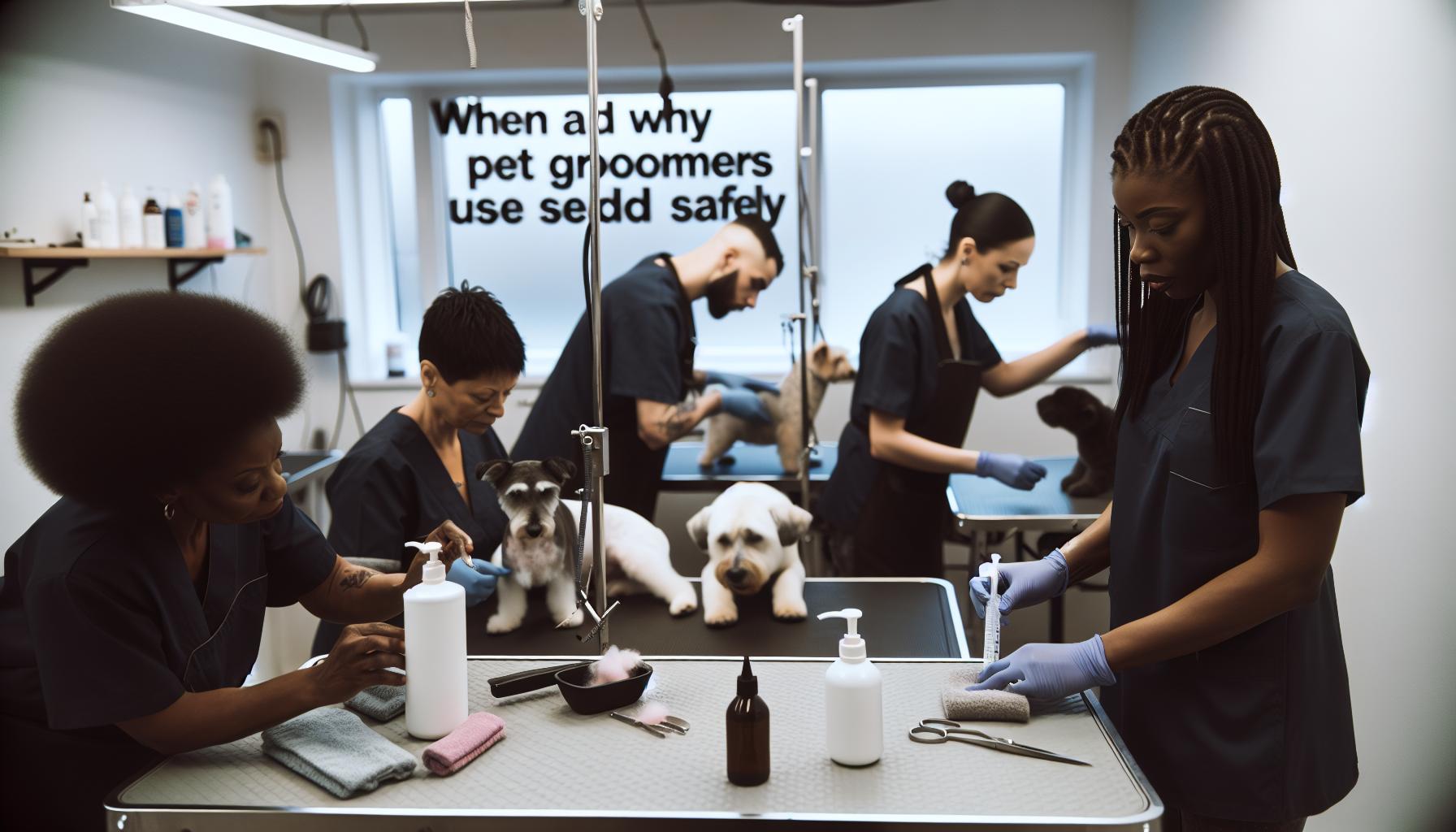
Sometimes,grooming can be a stressful experience for dogs,especially those with thick coats,sensitive skin,or nervous temperaments. In these cases, sedatives may be considered to ensure the grooming session is safe, comfortable, and as stress-free as possible for both the dog and the groomer. It’s important to understand that sedatives aren’t used casually or to make grooming “easier” – they’re a compassionate tool reserved for situations where a dog’s anxiety or physical condition puts their well-being at risk during routine care.Many dogs with heavy mats, skin irritations, or a history of aggression might become overwhelmed or fearful at the groomer’s. For example, a double-coated breed like a Husky with dense, tangled fur may need more time and handling, increasing the chance of stress. Sedation can help those dogs relax, reducing the risk of panic, sudden movements, or injury. The goal is never to “force” grooming but to create a calm environment where grooming tasks – bath, brushing, nail trims, and ear cleaning – can be done gently and safely.
- Safety First: Sedatives are used primarily when all other calming methods have been tired or are insufficient.
- Consultation Required: Typically, sedation occurs only when prescribed or approved by a veterinarian, ensuring the dog’s health is evaluated before proceeding.
- Breed and Coat Considerations: Breeds prone to overheating, heart conditions, or respiratory challenges require careful dosage and monitoring during sedation.
One real-world example is a nervous small breed with a history of biting during nail trims. After discussing options with the dog’s vet,the groomer might use a mild sedative to ease anxiety and safely complete the trim without stress or injury. This approach protects the dog’s mental well-being while allowing necessary grooming without forcing or distressing them.
In every case, the key is focusing on the dog’s comfort and safety above all. Sedation is a thoughtful, last-resort option – never a shortcut – used only when it truly benefits the pet’s health and peace of mind. Owners should always feel empowered to ask questions, share their dog’s behavior and health history, and participate in the decision-making process to ensure the best care possible.
Types of Sedatives Used in Dog Grooming Explained
Dogs are incredible in their ability to communicate discomfort and anxiety, but sometimes their natural signals aren’t enough to ensure a stress-free grooming experience.When anxiety or fear becomes too intense,veterinary-approved sedatives can be a safe,compassionate way to help your dog feel calm and relaxed during grooming. These medications are carefully chosen based on your dog’s size, breed, health, and the grooming tasks ahead – always prioritizing their well-being above all.
Common types of Sedatives Used for Grooming
- Benzodiazepines: Frequently enough prescribed for mild to moderate anxiety, drugs like diazepam or alprazolam help relax a dog’s muscles and calm their nerves. These work quickly and are generally safe when dosed properly. They’re great for dogs that need help settling during nail trims or baths.
- Acepromazine: A tranquilizer with a calming effect, acepromazine is sometimes used before grooming to soften agitation. Though, it doesn’t relieve pain or anxiety from fear as effectively as other sedatives, so it’s mostly reserved for dogs who need sedation primarily for physical restraint.
- Alpha-2 Agonists: Medications such as dexmedetomidine offer deeper sedation with some pain relief, ofen used in more challenging grooming cases. this type requires veterinary administration and careful monitoring because it affects blood pressure and heart rate.
- Gabapentin: Though originally for nerve pain, gabapentin is increasingly used as a mild sedative to reduce anxiety, especially in older or sensitive dogs. It’s helpful for dogs with chronic discomfort or those fearful of grooming tools.
why No “one-Size-Fits-All” Solution Exists
Not all breeds or coat types react the same to sedatives. For example, brachycephalic breeds (like Bulldogs) or dogs with heart or respiratory issues require extra caution when choosing sedatives due to their sensitivity to respiratory depression. Similarly, double-coated dogs with thick mats may benefit more from sedation paired with longer grooming sessions, allowing the groomer to work gently without rushing or risking injury. Your veterinarian plays a crucial role in tailoring sedative choices that respect these nuances.
Real-World Groomer Insight
Consider a nervous Cocker Spaniel with a tendency to panic during ear cleaning. After consulting with the vet, a groomer might use a mild benzodiazepine to ease tension, enabling gentle ear work without triggering a fight-or-flight response. This approach protects both the dog’s mental state and the groomer’s ability to handle sensitive tasks safely.
How Sedatives Fit Into the Grooming Toolbox
Sedatives are just one part of compassionate grooming.They’re used only after trying less invasive calming methods like gentle handling, pheromone sprays, or special grooming wraps. When sedation is necessary, the goal isn’t “perfect looks” but rather a peaceful, safe experience that builds positive associations and supports your dog’s trust in grooming over time.
| sedative Type | Common Uses in Grooming | Key Considerations |
|---|---|---|
| Benzodiazepines | Reduce anxiety,muscle relaxation for nail trims or baths | Fast-acting; watch for over-sedation |
| Acepromazine | Calming mildly agitated dogs | No pain relief; not ideal for fearful dogs |
| Alpha-2 Agonists | Deep sedation,safer handling of difficult cases | Requires vet monitoring; slower recovery |
| Gabapentin | Mild calming,pain reduction | Good for older or sensitive dogs; gradual effect |
By understanding these options,you can have open,informed conversations with your groomer and veterinarian.Together, you’ll decide the best, safest way to keep your dog calm, comfortable, and cared for during grooming – as their peace of mind matters as much as their fluffy coat.
Identifying Dogs that May Need Sedation for Grooming

Sometimes, our furry friends show clear signs that grooming is more than just a routine-it can be a stressful challenge requiring extra care and sometimes sedation. Dogs with certain temperaments, breed traits, or coat types may find even basic grooming tasks overwhelming. Recognizing these signs early helps ensure your pet’s experience stays safe and calm. Sedation isn’t about making grooming easier for the groomer; it’s about protecting your dog’s mental and physical well-being during situations where anxiety or resistance could lead to injury or trauma.
- Breed and Coat Considerations: Some breeds, like the energetic terriers or thick-coated double-coated breeds such as Newfoundlands and Golden Retrievers, often require longer, more intricate grooming. Mats or heavy undercoats can make brushing especially uncomfortable or even painful. In such cases, sedation may provide a peaceful way to gently detangle fur without stressing the dog.
- Temperament and Past Experiences: Dogs with a history of fear, aggression, or panicky reactions during grooming tend to benefit from sedation. Such as,a rescue dog who previously endured rough handling might freeze,tremble,or snap when touched in sensitive areas like paws,ears,or tails. These behaviors are not defiance but distress signals showing the need for extra help.
- Physical Health Factors: Aging dogs with arthritis or chronic pain may dread nail trims or baths due to discomfort. Sedatives that combine gentle analgesic effects can definitely help soothe both body and mind during grooming. Additionally, brachycephalic breeds or dogs with respiratory or heart conditions are delicate cases where sedatives must be used carefully, always under veterinary guidance.
Behavioral Red flags During Specific Grooming Tasks
Understanding which part of grooming triggers the most stress can guide whether sedation might be necessary:
- Bathing: Reluctance to enter water, trembling, or frantic attempts to escape water baths may indicate a dog too anxious to remain safe and calm.
- Brushing and Dematting: Aggression or persistent resistance during brushing, especially in matted areas, shows that sedation could allow careful, thorough care without causing pain or panic.
- Nail Trims: If your dog flinches, bites, or hides its paws, this is one of the most common reasons sedation is considered, given how sensitive nails and quicks are.
- Ear Cleaning and Face Grooming: Dogs who panic due to ear sensitivity or claustrophobia during face trims may need mild sedation to keep these grooming sessions safe and gentle.
Partnership Between Owner, Groomer, and Veterinarian
It’s critically important to know that professional groomers alone do not prescribe sedatives. Sedation is always guided by a veterinarian who evaluates your dog’s health history and behavior. Together, you and your team can decide if sedation is the best option or if alternatives should be exhausted first. Honest dialogue about your dog’s fears, past grooming trauma, or health status greatly helps this process.
For example, a sweet but terrified senior Labrador Retriever with thick mats and arthritis may benefit from a vet-approved gabapentin regimen before grooming-making possible what once felt unachievable. Simultaneously occurring, a young, frisky Chihuahua with a nip-and-escape tendency might try training and gradual desensitization first before sedation is discussed.
Ultimately, spotting when grooming anxiety exceeds peaceful handling is the first step in tailoring care to your dog’s unique needs, ensuring each grooming session builds calm confidence, not dread.
Signs of Stress and Anxiety in Dogs During Grooming
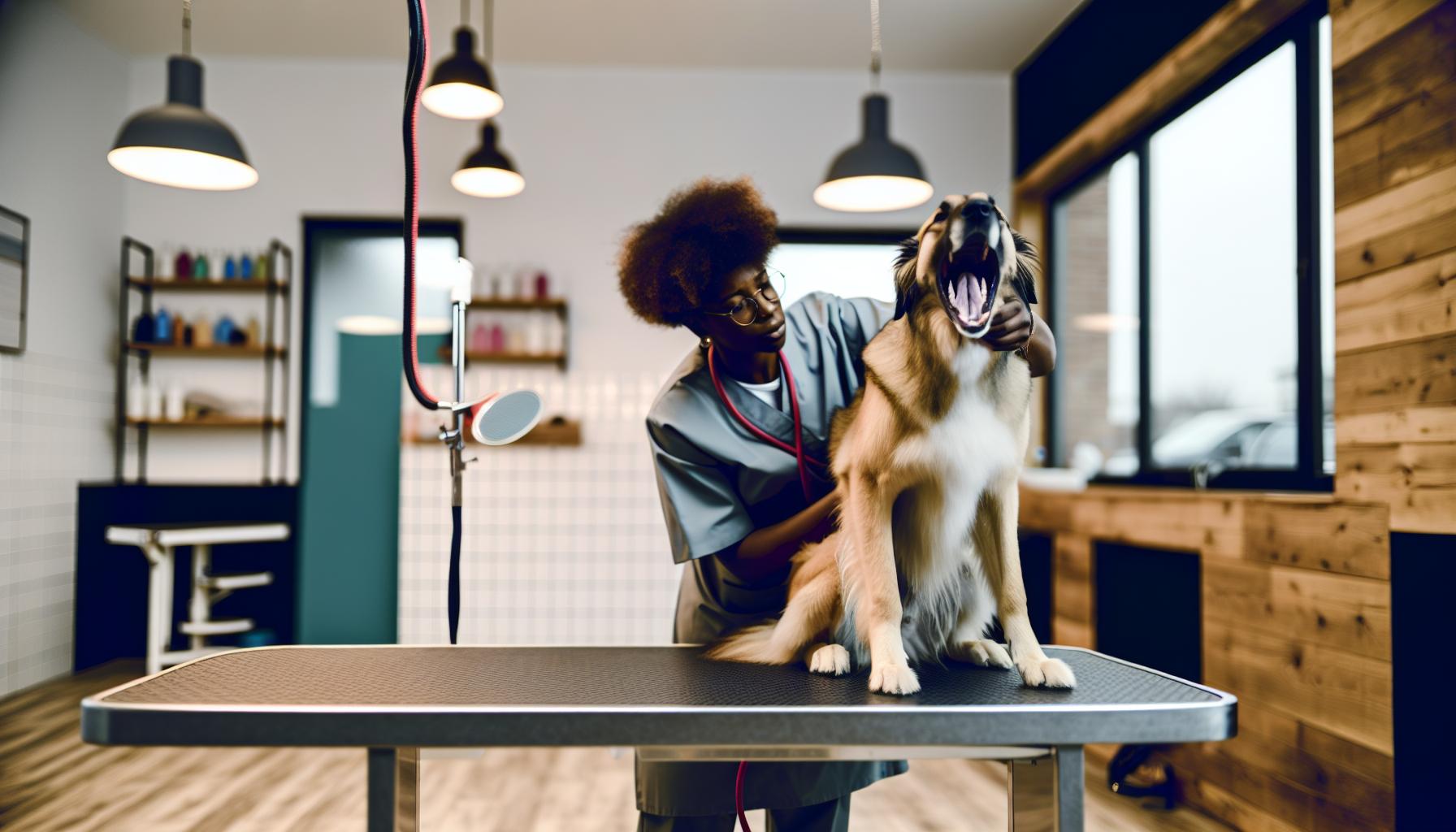
Dogs experience grooming very differently, and some exhibit clear signs that the process is causing them stress or anxiety.These signals are more than just “bad behavior”-they’re important messages from your dog’s mind and body that shouldn’t be ignored. Knowing what to look for helps you and your groomer tailor care in a way that prioritizes comfort and safety,rather than pushing through distress. After all, a calm dog is a cooperative dog, and mental well-being always comes before a perfect haircut or spotless bath.
Many dogs react with subtle signs early on, like whining, trembling, or avoiding eye contact-these are red flags that the grooming task is overwhelming. Some may pace nervously or try to hide when approached with grooming tools. Take, for example, a Golden Retriever with a thick undercoat: if brushing results in snapping or tensing up, it’s often because mats tug painfully on their skin.Or consider small breeds like Chihuahuas who may freeze or nip due to fear of restraint during nail trims. These stress behaviors indicate the need for gentle handling, extra time, or possibly sedation if the anxiety is severe. Remember, resistance isn’t defiance-it’s distress.
Behaviors to Watch for During Specific Grooming Tasks
- Bathing: Look for shivering, frantic attempts to escape water, or vocalizing like whining or barking. These signs reveal discomfort or fear that can lead to injury if the dog panics.
- Brushing and Dematting: Growling, snapping, or stiff body language during brushing, especially in sensitive matted areas, show the dog is in pain or extreme anxiety. Sometimes, a dog may freeze completely, indicating a “freeze” stress response that calls for a calmer approach or sedation.
- Nail Trimming: Pulling away paws, biting, or trembling during nail care is common in dogs sensitive to this task. Because quicks can bleed if cut too short, stress increases risk, making sedation a safer choice in some cases.
- Ear Cleaning and Face Grooming: Sensitivity or panic reactions to having ears touched or face groomed frequently enough result from previous negative experiences or claustrophobia,requiring slow introduction,sometimes with mild sedation.
Practical Tips for Owners and Groomers
When you notice these signs, avoid forcing the dog through a grooming step as it can deepen fear or lead to injury. Instead, communicate openly with your groomer about your dog’s responses and behavior history.Groomers rely on this facts to judge when sedation, recommended and prescribed by a veterinarian, can be a compassionate option to ensure no harm comes to your pet. For example, a senior Labrador with arthritis who freezes during dematting might benefit tremendously from a vet-approved sedative combined with pain relief. On the other hand, a young, nervous terrier could do better with gradual behavioral training beforehand.By recognizing stress signals early, you empower your dog’s groomer to customize the grooming session wisely. Your dog deserves a peaceful experience that respects their boundaries, with sedation always viewed as a thoughtful tool-not a shortcut.Staying alert to these anxiety cues ensures grooming stays safe, stress-free, and promotes a dog’s long-term grooming confidence.
How Groomers Administer Sedatives: Step-by-Step Process
Surprisingly, professional groomers themselves don’t administer sedatives-this responsibility always lies with a licensed veterinarian to ensure safety and proper dosing. When sedation is recommended, it’s a carefully coordinated process involving communication between the owner, the groomer, and the vet. This teamwork guarantees the dog’s unique needs, health history, and temperament dictate the approach rather than a one-size-fits-all solution.
Once a vet decides sedation is appropriate, they provide precise instructions and often send the owner home with a prescribed sedative to give at a specific time before the grooming appointment.For example, a senior dog with joint pain and thick mats may require mild sedation combined with pain relief to stay calm and comfortable. The owner administers the medication under vet guidance, monitoring the dog’s response before arriving at the groomer. Groomers then assess the dog’s alertness and behavior, ensuring sedation has taken effect without causing excessive drowsiness or distress.
What Happens at the Grooming Salon
- Arrival Check-in: on arrival day, groomers perform a quick, gentle health and behavior check. They observe breathing, coordination, and responsiveness to understand how the sedative is working.
- Calm Handling: Sedated dogs still receive the same loving,patient handling as awake dogs. Groomers use slow movements, speak softly, and avoid startling noises or sudden restraint.
- Task-by-Task Care: Depending on coat thickness, breed, and specific grooming needs, the groomer approaches each step-bathing, brushing, nail trimming, ear cleaning-with extra care. If the sedation isn’t fully effective during a sensitive step like dematting, they pause and consult the owner to prevent discomfort or injury.
- Continuous Monitoring: Throughout, groomers watch for any signs of over-sedation such as excessive lethargy, vomiting, or difficulty standing. They communicate immediately with the owner or vet if concerns arise.
how Groomers Work Within Their Limits
While groomers never prescribe or administer sedatives themselves, their skill shines in managing sedated dogs with compassion and expertise. They know how to identify when sedation is helping versus when it may need adjusting, and they always prioritize the dog’s welfare over speed or aesthetics. Most grooming professionals have received training on pet behavior and safe handling techniques under sedation, creating a calm, reassuring space for some pups who simply cannot be groomed without veterinary-approved sedation.As an example, a fearful terrier that panics during nail trims might come in after oral sedation prescribed by a vet. The groomer knows to trim nails quickly but carefully while providing soft praise and breaks. This partnership approach de-mystifies sedation and builds trust-not only between owner and groomer,but between dog and all involved in their care.
By trusting veterinarians for sedative decisions, and groomers for gentle handling and observation, dogs receive both medical safety and pet-first kindness every step of the way. This balance is the true secret to stress-free grooming in sensitive or anxious dogs.
Risks and Precautions: Sedatives vs. Natural Calming Methods
Few things stress a dog – and their worried owner – like nail trims or dematting sessions that trigger fear or panic. While veterinary-approved sedatives can be invaluable tools to manage severe anxiety and ensure safety during grooming, it’s equally important to weigh their risks alongside natural calming methods. Understanding this balance helps owners feel confident and compassionate about the best approach for their pup.
Sedatives, when used properly under veterinary guidance, reduce anxiety and prevent injury, especially in breeds with thick double coats (like Newfoundlands or Bichons) where dematting requires patience and stillness. Though,these medications affect each dog differently. Risks can include dizziness,nausea,respiratory changes,or paradoxical excitement. older dogs or those with heart, liver, or kidney conditions need extra caution as sedatives can compound health challenges. That’s why vets always customize dosages based on a dog’s breed, weight, age, and medical history.
Natural Calming Strategies: What They Can-and Can’t-Do
Before considering sedation, many owners and groomers explore gentler, non-pharmaceutical tactics. These include:
- Familiarization: Gradual exposure to grooming tools and sounds at home builds positive associations.
- Calming Products: Pheromone sprays, calming wraps (like Thundershirts), and natural supplements (e.g., chamomile or CBD oils) can help mildly anxious dogs feel more secure.
- Experienced Handling: Groomers skilled in slow,reassuring touch and vocal praise often reduce stress without medications.
- Environmental tweaks: low lighting, soft music, and scent cues tailored to the dog’s preferences create a soothing salon atmosphere.
While these methods work wonders for many, they’re not a global fix. Dogs with extreme panic, aggression, or pain often need sedation to complete grooming safely and humanely.
Finding the Best path: Collaboration and Care
A clear, open dialogue between owners, vets, and groomers shapes the safest care plan. Such as, a timid Shih Tzu with a dense, matted coat and a history of noise sensitivity might start with calming wraps and home desensitization but switch to mild sedatives under vet care for the salon visit. An anxious German Shepherd with arthritis may combine low-dose sedatives and pain relief to stay comfortable during brushing and nail trims.
Remember, sedation is never about “perfect looks” or rushing. it’s about kindness and comfort-protecting your dog’s wellbeing while allowing essential grooming. Natural calming supports long-term confidence and resilience at home, while sedation takes the pressure off during challenging salon tasks. By understanding the risks and benefits of both, you’re empowered to choose what truly suits your dog’s personality, coat type, and health profile.
| Method | Best For | Key Precautions | Example Use |
|---|---|---|---|
| Veterinary Sedatives | Severe anxiety, pain, aggressive or unmanageable behavior | Requires vet prescription and monitoring; watch for side effects | Senior dog with joint pain needing dematting |
| Calming Wraps & Pheromones | Mild nervousness, noise sensitivity | May not fully prevent stress; not a replacement for sedation if needed | Dog anxious about water during bath |
| Behavioral Conditioning & Desensitization | Ongoing fear reduction | Requires time and consistency; owner/groomer involvement | Gradual nail trim practice at home |
Ultimately, your dog’s safety and comfort come first. Collaborate with your vet and groomer, trust their expertise, and gently guide your pup through grooming with compassion-whether that means a calming wrap or a carefully prescribed sedative. Both paths show love and respect for your best friend’s unique needs.
Owner’s Role: Communicating Your Dog’s Health History
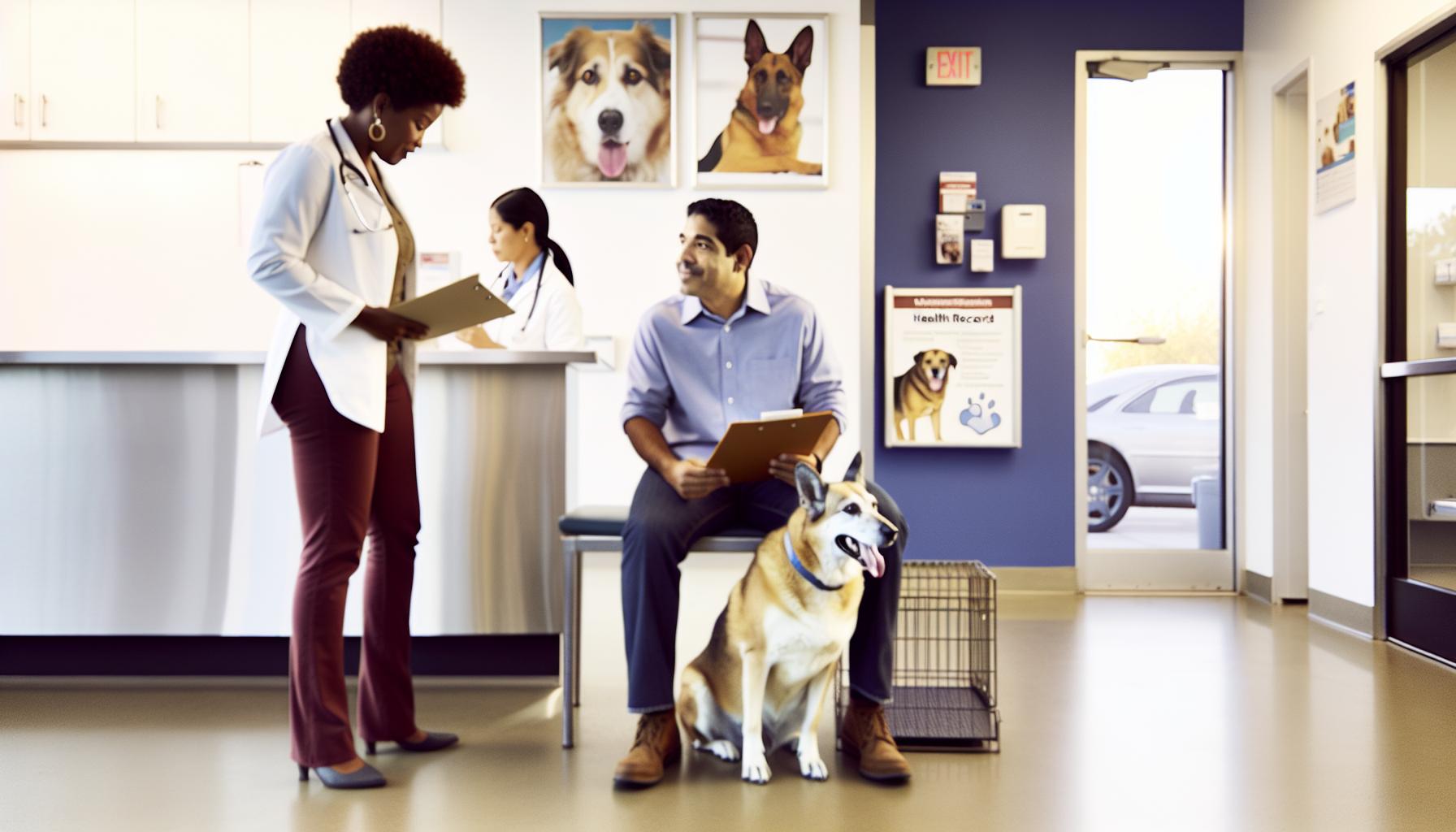
dogs can’t tell us when they feel unwell or nervous, so sharing a detailed health history with your groomer is the single best way to ensure your pet’s safety and comfort-especially if sedation might be involved. Think of it as giving your groomer the full picture: breed specifics, coat type, and any quirks your furry friend has that could affect grooming. This proactive communication lets them prepare appropriate handling strategies and determine if a sedative is truly needed or if a gentler approach will work.
before your dog’s appointment, compile key information such as:
- Medical Conditions: Heart, liver, kidney issues, or respiratory problems can impact sedation choices and doses.
- Medications & Allergies: current drugs or past reactions can interact with sedatives or cause unexpected side effects.
- Behavioral History: Notes on fear, anxiety triggers, or aggression help groomers avoid stressors and handle your pet with care.
- Previous Sedation Experience: How your dog reacted to sedatives before, including any side effects or paradoxical excitement.
- Breed & Coat Details: thick double coats, mats, or sensitive skin influence grooming difficulty and timing, affecting sedation decisions.
This info isn’t just for paperwork-it sets a foundation of trust and safety. Such as, a Newfoundland with a dense double coat and early arthritis may need lower sedative doses combined with gentle handling, while a lightweight terrier with no health issues might respond well to calming wraps and behavior strategies alone. Your vet and groomer working in tandem can customize a plan tailored precisely to your dog.
How to Communicate Effectively
Approach your conversations casually but thoroughly. Groomers appreciate honesty-even if your dog has reactive moments or health complexities. They’d rather know upfront than be surprised mid-session. Keep a notebook handy to jot down changes from one visit to the next, like new medications or shifts in behavior.
When you book your appointment, mention any special needs or concerns.During drop-off,reiterate key points to the groomer and confirm if your veterinarian has been consulted about sedation. This step closes the loop and reassures everyone involved.
Examples of Owner-Groomer-Vet collaboration
Take Buddy, a senior Bichon with kidney sensitivity and severe matting. His owner shared his health history, including vet-approved mild sedation for grooming. The groomer adjusted pace and monitored Buddy closely, avoiding any over-sedation. Or consider Luna, a nervous Jack Russell whose owner introduced pheromone sprays and familiarization at home, sharing this at the salon so the groomer could continue with natural calming techniques rather than sedatives.
Clear communication means your groomer isn’t guessing but acting with care tailored exactly to your dog’s unique condition. It turns grooming from a stressful ordeal into a cooperative, compassionate experience where safety leads the way.
| Health History Detail | impact on Grooming & Sedation | Owner’s Role |
|---|---|---|
| Heart or respiratory issues | Requires vet-supervised sedation with customized dosing; close monitoring | Disclose condition, provide vet’s sedation plan, update changes promptly |
| Behavioral triggers (fear, aggression) | Influences handling techniques; may necessitate sedation or extra calming methods | Share known triggers and calming successes; consent to sedation if recommended |
| Medication use | Potential drug interactions affecting sedation safety | List all medications clearly; notify of any changes before grooming |
| Coat type and grooming history | Thick or matted coats frequently enough require longer sessions and sedation for safety | Be honest about coat status; allow realistic scheduling and sedation planning |
Alternatives to Sedation for Fearful or Aggressive Dogs
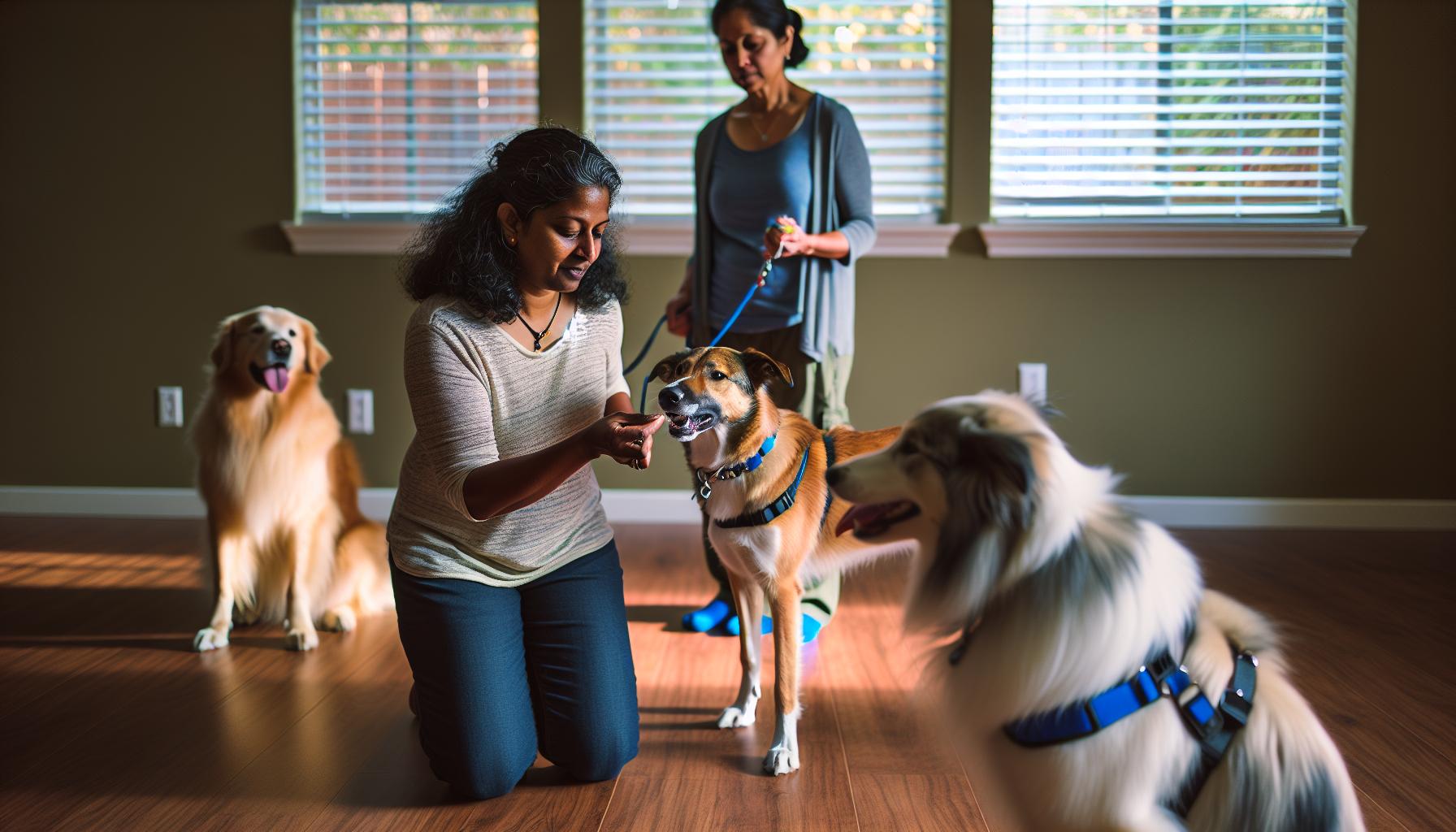
Fearful or aggressive dogs don’t have to be stressed into sedation just to get through grooming.Many gentle,effective alternatives can make grooming safer and even enjoyable without drugs. By blending calm handling, environmental tweaks, and gradual familiarization, groomers can often help sensitive dogs feel more secure and cooperative. This approach respects each dog’s unique personality and welfare, focusing on small wins over perfect looks.
Building Comfort with Handling and Environment
Start with the basics: creating a calm, low-stress setting tailored to your dog’s breed, coat, and sensitivities. Such as, a long-haired Sheltie with a thick double coat might need extra time for brushing, but by breaking brushing into short, frequent sessions, the dog learns to relax instead of resist. groomers often use soft voice tones, gentle touch, and slow movements to avoid triggering fear or defensive reactions.
- Gentle handling: Support the dog’s body with secure but soft restraint, allowing them to move freely when safe.
- Soothing aides: Items like pheromone sprays,calming collars,or thundershirts wrap dogs in familiar,comforting scents and gentle pressure.
- Quiet space: Minimizing noise and distractions helps anxious dogs settle faster.
Progressive Desensitization and Counterconditioning
Many dogs react out of fear because grooming is entirely unfamiliar or overwhelming. Working with the owner before the salon visit can ease this with gentle exposure exercises at home.For example, teaching the dog to enjoy the sight and sound of clippers turned off first, then briefly turned on. Pairing these new experiences with treats, praise, or play helps create positive associations.Owners of nervous rescues or small breeds like Papillons have seen great success by introducing short, daily “practice grooming” sessions-brushing the ears for a few seconds, playing with paws, touching teeth-rewarded consistently. This slow-building trust can drastically reduce resistance on the big day.
Practical Grooming Tips for Challenging Areas
Fearful dogs often dislike nails,ears,or baths most. Knowing the breed coat type and temperament helps groomers plan:
- nail trims: Use quiet, sharp clippers and trim tiny bits progressively to avoid discomfort or startling the dog.
- Ears: Clean gently using cotton balls and soothing, vet-approved solutions; let the dog sniff and explore before contact.
- Bathing: Warm water, non-slip mats, and slow introduction to water minimize shock and slippery fear.
If a dog shows signs of stress, such as trembling or avoidance, stopping for breaks or pausing the session can prevent escalation. It’s perfectly acceptable to split grooming into multiple visits when needed.
When to Know Help is needed
Remember, groomers are experts but not veterinarians or behaviorists. If a dog’s fear or aggression seems extreme or dangerous, the owner should consult a vet or certified trainer for behavior modification plans. Sometimes, short-term mild sedation prescribed by a vet might still be the safest option, but these alternatives should always be tried first.
working together with your groomer-and being patient, persistent, and kind-can turn grooming from a fearful chore into a positive ritual. Your dog’s comfort and emotional wellbeing will always come before the haircut,ensuring each visit builds trust and keeps tails wagging.
When to Consult Your Veterinarian About Sedation
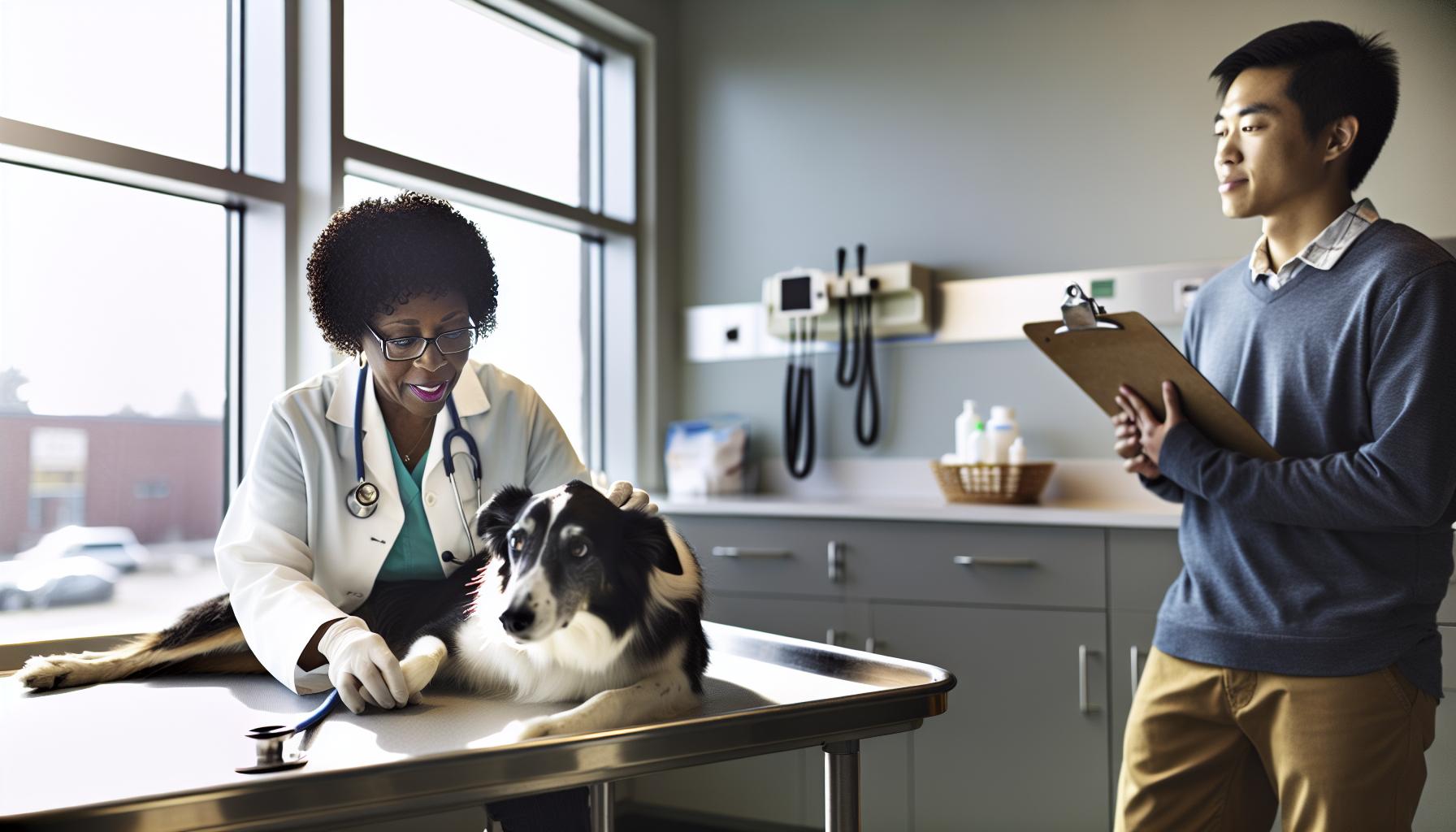
Many dog owners feel unsure about when sedation might be necessary during grooming, especially since every pet reacts differently to the experience. It’s important to understand that sedation is never the “first fix” but rather a carefully considered option to keep your dog safe and comfortable-especially when handling anxious, fearful, or medically sensitive dogs.Consulting your veterinarian is the best first step if you notice grooming triggers extreme stress or aggressive behavior that can’t be managed through gentle handling or other calming techniques.
Veterinarians bring a deeper understanding of your dog’s overall health,breed-specific sensitivities,and potential medical conditions that could affect the safety and choice of sedatives. For example, a thick-coated breed like the Newfoundland may resist brushing so much that stress hormones soar, but sedatives must be carefully selected to avoid respiratory side effects common in large, heavy dogs. Your vet can assess if sedation is appropriate, recommend the safest sedative type and dose, and provide professional monitoring during administration-something groomers are not equipped to do.
Before your vet visit, prepare by noting down:
- Your dog’s breed and coat type: Some breeds are more prone to grooming challenges due to dense coats or sensitive skin.
- History of fear or aggression in grooming or vet visits: Specific triggers help vets tailor solutions.
- Any current medications or health issues: This is crucial information to avoid dangerous drug interactions or harmful sedation.
If your dog presents with signs like extreme trembling,growling,snapping,or persistent refusal to cooperate despite repeated gentle attempts,your veterinarian can evaluate whether mild sedation or other medical interventions may help.They can also rule out underlying conditions such as skin infections or pain that might be causing resistance.
Clear Boundaries: What Veterinarians Can Provide vs. What Groomers Do
Your groomer focuses on creating a calm, stress-free environment and using patient techniques to make grooming a positive experience. They do an incredible job recognizing early signs of anxiety and adjusting their approach accordingly, but sedation is outside their scope. medication must be prescribed and monitored by a licensed veterinarian, who can provide sedatives that are specially suited to your dog’s unique physiology.
Working Together for Your Dog’s Comfort
Think of your veterinarian as a partner in your dog’s wellness during grooming. Sometimes a combination approach works best:
- Training and desensitization from your groomer and trainer at home
- vet-prescribed mild sedation for particularly tough sessions
- Follow-up communication about what worked well and what to try next time
This teamwork prioritizes your dog’s health and emotional welfare, helping reduce future need for sedation.
In short, if grooming sessions feel overwhelming no matter how patient your groomer is, making an appointment with your vet to discuss sedation options is a compassionate, responsible step. it shows you’re committed to doing whatever it takes to keep your furry friend safe, calm, and cared for-because their comfort is always the real priority.
Post-Sedation Care: What Owners should Expect and Do

It’s natural to feel a blend of relief and caution after your dog has been sedated for grooming. Sedation can help immensely with a stressful experience, but your furry friend will need a gentle, patient recovery time to come fully back to themselves. Most dogs wake up slowly and may seem groggy or confused for a while-that’s perfectly normal and a sign the medication is wearing off safely. Giving your pet a quiet, comfortable space to rest is key.
What to Watch For After Grooming
- Monitor Responsiveness: Expect your dog to be drowsy, unsteady on their feet, or a little wobbly for several hours. They might not want to eat or drink immediately; that’s okay as long as it improves gradually.
- Check for Side Effects: Though rare when sedation is guided by a vet, some dogs may experience mild nausea, excessive salivation, or changes in breathing. If your dog appears labored in breathing, excessively lethargic beyond a few hours, or shows signs of distress, contact your vet promptly.
- Keep Them Hydrated and Comfortable: Fresh water should always be available when they feel up to drinking. gentle petting and soft bedding help reassure your dog that they’re safe and loved.
Step-By-Step Tips to Support Your Dog’s Recovery
- Create a Calm Environment: reduce noise, luminous lights, and foot traffic around their resting spot. Sedated dogs can be sensitive to overstimulation, which may add anxiety or slow recovery.
- Limit physical Activity: Avoid vigorous play or walks for at least 24 hours or as directed by your vet. This prevents injury from unsteadiness and allows your dog’s body to reset.
- Observe Their Behavior: Some dogs may seem extra clingy or seek solitude. Let your dog choose what feels best for them while keeping an eye out for unusual behaviors like persistent vomiting or trembling.
- Follow Medication Instructions: If the vet prescribed any follow-up medications or gave specific aftercare guidance, stick closely to the plan. This can include giving certain doses at scheduled times or avoiding food for a set period.
Real Owner Insights
One client shared that after their anxious collie was sedated for a coat trim, she noticed her dog was unusually quiet and hesitant to move for the first few hours at home. They made a cozy nest on the couch with her favorite blanket and gave her calm reassurance without pushing her to get up. By the next day,she was happily eating and ready for a short walk-much smoother than trying to force activity too soon.
Knowing When to Contact Your Veterinarian
While sedation aftercare is usually straightforward,situations can arise where professional help is essential:
- The dog remains unresponsive or excessively lethargic beyond 12-24 hours
- Severe vomiting,diarrhea,or signs of dehydration
- Labored or irregular breathing patterns
- Signs of pain,swelling,or distress that worsen rather than improve
Never hesitate to call your vet with questions or concerns,especially if sedation is new to your pet.It’s always better to be cautious and ensure safety.
Remember, sedation should always be a tool that serves your dog’s wellbeing and never a shortcut. With kind care and proper monitoring afterward, your pup will gain confidence and comfort the next time grooming comes around. It’s all about teamwork-veterinarian, groomer, and you-working in harmony for your dog’s happiest, healthiest self.
Faq
Q: How can I tell if my dog truly needs sedation for grooming?
A: Look for signs like extreme fear, aggression, or inability to stay calm during grooming. If your dog panics or resists strongly,sedation might be necessary for their safety and comfort. discuss these behaviors with your groomer and veterinarian to decide the best approach,as explained in Identifying Dogs That May Need Sedation for Grooming.
Q: Are there legal limits on groomers giving sedatives to dogs?
A: Most groomers cannot legally administer sedatives without veterinary approval. Sedation typically requires a vet’s prescription or supervision to ensure safety. Always verify your groomer’s credentials and consult your vet about sedation before any procedure, reinforcing responsible pet care.
Q: How does sedation during grooming affect different dog breeds?
A: Breed size, coat type, and health affect sedation risks and effectiveness. Smaller breeds or those with respiratory issues may require gentler sedation or vet oversight. Discuss your dog’s breed specifics with your groomer and vet to tailor sedation safely, linking it to Owner’s Role: Communicating Your Dog’s Health History.
Q: What should I ask my groomer about sedation protocols before my appointment?
A: ask if they require vet approval, how they monitor sedation, and which drugs they use. Knowing their safety measures reassures you about your dog’s wellbeing. This proactive communication supports informed decisions, detailed in the How Groomers Administer Sedatives: Step-by-Step Process section.
Q: Can sedatives interfere with my dog’s other medications during grooming?
A: Yes,sedation may interact with existing medications,risking adverse effects. Always provide your dog’s full medical history and current medications to your groomer and veterinarian to prevent complications.This step is crucial for safe sedation use and aligns with Owner’s Role: communicating Your Dog’s Health History.
Q: How long should I wait after sedation before picking up my dog from grooming?
A: dogs usually need 1 to 3 hours to recover from sedation safely. Your groomer or vet will advise the best pickup time. Monitoring post-sedation helps avoid risks and ensures your dog is alert and comfortable, as discussed in Post-Sedation Care: What Owners Should Expect and do.
Q: Are there natural supplements that can help calm my dog before grooming without sedation?
A: Yes, natural calming aids like CBD oils, valerian root, or pheromone sprays may reduce anxiety. These alternatives can sometimes ease grooming stress without drugs. Always consult your vet before combining supplements with sedation or other treatments, linking to Alternatives to Sedation for Fearful or Aggressive Dogs.
Q: How do groomers handle emergencies if a dog reacts badly to sedatives?
A: Professional groomers follow emergency protocols, including immediate vet contact and first aid.** They monitor vital signs and watch for adverse reactions throughout grooming to ensure swift responses. Asking about these protocols beforehand supports your dog’s safety and peace of mind.
For detailed guidance on sedation safety and dog grooming care,feel free to revisit our main article sections and consult your vet for personalized advice. Prioritizing your dog’s comfort and health is the key to a positive grooming experience!
The Way Forward
Understanding when and why groomers might use sedatives helps ensure your dog’s grooming experience is safe and stress-free. Remember, sedation is reserved for specific cases-like very anxious dogs or complex procedures-and always prioritizes your pet’s comfort and health. If you’re unsure whether your furry friend might need this, exploring our guides on [Recognizing Dog Anxiety Before Grooming] and [Safe DIY Grooming Tips] can provide useful next steps.Ready to keep your dog calm and cared for during every grooming session? check out our resources on [Choosing the Right Groomer for Your Pet] and consider signing up for our newsletter to get expert tips and updates straight to your inbox. Your dog deserves the best, and with the right knowledge and support, you can confidently navigate each grooming visit with compassion and care. Feel free to share your experiences or questions below-we’re here to help you and your pet thrive together!
Get our latest guides, news, and insights highlighted in your Google Search & AI Overviews.
Keep reading about the same coat and cut.




Popular grooming guides
Bath vs clip, first grooms, and salon how-tos.