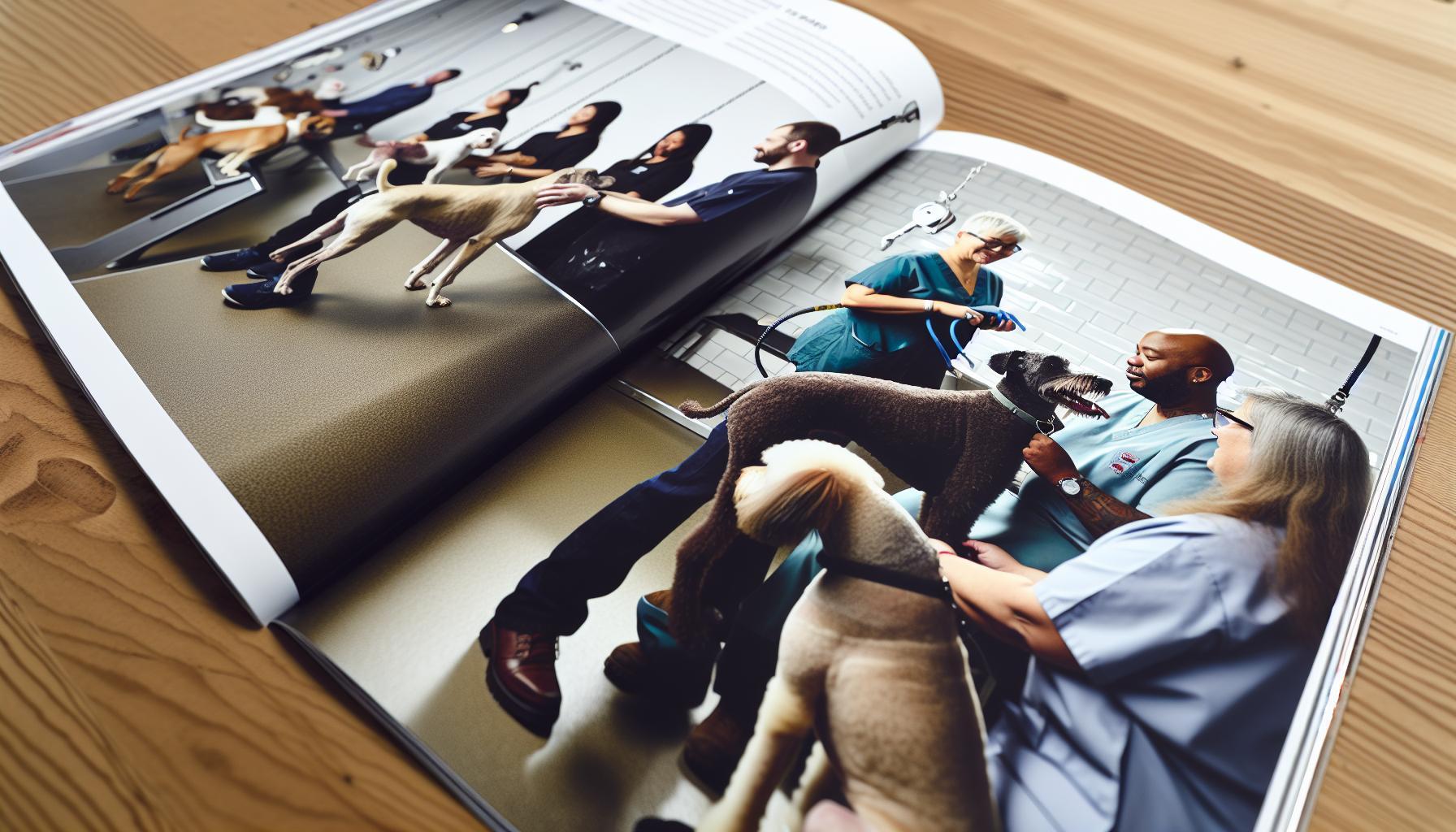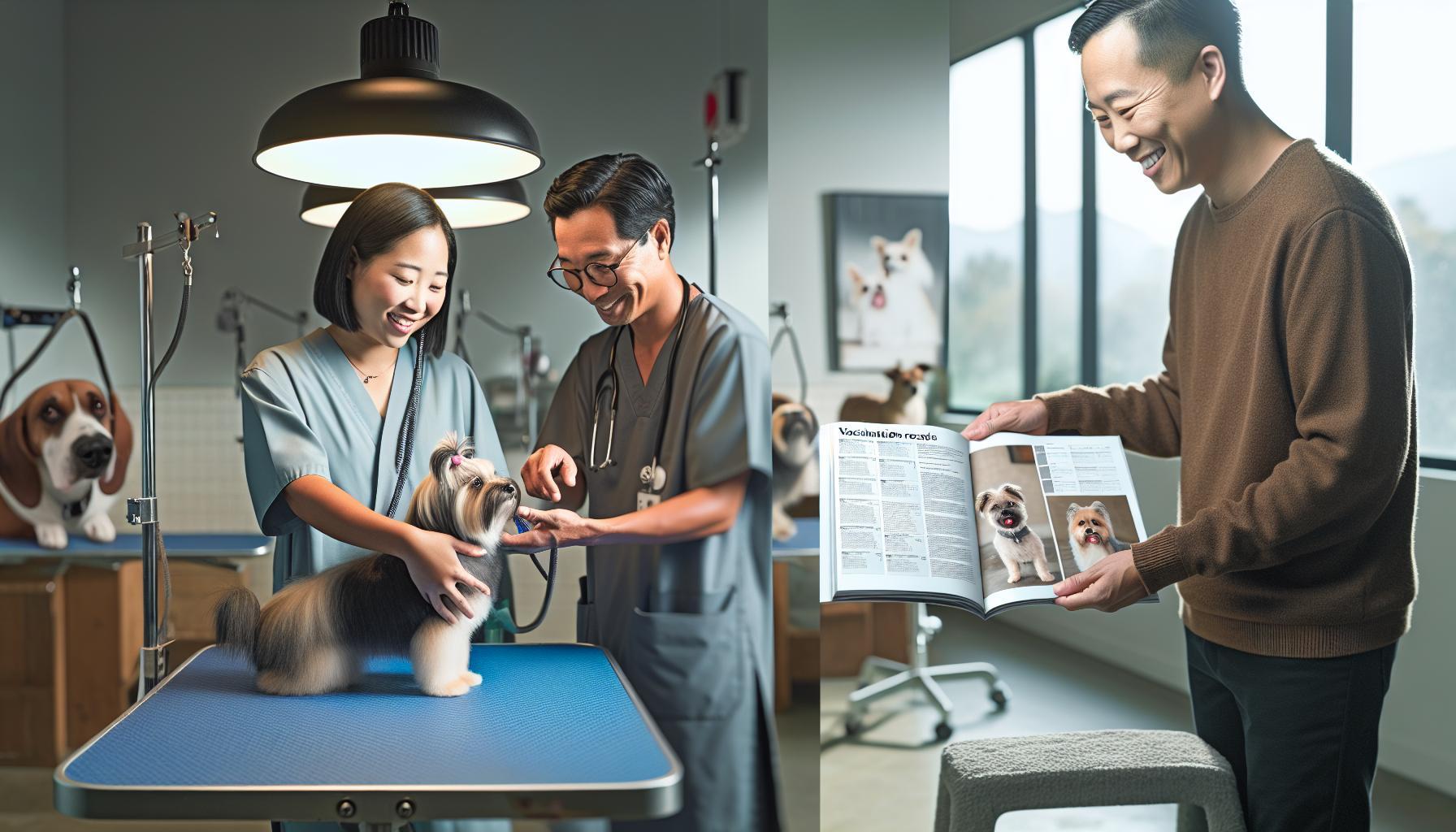
Did you know that many dog groomers require proof of your pet’s vaccinations before scheduling a grooming session? This policy isn’t just paperwork-it’s a crucial step to protect your furry friend, other pets, and the grooming staff from preventable illnesses. Understanding why groomers ask for shot records can ease any worries you might have and help you prepare for a smooth, safe experience. Whether you’re a first-time client or returning for routine care, knowing the vaccination rules empowers you to make confident, informed decisions about your dog’s health and grooming routine. Let’s explore how these policies work,why they matter,and what you need to know to ensure every visit is comfortable,compassionate,and safe for everyone involved.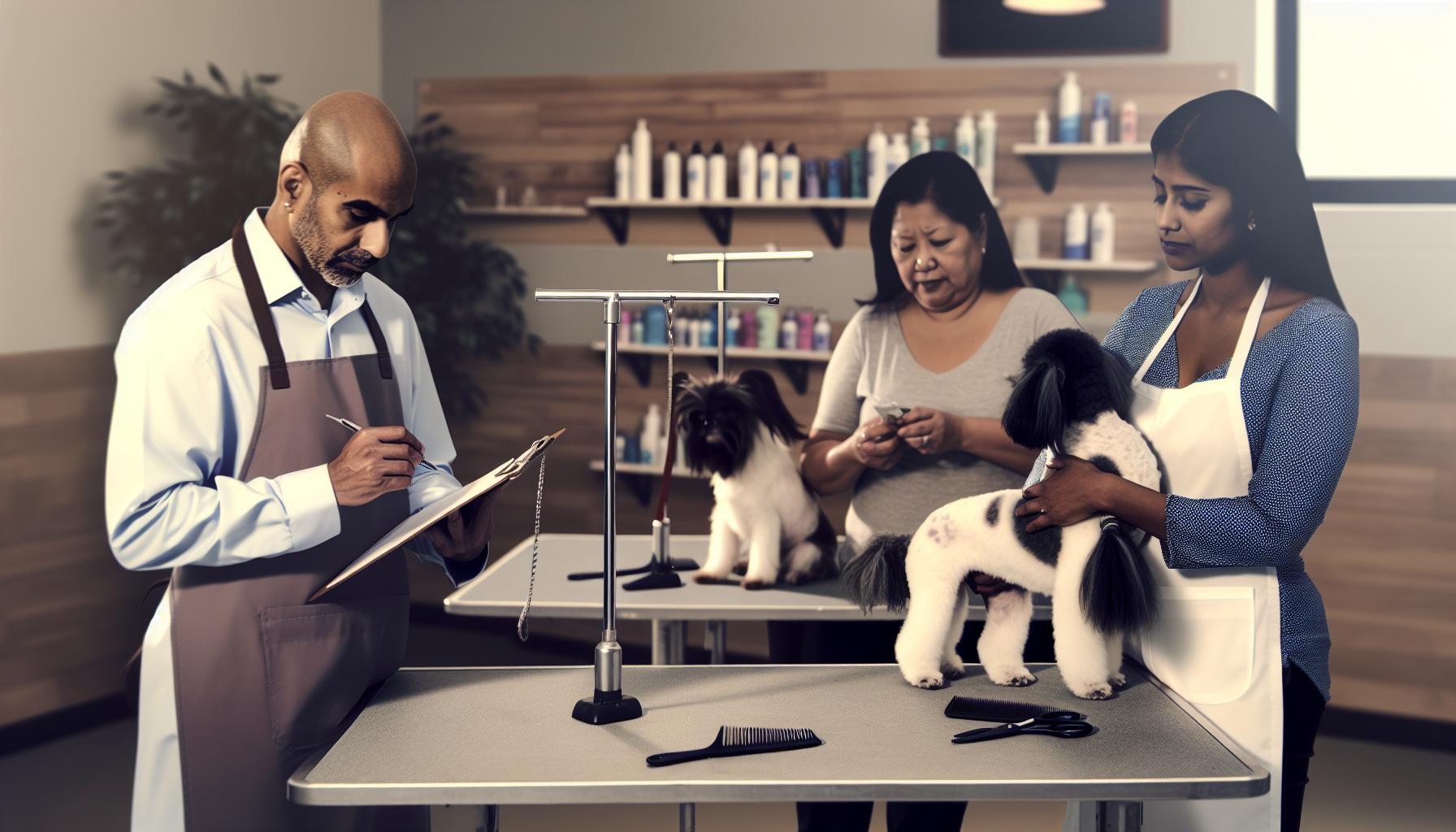
Understanding Why Shot records Matter for Groomers
Table of Contents
- 1 Understanding Why Shot records Matter for Groomers
- 2 Common Vaccinations Required by Dog Grooming Salons
- 3 How Groomers Verify and Manage Vaccination records
- 4 Health Risks of Grooming Unvaccinated Dogs
- 5 Legal and Industry Standards for groomers’ Vaccination Policies
- 6 Balancing Safety and Comfort for Nervous Unvaccinated Dogs
- 7 What Groomers Do When Vaccination Proof Is Missing
- 8 Differences Between Vet, Groomer, and Owner Responsibilities
- 9 Tips for Dog Owners to Prepare vaccination Records Easily
- 10 How Vaccination Policies Protect Your Dog and Others
- 11 Emerging Trends in Groomer Vaccination Requirements
- 12 FAQ
- 12.1 Q: How can I update my dog’s vaccination records before visiting a groomer?
- 12.2 Q: What should I do if I lost my dog’s vaccination records but need grooming services?
- 12.3 Q: Are there specific vaccinations that groomers prioritize over others when requiring shot records?
- 12.4 Q: How do vaccine policies at grooming salons differ based on dog breed or age?
- 12.5 Q: Can I groom my unvaccinated dog at home safely without professional services?
- 12.6 Q: Why do many groomers require proof of bordetella vaccination specifically?
- 12.7 Q: How are grooming businesses legally obligated to enforce vaccination policies?
- 12.8 Q: What should I consider when switching groomers regarding their vaccination policy?
- 13 Concluding Remarks
Vaccination records are more than just paperwork-they’re a cornerstone of safe and caring grooming practices.Every dog who walks into a grooming salon brings their own unique personality, coat type, and health history. Knowing that a dog’s vaccinations are up to date gives groomers peace of mind, allowing them to focus on making the grooming experience comfortable and stress-free rather than worrying about preventable illnesses.
When a groomer reviews shot records before handling a dog, it’s about creating a shield against the spread of contagious diseases such as parvovirus, distemper, and kennel cough. These illnesses can be life-threatening and can spread quickly in environments where multiple dogs gather. For example, a groomer working with a high-shedding breed like a Golden Retriever can’t risk exposing them to infections that could compromise their immune system or cause severe health issues. By verifying vaccinations, groomers protect not only that individual dog but every pet they care for in their facility.
Some owners feel nervous about providing medical documents, but sharing vaccination history helps groomers tailor their care. For instance, knowing if a dog has had a recent vaccine helps avoid unnecessary stress, as some dogs are sensitive soon after shots and need gentler handling. Groomers respect these nuances and use vaccination records as a tool to plan appropriately, ensuring each dog’s well-being comes first.
- Vaccination records reduce risk: Preventing outbreaks of common contagious diseases protects all pets in the salon.
- they guide safe scheduling: Groomers can space out appointments for dogs with recent vaccines or health concerns, reducing stress and complications.
- They enable personalized care: understanding health backgrounds empowers groomers to approach each dog with patience and knowledge, especially nervous or reactive ones.
Ultimately, these records build trust between groomers and dog owners, making the grooming visit a positive and well-informed experience. When communication lines are open,and vaccination proofs are shared,groomers can work confidently,always prioritizing safety alongside the joy of a fresh,comfortable grooming session.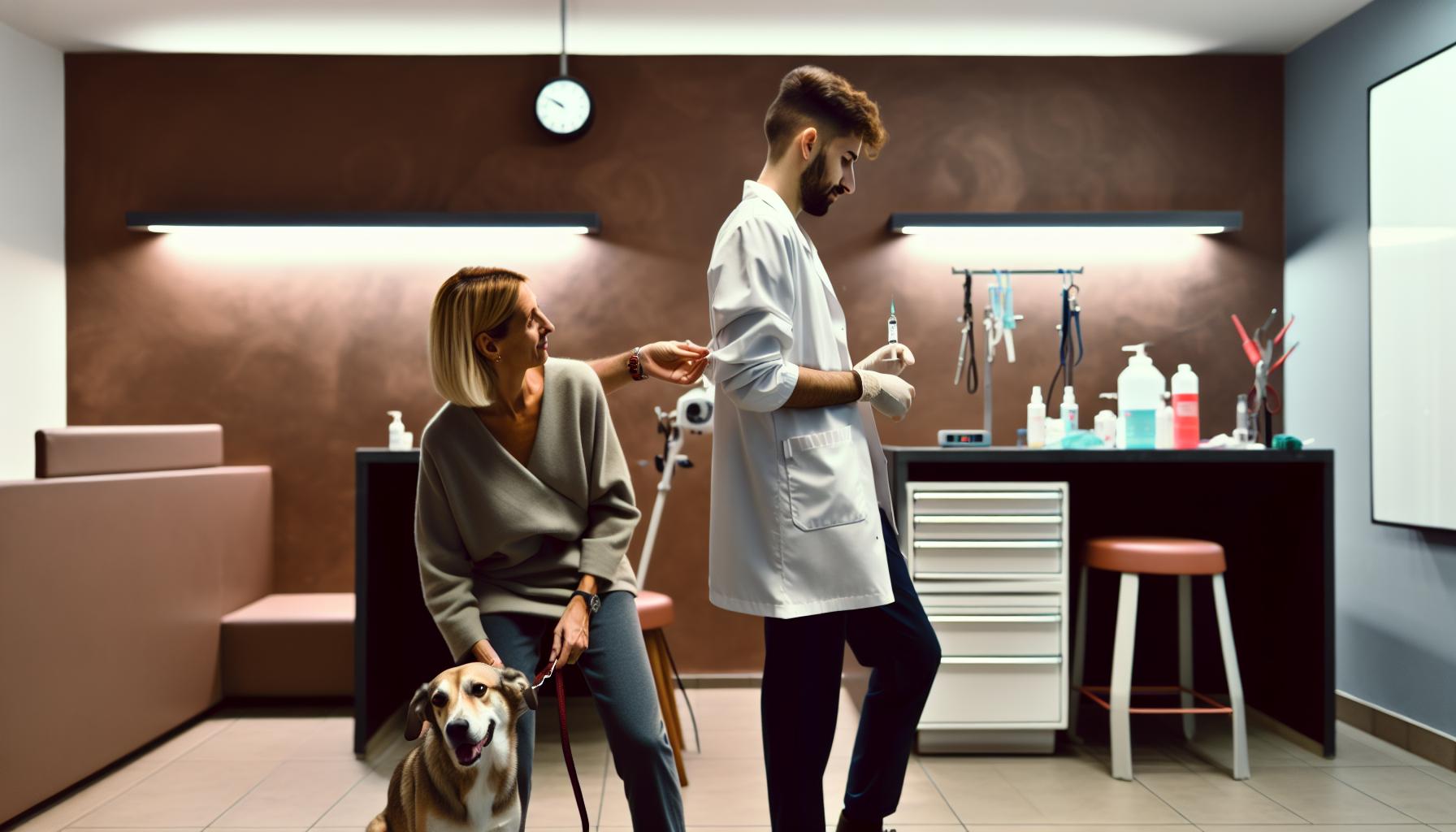
Common Vaccinations Required by Dog Grooming Salons
Vaccinations are a vital part of keeping your dog-and all the dogs they come into contact with-safe during grooming sessions. Many grooming salons require proof of specific vaccinations because of how easily some contagious diseases can spread when dogs share close spaces. Knowing wich shots are essential helps you prepare your pet and smooth the check-in process, especially if your dog is a bit anxious or has special health needs.
most grooming facilities ask for vaccinations that protect against highly contagious illnesses such as canine parvovirus, distemper, and kennel cough (bordetella). These diseases can spread rapidly in environments where dogs are bathed, trimmed, or waiting together. As an example, kennel cough is notorious for spreading through airborne droplets in grooming salons, much like a cold in humans. Ensuring your dog is vaccinated means better peace of mind for everyone-both groomers and pet parents.
Core Shots Usually Required
- Rabies: A legal requirement in many areas and vital for protecting both pets and humans.
- Distemper: This serious viral disease affects the respiratory,gastrointestinal,and nervous systems and is easily prevented through vaccination.
- Parvovirus: Extremely contagious and possibly fatal, parvo can linger in environments, making vaccination crucial for communal spaces.
- Bordetella (Kennel Cough): Often required because grooming facilities are common places where this infection spreads. Some salons might accept a vaccine given by nasal spray or injection.
Beyond the Basics-Additional Vaccines to Consider
Depending on your region and your dog’s lifestyle, groomers might also suggest or require vaccines like Canine Influenza (Dog Flu) or Leptospirosis, especially if your dog regularly socializes in parks or daycare settings. Some breeds with sensitive skin or breathing issues, such as Bulldogs or Shih Tzus, benefit tremendously from preventing respiratory illnesses through these extra protections.
Why These Vaccines Matter in Grooming
Think of a grooming salon like a busy airport-there’s a lot of close contact,shared surfaces,and potential for germs to spread quickly. Vaccinations act like security screenings, keeping your dog safe as they navigate through their grooming experience. Just as groomers would never want to risk a dog developing a serious infection from something easily preventable,they rely on these routine vaccines to reduce health worries and focus on the comfort and care your dog needs during baths,haircuts,and nail trims.
If you’re ever unsure which vaccinations your groomer requires, don’t hesitate to ask. they’re always happy to guide you on what’s needed, easing your worries so you can rest assured your furry friend is in good hands.
| Vaccination | Purpose | Typical Requirement |
|---|---|---|
| Rabies | Prevents fatal virus transmissible to humans and animals | Mandatory in most grooming salons |
| distemper | protects respiratory and nervous systems from viral infection | Commonly required |
| Parvovirus | Prevents severe gastrointestinal illness, highly contagious | Almost always required |
| Bordetella (Kennel Cough) | Reduces risk of respiratory infection spread in close quarters | Usually required, nasal or injectable accepted |
How Groomers Verify and Manage Vaccination records
It might surprise some pet parents how much care and attention go into verifying vaccination records before a grooming appointment-even before scissors or shampoo come out. This step is all about keeping every tail wagging safe and sound. Groomers handle multiple dogs daily, so confirming each pup’s vaccine status helps build a barrier against contagious illnesses spreading in the salon.
Typically, when you book an appointment, groomers will ask for a recent shot record, usually from your veterinarian.These documents frequently enough come as printed certificates or digital files. When you arrive, the groomer or front desk staff reviews this data to ensure all required vaccines are up to date, including rabies, distemper, parvovirus, and bordetella.
How Records Are Reviewed and Stored
- Initial Check: The groomer confirms vaccine dates and types, looking for valid expiration periods-especially for bordetella, which can require doses every six months to a year.
- Verification Tools: Many salons maintain organized digital files or paper folders to track each dog’s records, helping rapid checks for future visits.
- Ongoing Updates: Owners are often encouraged to bring updated records at every appointment to keep files current and accurate.
In certain specific cases, groomers may request direct contact with your veterinary clinic to verify records, especially for new clients or if the paperwork is unclear. This extra step ensures that all health precautions are met without burdening anxious owners with paperwork confusion.
Managing Special Cases
For pups who might be nervous or have unusual health considerations-like allergies that affect vaccine timing-groomers work closely with owners to understand the situation. Sometimes,they allow alternate proofs,such as a vet’s exemption letter or recent titer tests showing immunity.This compassionate approach balances safety with individual needs, emphasizing trust and communication.
By establishing clear and organized vaccination verification processes, groomers create a secure space where every dog can enjoy their grooming experience without unnecessary risks. this attention to detail also reassures owners that their companions are in gentle, informed hands from arrival to tail wag goodbye.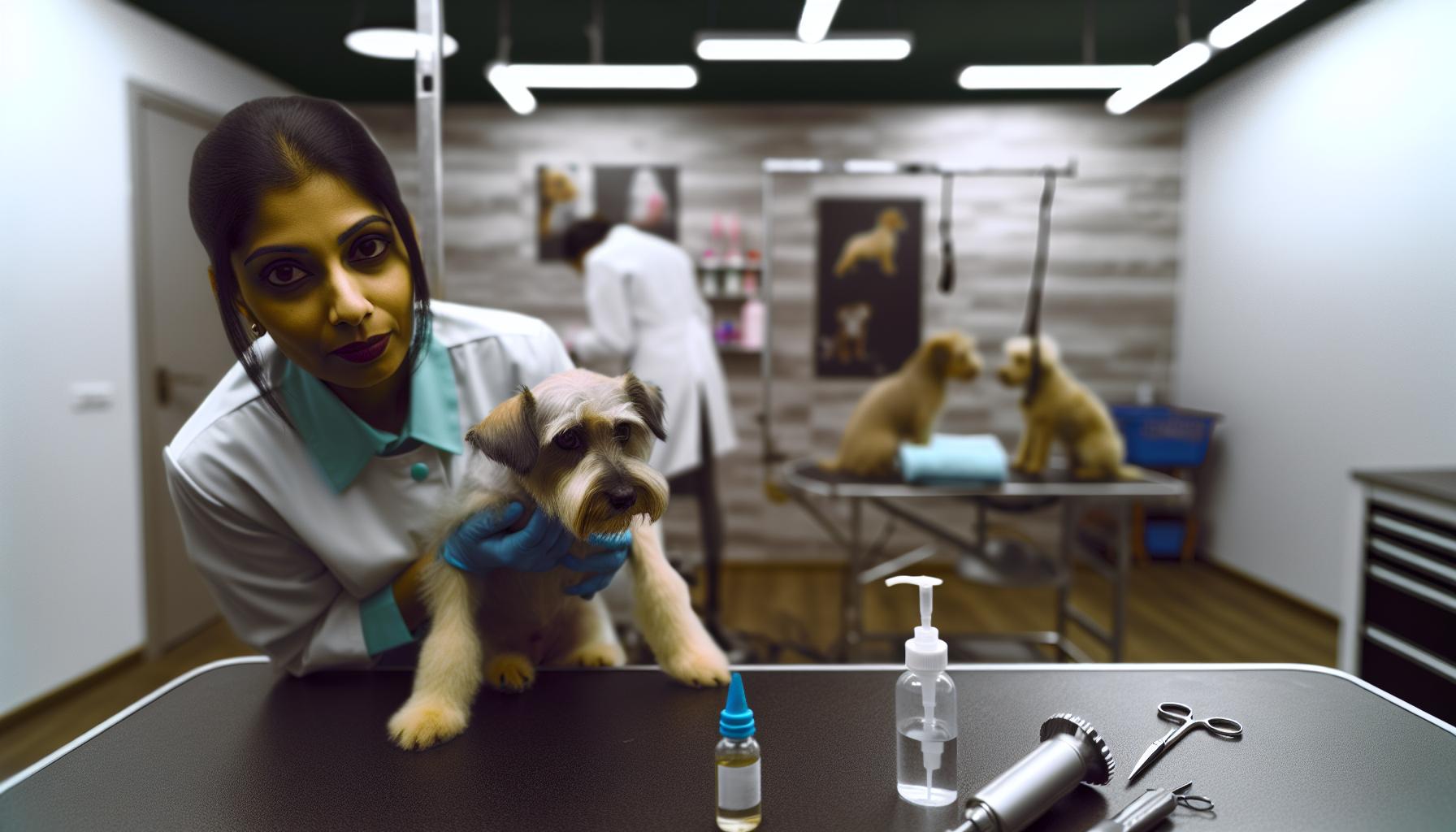
Health Risks of Grooming Unvaccinated Dogs
It’s easier than you might think for contagious diseases to travel quickly in a grooming salon, where dogs share close spaces, grooming tools, and even bath water. When a dog hasn’t received the recommended vaccinations, it puts not only itself at risk but every pup that comes through the door. Some illnesses, like parvovirus or kennel cough, can spread rapidly and be severe-even fatal-in unvaccinated or immunocompromised dogs. This is why vaccination records are so vital; they help protect a community of pets rather than just one individual.
Grooming activities such as bathing, brushing, nail trimming, and ear cleaning can inadvertently expose dogs to bacteria and viruses. Such as,tools like scissors,clippers,and brushes can become vectors if not properly sanitized between each dog-though most salons follow strict hygiene protocols to prevent this. Still, an unvaccinated dog exposed to just one infected animal or contaminated surface might quickly develop symptoms, leading to discomfort, costly vet visits, or forced quarantine.
- Bordetella (kennel cough): This respiratory infection spreads easily in close quarters and causes coughing, sneezing, and nasal discharge. Vaccination substantially reduces severity and transmission risk.
- Parvovirus: A highly contagious and potentially deadly gastrointestinal disease, particularly dangerous in puppies and dogs without immunity.
- Distemper: A severe viral illness affecting the respiratory and nervous systems, preventable through routine vaccination.
- Rabies: A fatal, zoonotic disease that’s strictly controlled through vaccination mandates.
Providing proof of vaccination isn’t about strict gatekeeping; it’s about creating a safe, calm surroundings for every dog’s grooming experience. For example, I’ve seen nervous puppies who are initially unvaccinated but have special vet-approved titer tests proving immunity-allowing them to get grooming without compromising safety. If vaccination records are missing,grooming professionals may recommend delaying non-essential services,or partnering with your vet to find a suitable path forward. This approach protects health while showing flexibility and understanding.
Practical Tips for Owners
- Bring updated vaccine records before each appointment to avoid delays.
- Communicate health concerns or vaccine exemptions early so groomers can plan accordingly.
- Consider grooming in a salon that uses separate, sanitized tools for sensitive or immunocompromised dogs.
By working together, owners, vets, and groomers can minimize these health risks, ensuring every dog enjoys a safe, stress-free grooming visit that supports their long-term wellness.
Legal and Industry Standards for groomers’ Vaccination Policies
Few things are as significant in a grooming salon as keeping the environment safe-not only for the pets but also for the people caring for them. While no universal law dictates vaccination requirements across all states, many grooming businesses follow strict industry standards that frequently enough align closely with veterinary guidelines and local health regulations. This careful balance protects everyone and ensures a smooth grooming experience for your furry friend.
Many professional groomers require up-to-date proof of vaccinations, especially for core vaccines like Rabies, Bordetella (kennel cough), Distemper, and parvovirus. These requirements aren’t just about following rules; they’re about creating a trusted space where dogs of all breeds, sizes, and temperaments can relax with minimal health risks. For example, some salons mandate Bordetella vaccination annually, given how easily kennel cough can spread in close quarters.Others may accept recent titer test results in lieu of boosters-especially for puppies or dogs with special health considerations-showing flexibility without compromising safety.
Understanding Legal vs. Industry Expectations
- Legal mandates: Rabies vaccination is often the only vaccine legally required by most localities due to its zoonotic nature (it can transfer to humans). Groomers must adhere to these laws, and failing to comply can carry legal consequences.
- Industry standards: Beyond legal vaccines, good grooming shops adopt policies informed by veterinary best practices. This includes requiring Bordetella and core vaccines because grooming settings naturally create contact points between animals.
- Record keeping: Responsible groomers maintain organized vaccination records and update them regularly, which protects both the business and customers in the event of a health concern.
In practical terms, when you schedule your dog’s grooming appointment, expect polite but firm requests for documentation.If you don’t have immediate access to records, many groomers are happy to accept a vet’s faxed or emailed confirmation prior to the visit. this approach supports busy pet parents without compromising safety.
examples from the Field
Consider the example of a boutique grooming salon in a busy metro area. They started requiring proof of Bordetella to reduce kennel cough outbreaks. At first, some owners found it inconvenient. Though, after a discussion explaining how vaccination protects nervous dogs from stressful coughing fits, compliance improved, and overall pet health in their care noticeably increased. This showed how clear communication and education go hand-in-hand with enforcing policies.
Another groomer working with senior or immune-sensitive dogs may accept a vet’s clearance or titer testing,accommodating special needs with care and compassion while keeping other pets safe.
- Prepare ahead: Ask your groomer about their vaccination requirements when booking.
- Keep records handy: Maintain a digital copy of your dog’s vaccination history on your phone or cloud storage for quick sharing.
- Communicate health concerns: If your dog has special vaccine exemptions or health issues,notify your groomer early so they can plan accordingly.
- Respect policies as protection: These rules aren’t hurdles; they help ensure the wellness of your dog, others, and grooming staff.
By understanding these gentle but critically important standards, you become an empowered advocate for your dog’s health while helping groomers provide the safest, most compassionate care possible. When groomers, vets, and owners work in harmony around vaccination policies, every pup’s spa day becomes a joyful, worry-free experience.
Balancing Safety and Comfort for Nervous Unvaccinated Dogs
Many dogs arrive at the groomer feeling anxious or uneasy-this is especially true for pups who haven’t yet had full vaccination coverage and may require extra care to feel safe. For these nervous or unvaccinated dogs, creating a calm and reassuring atmosphere is just as important as maintaining strict health safety protocols. Groomers understand that patience and empathy go a long way in easing a dog’s stress while still upholding vaccination requirements designed to protect everyone.
Gently introducing the grooming process can make a big difference.For instance, starting with simple, non-invasive tasks like gentle brushing or short, quiet nail trims helps build trust before moving on to bath time or clipping. Groomers often use treats, soothing voices, and slow movements to comfort dogs that may feel fearful or unsettled. This approach encourages cooperation without rushing, recognizing that every dog’s comfort level varies-especially smaller breeds or thin-coated dogs who may be more sensitive to touch and sound.
Tailored Care Plans for Sensitive Pups
Some groomers collaborate closely with owners and vets to develop individualized plans for unvaccinated or medically delicate dogs. This can include scheduling appointments during quieter hours to minimize exposure to other pets,using hypoallergenic shampoos,and employing calm-handling tools like soft brushes and low-noise clippers. For example, a nervous toy breed with fine hair might benefit from gentle detangling before the bath, avoiding stressful water exposure if the dog shows signs of fear. Communicating openly about the dog’s history and temperament allows groomers to anticipate trouble spots and manage them compassionately.
When Vaccination Proof Is Pending: What Happens?
If a dog’s vaccination records aren’t available yet, many groomers suggest practical interim measures.Some salons offer limited “introductory” grooming sessions, focusing on less risky services like basic brushing or ear cleaning while waiting for official documentation. Others might request a letter from the vet confirming scheduled vaccinations or health status. This flexibility ensures that dogs don’t miss out on essential grooming care while still reducing health risks in a multi-pet environment. it also gives owners peace of mind that their pets remain comfortable and safe.
- Prepare early: Keep digital vaccination records ready to share and notify your groomer of any vaccine exemptions or health concerns upfront.
- Observe your dog’s comfort cues: Watch for signs of stress like trembling,panting,or avoidance behaviors. Communicate these to the groomer so they can adjust handling.
- Ask about pre-grooming at home: Brushing your dog regularly before appointments can reduce coat mats and make professional grooming smoother and less stressful.
- Build routine visits: Frequent, shorter grooming sessions help nervous dogs acclimate and reduce anxiety over time.
At the heart of these strategies is respect for the dog’s wellbeing, ensuring that safety protocols don’t overshadow their mental comfort. Groomers view their role as partners-not just in looks, but in fostering calm, trusting relationships that support the dog’s health physically and emotionally. This balanced approach allows unvaccinated dogs to receive caring grooming tailored to their needs, all while maintaining a safe environment for every pet under their watch.
What Groomers Do When Vaccination Proof Is Missing
It’s quite common for pet parents to find themselves without immediate access to their dog’s vaccination records when booking a grooming appointment. Groomers fully understand how life happens-and the anxieties many owners feel when these important papers are misplaced or still pending.Rather than outright denying service, compassionate groomers often offer flexible, safe options that keep your dog’s comfort and wellbeing at the forefront.
Many salons provide limited or introductory grooming sessions while waiting for vaccine proof. These appointments focus on lower-risk tasks that don’t involve wet baths or close contact with multiple pets-think gentle brushing, basic nail trims, or ear cleaning.For example, a small toy breed with a delicate coat might start with a calm, short-hand brushing session paired with positive reinforcement like treats. This maintains coat health without overwhelming the dog or compromising safety.
Collaborating With Your Vet and Groomer
If vaccination paperwork isn’t immediately available, groomers often ask for a letter from your veterinarian verifying your dog’s health status and vaccination schedule. This helps groomers make an informed decision about which services can be safely offered.It also encourages open dialog between you, the groomer, and your vet-ensuring everyone works together to protect your dog and other pets. In some cases, groomers might schedule appointments during off-peak hours to minimize your dog’s exposure to other animals, which is especially helpful for unvaccinated or medically sensitive dogs.
Practical Tips to Prepare When Records Are Missing
- Have a digital copy ready: Email or app-based records speed up check-ins and ease everyone’s mind.
- Be upfront about exemptions or pending shots: Inform your groomer about any medical or age-related reasons your dog isn’t vaccinated yet.
- Consider pre-grooming at home: Regular brushing before visits reduces mats and tangles, making shorter salon sessions stress-free.
- Focus on gradual acclimation: Frequent short visits can build your dog’s trust and tolerance, especially when full grooming is delayed.
In cases where vaccine proof can’t be provided at all, some groomers may need to decline full grooming services-not out of judgment, but a duty to protect all pets and staff. However, this typically doesn’t mean your dog is left without support. Many will recommend simple home grooming techniques or direct you to veterinary clinics where vaccinations can be updated before scheduling a full grooming session.
Remember, your groomer isn’t just focused on perfect looks; they’re your partner in keeping your dog happy, healthy, and safe. Their approach balances strict hygiene standards with empathy for the unique challenges faced by unvaccinated or newly rescued dogs. So, when vaccination records are missing, you can feel confident that careful steps will be taken to provide care that respects your dog’s individual needs and protects the whole grooming community.
Differences Between Vet, Groomer, and Owner Responsibilities
One of the most critically important partnerships in your dog’s care involves you, your veterinarian, and your groomer. While all three play distinct roles,understanding their individual responsibilities helps ensure your pet stays healthy,happy,and safe-especially when it comes to vaccinations and grooming.
Veterinarians are the medical experts who handle your dog’s overall health, including administering vaccines and diagnosing any illnesses or skin conditions. they maintain your dog’s medical records, including vaccination history-which groomers require to make informed decisions about the safety of grooming services. For example, your vet ensures that your dog is up to date on core vaccines like rabies, distemper, and bordetella, which are vital to protect against contagious diseases. If a groomer requests vaccination proof but you don’t have it on hand, your vet’s office can often provide a letter verifying your dog’s health status, helping to bridge the gap temporarily.
Groomers, on the other hand, focus on your dog’s external care-bathing, brushing, nail trimming, ear cleaning, and styling. While they aren’t medical professionals and don’t administer vaccines or diagnose health issues, they have a critical role in recognizing signs of infection or discomfort during grooming sessions. This makes them frontline observers of your dog’s wellbeing beyond appearance. Groomers rely heavily on vaccination records to determine which services are safe to offer,since grooming often involves close contact with other animals in shared spaces. As a notable example, full-service grooming with baths and blow-drying carries higher exposure risk than simple nail trims or brush-outs. Understanding these boundaries helps protect your dog and other pets from preventable illnesses.
As a pet owner, your responsibility lies in keeping your dog’s vaccination records current and accessible, ensuring clear communication with both your vet and groomer.Bringing a digital or printed copy of these records to each grooming appointment saves time and eases everyone’s mind. Owners also play a key part in preparing their dog ahead of grooming-through regular home brushing, checking ears for debris, or trimming nails between professional visits-to keep the grooming experience smooth and stress-free. If your dog is nervous or unvaccinated due to age or health exemptions, sharing this openly with your groomer allows them to tailor sessions for comfort and safety, like offering quieter appointment times and shorter grooming tasks.
How responsibilities Intersect in Practice
- Vet: provides vaccines, maintains medical history, and offers health clearances.
- Groomer: Offers hygiene and appearance care, assesses skin and coat health during sessions, and enforces vaccination policies.
- Owner: Maintains vaccination schedules, supplies accurate records, prepares the pet, and communicates special needs.
This teamwork ensures your dog’s wellbeing extends beyond just looking their best to genuinely staying healthy. By respecting each other’s roles,you,your vet,and your groomer create a supportive network that prioritizes safety and kindness-comforting even the most anxious pets and relieving owners’ worries along the way.
Tips for Dog Owners to Prepare vaccination Records Easily
Keeping your dog’s vaccination records handy doesn’t have to be a stressful chore-it’s easier than you might think with a little readiness and organization. having these records ready not only speeds up check-ins at the groomer’s but also reassures you and your pet that everyone involved is prioritizing health and safety. Many pet parents find that a simple system tailored to their lifestyle works best, whether digital or physical.
Organize Digitally for Quick Access
Most vets now provide vaccination summaries via email or online portals, which can be stored securely on your phone or computer.Consider creating a dedicated folder or app for all pet health documents. Apps like PetDesk or Vetster offer handy reminders of upcoming vaccines or appointments, and you can easily share updated records with your groomer via text or email. For example, if your dog is due for a bordetella booster-a common requirement at groomers-having the exact date and proof ready prevents last-minute confusion.
Keep a Physical Folder or Binder
If you prefer paper copies, a sturdy folder or small binder works wonders. Inside, keep all vaccination certificates, vet visit summaries, and any letters from your vet confirming your dog’s health status.Label sections clearly-for instance, “Core Vaccines,” “Bordetella,” and “Exemptions or Special Notes.” This way, if you get a last-minute grooming appointment, you can grab the folder and go.Some owners even choose to laminate frequently requested documents to protect them from water or wear, especially useful when juggling active pups.
Communicate Openly With Your Veterinarian and Groomer
Don’t hesitate to ask your vet for a clear, comprehensive vaccination record tailored for your groomer’s needs. They often can provide a simple letter or printout listing necessary vaccines along with management dates.Likewise, when booking a grooming session, inform the groomer if your dog’s vaccination schedule is in progress or if you have any special concerns. Many groomers appreciate this transparency and will work with you to find solutions, like shorter sessions or safer appointment slots for younger or nervous dogs.
- Pro tip: Before your first grooming appointment, email a digital copy of your dog’s vaccination records to the salon. This preemptive step can make the day less stressful for everyone.
- Tip for new dog owners: If you recently adopted your dog and records are missing, ask the shelter or rescue for copies or health summaries-they often have these on file.
- Keep a vaccination calendar: Mark due dates to stay ahead, avoiding scheduling conflicts or gaps that can delay grooming appointments.
By developing a straightforward system, you make life easier not just for yourself but also for your vet and groomer, who both rely on your cooperation to keep your dog safe and happy. these small steps build a foundation of trust-and that calm confidence shines through, comfortingly, on your dog’s grooming day.
How Vaccination Policies Protect Your Dog and Others
Many pet owners don’t realize that vaccination policies at groomers play a vital role well beyond just routine paperwork-they are a frontline defense for your dog’s health and the well-being of every furry guest in the salon. When dogs come together in close quarters, the risk of contagious illnesses spreading quickly is very real. Vaccinations, such as those against parvovirus, distemper, or kennel cough (bordetella), help create a protective barrier that keeps outbreaks at bay and ensures a calm, healthy environment for all.
Why Vaccination Policies Matter for Everyone’s Safety
Imagine a busy groomer working with several dogs of different ages, breeds, and health backgrounds. Without vaccination proof, the risk isn’t just about one dog falling ill-it could mean exposing others, especially puppies or senior dogs, who have weaker immune systems or delayed vaccine schedules. policies requiring up-to-date vaccine records help us identify potential health risks early and schedule your pet safely. In fact, many groomers have safety protocols that separate unvaccinated or high-risk dogs from others, minimizing stress and illness spread.
Creating a Safer Salon Environment
Enforcing vaccination requirements isn’t about excluding pups; it’s about community health. When everyone honors these policies, salon staff can focus on gentle grooming tools and comfy handling techniques rather of scrambling to control preventable infections.Such as,before starting a grooming appointment,we verify vaccination records and ask how recently your dog was vaccinated. This simple step can save a lot of worry-if a dog shows any sign of illness, we may reschedule to prevent risking other pets. Clear communication from owners before appointments can also help us prepare-for instance, providing a digital copy of vaccination records ahead of time smooths the check-in process and helps us tailor care.
Vaccination Policies Build Trust and confidence
A well-maintained vaccination record isn’t just paperwork-it’s a shared commitment to your dog’s comfort and safety.When you know your dog is protected and groomers are following health-first guidelines, it naturally calms nerves-for you and your pet alike. Grooming sessions are more relaxed when the whole environment feels safe and secure, letting your dog benefit from a positive, enjoyable experience rather than an anxious one.
- Keep your vaccination records accessible: Whether stored on your phone or in a neatly organized binder, having these ready helps groomers quickly confirm your dog’s eligibility.
- Discuss concerns openly: If your dog has special health needs or vaccination exemptions, sharing this information lets groomers adapt and provide extra care tailored to your dog’s needs.
- Stay consistent: Maintaining your dog’s vaccination schedule is one of the simplest gifts you can give to their health and grooming comfort.
when vaccination policies are followed thoughtfully, they protect your dog, every other animal in the salon, and the dedicated groomers who care for them. It’s a gentle reminder that keeping your pup healthy is a community effort-and one that’s absolutely worth it for the wagging tails and happy,shiny coats that follow.
Emerging Trends in Groomer Vaccination Requirements
Vaccination requirements for groomers are evolving with a growing emphasis on overall pet wellness and community health.As more pet parents are informed and proactive about their dogs’ health, groomers are responding by updating their policies to reflect not only mandatory vaccinations but also wellness screenings and flexible approaches that address each dog’s unique needs. This shift demonstrates how grooming salons are becoming hubs for preventative care, not just aesthetic upkeep.One notable trend is the inclusion of digital vaccination tracking systems.Many groomers now encourage or require clients to submit vaccination records electronically before appointments. This smooths check-in, reduces paperwork, and helps groomers maintain accurate, up-to-date records without hassle. For nervous owners juggling busy schedules, a quick scan or upload of vaccination proof means less waiting and more time focused on your dog’s comfort and grooming needs.
Another emerging standard is the integration of health assessments beyond vaccines. Groomers are asking about recent vet visits, behavioral changes, or signs of illness right before grooming starts.This proactive approach helps catch potential issues early and encourages pet owners to keep close communication between their vet and groomer.For example, a dog recovering from an ear infection might get extra gentle ear cleaning or a skip on certain treatments, tailored to their current health status.
- flexible Policies for Special Cases: Some groomers now offer alternative services for unvaccinated or newly adopted puppies, like private appointments or off-peak hours, ensuring every dog can get cared for without compromising others’ safety.
- Enhanced Staff Training: Grooming professionals are increasingly trained not only in styling but also in recognizing signs of contagious illnesses and handling vaccination records responsibly.
By blending thorough vaccination verification with compassionate, personalized care, groomers create safer environments that respect both animal welfare and owner concerns. If you’re ever uncertain about vaccination requirements or how they apply to your pet’s specific situation,don’t hesitate to ask your groomer. They genuinely want to partner with you to keep your dog happy, healthy, and looking their best-as every wagging tail deserves the best care possible.
FAQ
Q: How can I update my dog’s vaccination records before visiting a groomer?
A: To update your dog’s vaccination records before grooming, schedule a vet visit for any overdue shots and request an official vaccination certificate. Keep digital and printed copies handy to share with groomers. This preparation helps smooth booking and ensures safety, as outlined in our section on *Tips for Dog Owners to Prepare Vaccination Records Easily.*
Q: What should I do if I lost my dog’s vaccination records but need grooming services?
A: If vaccination records are lost, contact your vet’s office for duplicates or proof of vaccinations. Communicate honestly with your groomer-they may allow grooming with a signed vet waiver or schedule after a quick vet visit. See *what Groomers Do When Vaccination proof Is Missing* for practical steps to avoid appointment delays.
Q: Are there specific vaccinations that groomers prioritize over others when requiring shot records?
A: Yes, groomers prioritize core vaccines like rabies, distemper, and parvovirus because they protect against contagious diseases in close-contact settings. Additionally, bordetella (kennel cough) is frequently enough required due to airborne exposure risks. Check the *Common Vaccinations Required by Dog Grooming Salons* to confirm specific requirements for your dog’s breed and environment.
Q: How do vaccine policies at grooming salons differ based on dog breed or age?
A: Vaccine policies may vary; puppies and older dogs sometimes need tailored vaccination schedules before grooming. Certain breeds with sensitive health may warrant additional precautions. Groomers typically follow vet guidelines and legal standards on this. Learn more in the *Differences Between Vet, Groomer, and Owner Responsibilities* section for breed- and age-related policies.
Q: Can I groom my unvaccinated dog at home safely without professional services?
A: Yes, grooming your unvaccinated dog at home is a safe alternative when vaccination records aren’t current. Use gentle tools, maintain cleanliness, and avoid stress triggers. This approach prioritizes your pet’s comfort and health while minimizing infection risks, as highlighted in *balancing Safety and Comfort for Nervous Unvaccinated Dogs.*
Q: Why do many groomers require proof of bordetella vaccination specifically?
A: Groomers require bordetella vaccines as kennel cough easily spreads in enclosed grooming spaces. Proof helps prevent outbreaks and protects all pets present. Ensuring bordetella vaccination aligns with *How Vaccination Policies Protect Your Dog and Others* to maintain a safe environment.
Q: How are grooming businesses legally obligated to enforce vaccination policies?
A: Grooming businesses must follow local health regulations and industry standards requiring certain vaccinations to reduce zoonotic and canine disease risks.Legal enforcement varies by region but prioritizes public and pet safety, detailed in *Legal and Industry Standards for Groomers’ Vaccination Policies.* Staying informed helps you comply smoothly.
Q: What should I consider when switching groomers regarding their vaccination policy?
A: When changing groomers, review their vaccination requirements upfront to avoid surprises. Ensure your dog’s vaccination records meet their standards and ask if they accept electronic proofs. This due diligence lets you prepare in advance and ensures a seamless transition, tying into *How Groomers Verify and Manage Vaccination Records.*
—
*explore our full article to better understand vaccination requirements and keep your dog happy and safe during grooming.*
Concluding Remarks
Understanding vaccination policies and the importance of providing shot records to dog groomers helps ensure your pet’s health and safety during every grooming session. By sharing updated vaccination information, you create a trusted environment that protects your dog, the groomer, and other pets. If you’re unsure what paperwork to prepare or how to keep your pup’s health documents organized, exploring our guides on Essential Dog Grooming Supplies and How to Choose a Professional Groomer can give you clear, practical steps.
Don’t wait untill your pet’s next appointment-check your dog’s vaccination status today and streamline the process with your groomer.For more on keeping your dog happy and healthy between visits, visit our Pet Care Tips section. ready to dive deeper? Sign up for our newsletter for expert advice, grooming checklists, and updates that make dog care simple and stress-free. Your furry friend deserves the best, and so do you-let’s keep them safe, clean, and comfortable together.Have questions or personal experiences? Share them below; we’d love to hear from you!