Do Dog Groomers Need a License: State Requirements Explained
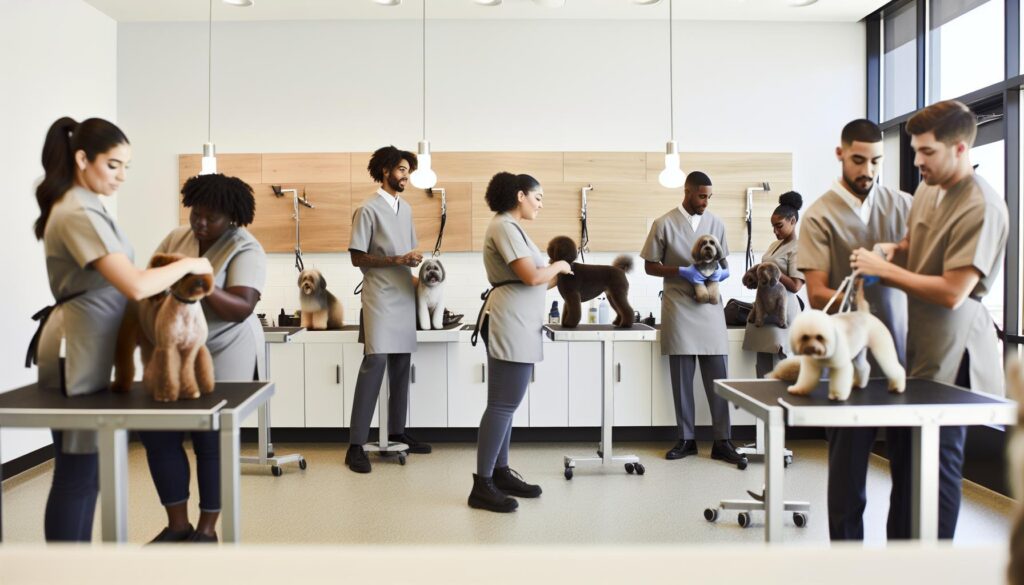
Did you know that the rules about whether dog groomers need a license can vary widely depending on where you live? Understanding these state requirements is key for anyone passionate about grooming-whether you’re a professional wanting to ensure you meet legal standards, or a pet owner trying to find a safe, qualified groomer for your furry freind. Grooming goes beyond making pups look good; it’s about their comfort and health, which means working within legal guidelines helps protect them and gives you peace of mind. In this article, we’ll break down what licensing means, which states require it, and why these rules exist-not just for paperwork, but to keep every groomer focused on patience, safety, and genuine care. If you want to confidently choose or become a groomer who puts pets first,keep reading to unravel the basics of licensing and how it impacts the well-being of dogs everywhere.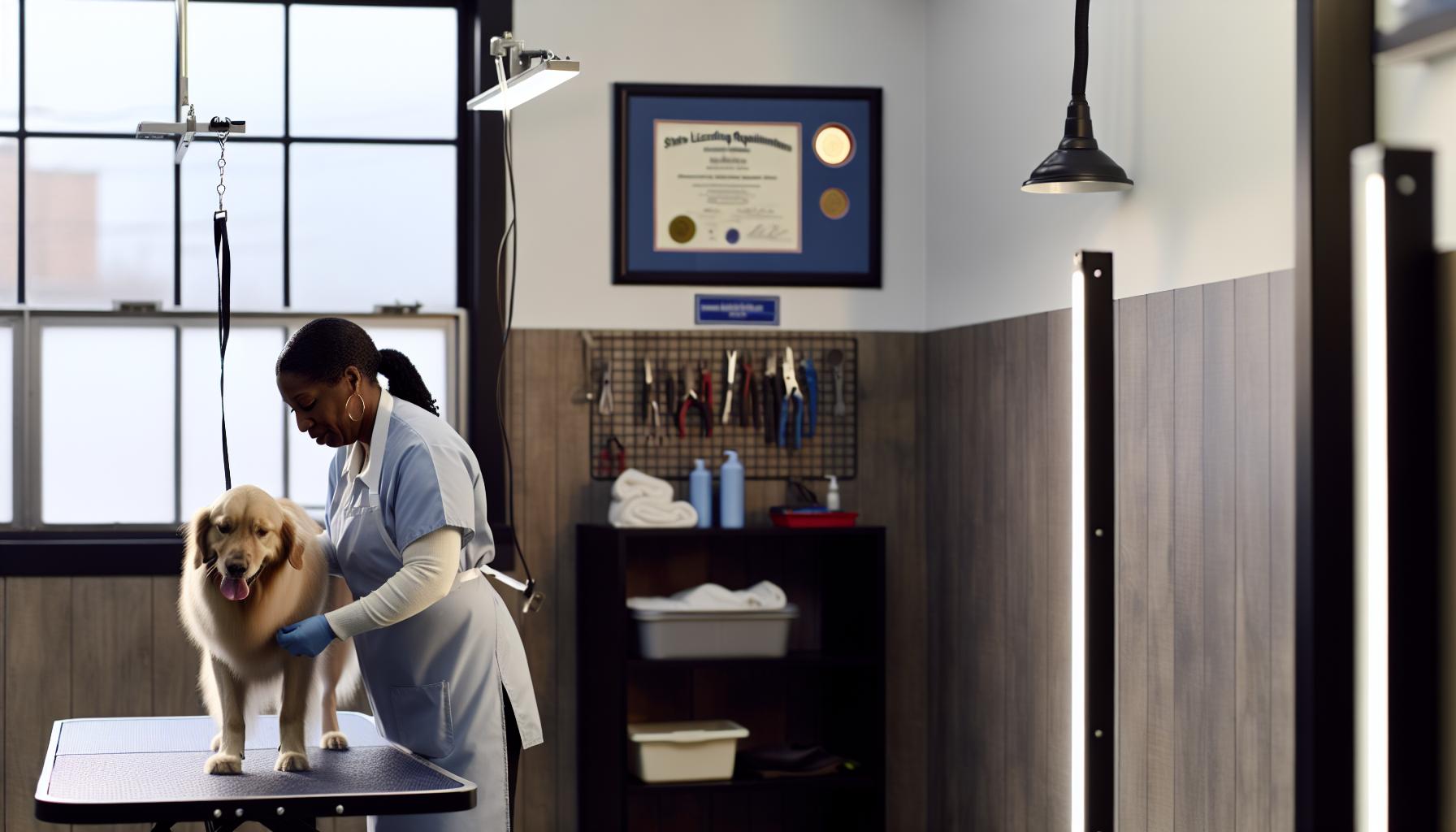
State Licensing Requirements for Dog Groomers Explained
Table of Contents
- 1 State Licensing Requirements for Dog Groomers Explained
- 2 Why Some States Require Dog Grooming Licenses
- 3 How to Check Your State’s Grooming License Rules
- 4 Steps to Get a Dog Grooming License If Needed
- 5 What Skills and Training Are Required for Licensing
- 6 Differences Between Licensed Groomers and DIY Grooming
- 7 Health and Safety Regulations Every Groomer Must Know
- 8 How Licensing Protects Dogs and their Owners
- 9 Alternatives When Licensing Isn’t required in your State
- 10 Common Challenges Groomers Face During Licensing
- 11 Tips for Maintaining Your Dog Grooming License
- 12 Impact of Licensing on Your Grooming Business Success
- 13 FAQ
- 13.1 Q: Can dog grooming licenses be transferred between states?
- 13.2 Q: What insurance is recommended for licensed dog groomers?
- 13.3 Q: How frequently enough do dog grooming licenses need to be renewed?
- 13.4 Q: Are there exemptions to dog grooming license requirements for mobile groomers?
- 13.5 Q: What common mistakes cause delays in dog grooming license approval?
- 13.6 Q: how do licensing requirements effect dog grooming pricing?
- 13.7 Q: Can unlicensed dog groomers legally offer services in states without license laws?
- 13.8 Q: What additional certifications can definitely help dog groomers stand out beyond state licensing?
- 14 Key Takeaways
Licensing requirements for dog groomers vary widely across the United States, reflecting how differently states approach animal care and business regulation. While some states have robust rules mandating licenses or certifications, others leave grooming largely unregulated, focusing instead on general business permits. Understanding these requirements upfront is key to providing safe, compassionate care and running your grooming business smoothly-especially as working with anxious pets demands both skill and legal compliance.
Many states require a formal license to ensure groomers have completed training in animal anatomy, behaviour, and safe grooming techniques. These licenses often aim to protect pets from harm, such as skin injuries or stress caused by improper handling, and to guarantee that groomers understand sanitation and health basics. For example, knowing the difference between a pug’s sensitive wrinkles and a poodle’s curly coat isn’t just about style-it’s essential for effective grooming without causing discomfort or injury. In states with licensing,you might need to pass a proficiency exam,complete a training program,or log supervised grooming hours. Even if you’re an experienced groomer, staying current with these requirements helps maintain trust with pet owners who rely on your expertise.
How Licensing Helps You and your Clients
- Confirms your knowledge: Licensing programs often highlight key skills like nail trimming without splitting, ear cleaning without irritation, and recognizing signs of illness.
- Protects pets’ welfare: Groomers learn to watch for stress signals and proper restraint techniques, reducing anxiety and injury risks.
- Builds client confidence: licensed groomers stand out as responsible professionals, reassuring nervous owners that their pets will be treated gently.
If your state does not require a license, it’s still vital to pursue training and certification voluntarily-it reinforces your skills and provides a professional edge. Check with your state’s veterinary board or licensing authority for current rules, as these can change or have nuances depending on whether you groom in a salon, mobile setup, or at home. Remember, licensing is just one part of creating a safe, nurturing space for pets where their comfort comes first, and owners feel confident leaving their beloved dogs in your hands.
Why Some States Require Dog Grooming Licenses
Every dog has unique grooming needs that go far beyond just looking neat. Recognizing this, some states require dog groomers to hold licenses to ensure that caring for our furry friends is done with both skill and compassion. Grooming is more than brushing fur or clipping nails-it’s a delicate dance involving understanding different breeds’ coats, recognizing signs of stress, and handling pets safely throughout the entire process. Licenses help guarantee groomers are equipped with this essential knowledge, preventing common pitfalls like skin irritation, accidental cuts, or causing unnecessary anxiety.
Many breeds have specific sensitivities or grooming challenges. take a Shar-Pei’s wrinkles, as an example-they need gentle cleaning and drying to prevent infections, while a Labrador’s dense double coat demands thorough brushing to avoid matting. Without proper training, even seemingly simple tasks like nail trimming can lead to broken nails or discomfort. State-mandated licensing frequently enough requires groomers to prove their competence in these areas through education and hands-on testing. This isn’t about perfection in style but ensuring every pawbath, ear cleaning, or haircut prioritizes health and comfort.
Protecting Pets Through Knowledge and Care
- Preventing Harm: Licensing ensures groomers know how to handle animals gently and recognize signs of illness or distress early,sparing pets from injury or stress-related behavior.
- Maintaining Hygiene: Proper sanitation practices learned through licensing reduce risks of spreading skin infections or parasites between animals.
- Enhancing Credibility: Pet parents feel reassured knowing their dogs are in capable hands, increasing trust in your services and building long-term relationships.
In states requiring licenses, this careful approach builds a foundation of safety and confidence-both for groomers and for the families entrusting their beloved companions. Licensing also balances responsibilities between what vets shoudl handle versus what groomers specialize in, supporting a healthy, happy dog community where everybody knows their role and respects the animal’s wellbeing first.
With this peace of mind in place, groomers can focus on what they love most-turning grooming into a positive, nurturing experience for every dog that walks through their doors.
How to Check Your State’s Grooming License Rules
Checking whether your state requires a dog grooming license is a crucial step that can save you time, frustration, and ensure you’re providing the best care for your furry clients. Many people assume licensing rules are the same everywhere, but in reality, they vary widely-some states have strict requirements, while others might not regulate grooming at all. Starting with the right information helps you feel confident that you’re working within the law and focusing on pet safety.
A straightforward first step is to visit your state’s official government website or the department responsible for professional licensing, often the department of Agriculture, Veterinary board, or a specific Cosmetology and Barbering Board (since grooming licenses sometimes fall under these categories). These sites usually have detailed sections outlining whether a dog grooming license is required, what steps to follow, and how to apply. If the information seems unclear or hard to find, calling the agency directly often yields quick answers-and lets you ask about any exceptions, such as mobile grooming or working from home.
- Use specific keywords: When searching online,try terms like “dog grooming license [your State]” or “pet grooming regulations in [Your State]” to narrow down relevant pages quickly.
- check local versus state laws: sometimes cities or counties have their own rules on top of state requirements.Make a note to inquire locally if your area might have extra steps.
- Look for professional guilds or associations: State grooming associations or national bodies like the National Dog Groomers Association of America (NDGAA) frequently enough have resources about licensing and legal requirements tailored by region.
Beyond just finding if a license is required, you’ll want to understand the scope: what education, exams, or experience you need to prove. For example, some states require workshops and hands-on practice focused on animal handling and hygiene, while others emphasize written testing on health and safety knowledge. Knowing this upfront allows you to plan your next steps with less guesswork and more certainty, especially if you care deeply about both the well-being and comfort of the dogs you groom.
Remember, even if your state doesn’t require a mandatory grooming license, pursuing voluntary certification or training can elevate your skills and reassure nervous pet owners you serve. It also sets you apart in a world where compassionate, informed grooming is key-not just the perfect haircut. Together, this knowledge empowers you to protect pets and support their families with calm confidence and kindness.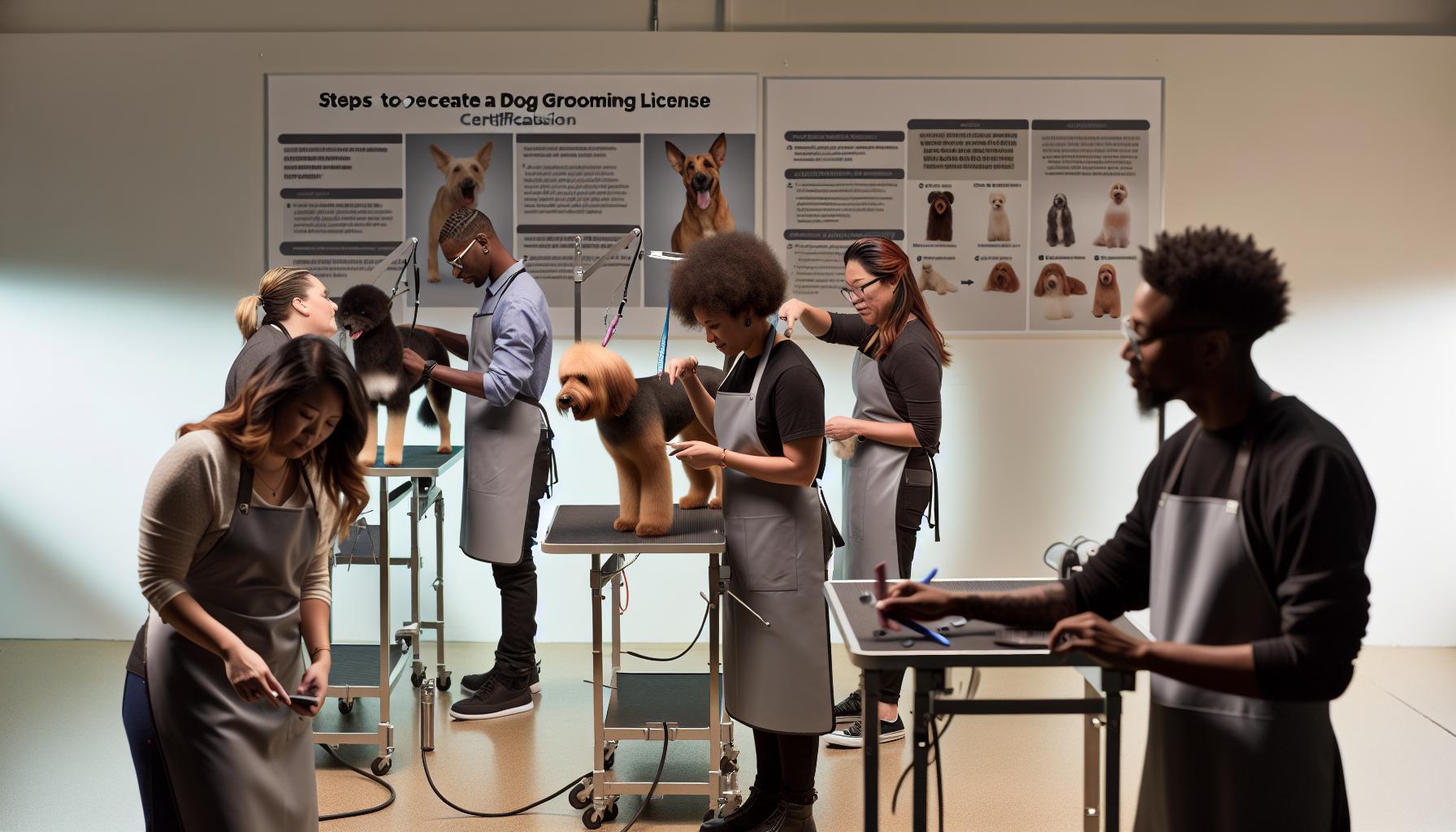
Steps to Get a Dog Grooming License If Needed
Getting your dog grooming license can feel like a big step, but with a clear plan and a patient approach, it’s absolutely manageable-and well worth the effort. Licensing isn’t just a formality; it’s a way to ensure you’re equipped with the right skills and knowledge to keep every pup safe, calm, and pleasant. Think of it as learning to truly understand each dog’s unique coat, skin needs, and personality while meeting health standards that protect their well-being.
Start by gathering detailed information from your state’s regulatory board-this might be the Department of Agriculture, Veterinary Board, or even the Cosmetology and barbering Board. Knowing exactly what documents, education, and testing are required will help you assemble your game plan without surprises. Some states expect you to complete a specific number of training hours, often including hands-on grooming experience focused on proper bathing techniques, gentle handling, nail trimming without causing discomfort, and ear cleaning to avoid infections.
Clear Steps to follow
- Complete Required Training: enroll in a reputable grooming course or apprenticeship that covers both theory and practice. Look for programs emphasizing compassionate handling, recognizing signs of anxiety or distress, and breed-specific coat care. Such as, understanding how to groom a curly-coated Poodle versus a double-coated Husky is essential.
- Pass Necessary Exams: Many states require passing a written or practical exam that tests your knowledge of animal health, safety protocols, and grooming techniques. Studying topics like skin conditions, parasite identification, and safe tool use can make the difference between a pass or fail.
- Submit Your Request: After completing training and exams, fill out the license application with your state agency. Include proof of education, exam results, and often a background check. Keep copies of all correspondence and confirmations.
- Maintain Continued Learning: Licenses may require renewal through continuing education to stay current with new grooming methods, safety regulations, and animal welfare guidelines.
Real-World Tips
For example, if you are preparing for a practical exam that involves bathing a nervous Chihuahua, remember to use warm water, speak soothingly, and avoid sudden movements.Such small touches can really highlight your understanding of animal comfort. Also, remember the boundaries between grooming and veterinary care-if you notice signs of illness or injury during grooming, gently advise the owner to seek a vet.
By following these steps patiently and with kindness, you’ll not only meet your state’s requirements but build trust with each pet owner who entrusts you with their furry family member. It’s about more than a license; it’s about being a gentle expert who prioritizes safety and wellness in every snip and brushstroke.
What Skills and Training Are Required for Licensing
Many aspiring groomers don’t realize that skilled hands and a gentle heart are just the beginning of what licensing boards expect.Beyond basic handling, training focuses deeply on understanding each dog’s coat type, temperament, and health signals, ensuring every groom is a positive, stress-free experience. Such as, grooming a sensitive Maltese with silky, fine hair demands a different approach than working with a thick-coated Akita or a wiry Terrier. The right skills help you tailor your methods so every pup feels safe and cared for-not just cosmetically polished.
Core Skills You’ll Learn
- Bathing and Drying: knowing the correct water temperature, shampoo types (hypoallergenic or medicated), and drying techniques minimizes stress. Sensitive breeds often prefer air drying or quiet blow dryers on cool settings.
- Brushing and Coat Maintenance: mastering brush and comb choices depending on coat type prevents matting and skin irritation. Such as, pin brushes are great for long-haired breeds, while slicker brushes work well for dense undercoats.
- Nail Trimming: correct trimming helps avoid pain or infection. Learning to identify the quick (the vein inside the nail) is crucial. using appropriate tools-like guillotine clippers for small dogs and scissors clippers for larger nails-reduces accidents.
- Ear Cleaning: Proper cleaning techniques prevent infections. Groomers learn to recognize signs of mites or excessive wax that may warrant veterinary attention.
- Handling and Behavior: Training covers gentle restraint methods, reading dog body language, and tools for calming anxious or reactive dogs to maintain safety for both groomer and pet.
Training Programs and Real-World Practice
Most licensing pathways require completion of an accredited grooming course or apprenticeship with hands-on experience. These programs combine classroom learning about canine anatomy, skin conditions, grooming tools, and hygiene best practices, alongside practical demonstrations. For example, you might practice trimming a Poodle’s curly coat and then switch to de-shedding a Golden Retriever. This breadth ensures readiness to meet diverse client needs confidently.
Many states also require passing written or practical exams that test your knowledge in animal health, parasite control, and safety measures. These exams reinforce that a groomer’s role is more than styling-it’s about maintaining the dog’s overall wellness. As an example, identifying skin issues like hotspots or fleas during grooming and guiding owners on appropriate next steps is part of your responsibility.
Understanding your boundaries
An critically important part of training involves recognizing the limits between grooming and veterinary care.If you notice signs of illness, wounds, or unusual behaviors during grooming, you learn to advise pet owners to seek veterinary help promptly, without attempting medical treatment yourself. This respect for boundaries keeps dogs safe and maintains your professional credibility.
Licensing ensures groomers aren’t just skilled technicians but compassionate caregivers who know how to combine technical expertise with warmth and patience for every animal in their chair. With the right training, you’ll gain not only the tools and techniques but the confidence to offer exceptional care that owners deeply appreciate.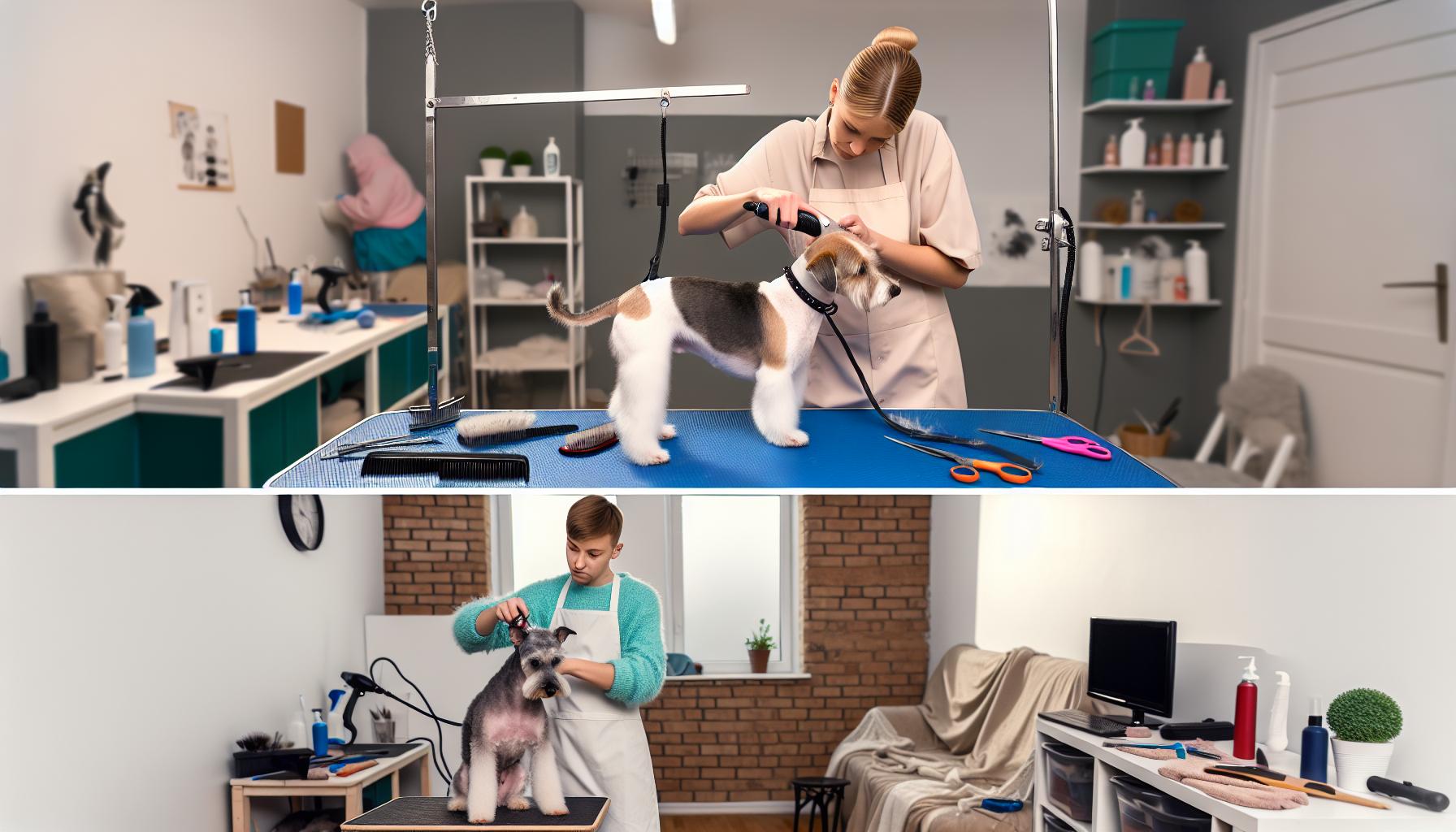
Differences Between Licensed Groomers and DIY Grooming
Many pet parents feel tempted to trim nails or give baths at home, and that hands-on care is a beautiful part of bonding. However,the difference between a seasoned,licensed groomer and a DIY approach goes far beyond basic tasks – it’s about safety,expertise,and understanding each dog’s unique needs in depth.
Licensed groomers bring carefully honed skills and professional judgment developed through thorough training and frequently enough state-required licensing exams. They know how to handle breeds with complex coats, like the curly Poodle or thick double-coated breeds like the Akita, tailoring tools and techniques to prevent pain or injury. For example, a trained groomer won’t just trim nails-they’ll identify the quick inside the nail to avoid bleeding, a detail easy to miss without experience. Similarly, they recognize subtle signs of skin infections or ear mites, prompting timely advice to visit the vet rather than trying to treat medical issues themselves.
How Licensed Grooming Differs from DIY tasks
- Bathing and Drying: A groomer adjusts water temperature and shampoo choice based on breed sensitivities. many dogs benefit from air drying or cool blow drying methods, which are less stressful than typical at-home routines.
- Brushing and Dematting: Choosing the right brush for the coat type is crucial. As an example, slicker brushes gently remove mats in dense coats, while pin brushes work better for silkier coats. DIY grooming runs the risk of causing painful pulls or skin irritation.
- Nail Trimming: Without experience, trimming nails can become painful or cause infection. Licensed groomers use specialized clippers and know when to file nails smooth, ensuring comfort and safety.
- Ear cleaning and Health: Groomers are trained to identify wax buildup versus infection and clean ears without causing discomfort or damage-something many DIY groomers may overlook.
Respecting Boundaries Between Grooming and Medical Care
An critically important aspect of professional grooming is knowing when a condition exceeds grooming care. Licensed groomers understand to never treat wounds, skin infections, or parasites medically. Instead, they alert pet owners to seek veterinary assistance promptly. This boundary protects the dog’s health and maintains a safe, trusted environment.
At-home grooming can certainly be part of a happy routine-simple brush-outs, wiping paws, or casual baths, especially for low-maintenance coats. But regular visits to a licensed professional ensure your dog’s wellness needs are met with precision and care, reducing the risk of injury and stress. Whether it’s calming a nervous Schnauzer during nail trims or delicately cleaning the ears of a floppy-eared Spaniel, the licensing process equips groomers to create a safe, compassionate experience every time.
With patience, the right tools, and an empathetic approach, you can confidently decide which grooming tasks are best done at home and when your dog deserves the expertise of a licensed pro. Remember, prioritizing comfort and health is always a loving choice.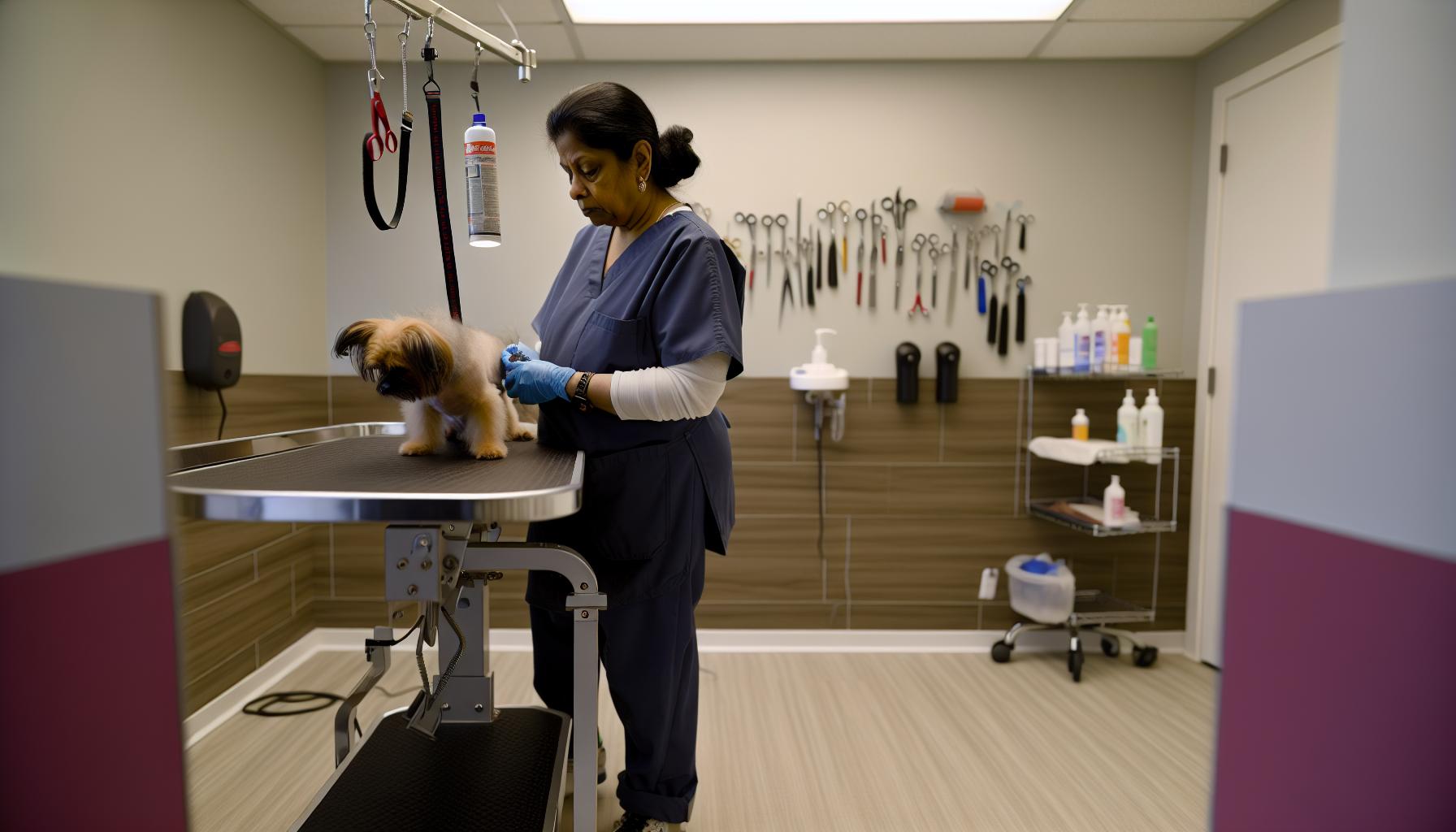
Health and Safety Regulations Every Groomer Must Know
Every dog that comes through a grooming salon deserves a safe, calm, and healthy experience. That’s why groomers must follow strict health and safety guidelines tailored to protect both pets and people. These regulations go well beyond keeping the shop tidy-they ensure that grooming starts and ends with the dog’s well-being front and center.
Groomers learn to recognize breed-specific sensitivities and coat types that require particular care. Such as, water temperature during baths should be comfortably warm but never hot, especially for small or elderly dogs. Choosing shampoos free from harsh chemicals or allergens preserves skin integrity, and hypoallergenic options are available for dogs with sensitive skin. After washing, drying techniques matter just as much.High heat from blow dryers can burn delicate skin or cause anxiety, so many groomers opt for gentle air drying or cool setting dryers that soothe without stress.
Preventing Injury Through Proper Handling and Tools
Handling dogs with care means understanding their body language and adapting techniques accordingly. Nervous or elderly dogs might need extra time and gentle restraint to avoid sudden movements that could cause injury. Groomers use ergonomic tools designed to minimize pulling or cutting risks. For instance:
- Nail clippers with safety guards: These prevent overcutting near the quick, reducing painful bleeding.
- dematting tools designed to ease knots: Rather of yanking,these tools carefully separate tangles without tearing hair or hurting the skin.
- Rounded-tip scissors and shears: These help avoid accidental nicks, especially around sensitive areas like the face and paws.
Knowing when to stop a grooming step is just as critically important as knowing how to do it. If a dog shows signs of distress-heavy panting, whining, or attempting to escape-licensed groomers pause to soothe and reassure, or suggest rescheduling if necessary.
Cleanliness & Disease Prevention
maintaining a hygienic workspace protects all dogs from contagious conditions. regular cleaning of tools,tubs,and workstations prevents the spread of parasites like fleas or infections like ringworm. Groomers typically disinfect surfaces between each pet and wash towels frequently.They also use separate equipment when grooming dogs with visible skin issues or wounds to avoid cross-contamination.
An example of this in action: a licensed groomer spotting redness or unusual odors during ear cleaning will halt treatment and recommend a vet visit, understanding that infections require medical care beyond grooming. This vigilance safeguards the whole clientele and fosters trust with pet owners.
Legal and Ethical Standards
Many states require groomers to comply with formal regulations covering worker safety, proper animal handling, and client communication. These rules often include mandatory training on pet first aid, so groomers can respond effectively if a nail is accidentally cut too short or a dog has an allergic reaction to a product.
Licensed groomers also maintain clear boundaries between cosmetic grooming and medical treatment. Such as, while gentle ear cleaning is in their scope, diagnosing a severe ear infection or applying medication is not. This respect for their professional limits preserves pets’ health and encourages cooperation between groomers and veterinarians.
By mastering these health and safety essentials, groomers create a secure environment that supports every dog’s physical and emotional well-being. This protective approach is part of why so many states consider licensing critically important-not just for quality grooming, but for the overall safety and happiness of our furry family members.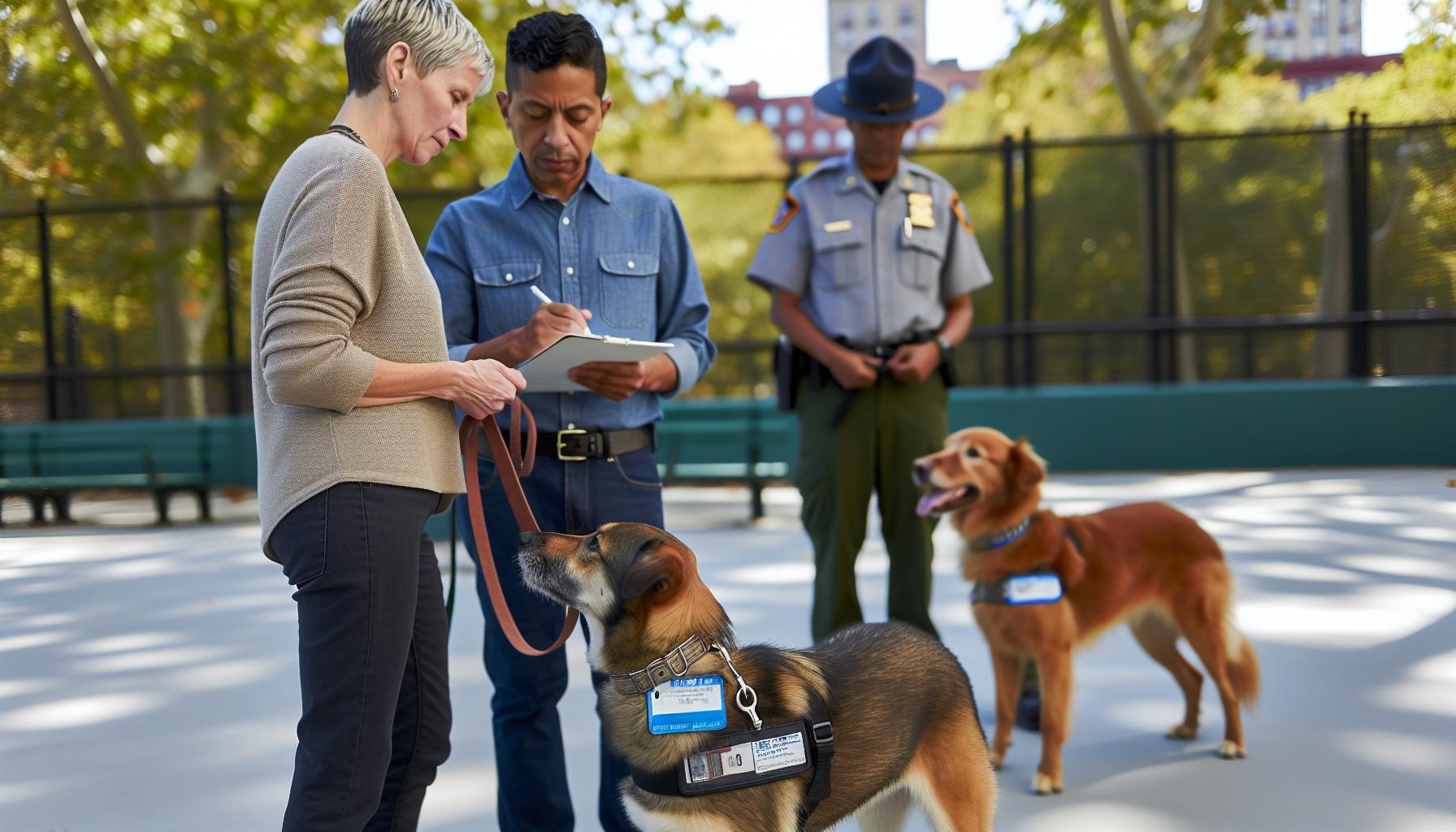
How Licensing Protects Dogs and their Owners
Many pet owners don’t realize just how much a proper license can safeguard their beloved dogs. Licensing isn’t merely a bureaucratic hurdle-it’s a commitment to upholding high standards of care that provide real peace of mind. When groomers are licensed, it means they’ve demonstrated proficiency in understanding diverse breed needs, recognizing signs of distress or illness, and handling every dog with respect and patience.This assurance is priceless for anxious owners who want their pets treated gently and safely.
Expertise Tailored to Each Dog’s Unique Needs
Licensed groomers are trained to appreciate the nuances of different coat types and breeds. For example, a show-standard poodle’s curls need a very different approach than a double-coated husky’s underfur. Licensure programs often include hands-on training with varied breeds and coat textures, teaching groomers how to select the right tools and techniques that minimize discomfort or skin damage. This knowledge reduces stressful experiences like mat pulling or nail overcuts, which can leave dogs scared and hurt. Owners can feel confident knowing skilled hands are caring for their companions.
Health and Safety You Can Count On
Safety protocols included in licensing protect dogs from preventable injuries and infections.Licensed professionals learn to maintain strict cleanliness standards to avoid the spread of parasites or skin conditions. They also understand when a task should be paused or referred to a veterinarian-for instance,spotting ear redness or irritated skin that goes beyond grooming care. This proactive vigilance protects the dog’s health and prevents minor issues from escalating.And as licensed groomers frequently enough have pet first aid training, they can respond calmly and effectively to incidents like nail cuts or allergic reactions, ensuring swift comfort and reducing owner stress.
Clear Boundaries for Groomer-Owner-Vet Partnerships
Licensing emphasizes an important ethical balance: groomers focus on cosmetic and comfort care, while veterinarians handle medical diagnoses and treatments. This clarity is crucial for dog owners, avoiding confusion or missteps like expecting a groomer to treat infections. Licensed groomers communicate clearly about what they can safely provide and when it’s time to seek veterinary help-building trust and protecting a dog’s overall well-being. This teamwork benefits dogs by ensuring they receive expert care in every part of their health routine.
By choosing a licensed groomer, owners invest not just in a polished coat, but in compassionate, educated care that champions their dog’s comfort, safety, and happiness. The right license isn’t just a piece of paper-it’s a promise to treat every dog like family.
Alternatives When Licensing Isn’t required in your State
In states where a formal dog grooming license isn’t strictly required, groomers and pet owners alike can still foster safe, skilled care by focusing on alternative ways to gain and demonstrate expertise. Many groomers opt for professional certifications through respected organizations such as the National Dog Groomers Association of america (NDGAA) or the International Professional Groomers, Inc. These credentials are not only widely recognized but also provide structured education, ongoing skill assessments, and a commitment to best grooming practices-an excellent reassurance to clients.
Building Confidence Without a License
Even without a government-issued license, practical knowledge remains essential. Groomers should prioritize hands-on experience with various dog breeds and coat types, mastering basic grooming tasks like bathing, brushing, nail trimming, ear cleaning, and coat trimming. For example, a long-haired Afghan Hound requires gentle detangling and regular brushing to avoid painful mats, whereas a short-coated Boxer mainly needs routine baths and nail care. Knowing these differences helps avoid injuries such as coat damage or skin irritation.
- Bathing: Use breed-appropriate shampoos and lukewarm water. Avoid harsh chemicals and always check water temperature to prevent discomfort.
- Brushing: Choose tools matched to coat type-slicker brushes for curly or thick coats,bristle brushes for short-haired dogs.
- Nail trimming: Identify the quick (the sensitive part inside the nail) to prevent bleeding; use proper clippers and take it slow.
- Ear Cleaning: Use vet-approved cleaners. Never insert cotton swabs deep into the ear canal.
These competencies build trust and ensure the dog’s comfort, which matters far more than a “show-perfect” appearance.
Partnering with Veterinarians and Experts
Where licensing is not mandatory, clear communication between groomers, pet owners, and veterinarians becomes even more critical. Groomers should know their role covers cosmetic and maintenance care, not medical diagnosis or treatment. as an example, if a groomer notices inflamed skin, ear infections, or signs of allergies during grooming, referring the dog promptly to a vet protects the pet’s health and supports responsible care. this collaboration fills gaps that licensing might formally regulate in other states.
Ongoing Education and Safety First
Continuing education is another wise investment for groomers working without a license. Workshops, seminars, and online courses from reputable pet care organizations teach the latest grooming techniques, animal handling skills, and first aid basics. These resources are invaluable for managing behavioral challenges, such as stress or anxiety during grooming, which is common in sensitive dogs.home-based groomers and DIY enthusiasts should set up a clean, calm workspace with the right tools and maintain stringent sanitary practices. Regularly disinfecting grooming tools and areas helps prevent parasite transmission and infection-an ethical responsibility that transcends licensing requirements.
By embracing these alternatives-certifications, education, collaboration, and safe techniques-groomers can deliver compassionate, confident care that honors each dog’s individual needs, even in states without formal licensing mandates. This approach respects the spirit of licensing: protecting dogs and supporting their well-being, no matter where you live.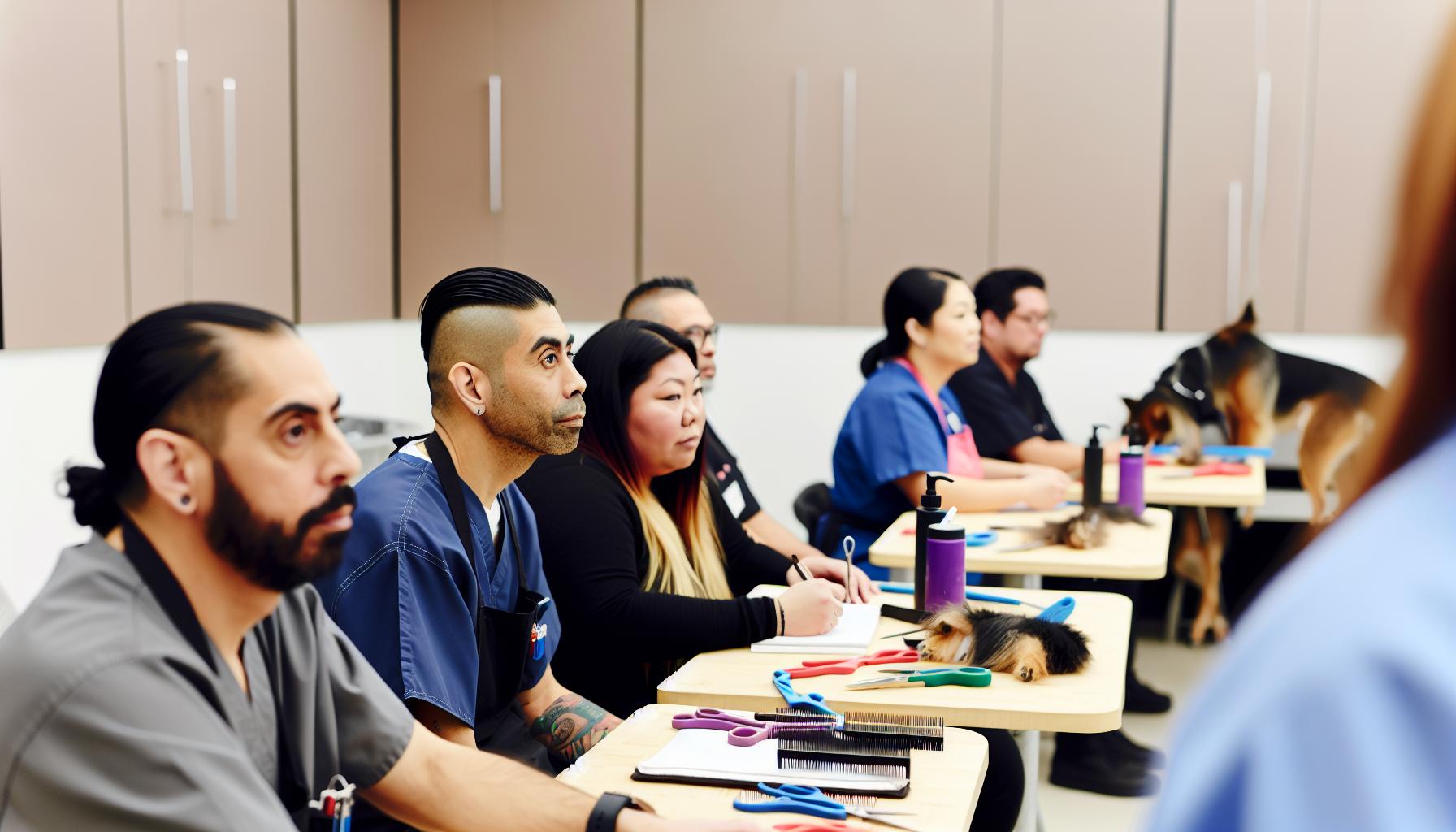
Common Challenges Groomers Face During Licensing
Licensing can feel like navigating a maze, especially when balancing the demands of learning new skills while caring for anxious pets. Many groomers find that one of the biggest hurdles is simply understanding the variety of state-specific rules and paperwork. Some states require passing written and practical exams, submitting detailed business plans, or providing proof of liability insurance. For example, a groomer working with poodles, with their curly, sometimes delicate coat, must demonstrate proficiency in breed-specific clipping techniques and safe handling practices-a skill often tested in licensing programs. This can be daunting,especially for groomers who are used to trusting hands-on experience rather than formal credentials.
Time and Training Demands
Meeting training requirements can be another big challenge. Many licensing programs expect groomers to complete dozens or even hundreds of hours of coursework or apprenticeships covering everything from canine anatomy to sanitization protocols. For busy groomers managing clients, pets, and sometimes a team, carving out time for formal education isn’t always easy.the precision needed for something like nail trimming-a common stress point for both dogs and groomers-must be practiced and perfected under guidance, not just learned theoretically.Groomers frequently enough share how helpful hands-on apprenticeships are for gaining confidence without risking cuts or discomfort to pets.
Balancing Safety With Animal Comfort
Licensing exams will frequently test a groomer’s knowledge of health and safety regulations, a crucial area that can feel overwhelming. Groomers must demonstrate understanding of when to stop a procedure if a dog shows signs of distress, how to safely handle dogs with special needs, and protocols for avoiding cross-contamination between animals. This becomes especially tricky with nervous or reactive dogs. For instance, a Maltese with sensitive skin requires gentle brushing and hypoallergenic products, while a robust German Shepherd might need desensitization before a bath. Getting certified means groomers need to master both the technical side and the emotional skill of reading canine body language-something that comes with patience and time.
Practical Tips to Ease the Process
- Start Small: Focus on mastering one grooming skill at a time-like bathing or nail trimming-before attempting full exams.
- Leverage Local Resources: Community colleges or grooming schools frequently enough offer prep classes specifically tailored to state licensing requirements.
- Connect With Experienced Groomers: Mentors provide guidance, share insights on tricky practical exam questions, and offer emotional support through the process.
- Practice Animal First Aid: Being comfortable with emergency care boosts confidence for licensing and real-world grooming scenarios.
- Keep Detailed Records: Documentation of training hours and client feedback can be invaluable when submitting licensing applications or renewals.
every licensing journey varies, but what remains constant is the goal: providing safe, compassionate grooming that honors each dog’s unique needs and temperament.Seeing a nervous pet relax during a gentle brush or hearing a relieved owner express trust-this is what makes overcoming these challenges so worthwhile.
Tips for Maintaining Your Dog Grooming License
Maintaining your dog grooming license is just as important as earning it, and it can be a joyful way to keep growing both your skills and confidence. Think of it like caring for a beloved pet-the effort you invest today ensures long-term health and happiness. Licensing boards frequently enough require renewal through continuing education or proof of ongoing professional practice, so staying proactive is key to avoiding any lapses. Such as, if your state requires updated certifications every one or two years, mark those renewal deadlines early and plan time to refresh your knowledge. This could mean attending workshops on new grooming techniques for high-maintenance coats like poodles or recurring courses on canine first aid and safety protocols.
Stay Current With Education and Skill Building
Many states allow or require licensed groomers to complete continuing education credits. This isn’t just busywork-it’s your chance to stay current on emerging products, tools, or breed-specific styling tips. Taking a course on handling nervous or senior dogs can be a game changer, helping you offer gentler, more confident care that owners deeply appreciate. Keep a log of courses completed, as well as informal learning such as online tutorials or seminars, as these records will be invaluable when it’s time to renew your licence. As a notable example, mastering the art of using hypoallergenic shampoos can raise your grooming business’s reputation and meet stricter health standards.
Keep thorough and Organized Records
institution is your best friend here. Maintain detailed records not only of your education and license renewals but also of every grooming session. Notes about specific dog breeds,coat conditions,client preferences,or health concerns make renewals easier and demonstrate a high level of professionalism. It also gives you a personal toolkit to improve your service – you might notice a senior dog’s anxiety easing over months, or discover the best nail trimming approach for a super-sensitive pup. When inspections or audits happen, having these detailed logs ready can be a great reassurance, eliminating last-minute stress.
Prioritize Safety and Compassion Daily
Refreshing your knowledge about health and safety regulations isn’t just for compliance; it’s a gentle reminder to always put the dog’s comfort first. Even experienced groomers can fall into routine habits, but continuing education challenges you to balance efficiency with kindness. Such as, regularly reviewing when to pause a grooming session if a dog seems stressed or how to sanitize tools properly between clients keeps your practice safe for everyone.Remember, licensing reflects your commitment to the welfare of the dogs and peace of mind for their owners – nurturing that mindset ensures your work remains meaningful and trusted.
- Schedule renewal reminders on your calendar well ahead of deadlines.
- Attend practical workshops on advanced skills or new grooming products regularly.
- Document every grooming session with breed, coat type, and any special care notes.
- Stay updated on your state’s health and safety regulations through official resources.
- Connect with fellow licensed groomers for support, ideas, and mentorship.
Staying diligent in these areas helps transform licensing from a paperwork chore into a meaningful commitment to your craft and the dogs you care for. It’s a journey that opens doors to better skills, stronger client relationships, and a smoother, more confident grooming career.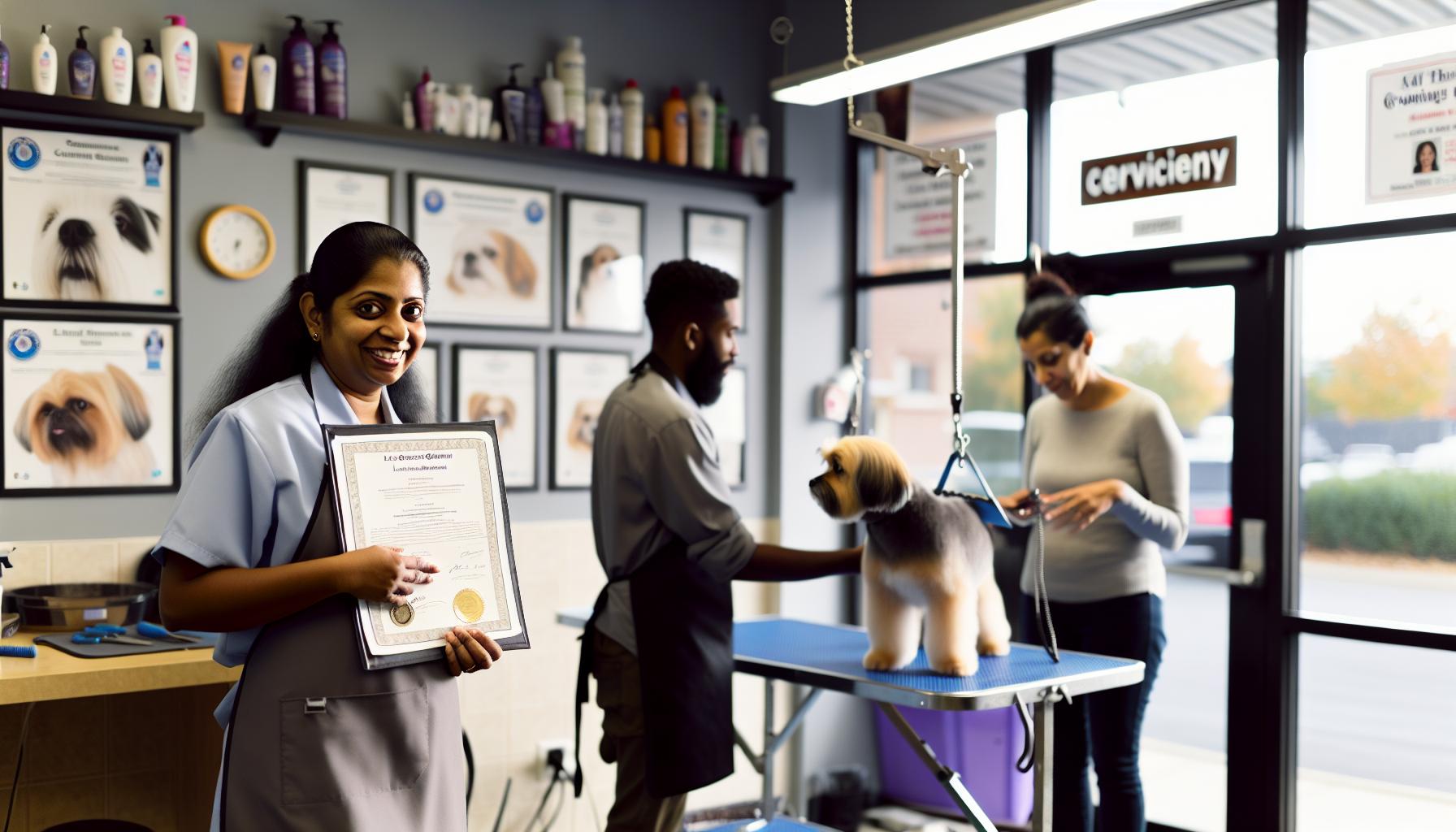
Impact of Licensing on Your Grooming Business Success
Licensing can be a powerful boost to your dog grooming business, setting you apart in a world where pet owners crave trust and professionalism above all. When clients see that you hold a valid grooming license, it instantly signals your dedication to quality care-not just beautiful trims. It reassures nervous owners that you’ve mastered essential skills, from safely handling anxious or elderly dogs to recognizing when a coat or skin issue requires extra attention or a vet referral. This confidence builds strong, lasting client relationships and encourages word-of-mouth referrals, which are priceless for steady business growth.
Beyond instilling trust,the process of earning and maintaining a license deepens your expertise in crucial areas like canine health,safety,and breed-specific grooming techniques.For example, a licensed groomer knows how to approach a high-maintenance coat-like a poodle’s curly fur-with the right tools and gentle patience. They understand the delicate balance between style and comfort, reducing stress for every dog in their care. This expertise frequently enough translates into more efficient appointments and happier pets, making clients more likely to book regular visits and even recommend your services to others in local pet communities.
Creating a Professional Edge
Licensed groomers tend to have access to broader resources, including continuing education workshops, industry updates, and networking opportunities with other seasoned professionals.Staying current means you can offer the latest grooming trends, hypoallergenic product options, or advanced safety protocols like canine first aid. These specializations elevate your service and can justify premium pricing,helping your business thrive financially while ensuring each dog receives compassionate,expert care.
- Improved credibility: Licensing validates your professionalism in clients’ eyes.
- Better skill set: Certificates frequently enough require training in health and safety.
- Access to education: Continuing courses keep your skills sharp and relevant.
- Client confidence: Pet owners feel safer entrusting you with their beloved companions.
- Business growth: Strong reputation leads to repeat business and referrals.
Practical Impact on Daily Operations
Licensing also influences your daily practice by encouraging organized record-keeping and adherence to health regulations.Consider the advantages of documenting each dog’s coat type, known allergies, or reactions to specific shampoos-a habit often encouraged through license renewal requirements. These notes help you customize every session, enhancing comfort and outcomes.Plus,they help you manage risks professionally,such as knowing when to pause grooming if a dog shows distress or which tools require sterilization between pets to prevent infections.
By nurturing your reputation through commitment to licensing standards, your business benefits not only from regulatory compliance but also from a deeper sense of fulfillment. Licensed grooming isn’t about chasing perfection in looks-it’s about creating a safe, calm, and enjoyable experience for dogs and their people.That compassionate foundation is your greatest asset and the heartbeat of lasting success.
| Benefit | Example | Business Impact |
|---|---|---|
| Licensed Certification | Proof of canine first aid knowledge | enhances trust and lowers client anxiety |
| Continuing Education | Workshops on senior dog handling | Improves service quality and client retention |
| Health & Safety Compliance | Regular tool sanitation protocols | Reduces risk of infections and complaints |
| Detailed Client Records | Notes on breed-specific sensitivities | Enables tailored grooming, positive outcomes |
FAQ
Q: Can dog grooming licenses be transferred between states?
A: Dog grooming licenses typically cannot be directly transferred between states because each state has its own licensing rules and requirements. If you move, you’ll usually need to apply for a new license in the new state. Check local regulations or refer to our section on How to Check Your State’s Grooming License Rules for smooth transition tips.
Q: What insurance is recommended for licensed dog groomers?
A: Licensed dog groomers should consider liability insurance and professional indemnity insurance to protect their business and clients. Insurance covers accidents or injuries during grooming and builds client trust. For an in-depth look, see the Health and Safety Regulations Every Groomer Must Know section in the article.
Q: How frequently enough do dog grooming licenses need to be renewed?
A: Most states require dog grooming licenses to be renewed every 1 to 3 years, often with mandatory continuing education. Staying current helps groomers maintain safety standards and legal compliance.For renewal tips, explore our guide on Tips for Maintaining Your Dog Grooming License.
Q: Are there exemptions to dog grooming license requirements for mobile groomers?
A: Some states exempt mobile dog groomers or have different rules for mobile services. Though, many still require a license to ensure health and safety. Always verify mobile-specific regulations in your state as outlined in State Licensing Requirements for Dog Groomers Explained.
Q: What common mistakes cause delays in dog grooming license approval?
A: Common delays include incomplete applications, missing training certifications, and failure to meet health inspections. Preparing thoroughly and following our Steps to Get a Dog Grooming License If Needed can help avoid setbacks and speed approval.
Q: how do licensing requirements effect dog grooming pricing?
A: Licensing frequently enough adds costs for training, equipment, and insurance, which can be reflected in grooming prices. Licensed groomers generally charge more due to their verified skills and safety credentials, supporting better care and client confidence. See Impact of Licensing on Your Grooming Business Success for pricing insights.
Q: Can unlicensed dog groomers legally offer services in states without license laws?
A: In states without licensing laws, unlicensed groomers can legally offer services, but they must still comply with general business, health, and safety regulations. For alternative compliance ideas, check alternatives When Licensing Isn’t Required in your State.
Q: What additional certifications can definitely help dog groomers stand out beyond state licensing?
A: Groomers can earn advanced certifications like Certified Master Groomer or pet first aid training to enhance credibility and skills.These certifications complement state licenses and boost client trust. Learn more in the What Skills and Training Are Required for Licensing section.
—
For the full picture on licensing,safety,and business success,explore the detailed sections linked above – and feel free to reach out to your state board for tailored guidance!
Key Takeaways
Understanding state licensing requirements for dog groomers is essential for ensuring your pet’s safety and quality care. Whether you’re a professional groomer or a dog owner curious about grooming standards, knowing the ins and outs of licensing helps you make informed decisions with confidence. Don’t wait-check your state’s current regulations today to stay compliant and provide the best care possible.
ready to learn more? Explore our detailed guides on essential grooming tools, pet-first grooming techniques, and how to handle common grooming challenges with ease. If you’re interested in professional certification or want tips for at-home grooming, our resources are designed to support every step of your grooming journey. Feel free to join the conversation below, share your experiences, or ask questions-we love hearing from fellow dog lovers!
Stay connected by signing up for our newsletter to receive updates on grooming trends, licensing changes, and expert advice that prioritizes your dog’s comfort and well-being. Remember, safe and compassionate grooming starts with knowledge, so keep exploring and caring confidently.
Get our latest guides, news, and insights highlighted in your Google Search & AI Overviews.
Keep reading about the same coat and cut.


Popular grooming guides
Bath vs clip, first grooms, and salon how-tos.