Do Dog Groomers Need a License in Florida? State Rules
Did you know that unlike some states, Florida does not require dog groomers to hold a formal license to practice? This means that while anyone can offer grooming services, understanding the state’s rules-and choosing a groomer with proper training-becomes even more crucial for yoru pet’s safety and comfort. If you’re a dog owner or considering grooming as a career, it’s natural to wonder what protections and standards exist to ensure your furry friend is handled with care.
Navigating Florida’s grooming landscape can feel overwhelming, especially with so many coat types and pet temperaments to manage. Whether you’re prepping a poodle’s delicate curls or managing a double-coated Labrador’s shedding, knowing whether your groomer meets certain qualifications can give you peace of mind. This guide will gently walk you through the state’s current requirements and help you distinguish the difference between a professional groomer and a well-meaning enthusiast.By focusing on compassion, patience, and clear guidelines, we want to empower you with calm confidence – because every pet deserves a safe and soothing grooming experience.Let’s explore what Florida law says about grooming licenses and what it means for you and your beloved companion.
Understanding Florida’s Licensing Requirements for Dog Groomers
Table of Contents
- 1 Understanding Florida’s Licensing Requirements for Dog Groomers
- 2 Why florida Regulates (or Doesn’t) Dog Grooming Licenses
- 3 How to Legally Start a Dog Grooming Business in Florida
- 4 Essential Training and Certification Options for Florida Groomers
- 5 State Health and Safety Standards Every Groomer Must Follow
- 6 Liability and Insurance: Protecting Your Grooming Business
- 7 Common misconceptions About Dog Grooming Licenses in florida
- 8 How to Handle Grooming Permits and Local Regulations
- 9 What Tools and Skills Are Needed for Licensed Groomers
- 10 Navigating Inspections and Compliance in Florida Grooming Businesses
- 11 Q&A
- 11.1 Q: Are there any certifications recommended for dog groomers in Florida even if a license isn’t required?
- 11.2 Q: How can I ensure my dog grooming business complies with Florida’s health and safety standards?
- 11.3 Q: What local regulations might affect my dog grooming services in Florida?
- 11.4 Q: Can I operate a mobile dog grooming business in Florida without a license?
- 11.5 Q: What liability protections should Florida dog groomers have in place?
- 11.6 Q: How does dog grooming differ from veterinary care regarding licensing in Florida?
- 11.7 Q: What essential skills and tools should I master for professional dog grooming in Florida?
- 11.8 Q: How often should Florida dog grooming businesses expect health inspections or compliance checks?
- 12 Key Takeaways
You might be surprised to learn that in florida, dog grooming is a profession free from state-mandated licensing requirements. This means if you’re passionate about trimming coats, soothing anxious pups, and keeping tails wagging, you don’t need a specific state license to start grooming professionally. However, this lack of formal licensing doesn’t mean you can skip important knowledge or safety practices-in fact, it makes understanding what’s expected of you even more crucial for both pet welfare and your peace of mind.
What You Need to Know About Licensing (Or the Lack Thereof)
Florida’s approach is quite unique compared to many states: there is no official dog grooming license required to work as a groomer, even if you run your own business. You won’t find state exams or certifications being mandatory here. Instead, the focus is on experience, skill, and voluntary certifications to build client trust and ensure pets receive excellent care. For example, a groomer handling breeds with complex coats, like poodles or terriers, must rely on their hands-on expertise and continuous learning, not a formal license.
This means that, from a legal standpoint, any groomer – whether working in a salon or operating independently – is not obligated by Florida law to hold a license. However, if you’re considering opening your own shop, keep in mind local business licenses or health permits; these are separate from dog grooming licenses and usually required by city or county governments to ensure sanitary operations and consumer safety.
Keeping Safety and Compassion Front and Center
Even without a state license, grooming responsibly requires knowing how to safely handle various tasks like baths, brushing sensitive skin, nail trimming, and ear cleaning.As an example, breeds with double coats (think Huskies or Golden Retrievers) demand gentle brushing to avoid matting without stripping natural oils, while small or nervous dogs need extra patience when clipping nails to prevent stress or injury.
Many experienced florida groomers recommend these best practices:
- Prioritize animal comfort: Use calming tones and slow movements to reduce anxiety, especially for rescue or skittish dogs.
- Understand breed-specific coat types: Different breeds have unique grooming needs-knowing the difference saves pets discomfort and your tools from unnecessary wear.
- Use well-maintained equipment: Sharp clippers and clean shears reduce pulling and skin irritation, safeguarding your client’s well-being.
voluntary Certification: A Helpful Choice
While Florida doesn’t require certification, many groomers choose to pursue credentials through reputable programs. These can enhance your skills and reassure pet parents that their furry friends are in expert hands. For example, enrolling in specialized schools or programs that teach breed-specific cuts, pet first aid, and hygiene factors builds confidence-both for you and those entrusting you with their pets.
Ultimately, knowing there’s no state licensing barrier is freeing, but remember that thriving in this compassionate profession means focusing on continuous learning, safety, and genuine care. The lack of strict state rules means your reputation, ethical grooming practices, and dedication to animal welfare become your best “license” in Florida’s welcoming grooming community [1] [2].
Why florida Regulates (or Doesn’t) Dog Grooming Licenses
Florida’s decision not to require a state license for dog groomers is quite intentional and reflects its broader approach to personal service professions. Instead of strict state-mandated credentials, Florida places trust in individual responsibility, hands-on experience, and voluntary certification. This means that groomers can focus their energy on developing real skills and compassionate care rather than navigating red tape.It’s an approach that values trust built through quality service and reputation over formal paperwork.
One reason behind this relaxed regulatory stance is that dog grooming-unlike activities such as veterinary medicine-is considered a skill-based trade where practical knowledge and empathy matter most. as an example, a groomer specializing in delicate breeds like Maltese or Poodles must master breed-specific techniques to avoid causing discomfort or injury, something that can’t be fully measured by an exam. Moreover, the wide variety of pet temperaments and coat types means groomers continuously learn on the job, adapting tools and methods to each dog’s unique needs. This fluid, hands-on learning style doesn’t align well with rigid licensing but thrives under flexible, experience-driven standards.
That said, while the state doesn’t mandate licensing, it’s important to remember that local governments may require business permits or health and safety inspections to keep grooming spaces clean and safe. This layered system helps ensure that, although individual groomers aren’t licensed by the state, their facilities meet essential sanitary standards. It reassures pet parents without creating unnecessary barriers for passionate professionals entering the industry.
Many Florida groomers choose to voluntarily pursue certifications through reputable programs. These credentials can enhance their confidence and give worried pet owners peace of mind-kind of like a personal handshake of trust when that nervous rescue pup comes in for its first haircut. Florida’s regulatory choice invites groomers to stand out by showing dedication, patience, and care. Their hands-on expertise and loving approach become the true “license” that keeps tails wagging and fosters long-term trusting relationships between groomers, pets, and owners alike.
How to Legally Start a Dog Grooming Business in Florida
Starting a dog grooming business in Florida is an exciting journey filled with the joy of connecting with furry clients and their loving owners. While Florida doesn’t require a formal state license to groom dogs, setting up your business legally requires some key steps to ensure you operate smoothly, safely, and with the trust of your community. The focus should always be on creating a calm, clean environment that honors each pet’s unique temperament and needs while protecting their welfare.
Step 1: Choose Your business Structure and Register Your Name
Before your scissors touch the first coat,decide how you’ll organize your business. Many groomers start as sole proprietors, but forming an LLC or other entity can offer liability protection and tax benefits. Next, register your business name with the Florida Division of Corporations, making sure it’s catchy but professional to inspire confidence in nervous pet parents.
Step 2: Obtain Necessary Local permits and Business Licenses
Even though Florida itself doesn’t require a dog grooming license, your city or county may ask for a business tax receipt (sometimes called an occupational license) and permits related to health and safety. Contact your local county clerk’s office or city hall to learn what’s required where you’ll be working. Such as, some counties might inspect your grooming space for cleanliness or compliance with zoning laws, especially if you’re working from home.
step 3: Set Up Your Grooming Space With Safety in Mind
A well-organized grooming space is vital-not just for efficiency but for pet safety and comfort. Equip your salon with adjustable grooming tables, non-slip mats, quality grooming tools suited to different breeds’ coats (think slicker brushes for fluffy breeds or thinning sheers for curly coats), and gentle shampoos approved by vets. Good ventilation, clean towels, and easy-to-clean surfaces go a long way in preventing skin irritations or infections. Remember, anxious dogs benefit from quieter, calm spaces free of unnecessary chaos or harsh noises.
Step 4: Get Insured and Embrace Best Practices
Even if you don’t need a formal license, insurance protects you and your furry clients. Look into liability insurance tailored for pet care professionals, shielding you from accidents-like a sudden paw injury during nail trimming. also, familiarize yourself with ethical grooming boundaries: if you notice signs of illness or injury, gently advise the owner to visit their veterinarian before grooming. Your commitment to safety and honesty strengthens trust and builds lasting relationships.
Helpful Checklist for a Smooth Start
- Business registration: File your business name and set up your tax status with the state.
- Local permits: Secure required local business licenses or tax receipts.
- Health and safety compliance: Ensure your grooming area passes any local inspections.
- Insurance coverage: Obtain general liability insurance focused on pet care.
- Tool kit essentials: Invest in breed-specific brushes, clippers, scissors, nail trimmers, and ear cleaning supplies suited to dogs of varying sizes and coat types.
- Customer trust: Develop a calm greeting routine and open communication to put stressed pets and owners at ease.
With these steps in place, you’ll legally and lovingly launch your dog grooming business. Whether you’re working with a rambunctious Labrador or a delicate Shih Tzu, prioritizing your clients’ safety and well-being will help your business thrive-and keep those tails wagging happily in Florida’s sunny warmth. Remember,hands-on experience,compassionate care,and ongoing learning are the best “licenses” you can earn in this rewarding field[[[1]](https://www.veterinarianedu.org/florida-dog-groomer/)[[[2]](https://www.petcareins.com/dog-groomer-information-by-state).
Essential Training and Certification Options for Florida Groomers
One of the best ways to build confidence in your grooming skills and deepen your understanding of canine care is through purposeful training-even though Florida doesn’t mandate a formal license. many groomers find that enrolling in certificate programs or grooming schools can be a game-changer, especially for mastering breed-specific techniques and handling anxious or difficult dogs with patience and care.
Choosing the Right Training Path
Florida offers several solid options for gaining professional grooming knowledge at your own pace. For example, the Penn Foster Pet Grooming Certificate is popular because it’s flexible and can be completed in about two months, making it perfect for busy individuals or those transitioning from other pet care roles. Programs like these cover basics like bathing, brushing, trimming, and nail care, alongside critically important safety tips to protect both pets and groomers. More intensive options,such as the Dog Groomer Academy in Orlando,provide hands-on instruction with a 600-hour curriculum focusing on advanced grooming,sanitation,and business operations. this depth of knowledge helps prepare you not only to groom but also to run a reputable business[[[2]](https://www.thedailygroomer.com/grooming-school-locations/florida) [[3]](https://www.best-trade-schools.net/locations/florida/dog-groomer-in-fl/).
Skills and Knowledge Every Groomer Should Gain
Success starts with understanding coat types-from the silky layers of a Maltese to the dense curls of a Poodle. Learning to select appropriate tools is crucial: slicker brushes for mats, thinning shears to soften thick coats, and gentle, hypoallergenic shampoos for sensitive skin. During training,you’ll also refine your ability to read canine body language-spotting signs of stress or discomfort early helps you adjust your approach and keep grooming sessions calm and safe.
Certification: More than Just a Piece of Paper
while Florida doesn’t require certification to groom, holding credentials can reassure clients worried about leaving their beloved pets in your care. It underscores your commitment to professionalism and ongoing learning. Certification programs often include modules on pet first aid, hygiene standards, and ethical boundaries-critical knowledge areas that separate skilled, caring groomers from those who treat grooming as just a haircut. For instance, knowing when to refer a pet to a veterinarian if you notice skin issues or unusual behavior keeps animals safe and builds your credibility.
- bathing and Brushing: Techniques tailored to coat type and skin sensitivities
- Cutting and Styling: Tools and safety tips to create breed-appropriate trims
- Nail and Ear Care: Gentle handling to avoid injury and discomfort
- Health & Safety: Sanitation, recognizing signs of illness, and first aid basics
Ultimately, the best training focuses on respect for each dog’s unique needs with patience and a calm, reassuring touch. No matter which program you choose, integrating compassion and practical skills will set you apart and create a loyal clientele who trusts you implicitly.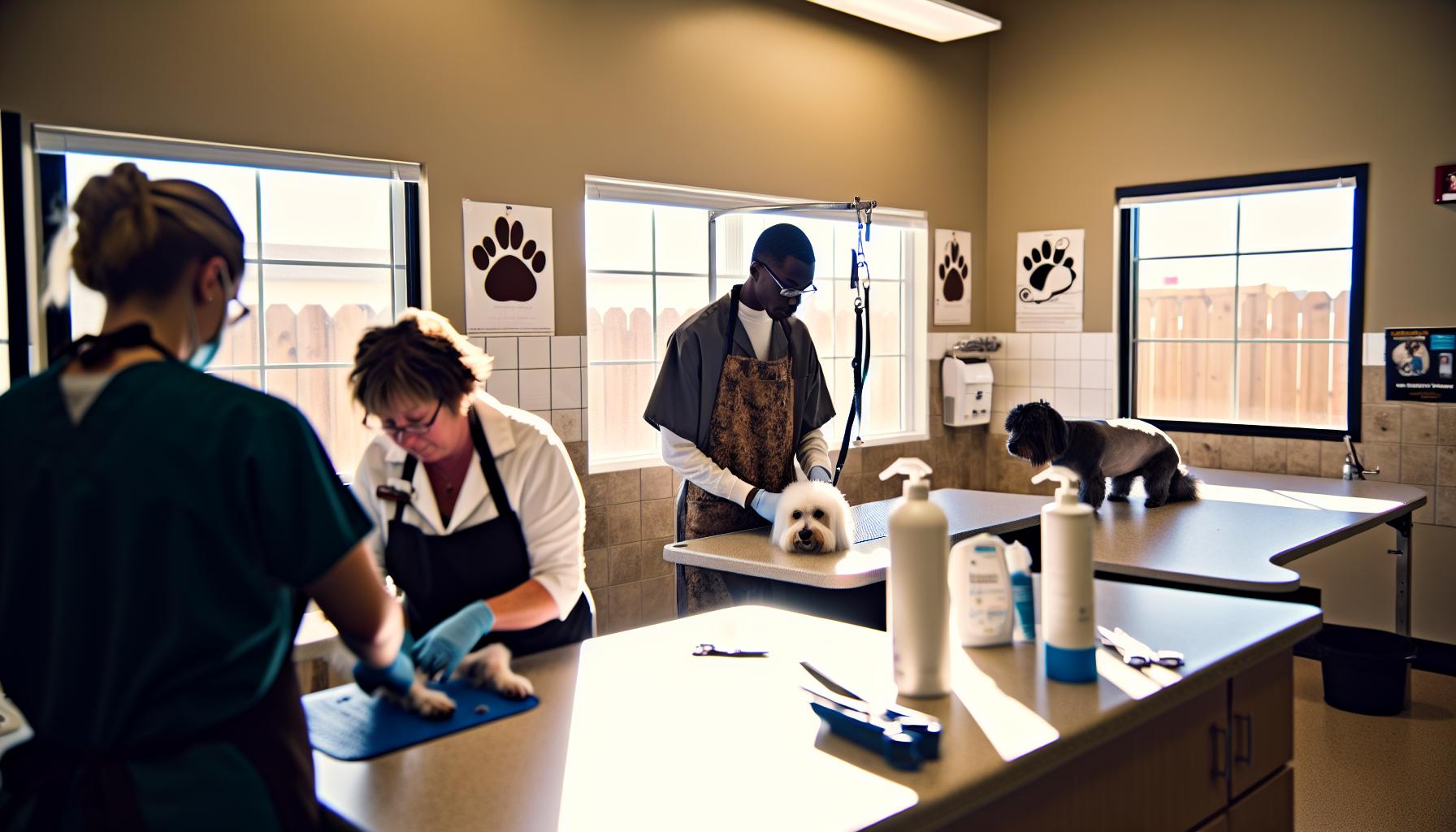
State Health and Safety Standards Every Groomer Must Follow
florida’s warm climate and diverse canine population bring unique challenges and responsibilities to dog groomers, making health and safety standards essential-even without a state-mandated grooming license. Your priority is always to create a calm, clean, and safe environment that respects each dog’s comfort and well-being. This is especially crucial when working with breeds that have sensitive skin or complex coats, like the delicate hair of a Shih Tzu or the dense curls of a Bichon Frise.
Sanitation and Cleanliness: The First Line of Defense
Keeping your grooming space spotless isn’t just about appearances-it’s about preventing the spread of infections and skin conditions. After every grooming session, thorough cleaning of tubs, clips, brushes, and tables reduces risks of bacteria, fungi, or parasites transferring between pets.Use pet-safe disinfectants and ensure grooming tools are dried properly before reuse. For example, if a dog has a minor skin rash, grooming tools must be sanitized carefully to avoid aggravation or infection in the next pet.
Bathing and Brushing with Care
bath time is an prospect to spot health issues early. Use gentle, hypoallergenic shampoos tailored to a dog’s coat and skin type-avoid harsh detergents that strip natural oils or cause irritation. Dogs with double coats, such as Huskies, need a thorough rinse and blow-dry to prevent matting and skin infections caused by retained moisture. Always brush before baths to remove loose hair and tangles, reducing discomfort and helping shampoo reach the skin effectively.
Handling Nails and Ears Safely
Trimming nails and cleaning ears require steady hands and patience. Cutting too short can cause painful bleeding,while aggressive ear cleaning risks ear canal injuries or infections.Many groomers recommend trimming nails in small increments and checking for the rapid-the sensitive vein inside the nail. When cleaning ears, only use vet-approved solutions and avoid inserting anything deep into the canal. If you notice redness, discharge, or odor, advise clients to seek veterinary care rather than attempting aggressive cleaning yourself.
Recognizing When to Refer to a Veterinarian
An important part of safety is knowing your boundaries. Groomers are trained to spot signs of illness-such as open sores, severe matting that restricts movement, or unusual lumps. In these cases, gently communicate your concerns to the owner and recommend a vet visit before grooming continues. This approach protects the pet’s health and demonstrates your commitment to compassionate care.
- Regular sanitization of tools and work areas with pet-safe disinfectants
- Gentle bathing using shampoos suited to coat and skin sensitivities
- Patient handling of nails and ears to avoid injury and discomfort
- Early identification of health issues and appropriate referral to veterinarians
By embracing these health and safety standards, you not only protect every furry client but also build trust with pet owners. Your business becomes a sanctuary where anxious pets feel safe, and their humans feel confident leaving their beloved companions in your care.
Liability and Insurance: Protecting Your Grooming Business
running a dog grooming business in Florida means you’re not only caring for furry friends but also managing risks that come with handling animals. Even though Florida doesn’t require a formal dog grooming license, protecting yourself and your clients financially is essential.Imagine an anxious pup who suddenly panics during a nail trim, leading to accidental injury or a scratch to yourself or your team. Situations like this highlight why liability coverage isn’t just a formality-it’s a safety net for everyone involved.
Understanding Liability Risks and Why Insurance Matters
Grooming accidents, allergic reactions, or even a pet escaping your facility can lead to costly claims. Liability insurance helps cover medical expenses, legal fees, and property damage if things go wrong. It’s critically important to remember grooming isn’t just about the haircut but also about safeguarding health and happiness. Insurance protects your business reputation and your peace of mind, so you can focus on providing compassionate care rather than worrying about “what ifs.”
Key Types of Insurance for Groomers
- General Liability Insurance: Covers bodily injury or property damage caused during grooming sessions, such as a dog knocking over a client or damaging their belongings.
- Professional Liability Insurance: Sometimes called Errors & Omissions insurance, this covers claims arising from grooming mistakes or negligence, like a nail trimming causing injury or a skin reaction to products used.
- Property Insurance: Protects your grooming salon, tools, and equipment if damaged or stolen, ensuring you can quickly resume operations.
- Workers’ Compensation: If you have employees, this coverage is important for injuries sustained on the job. even solo groomers should consider options.
Practical Tips to Reduce Liability Exposure
Start each appointment with a clear conversation about the dog’s behavior, health issues, and any previous reactions to grooming. Getting a signed consent form outlining risks and limits can foster trust and provide legal protection. Always maintain an up-to-date record of the products you use and follow manufacturer instructions, especially for shampoos or ear cleaners. If a dog shows signs of distress or health problems, know when to pause and suggest a vet consultation rather than continuing with grooming-this demonstrates your commitment to welfare and lowers risk.
| Action | Why It Matters | Example |
|---|---|---|
| Use pet-safe, hypoallergenic products | Reduces risk of allergic reactions | Choose shampoos formulated for sensitive skin, avoiding harsh chemicals |
| Sanitize tools regularly | Prevents spread of infections | Clean clippers and brushes after each use to avoid cross-contamination |
| Communicate clearly with owners | Sets expectations and shares risks | Inform owners about potential challenges with matted coats or anxious dogs |
| Keep emergency numbers handy | Ensures quick response during incidents | have vet contact info and poison control nearby |
By taking these preventive steps alongside securing appropriate insurance, you build a grooming business that’s resilient and trusted. Your love for animals shines brightest when you combine gentle care with smart risk management, ensuring every client leaves happy, healthy, and safe. Protecting your business protects the relationships you cherish with pets and their people alike.
For Florida groomers, while the state doesn’t mandate licenses, investing in liability insurance and maintaining diligent safety protocols is your best way to honour your passion responsibly and professionally[[[1]](https://www.veterinarianedu.org/florida-dog-groomer/)[[[2]](https://www.best-trade-schools.net/locations/florida/dog-groomer-in-fl/) [[3]](https://www.petcareins.com/dog-groomer-information-by-state).
Common misconceptions About Dog Grooming Licenses in florida
Many pet owners and aspiring groomers frequently enough assume that formal licensing is a must-have to operate legally in Florida, but that’s not actually the case. Unlike some professions with tight state controls, Florida currently does not require dog groomers to hold a specific license or certification to work or open their own grooming business. This can come as a surprise,especially for those unfamiliar with grooming regulations,leading to common misunderstandings that sometimes cause unnecessary worry or confusion for both clients and professionals.
One widespread misconception is that just because formal licenses aren’t mandated, safety and skill standards are lower or trivial.In reality,responsible groomers take pride in ongoing education,attend grooming schools or workshops,and pursue certifications voluntarily to ensure they handle every breed and coat type with care. Such as,learning how to safely clip a double-coated breed like a Siberian Husky versus a curly-coated Poodle requires different tools and techniques. Experienced groomers respect these differences and prioritize the pet’s comfort and wellbeing, not just the aesthetics.
It’s also important to clarify that while Florida doesn’t issue a statewide grooming license, local jurisdictions might have specific permits or business requirements. So, operating a grooming business often involves meeting health and safety codes and securing general business licenses-even if no grooming license is needed-helping maintain professional standards in your community. Here are a few friendly points to keep in mind:
- Certification isn’t a legal must, but it boosts confidence: Clients feel reassured when groomers show credentials from recognized programs or associations.
- Training matters more than paperwork: Knowing how to safely bathe, brush, trim nails, and clean ears can make the difference between a happy pet and a stressed one.
- Don’t confuse grooming with veterinary care: Groomers provide cosmetic care, not medical treatment; that’s a role strictly for licensed vets.
- Liability insurance is your best safety net: since the state doesn’t oversee licenses, protecting yourself with insurance is key to handling unexpected issues.
Many groomers choose professional training programs that emphasize gentle handling and breed-specific coats, which help them cater to anxious dogs or pets with special needs. Such as, when trimming nails on a skittish Chihuahua, the groomer’s patience and skill play a far bigger role in safety than any legal document. likewise, understanding when to stop a grooming session and advise veterinary care shows true professionalism that no license can guarantee on its own.
So, while you won’t find a “dog grooming license” waiting at Florida’s business department, what truly matters is a groomer’s heartfelt commitment to the pets’ comfort, ongoing learning, and clear communication with pet parents. That’s what turns nervous first-timers into loyal friends, ensuring every grooming visit is a positive step toward happy, healthy pets.
How to Handle Grooming Permits and Local Regulations
It’s a common surprise to many new groomers that while Florida doesn’t require a specific state license to groom dogs, you still need to be aware of local rules and permits to keep your business above board. Think of it like this: your grooming skills and compassion care for pets directly, but the permits and regulations care for your community’s safety and trust. Navigating these local hoops ensures your clients feel safe bringing their fur babies to you, and your business thrives smoothly.
Since rules can vary city to city or county to county, your first step is to check with your local city or county government offices about business permits and health regulations.For example, some municipalities require a general business license, while others may ask for a separate health permit to operate a grooming salon, especially if you provide services beyond basic bathing and trimming. It’s a good idea to call or visit the local clerk’s office or check their website for clear instructions.This simple research can save you time and prevent surprises later.
- Start with a Business License: Most places require a basic license to legally operate any business, including grooming. This license identifies you as a legitimate business owner and allows you to collect sales tax if applicable.
- Health and safety Permits: Handling animals means adhering to sanitation standards. Some local health departments require inspections to ensure grooming areas are clean and safe for pets and people alike. This usually involves rules on waste disposal, water drainage, and proper storage of shampoos or grooming tools.
- Zoning Regulations: Make sure your chosen location is zoned for grooming,especially if you work from home or plan a mobile service. Local zoning ordinances might regulate noise, parking, or signage, all factors that impact your neighbors.
Practical Tips for Smooth Compliance
Before you officially open or offer services, gather all your documentation-that includes your general business license, any health permits, and proof of insurance. Many cities clarify these requirements in step-by-step guides on their websites, which can be a lifesaver. For instance, if you’ve invested in gentle tools and breed-appropriate shampoos, mention that during your inspection as it shows your commitment to pet welfare beyond the minimum requirements.
In addition, staying connected with local grooming groups or small business associations can definitely help you keep abreast of any changes in local ordinances or health codes. Sometimes, smaller counties may update rules quietly, and you’ll want to be among the first informed. Remember, these guidelines aren’t meant to stifle you – they’re designed to protect pets, clients, and your hard-earned reputation.
If you offer mobile grooming, you may face extra rules, such as vehicle permits or restrictions on operation hours. Don’t hesitate to ask for clarity from local officials. When in doubt, treat local regulations as part of your pet care toolkit-just like knowing the right brush for a poodle’s coat or spotting stress signs in a nervous dog. being proactive with permits and regulations ensures every pet leaves happy, safe, and ready for their next visit.
By embracing these local requirements warmly and thoroughly,you show clients and inspectors alike that your business is a sanctuary of safety and kindness,not just a service station for a quick haircut. That’s how trust is built in the pet community, one gentle paw at a time.
—
Sources also confirm that Florida has no statewide license for groomers, but local permits and business licenses remain essential steps to consider for a smooth-running grooming operation[[[1]](https://woofgangacademyofgrooming.com/pro-groomer-program-florida/),[[[2]](https://www.facebook.com/groups/1374413579983848/posts/1945265232898677/), [[3]](https://www.best-trade-schools.net/locations/florida/dog-groomer-in-fl/).
What Tools and Skills Are Needed for Licensed Groomers
Dogs come in all shapes, sizes, and coat types, and mastering the right tools and skills is the heart of delivering safe, gentle grooming that puts pets-and their worried owners-at ease.While Florida may not mandate a state license, using professional-grade tools and honing certain key skills shows you truly care about animal welfare and sets your grooming work apart. Whether you’re working with a cuddly poodle or a thick-coated husky, knowing exactly what each dog needs-and how to handle it calmly-makes every grooming session a positive experience.
Basic Tools Every Groomer Should Have
- Clippers and Blades: Different breeds require different clipper blades for cut length and coat texture.A quieter, low-vibration clipper helps calm nervous dogs. Keep extra blades sharp and sanitized to avoid tugging or skin irritation.
- Shears and Thinning Scissors: These are essential for shaping coats and blending fur. Investing in comfortable, high-quality shears reduces hand fatigue and gives better control around delicate areas like the face and paws.
- brushes and Combs: Choose based on coat type: slicker brushes for tangles, bristle brushes for short coats, and metal combs to check for mats and debris that can cause discomfort or skin issues.
- Nail Trimmers and Files: Accurate trimming keeps paws healthy and prevents injury, but trimming too close can be painful or cause bleeding. Many groomers use a nail grinder for a smoother finish and less stress on the nail.
- Bathing Supplies: Hypoallergenic and breed-specific shampoos, conditioners, and detanglers protect the skin and coat’s natural oils. Gentle water temperature and spray attachments ensure comfort during washing.
- Ear Cleaning Tools: Soft wipes and gentle solutions keep ears clean and reduce infections without discomfort.
- Drying Equipment: High-velocity dryers with adjustable settings dry coats efficiently but quietly,preventing the dog from getting cold or stressed.
Core Grooming Skills That Go Beyond Tools
Every tool in your kit only shines when paired with patience, observation, and knowledge:
- Reading Canine Body Language: Understanding signs of fear or discomfort-like tail tucking, lip licking, or restless paws-helps you adjust your pace and approach, creating a safer and more trusting environment.
- coat Type Expertise: A thick double coat (like in Malamutes) demands different care than a silky single coat (like in Shih tzus). Knowing when to detangle by hand instead of scissors, or when to recommend a de-shedding treatment to the owner, makes a big difference.
- Safe Nail Care Techniques: Learning how to locate the quick (the sensitive part inside the nail) prevents injury and pain. For nervous dogs, incremental trimming with breaks keeps anxiety manageable.
- Stress-Reduction Practices: Using calm voices, soft handling, and rewarding breaks helps even the most anxious dogs relax. Sometimes a warm towel wrap or a quite corner can transform a grooming session.
- Sanitation and Hygiene: Proper cleaning of tools between pets stops the spread of skin infections or parasites. Knowing exactly when to replace blades or disinfect tubs keeps all animals safe and your reputation strong.
Troubleshooting Real Grooming Challenges
Groomers often face unexpected hurdles-from matted fur so dense it’s hard to comb, to grooming a dog with sensitive skin or minor wounds. In these situations:
- Use detangling sprays and patiently work through mats with fingers or a dematting rake rather than forcing with scissors, which risks skin injury.
- Always take a pause if a dog becomes overly stressed, offering water or a brief recess.
- Refer clients promptly to vets when you detect suspicious lumps,skin inflammation,or behavioral changes beyond your grooming scope. Remember, your role is grooming-not diagnosing or treating medical conditions.
By cultivating a grooming toolkit that prioritizes safety and comfort, paired with the empathy and skill to care for every unique fur friend, you build trust with both pets and owners. This approach not only aligns with the spirit of Florida’s local regulations but also creates a thriving, compassionate business where every tail wags a little happier.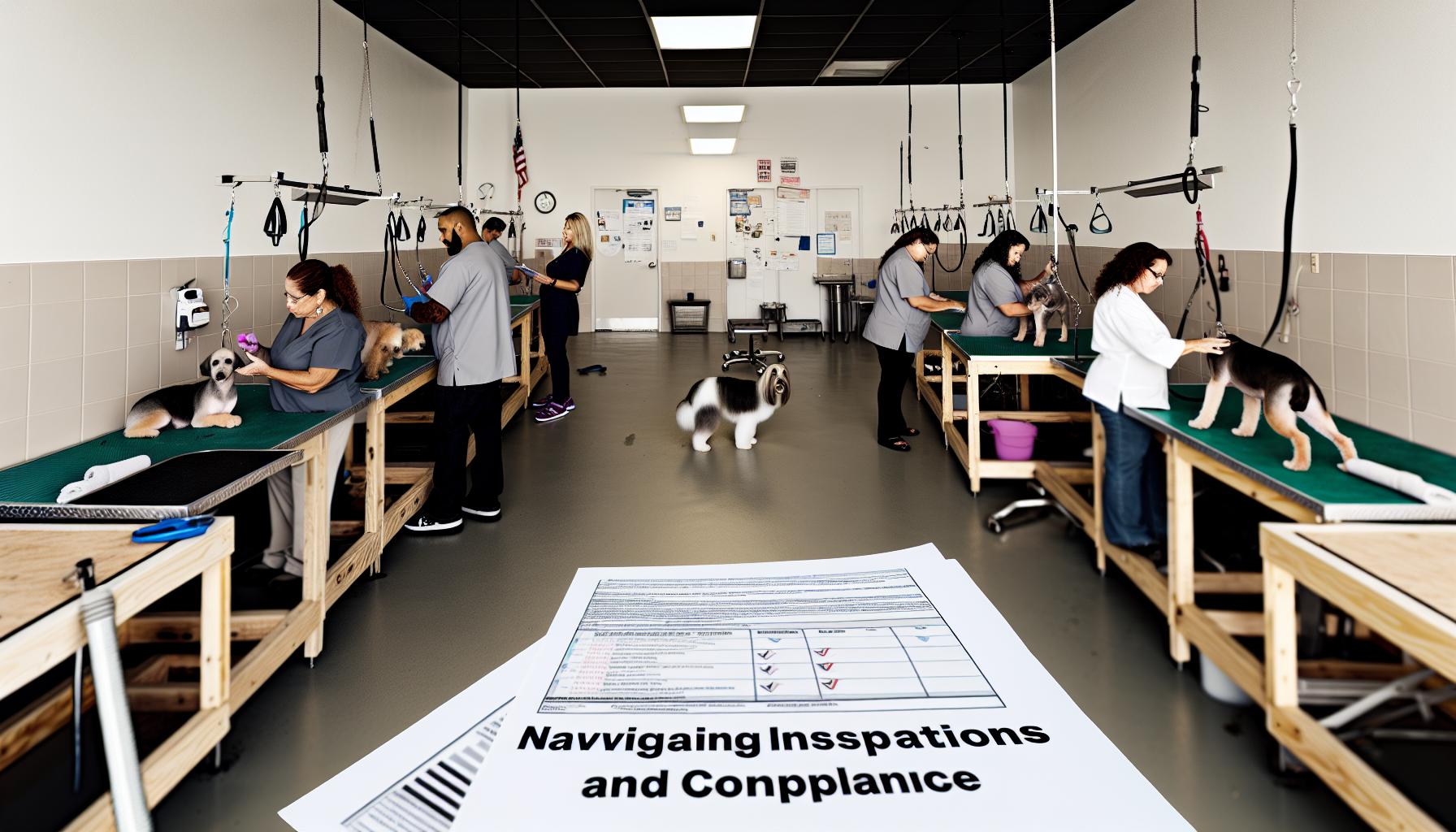
Running a dog grooming business in Florida means creating a safe, clean, and welcoming environment where pets-and their owners-feel respected and cared for. While Florida does not require a state-issued license specifically for groomers, you can still expect inspections and compliance checks at the local level, especially when operating a brick-and-mortar salon. Embracing these inspections as opportunities rather than obstacles can build trust with your community and ensure your business thrives.
Preparing for Inspections: What to Expect
Inspections often center around health, safety, and sanitation standards. Municipal or county health departments may want to verify that your grooming area is sanitary and that your tools and equipment are properly cleaned and stored to prevent the spread of parasites or infections. Local fire codes, building permits, and zoning regulations might also influence your setup and require compliance checks. Remember, inspectors aren’t there to judge your grooming style but to ensure the space and services meet basic safety expectations.
- Keep a Cleaning Log: Document daily sanitation procedures for tubs, clippers, brushes, and work surfaces. This record helps you stay accountable and shows inspectors your commitment to cleanliness.
- Organize Your Supplies: Store shampoos, conditioners, and chemicals safely, ideally in labeled containers away from pets. Proper ventilation and waste disposal methods are also key checkpoints.
- Maintain equipment: Regularly inspect dryers, clippers, and grooming tables for wear or hazards that could harm animals or staff.
Compliance as a Path to Confidence
Understanding that inspections protect pet health and business longevity will ease nerves during visits. Such as, keeping nail trimmers and blades sharp and sanitized not only prevents infections but also reduces grooming stress for anxious dogs prone to quick bleeding. Being proactive with records and cleanliness illustrates professionalism, builds pet owner confidence, and shields you from potential liability.
In addition to health inspections, your business may be subject to zoning laws and home occupation permits if you groom from home. Checking with local government offices before opening prevents surprises and ensures that your business operates legally within your community’s guidelines.
Troubleshooting Common Inspection Hurdles
Here are real-world tips from experienced groomers:
- Issue: Mold or Moisture in bathing areas
Solution: Use non-slip mats and dry tubs promptly after each use. Consider installing a dehumidifier if humidity is high. - Issue: Inadequate Waste Disposal
Solution: Provide clearly marked bins for hair clippings and chemical waste.Schedule regular trash pickup and avoid overflow near pets. - Issue: Lack of Documentation
Solution: Keep a simple binder with sanitation checklists, equipment maintenance logs, and client intake forms to demonstrate your protocols.
By framing inspections as part of your ongoing mission to put pet welfare first, you turn compliance into a strength-not a stress. Your genuine care, paired with these practical steps, ensures every wagging tail leaves happier and healthier under your watchful eye.
Remember, although Florida does not mandate state licensing for groomers, staying on top of local compliance and health standards is a crucial part of growing a responsible, respected grooming business that pets and their owners trust for years to come.
Q&A
Q: Are there any certifications recommended for dog groomers in Florida even if a license isn’t required?
A: While florida does not require a license, certifications from reputable grooming schools or associations considerably boost credibility and skill. programs like Woof gang Academy’s Professional Dog Groomer Program offer valuable training and certification, improving your grooming techniques and business appeal [3]. Check our section on Essential Training and certification Options for more.
Q: How can I ensure my dog grooming business complies with Florida’s health and safety standards?
A: even without licensing, adhering to state and local health codes is crucial. Use sanitized tools, maintain clean workspaces, and properly handle pets to meet safety standards. Review our article section on state Health and Safety Standards for step-by-step compliance tips that protect pets and clients.
Q: What local regulations might affect my dog grooming services in Florida?
A: Local counties or cities may enforce business permits, zoning rules, or inspection requirements apart from state laws. It’s vital to contact your local government offices to verify any additional permits needed. Refer to our How to Handle Grooming Permits and Local Regulations section for detailed guidance.
Q: Can I operate a mobile dog grooming business in Florida without a license?
A: Yes, you can operate mobile grooming without a state license, but you must comply with local permits, vehicle regulations, and health safety practices. Ensure your mobile unit is clean and safe for pets, and check specific local laws. Learn more in How to Legally Start a Dog Grooming Business in Florida.
Q: What liability protections should Florida dog groomers have in place?
A: liability insurance is essential for protecting yourself and your business from accidents or pet injuries, even if licensing isn’t required. Consider general liability and professional liability insurance to cover all bases. Our Liability and Insurance section offers advice on choosing the right coverage.
Q: How does dog grooming differ from veterinary care regarding licensing in Florida?
A: Dog grooming is a cosmetic service and does not require a state license, unlike veterinary care which demands strict professional licensing. Groomers focus on appearance and hygiene, while vets provide medical treatment. Understanding these boundaries helps ensure safe, ethical pet care; see Common misconceptions About Dog Grooming Licenses for more.
Q: What essential skills and tools should I master for professional dog grooming in Florida?
A: Key skills include bathing, brushing, nail trimming, and ear cleaning using quality tools such as clippers, brushes, and shampoos suited for various coat types.Mastering these ensures pet comfort and professional results. Visit our What Tools and Skills Are Needed for Licensed Groomers for detailed tips on building your skillset.
Q: How often should Florida dog grooming businesses expect health inspections or compliance checks?
A: Inspections vary by local jurisdiction. Some areas may conduct periodic checks to ensure health and safety compliance, while others may only inspect after complaints. Staying consistently clean and following standards reduces risks. Check Navigating Inspections and Compliance in Florida Grooming Businesses to stay prepared.
Explore these FAQs along with our full guide to starting and running a compliant, compassionate dog grooming business in Florida. For detailed advice on training, permits, and safety, continue reading our main article sections – your next grooming success is one smart step away!
Key Takeaways
Understanding Florida’s dog grooming license requirements is key to starting a trusted, pet-friendly grooming career or finding the right professional for your furry friend’s care. While Florida doesn’t mandate a formal license,completing a professional grooming program or gaining hands-on experience ensures safety,skill,and confidence – all vital for every coat type,breed,and temperament. Prioritize your pet’s comfort through gentle baths, careful brushing, nail trimming, and ear cleaning, always respecting the line between grooming and veterinary care.
Ready to deepen your expertise or explore trusted Florida grooming schools? Check out our guide on how to become a dog groomer in Florida and dive into thorough professional grooming programs designed to boost your skills and career potential. Don’t wait – start now to provide compassionate, expert care that pets and owners trust. Have questions or stories about grooming challenges? Share them below and let’s keep this conversation going! For ongoing tips and updates, subscribe to our newsletter and stay connected with the latest in Florida’s pet grooming scene.
Get our latest guides, news, and insights highlighted in your Google Search & AI Overviews.
Keep reading about the same coat and cut.


Popular grooming guides
Bath vs clip, first grooms, and salon how-tos.