Do Dog Groomers Have to Be Certified: Legal Requirements

Did you know that unlike veterinarians, dog groomers aren’t legally required to hold certification in many areas? This often surprises pet owners who wont the best care for their beloved companions. Understanding whether dog groomers need to be certified-and what that means for your pet’s safety and comfort-can definitely help you choose a trusted professional with confidence. Certification programs exist to ensure groomers are trained in essential skills like breed-specific cuts, handling anxious dogs, and maintaining hygiene, but laws vary widely depending on location. Whether you’re prepping for your dog’s first grooming appointment or considering a career in grooming, knowing the legal requirements and industry standards is key.This guide will gently walk you through what certifications mean, why they matter, and how they relate to the wellbeing of your furry friend-helping you feel calm, informed, and empowered every step of the way.
Understanding Legal Certification for Dog Groomers
Table of Contents
- 1 Understanding Legal Certification for Dog Groomers
- 2 state-by-State Certification and Licensing Variations
- 3 Why Certification Matters for Groomer Credibility and safety
- 4 Common certification Programs and How to Choose the Right One
- 5 Step-by-Step Guide to Becoming a Certified Dog Groomer
- 6 differences Between Professional Groomers and DIY Pet Owners
- 7 Legal Risks of Grooming Without Proper Certification
- 8 How Certification impacts insurance and Liability Coverage
- 9 Continuing Education and Recertification for Groomers
- 10 Tips for Pet Owners: Choosing a Certified Groomer You Can Trust
- 11 FAQ
- 11.1 Q: how can dog groomers demonstrate professionalism without a legal certification?
- 11.2 Q: What are the potential penalties for dog grooming without formal certification?
- 11.3 Q: When is professional dog grooming certification recommended despite no legal requirement?
- 11.4 Q: How does certification impact a dog groomer’s liability insurance coverage?
- 11.5 Q: Where can dog groomers access continuing education without mandatory certification?
- 11.6 Q: What should pet owners ask to confirm their groomer’s qualifications if certification isn’t legally required?
- 11.7 Q: Why do some states consider introducing licensing requirements for dog groomers in the future?
- 11.8 Q: How can groomers balance professional grooming standards with pet comfort and safety without formal certification?
- 12 Insights and Conclusions
When it comes to dog grooming, you might be surprised to learn that legal requirements for certification vary widely depending on where you live. Unlike professions such as veterinary medicine, dog grooming isn’t universally regulated by law in most places. This means that many groomers operate without formal certification and can still offer grooming services legally. However, this absence of a standard legal mandate doesn’t mean that certification and training aren’t crucial-they play a vital role in ensuring your furry friend’s safety, comfort, and well-being during their grooming experience.
Many states and local jurisdictions either do not require certification at all or have their own unique licensing systems-with differences in what skills or safety training must be demonstrated. For example, some areas require basic animal cruelty laws compliance or sanitation permits, while others expect a certain educational background to qualify for a license. Because there’s no uniform national licensing system for groomers, understanding your state or local laws helps you know what’s legally expected and what level of expertise to look for when choosing a groomer.
Certification vs. Licensing: what’s the Difference?
It’s critically important to distinguish between licensing and certification. Licensing is typically a government-issued permit necessary to legally operate a grooming business. Certification, on the other hand, is a professional credential earned through voluntary education and testing. certified groomers have usually completed specialized training in areas such as breed-specific cuts, canine health basics, safe nail trimming, and proper handling techniques.
While licensing ensures that groomers meet minimum legal standards, certification demonstrates a higher level of commitment, skill, and knowledge. For instance, a certified groomer might understand how to identify skin conditions or behavior cues that warn of stress or medical issues, which is essential for providing compassionate, safe care.
Why Certification Matters Even if it’s Not Required
Consider certification as a trust signal both for groomers and pet owners. It equips groomers with:
- Handling skills that reduce stress and risk of injury to anxious dogs
- Knowledge of canine anatomy and health to avoid accidents during nail trimming or bathing
- Familiarity with breed-specific grooming needs,ensuring coats are treated properly according to texture and length
- Sanitation and safety protocols that prevent infection and cross-contamination
For nervous pets or owners,a certified groomer’s expertise brings peace of mind. They’re more likely to spot subtle signs of discomfort or illness, modifying their techniques to keep grooming a positive experience. this goes beyond making a dog look good-it’s about nurturing their well-being gently and thoughtfully.
Real-World Example
Imagine a groomer trimming nails on a small dog with a history of anxiety. A certified groomer trained in canine behavior will use calming methods, recognize when to pause, and know precisely how much to trim without causing pain or bleeding. Without this knowledge,a nervous dog may become defensive or traumatized,complicating future grooming visits.
Ultimately, whether certification is required by law or not, it reflects a groomer’s dedication to the highest standards of pet care. If you want your pet’s grooming experience to be safe, cozy, and tailored to their unique needs, choosing a groomer who holds reputable certification is a wise decision that benefits everyone involved.
state-by-State Certification and Licensing Variations
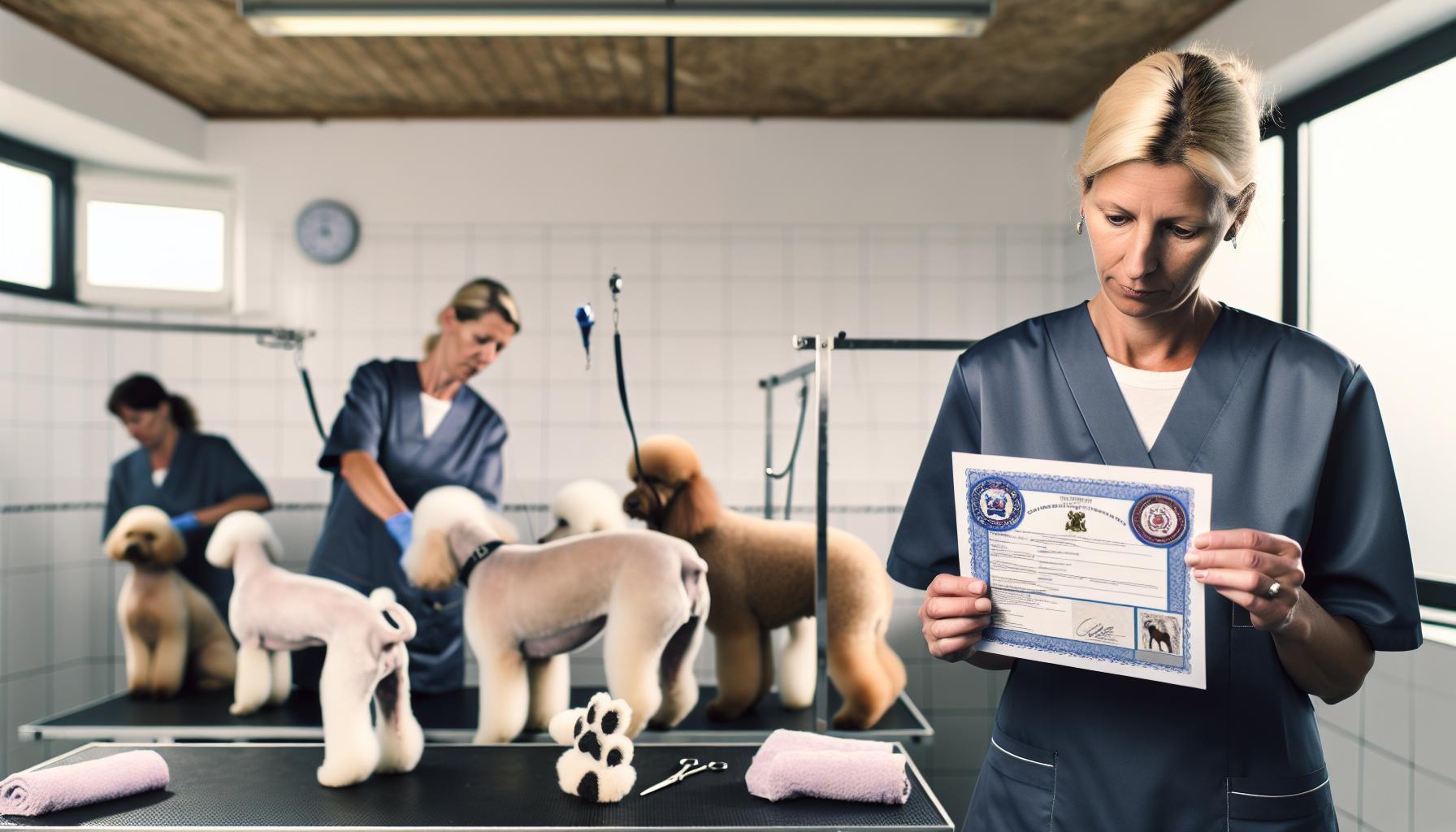
Did you know that the rules around dog groomer certification and licensing can feel like navigating a patchwork quilt-varied, colorful, and sometimes confusing? As grooming isn’t uniformly regulated across the country, what’s required in one state might be absent in another. This variation means that pet owners and groomers alike benefit from understanding local laws to ensure safety and professionalism. For example, some states may not require any formal licensing or certification to groom dogs professionally, while others enforce permits linked to health and sanitation standards or adherence to animal welfare laws.
In certain areas,such as California and Washington,local county or city governments may step in with their own permit requirements,often mandating proof of compliance with sanitation codes or animal cruelty prevention. this means a groomer in Seattle might need a different type of license than one in a small town in Texas or Florida. In contrast, states like New York often expect grooming businesses to follow stricter animal care regulations, sometimes including applying for a business license that verifies grooming practices meet public health criteria.
Practical Examples: What to Expect Locally
- Sanitation permits: many jurisdictions require groomers to obtain sanitation or health permits, focusing on disease prevention. this ensures that groomers regularly disinfect tubs, grooming tools, and maintain clean salons-critical for pets susceptible to skin or bacterial infections.
- Animal Welfare Compliance: Some states require groomers to be trained in recognizing signs of distress or injury in animals.This could translate to attending workshops or courses on cruelty prevention and safe handling before obtaining a license.
- Voluntary Certification Recognition: In locations without formal licensing, pet owner boards or local grooming associations may reccommend or require voluntary certifications to maintain professional standards.
For example, in a state without strict licensing, you might find groomers proudly holding credentials such as the Certified Professional Pet groomer (CPPG) or credentials offered by the International Professional Groomers, Inc. These certifications, while not legal requirements everywhere, give groomers an edge by proving their competence and commitment to pet safety and comfort. It’s like the difference between a driver’s license (the legal minimum) and advanced driving courses to handle tricky conditions confidently.
- Research Local Requirements: Check with your state’s animal control or business licensing office about pet grooming regulations. Even if certification isn’t legally required, there might be health and safety rules groomers must follow.
- Ask About Professional Training: Don’t hesitate to inquire if your groomer has industry-recognized certifications or specialized training in breed-specific grooming or anxiety management.
- Observe the Groomer’s Setup: Cleanliness and calm handling speak volumes. Licensed or certified or not, a well-organized grooming area that prioritizes pet comfort is non-negotiable.
Understanding this state-by-state patchwork helps you feel confident that your dog’s groomer can not only make your furry friend look great but also keep them safe and happy through every bath, brush, nail trim, and ear cleaning.

Why Certification Matters for Groomer Credibility and safety
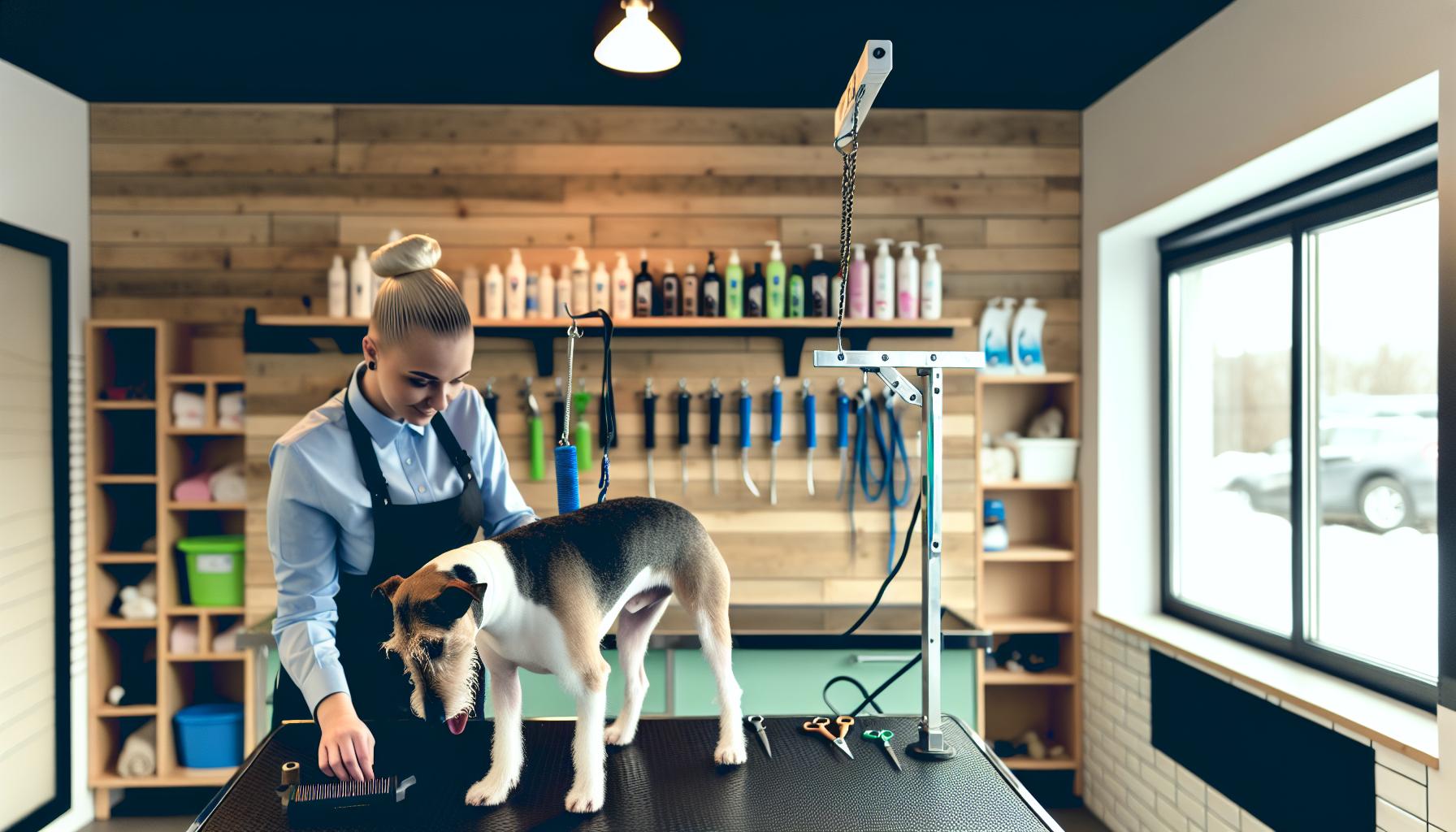
Imagine entrusting your beloved pet to someone whose knowledge and skills have been thoroughly tested and proven-this is the heart of why proper certification for dog groomers means so much more than just a title on a wall. Certification signals to pet owners that a groomer is not only capable of enhancing the appearance of your furry friend but also prioritizes their safety, well-being, and comfort throughout every grooming step.
Certified groomers have typically completed rigorous training covering essential topics such as canine anatomy, breed-specific coat care, safe handling techniques, and emergency protocols. This means they know the right tools to use for different coat types-from the thick, wiry fur of a terrier to the delicate curls of a poodle-minimizing stress and preventing accidents. As a notable example, a groomer trained in managing anxious dogs might recognize signs of distress early, using calming measures rather than forcing a difficult trim, which keeps pets feeling safe and secure.
Safety Comes First: Why Professional Training Matters
- Understanding Anatomy: A certified groomer knows where to trim safely without nicking skin or causing discomfort, especially around sensitive areas like ears, paws, and nails.
- Sanitation standards: Certification programs stress the importance of hygiene-regular sanitization of grooming tools and stations reduces the risk of infections or skin conditions.
- Recognizing Health Issues: Trained groomers can spot early signs of skin problems, parasites, or injuries, guiding owners to seek timely veterinary care.
Without certification, groomers might miss these subtle but critical details, increasing the risk of harm or discomfort to pets. Even beyond practical grooming skills, certification frequently enough reflects a groomer’s commitment to ongoing education, which means staying updated on best practices and emerging safety protocols.In a world where pet grooming can involve delicate procedures, having that verified expertise brings peace of mind to nervous owners and anxious pets alike.
Credibility That Builds Trust
Certification shines like a beacon of professionalism amidst a sea of options. Many owners hesitate to hand over their pets because the grooming experience involves more than just a nice haircut-it’s about trust,patience,and respect. When a groomer holds credentials such as the Certified Professional Pet Groomer (CPPG) or certifications from recognized bodies like International Professional Groomers,Inc., it reassures pet parents they are choosing someone who values ethical standards, client communication, and quality care [[2]](https://www.ipgicmg.com/) [[3]](https://www.appga.org/certifications).
Choosing a certified groomer reduces the guesswork and helps pet owners feel confident that their companion is in capable hands.for pets with special coat types or behavioral needs, professional certification can make the difference between a frightening grooming session and a calm, gentle experience that leaves tails wagging.
Common certification Programs and How to Choose the Right One
Choosing the right certification is more than just a checkbox-it’s a meaningful step that shows a groomer’s true dedication to the art and care of dog grooming. With so many options available, it can feel overwhelming, but focusing on programs that emphasize both skill and animal welfare will set a solid foundation. Certifications vary widely in their scope, from basic grooming techniques and hygiene to advanced breed-specific styling and even therapeutic grooming for pets with special needs.
Many reputable certifications, like the Certified Professional Pet Groomer (CPPG), offer thorough training that covers essential tasks such as safe bathing, brushing, nail trimming, and ear care across a variety of breeds. This certification is a great starting point for groomers new to the field because it builds confidence in handling different coat types and temperament challenges safely and effectively. For example, a groomer trained under a CPPG program will know how to adjust their methods when working with a stubborn terrier’s wiry coat versus the delicate curls of a poodle, choosing the right tools and products to prevent irritation or injury [[3]](https://www.appga.org/certifications).
Understanding Specialty Certifications
Beyond foundational training, some groomers pursue specialized certifications that focus exclusively on cats or advanced styling and dermatological knowledge. For instance,the National Cat Groomers Institute offers a specialized certification for feline grooming-a crucial choice for groomers wanting to master the gentle techniques needed for a less predictable,often more sensitive clientele. Similarly, programs offered in partnership with global pet care brands teach cosmetic science, coat treatments, and treatments for skin conditions, supporting groomers who want to offer therapeutic services alongside routine grooming.
How to Choose the Right Certification Program
When selecting a certification, consider these key factors:
- Accreditation and Recognition: Opt for certifications recognized by respected industry bodies or veterinary associations; this ensures the curriculum is thorough and up-to-date.
- Course Content: Look for comprehensive modules covering canine and feline anatomy, breed-specific care, safety procedures, and emergency protocols. The inclusion of hands-on practice-whether in-person or via video assignments-is invaluable.
- Support and Mentorship: Programs offering access to experienced instructors or peer communities create space for ongoing learning and questions, which is especially helpful for groomers just starting out.
- Flexibility and Format: Online courses, like the Penn Foster Pet Grooming Certificate, provide convenience for busy adults and include detailed training on bath, dry, and trim techniques for different breeds and coat types [[1]](https://www.pennfoster.edu/programs/veterinary/pet-grooming-certificate). Home study programs, such as those from Paragon Pet School, combine self-paced lessons with practical assignments to suit varied learning styles [[2]](https://paragonpetschool.com/home-study/).
Ultimately, the best certification is one that balances skill-building with love and respect for pets. It empowers groomers to handle anxious or special-needs pets gently, recognize underlying health concerns during grooming, and communicate effectively with owners about their pet’s unique requirements. Certification is not just a title-it’s a promise of compassionate care and professional competency that every pet owner deserves.

Step-by-Step Guide to Becoming a Certified Dog Groomer
Becoming a certified dog groomer is a rewarding journey that blends technical skills with genuine compassion for pets. The first step is to understand that certification isn’t just paperwork-it’s an investment in your ability to provide safe, respectful, and skilled care tailored to diverse breeds and temperaments. Each coat type-from the wiry layers of a terrier to the thick curls of a poodle-demands specific tools and techniques you’ll master along the way.
Start with Foundational Education
Begin by enrolling in a reputable grooming program, ideally one that offers comprehensive online or in-person instruction covering breed-specific grooming, canine anatomy, and pet health basics. For example, courses like the Penn foster Pet Grooming Certificate focus on essential skills such as bathing, drying, brushing, nail trimming, and ear care-building a strong foundation while respecting each dog’s comfort and safety [[2]](https://www.pennfoster.edu/programs/veterinary/pet-grooming-certificate). Introductory programs often include lessons on recognizing common skin conditions and behavioral cues, helping you react calmly to anxious pets during grooming sessions.
Gain Practical Experience
Hands-on practice is crucial.Whether through supervised apprenticeships or home-study coursework with practical assignments, applying what you learn in real-world scenarios deepens your skill set. Don’t rush-comfort with handling scissors near sensitive ears or clipping nails without causing stress comes from patience and repetition. Remember, using the right tool-like a slicker brush for long, fine coats or a pin brush for fluffier textures-makes all the difference in efficiency and pet welfare.
Earn Your Certification
After foundational training and practice, pursue a recognized certification such as the Certified Professional Pet Groomer (CPPG). This credential validates your knowledge of safety procedures, proper sanitation, and breed-specific grooming standards [[3]](https://www.appga.org/certifications). Exams typically assess practical skills along with theory, including pet handling and emergency responses. Achieving certification signals to clients and employers that you’re committed to maintaining high standards of care and professionalism.
Continue Learning and Specialize
Once certified, consider ongoing education to stay current with grooming trends and techniques or to specialize. Specialty certifications might cover feline grooming, therapeutic grooming for pets with skin conditions, or advanced styling skills. These not only enhance your resume but also equip you to compassionately meet the needs of pets who require extra care.A good example is training offered by the National Cat Groomers Institute for those who want to master the delicate art of feline grooming.
- Tip: Approach learning with patience-some breeds will challenge your skills more than others. For instance, brushing a double-coated husky demands different care than grooming a Maltese with fragile fur.
- Tip: Always prioritize comfort; if a dog shows signs of stress, pause and reassure with gentle touch and calm tones before continuing.
By following these steps thoughtfully, you not only meet most legal and professional requirements but also build trust with pet owners looking for groomers who genuinely prioritize their companions’ well-being.
differences Between Professional Groomers and DIY Pet Owners
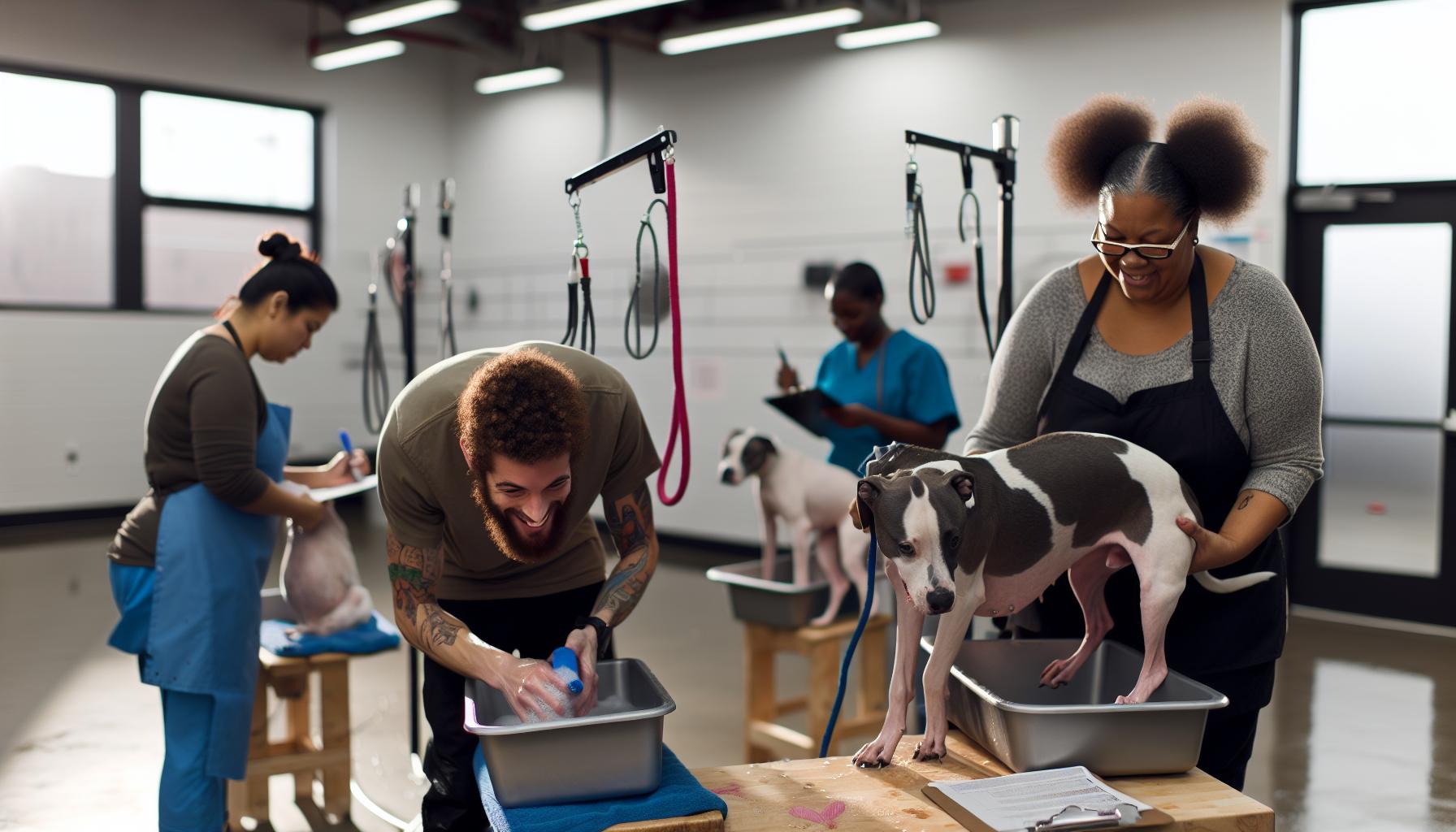
Many pet parents enjoy grooming their dogs at home-it’s a loving way to bond and keep your furry friend feeling comfortable. However, there is a distinct difference between grooming done by dedicated professionals and the care one can provide DIY-style. Professional groomers bring specialized knowledge not just about clipping and bathing, but also about animal behavior, skin health, and breed-specific needs. A groomer trained and certified understands the nuances of handling difficult coats-like the dense undercoat of a husky or the delicate, fine hair of a maltese-using the right tools and techniques to avoid discomfort or injury.
Why Professional Grooming Goes Beyond Basic Maintenance
At home, routine tasks such as basic brushing, occasional nail trims, or ear cleaning are perfectly fine and encouraged for bonding and maintenance. But professionals undergo extensive training on safety protocols, hygienic practices, and emergency handling. They know when a skin condition needs veterinary attention, or when to properly manage a pet’s anxiety during grooming. For example,a groomer recognizes subtle cues-a tucked tail,stiff posture,or rapid blinking-and can adjust their approach accordingly to keep stress minimal.
Tools and Techniques: The Pro Advantage
- Bathing: A professional bath isn’t just about shampoo and water.Certified groomers select shampoos based on skin type, coat condition, and even allergies, sometimes incorporating medicated or hypoallergenic products that aren’t commonly available to pet owners.
- Brushing and Dematting: Professionals use specialized brushes and dematting tools, matched expertly to the dog’s coat type-wiry, curly, double-coated, or fine-and they know how to gently remove tangles without causing pain or skin irritation.
- Nail Care: Trimming nails requires more than just clipping-the proper angle, avoiding the speedy, and preventing splitting are skills refined through practice and education, reducing the risk of bleeding or infection.
- Ear Cleaning: Groomers are trained to clean ears safely without pushing debris deeper and can spot infections early, advising pet owners to consult a vet if needed.
Clear Boundaries: When to Groom at Home vs. Seek a Professional
DIY grooming works well for regular upkeep and for cooperative pets with easy-to-manage coats. Though, some situations firmly call for certified groomers:
- Complex styling like breed-specific trims (e.g.,schnauzer beard shaping or poodle clipping)
- Matted or heavily tangled fur that requires careful dematting tools and techniques
- Pets with behavioral challenges who need a calm,experienced hand
- Signs of skin issues,wounds,or infections visible during grooming
Professional groomers understand their limits too-veterinary care remains essential for medical conditions.A groomer is not a substitute for a vet but an important partner in maintaining the pet’s overall health and hygiene. Certified groomers also often carry liability insurance, ensuring added protection and peace of mind for you and your pet.
Ultimately, combining your loving home care with regular visits to a skilled, certified professional ensures your dog looks and feels their best-all while staying safe and stress-free.
Legal Risks of Grooming Without Proper Certification
Every year, well-meaning groomers and pet owners who skip proper certification face consequences that could have been avoided with the right training and licensing. Grooming involves more than just tidying up a dog’s appearance-it requires knowledge of anatomy, behavior, and equipment safety to prevent pain or injury. Without certification, groomers risk overlooking critical cues, mishandling tools, or applying inappropriate techniques that could harm a pet physically or emotionally.
Potential Consequences of Skipping Certification
Uncertified groomers might unintentionally cause:
- Skin injuries: Cutting too close, nicking the skin with scissors or clippers, or applying harsh shampoos can lead to infections or painful wounds.
- Nail damage: Improper nail trimming that cuts into the quick causes bleeding, discomfort, and even long-term nail problems.
- Increased stress and anxiety: Without skills to read subtle stress signs in dogs, an inexperienced groomer may inadvertently escalate a pet’s fear, making future grooming sessions traumatic.
- Legal liability: Grooming without certification, especially where state laws require it, may lead to fines, business shutdowns, or lawsuits if injuries occur.
Real-World example: Managing a Double-Coated Breed
Take a double-coated breed like a Siberian Husky.Their dense undercoat is prone to matting if not properly brushed and dematted. An uncertified groomer might shave the coat entirely,which can disrupt natural insulation,lead to overheating,and cause skin irritation. Certified groomers understand the importance of selective trimming without compromising the coat’s protective function.
Why Legal Compliance Protects Everyone
Certification and licensing help ensure groomers have the education and hands-on practice needed to handle a variety of breeds and coat types safely. Moreover, compliance with state regulations often involves facility inspections and adherence to hygiene standards, reducing risks of spreading infections. In many states, grooming professionals must carry liability insurance that offers financial protection for both groomer and pet owner in case of accidents.
For pet owners,choosing a certified groomer means entrusting your beloved companion to someone trained to prioritize safety and comfort,not just aesthetics. For groomers, securing proper certification reduces legal risks and builds trust with clients-allowing you to focus on delivering compassionate, expert care that pets deserve.

How Certification impacts insurance and Liability Coverage
Insurance isn’t just a formality for groomers-it’s a vital layer of protection that keeps everyone safe and confident, from the gentle pup trembling on the grooming table to the caring groomer wielding scissors. When a groomer is properly certified,it often signals to insurers that they have the training and experience to minimize risks,which can lead to more comprehensive and affordable insurance coverage. This coverage typically includes general liability insurance,protecting against accidents like slip-and-falls or property damage,and professional liability (errors and omissions) insurance,which covers claims arising from grooming mistakes that cause injury or harm to a pet.
For example, imagine a certified groomer working with a petite breed like a Maltese-using the right scissors and knowing how to handle sensitive skin dramatically lowers the chance of cuts or skin irritation. This practical knowledge doesn’t just prevent accidents; it reassures insurers that the groomer understands breed-specific care, reducing the likelihood of claims. In contrast, uncertified groomers may face higher premiums or find it harder to secure insurance at all, as insurers see more risk tied to inexperienced handling or unfamiliarity with safety protocols.
What Insurance Covers and Why Certification Matters
- Property damage: Accidental damage to a client’s home or belongings during a home grooming session.
- Injuries to pets: Coverage for veterinary bills if a dog gets injured during grooming, such as cuts, burns, or allergic reactions.
- Third-party bodily injury: Protection if a pet or groomer accidentally injures a visitor or passersby.
- Business interruptions: Financial support if your grooming services are disrupted due to accidents or equipment damage.
Certified groomers often have the skills to recognize when a pet shows stress signs or medical issues requiring a vet’s attention rather than a grooming fix. This discernment not only safeguards the pet’s well-being but also reduces legal exposure. Without certification, a groomer risks unknowingly causing harm, and if uninsured, faces potential out-of-pocket expenses or lawsuits that could jeopardize their livelihood.
Practical Advice for Groomers and Pet Owners
- Groomers: Always verify your insurance meets local legal requirements and reflects your certification level. Regularly update your coverage as you expand services or take on special breeds or challenging coat types.
- Pet Owners: Don’t hesitate to ask your groomer about their certification and insurance-it’s a sign of professionalism and care. Knowing they carry appropriate liability insurance offers peace of mind, especially if your dog has special needs or anxiety.
Ultimately, certification and insurance work hand in hand, building a foundation of trust, safety, and professionalism that benefits every wagging tail and every careful hand guiding the clippers. It’s not just about styling-it’s about safeguarding health, happiness, and shared peace of mind.
For more details about specific policies, check resources like Joyce Insurance or the Hartford, which specialize in pet groomer insurance options tailored to certified professionals[[1]][[2]].

Continuing Education and Recertification for Groomers
Learning never truly ends for a dog groomer-especially when the well-being of our furry friends is at stake. As grooming techniques evolve and new tools hit the market, staying up to date through continuing education is more than a professional obligation; it’s a heartfelt commitment to providing the safest, gentlest care possible. Many certification programs require periodic recertification,ensuring groomers consistently refresh their skills and knowledge,adapt to changing safety standards,and deepen their understanding of breed-specific needs and medical conditions.
Regular courses or workshops often cover critical areas such as advanced clipping techniques, recognizing skin conditions, handling anxious or senior dogs, and even emergency first aid basics. For example, a groomer might learn how to better manage dogs with sensitive coats like the Poodle, or how to safely perform nail trims on breeds prone to nail splitting, such as Greyhounds. These ongoing lessons not only help prevent injuries but boost confidence when working with challenging pets, turning grooming sessions into stress-free experiences for both dog and owner.
How to Approach Recertification and Continuing Education
- Check Certification Renewal Policies: Many certifying bodies require renewal every 1-3 years.This often involves completing a set number of continuing education hours or passing refresher modules.
- Choose relevant Courses: Focus on topics that enhance your weaknesses or expand your services-like breed-specific grooming, specialty cuts, or pet behavior management.
- Practical Hands-on Training: Whenever possible, opt for workshops that offer live demonstrations or practice opportunities. Grooming is a tactile skill; seeing and doing improves muscle memory and technique.
- Stay Engaged with Professional Communities: Joining groomer associations or online forums introduces you to the latest trends, safety alerts, and peer support.
Recertification isn’t just about ticking a box; it reassures pet owners that their beloved dogs are handled by someone who cares deeply and keeps pace with best practices. It also protects groomers legally, as updated training frequently enough covers changes in local regulations and liability issues. By maintaining certification through continuing education, groomers build long-lasting trust, foster stronger client relationships, and ultimately, create a safer surroundings where every wagging tail can shine.
For groomers just starting or those seeking recognized credentialing programs offering flexible, remote study options, consider online courses like those from Penn Foster or the Professional Dog Grooming Academy. they provide comprehensive training that includes recertification support and continuing education units [[1]](https://paragonpetschool.com/home-study/) [[2]](https://www.pdga.online/) [[3]](https://www.pennfoster.edu/programs/veterinary/pet-grooming-certificate).
Tips for Pet Owners: Choosing a Certified Groomer You Can Trust
Finding a dog groomer who truly understands your pet’s unique needs can feel overwhelming, especially when considering their safety and well-being. Certification isn’t just a paper credential-it’s a reliable sign that a groomer has invested in professional training, kept current with best practices, and committed to handling dogs with skill and compassion. When your furry friend has a specific coat type-like thick double coats on Huskies or delicate curls on Poodles-you want a groomer who knows the right tools and techniques to avoid discomfort or injury.
What to Look for When Choosing a Certified Groomer
- Verify Certification and Education: Ask which certification programs your groomer has completed. Established certifications from recognized organizations, such as those offered online by Penn Foster or International Professional Groomers, show they’ve received comprehensive instruction in grooming, safety, and animal handling [[1]](https://www.ipgicmg.com/) [[2]](https://paragonpetschool.com/home-study/) [[3]](https://www.pennfoster.edu/programs/veterinary/pet-grooming-certificate).
- Discuss Experience with Your Dog’s Breed and Coat: A groomer unfamiliar with your dog’s breed may unintentionally cause skin irritations or discomfort by using the wrong brush or trimming style.For example, fine-haired breeds need gentle brushes and shorter drying times, whereas double-coated breeds require de-shedding tools and longer drying phases to prevent matting and skin infections.
- Observe Their Approach to Handling: Patience is key. Notice if the groomer calmly and gently manages nervous or elderly dogs. A skilled groomer frequently enough explains the process step-by-step, helping both you and your pet feel confident. They’ll prioritize your dog’s comfort over rushing to finish the job or achieving a perfect cut.
Simple Steps to Vet a Groomer’s Professionalism
- Request a Tour or Introduction: Some groomers welcome visits before appointments, allowing you to see their cleanliness, equipment, and how they interact with pets.
- ask About Their Emergency Protocols: Even the gentlest pet can have a mishap. Certified groomers receive basic first aid training and know when to pause grooming and recommend veterinary care.
- Check Reviews or Ask for References: Other pet owners’ experiences can give insight into a groomer’s reliability and care quality.
Remember, professional groomers are different from veterinarians and should not be expected to provide medical diagnoses. However, many certified groomers are trained to spot early signs of skin problems, ear infections, or behavioral changes and will recommend a vet visit when needed. This partnership between groomer and pet owner supports your dog’s holistic health and happy grooming visits.
FAQ
Q: how can dog groomers demonstrate professionalism without a legal certification?
A: Dog groomers can build professionalism by obtaining voluntary certifications, completing training courses, and gaining hands-on experience.Certifications from reputable organizations enhance credibility and show commitment to safety and skill, even though legal certification isn’t mandatory. Check out our section on *Why Certification Matters for Groomer Credibility and Safety* for more insights.
Q: What are the potential penalties for dog grooming without formal certification?
A: Since no states mandate legal licensing for dog groomers, there are generally *no legal penalties* for lacking certification. However, unlicensed groomers may face civil liability if grooming causes harm. Certification can reduce risks and improve insurance options-see *Legal Risks of Grooming Without Proper Certification* for details.
Q: When is professional dog grooming certification recommended despite no legal requirement?
A: Certification is advisable when handling specific coat types, breeds with sensitive skin, or advanced grooming styles. It equips groomers with vital skills and safety knowledge,enhancing client trust and pet comfort. explore *Common Certification Programs and How to Choose the Right One* to find the best fit for your goals.
Q: How does certification impact a dog groomer’s liability insurance coverage?
A: Certification frequently enough *lowers insurance premiums* and expands coverage as insurers see certified groomers as more trained and responsible. This protects groomers and owners against claims related to grooming injuries. Visit *How Certification Impacts Insurance and Liability Coverage* for more on managing risk.
Q: Where can dog groomers access continuing education without mandatory certification?
A: Online courses, workshops, and certifications like those from The Academy of Pet Careers and Animal Behavior College offer ongoing education opportunities. These keep skills sharp and knowledge up-to-date, enhancing safety and service quality. Check the *Continuing Education and Recertification for Groomers* section for recommended resources.
Q: What should pet owners ask to confirm their groomer’s qualifications if certification isn’t legally required?
A: Pet owners should ask about training background, certifications earned, experience with specific breeds or coat types, and safety protocols followed. Transparency signals professionalism and care. See *Tips for pet Owners: Choosing a Certified Groomer You Can Trust* for more advice on selecting the right groomer.
Q: Why do some states consider introducing licensing requirements for dog groomers in the future?
A: States may pursue licensing to improve animal welfare,standardize grooming practices,and protect consumers. While no state currently requires licenses, staying informed prepares groomers for possible changes. Refer to *The Future of Licensing for Dog groomers* for updates and proactive steps.
Q: How can groomers balance professional grooming standards with pet comfort and safety without formal certification?
A: Groomers can prioritize *gentle handling, breed-specific care, and clear communication* with owners to ensure safety and comfort. Learning through hands-on experience,workshops,and trusted resources complements legal flexibility while upholding high standards. For practical tips, see *Differences Between Professional Groomers and DIY Pet Owners.*
—
For a deeper dive on these topics, explore our full guide sections linked above and feel confident in your pet’s grooming journey!
Insights and Conclusions
Understanding whether dog groomers must be certified helps you make informed choices for your pet’s safety and comfort.While legal requirements vary by location, certification often enhances a groomer’s skills in breed-specific care, handling, and hygiene-elements essential for healthy coats, nails, ears, and overall well-being.If you’re considering a grooming career or looking for trusted services, exploring professional certifications can give you peace of mind and elevate your pet’s grooming experience.
Ready to deepen your knowledge? Explore our detailed guides on choosing the right grooming tools, or discover the difference between vet care and professional grooming to keep your furry friend both happy and healthy. Taking these next steps equips you with practical insights to navigate grooming confidently-whether at home or with a certified expert. Don’t wait to empower yourself with the best practices; sign up for our newsletter for expert tips, product recommendations, and updates from the world of pet care.
Have questions or personal experiences to share? Join the conversation in the comments below or follow us for more on dog breeds, coat types, and grooming techniques tailored just for you.together, we can create a supportive, informed community where every pet feels loved and well-cared-for.
Get our latest guides, news, and insights highlighted in your Google Search & AI Overviews.
Keep reading about the same coat and cut.




Popular grooming guides
Bath vs clip, first grooms, and salon how-tos.