Do Dog Groomers Get Rid of Fleas: Treatment Options and Limits
Did you know that while groomers can help manage fleas, they aren’t a cure-all for an infestation? Understanding what professional groomers can-and can’t-do when it comes to flea control is key to protecting yoru dog’s comfort and your home’s peace of mind. Fleas thrive in different coat types and hide in spots that require gentle, careful attention.As a pet lover and groomer,I know how stressful it can be to spot those persistent fleas and wonder if a grooming session will truly make a difference. This guide will walk you through the typical treatment options groomers use, when it’s time to involve your vet, and practical steps you can take at home to keep fleas from coming back. You’ll learn how baths, brushing, and specialized shampoos fit together in a safe, compassionate flea removal routine. Together, we’ll empower you to make calm, confident decisions-putting your dog’s health and happiness first, while avoiding unnecessary worry or harsh chemicals. Let’s explore how to tackle fleas effectively, with kindness and expertise every step of the way.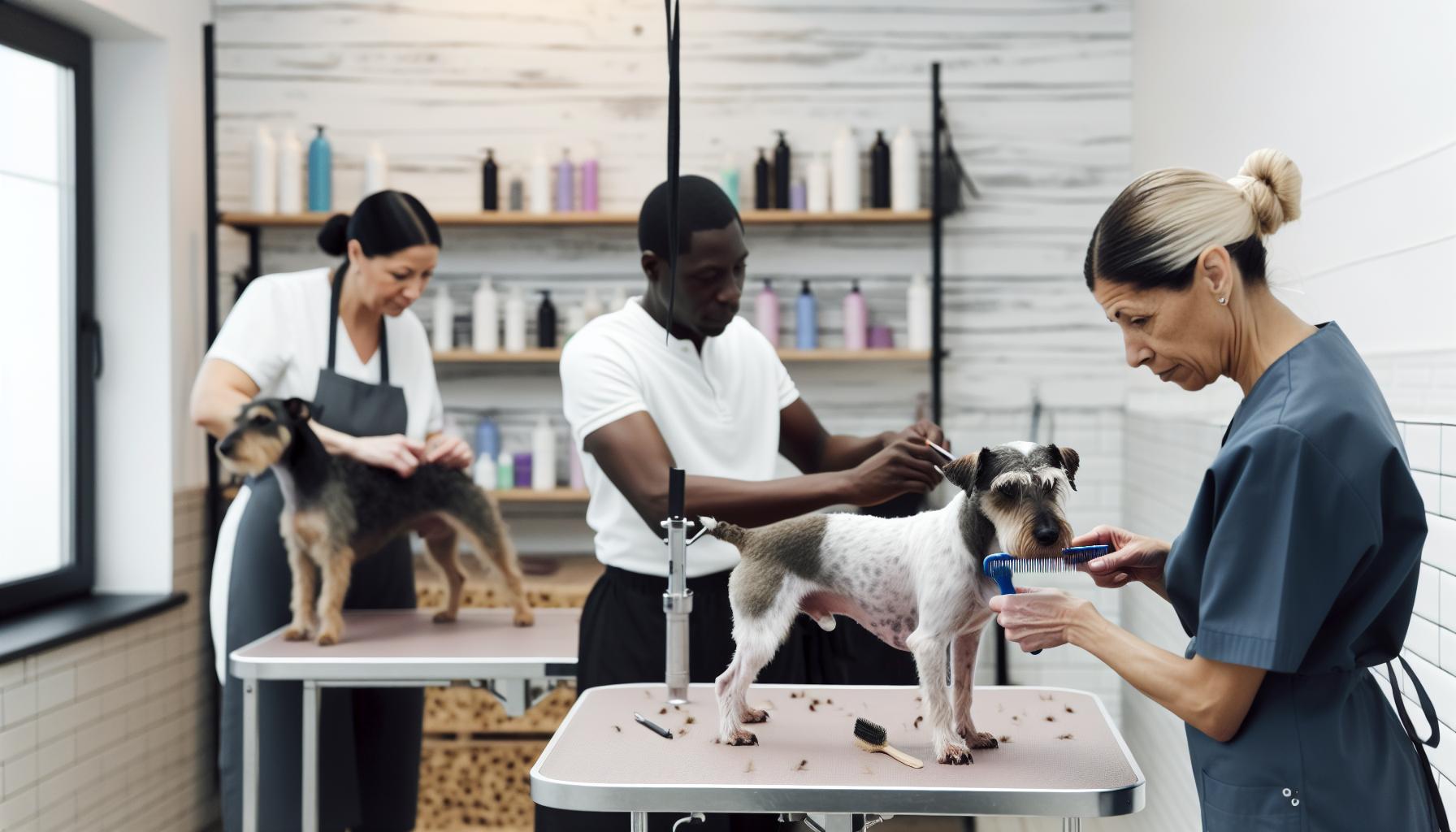
Can Dog Groomers effectively Remove Fleas?
Table of Contents
- 1 Can Dog Groomers effectively Remove Fleas?
- 2 Common Flea Treatment Methods Used by Groomers
- 3 Limits Groomers Face in eliminating Fleas Completely
- 4 Signs Your Dog Still Has Fleas After Grooming
- 5 How Grooming Tools Help Control Fleas Safely
- 6 Comparing Groomer Flea Treatments to Vet solutions
- 7 DIY Flea Control Tips Between Grooming Sessions
- 8 When to Consult Your Vet About Fleas
- 9 Preventing Fleas Through Regular Grooming Habits
- 10 Managing Flea Allergies and Sensitive Skin During Grooming
- 11 Frequently Asked Questions
- 11.1 Q: How do groomers handle flea infestations without causing stress to nervous dogs?
- 11.2 Q: Can grooming alone prevent future flea infestations on my dog?
- 11.3 Q: Why might some groomers refuse to groom dogs that have fleas?
- 11.4 Q: What grooming tools are most effective in detecting fleas early on dogs?
- 11.5 Q: How soon after a grooming flea bath can I expect to see improvements in my dog’s flea situation?
- 11.6 Q: Are flea shampoos used by groomers safe for all dog breeds and coat types?
- 11.7 Q: When should I combine grooming flea treatments with a vet’s prescription for best flea control?
- 11.8 Q: Can grooming flea treatments help if my home is already infested with fleas?
- 12 in Retrospect
Few experiences are more concerning for dog owners than learning their furry friend might have fleas after a grooming session.The good news is that professional dog groomers are equipped with specialized knowledge and tools to tackle fleas effectively, but it’s critically important to understand their role and limitations to ensure your dog’s comfort and health.
Groomers routinely perform thorough inspections before and during grooming, which helps spot fleas early. When fleas are detected, they usually use targeted flea shampoos and medicated sprays designed to remove live fleas and soothe irritated skin. Such as, a dense or long-haired breed may require extra attention with flea combing-a precise method that physically removes fleas and flea dirt from the coat.This combing step can be a game-changer in reducing the flea load, especially for dogs with thick or curly coats that hide fleas well.
How Groomers Safely Target Fleas During Grooming
- Bathing with flea-specific shampoos: These products are formulated to kill adult fleas on contact while being gentle on your dog’s skin and coat.
- Flea combing: Using a fine-toothed comb to trap and remove fleas and flea debris from the coat during and after the bath.
- Focused attention to problem areas: Groomers check common flea hideouts like around the ears,neck,tail base,and belly,ensuring a thorough approach.
That saeid,fleas are resilient pests with eggs,larvae,and pupae lurking in your dog’s environment. A grooming session can significantly reduce the number of live fleas on your dog but may not wholly eliminate an infestation on its own. For instance, fleas can quickly jump back on from infested bedding or carpets, reinforcing the need for a holistic approach.
Think of groomers as your first line of defense, expertly removing many of the fleas on your pet’s body and providing relief from itching and discomfort. However, ongoing treatments from your veterinarian, such as oral or topical flea preventives, are often necessary to fully break the flea life cycle. If your dog’s coat is unusually thick or matted, flea removal at the grooming salon can be more challenging, so grooming combined with home care becomes even more vital.
Ultimately, maintain a collaborative mindset between you, your groomer, and your vet. When groomers find fleas, they can help you understand the severity and recommend suitable next steps but won’t replace the extensive protection offered by veterinary products. Together, these efforts will keep your dog happier, healthier, and itch-free all year round.
Common Flea Treatment Methods Used by Groomers
One of the most reassuring aspects of professional grooming is the groomer’s readiness to address fleas with care and effectiveness. Flea treatment during grooming is much more than a rapid rinse; it’s a targeted, multi-step approach designed to reduce live fleas on your dog while ensuring their skin stays pleasant and safe. Groomers tailor their flea-control methods depending on your dog’s breed, coat type, and flea severity, recognizing that what works for a short-haired chihuahua won’t be the same for a thick-coated Newfoundland.
Bathing is usually the first and most critically important step. Groomers rely on specialized flea shampoos containing ingredients that kill adult fleas on contact but remain gentle enough for regular use. These shampoos often include soothing agents like oatmeal or aloe vera to calm irritated skin, which is especially helpful for dogs suffering from flea bites or itching. The process involves a thorough lather and appropriate soak time to maximize the flea-killing effect. For example, long-haired or dense coats may require multiple rinses or extra shampoo applications in problem areas such as the tail base, under the legs, and behind the ears, where fleas love to hide.
Flea Combing: A Hands-On Method
After the bath comes the delicate art of flea combing. Using a fine-toothed comb, groomers meticulously work through the dog’s coat, often section by section, to trap and remove fleas and flea dirt (the telltale black specks of flea feces). This step is invaluable for thick coats or breeds with curls and mats, where fleas can cling tightly and evade shampoo treatment alone. It’s also a reassuring way to physically remove what chemical treatments might miss. For anxious dogs, combing can be a calming tactile experience when done patiently, helping to build trust without causing distress.
Spot Treatments and Medicated Sprays
In cases of heavier flea infestation, groomers may apply topical spot treatments or medicated sprays post-bath. These products provide a quick knockout to remaining fleas and help prevent immediate re-infestation during the groomer’s handling. Though, it’s critically important to note that these treatments are usually mild and intended as part of a broader care plan-groomers avoid using strong chemicals that could harm your pet or cause skin irritation. They will also always check with owners about any sensitivities or allergies your dog may have before applying such products.
Targeted Inspection and Attention to Detail
the groomer’s expert eye is a key tool in flea control. Checking common flea hotspots-around the ears,under the collar,the tail’s base,and the belly-ensures no area is overlooked. Groomers often use grooming sessions to educate owners on how to spot fleas and flea dirt at home, empowering you to catch problems early or decide when a vet’s intervention might be necessary.
- Bathing with flea shampoos: Kills adult fleas gently and soothes skin.
- Fine-toothed flea combing: Physically removes fleas, especially in thick or matted coats.
- Medicated spot sprays: Used cautiously to target remaining fleas after shampoo and combing.
- Focused visual inspections: Identifies flea hotspots and advises on ongoing care.
By combining these methods, groomers provide significant relief from fleas while prioritizing your dog’s comfort. Remember, though, that their treatments frequently enough serve as an critically important first step rather than a standalone solution, complementing ongoing veterinary preventative care you may pursue at home.
Limits Groomers Face in eliminating Fleas Completely
Fleas are incredibly resilient little creatures that can quickly become a persistent problem, and even the most skilled groomers face real challenges when it comes to completely eradicating them during a grooming session. One key hurdle is that grooming addresses only the fleas present *on* your dog at that moment. Flea eggs, larvae, and pupae-hidden in your home, yard, and environment-remain untouched by washing and combing alone, meaning reinfestation can easily occur if these sources aren’t treated concurrently.
Another limitation lies in the nature of different dog breeds and coat types.For instance, long-haired or dense double coats (like those of Newfoundlands or Pomeranians) can harbor hidden fleas deep in the fur or within mats, making thorough removal with shampoo and combing more time-intensive and less instantly effective. Groomers frequently enough do their best to reach these trouble spots, but no quick session can guarantee that every flea and egg is removed when thick coats act like tiny flea sanctuaries.
additionally, groomers must balance efficacy with safety. Stronger flea treatments-those containing potent insecticides or systemic medications-are typically prescribed by veterinarians, not applied in salons. Groomers focus on gentle shampoos and topical sprays that won’t irritate sensitive skin or exacerbate allergies, especially as many dogs already have compromised skin from flea bites. This cautious approach means that groomers contribute significantly to flea control but rarely eliminate the infestation entirely.
- Environmental factors: Fleas in carpets, bedding, and outdoor areas continue to threaten reinfestation even after a meticulous groom.
- Coat type challenges: Thick, curly, or matted fur can shield fleas from topical treatments and combing efforts.
- product limitations: Groomers avoid strong insecticides for safety, relying on milder treatments that need to be part of a broader flea control plan.
- Timing and owner involvement: Flea elimination requires regular, consistent care beyond one grooming visit.
Why the Vet’s Role Complements Groomer Efforts
While groomers provide an essential first line of defense, veterinarians can prescribe oral or injectable flea preventatives that circulate through your dog’s bloodstream-killing fleas when they bite. This systemic action reaches fleas in places beyond the groomer’s grasp. if the infestation is severe or your dog has medication sensitivities, a vet-guided flea control plan becomes integral to success. Think of groomers and vets as teammates working together: grooming tackles the visible problem with care and comfort, while vets address the hidden, ongoing threat behind the scenes.
Keeping Expectations Real While Taking Action
Understanding these limits helps prevent frustration-fleas are a stubborn adversary, and full clearance takes time and patience.Groomers offer invaluable relief and an important diagnostic moment, pinpointing flea hotspots and advising on preventive steps. Real progress happens when owner diligence supports this with home vacuuming, washing bedding, environmental sprays, and regular flea medication prescribed by your vet.
Remember, your pup’s comfort and safety always come first. The best approach respects their needs, combining careful grooming, veterinary care, and diligent home management. This team effort creates the calm, itch-free, happy dog you want to see wagging their tail again.—
This balanced insight aims to empower you with realistic understanding and compassionate strategies for combating fleas gently yet effectively-because your dog deserves nothing less.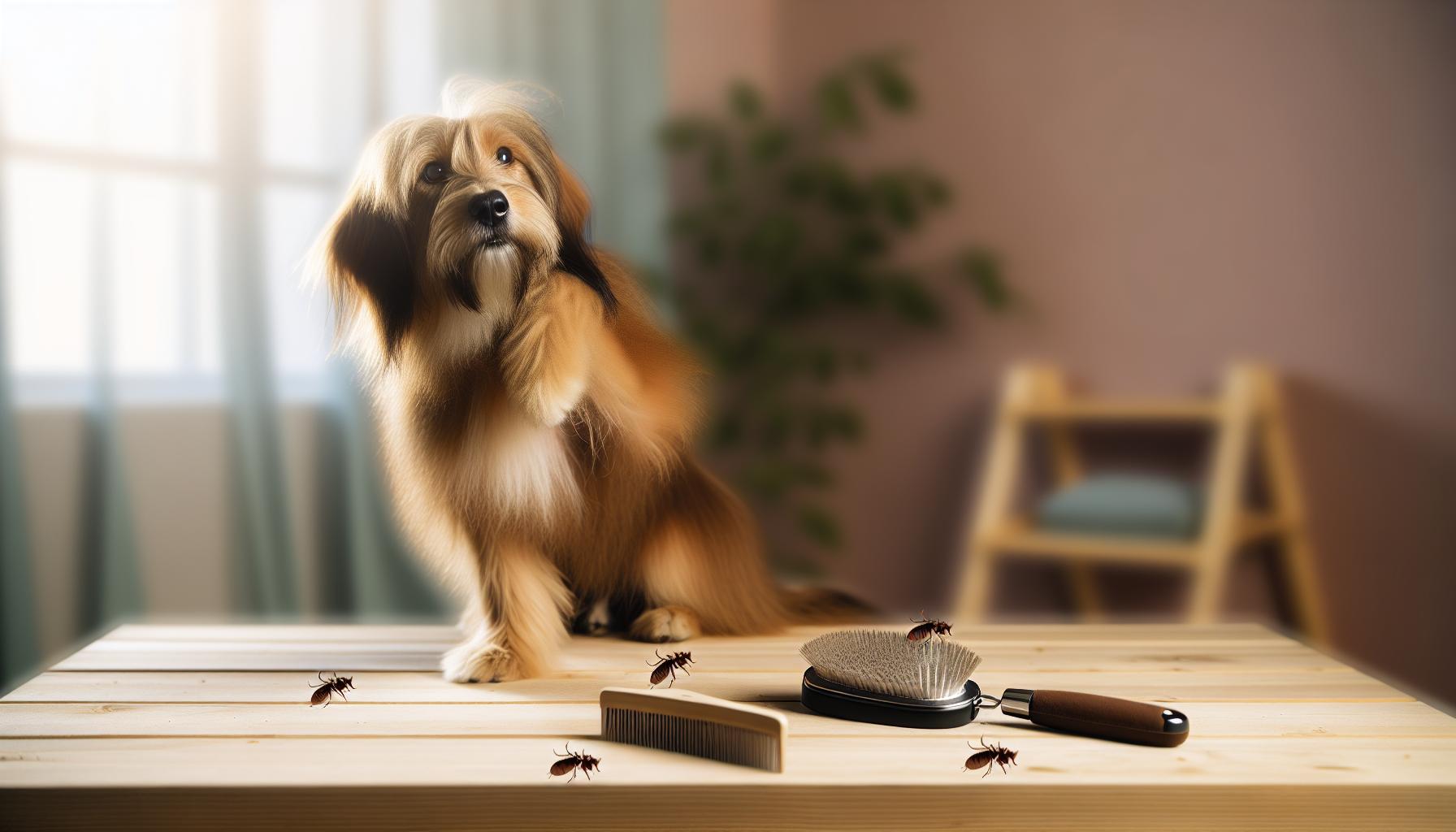
Signs Your Dog Still Has Fleas After Grooming
Fleas are masters at hiding, and even after a thorough grooming session, they can still be lurking in less obvious places. You might notice your dog scratching more than usual, especially around the neck, tail base, or belly – these are classic hotspots where stubborn fleas like to settle. Keep an eye out for small dark specks moving quickly through the fur, or the telltale sign of flea “dirt,” which looks like tiny black pepper-like grains on your dog’s skin or fur. A quick test is to moisten a white tissue and gently rub areas where you see these specks; if they turn reddish-brown, that’s flea dirt (digested blood), confirming active fleas.
Dogs with thick or long coats, like Golden Retrievers or Shih Tzus, can be especially challenging as fleas can burrow deep into the dense fur where even careful combing might miss them. In these cases, fleas may survive the initial shampoo and blow-dry, popping up after the session is over. Also, fleas may become more active and noticeable following grooming because the stress of being bathed and brushed can cause them to move around in search of better hiding spots.
- Persistent scratching or biting: Even shortly after grooming, your dog may paw or nibble at itchy spots, indicating lingering fleas.
- visible fleas or flea dirt: Small jumping insects or black specks in the coat that don’t wash away fully should raise a flag.
- rolling or rubbing: Dogs sometimes rub themselves against furniture or the floor more frequently to relieve itching.
- Red or irritated skin patches: Flea bites can cause localized redness, especially along the back, groin, or tail base.
- Difficulty sleeping or restlessness: Flea discomfort may make your dog unsettled or anxious after a grooming visit.
Practical Tips for Spotting Trouble Early
After your appointment, give your dog a gentle once-over each day, focusing on flea-prone zones using a fine-tooth flea comb. Sweep through the fur slowly, paying special attention behind the ears, under the legs, and around the tail where fleas love to hide. If you find any signs, it’s a cue to contact your vet for systemic treatments or discuss further environmental control options at home.Remember, groomers do their best with safe topical shampoos and combing, but their tools and products are designed more for relief and control-not full eradication.
Balancing Expectations with Compassion
It’s completely normal for fleas to linger despite a grooming visit. Think of the groomer’s role as one important puzzle piece, providing your dog comfort and reducing the flea population visibly on their skin. Complete flea control is a marathon, not a sprint-it requires ongoing care at home, including routine preventative treatments that a vet can prescribe. Patience and teamwork between you, your groomer, and your vet will give your dog the best chance to stay free of these persistent pests while keeping their skin safe and healthy.By understanding these signals and working closely with professionals, you empower yourself to recognize when fleas are still a problem and when a more targeted approach is needed-helping your furry friend enjoy life itch-free and happy.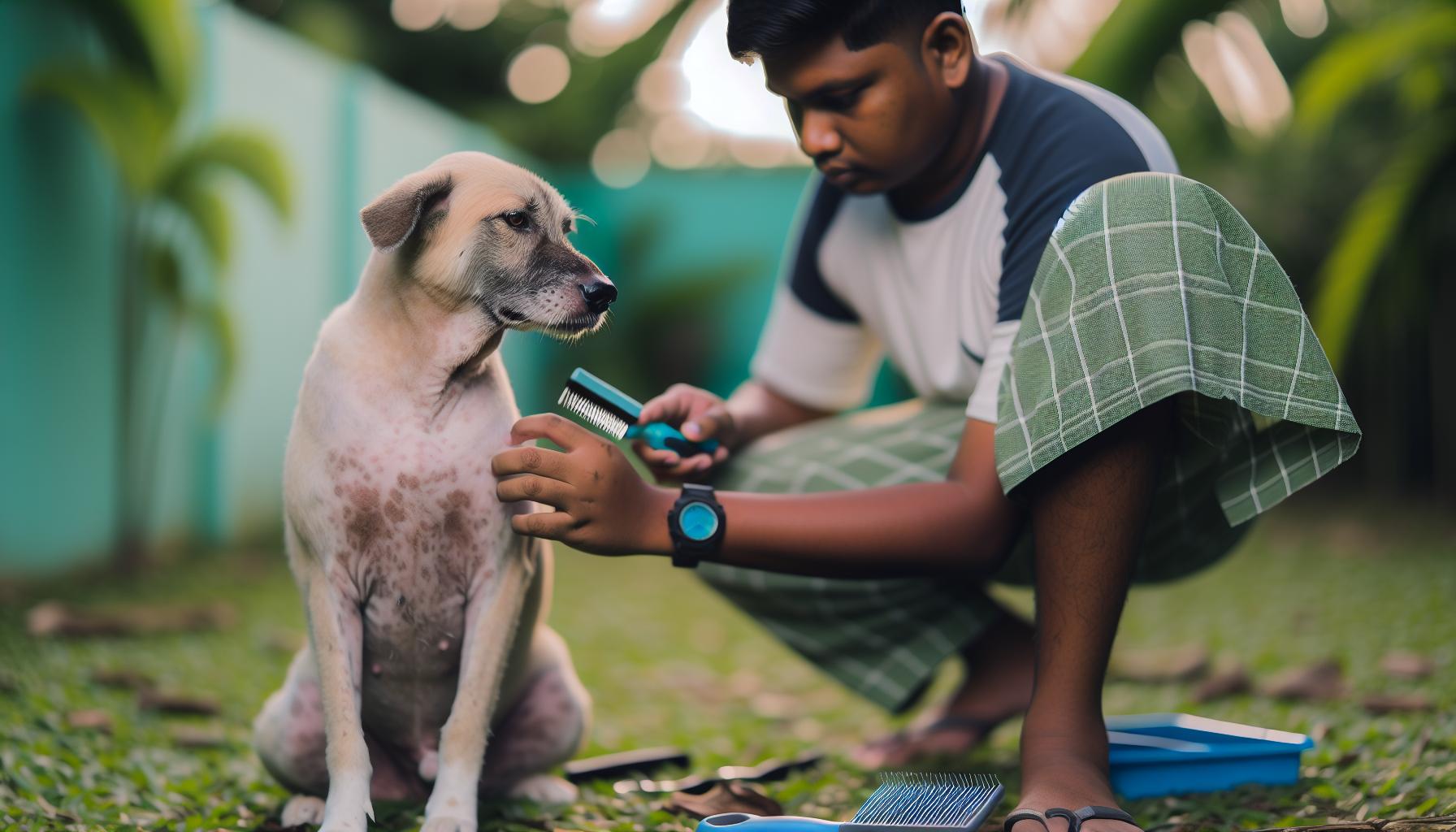
How Grooming Tools Help Control Fleas Safely
Fleas are incredibly skilled at slipping through even the most careful fingers,but the right grooming tools can make a big difference in keeping them under control-and doing it safely. One of the most powerful allies in this battle is the fine-toothed flea comb. Unlike regular brushes, these combs have closely spaced metal teeth designed to physically remove fleas, flea dirt, and eggs from the coat. For dogs with thick or long fur-think Golden Retrievers, Poodles, or Shih Tzus-using a flea comb methodically, especially around the neck, underarms, belly, and base of the tail, helps catch pests hiding deep where shampoos and sprays can’t always reach.
- Start with a gentle approach: Remove tangles and mats first using a slicker or detangling comb to avoid discomfort.
- Work in small sections: Slowly comb through the fur, wiping away debris on a white paper towel or cloth-this helps spot flea dirt that confirms their presence.
- Be patient: Flea combing is a time investment but also a calming ritual for many dogs when done with gentle strokes and reassuring words.
Bathing with specially formulated flea shampoos is another key tool in the groomer’s kit. These shampoos are designed to kill adult fleas on contact,soothe irritated skin,and reduce itching.Though, it’s critically important to use products that are safe for your dog’s age, breed, and skin sensitivities. Groomers are trained to select appropriate shampoos, avoid harsh chemicals, and rinse thoroughly to prevent residue that could irritate the skin further. After the bath, a careful drying process using warm blow-dryers not only keeps your dog comfortable but helps remove any remaining fleas flushed out from the fur.
Balancing Safety and Effectiveness
While it’s tempting to think that a grooming session can completely eradicate fleas, tools and treatments used by groomers are best seen as part of a multi-step strategy. Proper grooming eases the flea load significantly, reduces itching, and helps spot early signs of infestation. Though, systemic treatments prescribed by your vet, environmental control, and ongoing home care are frequently enough necessary to fully break the flea life cycle.
Groomers also carefully avoid overly aggressive tools or treatments that might stress an already irritated pet. Such as, nail trims and ear cleanings are handled delicately if the dog is scratching intensely or has sensitive skin due to flea allergies.This compassionate approach ensures that while the fleas get targeted,the dog’s well-being remains the top priority.
Real-Life Example
Imagine a small terrier with a dense, wiry coat: a flea comb alone might struggle to reach the skin. In this case, groomers combine shampooing with gentle stripping or clipping to reduce the hideouts for fleas.Between professional sessions, owners can replicate combing routines at home to keep flea numbers low and catch any sneaky survivors early.
Together, nourishing routines, gentle tools, and smart product choices create a safe grooming experience that helps control fleas without overwhelming your dog. Remember, your groomer partners with you and your vet-tools are means to ease discomfort and promote relief, not magic wands for instant flea-free status. With patience and teamwork, your furry friend can be more comfortable while working toward lasting flea control.
Comparing Groomer Flea Treatments to Vet solutions
Fleas are notorious for their resilience and rapid life cycle, which makes tackling them a tricky endeavor. While groomers play a vital role in reducing flea infestations through expert bathing, combing, and coat care, the treatments they provide often act as the frontline defense rather than a full cure. Veterinarians, on the other hand, offer systemic approaches that target fleas at multiple stages in their life cycle, providing a more comprehensive and long-lasting solution.
What groomers Offer: Targeted Surface Treatments
Professional groomers expertly use specially formulated flea shampoos designed to kill adult fleas on contact while soothing irritated skin. These shampoos are gentle yet effective for various coat types-from a fluffy Golden Retriever to a wiry terrier-and focus on reducing the current flea population.Groomers also use fine-toothed flea combs to physically remove fleas, flea dirt, and eggs from the coat, particularly in hard-to-reach spots like underarms and the neck. This immediate physical removal combined with the cleansing baths can provide a significant reduction in flea numbers and ease your dog’s discomfort during grooming sessions.
- Safe product use: groomers carefully select shampoos safe for your dog’s breed, age, and skin sensitivity.
- Stress management: Grooming sessions are paced to minimize anxiety, especially for sensitive pets reacting to flea allergies.
- Coat-type adjustments: Techniques vary-densely coated dogs may receive light trimming to expose flea hotspots.
However, grooming treatments primarily focus on surface-control-they rarely affect fleas hiding deeper in the environment or interrupt the flea’s full life cycle.
Vet Solutions: Systemic and environmental Control
Vets complement the groomer’s work by providing systemic flea control options such as oral or topical medications. These treatments work internally to kill fleas when they bite, preventing reproduction and gradually breaking the flea cycle.Many of these products also protect against ticks and other parasites. Importantly, veterinarians can diagnose and treat secondary complications, such as flea allergy dermatitis or skin infections resulting from prolonged infestation.
- Oral flea medications: Fast-acting and easy to administer, frequently enough providing protection for up to a month.
- Topical treatments: Applied to the skin and absorbed systemically, targeting fleas for extended periods.
- Environmental advice: Vets guide owners on treating the home and yard to prevent re-infestation.
Working Together: A Team Approach
Imagine a Labrador with a thick undercoat experiencing a moderate flea problem. A groomer’s flea shampoo bath and combing session will significantly reduce the visible fleas and soothe the dog’s itchy skin. Meanwhile, a vet-prescribed oral medication helps kill fleas unseen to the naked eye and prevents eggs from hatching. This combined approach accelerates relief and helps prevent fleas from bouncing back.
| Aspect | Groomer Flea Treatments | Veterinarian Flea Solutions |
|---|---|---|
| Primary Focus | Surface flea removal, skin soothing, immediate relief | Systemic flea control, prevention, and environmental management |
| tools/Products | Flea shampoos, flea combs, coat trimming | Oral meds, topical spot-ons, prescription-strength sprays |
| Duration of Effect | Short-term, session-based | Long-term, ongoing protection |
| Best For | reducing flea numbers during grooming, comfort | Breaking the flea life cycle, treating infestations fully |
By understanding the strengths and limitations of each, pet owners can confidently navigate flea control. Grooming sessions should be viewed as supportive care-providing cleanliness, comfort, and quick surface relief-whereas vet interventions act as the necessary follow-up for deeper, sustained elimination. When in doubt, always loop your vet into your flea management plan to ensure treatments are safe for your dog’s specific health needs and lifestyle.
This cooperative approach ensures your pet not only looks and feels better but is genuinely on the path to being flea-free with minimal stress. Remember, patience and consistent care are key-fleas are persistent, but with a team approach, they don’t stand a chance.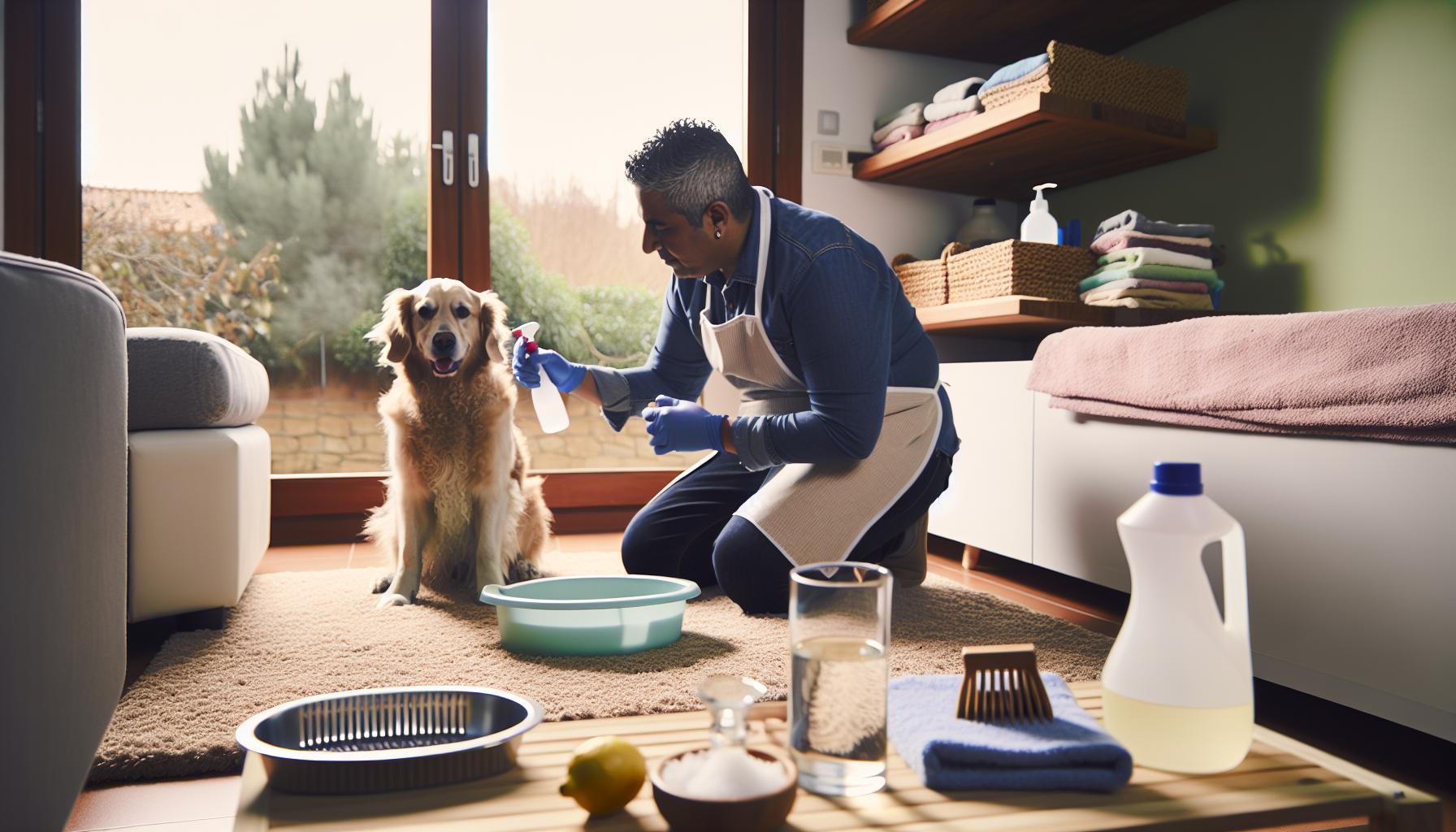
DIY Flea Control Tips Between Grooming Sessions
Fleas are notorious for their persistence, so maintaining control between professional grooming visits is key to keeping your dog comfortable and flea-free. Fortunately, with a little patience and the right tools, you can actively support your pet’s well-being without overwhelming them-or yourself. Whether you have a short-haired Boston Terrier or a lush-coated Collie,dedicating gentle daily attention to your dog’s coat can make a world of difference.
Daily Brushing and Flea Combing
Investing in a fine-toothed flea comb is a simple but powerful first step. After each walk or playtime outdoors, spend 5 to 10 minutes gently combing through your dog’s fur, focusing especially on typical flea hotspots: behind the ears, under the armpits, along the belly, and around the tail base. Use a white paper towel or shallow bowl with soapy water to wipe off fleas or flea dirt you catch-this makes it easier to see what you’re removing and prevents escape. If you spot live fleas, a quick dip in flea shampoo during your usual bath can complement this. For thick or double-coated breeds like german Shepherds, consider gentle dematting to expose skin and improve combing efficiency.
Bathing: Timing and Product Choices
Between grooming appointments, regular baths can disrupt the flea life cycle if done carefully. Use a flea-specific shampoo recommended by your groomer or vet to avoid irritation. Remember to wet the coat thoroughly,lather well,and allow the shampoo to sit for the manufacturer’s advised contact time (usually 5-10 minutes) before rinsing. Overbathing can dry the skin, so monitor your dog’s skin health and coat texture closely-especially in sensitive breeds like Bulldogs or those with existing allergies. A soothing condition or oatmeal additive often helps maintain moisture balance.
Environmental Maintenance
Dogs don’t pick up fleas in isolation-it’s a family affair including your home! Vacuum floors, rugs, and upholstery daily, and wash your dog’s bedding weekly in hot water to eliminate eggs and larvae lurking nearby. Many pet owners find placing diatomaceous earth (food-grade) on carpets a safe way to break flea stages without harsh chemicals. An easy DIY habit is to spray an environmental flea spray approved for pets and household use-increasingly,gentle botanical options are available that won’t harm your dog’s sensitive nose. Remember, treating both your pet and their surroundings ensures fleas don’t keep coming back.
Safe,Do-It-Yourself Preventive Steps
Simple lifestyle tweaks can also help. For example, avoiding tall grass and leaf piles reduces flea encounters. Wearing protective clothing and wiping your dog’s paws after outdoor time can remove stray fleas before they settle. Additionally, many pet-safe flea collars and spot-on products can be applied at home, but always check with your vet before starting these, especially if your dog has pre-existing health conditions or is on medication.
- Essential tools: flea comb, gentle flea shampoo, dog-safe conditioning spray, vacuum cleaner, washable bedding.
- Focus areas: Legs, belly, neck, tail base, ears.
- Frequency: Daily combing, biweekly bathing unless otherwise advised.
- Patience tip: Flea control is a marathon, not a sprint-consistent attention yields the best results.
By treating flea prevention as an ongoing, loving routine rather than a one-off task, you empower your dog to feel more at ease and reduce itchy discomfort. Of course, if at any point fleas seem unmanageable despite your diligent care, looping in your veterinarian for tailored medical interventions is always the safest route.Remember, you’re doing a fantastic job supporting your furry friend’s health and happiness between professional grooming sessions.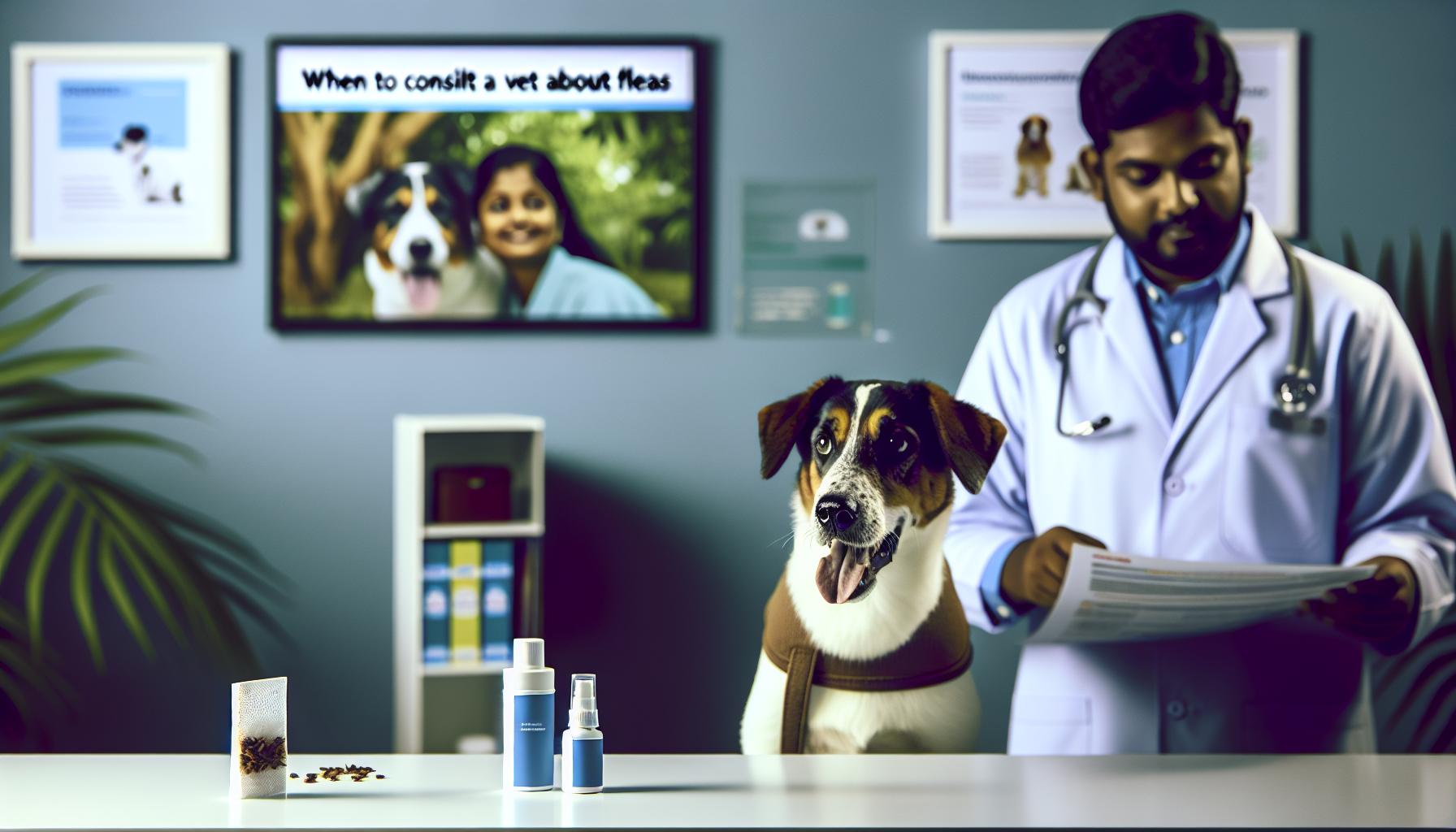
When to Consult Your Vet About Fleas
Sometimes, no matter how meticulous your grooming routine or how skilled the groomer, fleas can be stubborn guests that refuse to leave. It’s important to recognize when your efforts and professional grooming treatments aren’t enough and veterinary care becomes necessary. Early intervention from your vet can prevent serious discomfort and complications for your dog,especially if infestations persist or your pet shows signs of distress.
Every dog is unique-different breeds and coat types can influence how effectively fleas are controlled. For instance, dense double coats, like those of German Shepherds or Collies, often hide fleas and eggs more tenaciously than shorter coats. If after professional grooming and diligent at-home care you still notice persistent itching, redness, or skin sores, these are clear indications to seek veterinary advice. Untreated flea infestations not only cause discomfort but can also trigger secondary infections or allergic reactions, particularly in sensitive breeds like Bulldogs or dogs prone to flea allergy dermatitis.
When Immediate Veterinary Guidance Is Vital
- Signs of flea Allergy Dermatitis (FAD): Excessive scratching,hair loss,raw skin,or scabbing around common flea hotspots such as the belly,tail base,or neck.
- Visible Live Fleas or Flea Dirt After Grooming: If fleas persist despite groomer treatments and regular combing at home, your dog may need a stronger, vet-prescribed treatment.
- Behavioral Changes: Lethargy, restlessness, or constant biting at the skin may indicate discomfort requiring medical evaluation.
- Puppies, Seniors, or Dogs with Health Conditions: flea infestations can be more dangerous for these vulnerable groups and usually warrant prompt veterinary attention.
Understanding the Boundaries: Groomer Care vs.Vet Care
While groomers are highly trained in bath and coat care and can apply shampoo treatments that help reduce flea populations, they cannot prescribe or administer medical-grade flea preventatives or insecticides. Veterinary professionals have access to a wider range of treatments, including oral medications, topical spot-on therapies, and injectable preventatives, which are frequently enough necessary when flea populations are resistant or when your dog reacts poorly to infestation.
Remember, some over-the-counter or grooming salon flea treatments might not be strong enough against “nuclear survivor” fleas-those fleas that have developed resistance to common shampoos and sprays. Your vet can perform a thorough assessment and recommend flea control plans tailored to your dog’s age, health, and lifestyle, ensuring safety and efficacy without causing unnecessary stress or skin irritation.
partnering With Your vet for Long-Term Relief
Think of your veterinarian as a key ally in managing fleas, especially when infestations are severe or recurring. Together you can:
- Develop a comprehensive flea control plan that combines professional treatments, safe at-home products, and environmental management.
- Monitor your dog’s skin health, especially if flea allergy or sensitive skin is involved.
- Adjust medications seasonally as flea activity fluctuates in your region.
In short, trusting your gut and your dog’s wellbeing is crucial. If your pup continues to scratch and resist grooming despite your best efforts and professional help, it’s time to call your vet. They will provide compassionate, evidence-based support to restore comfort and happiness to your furry friend, ensuring fleas don’t steal the joy of your time together.
Preventing Fleas Through Regular Grooming Habits
Fleas are clever little hitchhikers, often hiding deep within a dog’s coat where casual touch won’t reveal them. Regular grooming is one of the most effective ways to stay ahead of these pesky parasites before an infestation takes hold. By incorporating focused flea checks into your grooming routine, you can detect and disrupt fleas early-protecting your dog’s comfort and your home’s cleanliness.
Routine Inspection and Brushing
Start by using a fine-toothed flea comb, ideally one designed specifically for detecting fleas and flea dirt. Work through your dog’s coat in small sections, paying extra attention to warm, sheltered areas like the belly, behind the ears, armpits, and near the tail base. For breeds with thick or double coats-such as Golden Retrievers or Samoyeds-using a comb with close-set teeth alongside a slicker brush helps loosen debris and locate hidden fleas or eggs.
Brushes and combs not only physically remove fleas but also stimulate the skin and improve circulation, which supports overall coat health. this step is gentle and comforting for most dogs when done patiently and with soft strokes. Notice your dog’s reaction and pause if they become nervous; short, calm sessions help build trust and make grooming a positive experience.
Bathing with Flea-preventive Shampoos
Giving your dog a bath every few weeks using a veterinarian-approved or groomer-recommended flea-preventive shampoo can suppress flea populations effectively. These shampoos work on contact and can provide immediate relief, especially when combined with physical removal through combing. Be cautious to select products suitable for your dog’s age, coat, and skin sensitivity. For instance, delicate-skinned or allergy-prone dogs benefit from gentle formulations without harsh chemicals.bathing isn’t just about cleanliness-it’s a vital step in managing external parasites. When lathering, focus on areas fleas love most: the base of the tail, groin, and neck. Allow the shampoo to sit for the recommended duration, usually around 5 to 10 minutes. This ensures maximum efficacy before rinsing thoroughly to prevent residue buildup that might irritate the skin.
Consistent Environment and Routine Maintenance
Regular grooming isn’t only about your dog but extends to their environment. Fleas thrive in rugs, bedding, and shared areas. Washing your dog’s bedding weekly in hot water and vacuuming carpets and floors frequently can dramatically lower the chances of re-infestation. grooming habits paired with environmental care create a defensive triangle that limits flea survival stages indoors.
For dogs who spend time outdoors or live in flea-prone areas, integrate a weekly “flea check” into your routine. Consider this part of your pet’s wellness, like nail trims or ear cleaning. It offers a proactive advantage, flagging any signs before they escalate into a full-blown problem. Always remember that while grooming helps manage fleas, it’s one part of a comprehensive approach, often requiring collaboration with your veterinarian for optimal flea prevention strategies.
- Keep a fine-toothed flea comb handy-especially after walks or playtime in grassy areas.
- Use gentle shampoos with flea-preventive ingredients recommended by groomers or vets.
- Establish calm, patient grooming sessions that your dog looks forward to, making checks less stressful.
- maintain household cleanliness by regularly laundering bedding and vacuuming floors.
Remember, regular grooming is a loving investment in your dog’s health and happiness. when you combine thoughtful,consistent care with professional support,you create a happy,flea-free environment that lets your dog shine-not scratch. If fleas persist despite your best habits, it’s always wise to consult your veterinarian for tailored treatments, ensuring your companion stays comfortable and itch-free year-round.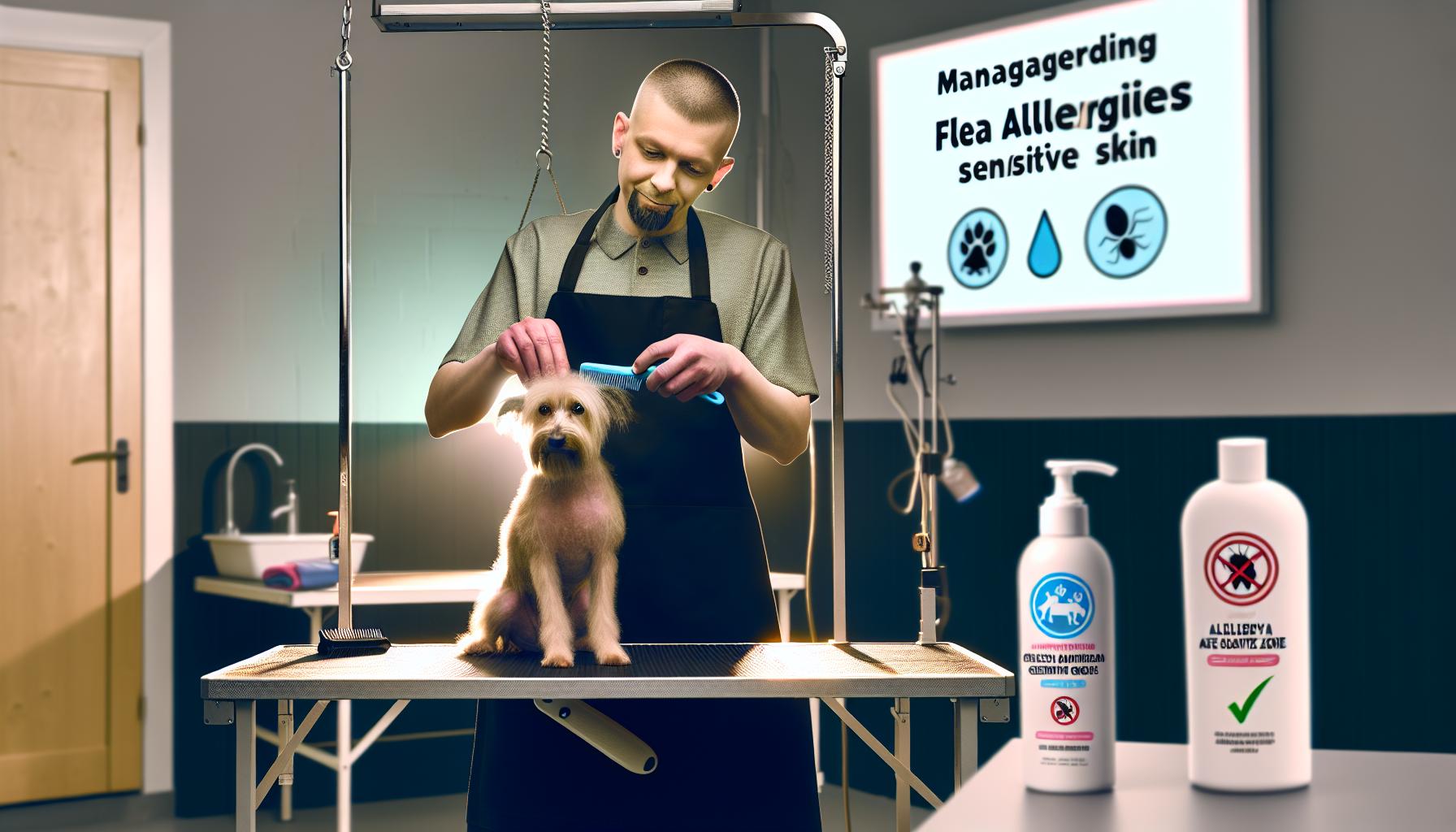
Managing Flea Allergies and Sensitive Skin During Grooming
Flea allergies and sensitive skin add an extra layer of complexity to managing fleas during grooming, requiring a gentle and thoughtful approach tailored to each dog’s unique needs.Dogs with flea allergy dermatitis (FAD) can have intense itching and inflamed skin, which means standard flea treatments might trigger discomfort or worsen irritation if applied without care. Recognizing these signs early-increased scratching, redness, hotspots, or hair loss-is crucial to adapting your grooming routine to protect not just your dog’s coat, but their fragile skin too.
choosing the Right Bath Products and Techniques
For pets with sensitive skin or flea allergies, the shampoo is the cornerstone of safe treatment. Opt for hypoallergenic, oatmeal-based, or aloe-infused shampoos with mild flea-fighting ingredients that soothe rather than sting. Avoid harsh chemicals or strong insecticides that can inflame already irritated skin.When bathing, use lukewarm water and apply shampoo gently, focusing on the common flea hotspots such as the neck and base of the tail. allow the product to sit as directed, but monitor your dog’s reaction closely, rinsing thoroughly to remove all residue-leftover soap can cause itching on sensitive skin.
Handling Brushing and Flea Removal With Care
Brushing and combing remain essential but must be done with soft,sensitive hands and the right tools. A fine-toothed flea comb is invaluable for detecting fleas and flea dirt, but don’t rush or force it through tender patches. For thick or longer coats, start with a gentle slicker brush to ease out tangles, then move carefully with the flea comb in short sections. If your dog is nervous, break grooming into several calm sessions, offering treats and praise to create a positive association. Using a soft towel to gently dab and soothe the skin afterward can reduce irritation.
Practical Steps for Protecting Sensitive Dogs Between Grooming
Maintaining flea control at home helps prevent flare-ups that complicate grooming. Use veterinarian-approved spot-on treatments or oral preventatives specially formulated for sensitive dogs,and incorporate regular environmental cleaning like washing bedding in hot water and vacuuming carpets. These steps minimize flea populations without the need for harsh sprays or powders, which can exacerbate allergies.
- Patch test shampoos: Before a full bath, test a small amount of product on the dog’s skin to check for adverse reactions.
- Trim carefully: If trimming is necessary, avoid close clipping over irritated areas to reduce further skin trauma.
- stay hydrated: Moisturizing sprays or leave-in conditioners designed for sensitive skin can definitely help maintain coat softness and skin barrier health.
Groomers and vets each play a role here: groomers safely manage the external removal of fleas and debris,while your veterinarian can prescribe specialized medications or treatments to address allergic reactions and skin healing. When in doubt, choose patience and gentleness over speed or perfection. Through consistent, compassionate care, you can definitely help your furry friend feel comfortable and secure, turning grooming from a stressful chore into a trusted moment of relief and connection.
Frequently Asked Questions
Q: How do groomers handle flea infestations without causing stress to nervous dogs?
A: Groomers use gentle, flea-specific shampoos and thorough brushing techniques to minimize discomfort for anxious dogs.They often start with calming approaches like soft handling and slow grooming pace. Always inform your groomer about your dog’s sensitivity to ensure a tailored experience that prioritizes safety,comfort,and stress reduction during flea treatment [[see Grooming Tools Help Control Fleas Safely]].
Q: Can grooming alone prevent future flea infestations on my dog?
A: Grooming is a helpful preventive measure but cannot completely stop future flea infestations by itself.Regular baths with flea-repellent shampoos and frequent combing reduce flea load, but combining grooming with veterinarian-recommended flea preventatives offers the best protection-learn more in our section on Preventing Fleas Through Regular Grooming Habits.
Q: Why might some groomers refuse to groom dogs that have fleas?
A: Some groomers decline to work on dogs with active flea infestations to prevent spreading fleas to other animals and their salon space. They prioritize client safety, insisting fleas be treated with vet-approved medication first. If fleas are found, they may recommend a professional flea bath or veterinary care before grooming resumes[[[1]].
Q: What grooming tools are most effective in detecting fleas early on dogs?
A: A fine-toothed flea comb is the most effective tool for early detection during grooming. It traps fleas and flea dirt, allowing prompt action before infestations worsen. Combined with regular coat inspections and flea shampoo baths, these tools help maintain a flea-free coat safely [[see How Grooming Tools Help Control Fleas Safely]].
Q: How soon after a grooming flea bath can I expect to see improvements in my dog’s flea situation?
A: Flea baths usually kill adult fleas on contact, so you may notice immediate relief from itching and fewer fleas shortly after treatment. However, eggs and larvae can remain off the pet, so follow-up treatments and cleaning your home environment are necessary for full control [[see Limits Groomers Face in Eliminating Fleas Completely]].
Q: Are flea shampoos used by groomers safe for all dog breeds and coat types?
A: most flea shampoos professional groomers use are formulated to be safe for a variety of breeds and coat types but always inform your groomer of any allergies or skin sensitivities. Groomers select mild yet effective shampoos that cleanse without irritating delicate skin or damaging the coat [[see Common Flea Treatment Methods Used by Groomers]].
Q: When should I combine grooming flea treatments with a vet’s prescription for best flea control?
A: Combine groomer flea treatments with vet-prescribed oral or topical flea medications when infestations persist or your dog has flea allergies or skin sensitivity. This multi-layered approach ensures thorough eradication and ongoing prevention-see our When to Consult Your Vet About Fleas section for timing and options.
Q: Can grooming flea treatments help if my home is already infested with fleas?
A: Grooming treatments reduce fleas on your dog but won’t stop fleas reinfesting from your home.You must treat your living area alongside your pet’s treatment to break the flea life cycle. Regular grooming supports overall control, but home and yard flea management are essential for lasting results[[[2]].
For more detailed guidance, explore our full article sections on flea treatment options and safe grooming methods-because every dog deserves comfort and care during flea control.
in Retrospect
Understanding the limits and possibilities of flea removal by professional dog groomers is key to keeping your furry friend comfortable and your home flea-free. While groomers can help manage and reduce fleas with special treatments and meticulous care,a full flea solution often requires a multi-step approach including vet-recommended medications and attentive home care. Remember, breeds with dense or long coats may need extra attention during baths and brushing to ensure all fleas and eggs are addressed safely and effectively.
To continue providing the best care, consider exploring our guides on effective flea treatments at home, choosing the right vet-approved flea prevention, and tips on preparing your dog for grooming. Don’t wait – if you suspect fleas, acting promptly with combined groomer and vet strategies minimizes discomfort and prevents infestations. For personalized advice or to find trusted products that fit your dog’s unique coat and health needs, sign up for our newsletter or schedule a free consultation. Your pup deserves comfort and confidence, and we’re here to help every step of the way.
Have questions or stories about flea control after grooming? Share your experience below or join our community forums to connect with other caring pet owners. Dive deeper into related topics like safe grooming practices for sensitive skin or seasonal flea prevention tips to keep your dog happy year-round. Together, we can ensure every grooming experience supports your pet’s health, comfort, and well-being.
Get our latest guides, news, and insights highlighted in your Google Search & AI Overviews.
Keep reading about the same coat and cut.




Popular grooming guides
Bath vs clip, first grooms, and salon how-tos.