Do Dog Groomers Get Bitten: Occupational Hazards and Safety
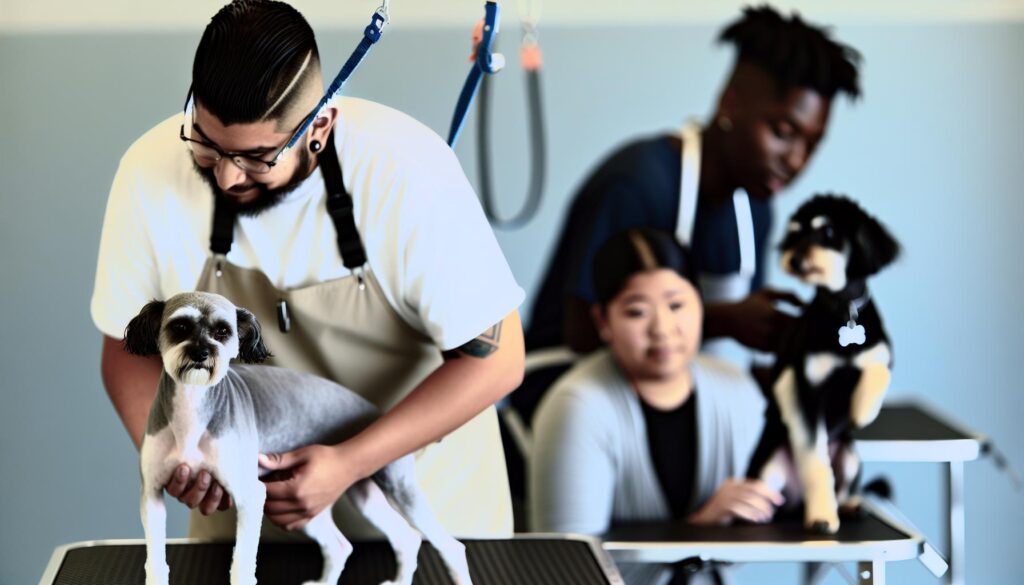
Did you know that bites and scratches are among the most common hazards dog groomers face daily? Grooming isn’t just about trims and baths-it’s a careful dance of trust, patience, and safety. Every dog is unique: breed, coat type, temperament, and medical history all influence how a groomer approaches each session. while most dogs are calm, some can be anxious or reactive, and understanding these signals helps prevent bites. As a loving groomer, my priority is your pet’s comfort and welfare, not just a perfect haircut. That means using the right tools,gentle techniques,and knowing when to muzzle or take a break. In this article,we’ll dive into why bites happen,how groomers manage this risk,and share practical safety tips that protect both dogs and their caretakers. Whether you’re a pet parent curious about grooming or a professional looking to enhance safety, you’ll find helpful insights to build confidence and peace of mind every time your furry friend visits the groomer.
Risks Dog Groomers Face every Day
Table of Contents
- 1 Risks Dog Groomers Face every Day
- 2 Common Triggers for Dog Bites in Grooming
- 3 How Different dog Breeds Affect Bite Risk
- 4 Essential Safety Gear for Dog Groomers
- 5 Step-by-step Safe Handling Techniques
- 6 Reading Canine Body Language Like a Pro
- 7 Preventing Bites During Bathing and Brushing
- 8 Nail Trimming Hazards and How to Avoid Them
- 9 Managing Nervous and Aggressive Dogs Calmly
- 10 When to Seek Veterinary or Behavioral Help
- 11 Training Tips to Reduce Bite Incidents
- 12 Creating a Safe Grooming Environment
- 13 Faq
- 13.1 Q: How can dog groomers safely handle unexpected aggressive behaviors during grooming?
- 13.2 Q: Why do some dogs bite more during grooming than at home?
- 13.3 Q: What are the best materials for bite-resistant gloves in dog grooming?
- 13.4 Q: When should a dog groomer refuse service to protect their safety?
- 13.5 Q: How can grooming facilities reduce bite incidents through environment setup?
- 13.6 Q: what are effective calming products or techniques to reduce bite risk in grooming?
- 13.7 Q: How do breed-specific temperaments influence bite risk beyond physical traits?
- 13.8 Q: What steps can groomers take post-bite to ensure safety and prevent future incidents?
- 14 Wrapping Up
Every day in a grooming salon brings a variety of challenges that extend beyond just styling a furry friend’s coat. Groomers often face risks that require not only skill and patience but also preparedness and vigilance. bites and scratches are the most obvious, but there are subtle hazards that can catch even the most experienced professional off guard. Working closely wiht animals who might be anxious, unfamiliar with being handled, or in discomfort means staying alert to body language and behavior shifts is essential to prevent incidents before they happen.
Alongside potential bites, groomers encounter risks such as exposure to grooming chemicals, repetitive strain injuries from constant clipping and brushing, and the stress of managing dogs with health issues or behavioral concerns. For example, some dogs might flinch or snap unexpectedly during nail trimming, especially if they have had a past negative experience or sensitive paws. Meanwhile, using shampoos or flea treatments without proper ventilation or protective gear can cause skin irritation or respiratory problems over time.
Key everyday Risks for Dog Groomers
- Animal bites and scratches: Even well-socialized dogs may react out of fear or pain, making protective gloves and calm handling techniques vital.
- Chemical exposure: Frequent use of shampoos, conditioners, ear cleaners, and flea treatments requires safe storage and PPE like aprons and eyewear to minimize risks.
- Physical strain: Repetitive movements such as clipping, brushing, and lifting can lead to muscle fatigue or injury, so proper ergonomics and regular breaks are important.
- Stress and emotional fatigue: Handling nervous or aggressive dogs requires emotional resilience and strategies to maintain a calm environment for both the pet and groomer.
One real-world tip is to always have a well-stocked first aid kit within easy reach, along with ongoing CPR and emergency first aid training tailored specifically for pet care. Groomers who build rapport with their canine clients and maintain clear communication with pet parents dramatically reduce risk – fostering trust helps dogs feel safer and less likely to react defensively. Remember, safety is about compassion as much as caution; slow movements, gentle touch, and knowing when to pause or seek extra help can transform high-risk situations into manageable ones.
With these day-to-day risks in mind, prioritizing personal protective equipment (PPE) such as gloves, aprons, and eyewear, along with a well-organized, calm workspace, helps create an environment where both groomer and pet are respected and protected at every stage of the grooming process [[1]](https://www.gingrapp.com/blog/safety-considerations-for-pet-groomers) [[2]](https://www.loganshouse.com/blog/protocols-every-dog-grooming-business-should-follow).
Common Triggers for Dog Bites in Grooming
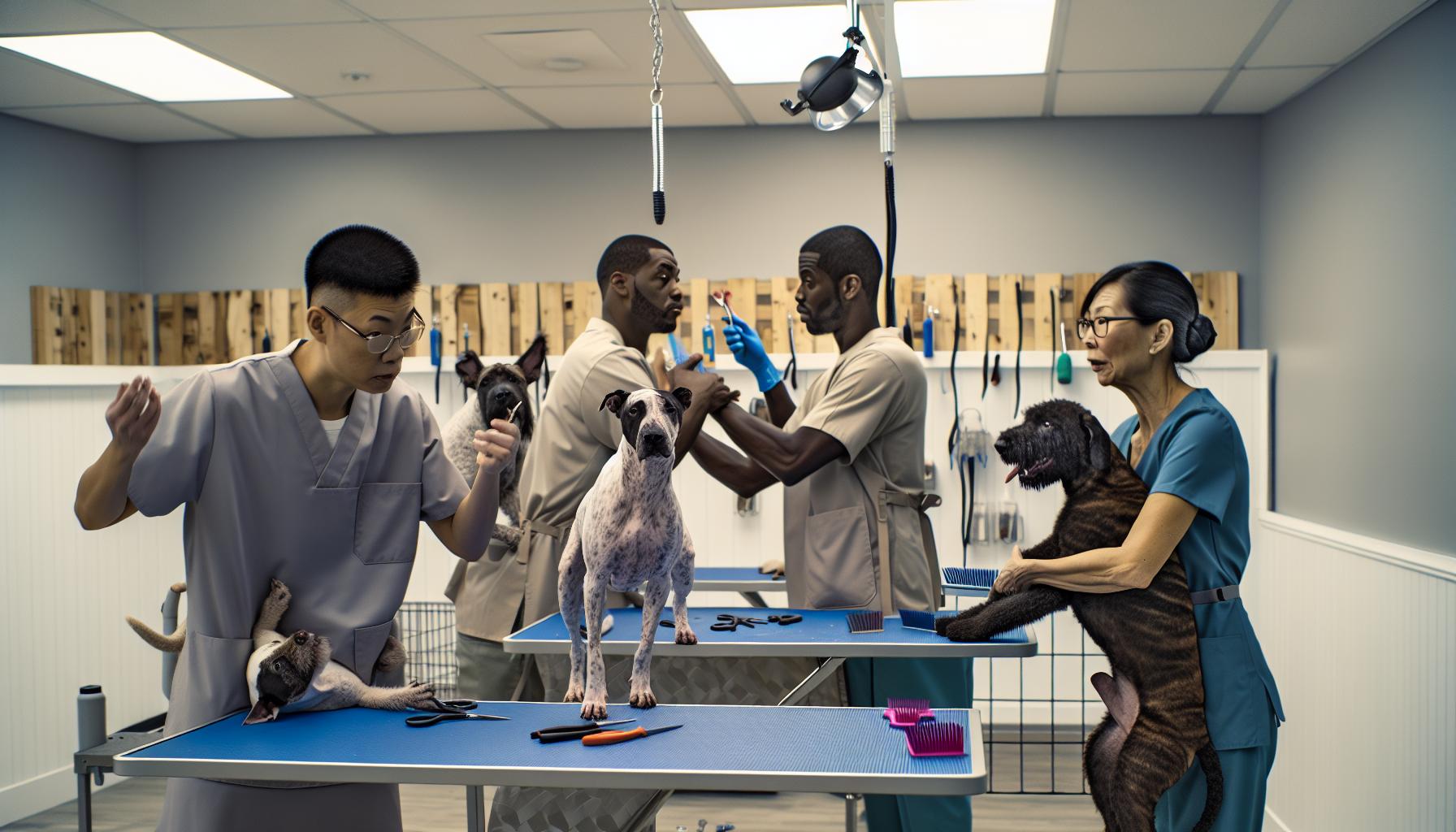
Handling a dog during grooming is a delicate dance,and even the gentlest pets can unexpectedly snap. Many bites happen not out of aggression, but from fear, discomfort, or confusion about what’s happening. Recognizing common triggers can make all the difference in preventing those stressful moments. For example, sudden movements or unfamiliar tools can startle a dog, especially during sensitive tasks like nail trimming or ear cleaning. A dog who tolerates brushing calmly might suddenly flinch if a tangled coat pulls on their skin, causing an instinctive bite reaction.
Pain is one of the most powerful triggers. Dogs with underlying health issues-such as arthritis, skin irritations, or ear infections-may bite when touched in painful spots. Even subtle tenderness can lead to an unexpected snap. That’s why a careful, gentle touch paired with observing the dog’s behavior during each step is so vital. Taking extra time to communicate calm reassurance throughout the process helps soothe stress and reduces bite risk.
Common Situations That Prompt Defensive biting
- Nail trimming: Fast cuts or pressure on sensitive areas often provoke sharp reactions. Dogs unfamiliar or anxious about this task may withdraw suddenly or bite out of fear.
- Bath time: Water in the eyes, ears, or nose can cause panic. The sensation of being restrained, combined with slippery surfaces, can heighten anxiety and trigger defensive snapping.
- Coat mat removal: Pulling or tugging at mats creates discomfort. Mats close to the skin can be painful, so slow, patient detangling reduces risk.
- Ear cleaning: The ear canal is sensitive, and dogs may react if cleaning is too rough or unfamiliar.
- Unexpected touch: Sudden petting or grabbing near the face, paws, or tail can startle dogs who are already on edge.
Awareness of each dog’s unique history, temperament, and health conditions is key. As a notable example, a fearful shelter rescue might react to a simple leash adjustment, while a dog with a previous traumatic grooming experience may guard aggressively around clipping tools. In these cases, building trust over several sessions and creating a reassuring routine promotes safety.
Real-World Tips for staying Safe and Compassionate
- Communicate with pet parents: Ask about sensitivities or past nail-trimming struggles before the session.
- Start slow and check in: Pause frequently to read body language and offer calming words or gentle strokes.
- Use distraction: treats, toys, or soft talking can redirect attention during tricky procedures.
- Alternate tools if needed: For example, quieter clippers or different nail files may reduce stress triggers.
- Know your limits: If a dog shows persistent aggression or pain signs, advise a vet visit or a behaviorist consult before continuing.
By staying calm, observing closely, and respecting each dog’s signals, groomers can minimize biting incidents while supporting the dog’s well-being.Compassion paired with caution ensures every pet feels safer, and every groomer stays protected.
How Different dog Breeds Affect Bite Risk
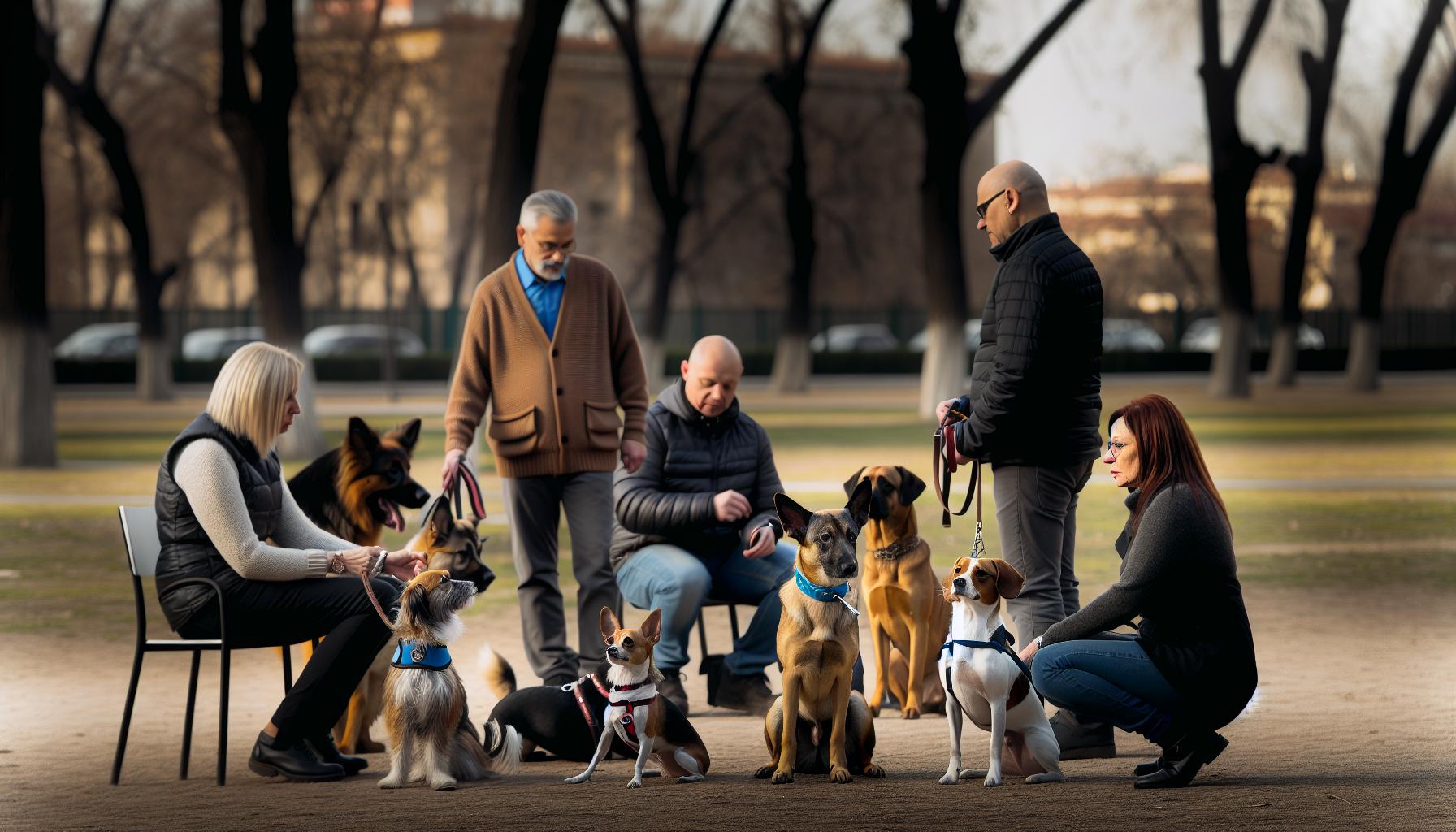
Dogs come in all shapes, sizes, and temperaments, and these differences can influence how likely they are to bite during grooming. While any dog can bite if startled, scared, or in pain, understanding breed-specific traits helps groomers prepare and adjust their approach for safety and kindness. Such as, powerful breeds like pit bulls or rottweilers, which statistically have higher rates of serious bites, require extra caution and respect for their strength and sensitivity. This doesn’t mean grooming these breeds is unfeasible-just that patience, calm leadership, and some extra protective measures go a long way [[1]](https://www.advancedbackandneckcare.com/dog-attacks-by-breed-2024-dog-bite-statistics-state-fatality-data).Coat type also plays a big role in grooming stress and bite risk. Thick double coats like those of German Shepherds or huskies frequently enough mean longer brushing sessions, where pulling on mats can cause discomfort and defensive snaps.Conversely, breeds with sparse coats or sensitive skin, such as Greyhounds, might react negatively to grooming tools that drag or pull. Knowing these nuances allows groomers to choose the right tools – like softer brushes or quieter clippers – and pace sessions carefully.
Breed-Specific Tips for Safer grooming
- Bulldogs and brachycephalic breeds: Short noses mean frequent breathing struggles. Keep the session calm and watch for signs of stress. Avoid heavy restraint and allow frequent breaks during bathing and drying.
- Terriers and working dogs: Energy and alertness can translate to quick movements. Use firm but gentle handling and engage them with positive distractions to reduce restlessness.
- Small toy breeds: Fragile bones mean extra care during handling, especially around paws and nails.Their tiny size can also make them nervous, so be slow and reassuring.
- Large guard or protection breeds: their strength and guarding instincts demand clear boundaries and confident, calm behavior from groomers.Extra safety gear, such as muzzles, may sometimes be necesary for everyone’s safety.
Sometimes, bite risk is less about the breed itself and more about the individual dog’s history and health. Rescue dogs or those with prior traumatic grooming experiences can be more defensive, regardless of breed. Therefore, always consult pet parents for background info and observe carefully for early body language signals. For example, a German Shepherd with a thick coat might be easygoing, but if sensitive around ears due to past infections, approach that area slowly and consider suggesting a vet check before continuing.
| Breed Type | Coat & Care Notes | Common Bite Risk Triggers | Handling Tips |
|---|---|---|---|
| pit Bulls / Rottweilers | Short coat, strong jaws | Fear or pain during nail trimming & clipping | Use slow approach, muzzle if needed, stay calm |
| German Shepherds / Huskies | Thick double coats, prone to mats | Painful mat removal, overbrushing | Gentle detangling, frequent breaks, use slicker brushes |
| Bulldogs | Short coat, breathing concerns | Stress from restraint or drying | Limit restraint, calm voice, slow drying |
| Toy Breeds (Chihuahuas, Yorkies) | Fragile size, fine coat | Injury from rough handling or nail trimming | Use gentle hold, small tools, slow nail trims |
Remember, breed is just one piece of the puzzle. A kind, knowledgeable groomer’s real strength is tuning into the individual dog’s signals, tailoring the grooming process with empathy, and prioritizing the animal’s comfort and safety. This not only builds trust but also dramatically reduces the chance of bites and ensures a positive experience for dogs and groomers alike [[2]](https://animals.howstuffworks.com/pets/most-hazardous-dog-breeds.htm).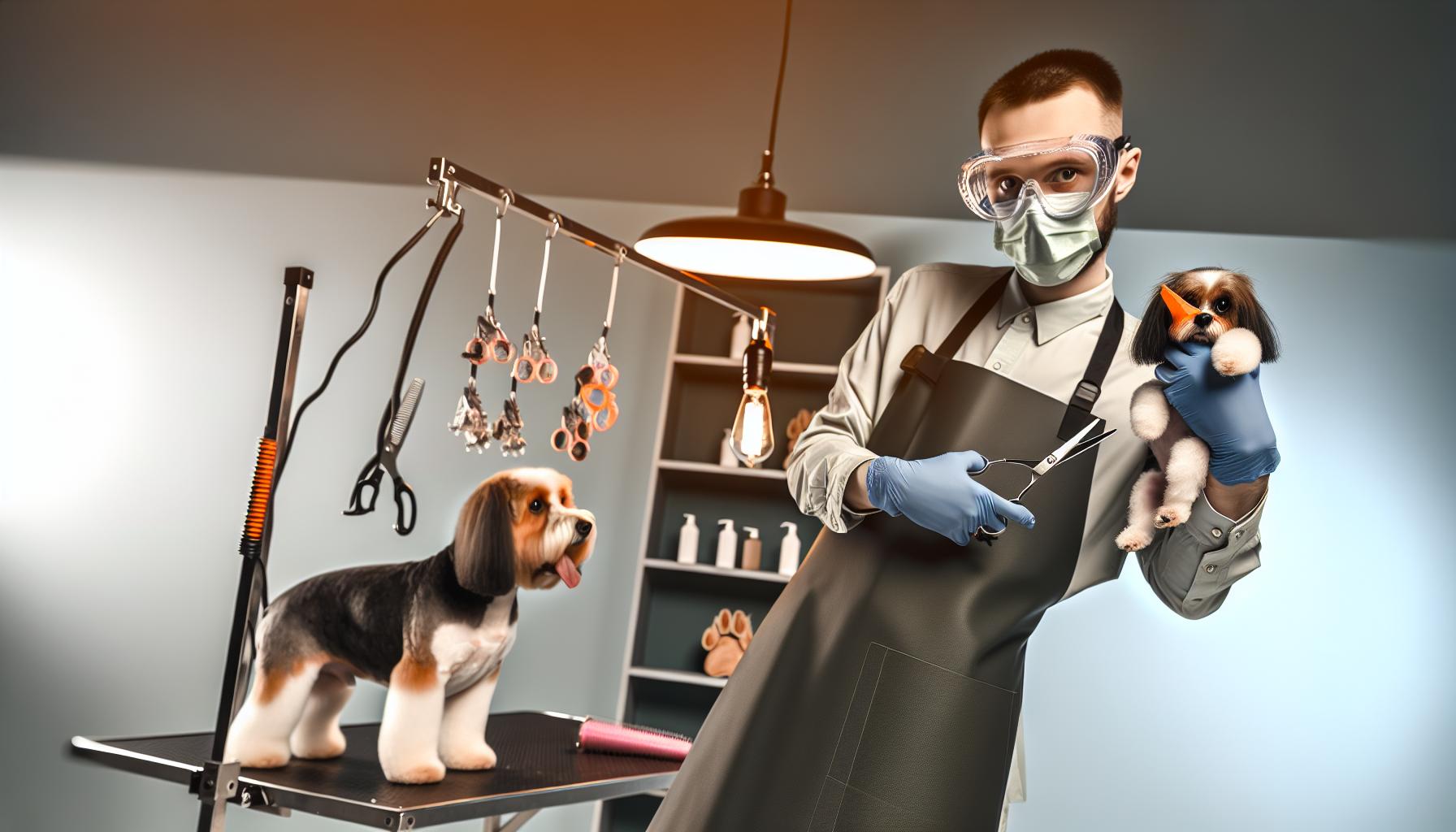
Essential Safety Gear for Dog Groomers
It’s no secret that dog grooming can be a hands-on job that occasionally brings unexpected nips or scratches. That’s why having the right safety gear at your fingertips isn’t just a smart precaution-it’s a game-changer for keeping both you and your furry clients safe and agreeable. Protective equipment acts as your first line of defense, letting you work calmly and confidently even with the most anxious or reactive pets.
When selecting your gear, it’s crucial to match the equipment to the needs of the breed and the grooming task at hand. For example, thick-coated breeds requiring extensive brushing might call for sturdy gloves that protect against accidental scratches but still offer enough dexterity to handle delicate detangling. On the othre hand, small toy breeds with fragile bones benefit more from lighter, form-fitting gloves and gentle handling tools.let’s break down the essentials every groomer should consider:
- Protective Gloves: Choose durable, puncture-resistant gloves for handling fearful or squirmy dogs, especially when trimming nails or de-matting thick coats. Nitrile gloves are great for wet work, while leather gloves provide robust protection during rougher handling.
- Muzzles and Gentle Restraints: Contrary to misconceptions, muzzles aren’t mean-they’re safety tools that protect everyone involved! Cloth muzzles, basket muzzles, or adjustable soft muzzles can calm dogs and prevent bites without causing distress when introduced early and used properly.
- Non-slip Footwear: Grooming often involves water and wet floors. Wearing slip-resistant shoes reduces accident risks and helps you stay balanced while maneuvering around dogs of all sizes.
- Eye Protection: Eye injuries from sudden head shakes or splashing water can happen. Lightweight safety glasses shield your eyes without disturbing your vision or the dog’s confidence.
- Aprons and Arm Guards: Waterproof aprons keep you dry during baths and rinses, while padded arm guards protect from scratches and bites during more challenging grooming sessions.
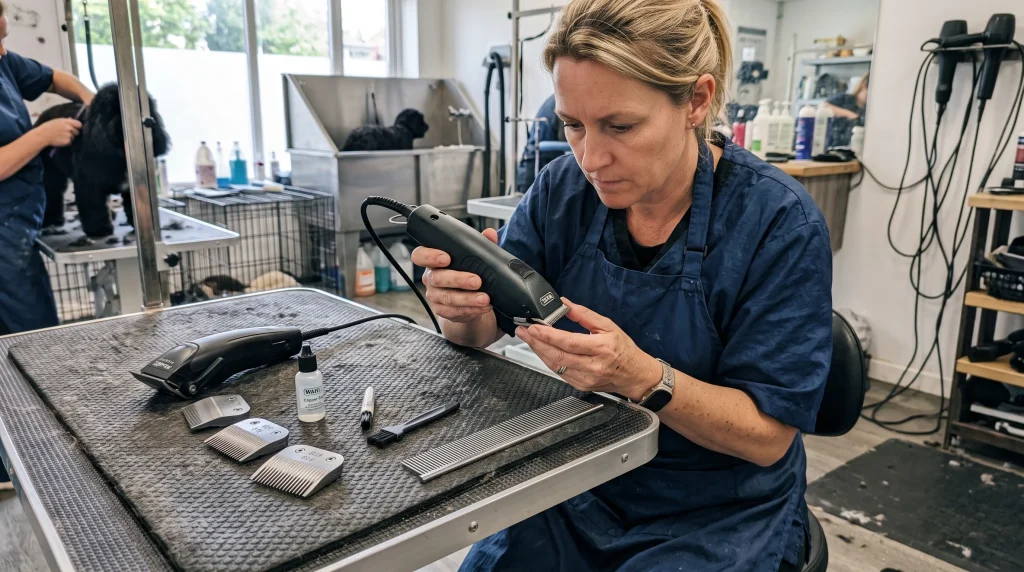
- Proper Grooming Tools: Invest in high-quality clippers with quiet motors, slicker brushes designed for specific coat types, and nail trimmers with safety guards. Well-maintained tools reduce grooming stress and minimize accidental injuries.
Customizing Gear Based on Grooming Tasks
Dressing for safety isn’t one-size-fits-all.Bath time, such as, frequently enough requires waterproof gloves and aprons as wet dogs can become slippery and unpredictable. In contrast, nail trimming calls for thicker gloves with secure grips to prevent slips and quick gentle restraint tools to keep paws still.for mat removal, padded gloves paired with calming wraps or gentle muzzles help you navigate tricky tangles without escalating a dog’s anxiety. Always remember, no matter how solid the gear, your calm voice and gentle hands remain the most critical tools in your safety kit.
Here’s a simple table illustrating gear recommendations by grooming task:
| Grooming Task | Recommended Safety Gear |
|---|---|
| Bathing | Waterproof gloves, aprons, non-slip shoes |
| Brushing and dematting | Durable gloves, slicker brushes, calming wraps |
| Nail Trimming | Thick gloves, safety nail clippers, gentle restraints/muzzles |
| Ear Cleaning | Light gloves, eye protection, calm handling tools |
Empathy goes hand in hand with equipment-your safety gear not only protects but can also signal reassurance to worried pets when used with kind handling and patience. together with a thoughtful approach, these tools allow you to minimize bite risks while honoring each dog’s comfort and dignity.After all, safety is a shared journey that builds trust between you and the dogs who come through your care [[1]](https://www.loganshouse.com/blog/protocols-every-dog-grooming-business-should-follow), [[2]](https://www.caninecollege.akc.org/visitor_catalog_class/show/819288/Safety-in-the-Salon-for-Groomers).
Step-by-step Safe Handling Techniques
One of the most vital skills in grooming is mastering gentle, confident handling. Even the calmest dog can become uncertain, so knowing your next move helps keep both you and your furry client safe. Handling should always start with a soft voice and slow, intentional movements. This approach lays the foundation for trust and minimizes surprises that trigger stress or defensive reactions.
Bathing with care
Begin by securing the dog on a non-slip surface with a sturdy leash attachment. Use waterproof gloves to maintain a good grip, especially with slippery, wet coats. Approach rinsing and shampooing calmly, always supporting the dog’s body to prevent sudden jerks.If the dog starts to shake or becomes anxious, pause and offer gentle reassurance before continuing. For thick or double coats, use fingers or a wide-tooth comb underwater to loosen debris before fully rinsing.
Brushing and Dematting Techniques
Different coats call for different tools, so select slicker brushes for thick coats or pin brushes for fine-haired breeds. Wear padded gloves if the dog tends to squirm or scratch. Start strokes at the dog’s feet, moving upward to avoid pulling mats too harshly. When you encounter mats, don’t tug hard-instead, use a dematting tool and hold the base of the mat to reduce skin pulling. If the dog gets restless, break up the session with calm petting or short breaks.
Nail Trimming Protocols
Nail trims often provoke the highest stress response, so planning is key. Use thick, puncture-resistant gloves and gentle restraints like soft muzzles or calming wraps if necessary. Before trimming, inspect each nail carefully to avoid the quick. if the dog flinches, pause and soothe rather than forcing through. When trimming small or delicate breeds, steady your hand by resting it lightly on the grooming table for better control. Remember-cutting less is always safer than a quick injury.
Ear Cleaning Essentials
Ear cleaning demands delicate touch and vigilance. use light gloves to preserve tactile sensitivity. Gently lift the ear flap and only clean the outer canal with recommended solutions, avoiding deep probing. Watch for signs of pain or resistance-a sharp ear pull can startle a dog quickly. If a dog becomes uncomfortable, stop and try again later or suggest a veterinary ear check if infections are suspected.
- Key Tip: Always observe the dog’s body language before and during handling to adjust your approach accordingly.
- Use positive reinforcements: Talk softly, offer treats between tasks, and reward calm behavior to build good associations.
- Know your limits: Aggressive or highly anxious dogs sometimes need a vet or professional behaviorist referral,not just grooming restraint.
By practicing these task-specific handling strategies, groomers can dramatically reduce bite incidents and create a more relaxing grooming experience. Remember, each dog’s temperament is unique-what works for one may not for another-and patience remains your strongest ally. prioritizing comfort and safety ensures that every grooming session ends with tails wagging and smiles all around.
Sources supporting these techniques and safety measures emphasize the importance of protective gear and calm,skilled handling to reduce injury risk and stress in grooming salons [[1]](https://www.gingrapp.com/blog/safety-considerations-for-pet-groomers), [[2]](https://www.loganshouse.com/blog/protocols-every-dog-grooming-business-should-follow), [[3]](https://www.caninecollege.akc.org/visitor_catalog_class/show/819288/Safety-in-the-Salon-for-Groomers).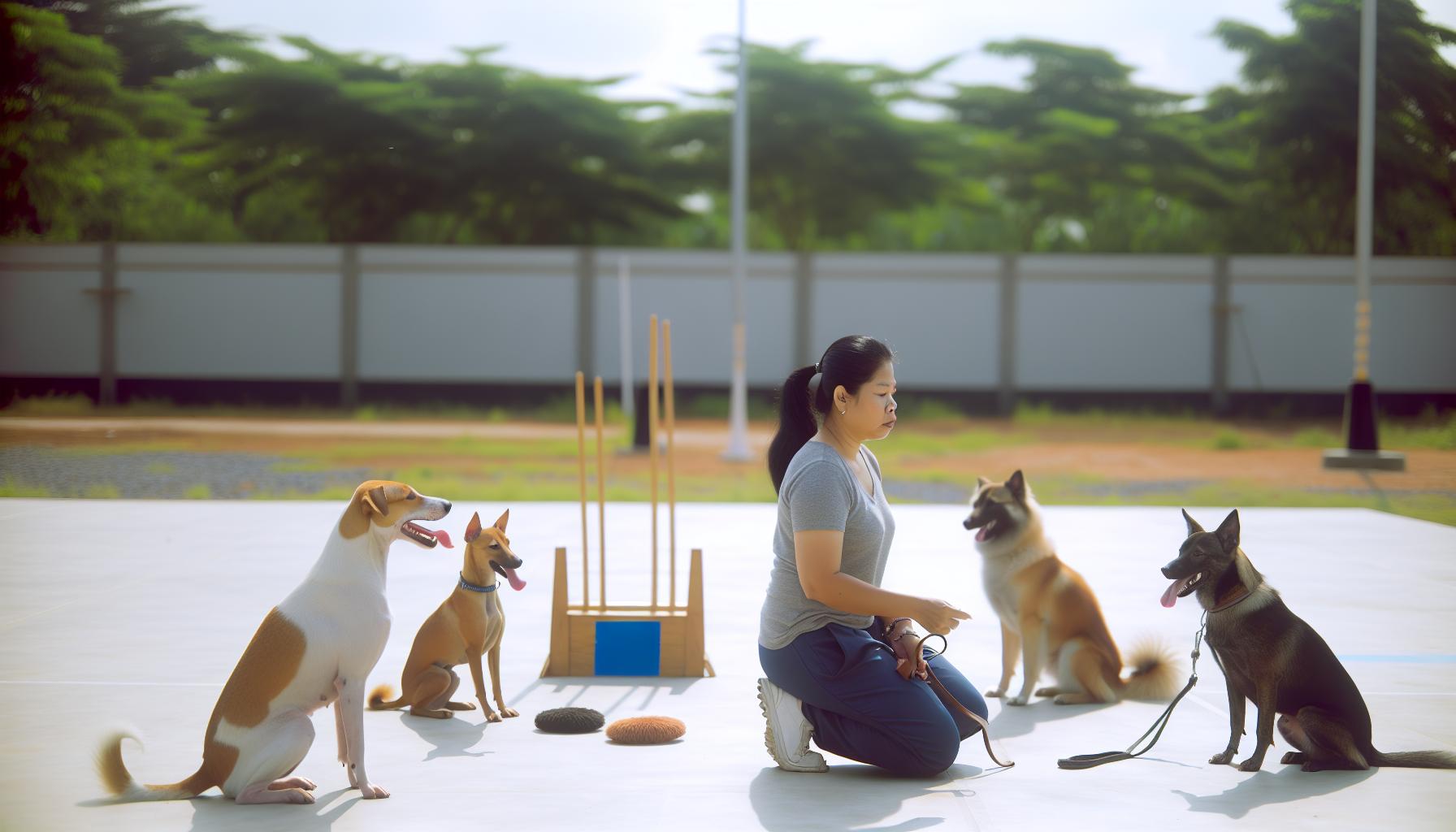
Reading Canine Body Language Like a Pro
Dogs speak a rich language of posture,facial expressions,and subtle signals-a language every groomer can learn to fluently interpret.Recognizing these cues early isn’t just helpful, it’s essential for preventing bites and keeping grooming sessions safe and positive. Even small changes like a flick of the tail or a sudden lip lick can signal discomfort, stress, or fear before a dog reaches a threshold where biting feels like the only option.
Reading canine body language starts with observing the whole dog-from head to tail-in context. A relaxed dog typically has soft eyes, a loose mouth, and a gentle wagging tail. In contrast, a tucked tail, pinned back ears, or a stiff, frozen stance are red flags demanding immediate attention. Some dogs may yawn or lick their lips excessively as calming signals, trying to communicate their unease in a situation they find overwhelming.Ignoring these signs can escalate tension quickly, making an otherwise routine brush or nail trim a risky encounter.
Common Signals to Watch For
- Whale Eye: When you see the whites of the dog’s eyes showing, it often means anxiety or increased alertness.
- Yawning and Lip Licking: These are subtle stress signs-frequently enough missed but critical to notice.
- Raised Hackles: the fur along the dog’s spine standing up is a classic sign of fear or aggression.
- Growling or Snapping: Warning signs to instantly stop and reassess the dog’s comfort.
Practical Tips for Real-Time Reading
- Pause and Reassess: At the first sign of stress, stop what you’re doing. Sometimes a calming break or gentle petting will reset the dog’s nerves.
- Use a Gentle, Soothing Voice: Your tone can soothe and communicate safety; avoid sudden loud sounds that might spike anxiety.
- Involve the Owner: Familiar voices and scents can ground a nervous dog, easing tension while you work.
Groomers often find that experience builds intuition-that sixth sense of anticipating a dog’s reactions before they happen. For example, one groomer shared how a usually gentle golden retriever suddenly froze and gave a small warning growl when the grooming clamp tightened near a sensitive spot. Being alert to that freeze allowed her to adjust technique and avoid a bite. These real-world moments remind us that every dog is unique and requires respect, patience, and tailored care.
When to Step Back and Seek Help
not all stress signals can be resolved on the spot. Some dogs may have deeper behavioral issues or past trauma that professional trainers or veterinarians are better equipped to handle. Knowing your limits and prioritizing safety over finishing a grooming task is a mark of a truly skilled groomer. If a dog consistently shows aggressive signals,refer the owner to a behavior specialist before proceeding with future grooming.
By mastering the subtle art of reading canine body language, groomers turn grooming from a potential hazard into a partnership based on trust and empathy.This skill not only prevents bites but also helps create calm, enjoyable experiences that dogs-and their humans-will look forward to returning for time and again [[2]](https://www.petedge.com/blog/understanding-canine-body-language/?srsltid=AfmBOoqjmKRUFJRNnnItJdFxucIw6rgrNcXsUUry87mXxsl0kBODHn3X),[[3]](https://www.fetchmelatermckinney.com/post/decoding-your-dogs-body-language-five-signs-grooming-stress).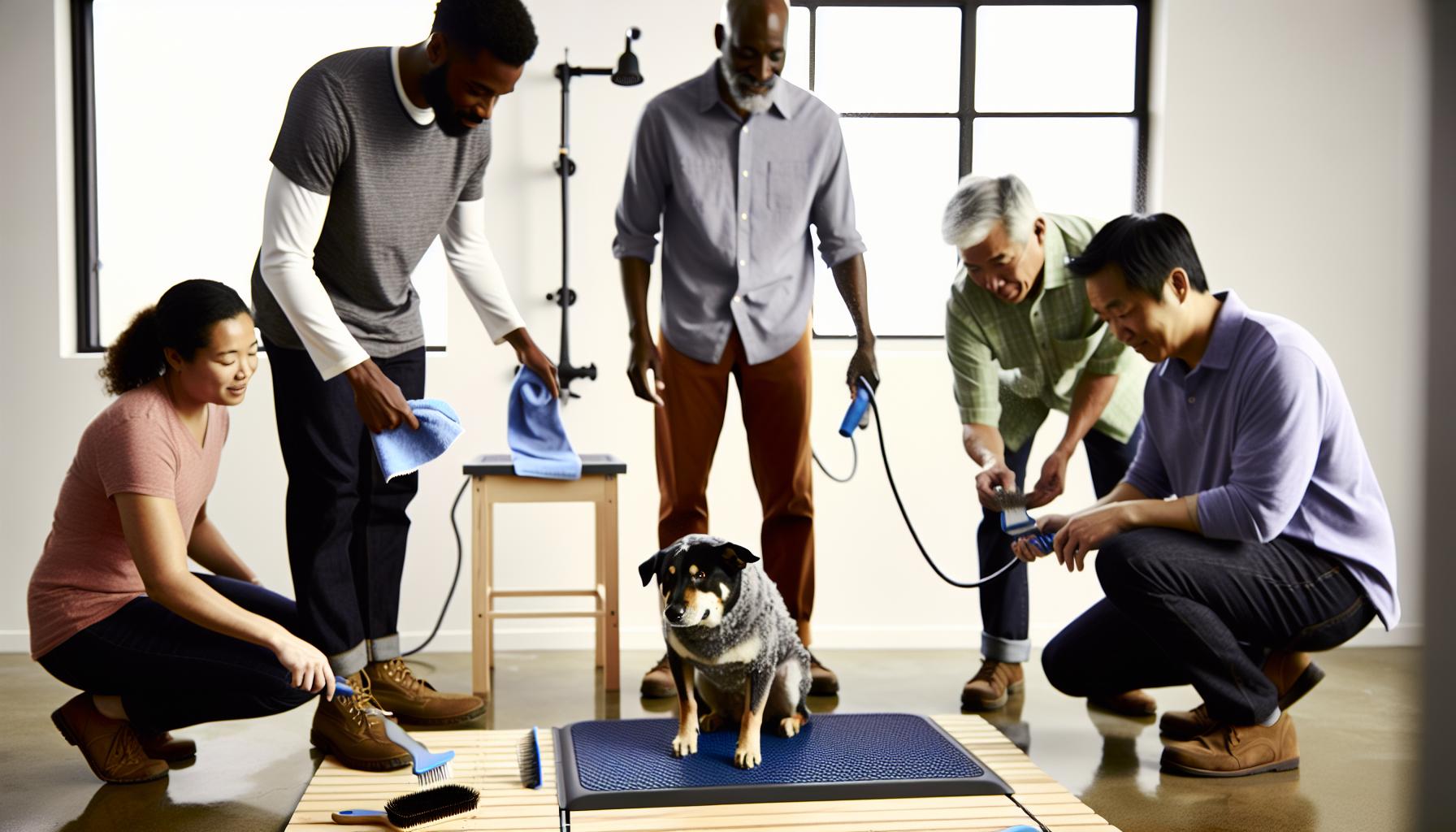
Preventing Bites During Bathing and Brushing
Few moments during grooming carry a greater risk of bites than when a dog is wet and vulnerable, such as during bathing and brushing. wet fur can change how a dog feels: it’s heavier, colder, and sometimes more uncomfortable, which can quickly spike anxiety-even in usually easygoing pets. Groomers who approach these moments with calm confidence and a gentle touch transform perhaps tense scenarios into positive experiences, building trust one step at a time.
Bathing with Patience and Precision
Always start by preparing the bathing area thoroughly. Use a non-slip mat to help your canine friend feel secure underfoot-a slippery surface can heighten nervousness and lead to sudden defensive reactions.Begin by gently wetting the dog with lukewarm water, avoiding the head initially, as water or shampoo near ears and eyes can be startling or uncomfortable. Keep your movements slow and predictable; sudden splashes or noises are common triggers for defensive biting.
For dogs with thick or double coats-like Huskies or Golden Retrievers-use a detangling spray before the bath to reduce matting caused by water. When shampooing, opt for pet-safe formulas suited to the dog’s skin type. Avoid the temptation to rush; gentle massage strokes help soothe muscles and distractions from discomfort.If the dog shows stiffness, lip licking, or growling, pause and give a calming break before proceeding.
Mastering brushing Techniques to Avoid Snaps
Brushing dry or damp fur comes with its own challenges. Dogs with longer or curlier coats, such as Poodles or Shih Tzus, can have mats hidden close to the skin that cause pain if pulled. A broken or dull brush can tug hair painfully, igniting a bite reflex. Always use the right tool-a slicker brush for tangles,a wide-tooth comb for sensitive areas-and keep blades sharp when grooming near the skin.
- Start slow: Introduce the brush gently, watching closely for signals like tail tucks or raised hackles.
- Work in small sections: Easier to handle, less overwhelming, and gives frequent opportunities for praise and breaks.
- Distract & soothe: Soft treats or a favorite toy during brushing can redirect focus and create positive associations.
Quick Tips for Bite Prevention in Bath and Brush Routines
- Keep the dog’s head calm: Avoid direct water spray or aggressive brushing near sensitive regions like ears, face, and paws.
- Notice stress cues early: Frequent yawning, looking away, or closed-off body language means “slow down.”
- Communicate in a soothing tone: Your calm voice reassures and can lessen a dog’s fear or agitation during vulnerable moments.
- Have an escape plan: Know when to stop and provide space. If anxiety escalates, give the dog time to decompress before trying again.
A thoughtful example comes from working with a terrier mix-a breed notorious for sensitive skin and skittish reactions. During bathing, the dog suddenly snapped when water hit a sore spot. In response,the groomer paused,swapped to a hand-held spray allowing more control,and softly talked through each step,preventing further bites and building trust.
Remember: grooming is not about perfect style, but about compassion and safety. When in doubt, don’t hesitate to recommend professional behaviorists or veterinarians for dogs whose anxiety or aggression exceeds what can be managed safely during bath time. Your priority is always creating caring environments where every dog feels heard and secure-this mindful approach is the single best way to prevent bites during bathing and brushing.
Nail Trimming Hazards and How to Avoid Them
Few tasks during grooming cause more stress-and the potential for bites-than trimming nails. This seemingly quick step can become a high-stakes moment for dogs who are uncomfortable being handled on sensitive paws or who have had painful experiences in the past. Understanding how to minimize hazards while trimming nails is essential to keep both groomer and dog safe,calm,and comfortable.
Tools and Preparation Matter
Before you even begin, having the right tools at hand greatly reduces risk. Use sharp, high-quality nail clippers or a nail grinder suited to the dog’s size and nail thickness. Dull blades can crush or splinter nails, which causes pain and sudden reactions. For small or toy breeds like Chihuahuas and Maltese, smaller scissors-type clippers often work best. Larger and active breeds with thick nails, like Labradors or German Shepherds, may require sturdy guillotine or grinding tools.
Ensure your work area is well-lit so you can clearly see the quick (the blood vessel inside the nail).If the nails are dark and the quick is hard to see, trim very conservatively-just a small amount at a time. Clippers with a safety guard or using a nail grinder can definitely help prevent over-cutting. Keep styptic powder or cornstarch nearby to quickly stop bleeding if the quick is accidentally clipped. This preparation signals compassion and professionalism, providing calm reassurance to anxious pets.
Gentle Handling and Clear, Step-by-Step Process
Dogs tense quickly when their paws are restrained unexpectedly. To ease this, introduce paw handling gradually-start by softly massaging paws during earlier parts of the grooming session. When it’s time to trim, hold the paw gently but firmly, supporting the legs to avoid sudden jerks. Keep your voice soothing and maintain eye contact to build trust.
Trim nails one by one, working steadily but without haste. After each nail, offer a calm pause with praise or a small treat to reinforce positive association. If the dog shows obvious signs of distress like shaking paws away, growling, or lip licking, slow down or take a break. Sometimes a short pause or switching to a different paw can help ease tension.
Practical Tips to Avoid Common Triggers
- Avoid pushing the nail clipper in too far: Cutting too close to the quick is often the cause of bites during nail trimming.
- Be mindful of nail length variation: Nails grow unevenly; some toes may require shorter trims and more frequent attention.
- Distractions work wonders: Use treats, toys, or gentle talking to keep the dog’s attention away from the clipping action.
- Watch for breed sensitivities: Sensitive paws are common in small breeds like Dachshunds or terriers; these dogs often benefit from extra patience and breaks.
Knowing When to Refer or Adjust
Not every dog is a safe candidate for nail trimming by a groomer. If you encounter a dog with severe anxiety,thick overgrown nails,or medical issues like arthritis,it’s wise to suggest the owner seek a veterinarian’s assistance or a professional groomer with experience in handling arduous cases.DIY nail trimming at home can be an option-but only after guidance and training from a professional,to avoid accidental injury.
Remember, nail trimming is less about perfection and more about comfort and safety. When done thoughtfully, it becomes a trust-building exercise that benefits both you and the dog. Your calm confidence and compassionate approach transform a stressful moment into one of gentle care and partnership.
—
By approaching each nail trim with preparation and mindfulness, groomers reduce bite risks and create a safer, more positive experience-ultimately protecting their own hands and helping dogs feel secure during a vulnerable task.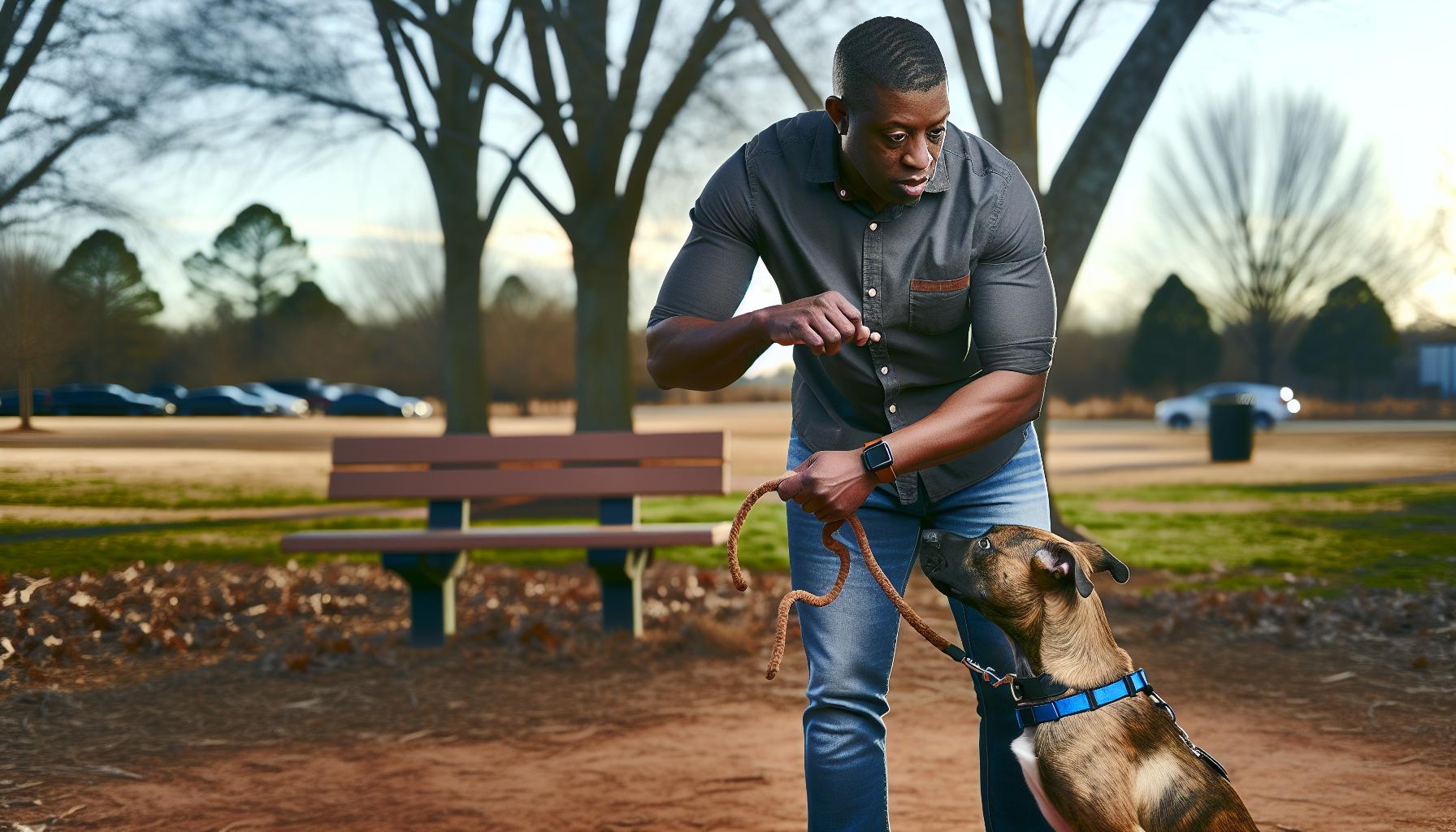
Managing Nervous and Aggressive Dogs Calmly
Some of the biggest challenges in grooming arise when dogs feel overwhelmed, fearful, or agitated. These emotions can escalate quickly, increasing the chance of defensive behaviors like growling, snapping, or biting. The key to managing these situations lies in embracing patience, reading subtle signals, and using calm, consistent handling techniques that honor a dog’s emotional boundaries.Remember,successful grooming isn’t just about the finished trim-it’s about guiding every dog safely and compassionately through an experience they might otherwise find stressful.
Creating Calm Foundations
Start by setting a peaceful tone right from the greeting. Give nervous dogs room to acclimate. Allow them to sniff your hand and approach at their own pace. Simple, slow movements and a quiet voice help lower anxiety. For example, a wary terrier or a reactive shepherd mix can’t be rushed into the grooming area; they need gentle encouragement and subtle reassurance. Some groomers find that soft classical music or pheromone diffusers provide an extra layer of calm.
Step-by-Step Handling to Avoid Triggers
Break down grooming tasks into manageable steps, introducing each new touch or tool gradually. Before bathing, softly stroke the dog’s back and legs, praising every calm response. When brushing thick coats like those of malamutes or poodles, start with tools that feel less intimidating-such as a wide-toothed comb-before moving to finer brushes. During nail trimming, pause frequently to offer treats and praise, giving anxious dogs a chance to relax between claws.
- Observe body language closely: Watch for subtle signs like lip licking, yawning, or shifting weight that signal discomfort before it escalates.
- Use gentle restraint: Support paws and limbs without squeezing, helping dogs feel secure rather than trapped.
- Incorporate positive distractions: Offering a favorite chew toy or engaging in quiet talk helps redirect focus from fear.
- Take breaks: When a dog becomes tense, pauses allow for deep breaths and the chance to rebuild trust.
Know When to Adapt or Refer
Some dogs, despite all gentle methods, might remain too stressed or aggressive for a safe grooming session. For dogs with a history of biting or extreme anxiety, like some terriers or guard breeds, it’s crucial to know your limits. In such cases,communicate honestly with owners,suggesting a consultation with a veterinary behaviorist or a specialist groomer trained in handling reactive dogs. This approach not only protects safety but also underscores your commitment to the dog’s welfare.
By prioritizing the dog’s comfort and steadily building trust, even the most nervous or reactive pets can experience grooming as a positive, manageable part of their routine. A calm demeanor,thoughtful preparation,and respect for each dog’s unique temperament create a safer working environment for groomers-and a kinder,less stressful experience for every furry client.
When to Seek Veterinary or Behavioral Help
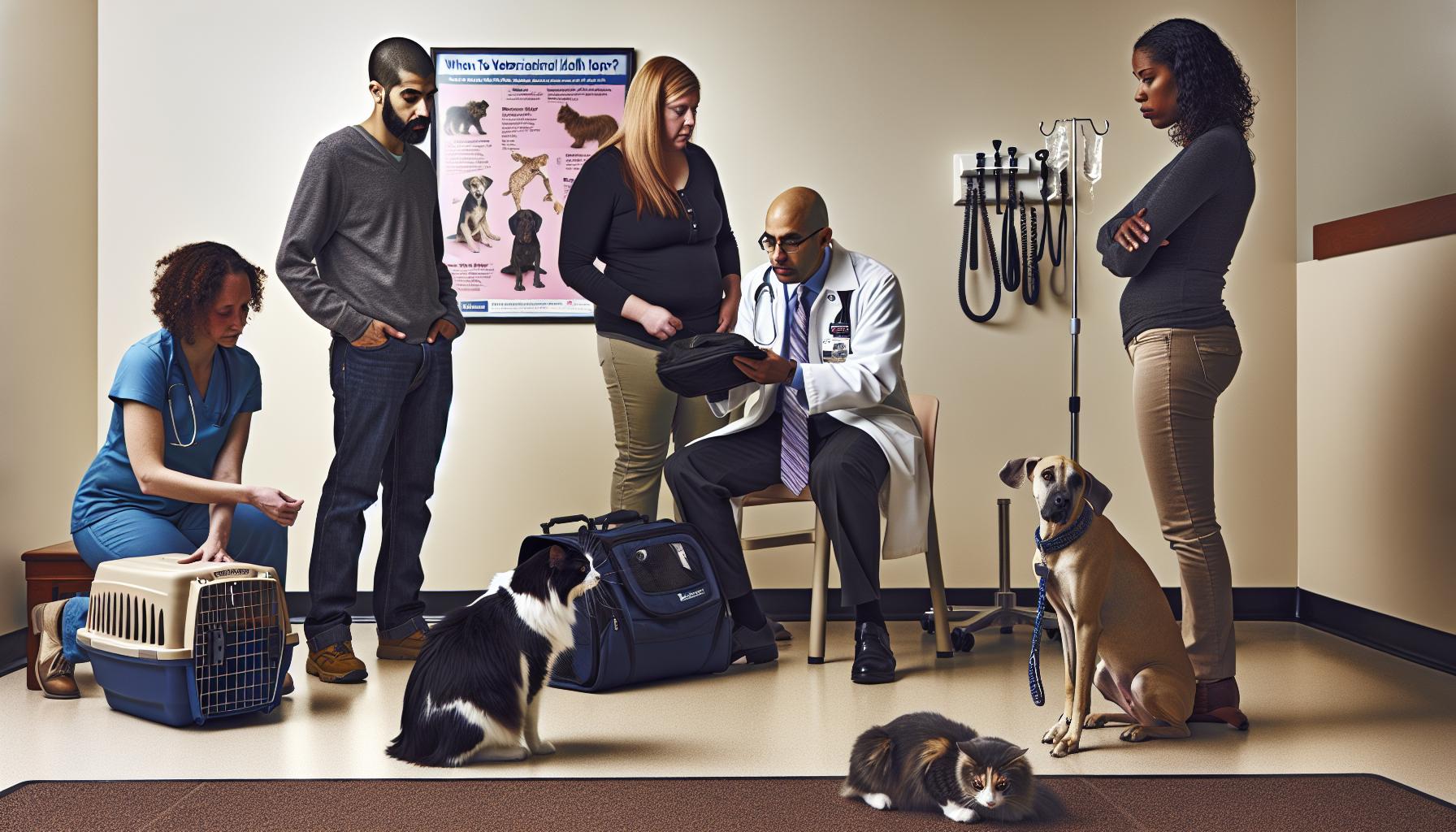
It can be difficult to recognize when a dog’s behavior during grooming signals a deeper issue beyond nervousness or momentary discomfort. Groomers who understand these signs can make all the difference in preventing bites and ensuring the dog’s well-being by involving professionals trained in veterinary or behavioral care. When a dog consistently shows extreme anxiety,aggression,or resistance-such as growling,lunging,freezing,or snapping despite calm handling techniques-this is frequently enough a cue that specialized help is needed. Pushing through these behaviors not only puts the groomer at risk but can also cause lasting trauma for the dog.
Knowing the Limits of Grooming
there are times when even the gentlest approach with the most patient handling isn’t enough. Dogs with past traumatic experiences, chronic pain, or medically rooted sensitivities will frequently react with avoidance or aggression during grooming. Breeds with strong guarding instincts or high anxiety levels,like some terriers,shepherds,or rescues with unknown histories,may require more than just skilled grooming-they need a tailored behavioral or medical assessment.Repeated attempts to groom under these conditions can escalate stress and bite risk. If you notice that calming techniques aren’t effective, or that the dog becomes increasingly defensive despite breaks and treats, it’s wise to pause and recommend a veterinary consultation.
When veterinary Evaluation Is Essential
Physical discomfort often masquerades as resistance or aggression. Common issues include otitis (ear infections), skin allergies, arthritis, or dental pain, all of which can make handling uncomfortable or painful. If a normally docile dog flinches or bites specifically around a certain area (ears, paws, or mouth), it’s important to suggest the owner seek veterinary advice before continuing regular grooming. A professional exam can identify and treat underlying conditions that improve the dog’s comfort and willingness to be groomed. This partnership between groomer and vet ultimately benefits everyone by reducing risk and supporting healthier grooming sessions.
Understanding When to Refer to a Behavior Specialist
Some behavioral challenges are beyond the safety scope and skill set of even experienced groomers. Dogs with a history of biting, intense fear, or those who freeze and panic may need the guidance of a certified animal behaviorist or trainer familiar with desensitization and counter-conditioning techniques. Such as, a dog reactive to restraint or grooming tools may gradually learn more positive associations through carefully designed behavioral plans rather than direct grooming attempts alone. Providing owners with resources and referrals not only protects your safety but reinforces the message that grooming is part of a larger picture of health and emotional wellness.
- Signs to watch for that warrant referral: recurring aggressive snaps, extreme trembling, avoidance of handling, or vocalizations indicating distress.
- Encourage open communication: Discuss difficult behaviors with owners honestly and compassionately to set realistic expectations and create support plans.
- Document observations: Keeping clear notes on behavior during grooming can help vets and specialists craft the best interventions.
Prioritizing a dog’s comfort and safety is always the best policy. Collaborating with veterinarians and behaviorists whenever needed not only reduces bite risk but fosters trust and confidence between groomers, dogs, and owners alike. When everyone works together, even challenging dogs can find a path to calmer, safer grooming experiences.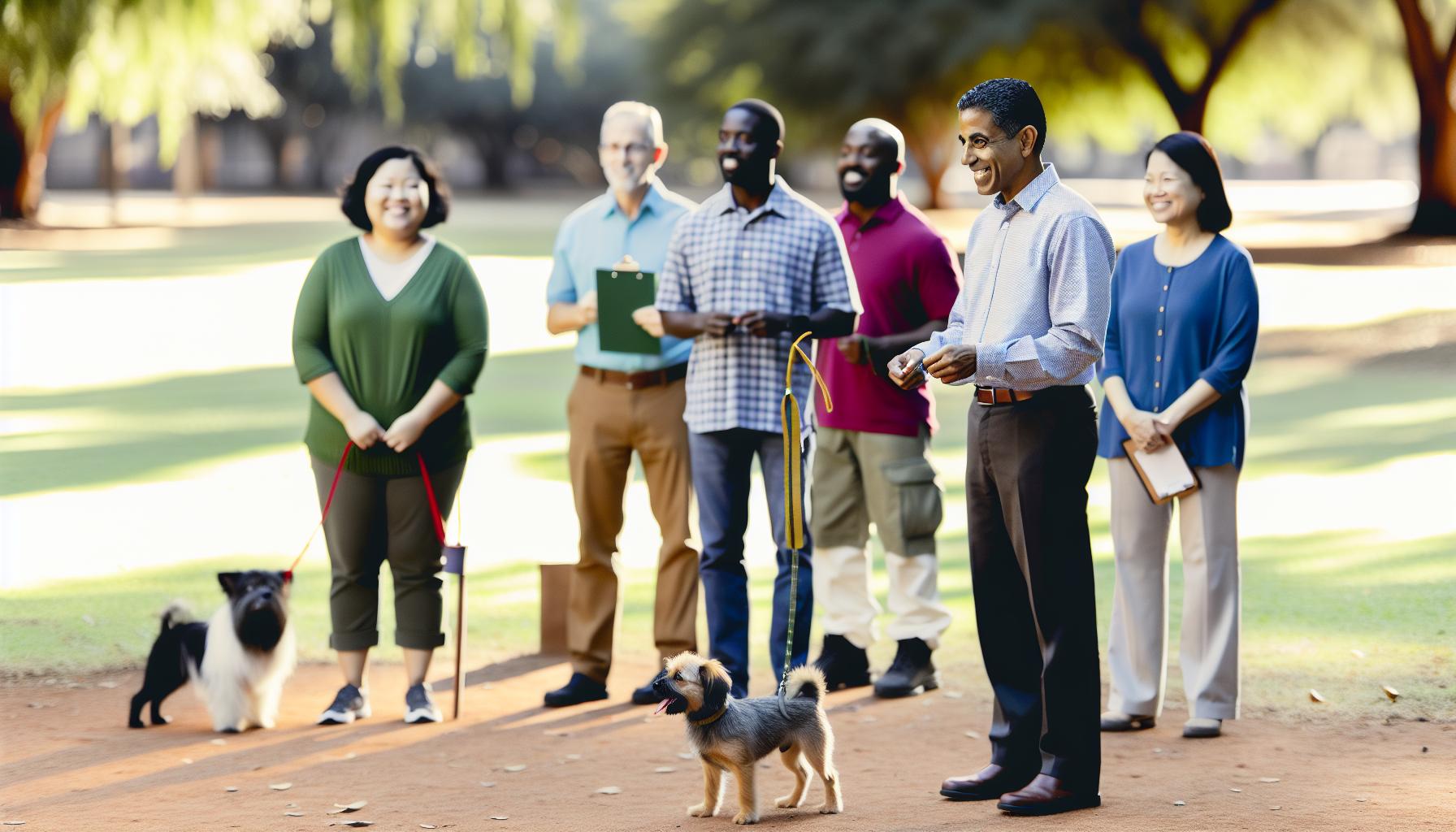
Training Tips to Reduce Bite Incidents
few experiences are more stressful for groomers than a dog bite, yet many bites can be prevented with thoughtful, consistent training and patience. Helping dogs build positive associations with grooming takes time, but with gentle, step-by-step methods, even anxious or reactive pets can learn to tolerate-and sometimes even enjoy-the process. The key is nurturing trust rather than rushing through tasks, with clear communication between groomers and pet parents about realistic goals for each stage.
Start with Short, Positive Sessions
When introducing a dog to grooming tools or handling, brief sessions work best. For example, instead of diving straight into a full haircut, begin with a few strokes of a soft brush while giving treats and calm praise. This approach gradually desensitizes the dog to touch and noise in a low-pressure setting. Keep sessions under five minutes and stop before the dog shows any signs of anxiety or resistance. Over days or weeks, slowly build up the length and complexity of sessions.
Target Specific Grooming Tasks Separately
Different parts of grooming-bathing, brushing, nail trimming, ear cleaning-can have varied difficulty levels depending on breed, coat type, and the dog’s past experiences. Breaking these down into manageable pieces helps reduce overwhelm. For instance:
- Bathing: Let the dog explore the tub quietly first, rewarding calm behavior. Use warm water and quiet spray settings.
- Brushing: choose brushes designed for sensitive skin if needed; brush gently and change direction frequently to avoid discomfort.
- Nail Trimming: Start with just touching the paws, then progress to clipping one nail at a time with treats in between.
- Ear Cleaning: Use cotton balls soaked in vet-approved solutions, and only clean the outer ear initially, watching for adverse reactions.
Patience is essential here-rushing can increase fear and lead to defensive biting.
Leverage Counter-Conditioning and Positive Reinforcement
Equip pet parents and groomers with simple training tools like feeding high-value treats or using favorite toys during handling. These build new, pleasant associations with grooming actions. For example, if a dog flinches at nail clips, pairing the clip sound with treats helps reshape the reaction over time. Offering treats immediately after finishing a task-even if it’s just a brief hold-builds trust and reduces bite risk dramatically.
Know When to Pause and Adapt
Sometimes, progress stalls or behavior worsens. In these cases, pausing the training and reassessing is wise. It’s important to recognize when a dog’s stress signals mean that professional help from a vet or behaviorist is necessary rather than increasing pressure. Groomers who collaborate with behavior experts can implement tailored plans that reduce bite incidents over the long term, ensuring safety and well-being.By embracing compassionate,incremental training,groomers empower dogs-especially those prone to fear or aggression-to become comfortable with grooming routines. This effort not only protects the groomer but also promotes a calmer,happier experience for every dog in the salon.
Creating a Safe Grooming Environment
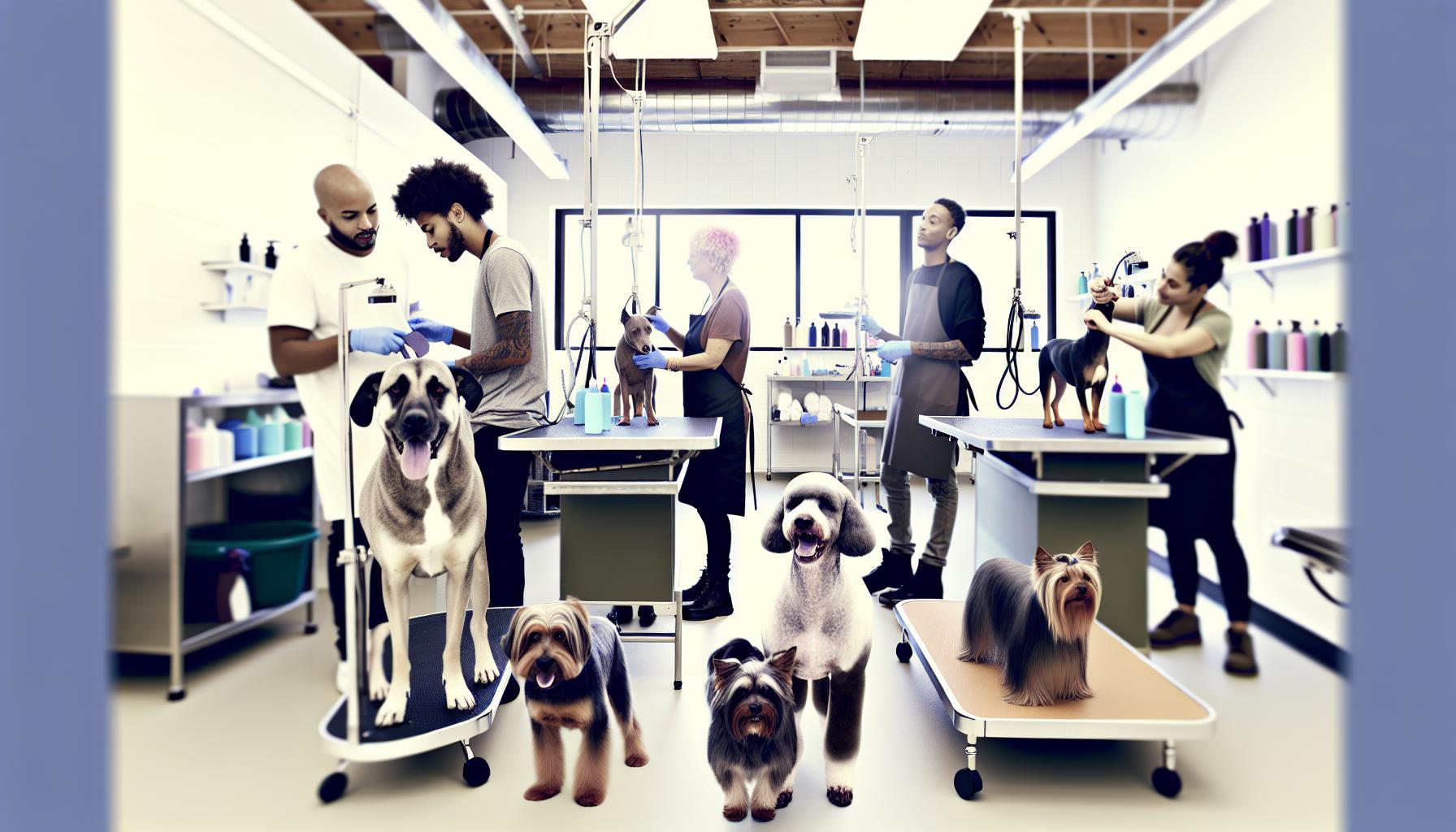
Creating a safe and welcoming grooming space is the cornerstone of preventing bites and ensuring both pet and groomer feel secure throughout every session. Dogs can sense tension quickly, and an environment that feels calm and predictable helps reduce anxiety, which is often the root cause of defensive behaviors. From the moment a dog steps into the salon, thoughtful design and association can make a huge difference in promoting a relaxed vibe that encourages positive experiences.
A few simple changes to your setup can promote safety and ease for all involved. Keep walkways clear and floors non-slip to prevent sudden slips that startle dogs. Having separate greeting and waiting areas reduces stress for nervous dogs by avoiding forced interaction with unfamiliar dogs or overwhelming noise. Consider soft lighting and playing calming music designed for pets to create a soothing atmosphere. Make sure your grooming tools-clippers, brushes, and nail trimmers-are always well-maintained and stored safely within reach, so you never need to fumble or leave a dog unattended while searching.
Designing for Safety and Accessibility
- Grooming Tables: Adjustable-height tables with non-slip mats help keep dogs stable, while allowing groomers to maintain ergonomic postures that reduce fatigue and errors.
- Restraints: Use easy-release, well-padded restraint systems that gently secure dogs without causing discomfort or panic.This reduces sudden movements that might trigger a bite.
- Separate Station Areas: Assign spaces for bathing, drying, brushing, and trimming to minimize sensory overload and give dogs room to feel less confined.
Incorporating safety signage and clear protocols for staff is also key. Every team member should feel confident recognizing early signs of stress and know when to pause or adjust techniques, ensuring no dog is pushed beyond their comfort zone. Such as, if a dog starts tensing or growling during nail trimming, having a quiet space for the dog to decompress or retry later can prevent escalation.
Smart Scheduling and Communication
Limiting the number of appointments per day reduces rushed handling and allows groomers to give each dog focused attention. Communicating clearly with pet parents before appointments is invaluable-knowing a dog’s history, breed-specific traits, or any medical concerns allows a groomer to customize the session safely.This collaboration builds trust and sets realistic expectations,so everyone works together toward the shared goal of keeping the dog calm and comfortable.
By fostering a salon environment where comfort and patience always come first, groomers shape a culture that naturally lowers bite risk.Safety isn’t just about equipment or techniques; it’s about creating a nurturing space where dogs feel heard and respected, helping them leave feeling more confident-and groomers feeling more secure.
Faq
Q: How can dog groomers safely handle unexpected aggressive behaviors during grooming?
A: Dog groomers can safely handle unexpected aggression by staying calm,using gentle restraint tools,and immediately pausing grooming to assess the dog’s stress signals. Quick intervention with calming techniques, like speaking softly or offering breaks, helps prevent bites. Reviewing safe handling techniques in the article supports a calm,confident grooming session.
Q: Why do some dogs bite more during grooming than at home?
A: Dogs may bite more during grooming due to unfamiliar smells, sounds, or restraint, which increase anxiety. Groomers should watch for stress cues and use slow introductions and treats to build trust. Learn about reading canine body language for early warning signs before bites occur.
Q: What are the best materials for bite-resistant gloves in dog grooming?
A: The best bite-resistant gloves are made of Kevlar or reinforced leather, providing flexibility and protection without sacrificing dexterity. Groomers should choose gloves fitting well to maintain tool control, as explained in our essential safety gear section for keeping bites at bay.
Q: When should a dog groomer refuse service to protect their safety?
A: Groomers should refuse service if a dog shows extreme aggression,severe anxiety,or a history of biting not manageable by safe handling.Prioritizing safety prevents injuries and stress. Review signs in managing nervous and aggressive dogs calmly before decision-making.
Q: How can grooming facilities reduce bite incidents through environment setup?
A: Grooming facilities can reduce bites by creating quiet,non-slip spaces with minimal distractions,organized tools within reach,and designated calm zones. Proper environment supports confident dogs and groomers alike. See creating a safe grooming environment for specific layout tips.
Q: what are effective calming products or techniques to reduce bite risk in grooming?
A: Calming sprays, pheromone diffusers, and gentle massage help reduce anxiety, lowering bite risk during grooming. Groomers can pair these with breaks and positive reinforcement for safer sessions. For more, explore managing nervous dogs and preventative bite strategies in the main guide.
Q: How do breed-specific temperaments influence bite risk beyond physical traits?
A: Breed temperaments affect bite risk because some breeds are more sensitive, protective, or fearful, which can trigger bites under stress.Groomers benefit from knowing breed behavior and adjusting handling accordingly, as covered under how different dog breeds affect bite risk.
Q: What steps can groomers take post-bite to ensure safety and prevent future incidents?
A: After a bite, groomers should clean and treat wounds promptly, report incidents, and reassess handling or behavioral strategies with the owner. Implementing training tips to reduce bite incidents and reviewing safe practices helps prevent repeats. Always prioritize your health and safety first.
For more comprehensive grooming safety advice, explore our full article sections on step-by-step safe handling and training tips to enhance confidence and care during every grooming task.Your safety and the dog’s comfort come first!
Wrapping Up
Understanding the realities of dog grooming hazards helps both groomers and pet owners prioritize safety without fear. While bites can happen, knowing how to read canine behavior, select appropriate tools, and create calm environments minimizes risks and supports a smoother grooming experience. For pet parents looking to dive deeper, explore our guides on [DIY grooming tips for anxious dogs] and [how to choose the right groomer for your pet], so you feel confident every step of the way.
If you’re a groomer or owner seeking safer practices, consider signing up for our newsletter to get expert advice, product reviews, and timely safety updates delivered straight to your inbox. Curious about professional grooming tools and techniques designed to reduce bites? Check out our detailed resources and testimonials from groomers who’ve transformed their approach with patience and compassion. Your pet’s comfort and your peace of mind matter most-let’s keep the grooming safe, gentle, and stress-free together.
Feel free to share your experiences or questions below, and don’t miss our upcoming posts on managing difficult breeds and enhancing local pet care safety. Staying informed is the best way to protect everyone involved-so stay engaged, stay prepared, and keep your furry friends happy and healthy.
Get our latest guides, news, and insights highlighted in your Google Search & AI Overviews.
Keep reading about the same coat and cut.


Popular grooming guides
Bath vs clip, first grooms, and salon how-tos.