Do Dog Groomers Cut Whiskers: What They Should Never Do

Did you know your dog’s whiskers are more than just cute facial features? These sensitive hairs help pets sense their surroundings and stay balanced,making them essential to a dog’s daily life. Yet, many owners wonder if groomers should ever cut or trim whiskers during grooming sessions. Understanding when-and why-whiskers matter is key to protecting your dog’s comfort and well-being. In this guide, we’ll explore what responsible groomers do, why whiskers should almost never be cut, and how you can ensure your furry friend’s grooming experience is safe and stress-free. Whether you’re a nervous pet parent or just curious, this article will empower you with the knowledge to advocate for your dog’s best care-because a happy dog is a well-loved dog.Let’s dive in and clarify this often misunderstood topic with practical, compassionate advice you can trust.
Understanding Why Dog Whiskers Matter for Pets
Table of Contents
- 1 Understanding Why Dog Whiskers Matter for Pets
- 2 The Groomer’s Role: Should Whiskers Ever Be Trimmed?
- 3 Common Myths About Cutting Dog Whiskers Debunked
- 4 How Whiskers Affect your Dog’s Sensory and Balance
- 5 Risks and Consequences of Trimming Whiskers Incorrectly
- 6 Safe grooming Practices: What to Avoid with Whiskers
- 7 Alternatives to Cutting: Caring for Whiskers During Grooming
- 8 Communicating with Your Groomer: Questions to Ask About Whiskers
- 9 When Vet Care Is Needed: Whiskers and Health Concerns
- 10 DIY Grooming Tips to Protect Your dog’s Whiskers
- 11 Breed Differences: How Whisker Care Varies by Dog Type
- 12 Understanding the Emotional Impact of Whisker Trimming on Dogs
- 13 FAQ
- 13.1 Q: How can trimming dog whiskers affect their behavior in low light?
- 13.2 Q: Why do some groomers trim dog whiskers despite the risks?
- 13.3 Q: What signs indicate my dog might be uncomfortable after whisker trimming?
- 13.4 Q: When is it absolutely necessary to consult a vet regarding my dog’s whiskers?
- 13.5 Q: How do whisker maintenance needs vary between short-haired and long-haired dog breeds?
- 13.6 Q: Can DIY grooming accidentally damage my dog’s whiskers, and how can I prevent it?
- 13.7 Q: What are the best alternatives to cutting whiskers during grooming for a tidy appearance?
- 13.8 Q: How should I address my concerns if a groomer wants to cut my dog’s whiskers?
- 14 Future Outlook
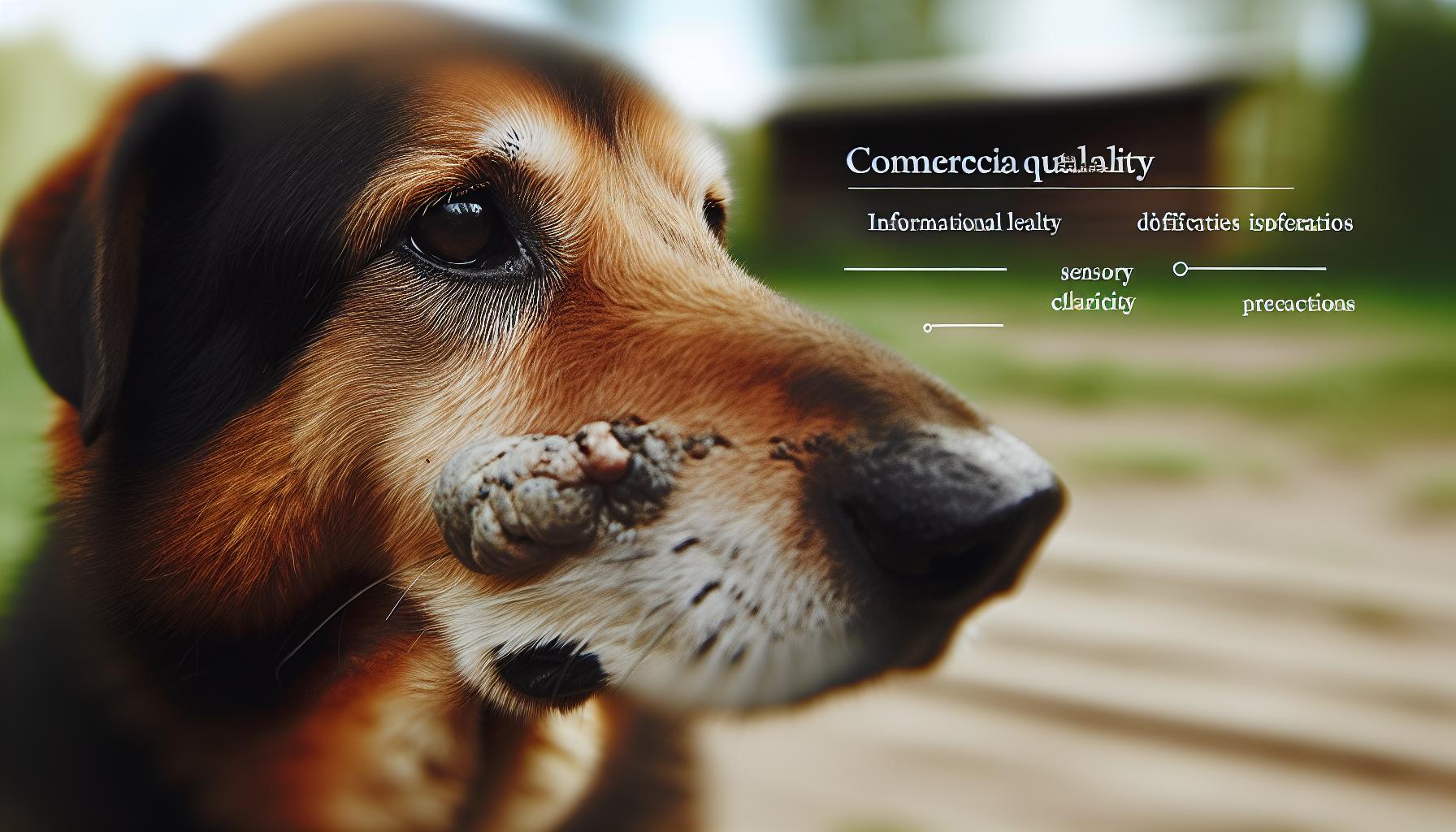
Did you know that a dog’s whiskers are far more than just a charming facial feature? These specialized hairs,known as vibrissae,serve as crucial sensory tools that help dogs understand their habitat in ways their eyes and ears alone cannot. Whiskers are deeply embedded in nerve-rich follicles, making them highly sensitive to touch and vibrations. This sensitivity allows dogs to detect changes in air currents and nearby objects, even in low light or tight spaces. For pets, whiskers are like natural radar, offering essential details that guides their movement, balance, and overall spatial awareness.
When you watch a dog gently navigate around furniture or cautiously explore new surroundings, their whiskers play a silent but vital role in keeping them safe and agreeable. For example,in breeds with longer snouts or dense coats,whiskers provide early warnings of obstacles that might otherwise go unnoticed,helping to prevent accidental collisions.This is especially vital for older dogs or those with declining eyesight, where these tactile hairs compensate for sensory gaps.
Why Whiskers Should Be treated with Care
Unlike regular fur, whiskers should never be trimmed or removed without compelling medical reason. As they’re connected to the nervous system, cutting whiskers can temporarily dull a dog’s ability to sense its surroundings and lead to confusion or stress. Anecdotally, many owners notice that dogs whose whiskers have been cut act more hesitant or disoriented, indicating just how intrinsic these hairs are to their sensory world.
Protecting Whiskers During Grooming
During grooming, it’s important to protect whiskers from unnecessary damage. This means:
- Avoid trimming whiskers: Focus on trimming coat hair and nails but leave whiskers intact.
- Be gentle around the face: Use scissors or clippers carefully to prevent accidental snagging or breakage.
- communicate with your groomer: Make your preferences clear to ensure whiskers remain untouched.
By understanding the sensory role of whiskers, you can confidently advocate for your pet’s well-being and comfort every time they visit the groomer or during DIY grooming sessions at home.
Remember, caring for your dog means respecting every part of their natural design-whiskers included. They’re not just aesthetic; they’re essential tools that keep your furry friend connected to the world.
Sources highlight that trimming whiskers is not painful but can impair spatial awareness and navigation, emphasizing the importance of preserving these sensitive hairs during grooming [[3]] and [[2]].
The Groomer’s Role: Should Whiskers Ever Be Trimmed?
Whiskers are not just decorative features-they are sensitive sensory tools that play a vital role in your dog’s daily life. As a groomer who cares deeply about animal welfare, I can assure you that trimming whiskers is something that should be avoided in nearly all situations. These specialized hairs are embedded with nerves that help your dog “feel” their environment, providing important information about nearby objects or movements, even without seeing them. Removing or trimming whiskers can temporarily dull this sensory input, and many dogs may feel disoriented or stressed consequently.
Some owners worry that a dog’s whiskers will interfere with grooming or make their pet look less tidy. However, with a bit of patience and care, whiskers can be preserved beautifully while still achieving the desired coat trim. For example, when working with breeds that have wiry or curly coats-like Schnauzers or Poodles-groomers usually focus on trimming the coat itself, carefully avoiding the whiskers by using precise scissors or gentle clipper techniques. This approach respects the dog’s sensory needs while maintaining a neat appearance.
practical Tips for Safe Grooming Around Whiskers
- Use Precision Tools: Small, sharp scissors with rounded tips or fine clipper blades allow careful trimming around the face without touching whiskers.
- go Slow and Gentle: Allow your dog to relax and never rush the grooming, especially when trimming near the face to prevent accidental whisker damage.
- Communicate With Your Groomer: Let your groomer know you want all whiskers left intact-this helps avoid misunderstandings and ensures your dog’s comfort.
In rare cases when whiskers need to be trimmed for medical reasons, such as if they’ve become entangled in a wound or interfere with urgent treatment, veterinarians will handle this carefully and only when absolutely necessary. Groomers should never cut whiskers just for aesthetics or convenience-these hairs deserve respect as much as any other part of your dog’s health and well-being.
By choosing a learned groomer who understands the function and importance of your dog’s whiskers, you not only protect your pet’s comfort and confidence but also strengthen the trusting bond between you, your dog, and their caregivers. Remember, the goal is always a stress-free, safe grooming experience where every aspect of your dog’s natural design is honored.
Sources show trimming whiskers isn’t painful, but it can impact your dog’s spatial awareness and confidence, underscoring why preserving these sensitive hairs is essential during grooming [[2]] and [[1]].
Common Myths About Cutting Dog Whiskers Debunked
Many well-meaning pet owners have heard stories about dog whiskers being “just extra fur” or that clipping them can make a dog look neater without any real consequences. However, these ideas couldn’t be further from the truth. Whiskers are highly specialized hairs called vibrissae, packed with nerve endings that act like natural radar for your dog.Cutting them doesn’t just remove some hair-it temporarily dulls a dog’s ability to sense their surroundings, impacting their confidence and spatial awareness. This isn’t a matter of aesthetics but one of their daily function and comfort.
Another common myth is that trimming whiskers helps reduce shedding or makes grooming faster and simpler. In reality, whiskers grow back much more slowly than regular fur, and their absence can cause your dog to misjudge spaces or become easily startled by objects they’d usually detect instinctively.For sensitive or anxious dogs, this can lead to unnecessary stress during and after grooming.
Practical Clarifications from a Groomer’s Experience
- Myth: Whiskers interfere with grooming and should be trimmed for a tidy look.
Truth: Skilled groomers use precision scissors and clippers that allow trimming around whiskers without cutting them, keeping your dog’s natural sensory tools intact while still achieving a clean, polished coat. - Myth: Cutting whiskers doesn’t harm the dog because it’s just hair.
Truth: Although cutting whiskers isn’t painful,it can temporarily impair your dog’s ability to “feel” nearby objects and navigate tight spaces,which may cause confusion or anxiety until whiskers regrow. - Myth: If your dog’s whiskers are messy or get caught in food, trimming is better.
Truth: Instead of cutting, regular gentle wiping or cleaning can keep whiskers tidy. If whiskers become tangled in a medical condition,a vet should be consulted to decide on trimmed removal-not a groomer.
As an example, grooming breeds like schnauzers and Poodles presents a great example where preserving whiskers is possible and preferable. These dogs have distinct facial hair that contributes to their signature look, and carefully avoiding whiskers helps them remain confident and comfortable long after their grooming session. When dogs come in with trimmed whiskers done at home or elsewhere, we often see a temporary change in their behavior, including hesitancy or bumping into familiar furniture-clear signs that these sensitive hairs play a bigger role than simply cosmetics.
Being a conscientious pet owner means knowing when to trust professional groomers who respect the importance of whiskers and avoid unnecessary trimming. When handled with care, whisker-safe grooming preserves not only your dog’s appearance but also their well-being and trust in future grooming experiences.
How Whiskers Affect your Dog’s Sensory and Balance

Whiskers are much more than just decorative facial hairs; they are vital sensory tools that help your dog interpret the world around them. These special hairs, known as vibrissae, are deeply embedded in the skin and connected to a rich array of nerves. This means they don’t just sense touch, but subtle changes in air currents and nearby obstacles – a kind of natural, tactile radar. When your dog navigates dimly lit rooms, tight spaces, or unfamiliar terrain, their whiskers provide invaluable information about their immediate environment, helping them avoid bumps and move with confidence.
Cutting or trimming these vibrissae may seem harmless, but it actually disrupts your dog’s ability to accurately sense their surroundings. You might notice your pet hesitating before stepping through doorways or frequently bumping into furniture-signs they are trying to compensate for the temporary loss of this sensory feedback. This can be especially unsettling for anxious or senior dogs that rely on whiskers for spatial awareness to feel secure.It’s a bit like having your eyelids taped shut; you still have vision but lose critical peripheral clues that keep you oriented and calm.
How Whiskers Support balance and Coordination
Aside from sensing objects, whiskers also assist with balance and proprioception – your dog’s sense of body position in space. For breeds with dense facial hair or long muzzles, whiskers detect even the slightest brushes against surfaces, alerting their brain to changes in posture or direction. This feedback loop helps maintain smooth,coordinated movements during walking,running,or playing. Removing or damaging whiskers temporarily dulls this input and may cause your dog to feel off-balance or unsure, increasing stress during activities or grooming.
- Practical tip: If your dog is a breed like a Schnauzer or Poodle, known for distinctive facial whiskers, it’s crucial to avoid trimming these sensitive hairs during grooming sessions.
- Observation: After accidental trimming, monitor your dog closely for signs of disorientation or increased anxiety, and provide extra patience and reassurance while their whiskers regrow.
When Grooming around Whiskers
Good groomers will skillfully work around whiskers without cutting them, using precision scissors or clippers designed for delicate areas. This protects your dog’s sensory function while allowing for a neat, polished look. At home, never use ordinary scissors near whiskers or tug at them during brushing, as irritation here can cause discomfort and impact your dog’s well-being.
Remember, whiskers regrow much more slowly than normal fur, so preserving them not only supports your dog’s immediate sensory needs but prevents a longer adjustment period to reduced sensory input.When you prioritize whisker care, you’re communicating respect for your dog’s comfort, safety, and natural abilities – helping them feel calm and confident, whether at play, rest, or during their next grooming appointment.
For more detailed information about why whiskers matter, including how they differ by breed and how you can protect them during grooming, always feel free to ask your trusted groomer or veterinarian. together, you’ll keep your companion safe and happy without sacrificing their natural tools for sensing the world around them.
Risks and Consequences of Trimming Whiskers Incorrectly
Whiskers are not just ordinary hairs-they are finely tuned sensory organs that grant your dog an remarkable awareness of its surroundings. When these sensitive vibrissae are cut or trimmed incorrectly, it’s more than just a cosmetic misstep; it can lead to confusion and discomfort for your furry friend. Unlike normal fur, whiskers are deeply rooted and connected to nerve endings that transmit vital environmental cues to your dog’s brain. snipping them off abruptly can temporarily disable this feedback system, making your pet hesitant, disoriented, or even anxious, particularly in unfamiliar spaces or during grooming sessions.
many owners don’t realize that certain breeds, such as Schnauzers, Poodles, or Wire-haired Terriers, rely heavily on their prominent whiskers for spatial navigation and balance. Trimming these delicate hairs can cause a loss of proprioception-the awareness of body position-which may manifest as clumsy movements or reluctance to move freely.For example, a Schnauzer whose whiskers were trimmed during grooming might shy away from tight corners or seem more jumpy, signaling frustration or stress. These changes underscore why a skilled groomer will always prioritize preserving whiskers and use specialized tools to avoid accidentally cutting them.
Immediate and Long-Term Impacts
Whiskers do not grow back quickly like normal fur, meaning the sensory deficit can last several weeks. During this regrowth period, dogs may exhibit increased nervousness, hesitation on walks, or difficulty performing well-learned activities like navigating stairs or playing fetch. This is especially true for senior dogs or those with vision impairments who depend even more on their whiskers for environmental feedback.
- behavioral signs such as increased startle responses, hesitation near furniture, or reluctance to explore new objects often indicate your dog is compensating for the loss of these sensory tools.
- Physical impacts may include awkward gait or balance issues due to compromised proprioceptive input.
- Emotional consequences can range from mild anxiety to marked stress, as your dog struggles to make sense of their altered sensory landscape.
Why Precision and Knowledge Matter
proper grooming around whiskers requires patience and careful technique. Using blunt scissors, electric clippers without proper guards, or rushing through the grooming process increases the risk of accidental cuts. A compassionate groomer understands to shape and style the coat by trimming the fur around whiskers rather than the vibrissae themselves. At-home grooming demands the same gentle approach-never tug or pluck whiskers, and avoid trimming close without clear guidance.If accidental trimming does occur, monitor your dog closely and provide extra comfort and calm reassurance until their whiskers grow back fully.
Remember, protecting your dog’s whiskers is a simple but powerful way to support their well-being. This small act demonstrates respect for their natural sensory needs, ensuring they remain confident and comfortable before, during, and after grooming sessions.
Safe grooming Practices: What to Avoid with Whiskers
Whiskers are much more than mere facial features; they are vital sensory tools that help dogs navigate and understand their environment. Because of their importance, it’s essential to approach grooming around these sensitive hairs with the utmost care. The biggest mistake both groomers and pet owners can make is trimming or cutting whiskers without a clear reason and proper technique, which can unintentionally cause stress and disorientation for your dog.Instead of striving for a “cleaner look” by shortening whiskers, prioritizing their safety and preserving their natural length should always come frist.
When drying or brushing your dog’s face, avoid using high-speed dryers or rigid brushes near the whisker area. These can create unpleasant sensations that make your dog tense or pull away. It’s also crucial never to tug or pluck whiskers during grooming-even if they seem out of place or tangled-and steer clear of clipping tools near the mouth, muzzle, and cheeks, especially on breeds like Schnauzers and Wire-haired Terriers who heavily rely on whiskers for spatial awareness. Using blunt scissors or electric clippers without protective guards can easily lead to accidental nicks or trims.
key Grooming Practices to Keep Whiskers Safe
- Use specialized shears: Opt for curved or thinning scissors to carefully trim coat fur around whiskers without touching the whiskers themselves.
- Maintain steady, slow movements: Rushing increases the risk of mishaps, especially if your dog is anxious or wiggly during grooming.
- Separate tasks mindfully: When bathing, shield whisker areas by gently patting rather than rubbing, and avoid harsh shampoos near the muzzle.
- Communicate with your groomer: always specify that whiskers should remain untouched-experienced groomers will respect your wishes and adapt their technique accordingly.
Here’s a real-world example to highlight the importance: A professional groomer once shared how a nervous Schnauzer became visibly unsettled after accidental whisker clipping. After switching to gentle scissors and adjusting their approach to trim only the surrounding coat,the dog gradually relaxed during future visits.This reinforces the value of patience and a tailored approach for each pet’s unique coat type and temperament.
When to Seek Veterinary Guidance vs. Grooming Intervention
If you notice any swelling, redness, or your dog excessively pawing at their whisker area, it’s wise to consult with a veterinarian. Groomers should avoid forcing trimming or handling that elicits discomfort and instead suggest a vet check to rule out underlying issues. Remember, grooming complements health care but doesn’t replace professional medical attention.
for at-home grooming enthusiasts, keeping a small kit of grooming scissors, a soft-bristle face brush, and microfiber towels can make caring for whiskers safer and more comfortable for your dog. Approach their face with calm confidence, observe their reactions closely, and always err on the side of gentleness. Your dog’s trust and sensory well-being depend on it-and that’s truly the heart of caring grooming.
Alternatives to Cutting: Caring for Whiskers During Grooming
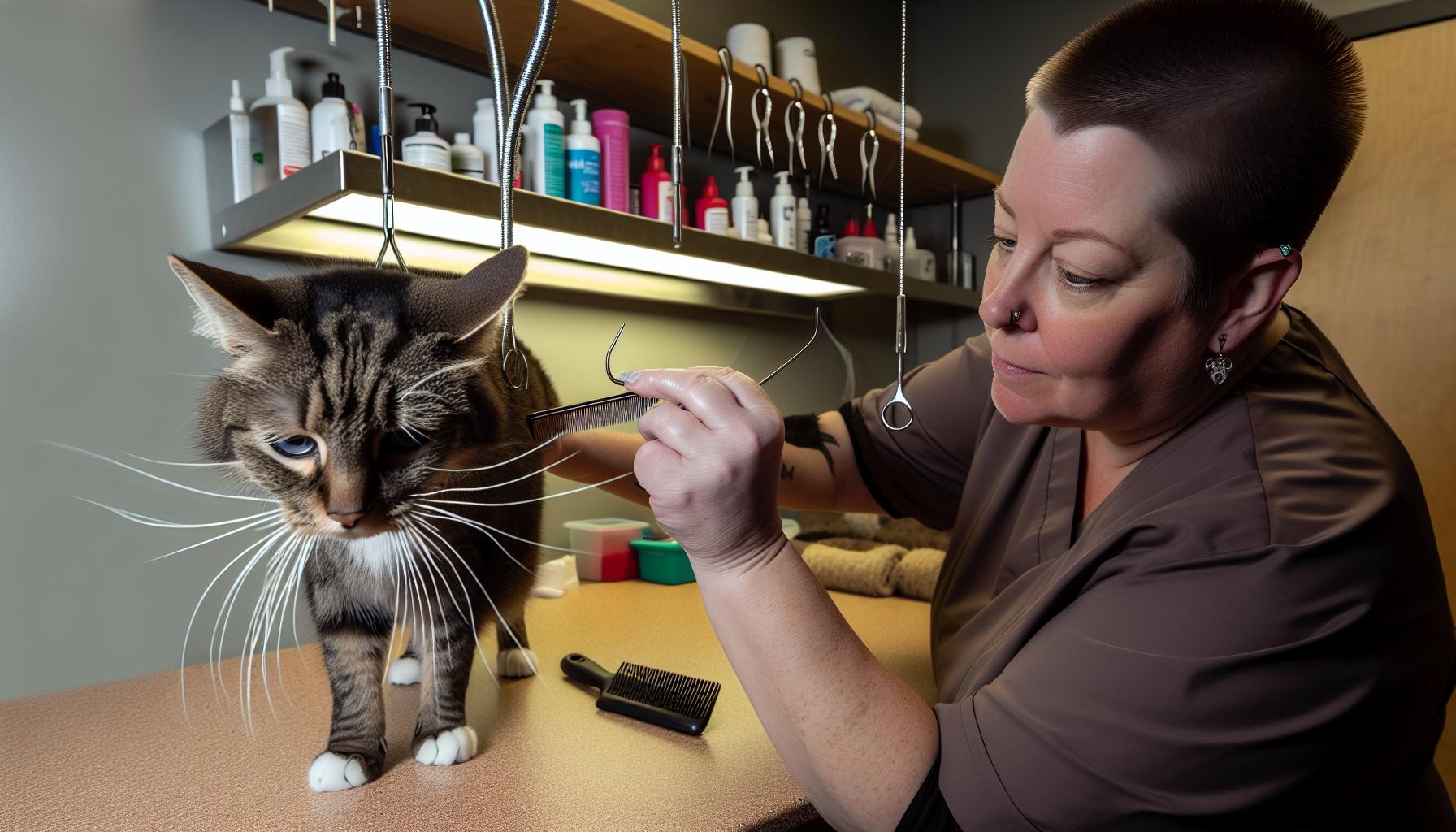
Whiskers are delicate sensory tools-not just decorative strands-so keeping them intact during grooming is essential for your dog’s comfort and confidence. rather of cutting, focus on gentle management techniques that respect their natural function. For example, when working around facial fur, use precise tools like curved scissors or thinning shears to tidy stray hairs without touching the whiskers themselves. This approach maintains a neat appearance while preserving the vital sensory feedback whiskers provide.
Bathing and Brushing Without Disturbing Whiskers
During baths, avoid rubbing the whisker area aggressively. Instead, gently pat the muzzle with a soft washcloth or use a pet-safe sponge to clean around whiskers. Opt for mild shampoos formulated for sensitive skin and rinse thoroughly to prevent irritation. When brushing, choose a soft-bristle brush or a rubber grooming mitt and move slowly to avoid startling your dog. This is especially important for breeds like Schnauzers or Wire-haired Terriers, whose whiskers are crucial for spatial awareness. Keeping whiskers dry and clean without trimming is the safest path.
Practical Tools and Steady Technique
- Curved or thinning scissors: Use these to carefully trim coat fur near whiskers, not the whiskers themselves.
- Soft-bristle brushes: Gently detangle and smooth facial fur without pulling on whiskers.
- Microfiber towels: Use for delicate drying of the face, minimizing fuss.
A real-world example comes from a groomer working with a nervous Terrier who initially had whiskers accidentally trimmed. After switching to targeted trimming of surrounding fur and fully avoiding whiskers, the dog quickly became more relaxed during appointments. Patience, observation, and a gentle touch make all the difference.
Knowing When to Step Aside
If your dog’s whisker area seems irritated-redness, swelling, or excessive scratching-this is a cue to pause grooming and consult a vet.Groomers shouldn’t attempt to fix these issues but can support you in coordinating care. Remember, grooming and veterinary care play different roles; preserving whiskers means prioritizing comfort over cosmetic perfection.
ultimately, the best alternative to cutting whiskers lies in embracing their natural role. Careful handling, appropriate tool selection, and thoughtful technique help maintain your dog’s sensory superpowers while keeping them looking tidy and feeling safe.
Communicating with Your Groomer: Questions to Ask About Whiskers
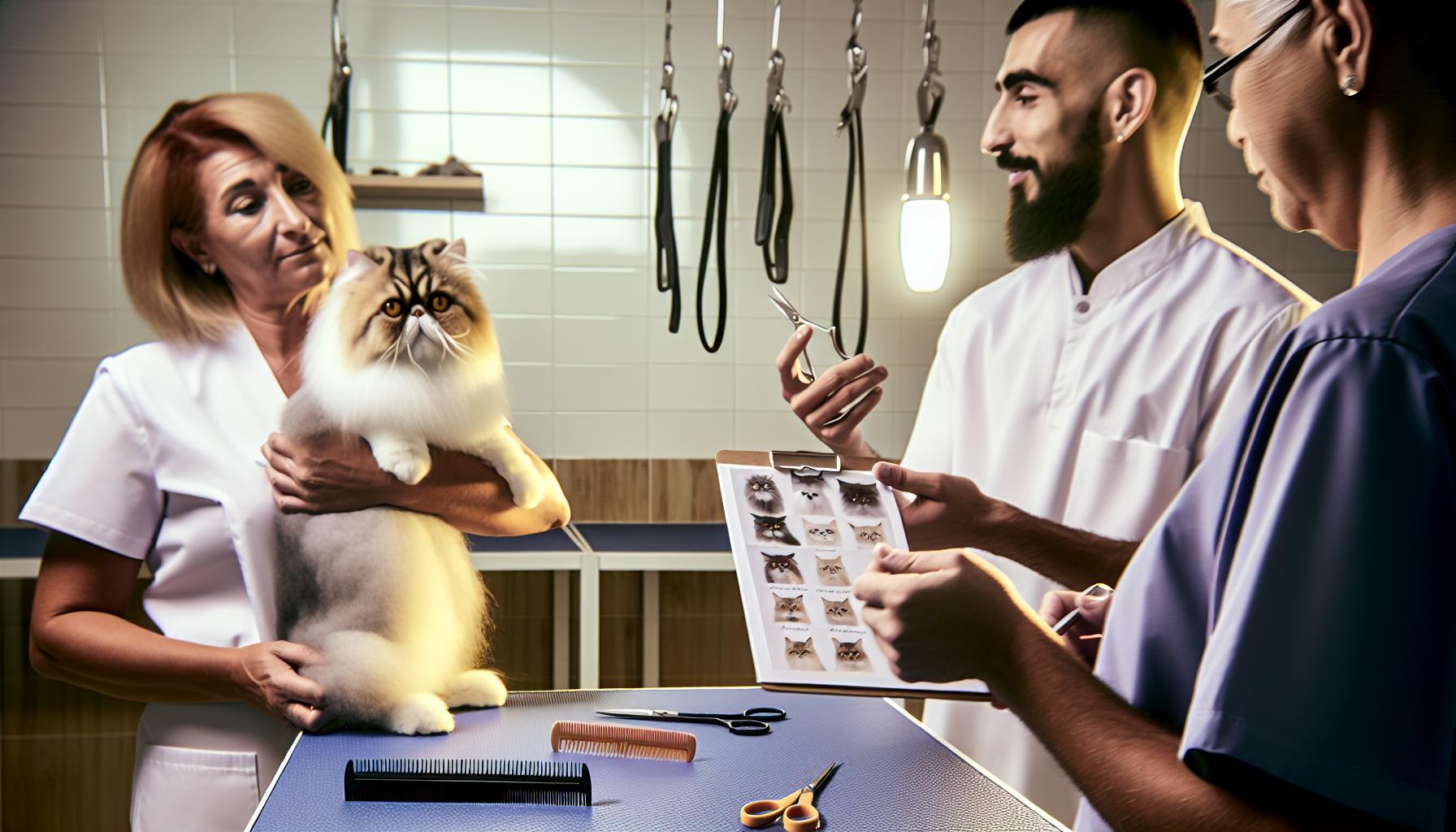
whiskers are not just decorative-they are vital sensory organs that help dogs explore and understand their surroundings. When you bring your furry friend to a groomer, clear interaction about whisker care is key to ensuring these sensitive hairs are respected and left intact. Asking the right questions ahead of time not only protects your dog’s sensory health but also builds trust with your groomer and eases your own mind.
Start by gently inquiring about their policy on whiskers. A knowledgeable groomer should explain why whiskers should never be cut and describe the alternative grooming techniques they use to tidy areas around them safely. For example, asking, “How do you trim around my dog’s whiskers without cutting them?” invites an clarification of tools and methods like using curved scissors or thinning shears to avoid accidental snips. if your dog belongs to a breed with especially prominent or functional whiskers, such as a Schnauzer or Wirehaired Terrier, highlight this so the groomer understands the importance and adapts their approach accordingly.
it’s perfectly reasonable to bring up any past concerns, such as previous grooming sessions where whiskers were trimmed. A respectful groomer will appreciate this and might share insights on how they handle anxious dogs or delicate facial areas.You might ask, “Have you worked with dogs who are nervous about face grooming? How do you make sure whiskers stay safe and the dog stays calm?” This opens the door for them to share practical calming techniques and ensures their style matches your dog’s temperament.
If you want to gauge their awareness of the boundaries between grooming and medical care, consider questions like:
- “what signs would indicate we should pause grooming and see a vet about the whisker area?”
- “If my dog seems uncomfortable or if I notice redness or swelling, what’s the best way to handle that during grooming?”
A compassionate, trained groomer will acknowledge that whisker health is tied to overall comfort and that any irritation merits veterinary attention rather than further clipping or trimming at the salon.
Remember, effective communication is a two-way street. Bringing your own observations and asking thoughtful questions shows your groomer that you care deeply about your dog’s welfare. This encourages them to approach grooming with patience, respect, and a gentle hand. If you detect any reluctance or uncertainty around whisker care, it’s a good sign to look for a groomer who places sensory health above appearance.
By having these candid conversations, you become a powerful advocate for your dog’s wellbeing-and you ensure each grooming session leaves your companion feeling safe, confident, and understood.
When Vet Care Is Needed: Whiskers and Health Concerns

Dogs rely heavily on their whiskers-not just for exploring the world but also for their overall well-being. Though whiskers are tough and resilient, they are delicate sensory hairs embedded deeply into the skin and connected to the nervous system. This means any injury or irritation around the whisker area can cause discomfort or signal an underlying health issue that goes beyond grooming concerns.
If you notice your dog showing signs like persistent scratching at their whiskers, redness, swelling, or even discharge near the muzzle or eyes, it’s important to pause grooming and consider veterinary evaluation. these symptoms could indicate infections, allergic reactions, follicle inflammation (folliculitis), or even trauma from accidental trimming or harsh handling.A vet can perform a thorough exam, potentially run skin cultures or allergy tests, and prescribe treatment to alleviate discomfort and prevent further problems.
When to contact Your Veterinarian
- Visible skin damage: Cuts, bruising, or open wounds near whisker follicles.
- Behavioral changes: Excessive pawing at the face, reluctance to be touched around the muzzle, or signs of pain.
- Swelling or lumps: Any unusual bulges or bumps in the whisker region that don’t resolve quickly.
- Persistent itching or redness: Could signal an infection needing medical intervention.
- Changes in whisker health: Sudden whisker loss or brittle whiskers may indicate systemic health issues.
From a groomer’s outlook, understanding when a problem crosses into veterinary territory is crucial. Groomers should never try to treat infections, wounds, or skin diseases themselves but instead notify owners about concerning signs observed during sessions.Likewise, if your dog has medical conditions affecting the whisker area-such as dermatitis or autoimmune disorders-it’s best to consult your vet before any grooming occurs.
Protecting Whiskers During Veterinary Care and Grooming
While vets handle medical treatments, groomers and owners can work together to keep whiskers safe during routine care. This means avoiding cutting or trimming whiskers even when sanitizing or shaving areas around the face for surgery or treatment. If shaving is necessary, it should be done with extreme care following the vet’s instructions.
Such as, in breeds with prominent whiskers like Schnauzers or terriers, sensitive handling avoids unnecessary stress or sensory deprivation. Groomers can use specialized trimming tools and techniques to clean and tidy the face while respecting these sensory hairs.
Remember, healthy whiskers contribute not only to your dog’s physical navigation but also to their emotional security.Protecting them during all forms of care is a compassionate practice that honors your pet’s needs and comfort.
By recognizing early signs that warrant veterinary attention and ensuring open communication between owners, groomers, and vets, you create a safety net that prioritizes your dog’s health above aesthetics. This teamwork approach guarantees that your dog’s whiskers-and their overall quality of life-remain intact and respected.
DIY Grooming Tips to Protect Your dog’s Whiskers
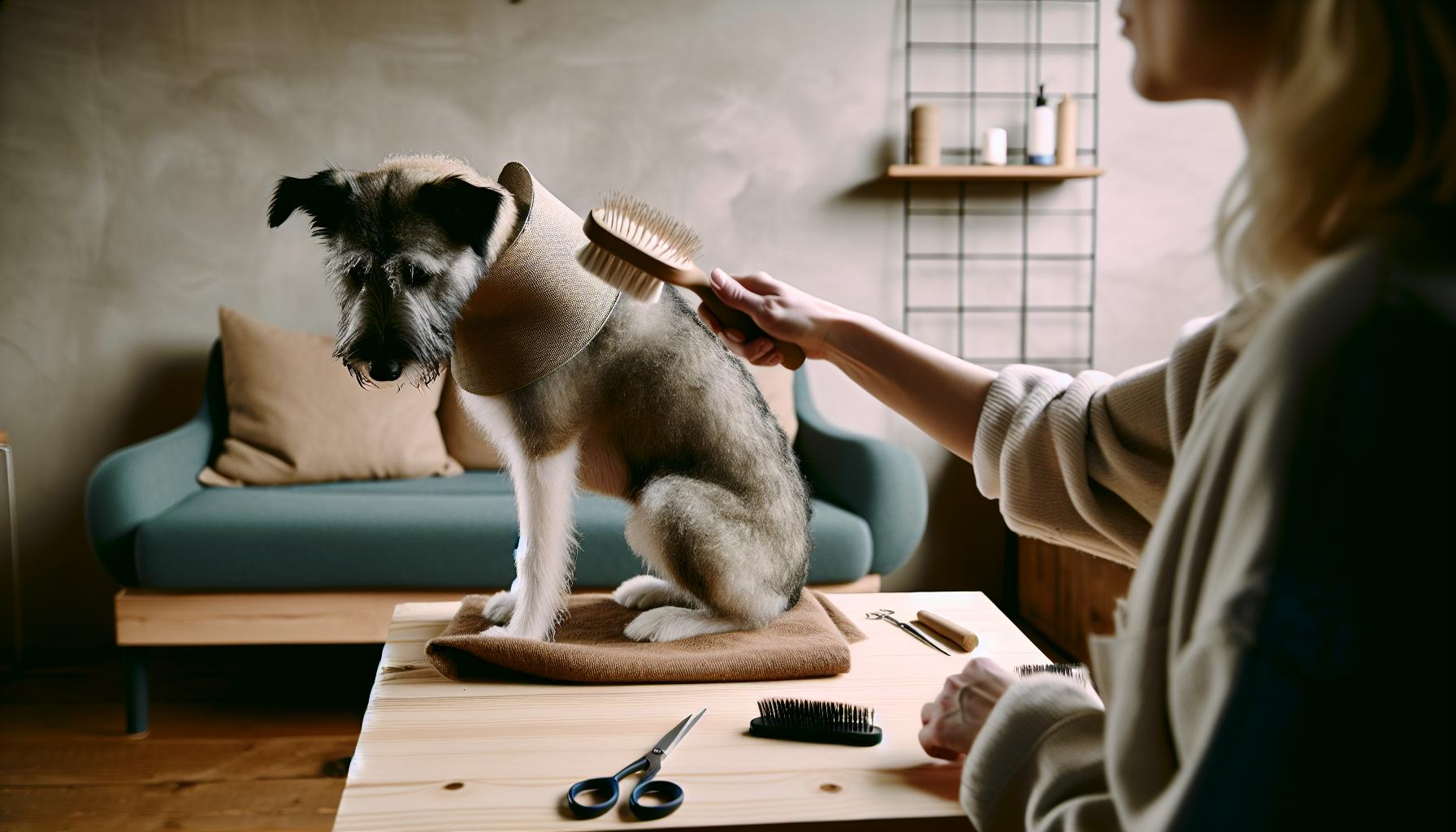
One of the most important things to remember when grooming your dog at home is that their whiskers are not just ordinary hairs-they are vital sensory tools deeply connected to their nervous system. These vibrissae help your dog explore their environment and maintain spatial awareness, so protecting them during grooming is essential for your pet’s comfort and well-being. Unlike trimming coat hair, whiskers should never be cut or shaved, even if it truly seems like it would improve aesthetics. Instead, the goal is to keep them clean and free of debris without compromising their function.
Practical Tips for Keeping whiskers Intact While Grooming
- Gentle Brushing: Use a soft-bristled brush or a damp cloth around your dog’s muzzle. This helps remove dirt without pulling or stressing the whiskers. Avoid harsh tugging or rubbing motions near this sensitive area.
- Bath Time Care: When shampooing your dog, carefully rinse around the muzzle and face with water at a mild temperature, keeping shampoo away from the whisker bases.Use your hand to shield the whisker roots while washing nearby fur.
- Trimming Coat, Not Whiskers: For breeds with longer facial hair like Schnauzers or Terriers, focus clipper or scissor work on the fur surrounding but not touching the whiskers.If necessary, ask your groomer to show you how to trim these areas safely without trimming whiskers themselves.
- Safe Nail and Ear Care: while seemingly unrelated, trimming nails or cleaning ears can cause your dog to become anxious. Keep your pet calm and steady, so sudden movements don’t cause accidental pulls or damage near sensitive whisker roots.
Recognizing When to Get Help
If you notice signs of discomfort during grooming-like your dog pulling back, pawing at their face, or flinching when their whisker area is touched-stop immediately. Some dogs may develop irritation or infections near their whiskers, which require professional veterinary care rather than DIY remedies.Grooming should never cause pain or stress, so always respect your dog’s signals and seek expert guidance if needed.Remember, trimming or cutting their whiskers is not an option and can disorient your dog or make them fearful during future grooming sessions.
Empowering You with Confidence and Compassion
Approach grooming as a bonding ritual that nurtures trust and comfort. Start slow,praise frequently enough,and let your dog acclimate to the sensation of grooming tools near their face. A calm, patient approach will help keep your dog relaxed and cooperative while making sure their sensory tools remain fully functional. maintaining your dog’s whiskers intact-and their dignity intact-is a small but profoundly meaningful way to honor their needs beyond the surface appearance.
By keeping these simple, thoughtful practices in mind, you ensure your dog’s grooming experience is safe, soothing, and supportive of their natural instincts and well-being.
Breed Differences: How Whisker Care Varies by Dog Type
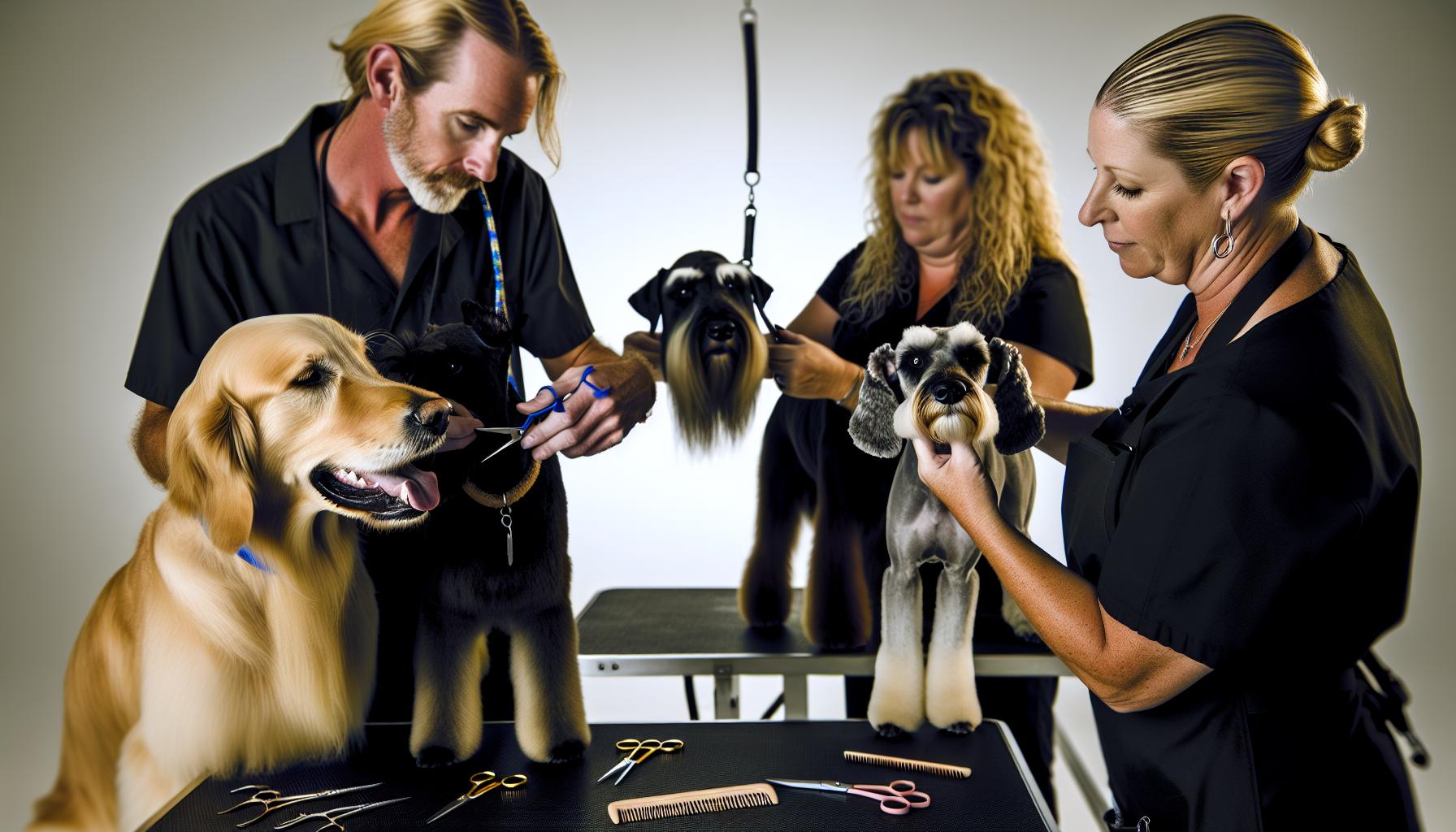
Dogs’ whiskers vary widely across breeds, not just in length or thickness but in their placement and sensitivity, meaning whisker care isn’t one-size-fits-all. Such as, breeds like Schnauzers, Terriers, and Poodles sport more pronounced facial furnishings around the muzzle, making it tempting during grooming to trim or shape these hairs. However, their whiskers remain vital sensory organs that should be respected and protected, regardless of breed-specific styling trends.
Facial hair and Whisker Care by Coat Type
Dogs with dense or long facial coats,such as old english Sheepdogs or Shih Tzus,require extra patience and precision during grooming around the muzzle. Use grooming tools designed for sensitive areas-soft-bristled brushes or damp cloths-to gently clean without tugging on whiskers. When trimming longer facial hair, whether with scissors or clippers, always maintain a respectful distance from the whisker base. Attempting to “perfect” the look by trimming whiskers can cause confusion and distress for your pet as these tactile hairs help them navigate their environment safely.
On the other hand, short-coated breeds like Boxers or Beagles have less visible or shorter whiskers, but these sensorial tools are just as critically important beneath the surface.Since their whiskers tend to blend with the shorter muzzle hair, it’s easy to overlook their significance during grooming. Gentle wiping and brushing in these breeds maintain cleanliness without risk to their sensory hairs.
Practical Grooming Tips for Different Breeds
- Schnauzers & Terriers: Focus facial trims on the fur surrounding whiskers, not the whiskers themselves. Use blunt-tipped scissors to avoid accidental snips, and consider using a grooming comb to lift hair away from whisker roots before trimming.
- Long-Haired Breeds (e.g., Shih Tzus, Malteses): due to their full facial coat, extra care is needed during bathing and brushing to avoid soaking or rubbing whiskers roughly. Use gentle, supportive tools like microfiber towels or soft brushes to clean the whiskers without distress.
- Short-Haired Breeds: Keep grooming simple and calm around the whisker area.Often a fast wipe with a damp cloth is sufficient to keep whiskers clean, keeping stress minimal.
Knowing When to Ask for Expert Help
If you’re unsure how to safely groom around the whiskers, especially with breeds prone to thick facial hair, don’t hesitate to consult a professional groomer experienced with your dog’s breed. A knowledgeable groomer understands the critical nature of these tactile hairs and can demonstrate safe trimming techniques around them-never cutting the whiskers themselves.When health concerns arise, such as irritation or infection near whisker roots, your veterinarian should be your first call.
no matter the breed, whiskers are sensory lifelines.Maintaining them intact not only supports your dog’s physical safety but respects their emotional comfort during grooming. With patience, proper tools, and an understanding of breed-specific needs, you’ll help your dog stay confident and content every time it’s time to freshen up.
Understanding the Emotional Impact of Whisker Trimming on Dogs
Dogs rely on their whiskers much like we rely on our fingertips-these sensitive hairs are packed with nerves that send vital information to their brains. When whiskers are trimmed or cut, dogs can become disoriented or even anxious, experiencing a loss of a key way they connect with their surroundings. This isn’t just about appearance; it’s about a essential part of how they feel safe in their environment. Many dogs will show subtle signs of stress or discomfort after whisker trimming, such as hesitation in unfamiliar spaces, reluctance to explore, or increased startle responses.Understanding how different breeds and coat types impact this experience is critically important. For example, a Schnauzer or a Terrier, with their pronounced facial whiskers, might feel the sensory loss more acutely if these are trimmed. When grooming, it’s crucial to use tools like blunt-tipped scissors and grooming combs to carefully trim around whiskers-not the whiskers themselves-to prevent causing distress. For dogs with dense or long facial hair, such as Shih Tzus, gentle brushing and wiping with soft cloths help clean whiskers without affecting their function.
Recognizing Emotional and Behavioral Changes
- Increased Anxiety: Whiskers provide spatial awareness. Cutting them can lead to confusion,making dogs hesitant to move or interact.
- Reduced Confidence: dogs may bump into objects or hesitate on stairs,appearing clumsy or uncertain when whiskers are trimmed.
- Heightened Sensitivity: Some dogs may become more fearful of touch around the face after whiskers are cut, as this area now feels unfamiliar or vulnerable.
When grooming your dog or working with a groomer, always prioritize their comfort over cosmetic ideals.Avoid rushing and create a calm environment. Keep sessions short and reward patience with treats and gentle praise. If your dog seems unsettled, pause to give reassurance and consider stopping whisker trims entirely. Remember, maintaining whiskers supports both physical orientation and emotional well-being.
Practical Tips for protecting Whiskers and Your Dog’s Emotional Health
- Never cut whiskers during trimming.Instead, trim surrounding fur carefully with blunt-tipped scissors.
- Use soft brushes or damp cloths to clean whiskers gently without bending or pulling.
- Before grooming, observe your dog’s reactions around the face to identify sensitive spots.
- Communicate clearly with your groomer about the importance of preserving whiskers for your dog’s safety and emotional comfort.
- If you notice any behavioral or physical changes post-grooming, consult your veterinarian for advice.
By respecting your dog’s whiskers, you’re honoring their natural way of sensing the world and supporting a calm, confident grooming experience. These simple considerations transform grooming from a stressful chore into a bonding moment filled with compassion and trust.
FAQ
Q: How can trimming dog whiskers affect their behavior in low light?
A: Trimming dog whiskers can reduce their spatial awareness,especially in dim environments,making them more prone to bumping into objects. Protect your dog’s whiskers during grooming to preserve their natural navigation skills. Learn more about how whiskers support your dog’s balance in our How Whiskers Affect Your Dog’s Sensory and Balance section.
Q: Why do some groomers trim dog whiskers despite the risks?
A: Some groomers trim whiskers for breed standard appearances or show requirements, but this practice is generally discouraged for pet dogs. Always communicate with your groomer about your preference to keep whiskers intact to prevent sensory and emotional distress for your dog. See Communicating with Your Groomer for effective tips.
Q: What signs indicate my dog might be uncomfortable after whisker trimming?
A: If your dog shows signs like increased anxiety, hesitation in familiar spaces, or reluctance to explore, they may be unsettled by recent whisker trimming. Whiskers help dogs feel confident in their surroundings,so avoid trimming to keep them comfortable.Refer to Understanding the Emotional Impact of Whisker Trimming on Dogs for more insights.
Q: When is it absolutely necessary to consult a vet regarding my dog’s whiskers?
A: Consult a vet if your dog’s whiskers are broken due to injury, infected, or if you notice unusual swelling or discharge around whisker follicles. Whiskers can reflect health issues needing professional attention. For routine grooming, see safe care tips in the When Vet Care Is Needed section.
Q: How do whisker maintenance needs vary between short-haired and long-haired dog breeds?
A: While all dogs need whiskers intact for sensory function, long-haired breeds might require extra care to prevent tangling around whiskers without cutting them. Use gentle brushing methods and avoid trimming whiskers even in dense coats. Visit Breed Differences: How Whisker Care Varies by Dog Type to tailor grooming to your dog’s coat.
Q: Can DIY grooming accidentally damage my dog’s whiskers, and how can I prevent it?
A: Yes, DIY grooming risks accidentally trimming or breaking whiskers if not done carefully. Use specialized tools and slow, calm techniques to avoid damage. Always prioritize your dog’s comfort and avoid trimming. Review DIY Grooming Tips to Protect Your Dog’s Whiskers for practical guidance.
Q: What are the best alternatives to cutting whiskers during grooming for a tidy appearance?
A: Rather of cutting whiskers,groomers can trim surrounding fur carefully,use professional styling products,or shape the coat to enhance your dog’s look while preserving whiskers. This approach maintains safety and functionality. For more, see Alternatives to Cutting: Caring for Whiskers During Grooming.
Q: How should I address my concerns if a groomer wants to cut my dog’s whiskers?
A: Politely express your preference to keep whiskers intact, explaining their sensory importance. If needed, request a groomer experienced in whisker-safe grooming. Open communication ensures your dog’s comfort and well-being.Check Communicating with Your Groomer for effective strategies.
—
For detailed guidance, visit the related sections in our main article to keep your dog’s whiskers safe and healthy. Your pet’s comfort and confidence are always the priority!
Future Outlook
Remember, your dog’s whiskers play a crucial role in navigating their world, so leaving them intact is always the best choice. When choosing a groomer, prioritize professionals who understand the importance of preserving these sensitive hairs, especially for breeds with distinct coat types or facial features. If you’re curious about safe grooming tools or wonder how to balance vet care with DIY maintenance, be sure to explore our guides on [essential dog grooming tips] and [how to choose the right groomer] to keep your pet comfortable and confident.
Don’t wait until your furry friend’s next appointment-take action now by signing up for our newsletter packed with expert advice and practical grooming step-by-steps. If you’ve had questions about trimmed whiskers or want to share your grooming experiences, drop a comment below-we love hearing from fellow caring pet parents. For more on keeping your dog’s coat, nails, and ears in top shape, check out our related posts and let’s continue this journey with compassion, safety, and confidence in every snip and brush.
Get our latest guides, news, and insights highlighted in your Google Search & AI Overviews.
Keep reading about the same coat and cut.




Popular grooming guides
Bath vs clip, first grooms, and salon how-tos.