Do Dog Groomers Brush Teeth: Dental Services at Your Salon
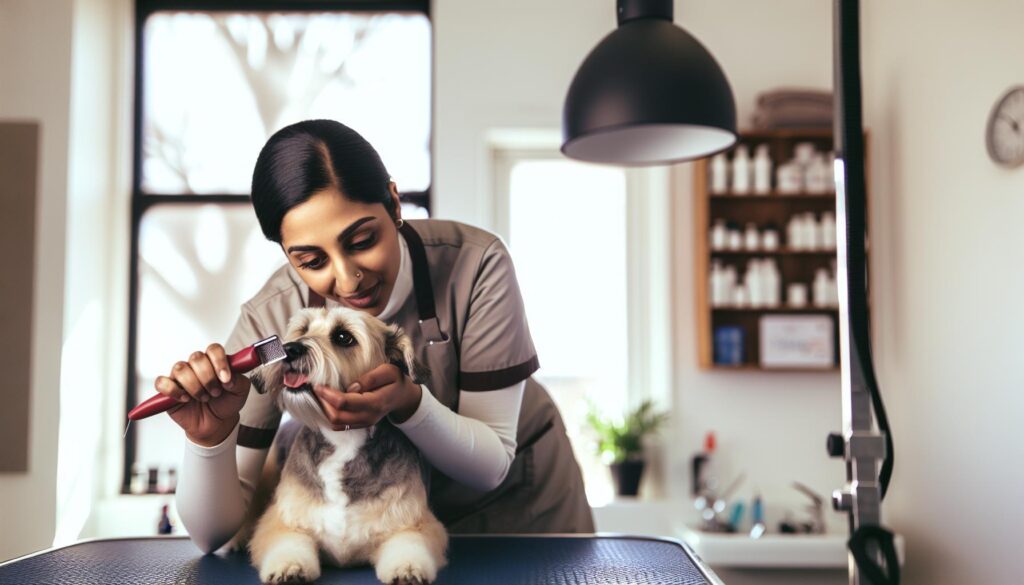
Did you know that dental health is just as important to your dog’s overall well-being as a clean coat or trimmed nails? Many pet owners wonder whether dog groomers brush teeth as part of their services, and understanding this can help you provide the best care for your furry friend. While groomers excel at baths, brushing coats, and nail trims, dental care frequently enough requires special attention, tools, and training. Knowing what dental services your groomer offers-and when to involve your vet-can prevent discomfort, bad breath, and more serious health issues down the road. In this article, we’ll explore how groomers handle dental care, what you can expect, and easy ways to support your dog’s oral health between visits, so you and your pet feel confident and comfortable every step of the way.
Understanding Dog Groomers’ Role in Dental Care
Table of Contents
- 1 Understanding Dog Groomers’ Role in Dental Care
- 2 Common Dental Services Offered at Grooming Salons
- 3 How Professional Groomers Safely Brush Your Dog’s Teeth
- 4 Tools and Products Groomers Use for Canine Dental Hygiene
- 5 When to Visit a Vet Rather than a Groomer for Teeth Issues
- 6 Step-by-Step Guide to At-home Dental Care Between Grooming
- 7 Signs of Dental Problems Every Dog Owner Should Know
- 8 Addressing Anxious Dogs During Teeth Brushing Sessions
- 9 The Cost and Value of Dental Services in Grooming Packages
- 10 How Regular Teeth Care Boosts Your Dog’s Overall Health
- 11 Q&A
- 11.1 Q: Can dog groomers perform professional dental cleanings like vets do?
- 11.2 Q: How often should a groomer brush my dog’s teeth during grooming visits?
- 11.3 Q: What kind of toothpaste do groomers use when brushing dogs’ teeth?
- 11.4 Q: are there specific dog breeds that benefit more from groomer dental brushing?
- 11.5 Q: How do groomers manage dogs that resist having their teeth brushed?
- 11.6 Q: Can teeth brushing at grooming salons prevent bad dog breath?
- 11.7 Q: are dental services included in typical dog grooming packages, or do they cost extra?
- 11.8 Q: How can I tell if my dog’s grooming salon offers quality dental brushing services?
- 12 Insights and Conclusions
Dental care is an important part of your dog’s overall wellness, and many pet owners are pleasantly surprised to learn that professional groomers can play a valuable role in supporting this aspect of health. While groomers are often best known for pampering your pup’s coat,nails,and ears,their training increasingly includes gentle,supervised teeth cleaning techniques designed to maintain oral hygiene between veterinary visits. This means your regular salon visit can be more comprehensive than ever,helping you stay ahead of potential dental issues without stress.
Unlike veterinary dental professionals who handle procedures like scaling or treating infections, groomers focus on routine maintenance-especially safe, non-invasive brushing and removal of light plaque buildup. This focus respects both the limitations of non-medical care and your dog’s comfort and emotional well-being. For example, a groomer experienced with small breeds like Yorkshire Terriers or Poodles understands that their tiny, sensitive teeth require delicate handling and shorter brushing sessions. larger breeds with strong jaws, like Labradors or German Shepherds, may need a different approach, using firm but gentle strokes and specific canine toothbrushes to reach all surfaces comfortably.
How Groomers Approach Dental Care
- Patience and calmness: Groomers take time to acclimate nervous dogs gradually, using positive reinforcement to build trust before even approaching the mouth.
- Customized care: The brushing technique, duration, and tools are tailored based on breed, age, and temperament to maximize effectiveness without causing anxiety.
- Safety first: Grooming professionals know when to stop and recommend veterinary attention if they spot signs of pain, severe tartar, or inflammation.
Many owners appreciate that the groomer’s dental care is complementary, not a replacement for veterinary exams. Its a practical addition that helps keep your dog’s breath fresher and teeth cleaner from visit to visit, while you maintain a gentle routine at home.Starting dental care at the salon also supports your dog’s comfort with oral handling, making at-home brushing less of a challenge.
groomers serve as trusted partners in your dog’s dental health by offering routine care focused on comfort, prevention, and early recognition of potential problems. Their patient, tailored approach empowers you as an owner to maintain your dog’s smile between vet checkups-a real confidence boost for many!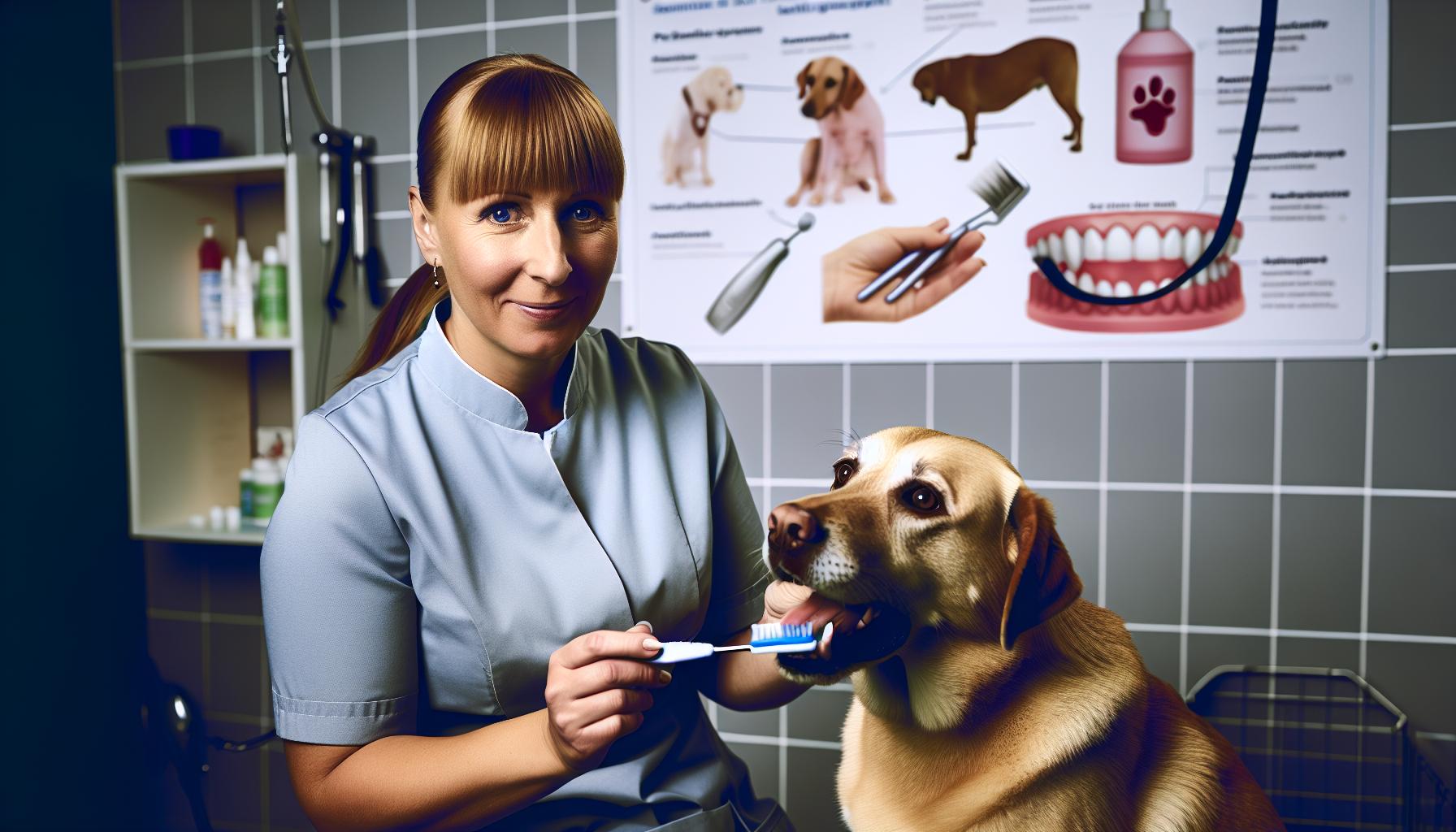
Common Dental Services Offered at Grooming Salons
few pet owners realize how much good dental care at the grooming salon can do to keep their dog’s mouth healthy between veterinary visits. Grooming salons commonly offer a range of gentle,non-invasive services designed to freshen breath,reduce plaque buildup,and help dogs get comfortable with regular oral handling. These routine treatments focus on prevention and maintenance rather than medical intervention, making them a perfect supplement to your dog’s home care routine.
- Professional Teeth Brushing: the cornerstone service involves carefully brushing your dog’s teeth using canine-specific toothbrushes and pet-safe toothpaste, frequently enough flavored to appeal to the pup.Groomers adjust brushing techniques depending on size and temperament-a small breed like a Shih Tzu may need short, delicate sessions, while a larger Labrador might tolerate longer, firmer strokes. This safe, regular brushing helps remove light plaque and keeps breath fresh.
- Plaque and Tartar Removal Sprays: Many salons use enzymatic sprays or water additives that help break down plaque and combat bacteria without invasive scraping. Applied during grooming,these products support oral hygiene by targeting problem areas gently,especially useful for dogs who resist conventional brushing.
- Examination and Early Detection: While groomers don’t perform dental treatments like scaling or extractions,they’re trained to spot early signs of trouble,such as red gums,swelling,or broken teeth. If anything concerning arises,groomers will advise you to seek veterinary care promptly,prioritizing safety and health over cosmetic appearance.
Real-World Tip from the salon Floor
For anxious dogs, groomers frequently enough break dental care into bite-sized sessions, working with positive reinforcement and familiar toys or treats to build trust. For example, a groomer told me about a tiny Maltese who initially resisted all mouth touch; by gently introducing just a minute of brushing per visit, they gradually increased tolerance over weeks. This step-by-step approach turns dental care from a stressful chore into a calm, even enjoyable moment for both dog and owner.
Remember, these salon services are all about supplementing-not replacing-your vet’s dental exams. They keep your dog’s mouth feeling fresh and healthy in between more specialized care, helping prevent pain and infection down the road. Embracing these grooming dental routines empowers you to provide well-rounded care, holding oral health with the same loving attention as their coat and nails.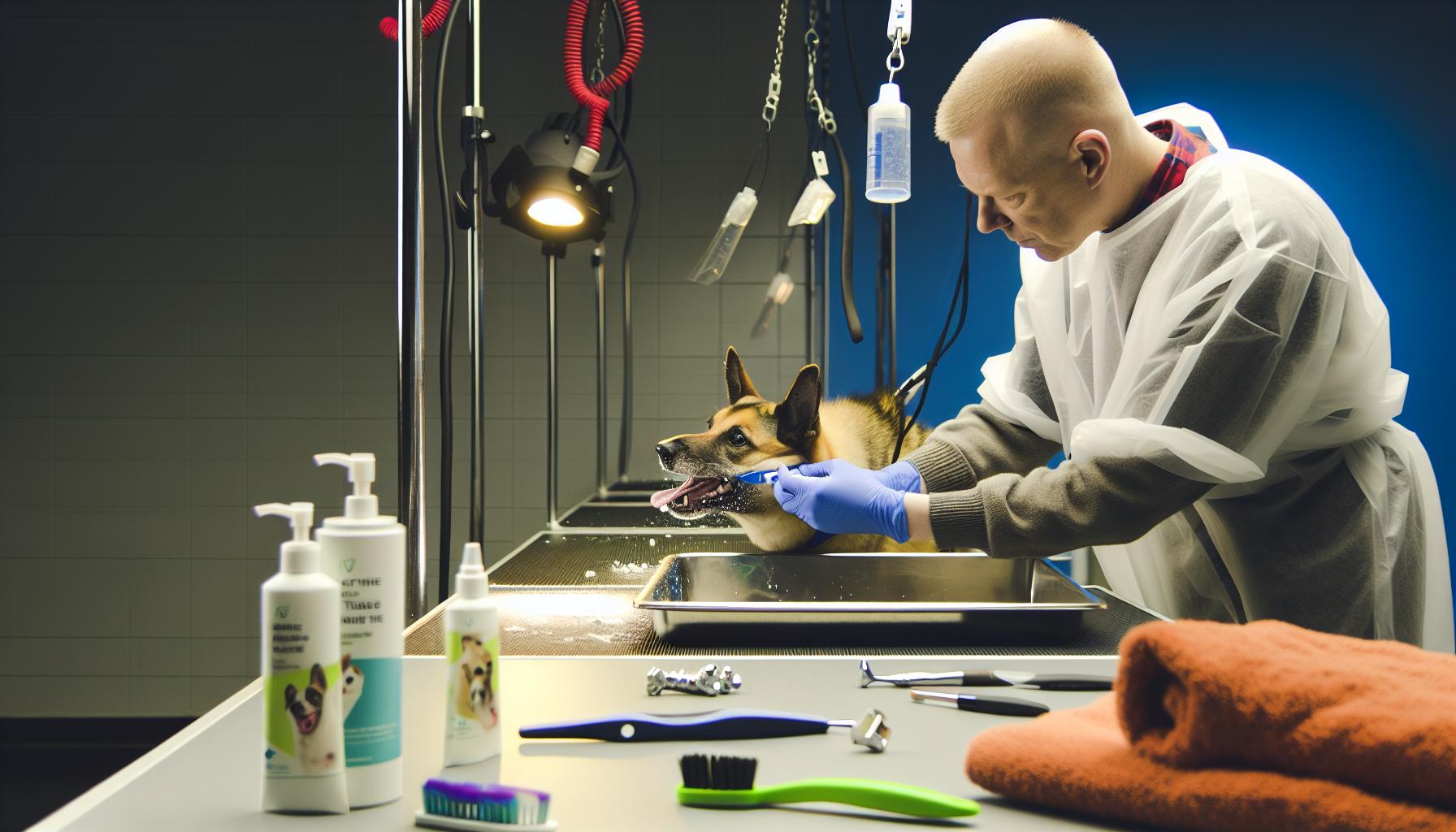
How Professional Groomers Safely Brush Your Dog’s Teeth
Few dog owners realize how transformative gentle, regular teeth brushing by a skilled groomer can be-not just for fresh breath, but for your dog’s overall comfort and oral health. Groomers approach this task with a deep respect for each dog’s personality and physical needs, tailoring their technique to keep every pup relaxed and safe throughout the process. Whether your dog is a tiny chihuahua with sensitive gums or a robust Golden Retriever eager for some TLC, professional groomers know how to adapt so teeth brushing feels more like a gentle massage than a chore.
- starting with calm, Positive Handling: Before any brushing begins, a groomer builds trust by softly handling the muzzle and cheeks, often using soothing tones and slow movements. This gentle introduction helps dogs-even those wary of mouth contact-gradually accept the experience.Some groomers bring in familiar treats or a favorite toy to create positive associations.
- Choosing the Right Tools: A canine-specific toothbrush is a must-these usually have soft bristles and ergonomic handles designed for varying muzzle shapes. For smaller breeds like Yorkshire Terriers or Pomeranians, tiny fingertip brushes allow for precision and gentleness. Pet-safe toothpaste, typically poultry or peanut butter flavored, helps make the experience enjoyable and safe if swallowed.
- Technique Matters: Rather than scrubbing hard, groomers use slow, circular strokes focusing on the gum line where plaque gathers. The process is broken into manageable sections-starting with easier front teeth before moving to molars-to avoid overwhelming the dog. Short, repeated sessions help build tolerance over time, especially for anxious pups. For example, a timid Poodle once hesitant about brushing was gradually comfortable within a few visits by limiting brushing time to under a minute, then extending as tolerance grew.
- Constant Monitoring for Comfort and Safety: Groomers watch closely for signs of discomfort, such as lip licking, yawning, or pulling away, pausing or stopping as needed. if any redness, swelling, or broken teeth are noticed, they gently communicate concerns to the owner and recommend veterinary examination rather than proceeding with any invasive care.
This compassionate,patient approach turns what might seem intimidating into a calm,enjoyable ritual. Understanding that groomers are not substitutes for veterinary dental care but excellent partners in daily oral maintenance promotes safer, healthier smiles for every dog. With a little patience and the right support, even the most nervous dogs learn to welcome teeth brushing as part of their regular grooming experience.
Tools and Products Groomers Use for Canine Dental Hygiene
Few things beat the satisfaction of seeing a dog’s shining,healthy smile after a gentle,thorough brushing. Achieving this requires more than just good technique-it depends heavily on the right tools and products designed specifically for canine dental care. Using equipment tailored to dogs’ unique mouths ensures comfort, safety, and the best results, no matter if your pup is a tiny Chihuahua or a large Shepherd mix.
Choosing the Best Toothbrush for Your Dog
Not all toothbrushes are created equal when it comes to dogs. Groomers rely on brushes with soft, flexible bristles that clean effectively without irritating gums. For breeds with narrow muzzles like Yorkshire Terriers or Papillons, fingertip brushes made of soft silicone allow precise, gentle control. Medium and large breeds benefit from ergonomic-handled toothbrushes whose angled heads reach molars and back teeth easily. When introducing toothbrushing, starting with fingertip brushes can help anxious dogs because they feel less intrusive and allow the groomer to move slowly and carefully.
Pet-Safe Toothpaste: Flavors That Encourage Cooperation
A favorite secret to making teeth brushing a pleasant routine is the toothpaste. Unlike human toothpaste, pet-safe formulas avoid harmful ingredients like fluoride and xylitol, which are toxic to dogs. Instead,they come in dog-appealing flavors like poultry,peanut butter,and even vanilla. This not only makes the taste more enjoyable but also creates positive associations for dogs who might otherwise resist mouth care. For example,a hesitant Maltese once warmed up quickly when the groomer used a tasty chicken-flavored toothpaste,turning the session into a treat-filled bonding experience.
Additional Tools and Products for a Complete Dental Routine
While toothbrushes and toothpaste are staples, some groomers also use these helpful items to enhance dental hygiene:
- Dental Wipes: For dogs who truly dislike brushes, wipes can gently clean plaque from visible teeth surfaces.
- Water Additives: Added to drinking water, these help reduce bacteria and freshen breath naturally between brushings.
- Chew Toys and Dental Treats: Specially designed textures aid mechanical plaque removal while encouraging chewing-plus, they’re a fun distraction during grooming!
knowing When to Pass the Baton to the Vet
Groomers always remember their role is to support daily dental health, not replace veterinary care. If tools reveal sensitive gums, bleeding, heavy tartar, or broken teeth, groomers carefully pause and advise the owner to consult a vet. Dental cleanings requiring anesthesia or more intensive treatments are best left to veterinary professionals. This careful boundary keeps your dog safe while ensuring they receive the best possible care.
With these thoughtfully chosen tools and products, groomers create a positive dental care routine that combines effectiveness with kindness. This approach empowers nervous dogs and their owners, fostering trust and making each smile sparkle a little brighter.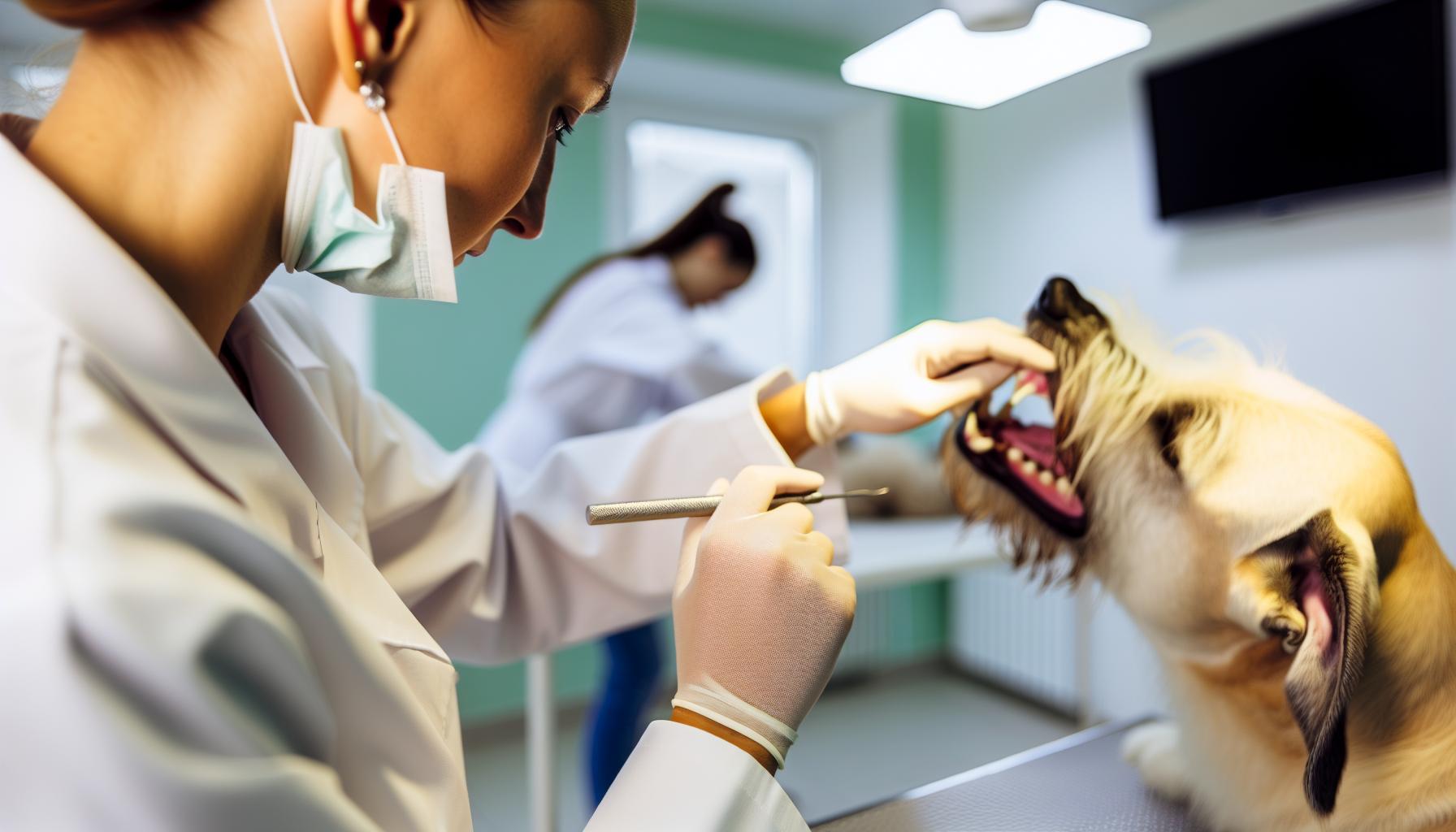
When to Visit a Vet Rather than a Groomer for Teeth Issues
Many pet parents trust groomers to keep their dogs looking-and smelling-great, including some basic dental care like gentle tooth brushing. But it’s critically important to know when dental care is more than a fresh smile-it’s a health matter better suited for your vet’s expertise. Groomers play a supportive role in everyday upkeep, but they don’t replace the specialized care a veterinarian provides when serious issues arise.
If your dog’s mouth shows signs like persistent bad breath, bleeding gums, swollen or tender areas, heavy tartar buildup, or if your dog suddenly starts dropping food or pawing at the face, these are red flags that professional veterinary attention is needed. Groomers may notice these symptoms during brushing, and when they do, they’ll advise you to schedule a visit with your vet who can perform a thorough oral exam and may recommend teeth cleaning under anesthesia. This is essential because only vets can safely remove deep tartar buildup under the gum line and treat infections or dental disease before it affects your dog’s overall health.
One example is a golden retriever client who came in for regular grooming. The groomer spotted a broken canine tooth along with an inflamed gum, which caused discomfort though the dog tried to hide it. The groomer promptly suggested a veterinary check-up. The vet confirmed an infected root that needed extraction and antibiotics-a more advanced intervention beyond the groomer’s tools but critical for the dog’s comfort and long-term wellness.
- Signs that warrant a vet visit include:
- Bleeding or sensitive gums during brushing
- Loose or fractured teeth
- Excessive tartar or plaque that won’t budge with brushing
- Swelling, lumps, or foul odors persistent beyond normal breath
- Changes in eating habits suggesting mouth pain
- Vet dental cleanings: These involve professional scaling and polishing, often under sedation to ensure safety and thoroughness-procedures groomers are not equipped or licensed to perform.
- Follow-up care: After veterinary treatment, groomers can help maintain oral hygiene with gentle brushing and recommended products, supporting overall recovery.
Remember, the division of roles between groomers and veterinarians ensures your dog receives the best care at every level. Groomers focus on prevention and maintaining daily health with kindness and patience, while vets handle diagnosis and treatment of complex dental issues. When in doubt, especially if you notice pain or changes in your dog’s mouth, choosing a veterinary visit over grooming dental work is the safest and most loving decision. Your dog’s comfort and wellbeing always come first!
For ongoing maintenance between visits, groomers are happy to teach you gentle home brushing techniques tailored to your dog’s temperament and size, helping keep those vet interventions few and far between. This teamwork protects your dog’s bright smile-and health-for years to come[[1]](https://vcahospitals.com/know-your-pet/dental-cleaning-in-dogs)[[2]](https://www.purina.com/articles/dog/health/dental/dog-dental-health)[[3]](https://www.petmd.com/dog/general-health/dog-dental-care-6-ways-keep-dogs-mouth-clean).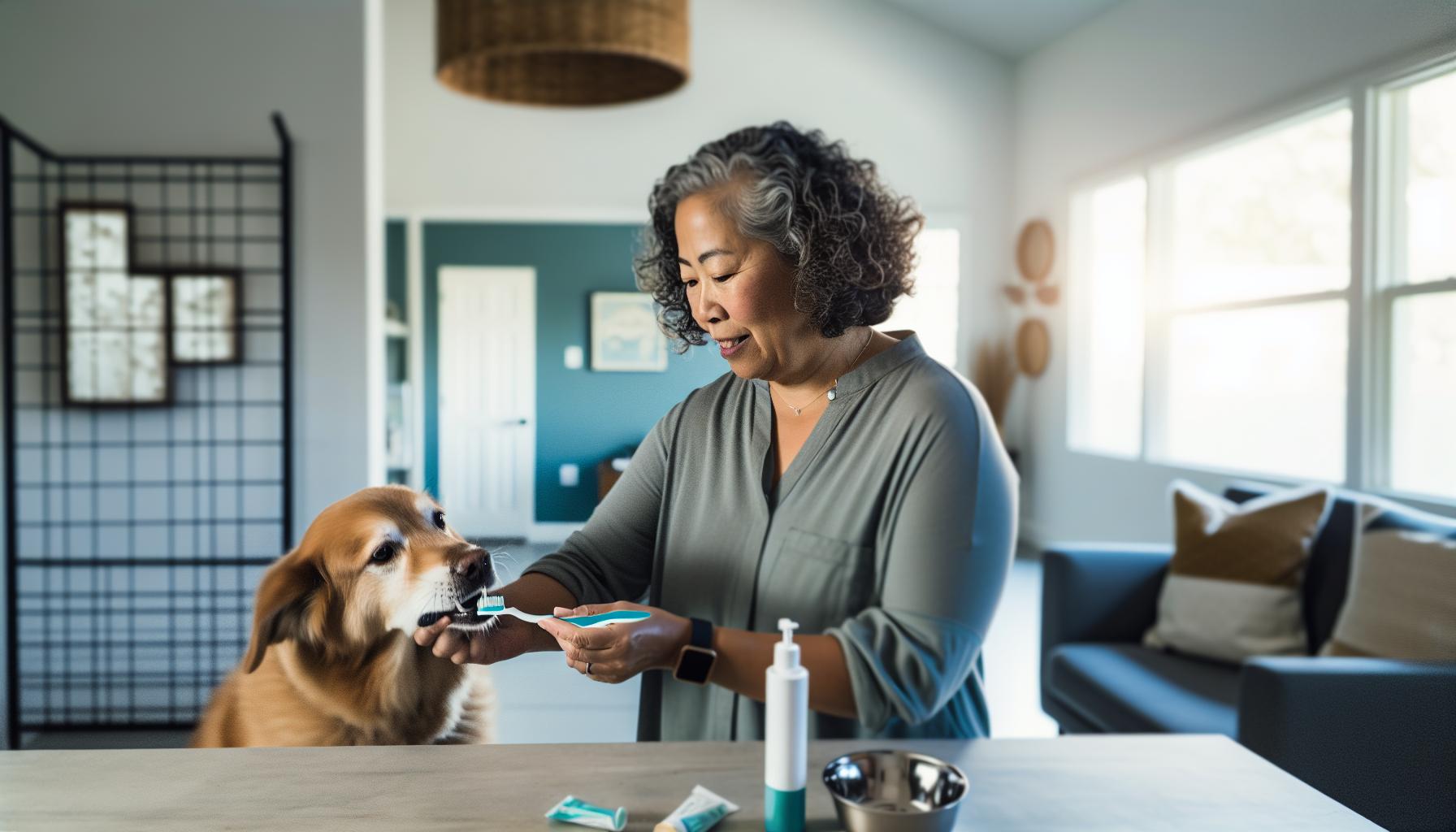
Step-by-Step Guide to At-home Dental Care Between Grooming
Dental care at home can feel intimidating at first, but with the right approach, you can create a calm, positive routine that nurtures your dog’s smile and overall health. Regularly brushing your dog’s teeth between grooming visits builds a foundation that keeps tartar at bay and prevents dental disease. Whether you have a playful pup or a shy senior, this simple habit strengthens your bond while protecting their wellbeing.
Gathering Your Tools
Start with gentle, dog-specific supplies.Use a soft-bristled toothbrush designed for canine mouths or a finger brush for extra control-these tools fit comfortably even for small breeds or dogs with sensitive gums. Always use toothpaste formulated for dogs; human toothpaste contains ingredients that can be harmful if swallowed. Flavors like poultry or peanut butter often encourage reluctant brushers to participate. Having these items on hand and within reach makes the process smooth and stress-free.
Step-by-Step Brushing Routine
- Choose a calm moment: Pick a quiet time when your dog is relaxed, such as after a walk or playtime.
- Introduce your touch: Gently lift your dog’s lips and let them get used to the sensation.You might start by massaging their cheeks or rubbing their gums with your finger.
- Apply toothpaste: Put a small amount on the brush or your finger. Let your dog lick it off first to enjoy the flavor.
- Brush gently: Use small circular motions on the outer surfaces of teeth and along the gumline. Focus on the back molars that often trap food and plaque.
- Keep sessions short: For nervous dogs, just a few teeth at a time is perfect. Praise and reward with treats or cuddles after each session.
Helpful Tips and Troubleshooting
Consistency is key even if progress is slow. Dogs often become more comfortable with routine, especially when brushing is paired with positive experiences. For particularly anxious pets, try using a flavored dental wipe or dental chews recommended by your groomer or vet to supplement brushing. If your dog resists, stop and try again later rather than force the process-it’s better to keep it positive than to cause stress.
If you notice any swelling, bleeding, persistent bad breath, or reluctance to eat, pause the home care and consult your veterinarian promptly. Groomers and owners working together to maintain daily home dental routines ensure the best protection between professional cleanings or exams[[1]](https://www.chewy.com/education/dog/health-and-wellness/basic-dental-care-tips-for-dogs)[[2]](https://nextgendog.com/daily-dental-care-for-dogs/).
Every dog is unique-some small breeds with crowded teeth may need more frequent attention, while others benefit from specific chew toys to reduce plaque buildup. Your groomer can guide you on the right products and techniques suited for your dog’s needs, making home dental care manageable and even enjoyable for both of you.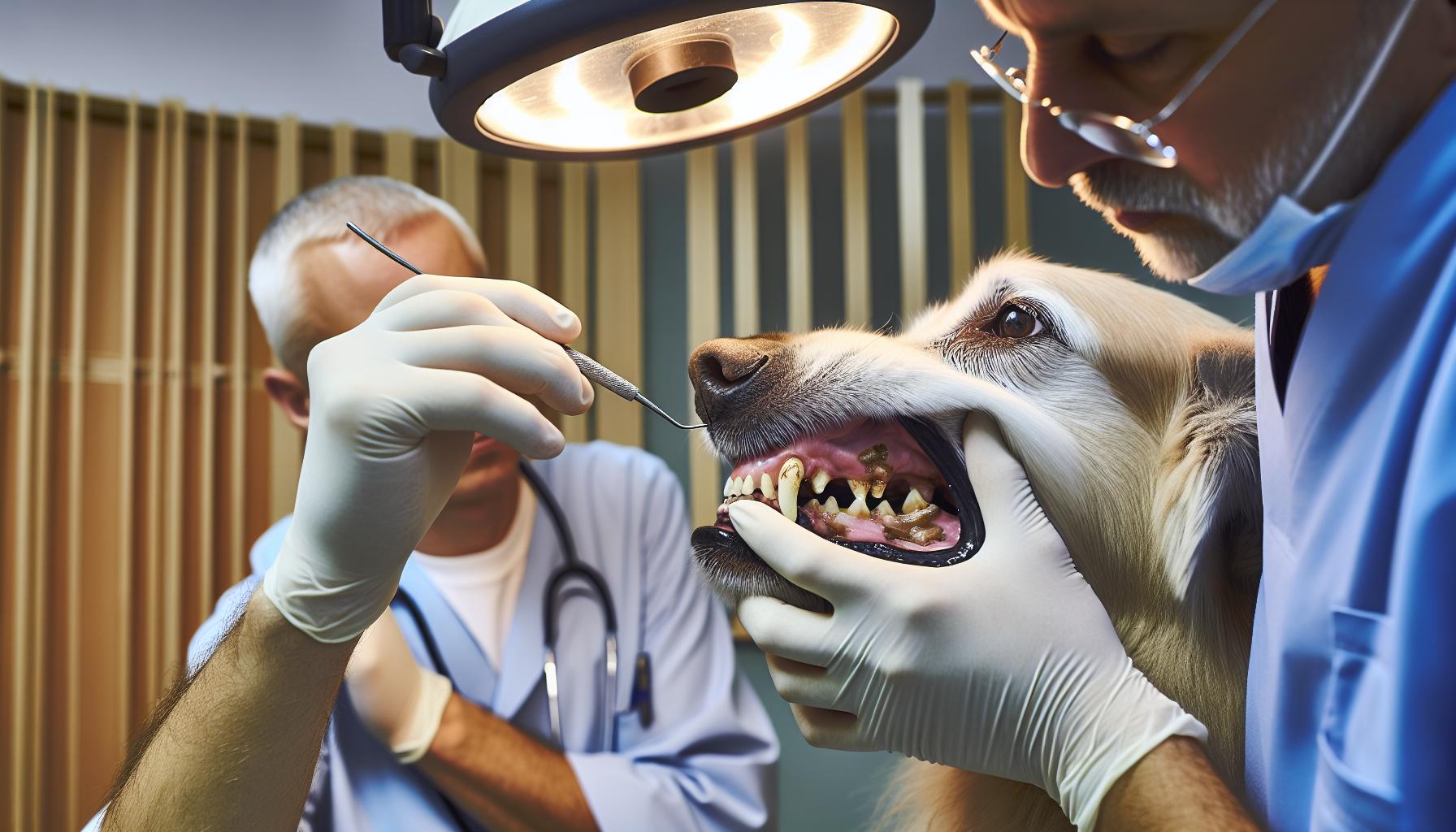
Signs of Dental Problems Every Dog Owner Should Know
Dogs can’t tell us when their teeth hurt, so it’s essential for owners to be the eyes and ears for early dental issues.Frequently enough, what starts as subtle signs can lead to bigger problems if left unnoticed.Recognizing these signs early allows you to partner effectively with your groomer and vet, ensuring your dog’s mouth stays healthy and comfortable.
Many dogs show dental discomfort through obvious or subtle changes in behavior. If you notice your dog avoiding their favorite chew toys or dropping food while eating, it’s a red flag worth exploring. Bad breath that doesn’t improve after brushing or dental treats can signal plaque buildup or infection lurking beneath the surface. Also, keep a close eye on your dog’s gums-healthy gums should be soft and pink, not swollen, red, or bleeding. Sometimes,dogs may paw at their mouths or rub their faces against the floor or furniture,trying to relieve discomfort.
- Changes in eating habits: Reluctance to chew, dropping food, or favoring one side of the mouth
- Unpleasant or persistent bad breath: Beyond the normal doggy smell could indicate bacteria buildup
- Visible tartar or discolored teeth: Brownish-yellow deposits near the gumline
- Swollen, bleeding or receding gums: Signs of gingivitis or periodontal disease
- Excessive drooling or difficulty opening the mouth: May suggest pain or infection
Real-World Examples from Groomers’ Experiences
It’s common for groomers to spot these signs during routine teeth brushing or salon visits.Such as, a sweet senior spaniel once subtly avoided opening her mouth fully during brushing; her groomer noticed swollen gums and recommended a vet check. It turned out she had early periodontal disease, caught just in time for treatment.Another case involved a playful terrier whose persistent bad breath led the groomer to advise a thorough dental cleaning. The owner later found a cracked tooth that required veterinary care.
Being observant and communicating with your groomer can make a huge difference. Groomers are trained to note dental issues they can’t treat themselves but can share with you, guiding when to seek veterinary help. This teamwork protects your furry friend from pain and more serious complications.
When to Act and Who to See
If you detect any of the above signs, it’s critically important to weigh whether home care and grooming sessions are enough or if a vet’s hands-on examination is warranted. Groomers excel at prevention and maintenance but don’t perform deep cleanings or treat infections. Signs like persistent bleeding, loose teeth, facial swelling, or sudden changes in behavior always call for veterinary attention.
Remember, gentle daily habits combined with the eyes of a professional groomer keep your dog’s smile bright and healthy. Early detection empowers you to give your companion the care they deserve-comfortable, happy, and full of tail wags.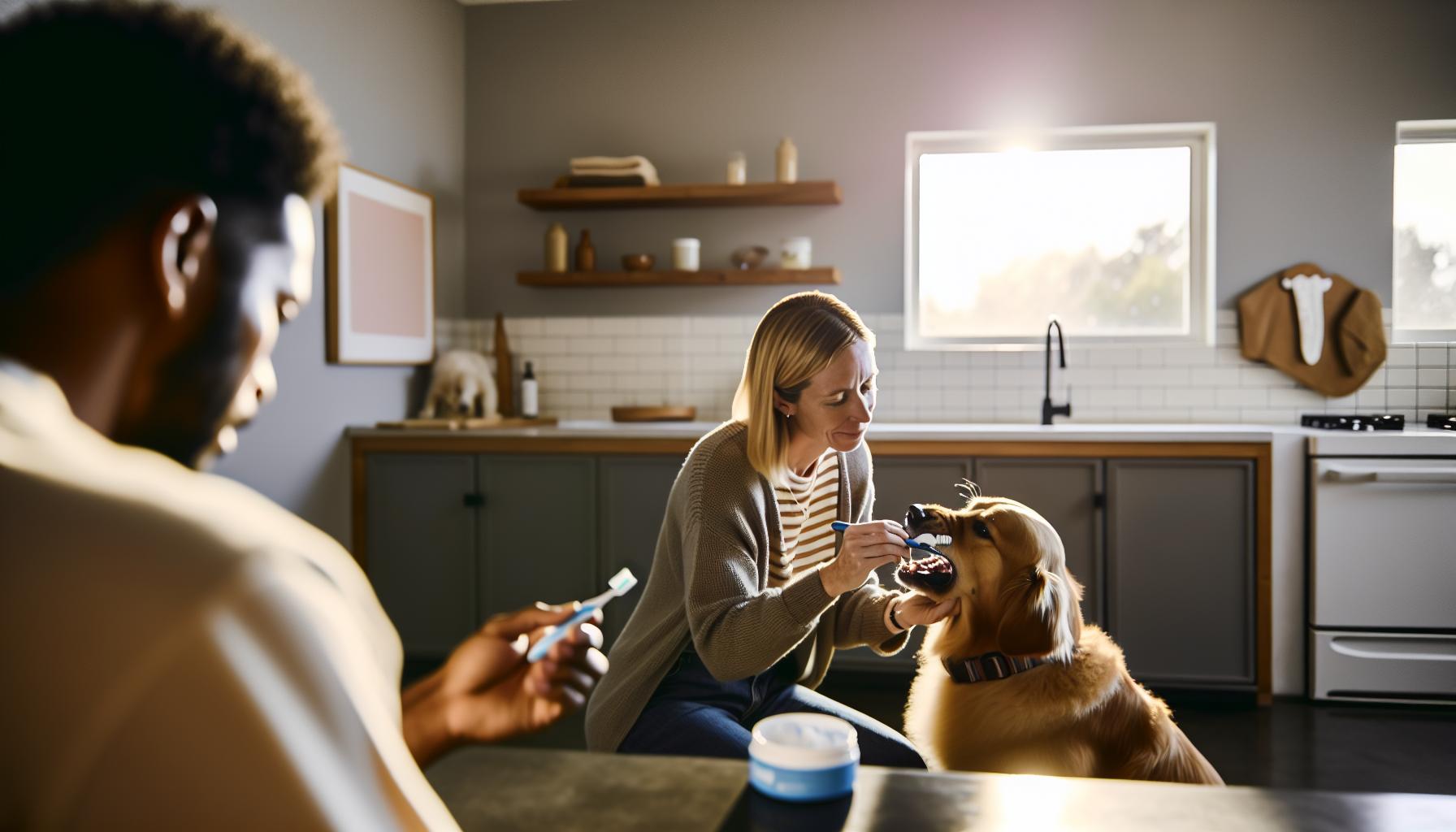
Addressing Anxious Dogs During Teeth Brushing Sessions
Dental care can be a stressful experience for many dogs, especially those who are anxious or have had negative past experiences. But with gentle patience and a thoughtful approach, even the most nervous pups can learn to tolerate and eventually enjoy their teeth brushing sessions. The key is to build trust gradually, prioritizing your dog’s comfort every step of the way.
- Start slow and keep sessions short: Begin by simply letting your dog sniff and explore the toothbrush and toothpaste-never forcing anything right away. Use calm, soothing tones to reassure them. Even a few seconds of gentle mouth touching or lip rubbing with your finger counts as a win on day one.
- Use positive reinforcement: Treats,praise,and affection go a long way. Reward your dog immediately after any calm interaction with their mouth or teeth. Over time,this helps associate dental care with good things,shifting their mindset from fear to curiosity.
- Choose the right tools: Soft-bristled brushes, finger brushes, or dental wipes can be less intimidating than larger toothbrushes. Specialized dog-kind toothpaste with flavors like poultry or peanut butter often encourages easier acceptance.
- Be mindful of breed tendencies and sensitivities: Smaller toy breeds or dogs with short muzzles might be more reluctant, so extra patience is necessary. Similarly, dogs with long thick coats might feel overwhelmed during grooming, so breaking up sessions and calming massage before starting can help relax them.
practical Tips from the Grooming Salon
Experienced groomers often use a step-by-step approach that owners can replicate at home.For instance, a groomer might first gently restrain a pup on their lap, stroking their head and letting them lick the toothpaste off the brush before any actual brushing begins. Using distraction with favorite toys or background calming music helps reduce anxiety. Importantly, groomers recognize when to pause or stop-forcing the session only worsens fear. in certain specific cases, they recommend working closely with a vet or professional trainer if anxiety is severe.
Knowing When to Ask for Help
If a dog shows signs of extreme stress such as trembling, panting, whining, or defensive behavior during brushing, veterinary guidance may be needed. Sometimes dental pain, oral infections, or other medical issues underlie resistance, and a vet’s exam will clarify this. Groomers and vets work as a team here: groomers maintain regular care for prevention, while vets manage treatment and severe cases.Remember, the goal isn’t a perfect scrub every day but consistent, gentle attention that makes oral hygiene a positive, safe routine for your dog. Small progress, patience, and compassion will help your anxious companion bloom into a confident, healthy-smiling pup.
The Cost and Value of Dental Services in Grooming Packages
Dental care as part of a grooming package can be a true game-changer for your dog’s ongoing health and comfort – and it frequently enough surprises owners to learn how approachable this service can be when handled by a professional groomer. While some may worry that teeth brushing at the salon is just an added expense without much benefit, the truth is that incorporating routine dental care during grooming appointments offers tremendous value.It’s not just about fresh breath and appearances; it’s an essential preventive step that can save you money and stress in the long run.
Professional groomers typically include teeth brushing as an optional or add-on service, with costs varying depending on your location, the dog’s size, coat type, and temperament. On average, owners might expect to pay anywhere from $10 to $40 per session, frequently enough bundled into broader grooming packages for a more attractive rate. For breeds prone to dental plaque buildup – like small toy breeds or dogs with crowded teeth – regular brushing by a groomer can substantially reduce tartar formation and help maintain healthier gums between vet visits. Many groomers use dog-friendly toothpaste and gentle techniques designed to ensure comfort, especially for dogs new to the process.
- Budgeting tips: Ask your groomer if they offer package deals that include teeth brushing along with baths, nail trims, and ear cleaning. These combos frequently enough cost less than scheduling dental care separately.
- Value beyond price: Consider the potential vet costs you might avoid by preventing dental disease early. Treating infections or tooth loss can be expensive and require anesthesia-regular professional brushing reduces this risk.
- Personalized approach: Because groomers see your dog regularly, they can notice subtle changes in dental health and advise when a veterinary exam may be necessary, giving you peace of mind.
Real-World Examples
Take Bella, a nervous Maltese, who dreaded teeth care at home.Her groomer incorporated short, positive brushing sessions into her monthly spa, using flavored toothpaste and slow acclimation. Over just a few months, Bella relaxed noticeably, and her owner reported fresher breath and easier daily brushing at home. This supportive model not only made bella’s grooming visits more enjoyable but also extended benefits beyond, preventing plaque buildup and discomfort.
Vet vs. Groomer Dental care Costs
It’s critically important to note that groomer brushing is preventive and cosmetic-deep dental cleanings, tooth extractions, or treatment of infections must be handled by a veterinarian, frequently enough requiring anesthesia and associated with higher fees. Groomer dental services complement but don’t replace veterinary care. Using groomers for routine maintenance can reduce how often costly vet dental procedures are needed.
| Service Type | Typical Cost range | Purpose |
|---|---|---|
| Groomer Teeth Brushing | $10 – $40 per session | Plaque prevention,fresh breath,routine maintenance |
| Vet Professional Dental Cleaning | $300 – $800+ | tartar removal under anesthesia,treatment of dental diseases |
Ultimately,investing in dental care during grooming packages is a compassionate,practical choice that supports your dog’s well-being,boosts their comfort,and can prevent more serious health issues. Ask your groomer about their dental services, and together you can build a gentle, consistent routine that fits your dog’s needs and lifestyle while keeping smiles bright and tails wagging.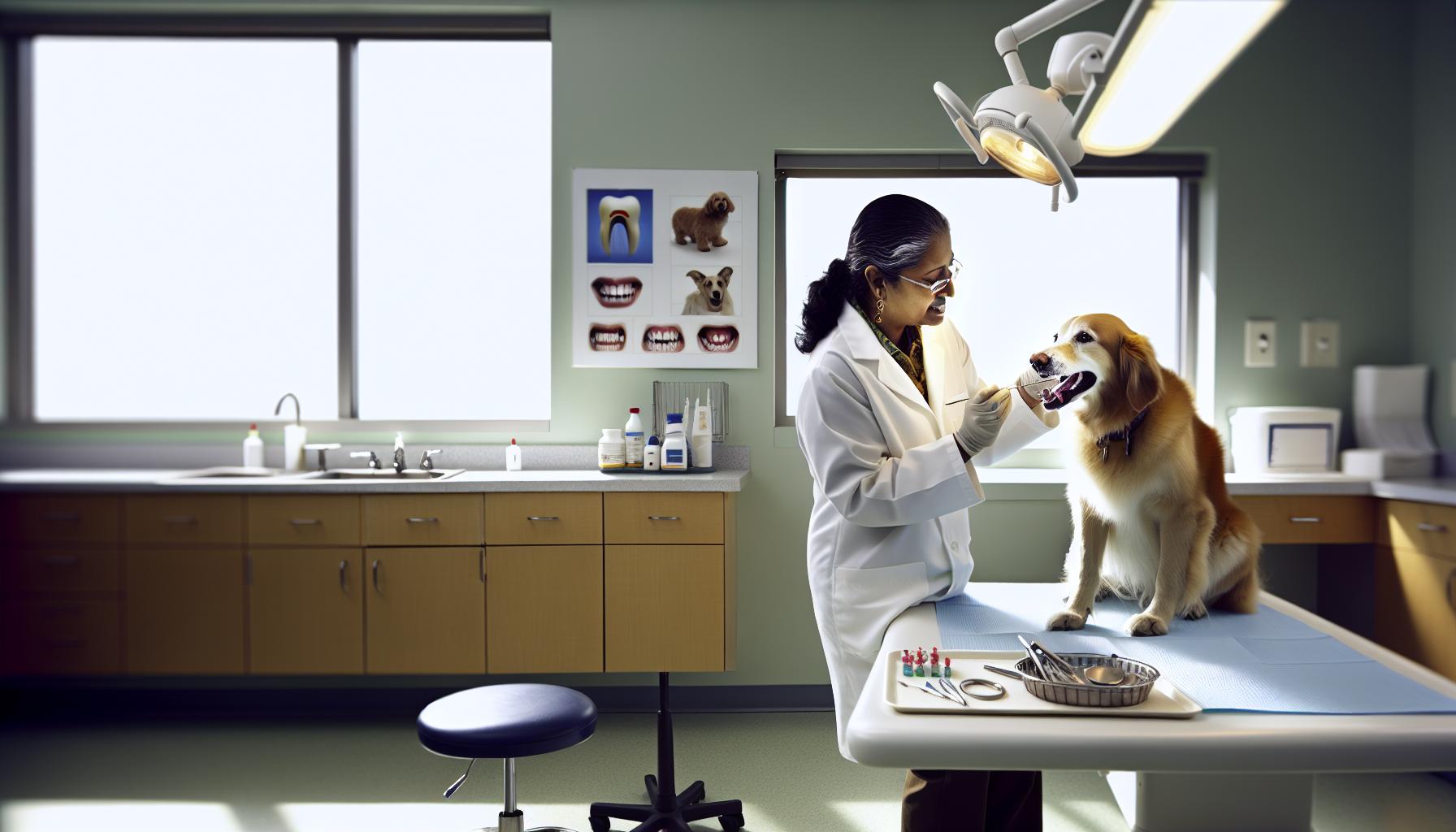
How Regular Teeth Care Boosts Your Dog’s Overall Health
A healthy mouth does much more than keep your dog’s breath fresh and teeth bright; it plays a crucial role in supporting their entire well-being. Regular teeth care helps prevent plaque buildup, which if left unchecked can develop into tartar, leading to gum disease, tooth loss, and infections that may affect vital organs like the heart and kidneys. By incorporating routine brushing-whether done at home or by your groomer-you’re actively reducing these risks, enhancing your dog’s comfort and longevity.
Smaller breeds, like Chihuahuas or Maltese, frequently enough face greater dental challenges due to crowded teeth, so consistent care is especially critically important. Groomers skilled in gentle teeth brushing use dog-specific toothpaste and soft brushes to maintain oral hygiene without causing stress. This kind of preventive maintenance keeps inflammation at bay, reducing pain that might or else go unnoticed until it disrupts your dog’s appetite or energy levels.
Small Moments, Big Impact
Many owners notice how dogs who receive regular dental care during grooming visits seem more vibrant and playful.Take Max, a sprightly Pomeranian with sensitive gums. His groomer introduced a slow, reassuring brushing routine integrated into his spa day. Max grew to associate teeth care with a positive, calm experience. His owner shared how Max’s renewed enthusiasm for chewing toys and eating daily meals reflected improved oral comfort.These little moments underline how dental health influences your dog’s everyday happiness.
Simple Tips to Maximize Dental Health
- Stay consistent: Integrate brushing sessions every 1-2 weeks with your groomer or at home to maintain progress.
- Choose the right tools: Use a soft-bristled toothbrush and flavored canine toothpaste to encourage cooperation.
- Observe behavior: Changes in eating habits or drooling can hint at dental discomfort, prompting quicker vet intervention.
- Combine with chew toys: dental chews and toys can complement brushing by mechanically reducing plaque.
Regular teeth care is a gentle, ongoing act of love that shields your dog not only from oral diseases but also from secondary health complications that arise from infections entering the bloodstream. Partnering with your groomer creates a seamless dental care routine that honors your dog’s comfort and welfare, reinforcing healthy habits that make veterinary visits easier and more effective when deeper dental care is needed.
Remember, routine brushing by a groomer or yourself isn’t a substitute for veterinary dental cleanings when problems develop, but it’s a foundational step that keeps your dog smiling brightly and feeling their best every day. Prioritize this simple yet powerful practice to nurture your dog’s whole-body health from nose to tail.
Q&A
Q: Can dog groomers perform professional dental cleanings like vets do?
A: Dog groomers do not perform professional dental cleanings like vets. They focus on routine teeth brushing and removing surface tartar, while vets provide deep cleanings under anesthesia to treat serious dental issues.For advanced care, always consult your veterinarian. learn more about when to visit a vet in our article’s section on Vet vs. Groomer Teeth Care.
Q: How often should a groomer brush my dog’s teeth during grooming visits?
A: most groomers recommend brushing your dog’s teeth during every grooming session, usually every 4-6 weeks. Regular brushing helps maintain oral hygiene and reduces plaque buildup between vet visits. Combine groomer care with daily at-home brushing for best results, as explained in our At-Home Dental Care Guide.
Q: What kind of toothpaste do groomers use when brushing dogs’ teeth?
A: Groomers use specialized dog-safe toothpaste that’s free of fluoride and harmful ingredients. These toothpastes come in pet-friendly flavors to encourage cooperation. Never use human toothpaste on dogs. Detailed product recommendations appear in our article’s section on Tools and Products Groomers Use for Canine Dental Hygiene.
Q: are there specific dog breeds that benefit more from groomer dental brushing?
A: Yes, small breeds and brachycephalic dogs (like Pugs or Shih Tzus) often benefit more from groomer dental brushing because they are prone to tartar buildup and dental disease. Regular professional brushing helps reduce risk in these breeds. Find breed-specific care tips under Understanding Dog Groomers’ role in Dental Care.
Q: How do groomers manage dogs that resist having their teeth brushed?
A: Groomers use gentle, patient techniques and gradual desensitization to help anxious dogs accept teeth brushing. They may use calming aids, positive reinforcement, and breaks to ease stress.See practical tips in our section on Addressing Anxious Dogs During Teeth Brushing Sessions.
Q: Can teeth brushing at grooming salons prevent bad dog breath?
A: Yes, regular teeth brushing at grooming salons can significantly reduce bad breath by removing bacteria and plaque buildup. However, persistent foul odor might signal underlying dental problems that need veterinary attention. Learn more about signs to watch for in Signs of Dental problems Every Dog Owner Should Know.
Q: are dental services included in typical dog grooming packages, or do they cost extra?
A: Dental services are sometimes included in premium grooming packages but often come as an add-on. Prices vary by salon and service complexity. It’s best to ask your groomer about options and costs. This is fully covered in our article section on The Cost and Value of Dental Services in Grooming Packages.
Q: How can I tell if my dog’s grooming salon offers quality dental brushing services?
A: Choose salons where groomers are trained in safe, gentle canine dental care and use appropriate tools. Ask about their teeth brushing routine, products used, and how they handle anxious dogs. Quality care prioritizes comfort and safety – see our guide on professional grooming standards for teeth in How Professional Groomers Safely Brush Your Dog’s Teeth.
For more details and expert tips, feel free to explore our full article and keep your pup’s smile healthy and happy!
Insights and Conclusions
Taking care of your dog’s teeth during grooming not only freshens their smile but also supports their overall health and comfort. While groomers often include basic dental brushing as part of their services, it’s important to understand the difference between routine care and professional veterinary cleanings. For breeds prone to dental issues or sensitive gums, regular at-home brushing combined with your groomer’s gentle touch can make all the difference.Ready to keep your pup’s smile bright and healthy? Explore our detailed guides on daily dog dental care and choosing the right grooming tools to empower your routine and boost your dog’s wellness.
Don’t wait until dental problems arise-early attention from your trusted groomer complements vet check-ups and keeps your furry friend comfortable. Curious about how grooming can support overall pet health beyond teeth? Check out our complete grooming checklist that covers baths, brush-outs, nail trims, and ear care, all tailored for your dog’s unique breed and coat type. Have questions or success stories about your dog’s dental care? Share your thoughts below and subscribe to our newsletter for expert tips delivered right to your inbox. Together, let’s create a stress-free grooming experience that prioritizes safety, compassion, and lasting wellbeing.
Get our latest guides, news, and insights highlighted in your Google Search & AI Overviews.
Keep reading about the same coat and cut.




Popular grooming guides
Bath vs clip, first grooms, and salon how-tos.