Do Dog Groomers Bathe Dogs: What’s Included in Basic Grooming

Did you know that regular grooming does more then just keep your dog looking great-it’s essential for their comfort and health, too? If you’ve ever wondered whether dog groomers bathe dogs as part of their basic services, you’re not alone. Understanding what’s included in a typical grooming session can help ease any worries you have and ensure your furry friend gets the care thay deserve. From gentle bathing tailored to your dog’s breed and coat type, to careful brushing, nail trimming, and ear cleaning, each step is designed for safety and comfort.Whether your pup has a thick double coat that needs special attention or a short, smooth fur that requires less fuss, a professional groomer uses the right tools and techniques to keep your dog healthy and happy. Stick with me, and I’ll guide you through exactly what to expect during basic grooming appointments, share tips to make the experience less stressful, and clarify when you might want to call the vet rather. With a little knowledge and patience, grooming time can become a soothing routine you and your pet look forward to.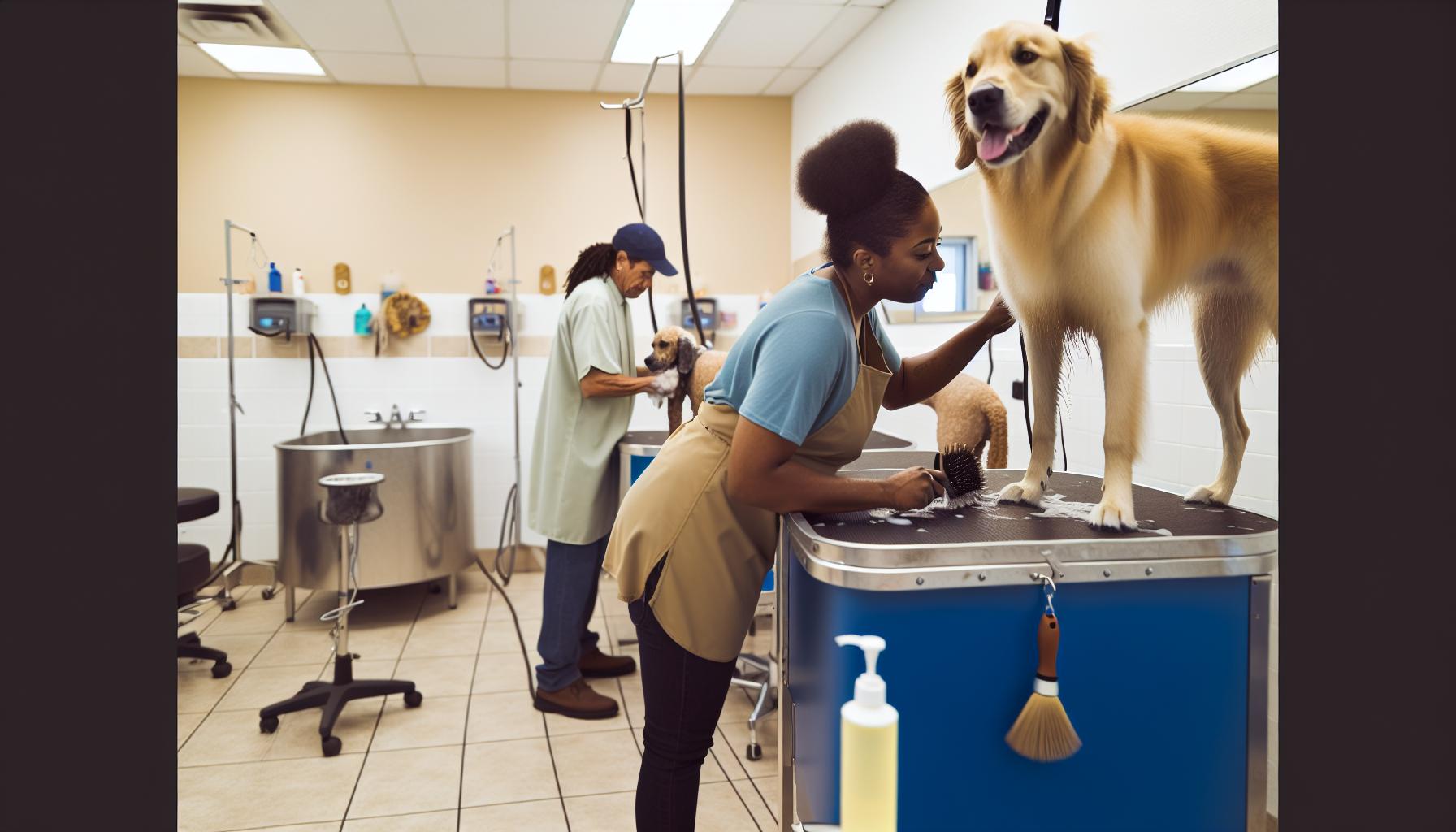
What Does Basic Dog Grooming Really Include?
Table of Contents
- 1 What Does Basic Dog Grooming Really Include?
- 2 Do Professional Groomers Always Bathe Dogs?
- 3 Step-by-Step: How Groomers Bathe Dogs Safely
- 4 Essential Tools Groomers Use for Bathing and Brushing
- 5 Nail trimming and Ear Cleaning: What Groomers Do
- 6 How Breed and Coat type Affect Grooming Needs
- 7 When groomers Skip the Bath: Common Reasons Explained
- 8 DIY vs. Professional Grooming: What You Should Know
- 9 Handling Anxious or Sensitive Dogs During Grooming
- 10 Signs Your Dog Needs More Than Basic Grooming
- 11 How Groomers Ensure Comfort and Safety Every Time
- 12 Frequently asked questions
- 12.1 Q: How often should dogs be bathed by a professional groomer?
- 12.2 Q: What types of shampoos do groomers use during a basic bath?
- 12.3 Q: Can groomers bathe dogs that are elderly or have health issues?
- 12.4 Q: Why might a groomer skip bathing a dog during a visit?
- 12.5 Q: How do groomers handle dogs that hate water during baths?
- 12.6 Q: Are teeth cleaning and gland expression included in basic grooming?
- 12.7 Q: How do coat type and grooming tools affect the bath process?
- 12.8 Q: Can grooming baths help with flea or skin parasite problems?
- 13 Insights and Conclusions
Dogs may hate the tub,but the truth is,basic grooming is about much more than a simple wash. It’s a holistic approach that balances cleanliness, comfort, and health, tailored to each dog’s unique coat, temperament, and lifestyle. Whether your dog sports a sleek coat or thick curls, basic grooming creates a foundation for their well-being while building trust between dog and groomer.
Core Components of Basic Grooming
- Bathing: A gentle, breed-appropriate wash clears dirt and debris while preserving natural oils. Shampoos are carefully selected-not just any soap will do-to avoid irritation or dryness. Such as, a double-coated husky needs a mild shampoo that won’t strip their undercoat, while a short-haired dog might require a medicated formula if skin sensitivities exist.
- Brushing and Dematting: This step removes loose fur and tangles,improving skin circulation and reducing shedding around your home. The choice of brush depends on coat type; a slicker brush suits curly or long hair, while a bristle brush fits short-haired breeds. Real-world tip: Using a detangling spray during brushing can ease mat removal and reduce discomfort for sensitive dogs.
- Nail Trimming: Keeping nails at a healthy length prevents pain, limping, or even joint issues. Groomers trim nails carefully to avoid the speedy-an area rich with blood vessels and nerves-especially crucial for anxious dogs who are sensitive to touch.
- Ear Cleaning: Cleaning ears helps prevent infections and detects early signs of irritation. Groomers use gentle solutions and observe ear health, alerting owners if further vet care may be necessary. For breeds prone to ear infections, like Cocker Spaniels, this step is crucial and frequently monitored.
Beyond Looks: Health and Comfort Are Priorities
Basic grooming isn’t about making a dog look “perfect” but ensuring they feel their best. groomers watch for signs of discomfort-such as skin redness, inflammation, or lumps-that owners might miss. They also adjust techniques to the dog’s personality. For example, a nervous terrier may require slower brushing breaks and more soothing reassurance.
With dogs of all shapes and sizes-from the tiny Chihuahua to the large Great Dane-groomers adapt every step to meet breed and coat characteristics. This personalized care makes basic grooming a positive, health-supportive experience rather of a stressful chore. In understanding what’s truly included, owners can partner with groomers to maintain their dog’s happiness and health between visits.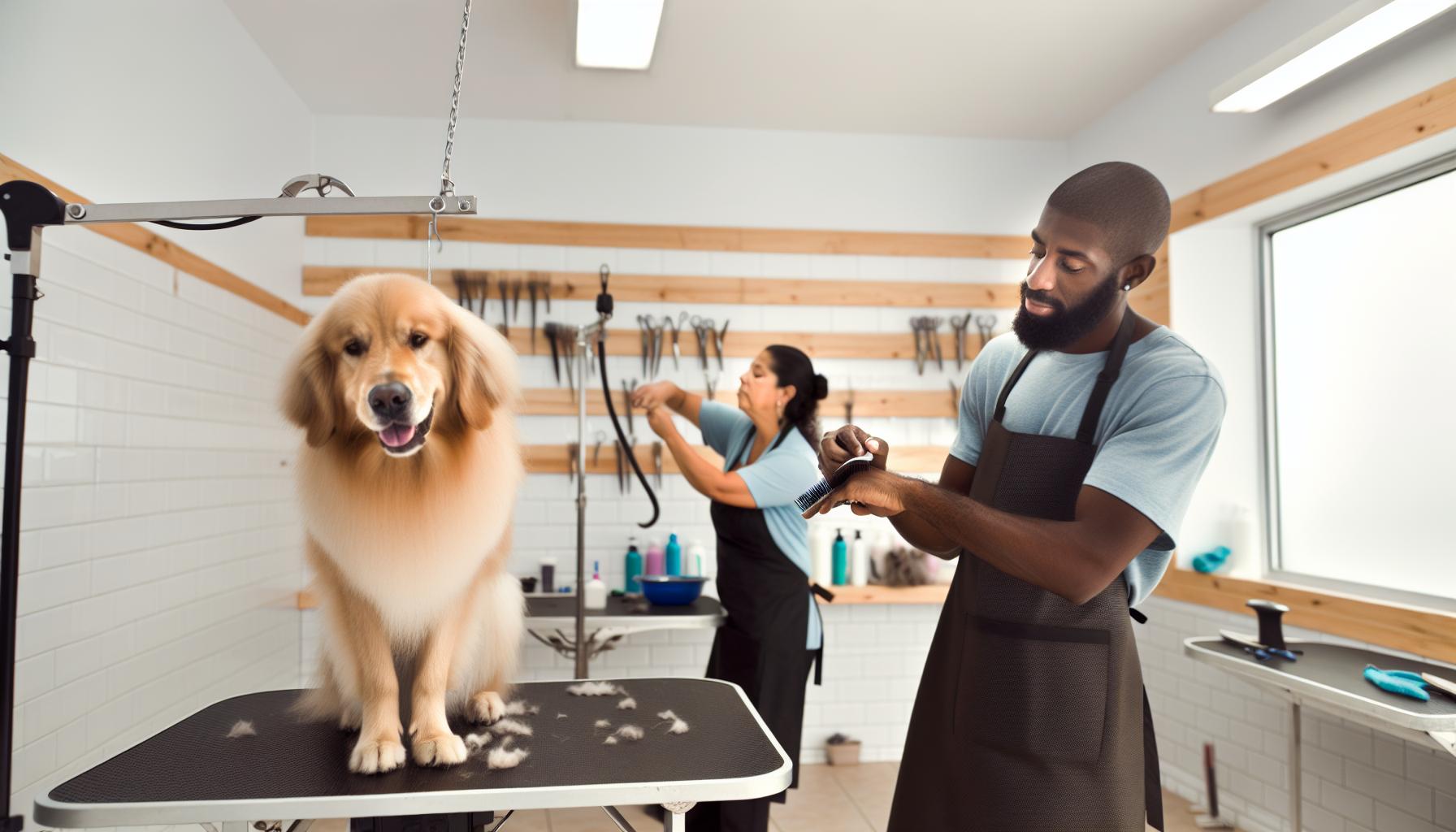
Do Professional Groomers Always Bathe Dogs?
Bathing might seem like a guaranteed part of every grooming visit, but in reality, professional groomers don’t always bathe every dog during a session. Whether or not a bath is included depends on several factors, including the dog’s breed, coat condition, recent bathing history, and even their comfort level with water. Experienced groomers prioritize each dog’s welfare above all, tailoring their approach to individual needs rather than applying a one-size-fits-all service.
For example,a dog with a dense,double coat-like a Siberian Husky-may not require frequent baths because over-washing can strip essential natural oils and cause dryness or irritation. In contrast, dogs with oily or very short coats might benefit from more regular baths to keep skin healthy.Groomers frequently enough start by checking the dog’s coat and skin condition. If the fur looks clean and free of excess dirt or odors, and the dog has had a recent bath, the groomer might recommend skipping the bath or offering it as an optional add-on.This approach reduces stress, especially for anxious or older dogs who may find bathing overwhelming or uncomfortable.
- Coat and Breed Considerations: Tailoring bath frequency helps maintain coat health. for instance, curly-coated dogs like Poodles usually need baths more often to prevent mats, but it’s vital to use shampoos compatible with their sensitive skin.
- Behavior and Health Status: Dogs that show stress or have certain skin conditions might not tolerate baths well. Groomers will prioritize gentle handling,possibly postponing a bath or using alternative cleaning techniques like waterless shampoos or spot cleaning.
- Owner Preferences and Maintenance Plans: Some pet parents prefer more frequent at-home bathing, relieving the groomer from this step. Clear communication helps set expectations and ensures the dog’s hygiene is managed consistently between professional visits.
By choosing to bathe only when it benefits the dog, groomers reinforce trust and wellbeing. Remember, the goal isn’t just a shiny coat but a comfortable, healthy pet. If your dog is due for a bath or if you’re unsure what’s best, don’t hesitate to discuss this with your groomer-they’re happy to create a personalized grooming plan that respects your dog’s unique needs.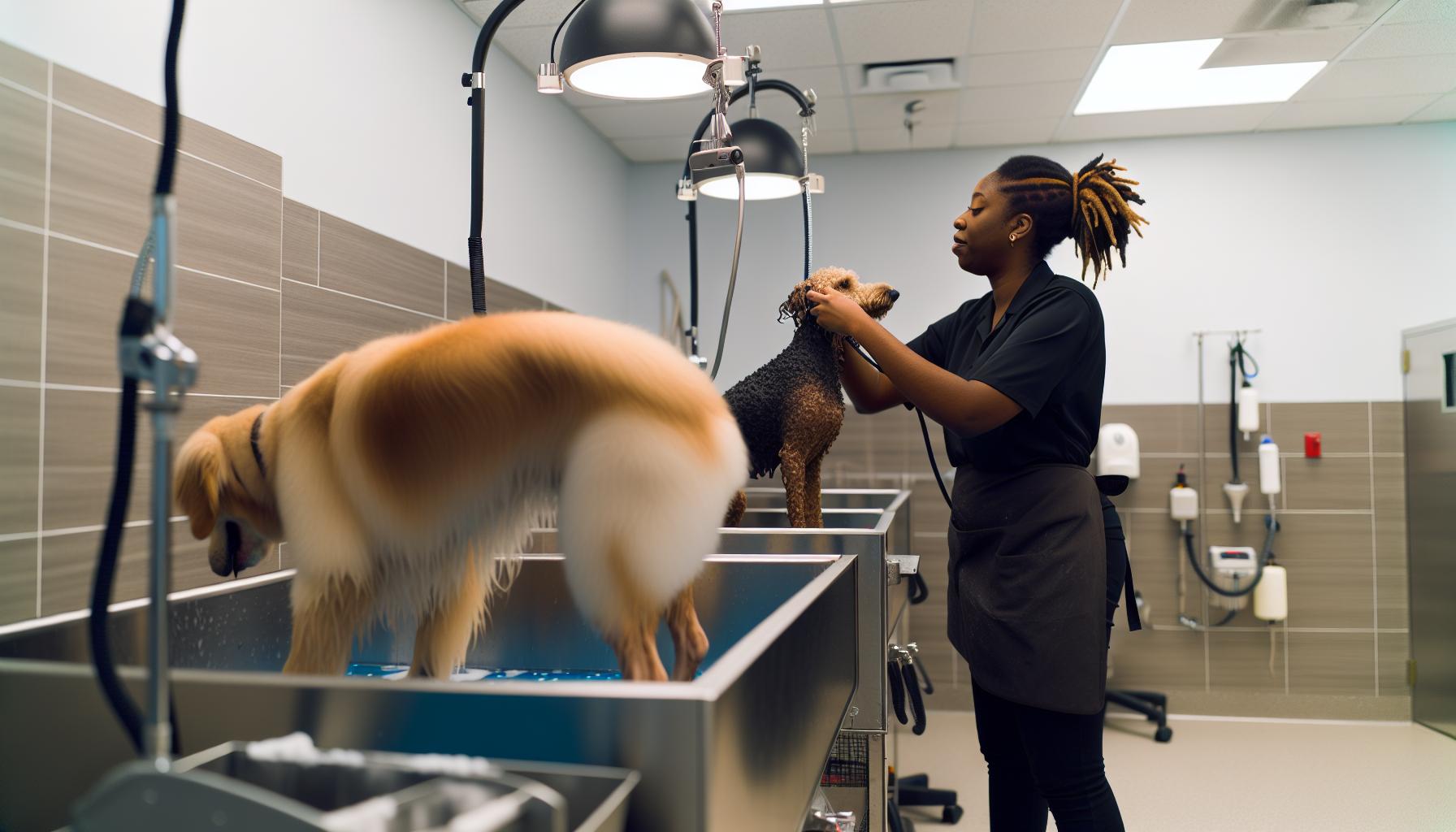
Step-by-Step: How Groomers Bathe Dogs Safely
Few things say “well cared for” quite like a clean, comfortable dog. Bathing is a cornerstone of grooming, but doing it safely requires more than just water and shampoo. Professional groomers approach bath time with patience and a keen eye for each dog’s unique coat type, temperament, and health status. The goal: minimize stress and maximize comfort while thoroughly cleansing the skin and fur.
Preparing the Space and Gathering Tools
Before any water flows, a groomer sets the stage. This means choosing the right tub or wash station-frequently enough with non-slip mats to keep paws secure-and assembling gentle, breed-appropriate shampoos and conditioners. For example, a poodle’s curly coat benefits from moisturizing formulas, while dogs prone to skin sensitivities may need hypoallergenic options.Brushes,towels,and a handheld sprayer with adjustable water pressure are also crucial. Keeping everything within reach avoids unneeded interruptions once the bathing starts.
Step-by-Step Bathing Process
- Brush Before the Bath: A thorough brush-out removes tangles, mats, and loose fur, which prevents mats from tightening when wet and helps the shampoo penetrate evenly.
- Test the Water temperature: Lukewarm water is key-too cold or too hot can spook or irritate dogs. For breeds with thick coats, water is applied more slowly and gently to avoid overwhelming them.
- Gentle Wetting: Using a handheld sprayer, groomers wet the coat gradually, starting from the neck and moving backward. This helps dogs acclimate and reduces stress.
- Shampoo Request: The right amount of shampoo is applied, avoiding eyes and inside the ears. Groomers frequently enough use their hands or a soft sponge, massaging shampoo into the skin to remove dirt and oils without scrubbing harshly.
- Rinse Thoroughly: Leaving shampoo residue can cause irritation. Skilled groomers ensure all soap is rinsed out, paying special attention to folds in the skin and thicker fur areas.
- Conditioner (if needed): Dogs with dry or long coats often get conditioned to protect the fur and keep it soft. It’s rinsed with equal care.
- Drying: Towels come first to soak up excess water. Many groomers then use a low-heat,low-noise dryer,which is less frightening for the dog. Such as, sensitive breeds may prefer air drying or gentle towel rubs instead.
Special Considerations for Sensitive or anxious Dogs
Patience is a groomer’s best tool when a dog’s nervousness shows. For dogs fearful of water, baths may be broken into shorter steps with breaks for reassurance, treats, and gentle praise. Sometimes waterless shampoos or spot cleaning are preferable alternatives. Groomers also watch for any reactions like redness or irritation, adjusting products and techniques accordingly.
By understanding each dog’s temperament and coat needs, professional groomers turn bathing from a potential stressor into a calming, health-promoting ritual. If you ever wonder about what goes into your dog’s bath, rest assured that it’s done thoughtfully, with a steady hand and big heart.Your pup’s comfort and safety always come first-with every splash and suds.
Essential Tools Groomers Use for Bathing and Brushing
Few things make a grooming session smoother and safer like having the right tools at hand-because a well-chosen kit isn’t just about making your dog look good; it’s about creating a calm and comfortable experience tailored to their unique needs. From fidgety pups with sensitive skin to thickly coated breeds that require extra care, the equipment a groomer relies on is thoughtfully selected to protect your dog’s well-being every step of the way.
- Brushes and Combs: These come in all shapes and sizes, each designed for specific coat types. For example, slicker brushes work wonders on curly or wiry coats prone to mats, while bristle brushes are gentle enough for short-haired dogs, helping distribute natural oils and remove loose fur. Wide-tooth combs are indispensable for detangling without pulling painfully, especially before a bath.
- Handheld Sprayers with Adjustable Pressure: Unlike a household shower head, groomers use sprayers with variable pressure controls and focused streams, allowing them to carefully wet a coat without startling sensitive dogs. Gentle water flow slows down the process enough for anxious pups to acclimate, especially importent for breeds with thick or double coats where rushing can cause distress.
- Hypoallergenic and Moisturizing Shampoos: Every dog’s skin is unique.Professional groomers stock an assortment ranging from tear-free, gentle shampoos for puppies and sensitive skin to conditioning cleansers that protect delicate curls or dry coats. This customization helps prevent irritation while maintaining the natural health and shine of your dog’s fur.
- Non-slip Bath Mats and Towels: Safety starts from the ground up. Non-slip surfaces prevent slipping accidents during baths. Soft, highly absorbent towels help soak up water quickly to keep your dog warm after hair washing and dry the coat in a way that minimizes stress. Some groomers also use microfiber towels for extra efficiency, especially with long-haired dogs.
Specialized Tools for Tackling Tougher Coats
For breeds like Golden Retrievers or German Shepherds with thick undercoats, groomers often bring out de-shedding tools such as grooming rakes or undercoat brushes that reach beneath surface fur without damaging the topcoat. These tools make brushing a relaxing routine rather than a wrestling match, considerably reducing shedding and matting before the bath. For curly-coated breeds, finger combs or dematting tools can gently break apart stubborn knots without causing pain.
Why The Right Tools Matter Beyond Looks
Using tools suited to your dog’s coat and temperament isn’t just about aesthetics-it’s about health. Proper brushing removes dirt,debris,and loose hairs that trap moisture and cause skin infections. It stimulates healthy oils while preventing painful mats that can tug or trap moisture against the skin. Combined with bath tools designed for safety and gentle handling, these gear choices help transform grooming from a stressful chore into a calming, health-boosting ritual.
If you’re nervous about DIY grooming,remember that many of these tools can be familiarized gradually at home,but always respect your dog’s limits and comfort. Professional groomers balance skillful technique with compassionate patience, selecting tools that prioritize your dog’s physical comfort and emotional calm at every stage. Having the right tools in the right hands makes all the difference.
Nail trimming and Ear Cleaning: What Groomers Do
It’s often surprising just how much attention professional groomers give to details beyond the wash and brush – and nail trimming plus ear cleaning are essential parts of basic grooming that truly support your dog’s health and comfort. Nails that are too long can cause discomfort, affect posture, or even lead to joint issues, while unclean ears can invite infections and irritation. Groomers are well-trained to handle these tasks gently and precisely, all while keeping your dog calm and safe.
Nail Trimming: Precision and Patience
A groomer’s approach to nail care depends on your dog’s breed, nail color, and temperament. For lighter nails, it’s easier to see the “quick” – the sensitive vein inside the nail – so trims are done inch by inch, avoiding any painful snips. Dark nails require an especially cautious touch, often using grinders that gently file down the nails rather than clippers that risk pinching or cutting too deeply. Many anxious dogs find the gentle buzzing of a grinder less intimidating than the snap of clippers.
- Breed and Coat Impact: Smaller breeds, like Chihuahuas or Dachshunds, often have thinner nails and more delicate quicks, requiring an especially careful hand. Larger or more active breeds may have more worn-down nails but still need regular checks to prevent splits or cracks.
- Tools Used: Sharp guillotine clippers, scissor-style clippers, and electric grinders are standard. Groomers will also have styptic powder on hand to quickly stop any accidental bleeding – a comfort both for dog and owner.
A groomer’s pace is always measured by your dog’s comfort level. Many groomers take breaks and offer reassurance, using treats or gentle petting to help nervous pups relax.This patient approach avoids stress and builds trust.
Ear Cleaning: Gentle Care to Prevent Problems
Ear health is frequently enough overlooked but critical, especially for breeds prone to infections, like Cocker Spaniels or Basset Hounds with floppy ears that trap moisture. Groomers use veterinarian-approved cleansing solutions tailored to remove wax and debris without drying out the sensitive skin inside the ear canal.
Here’s how groomers typically work:
- Visual Assessment first: Groomers examine the ears for redness, foul odor, or excessive discharge – all signs that may require veterinary care instead of routine cleaning.
- Gentle Cleaning Process: Moist cotton balls or pads are soaked in cleansing solution and carefully wiped along the outer areas of the ear canal and folds. Tools like cotton swabs are avoided inside the canal to prevent injury.
- Special Attention to Sensitive Dogs: For dogs who dislike ear handling, groomers proceed slowly with frequent breaks, often pairing cleaning with calm talk and treats to maintain comfort.
Some dogs may have thicker or hairier ear canals needing extra care.Groomers often pluck excess hair gently to improve airflow and reduce infection risks-as seen in breeds like Poodles or Schnauzers.
Knowing when to Refer to a Vet
While groomers expertly handle basic nail and ear care, signs like persistent redness, swelling, discharge, or a dog showing pain during inspection mean it’s time to visit a veterinarian. Groomers prioritize safety, so if anything unusual appears, they’ll recommend professional medical evaluation rather than risk exacerbating an issue.
By combining skilled technique, personalized tools, and a compassionate approach, professional groomers help maintain more than just your dog’s appearance-they safeguard comfort and overall well-being right down to the nails and ears.This gentle care reassures owners and pets alike that grooming is a nurturing experience, not a chore.
How Breed and Coat type Affect Grooming Needs
dogs come in an amazing variety of breeds and coat types, and this diversity plays a huge role in shaping their grooming needs. Understanding how these differences influence the bathing and brushing process helps both groomers and owners provide the gentlest, most effective care. For example, the thick double coat of a Siberian Husky needs a very different approach than the sleek, short fur of a Beagle. Every coat type demands specific techniques, tools, and timing to keep skin healthy and fur manageable without causing stress or discomfort.
Long-haired breeds like Shih Tzus, Maltese, or Afghan Hounds often require more frequent brushing to prevent mats and tangles that can become painful or lead to skin infections.Their baths might include specialized detangling shampoos and conditioners that soften the coat, making brushing easier and more comfortable. Groomers often take extra time gently working through stubborn knots during both bath and dry sessions. In contrast,short-haired dogs such as Boxers or Dobermans usually have lower maintenance coats but benefit from baths that focus on skin health and shedding control. A lighter brushing with tools like rubber curry brushes or shedding blades usually suffices.
How Coat Density and Type Affect Tools and Techniques
- Double-coated breeds (e.g., Golden Retrievers, German Shepherds) need a thorough blow-drying step to avoid moisture trapping beneath the undercoat, which can cause irritation or hot spots. Groomers frequently enough use high-velocity dryers and stainless steel combs to fluff and remove loose fur effectively after bathing.
- Curly or woolly coats like those of Poodles and Bichon Frises are prone to matting and require detangling sprays, slicker brushes, and combs designed to reach close to the skin. These breeds also often benefit from more frequent professional trims to maintain coat health and comfort.
- Wire-haired breeds such as Schnauzers or Terriers sometimes need hand-stripping beyond regular brushing and clipping to remove dead coat and keep the fur textured and healthy. Groomers skilled in these techniques can also help owners understand when it’s time for professional upkeep versus basic bathing.
Breed-Specific Considerations for Bathing Frequency and Products
Breed-related skin conditions or sensitivities also guide how groomers approach baths. Dogs with oily coats, like Basset Hounds, may need more frequent washing with formulas that reduce grease without stripping moisture. Conversely,breeds prone to dry or sensitive skin,such as Bulldogs or Shar peis,thrive with hypoallergenic shampoos enriched with soothing ingredients like oatmeal or aloe vera. Groomers customize products based on these needs, always aiming for comfort and skin balance.
While breeds with floppy ears, such as Cocker Spaniels, require gentle ear cleaning techniques alongside regular baths, short-eared or non-floppy breeds generally need less frequent ear attention but still benefit from inspection at each grooming visit. Coat type also influences drying methods, as thick or dense fur holds moisture longer and requires careful drying to prevent chills or infections.
By tailoring every step-from shampoo selection and bathing to brushing and drying-professional groomers help every dog enjoy a calm, safe, and effective grooming experience suited to their unique breed and coat. This personalized care ensures your dog’s comfort and well-being are the top priorities, not just their appearance.
| Breed/Coat Type | Grooming Focus | Tools & Products | Bathing Frequency |
|---|---|---|---|
| Long, silky (e.g., Shih Tzu) | Detangling, gentle drying | Detangling sprays, slicker brushes, conditioner | Every 4-6 weeks |
| Short, smooth (e.g., Beagle) | Skin health, shedding control | Rubber curry brush, mild shampoo | Every 6-8 weeks |
| Double-coated (e.g., German Shepherd) | Undercoat drying, shedding management | High-velocity dryers, de-shedding tools | Every 6 weeks or as needed |
| Curly/woolly (e.g., Poodle) | Mat prevention, coat trimming | Slicker brushes, detangling sprays, clippers | Every 4-6 weeks |
When groomers Skip the Bath: Common Reasons Explained
Many dog owners assume that every grooming visit includes a full bath, but there are plenty of times when a professional groomer might decide to skip this step to ensure your dog’s comfort and safety. It might seem surprising at first, but avoiding a bath can actually be the kindest choice depending on your dog’s coat condition, temperament, and overall health. Groomers are trained to read these signals and adapt their approach with your pet’s well-being as the top priority, not just making them look picture-perfect.
Common Reasons Groomers Skip the Bath
- Skin Sensitivities or irritations: Dogs with allergies, rashes, or hot spots may experience worsened symptoms if bathed too frequently or with the wrong products. In such cases, groomers opt to gently brush and spot-clean, avoiding unnecessary moisture that can cause discomfort or prolong healing.
- Severe Matting or Tangling: When a dog’s coat has heavy mats, especially in thick or curly breeds, a bath before detangling can make fur harder to work through and cause more pain. Here, groomers usually start by carefully trimming or hand-stripping mats before any water is introduced.
- Behavioral or Anxiety Issues: some dogs become highly stressed with bathing and may freeze up or try to escape. If the dog is too anxious for a safe bath in the salon, groomers frequently enough skip the full wash and rather focus on brushing, nail trimming, and ear cleaning to keep the dog calm and avoid negative associations.
- Recent Medical Treatments or vet Advice: Dogs recovering from surgery, skin treatments, or certain medications might have bathing restrictions. Groomers respect these boundaries, opting for dry grooming methods until the vet gives the all-clear.
- Time Constraints Within Grooming Sessions: Occasionally, grooming schedules don’t allow for a full bath, especially in nail trims or quick touch-up appointments. Groomers prioritize core grooming tasks during these visits and recommend a dedicated bath appointment later on.
What Happens Instead of a Bath?
Even without a bath, your dog isn’t left skipping care entirely. groomers frequently enough use these alternatives:
- Dry Shampoo or Cleaning Wipes: These products freshen the coat and gently remove dirt without water. Dry shampoos especially suit dogs with sensitive skin or those who fear water.
- Brushing and Dematting Tools: Skilled groomers use slicker brushes, combs, and dematting tools to remove loose fur, dirt, and debris safely and painlessly.
- Spot Cleaning: Groomers carefully wash just dirty or smelly areas, like paws or the face, avoiding unnecessary full coats wetting.
How You Can Help Your Groomer
Before your appointment, it’s helpful to share any concerns or recent vet notes regarding your dog’s skin or health. If your pup struggles with baths or has painful mats, letting the groomer know helps them plan a patient, stress-free session. And if a bath is postponed, don’t worry-most dogs will greatly benefit from regular rinses and baths on a schedule tailored to their breed and coat type. This teamwork between owner and groomer keeps grooming positive and gentle, always prioritizing your dog’s comfort and happiness.
By understanding why a bath might be skipped, you can feel confident that your groomer is making the best choice for your dog’s unique needs. Sometimes less is more, and the most caring grooming involves knowing when water isn’t the answer.
DIY vs. Professional Grooming: What You Should Know
Bathing, brushing, nail trimming, and ear cleaning are all essential for your dog’s well-being, but how much of this should you tackle at home, and when is it best to leave it to the professionals? Many dog owners feel empowered by handling some grooming tasks themselves, which is fantastic! Yet, understanding the strengths and limits of DIY grooming versus professional services can help make every experience safe and comfortable for your furry friend.
Knowing When to Groom at Home
Simple, regular grooming like brushing away loose fur, wiping paws after walks, or giving a gentle ear check is absolutely doable for most pet parents. For dogs with short coats or those who tolerate handling well, at-home nail trims and occasional baths can maintain cleanliness between professional visits. Using gentle, dog-specific shampoos and appropriate tools-like a slicker brush for medium or long coats-creates a positive routine. Such as, a Labrador’s short coat may only need a quick brush once a week, making DIY grooming practical and low-stress.
Why You Might Choose a Professional Rather
Professional groomers excel with more complex grooming challenges: mat removal, breed-specific cuts, and handling sensitive or anxious dogs that don’t love baths. Groomers have specialized tools and experience calming nervous pets,ensuring grooming serves your dog’s physical and emotional needs. For example, a poodle’s curly, dense coat demands regular trims and precise bathing techniques to prevent matting-these are frequently enough tricky to master at home. Groomers can also spot skin issues or changes you might miss, offering timely advice to your vet when needed.
Safeguarding your Dog’s Comfort and Health
One key difference is professional groomers’ training in safe handling and recognizing when your dog may need extra care-like skipping a bath due to skin sensitivities or recent medical conditions. At home, avoid over-bathing or using unapproved products, which can dry out skin or trigger allergies. If your dog is anxious or struggles with certain tasks, break grooming into small, manageable steps-with lots of positive reinforcement-or seek professional help. never attempt to cut nails too short or clean ears aggressively; these can cause pain or infections.
Building a Balanced Routine Together
Use the best of both approaches: keep your dog comfy and fresh with regular DIY brushing and inspections, then schedule professional grooming for deeper cleans, trims, or when your dog deserves an extra pampering day. Clear communication with your groomer about your dog’s temperament, health, and your home care routines allows them to tailor sessions specifically for your companion. Remember, grooming is about care and comfort-not perfection-so choose the path that supports your dog’s happiness and well-being every step of the way.
- Tip: Keep grooming tools clean and dog-kind. Replace dull blades, use shampoos designed for your dog’s coat type, and have a quiet, warm space for baths.
- Example: For a double-coated breed like a Siberian Husky, frequent brushing at home will reduce shedding and matting, while professional baths every few months can definitely help manage undercoat buildup safely.
- Remember: Groomers are allies, not replacements. sharing your at-home routines helps them provide the best customized care possible.
Handling Anxious or Sensitive Dogs During Grooming
Some dogs face grooming as a real challenge-sounds, water, new smells, and unusual handling can quickly overwhelm sensitive or anxious pups. Understanding their unique needs and behavior is the key to turning grooming from a fearful ordeal into a gentle, positive experience. Whether your dog flinches at bath time or stiffens during nail trims, patience, empathy, and tailored techniques make all the difference in helping them feel safe and cared for every step of the way.
Creating Calm, Comfortable Bathing Experiences
For nervous dogs, rushing into a bath can heighten anxiety. Groomers often start by introducing water slowly-using lukewarm temperatures and gentle sprays instead of a strong jet helps dogs acclimate.Using a non-slip mat in the tub provides security for breeds like Greyhounds or Whippets that can be easily startled by slippery surfaces. Incorporating treats and soothing praise throughout the process reinforces calm behavior. For example, a Terrier mix fearful of water might respond well to having a favourite toy nearby or a trusted assistant providing gentle reassurance.
Brushing and Nail Trimming with sensitivity in mind
Sensitive dogs often dislike intense brushing or nail trims. Groomers use soft-bristled brushes or grooming gloves for coats prone to tangling, and take breaks frequently to prevent overwhelm. When trimming nails, one of the most stressful tasks for many dogs, groomers proceed slowly-clipping just the tip first and offering treats encourages cooperation. Some dogs, notably small or toy breeds like Chihuahuas, benefit from desensitization sessions before full grooming. Groomers may also recommend asking your vet about calming options if anxiety is severe or linked to underlying medical issues.
Handling Ears with Care and Attentiveness
Ear cleaning requires a steady,gentle touch,especially for breeds with floppy ears,such as Cocker Spaniels or Basset Hounds,prone to infections. Groomers go at the dog’s pace, using a soft cloth or cotton ball rather than aggressive swabs, and stop immediately if the dog shows discomfort. This cautious approach preserves ear health without adding stress, distinguishing skilled groomers from hurried attempts at home that can cause pain or irritation.
tips to Help Your Sensitive Pup Thrive During Grooming
- communicate openly: Let your groomer know about your dog’s anxiety triggers and past experiences to customize each session.
- Build trust gradually: Short, frequent grooming visits help nervous dogs adjust better than long, infrequent ones.
- Choose the right timing: Schedule appointments during quiet hours to minimize noise and distractions.
- practice patience: every dog’s comfort level varies-gentle repetition over time creates lasting improvements.
Remember, grooming is as much about emotional care as it is about appearance. Skilled groomers are trained to recognize signs of distress and adjust accordingly-whether pausing for a break or skipping a bath when it’s too overwhelming. Supporting your dog with empathy and tailored care sets the stage for happier grooming days ahead, turning an anxious chore into a comforting routine that benefits both dog and owner alike.
Signs Your Dog Needs More Than Basic Grooming
When a dog’s grooming needs begin to outpace a simple bath and brush, it’s a clear signal that more specialized care is required.Not all dogs fit neatly into the “basic grooming” box-breeds with thick double coats, dense mats, or ongoing skin conditions often demand additional attention that goes beyond routine washing and combing. For example, a Golden Retriever’s dense undercoat can quickly tangle if left unattended, requiring targeted dematting sessions that prevent painful mat buildup and skin irritation.
Dogs that seem unusually uncomfortable during basic grooming tasks-such as frequent scratching, visible redness in the ears, or an overwhelming odor-may be showing early signs that their skin or coat health needs professional evaluation. These signs can indicate underlying issues like allergies, infections, or parasites, which require more than just surface-level cleaning. Groomers trained to recognize these warning signs will recommend a vet check or specialized treatments to address the root causes, rather than simply masking symptoms with shampoos.
Coat and Skin Concerns That Demand Extra Care
Certain coat types,like curly or woolly fur seen in Poodles or Bichon Frises,naturally require more frequent trimming,conditioning,and detangling tools than basic grooming provides.When mats form too deeply or if the coat is excessively oily or flaky, it’s a sign that the dog needs professional-grade grooming that includes conditioning treatments, de-matting, or medicated baths tailored for sensitive skin. Attempting to brush out stubborn mats at home can cause discomfort or injury, so timely professional intervention protects both coat integrity and your pup’s comfort.
Nail, Teeth, and Ear Health: More Than Just Appearance
Nail trimming beyond the light clipping provided in basic grooming is vital for dogs with consistently fast-growing or thick nails. Overgrown nails can affect a dog’s gait and cause pain. Similarly,if you notice persistent ear odor,discharge,or your dog rubbing their ears excessively,this often signals infections or ear mites that basic ear cleaning won’t resolve. Groomers aware of these red flags will advise a vet visit,where medical treatments can be administered safely. Sometimes dental cleaning also falls into this “more than basic” category, as plaque buildup and gum issues impact overall health but require specialized care.
When Behavior Indicates Deeper Needs
A dog that reacts sharply to touch during grooming, especially around certain body areas, might be signaling discomfort or pain beneath the surface.This could relate to arthritis, skin infections, or anxiety disorders, all of which call for thoughtful, adjusted grooming techniques or even vet involvement. Groomers skilled in gentle handling will take it slow, but persistent distress means a deeper look beyond typical grooming is necessary.
- Signs to watch for: frequent scratching or licking, persistent odors, flaky or oily skin, hard mats, nail overgrowth, redness or discharge in ears, and behavioral resistance during grooming.
- When to involve your vet: to address infections, allergies, or behavioral health concerns impacting grooming.
- How groomers help: suggest adjusted grooming schedules, specialized tools, or treatments tailored to your dog’s unique coat and health needs.
By recognizing these indicators early, you ensure your dog receives the right level of care-protecting their wellbeing and transforming grooming from a stressful necessity into a comfortable, nurturing routine. Remember, the goal is never “perfect looks” but a happy, healthy pup feeling their best inside and out.
How Groomers Ensure Comfort and Safety Every Time
Few things are more critically important in grooming than ensuring a dog’s comfort and safety throughout the entire process. Every pup, whether a nervous Chihuahua or a robust Labrador, deserves gentle care that respects their physical limits and emotional state. Groomers achieve this by combining expert knowledge of breed-specific needs, keen observation of behavior, and the careful use of appropriate tools-all designed to build trust and keep pets relaxed and protected.
Understanding Your dog’s Unique Needs
Before a single drop of water or brush stroke, groomers assess each dog’s coat type, skin condition, and temperament. For example,a Poodle’s dense,curly coat requires delicate detangling techniques,while a short-haired breed like a Beagle may only need a gentle rubdown with a soft mitt. Recognizing signals of discomfort-like trembling,lip licking,or avoiding touch-is key. Groomers adjust their approach instantly, using calming tones and slower movements to ease nervous dogs. Breaking the session into smaller steps allows anxious pets to acclimate without feeling overwhelmed.
Practical Safety Measures in Every step
Safety starts with the right setup. Non-slip mats in bathing areas prevent slipping when wet, and adjustable tubs help position dogs comfortably to avoid strain on joints. Temperatures are carefully monitored-warm water soothes but overheated water can cause distress or skin irritation. When trimming nails, groomers use sharp, precise tools with built-in safety guards to prevent cutting the quick. If a dog resists, groomers pause and offer gentle reassurance or use distraction techniques like treats or toys. Ear cleaning is done delicately, avoiding deep probes that can cause pain or damage. Clear communication with pet owners helps identify any pre-existing conditions that might require extra care or vet consultation.
Creating a Calm, Positive Experience
Patience and compassion turn each grooming session into a positive experience that dogs frequently enough look forward to. Groomers use soft voices, slow gestures, and frequent breaks to keep stress levels low. For dogs with a history of anxiety, many groomers integrate familiar objects from home, such as toys or blankets, which provide comfort. Even seemingly small touches-like a paw massage or praising a cooperative dog-build trust over time. If a dog’s behavior indicates distress beyond the groomer’s control,knowing when to stop or modify the session ensures no harm comes to the dog or handler.
- Step-by-step confidence: Groomers guide dogs calmly through bathing, brushing, nail trimming, and ear cleaning, always watching for signs to slow down or pause.
- Breed and coat awareness: Specific handling techniques and tools match coat thickness, curliness, or skin sensitivity to prevent discomfort and injury.
- Owner collaboration: Open dialog about your dog’s habits,fears,and medical history means groomers can tailor the approach for safety and comfort.
- Knowing limits: When conditions like skin infections or severe anxiety arise, professional groomers defer to vets, prioritizing health over aesthetics.
By thoughtfully balancing technical skill with emotional care, professional groomers make grooming time safe, soothing, and even enjoyable for dogs and their owners alike. This attentive approach builds lifelong grooming habits that celebrate a pup’s wellbeing, far beyond simply looking their best.
Frequently asked questions
Q: How often should dogs be bathed by a professional groomer?
A: Most dogs benefit from a professional bath every 4 to 8 weeks, depending on breed, coat type, and activity level. Regular grooming keeps skin healthy and reduces mats. Consult your groomer about your dog’s specific needs and refer to our guide on how breed and coat type affect grooming frequency for personalized advice.
Q: What types of shampoos do groomers use during a basic bath?
A: Professional groomers typically use mild, hypoallergenic shampoos formulated for dogs, often selecting products based on your dog’s skin condition or coat type. Medicated or specialty shampoos might potentially be used as needed. Always ask your groomer about the shampoo ingredients if your dog has allergies or sensitivities for the safest care.
Q: Can groomers bathe dogs that are elderly or have health issues?
A: Yes, groomers can bathe older or special-needs dogs but usually take extra precautions to ensure comfort and safety, such as gentle handling and non-slip surfaces. Check with your vet and inform the groomer of any medical concerns before appointments for a smooth, stress-free experience.
Q: Why might a groomer skip bathing a dog during a visit?
A: Groomers may skip bathing if a dog has skin irritations, infections, or is excessively anxious. Detox baths or vet visits might be recommended rather. Skipping the bath ensures your dog’s health and comfort. Learn more about when groomers skip baths in our related section for a deeper understanding.
Q: How do groomers handle dogs that hate water during baths?
A: Groomers use gentle techniques,slow introductions,and calming tools like warm water and soothing voices to help water-averse dogs feel safe. They may also break the bath into steps or offer treats to ease anxiety. For tips on handling anxious dogs, see our full guide on sensitive pet grooming.
Q: Are teeth cleaning and gland expression included in basic grooming?
A: Typically, basic grooming does not include teeth cleaning or anal gland expression unless requested. These are often add-on services. discuss with your groomer to include these extra care treatments, especially if your dog shows signs of discomfort.
Q: How do coat type and grooming tools affect the bath process?
A: coat type greatly influences grooming tools and bath steps. For example, thick double coats need thorough conditioning and high-velocity drying, while short coats require minimal drying. Groomers choose specific brushes and dryers to protect the coat and skin, ensuring the best results for your dog’s unique coat.
Q: Can grooming baths help with flea or skin parasite problems?
A: Yes, grooming baths frequently enough include special flea shampoos or treatments recommended by vets. Though, these need to be part of a broader pest control plan. always inform your groomer about flea concerns so they can use appropriate products and techniques for your dog’s health and comfort.
For more detailed guidance on grooming basics and bathing safety, explore our main article sections, and feel free to reach out to your groomer for personalized recommendations tailored to your dog’s breed and coat type.
Insights and Conclusions
Understanding what’s included in basic dog grooming, especially whether groomers bathe dogs, helps you make the best choice for your furry friend’s care and comfort. Whether you have a long-haired breed needing gentle brushing or a short-coated pup requiring simple nail trimming,professional groomers tailor their services to ensure safety and stress-free grooming. If you’re curious about specific grooming tasks like ear cleaning or how to manage anxious pets during bath time, exploring our guides on dog grooming tips and at-home grooming essentials can provide practical next steps.
Ready to give your dog the pampering they deserve? Booking a grooming appointment or trying safe, vet-approved DIY techniques can keep your pet healthy and happy between visits. Don’t forget to check out our resources on choosing the right grooming tools to make every bath and brush easier. Share your grooming questions or success stories below-our community loves hearing from fellow pet parents! stay connected by signing up for our newsletter to receive expert advice and exclusive grooming tips delivered straight to your inbox. Together, we’ll help your dog look and feel their best-because a well-groomed dog is a happy dog!
Get our latest guides, news, and insights highlighted in your Google Search & AI Overviews.
Keep reading about the same coat and cut.



Popular grooming guides
Bath vs clip, first grooms, and salon how-tos.