Do Cats Go to Groomers: Feline Grooming Services Explained

Did you know that many cats, especially long-haired breeds or those with special skin needs, truly benefit from professional grooming? While cats are famously self-sufficient with their grooming, some can struggle with mats, shedding, or nail care that’s tricky for owners to manage at home. Understanding when and why to visit a groomer can make a big difference in your cat’s comfort and health. Whether you have a fluffy Maine Coon or a short-haired domestic, this guide will gently walk you through what feline grooming services involve, when they’re needed, and how to choose the right care for your unique kitty. We’ll cover everything from baths and brushing to nail trims and ear cleaning-all with a focus on safety, compassion, and reducing stress for you and your furry friend. By the end, you’ll feel confident about making the best grooming choices, keeping your cat happy, healthy, and relaxed along the way.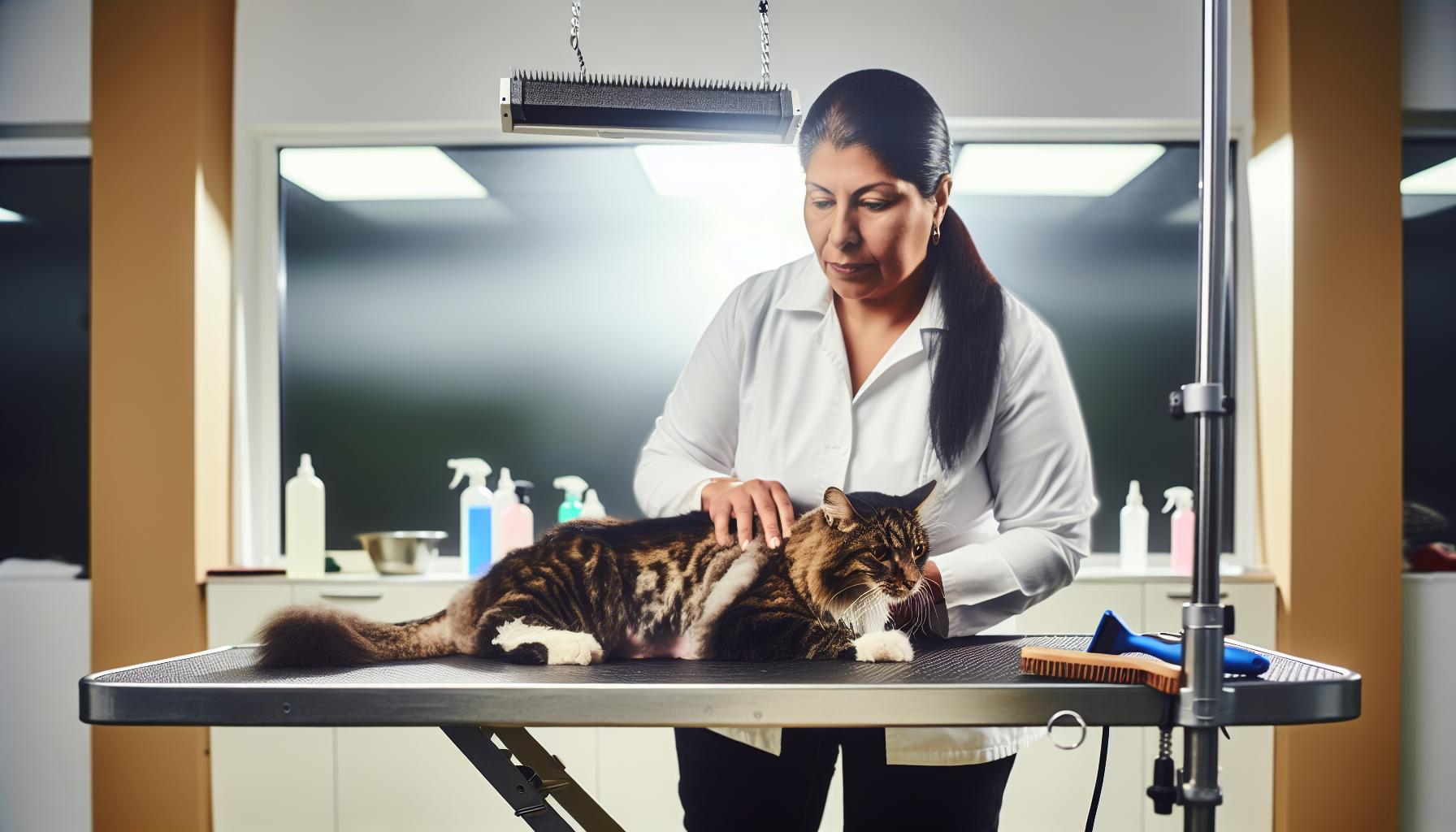
Do Cats Really Need Professional Groomers? Understanding Feline Grooming Basics
Table of Contents
- 1 Do Cats Really Need Professional Groomers? Understanding Feline Grooming Basics
- 2 Which Cats Benefit Most from Grooming Services? Breed, Coat Type, and Age Factors
- 3 What Happens During a Cat Grooming Appointment? Step-by-Step Service Breakdown
- 4 Choosing the right Groomer: Safety, Comfort, and Experience Matters
- 5 At-Home Grooming vs. Professional Services: When to DIY and When to Seek Help
- 6 Essential Grooming Tools for Cats You Can Use at Home
- 7 Common Grooming Challenges: handling Anxious or Difficult Cats with Compassion
- 8 Nail Trimming, Ear cleaning, and Bathing: Grooming Tasks Explained clearly
- 9 Health Benefits of Regular Professional Grooming for Your Cat
- 10 How to Prepare Your cat for Their First Grooming Visit: Tips for Stress-Free Success
- 11 Understanding Cost and Frequency: Planning Your Cat’s Grooming Routine
- 12 When to Skip the Groomer and Consult Your Vet Instead
- 13 Faq
- 13.1 Q: How often should cats visit a professional groomer for optimal care?
- 13.2 Q: Can professional groomers handle cats with special health conditions safely?
- 13.3 Q: What are the signs that a cat might dislike professional grooming?
- 13.4 Q: How do groomers safely bathe cats that don’t like water?
- 13.5 Q: What should I bring to a cat grooming appointment to ensure smooth service?
- 13.6 Q: Are there grooming specialties for specific cat breeds offered by professionals?
- 13.7 Q: How can I recognize if my cat needs a professional groomer rather than at-home care?
- 13.8 Q: What are the key safety measures groomers take to protect cats during grooming sessions?
- 14 in summary
Cats are famously known for their self-grooming skills,often spending hours meticulously cleaning their fur. Though, even the most diligent feline can benefit from a little professional help now and then. Professional groomers bring specialized tools, skills, and calm handling techniques that can make grooming safer and more cozy-especially for cats who struggle with certain tasks or have unique coat needs. While not every cat *needs* a grooming appointment regularly, many find it helpful, and sometimes essential, to maintain their health and comfort.
Why Some Cats Need Extra Grooming Help
Cats with long, dense, or curly fur often face challenges with mats and tangles that self-grooming can’t fully manage. For example, breeds like Persians or Maine Coons require careful brushing and trimming to prevent painful knots that can pull on their skin or trap dirt and moisture. Older cats or those with arthritis may have difficulty reaching certain areas or tolerating long grooming sessions, making professional care a gentle and stress-free solution. Even short-haired cats can benefit from nail trims, ear cleaning, and occasional baths, which owners may find tricky or intimidating to do safely at home.
Professional Grooming Complements Home Care
A skilled groomer doesn’t just “make your cat look good”-they prioritize health and comfort. They can identify skin issues,detect lumps or parasites early,and design grooming routines tailored to each cat’s personality and needs. Using safe shampoos, gentle dryers, and quiet handling methods, groomers help reduce anxiety and build trust. This is especially vital for cats prone to stress, as professional groomers create calm environments that minimize fear. For example, mobile groomers who work at a cat’s home can offer individualized attention to minimize upheaval and boost well-being.
When DIY Grooming May Not Be Enough
Many owners confidently brush at home, which is splendid! But when it comes to tasks like nail trimming or bathing, many find their cats become anxious or resistant. Trying to force these can cause injury or damage the bond you share. Groomers have the experience and patience to manage these challenges with compassion. If you ever notice persistent mats, excessive shedding, skin irritation, or your cat overgrooms quietly at home, these signs tell you professional care is worth considering for their comfort.
Key Takeaways for Owners:
- Breed and coat type matter: Long, thick, or curly coats need more frequent professional attention.
- Age and health affect grooming needs: Senior or less agile cats often benefit from gentle, professional sessions.
- Comfort and safety come first: Professional groomers use experience and techniques to reduce stress and avoid injury.
- professional grooming is a supplement,not a replacement: Home brushing and care remain vital; groomers help with tougher tasks.
deciding on professional grooming isn’t about achieving “perfect” looks, but about supporting your cat’s health and happiness. When done thoughtfully,it’s a nurturing experience,enhancing the bond you share and ensuring your feline friend feels their best from nose to tail.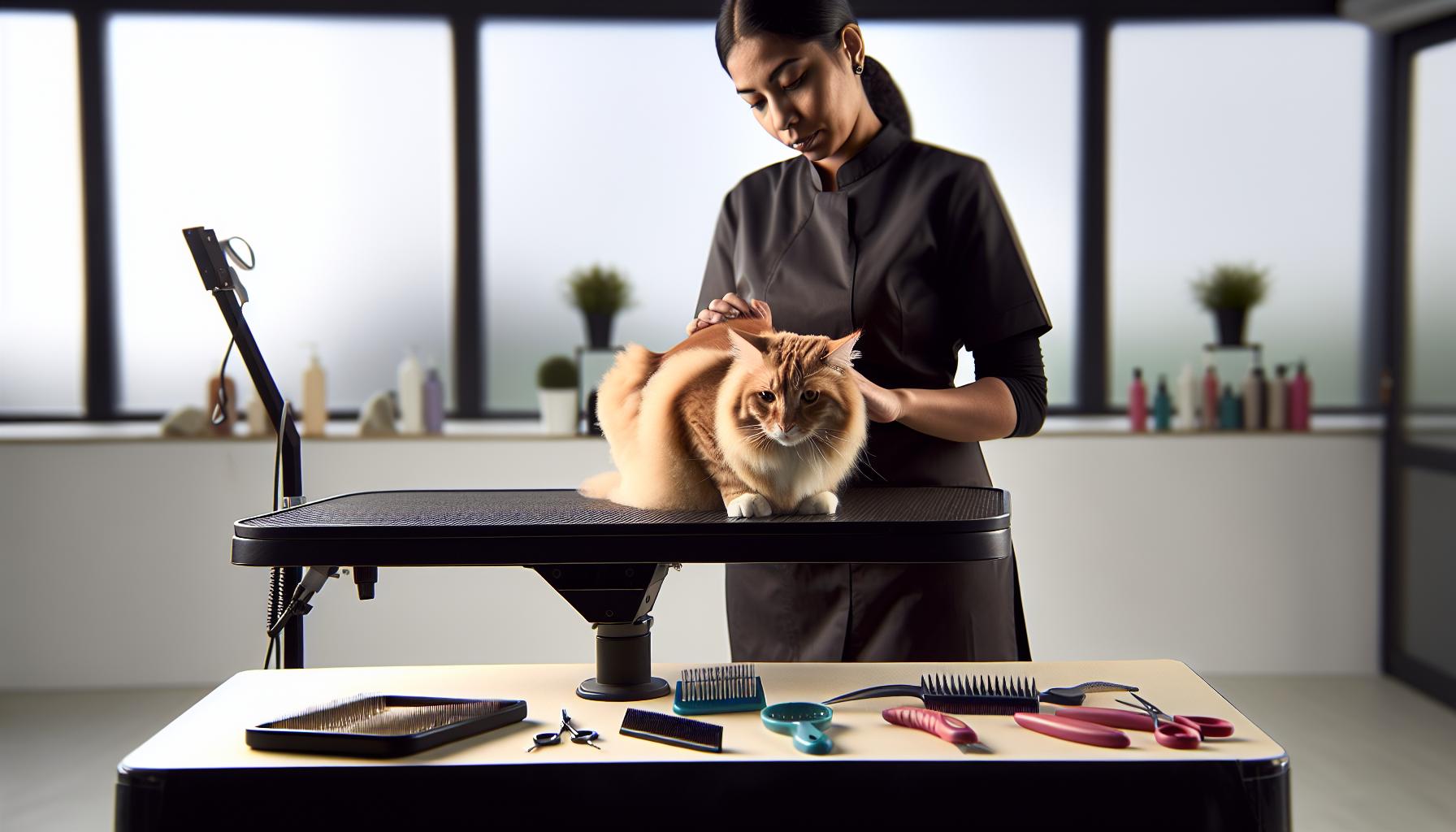
Which Cats Benefit Most from Grooming Services? Breed, Coat Type, and Age Factors
Every cat has it’s own grooming needs, but certain breeds, coat types, and ages call for extra care that professional groomers can best provide. While most cats manage their grooming pretty well, those with thicker, longer, or more intricate fur often need specialized attention to prevent discomfort and health issues. Likewise, aging cats or those with health challenges might struggle with self-care, making gentle professional help a wonderful support.
Breed and Coat type Matter
Cats like Persians, Himalayans, and Maine Coons, famous for their luxurious long hair, frequently enough develop mats and tangles that can cause pain or skin irritation if left unchecked. These mats trap dirt and moisture, increasing risks for infections. Regular professional grooming uses tools like dematting combs and thinning scissors, alongside expert techniques to safely remove tangles and keep the coat healthy without causing stress or discomfort. Curly-coated breeds such as the selkirk rex also require attention to maintain hair texture and avoid knots.
In contrast, short-haired breeds such as the American Shorthair or British shorthair typically need less frequent professional grooming but still benefit from nail trims, ear cleanings, and occasional baths. Even these cats can develop subtle skin or coat problems that a skilled groomer will spot early.
Age and health Influence Grooming Needs
Senior cats or those with arthritis, obesity, or mobility issues often find it challenging to groom thoroughly.They may miss areas under their chin or around their hindquarters, leading to matted fur or hygiene concerns. Older cats can also be less tolerant of grooming sessions, so professionally trained groomers use calm, patient handling methods and break sessions into gentle, manageable steps. This support not only maintains coat and skin health but can reduce your cat’s overall discomfort.
Kittens and young cats usually adapt more easily to grooming, but early introduction to grooming sessions can set a positive foundation. Conversely, very nervous or highly anxious cats-regardless of age-can benefit greatly from groomers experienced in feline behavior, who use low-stress techniques such as quiet environments, slow movements, and treats to foster trust.
Tools and Techniques Tailored for Your Cat
professional groomers carry a range of tools suited for each cat’s unique needs:
- Long, thick coats: Slicker brushes, metal combs, and dematting tools to prevent and remove mats gently.
- Short,dense coats: Rubber grooming gloves or curry combs to remove loose hair and stimulate skin.
- Delicate or sensitive skin: Hypoallergenic shampoos and conditioners to avoid irritation during baths.
These tools, combined with experience and knowledge of feline anatomy and temperament, allow groomers to do more thorough work safely than most owners can at home.Practical Example: A Maine Coon with thick fur might require monthly brushing and trimming to prevent matting, plus quarterly professional grooming to manage mats your cat resists. An older domestic shorthair with arthritis might only need nail trims and a bath every few months, but performed with extra care to avoid pain.
By understanding the specific needs linked to your cat’s breed, coat type, and age, you can better decide when professional grooming is most helpful. This tailored approach ensures your cat stays comfortable and healthy-precisely what every loving pet owner wants.
| cat Type | Common Grooming Needs | Recommended Frequency | Benefits of Professional Grooming |
|---|---|---|---|
| Long-haired (e.g., Persian, Maine Coon) | Mat removal, brushing, trimming, bathing | Every 4-6 weeks | Prevents painful mats, reduces shedding, maintains coat health |
| Curly-coated (e.g.,Selkirk Rex) | Gentle detangling,conditioning baths | Every 6-8 weeks | Preserves natural curl,prevents knots and skin issues |
| Short-haired (e.g., American Shorthair) | Nail trims, ear cleaning, occasional baths | Every 2-3 months | Maintains hygiene and comfort, early detection of problems |
| Senior or mobility-limited cats | Assisted brushing, nail trimming, gentle baths | As needed; frequently enough every 2-3 months | Supports difficult self-care areas, prevents mats and infections |
Ultimately, balancing your cat’s personality, coat type, and age with your own comfort and skill level helps determine the best grooming plan.Professional grooming acts as a compassionate partnership, easing the burden for both you and your feline friend while keeping their well-being front and center.
What Happens During a Cat Grooming Appointment? Step-by-Step Service Breakdown
Cats often present a unique set of challenges during grooming appointments, which is why professional groomers approach each session with patience, compassion, and keen attention to a cat’s specific needs. From the moment your feline friend arrives, the groomer focuses on creating a calm and safe atmosphere, understanding that many cats feel uncertain or stressed in a new environment.Every step is crafted to prioritize comfort over speed or aesthetics, making grooming a positive experience for both cat and owner.
Initial Assessment and Handling
The groomer begins by gently examining your cat, assessing coat condition, skin health, and temperament. This rapid yet thorough check helps identify areas needing special attention, such as mats, sensitive spots, or signs of irritation or infection. For long-haired breeds like Persians or maine Coons, the groomer notes tangles and areas prone to mats. For short-haired cats, the focus might shift more to skin and nail health. Handling is slow and careful-many groomers use soft petting, quiet voices, and sometimes treats to build trust right away.
Brushing and Dematting
Next comes brushing, tailored to the coat’s texture and thickness. Slicker brushes and metal combs are common for thick or long coats, carefully detangling and removing loose fur. If mats are present, specialized dematting tools are used with caution to prevent pulling or discomfort. Such as, a Selkirk Rex’s curly coat requires gentle untangling to preserve its texture without breakage. Short-haired cats benefit from rubber grooming gloves or soft brushes that stimulate skin without upsetting sensitive felines.This part often sets the tone for the whole session, so a calm approach is key.
Bathing and Drying
Baths are optional but highly beneficial for some cats, especially those with thick coats or skin issues. Hypoallergenic shampoos are chosen based on the cat’s skin sensitivity,ensuring no irritation occurs. The groomer uses lukewarm water and gentle sprayers or washcloths to avoid frightening the cat. After rinsing, drying is done with soft towels or low-noise dryers designed for pets. For anxious cats, a quiet corner or a break between steps often helps reduce stress. Not all cats tolerate baths, so some groomers will avoid this step or recommend vet consultation if skin health is a concern.
Nail Trimming and Ear Cleaning
Trimming nails is essential for feline comfort and safety, particularly for indoor cats or those with limited mobility. The groomer clips carefully to avoid the quick, using proper cat nail trimmers and calming techniques. Nail trims are usually quick but may require multiple short sessions for very squirmy cats. Ear cleaning follows, gently removing wax and debris with veterinarian-approved wipes or solutions, always ensuring no discomfort or over-cleaning occurs.
Finishing Touches and Owner Dialog
After grooming, the groomer checks that your cat is calm and comfortable before release. They’ll often share observations with you-such as any skin changes, matting issues, or behavioral notes-to help you continue care at home. If your cat showed signs of discomfort, the groomer may suggest follow-ups with your vet or adjustments in grooming frequency. Real-world tip: Many groomers recommend short, frequent sessions for anxious or elderly cats, as spreading out grooming duties reduces stress and builds trust over time.
Throughout the appointment, safety and respect for your cat’s well-being are paramount. If any health issues or extreme anxiety arise,professional groomers know when to pause services and advise veterinary care,reinforcing that grooming supports,but does not replace,medical treatment. This partnership ensures your cat’s grooming is as gentle and effective as possible.
| Service Step | Purpose | Tools Used | Notes for Owners |
|---|---|---|---|
| Initial Assessment | Check coat and skin health, evaluate temperament | Visual inspection, gentle handling | Share health concerns beforehand to prepare groomer |
| Brushing & Dematting | Remove loose fur, tangles, and mats | Slicker brushes, metal combs, dematting tools | Long-haired cats need frequent sessions; be patient |
| Bathing & Drying | Clean skin, reduce allergens, soothe coat | Hypoallergenic shampoo, towel, pet dryer | Not always needed; discuss skin sensitivities |
| Nail Trimming | Prevent scratching, aid mobility | Cat nail clippers, styptic powder (if needed) | Frequent trimming helps fearful cats get used to it |
| Ear Cleaning | Remove wax and debris, prevent infection | vet-approved wipes/solutions, cotton balls | Report any redness or odor to vet promptly |
| Owner Communication | Review session outcome, grooming tips, next steps | Verbal feedback, written notes (if applicable) | Ask questions; open dialogue supports ongoing care |
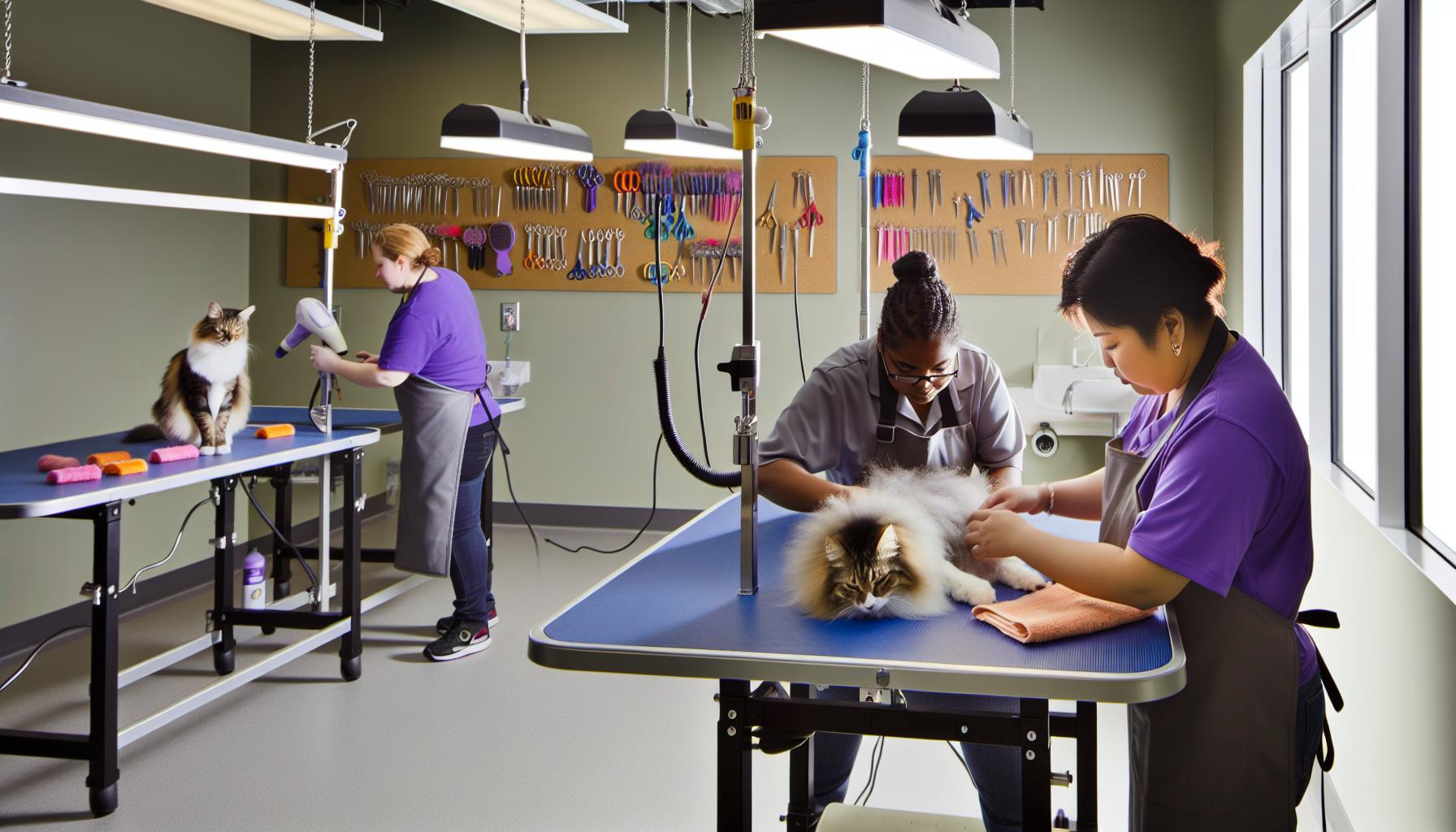
Choosing the right Groomer: Safety, Comfort, and Experience Matters
Finding a groomer who truly understands your cat’s unique needs can transform grooming from a stressful ordeal into a soothing, even enjoyable routine. Cats are sensitive creatures, and not all groomers have the specific experience or patience required to gently handle feline clients, especially those with specialty coats or anxiety issues. Prioritizing safety and comfort over speed or aesthetics isn’t just ideal-it’s essential. When done right, professional grooming is about respecting your cat’s boundaries, keeping them calm, and enhancing their well-being without pushing them beyond their limits.
Experience with Cat Breeds and Coat Types
Look for groomers who specialize or have important experience with cats rather than only dogs. Different breeds require very different care. As a notable example,a Persian’s dense,long coat demands frequent and delicate dematting using tools like slicker brushes and dematting combs,while a short-haired breed such as the Siamese benefits more from gentle brushing and focus on nail and ear care.Ask about their daily tools and techniques-for example:
- Bathing: Do they use hypoallergenic shampoos suited for sensitive feline skin?
- Brushing: Are rubber gloves or soft brushes employed for short-haired cats?
- Dematting: Are they trained to carefully detangle mats without causing pain?
- Handling anxious cats: Do they use treats or calming pheromones to put nervous kitties at ease?
A groomer’s ability to adapt tools and techniques to your cat’s coat and personality truly makes a difference.
Prioritizing Comfort and Safety in Every Step
Not every cat tolerates baths or nail trims well, especially during the first few visits. Experienced groomers are patient and know how to read feline body language to recognize signs of discomfort or stress. many will break the session into shorter steps over multiple visits to build confidence, rather than rush through and risk frightening your cat. For example, if your Maine Coon shows anxiety during nail trimming, the groomer may suggest gradual short trims every few days to desensitize claws safely.
Safety also means knowing when to recommend veterinary care. Groomers aren’t vets, but if your cat has skin irritation, ear infections, or extreme behavioral changes, the right groomer will pause grooming and urge you to seek professional medical advice. This partnership between groomer, owner, and vet ensures your cat’s health isn’t compromised.
Building Trust Through Communication and Environment
A compassionate groomer values communication with you as much as with your cat. Share your cat’s habits, triggers, and any recent health issues upfront. The groomer can then tailor the session to your cat’s temperament-whether it’s a shy senior cat needing extra gentle handling, or a playful young feline who thrives on interactive grooming. Good groomers create a quiet, low-stress environment. Soft lighting, calm voices, and private grooming spaces can help your cat feel safe.
Ask about their approach before booking. Some even offer a trial session or consultation. Their willingness to answer your questions openly signals respect for your concerns and care for your pet’s welfare.
| Key Groomer Qualities | Why It Matters | what to Ask or Observe |
|---|---|---|
| Cat-focused expertise | Ensures breed- and coat-specific care | “do you groom mostly cats? How do you handle long-haired breeds?” |
| Patience and gentleness | Reduces cat stress, prevents injury | “How do you calm anxious cats or those unaccustomed to grooming?” |
| Safety-first ideology | Prioritizes welfare over aesthetics | “What do you do if my cat shows signs of stress or has skin issues?” |
| Clear communication | Empowers owners, supports ongoing care | “Will you provide feedback about coat or health concerns after grooming?” |
| Clean, calm environment | Helps reduce feline anxiety | “Do you have a quiet space designated for cat grooming?” |
Choosing the right groomer is about more than just trimming fur and clipping nails. It’s about creating a trusting relationship that honors your cat’s well-being, making each grooming experience a step toward better health and happiness.When you find a compassionate, experienced cat groomer who values comfort as much as cleanliness, your feline friend is more likely to look forward to-and benefit from-professional grooming for years to come.
At-Home Grooming vs. Professional Services: When to DIY and When to Seek Help
Cats are famously meticulous self-groomers,but even the most fastidious feline can benefit from a little help-especially when it comes to tackling those tricky spots,managing shedding,or addressing coats and health concerns that require extra care. Deciding between handling grooming tasks yourself or calling in a professional often depends on your cat’s breed, coat type, temperament, and your comfort level with the necessary tools and techniques.
Everyday Grooming You Can Do at Home
For many cats, especially short-haired breeds like the Burmese or Domestic shorthair, regular brushing, light nail trims, and ear checks at home keep them comfortable and clean.Investing in a few well-chosen tools-such as a soft bristle brush for short coats, grooming gloves for removing loose hair, and a gentle nail trimmer-can make these tasks manageable. Start slowly, gently introducing brushing in short sessions and pairing grooming with treats or play to build positive associations. If your cat allows it, wiping their ears with vet-approved wipes and checking their claws weekly helps prevent common problems.
- Brushing: Quick sessions with a rubber brush or soft bristle prevent hairballs and reduce shedding.
- Nail trimming: Use a quiet,secure spot and clip a tiny bit at a time to avoid causing pain.
- ear cleaning: Only if visibly dirty or as advised by a vet, using safe saline wipes.
Yet,some grooming tasks or coat types demand professional attention.
When Professional Grooming Makes a Difference
Long-haired breeds like Persians, Maine Coons, and Ragdolls often develop mats that can be painful and hard to remove without expertise. Professionals have specialized tools like dematting combs and slicker brushes, and, more importantly, the experience to detangle mats safely without hurting your cat. Baths are another example-many cats dislike water, and a groomer skilled in feline handling can minimize stress using calming pheromones, gentle restraint, and bathing products specifically designed for sensitive skin.
Cats with medical conditions, mobility issues, or anxious temperaments especially benefit from professionals who understand feline body language and know when to pause or break up grooming sessions for your cat’s comfort. Such as, a senior cat with arthritis might need shorter brush sessions done more frequently, or a groomer might recommend desensitization steps before nail trimming to avoid injury or trauma.
Understanding boundaries: Vet, Groomer, or DIY?
Knowing when to seek veterinary advice instead of-or along with-a groomer is crucial. Skin infections, persistent ear mites, or sudden behavioral changes require a vet’s care, not a grooming session. Groomers focus on maintenance and cosmetic care but will alert you to potential health risks they spot during grooming. By contrast, grooming at home keeps your cat comfortable daily but should never replace professional assessments or interventions.
| Task | DIY Suitability | When to Seek Professional Help |
|---|---|---|
| Brushing | Short-haired cats: frequent gentle brushing | Long-haired breeds,mat removal,severe shedding |
| Nail trimming | Calm cats comfortable with handling | Anxious or wriggly cats; if difficult to clip safely |
| Bathing | Occasional,trains cat early on | Cats with oily/dirty coats or skin conditions; fearful cats |
| Ear cleaning | Visible buildup,mild cases | Signs of infection,odor,or injury |
Remember,your cat’s comfort and safety come first. If any grooming task causes distress or seems beyond your skill,a professional groomer offers experience,patience,and tools tailored to feline needs. They create calm, low-stress environments where your cat’s well-being is the priority. At the same time, building a simple, gentle at-home grooming routine fosters trust and helps your cat stay healthy between visits. This balanced approach empowers you to provide the best care possible, responding to your cat’s unique personality and needs with compassion and confidence.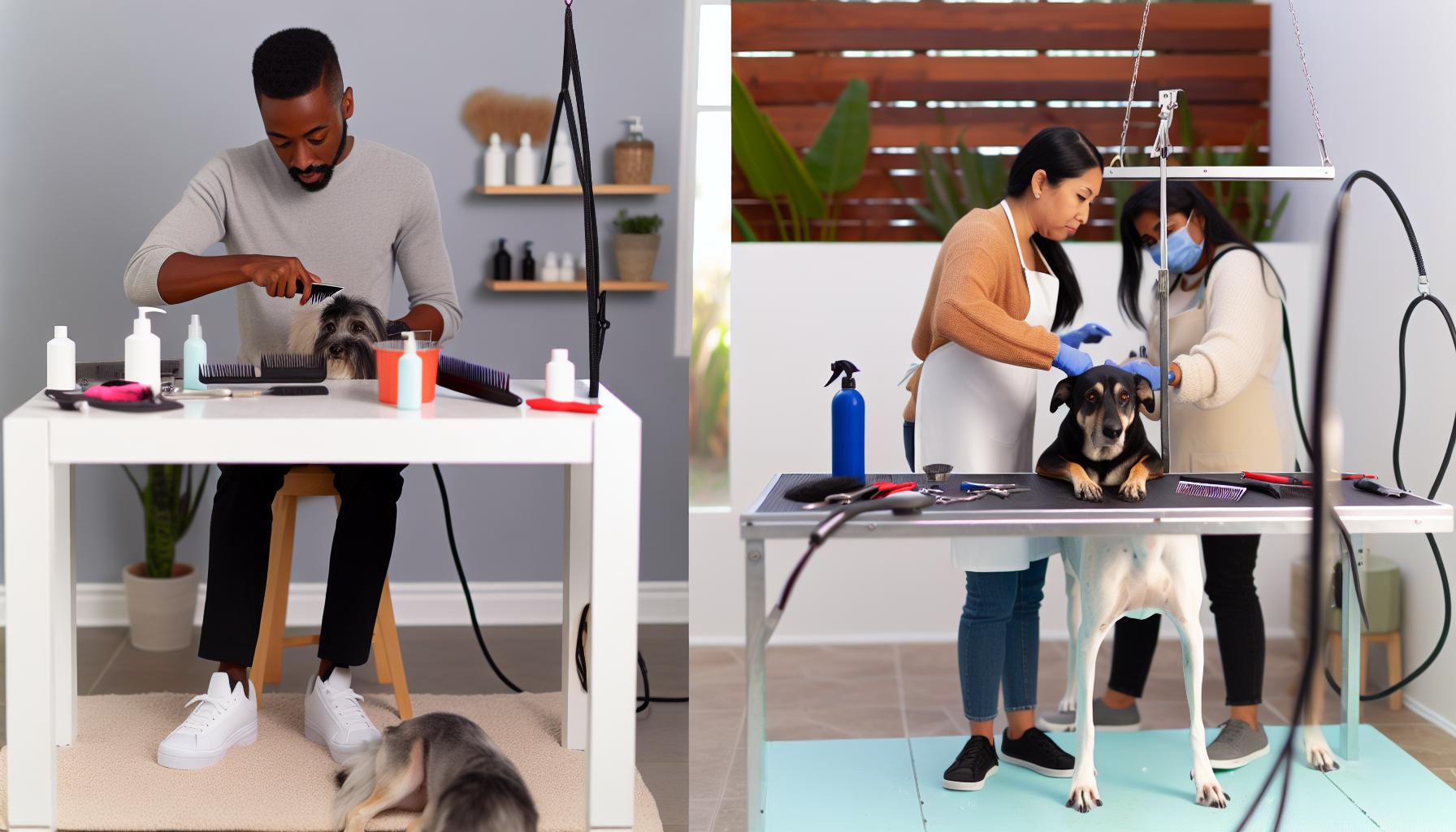
Essential Grooming Tools for Cats You Can Use at Home
Cats’ grooming needs vary widely, but having the right tools at home makes it easier-and even enjoyable-to support your feline friend’s health and comfort. Many cats appreciate quick, gentle sessions that never feel like a chore. The secret is to choose tools suited to your cat’s coat type and temperament, ensuring safety and ease.Whether you have a short-haired tabby or a fluffy Maine Coon, equipping yourself with a few trusted essentials helps keep your cat relaxed and reduces the need for frequent professional visits.
Brushing Tools Tailored to Coat Type
For short-haired breeds, a soft rubber brush or grooming glove is usually enough to remove loose fur and stimulate skin oils. These tools mimic a cat’s natural tongue texture, making brushing feel more like affection than grooming. For example, a Burmese cat often enjoys a few minutes with a rubber brush to reduce shedding without overwhelming sensitivity.
long-haired cats require more specialized brushes to prevent mats and tangles. A slicker brush gently lifts loose hair while a wide-tooth comb can work through tangles with patience and care. When mats do form, a dematting comb may be needed, but always proceed slowly to avoid pulling on delicate skin. The key is short, positive sessions paired with treats or gentle praise.
Nail care Basics
A quiet, well-lit space helps both you and your cat feel calm during nail trimming.Use a small,sharp nail trimmer designed specifically for cats-these are easier to control and reduce the chance of splintered nails. For cats new to nail trims, start by gently rubbing their paws daily to build comfort before clipping. If your cat tenses or tries to escape, try clipping just one or two nails per session and reward generously. For nervous cats, having a partner to gently hold or distract them can make a huge difference.
Gentle ear Maintenance
Ear cleaning should be minimal and only when needed-if you see visible dirt or if your vet recommends it. Use vet-approved saline wipes or a soft cotton ball dampened with warm water. Avoid inserting anything deep into the ear canal. Gentle wiping of the outer ear while speaking softly reassures your cat and avoids discomfort. If there’s persistent odor, redness, or discharge, that’s a signal to see your veterinarian rather than attempting home care.
At-Home Bathing Essentials
Bathing is often reserved for cats who get particularly dirty or have skin issues but some cats tolerate occasional baths well, especially if introduced slowly from kittenhood. Use cat-specific shampoos formulated for sensitive skin, lukewarm water, and non-slip surfaces to prevent falls.A handheld sprayer or cup helps control water flow gently. Keep sessions brief, speak calmly, and prepare warm towels to dry your cat promptly. Many cats prefer alternatives like waterless shampoos or grooming wipes, which can refresh their coat without the stress of a full bath.
- Soft rubber brush or grooming glove: Great for short coats and sensitive cats.
- Slicker brush and wide-tooth comb: Essential for long-haired breeds to prevent and remove mats.
- Dematting comb: Use sparingly and carefully for stubborn tangles.
- Cat nail trimmer: Choose a quiet, easy-to-use style designed for feline nails.
- Vet-approved saline wipes or cotton balls: For safe, gentle ear cleaning.
- Cat-specific shampoo and non-slip bath mat: For comfortable and safe bathing when needed.
Tools are only as good as the approach you take with them. Gentle handling, patience, and keeping sessions short make grooming a bonding experience rather than a stressful task. Always watch for signs of discomfort and know your limits-some grooming challenges call for professionals with experience and specialty equipment. When you combine these practical tools with kindness and calm confidence,you’re providing your cat with the best care between visits to the groomer or vet.
For more tailored guidance and expert tool recommendations, consider browsing resources that review performance-tested grooming products for cats of all coat types and temperaments[[1]](https://a-z-animals.com/reviews/cat-grooming-tools/)[[2]](https://whiskerwellness.pet/essential-grooming-tools-for-cats/)[[3]](https://savingninelives.com/cat-grooming-tools-you-actually-need/).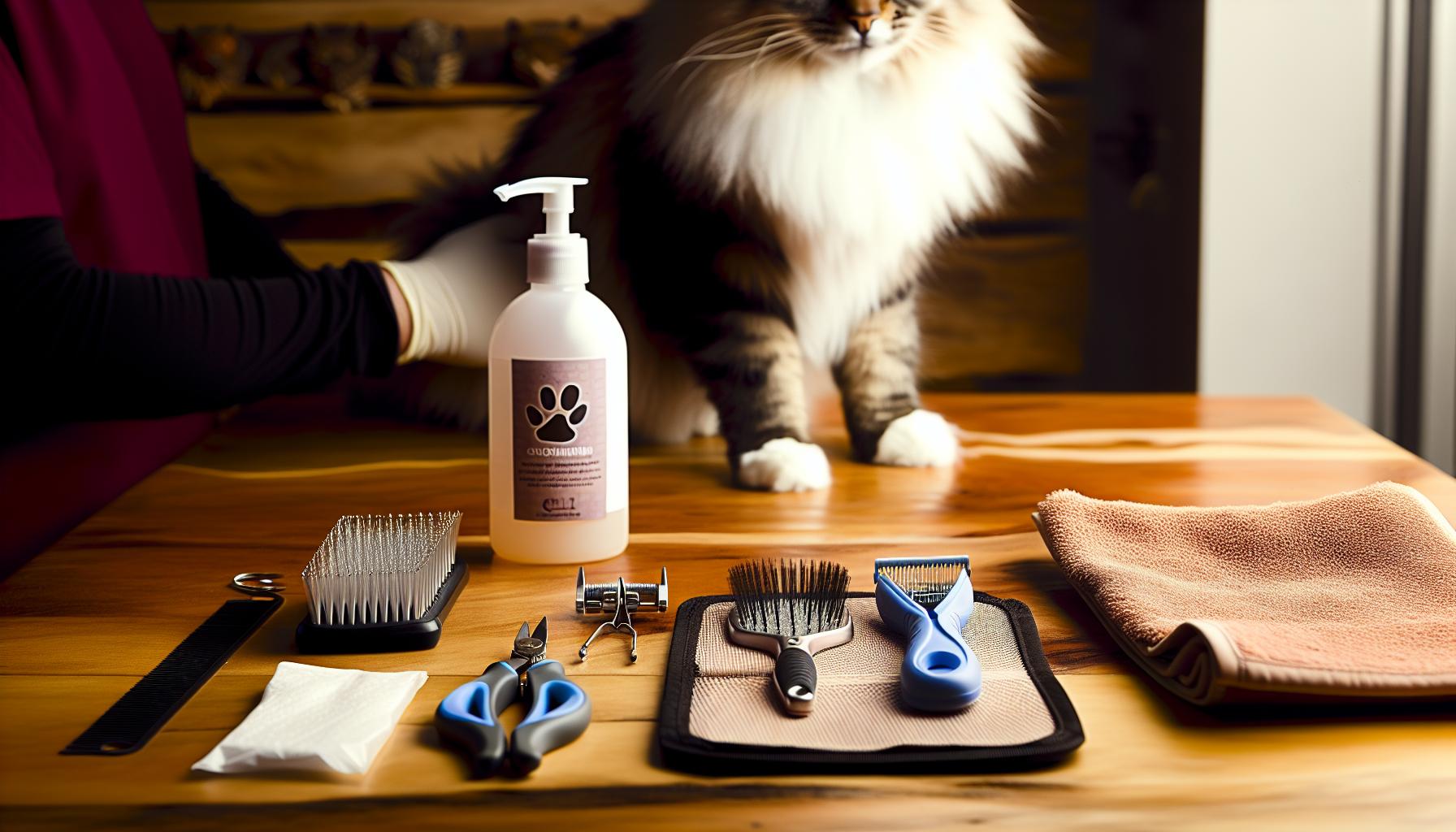
Common Grooming Challenges: handling Anxious or Difficult Cats with Compassion
Cats who are anxious or resistant during grooming are more common than you might think. Many felines associate grooming with unpleasant sensations or feel overwhelmed by unfamiliar handling. The good news is that with patience, empathy, and the right techniques, most cats can become more comfortable over time. Remember, the goal isn’t a flawless finish but a calm, safe experience that respects your cat’s feelings and boundaries.
Reading Your Cat’s Signals
Before starting any grooming, observe your cat’s body language carefully. Signs of stress include flattened ears, tail twitching, dilated pupils, or attempts to hide.these cues tell you when to slow down, pause, or change your approach. Some breeds or individual cats with sensitive skin or nervous temperaments-such as the fine-coated Siamese or shy domestic shorthairs-may require extremely gentle tools like soft rubber brushes or grooming gloves that feel more like petting than grooming. Always keep sessions short, focusing on positive reinforcement like quiet praise and small treats.
Brushing and Dematting Without Drama
For cats prone to anxiety or with thick coats like Persians,mats can quickly become a source of discomfort. Start by gently coaxing your cat with slow, calming strokes using a slicker brush, then carefully work tangles with a wide-tooth comb. If you encounter stubborn mats, a dematting comb applied slowly with minimal pressure can help-but never force anything that causes pain. Take frequent breaks and watch for signs that your cat needs a moment to relax.
- Tip: Scheduling grooming after a nap when your cat is naturally calm often leads to better cooperation.
- Tip: For stressful parts like dematting, try wrapping your cat in a soft towel to help them feel secure.
Nail Trimming and Ear Cleaning Made Easier
Many cats dread nail trimming or ear cleaning because of their vulnerability during these tasks. Starting slowly is key: spend time each day just touching and gently massaging paws and ears long before clipping or cleaning. When it’s time to trim, use quiet, sharp nail trimmers designed for cats and clip only a few nails per session if needed. Distracting your cat with favorite treats or a partner’s gentle hold can make a big difference, easing tension and preventing accidental scratches.
Ear cleaning should be limited and gentle-stick to vet-approved wipes or moisturized cotton balls and avoid deeper probing. If your cat resists strongly or shows signs of pain, stop and consult your vet before proceeding.
When to Seek Professional Help
Some situations are best left to experienced groomers or veterinarians, especially if your cat becomes highly aggressive or distressed. Groomers trained in feline behavior can use calming techniques and specialized equipment safely, ensuring necessary grooming without trauma. Similarly, persistent mats near delicate skin, unusual odors, or skin lesions call for veterinary evaluation rather than home grooming attempts. Professionals are your partners in balancing your cat’s well-being with grooming needs.
Approach difficult grooming moments with compassion and calm confidence. Each small success builds trust and helps turn grooming from a dreaded chore into a gentle, bonding ritual that benefits your cat’s health and happiness.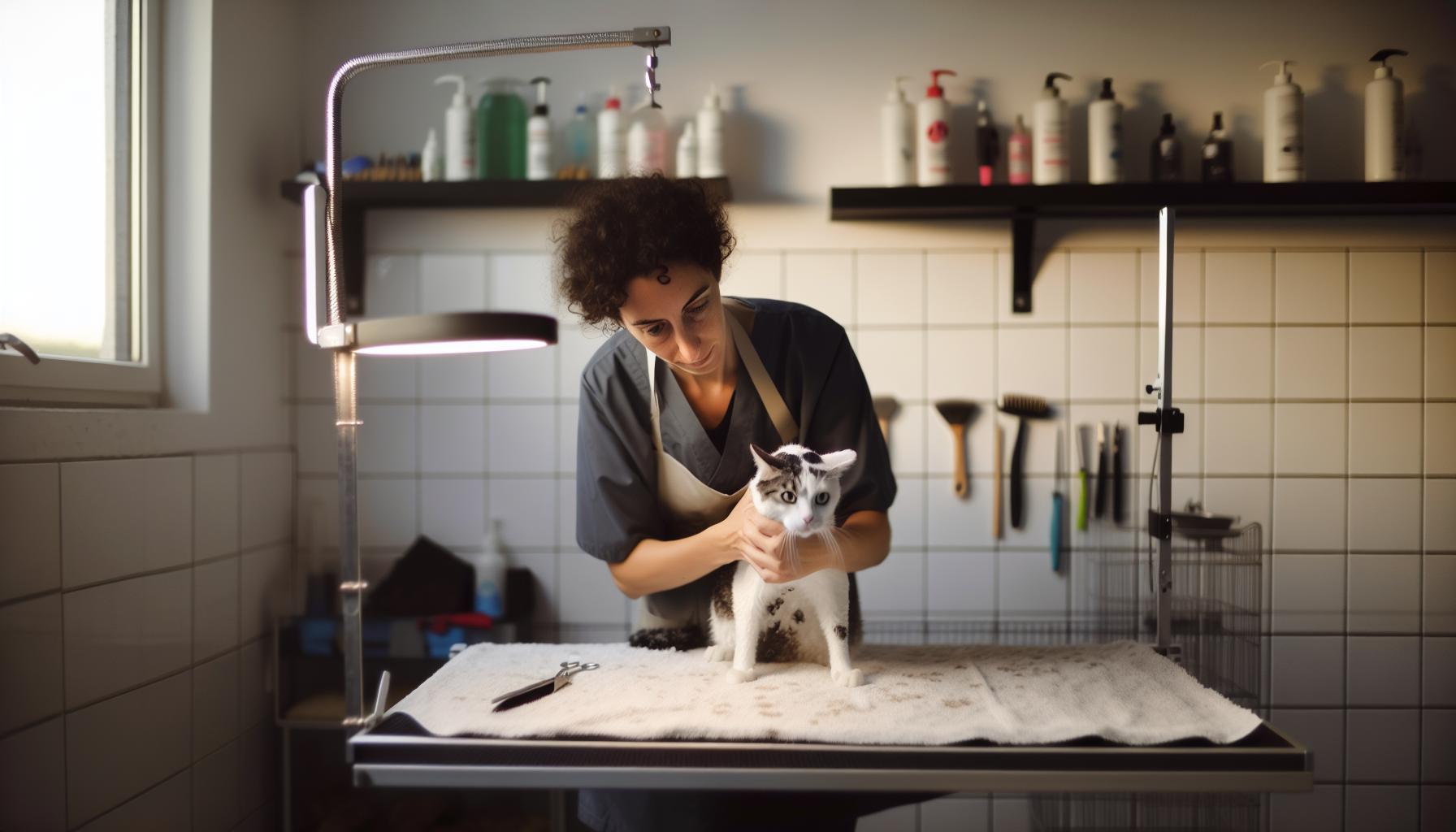
Nail Trimming, Ear cleaning, and Bathing: Grooming Tasks Explained clearly
Cats are often masters of self-cleaning, but certain grooming tasks like nail trimming, ear cleaning, and bathing can be tricky and benefit from a gentle, informed approach. these essentials help keep your feline companion comfortable and healthy, especially for breeds with thick coats or those prone to infection. Tackling these tasks with calm confidence and compassion makes all the difference, whether at home or done professionally.
Nail Trimming: Keeping Tiny Talons in Check
Sharp, overgrown nails can cause discomfort for cats and damage to furniture – and to their humans! Regular trimming is vital, particularly for indoor cats whose nails aren’t naturally worn down outdoors.use quiet,cat-specific nail clippers and clip only the transparent tip of each nail,avoiding the quick (the pinkish sensitive area). If your cat is nervous, try trimming just one or two nails a session and pair this with soft praise and treats. Some cats prefer being gently wrapped in a towel for security, while others do better with a trusted helper gently holding them. Always keep styptic powder nearby to stop any accidental bleeding.
Ear Cleaning: Gentle Care to Prevent Irritation
Cats’ ears are delicate and don’t usually require frequent cleaning. When needed, use vet-approved wipes or a cotton ball lightly dampened with a gentle cleanser. Avoid deep probing – the ear canal is sensitive and easily injured. Signs that your cat may need professional attention rather than a home clean include foul odors, excessive scratching, redness, or discharge. for anxious cats, approach ears with slow, soothing strokes and take breaks often. Daily gentle ear massages during quiet moments can help your cat get used to touch and reduce resistance.
Bathing: When water Is a Must
Bathing isn’t a regular need for most cats, but some breeds-like Persians or cats with oily or matted coats-may require periodic baths to maintain coat health. A warm,calm environment is essential. Use a cat-specific shampoo, avoiding harsh detergents that strip natural oils. Before you begin, prepare everything within easy reach: towels, shampoo, and a non-slip mat. Speak softly and move slowly to keep stress low. Rinse thoroughly to avoid residue that can irritate skin. If your cat shows signs of extreme distress,it’s okay to pause and try again later or turn to a professional groomer experienced in feline baths.
- Tip: Schedule baths after gentle brushing to remove mats and loose fur, making the process smoother.
- Tip: Professional groomers have specialized equipment and handling techniques that can be a lifesaver for particularly anxious or long-haired cats.
| Task | Tools Needed | Common challenges | When to Seek Professional Help |
|---|---|---|---|
| Nail Trimming | quiet, sharp cat nail clippers; Styptic powder | Fear, quick injury, scratches | Excessive resistance/aggression; frequent injury |
| Ear Cleaning | Vet-approved wipes; Moist cotton balls | Discomfort, scratching, pain | Unusual odors, discharge, persistent scratching |
| Bathing | Cat-specific shampoo; Towels; Non-slip mat | Stress, water aversion, matting | Severe matting, skin problems, unmanageable anxiety |
Remember, your cat’s comfort and safety always come first. When in doubt, professional groomers trained in feline behavior and handling can provide a calm reassurance and perform these grooming tasks efficiently without traumatizing your pet. Empowered with the right knowledge and tools, you can make grooming a positive, trust-building part of your cat’s routine.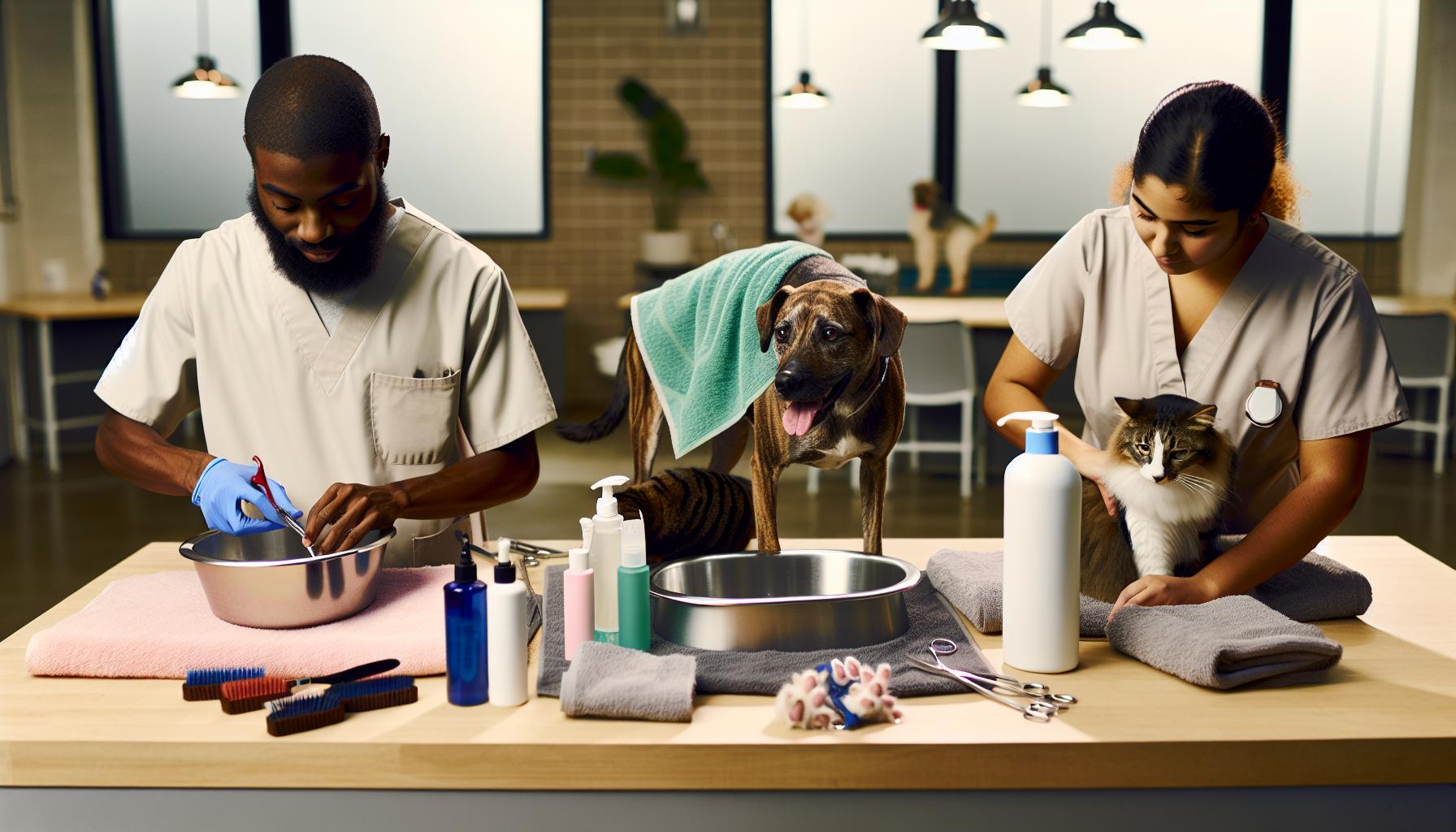
Health Benefits of Regular Professional Grooming for Your Cat
Cats may be expert self-cleaners, but regular professional grooming unlocks a host of health benefits that go far beyond a shiny coat. Skilled groomers offer a keen eye for spotting early signs of potential health issues-something busy pet parents might overlook during quick home sessions. From subtle skin irritations and hidden lumps to parasites like fleas and ticks, professional groomers serve as an extra layer of proactive care that helps catch concerns before they become serious.Long-haired breeds, like Persians and Maine Coons, especially gain from scheduled grooming visits that expertly manage mats and tangles-preventing painful skin infections and discomfort. Even short-haired cats, who may be more prone to seasonal shedding, benefit when groomers remove dead fur efficiently, reducing hairballs and maintaining a cleaner living environment. Regular brushing and bathing by professionals also stimulate blood circulation and promote healthy skin oils, keeping your feline friend comfortable and itch-free.
Detailed Grooming That Targets Well-Being
Professional grooming appointments typically include:
- Bathing with gentle, cat-safe shampoos: Helps reduce allergens and cleanse the skin thoroughly without stripping natural oils.
- Careful brushing and dematting: Prevents painful knots and encourages healthy hair growth.
- Nail trimming by trained hands: Avoids overgrown claws that can injure paws or cause joint pain over time.
- Ear cleaning and health checks: Minimizes infections and alerts you to any abnormal signs promptly.
Such comprehensive care routines not only improve your cat’s appearance but directly contribute to better mobility, reduced discomfort, and overall quality of life. Many owners report that their previously shy or anxious cats become more relaxed and affectionate after experience positive, stress-conscious grooming sessions.
Bridging the Gap Between Home Care and Veterinary Attention
While grooming isn’t a substitute for veterinary care, professional groomers are trained to recognize when a cat needs medical attention, serving as a valuable complement to your regular vet visits. For instance, if your groomer notices persistent skin inflammation, unusual lumps, or excessive ear debris, they can guide you on seeking prompt veterinary evaluation. this vigilant approach helps ensure your cat receives timely treatment for conditions that might otherwise be missed until symptoms worsen.
By trusting grooming professionals with your cat’s routine upkeep, you provide them not only with pampering but with compassionate, proactive health maintenance that supports their long-term happiness. Even if you enjoy grooming your cat at home, periodic visits to a skilled groomer can make a significant difference-especially for breeds or individuals prone to grooming challenges.
| Health Benefit | How Groomers Help | Breeds or Cats Most Affected |
|---|---|---|
| Prevention of Skin Infections | Regular mat removal, bathing, and inspection | Long-haired cats; thick undercoats |
| Reduced Hairball Frequency | Efficient de-shedding and fur removal | All cats, especially heavy shedders |
| Pain relief and Mobility | Nail trimming to prevent overgrowth and claw injuries | Indoor cats; seniors; less active cats |
| Early Health Issue Detection | Professional assessment during grooming visits | All cats |
Regular professional grooming gently supports your cat’s health and comfort, creating a nurturing bond built on trust and calm care. This not only enriches their daily life but also eases your worries as a pet parent, knowing your cat’s well-being is in attentive, loving hands.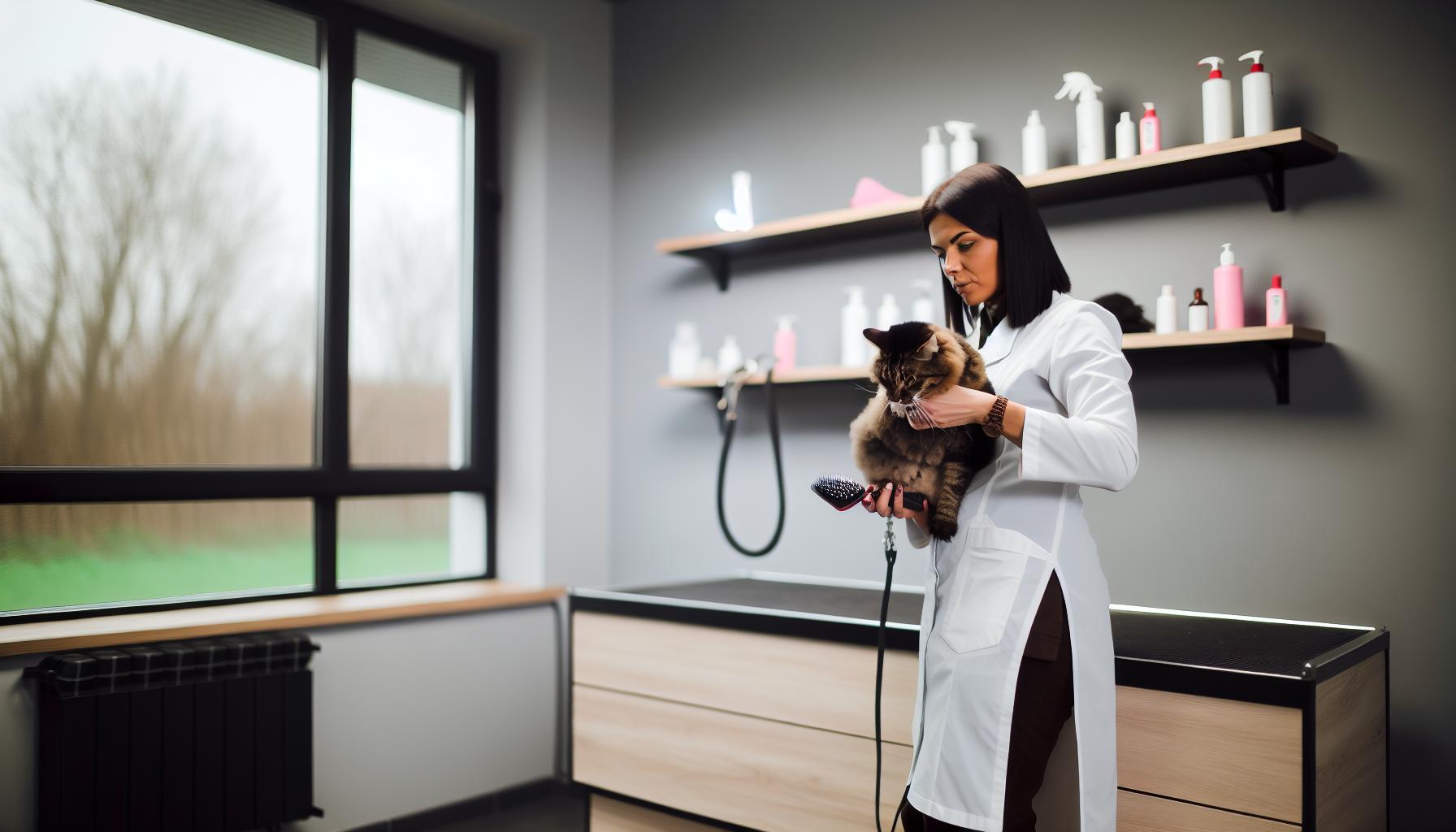
How to Prepare Your cat for Their First Grooming Visit: Tips for Stress-Free Success
Cats may be curious about new experiences, but their comfort and trust are the keys to a triumphant first grooming visit. Preparing your feline friend ahead of time helps turn a perhaps stressful event into an opportunity for calm and care. Remember, every cat is unique-age, breed, and coat type all influence how they respond to grooming.Starting with gentle, positive exposure creates a foundation of confidence that will benefit both your cat and the groomer.
Getting Your Cat Ready at Home
Begin by introducing grooming tools gradually in short, soothing sessions. For long-haired breeds like Persians or Maine Coons, daily brushing with a wide-tooth comb or slicker brush helps prevent mats and familiarizes your cat with being handled. Short-haired cats also enjoy light brushing to reduce shedding and help with circulation. Nail trims can be practiced with slow,positive reinforcement,using treats and quiet voices to make the experience less intimidating. Focus on the paws, ears, and gentle stroking around the neck and back. This at-home groundwork eases the transition to professional care.
- Brush your cat regularly: Start with 5-minute sessions, rewarding calm behavior.
- Introduce nail clippers carefully: Let your cat sniff and touch them before clipping any nails.
- Gently check ears: Wipe outer ear folds with a soft cloth to get your cat used to light touch.
- Create calm distractions: Use treats and soft talking to reassure your cat during these mini sessions.
Preparing for the Day of the Appointment
Make sure your cat’s carrier is comfortable and inviting. Add a soft blanket or a favorite toy.Placing familiar scents inside can reduce anxiety.On appointment day, keep your cat’s routine as normal as possible-feed before leaving, but avoid a large meal right before to minimize discomfort if bathing is involved.If your cat is prone to anxiety,consult your groomer for tips or possible use of pheromone sprays or calming collars during transit.
- Place the carrier in a quiet, low-traffic area at home before travel.
- Cover the carrier with a light cloth during the trip to reduce overstimulation.
- Talk calmly and calmly handle your cat when moving to and from the car to keep stress low.
Transparency helps the groomer tailor care to your cat’s needs. share your cat’s breed,coat specifics,any health concerns,and their typical behavior or temperament. This information guides the groomer in choosing appropriate tools and techniques-especially critically important for nervous cats or those with special requirements like sensitive skin or arthritis.
| Information to Provide | reason |
|---|---|
| Breed and coat type | Helps select the right brushes, combs, and trim style |
| Medical history or allergies | Ensures safe selection of shampoos and grooming products |
| Behavioral traits | Allows groomer to apply stress-reducing methods tailored to your cat |
| Previous grooming experiences | Identifies areas to approach gently or avoid altogether |
Stepping into your cat’s grooming journey with patience, kindness, and readiness sets the stage for success. Over time, each visit builds trust between your cat and the groomer, transforming what once seemed daunting into a comforting part of your feline’s routine. And remember, your groomer is a partner in care-always ready to support both you and your beloved cat with empathy and expertise.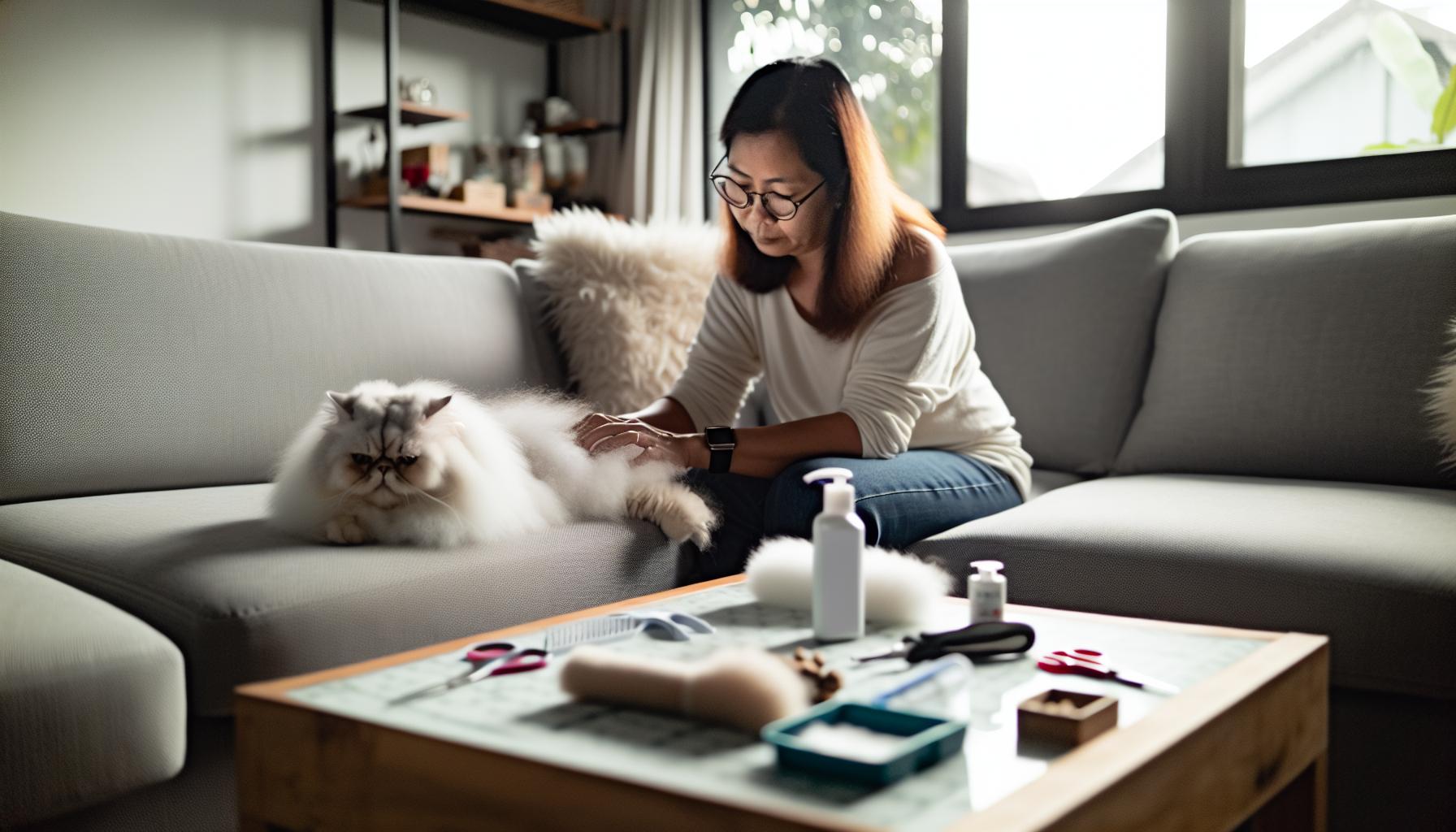
Understanding Cost and Frequency: Planning Your Cat’s Grooming Routine
Cats’ grooming needs can vary widely, making planning their grooming routine both an art and a science. Understanding what factors influence cost and how often your cat truly needs professional care helps you make decisions that suit your cat’s comfort, health, and your budget. The right balance ensures your feline friend stays clean, comfortable, and happy, without needless stress or expense.
Many elements shape the price of grooming. Coat length and density play a major role-long-haired cats like Persians and Maine Coons typically require more frequent and thorough grooming than short-haired breeds. Thick,matted fur takes extra time and expertise to handle gently,bumping up the session cost. Some cats also need specialty shampoos or extra skin care, which can add to the price. Mobile groomers offering convenience may cost a bit more but provide a less stressful environment, especially for anxious cats [[1]].
Frequency depends on your cat’s individual traits and lifestyle. A long-haired cat might benefit from monthly visits to prevent mats and tangles, while short-haired cats may only need a professional bath or trim every few months. Senior cats or those with medical conditions often need more frequent grooming to assist with nail care or hygiene, while very young or healthy cats can manage with less frequent appointments combined with a strong at-home routine. Always observe your cat’s coat and skin condition-and consult your groomer-to adjust the schedule as needed.
How to Budget and Plan Your Cat’s Grooming
- Assess your cat’s coat type: Long-haired cats usually require more frequent care than short-haired.
- Consider your cat’s temperament: Nervous or older cats benefit from shorter, calmer sessions, which may cost slightly more but reduce stress.
- Ask about package deals: Many groomers offer multi-appointment discounts or loyalty plans, easing financial planning.
- Weigh mobile vs. salon grooming: Mobile groomers provide peace of mind and less travel stress, which some cats need, though prices may vary.
Hear’s an example of typical grooming frequency and cost ranges, though these vary by location and provider:
| Coat Type / Cat | Recommended Frequency | Typical Cost Range | Notes |
|---|---|---|---|
| Long-haired (e.g., Persian, Maine Coon) | Every 4-6 weeks | $60 – $120 per session | Includes dematting, brushing, nail trim, sometimes extra skin care |
| Medium to short-haired | Every 8-12 weeks | $40 – $80 per session | Includes bath, brush, and nails; less time-intensive |
| Senior or special needs cats | Variable; often more frequent short visits | $50 – $100 per session | Customized care, patience, and possible sedation |
When to Adjust Your routine
Keep an eye on your cat’s comfort and coat health between appointments. If mats start to form, shedding worsens, or your cat resists brushing, it might be time to increase visit frequency or improve at-home care. Likewise, if your cat is unusually anxious, speak with your groomer-they can recommend calming techniques or suggest spacing visits to build trust gradually. Remember, the goal is not a “perfect” look but to protect your cat’s welfare and reduce discomfort.
Balancing cost and frequency is about respect-for your cat’s unique needs and your resources. Thoughtful planning helps ensure that professional grooming remains a positive, helpful part of your cat’s ongoing care, building a happier routine for everyone involved.
When to Skip the Groomer and Consult Your Vet Instead
Cats rely on professional groomers for many reasons,but sometimes their needs point clearly toward veterinary care instead. If you notice sudden, severe changes like excessive itching, redness, persistent dandruff, bald patches, or painful swelling beneath the fur, these signs often suggest underlying health problems rather than simple grooming issues. Groomers aren’t trained to diagnose or treat medical conditions, so it’s vital to involve your veterinarian right away when you suspect illness or injury.
Certain coat or skin challenges require medical intervention before grooming ever begins. Such as, severe matting that causes skin sores, infestations like fleas or mites, or stubborn infections can worsen if handled incorrectly. Your vet can safely treat these conditions and guide you on when your cat will be ready for grooming sessions without risk.Similarly, cats showing signs of discomfort during nail trims or ear cleaning-such as limping afterward, excessive scratching, oozing, or foul odors-need a professional medical evaluation to identify possible infections or other concerns.
Recognizing red Flags for Veterinary care
- Sudden coat changes: patchy hair loss, inflamed skin, or scaly flaking
- Foul smells or discharge: especially around ears, eyes, or skin folds
- Excessive scratching or licking: signs of fleas, allergies, or dermatitis
- Unusual lumps or bumps: painful or rapidly growing masses under the coat
- Behavioral changes: hiding, aggression, or reluctance to be handled
These symptoms signal the need for a veterinary exam before considering grooming. Prioritizing these steps keeps your cat safe and prevents distress during grooming appointments.
Knowing When At-Home Grooming and Professionals Aren’t Enough
If your cat has chronic conditions like arthritis, diabetes, or obesity, grooming may be more complicated and stressful. Sometimes, medical treatment can improve their ability to tolerate brushing or bathing. As a notable example, a cat with painful arthritis might resist nail trimming or brushing; addressing pain management first can enable smoother sessions later. When health issues affect grooming tolerance, vets and groomers should collaborate on the best care approach.
Remember, your vet and groomer each have unique roles:
- Vet: Diagnosis, treatment, management of medical problems affecting skin, coat, nails, and behavior
- Groomer: Maintenance care-detangling, bathing, trimming, and cleaning healthy cats safely
- You (cat parent): Observing daily coat and skin health, managing gentle at-home care, and communicating concerns promptly
Examples of When Veterinary Care Must Come First
- Severe mats causing skin infections: Vet visits can provide pain relief, antibiotics, or sedation if dematting risks are too high.
- Ear infections with swelling or discharge: Forget routine ear cleaning; your vet needs to treat first.
- Nail bed injuries or fungal infections: avoid trimming nails yourself or at a salon until healing occurs.
- Allergic or parasitic irritations: Specialized treatments can reduce itching and discomfort so grooming becomes manageable again.
In these cases, professional grooming is wonderful-but only once the vet signs off on your cat’s recovery and comfort.This team approach ensures your beloved feline’s well-being above all.
By trusting your instincts and knowing when to pause grooming visits for veterinary care, you protect your cat’s health and build a grooming routine that respects her unique needs-with kindness, patience, and compassion every step of the way.
Faq
Q: How often should cats visit a professional groomer for optimal care?
A: Cats typically benefit from professional grooming every 6 to 8 weeks, depending on their breed, coat length, and health. Long-haired breeds or older cats may need more frequent visits. Regular grooming supports coat health and reduces matting. For personalized schedules, consult your groomer and see our section on cost and frequency planning for cats.
Q: Can professional groomers handle cats with special health conditions safely?
A: yes, experienced groomers are trained to manage cats with special health needs by using gentle handling and adjusting grooming techniques. Always inform the groomer about your cat’s medical conditions beforehand. For serious concerns, it’s wise to coordinate with your vet, as described in the vet vs. groomer boundaries section.
Q: What are the signs that a cat might dislike professional grooming?
A: Common signs include hissing,scratching,excessive hiding,or refusal to eat after a grooming session. These behaviors indicate stress or discomfort. Gradual desensitization and choosing a calm, patient groomer can help ease anxiety – see our advice on handling anxious cats for practical tips.
Q: How do groomers safely bathe cats that don’t like water?
A: Groomers use slow introduction techniques, warm water, and cat-friendly shampoos to minimize stress during baths. Clippers or dry shampoos may be alternatives for water-averse cats.See our step-by-step grooming appointment breakdown for how professionals adapt bathing to each cat’s needs.
Q: What should I bring to a cat grooming appointment to ensure smooth service?
A: Bring your cat’s medical records, vaccination proof, and any special instructions for behavior or care. A familiar blanket or toy can comfort your cat. Check our preparation tips for first grooming visits for a stress-free appointment both for you and your feline friend.
Q: Are there grooming specialties for specific cat breeds offered by professionals?
A: Yes, groomers often provide breed-specific services, such as trimming Persian coats or deshedding for Maine coons. These tailored treatments help maintain breed coat health and appearance.Learn more about which cats benefit most from grooming in our breed and coat type factors section.
Q: How can I recognize if my cat needs a professional groomer rather than at-home care?
A: If your cat has persistent matting, struggles with nail trims, or shows behavioral stress during grooming, it’s time for a professional service. Complex grooming needs or health-related considerations also favor professional care. Refer to our guide on when to DIY vs. seek professional help for clearer decision-making.
Q: What are the key safety measures groomers take to protect cats during grooming sessions?
A: Reputable groomers prioritize gentle restraint, stress reduction techniques, and sanitary tools to safeguard cats.They monitor your cat’s comfort and can pause or modify services as needed.Choosing an experienced groomer ensures safety – our choosing the right groomer section explains what to look for.
For more detailed advice, explore our full article sections like handling anxious cats and health benefits of grooming*. Remember, your cat’s comfort and well-being are always the priority*. Feel free to reach out with questions – we’re here to support your feline’s grooming journey!
in summary
Understanding when and why cats benefit from professional grooming can truly enhance your feline’s comfort and health. Whether your cat has a thick coat, sensitive skin, or simply needs nail and ear care, knowing the right grooming routine-whether at home or with an expert groomer-makes all the difference. Remember, prioritizing your cat’s safety and emotional well-being ensures every bath, brush, and trim is a calm, positive experience.
If you’re wondering about grooming tools, breed-specific care, or the best balance between DIY and professional help, explore our detailed guides on Cat Grooming Tips for Long-Haired Breeds and Keeping Your Cat’s Nails Healthy. Ready to take the next step? Sign up for our newsletter to receive expert advice delivered right to your inbox, or schedule a vet consultation to rule out skin or coat issues that need special attention.
Don’t wait for mats or stress to build up-start your cat’s gentle grooming routine today. Share your experiences below or join our community for ongoing support and tips.Your furry friend deserves not just to look good,but to feel great every day.
Get our latest guides, news, and insights highlighted in your Google Search & AI Overviews.
Keep reading about the same coat and cut.
Popular grooming guides
Bath vs clip, first grooms, and salon how-tos.