Can I Take My Dog to the Groomers With Fleas: Policy Guide

Did you know that bringing a dog with fleas too a grooming salon can cause more then just an itchy afternoon? Fleas aren’t just a nuisance-they pose health risks for your pet, other animals, and even your home. Understanding whether it’s okay to take your dog to the groomers when fleas are involved is essential for protecting everyone’s well-being. In this guide, we’ll gently walk you through common policies, practical steps to prepare your dog, and how groomers handle flea situations to keep your pet safe and cozy.Whether your dog has a short, easy-to-manage coat or a thick, long one, knowing when to seek professional help-and when vet treatment might come first-can make all the difference. With compassion and clear advice,we’ll help you navigate this sensitive issue with confidence,ensuring your furry friend gets the care they deserve without spreading pesky pests. Let’s dive into what you need to know before your next grooming appointment to keep tails wagging and homes flea-free.
Is It Safe to Take a Flea-Infested Dog to the Groomer?
Table of Contents
- 1 Is It Safe to Take a Flea-Infested Dog to the Groomer?
- 2 How Fleas Affect Your Dog’s Health and Comfort
- 3 Groomer Policies on Flea-Infested Pets Explained
- 4 Signs Groomers Look for Before Accepting Your Dog
- 5 Preparing Your Dog for Grooming With Fleas: Step-by-Step
- 6 Effective Flea Treatment Options Before Grooming
- 7 How to Communicate Flea Issues With Your Groomer
- 8 What to Expect During and After a Flea-Aware Grooming Session
- 9 Home Care Tips to Prevent Flea Reinfestation After Grooming
- 10 When to Choose a Vet Over a Groomer for Flea Problems
- 11 Frequently Asked Questions
- 11.1 Q: Can groomers refuse to service my dog if it has fleas?
- 11.2 Q: How should I safely transport my dog to the groomer if it has fleas?
- 11.3 Q: What grooming tools should be used for dogs with fleas to prevent spreading?
- 11.4 Q: When is it better to treat fleas at home before taking my dog to the groomer?
- 11.5 Q: Can professional groomers provide flea treatments during grooming sessions?
- 11.6 Q: How can I prepare my dog’s coat to help the groomer handle fleas effectively?
- 11.7 Q: What are common signs a groomer checks to identify fleas before starting a session?
- 11.8 Q: How should I follow up at home to prevent flea reinfestation after grooming?
- 12 In Summary
Many dog owners worry about taking a flea-infested pet to the groomer, wondering if it’s safe or even wise. The truth is, professional groomers are well-equipped to handle dogs with fleas-but it requires clear communication and some planning on your part. Grooming can actually be a helpful step in managing fleas, as thorough bathing and brushing will remove many adult fleas and debris from your dog’s coat.Though, the process must prioritize your dog’s comfort and health while preventing flea spread to other pets and the facility.
Dogs with flea infestations can often be groomed safely if the groomer knows in advance. This allows them to take additional precautions such as using special flea shampoos, isolating your dog during the visit, and thoroughly sanitizing tools and workspaces afterward. Groomers typically assess the severity of infestation upon intake; if fleas are heavy or your dog shows signs of stress or skin irritation, they may advise that you first start a flea treatment plan recommended by your veterinarian before advancing with grooming. This ensures your pup is not only comfortable but also that fleas aren’t inadvertently transferred to other animals.
Practical Tips When Bringing a Dog with Fleas
- Call ahead: Inform your groomer if your dog currently has fleas. This opens the door for a tailored plan and ensures they allocate extra time or take appropriate precautions.
- Use vet-recommended flea treatment before the visit: Even a quick application of a topical or oral flea medication can reduce live fleas and make grooming easier and safer.
- Prepare your dog at home: A gentle comb-out or a preliminary bath (using a flea-control shampoo recommended by your vet) before the groomer appointments can help reduce flea numbers and calm irritated skin.
- Allow the groomer to guide you: Experienced groomers can decipher the best order of operations-starting with a flea-specific bath,then gentle brushing and nail care-always prioritizing your dog’s stress levels and sensitivity.
Consider breeds with long or thick coats like Collies or Poodles, which can harbor more fleas and require more careful comb-out and bath stages. Short-coated pets like Boxers might potentially be easier to treat and inspect for fleas but can also have sensitive skin prone to flea allergies. Groomers may use fine-toothed flea combs, flea-friendly shampoos, and drying techniques that suit your dog’s coat type and flea status.Ultimately, while it’s not ideal to bring an untreated, heavy flea infestation to the groomer, mild to moderate cases can be managed safely when groomers are informed and involved upfront. This partnership ensures your dog’s well-being and a flea-free salon surroundings. If the infestation feels overwhelming or your dog is showing signs of flea-bite anemia or severe irritation, consulting your vet first helps get flea control on track before a grooming session. Remember, patience and kindness towards your four-legged friend throughout this process pave the way for comfort and prosperous flea management.[1]
[2]
[3]
How Fleas Affect Your Dog’s Health and Comfort

Fleas do more than just irritate your dog-they can deeply affect their well-being and comfort in ways that owners might not always realize. Even a few fleas biting repeatedly can cause notable discomfort, leading your dog to scratch, bite, or rub intensely at itchy spots. This constant irritation isn’t just annoying; it can result in inflamed skin, sores, and even secondary infections. Especially in breeds with sensitive skin,like Boxers or Dalmatians,flea bites may trigger allergic reactions known as flea allergy dermatitis,making the skin red,scabby,and painful. Dogs with thick or long coats, such as Poodles or Collies, might suffer more as fleas can hide out of reach, prolonging their misery.
Beyond physical discomfort, fleas can affect your dog’s behavior and overall health in more subtle but serious ways. They cause restlessness and anxiety, disrupting sleep and leading to tiredness or irritability. In heavy infestations, fleas can even cause anemia from blood loss, especially in puppies or small dogs. That’s why a slow, patient approach is crucial-your dog is not just “acting out,” but likely struggling with real discomfort that may not always be obvious at first glance.
How Coat Type Influences Flea Impact
- Long, thick coats: Fleas tend to thrive here, hiding close to the skin and making combing or visual checks more challenging. Groomers may need to spend extra time carefully parting and combing out the coat with a fine-toothed flea comb to interrupt the flea life cycle.
- Short coats: Easier to inspect and treat, but dogs may still experience intense itching and skin irritation, especially if sensitive or allergic.
The Skin Care Balancing Act During Grooming
During a grooming session, managing your dog’s comfort starts with recognizing tender or inflamed areas that fleas have affected. Bathing with a vet-approved flea shampoo can soothe itching and help remove fleas, but it must be gentle and avoid harsh chemicals that worsen sensitivity. brushing should be slow and gentle, focusing on problem spots like the neck and under the tail, often preferred hiding places for fleas. Groomers frequently enough pair bathing with specialized flea combing-fine teeth to catch fleas and their eggs-which helps significantly reduce the flea load right away.
If your dog is already stressed or has open wounds, your groomer will proceed carefully or recommend veterinary care first to prevent further discomfort or infection. This partnership between you and your groomer ensures treatment doesn’t just aim for a perfect haircut but genuinely supports your dog’s healing and relief.
when Fleas Affect More Than Just the Skin
Remember, fleas can carry other parasites or diseases, including tapeworms, which occur when the dog accidentally swallows fleas during grooming or scratching. This is another reason flea control is a health priority,not just an aesthetic one. If you notice your dog biting their skin excessively, losing fur, or showing unusual lethargy, these may be signs to reconsider direct grooming and consult your vet first.
Every dog is unique-by understanding how fleas may affect your pup’s coat type, skin health, and mood, you can better prepare for a grooming visit that prioritizes their comfort and safety.With patience and gentle care, grooming sessions can be a part of your dog’s relief and return to feeling their best.
Groomer Policies on Flea-Infested Pets Explained
It’s crucial to understand that most professional groomers have clear policies regarding pets with fleas,and these policies are rooted in protecting all animals-and the grooming environment-from infestation. Fleas don’t just affect your dog; they can easily spread to other pets and linger in the salon,so groomers often must be cautious.Many groomers will politely ask owners to treat their dogs for fleas before scheduling an appointment or upon arrival, to ensure a safe, comfortable experience for everyone.
That said, some grooming facilities offer specialized services for flea-infested pets, but these are handled very differently than regular grooming sessions. For exmaple,a groomer may provide a flea bath using vet-approved,gentle shampoos designed to eliminate fleas safely. This usually happens in isolation from other dogs to prevent spreading. Following the bath, extra time is spent drying and combing with a fine-toothed flea comb to catch lingering fleas and eggs. These services require patience and extra care,as a dog suffering from flea irritation may be more sensitive or stressed than usual. Groomers experienced in flea management approach these cases with kindness and calming techniques to minimize discomfort and anxiety.
Reasons Behind Flea Policies and What They Mean for You
- preventing Infestation Spread: Fleas can jump off your dog and settle in grooming areas-on floors, tables, and equipment-posing a risk to other pets. Groomers want to protect their workspace and clients’ pets by controlling this risk.
- Ensuring Safety and Comfort: Dogs with heavy flea burdens may have irritated or inflamed skin that makes grooming painful. Groomers sometimes ask for veterinary clearance or flea treatment before proceeding to avoid worsening your dog’s discomfort.
- Staff Protection: Though rare, fleas can bite humans too, so groomers maintain policies to reduce their exposure-making flea-free appointments standard practice.
Flexible Solutions Depending on Your Dog’s Needs
If your dog has just a mild flea issue, many groomers will accept the pet after a pre-bath or with proof of recent flea treatment, as long as it’s safe to proceed. Some groomers even suggest at-home pre-grooming flea baths or topical flea preventatives and can help guide you through this process. Others may recommend a vet visit first, especially if the flea infestation has triggered a skin allergy or secondary infections that require medical care.
For breeds with thick, long coats-like Afghan Hounds or Newfoundlands-flea treatment and combing take more time and finesse, and groomers may schedule longer appointments or multiple sessions. This ensures thorough removal without causing extra stress to your dog.
Remember, open communication with your groomer is key-they appreciate owners letting them know about flea concerns so they can tailor the grooming plan accordingly. This partnership protects all pets involved and helps your dog get through grooming with as much ease as possible.
Signs Groomers Look for Before Accepting Your Dog

When a dog arrives at the groomer, a quick but careful examination sets the stage for a safe and effective grooming experience-for your pet, other animals, and the grooming team. Groomers are expertly trained to spot the subtle and obvious signs that fleas might be present, as well as to assess the dog’s overall skin and coat condition. Catching these indicators early helps prevent potential infestations from spreading inside the salon, which is why this initial check is always done with kindness and a gentle touch.
The first clue often comes from watching your dog’s behavior and coat closely.Dogs infested with fleas may display increased scratching, biting, or licking, and their skin might show signs of redness, irritation, or small scabs-especially around the neck, tail base, and belly. When examining the coat, groomers look for actual fleas or their telltale “flea dirt,” which resembles tiny black pepper-like specks that turn reddish-brown when moistened. A fine-toothed flea comb is an invaluable tool here; combing through your dog’s fur can reveal live fleas or eggs that might or else go unnoticed. Thick or long coats-like those of Newfoundlands or Afghan Hounds-require a bit more patience and extra combing, as fleas can hide deeply within the fur layers.
Key Indicators Groomers Check For
- Live fleas or flea Dirt: Visible moving fleas or dark specks that signal flea remnants.
- Skin Condition: Redness, inflammation, scratch marks, or hotspots, which may indicate flea allergy dermatitis.
- Behavioral Signs: restlessness, frantic scratching, or biting at specific areas, often signaling discomfort from pests.
- Coat Health: Matted fur or dirt accumulation can hide flea activity and complicate grooming.
If fleas are found, groomers often pause to chat with you about your dog’s recent flea prevention methods. Dogs with mild flea issues might be gently bathed with veterinarian-approved flea shampoos before grooming proceeds, while heavier infestations may require veterinary attention first to avoid worsening skin irritation or infection. For example, a dog who has developed flea allergy dermatitis-an intense skin reaction-needs medical treatment that groomers are not equipped to provide. In such cases, professional care from your veterinarian takes priority.
Remember, the goal of this pre-grooming inspection is not to judge but to safeguard your and your dog’s comfort and health. Groomers genuinely want to help you manage fleas in a way that causes the least stress and maximal relief for your furry friend. Open and honest communication about what you’ve tried at home-and what symptoms you’ve noticed-is one of the best tools for grooming success. With your partnership, they can tailor the grooming session, bringing extra patience, calm, and the right tools to ease your dog through it.
Preparing Your Dog for Grooming With Fleas: Step-by-Step
It’s natural to feel concerned about bringing your flea-infested dog to the groomer, but with some thoughtful preparation, you can make the experience smoother and less stressful-for both your pup and the grooming team. Fleas can hide in thick, long coats and cause discomfort, so your efforts before grooming go a long way in easing those itchy worries while helping the groomer provide gentle, effective care.
Start by giving your dog a thorough but gentle bath using a veterinarian-approved flea shampoo tailored to their coat type and any skin sensitivities. This first step is crucial because it immediately reduces the number of active fleas on your dog.Such as, breeds with dense or long fur, like newfoundlands or Afghan hounds, may need extra time soaking the shampoo into the coat to reach fleas hiding deep down. Remember to follow the product instructions carefully, leaving the shampoo on the skin for the recommended time to maximize flea elimination. If your dog finds baths stressful, consider breaking the process into smaller sessions or offering lots of praise and treats to create positive associations.
Brushing and Combing: The Flea Detective Work
Once your dog is clean and mostly dry, use a fine-toothed flea comb to gently work through the fur. This helps catch any fleas, flea dirt, or eggs that survived the bath. Take your time and divide your dog’s coat into sections, focusing on flea-prone areas like the neck, belly, and tail base. brushing also removes loose hair and mats-critical for more comfortable grooming. If you come across mats, work through them gently with a detangler or mat splitter, avoiding sudden pulling that could hurt your dog’s skin. For dogs with thick or matted coats, this step might be slower and require patience; you can even schedule an initial brush-out session before the full grooming appointment if that helps.
Nail and Ear Check: Preparing for a Calm Grooming Session
Fleas aside,grooming encompasses a lot more. While fleas focus attention on the coat and skin, don’t overlook preparing for nail trims and ear cleaning, which might potentially be sensitive areas your dog is already scratching frequently. Trim nails carefully if you feel comfortable or simply have them checked at the groomer. clean ears gently at home only if your dog tolerates it well; or else, leave ear care to the pro, especially if irritation is present. Starting with a calm approach to these tasks signals to your pup that grooming isn’t overwhelming.
- Key Tools to Have Ready: Veterinarian-approved flea shampoo, a fine-toothed flea comb, detangling spray or mat splitter (if needed), nail trimmers (optional), and gentle ear cleaner (if accustomed to it).
- Tip: Make preparations gradual and positive,using soothing voices and treats,to help ease any anxiety.
Always communicate openly with your groomer before the appointment. Share details about your flea treatments, your dog’s comfort levels, and any skin issues observed. If your dog has developed flea allergy dermatitis or shows signs of intense irritation,it’s best to consult your vet first,as more specialized treatment or healing time may be necessary before grooming can proceed comfortably.
By taking these steps,you’re not only respecting your dog’s well-being but also helping the groomer tailor their approach with patience and sensitivity-resulting in a safer,more enjoyable grooming visit for everyone involved. Your calm confidence and thoughtful preparation create a partnership based on trust and care that makes flea-focused grooming a positive experience, no matter how pesky those little critters might potentially be.
Effective Flea Treatment Options Before Grooming

Fleas are notoriously stubborn little pests, making effective treatment before grooming essential not only for your dog’s comfort but also to respect the groomer’s workspace and other pets.Tackling fleas ahead of the appointment dramatically reduces irritation and helps ensure the grooming visit is calmer and more successful-especially for dogs with thick or long coats that can harbor these critters in hidden nooks.
when choosing a flea treatment before grooming, start with a veterinarian-approved topical flea shampoo suited for your dog’s coat type and skin sensitivity. This is your frontline defense because shampoos both kill active fleas and help wash away flea dirt and debris. Such as, dogs with dense double coats like Huskies or Goldens might need more careful soaking and a longer shampoo contact time to reach fleas hiding near the skin. Always follow label directions closely-and if your dog’s skin is inflamed or sensitive, opt for formulations that soothe as well as cleanse.
Complementary Flea Removal Steps
Immediately after bathing, patiently comb through your dog’s coat with a fine-toothed flea comb. This is a gentle but critical step that helps catch remaining adult fleas, larvae, and eggs. Divide the coat into manageable sections and focus on high-risk zones such as behind the ears, under the legs, and around the tail base. Brushing makes your dog more comfortable and also prepares their fur for thorough grooming.For matted coats, use a detangling spray or mat splitter to loosen knots carefully-forceful pulling can hurt your pup and increase stress.
Additional Flea Treatments to Consider
In certain specific cases, your vet might recommend oral flea medications or spot-on treatments that provide longer-lasting protection beyond the grooming day. Popular options include chewables or topical drops that start killing fleas within hours, like NexGard or K9 Advantix II for dogs. These can be especially helpful if your home environment has a high flea load or your dog has recurrent infestations.Always discuss with your veterinarian first, as some flea products are breed-sensitive or contraindicated if your dog is very young, pregnant, or has other health issues [1].
When to Wait: Vet Visits Versus Immediate Grooming
If your dog shows intense scratching, redness, open sores, or flea allergy dermatitis, it’s wise to contact your vet before scheduling grooming.Flea infestations complicated by infections or skin allergies require medical treatment-not just surface cleaning. A vet can provide prescription-strength treatments or calming medications that make grooming safer and more comfortable for your dog. Groomers generally prefer pets to arrive with active flea issues addressed to minimize distress and prevent spreading fleas to other animals.
- Key tools for DIY pre-grooming flea control: quality flea shampoo, a reliable flea comb, detangling spray, and gentle ear cleaner.
- timing tip: Aim to bathe and comb your dog 24-48 hours before the appointment to maximize flea reduction and allow skin time to calm.
- Communication: Always inform your groomer about recent flea treatments and any ongoing skin issues so they can adjust their approach accordingly.
Approaching flea treatment with patience and care not only protects your dog’s health but also fosters a trusting relationship between you and your groomer. Remember, the goal is comfort and well-being-not a “perfect” coat on flea-infested skin. Consistent, compassionate flea control leads to better grooming days-and happier pups who feel their best.
For reference and to explore products tailored to your dog, reputable flea treatments include Activyl, NexGard, K9 Advantix II, and Frontline Plus among others, all backed by scientific research and veterinary approval [1],[3].
How to Communicate Flea Issues With Your Groomer
it’s surprisingly common for pet parents to worry about how to bring up flea issues with their groomer,but honesty and clear communication are your best allies-both for your dog’s well-being and the success of the grooming session. Groomers appreciate when owners share upfront information, as it helps them tailor their approach and take extra precautions to keep everyone safe, including other animals in the salon.Sharing details about your dog’s breed, coat type, and recent flea treatments gives the groomer a clear picture of what to expect. As an example, a thick, double-coated dog like a Golden Retriever or Husky might require more time for careful soaking and combing to effectively address any lingering fleas. If you’ve already bathed your dog with a flea shampoo or used oral medication, mentioning the product names and timing of application allows groomers to plan treatments that don’t overlap or cause skin irritation. For example, a groomer might avoid additional flea shampoos if a strong product was used within 24 hours to prevent over-drying sensitive skin.
Be Clear and Specific About Symptoms
If your dog is scratching excessively, showing redness, or has any irritated spots, let your groomer know right away. These signs guide the groomer on what extra care and gentleness your pup might need. Don’t hesitate to mention if your dog has experienced flea allergy dermatitis or other skin sensitivities in the past-as this helps the groomer avoid triggers that could exacerbate problems. A helpful tip is to prepare a brief health note or checklist before your appointment with updates on flea treatments, skin condition, and behavior changes due to itching.
Effective tips for Smooth Communication
- call ahead: speak with the groomer before booking to explain your situation and ask if they have specific flea policies or recommendations.
- Be honest but kind: Fleas can happen to any pet, and groomers understand. Your openness helps build trust-not judgment.
- Bring evidence: If possible, bring samples like a used flea comb or photos of the affected areas. It helps the groomer assess the situation better.
- Ask questions: Inquire about their flea removal services and any precautions they take. This conversation empowers you with confidence and clarifies expectations.
Remember, groomers balance caring for your dog while protecting their facility and other pets. When you share flea issues transparently, you enable them to create the safest, gentlest experience possible-a win-win for nervous pups and loving owners alike.
What to Expect During and After a Flea-Aware Grooming Session
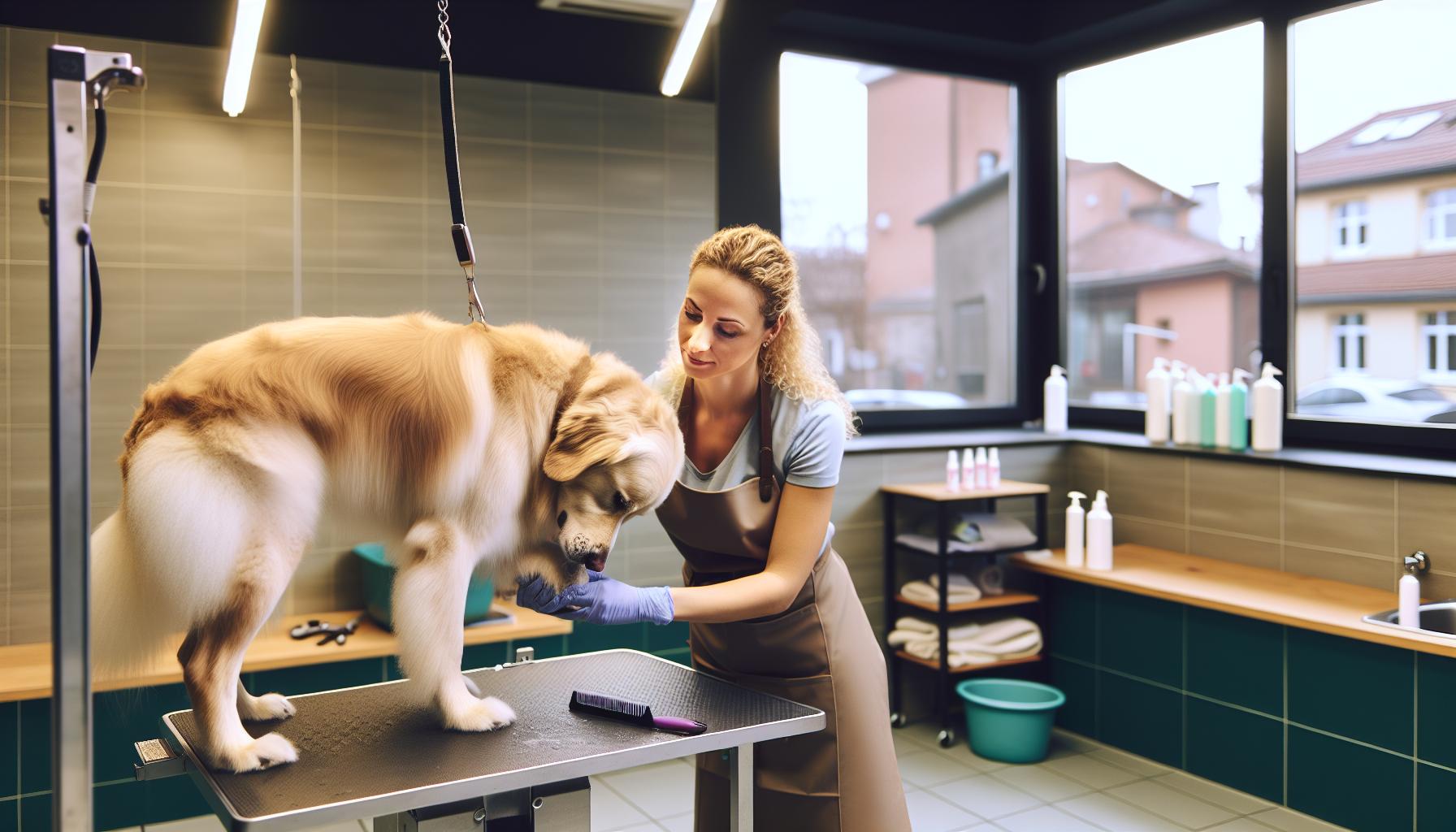
Few things cause more stress for a pet and owner alike than discovering fleas just before grooming.When you bring in a dog with fleas, experienced groomers know that patience, care, and a gentle approach are absolutely essential-not just to manage the pests, but to keep your dog feeling safe and comfortable throughout the session. It’s a delicate balance between removing fleas effectively and ensuring the grooming experience remains positive, especially for breeds with thick or double coats like huskies or Golden Retrievers, where fleas can be especially hard to reach.
Step-by-Step Flea-Aware Grooming Process
- Initial Comfort Check: Groomers usually start with a slow,calm introduction,allowing your dog to relax in a quiet space. Dogs already scratching or agitated benefit from this low-key start.
- Detailed Flea Comb screening: A specialized flea comb is used meticulously across the coat. This helps remove live fleas and flea dirt, offering a chance for a close look at problem areas. Parts behind ears, around the neck, and tail base get special attention.
- Spa-Grade Flea Bath: Depending on your dog’s skin condition and previous treatments, your groomer selects a gentle, vet-approved flea shampoo. This usually involves two rounds-first to loosen and kill fleas, then a careful rinse and second wash to maximize effectiveness without over-drying the skin.
- Soothing Conditioners: After the flea bath,applying a hypoallergenic conditioner helps reduce irritation and soothe sensitive skin,especially critically important if your dog has flea allergy dermatitis or raw spots.
- Thorough Drying and Brush-Out: Drying is done gently with warm air and followed by a slow, patient brush-out. This removes any remaining dead fleas, eggs, or debris from the fur. For dogs with dense coats,the time spent here ensures no flea eggs stay behind to restart the cycle.
- Nail and ear Care: Groomers inspect nails and ears carefully, as flea bites can sometimes led to infections in these sensitive areas. Any signs of redness or discomfort are noted and shared with you for follow-up.
After the Session: What Happens Next?
Once your dog leaves the grooming table, your groomer will frequently enough provide personalized aftercare advice based on their findings. If fleas were severe, they might recommend a vet visit for prescription flea control or additional skin treatments. You may also receive:
- Tips for home flea management: Strategies to keep your home and pet flea-free going forward, such as regular vacuuming, washing bedding, and continuing flea prevention.
- Follow-up care plan: Suggestions on when to return for a check-in bath or comb-out to catch any stubborn fleas or eggs missed initially.
- Flea prevention product recommendations: Safe, veterinary-approved options tailored to your dog’s needs-avoiding over-the-counter treatments that can sometimes be harmful.
Remember, if your dog reacts strongly to fleas with sensitive skin or infections, a groomer will always prioritize comfort and may pause or modify grooming to avoid stress or injury. This might mean skipping clipping where the skin is raw or using calming wraps during drying.
Treating fleas at a groomer’s is about much more than cosmetic tidiness-it’s a health-focused, compassionate process designed to restore your dog’s comfort while preventing spread to other pets or your home. Being clear with your groomer and following their expert guidance will empower you to face flea issues confidently and kindly.
By trusting this specialized approach, you’re giving your dog the best chance for a flea-free future without fear or frustration-a win for both pet and parent.
Home Care Tips to Prevent Flea Reinfestation After Grooming
few challenges are quite as frustrating as seeing fleas return after a grooming session, especially when you’ve worked hard to give your dog relief. fleas thrive in the environment as much as on your pet, so keeping them away isn’t just about treating your dog-it requires a whole-home strategy. Whether your dog has a dense double coat like a Husky or silky fur like a Golden Retriever, consistent and compassionate home care is essential to break the flea life cycle and protect your dog long-term.
Maintain a Flea-Free environment
your dog spends much time on floors, bedding, and favorite resting spots-the very places that flea eggs, larvae, and pupae hide. Start by washing your dog’s bedding, blankets, and toys in hot water weekly. Vacuum carpets, rugs, and upholstery daily, focusing on corners and under furniture where flea life stages linger. Immediately empty vacuum bags or canisters into an outside trash bin to prevent fleas from reinfesting. for yards or outdoor areas your dog frequents,consider safe environmental treatments or regular lawn maintenance to discourage flea populations.
Ongoing Flea Prevention for Your Dog
After grooming, continue using veterinarian-recommended flea prevention products consistently. These may include topical treatments, oral medications, or collars that kill fleas quickly and prevent eggs from developing.Choose products suited to your dog’s breed, size, and health status. For example, dogs with sensitive skin might benefit from gentle spot-on formulas or sprays. Regular combing with a fine-toothed flea comb remains a gentle way to check for fleas between treatments-pay special attention to warm,protected areas like behind the ears and around the tail base.
- Tip: Comb your dog over a white cloth or paper towel. This makes spotting live fleas or flea dirt easier, helping you catch reinfestation early.
Comfort and Coat Care Tailored to Your Dog
Keep coat care gentle and stress-free. After flea baths or treatments, regular brushing not only removes trapped debris but also soothes your dog, strengthening your bond during a challenging time. Dogs with thick coats may require extra patience to fully dry and brush out,ensuring no flea eggs remain hidden. If your dog shows signs of irritation or flea allergy dermatitis, a veterinarian may prescribe soothing shampoos or medication-never hesitate to ask your groomer or vet for advice. Nail and ear checks during home grooming are just as important since flea bites can lead to secondary infections in these sensitive spots.
Know When to Seek Veterinary Help
If despite your best efforts fleas persist or your dog develops intense itching,skin infections,or anemia,prioritize veterinary guidance. A vet can prescribe stronger medications and tailor a comprehensive treatment plan-this is especially critical for puppies, seniors, or dogs with underlying health issues.While groomers are experts in managing surface fleas and maintaining comfort,vets have the tools and knowledge to address stubborn infestations safely.
By embracing a thoughtful, step-by-step approach-focusing on environment, ongoing prevention, gentle care, and knowing your limits-you empower yourself and your dog with the best defense against flea reinfestation. Remember, patience and consistency win this battle, allowing your furry friend to relax in a truly flea-free home.
Learn more about breaking the flea life cycle. [[[3]]
When to Choose a Vet Over a Groomer for Flea Problems

Fleas are more than just a nuisance-they can signal a deeper health concern that needs specialized care. If your dog is showing signs of extreme discomfort, persistent itching, hair loss, or has developed skin infections, this is a clear indicator that professional veterinary care is essential. While groomers excel in maintaining your dog’s comfort through bathing and brushing, addressing complex flea infestations frequently enough requires targeted medical treatments that only your vet can provide safely and effectively.
Veterinarians have access to prescription-strength medications that treat not only active fleas but also their eggs,larvae,and pupae,breaking the flea life cycle more reliably than over-the-counter products used in grooming salons. This is especially important for young puppies, senior dogs, or breeds with dense double coats like Huskies or thick curly fur such as Poodles, where flea infestations can lead to anemia or severe allergic reactions. Vets also diagnose and treat secondary skin infections and flea allergy dermatitis,conditions beyond the grooming table’s scope.
When a Vet Is Your Best Ally
Before scheduling a grooming appointment, assess your dog’s condition carefully. Choose the vet if you notice:
- Continuous scratching and skin redness: Persistent inflammation suggests flea bites have triggered an allergic response requiring medical intervention.
- Visible sores, scabs, or hair loss: These symptoms indicate skin damage or infections that need antibiotics or medicated shampoos beyond routine grooming treatments.
- Unresponsive to home flea treatments: If fleas return repeatedly despite topical or oral flea products, this signals the need for professional veterinary evaluation.
- Very young, elderly, or immunocompromised pets: These dogs may not tolerate over-the-counter flea products safely and frequently enough require tailored therapies from a vet.
Understanding Groomer vs. Vet Roles
Think of groomers as your dog’s comfort specialists-they manage surface fleas through bathing with flea shampoos, thorough brushing, and neat trimming, which can reduce flea hiding places in the coat. However, groomers cannot prescribe or administer prescription pharmaceuticals. Veterinarians, on the other hand, are equipped to provide a full flea control program involving diagnostic skin tests, allergy treatments, and long-lasting medications that offer the most comprehensive flea eradication.
For example, an owner of a Golden Retriever with thick, silky fur might struggle to detect flea eggs nestled near the skin. A groomer’s flea bath can soothe immediate discomfort, but if the dog has flea allergy dermatitis or severe infestation, only the vet can prescribe anti-inflammatory drugs or stronger flea preventatives to halt the cycle effectively and safely.
Clear Communication and Partnership
If you suspect a vet visit is necessary, start by informing your groomer about your dog’s flea problems. Many groomers will gladly coordinate with your vet to ensure your dog receives the best care possible. This teamwork helps avoid scheduling grooming appointments too early,preventing stress on your dog and reducing chances of reinfestation.Always prioritize your dog’s health and comfort over achieving a quick grooming fix-patience and a combined vet-groomer approach provide the most compassionate and effective solution.
Ultimately, choosing a vet is about safeguarding your pet’s overall well-being when fleas have become a medical concern. By trusting both experts appropriately, you empower your dog to not only look great but feel great, too.
Learn more about treating flea infestations effectively. [[[3]]
Frequently Asked Questions
Q: Can groomers refuse to service my dog if it has fleas?
A: Yes, many groomers may refuse to groom dogs with active flea infestations to protect other pets and maintain a clean environment. Always disclose flea issues upfront and inquire about the groomer’s policy.Some facilities offer special flea treatments or baths before regular grooming starts. See our section on *Groomer Policies on Flea-Infested Pets Explained* for details.
Q: How should I safely transport my dog to the groomer if it has fleas?
A: When transporting a flea-infested dog, use a sealed carrier or cover the dog with a clean blanket to minimize flea spread. Avoid contact with other pets and disinfect your vehicle afterward. this reduces flea transfer risks and keeps the trip calm and controlled. Refer to *Preparing Your Dog for Grooming With Fleas* for step-by-step tips.
Q: What grooming tools should be used for dogs with fleas to prevent spreading?
A: Grooming dogs with fleas requires fine-tooth flea combs, flea-repellent shampoos, and disposable towels. These tools help remove fleas gently and prevent spreading to other pets or areas. Always ask if the groomer uses specialized tools for flea management to ensure effective care.
Q: When is it better to treat fleas at home before taking my dog to the groomer?
A: It’s best to start flea treatment at home with vet-approved shampoos or topical meds for at least a few days before grooming. This reduces flea numbers and discomfort during the session. Check the *Effective Flea Treatment Options Before Grooming* section for recommended products and timing.
Q: Can professional groomers provide flea treatments during grooming sessions?
A: Many professional groomers offer flea baths and can apply flea treatments safely during grooming. However, these services vary by salon and may require prior appointments.Communicate flea concerns clearly when booking to access these specialized treatments.Learn more in *What to expect During and After a Flea-Aware Grooming Session*.
Q: How can I prepare my dog’s coat to help the groomer handle fleas effectively?
A: Before grooming, bathe your dog using a flea-control shampoo and thoroughly brush to remove loose fur and some fleas. This prepares the coat for a smoother,more effective flea removal at the groomer. See *Preparing Your Dog for grooming With Fleas: Step-by-Step* for a detailed checklist.
Q: What are common signs a groomer checks to identify fleas before starting a session?
A: Groomers typically inspect the dog’s neck, tail base, and belly for live fleas, flea dirt (small black specks), redness, or excessive scratching. Early detection helps decide if flea treatments are needed prior to full grooming. For more,see *Signs Groomers look for Before accepting Your Dog*.
Q: How should I follow up at home to prevent flea reinfestation after grooming?
A: Continue using flea preventives such as topical treatments or collars and regularly clean bedding and vacuum floors. Maintain a grooming routine to inspect for fleas.This proactive care complements professional grooming and keeps your dog comfortable. Find detailed tips in *Home Care Tips to Prevent Flea Reinfestation After Grooming*.
—
*Explore these FAQs alongside our full guide for expert advice on managing flea issues responsibly and compassionately at your groomer.*
In Summary
Knowing when and how to take your dog to the groomers with fleas is crucial for their comfort and health. Remember, prioritizing your pet’s safety means addressing flea treatment first and choosing groomers experienced with sensitive, flea-affected coats. Each breed and coat type requires gentle care-whether it’s a thorough bath, careful brushing, or nail trimming-to avoid stress and protect your pup from discomfort or spreading fleas. If ever in doubt, consulting your vet can clarify boundaries between professional grooming, medical treatment, and safe DIY options.
For more guidance, explore our detailed tips on flea prevention and home grooming essentials, or learn about recognizing skin issues early to keep your dog happy and itch-free. Don’t wait-act now to ensure flea-free visits with confidence! Subscribe to our newsletter for expert advice delivered straight to your inbox, and feel free to share your grooming stories or questions below. Together,we’ll make every grooming session a safe,compassionate experience your dog can look forward to.
Get our latest guides, news, and insights highlighted in your Google Search & AI Overviews.
Keep reading about the same coat and cut.




Popular grooming guides
Bath vs clip, first grooms, and salon how-tos.