Can Dog Groomers Be Open? Regional Restrictions Explained
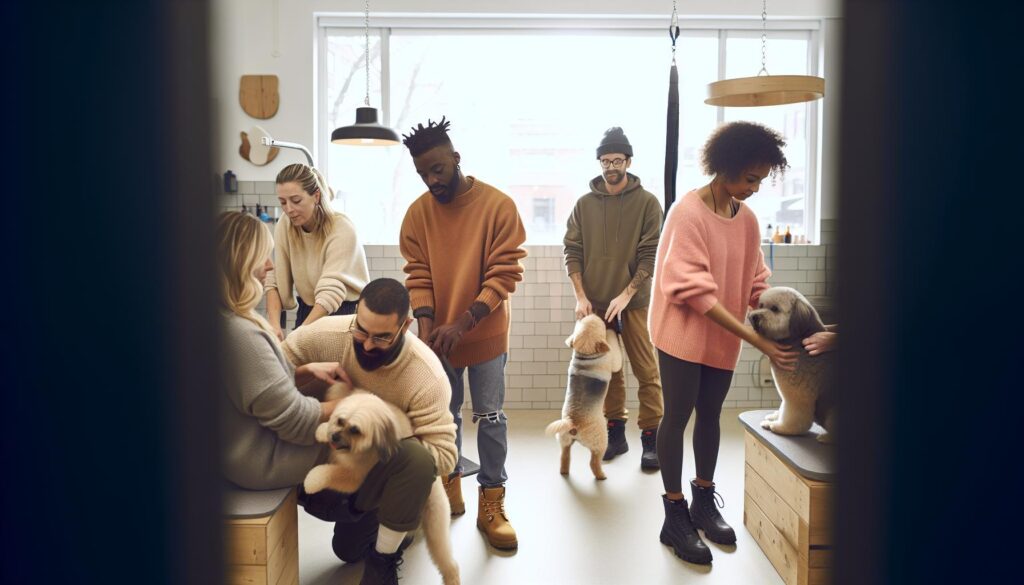
Did you know that whether your local dog groomer can open their doors often depends on regional rules that many pet owners might not be aware of? Understanding these restrictions is crucial-not just to keep your furry friend looking their best, but to ensure their health and safety are always top priority. Grooming isn’t just about appearance; it’s about comfort, hygiene, and wellbeing. As a caring pet owner, you want to be sure your groomer is operating within the law and following guidelines that protect your dog’s health. In this article, we’ll walk you through how different regions regulate grooming businesses, what permits or licenses may be required, and how these rules impact your ability to book that much-needed haircut or bath.Whether your dog has a thick double coat that needs delicate handling or a simple short trim, knowing when and where groomers can open helps you plan and keep your pet safe and happy. Let’s explore the ins and outs of regional restrictions so you can confidently care for your best friend’s grooming needs with peace of mind.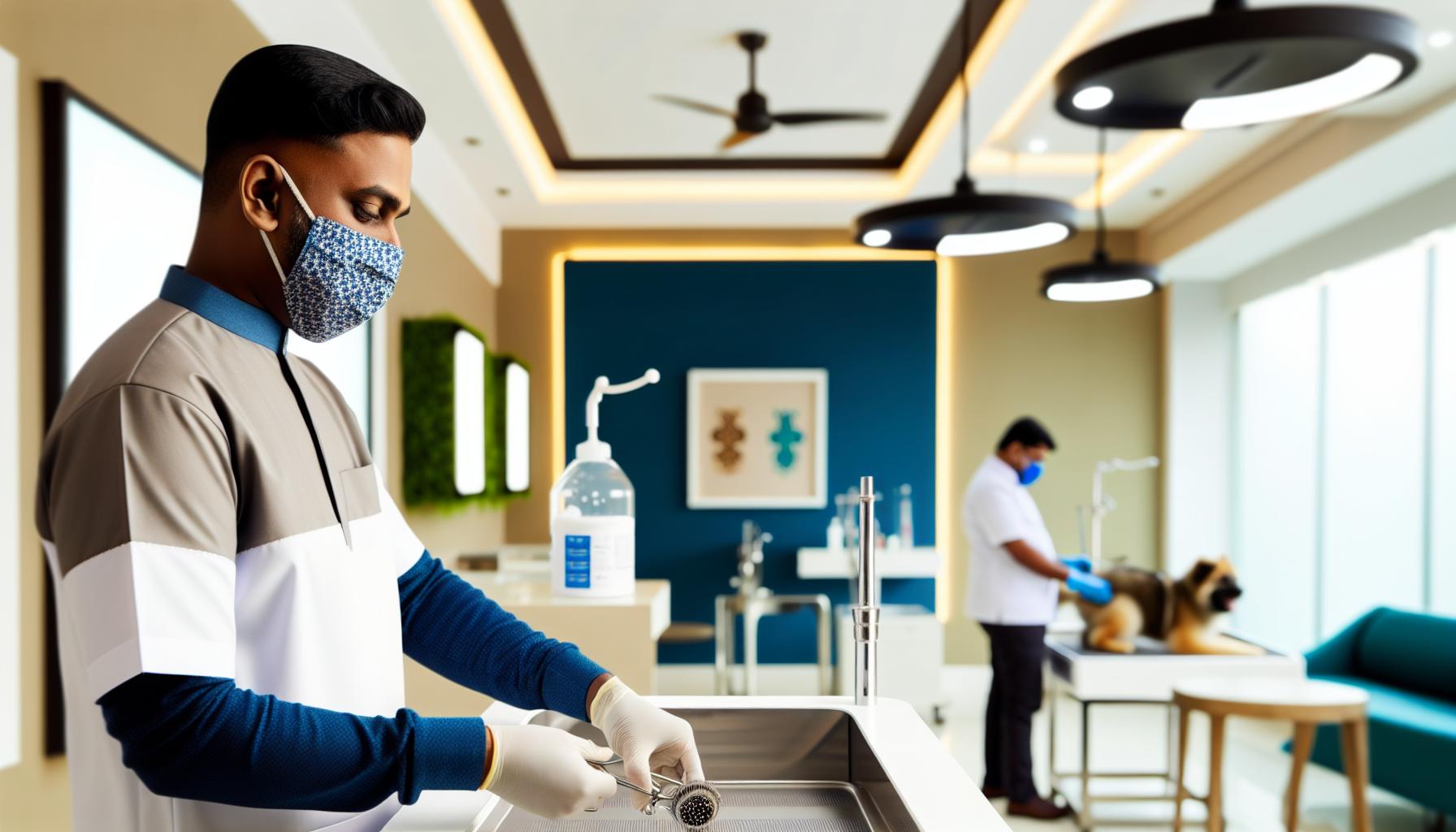
Understanding Regional Restrictions on Dog Grooming services
Table of Contents
- 1 Understanding Regional Restrictions on Dog Grooming services
- 2 Current Laws and Guidelines Affecting Dog Groomers
- 3 How to Check If Groomers Are Open in Your Area
- 4 Impact of COVID-19 and Other Emergencies on Grooming Availability
- 5 Differences Between Essential and Non-essential Grooming Services
- 6 Tips for Safely Scheduling Grooming Appointments During Restrictions
- 7 Alternatives When Professional Groomers Are Closed
- 8 How Regional Rules Affect Mobile and In-Home Grooming
- 9 Communicating with Groomers: What to Expect and Ask
- 10 Protecting Your Pet’s Welfare During Service Interruptions
- 11 Q&A
- 11.1 Q: How do licensing requirements affect whether dog groomers can stay open in different regions?
- 11.2 Q: What safety protocols must dog groomers follow during regional emergencies to remain open?
- 11.3 Q: can mobile dog groomers operate under different regional restrictions compared to grooming salons?
- 11.4 Q: Why do some regions classify dog grooming as an essential service while others do not?
- 11.5 Q: How can pet owners verify if local dog groomers are operational during policy changes?
- 11.6 Q: What adjustments do grooming facilities make to protect pet welfare when regional restrictions limit services?
- 11.7 Q: When might regional laws require additional vaccinations or health certifications for pets before grooming?
- 11.8 Q: Are there differences in regional enforcement of grooming facility regulations, and how should owners respond?
- 12 To Conclude
Dog grooming regulations can vary quite a bit depending on where you live, frequently enough shaped by local health codes, business licensing rules, and sometimes even state or provincial legislation. This means your groomer’s ability to open-or how they operate-might be influenced by requirements unique to your region. For example, some areas require groomers to hold specific licenses or certifications, while others may impose strict hygiene standards, such as mandatory handwashing before and after handling each pet, or protocols for cleaning grooming tools and spaces to protect both pets and people[[1]](https://www.akc.org/groomer-hub/education-standards/). Understanding these nuances helps pet owners remain informed and reassured about the safety and professionalism of grooming services.
Variations in regulations Affecting Dog Groomers
In many places, dog grooming is considered a small business subject to local zoning and health department oversight. that means certain cities might impose limits on the number of animals groomers can serve daily or specific operating hours. other regions have little formal regulation, focusing mainly on ensuring animal welfare and sanitation standards. Mobile groomers, who work out of vans or travel to your home, often face additional regional scrutiny. They might potentially be required to meet specific vehicle and safety standards, hold special permits, or comply with different hygiene protocols than fixed shop locations.This creates a patchwork of rules that sometimes requires checking both municipal and state warnings or licenses before booking an appointment.
Real-World Examples & What It Means for You
Imagine a groomer in a metropolitan area who must comply with health codes demanding rigorous hand hygiene and tool sterilization-practices that not only protect your dog but also prevent cross-contamination between furry clients[[1]](https://www.akc.org/groomer-hub/education-standards/). On the other hand, a rural groomer may have fewer formal restrictions but must rely heavily on their own standards for cleanliness and pet care. These differences don’t necessarily mean one is better than the other. Instead, it’s good practice to ask your groomer about their local regulations and how they meet or exceed them, which also opens a compassionate dialogue emphasizing your pet’s welfare.
- Research Local Rules: Start by visiting your city or county’s website, or contact a local veterinary office for recommendations or insights about grooming regulations in your area.
- Ask Questions: Don’t hesitate to ask your groomer about their operating license, hygiene practices, and how they handle regulations like sanitation or animal welfare inspections.
- Observe Hygiene Practices: A responsible groomer will be diligent about hand hygiene, cleaning tools, and sanitizing workspaces between appointments-these actions go a long way in keeping your pet safe.
- Consider Your Pet’s Needs: Different breeds and coat types may need specialized care that only groomers knowledgeable about local guidelines and best practices can provide safely-especially when restrictions limit certain procedures.
Keeping your pet safe and comfortable is always the heart of grooming,no matter where you live. By understanding and respecting regional restrictions while choosing a groomer committed to best practices, you empower yourself to make informed decisions – helping your furry friend look and feel their very best with kindness and confidence.
Current Laws and Guidelines Affecting Dog Groomers
Dog grooming regulations might seem puzzling at first, but understanding them is key to ensuring your pet stays safe and comfortable during every visit. While dog grooming often falls under local business and health departments, the exact rules can vary widely depending on where you live. In many areas of the U.S., as an example, ther are no strict state or federal licenses specifically for groomers, but counties or cities may still require permits or adherence to health standards to protect both pets and people. For example, some regions insist on rigorous sanitation practices-like washing hands between each pet and sterilizing grooming tools-to reduce any risks of infection[[1]](https://www.daysmart.com/pet/blog/the-essential-guide-to-pet-grooming-licensing-what-every-groomer-needs-to-know/). These measures help maintain a safe environment, especially crucial for dogs with sensitive skin or health conditions.
Understanding Local Licensing and Health Guidelines
Your groomer might need certain local or county-level licenses, even if there’s no state-wide certification required. These licenses often ensure the business is legally allowed to operate and meets basic health codes, such as waste disposal and workspace cleanliness. It’s common to see rules limiting how many dogs can be groomed daily-this protects animals from rushed or substandard care. in some municipalities, restrictions on operating hours are in place to limit noise for neighbors, especially if groomers work from home or run mobile units.This is why mobile groomers,who bring their services directly to your doorstep,often face extra layers of regulation. They might need special vehicle permits, meet stringent safety standards, or follow choice cleaning protocols because they operate outside a fixed location.
How Laws Influence Grooming Care and Pet Welfare
These local and regional guidelines don’t just regulate paperwork-they shape real outcomes for your dog’s well-being. As an example,strict hygiene rules help minimize the spread of skin infections or parasites between pets,which can be particularly critical if your dog has a delicate coat or is prone to allergies. Also, limits on daily appointments mean groomers have enough time to work calmly and gently, reducing stress for anxious or elderly pets. Knowing your groomer complies with these regulations means you can trust they prioritize safety and patience over speed or aesthetics.
- Ask your groomer directly about their licenses and how they comply with local health guidelines. This is a speedy way to see their commitment to your pet’s care.
- Observe their hygiene habits: Are tools sanitized between pets? Do they wash their hands often? A clean environment speaks volumes about professionalism.
- Consider your pet’s breed and coat type: Some dogs may need specialized grooming under stricter rules-like frequent ear cleaning for breeds prone to infections, or gentle detangling for sensitive skin.
- research local regulations yourself, either through city websites or by calling local vet clinics, which often know the grooming laws and can give honest referrals.
Ultimately, understanding these laws isn’t just about compliance-it’s about empowering you to choose a groomer who treats your dog with the kindness and care they deserve. When grooming feels safe and unhurried,your pet will come away looking great and,most importantly,feeling happy and healthy.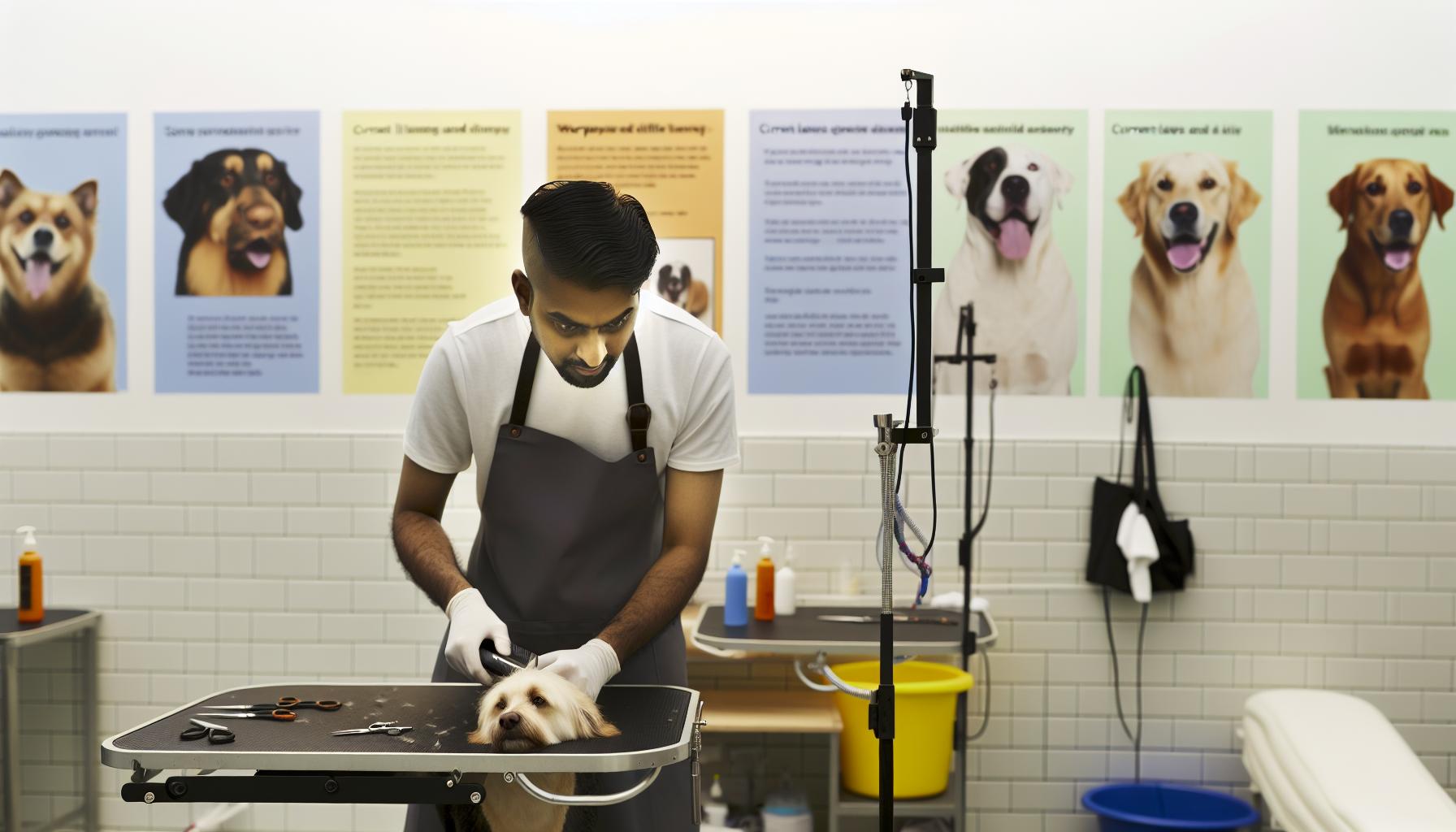
How to Check If Groomers Are Open in Your Area
Sometimes, knowing if your local groomer is open can feel like a mystery-especially when restrictions or seasonal closures come into play. the good news is, there are simple, reliable ways to find out so you can plan your pup’s grooming appointment with confidence. Since regional restrictions on dog grooming vary, taking a few proactive steps will help your furry friend get the care they need without needless stress.
Start with a Direct Call or Message
The most straightforward approach is to reach out to your preferred groomer by phone, text, or email. Many grooming salons or mobile groomers provide quick updates when their availability changes due to local health regulations or staffing. When you contact them,consider asking:
- Are you currently accepting appointments?
- What services are available right now? (Bath,nail trim,full groom,etc.)
- Have your hours or policies changed recently due to local restrictions?
As some groomers may have reduced hours or limited appointment slots to allow thorough cleaning and safe distancing, checking in before you plan your visit saves frustration for both you and your pet.
check Online and Social Media Pages
If the phone isn’t an option,many groomers maintain active social media profiles or websites where they post real-time updates about openings,closures,or special protocols. This is especially useful if you want to monitor reopening phases or seasonal schedules without needing to call each time. Look for recent posts or pinned announcements on platforms like Facebook or Instagram-they frequently enough share helpful notes like extended sanitation times or limits on walk-in clients.
Use local Community Resources
Sometimes groomers comply with municipal or county websites that list licensed pet services currently operating. Local veterinary clinics, pet supply stores, or dog parks also tend to stay informed about reputable groomers willing to serve during restrictions. Asking your vet or fellow dog owners can provide on-the-ground insights about who’s open and taking proper safety steps. Remember,trustworthy groomers prioritize your pet’s well-being and communicate clearly about what to expect.
When in Doubt, Plan Ahead and Keep Adaptability
Particularly during fluctuating restrictions or emergencies, groomers may shift their availability quickly. Booking appointments well in advance and confirming 24 to 48 hours before helps reduce last-minute surprises and ensures your dog’s grooming needs are not overlooked. This also gives groomers enough time to prepare safe, calm environments suited to sensitive pets or specific breeds requiring extra attention.
By combining these practical tips, you can maintain a positive partnership with your groomer, even amidst changing local rules. Your dog deserves care that feels safe and comfortable-and knowing how to check availability lets you take that step with ease and empathy.
For example, a groomer in a small town might pause full grooms due to an outbreak but continue offering nail trims or ear cleaning. Or a mobile groomer may need to temporarily limit service areas due to permit restrictions. Staying informed helps you adapt and find the best solution for your pet’s unique coat, health, and temperament needs.
If you run into challenges or need alternatives,consider in-home grooming options or gentle DIY care until professional services resume-always keeping safety front and center. Your calm, confident approach reassures your dog and strengthens your bond no matter the circumstances.
Impact of COVID-19 and Other Emergencies on Grooming Availability
Many dog groomers faced unexpected challenges when COVID-19 hit, reshaping how pet care services operate during emergencies. Suddenly, what once was a routine trip to the groomer became a puzzle of closures, safety protocols, and limited availability. These shifts taught us how vital flexibility, clear communication, and prioritizing pet welfare truly are-especially when the world feels uncertain.
adapting to Changing Restrictions
Local governments often classified grooming as a “non-essential” service during peak lockdowns, causing many salons to close temporarily or reduce offerings. However, some groomers adapted by focusing on basic, low-contact services like nail trims, ear cleaning, and baths to help maintain pet health without full grooming sessions. Mobile groomers, too, found themselves needing permits or shifting to contactless appointments to comply with evolving regulations. these adaptations ensured pets still received care while keeping everyone safe.
Keeping Pets Comfortable During Service Gaps
extended breaks in professional grooming can lead to matted coats, overgrown nails, or skin irritations. During these times, simple at-home care becomes crucial. For example, short-haired breeds like boxers may only need occasional brushing and bathing, which owners can do with mild shampoos and soft brushes recommended by groomers. For thick or curly coats (think Poodles or Doodles), regular detangling and using sprays like detanglers or conditioning mists can reduce stress when a full groom isn’t possible. Nail trimming tools suited for beginners,such as safety clippers,help avoid painful overgrowth.
- Bath: Use lukewarm water and pet-safe shampoos; avoid human products.
- Brushing: Match brush type to coat; slicker brushes for curly coats, bristle brushes for short fur.
- Nails: try grooming guillotines or clipper types with safety guards.
- Ears: Gently clean with vet-approved solutions and cotton balls.
Balancing Vet vs. Groomer Care
During emergencies, it’s important to recognize what should be left to professionals: any signs of infection, severe matting causing pain, or skin issues require vet attention, not DIY. Groomers excel at keeping pets comfortable and healthy between vet visits, but emergencies call for medical expertise. In uncertain times, your groomer can be a valuable resource-don’t hesitate to ask about minor care tips or symptoms that warrant a vet consult.Being proactive and gentle during grooming gaps protects your dog’s welfare and eases anxiety-both for your pet and yourself. Remember, it’s okay if your dog doesn’t look “show-ready” during such times. Their comfort and health come first,and regular light care at home bridges the gap until full services resume.
By staying informed about local rules and maintaining simple, consistent care routines, pet parents can confidently navigate grooming disruptions with compassion and calm. Your dog will thank you with tail wags and happy snuggles, even when their coat isn’t perfect.
Differences Between Essential and Non-essential Grooming Services
Many pet parents find it confusing why some grooming services remain available during restrictions while others do not. The key lies in distinguishing between essential and non-essential grooming tasks-a distinction that often shapes local regulations and influences what groomers can offer when restrictions tighten. Understanding this helps you prioritize your pet’s care without added stress or guilt.
Essential grooming services focus on your dog’s health and comfort rather than appearance. Imagine your dog’s nails growing dangerously long, causing pain or difficulty walking, or ears becoming so dirty they invite infection. These are not just cosmetic concerns-they affect well-being and need timely attention. Nail trims, basic baths (to prevent skin issues), ear cleanings, and checking for mats that cause discomfort frequently enough fall into this category. for example,during peak COVID lockdowns,many groomers shifted to providing just these core services,ensuring pets stayed healthy without full grooming sessions that require longer contact or extra equipment.
In contrast, non-essential services are the stylish trims, creative cuts, or breed-specific styling that enhance a dog’s looks but can safely wait until it’s easier to access full salon care. These might include breed-standard haircuts,intricate dematting,or spa-like treatments. While these services are wonderful for your dog’s comfort and confidence, they can be postponed when restrictions limit in-person contact or when businesses operate at reduced capacity.
Practical Examples: What You Can Expect During Restrictions
- Baths: Quick baths using pet-safe shampoos to reduce odor or mild skin irritation are prioritized over full-service spa options that include blow-drying and styling.
- Brushing and Detangling: Simple brushing helps prevent matting, especially for curly-coated breeds like Poodles. Groomers might skip elaborate dematting sessions as they can be stressful and time-consuming.
- Nail Trimming: Essential for preventing painful overgrowth. Tools like safety clippers or guillotines ensure trimming is both safe and comfortable for your dog.
- Ear Cleaning: Performed to prevent infections, especially in floppy-eared breeds, but without additional cosmetic ear trimming.
Setting Boundaries-and Prioritizing Your Dog’s Welfare
It helps to view grooming through a health-first lens during challenging times.If your dog’s coat is shaggy but not causing pain or skin problems, it’s more compassionate to wait than to risk stress with a loud dryer or unfamiliar tools.Groomers, experienced in reading a dog’s comfort signals, often reduce length or intensity of contact accordingly. Similarly, if you spot signs of infection or severe matting that seems painful, don’t hesitate to consult your veterinarian-these issues go beyond grooming and need professional medical care.
keeping this balance in mind empowers you to book appointments confidently for essential care and safely delay cosmetic grooming as needed. Your groomer’s ultimate goal is always your dog’s health and happiness, not just a neat haircut. So while your pup might not have their “best look” during restrictions, their comfort and safety are the true priorities.
By knowing which services are essential, you can better communicate with your groomer and make informed decisions when restrictions impact availability. This approach helps reduce anxiety for both you and your pet,ensuring grooming remains a positive,supportive experience even in uncertain times.
Tips for Safely Scheduling Grooming Appointments During Restrictions
Booking a grooming appointment during regional restrictions can feel daunting, but with thoughtful planning, it’s fully manageable and can keep your pup comfortable and safe. Many groomers prioritize essential care-like nail trims, ear cleaning, and basic baths-to help maintain your dog’s health when full services aren’t available. Knowing what’s truly necessary right now will help you schedule more calmly and avoid unnecessary trips.
Before you book, consider your dog’s breed, coat type, and temperament. For example, curly-coated or double-coated breeds usually need brushing to prevent painful mats-that’s a service many groomers continue offering during restrictions. If your dog is nervous or sensitive, choosing a groomer experienced with anxious pets is key; some salons now offer limited-contact or drop-off appointments to minimize stress and exposure. Communication with your groomer ahead of time about your dog’s needs and comfort will ease your pet’s experience.
Plan Your Appointment around essential Services
- Baths: Opt for a simple wash with gentle, pet-safe shampoo rather than full spa treatments. This keeps skin healthy and odor-free without extra handling time.
- Brushing: Ask the groomer to focus on detangling key spots prone to mats,especially for breeds like Poodles or Shih Tzus,while avoiding extensive dematting that can stress your dog.
- Nail Trimming: Regular trims prevent painful overgrowth. If your pet is sensitive, ensure the groomer uses comfortable, safe tools like nail guillotines or safety clippers.
- Ear Cleaning: Request gentle ear cleaning to prevent infection, especially for floppy-eared dogs. Avoid cosmetic ear trims if restrictions apply.
How to Safely Prepare for Grooming Visits
Communication is your best tool. Before the appointment, ask your groomer about new procedures-such as contactless drop-off, mask policies, or reduced service times-and let them know if your dog has any health issues or anxiety triggers. This preparation helps set expectations and ensures both your pup and the groomer stay safe.
You might also consider these simple steps at home to support grooming success during restricted visits:
- Keep your dog relaxed with short at-home brushing sessions, so they’re more comfortable in the groomer’s chair.
- Practice nail handling gradually if your dog is nervous,making trims quicker and less stressful when done professionally.
- Note any skin changes,irritations,or unusual smells to report to your groomer or vet before the visit.
Remember, while it’s tempting to aim for a perfect look, focus on comfort and health instead. It’s absolutely okay to postpone full trims or styling until restrictions ease. Good groomers understand this balance and will prioritize your dog’s well-being at every step.
Knowing When to Consult a Veterinarian vs. a Groomer
If you notice signs like severe matting causing pain, wounds, ear infections, or unusual behaviors, contact your veterinarian promptly-these need medical attention beyond grooming. Routine care such as baths and nail trims remain safely in the groomer’s scope during restrictions, helping to keep minor issues from escalating.
By choosing appointments wisely and communicating clearly, you’re not only supporting your dog’s health-you’re partnering with groomers who share your compassion. Together, you ensure grooming remains a positive experience, even when restrictions reshape how services are offered.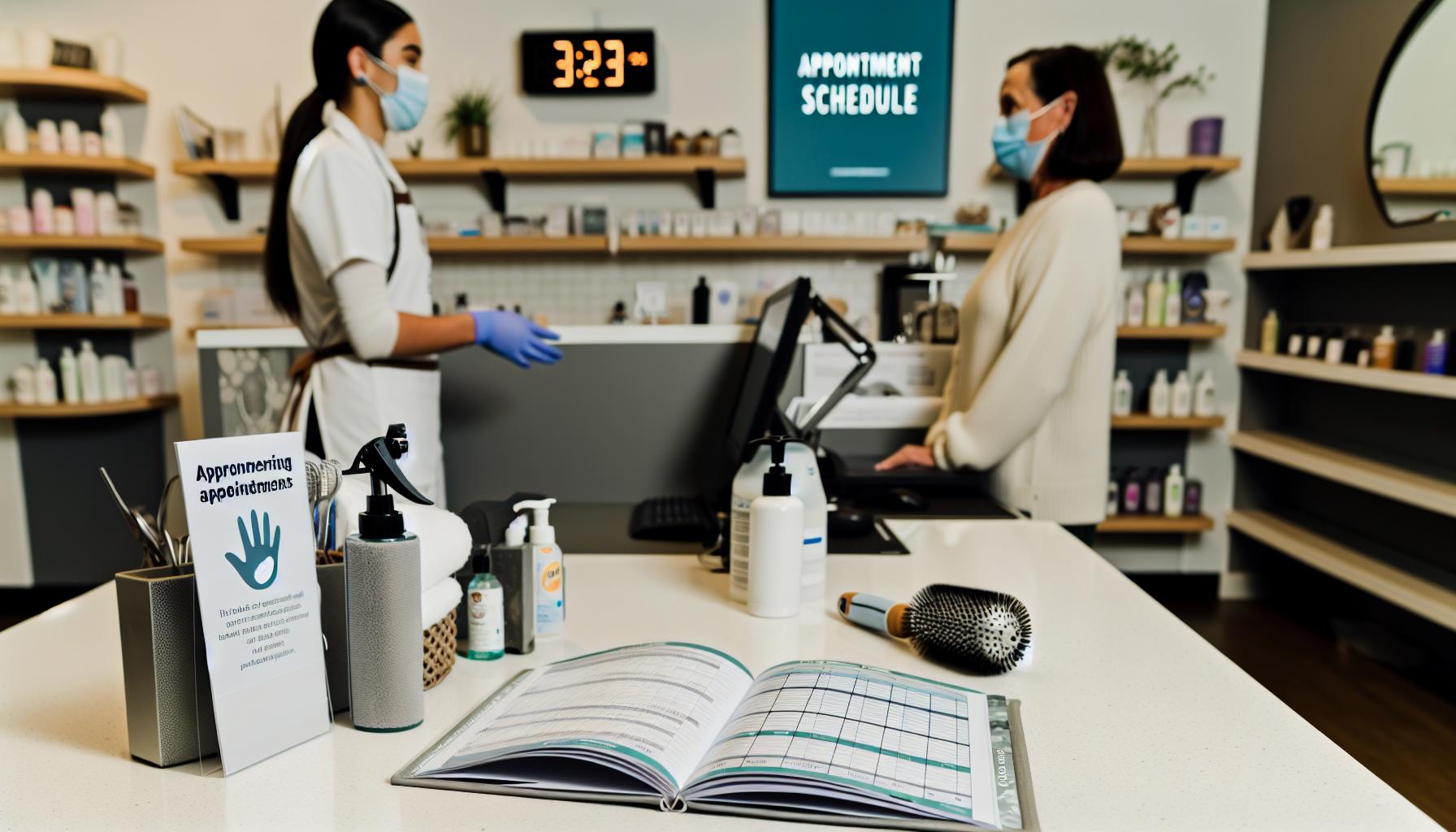
Alternatives When Professional Groomers Are Closed
Finding yourself without access to professional grooming services doesn’t have to mean your dog’s comfort and cleanliness suffer. Many pet parents discover that with a bit of guidance and patience, they can provide effective basic grooming at home-even when salons are temporarily closed due to regional restrictions. Remember, your dog’s well-being is the priority, not a pristine show cut. Simple care routines can go a long way toward keeping your furry friend happy and healthy during these times.
Bathing Your Dog at Home
Start with a gentle bath tailored to your dog’s coat type. Use a mild, pet-safe shampoo, and avoid over-bathing to protect their skin’s natural oils-typically once every 4 to 6 weeks is enough. Before bathing, brush out any mats or tangles softly as wet mats only get tighter and harder to remove. For double-coated breeds like Golden Retrievers or Siberian Huskies, rinse thoroughly and towel-dry well to prevent dampness-related issues. A warm, quite area for drying helps reduce stress and chill.
Brushing and Dematting Made Easy
Regular brushing is key, especially for long-haired or curly-coated dogs. Invest in breed-appropriate tools-a slicker brush for fluffy coats, a pin brush for medium-length fur, or a de-matting comb for stubborn tangles. Work slowly and gently, breaking mats into smaller sections rather of yanking. For example, Poodles and Shih Tzus are prone to tight mats; focusing on key trouble spots like behind the ears or under the legs can prevent painful skin issues. Remember, patience is essential-brushing can even be incorporated as a calming bonding moment.
Nail Trimming Tips for the Nervous pup
Nail care is frequently enough neglected but vital to prevent discomfort and paw injuries. Use specialized pet nail clippers such as guillotine or scissor types with safety guards. If your dog is nervous, try short, frequent sessions rather than one long trim, and reward them with treats and praise. If you’re unsure about trimming safely without hitting the quick (the sensitive area within the nail),keep styptic powder handy to stop any minor bleeding. For breeds with black nails, trimming little by little reduces the risk of cutting too far.
Ear Care and when to Seek help
Regular ear checks and cleaning help ward off infections-especially for floppy-eared breeds like Cocker Spaniels or Basset Hounds. Use a vet-approved ear cleaner and cotton balls; never insert cotton swabs deeply into the ear canal. clean only visible surfaces gently. If your dog scratches excessively, shakes their head, or if there’s an unusual odor or discharge, it’s time to contact your veterinarian, as these signs often need medical treatment beyond grooming.
Know Your Limits and When to Call a Professional
While at-home grooming can cover many basics, some situations require expert care or veterinary attention. Severe matting causing distress or skin wounds should never be tackled alone-these conditions can worsen without proper tools and skills. Similarly, tasks like hair clipping, especially around sensitive areas, are best left to trained groomers when they reopen. Your veterinarian can also advise when health concerns intersect with grooming needs to ensure your pet’s safety first.
by embracing these straightforward, loving care steps, you can confidently support your dog through periods when professional grooming isn’t an option. Think of this as quality time that strengthens your bond and keeps your companion comfortable until salons and mobile groomers return to full service. Keep the focus on your dog’s happiness and health-and you’ll both get through this with a wagging tail.
How Regional Rules Affect Mobile and In-Home Grooming
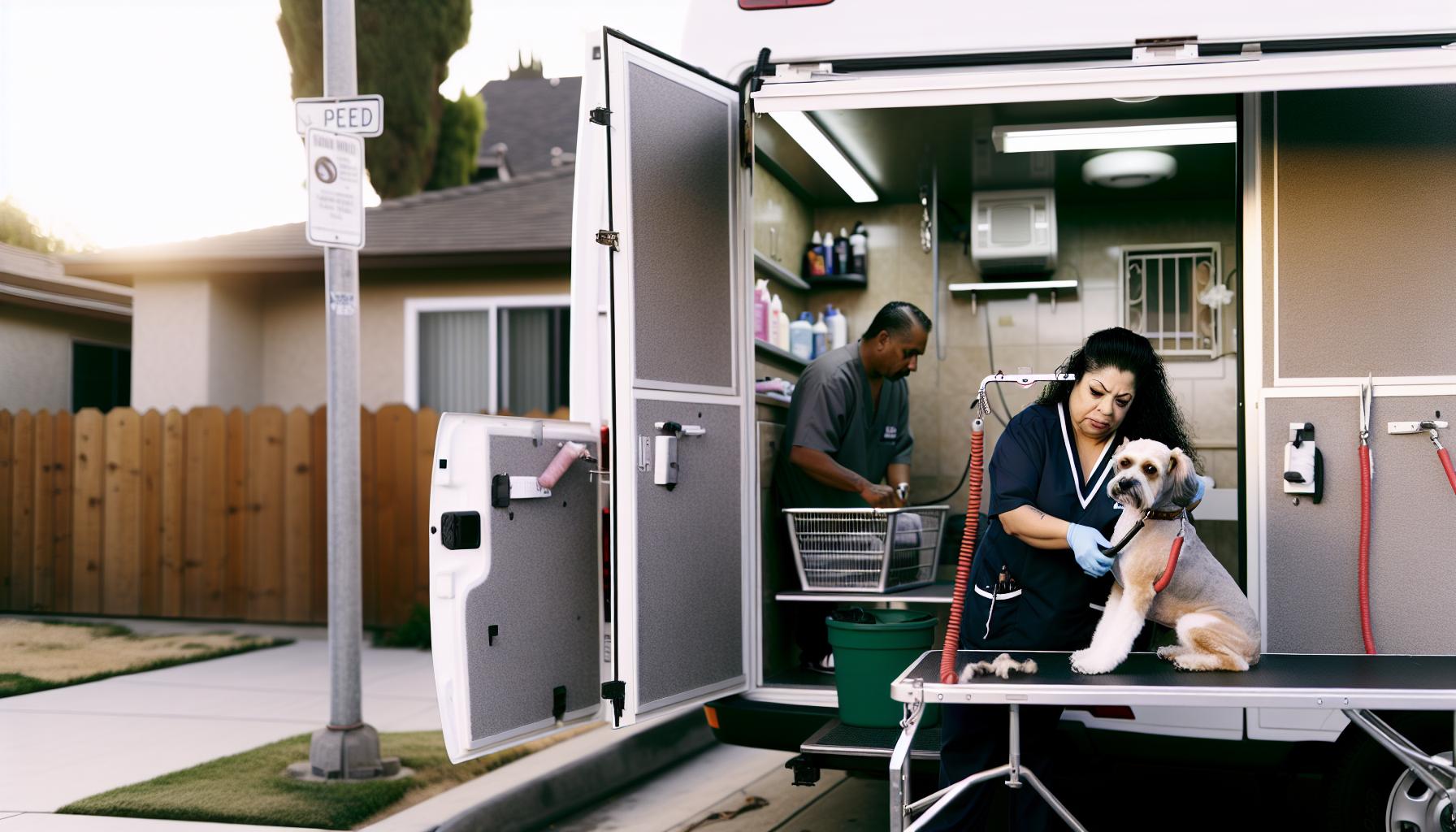
Many pet parents find mobile and in-home grooming to be a gentle, convenient option-especially for anxious dogs or families with busy schedules. However, regional rules can substantially impact how these services operate during times of restrictions, such as public health emergencies or local ordinances. Unlike fixed-location salons, mobile and in-home groomers often navigate a patchwork of regulations that vary not only by state but also by city or county. This means that while some mobile grooming services may continue operating under strict safety protocols, others may face temporary suspensions depending on where you live.
Understanding Local Variations in Allowances
Local health departments and municipal governments typically decide whether grooming is considered an essential service.Mobile groomers working “on the road” may be classified differently than salon-based grooming businesses. For example, some areas classify mobile grooming as a personal care service that must close during lockdowns. Others permit these services to continue with modifications such as mandatory mask-wearing, limited contact, or no-appointment drop-offs. This means if you live in a smaller community or a place with specific travel restrictions, the availability of a mobile groomer might be more limited than in urban centers.
Planning for breed and Coat Needs During Limits
If mobile grooming is paused, it’s important to recognize that certain breeds-like Poodles or Shih Tzus with thick, curly coats-may develop mats more quickly without professional attention. These breeds especially benefit from regular de-matting and careful brushing that mobile groomers provide on-site. In-home grooming services often bring all the necessary tools, from clippers to dryers, creating a salon-like experience in your driveway or garage. When services are restricted, try to maintain the basics: bath, brush, nails, and ear checks, so your dog remains comfortable until the groomer can return.
Safety and Comfort: What to Expect from Mobile Groomers when Services Resume
When local rules allow mobile and in-home grooming to reopen, many groomers adopt enhanced safety measures to comply with public health guidelines. Expect practices such as:
- Contactless Payment: Many groomers now encourage digital payments to reduce physical interaction.
- Outdoor Grooming: Some groomers choose outdoor or driveway locations to improve airflow and minimize contact.
- Pre-Appointment health Screenings: Basic health questionnaires for pet parents help ensure the safety of groomers and pets alike.
- Mask Use and Sanitization: Groomers sanitize tools between appointments and wear masks for your and their protection.
These steps are designed with your pet’s well-being and your peace of mind at heart.
To stay informed and make smooth arrangements during times of shifting regulations:
- Check Local Government Websites: These often provide the latest on which personal services are open.
- Contact Groomers Directly: Mobile groomers like those serving Long Lake, MN or Placer County, CA frequently update their websites or social media with service status [[1]] [[3]].
- Ask About Modified Service Options: For instance, some groomers offer “curbside” or contact-free grooming to comply with regional rules safely.
Remember, these adaptations aim to balance your dog’s grooming needs with everyone’s safety-comfort and health always come first.
By understanding how regional regulations influence mobile and in-home grooming, you can better plan your pet’s care, advocate for their needs, and support groomers who truly care about animals’ welfare. your collaboration with groomers through clear communication, flexibility, and patience during these times helps maintain that trusting bond between you, your dog, and the professionals dedicated to keeping them happy and healthy.
Communicating with Groomers: What to Expect and Ask
Few experiences matter more to a pet’s wellbeing than trustworthy communication with the groomer-especially when regional restrictions might affect when and how services are offered. Clear, open dialogue helps ease anxiety and ensures your dog’s unique coat and health needs are front and center, no matter the external challenges. when reaching out, start by sharing your dog’s breed, coat type, and temperament, as this sets the stage for tailoring the grooming session. Such as, a thick-coated Labrador will have very different needs than a curly-coated Poodle or a double-coated Husky.
Explain any specific challenges like matting, skin sensitivities, or previous experiences that made grooming tricky. This lets the groomer plan tools and techniques ahead of time. Here are some key details to mention:
- coat Condition: Has your dog developed mats or tangles? When was the last full groom?
- Health Issues: Any allergies, hot spots, or old injuries to avoid pressure on?
- Behavioral Notes: Is your dog nervous with certain tools or sensitive areas like paws or ears?
It’s okay if your dog is especially anxious-most groomers welcome this honesty and will discuss options like shorter sessions or a gradual introduction.
Questions to Ask for Clarity and Comfort
Don’t hesitate to ask about adjustments groomers are making due to regional restrictions and what that means for your appointment:
- Service Availability: Are you operating under any limitations like reduced hours or appointment-only policies?
- Safety Protocols: How are you ensuring safety? Such as,use of masks,sanitizing tools,or contactless payments?
- Appointment Procedures: Do you offer curbside drop-offs or require owner presence during grooming?
- Tools and Techniques: What grooming tools will be used,and how will you handle coat types similar to my dog’s?
Knowing what to expect can ease your own nerves and help you prepare your dog emotionally and physically.
Practical Tips for the Day of Grooming
Before the appointment, give your dog a gentle brush and check their nails and ears. this small effort can make the groomer’s job safer and smoother, especially when session times might be shorter due to new operational rules. If your dog has a sensitive skin condition or a history of hot spots, mention this again right before grooming starts. Some groomers will also appreciate a quick health update-has your dog been eating, drinking, and moving normally?
Remember, groomers are partners in your dog’s health-not just stylists. They don’t replace vets but can alert you to concerns like skin infections or unusual lumps. Encouraging honest two-way communication builds trust and supports your dog’s comfort above all.
By approaching the conversation with kindness and clear information, you not only help the groomer provide the best care possible but also foster a calm experience for your beloved pet-even amid uncertain times.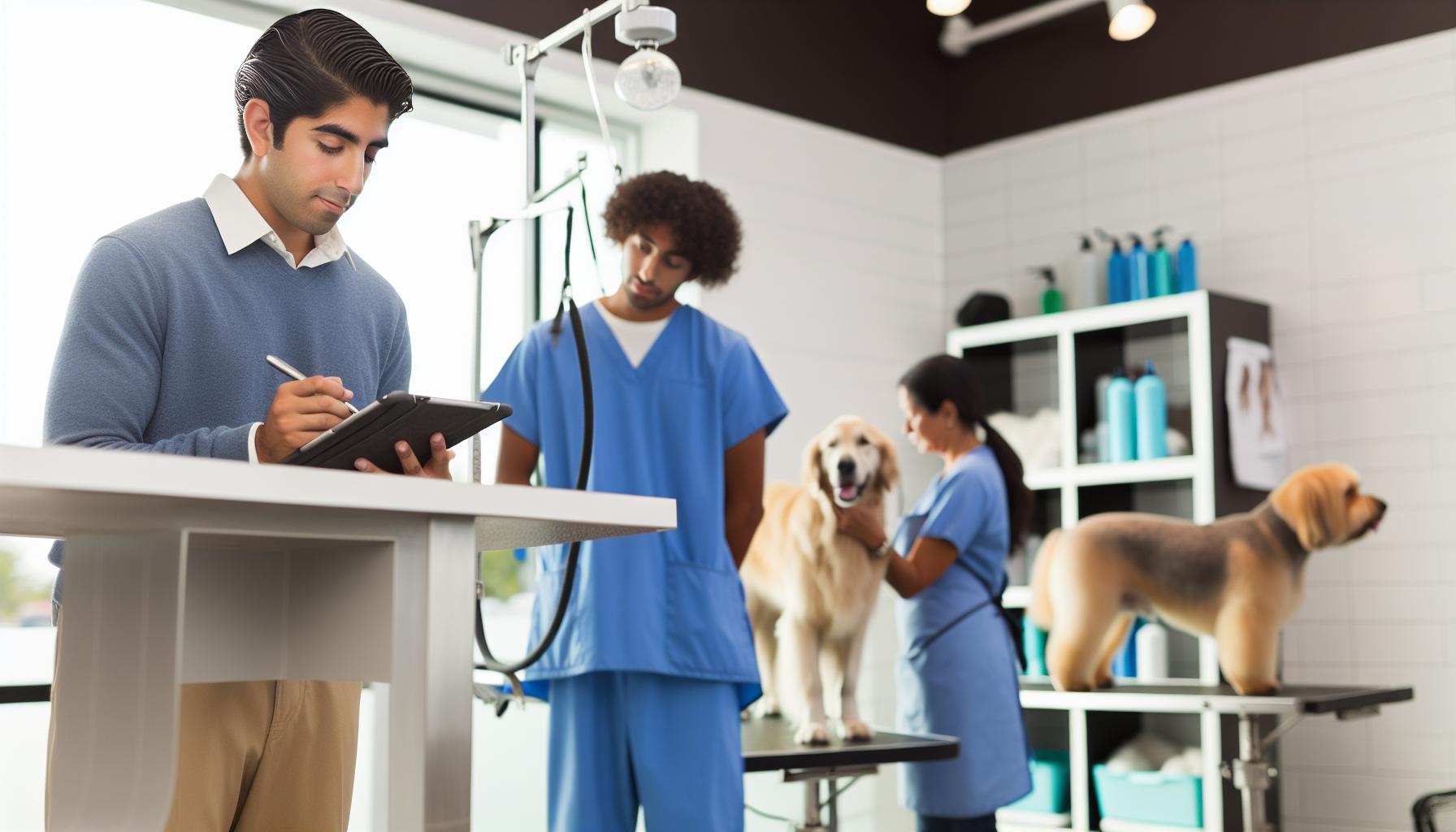
Protecting Your Pet’s Welfare During Service Interruptions
Sometimes, unexpected breaks in professional grooming services happen due to regional restrictions, emergencies, or other interruptions. During these times,your dog’s comfort and wellbeing depend on gentle,supportive care that prioritizes health over aesthetics. Even if your dog’s usual groomer isn’t available, small steps at home can prevent discomfort and maintain skin and coat health, while also building your confidence as a pet caretaker.
Daily Coat Care: Simple But Impactful
One of the best ways to protect your dog’s welfare is by performing regular, gentle brushing tailored to their coat type. For example:
- Short-haired breeds: Use a soft-bristle brush or grooming glove daily to remove loose hair and stimulate the skin.
- Medium- to long-haired dogs: A slicker brush or dematting comb can gently break up tangles before they become mats, which can cause painful skin irritation if left unattended.
- Curly or dense coats: Regular fluff drying or finger-combing keeps curls elastic and prevents matting, which home clipping generally should not replace.
Even just a few minutes every day can reduce stress on your dog and delay the need for a professional trim or bath during disruptions.
Home Bathing: Comfort Over Perfection
If bathing at home is necessary, focus on safety and comfort rather than a pristine finish. Use a mild dog shampoo appropriate for your dog’s skin condition-remarkably effective options like EZ Groom Pro or Best Shot deshedding shampoos are available online and suited for many coat types. Rinse thoroughly to avoid residue that can cause itching.Remember:
- Check water temperature: Lukewarm water keeps your dog comfortable.
- Protect sensitive areas: Be gentle around eyes, ears, and any known hot spots.
- Dry carefully: Towels or low-heat dryers work best; avoid high heat that can dry skin and cause discomfort.
Bathing isn’t mandatory every time but can be helpful if your dog is visibly dirty or has allergens on their coat.
Nail and Ear Care: Small Steps Yield Big Benefits
Keeping nails trimmed and ears clean also supports your dog’s health and comfort. If you’re nervous about clipping nails, consider using a nail file or seeking step-by-step advice from a groomer via phone or video. avoid cutting too close to the quick (the sensitive area inside nails). Ear cleaning with gentle, vet-approved solutions can prevent infections, but avoid inserting anything deep into the ear canal.
When to Seek Professional or Veterinary Help
While home care helps bridge gaps, it’s essential to know when a professional’s touch is needed. Deep matting, persistent skin infections, or signs of pain and discomfort should prompt a visit to a groomer as soon as it’s safely possible-or your veterinarian if there’s a health concern. Groomers can often spot issues earlier and advise you wisely,so maintaining communication is key even across service interruptions.
By focusing on your dog’s comfort and gently maintaining basic hygiene with kindness and patience, you can protect their welfare through service interruptions. These moments can also strengthen your bond, reassuring your dog they’re cared for, no matter what changes outside bring.
Q&A
Q: How do licensing requirements affect whether dog groomers can stay open in different regions?
A: Licensing laws often determine if dog groomers can legally operate in a region. Facilities usually need a valid license, which ensures compliance with safety and animal welfare standards.Checking local government websites or licensing bodies helps confirm if grooming shops are authorized to be open near you. For more details, see our section on current laws and guidelines.
Q: What safety protocols must dog groomers follow during regional emergencies to remain open?
A: Dog groomers must follow specific safety protocols like sanitation, social distancing, and appointment limits during emergencies. These measures protect pets and staff and comply with local public health directives. Groomers openly communicating their safety steps help owners feel confident scheduling appointments. Visit our tips for safely scheduling grooming during restrictions for guidance.
Q: can mobile dog groomers operate under different regional restrictions compared to grooming salons?
A: Yes, mobile groomers frequently enough follow different or more flexible regional rules as they operate from clients’ homes or vehicles. However, they still must comply with local licensing and animal welfare laws. mobile grooming can be a great alternative when conventional salons face closure, as explained in our guide on regional rules for mobile and in-home grooming.
Q: Why do some regions classify dog grooming as an essential service while others do not?
A: Classification depends on regional public health policies and the perceived necessity of grooming for animal welfare. Essential status may apply if grooming prevents health issues, such as matting or infections. Understanding these classifications can definitely help pet owners plan grooming needs safely-more on this in our differences between essential and non-essential grooming services section.
Q: How can pet owners verify if local dog groomers are operational during policy changes?
A: Owners can verify if groomers are open by directly contacting businesses, checking official local government websites, or using pet service directories. Many groomers update hours and policies on social media or business websites. Refer to our how-to-check-if-groomers-are-open guide for step-by-step instructions to avoid surprises.
Q: What adjustments do grooming facilities make to protect pet welfare when regional restrictions limit services?
A: Grooming facilities may shorten appointments,limit services offered,or switch to no-contact drop-offs to protect pets and clients.They prioritize animal comfort and health, maintaining vaccinations and safety protocols to ensure welfare despite limited access.Learn more about protecting pet welfare during interruptions in our dedicated section.
Q: When might regional laws require additional vaccinations or health certifications for pets before grooming?
A: Some regions require pets to have up-to-date vaccinations-like rabies or DHLPP-before accessing grooming services, ensuring public and animal safety.Confirm requirements with your groomer or local authorities to avoid service delays. For vaccination info, see our related grooming requirements section.
Q: Are there differences in regional enforcement of grooming facility regulations, and how should owners respond?
A: Enforcement varies by locality, from strict inspections to informal checks. Owners should choose groomers who display valid licenses and follow recognized standards, ensuring compliance and pet safety. Encouraging transparency promotes high-quality grooming experiences-read more about laws and guidelines in our current laws section.
—
Explore these FAQs alongside our main article for complete insights and confidently manage your pet’s grooming needs under any regional restriction.
To Conclude
Navigating regional restrictions on whether dog groomers can be open may feel confusing, but understanding your area’s guidelines ensures both your pet’s safety and well-being. Remember, whether you choose professional grooming or at-home care, prioritizing your dog’s comfort and health is key-especially considering breed-specific needs, coat type, and temperament. If you’re wondering about safe grooming tools or step-by-step care tips, be sure to explore our detailed guides on [DIY dog grooming basics] and [selecting the right groomer for your pup], designed to empower you with confidence and calm.
To stay ahead and keep your furry friend happy, consider signing up for our newsletter packed with seasonal grooming advice and expert insights.Still have questions about local restrictions or grooming options in your area? Check out our [regional pet services directory] or reach out for a personalized consultation. Your dog deserves the best care, and we’re here to help every step of the way. Don’t forget to share your experiences or ask questions in the comments-let’s keep this pet-loving community strong and informed!
Get our latest guides, news, and insights highlighted in your Google Search & AI Overviews.
Keep reading about the same coat and cut.




Popular grooming guides
Bath vs clip, first grooms, and salon how-tos.