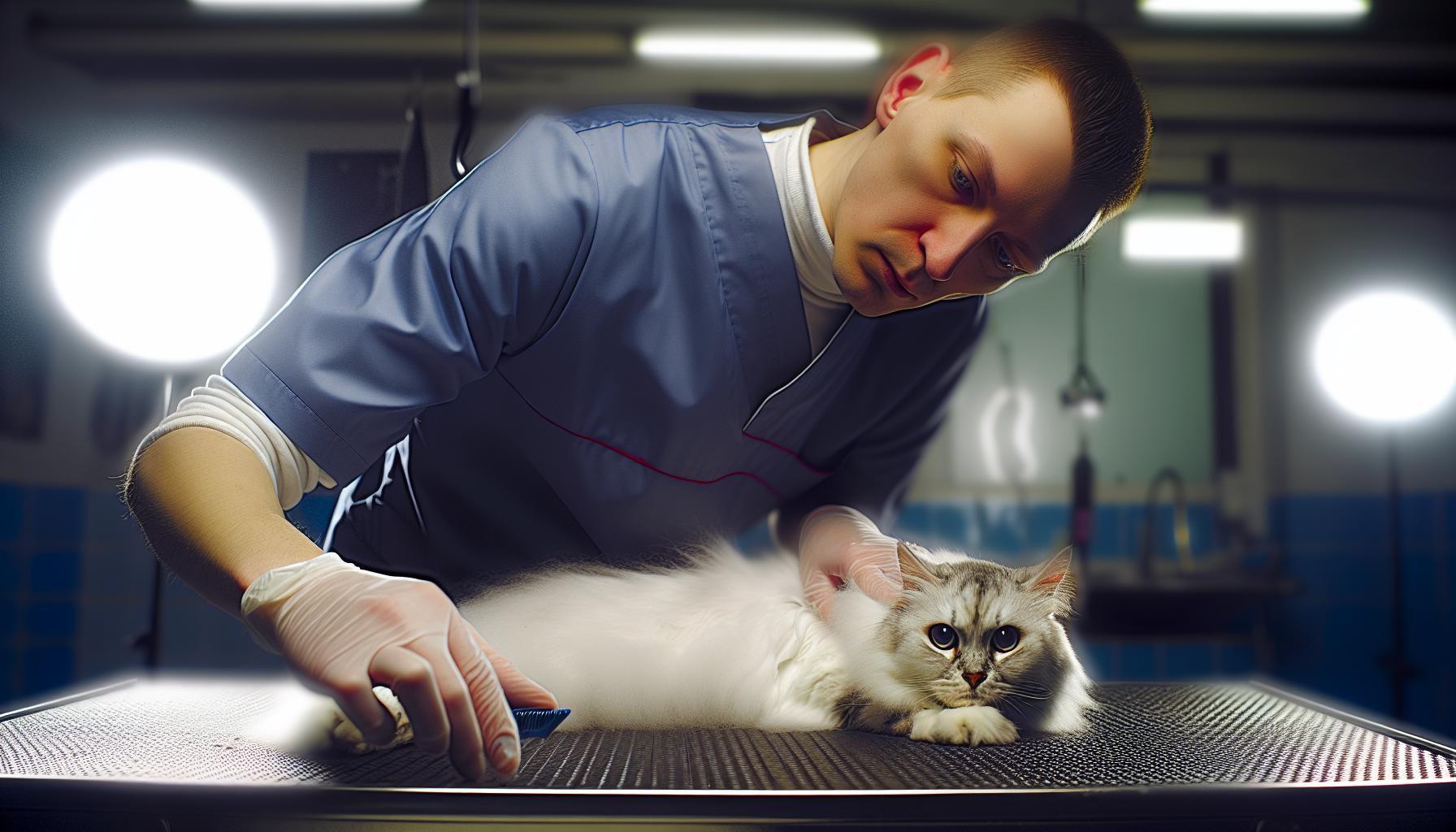
Did you know that while grooming can help manage fleas,completely getting rid of them often requires a careful team effort? Understanding what cat groomers can-and can’t-do when it comes to treating fleas is key to protecting your furry friend’s comfort and health.Many pet owners worry about how to safely and effectively remove these tiny pests, especially since cats can be sensitive and anxious during treatments. A professional groomer can provide gentle flea baths and thorough combing that reduce flea numbers, but frequently enough, flea elimination also involves vet-prescribed medications and environmental control at home. This balanced approach prioritizes your cat’s safety and well-being over just a quick fix. If you want to learn practical, step-by-step insights about what to expect from a groomer’s flea treatment, when to consult your vet, and how to keep fleas from coming back, keep reading. Your cat’s comfort and your peace of mind matter most-and understanding this topic fully empowers you to make the best choices for both.
Understanding Fleas on Cats: Signs and Risks
Table of Contents
- 1 Understanding Fleas on Cats: Signs and Risks
- 2 How Professional Groomers Detect Fleas Effectively
- 3 grooming Tools and Techniques That Help Remove Fleas
- 4 Limitations of Grooming Alone for Flea Eradication
- 5 Combining Grooming with flea Treatments: What Works Best
- 6 Safe Flea Removal practices for Anxious and Sensitive Cats
- 7 When to Seek Veterinary Help Beyond Grooming
- 8 Preventing Flea Infestations Between Grooming Sessions
- 9 How to Support Flea-Free Living with Regular Grooming Habits
- 10 FAQ
- 10.1 Q: How effective is professional grooming alone at removing fleas from cats?
- 10.2 Q: Can groomers safely treat cats with fleas during grooming sessions?
- 10.3 Q: What additional flea treatments should I combine with grooming for the best results?
- 10.4 Q: How soon after professional grooming can I expect fleas to be gone?
- 10.5 Q: why might fleas return after a grooming session that treated fleas?
- 10.6 Q: Can all cat breeds benefit equally from flea grooming treatments?
- 10.7 Q: When should I choose veterinary flea treatment over grooming alone?
- 10.8 Q: How can I support my cat’s flea-free health between grooming appointments?
- 11 The Way Forward
Feeling tiny, persistent, and nearly invisible to the untrained eye, fleas can silently make life miserable for your cat long before you notice a problem. These little pests don’t just cause itching - they can trigger allergies, transmit parasites, and even lead to serious skin infections if left unchecked. Understanding what to look for early on, and recognizing the risks involved, can transform the way you support your cat’s health and comfort.
Most cats with fleas will start showing signs like frequent scratching, biting, or licking, especially around the neck, tail base, and belly. You might notice small red bumps or scabs from irritated skin. Some cats develop flea allergy dermatitis, a hypersensitive reaction causing intense itching and hair loss. Fleas are more than just an itchy nuisance – they can carry tapeworm eggs and bacterial infections, which in young or weakened cats can become hazardous health threats. Long-haired breeds or those with dense coats might hide fleas or flea dirt (tiny black specks that look like pepper) deeper in their fur, making detection tricky without careful grooming.
Key Signs to Watch For
- Restless scratching or grooming: Especially when your cat starts focusing on certain areas.
- Visible flea dirt: Use a flea comb over a white towel; dark specs that dissolve in water confirm flea feces.
- Hair thinning or scabs: Repeated scratching can cause patchy hair or broken skin.
- Unease or sensitivity: Cats may seem restless, agitated, or less playful.
If you’ve ever tried to remove fleas yourself or taken your cat to a groomer for a flea bath or comb-out, you know that fleas can be remarkably persistent.This is because fleas spend only a small portion of their life on the cat – most of the eggs, larvae, and pupae lie hidden in your home habitat, ready to reinfest your furry friend. That’s why early detection combined with comprehensive treatment is so important.
Remember, spotting fleas early and understanding the risks allows you to team up with your groomer and veterinarian to create a comfortable, effective plan. With gentle patience and the right approach tailored to your cat’s individual coat type and temperament, you’ll help reduce discomfort and protect your cat from the challenges of fleas - giving both of you peace of mind and fewer itchy days ahead.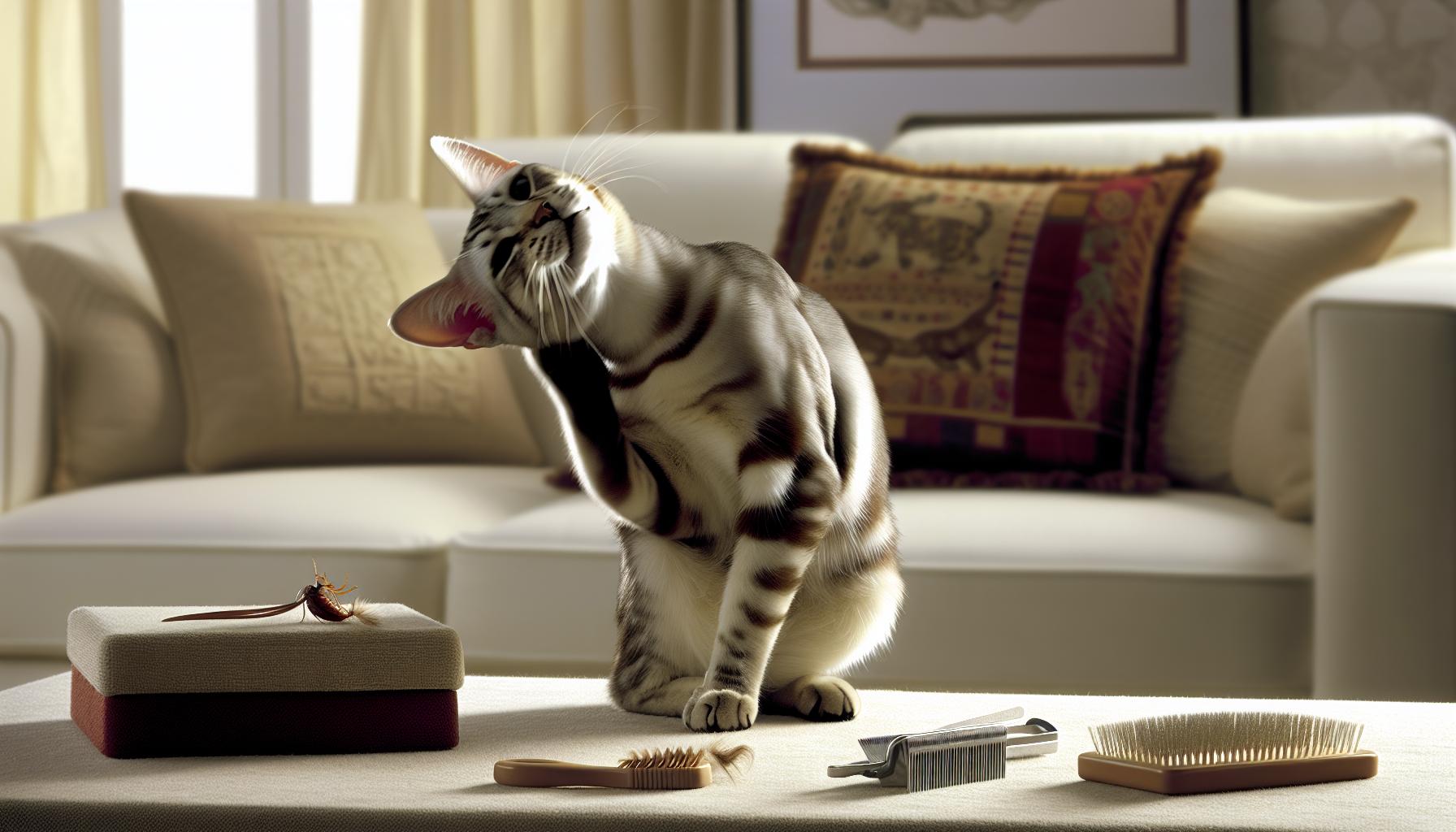
How Professional Groomers Detect Fleas Effectively
Professional groomers develop a finely tuned eye and touch for spotting fleas quickly,even when these tiny pests do their best to hide in thick or long fur. Detecting fleas early is crucial because the sooner pets are treated, the less discomfort and risk they endure. Groomers rely on a combination of careful inspection, specialized tools, and knowledge about where fleas prefer to hide on a cat’s body, all while handling the cat gently to reduce stress.
Groomers always start with a detailed visual check, focusing on common flea hotspots like the base of the tail, behind the ears, the neck, and the belly. Fleas are small and dark, but what often gives them away first is flea dirt-the tiny black pepper-like specks that are insect feces.To confirm flea dirt, groomers use a fine-toothed flea comb carefully over the fur and collect debris onto a white towel or paper. When moistened, flea dirt dissolves, leaving a reddish-brown stain, which is a telltale sign fleas have been feasting on your cat’s blood. This simple test lets groomers distinguish flea dirt from other debris like dirt or dandruff, helping them offer accurate advice on the spot.
key Steps Groomers take to Spot Fleas Effectively
- Using a Flea Comb: This fine-toothed tool catches fleas and flea dirt hidden deep in dense or long coats. Groomers run it section by section through the fur with gentle but firm strokes.
- Systematic Body Scan: A thorough visual and tactile scan prioritizes sensitive and often overlooked areas, such as the inner thighs and behind the front legs, ensuring no spot is missed.
- Patience and Calm Handling: Many cats are nervous during grooming, especially if they’re itchy or uncomfortable. Skilled groomers use soothing talk, slow movements, and sometimes short breaks to keep pets calm and cooperative.
- Experience with Coat Types: Long-haired breeds like Persians or Maine Coons require extra care, as their dense coats can camouflage fleas. Groomers tailor their techniques to each cat’s coat length and condition.
Beyond simply spotting fleas, groomers are trained to recognize the signs of flea-related skin issues such as redness, scabs from scratching, or hair thinning, which can indicate a more serious infestation or allergy. They communicate these findings with pet owners clearly and compassionately, helping guide the next steps, whether that involves specialized shampoo treatments, veterinary flea medications, or environmental cleanup.Many owners wonder if groomers can do it all – remove every flea and solve the problem instantly. While a groomer’s detection skills set the foundation for effective flea control, it’s important to remember that fleas thrive not just on the pet but also in the home. A groomer’s role shines brightest when combined with proper veterinary treatments and home care [[1]](https://www.justanswer.com/cat-health/ne58r-took-cat-groomer-bd-brought-fleas.html) [[2]](https://www.therufflifemobile.com/solve-pet-flea-with-grooming-services). This team approach ensures your cat’s comfort and health with as little stress as possible.
By embracing a patient, attentive, and educated approach, professional groomers excel at early flea detection, easing discomfort and empowering pet owners with the insights needed to keep fleas at bay.
grooming Tools and Techniques That Help Remove Fleas
Few things are as satisfying as the relief a cat feels when some unwelcome flea guests are swept away through gentle, careful grooming. While professional groomers can’t promise to single-handedly eradicate a flea infestation, the right tools and thoughtful approaches make a huge difference in physically removing these tiny pests and their irritants from your cat’s coat. Grooming offers a hands-on way to ease your pet’s discomfort while setting the stage for more comprehensive treatments.
Essential Tools for Flea Removal During Grooming
- Fine-Toothed Flea comb: This is the superstar tool in flea removal. Unlike regular brushes,its closely spaced metal teeth are precisely designed to catch fleas,flea dirt,and eggs nestled deep in thick fur or dense undercoats. For long-haired cats like Maine Coons or Persians, combing section by section is key-short, patient strokes help avoid pulling or distressing the cat.
- soft Bristle Brush: Once the bulk of fleas and debris are removed, a soft brush smooths the coat and redistributes natural oils. This also helps soothe sensitive skin and reduces stress-an important step especially for anxious or scratchy cats.
- flea Removal Trays or Damp Cloths: Groomers frequently enough comb over a white or light-colored tray or cloth to better spot caught fleas or dirt. Moistening flea dirt on the cloth helps confirm its identity by turning it reddish-brown-an easy way to check for infestation progress in real time.
- Nail Clippers & Ear Cleaners: Though less obvious, safely trimming nails prevents cat-inflicted wounds caused by constant scratching, and cleaning ears can reduce secondary infections from fleas or irritations.
Techniques That Prioritize Comfort and effectiveness
Starting with a calm, secure environment is essential. Cats pick up on stress quickly, so speaking softly and moving slowly is a must. Many groomers use gentle restraint techniques, like wrapping the cat in a towel or using calming pheromone sprays beforehand, especially for sensitive or nervous cats.
When combing for fleas:
- Focus on common flea hideouts: the base of the tail, neck folds, behind ears, belly, and inner thighs.
- Work in small, manageable coat sections. This thoroughness ensures no flea or flea dust escapes notice.
- after each stroke, examine and clean the comb with a damp cloth or dip it in soapy water to remove fleas and eggs-this prevents re-infesting the coat during grooming.
- Be patient. Some cats might need short breaks to stay relaxed.
A gentle bath using a vet-approved flea shampoo can be a helpful complement if your cat tolerates water-this helps drown fleas missed by combing. However, frequent bathing can strip natural oils, so it should be balanced carefully, notably in cats with fragile or dry skin.
real-World Tips and Boundaries
Here’s a tip from experience: thick or matted coats require special attention before flea combing. Matted fur traps fleas and makes combing painful, so regular brushing with detangling tools beforehand helps avoid discomfort.
It’s important to understand that grooming is a vital first step but not a cure-all. Fleas multiply quickly, and many live in the environment-on bedding, carpets, and furniture-beyond the reach of any comb. Professional grooming, even when meticulously executed, must be combined with flea treatments like vet-prescribed topical medications, oral tablets, or environmental control for lasting relief [[3]](https://www.petsmart.com/cat/flea-and-tick).
Above all, caregivers should never attempt harsh treatments or use products unsuited for cats. Safety and emotional welfare always come first. When flea infestations are severe or cats show signs of allergic reactions or skin infections, it’s time to involve a veterinarian for tailored medical treatment.
—
By using the right tools and calm techniques, grooming offers a nurturing, hands-on way to reduce fleas and ease your cat’s discomfort today. It’s a crucial part of a team effort that makes living flea-free more achievable and keeps your feline friend happier with each stroke.
Limitations of Grooming Alone for Flea Eradication
Fleas are incredibly persistent little critters, and while grooming offers an immediate sense of relief by physically removing some from your cat’s coat, it can’t catch every flea or tackle the whole problem alone. Grooming targets the fleas you can see and reach-which can be a meaningful start-but many fleas, especially eggs and larvae, hide deep in your cat’s environment or burrow into thick undercoats where even a fine-toothed comb can miss them. This means that, despite your best efforts and patience, some fleas will likely escape detection and continue their life cycle.
Cats with dense,long coats like Persians or Maine Coons face particular challenges. Fleas and eggs nestle deep near the skin or in mats, and grooming alone may not penetrate enough to remove all pests. Even short-haired breeds aren’t immune to this issue if fleas are well established. For anxious or sensitive cats, prolonged grooming can cause stress or discomfort, limiting how thorough you can be at any one session. Sometimes, cats will squirm or try to escape before the fleas hidden in stubborn spots are combed out.this is both an emotional and physical barrier to complete flea removal.
Understanding the Scope of Flea Control
- Life cycle Complexity: Flea eggs, larvae, and pupae mostly develop off the cat-in carpets, bedding, cracks in flooring, and upholstery. Grooming only addresses adult fleas on your cat’s body, leaving environmental stages untouched.
- Hidden Fleas: Fleas love warm, sheltered spots such as the base of the tail, neck folds, or behind ears. These areas are tricky to fully comb on cats who are reluctant to be handled extensively.
- environmental Reservoirs: Even meticulous grooming fails to prevent re-infestation if the home isn’t treated simultaneously. Fleas can jump back onto your cat from untreated areas, negating the benefits of grooming alone.
Setting Realistic Expectations for Owners
While grooming is a compassionate and hands-on way to support your cat, it’s important to recognize it as part of a larger puzzle. for example, regular sessions with a flea comb can reduce flea numbers and soothe skin irritation, but they must run alongside:
- Safe topical or oral flea treatments prescribed or recommended by your vet
- Environmental measures, including thorough cleaning of bedding, vacuuming carpets, and sometimes treating household areas
- Monitoring for signs of flea allergy dermatitis or secondary infections that require veterinary care
For sensitive or resistant cases, a groomer’s role shifts from sole eradicator to invaluable support-helping to remove as many fleas as safely possible and preparing your cat for medical treatments that reach fleas inaccessible to combs and brushes.
This combined approach empowers owners with confidence, understanding that grooming eases discomfort without demanding an unrealistic “all or nothing” outcome. It also protects pets from harsh DIY attempts, like unsafe chemicals or excessive bathing-which can damage delicate skin and coat health.
Ultimately, knowing the limitations of grooming helps you balance patience and persistence with professional advice and modern flea control options focused on safety and comfort. when flea numbers overwhelm, calling your veterinarian ensures your cat receives comprehensive, compassionate treatment designed to restore their well-being quickly and gently.
Combining Grooming with flea Treatments: What Works Best
Fleas are crafty survivors, and while grooming plays a vital role in providing relief and removing visible pests, it can’t tackle every flea on its own. The best results come from thoughtfully combining grooming sessions with safe, effective flea treatments tailored to your cat’s specific needs. This approach not only addresses the fleas on your cat’s fur but also targets those hidden in the environment and life stages that grooming can’t reach.Cats with thick or long coats, like Persians or Maine Coons, frequently enough need more gentle, patient grooming paired with treatments that penetrate both coat and skin to kill fleas where they hide. For these breeds, starting with a careful bath using a flea shampoo (if your cat tolerates water) can loosen fleas and debris, followed by thorough combing of key spots such as behind the ears, under the neck, and around the tail. A fine-toothed flea comb is a groomer’s best friend here, especially after applying a vet-recommended topical treatment that kills adult fleas and prevents new eggs from hatching. Short-haired cats may require less time but still benefit greatly from this dual approach.
Choosing the Right Flea Treatment
Safe flea control frequently enough means incorporating veterinarian-approved topical or oral medications alongside grooming. Options like Revolution Plus or Frontline Plus are widely recommended as they not only kill fleas but also target ticks, mites, and intestinal parasites, offering broad protection-all crucial when fleas seem persistent or your cat shows allergy symptoms [[1]](https://www.businessinsider.com/guides/pets/best-flea-prevention-cats). Avoid over-the-counter or dog-specific flea products; they can be harmful to cats. Your groomer can assist by identifying flea infestations early and advising when professional treatment is needed but never replace your vet’s role in prescribing or recommending treatments.
How Grooming Supports Flea Treatment Success
Grooming complements flea treatments by physically removing fleas, flea dirt, and loose fur, which helps the medication reach the skin more effectively. Regular brushing keeps the coat clean and reduces the comfort fleas find in thick mats or dense fur.Consistent grooming also encourages your cat to tolerate handling and makes it easier to spot flea activity sooner,so treatments can be timed optimally. For sensitive or anxious cats, short, calm grooming sessions spaced over days can reduce stress and build trust, easing your cat’s acceptance of both grooming and treatment routines.
- Step 1: Begin with a gentle bath or wipe-down using a cat-safe flea shampoo if your cat allows it.
- Step 2: Follow with a thorough flea comb session, focusing on flea-favored hotspots.
- Step 3: Apply a vet-approved topical treatment as directed, ensuring the skin is clean and dry.
- Step 4: Maintain regular grooming and monitor your cat’s coat weekly, combining combing with spot-checking for fleas or skin irritation.
This multitiered approach isn’t just about eradication-it’s about enhancing your cat’s well-being and comfort throughout the process. Remember,fleas live partly in your home environment,so give equal attention to cleaning bedding,vacuuming carpets,and washing fabric surfaces to prevent re-infestation. Groomers frequently enough suggest this holistic strategy as it greatly improves long-term outcomes.
Offering comfort, patience, and consistent care-alongside vet-supported flea treatments-gives you the strongest, safest way to protect your cat from fleas. When you combine hands-on grooming with effective medications and environmental care, you’re not just fighting fleas; you’re supporting a happier, healthier life for your feline friend.
Safe Flea Removal practices for Anxious and Sensitive Cats
Many cats with flea problems are also those who feel nervous or stressed by grooming routines, making flea removal a delicate challenge. Sensitive felines, especially those with thick coats like persians or shy personalities, need more than just skill-they require patience, gentle handling, and a calm environment to feel safe while we tackle those pesky parasites together. Understanding how to ease their anxiety can turn flea removal from a struggle into a positive bonding experience that benefits both cat and owner.
Creating a Calm Environment
Begin by preparing a quiet, warm space free of loud noises and sudden interruptions. Soft, familiar bedding and gentle lighting can help your cat feel relaxed. Use a soothing voice and slow movements throughout the process. If your cat trusts you less or has had stressful grooming experiences before, it’s perfectly okay to break the session into small, manageable steps spread over days. Such as, spend a few minutes today gently brushing their coat and combing a small section behind the ears, then gradually increase the time in follow-up sessions.
Gentle Bathing and Combing Techniques
If your cat tolerates water, a short, lukewarm bath using a veterinarian-approved flea shampoo can be an effective start. Remember, the key is minimal handling-avoid scrubbing too hard, and rinse carefully to prevent skin irritation. For cats who fear water, try using damp, flea-safe wipes or sponge baths instead. After bathing or wiping, gently use a fine-toothed flea comb to sweep through the coat, focusing on flea-prone spots like the neck, tail base, and underarms. Use slow, intentional strokes and take breaks if your cat becomes restless. Reward calm behavior with soft praise or treats to encourage cooperation.
Supporting Sensitive Cats During Treatments
Applying topical flea treatments may cause your cat some discomfort or unfamiliar sensations. To help them accept this step,ensure their skin is dry and clean beforehand,as this improves absorption and reduces licking risks. Distract your cat with gentle petting or a favorite toy while applying the medication.Sometimes, having a second person calmly hold and reassure your pet can make the process less stressful. Avoid forcing pets into positions they resist, which can backfire and cause fear. If your cat has thick fur, carefully separate the hair to reach the skin directly.
Knowing When to Pause and Seek Help
Every cat’s tolerance level is unique. If grooming or treatment causes excessive distress-like hissing, growling, or defensive behavior-stop and give your cat space. It’s perfectly normal to take flea removal slowly and seek advice from your veterinarian or a professional groomer experienced with anxious animals. They can offer option treatment options, sedation if needed, or stress-reducing techniques. Remember, your cat’s welfare is paramount; flea removal isn’t a race but a journey taken with kindness and respect for their emotional needs.
- Start slowly: Introduce grooming tools gently and don’t rush.
- Use calm tones and soft touch: Your voice and hands can soothe your cat.
- Break treatment into steps: Bath, comb, medication-each done in stages if necessary.
- Keep sessions short: Even 5-10 minutes helps without overwhelming your cat.
- Reward patience: Small treats and affection encourage positive association.
- Monitor behavior: Know when your cat needs a break or professional support.
Handling flea removal this way doesn’t just clear pests-it builds trust, making future care easier and less stressful for a sensitive feline friend. With gentle persistence and the right tools, anxious cats can find relief while feeling safe, loved, and understood throughout the flea-fighting process.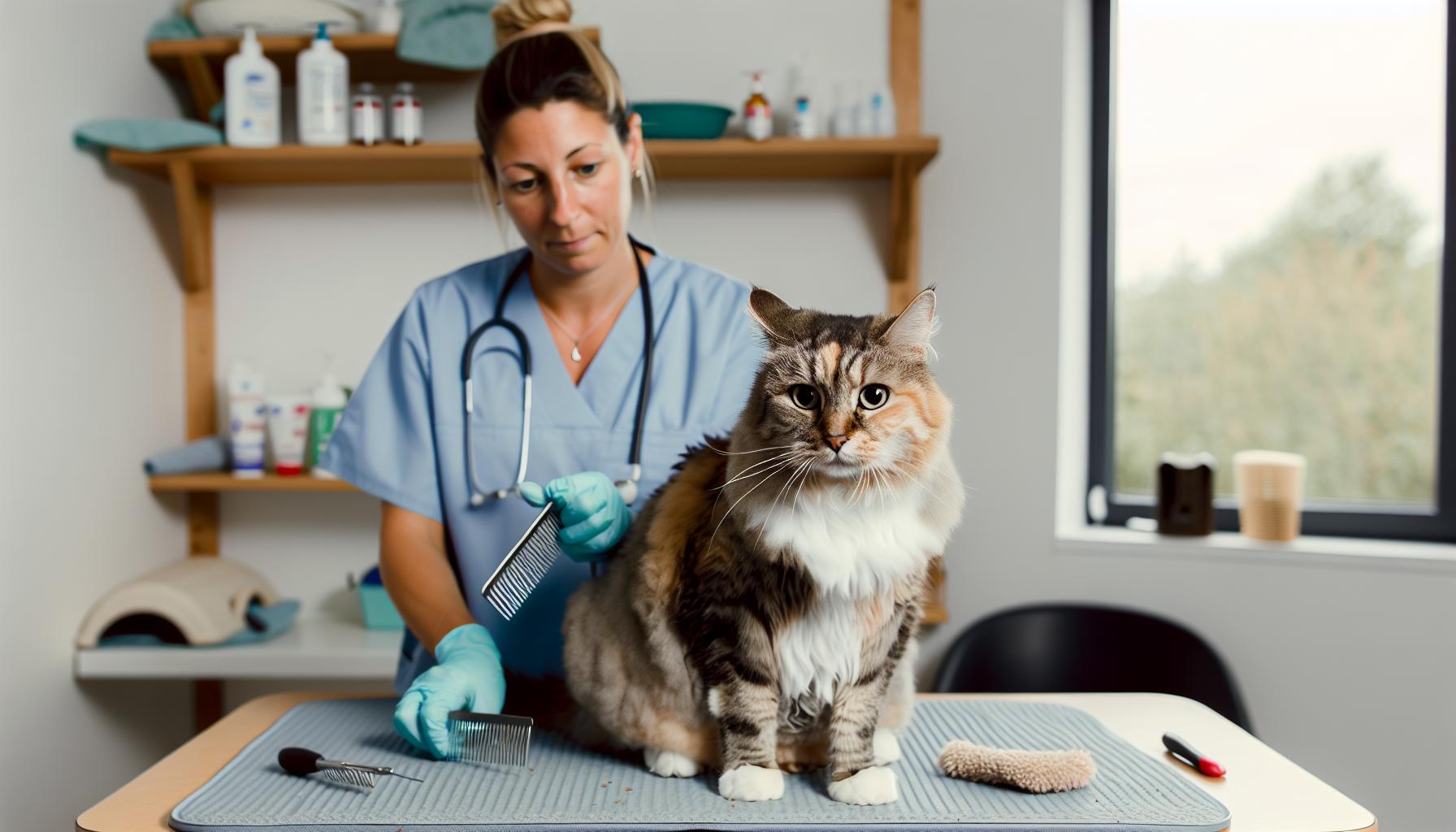
When to Seek Veterinary Help Beyond Grooming
Fleas can be surprisingly persistent, and while professional groomers are skilled at detecting and removing many of these pests, there are times when expert veterinary care becomes not just helpful but essential. As a notable example, if despite thorough grooming efforts you notice your cat scratching relentlessly, developing bald patches, scabs, or strange skin lesions, these could signal a secondary infection or severe flea allergy dermatitis-conditions that require more than surface treatment. In such cases, the veterinarian can provide targeted medical intervention, such as prescription-strength flea control, antibiotics, or anti-inflammatory medications that a groomer isn’t equipped to offer.
Cats with thick, long coats-like Persians or Maine Coons-pose additional challenges. Flea infestations can hide deep in dense fur, making grooming alone insufficient to fully eradicate the problem. If fleas continue to thrive despite repeated combing and topical treatments done at home or by a groomer, a vet’s assessment is crucial. they might recommend a comprehensive flea control regimen that includes oral medications or injectable treatments, which reach fleas systemically and are often faster and more effective for heavy infestations.Another important sign to look for is your cat’s overall well-being. If your cat shows signs of lethargy,loss of appetite,pale gums,or other symptoms suggestive of anemia (a common consequence when fleas feed excessively),this should prompt immediate veterinary attention. Flea infestations can sometimes lead to serious health complications, particularly in kittens, elderly cats, or those with compromised immune systems. A vet can perform diagnostic tests and safely tailor a treatment plan that addresses these risks while ensuring your cat’s comfort.
Knowing When Grooming Isn’t Enough
- Persistent scratching, biting, or hair loss despite regular grooming and over-the-counter treatments.
- Visible skin infections or scabs developing from flea bites or self-trauma.
- Signs of systemic illness: weakness, pale gums, or changes in behavior or appetite.
- Severe flea infestations: especially in cats with thick or matted fur where hidden fleas evade combing and bathing.
- Stress or anxiety so extreme that grooming attempts cause harm to your cat or yourself.
Veterinarians bring the advantage of prescription flea control products that frequently enough combine adulticide effects with insect growth regulators-eliminating fleas at all life stages not only on your cat but also in your home and yard [[1]](https://www.oregonvma.org/care-health/companion-animals/health-safety/fleas-treatment-prevention). Additionally, vets can suggest environmental treatments, which are crucial because fleas spend much of their lifecycle off the pet. This multi-layered approach works well alongside any grooming routine and drastically improves your chances of long-term flea freedom.
Remember, calling in veterinary help is a loving and responsible choice, not a failure. Your cat’s health and comfort are always the ultimate goals.By combining the dedicated hands-on care of groomers with veterinary expertise when needed, you empower yourself to give your furry friend relief without unneeded stress or delay. A calm, gradual plan guided by professionals on both fronts can turn a worrisome infestation into manageable care, leaving your cat happier, healthier, and more at ease.
Preventing Flea Infestations Between Grooming Sessions
Fleas are masters of hiding and multiplying quickly, so keeping them at bay between grooming sessions is key to your cat’s comfort and health. Even the best professional grooming can’t guarantee zero flea presence afterward, especially if your cat explores outdoors or shares space with other pets. The good news? There are simple, gentle steps you can take at home to interrupt the flea life cycle and reduce the chance of re-infestation - all while making your cat feel calm and cared for.
Maintain a Clean, Flea-Unfriendly Environment
Fleas don’t just live on your cat-they spend a huge portion of their life in your home, especially in carpets, bedding, and upholstery. To limit this, vacuum carpets and furniture frequently, paying special attention to areas where your cat rests.Empty vacuum bags or containers outside your home to prevent eggs and larvae from returning indoors.Wash your cat’s bedding weekly in hot water to kill any flea eggs or larvae hiding in the fabric. This routine helps reduce the flea population surrounding your cat between grooming visits.
Regular Home grooming With the Right Tools
Between professional appointments, using a fine-toothed flea comb is a kind and effective way to catch any hitchhiking adults before they multiply. Cats with thick or long hair-like Maine Coons or Persians-benefit immensely from shorter, more frequent combing sessions to gently root out fleas and dirt.Sit comfortably with your cat in a quiet space and use slow, reassuring strokes. Focus on flea hotspots around the neck, base of the tail, and under the legs. After each pass, dip the comb in soapy water to kill trapped fleas instantly.Celebrate small victories with soothing praise or soft petting to keep the experience positive and stress-free.
Use Cat-safe Preventative Treatments Consistently
While grooming helps physically remove fleas, prevention frequently enough requires consistent use of veterinarian-recommended flea treatments. These products come in many forms-topical drops, oral tablets, or collars-and can protect your cat systemically or repel fleas before they bite. Consult your vet to find the best option for your cat’s age, health, and lifestyle. Remember, treating all pets in your household is crucial; even a single untreated dog or cat can reintroduce fleas. The combination of routine grooming plus these safe treatments is your best defense against reinfestation [[1]](https://www.thesprucepets.com/fleas-and-your-cat-552346).
Stay Observant and Adapt
No two cats are the same when it comes to flea susceptibility. Some might need weekly combing with flea-preventative baths during peak seasons, while others require a more gentle, as-needed approach. Note changes in your cat’s behavior-excessive scratching or restlessness may indicate fleas starting to return. In these cases, increasing grooming frequency or revisiting your flea control methods promptly can spare your cat discomfort and avoid bigger infestations. Patience and attentiveness, paired with expert advice from your groomer or vet, empower you to keep fleas under control with grace and kindness.
staying ahead of fleas between grooming sessions is a blend of thoughtful home care, gentle grooming, and smart use of safe treatments.Your cat’s unique needs and comfort guide the way, ensuring that every step you take fosters health and happiness-not stress-in your beloved companion.
How to Support Flea-Free Living with Regular Grooming Habits
Fleas are persistent little invaders, but with a gentle, consistent grooming routine, you can make your home a much less inviting place for them. Regular grooming isn’t just about keeping your cat’s coat shiny-it’s a powerful tool to detect and remove fleas early, before they multiply and become a bigger problem. Whether your cat sports a sleek short coat or a lush long one like a Maine coon or persian,tailoring your approach will help both you and your feline friend feel more comfortable and in control.
Choosing the Right Tools for Your Cat’s Coat
A fine-toothed flea comb is your best friend in flea prevention. Its tightly spaced teeth catch adult fleas, flea dirt, and eggs that regular brushes might miss. For cats with long or thick fur, using a wide-toothed comb first to detangle, then switching to the flea comb, makes the process smoother and less stressful. Keep a shallow dish of soapy water nearby; each time you comb out fleas, dipping the comb kills them instantly. This simple step helps reduce flea numbers without harmful chemicals.
Creating a Calm, Safe Space for Grooming
Many cats feel uneasy during grooming, especially if they’ve had past stressful experiences.To transform grooming time into a calming ritual,choose a quiet room where your cat feels secure. Use gentle, slow strokes and speak in soothing tones. For cats prone to anxiety, short sessions spread out more frequently tend to work better than long groomings. Offering treats or gentle petting after each prosperous pass can build positive associations that make future sessions easier and even enjoyable.
A step-by-Step Flea-Combing Routine
- Start at the neck and behind the ears: Fleas often hide here first because these areas are warm and protected.
- Comb along the back and sides: Work methodically to avoid missing spots where fleas might lurk.
- Focus on the base of the tail and under the legs: These are hotspots for flea activity.
- After combing each section, dip the comb in soapy water: This kills fleas and stops them from jumping back.
Knowing When to Seek Additional Help
While grooming is vital,it’s critically important to recognize when it’s time to consult your veterinarian. If you notice persistent scratching, hair loss, or skin irritation despite regular grooming, your cat may need veterinarian-prescribed flea treatments. Professional groomers will frequently enough avoid treating a heavy flea infestations themselves and recommend a vet visit first to ensure your cat’s safety and the most effective care [[2]](https://www.chewy.com/education/cat/flea-and-tick/how-to-get-rid-of-fleas-on-your-dog-or-cat-during-their-grooming-routine). Combining thorough grooming with vet-approved preventatives gives your cat the best defense against these pesky parasites.
Keeping fleas at bay is a team effort between you, your cat, your groomer, and your vet. With patience and gentle persistence, your regular grooming sessions will not only nurture your cat’s wellbeing but also create a barrier that helps keep fleas far away.This routine, paired with expert advice and safe treatments, offers a reliable path toward a happier, flea-free life for your treasured companion.
FAQ
Q: How effective is professional grooming alone at removing fleas from cats?
A: Professional grooming can considerably reduce fleas by using specialized tools like flea combs and medicated baths. However,grooming alone rarely eliminates all fleas,as flea eggs and larvae may remain in the environment. Combining grooming with vet-recommended flea treatments ensures more complete and lasting flea control. For detailed steps, see the section on Limitations of Grooming Alone for Flea Eradication.
Q: Can groomers safely treat cats with fleas during grooming sessions?
A: Yes, experienced groomers use safe, gentle flea removal methods during grooming, including flea combing and parasite-specific shampoos. They prioritize your cat’s comfort and minimize stress, especially for sensitive or anxious pets. For flea treatment beyond grooming,a vet consultation is recommended,aligning with our Safe flea Removal Practices advice.
Q: What additional flea treatments should I combine with grooming for the best results?
A: To maximize flea elimination, combine grooming with oral or topical flea medications prescribed by your vet, like Capstar or spot-on treatments. These work systemically to kill adult fleas and prevent new infestations while grooming physically removes fleas and debris from your cat’s coat. See the Combining Grooming with Flea Treatments section for full guidance.
Q: How soon after professional grooming can I expect fleas to be gone?
A: Flea removal results vary, but you can expect a noticeable reduction within 24 to 48 hours post-grooming when combined with effective flea medication.Fleas can hatch from eggs afterward, so consistent follow-up treatments and environmental control are key. Refer to Preventing Flea Infestations Between Grooming Sessions for ongoing care tips.
Q: why might fleas return after a grooming session that treated fleas?
A: Fleas frequently enough return as eggs, larvae, and pupae exist in the cat’s environment, not just on your pet. grooming removes active fleas but doesn’t address environmental stages. Preventing reinfestation requires treating your home and yard alongside regular grooming, as explained in Preventing Flea Infestations Between Grooming Sessions.
Q: Can all cat breeds benefit equally from flea grooming treatments?
A: Yes, all cat breeds can benefit, but those with longer or thicker coats may require more thorough grooming to reach fleas hiding deep in fur. Groomers adjust tools and techniques depending on coat type and cat temperament to ensure safe and effective flea removal. Learn more in Grooming Tools and Techniques That Help Remove Fleas.
Q: When should I choose veterinary flea treatment over grooming alone?
A: Choose veterinary flea treatment if your cat has a severe infestation, flea allergy dermatitis, or if fleas persist after grooming. Vets can prescribe stronger medications and advise on safe, effective flea control strategies beyond grooming. This aligns with When to seek Veterinary help Beyond Grooming for your cat’s health and comfort.
Q: How can I support my cat’s flea-free health between grooming appointments?
A: Support flea-free health by regularly using vet-approved flea preventatives, maintaining cleanliness, and brushing your cat at home to catch early signs of fleas. Consistent grooming habits paired with environmental care help prevent reinfestation. For practical routines, check the section How to Support Flea-Free Living with regular Grooming Habits.
For more detailed strategies,explore related sections on flea detection and safe grooming practices in the main article. ensuring your cat’s comfort and health is always the priority-feel free to reach out for personalized grooming advice.
The Way Forward
Effectively tackling fleas on your cat requires more than just a grooming session-it’s about combining professional care, the right tools, and ongoing vigilance to keep your feline friend comfortable and safe. While cat groomers play an important role in removing fleas and soothing irritated skin, pairing their expertise with vet-recommended treatments ensures the most effective flea control tailored to your cat’s coat type and health needs. If you’re wondering about the next steps or need specific product recommendations, be sure to check out our detailed guides on flea prevention and DIY cat care tips to stay ahead of infestations.
Don’t wait for those pesky fleas to settle in-take prompt action today for your cat’s well-being. Explore our cat grooming tips and flea treatment options to deepen your knowledge and arm yourself with practical solutions. Have questions or success stories? Share them below and join our community of caring cat owners. Sign up for our newsletter to receive expert advice and product updates straight to your inbox-because your cat deserves care that’s effective, compassionate, and consistent.