Are Groomers Supposed to Cut Dog’s Whiskers: What’s Safe
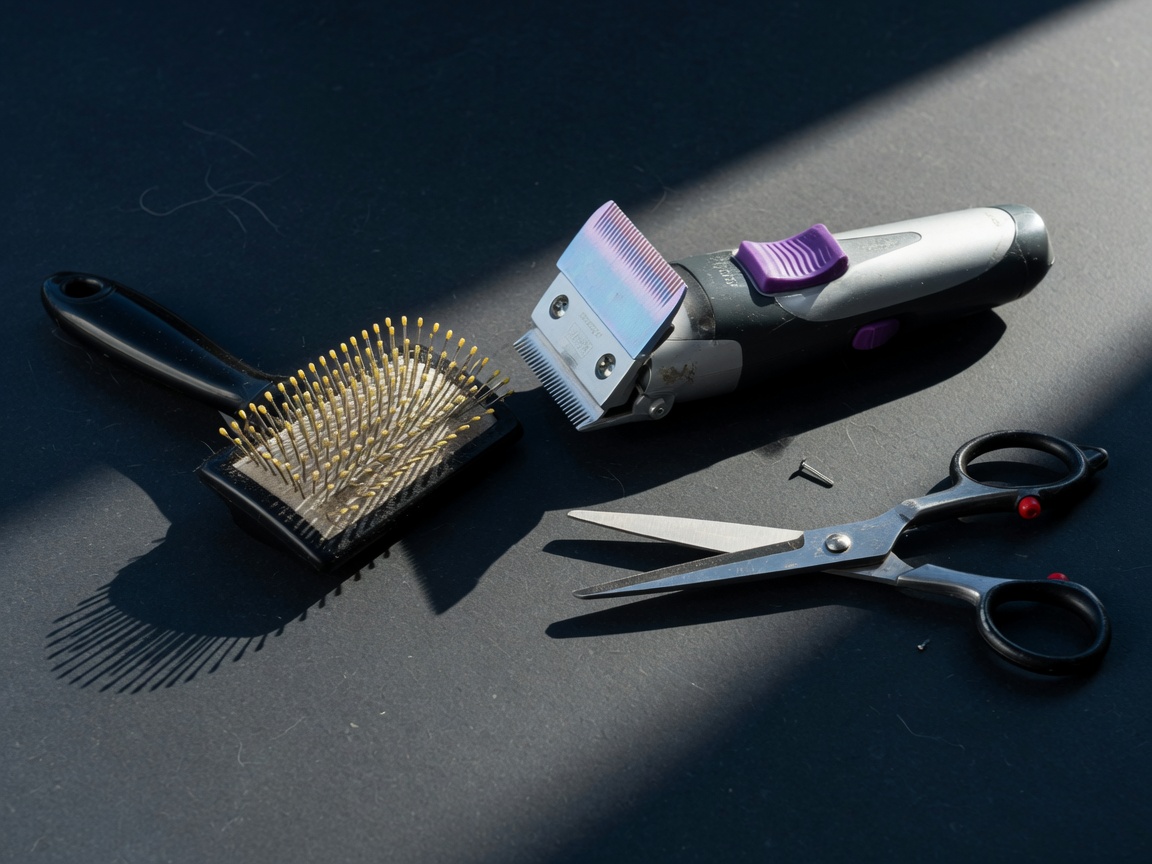
Did you know a dog’s whiskers are not just cute features but essential sensory tools? Many pet owners and even some groomers wonder if trimming these sensitive hairs is safe or necessary during grooming. understanding when-if ever-to cut whiskers matters because they help dogs navigate their world, sense nearby objects, and feel changes in their habitat. As a caring groomer,I’ve seen anxious owners worry about whisker trims,so it’s vital to clarify what’s best for your dog’s comfort and wellbeing. This guide will gently walk you through why whiskers should usually be left alone, explain how different breeds and coat types play a role, and highlight safe grooming practices that keep your furry friend happy and secure. Whether you’re prepping for a professional groom or handling basics at home, gaining this knowledge empowers you to prioritize your dog’s safety and peace of mind over purely aesthetic choices. Let’s explore what’s truly best for your companion’s whiskers and overall grooming experience.
Understanding dog Whiskers: Purpose and Importance
Table of Contents
- 1 Understanding dog Whiskers: Purpose and Importance
- 2 why Groomers Should Never Cut Whiskers
- 3 Common Myths about Trimming Dog Whiskers Debunked
- 4 How Whisker trimming Affects a Dog’s Sensory Experience
- 5 Safe Grooming Practices Around Whiskers
- 6 Signs of Whisker Damage and When to See a Vet
- 7 Alternatives to Whisker Trimming for Groomers
- 8 Owner Tips: Protecting Your Dog’s Whiskers at home
- 9 Breed Differences: Whisker Sensitivity and grooming Needs
- 10 Balancing Grooming Styles with Whisker Safety
- 11 Training Your Dog to Stay Calm During Whisker-Safe Grooming
- 12 Frequently asked questions
- 12.1 Q: Can trimming a dog’s whiskers cause behavioral changes?
- 12.2 Q: How do groomers ensure safety when grooming dogs with sensitive whiskers?
- 12.3 Q: are there specific grooming tools that help protect dog whiskers?
- 12.4 Q: When might a vet need to intervene with a dog’s whisker injury?
- 12.5 Q: How do different dog breeds vary in whisker sensitivity during grooming?
- 12.6 Q: What should owners ask their groomers about whisker safety before a grooming appointment?
- 12.7 Q: Why is it important to avoid cutting dog whiskers even if some groomers offer trimming?
- 12.8 Q: How can owners train their dogs to stay calm during whisker-safe grooming sessions?
- 13 to sum up
Did you know that a dog’s whiskers are far more than just charming facial “accessories”? These specialized hairs, technically called vibrissae, act like natural radar systems, providing your furry friend with vital data about their surroundings. Whiskers are deeply embedded in the skin and connected to nerve endings, making them incredibly sensitive to touch and subtle changes in air currents. This sensory input helps dogs navigate tight spaces, sense nearby objects-even in poor light-and maintain their balance and spatial awareness.
Imagine how confusing it would be if someone suddenly snipped off your fingertips. That’s how disorienting whisker loss can feel for a dog. These tactile tools are essential for everyday safety and confidence, especially in unfamiliar environments or during play.For dogs with shorter noses or breeds that rely heavily on these sensors, whiskers help detect proximity to objects and even alert them to the presence of other animals or people without direct sight.
Why Whiskers Matter Beyond Looks
Unlike regular fur,whiskers are thicker,stiffer,and have dedicated sensory functions. They act like tiny antennae, collecting information that helps a dog judge whether they can fit through an opening or avoid bumping into walls and furniture. This is why preserving the whiskers during grooming is so importent-not just for aesthetics but to safeguard a dog’s well-being and peace of mind.
Real-World Insights From Groomers and Pet Owners
- Behavioral Changes: Groomers often notice that dogs whose whiskers have been trimmed may seem hesitant or uneasy, exhibiting shy or cautious behavior due to the sudden loss of spatial cues.
- Breed Sensitivities: Breeds like the Schnauzer or Poodle have prominent facial whiskers crucial for their tactile exploration, making trimming these especially impactful.
- Owner Observations: Many pet parents report that their dogs avoid narrow spaces or appear more reliant on their noses and eyesight after inadvertent whisker trimming.
Understanding the critical role of whiskers allows owners and groomers alike to approach grooming with empathy and care, choosing styles and techniques that protect these natural sensors. It’s a small but meaningful step toward ensuring our companions feel safe,confident,and agreeable in their own skin-and fur.

why Groomers Should Never Cut Whiskers
Few grooming practices spark as much debate as trimming a dog’s whiskers.Though it might seem harmless or simply aesthetic,cutting these sensitive facial hairs can actually cause confusion and distress for dogs. whiskers aren’t just stiff hairs; they are deeply embedded sensory tools packed with nerve endings. When snipped, they leave the dog without an important way to gauge their environment, which can impact their confidence and safety.
Imagine trying to navigate your home with a blindfold slightly lifted-you might sense shapes but lose precise awareness. Dogs rely on whiskers to detect nearby objects or changes in air currents, especially breeds with shorter muzzles like Pugs or those with prominent whiskers like Schnauzers and Poodles. For these dogs, trimming whiskers may lead to hesitation or even anxiety, as their ability to assess tight spaces or sudden movements becomes compromised. Groomers, thus, play a vital role in maintaining this natural “radar.”
practical Grooming Tips to Preserve Whiskers
- identify Whisker Areas: Familiarize yourself with the key whisker zones-above the eyes, on the muzzle, and near the jawline.These are distinct from regular fur and should never be targeted with scissors or clippers.
- Use Precision Tools: When trimming near whiskers, opt for rounded-tip scissors and slow, careful movements to avoid accidental snips.
- communicate with Owners: Always explain why whiskers are preserved and encourage pet parents to embrace grooming styles that prioritize whisker safety over uniform looks.
In my experience as a groomer, clients are often surprised to learn that whiskers shouldn’t be part of the haircut at all. For example, a Schnauzer came in for a trim, and the owner was initially insistent on removing all “extra hair,” including whiskers. after a gentle explanation and showing how the dog reacted during a previous session with trimmed whiskers-becoming cautious and uncomfortable-the owner agreed to preserve them. The dog’s confidence visibly improved, and their walk towards the grooming table was much more relaxed.
Ultimately, honoring a dog’s whiskers is a compassionate choice that respects their sensory needs. It promotes calmness during grooming and helps maintain the dog’s connection to their world-something grooming styles alone cannot replace.When in doubt, err on the side of safety. Whiskers are vital for your canine’s comfort, and their preservation is a hallmark of truly skilled, pet-frist grooming.
Common Myths about Trimming Dog Whiskers Debunked
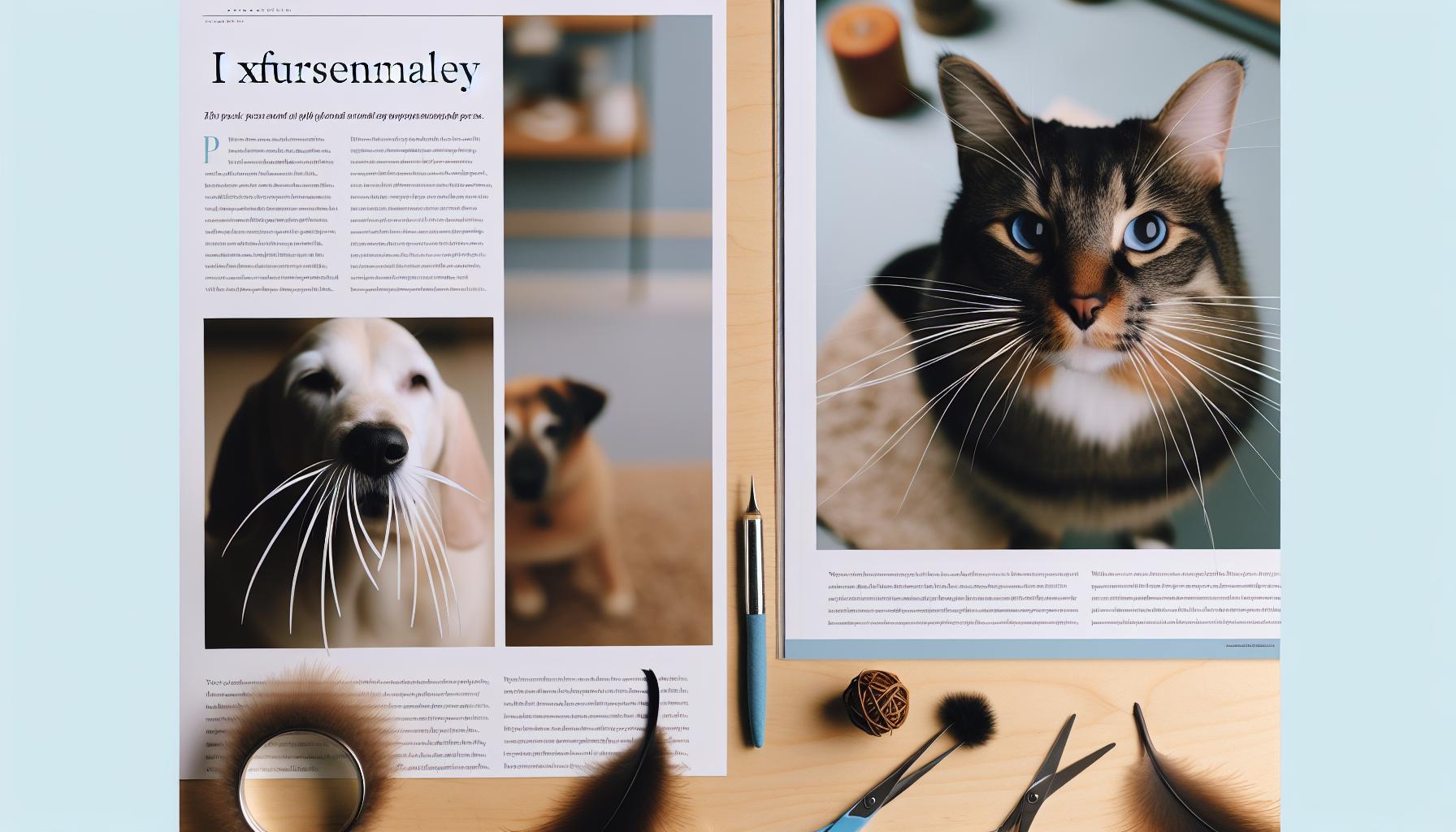
It’s easy to think that trimming a dog’s whiskers is just another harmless step in grooming, especially when aiming for a neat, tidy look. Though, many common beliefs about whisker trimming simply don’t hold up under closer examination. One widespread myth suggests that whiskers grow back quickly and without issue, the same way regular fur does. In reality, whiskers are specialized hairs deeply embedded in the skin with rich nerve endings, and they grow much slower than ordinary coat hair. Snipping them can leave a dog feeling disoriented or less aware of their surroundings for days or even weeks until they naturally regrow.
Another misconception is that whiskers get dirty or unsightly and should be trimmed for hygiene reasons. While maintaining overall facial cleanliness is critically important, trimming or shaving whiskers isn’t necessary for this. Careful washing and gentle wiping around the muzzle are sufficient to keep whiskers clean without damaging these sensitive tools. Groomers and owners should see whiskers as part of the dog‘s natural sensory equipment – not extra fur to be styled or removed.
Breaking Down Misunderstandings
- Whiskers don’t affect breed standards negatively. While some styles may call for trimming around the face, breed show guidelines typically respect whisker preservation. Removing them can actually detract from a dog’s natural expression and performance.
- Cutting whiskers won’t improve skin or coat health. Whiskers don’t contribute to skin problems or coat tangles; therefore, trimming them won’t help with issues like matting or dermatitis.
- Whiskers aren’t just decorative. These tactile hairs are vital sensory organs. Trimming them removes an essential layer of environmental feedback,which can increase stress and confusion,especially during grooming itself.
In my experience, owners frequently enough feel relieved when they understand that preserving whiskers aligns with their dog’s comfort and confidence. For example, a Poodle client was previously groomed with trimmed whiskers and became noticeably skittish near doorways and furniture.After switching to whisker-safe grooming,not only did the dog become more relaxed during sessions,but their overall behavior improved,showing less hesitation in tight spaces.This is a clear reminder that whiskers are a practical part of a dog’s sensory toolkit – not just aesthetic fluff.
Encouraging Compassionate Grooming Choices
When advising pet parents or new groomers, I always stress that cutting whiskers isn’t about style; it’s about safety and trust. If a dog seems uncomfortable during grooming, taking a moment to double-check whisker preservation can make all the difference. Remember, whiskers are as unique to a dog as fingerprints are to humans – they deserve the same careful attention. By debunking these myths and fostering a respectful approach to whisker care, we empower both dogs and owners to enjoy grooming as a gentle, supportive experience.
How Whisker trimming Affects a Dog’s Sensory Experience
Dogs rely on their whiskers far more than most people realize. These specialized hairs-also called vibrissae-are deeply rooted in nerve-rich follicles, acting like a radar system that senses subtle changes in their environment. When whiskers are trimmed, this critical sensory feedback is diminished, leaving dogs less aware of nearby objects, air currents, and even spatial boundaries. Imagine suddenly losing your sense of touch in your fingertips-this is somewhat similar to how a dog feels when their whiskers are cut. It can cause genuine confusion and anxiety, especially during activities like walking, exploring, or navigating tight spaces.
Many owners notice subtle behavioral changes after whisker trimming. For instance, a normally confident dog might become hesitant when approaching doorways, furniture, or unfamiliar areas, as their built-in “early warning system” is temporarily compromised. This sensory gap can elevate stress levels, making grooming sessions or daily routines more challenging. In my grooming experience, dogs with intact whiskers tend to relax faster during sessions because they feel more “in control” of their space-and the same calmness transfers to home life, too.
Understanding Sensory Impact During Grooming
Whiskers give dogs precise information about the proximity of grooming tools like clippers and scissors around their face. When left intact, they provide a protective layer of awareness that helps prevent sudden flinches or discomfort. Trimming whiskers removes this natural safeguard, frequently enough leading to increased jitteriness or fear, which can extend beyond grooming appointments.
Tips to support your dog’s sensory comfort:
- Avoid trimming whiskers completely. Rather, focus on cleaning around them gently with a damp cloth if needed.
- Use quieter clipping tools and work slowly. This respects their sensory limits and reduces startle responses.
- Observe your dog’s body language closely. Hesitation or head shaking can signal sensory irritation or discomfort from whisker trimming.
For breeds with especially sensitive whisker setups-like Poodles, Schnauzers, or terriers-it’s crucial to preserve these hairs as much as possible. Each breed may vary in whisker length, thickness, and sensitivity, but in all cases, respecting their function elevates not only safety but also your dog’s emotional wellbeing.
When to Consult Professionals
If you notice persistent signs of disorientation or stress after accidental trimming or whisker damage, a veterinarian’s advice is warranted. They can assess nerve trauma or secondary issues and guide you on soothing strategies. As a groomer, if you’re unsure about whisker-pleasant handling for a dog’s particular breed or temperament, it’s always best to consult with a vet or a seasoned specialist before proceeding.
Ultimately, protecting your dog’s whiskers honors their natural design-a brilliant, tactile tool that enriches their world quietly but profoundly. Keeping whiskers intact helps your furry friend feel grounded, confident, and calm, both in your home and in the groomer’s chair.
Safe Grooming Practices Around Whiskers
Whiskers are a dog’s natural safety net, so grooming around them requires extra care and attentiveness. Treat these sensitive hairs as delicate instruments rather than mere “extra fur” to be shaved down, and you’ll help your dog stay comfortable and confident throughout the grooming process. A calm, reassuring approach-paired with the right techniques-makes all the difference for whisker-safe grooming.
Prepare with Gentle Tools and Calm movements
Before you even pick up scissors or clippers, use quiet, low-vibration tools to minimize sensory overload. Many dogs startle easily when faced with loud, buzzing clippers near their face, especially around whiskers where nerve endings are abundant. Soft-bristle brushes and damp cloths can be used to clean around whiskers gently without risking damage.
- Use rounded-tip scissors or grooming shears. These allow precise trimming if stray hairs need tidying without cutting whiskers themselves.
- Choose quieter electric tools with adjustable speeds. Slower speeds reduce noise and vibration near the muzzle.
- Keep hands steady and work slowly. Abrupt movements can trigger sudden reactions, so smooth strokes help your dog remain calm and trusting.
Respect the Whisker Zone
When you approach the whisker area, focus on careful, minimal handling. Avoid pulling, brushing aggressively, or pushing hair away from the face.Rather, clean the whisker region with a slightly damp, soft cloth to remove dirt or buildup. Groomers can work around the whiskers by blending coat trims to avoid a stark line-keeping the whiskers intact while giving a tidy appearance.
- Never tug or cut whiskers; gently brush nearby coat instead.
- Trim facial hair incrementally, leaving whisker length untouched.
- Pause frequently to observe your dog’s reactions. Signs like blinking,head shaking,or pulling away may indicate sensory discomfort.
Practical Example: Grooming a Schnauzer’s Facial Hair
For breeds like Schnauzers,whose expressive “beard” and eyebrows are iconic,trimming requires special attention near whiskers. Using a small, fine-toothed comb to lift coat hairs away from whiskers, a groomer can carefully shape the beard and mustache without touching the whiskers directly. When in doubt, leaving a little extra length around this sensitive area prevents accidental whisker damage and helps maintain the dog’s comfort.
When to Seek Professional Advice
If you’re unsure about grooming techniques specific to your dog’s breed or sensory sensitivity, consulting your veterinarian or a seasoned groomer is always wise. They can suggest breed-appropriate methods and tools that balance aesthetics with whisker preservation. Remember, the goal is always your dog’s safety and emotional wellbeing-not just a perfect look.
With patience, gentle hands, and respect for your dog’s natural “radar,” grooming becomes a positive experience that leaves your furry friend looking great and feeling safe.
Signs of Whisker Damage and When to See a Vet
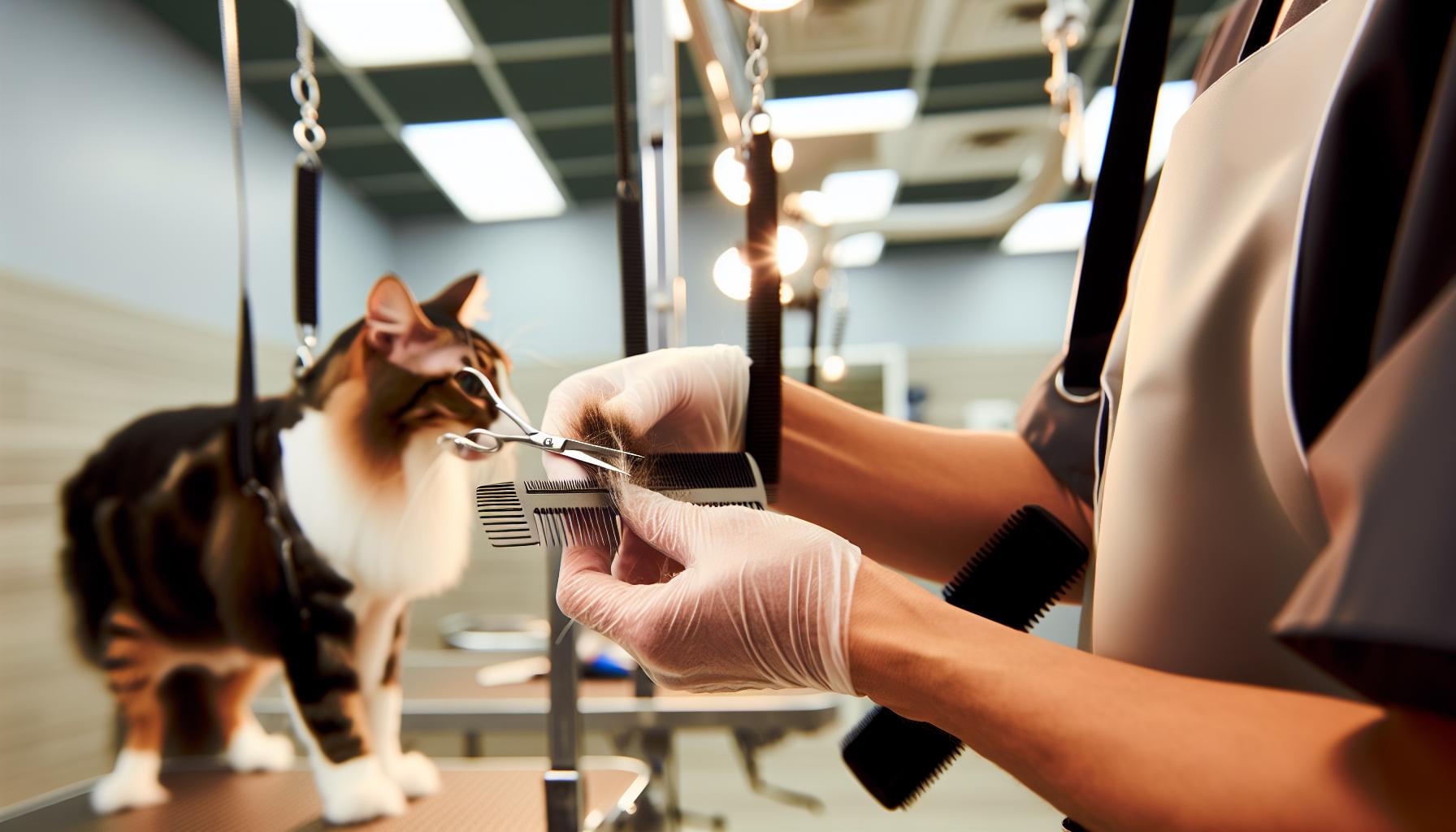
Whiskers act like a dog’s built-in radar,so when they’re damaged,your furry friend might struggle more than you realize. Because these tactile hairs are deeply embedded with nerves connected to the nervous system, any harm to them can cause discomfort or confusion for your dog. It’s not always obvious when whiskers are damaged, so knowing what to watch for can make all the difference in keeping your pet happy and comfortable.
Recognizing Signs of Whisker Damage
Dogs can’t tell us directly if their whiskers hurt, but their behavior often speaks volumes. Look out for symptoms like:
- Avoiding bright or narrow spaces. Your dog may hesitate to navigate tight spots or jump into cars, as their usual spatial cues are less effective.
- Increased head shaking or pawing at the muzzle. This can indicate irritation or sensitivity in the whisker area.
- Reluctance to eat or drink from bowls. Since whiskers help judge distance, damaged ones might make feeding uncomfortable.
- Visible redness, swelling, or bald patches near whisker follicles. These physical signs suggest inflammation or trauma.
- sudden changes in temperament. Some dogs may become more anxious or withdrawn if their sensory input is disrupted.
If you notice any of these clues after a grooming session-or even at home-take them seriously. It’s always better to err on the side of caution when it comes to this sensitive area.
When a Vet Visit Is Essential
Minor irritation caused by friction or gentle trimming usually resolves quickly, but if discomfort persists beyond 24-48 hours, it’s time to check in with your veterinarian. They can assess whether there’s infection, follicle damage, or nerve involvement that requires treatment. In more severe cases, vets may recommend medications or protective measures to encourage healing and relieve pain.
For example, a short-haired breed with sensitive facial skin, like a Whippet, might develop painful folliculitis if whiskers were accidentally cut or pulled. In this case, seeing a vet promptly prevents more serious complications. Likewise,breeds with dense facial furnishings such as Poodles or Schnauzers require extra diligence during grooming to avoid damage that might not heal easily on its own.
Simple Actions for Owners and Groomers
- Observe your dog carefully after grooming. Check the whisker area for any signs of redness or discomfort.
- Keep the area clean and dry. Avoid harsh chemicals or vigorous rubbing near whisker roots.
- Use calming techniques. Gentle massage around the muzzle and positive reinforcement help ease stress if your dog seems uneasy.
- Consult a groomer if trimming nearby is needed. They can advise on safe methods to avoid accidental damage in future visits.
Remember, preserving your dog’s whiskers is preserving their natural comfort zone. When cared for attentively, the whisker zone stays a source of information-not distress. Trust your instincts, and always act with patience and compassion.
Alternatives to Whisker Trimming for Groomers
Whiskers serve an essential role in how dogs sense their world, making cutting them unnecessary and often harmful. Rather of trimming these sensitive tactile hairs, groomers can focus on option techniques that maintain a dog’s comfort and preserve their natural sensory tools. Many stylists find that with a little creativity and patience, achieving a neat, polished look is absolutely possible without ever touching those crucial whiskers.
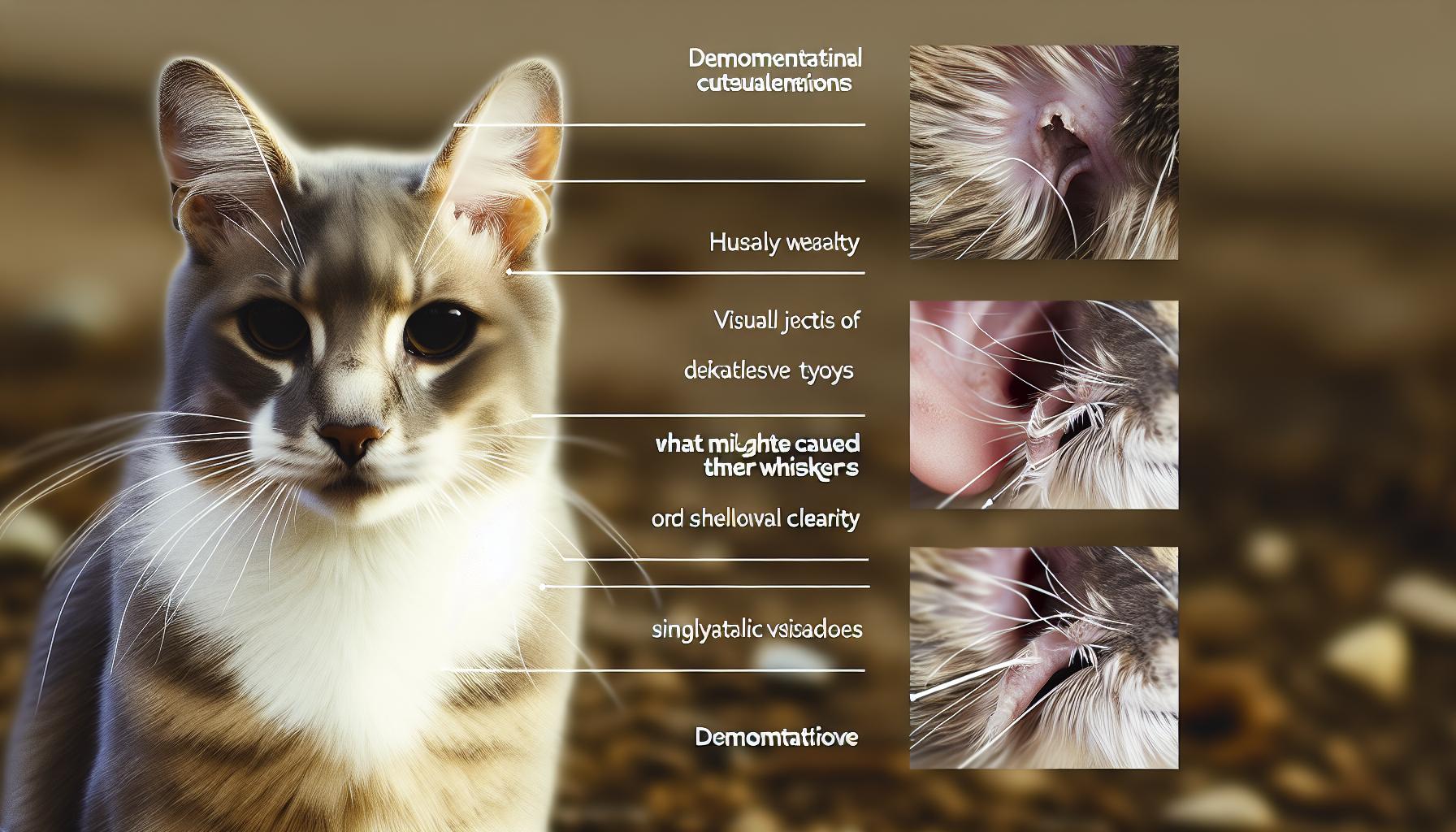
One practical alternative is to carefully trim and shape the coat around the whisker area, taking extra caution to avoid the whiskers themselves. For breeds with dense facial furnishings like Poodles or Schnauzers, using thinning shears or blending scissors allows groomers to soften edges and tidy the coat without trimming any whiskers. This approach requires a slow, steady hand and good lighting, so the groomer can clearly see where the whiskers begin and end. If a dog is prone to flinching, working in short sessions with frequent breaks helps maintain calm and cooperation.
In some cases, simply regular brushing and cleaning around the muzzle can keep the whiskers and surrounding coat healthy and neat. Gentle wiping with a damp cloth can remove debris or loose hair, avoiding the need for scissors or clippers directly near the whisker roots.Such as, Maltese and Shih Tzus, breeds with long facial hair that can obscure whiskers, benefit tremendously from daily wiping and careful detangling using soft brushes designed for facial use.This routine keeps whiskers visible and intact,while providing a polished appearance.
Tools and Tips for Whisker-Friendly Grooming
- Use rounded-tip or thinning scissors: Safer around delicate whiskers, reducing the risk of accidental cuts.
- Clipper guards and adjustable blades: Help blend the coat smoothly without needing to tidy too close to the muzzle.
- Work with your dog’s comfort: Employ treats, gentle praise, and slow movements. If your dog shows anxiety, pause and return later to prevent stress.
- ask for owner input: Some dogs tolerate light trimming if done slowly, while others prefer no cut near whiskers – always respect what’s best for each dog.
Even when a minor trim near whiskers is unavoidable, experienced groomers use techniques that keep damage to a bare minimum. As a notable example, some styles use a “whisker frame” concept, intentionally leaving the whiskers untouched while shaping hair just around them to highlight their natural placement. This honors the dog’s sensory needs and helps maintain their confidence navigating spaces.
Ultimately, these alternative grooming methods underscore a philosophy centered on empathy and respect for each dog’s unique sensory gifts. By prioritizing safety and comfort over “perfect” symmetry or fashion trends, groomers foster trust and enhance the overall grooming experience-for dogs and owners alike. Remember, a well-groomed dog with intact whiskers is a happier dog, better able to explore and enjoy life with all their senses engaged.
Owner Tips: Protecting Your Dog’s Whiskers at home
Dogs rely heavily on their whiskers as specialized sensory tools that help them navigate their environment safely and comfortably.Because these whiskers are deeply embedded and connected to the nervous system, protecting them at home is just as crucial as it is during professional grooming. Ensuring your dog’s whiskers stay intact and healthy boosts their confidence and reduces stress, especially in breeds with prominent facial whiskers like Schnauzers, Maltese, or Poodles.
Gentle Cleaning Without Trimming
Keeping whiskers clean is important but should never involve cutting or harsh handling. Use a soft, damp cloth to gently wipe away dirt, food particles, or debris around the muzzle. For dogs with longer facial hair, such as Shih Tzus or Maltese, daily brushing with a soft-bristled facial brush helps prevent tangles that might pull or strain whiskers.Always brush in the direction of hair growth, avoiding direct pulling on whiskers.
Safe Bathing and Drying Practices
When giving your dog a bath at home, avoid using strong sprays or shampoos directly around the nose and whisker area. Rinse carefully but thoroughly to prevent irritation. After washing, pat dry the muzzle gently with a soft towel instead of rubbing vigorously, which can damage the delicate whisker follicles. For breeds with sensitive facial hair, air drying or using a low-heat setting on a dryer at a safe distance works best to avoid whisker brittleness.
Minimizing Accidental damage
Whiskers can sometimes be accidentally broken or pulled through everyday activities. To reduce this risk:
- Trim surrounding hair cautiously: only carefully trim coat hair near whiskers if needed, using rounded-tip scissors while fully aware of whisker placement.
- Avoid tight muzzles or collars: Gear that presses hard on the muzzle can irritate or damage whisker bases.
- Manage playtime thoughtfully: Rough play involving tugging or face-pawing can inadvertently harm whiskers.
When to Consult a Professional
If you notice signs like unusual whisker breakage, sensitivity, swelling, or your dog frequently scratching at their muzzle, consult your vet promptly. While general grooming may be safe for coat and nails, any suspected whisker damage or facial skin issues merit professional assessment. Experienced groomers know never to trim whiskers and will use whisker-sensitive techniques to keep your dog comfortable during salon visits.
By incorporating these simple yet effective home care tips, you not only protect your dog’s precious whiskers but also show empathy for their sensory needs, helping your furry friend feel safe, secure, and loved every day.
Breed Differences: Whisker Sensitivity and grooming Needs
Dogs’ whiskers vary remarkably across breeds, not only in appearance but in sensitivity and grooming requirements. Understanding these differences can make a profound impact on how you approach care-both at home and when visiting a groomer. Breeds with pronounced facial hair and longer, sturdier whiskers, like schnauzers, Poodles, and Maltese, rely heavily on these tactile hairs for spatial awareness. Trimming or mishandling whiskers in these breeds can cause confusion and discomfort, which is why protecting them should be a top priority.
Whisker Sensitivity Across Breeds
Some dogs have thicker, more visible whiskers that serve as critical navigation tools, whereas others, especially short-haired breeds like Boxers or Beagles, may have finer, less pronounced whiskers but still depend on them for sensory input. For example, terriers with wiry coats often have very prominent whiskers that can be mistaken for regular fur and trimmed accidentally if the groomer or owner isn’t careful. Always remember: whiskers are deeply embedded into nerve-rich follicles, making them sensitive even if they appear robust.
Tailoring Grooming Practices by Coat Type and Whisker Prominence
Grooming needs shift with coat type and whisker length:
- Long-haired Breeds: Daily gentle brushing around the muzzle is crucial. Use a soft, facial-specific brush to prevent tangles that could pull whiskers. Avoid trimming whiskers even if they seem unruly; instead, focus on softening and styling surrounding hair.
- wire-haired Breeds: Hand-stripping coat hair is frequently enough preferred over clipping, reducing accidental whisker damage.If trimming is necessary, always mark whisker boundaries clearly and use rounded-tip scissors cautiously.
- Short-haired breeds: Whiskers generally require less grooming but shouldn’t be overlooked. Regularly check for cleanliness and signs of irritation, since these breeds often rely heavily on tactile feedback from whiskers.
Working Together: Groomer, Owner, and Vet Roles
Clear communication between owners and groomers is essential. Inform your groomer explicitly that whiskers must remain untouched. If your dog shows signs of whisker discomfort-excessive pawing at the face or sensitivity during grooming-consult both your groomer and vet promptly. The vet can assess for any underlying infection or damage, while a skilled groomer can adapt techniques to keep whiskers safe and your dog relaxed.
Patience and kindness go a long way,especially for sensitive breeds that may already associate grooming with stress. Small changes, like slower brushing near the face and avoiding spray products around the snout, can ease your dog’s anxiety. Empowering owners with this knowledge fosters trust and ensures whisker safety remains a priority-not just for looks,but for your dog’s well-being and confidence.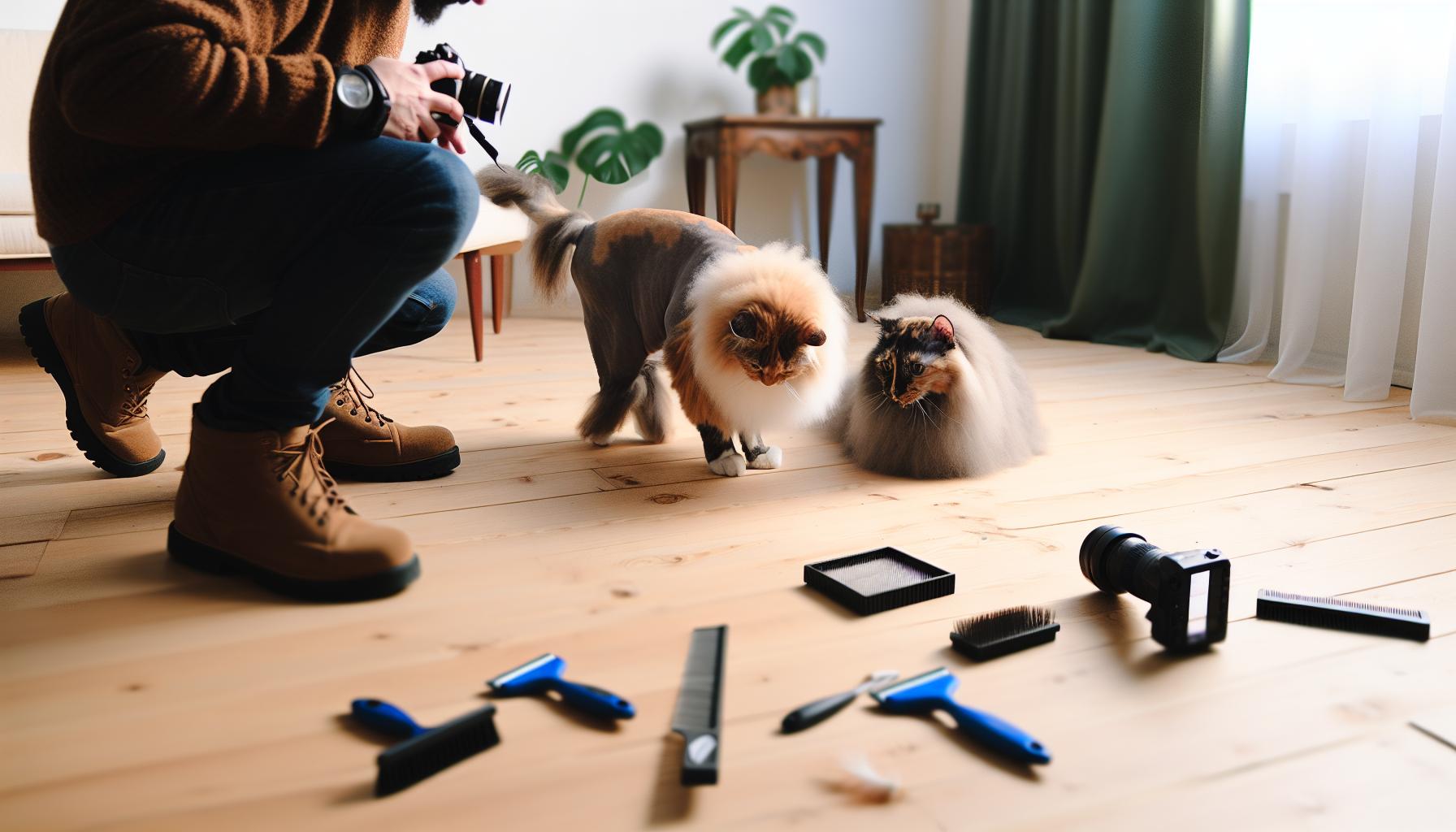
Balancing Grooming Styles with Whisker Safety
Dogs’ whiskers are much more than just pretty facial adornments-they are vital sensory tools that help them navigate their world with confidence and comfort. When balancing your dog’s grooming style with whisker safety, it’s crucial to prioritize their well-being over aesthetic preferences. Whether you have a fluffy Poodle, a wiry Schnauzer, or a sleek Beagle, protecting those delicate sensory hairs while still achieving a neat, healthy look is entirely possible-and deeply rewarding.
Understanding Your Dog’s Unique Needs
Start by assessing your dog’s breed and coat type, as these influence how you approach grooming near the whisker area. for example:
- long-haired breeds like Maltese or Shih Tzus frequently enough have whiskers that blend with their facial fur. Use a soft, fine-tooth comb and gentle finger strokes to detangle without tugging on whiskers. Styling around the muzzle rather than trimming whiskers preserves their sensory input while maintaining a tidy appearance.
- Wire-haired breeds such as Schnauzers benefit from hand-stripping or careful scissor work around the face.If trimming is necessary, clearly mark whisker boundaries and use rounded-tip scissors only outside whisker edges to avoid accidental cuts that can startle or confuse your dog.
- Short-haired breeds like Beagles or boxers require less fuss but still need whiskers checked for cleanliness and health regularly. A gentle wipe during baths and careful brushing ensures whiskers stay functional without disrupting their natural position.
practical Grooming Tips That honor Whisker Safety
When grooming, always start with a calm environment to reduce your dog’s stress and make the experience positive. Here are a few steps to keep things both stylish and safe:
- Bath Time: Use mild, fragrance-free shampoos and avoid spraying water or soap directly on the muzzle. Pat gently around the whisker area rather than rubbing vigorously.
- Brushing: Use a soft-bristle brush or facial-specific grooming tools. Brush away from the whiskers and use your fingers to gently fluff or separate hair near whiskers instead of trimming.
- Nail Trimming & Ears: keep whisker areas distraction-free. Use treats and praise to create a relaxing atmosphere so your dog isn’t anxious or fidgety, which can lead to accidental whisker damage.
Real-life Example:
One of my Schnauzer clients used to have his whiskers trimmed to “clean up” his face. After we switched to hand-stripping the coat and leaving whiskers intact, his owner noticed he was more confident during play and bumped into fewer objects at home. His whiskers helped him navigate better and reduced his grooming anxiety. Stories like these highlight why patience and a “less is more” approach work best.
When to Defer to Veterinary Advice
If your dog shows signs of whisker discomfort-excessive face rubbing, sensitivity during grooming, or unexplained changes in behavior-stop grooming around the whiskers and consult a vet. They can assess whether there’s damage or underlying issues like infection. Groomers and vets should collaborate: groomers maintain safety in styling, vets handle sensory or medical concerns.
Balancing style with sensory safety doesn’t mean your dog can’t look sharp-it means respecting what whiskers do and adjusting techniques to protect them. Remember, a relaxed and happy dog reflects triumphant grooming far better than any clipped whisker ever could. Prioritize kindness, communicate openly with your groomer, and enjoy the process of enhancing your dog’s natural beauty safely.
Training Your Dog to Stay Calm During Whisker-Safe Grooming
Dogs pick up on our energy more than we realize, so creating a calm and reassuring atmosphere is the very first step to helping them stay relaxed during grooming-especially when protecting sensitive areas like their whiskers. Whiskers are a dog’s built-in navigation system, so it’s vital to avoid any speedy, harsh movements near the muzzle. Think of it as inviting your dog into a gentle spa session rather than a rushed chore.
Start with Familiarization and Positive Associations
Before you even bring out the comb or brush, spend quiet moments simply touching your dog’s face, focusing gently around the whiskers without applying pressure. Use soft words and treats to build a positive connection with this handling.for dogs who are new to grooming or naturally shy breeds-like a delicate Maltese or an anxious Beagle-short, frequent sessions work best.This prevents overwhelm and lets them learn that whisker-safe handling is something to expect and enjoy, not fear.
Step-by-Step Grooming Routine
- Bath Time: Use a calm, slow approach. Avoid spraying water directly on the muzzle. Instead, dampen a soft cloth and gently wipe around the whiskers.Speak soothingly and reward your dog after each step.
- Brushing: Choose gentle tools like a soft-bristle brush or a finger-comb combo. Brush from the face backward to steer clear of whiskers. If detangling near the whiskers is needed, use your fingertips with slow, purposeful strokes rather than scissors.
- Nail Trimming & Ear Checks: These can provoke squirming, increasing risk near whiskers, so provide treats and calm praise to keep your dog focused and still.
Handling Anxiety or sensory Sensitivities
If your dog tends to pull away or shows signs of stress-whining, repeated head shaking, or rubbing their face-pause and regroup. Sometimes, using gentle massage on other parts of the body before approaching the face can relax tight muscles and ease anxiety. Dogs like wire-haired Schnauzers frequently enough appreciate this tactile reassurance as their faces can be more sensitive.Frequent short breaks and speaking to your dog in a calm, consistent tone reinforce trust.
When to Seek Professional Guidance
Despite your best efforts, some dogs may always find facial grooming stressful due to past experiences or medical sensitivity. In these cases, professional groomers trained in fear-free handling techniques or veterinary behaviorists can offer tailored strategies. Always communicate openly with your groomer and vet about your dog’s sensitivity, ensuring everyone prioritizes safety and comfort while respecting the importance of keeping whiskers intact.
By approaching grooming with patience, kindness, and respect for your dog’s natural sensory needs, you’re not only protecting those important whiskers but also strengthening your bond. Your dog will learn that grooming is a comforting routine rather than a cause for anxiety-and that’s the greatest reward of all.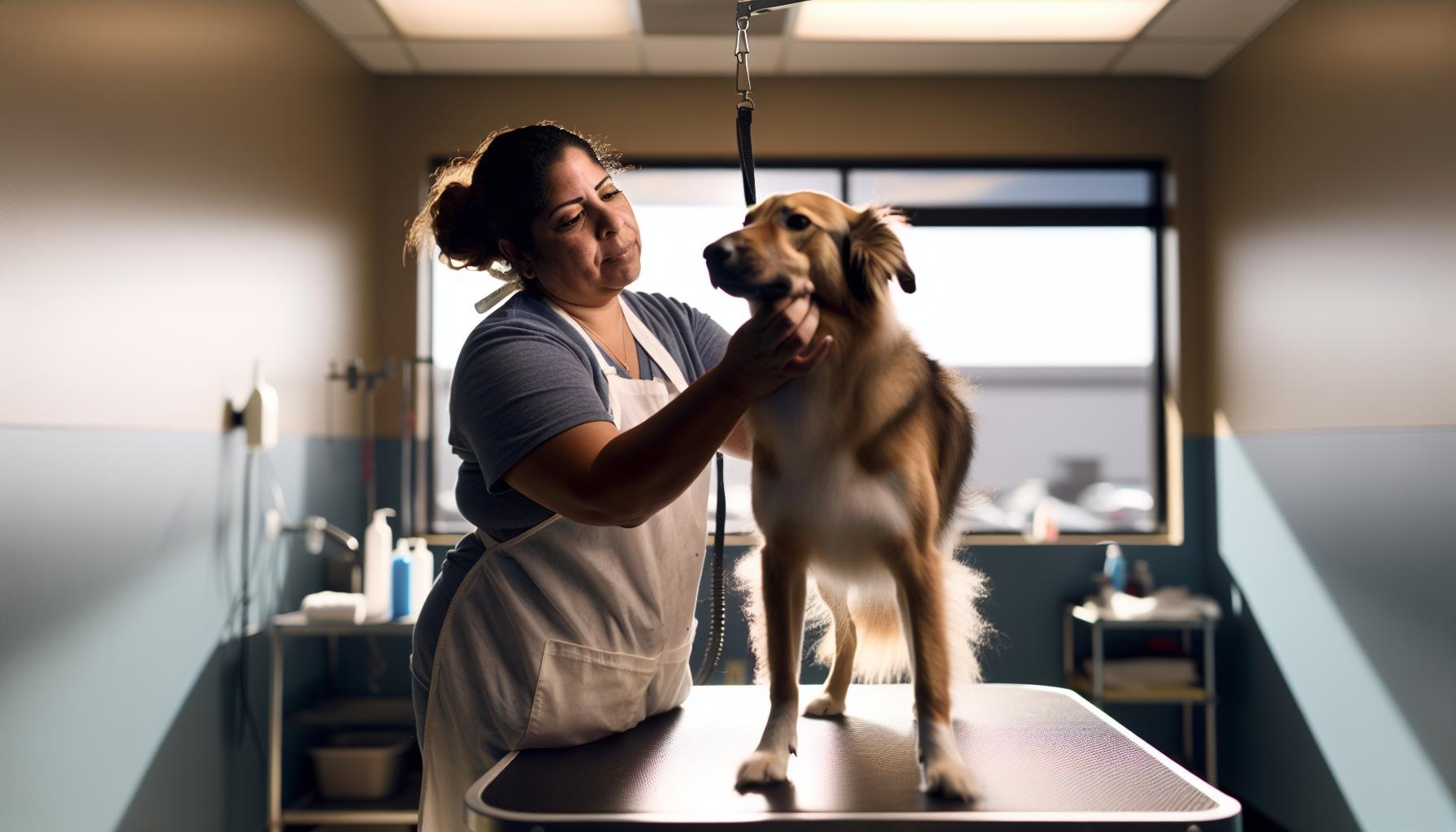
Frequently asked questions
Q: Can trimming a dog’s whiskers cause behavioral changes?
A: Yes, trimming a dog’s whiskers can cause temporary behavioral changes like increased anxiety or hesitation. Whiskers provide essential sensory input, so cutting them may confuse your dog’s spatial awareness. To avoid stress,always opt for whisker-safe grooming practices explained in our section on How Whisker Trimming Affects a Dog’s Sensory Experience.
Q: How do groomers ensure safety when grooming dogs with sensitive whiskers?
A: Groomers ensure safety by carefully avoiding whisker areas using precision tools and gentle techniques.They frequently enough communicate with pet owners about any whisker sensitivity and use brushes or clippers designed for delicate contact.Learn more in Safe Grooming Practices Around Whiskers to help your groomer maintain your dog’s comfort.
Q: are there specific grooming tools that help protect dog whiskers?
A: Yes, some grooming tools are designed with whisker safety in mind, such as rounded-tip scissors and soft-bristle brushes. These reduce the risk of accidental whisker trimming or damage while maintaining your dog’s coat and hygiene. Refer to Balancing grooming Styles with Whisker Safety for detailed tool recommendations.
Q: When might a vet need to intervene with a dog’s whisker injury?
A: A vet should be consulted if a dog shows persistent pain, swelling, or infection near the whisker follicles after accidental trimming or trauma. Prompt veterinary care can prevent complications.Check Signs of Whisker Damage and When to See a Vet for clear indicators and next steps.
Q: How do different dog breeds vary in whisker sensitivity during grooming?
A: Whisker sensitivity varies by breed, with some-like terriers and retrievers-having more tactile reliance on whiskers for navigation. Groomers adjust their techniques and tools accordingly to protect these sensitive areas.Explore Breed Differences: Whisker Sensitivity and Grooming Needs for breed-specific grooming advice.
Q: What should owners ask their groomers about whisker safety before a grooming appointment?
A: Owners should ask if the groomer follows whisker-friendly grooming protocols, uses appropriate tools, and understands the importance of whisker preservation. This ensures your dog’s comfort and safety. Our Owner Tips: Protecting Your Dog’s Whiskers at Home section provides questions and guidance to facilitate this conversation.
Q: Why is it important to avoid cutting dog whiskers even if some groomers offer trimming?
A: It’s important because cutting whiskers impairs a dog‘s ability to sense the environment, causing disorientation and stress.Despite some groomers offering trimming, expert advice recommends preserving whiskers for your dog’s well-being. See Why Groomers should Never Cut Whiskers for evidence-based reasons.
Q: How can owners train their dogs to stay calm during whisker-safe grooming sessions?
A: Owners can use positive reinforcement, gentle handling, and gradual desensitization to help dogs remain calm during grooming around whiskers. Familiarizing dogs with grooming tools and rewarding calm behavior fosters trust. Explore Training Your Dog to Stay Calm During Whisker-Safe Grooming for effective step-by-step methods.
to sum up
Understanding the importance of your dog’s whiskers is key to their comfort and safety during grooming. while it may be tempting to trim these sensitive tactile hairs, keeping whiskers intact helps your pet navigate their world confidently and stress-free. If you ever feel uncertain, trust a professional groomer who prioritizes your dog’s well-being and knows when to avoid whisker trimming. For guidance on other grooming essentials like coat care, nail trimming, and ear cleaning, explore our detailed dog grooming tips and breed-specific grooming advice to tailor care for your furry friend.
feel empowered to ask your groomer about their approach and share your concerns-your dog’s comfort always comes first. Don’t forget to subscribe to our newsletter for more expert insights and practical tips that keep your pup happy and healthy year-round. Ready to delve deeper into safe grooming practices and discover the best tools for your dog’s coat type? Click through to our grooming tools guide and stay informed. Your pet trusts you with their care-let’s make sure every grooming session is safe, compassionate, and stress-free. Questions or stories about your grooming experience? Drop a comment below; we love helping fellow dog lovers navigate this journey!
Get our latest guides, news, and insights highlighted in your Google Search & AI Overviews.
Keep reading about the same coat and cut.




Popular grooming guides
Bath vs clip, first grooms, and salon how-tos.