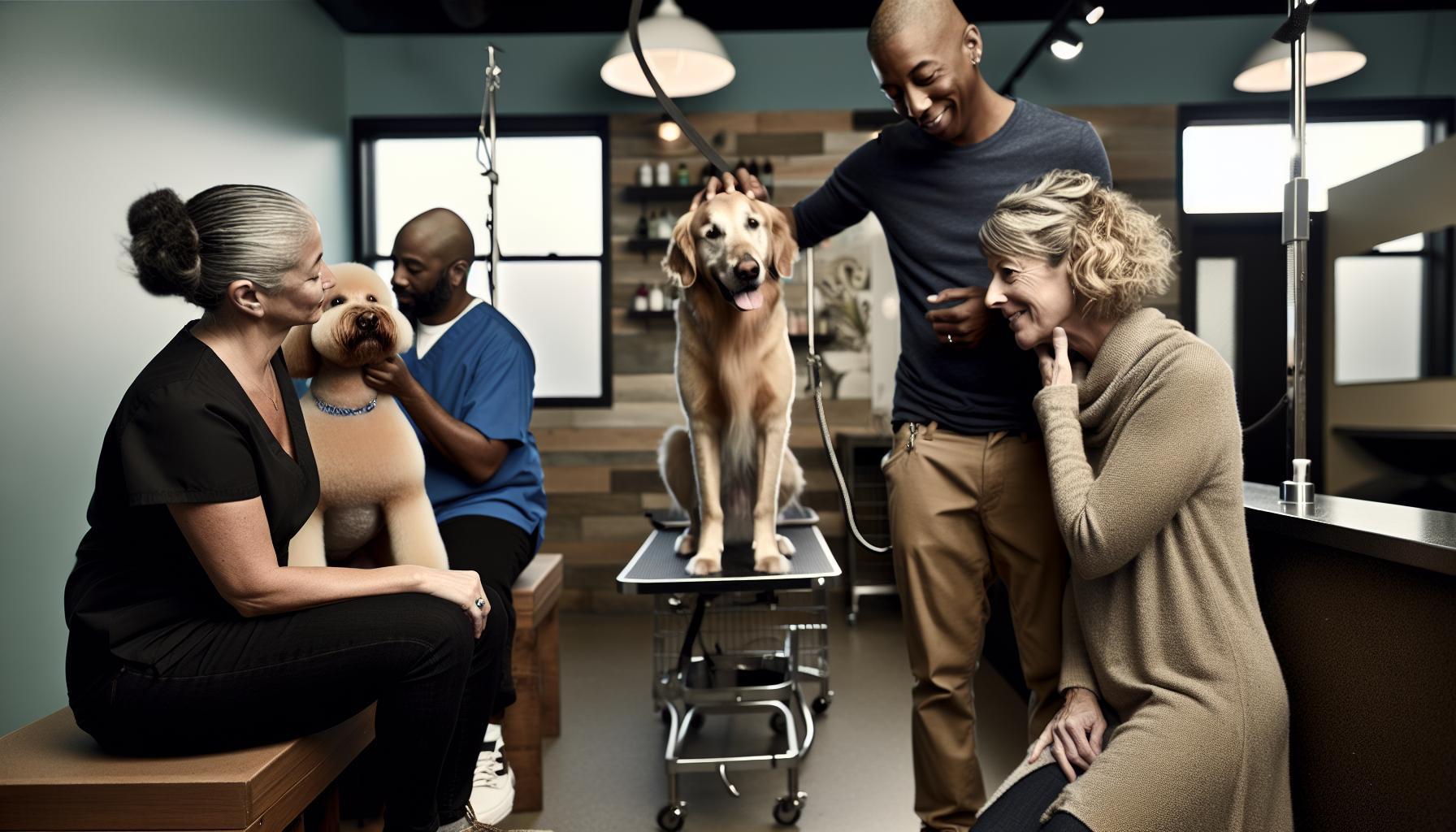
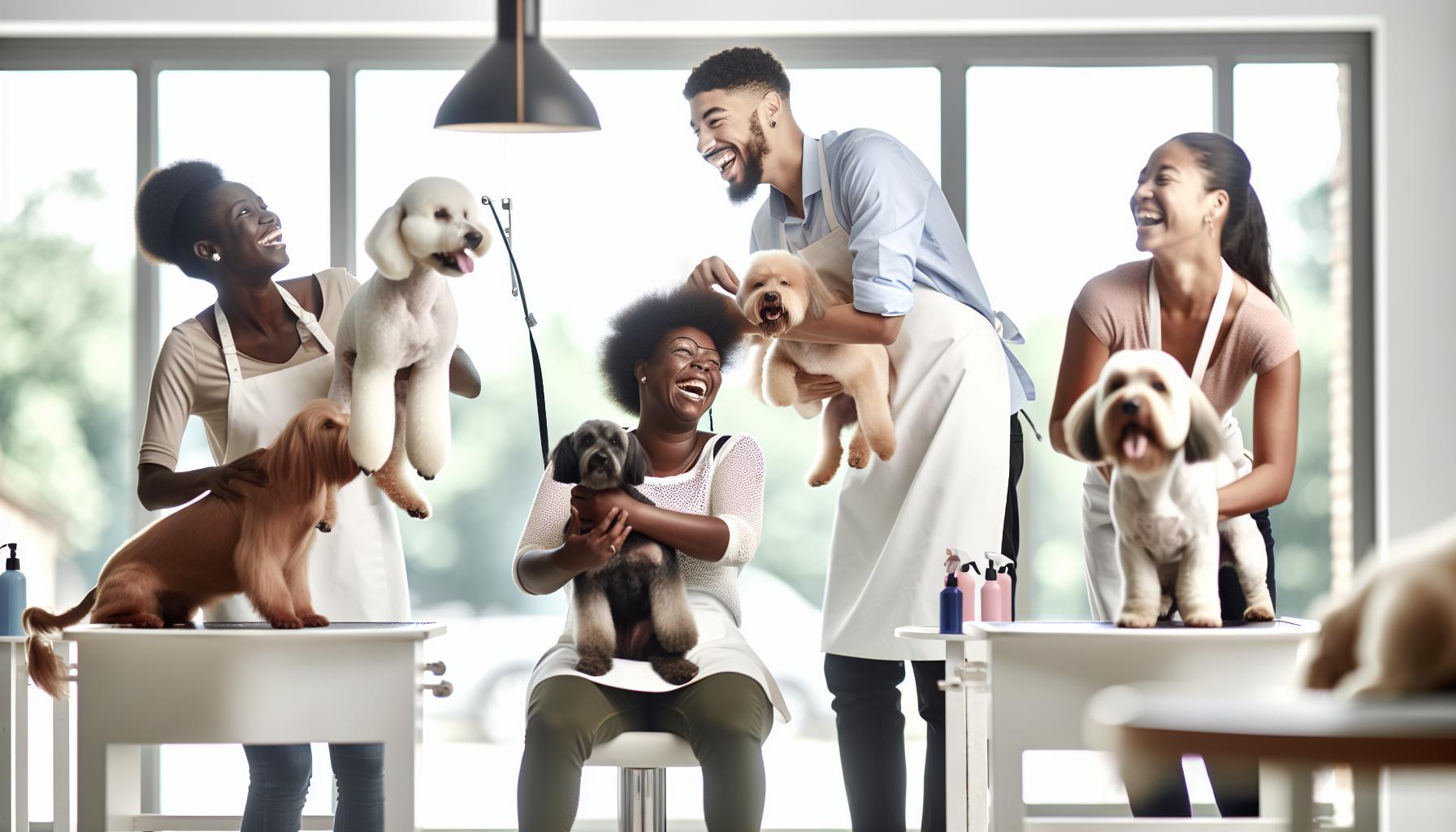
did you know that regular grooming isn’t just about keeping your dog looking good-itS essential for their health and comfort? Choosing a trustworthy dog groomer means more than just a neat haircut; it’s about ensuring your pet’s safety, well-being, and stress-free experience.Many pet owners worry about who to trust with their furry friends, especially when coats, nails, and sensitive ears require gentle care tailored to each breed and temperament.In this guide, we’ll walk you through how to spot a professional groomer who prioritizes compassion, patience, and expert handling over speed or style. You’ll learn practical tips to evaluate their skills, understand teh tools they use, and know what to expect at each grooming step. Whether you’re a first-time visitor or someone curious about the difference between vet,groomer,and at-home care,this article will empower you to make confident,safe choices that protect your dog’s comfort and happiness every time.
Understanding the Safety Risks in Dog Grooming
Table of Contents
- 1 Understanding the Safety Risks in Dog Grooming
- 2 Key Qualifications That Make a Groomer Trustworthy
- 3 Essential Questions to Ask Before Hiring a Groomer
- 4 How to Spot Warning Signs of Unsafe Grooming Practices
- 5 Comparing Professional Groomers, Vets, and DIY Grooming
- 6 Step-by-Step Guide to Preparing Your Dog for Grooming visits
- 7 Breed and Coat Considerations for Safe Grooming
- 8 Tools and Techniques Used by Safe Groomers
- 9 What to Expect During a Safe Grooming Appointment
- 10 Handling Grooming Anxiety: Tips for Nervous Dogs and Owners
- 11 How to Build a Long-Term Relationship with Your Groomer
- 12 Q&A
- 12.1 Q: How can I verify if a dog groomer uses safe and non-toxic products?
- 12.2 Q: Why is observing a trial grooming session important before fully committing?
- 12.3 Q: What role does a groomer’s experience with my dog’s specific breed play in safety?
- 12.4 Q: How can I protect my dog’s health if the groomer is handling grooming under time constraints?
- 12.5 Q: What should I do if my dog shows signs of stress during grooming visits?
- 12.6 Q: Are mobile or at-home groomers as safe as salon-based professionals?
- 12.7 Q: How often should I check my dog’s skin and coat condition between grooming appointments?
- 12.8 Q: When is it better to delay grooming and consult a veterinarian first?
- 13 Closing Remarks
dogs rely on grooming not just for beauty but for health and happiness, which is why understanding the potential risks involved is crucial for every pet owner. Grooming sessions can sometimes expose dogs to hazards like skin irritation, accidental cuts, or stress-induced reactions if handled improperly. For example,breeds with sensitive skin or thick coats require particular care during brushing and bathing to avoid discomfort or overheating. Recognizing these risks helps you advocate for your dog’s well-being during every grooming visit.one of the most common concerns is the possibility of injury from sharp tools such as scissors,clippers,or nail trimmers. Inexperienced or rushed groomers may accidentally nick the skin or trim nails too short, causing pain or bleeding. Even a small cut can become infected if not addressed quickly. This is why a informed groomer always takes extra time to handle each dog gently and uses appropriate tools matched to your dog’s coat type and size.
Another safety consideration is the dog’s emotional state.Dogs can get anxious or scared during grooming,leading to sudden movements that increase the risk of injury. An empathetic groomer reads these signals and uses calming techniques such as breaks, soothing tones, or familiar handling styles to put nervous pets at ease. When anxiety is high, some grooming tasks may need to be done in multiple shorter sessions rather than all at once to keep your dog safe and comfortable.
Common Safety Risks to Watch Out For
- Skin irritations and allergic reactions - caused by harsh shampoos or rough handling
- Injuries from tools – untrained use of clippers, scissors, or nail trimmers
- Stress and anxiety-related behaviors - biting or sudden movements that lead to accidents
- Inadequate sanitation – risk of infections from dirty equipment or shared grooming spaces
Why Breed and Coat Matter
Different breeds bring different grooming challenges.A fluffy Pomeranian needs gentle de-matting and frequent brushing, while a short-haired Boxer might only need occasional baths and nail trims. Groomers who know these distinctions can anticipate trouble spots, use the right tools, and adjust their technique accordingly. As a notable example, working on a double-coated breed requires patience and special brushes to safely remove dead hair without compromising the undercoat’s protective layer.
Understanding these safety risks empowers you to be a more informed and confident pet parent. When you observe a groomer’s approach to handling tools, reading your dog’s body language, and preparing for different coat needs, you take an active role in ensuring your dog comes home healthy, happy, and safe. Remember, grooming is about care and comfort first-not just style-and a trustworthy groomer shares that same philosophy.
Key Qualifications That Make a Groomer Trustworthy
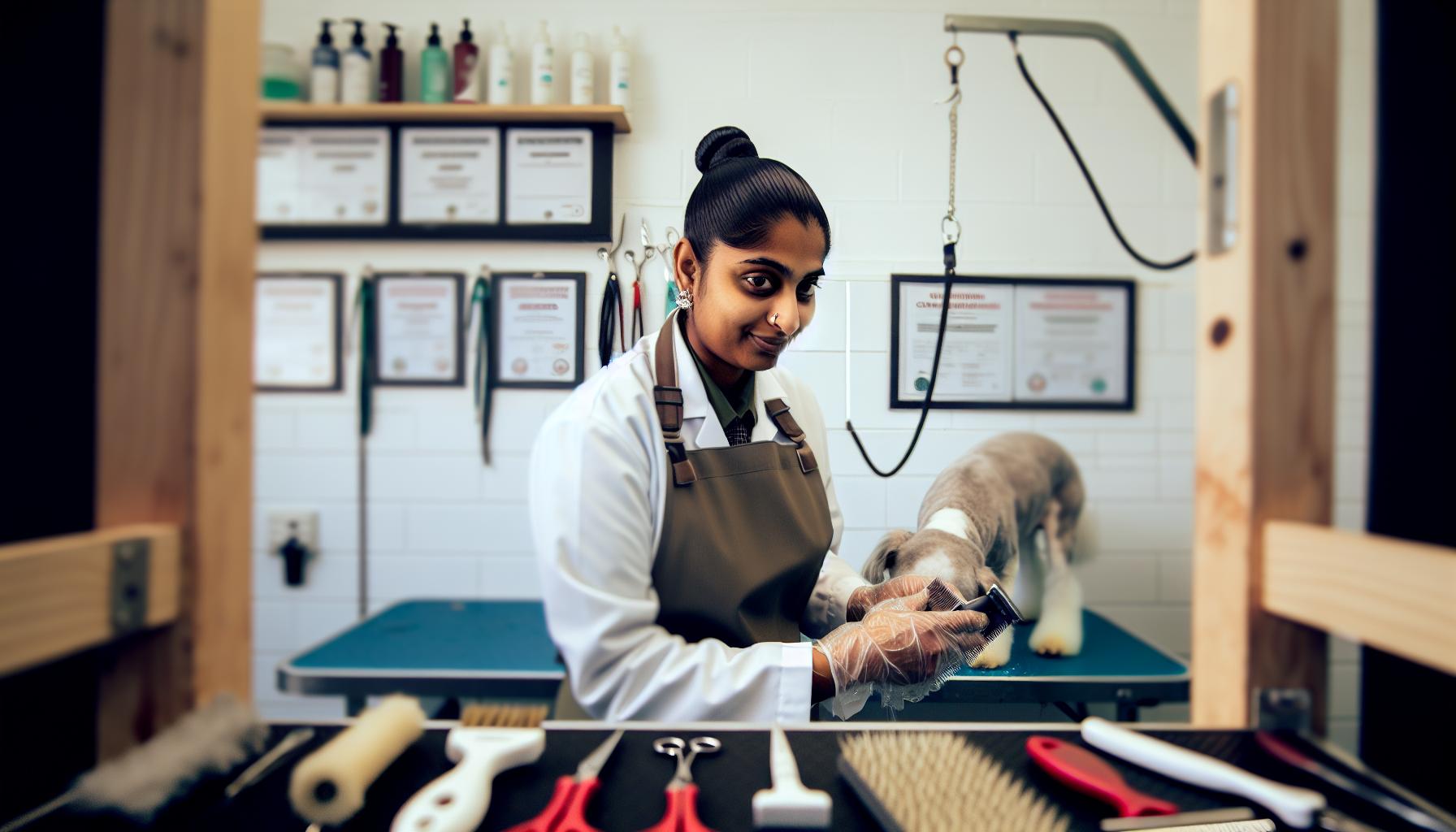
Grooming is much more than a beauty routine-it’s about your dog’s health, comfort, and confidence in the hands of someone they can trust. A reliable groomer blends technical skill with a genuine love for animals, providing a safe, calm environment tailored to your dog’s unique needs. Experience is crucial here: look for professionals who have formal training, certifications from respected grooming schools, or affiliations with recognized organizations. These credentials show they understand how to handle various coat types, recognize signs of stress or skin issues, and use tools safely to avoid injury.
Beyond technical know-how, patience and empathy are just as critically important. A trustworthy groomer notices a dog’s moods and subtle body language, adjusting their approach accordingly. For example,a groomer might break up a session with a nervous Pomeranian into shorter increments,or choose gentler shampoos to protect a Maltese’s sensitive skin. This level of attentiveness demonstrates respect for your pet as a living, feeling being-not just a project. Genuine care often means the difference between a stressed-out dog and one who happily returns for every appointment.
Transparency is another key marker. A groomer willing to discuss your dog’s specific needs-whether that’s trimming nails carefully or avoiding clipping too close in sensitive areas-builds confidence through open communication. They should readily explain how they sanitize equipment, what brands or types of shampoos they use, and how they handle emergencies or unexpected behavior during grooming. When you sense that your concerns are heard and your dog’s welfare is priority number one, you’ve likely found a professional who will partner well with you on your pet’s grooming journey.
Essential Traits of a Trustworthy Groomer
- Certified training or apprenticeships ensuring proper technique and safety
- Experience with breed-specific grooming needs to handle variations in coat and temperament
- Calm,patient demeanor to soothe anxious or reactive dogs
- Clear communication about procedures,sanitation,and products used
- Passionate care prioritizing health and comfort over perfect aesthetics
By focusing on these qualities,you can confidently choose a groomer who respects your dog’s individuality and makes safety as important as style. This creates a foundation of trust, setting the stage for happy grooming visits for years to come.
Essential Questions to Ask Before Hiring a Groomer
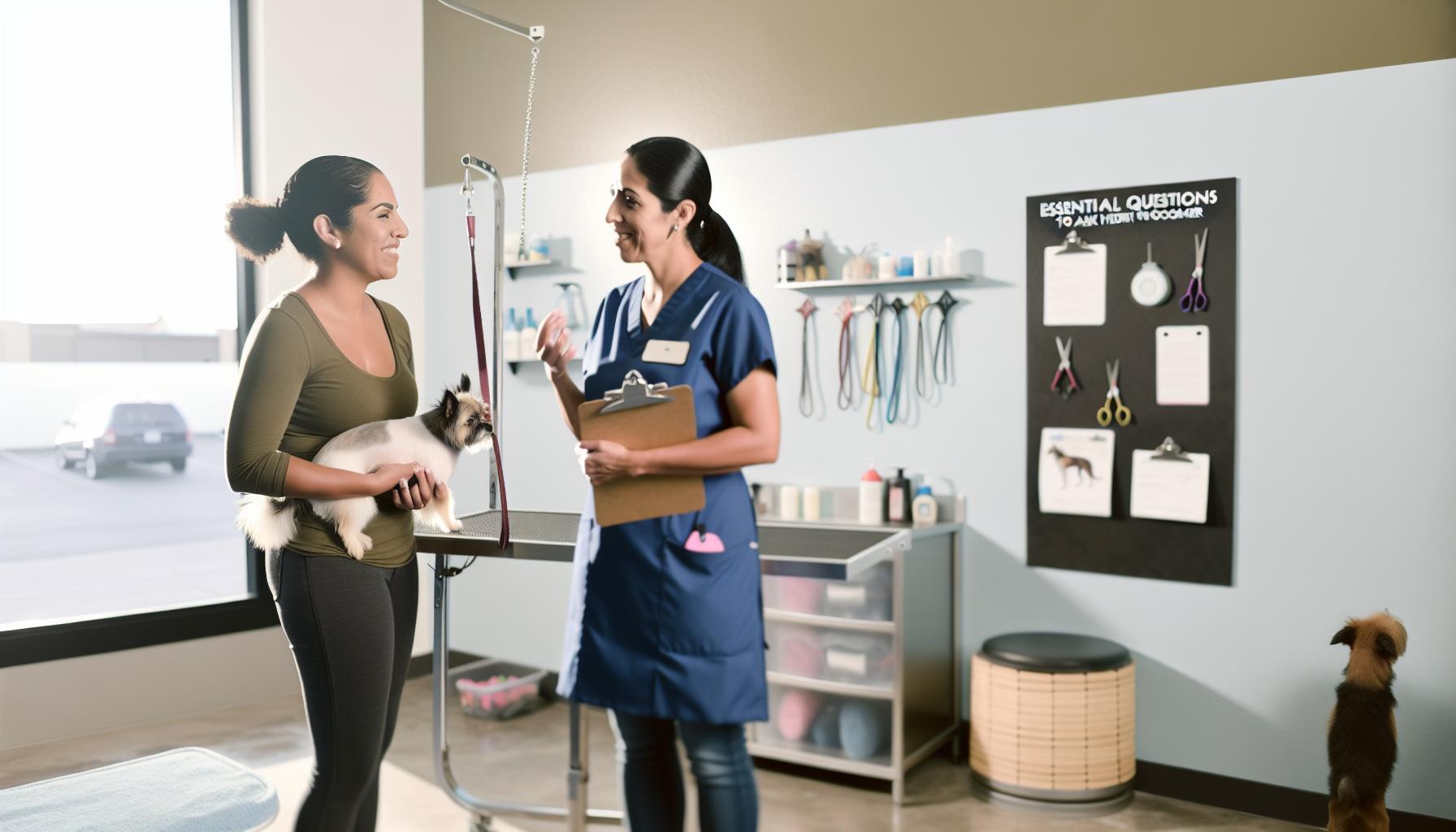
Choosing someone to care for your dog’s grooming needs can feel overwhelming, especially when so much trust is involved. Asking the right questions before you commit is the best way to ensure your dog’s safety, comfort, and happiness during each visit. A groomer’s expertise is about more than just creating a polished look – it’s about understanding breed-specific challenges, handling unique coat types gently, and responding appropriately to your dog’s temperament.Start by inquiring about the groomer’s professional background. Examples include asking about certifications, formal training, or apprenticeships they’ve completed. Even if they’re self-taught or newly starting, find out how they stay current with the latest grooming techniques and safety standards. A seasoned groomer should confidently share experiences working with your dog’s breed-like managing a dense double coat on an Akita or the delicate skin of a Maltese-and the tools they use to protect your dog during bathing, brushing, nail trimming, and ear cleaning.
Transparency about their grooming environment and routines also speaks volumes.You might ask how frequently enough they sanitize their clippers and brushes or what brand of shampoo they prefer and why. Are the shampoos hypoallergenic or designed for sensitive skin? Do they handle dog anxiety by breaking the session into shorter increments or by using calming techniques? Such as,a groomer might gently pause between nail trims to prevent rushing and reduce stress,especially if your dog is nervous.
discuss how they manage unexpected situations, such as your dog showing signs of discomfort or skin irritation. Knowing they have a protocol-as an example, stopping to consult you or suggesting a vet visit if needed-can reassure you that your dog’s welfare always comes first.
Key Questions to Ask Your Prospective Groomer
- What certifications or training have you completed? Understanding their education helps clarify their skill level.
- Have you worked with my dog’s breed or coat type before? Breed knowledge is crucial for safe, effective grooming.
- What products and tools do you use, and how do you sanitize them? Cleanliness and safe product use reduce infection or skin reaction risks.
- How do you handle anxious or reactive dogs during grooming? compassionate handling minimizes stress and injury.
- If my dog reacts badly during grooming, what steps do you take? A groomer should prioritize safety and clearly communicate contingency plans.
- Can I tour your grooming area or observe a session? Transparency about their workspace helps build trust.
Asking these questions shows you’re committed to your dog’s welfare and helps screen for a groomer who prioritizes care over speed or aesthetics. when a groomer welcomes your questions and answers honestly, you will feel confident that your beloved pet is in safe and gentle hands.
How to Spot Warning Signs of Unsafe Grooming Practices

Grooming should always be a positive, safe experience for your dog, but not every facility or professional meets this essential standard. One of the earliest warning signs of unsafe grooming is a disregard for your dog’s temperament and comfort. If a groomer rushes through the process, uses force to keep a dog still, or ignores signs of stress such as growling, trembling, or attempts to escape, these are red flags. Compassion and patience are key-gentle breaks during tricky tasks like nail trimming or sensitive ear cleaning can make all the difference in reducing fear and avoiding injury.
Another important indicator is the cleanliness and maintainance of tools and the grooming area. Dirty clippers, brushes, or bathing tubs can transfer bacteria and cause skin infections or irritations, especially for dogs with sensitive skin or allergies. Ask if they regularly sanitize equipment and use hypoallergenic or breed-appropriate shampoos. A trustworthy groomer will be transparent about their hygiene routines and the products they select, prioritizing your dog’s health over aesthetics or speed.
Physical signs on your dog after a grooming session also speak volumes. Unexpected cuts, untreated matting under thick coats, irritated or red skin, and over-thinning are warning signs that unsafe or inexperienced techniques were used. for example, shaving a double-coated breed like a Siberian Husky can cause serious health problems, and a groomer unfamiliar with this could cause harm. Safe grooming respects breed-specific needs; if your groomer cannot explain why they’re clipping a certain way or using particular tools, that’s a cue to seek someone with more knowledge.
Common Red Flags to watch for
- high-speed grooming without breaks: May stress or injure anxious dogs.
- Poor hygiene practices: Dirty tools or uncommon use of protective products.
- Lack of breed-specific knowledge: Misunderstanding coat types or skin sensitivities.
- Ignoring signs of distress: Overlooking vocalizations, body language, or physical discomfort.
- Unexplained injuries or uneven grooming results: Cuts, nicks, or harsh thinning that leave coat patchy.
Remember that a safe groomer sees your dog as more than just a coat to tidy but as a unique individual with specific needs and feelings. When in doubt, trust your instincts and don’t hesitate to ask for clarifications or request to observe the grooming space. A qualified professional will welcome your questions and prioritize your dog’s welfare above all else. Keeping these points in mind will help you confidently spot warning signs before your dog is placed in unsafe hands.
Comparing Professional Groomers, Vets, and DIY Grooming
Many pet owners wonder where grooming fits best in their dog’s overall care routine: whether to rely on professional groomers, veterinarians, or take the DIY route at home. Each option brings unique benefits and considerations, but above all, your dog’s comfort and safety must guide your choice. Professional groomers specialize in routine and breed-specific grooming tasks, vets address medical and health-related grooming needs, and DIY grooming suits those comfortable and confident in handling basic care with their furry friends.
Professional groomers are experts trained for everything from breed-appropriate haircuts to nail trims, ear cleaning, and coat conditioning. their knowledge of different coat types-from the silky strands of a Maltese to the dense double coat of a Husky-means they can tailor their approach to keep your dog both looking great and comfortable. They’re also equipped with industry-standard tools and usually have a safe, calm environment designed especially for dogs. If your dog has a sensitive temperament or complex grooming needs, a skilled groomer’s patience and expertise can make all the difference. For example, a groomer familiar with thick coats will carefully detangle mats without causing pain, whereas an inexperienced handler might resort to shaving, which can harm certain breeds.
Veterinarians come into play primarily for grooming that intersects with health concerns. This includes medical baths for skin conditions, careful nail trims when a dog has bleeding disorders, or clipping around surgical sites. While some vets offer grooming services, their focus is clinical and health-driven rather than cosmetic. If your dog has chronic allergies, infections, or wounds, the vet’s supervision ensures grooming doesn’t exacerbate these issues. Though, vet grooming can be pricier and less frequent than visits to a groomer, so the two frequently enough complement rather than replace each other.
DIY grooming has the charm of bonding and budget-friendliness, but it demands a calm hand, patience, and the right gear. It’s best suited for straightforward tasks like brushing and bathing, especially on easy-coat breeds. Owners of small or smooth-coated dogs can often manage basic nail trims and ear cleaning safely at home with proper guidance. But attempting complex clipping or dematting without training risks injury or discomfort to your dog. Also, nervous pets might resist DIY grooming more, increasing stress for both parties. When venturing into at-home grooming, always educate yourself through trusted sources, start slowly, and prioritize your dog’s reactions over speed or appearance.
- Professional Groomers: Expertise in breed-specific styling, stress reduction, and handling tough coat types. Well-equipped and staffed environments with focus on welfare.
- veterinarians: Ideal for grooming tied to medical needs-skin conditions, surgical follow-up, or when sedation is necessary for safety.
- DIY Grooming: Great for regular brushing, bathing, and simple maintenance on tolerant dogs; requires time, patience, proper tools, and knowledge.
Balancing Safety, Comfort, and Needs
If your dog is anxious or has physical sensitivities, professional groomers and vets offer trustworthy expertise to minimize risks. For owners wanting the hands-on experience, start with gentle brushing and basic nail care, then gradually build confidence. Remember, good grooming is never about perfection-it’s about keeping your dog healthy, comfortable, and happy. When in doubt, reaching out to a trusted professional is always the safest way to protect your beloved companion’s welfare.
Step-by-Step Guide to Preparing Your Dog for Grooming visits
It’s common for dogs to feel a little uneasy before a grooming visit, especially if it’s new or they have sensitive skin or temperament. Starting your preparation early can make a huge difference in how smooth and stress-free the experience will be-not just for your dog but for you,too. The key is to build gentle familiarity with the grooming routine and tools, while respecting your dog’s pace and comfort.
getting Familiar with Grooming Basics at Home
Before the appointment, spend time together on basic grooming steps like brushing and handling paws, ears, and tails. Use a gentle, breed-appropriate brush-whether it’s a slicker for curly coats or a bristle brush for short-haired dogs.Keep sessions short and positive, ending before your dog shows signs of stress. For example, with double-coated breeds like Huskies or Malamutes, starting with slow, steady brushing reduces tangles and matting, making professional grooming safer and easier.
- Brush regularly: Detangles mats, spreads natural oils, and familiarizes your dog with touch.
- Handle paws and ears daily: Touch nails and ears gently so they don’t become sensitive during trimming.
- Introduce grooming tools: Let your dog sniff and investigate clippers or nail files, rewarding calm behavior.
Preparing for Bath and Nail Care
Bath time at home before the groomer visit can help, especially for dirtier dogs or breeds with oily coats. Use dog-safe shampoo and lukewarm water to avoid skin irritation. Dry carefully to prevent chilling, notably for short-haired or small breeds. Nail trimming can be a source of anxiety or injury if rushed or done incorrectly. If your dog tolerates it, try gentle filing or swift trims, but leave complex or sensitive nail work to professionals or vets, especially for dogs prone to nail bleeding or brittle nails.
Tips for the Day of the Appointment
on the day itself, keep your dog’s energy calm with a light walk before leaving. Avoid heavy meals right before to prevent nausea. Bring along familiar items like a favorite toy or blanket to provide comfort at the salon. Make sure your groomer has full details about your dog’s health, temperament, and any past grooming challenges. Open communication strengthens trust and allows the groomer to tailor care with your dog’s safety and comfort front and center.
Knowing when to Choose vet Grooming vs. Professional or DIY
If your dog has health conditions-such as skin allergies, infections, or a history of stress during grooming-consult your vet. Vets offer medically supervised grooming that safely handles these challenges. For routine trims and maintenance, a skilled groomer specialized in your dog’s breed and coat type will be the best choice.If you enjoy hands-on care and your dog is cooperative, basic DIY grooming like brushing and bathing works well as part of the ongoing routine but always avoid tasks your dog resists or that require sharp tools without professional training.
Preparing thoughtfully helps foster a calm, positive grooming experience from the very first visit-setting the stage for safe care that respects your dog’s unique needs. This preparation also empowers you with confidence and peace of mind, knowing you’re partnering effectively with your groomer to keep your furry friend happy and healthy.
Breed and Coat Considerations for Safe Grooming
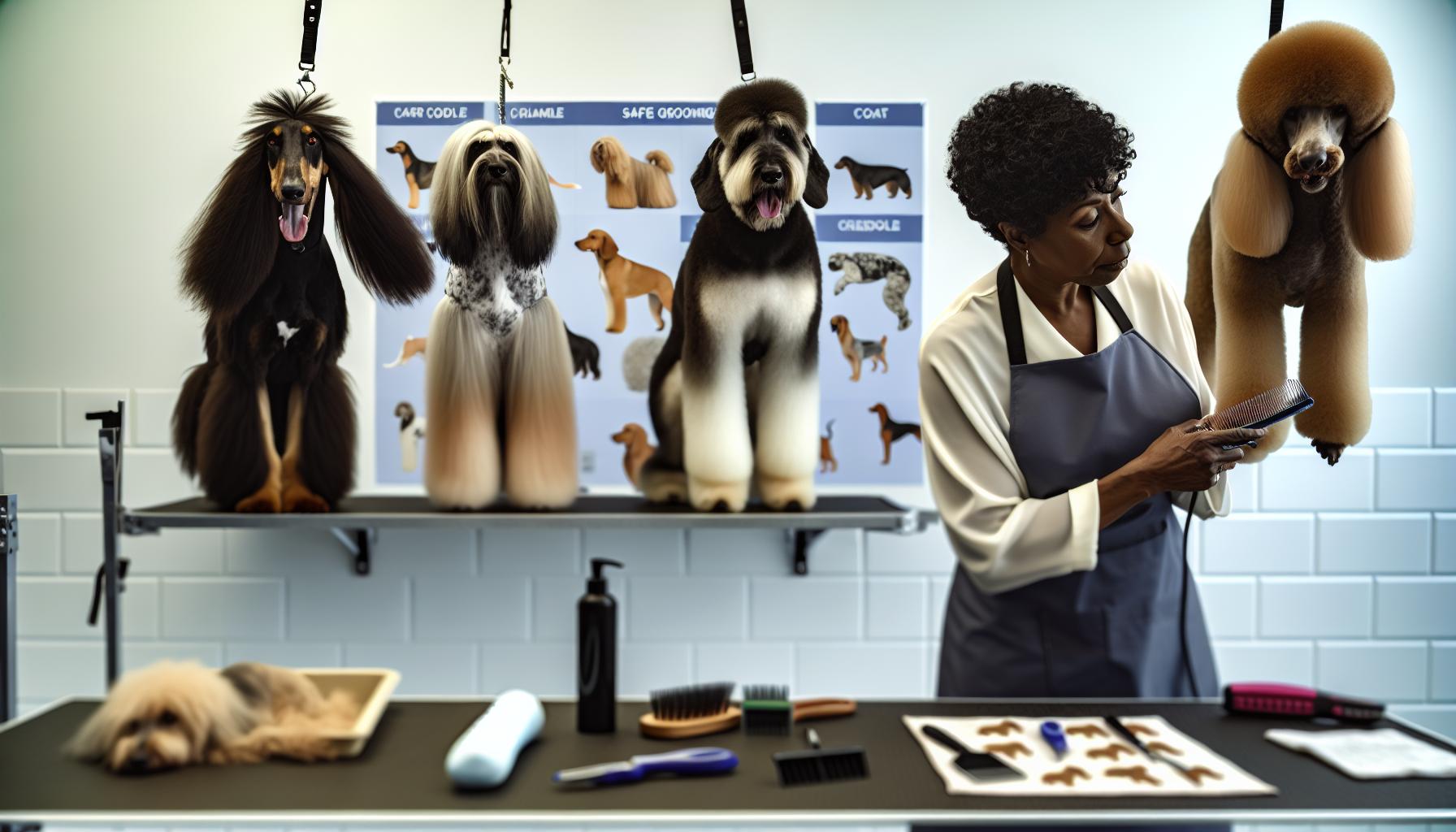
Dogs come in a remarkable variety of breeds and coat types, each with unique grooming needs that directly impact their safety and comfort during a grooming session. Recognizing these differences is essential not only for choosing the right groomer but also for ensuring your dog’s experience stays positive and stress-free. Such as, a fine-haired Chihuahua requires gentle handling and delicate tools, while a thick, double-coated breed like a Golden Retriever needs careful, thorough brushing to prevent painful mats and allow their skin to breathe.
Understanding Coat Types and Their Grooming Demands
- Short, smooth coats: Breeds such as Boxers or Beagles have low-maintenance coats but can be sensitive to harsh brushes or rough handling. Bathing should be infrequent and done with mild shampoo to avoid drying out their skin.
- Double coats: Breeds like Siberian Huskies or Malamutes have a dense undercoat beneath a protective outer coat. Groomers must use specialized tools like undercoat rakes and spend extra time on deshedding, especially during shedding seasons, to prevent matting and skin issues.
- Curly or wiry coats: Poodles and terrier breeds have coats that can quickly tangle and trap dirt.Regular clipping and hand-stripping may be necessary to maintain coat health, requiring skilled groomers familiar with these techniques.
- Long, flowing coats: Breeds such as Shih Tzus or Maltese have lovely but high-maintenance coats. Gentle detangling and careful drying to prevent moisture retention near the skin are critical here to avoid irritation and infections.
Bathing and Drying: Breed-Specific considerations
Breeds with oily coats, like Basset Hounds, benefit from more frequent baths with shampoos designed to balance oils without stripping natural protection. On the other hand, water-averse dogs or those with sensitive skin, such as some small breeds (e.g., Chihuahuas), need baths that are shorter and use lukewarm water with gentle, hypoallergenic products.
Drying is equally critically important. For breeds with dense or double coats, thorough drying prevents dampness that can lead to hot spots or fungal infections. Groomers often use low-heat dryers and let dogs shake off excess moisture first, ensuring the process is as stress-free as possible.
Nail and Ear Care Tailored to Your Dog
Some breeds have thicker nails, like working dogs, requiring sturdy clippers and an experienced hand to avoid injury. Smaller breeds with delicate nails need more cautious trimming or filing to prevent painful splits or bleeding. Similarly,ear care must be adapted to the shape and hair of the ear canal-breeds like Cocker Spaniels with floppy ears are prone to infections,needing regular gentle cleaning,while others with erect ears may require less frequent attention.
When to Choose a Vet or Specialized Groomer
if your dog’s breed or coat type includes complex grooming needs-like severe matting potential,skin allergies,or a history of grooming-related stress-a professional groomer trained in that breed’s specifics is the best match.For dogs with medical conditions affecting their skin or coat,such as dermatitis or infections,a veterinary groomer with medical expertise ensures safe,appropriate care.
Summary Table: Basic Grooming Needs by Coat Type
| Coat Type | Example Breeds | Key Grooming Needs | Common Tools | Difficulty Level |
|---|---|---|---|---|
| Short & Smooth | Boxer, Beagle | Infrequent baths, gentle brushing | Bristle brush, soft sponge | Easy |
| Double Coat | Siberian Husky, Golden Retriever | Regular deshedding, thorough drying | Undercoat rake, slicker brush | Moderate to High |
| Curly/Wiry | Poodle, Scottish Terrier | Frequent clipping/hand-stripping | Clipper, stripping knife | High |
| Long & Flowing | Shih Tzu, Maltese | Daily detangling, careful drying | Slicker brush, comb | High |
Gentle patience and respect for your dog’s breed characteristics build trust and safety during grooming. When looking for a groomer, ask about their experience with your dog’s specific breed and coat type. A knowledgeable groomer will adjust tools, timing, and techniques to suit your dog’s unique coat condition and temperament. This personalized approach is key to making grooming a positive, healthy ritual-not a fearful ordeal.
Tools and Techniques Used by Safe Groomers
Few things effect a dog’s well-being during grooming as much as the tools and techniques chosen by a skilled groomer. Safe groomers know that every dog is unique, and their approach must be tailored to breed, coat type, and temperament.Using the right tools with gentle, patient handling transforms grooming from a stressful chore into a soothing experience that supports your dog’s comfort and health.
Choosing Tools That Respect breed and Coat
A professional groomer’s toolkit includes brushes, combs, clippers, and dryers designed to meet specific coat demands. As an example, dogs with dense double coats like Siberian huskies benefit from undercoat rakes and slicker brushes that remove loose fur without tugging. In contrast, a fine-coated breed such as a Chihuahua requires soft-bristle brushes or delicate grooming mitts to avoid skin irritation. Groomers well-versed in coat types will swap between tools based on whether a dog’s coat is curly, wiry, long, or short-never forcing a one-size-fits-all method.
Gentle detangling is essential. when working on knots or mats, safe groomers use dematting tools and carefully seperate tangles in small sections rather than harshly cutting or pulling, a method that protects both skin and fur. For example, Poodles need frequent clipping with sharp, well-maintained clippers that prevent snagging, paired with hand-stripping techniques to maintain coat texture. This combined toolkit and technique approach minimizes discomfort and preserves coat health.
Step-by-Step Grooming Practices
- Bathing: A calm, lukewarm bath using breed-appropriate shampoo helps maintain the natural oils of the skin. Groomers often use gentle, hypoallergenic shampoos for sensitive dogs, taking care to avoid water in ears and eyes.
- Brushing: Starting with a gentle massage brush to relax the dog, groomers then progress to slicker or pin brushes as needed, adapting pressure to the dog’s tolerance. This step prevents mats and distributes natural oils.
- Nail care: Groomers use breed-appropriate nail clippers or grinders, especially careful with small or fragile nails to avoid pain or bleeding. Experienced groomers trim nails in small increments,watching for signs of stress and avoiding the quick.
- Ear Cleaning: Using mild, vet-approved cleaners and cotton pads, groomers clean ears gently to reduce infection risk without causing irritation. For floppy-eared breeds like Cocker Spaniels, this routine is especially vital.
- Drying: Low-heat dryers or towel drying with patience ensures coats are dried thoroughly without overheating,critical to preventing skin issues like hot spots,particularly for breeds with thick undercoats.
Why Technique Matters More Than Looks
A trustworthy groomer never prioritizes speed or aesthetics over safety and comfort. For example, shearing a matted Golden Retriever too quickly without proper dematting can cause painful skin tears. Instead, a compassionate groomer will take their time, even over multiple sessions if needed, to gradually loosen mats while reassuring the dog.
Recognizing when grooming crosses into a medical concern is another key skill. Groomers know their limits and will recommend veterinary care when they detect skin infections, severe matting, or unusual pain, ensuring your dog’s health is never compromised.
| Grooming Task | Tools Used | Breed/Coat Consideration | Safety Tip |
|---|---|---|---|
| Bathing | Hypoallergenic shampoo, soft sponge | Sensitive skin breeds (e.g., Bulldogs) | Use lukewarm water; avoid ears/eyes |
| Brushing | slicker brush, undercoat rake | Double coats (e.g., Huskies) | Gentle strokes; avoid mat pulling |
| Nail trimming | Small clippers, nail grinder | Small breeds (e.g., Chihuahuas) | Trim in small sections; avoid quick |
| Ear cleaning | Vet-approved cleaner, cotton pads | Floppy ears (e.g., Cocker Spaniels) | Clean gently; monitor for infection |
| Drying | low-heat dryer, towels | Thick coats (e.g.,Golden Retriever) | Dry thoroughly; avoid heat stress |
When grooming techniques respect your dog’s unique needs and tools are thoughtfully selected,the grooming appointment becomes an act of kindness and care. This approach builds confidence-not just in the groomer’s skill but also in your dog’s willingness to return, making grooming a positive part of their life.
What to Expect During a Safe Grooming Appointment
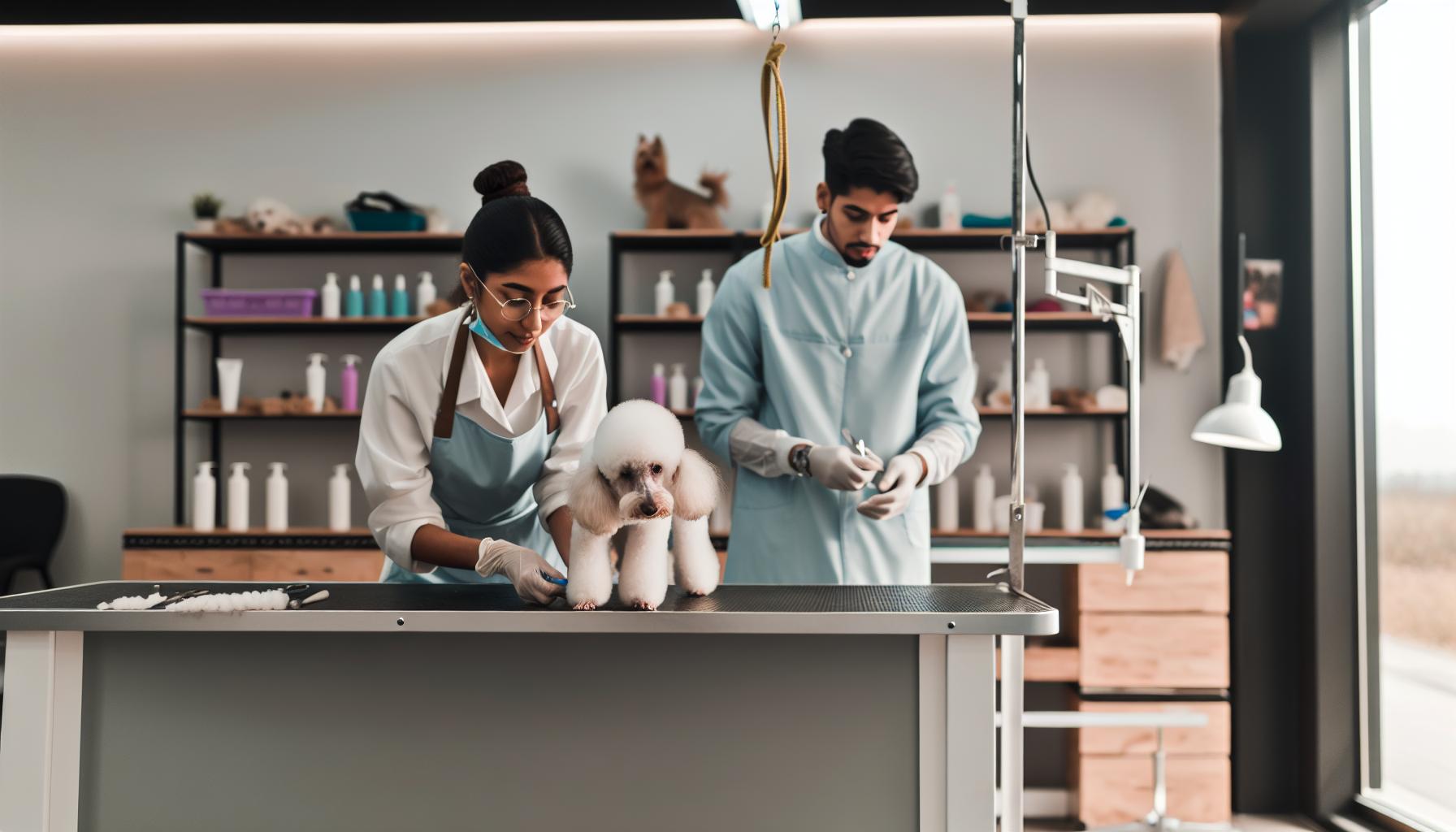
Every grooming appointment offers a unique opportunity to care for your dog’s comfort and health beyond just appearance. Safe grooming professionals approach each session with gentle attentiveness and respect for your dog’s individual needs, ensuring the experience is as stress-free as possible. From the moment you arrive, expect the groomer to pause for a calm introduction to your dog, frequently enough observing their behavior to tailor handling techniques right from the start. This warm, personalized approach signals that safety and comfort are their top priorities-not racing through the job or chasing a “perfect” look.
initial Assessment and Communication
before any grooming begins, a thorough but gentle examination usually takes place. The groomer will check skin condition, coat quality, and any sensitive areas or existing medical concerns. This step helps identify mats, hot spots, or irritation that might affect how the grooming proceeds. They’ll likely ask questions about your dog’s temperament, any past grooming experiences, and special preferences you have. Honest communication here builds trust and ensures the appointment is tailored to your dog’s breed, coat type, and personality.
Step-by-Step Grooming with Your Dog’s Comfort in mind
- Bathing: Water temperature is carefully checked to keep your dog comfortable. Hypoallergenic or breed-specific shampoos soften and clean the coat without stripping natural oils. The groomer avoids sensitive areas such as eyes and ears, often using cotton balls or gentle wipes to protect these spots.
- Brushing and Dematting: Starting with light, soothing strokes, the groomer gradually works through tangles. If mats are present, they use dematting tools patiently and in small sections to prevent pulling or skin injury. Such as, a Poodle’s curly coat requires frequent clipping and hand-stripping to maintain texture, which a skilled groomer performs with care.
- Nail Trimming and Ear Cleaning: Specialized clippers or grinders sized to the dog’s breed minimize any discomfort. The groomer trims nails in tiny increments, watching closely for stress signs and avoiding the quick. Ears are cleaned gently with vet-approved solutions, especially important for floppy-eared breeds prone to infections.
- Drying: Towels or low-heat dryers are used patiently to prevent heat stress or chilling, particularly for dogs with thick undercoats like Golden Retrievers. The groomer checks for thoroughly dried skin to avoid hotspots or infections.
Recognizing When to Pause or Refer to a Veterinarian
A trustworthy groomer knows their limits. If they encounter severe matting that can’t be safely removed,wounds,infections,or signs of pain,they pause grooming and recommend veterinary evaluation. This commitment to health over appearance protects your dog from unnecessary harm.For example, a groomer spotting a suspicious skin lesion will alert you immediately instead of proceeding blindly.
| grooming Stage | What to Watch For | Safety Best Practice |
|---|---|---|
| Initial Exam | Skin redness, lumps, mats | Gentle palpation; note concerns for vet referral |
| Brushing/Dematting | Pain reaction, skin tears | Use dematting tools patiently; stop if distressed |
| Nail Care | Bleeding, anxious behavior | Trim small amounts; stop before quick |
| Ear Cleaning | Redness, discharge | Use vet-approved cleaner; avoid over-cleaning |
| Drying | Heat discomfort, shivering | Use low heat; towel dry if needed |
Ultimately, a safe grooming visit respects your dog’s unique breed, coat, and temperament while prioritizing their emotional well-being. The transformation from nervousness to calm during the session speaks volumes about a groomer’s patience and empathy. You should leave with not only a clean, healthy pet but also reassurance that their welfare was protected every step of the way. This thoughtful, step-by-step care nurtures a positive grooming routine your dog will be willing to revisit again and again.
Handling Grooming Anxiety: Tips for Nervous Dogs and Owners
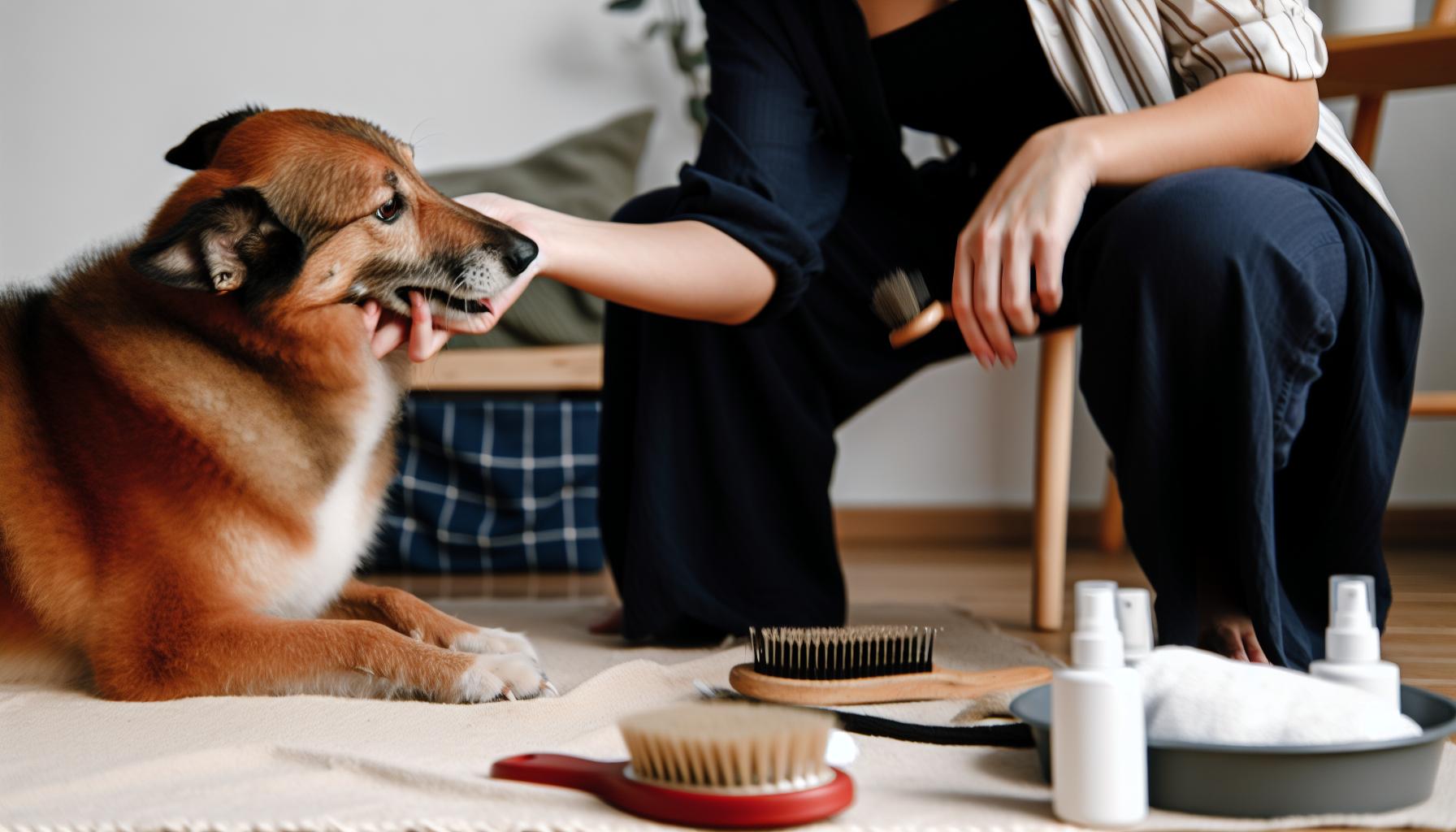
anxiety around grooming is incredibly common, but with thoughtful preparation and patient care, even the most nervous dogs can learn to feel safe and comfortable during their visits.The key lies in understanding each dog’s unique personality, breed traits, and coat needs, and then tailoring every step of the grooming process to reduce stress. Calm,gentle handling combined with positive associations builds your dog’s confidence over time.
creating a Calm Environment from the Start
Before the first bath or brush, it helps if the dog is introduced slowly to the grooming space. Many groomers welcome owners to spend a few quiet minutes with their pet in the grooming area, allowing dogs to explore new sights, sounds, and smells without pressure. Bringing a favorite toy or blanket can offer comfort. For breeds with sensitive skin or thick double coats-like the Sheltie or Siberian Husky-extra time may be needed before brushing to avoid overwhelming them. Deep,soothing voice tones and gentle touch can make a big difference in calming nerves.
Gentle Steps for Bathing and Brushing
- Bathing: Use lukewarm water and hypoallergenic shampoos to avoid skin irritation. Speak softly and use slow, reassuring movements while wetting and rinsing.Avoid splashing water near eyes and ears to keep the dog relaxed.
- brushing: Start with wide-toothed combs and soft brushes in easy, slow strokes. Break grooming into short sessions if the dog tires or becomes agitated. For curly or dense coats (e.g.,Poodle or Bichon Frise),work patiently on mats to prevent painful pulling-sometimes using detangling sprays or a professional dematting tool.
Handling nail Trims and Ear Cleaning Without Stress
for many dogs, nail trimming triggers anxiety as of unfamiliar sound or sensation. Try trimming just one or two nails at a time, rewarding your dog with treats and praise between each. Using a grinder instead of clippers can feel less intrusive for some dogs. Ear cleaning should be slow and gentle, using only vet-approved solutions and soft cotton balls, never inserting Q-tips or causing discomfort. Watch for signs your dog needs a break-panting, lip licking, or pulling away-and pause accordingly.
| Task | Practical Tips | Signs to Pause |
|---|---|---|
| Bathing | Warm water, calm voice, protect eyes & ears | Shaking off, whining, excessive struggling |
| Brushing | Soft brushes, short sessions, detangle patiently | Growling, snapping, flinching from touch |
| Nail Trimming | Small clips, grinder option, positive reinforcement | Bleeding, yelping, extreme avoidance |
| Ear Cleaning | Vet-approved cleaner, soft cotton, gentle strokes | Head shaking, pawing ears, redness noted |
Building Trust: Patience and Positive Reinforcement
Fearful dogs benefit tremendously when grooming is associated with kindness and rewards-not just during the appointment but through consistent, calm preparation at home.Gradually acclimating your dog to grooming tools-like brushes or towels-by letting them sniff and lick them in a relaxed setting can reduce fear. Avoid rushing; instead, allow your dog to set the pace. Over time, treated gently and comfortably, many nervous dogs come to look forward to grooming as a caring, stress-free routine.Remember, there’s a smooth balance between a groomer’s expertise and the dog’s well-being. A professional who respects anxiety signs and knows when to pause or recommend veterinary consultation ensures your dog’s safety always comes first. with this approach,grooming transitions from a stressful chore to a positive grooming experience that supports your dog’s health and happiness.
How to Build a Long-Term Relationship with Your Groomer
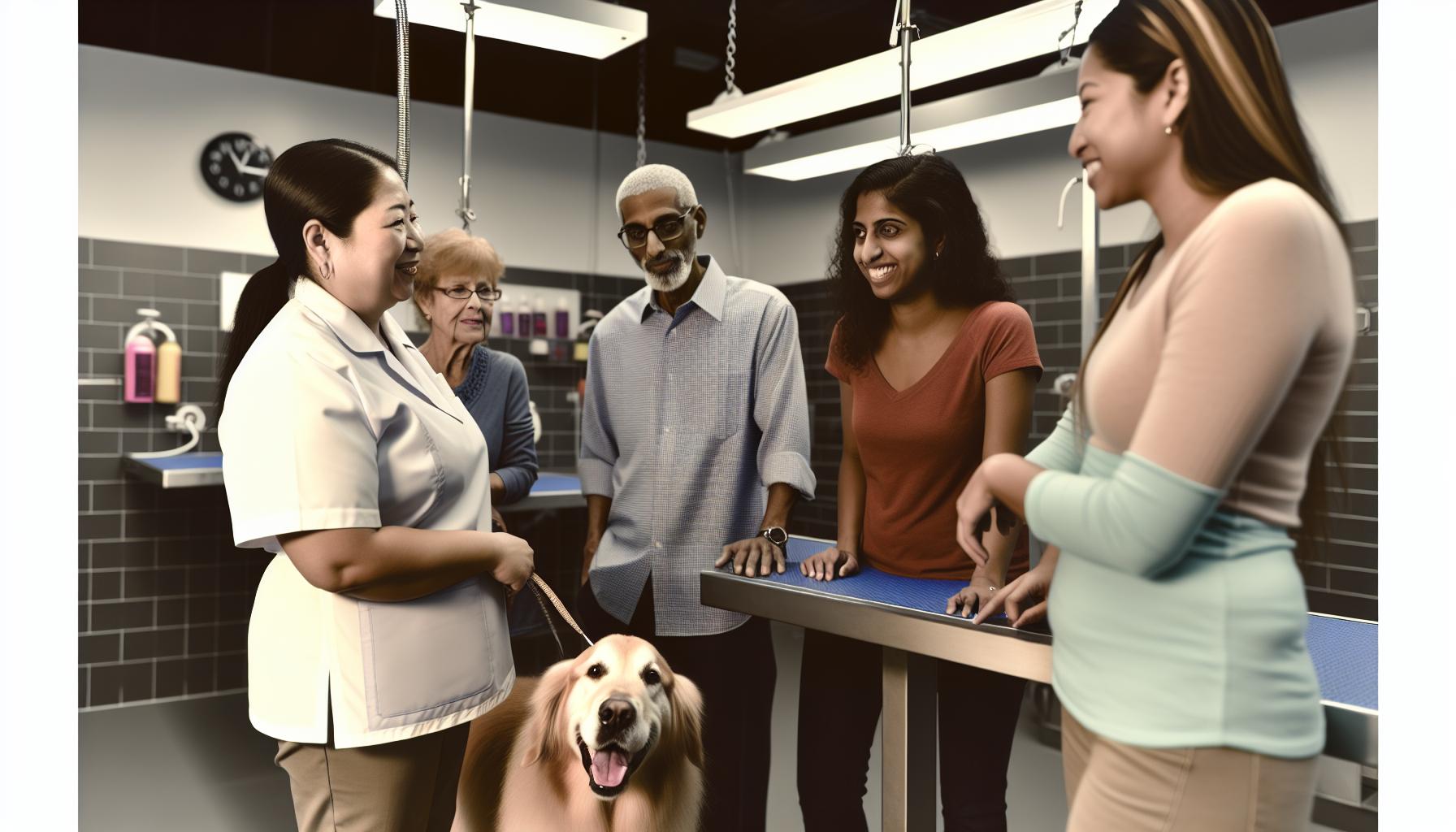
Building a strong, trusting relationship with your groomer transforms grooming sessions from a necessary chore into a positive, nurturing experience for your dog. This connection is especially important when your dog is anxious or has special breed-specific needs, as a groomer who truly understands your pet’s personality and health history can tailor the experience to keep comfort and safety front and center.Over time, consistency with the same groomer helps your dog recognize familiar faces, voices, and handling styles, which greatly reduces stress and builds confidence.
Open Communication is Key
From the very first visit, take time to share your dog’s unique traits, sensitivities, and any past grooming challenges with your groomer. Honest conversations about your dog’s breed, coat density, skin conditions, and behavioral cues allow the groomer to prepare the right tools and techniques.Likewise, ask your groomer to share their observations after each session, including any concerns or improvements. This ongoing dialog helps you both work as a team, spotting early signs of discomfort or anxiety and adjusting plans accordingly.
Consistency Builds Comfort and Confidence
Whenever possible, schedule regular appointments with the same groomer and at similar times of day. Dogs thrive on routine, and knowing what to expect eases anxiety.Such as, a Poodle’s curly coat needs frequent detangling to avoid mats, so consistent grooming appointments reduce painful mats and make each session shorter and easier. Also, a groomer familiar with your dog’s typical reaction patterns can recognize subtle changes indicating pain or stress, stepping in to ease the experience before it escalates.
Respect and Patience Create Trust
great groomers prioritize gentle handling and observe your dog’s body language closely. If your dog shows signs of distress-such as trembling, lip licking, or avoidance-a compassionate groomer pauses, reassures, or modifies their technique. This patience helps fearful dogs learn that grooming is safe and pleasant. You can support this at home by reinforcing grooming tools as positive by associating them with treats and affection. When a groomer respects these needs, trust deepens naturally, allowing for more complex grooming tasks like nail trimming or ear cleaning to be introduced gradually without overwhelming your dog.
Knowing When to Ask for help
A trustworthy groomer understands their limits and won’t hesitate to recommend veterinary consultations if they notice skin infections, unusual lumps, or behavioral changes that need medical attention. This partnership between you, groomer, and vet ensures your dog’s overall health is safeguarded. Remember, professional grooming complements but does not replace veterinary care-knowing that your groomer has your dog’s best interest in mind builds peace of mind and a solid foundation for long-term care.
by prioritizing open dialogue, regular routine, attentive care, and collaborative health management, you cultivate an enduring relationship that supports your dog’s well-being and makes grooming a stress-free, positive ritual. This steady bond frees you to focus on the joy of pet parenthood while knowing that your pup is in skilled, loving hands every step of the way.
Q&A
Q: How can I verify if a dog groomer uses safe and non-toxic products?
A: always ask the groomer about the specific shampoos and grooming products they use. Safe groomers choose non-toxic,hypoallergenic options suited to your dog’s breed and skin sensitivity. Checking product labels and certifications helps ensure your pet’s comfort and safety. This step complements what you learn about tools and techniques in our main guide.
Q: Why is observing a trial grooming session important before fully committing?
A: A trial grooming allows you to assess the groomer’s handling skills, cleanliness, and pet’s reaction in real-time. It helps confirm the groomer’s professionalism and your dog’s comfort level. Consider booking a short initial session to build trust, as we recommend in our ”How to Build a Long-Term Relationship” section.
Q: What role does a groomer’s experience with my dog’s specific breed play in safety?
A: Groomers familiar with your dog’s breed understand unique coat needs, temperament, and health risks, ensuring safer grooming. For example,breeds with thick undercoats require special tools and techniques to avoid skin irritation,as detailed in our “Breed and Coat considerations for safe Grooming” section.
Q: How can I protect my dog’s health if the groomer is handling grooming under time constraints?
A: Always prioritize a groomer who schedules ample time per appointment. Rushed grooming can lead to injuries or missed signs of distress. Choose professionals who follow step-by-step protocols for bathing, brushing, and nail care, highlighting safety over speed, as explained in our appointment expectations guide.
Q: What should I do if my dog shows signs of stress during grooming visits?
A: If your dog is anxious, communicate this openly with your groomer to use calming techniques or breaks during grooming.Many trustworthy groomers specialize in handling nervous pets with patience and gentle care, parallel to tips in our “Handling Grooming Anxiety” section.
Q: Are mobile or at-home groomers as safe as salon-based professionals?
A: Mobile groomers can be safe if they follow strict hygiene standards, have proper qualifications, and use professional-grade equipment. Always verify credentials and check reviews.Compare their practices with salon groomers by referring to our “Comparing Professional Groomers,Vets,and DIY Grooming” section.
Q: How often should I check my dog’s skin and coat condition between grooming appointments?
A: Regularly inspect your dog’s skin and coat every 1-2 weeks to catch issues like irritation or mats early. This proactive care complements professional grooming and helps maintain safety between visits, reinforcing healthy skin and coat advice covered in our breed considerations section.
Q: When is it better to delay grooming and consult a veterinarian first?
A: Delay grooming if your dog has open wounds, skin infections, or severe anxiety. Immediate veterinary advice ensures health issues don’t worsen during grooming. Groomers and vets have distinct roles-prioritize animal welfare first as outlined in our vet vs.groomer boundaries section for safe decisions.
For more detailed tips to confidently select a groomer who prioritizes your dog’s safety and comfort, explore our full guide sections linked above. Building trust with the right professional ensures every grooming visit is a gentle, positive experience for your beloved pet.
Closing Remarks
Choosing a trustworthy dog groomer is essential for your pet’s safety and comfort. Remember, the best professionals prioritize gentle handling, know breed-specific needs-like coat type and nail care-and clearly communicate boundaries between grooming and vet care.By staying informed and asking the right questions, you’ll ensure your furry friend enjoys each grooming session stress-free.
Ready to explore more about caring for your dog at home? Check out our guides on smallest dog breeds and their grooming needs or learn how to prepare your pet for visits to a grooming salon with confidence.Don’t wait-take the next step now by signing up for our newsletter for expert tips and trusted resources that keep your dog happy, healthy, and beautifully groomed.
if you have questions or experiences to share, we’d love to hear from you in the comments below. Remember, your pet’s well-being is our priority, and together, we can make grooming a safe, positive part of your dog’s routine. For more on ensuring your dog’s care is in expert hands, explore our full list of AKC-recognized breeds and grooming standards to tailor care perfectly to your companion’s needs.