Are Dog Groomers in Demand: Job Market and Career Growth
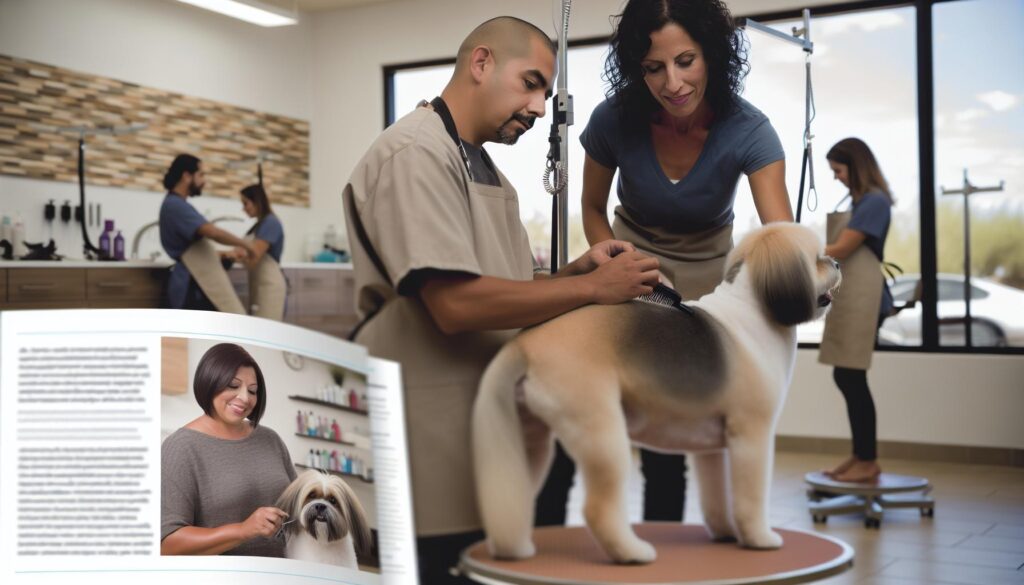
Did you know that as more families welcome dogs into their homes, the need for skilled dog groomers is growing faster than ever? Grooming goes beyond just keeping a pup looking cute-it’s about maintaining their health, comfort, and happiness. If you love working with animals and want a career where every day brings smiles (and wagging tails), understanding the current job market and growth opportunities for dog groomers can definitely help you find the right path. Whether you’re curious about what this rewarding role involves or wondering how in-demand groomers really are, this guide will offer a warm, practical look at the profession.We’ll walk through not just the skills and tools you’ll need, but also the compassionate approach that helps nervous pets feel safe and relaxed. Ready to explore how a career in dog grooming can make a meaningful difference for pets and their owners? Let’s dive in together and discover what today’s market means for you and your future furry clients.
Understanding Dog Groomer Job Demand Today
Table of Contents
- 1 Understanding Dog Groomer Job Demand Today
- 2 Key Skills and Qualifications for Dog Groomers
- 3 Typical Career Paths and Growth Opportunities
- 4 Average Salary and Earning Potential Insights
- 5 Top Industries and Employers hiring Groomers
- 6 Essential Tools and Technologies in Grooming
- 7 Regional Job Market Trends and Future Outlook
- 8 Challenges and Rewards of a Grooming Career
- 9 How to Build a Successful Grooming Business
- 10 Impact of Pet Ownership Trends on Grooming Jobs
- 11 Frequently asked questions
- 11.1 Q: How can new dog groomers increase their chances of job market success?
- 11.2 Q: What emerging trends are shaping the future demand for dog groomers?
- 11.3 Q: Where are the best geographic areas to find dog grooming jobs in high demand?
- 11.4 Q: Why is customer service important in a dog grooming career?
- 11.5 Q: How do technological advancements impact the dog grooming profession?
- 11.6 Q: What certifications or continuing education help dog groomers stay competitive?
- 11.7 Q: How can dog groomers manage the physical demands of their job for long-term career health?
- 11.8 Q: What role do mobile and in-home grooming services play in today’s dog grooming job market?
- 12 Concluding Remarks
Did you know that the pet grooming industry has seen robust growth in recent years, fueled by an increase in pet ownership and the rising awareness of pet health and comfort? Today’s dog owners are more mindful than ever about regular grooming-not just for aesthetics but for their pet’s overall well-being. This shift means there’s a growing and steady demand for skilled dog groomers who combine technical expertise with genuine compassion for animals. From breeds with high-maintenance coats like Poodles to smaller breeds such as Chihuahuas or Maltese, each dog presents its own grooming challenges and opportunities, making experienced groomers priceless in this market.
Why Demand for Groomers is increasing
The surge in demand is largely due to several factors:
- Rising pet ownership: With more people adopting dogs, especially during and after the pandemic, the client base for groomers has expanded dramatically.
- Breed popularity: Small breeds with specific grooming needs, such as Pomeranians and Maltese, require frequent trims, bathing, and maintenance, keeping groomers busy.
- Health awareness: Owners are increasingly aware that grooming isn’t just about looks. Regular brushing, nail trimming, and ear cleaning help prevent common health issues, increasing routine visits.
- Professional services over DIY: Although some owners attempt home grooming, many prefer professional groomers who can manage challenging coats safely and effectively without stressing pets.
Examples from Everyday Grooming Challenges
Consider a wire-haired terrier coming in for a “hand-stripping” session. This technique, necessary to maintain the coat’s texture and health, isn’t something a casual pet owner can safely perform. Or think about an anxious older dog who needs a slower, gentler approach to bathing and ear cleaning. The growing complexity and variety of grooming services that professionals offer means the demand is not only about numbers but about specialized skills and patience.
ultimately, patience, empathy, and a focus on comfort-not perfection-are the foundation. These qualities coupled with the technical skills make dog groomers uniquely positioned to meet the expanding needs of pet owners today. If you’re considering a career in grooming or looking to expand your services, now is a promising time to invest in developing your abilities and deepening your bond with your furry clients.
Key Skills and Qualifications for Dog Groomers
mastering the art of dog grooming requires more than just a steady hand and an eye for style-it’s about combining technical skill with deep empathy for the animals in your care. Every breed has its own grooming demands: from the thick, curly coat of a Poodle that needs regular clipping and dematting, to the delicate, silky fur of a Maltese requiring gentle handling and frequent brushing. Knowing how to tailor your approach based on coat type, size, and temperament is crucial for ensuring each dog feels safe and agreeable throughout the grooming process.
Technical Skills and Knowledge
- Bathing and drying: Understanding different shampoos and conditioners suited for various skin types and sensitivities helps maintain coat health. Using the right drying techniques-from air drying to specialized dryers-prevents discomfort and skin irritation.
- Brushing and dematting: skillfully removing tangles without pulling on the dog’s skin requires patience and the correct choice of brushes or combs. Such as, wire-coated breeds often need hand stripping, a precise technique that preserves coat texture and encourages healthy regrowth.
- Nail and ear care: Trimming nails safely to avoid injury and cleaning ears to prevent infections are essential tasks groomers must perform consistently. Recognizing when an issue is beyond grooming and requires veterinary attention is also important to protect the pet’s wellbeing.
- breed-specific clipping and styling: Familiarity with breed standards and owner preferences guides the trimming process. For instance, shaping a Schnauzer’s beard or maintaining the ‘puppy cut’ for a Shih Tzu means combining artistry with precision, always prioritizing the animal’s comfort over perfection.
soft Skills That Make a Difference
Beyond hands-on grooming,an remarkable groomer is warm,calm,and observant-reading subtle cues of anxiety or discomfort and adjusting their approach accordingly. this empathetic communication helps nervous dogs settle quickly,making the experience less stressful for both pet and owner. Patience hear is not just a virtue but a necessity: older dogs or rescue pets may need extra time and gentle handling to build trust.
Good communication skills also extend to educating owners on at-home care, setting realistic expectations, and discussing signs of skin or coat issues that might need professional or veterinary care. This partnership ensures pets stay healthy and comfy between grooming visits and helps owners feel confident and supported.
Typical Career Paths and Growth Opportunities
One of the most rewarding aspects of a career in dog grooming is the variety of paths you can take as your skills and confidence grow. Many groomers start out working in a busy salon or pet store, gaining hands-on experience with a range of breeds-from the fluffy, delicate coats of Maltese and pomeranians to the dense, curly curls of Poodles. This exposure builds a strong foundation in breed-specific care and helps develop valuable customer communication skills. Over time, some groomers choose to specialize in certain breeds or coat types, becoming sought-after experts for owners needing particularly gentle or advanced grooming techniques.
Stepping beyond the salon, the door opens to roles with broader responsibilities. Experienced groomers often advance to supervisory or managerial positions in larger grooming facilities or veterinary clinics, where they train junior staff and oversee pet care standards. For those with an entrepreneurial spirit, launching a mobile grooming service or opening an self-reliant salon offers the chance to create a personalized, calm environment that caters especially well to anxious pets and busy owners.The flexibility of mobile grooming also means building deeper connections with clients by visiting them directly, often easing the stress pets feel by avoiding car rides or unfamiliar places.
Expanding Your Skill Set
Continual learning plays a big role in career growth. Additional certifications-such as those for creative grooming, pet first aid, or canine behavior-enhance your expertise and increase your value in the job market. Groomers who develop skills in pet wellness checks, recognizing skin conditions or infections early, help bridge the gap between grooming and veterinary care, building owner trust and referrals. This holistic approach not only benefits pets but positions the groomer as an essential partner in overall pet health.
Career Growth in a growing Industry
The pet care industry is expanding rapidly, fueled by rising pet ownership and a growing recognition for professional grooming beyond just “keeping dogs clean.” More pet owners see regular grooming as key to their dog’s wellbeing and happiness, opening steady demand for groomers. Retail chains, specialty pet spas, veterinary hospitals, and luxury pet resorts are all increasing their hiring, offering groomers opportunities to work in diverse environments with different clienteles and responsibilities. Whether you’re dreaming of a cozy solo salon or managing teams at a high-end spa,there is room to grow your career at every stage.
- Entry Level: Assistant or junior groomer gaining hands-on training.
- Mid-Level: Full groomer specializing in specific breeds or techniques.
- Senior Roles: Lead groomer, trainer, or shop manager.
- Entrepreneurship: Mobile grooming, salon ownership, or specialized grooming services.
- Special Certifications: Pet first aid, creative grooming, canine behavior courses.
Every step forward is built on compassion and patience-qualities that pet owners cherish deeply. Understanding each dog’s individual needs and fostering trust not only shapes a triumphant career but makes each day fulfilling. Whether you’re clipping nails, gently combing out tangles, or advising a worried owner, your role helps pets feel comforted and cared for-a truly special gift in any career path you choose.
Average Salary and Earning Potential Insights
every dog groomer begins with the heartwarming joy of caring for pets,but knowing how that passion translates into earnings offers peace of mind for both aspiring groomers and seasoned professionals. in today’s bustling pet care industry, the financial rewards of grooming can vary widely depending on experience, location, and the type of services offered. For example, a groomer skilled in handling complex breeds like Poodles or Shih Tzus, with their intricate coat types and grooming needs, frequently enough commands higher fees than those providing basic trims for short-haired breeds. This difference partly reflects the time, patience, and specialized tools required to keep such coats healthy and comfortable-something clients deeply appreciate when their pets look tidy and feel great.
Understanding Earnings at Different Career Stages
Starting out, assistant groomers or trainees typically earn modest wages, usually around minimum wage to slightly higher, as hands-on training sharpens their skills. As confidence grows and certifications accumulate-think pet first aid or creative grooming techniques-groomers often move into full grooming roles. At this stage, income rises accordingly, especially when offering specialized services like de-shedding treatments or breed-specific trims. Experienced groomers who build a loyal clientele can see steady tips and repeat business boost their overall income substantially.
- Entry Level: Frequently enough $12-$15 per hour,depending on region and employer.
- Mid-Level Groomer: Typically $15-$25 per hour, with added bonuses or commissions in salons.
- Senior or specialized Groomer: $30+ per hour, especially with niche expertise or luxury spa clients.
- Entrepreneurship: Mobile groomers or salon owners may earn $50,000-$75,000+ annually, scaling with client base.
For groomers running their own businesses, earnings hinge on efficient scheduling, quality customer service, and wise marketing-like promoting gentle grooming for anxious dogs or breed-specific care packages. Offering add-ons such as nail trims, dental wipes, or ear cleanings can also boost revenue while enhancing pet health and owner satisfaction.
What Influences Your Financial Potential?
Location matters-a groomer in a metropolitan area with higher living costs generally commands more per appointment than in rural locations. However, rural groomers who travel for mobile services tap into underserved markets, often charging premium rates for convenience and stress-free experiences for pets and owners alike. Moreover, seasonal trends influence demand and pricing; for instance, spring and summer bring a surge of owners eager to keep their pets cool and comfortable, creating busy periods that can multiply earnings with the right scheduling.
A practical tip: track your time for each breed and task, noting which services are most profitable and in demand. This helps tailor your offerings and discounts, enabling steady, predictable income without rushing the pet and sacrificing care quality. After all, balancing safety, patience, and thorough grooming wins trust and referrals – the true foundation of a flourishing career.
| Role | Average Hourly Wage | Annual Salary Range |
|---|---|---|
| Assistant Groomer | $12 – $15 | $25,000 – $31,000 |
| Full Groomer | $15 – $25 | $31,000 – $52,000 |
| Specialized Groomer / Trainer | $25 – $35 | $52,000 – $72,000+ |
| Salon owner / Mobile Groomer | N/A (Business Earnings) | $50,000 – $75,000+ |
Ultimately, nurturing a career in grooming combines passion with professional growth and a steady increase in earning potential. Your kindness and patience-whether calming a nervous Pomeranian during nail trims or methodically detangling a Bichon Frise’s coat-are just as valuable as any paycheck. As more pet owners prioritize routine grooming for their furry family members’ wellbeing, groomers who blend expertise with heartfelt care find themselves in a rewarding position, both emotionally and financially.
Top Industries and Employers hiring Groomers
The world of pet care is expanding rapidly, and dog groomers are at the heart of this growth, often welcomed warmly by both furry clients and their owners. Groomers find opportunities not only in conventional salon settings but across a variety of industries where animal care is a priority. Understanding where groomers fit in helps both job seekers and entrepreneurs navigate this vibrant career path with confidence and clarity.
- Pet Grooming Salons and Spas: This remains the most common and accessible space for groomers.These businesses range from small, family-run shops to larger grooming chains offering full-service care.Salons especially value groomers who can handle diverse breeds-from the fluffy Pomeranian requiring gentle detangling and line trimming to the short-coated Beagle needing a thorough bath and nail care without stress.
- Veterinary Clinics and Animal hospitals: Increasingly, vets hire groomers to assist with medical trims or gentle grooming for pets recovering from illness or managing chronic conditions. Groomers working here need a calm demeanor and knowledge of pet health basics to adjust techniques without compromising safety. Such as, a groomer preparing an anxious senior dog for a vet exam might focus on de-matting and nail trimming using minimal restraint to keep stress at bay.
- Pet Retail Chains and Big-Box Stores: Many large retailers now offer grooming services as part of their pet departments. These roles combine retail skills with hands-on grooming and require a professional approach that balances efficiency and compassion. Groomers here frequently enough support owner education by recommending at-home maintenance tools and scheduling follow-up treatments.
- Mobile Grooming Services: These entrepreneurs and technicians bring grooming right to clients’ doorsteps-a boon for busy families or pets uneasy in unfamiliar environments.Mobile grooming demands excellent organizational skills,a robust toolkit,and an empathetic approach to create a calm,positive experience within a compact workspace.
- Animal Shelters and Rescue Organizations: Grooming plays a crucial role in preparing animals for adoption by restoring health and enhancing appearance. Groomers in this setting must work gently and efficiently, often with dogs that may be scared or have unknown handling histories. Patience and safety focus are key.
Partnering with Employers who Value Pet Wellbeing
Employers in all these sectors look beyond technical skills.They seek professionals who understand the distinct coat types and temperaments of breeds they’ll encounter regularly-skills that directly impact a pet’s comfort and the owner’s peace of mind. As a notable example, knowing the delicate skin of a Maltese or the dense double coat of a Siberian Husky helps tailor grooming timing and product selection. Groomers who consistently uphold pet welfare and communicate gently with owners build stronger relationships and enjoy steady demand.
Practical Tips for Entering the Job Market
– seek out employers who encourage ongoing education-certifications in pet first aid or breed-specific grooming are valuable assets.
– Highlight any experience with anxious or special-needs pets, as this is greatly appreciated in veterinary or shelter settings.
– Consider diversification: combining grooming services with pet retail knowledge or mobile grooming can increase job options.
– Use social media or local pet groups to connect with employers, especially for mobile or independant grooming roles.
In sum, the demand for caring, skilled groomers spreads across a wide range of workplaces. Whether nestled in a cozy salon, part of a busy vet clinic, or pioneering mobile grooming, professionals who prioritize kindness, safety, and breed-tailored care thrive. This diversity offers a broad spectrum of rewarding roles that fit many lifestyles and levels of experience-as every pet deserves patience and tenderness, no matter where they get their spa day.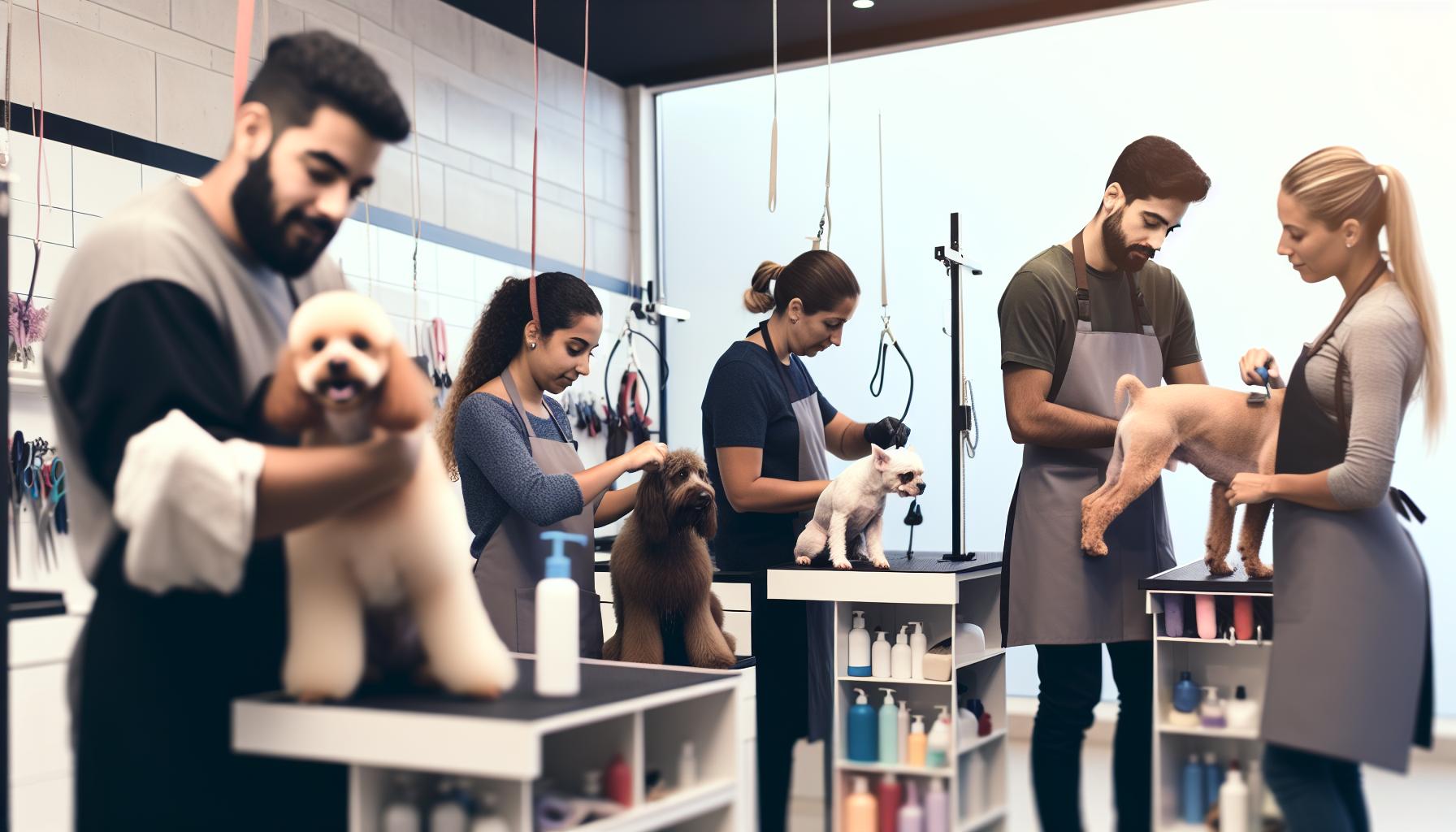
Essential Tools and Technologies in Grooming
Grooming dogs well requires thoughtful selection of tools tailored to each coat type and personality. Every furry friend is unique-from the silky fur of a Maltese that demands gentle brushes to prevent breakage, to the thick double coat of a Siberian Husky, which needs sturdy de-shedding tools to ease shedding without discomfort. The right equipment helps the groomer maintain not just appearance but also the pet’s comfort and skin health,especially for anxious or sensitive dogs.
- bathing Essentials: A quality,non-slip grooming tub equipped with adjustable nozzles ensures water flows gently and reaches all spots without startling the pet. Choose hypoallergenic shampoos formulated for varying skin conditions-puppy shampoo for young pups, medicated formulas when advised by vets, and moisturizing options for dry, flaky coats. Warm water temperature and soothing sprayers greatly help nervous pets relax.
- Brushing and Dematting Tools: Different coat patterns call for various brushes. Slicker brushes work wonders to remove tangles and lose hair from curly or wiry coats,while pin brushes are ideal for long,flowing fur. For breeds prone to mats, such as the Cocker Spaniel, dematting combs or tools with rounded teeth help gently loosen knots-always proceeding slowly to avoid hurting the dog. When handling heavy mats, a scissor can be safer than clippers, but knowledge of when to stop and refer to a vet for severe cases is crucial.
- Clippers and Scissors: Sharp, quiet electric clippers with multiple blade sizes accommodate breed-specific trims. Such as, a Poodle’s signature cut requires precision shears with rounded tips to avoid nicks, whereas sturdier, wider blades suit short-haired breeds. Clippers with adjustable speeds reduce noise and vibration; a calmer grooming experience lowers stress and improves safety for pets.
- Nail and ear Care: Specialized nail clippers or grinders designed for pets prevent splitting and over-cutting. Grinding nails often calms anxious dogs better than clipping and reduces the risk of painful quick cuts. Ear-cleaning solutions and cotton balls or pads help maintain hygiene without harsh poking. Groomers working in vet settings benefit from knowing basic ear anatomy to distinguish between routine cleaning and signs warranting medical attention.
Technology Helping Groomers Work Smarter and Safer
Modern grooming salons and mobile units frequently enough leverage technology to ease workflows and increase pet comfort. adjustable grooming tables with secure restraints help keep pets safely positioned without force, while noise-canceling headphones or gentle music can mask frightening sounds like clippers or dryers. Mobile groomers often rely on compact, battery-operated tools that perform efficiently in tight spaces, balancing power with portability.
Digital appointment systems and customer management apps help streamline scheduling and track pet preferences or medical notes, ensuring personalized care from visit to visit. Some advanced spas integrate pet-pleasant dryers with temperature controls to prevent burns or overheating, a critical safeguard for sensitive skin.By combining traditional hands-on skills with thoughtfully chosen equipment and technology, dog groomers can create a calm, safe, and enjoyable experience for every pet. This focus on welfare builds trust with nervous owners, strengthens client relationships, and keeps professionals in demand across diverse job markets. Remember, the best tools in grooming are those that prioritize a pet’s comfort and safety just as much as their appearance.
Regional Job Market Trends and Future Outlook
A striking trend shaking up the pet care world is how location shapes the demand and opportunities for dog groomers. In bustling urban centers,the appetite for professional grooming services often soars,driven by busy pet owners who seek convenient,reliable care for their furry companions. Cities with a high density of pet lovers may see thriving salons and mobile groomers who cater to a wide range of breeds,from the delicate Maltese needing gentle brushing to the hearty Akita requiring robust de-shedding. Meanwhile, in suburban or rural areas, demand can be more seasonal or tied closely to community habits, such as local dog shows or outdoor activities that highlight the need for specialized grooming before and after events.
Understanding these regional nuances can help groomers tailor their services and marketing efforts effectively. For example, coastal regions with many outdoor-loving dogs might see increased requests for thorough bathing and de-shedding to handle salt and sand, while colder inland areas might prioritize coat trims that protect pets without sacrificing warmth.
- Metropolitan Opportunities: Higher pet populations and busy lifestyles create opportunities for mobile grooming, express wash-and-dry services, and personalized pet wellness packages.
- Suburban and Rural Market: Less crowded schedules can allow in-depth grooming sessions, with an emphasis on building long-term client relationships and offering additional education for pet owners on coat care between visits.
- seasonal Fluctuations: Winter months may slow down grooming appointments in some regions, while spring shedding can cause demand spikes-planning for these cycles supports stable income and resource management.
adapting to Future Trends
Looking ahead,the pet industry’s growth remains steady,boosted by a rising number of pet adopters and owners willing to invest in quality care. Groomers in expanding metro areas will likely enjoy increasing demand, especially with pet wellness trending toward holistic approaches that combine grooming with health and behavior insights. Additionally, technology adoption-such as online booking, pet medical history tracking, and advanced grooming tools-is leveling the playing field, enabling groomers in smaller towns to compete by offering highly customized, professional experiences.Helping anxious or nervous pets acclimate gently to grooming routines will remain a critical skill, especially as more owners seek compassionate care over quick fixes. Groomers who show flexibility-offering home visits or quiet scheduling to reduce stress-can build loyal clientele in regions where access to pet care might potentially be limited.
| Region Type | Job Market Characteristics | Growth Potential | Typical Client Needs |
|---|---|---|---|
| Urban | Fast-paced, high competition | High, driven by pet ownership density | quick services, specialty cuts, mobile grooming |
| Suburban | Steady demand, relationship-driven | Moderate, with seasonal peaks | Thorough grooming, education focus |
| Rural | Lower volume, niche clientele | Variable, depending on community size | Personalized care, mobile or appointment flexibility |
For anyone considering a grooming career or expanding their services, keeping a finger on the pulse of regional trends is essential. Tailor your approach, embrace innovations that ease pet anxiety, and prioritize comfort alongside aesthetics. This strategy not only meets clients’ evolving expectations but also nurtures steady career growth and deep pet-owner trust across any locale.
Challenges and Rewards of a Grooming Career
It’s no secret that dog grooming is a hands-on, often physically demanding profession that calls for patience, empathy, and a genuine love for animals. Every dog presents a unique set of needs-whether it’s a curly-coated poodle requiring precise scissoring or a thick-coated husky needing thorough de-shedding-and a groomer’s skill lies in balancing the art of aesthetics with the welfare and comfort of the pet. One of the biggest challenges lies in working with anxious or fearful dogs. Groomers frequently enough become animal behavior interpreters, learning to read subtle signals and adapting approaches to minimize stress.This compassionate touch helps build trust, turning sometimes-struggling pets into grooming regulars.
- Safety First: Prioritizing the dog’s wellbeing over speed or “perfect” styling is crucial. Safe handling techniques and knowing when to pause or stop can prevent injuries to both dog and groomer.
- Physical Demands: Long hours on your feet, lifting or restraining dogs, and repetitive motions can take a toll. Regular stretching and ergonomic workstations help prevent common strains.
- Client Communication: Educating owners about breed-specific coat care, skin conditions, or when veterinary attention is needed allows groomers to empower pet parents thoughtfully while clearer boundaries are maintained between grooming and medical care.
Finding Joy and reward in Every Session
Despite these challenges, the rewards are deeply gratifying. Witnessing a dog’s transformation-not just in appearance but in confidence and calmness-is a powerful motivator. Dogs that arrived tangled, dirty, or nervous often leave relaxed, clean, and happier. Groomers frequently build lasting relationships with both pets and owners, becoming trusted partners in their pet’s health journey. Small moments, like a previously nervous dog greeting you at the door or a client’s heartfelt thanks, enrich the work beyond monetary compensation.
Tips for Managing Challenges
- Start with Breed and Coat Basics: Know tools best suited for a breed’s coat-slicker brushes for fine coats, de-matting combs for thick or tangled fur-and anticipate the time involved to set realistic appointment lengths.
- Step-by-Step Grooming: Break tasks into stages: bath, brush, nails, ears. This helps keep the dog calm and allows for observation of skin or behavioral changes.
- collaboration Counts: When unsure about health issues, coordinate with veterinarians rather than trying to diagnose or treat-this safeguards pet safety and groomer liability.
- build Emotional Resilience: Grooming can be emotionally taxing especially when pets are stressed or owners have high expectations-finding peer support or continuing education can keep the passion alive.
The path of a dog groomer blends artistry, physical endurance, and heartfelt empathy. By embracing the challenges with patience and informed care, groomers not only enhance the lives of dogs but also carve out a meaningful and stable career in a booming pet care market.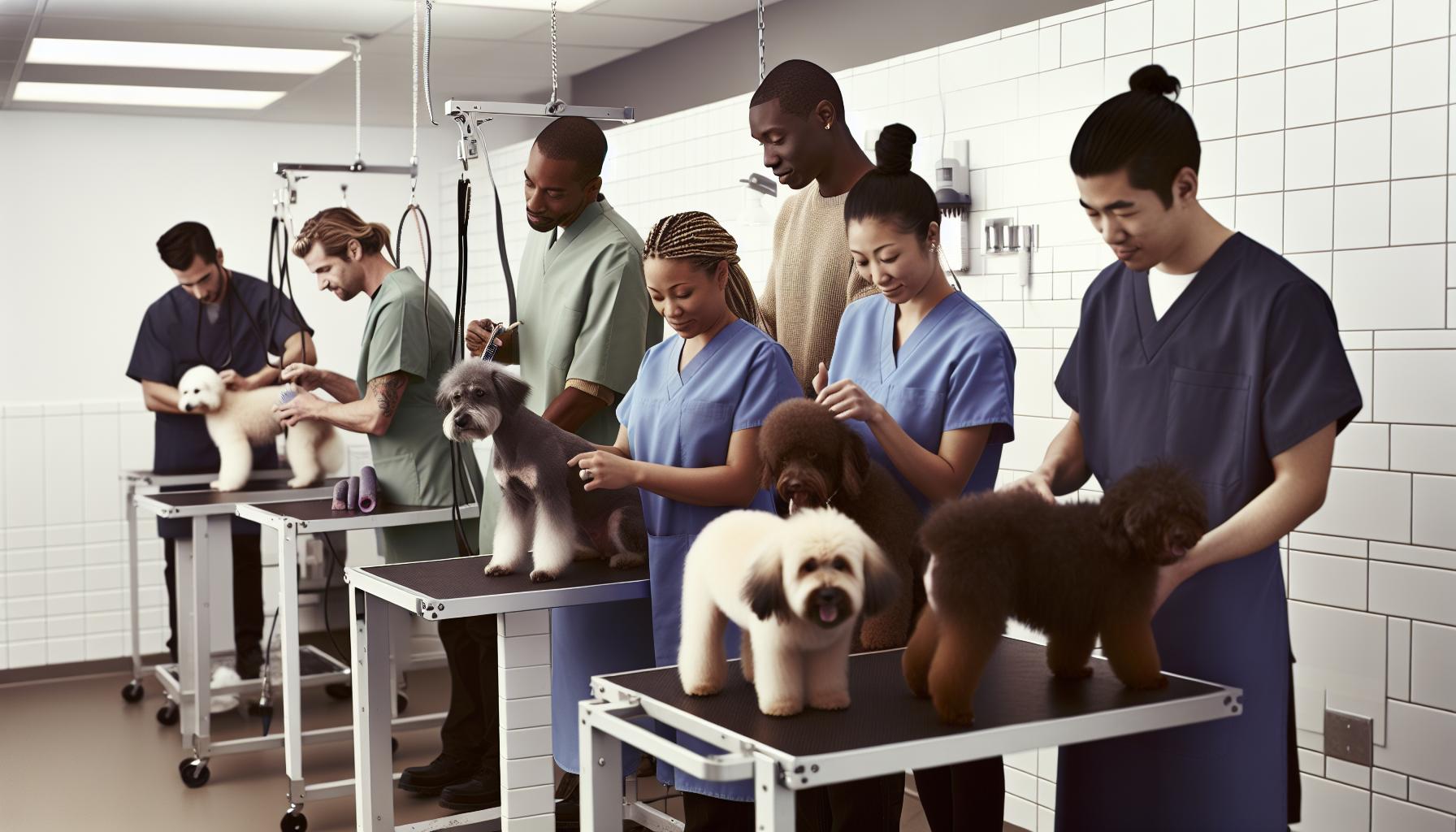
How to Build a Successful Grooming Business
Building a thriving grooming business goes beyond skillful scissoring and bubbly baths; it’s about creating a space where pets and their owners feel truly cared for. Starting with a solid foundation means knowing your target clients well-consider breed types common in your area, seasonal coat needs, and typical pet temperaments you’ll work with. For example,if you notice many small,long-coated breeds like Maltese or Pomeranians in your neighborhood,ensure you’re equipped with fine-toothed slicker brushes and de-matting tools designed specifically for their fragile coats. Anticipating these needs not only helps with efficient scheduling but also builds client trust from the first haircut.
- Master Clear, Compassionate Communication: A groomer who patiently explains each step-whether it’s why a bath precedes brushing or when nail trimming might be postponed-empowers nervous owners. Sharing simple tips for at-home coat care between appointments boosts your role from service provider to trusted advisor. Remember, educating owners on recognizing skin problems or signs of discomfort encourages timely vet visits, safeguarding pet health and protecting your liability.
- Set Realistic Appointment Timings: Overbooking can lead to rushed sessions and stressed pets. Break down appointments into stages such as bath, brush, nails, ears, and trimming. This not only helps keep anxious dogs calm but allows you to spot subtle skin changes or behavior shifts that might need attention or extra care.
- Invest in Ergonomic and Quality Tools: Choose grooming tables that adjust for height to reduce back strain, use quiet dryers to soothe noise-sensitive dogs, and keep multiple types of brushes and clippers handy. A well-organized, clean, and comfortable workspace promotes smoother sessions and happier pets.
Creating a Welcoming Environment That Keeps Clients Returning
Personal touches make a difference. Soft lighting, calm music, and offering treats can ease anxious pups and build rapport. Sharing stories of a dog’s progress or gentle reminders of upcoming appointments helps build a community feeling. Word of mouth from happy pet parents is your most powerful marketing tool.
Understanding Business Boundaries and When to Collaborate
Know where grooming ends and veterinary care begins. If you notice unusual lumps, persistent skin irritation, or behavioral changes during grooming, guide owners politely to seek veterinary advice, explaining your role as a groomer prioritizes safety and wellbeing. This honest approach builds credibility and client loyalty.
By focusing on compassionate care,clear communication,and thoughtful business planning,you’ll not only enhance pet wellbeing but establish a reputable,successful grooming business that celebrates every wagging tail and heartfelt “thank you.”
Impact of Pet Ownership Trends on Grooming Jobs
Pet ownership has seen dynamic shifts in recent years, directly influencing the demand and nature of dog grooming jobs. As more families welcome pets as integral members, frequently enough seeking tailored care for their furry friends, groomers find themselves increasingly valued not just for styling, but for their role in maintaining pets’ overall well-being. The rise in popularity of specific breeds with higher grooming needs-like Poodles, Shih Tzus, and Bichon Frises-means groomers must adapt their skill sets and toolkits to meet these demands. As an example, dealing with curly or dense coats often requires specialized de-matting combs and conditioning treatments to prevent discomfort and skin issues.
Urbanization and busier lifestyles also affect grooming patterns. Many pet owners look for reliable,time-saving services such as mobile grooming or express baths,which groomers can offer to stay competitive. This trend encourages flexibility in appointment scheduling and the adoption of portable, ergonomic equipment designed for safe, efficient grooming outside traditional salon settings.
- Breed-Specific Needs Influence Services: Knowing the coat type-whether double-coated, wire-haired, or silky-guides product choice and grooming techniques. Such as, long-haired dogs may require more frequent brushing appointments and gentle detangling tools to avoid skin irritation.
- Seasonal Shedding and Coat Care Trends: owners are more aware of seasonal coat changes,which means demand increases for deshedding treatments in spring and moisturizing baths in winter. Groomers who educate clients on these variations foster trust and encourage regular visits.
- Increased Focus on Pet Wellness: Beyond aesthetics, clients expect groomers to notice and report any abnormal skin conditions, lumps, or signs of discomfort.This puts groomers in a vital observational role, making communication skills essential to guide owners toward veterinary care when needed.
Adapting to Changing Client expectations
Many pet parents now seek not just a “pretty cut” but a genuine partnership focused on their dog’s comfort and happiness. Gentle handling techniques, stress-reducing practices like quiet dryers and calming environments, and honest conversations about realistic grooming outcomes are highly appreciated. Educating owners on at-home coat maintenance creates ongoing client engagement and elevates your position beyond service provider to trusted advisor.
Staying Ahead by Embracing Pet Lifestyle Trends
The surge in “pet humanization”-treating pets like family members-inspires premium grooming packages, including aromatherapy baths or specialty skin treatments. Groomers who tailor services by integrating such offerings may attract a loyal, affluent clientele looking for that extra touch of care. Meanwhile, keeping abreast of breed popularity trends in your region allows pre-emptive investment in specific tools and learning new techniques, reducing downtime between appointments and enhancing client satisfaction.
By understanding evolving pet ownership patterns, groomers can confidently tailor their services and business models to meet rising demands, ensuring both pet comfort and professional growth flourish hand in paw.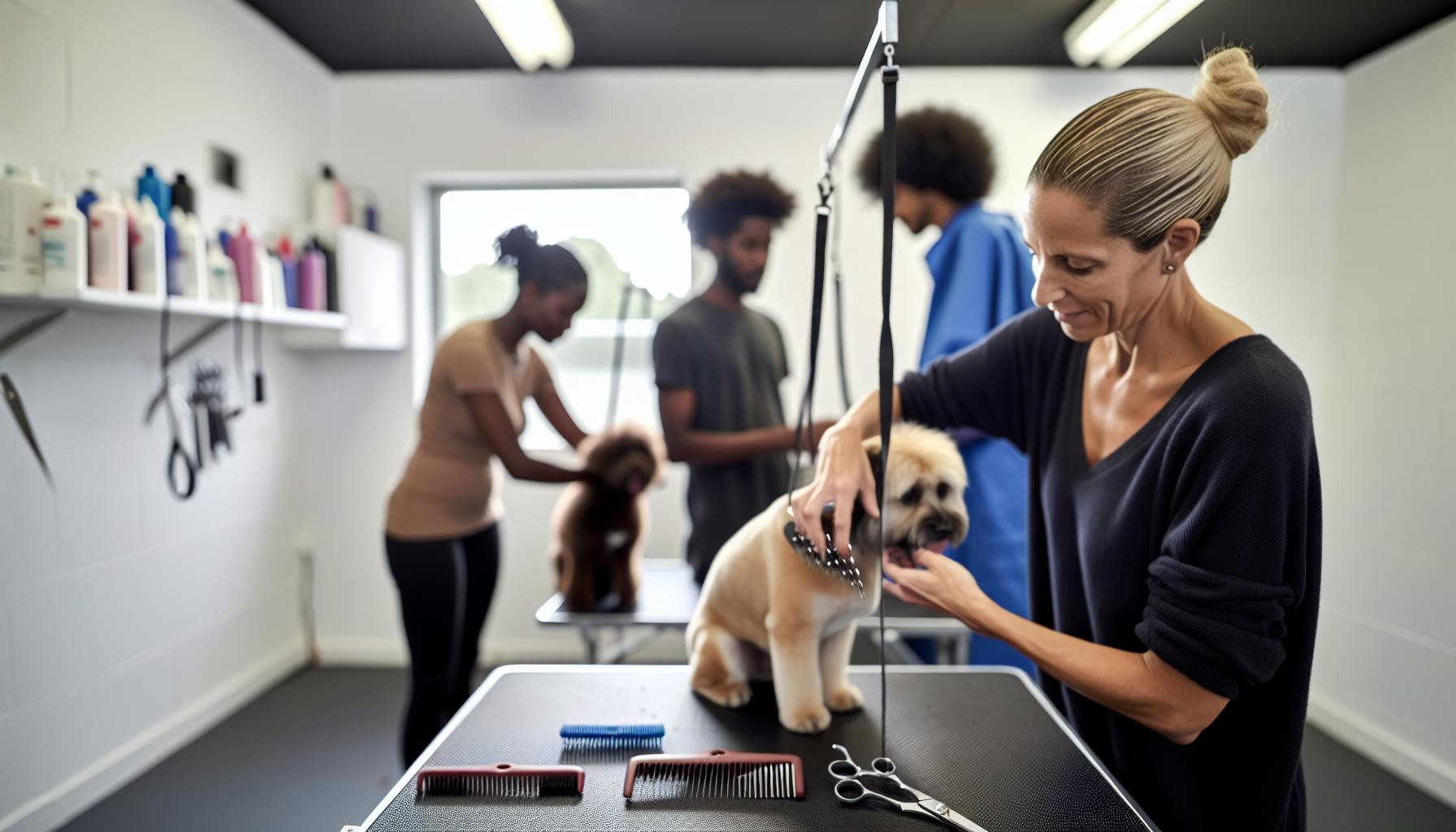
Frequently asked questions
Q: How can new dog groomers increase their chances of job market success?
A: New dog groomers can boost success by gaining hands-on experience through internships, obtaining certifications, and building a strong client base. Networking with local pet businesses and maintaining up-to-date skills in grooming tools and pet safety also enhances career growth. See our sections on *Key skills* and *Building a Successful Grooming Business* for deeper insights.
Q: What emerging trends are shaping the future demand for dog groomers?
A: Growing pet humanization and demand for specialty grooming, such as hypoallergenic cuts and creative styles, drive groomer demand. Eco-friendly products and mobile grooming services also create new job opportunities.Stay informed on *Regional Job Market Trends* and *Impact of Pet Ownership* to adapt effectively.
Q: Where are the best geographic areas to find dog grooming jobs in high demand?
A: Urban areas with dense pet populations,such as major cities and affluent suburbs,typically offer the strongest demand due to more pet owners seeking professional grooming. Regional sections in our analysis highlight hotspots and seasonal fluctuations to target your job search.
Q: Why is customer service important in a dog grooming career?
A: Customer service is crucial because happy pet owners build loyalty and generate referrals. Emotionally connecting with clients and handling anxious pets compassionately helps maintain trust and repeat business, which supports long-term career stability and growth.
Q: How do technological advancements impact the dog grooming profession?
A: New grooming tools like improved clippers, dryers, and scheduling software streamline work and increase efficiency. Groomers who adapt to tech advances enhance quality and customer experience,positioning themselves better in a competitive job market.
Q: What certifications or continuing education help dog groomers stay competitive?
A: Certifications from reputable organizations and ongoing courses in canine anatomy, breed-specific grooming, and pet first aid distinguish groomers professionally. This knowledge boosts credibility, helping groomers command higher rates and better job offers.
Q: How can dog groomers manage the physical demands of their job for long-term career health?
A: Managing body mechanics, taking scheduled breaks, and using ergonomic grooming tables reduce strain. Groomers should prioritize self-care and proper technique to avoid injury and ensure a lasting,fulfilling career.
Q: What role do mobile and in-home grooming services play in today’s dog grooming job market?
A: Mobile and in-home grooming meet rising customer convenience demands, opening niche market opportunities. Groomers offering these services can tap underserved areas and build flexible, profitable businesses-refer to *How to Build a Successful Grooming Business* for strategy tips.
—
For more detailed guidance, explore our full article sections on career pathways and industry trends. Practicing compassion and continuously enhancing skills will keep you competitive and fulfilled in this rewarding pet-care profession.
Concluding Remarks
The demand for skilled dog groomers continues to grow, making now a perfect time to explore this rewarding career path. Whether you’re passionate about animal care or interested in expanding your skills, understanding the job market and growth opportunities can guide you toward success. For practical insights, don’t miss our detailed guides on grooming tools and techniques, as well as career advice tailored to pet professionals.
If you’re ready to take the next step, consider signing up for our newsletter for expert tips, industry updates, and exclusive resources to boost your grooming career.Got questions or personal experiences to share? We’d love to hear from you in the comments-your input helps build a supportive community for both new and seasoned groomers.
Remember, mastering dog grooming isn’t just about style-it’s about safety, comfort, and compassion for every pet. Explore related topics like “Essential Grooming Tools” and “Building a Successful Pet Care Business” to deepen your knowledge and stay ahead in this in-demand field.Start your journey today and embrace a fulfilling career helping pets look and feel their best.
Get our latest guides, news, and insights highlighted in your Google Search & AI Overviews.
Keep reading about the same coat and cut.




Popular grooming guides
Bath vs clip, first grooms, and salon how-tos.