How Soon Can I Take My Puppy to the Groomers? Age & Prep Tips
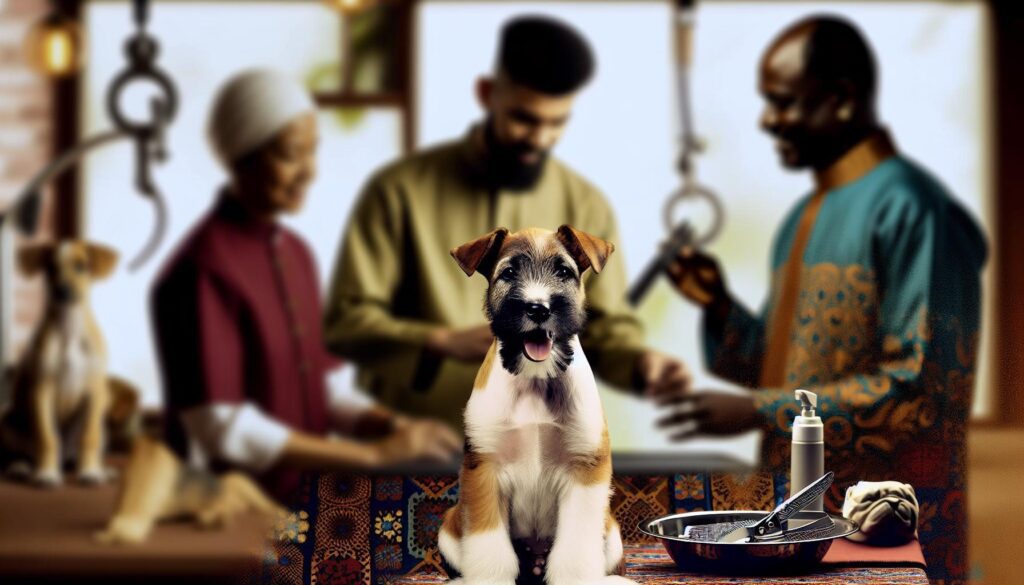
Did you know that taking yoru puppy to the groomer to early-or without proper preparation-can impact not just their look but their comfort and confidence? Puppies, generally under one year old, have delicate skin and developing immune systems, so knowing the right time to start professional grooming is key. This guide will walk you through when and how to introduce your furry friend to grooming safely and positively, tailored to their breed, coat type, and individual needs. Whether it’s their first bath, brushing session, or nail trim, you’ll learn practical tips to make grooming a calm, enjoyable experience for both of you. With gentle patience and the right tools, you can definitely help your puppy feel secure and loved, setting the stage for a lifetime of good grooming habits without stress or worry. Let’s explore how to prepare your puppy and what to expect from your groomer, ensuring every visit supports their health and happiness.
When Can Puppies Safely Visit the Groomers?
Table of Contents
- 1 When Can Puppies Safely Visit the Groomers?
- 2 Preparing Your Puppy for Their First Grooming Visit
- 3 Essential grooming Tools and Supplies for Puppies
- 4 Step-by-Step Puppy Grooming at Home Before the Salon
- 5 How Breed and Coat Type Affect Grooming Timing
- 6 What to Expect During Your Puppy’s First Grooming
- 7 Calming Nervous Puppies: Tips for a Stress-Free Visit
- 8 Common Puppy Grooming Challenges and How to Handle Them
- 9 Hygiene Basics: Bathing, brushing, and Nail Care for Puppies
- 10 When to Choose a Vet Over a Groomer for Puppy Care
- 11 building a Grooming Routine That Grows with Your Puppy
- 12 Faq
- 12.1 Q: How can I tell if my puppy is ready for their first grooming appointment?
- 12.2 Q: What are the best ways to introduce my puppy to grooming tools before the salon?
- 12.3 Q: How do breed and coat type influence the timing of a puppy’s first professional grooming?
- 12.4 Q: Can my puppy’s temperament impact their grooming schedule and how?
- 12.5 Q: Should I bring my puppy’s vaccination records to the groomer, and why?
- 12.6 Q: How can I prepare my puppy’s coat at home to make their first grooming visit easier?
- 12.7 Q: What signs show that a grooming session might be too stressful for my puppy? How should I handle this?
- 12.8 Q: How frequently should I schedule grooming appointments for my puppy based on their age and coat?
- 13 In Conclusion
Timing your puppy’s first visit to a professional groomer is an crucial milestone that blends safety, health, and comfort. while every puppy is unique, most groomers recommend waiting until your little one has completed their initial round of vaccinations, usually around 8 to 12 weeks old. This window helps ensure they have some immunity against common infectious diseases,making the grooming experience safer for them. Early exposures are vital-both to gentle grooming handling and to the sights,sounds,and smells of a salon-but it’s equally critical not to rush before they’re ready physically and emotionally.
Breed and coat type play a huge role in deciding how soon and often your puppy should visit the groomer. For example, breeds with fast-growing, dense, or curly coats (like Poodles or Bichon Frises) benefit from earlier and more frequent grooming sessions to prevent mats and tangles.Conversely, short-haired breeds typically require less frequent trims, so you might delay their professional appointments a little longer. If your breed’s coat demands specialized tools like slicker brushes, dematting combs, or thinning shears, introducing those gradually at home before salon visits can ease your pup’s nervousness.
Preparing for a Smooth first Visit
Before that first appointment, gently get your puppy used to basic grooming actions at home-touching their paws, ears, and running a brush through their fur. Practice nail trims with positive reinforcement, so nothing feels scary during the salon visit. Recognize that young puppies can be nervous, so seeking a groomer experienced in handling pups with patience and kindness can make all the difference. Asking about their protocols for first-time pups,breaks during grooming,and calming techniques can reassure you and your puppy alike.
Signs your Puppy is Ready
- Completion of primary vaccinations to protect against illnesses
- Comfort with gentle handling of paws, ears, and fur brushing at home
- Ability to tolerate brief periods of standing or sitting without resistance
- Stable temperament without excessive anxiety or fear when introduced to new environments
remember: Grooming is not just about aesthetics; it’s a key part of your puppy’s overall health and wellbeing. If your puppy shows any signs of skin irritation, illness, or extreme fear, consult your veterinarian before scheduling a grooming session. For very young or sensitive pups, some grooming tasks like baths or nail trims may be better handled by you initially or done at home with proper guidance until they grow stronger and more confident.
Preparing Your Puppy for Their First Grooming Visit
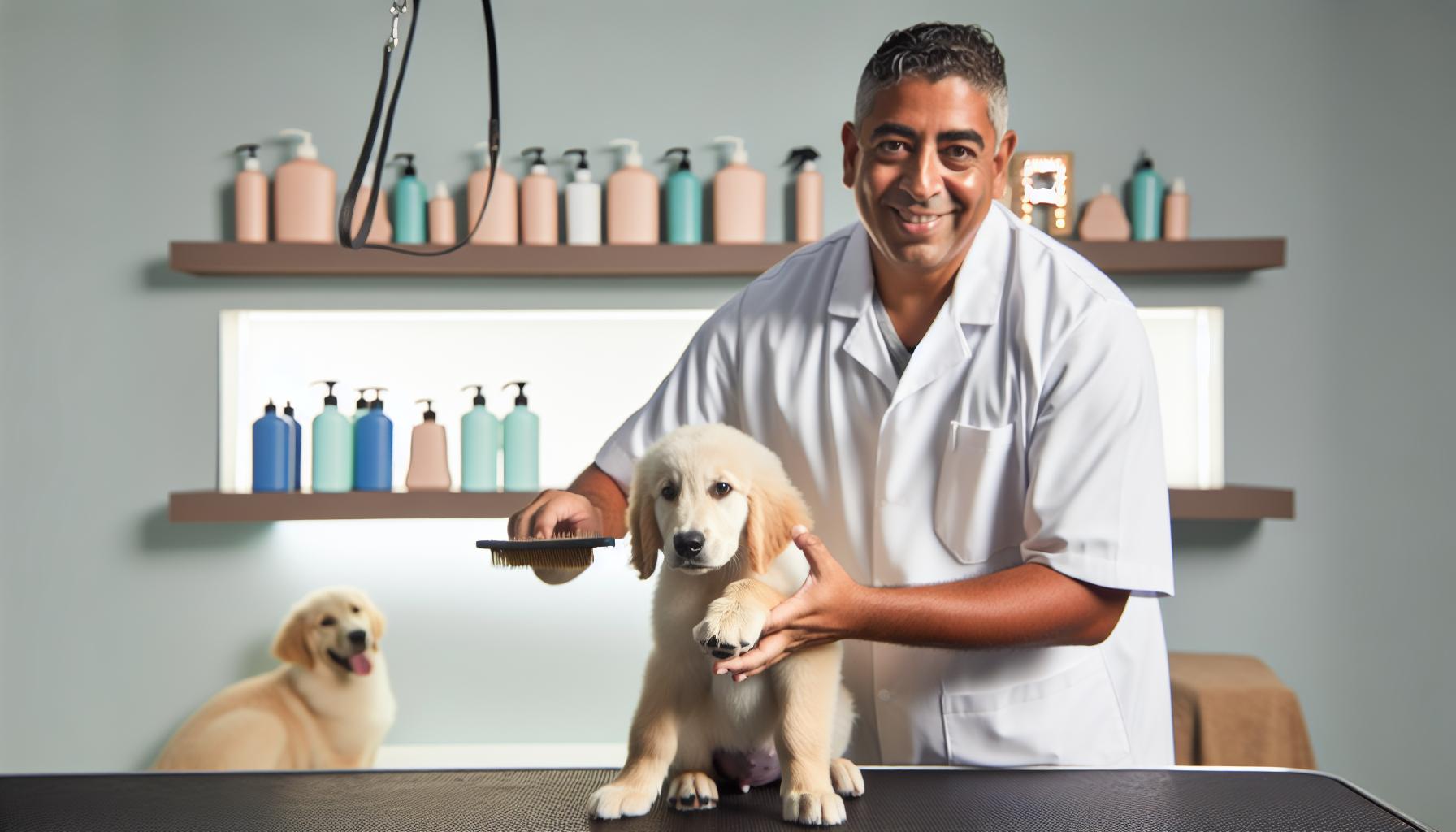
Introducing your puppy to grooming isn’t just a beauty ritual-it’s a vital step in their health and socialization journey. Puppies can be sensitive and unsure about new sensations like water,brushes,or nail clippers,so the key is to approach the preparation with patience and kindness. Starting early at home will make that first groomer visit far less intimidating and more enjoyable for your furry friend.
Begin by gently handling your puppy’s paws,ears,and tail during everyday cuddles or quiet moments. This helps them get used to being touched in areas that often feel vulnerable. Use a soft-bristled brush suitable for their coat type-whether it’s the fine fur of a Chihuahua or the curly locks of a Poodle-and let them sniff and play with it. Keep sessions short and positive, rewarding calm behavior with treats and praise. This early brush introduction can dramatically reduce stress when handled by a groomer later on.
Getting Nail Trims and Ear Checks Pleasant
Nail trims and ear cleanings are common grooming tasks that can trigger anxiety if not introduced gradually.use a gentle nail file or clippers designed for puppies’ small nails, and start by simply touching their paws without clipping. When your puppy is calm, you can lightly clip one nail and immediately reward them. Repeat this step over days or weeks until they tolerate a full trim. For ears, softly lift and rub the outer ear with a damp cloth, ensuring you never poke inside.Familiar scents and sensations help turn these routines into expected, safe experiences.
Choosing the Right Groomer
When booking that first appointment, seek a groomer who specializes in working with puppies and understands their special needs. Experienced groomers will offer breaks, use calming techniques like gentle voice tones or treats, and never rush your pup. Don’t hesitate to ask about their approach to first-time pups; transparency breeds trust and helps you prepare your puppy mentally. If your puppy shows signs of excessive fear or skin sensitivity, consult your vet to rule out medical concerns before a grooming visit.
- Start gentle grooming at home early and often.
- Use breed-appropriate tools to ease coat care.
- Reward calm behavior with treats and soothing voices.
- Work on paw handling and nail trims in tiny, stress-free steps.
- Choose a patient, puppy-savvy groomer who communicates openly.
Remember, a puppy’s first grooming experience sets the tone for all future visits. The goal isn’t perfect clips or spotless coats-it’s building positive associations that keep your puppy relaxed,safe,and happy during grooming throughout their life.
Essential grooming Tools and Supplies for Puppies
Puppy grooming can feel overwhelming at first, but having the right tools makes all the difference in turning those early sessions into calm, enjoyable bonding moments. Just like humans need gentle brushes for sensitive skin, puppies require grooming supplies that match their delicate coats and emerging personalities. The goal isn’t about perfection-it’s about comfort, safety, and building positive grooming habits step-by-step.
different breeds and coat types need different care, so start by choosing tools designed specifically for puppies. For example, a fine-toothed comb or a soft-bristle brush works wonders on short-haired pups like Beagles or Boxers, while curly-coated breeds, such as Poodles or Bichon Frises, benefit from slicker brushes and dematting combs that gently work through tangles without pulling. Always test tools on a small patch of fur to make sure your puppy is comfortable before doing a full session.
Bath Time Basics
Using puppy-specific shampoos is essential because their sensitive skin doesn’t handle harsh chemicals like adult products do. Look for shampoos that are hypoallergenic, tear-free, and free from strong fragrances.A non-slip mat in the tub or sink helps prevent slips and increases your pup’s confidence. Keep water lukewarm and use a cup or gentle sprayer so that water doesn’t startle them.After rinsing, softly towel dry and avoid loud dryers until your puppy is older and accustomed to the noise.
Brushes and Combs tailored to Your Pup
when brushing,opt for lightweight brushes with soft handles made just for small paws. Brushes with rubber tips or rounded pins protect delicate skin from irritation. Such as:
- short-haired pups: Soft bristle brush or grooming mitts for light touch-ups.
- medium to long-haired pups: Slicker brush to gently detangle and prevent mats.
- Curly or wiry coats: Dental comb or dematting rake to carefully release knots without pulling.
Keep sessions short-only a few minutes at first-and offer treats to reward calm behavior. This not only eases anxiety but creates happy grooming associations.
Nail Care and Ear Maintenance
For nails, puppy-sized nail clippers or a gentle nail grinder are best. The key is to desensitize your puppy by touching their paws regularly before attempting any clipping. Only trim small amounts of nail at a time to avoid hitting the swift, which can be painful and cause bleeding.If you do accidentally nick the quick, have styptic powder on hand to stop bleeding quickly and calmly. For ears, soft cotton balls or pads dipped in a vet-recommended cleaner help maintain hygiene without poking deep inside.
| Grooming Task | Recommended Tool | Tip |
|---|---|---|
| bathing | Puppy-specific shampoo,non-slip bath mat | Use lukewarm water; avoid getting water in ears |
| Brushing | Breed-appropriate brush or comb | Short sessions; reward calm behavior |
| Nail Trimming | Puppy nail clippers or grinder | Trim little by little; avoid quick |
| Ear Cleaning | Cotton balls with vet-approved cleaner | Never insert deep; wipe gently |
Remember,the line between what you can do at home and when to visit a professional groomer or vet is about safety and skill. Routine brushing, gentle baths, and nail trims you can confidently manage at home form the foundation for a stress-free grooming career. But if your puppy has sensitive skin, stubborn mats, or health issues, it’s always kinder to let experienced groomers or vets handle those special cases with expert care. Patience and positive reinforcement turn every tool from an intimidating object into a trusted part of your puppy’s daily routine.
Step-by-Step Puppy Grooming at Home Before the Salon
Puppy grooming at home before the first salon visit is a marvelous opportunity to build trust, familiarize your little one with touch, and make grooming a positive part of their daily life. Starting gently and gradually helps prevent anxiety, making your puppy more comfortable when they do visit a professional groomer. No matter the breed or coat type, early handling paired with patient, calm interactions sets the stage for a lifetime of happy grooming.
Getting Started with Bathing
Begin with short, pleasant baths using puppy-safe shampoo designed specifically for sensitive skin. Make sure the water is lukewarm and avoid the face area to protect eyes and ears. Use a non-slip mat where your puppy stands-this prevents slipping and builds confidence. If your pup is nervous, offer plenty of soothing words and treats during and after each bath.Keep the session brief at first, gradually increasing time as your puppy relaxes. Avoid hair dryers on young pups; towel drying is quieter and less stressful.
Brushing According to Coat Type
Choose grooming tools that match your puppy’s coat-soft-bristle brushes for short fur, slicker brushes for medium to long coats, and dematting combs for curly or wiry hair. Start with very brief brushings, just a few minutes, so your puppy doesn’t feel overwhelmed. always observe how your pup reacts: if you see signs of discomfort, pause and offer treats and gentle praise before continuing.For example, with a curly-coated Poodle puppy, using a dematting rake carefully on tangles can prevent painful pulling later. Building these short, positive experiences will encourage your puppy to look forward to grooming rather than dread it.
Simple Nail and Ear Care at Home
Desensitize your puppy’s paws even when not trimming nails. Handle their feet daily, gently pressing the toes so they get used to the sensation. When trimming,snip only the sharp tips,avoiding the quick; it’s better to trim small amounts often than risk causing pain. Keep styptic powder handy just in case of minor nicks. For ears, clean the outer folds with cotton balls moistened with a vet-approved cleanser-never insert anything deep into the ear canal to prevent injury or infection. Consistency and calm reassurances will make nail and ear care easier over time.
| Early Grooming Task | Recommended Tools | Key Tips |
|---|---|---|
| Bathing | Puppy-specific shampoo, non-slip mat, soft towel | Use lukewarm water; keep sessions short; avoid face |
| Brushing | Soft bristle, slicker brush, or dematting comb | Short sessions; observe puppy’s comfort; use treats |
| Nail Trimming | Puppy nail clippers or grinder, styptic powder | Desensitize paws; trim little by little; stay calm |
| Ear Cleaning | Vet-approved cleaner, cotton balls | Clean outer ear only; wipe gently; avoid deep insertion |
As you introduce grooming at home, remember your role is to nurture your puppy’s comfort and confidence rather than chase perfection. If your puppy struggles with mats, skin sensitivity, or becomes very anxious despite gentle attempts, consult your vet or professional groomer for advice. they can offer specialized treatments or stress reduction strategies to keep grooming safe and enjoyable. When done mindfully and patiently, home grooming creates a solid foundation so your puppy’s first trip to the salon feels more like a fun adventure than a chore.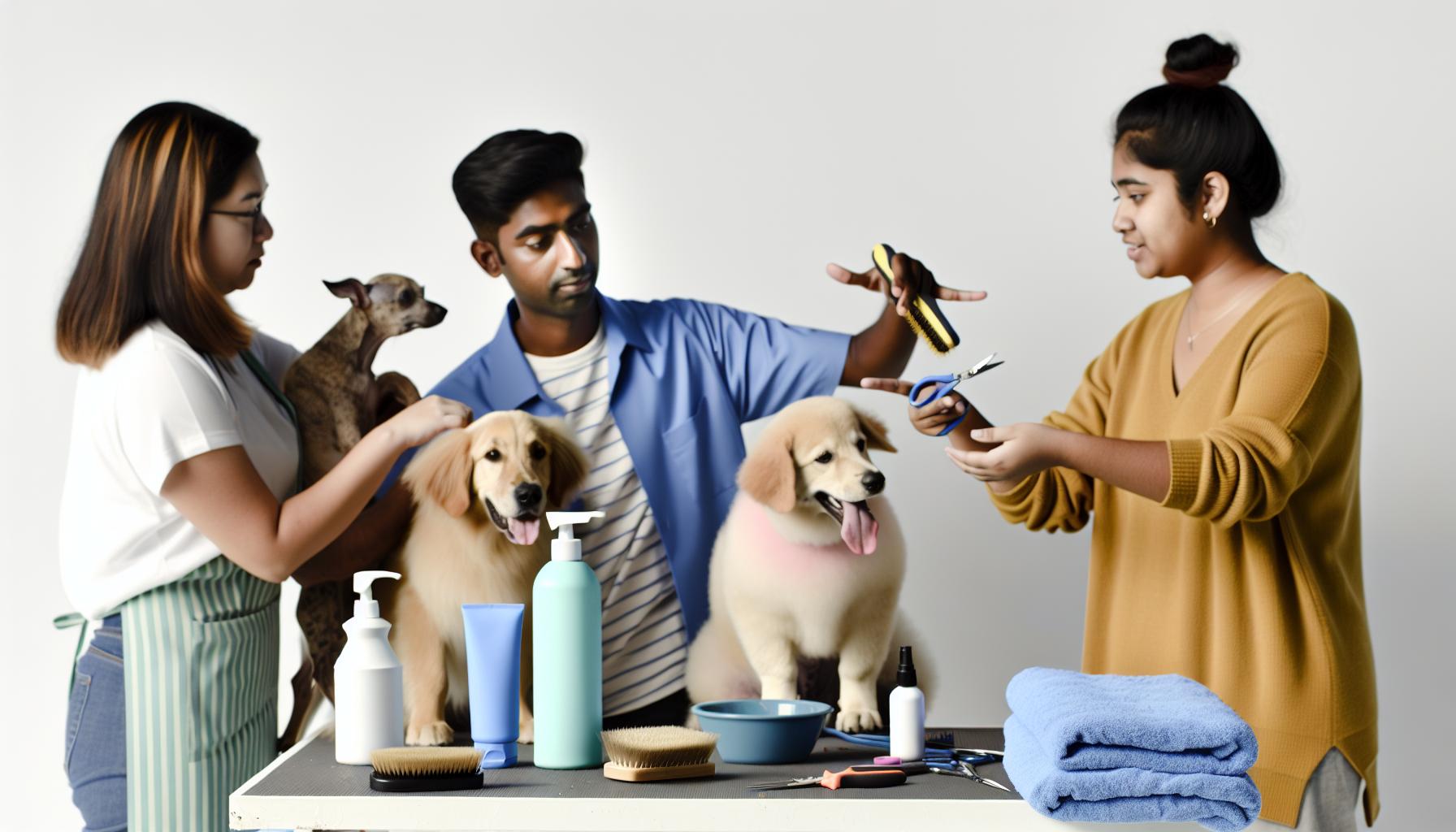
How Breed and Coat Type Affect Grooming Timing
The timing of your puppy’s first grooming visit can vary widely depending on their breed and coat type, which play a huge role in shaping their grooming needs and how soon they’ll be ready for professional care. Some breeds have coats that demand early and frequent grooming to prevent mats and discomfort, while others may require a gentler, less frequent introduction. Understanding these differences helps you plan a grooming schedule that supports your puppy’s well-being, not just their appearance.
Puppies with thick, curly, or dense coats-like Poodles, Bichon Frises, and Shih Tzus-tend to develop mats and tangles quickly if not brushed regularly. For these breeds, it’s best to start gentle grooming at home as early as possible and often, which makes their first salon visit smoother and less stressful. Ideally, the initial professional grooming can take place once their vaccinations are complete (usually around 12-16 weeks) and after you’ve helped them get accustomed to brushes, combs, and gentle handling. Early salon visits can include a light trim, sanitary clips, or simple bath-and-brush sessions tailored to their comfort level. In these cases, scheduling grooming appointments every 4-6 weeks typically keeps their coat manageable and comfortable.Conversely, puppies with short, double coats-such as Beagles, Labs, or bulldogs-generally require less intensive grooming. Their coats shed naturally, so bath and brush sessions at home go a long way to keep the fur healthy and skin clear. Their first professional grooming might be delayed until 4-6 months old, mostly focused on nail trims, ear cleaning, and general maintenance rather than heavy trimming.This reduced grooming frequency minimizes stress and gives them time to mature before salon visits. For double-coated breeds, frequent brushing at home with a de-shedding tool can prevent undercoat buildup, but clipping is rarely needed.
- Coat Type Matters: Curly and long coats need dematting tools like slicker brushes or dematting combs,while short coats respond well to soft bristle or bristle-and-rubber brushes.
- Breed Temperament and Sensitivity: Smaller breeds with sensitive skin often require gentle, hypoallergenic shampoos, and slower introduction to grooming tools.
- Growth and Blowout Phases: Some breeds, like Golden Retrievers or German Shepherds, experience seasonal “blowouts” where their dense undercoat sheds massively; this can affect when grooming is most beneficial.
Planning Around Coat Growth and Grooming tools
When preparing for your puppy’s first professional grooming, consider how their coat grows and what tools the groomer will likely use. Such as, curly-coated breeds may require a grooming salon equipped with dematting rakes and clippers capable of safely trimming thick curls without pulling painfully. Brushing at home with slicker brushes, used briefly and gently, primes your puppy’s coat for salon visits.On the other hand, short-haired breeds tolerate bristle brushes and less frequent bathing, making their grooming routine simpler but still critically important for hygiene.
When to Seek Vet Advice Versus Groomer Care
Certain coat types and breeds are prone to skin sensitivities or conditions that might necessitate a vet’s input before the groomer’s scissors ever come out.If your puppy has flaky skin, persistent scratching, or unusual coat texture, a vet should assess them early on to rule out allergies or infections. Groomers are experts in coat care, but any health concerns-including ear infections common in floppy-eared breeds-are best handled medically before grooming proceeds.
—
| breed/Coat Type | Grooming Timing (First Salon Visit) | Recommended At-home Tools | Key Considerations |
|---|---|---|---|
| Poodle, Bichon Frise, Shih Tzu (Curly/Long) | 12-16 weeks (post-vaccination) | Slicker brush, dematting comb, soft bristle brush | Frequent brushing to avoid mats; gentle introduction to clippers |
| Golden Retriever, German Shepherd (Double Coat) | 4-6 months | de-shedding tool, bristle brush | Seasonal shedding management; avoid cutting undercoat |
| Beagle, Labrador, Boxer (Short Coat) | 4-6 months | Soft bristle brush, rubber curry mitt | Less frequent grooming; focus on baths, nails, ears |
| Bulldog, Dachshund (Short Coat with Sensitive Skin) | After vaccination and skin assessment | Soft bristle brush, hypoallergenic shampoo | Watch for skin irritation; consult vet for allergies |
Ultimately, matching grooming timing to your puppy’s breed and coat type is a balance of safety, comfort, and coat health. Early, positive exposure to grooming tools at home paired with thoughtfully timed salon visits builds your puppy’s confidence and keeps their coat in the best shape possible. Remember, patience and compassion always come first – your puppy’s happiness is the crowning achievement of any grooming routine.
What to Expect During Your Puppy’s First Grooming
It’s normal to feel a mix of excitement and nerves before your puppy’s first grooming appointment-and that’s okay! Remember, this visit is as much about introducing your puppy to new sights, sounds, and gentle handling as it is about looking tidy. Professional groomers are experts at making this experience as comfortable and positive as possible, tailoring their approach to your puppy’s breed, coat type, and personality.
What Happens Step-by-Step During the Grooming Visit
- Initial Greeting and assessment: Most groomers begin by calmly meeting your puppy to assess their coat condition, skin health, and temperament. This helps set a pace that feels safe and non-threatening.
- Brushing and Dematting: For curly or long-haired breeds, the groomer will gently detangle mats using slicker brushes or dematting combs. Puppies with short coats usually receive a soft brush to remove loose fur and dirt. This part helps relax the puppy while prepping their coat.
- Bath Time: A warm bath with a puppy-safe hypoallergenic shampoo is typical, especially for breeds prone to sensitive skin. The groomer will carefully avoid rubbing the eyes and ears and use calming techniques throughout.
- Nail Trimming: Nail care is essential but can be stressful if rushed. Good groomers trim nails slowly, pausing often and rewarding your puppy with praise or treats. This session helps puppies build tolerance and reduces future nail trim anxiety.
- Ear Cleaning: Many puppies benefit from gentle ear cleaning, notably floppy-eared breeds that trap moisture. Cleaning is done carefully to prevent irritation or injury, and if any infection signs appear, a vet referral will be recommended.
- Light Trimming or Styling: Depending on the breed and your instructions,the groomer might do a simple sanitary trim or a basic cut tailored to your puppy’s comfort and developmental stage. It’s important to start with minimal clipping to avoid stress.
Tailoring the Experience to Your Puppy
Each puppy is unique, and a grate groomer recognizes that patience is the secret ingredient. Such as, a Poodle puppy with thick curls will likely need more frequent gentle brushing and dematting, while a Lab puppy may primarily require nail trims and baths. Groomers often break the first visit into shorter sessions if your puppy is especially nervous. They may also suggest scheduling a “practice” visit just to familiarize your puppy with the sounds and sights of the grooming salon-no actual grooming required.
Common Questions and Considerations
- Should I Stay During Grooming? Many groomers ask owners to wait outside or in a separate area to help puppies acclimate without distraction-but if your puppy feels too anxious, staying nearby initially may help.
- What If My Puppy Gets Stressed? Groomers are trained to recognize signs of stress and will pause, comfort, and resume as your puppy settles. Always communicate concerns ahead of time,and never push a puppy beyond their limits.
- Vet vs. Groomer for Skin or Health Issues: If your puppy has dry skin, irritation, or persistent scratching, a vet visit should precede grooming. Groomers focus on coat care, but health problems require medical expertise before a grooming session.
Starting early with small, gentle grooming steps builds confidence in your puppy and transforms grooming from a fearful ordeal to a positive routine.Remember, the goal is comfort and care-not perfection. When you see your puppy calmly enjoying their grooming experience, you’ll know the patience and compassion you invested are paying off beautifully.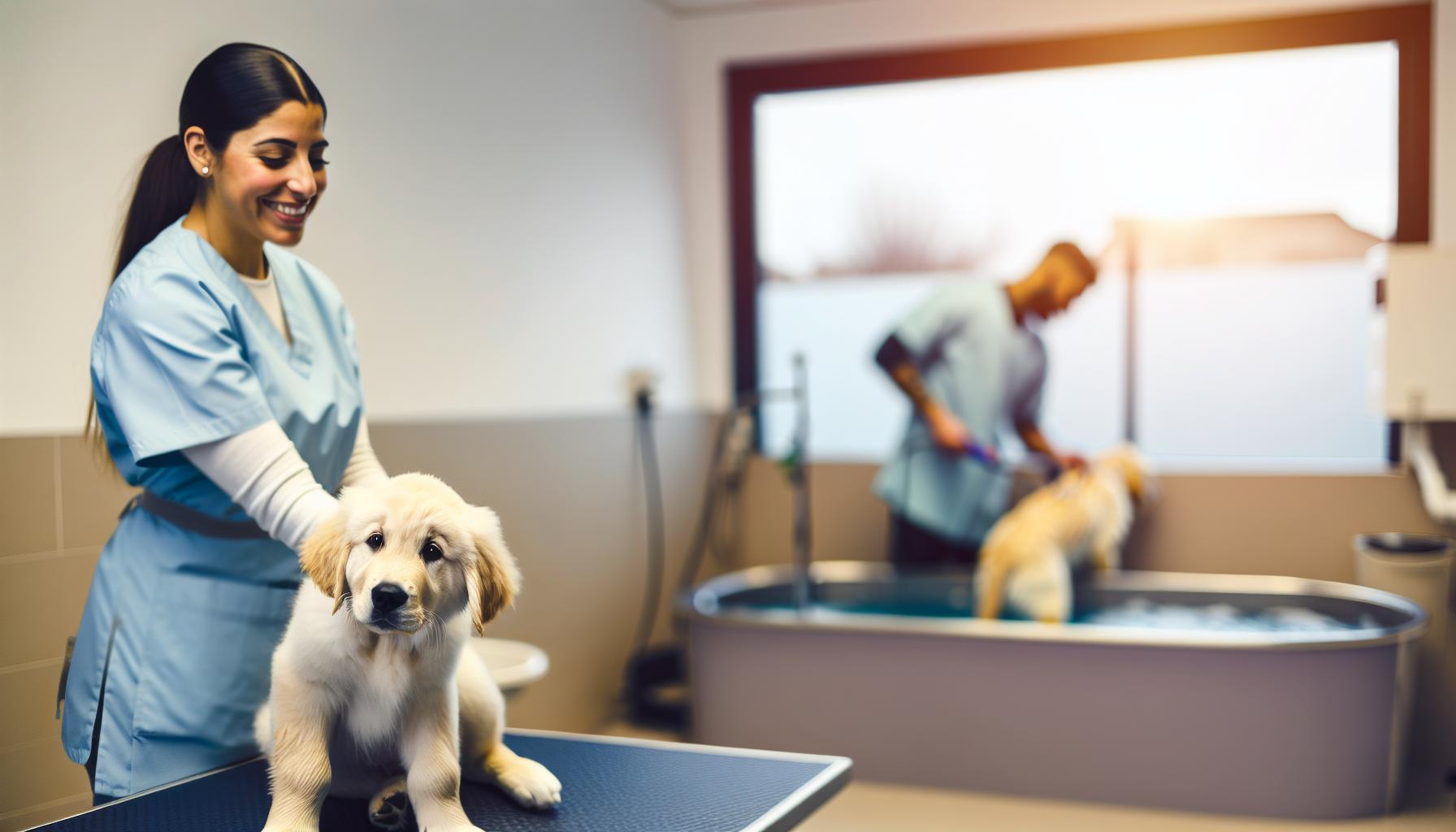
Calming Nervous Puppies: Tips for a Stress-Free Visit
It’s fully natural for puppies to feel uncertain or even scared about their first grooming experience. After all, it’s a new surroundings filled with unfamiliar sights, sounds, and sensations.The key to a stress-free visit lies in patience, gentle introduction, and making each step positive and manageable. Remember, your puppy’s confidence grows best in small, calm increments that respect their individual temperament and breed-specific needs.
Creating a Calm Environment
Before even arriving at the salon, help your puppy by gently exposing them to grooming tools and sounds at home. For example, turn on the hair dryer from a distance for a few minutes each day, letting them sniff and explore brushes and nail clippers in a relaxed setting. At the salon, ask the groomer to greet your puppy quietly and offer treats so the first interaction feels rewarding. Many groomers are happy to do a “meet and greet” visit without any grooming to build familiarity.
Step-by-Step Soothing Techniques
- Bathing: Use warm water and a puppy-safe shampoo. speak softly and use a non-slip mat in the tub to keep your puppy steady. Avoid water in ears and eyes to prevent discomfort.
- Brushing: Depending on coat type, choose a soft brush or comb. Brush slowly to avoid pulling hairs, and watch your puppy’s body language-stop if they seem anxious and give a break.
- nail Trimming: Trim nails in very short sessions. Clip a few nails at a time, and reward with treats and praise after each one to build positive associations.
- Ear Cleaning: For floppy-eared breeds that trap moisture, gentle cleaning helps prevent infections. Use only vet-approved solutions and cotton balls, never cotton swabs deep inside.
Handling Stress Signs and Owner Presence
Signs like trembling, whining, or trying to escape mean it’s time to pause. Groomers skilled in puppy care will patiently pause and use calming tones or slow strokes until your puppy relaxes. As an owner, it’s important to keep your tone calm and avoid rushing.Many groomers suggest initially staying nearby so your puppy feels secure but recommend stepping out during grooming to reduce distractions-though you should always do what feels right for your puppy’s comfort.
Breed, Coat, and Temperament Take Center Stage
A Poodle puppy with thick curls benefits from slow dematting and frequent brushing, while a short-coated breed like a Beagle might need simpler, quicker sessions focused on baths and nails.Nervous or shy puppies frequently enough respond wonderfully to short, positive experiences that gradually increase in duration. If your puppy has a sensitive skin or health issue, consult your vet first to ensure grooming is appropriate at that time.By combining gradual exposure, gentle handling, and a trustworthy groomer’s expertise, you empower your puppy to enjoy grooming as a natural, even fun part of their routine. Each small success adds to their lifelong ease with being cared for, making needless stress a thing of the past.
Common Puppy Grooming Challenges and How to Handle Them
Puppy grooming frequently enough comes with its own set of surprises – even the most confident pups can find some parts tricky. Recognizing common challenges early and addressing them with kindness makes all the difference in building a lifelong positive grooming routine. Remember, it’s never about perfection but about creating a safe, trusting environment where your puppy feels cared for and secure.
Bath Time Woes
Many puppies dislike getting wet, especially if water accidentally splashes in their ears or eyes. To minimize stress, always use a mild, puppy-safe shampoo and warm water. A non-slip mat keeps little paws steady, while slow, gentle strokes can turn bath time into a soothing massage. If your puppy shivers or tries to escape, pause and offer a treat. Slowly increasing bath time duration over several sessions helps build tolerance. For breeds with thick or double coats (like Huskies or Golden Retrievers), extra care is needed during rinsing and drying to avoid matting or skin irritation.
Brushing Battles
Brushing can be particularly challenging for puppies with dense, curly, or long coats that tangle easily, such as Poodles or Shih Tzus.Using the right tools-a soft-bristle brush or a wide-tooth comb-can prevent discomfort. Brush in the direction of hair growth to avoid pulling.If your puppy resists, break the session into short bursts and reward often with praise or treats. For stubborn tangles, gently tease apart knots with fingers or specialized detangling sprays before brushing. Remember, forcing or rushing will only create negative associations.
Nail Trimming Troubles
Many puppies are scared of nail trimming due to unfamiliar sights, sounds, or the mild discomfort if clipped too close.Use sharp, quality clippers designed for puppies. Trim a few nails per session rather than all at once, and immediately reward your puppy to build positive connections. If your pup has dark nails making quick identification tricky,trim just the tip with extra caution or ask your groomer or vet for guidance. Sometimes filing nails instead of clipping offers a gentler option for sensitive pups.
Ear Cleaning Concerns
Puppies with floppy ears, like Cocker Spaniels and Basset Hounds, can be prone to ear infections due to trapped moisture. Gently wiping the ear with vet-approved solutions and cotton balls helps prevent issues but should be done carefully to avoid irritation. Avoid pushing anything deep into the canal. Some puppies resist ear handling initially, so pairing cleaning with gentle massage and calm reassurance helps ease anxiety.
Knowing When to Seek Professional Help
While many grooming tasks can be gently introduced at home, there are times when a professional groomer or vet should step in. In cases of severe matting, skin infections, or behavioral anxiety that resists at-home patience, professionals have tools, expertise, and experience to provide safe care. For puppies with sensitive skin or health concerns, always consult your vet before any grooming service.
- Tip: Build grooming success one small step at a time; patience and compassion turn challenges into wins.
- Tip: always end sessions on a positive note-treat, praise, or cuddle-to reinforce good experiences.
- tip: Tailor grooming frequency and techniques to your puppy’s unique breed, coat, and temperament.
With understanding and gentle practice,these early challenges become manageable milestones on the journey to a happy,healthy grooming routine that supports your puppy’s comfort and well-being every step of the way.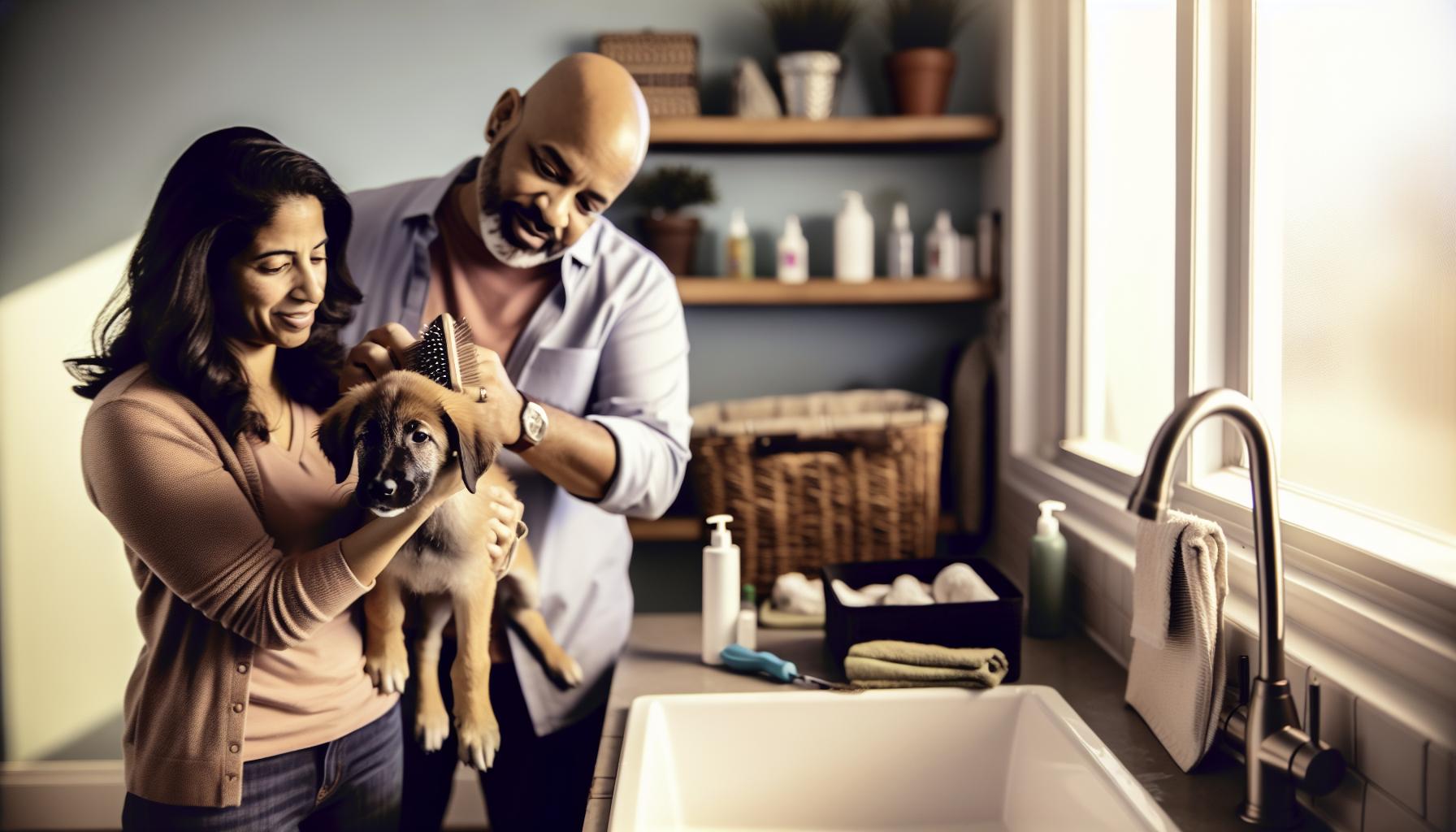
Hygiene Basics: Bathing, brushing, and Nail Care for Puppies
Puppy grooming sets the foundation for your dog’s comfort and health, and getting it right early on can make all the difference.Bathing, brushing, and nail care might feel daunting at first-especially with a wriggly little pup-but patience and the right techniques turn these routines into bonding moments full of trust and calm. Each puppy is unique, and factors like breed, coat type, and temperament influence how easily they take to grooming.
Bathing
Many puppies are wary of water, especially if it’s cold or gets in their ears and eyes. To make bath time pleasant, always use a gentle, puppy-specific shampoo that won’t irritate sensitive skin. Warm water-not hot-is essential for comfort. Placing a non-slip mat in the tub or sink helps your puppy feel steady underfoot, reducing anxiety. Use slow, soothing strokes rather than sudden splashes. If your puppy initially tries to escape or shivers, pause and offer praise or treats. Keep early baths short and gradually increase the time to build positive associations. For thick or double-coated breeds like Golden Retrievers or Huskies, thorough rinsing is critical to avoid residue that can cause itching or matting; drying gently but completely is equally important to prevent moisture-related issues.
Brushing
The right brush for your puppy’s coat makes grooming easier and more enjoyable. Soft-bristle brushes suit short-haired pups, while slicker brushes, wide-tooth combs, or detangling sprays are often necessary for curly or long coats seen in breeds like Poodles or Shih Tzus. Always brush with the grain of the hair to avoid pulling, and start with gentle strokes to acclimate your puppy. If your puppy protests, break brushing into brief sessions sprinkled with treats. For stubborn tangles, patiently loosen knots with fingers or a detangling spray before brushing. Rushing or forcing can led to negative experiences,while calm praise helps build trust and cooperation.
Nail Care
Nail trimming often causes the most resistance,mainly because it’s a new and sometimes startling sensation. Use sharp, high-quality clippers made for puppies-dull tools increase discomfort and risk splitting nails. Rather than clipping all nails at once, trim a couple during each session and reward immediately, making it a game rather than a chore. If your puppy has dark nails where the quick (the sensitive part inside the nail) is hard to see, clip very short portions gradually or file nails for a gentler option. if your pup becomes agitated, gently stop and try again the next day.when in doubt, professional groomers or vets can show you the safest technique.
When to Ask for Help
While many hygiene tasks can start at home, certain situations warrant professional care. Severe matting, skin infections, or intense fear require groomers’ experience and vet expertise.For sensitive or health-compromised puppies, always seek veterinary advice before beginning any grooming regimen.Remember, grooming is about your puppy’s comfort and confidence, not just cleanliness or appearance-kindness and consistency lay the groundwork for a happy, stress-free grooming future.
- Tip: Take grooming in small steps-one paw or one brush stroke at a time.
- Tip: Reward bravery with treats, praise, or gentle cuddles to reinforce calm behavior.
- Tip: Choose tools and techniques tailored to your puppy’s breed and coat to reduce stress.
When to Choose a Vet Over a Groomer for Puppy Care
It can be challenging for new puppy owners to decide when to rely on a groomer and when to seek veterinary care, especially since puppies are delicate and still developing. While groomers are experts at routine care like bathing,brushing,and nail trimming,certain situations call for the specialized knowledge and medical supervision that only a veterinarian can provide. Understanding these boundaries ensures your puppy’s health and comfort remain the top priority.
Strong signs that a veterinary visit is necessary include skin conditions such as persistent redness, inflammation, open sores, or unusual lumps noticed during grooming.Puppies prone to allergies or sensitive skin may develop infections or hot spots that need proper diagnosis and treatment before a groomer can safely handle the area.Additionally, severe matting sometimes involves painful skin folds or hidden wounds that require vet assistance to safely and humanely remove. Groomers focus on appearance and hygiene, but vets are trained to manage pain, prescribe medications, and address underlying health issues-critical for your pup’s well-being.
Another key reason to choose a vet over a groomer emerges when your puppy shows signs of meaningful pain, lethargy, or behavioral changes during grooming attempts. Some pups are sensitive or fearful, and if grooming triggers excessive stress or aggressive reactions, a vet can help by assessing for possible health problems or recommending calming strategies, medications, or desensitization techniques. Puppies with medical devices (like skin bandages,stitches,or parasites) also need specialized care that groomers do not provide.
- When to prioritize vet care: Signs of infection, wounds, rashes, or unexplained lumps discovered during grooming
- Severe matting with possible skin damage requiring professional medical attention
- Puppies exhibiting fear, pain, or physical distress during grooming attempts
- Puppies with known health conditions or special needs that influence grooming safety
For common hygiene tasks, professional groomers are your best friends who can offer safe, gentle, and breed-appropriate care with specialized tools and years of experience. But always remember, the vet and groomer often work hand-in-hand: regular vet checkups keep your pup healthy enough for pleasant grooming, and groomers alert vets to potential problems they spot. never hesitate to reach out to your veterinarian if you’re unsure-early intervention can prevent small issues from becoming large concerns.
By knowing when to choose a vet over a groomer, you protect your puppy’s health while building a positive grooming routine that supports a happy, confident pup for years to come.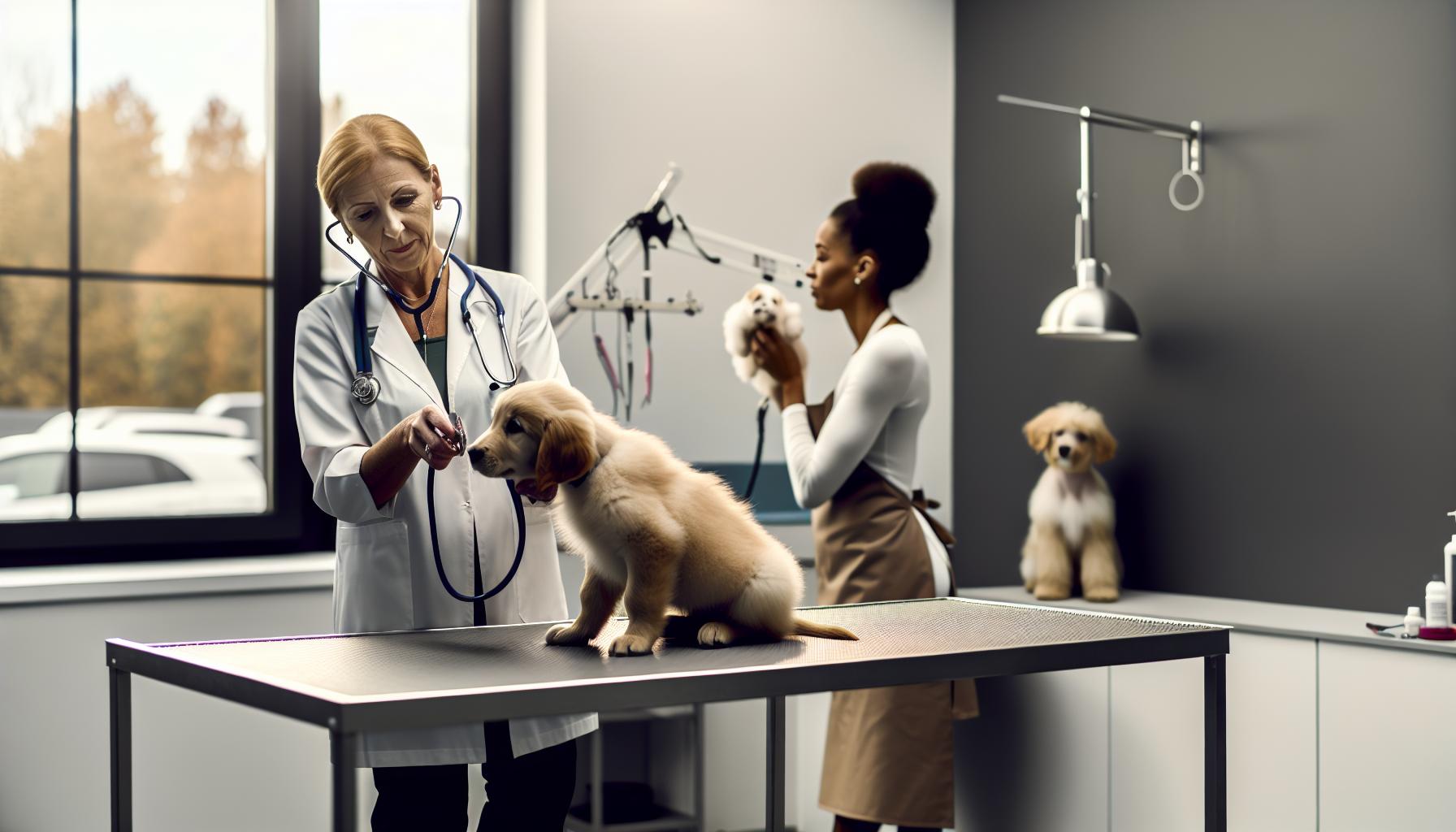
building a Grooming Routine That Grows with Your Puppy
Starting a grooming routine early not only keeps your puppy clean and comfortable but also sets the stage for a lifelong habit that supports their health and happiness. Each puppy is unique, so tailoring your approach based on breed, coat type, and temperament is essential.For example, a Poodle or Shih Tzu with a dense, curly coat will need more frequent brushing and trims compared to a short-haired breed like a Beagle, which requires minimal maintenance beyond regular bath and nail care.
Customizing Care for Your Puppy’s Needs
begin with gentle daily touches-running your hands over your pup’s paws, ears, and coat helps them get used to being handled. Introducing tools like a soft brush, nail clippers, and puppy-safe shampoo early on builds positive associations. Remember,these sessions should be short and cheerful. As an example, a 5-minute brushing followed by a favourite treat or game reinforces good experiences. As your puppy grows, extend grooming sessions gradually to build their tolerance.
Setting a Realistic and Flexible Schedule
Establish a routine that fits your puppy’s coat and lifestyle but be flexible-some weeks may require more or less grooming depending on activity and environment. A simple guideline might be:
- Daily: Light brushing for shedding breeds or coat maintenance
- Weekly: Bathing,thorough brushing,and ear cleaning
- Monthly: Nail trimming and dental care
- As Needed: Professional grooming visits for clipping,de-matting,or specialized coat care
This schedule evolves as your puppy matures; such as,long-coated breeds often need more frequent visits to the groomer to prevent mats,while some short-coated dogs might rarely need professional trims.
Working Together with Your Groomer and Vet
Think of your groomer as a partner in your puppy’s health journey. Regular visits allow the groomer to spot skin issues, parasite signs, or behavioral changes early, prompting timely vet interventions when necessary. At home, maintaining a calm and consistent routine supports your puppy’s comfort and cooperation at the salon. If your puppy shows signs of stress or sensitivity, share this openly with your groomer so they can adapt techniques or timing. In certain specific cases, coordinating with your vet for special needs, such as medicated baths or pain management, ensures grooming is safe and positive.
With patience and small, steady steps, the grooming routine you establish today will blossom into an enjoyable, stress-free part of your puppy’s life. It’s not about perfection but building trust, routine, and care that grow right alongside your best furry friend.
Faq
Q: How can I tell if my puppy is ready for their first grooming appointment?
A: Your puppy is ready for grooming when they are at least 8 weeks old, fully vaccinated, and comfortable being handled. Look for signs like calm behavior during brushing and nail trims at home, which indicate they can handle a grooming visit. For more, see Preparing Your Puppy for Their First Grooming visit section.
Q: What are the best ways to introduce my puppy to grooming tools before the salon?
A: Introduce grooming tools gradually by letting your puppy sniff and explore them. Use treats to reward calm behavior when brushing or touching paws. Start with gentle brushing and short nail trimming sessions at home to build positive associations before the salon visit.See Essential Grooming Tools for Puppies for detailed tips.
Q: How do breed and coat type influence the timing of a puppy’s first professional grooming?
A: Breed and coat type affect grooming frequency and when to start professional visits.Long-haired or double-coated breeds often need earlier grooming to prevent matting, while short-haired breeds may wait longer. Follow breed-specific advice in the How Breed and Coat Type affect Grooming Timing section for tailored guidance.
Q: Can my puppy’s temperament impact their grooming schedule and how?
A: Yes, a shy or anxious puppy may need more gradual grooming introductions and shorter sessions initially. Calm and friendly puppies often adapt faster. Adjust grooming timing and techniques to your puppy’s temperament to reduce stress and build trust. Learn calming strategies in Calming Nervous Puppies: tips for a Stress-Free Visit.
Q: Should I bring my puppy’s vaccination records to the groomer, and why?
A: Always bring vaccination records to the groomer.Puppies need to be fully vaccinated to protect them and other animals from contagious diseases. Professional groomers require proof to ensure your puppy’s safety and hygiene standards are met. This is key when deciding when Can Puppies Safely Visit the Groomers?
Q: How can I prepare my puppy’s coat at home to make their first grooming visit easier?
A: Regularly brush your puppy’s coat to prevent tangles and mats, and give baths a day or two before the appointment using gentle puppy shampoo. Clipping nails and cleaning ears gently at home helps make professional grooming smoother. Reference Step-by-Step Puppy Grooming at Home Before the Salon for practical steps.
Q: What signs show that a grooming session might be too stressful for my puppy? How should I handle this?
A: Signs of stress include whining, trembling, excessive panting, or trying to escape. If your puppy shows these, communicate with your groomer to pause or shorten the session. Use calming techniques like treats and gentle praise to ease anxiety. For more, see Common Puppy Grooming Challenges and How to Handle Them.
Q: How frequently should I schedule grooming appointments for my puppy based on their age and coat?
A: Puppies usually start grooming every 6-8 weeks, but this varies by breed and coat type. For fast-growing or high-maintenance coats, more frequent visits help maintain hygiene and comfort.Adjust your routine as your puppy grows by consulting Building a Grooming Routine That Grows with Your Puppy.
For full details on these points and to create a calm,confident grooming experience for your puppy,explore our comprehensive guide sections. Your puppy’s safety and happiness are always the top priorities.
In Conclusion
Now that you know how soon you can safely take your puppy to the groomers and the best prep tips to ensure a smooth experience, you’re well on your way to keeping your furry friend happy and healthy. Remember, starting grooming early helps your pup get comfortable with baths, brushing, nail trims, and ear cleaning-tailored to their breed and coat type. For added guidance, check out our detailed Puppy grooming Basics and At-Home Grooming Tools Guide to build confidence and save on vet visits.
If you’re wondering whether to DIY or visit a professional groomer, consider your puppy’s temperament and grooming needs-always prioritizing comfort and safety. Don’t hesitate to book a gentle, puppy-friendly appointment soon to establish positive habits early! Want more expert tips? Subscribe to our newsletter for personalized advice and exclusive offers on grooming products. Got questions or puppy grooming stories? Share them in the comments below-let’s support each other on this joyful journey.
Keep exploring related topics like [Seasonal Grooming tips] and [Puppy Socialization Strategies] to ensure your pup thrives inside and out. With patience and love, grooming becomes a bonding time that sets the foundation for lifelong wellness and happiness.
Get our latest guides, news, and insights highlighted in your Google Search & AI Overviews.
Keep reading about the same coat and cut.



Popular grooming guides
Bath vs clip, first grooms, and salon how-tos.