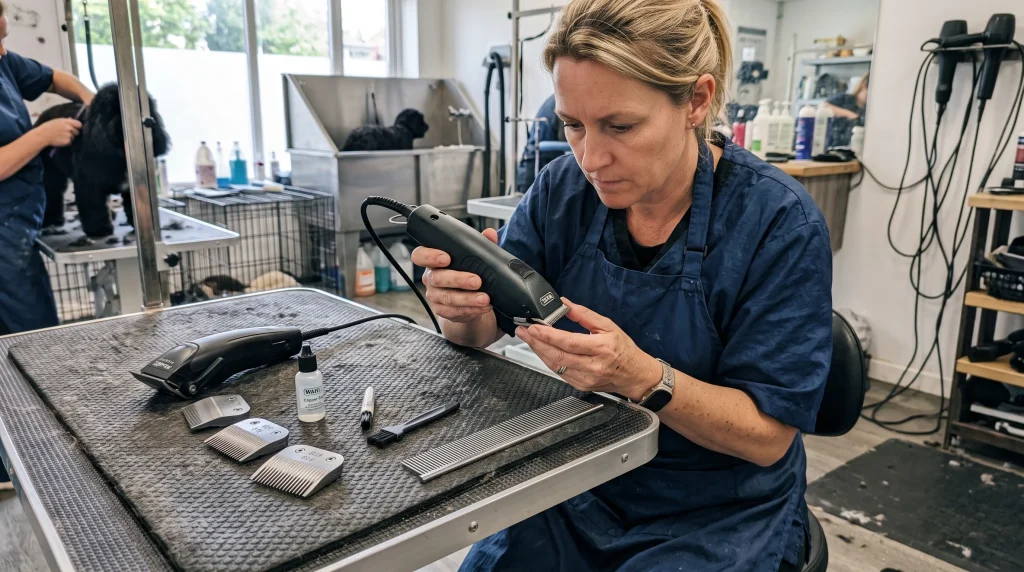
How Often Should I Take My Dog to the Groomers: Breed Schedule
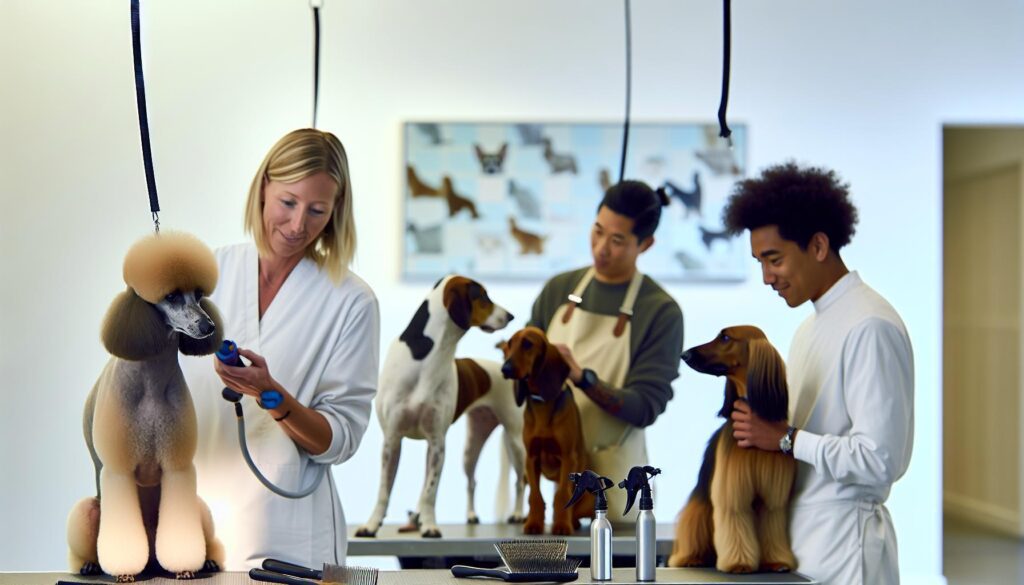
Did you know that how often your dog needs a visit to the groomer depends a lot on their breed and coat type? Regular grooming isn’t just about keeping your dog looking good-it’s essential for their health and comfort. But with so many breeds and coat varieties,figuring out the right schedule can feel overwhelming. Whether you have a curly-coated Poodle, a thick-coated Husky, or a short-haired Beagle, understanding your dog’s unique grooming needs can reduce stress for both of you and help prevent skin issues, matting, or nail problems. In this guide, we’ll walk you through breed-specific grooming timelines, the key tasks to focus on-like bathing, brushing, nail trimming, and ear cleaning-and how to know when a professional groomer is the best choice versus some at-home care. By tuning into your dog’s individual needs with patience and care, you’ll keep them happy, healthy, and comfortable all year round. Let’s dive in together and create a grooming routine that’s just right for your furry friend.
How Coat Types Affect Grooming Frequency
Table of Contents
- 1 How Coat Types Affect Grooming Frequency
- 2 Essential Grooming Needs for Popular Dog Breeds
- 3 Signs Your Dog needs Immediate grooming
- 4 Step-by-Step Grooming Schedule by Breed group
- 4.1 Sporting and Working Breeds (e.g., Labradors, Golden Retrievers, Boxers)
- 4.2 Terriers and Non-Shedding Breeds (e.g., West Highland White Terrier, Poodles, Bichon Frise)
- 4.3 Double-Coated and Long-Haired Breeds (e.g., Siberian Huskies, Golden Retrievers, Shih Tzus)
- 4.4 Small Toy Breeds and Short-Haired Dogs (e.g., Chihuahuas, Dachshunds)
- 5 DIY Grooming vs. professional Groomers: when to Choose What
- 6 Managing Grooming for Dogs with Special Needs
- 7 Tools and Techniques for At-Home Maintenance Between Visits
- 8 How Seasonal Changes Impact Grooming Frequency
- 9 Tips for Making Grooming Stress-Free and Comfortable
- 10 Common Grooming Mistakes and How to Avoid Them
- 11 Faq
- 11.1 Q: How can I adjust my dog’s grooming schedule as they age?
- 11.2 Q: What signs indicate I should increase professional grooming frequency for my dog?
- 11.3 Q: How does diet impact my dog’s grooming needs and coat condition?
- 11.4 Q: Can stress or anxiety affect how frequently enough my dog should be groomed professionally?
- 11.5 Q: How often should I schedule grooming for mixed breed dogs with varying coat types?
- 11.6 Q: What role does exercise and outdoor activity play in determining grooming frequency?
- 11.7 Q: Is professional grooming necessary if I regularly groom my dog at home?
- 11.8 Q: How can weather changes affect the ideal grooming schedule for my dog?
- 12 Closing Remarks
Dogs’ coats come in a delightful variety of textures and lengths, and these differences play a big role in determining how frequently enough your furry friend needs professional grooming. A dog’s coat isn’t just about looks – it also impacts their comfort, skin health, and even their mood, making it essential to tailor grooming frequency to their specific coat type.
Some breeds sport short, smooth fur like Beagles or Boxers, which are generally low-maintenance. These dogs usually need professional grooming every 8 to 12 weeks, with regular brushing at home to remove loose hairs and keep the skin healthy. A speedy weekly brush often does the trick here, along with routine nail trims and ear checks. on the flip side, dogs with thick double coats-think Siberian Huskies or Golden Retrievers-shed heavily and require a bit more attention. These double coats have a soft undercoat beneath a coarser topcoat,which means brushing several times a week is vital to prevent matting and trap-free hair growth. Your groomer may recommend visits every 6 to 8 weeks, especially during shedding seasons like spring and fall.
At the othre end of the spectrum are breeds with luxurious, long, flowing hair like Shih Tzus or Afghan Hounds. their coats demand more frequent professional touch-ups-usually every 4 to 6 weeks-to keep tangles and mats at bay. Imagine trying to detangle a never-ending scarf-without regular grooming, mats can cause skin irritation and pain. For these dogs, daily brushing at home helps reduce stress during grooming appointments. Owners frequently enough find a slicker brush,wide-toothed comb,and detangling spray indispensable tools in their grooming toolkit.
Coat type also affects the types of professional grooming services your dog may need:
- Curly or woolly coats (like Poodles or Bichon Frises) require regular clipping and trimming as their hair grows continuously and doesn’t shed much. This schedule can be as frequent as every 4-6 weeks to keep the coat manageable and clean.
- Wire coats found on breeds like the Schnauzer need hand-stripping or special clipping techniques every 6-8 weeks to maintain coat texture and health.
- Double coats require careful de-shedding tools and baths designed to loosen dead undercoat hairs, especially during seasonal sheds.
Practical Tips for Managing Grooming Frequency by Coat
- Start regular brushing young: This builds trust and helps maintain the coat between professional grooming trips.
- Watch for mats carefully: Mats can develop quickly in long or dense coats and should be addressed promptly-don’t wait for the next groomer visit.
- Choose gentle tools: Brushes with soft bristles or finger brushes are great for sensitive skin, especially for anxious dogs.
- Know when to ask for help: If your dog’s coat feels like a challenge beyond brushing (severe mats or skin issues), a professional groomer or vet visit is necessary for safe removal and care.
By understanding your dog’s unique coat type and adapting grooming frequency accordingly, you’re not just maintaining their appearance-you’re supporting their overall health and happiness. Staying consistent helps keep grooming a positive, stress-free experiance for both you and your beloved companion.
Essential Grooming Needs for Popular Dog Breeds
Dogs come in a stunning range of coat types, each calling for a unique grooming rhythm and care approach. Understanding what your specific breed’s coat truly needs can transform grooming from a chore into a bonding ritual that keeps your dog comfortable and healthy. Whether your companion sports a silky long coat, a curly poodle texture, or a weather-resistant double coat, knowing the essentials sets you both up for success.As a notable example,Shih Tzus and Maltese,with their soft,flowing coats,thrive with professional grooming every 4 to 6 weeks. Their delicate hair is prone to tangles and mats, which can quickly cause discomfort or skin irritation if neglected.At home, daily brushing using a slicker brush and a gentle detangling spray helps keep knots at bay. Bathing every 3 to 4 weeks with moisturizing shampoos supports their sensitive skin,while nail trims and ear cleaning prevent secondary problems. Becuase their coats don’t shed much, mats become the top enemy to watch out for.
On the other hand,breeds with double coats,such as the golden Retriever or Siberian Husky,benefit from less frequent full grooming visits-about every 6 to 8 weeks. These dogs shed year-round, with heavier blows in spring and fall, so in between, brushing 3 to 4 times a week with undercoat rakes or de-shedding tools is crucial. This routine prevents hefty mats and maintains skin health by removing loose hair and debris. Baths tailored to loosen dead undercoat hair can ease shedding seasons, but avoid over-bathing to protect natural oils. Their nails and ears also require regular checks but often tolerate longer grooming intervals.
For the playful and elegant Poodle or Bichon Frise, the grooming game is about maintaining shape and cleanliness in their curly, woolly coats. Frequent clipping and trimming every 4 to 6 weeks is key since their hair grows continuously and doesn’t shed much. Regular brushing with a slicker brush helps avoid tight mats close to the skin. Many owners find that a scheduled visit to a professional groomer who can hand-strip or expertly clip is invaluable to keep their dog’s coat healthy and free from painful tangles. Home care here involves gentle handling and patience to gradually build grooming trust, as these breeds sometimes get anxious during intensive coat care.
Simple Grooming Steps for Popular Breeds
- Bathing: Use breed-appropriate, gentle shampoos. Avoid over-bathing to preserve skin oils.
- Brushing: Match brush type to coat (slicker brushes for curly coats, pin brushes for long silky coats, undercoat rakes for double coats).
- Nails: Trim every 4-6 weeks. Long nails cause discomfort and alter walking.
- Ears: Clean weekly or biweekly for floppy-eared breeds prone to infections (e.g., Cocker Spaniel).
Knowing these essentials helps ease your dog’s grooming journey, making each session safer and less stressful. if your dog shows resistance or has sensitive skin, a professional groomer’s gentle expertise ensures safety while keeping your pet calm and comfortable. Remember, vets step in only if there are skin infections or injuries-not routine clipping or brushing.
By focusing on your dog’s unique needs rather than just appearance, you create a grooming routine that nurtures their health, mood, and confidence – a true gift for your beloved friend.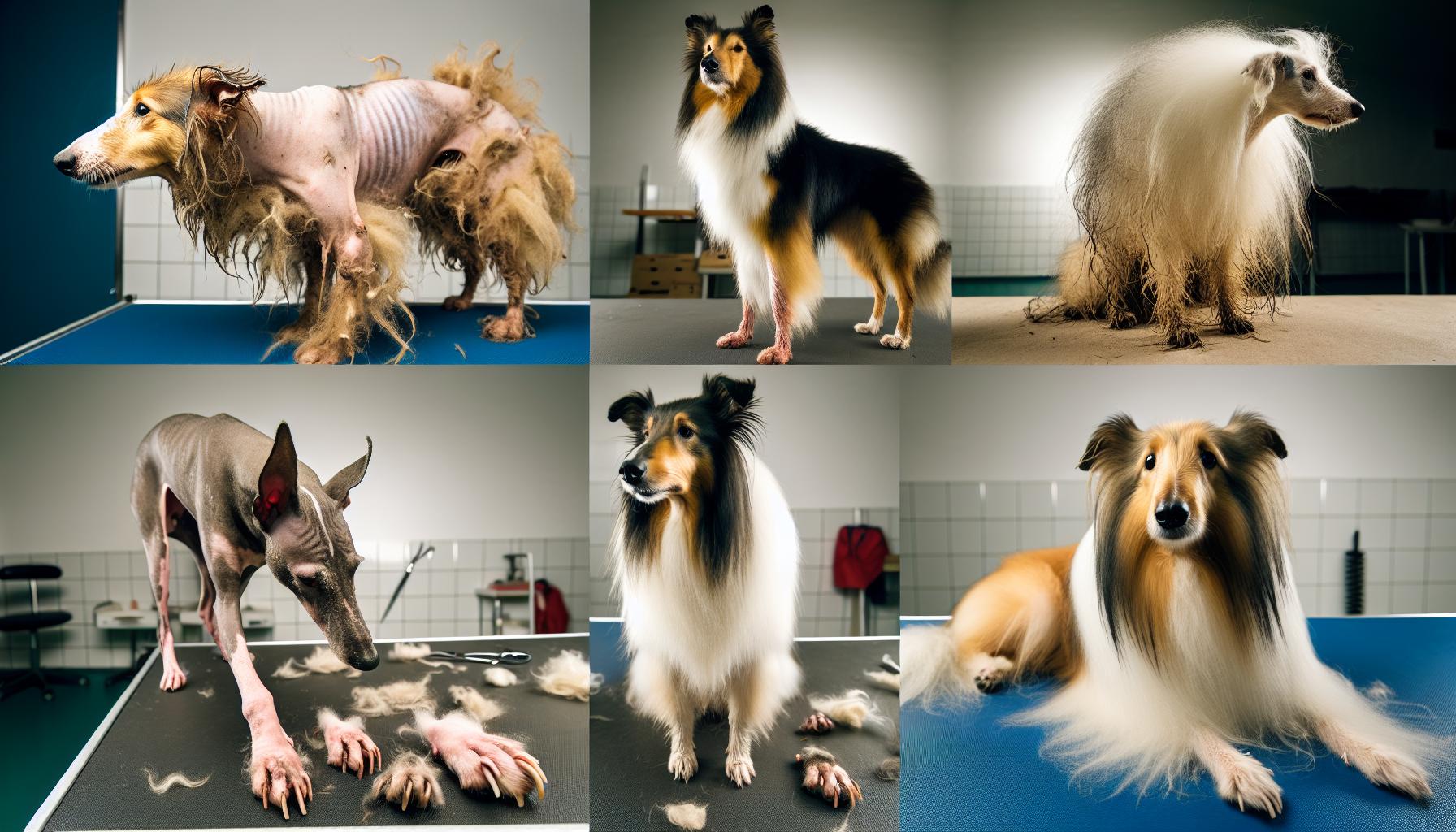
Signs Your Dog needs Immediate grooming
sometimes a dog’s coat and overall condition send us unmistakable signals that they can’t wait untill the next scheduled groomer visit. These signs frequently enough point to discomfort or health risks that can escalate if overlooked. Recognizing these early warnings helps you intervene promptly-not just to keep your pup looking neat, but to support their comfort, skin health, and even behavior.Different breeds and coat types show their needs in unique ways, so knowing what to look for is your best tool for compassionate care.
coat and Skin Distress
- Mats and Tangles: Thick mats,especially common in long-haired breeds like Shih Tzus or Bichons,pull tightly on the skin,causing pain and even sores. If you notice your dog scratching excessively or showing patches of raw skin, mats may be the culprit. Immediate grooming involving careful detangling or professional clipping is needed to prevent infection.
- Excessive Shedding or Patchy Hair Loss: Sudden heavy shedding beyond normal seasonal patterns can signal skin irritation, allergies, or parasite problems needing vet and groomer attention.For double-coated breeds, lack of regular brushing can cause loose hair to mat close to the skin, worsening itching and discomfort.
- Dull,Greasy,or Foul-Smelling Coat: A healthy coat should be clean and vibrant. If you detect a persistent “off” odor, or if the fur feels greasy or looks flaky, this points to skin issues or infection. Bathing with gentle, breed-appropriate shampoos and possibly vet evaluation becomes urgent.
Behavioral Changes and Physical Signs
- Frequent Paw Licking or Chewing: Dogs often try to relieve discomfort from overgrown nails, dirt build-up, or hidden mats by licking their paws excessively. Check nail length and fur between toes-if nails touch the ground or dirt clumps trap moisture, it’s grooming time.
- Reluctance to Move or Walk: Overgrown nails or tangled fur around joints can cause limping or stiffness. These signs should never be ignored; nail trims and coat maintenance can restore comfort quickly.
- Red, Irritated, or Smelly Ears: Floppy-eared breeds have less ear ventilation, making infections common if ears are not cleaned regularly. Ear discharge, scratching, or head shaking are urgent flags for grooming and vet care.
When to Bring in the Professionals Versus DIY
While some brushing and nail trims are comfortable to do at home, signs like severe mats, persistent skin issues, or ear infections call for experienced groomers and sometimes veterinary intervention.Groomers equipped with the right tools-slicker brushes for curls, undercoat rakes for shedding breeds, or safe clippers for mats-can work gently and efficiently. Never force a distressed dog to be groomed at home if they show resistance; patience and professional help reduce stress and ensure safety for both of you.
Remember, grooming is about wellness, not just appearance. Paying attention to these signals lets you keep grooming a positive, health-promoting routine, ensuring your furry friend feels loved, comfortable, and happy every day.
Step-by-Step Grooming Schedule by Breed group
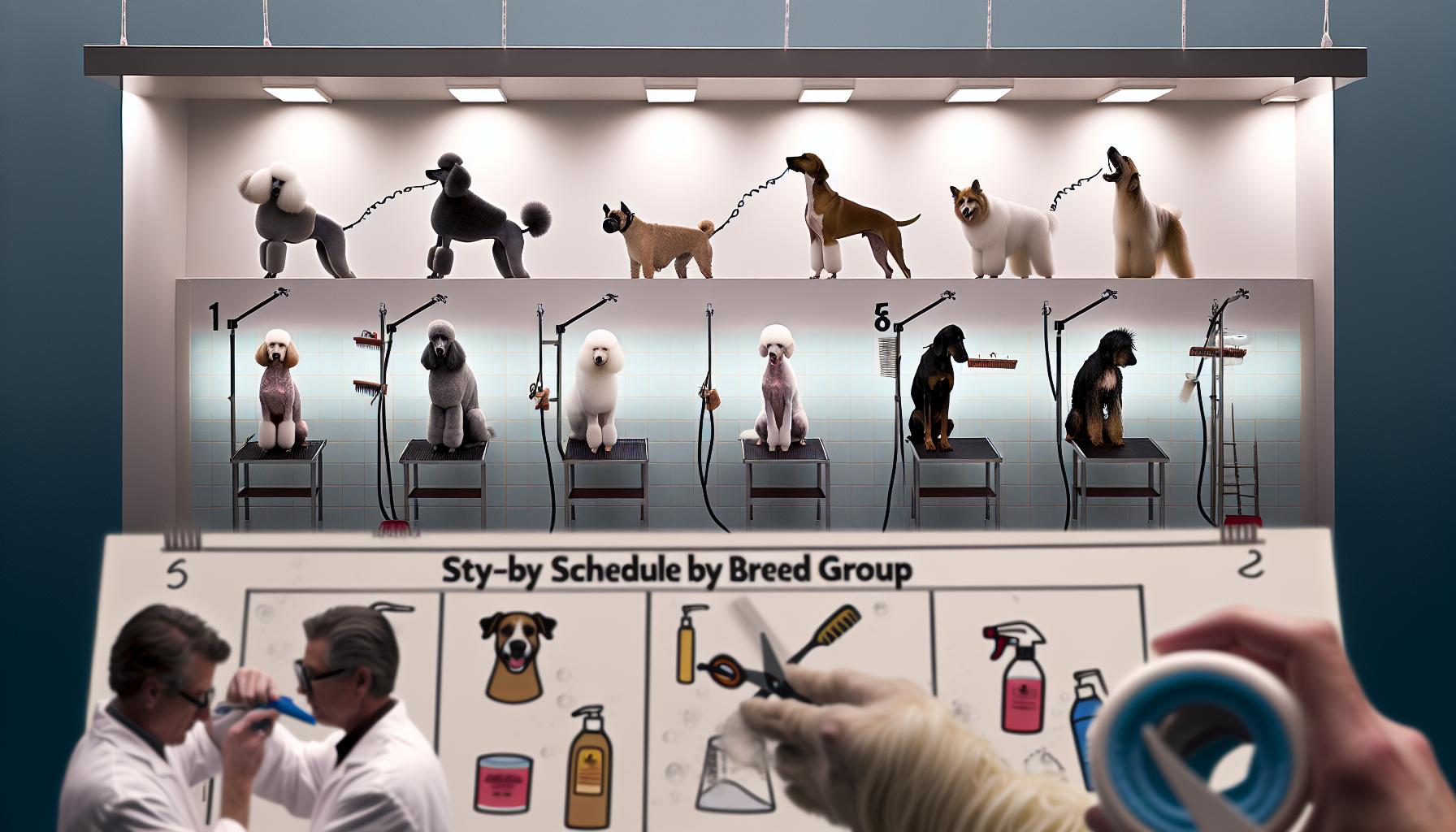
Every dog’s grooming needs are as unique as their personality and coat type. Understanding your dog’s breed group and coat specifics will help you create a realistic, stress-free grooming schedule that supports their health and happiness. Instead of a one-size-fits-all timeline, think of grooming as a rhythm adapted to your dog’s natural hair growth, shedding patterns, and activity level.Some breeds need more frequent professional visits, while others thrive with regular at-home care and occasional trims.
Sporting and Working Breeds (e.g., Labradors, Golden Retrievers, Boxers)
These dogs typically have short to medium coats, often with a dense undercoat. While their coats are relatively low maintenance, they shed seasonally and need regular brushing to remove loose hair and keep the skin healthy. Aim for a thorough brush-out once a week at home,using an undercoat rake during shedding seasons to prevent mats and discomfort.
- Bath: Every 4-6 weeks, or as needed if they get dirty or start to smell
- Professional Grooming: Every 8-12 weeks for nail trims, ear cleaning, and hygiene trims around paws and sanitary areas
- Tools: Slicker brush, undercoat rake, nail clippers, ear cleaner
- Tip: Sporting dogs love activity, so build grooming into a calm, positive routine-think treats and gentle pets before and after brushing to reduce stress.
Terriers and Non-Shedding Breeds (e.g., West Highland White Terrier, Poodles, Bichon Frise)
these breeds have tighter, curlier, or wiry coats that resist shedding but require precise care to avoid mats. Their coats can trap dirt and oils, so regular brushing and trimming are essential to prevent skin irritation.Depending on your dog’s coat and activity level, professional grooming every 4 to 6 weeks keeps their coat healthy and manageable.
- Bath: Every 3-4 weeks using gentle, moisturizing shampoos
- Professional Grooming: Every 4-6 weeks for trimming, shaping, and detangling
- Tools: Slicker brush, comb with wide and fine teeth, clippers, scissors for detailed cuts
- Tip: Break grooming into short, positive sessions at home to build your dog’s confidence-curlier coats can be sensitive to rough brushing.
Double-Coated and Long-Haired Breeds (e.g., Siberian Huskies, Golden Retrievers, Shih Tzus)
These breeds need the most attention due to their complex coats-thick undercoats paired with longer topcoats prone to mats and heavy shedding. Regular professional grooming every 6-8 weeks ensures proper deshedding,trimming,and skin checks,while at-home brushing 3-5 times weekly reduces tangles and discomfort.
- Bath: Every 6-8 weeks, preferably before a professional groom to loosen shed hair
- Professional grooming: Every 6-8 weeks including blowouts, trimming mats, nail care, and ear checks
- Tools: Undercoat rake, slicker brush, dematting comb, nail clippers, grooming scissors
- Tip: If mats develop, don’t force detangling at home-seek professional help promptly to avoid pain and skin damage.
Small Toy Breeds and Short-Haired Dogs (e.g., Chihuahuas, Dachshunds)
Often overlooked, these dogs still benefit from regular grooming despite their simpler coats. Weekly brushing prevents dirt buildup and supports skin health.nail trimming every 4-6 weeks is crucial since small breeds often wear nails less due to limited outdoor time.
- Bath: Every 4-6 weeks or as needed
- Professional grooming: Every 8-12 weeks for nail trims,ear care,and occasional baths
- Tools: Soft bristle brush,nail clippers,gentle ear cleaner
- Tip: Small breeds tend to be more sensitive-choose gentle tools and quiet spaces to keep sessions calm and stress-free.
| Breed Group | Frequency of Professional Grooming | At-Home Brushing | Key Tools Needed |
|---|---|---|---|
| Sporting & Working | Every 8-12 weeks | weekly brushing; more in shedding season | Slicker brush, undercoat rake, nail clippers |
| Terriers & Non-Shedding | Every 4-6 weeks | 3-5 times weekly for curly/wiry coats | Slicker brush, comb, clippers, scissors |
| Double-Coated & Long-Haired | Every 6-8 weeks | 3-5 times weekly | Undercoat rake, dematting comb, slicker brush |
| Small Toy & Short-Haired | Every 8-12 weeks | Weekly brushing | Soft bristle brush, nail clippers |
Remember, no matter the group, your dog’s personality and tolerance are essential. Start grooming routines slowly, reward often, and keep sessions brief to build trust. If you ever feel overwhelmed or notice signs of distress like mats or skin irritation,reach out to a professional groomer or your veterinarian. The right care at the right time keeps your furry companion comfortable, healthy, and loving every grooming moment with you.

DIY Grooming vs. professional Groomers: when to Choose What
Did you know that the decision between tackling your dog’s grooming at home or booking a professional session can greatly impact your dog’s comfort, health, and overall happiness? Grooming isn’t just about looks-it’s about maintaining skin health, preventing painful mats, and spotting early signs of trouble. The truth is, some breeds and coat types lend themselves well to at-home care, while others benefit immensely from skilled hands and specialized tools only found in professional salons.
Understanding Your Dog’s Coat and Needs
Before diving into DIY grooming,assess your dog’s breed and coat characteristics. Such as:
- Short-haired dogs (like Boxers or Dachshunds) typically do well with regular brushing at home, occasional baths, and nail trims you can handle with the right tools (soft bristle brushes, nail clippers, ear cleaners).
- Curly or wiry-coated breeds (Poodles, Bichons) often require regular trims and detangling that can be tricky to master without experience and clippers or scissors geared for fine work.
- Double-coated and long-haired dogs (Golden Retrievers,Siberian Huskies) need frequent thorough brushing,but mats or heavy shedding might call for professional deshedding treatments every 6-8 weeks to avoid skin damage.
knowing your dog’s grooming “difficulty level” helps you decide which tasks are safe and manageable for DIY, and when it’s wise to book a pro.
What You Can Safely Do at Home
Many owners find that basic grooming parts are perfectly doable-and even bonding experiences-with a calm, patient approach:
- Brushing: Most dogs appreciate a gentle brush. choose tools suited to your dog’s coat-slicker brushes for tangles, undercoat rakes for shedding, soft bristle brushes for sensitive skin.
- Bathing: Use gentle, moisturizing shampoos suited for dogs. Avoid over-bathing; most breed groups do best every 3-8 weeks,depending on coat and activity level.
- Nail trims: Small breeds especially benefit from regular at-home nail care to prevent discomfort and injury. Use appropriate clippers and take your time to avoid cutting the quick.
- Ear cleaning: check ears weekly, especially breeds prone to infections. Use dog-safe ear cleaners and cotton balls gently-never insert objects deep into the ear canal.
Break your grooming sessions into short, positive interactions. Think treats,praise,and calm touches before and after to build your dog’s confidence and reduce anxiety.
When Professional Groomers Make the Difference
There are moments when professional skill and specialized equipment bring clear benefits:
- Complex trims and shaping: Clipping and styling curly or wiry coats demand precision to avoid uneven cuts or skin irritation-this is where groomers shine.
- Deshedding and dematting: Severe mats or heavy seasonal shedding can be painful to deal with at home. Professionals use dematting combs and blow dryers to safely restore coat health.
- health checks: Groomers often notice skin infections, lumps, or parasites early, providing an extra layer of care.
- stress-managed full grooming: For anxious or sensitive dogs, groomers use calming techniques and frequent breaks that might potentially be challenging at home.
If your dog is nervous or uncooperative, pushing to do all grooming yourself risks injury and increased stress. Booking regular professional visits,paired with light at-home maintenance,balances care and safety well.
Balancing DIY and Professional Grooming
Think of grooming as a team effort where you’re the daily coach, and the groomer is the specialist brought in for expert plays. A simple schedule might look like this:
| Task | DIY Frequency | Professional Frequency | notes |
|---|---|---|---|
| Brushing | Weekly to several times a week | N/A | Build this habit early for all breeds |
| Bathing | As needed, generally every 4-8 weeks | Every 6-8 weeks (or as advised) | Pro baths may include medicated shampoos or blowouts |
| Nail trimming | Every 4-6 weeks | Every 8-12 weeks | Pro trims help with tough nails or dogs resistant to home clipping |
| Coat trimming/shaping | Rarely or with skills | Every 4-8 weeks or as needed | Professionals use specialized tools and techniques |
| Dematting/deshedding | Light maintenance | Every 6-8 weeks or as needed | Avoid hurting your dog-leave severe mats to pros |
Remember, no one knows your dog better than you-but professional groomers bring safety, expertise, and often, a gentler touch for intricate tasks. Don’t hesitate to ask your groomer for tips on what you can do at home and how to prepare your dog for grooming visits. Together, this partnership ensures your furry friend feels comfortable, healthy, and loved-no matter whose hands are holding the brush.

Managing Grooming for Dogs with Special Needs
grooming dogs with special needs requires a gentle,patient approach that honors their unique sensitivities and physical limitations. Whether your pup is elderly, arthritic, has chronic skin conditions, or is anxious during grooming sessions, understanding their specific requirements will help you create a positive, safe experience that prioritizes comfort over appearance. Special needs dogs frequently enough benefit from customized schedules and techniques tailored to ease discomfort and reduce stress, ensuring their wellbeing as much as their looks.
Bathing and Brushing with Care
For dogs with delicate skin or medical conditions (like dermatitis or allergies), choose hypoallergenic, fragrance-free shampoos recommended by your vet. Baths might be less frequent but more thorough, focusing on soothing treatments rather than aesthetics.
- Brushing: Use soft, flexible brushes and take extra time to gently detangle without tugging. If your dog develops mats easily but can’t tolerate long sessions, break brushing into multiple short sessions and reward generously.
- Bathing frequency: Often adjusted to skin health-sometimes every 6-8 weeks, sometimes less-always following veterinary advice.
Nail and Ear Care with Sensitivity
Arthritic or senior dogs may find nail trims uncomfortable or stressful. Shorter, more frequent sessions using gentle handling and distraction techniques (treats, slow talks) are ideal. If your dog resists home nail care, professional groomers trained in low-stress techniques or veterinary technicians may help safely maintain nail length with minimal fuss.
- Ear cleaning: Dogs prone to infections or with floppy ears need regular, gentle checks. Use dog-safe solutions and cotton balls; avoid probes or Q-tips that risk injury. If infection or discharge occurs, consult your vet promptly.
Managing Anxiety and Physical Challenges
Many special needs dogs experience anxiety or sensory sensitivities that can make grooming overwhelming. Consider these strategies:
- Familiarize your dog with grooming tools gradually at home, using positive reinforcement to build trust.
- Schedule appointments during quiet hours to reduce stimuli in grooming salons.
- Discuss calming options with your groomer-some use low-volume dryers, calming pheromones, or more frequent breaks during sessions.
- Work with your vet if anxiety is severe; sometimes mild sedatives or natural calming supplements make grooming safer and less traumatic.
Knowing When to Seek Professional Help
If your dog’s condition is complicated by mobility issues, severe mats, ongoing infections, or behavioral challenges, relying on experienced groomers who specialize in special needs care is invaluable. Professionals possess specialized equipment,training,and patience to handle delicate situations safely. For example, a senior retriever with arthritis and a thick double coat may need gentler deshedding tools and shorter grooming sessions spread over days. Remember, your vet should always guide care related to health issues, while groomers focus on coat, skin, and hygiene maintenance.
| Task | Special Needs Tips | DIY vs. Professional |
|---|---|---|
| brushing | Soft brushes, break sessions into short intervals, watch for sensitive spots | DIY for light maintenance; professional if mats are severe or dog is anxious |
| Bathing | Hypoallergenic shampoos, vet-approved frequency, soothing rinses | Professional for medicated baths or if dog resists at-home care |
| Nail Trimming | Frequent, gentle trims; calming techniques or sedation if needed | Professionals or vet techs if dog is uncooperative or painful |
| Ear Cleaning | Gentle cleaning, avoid deep probes, monitor for infections | DIY weekly if safe; vet for infections |
Patience and empathy truly make the difference. By recognizing your dog’s limits and working closely with groomers and vets, you’ll ensure grooming remains a positive ritual-even for the most sensitive pups. This approach not only protects your dog’s skin and coat health but also fosters a trusting relationship that lasts a lifetime.

Tools and Techniques for At-Home Maintenance Between Visits
Many dog owners find that consistent, gentle at-home maintenance between professional grooming visits makes a world of difference-not just for their pup’s appearance but for overall comfort and health.This is especially true when you tailor care to your dog’s coat type, temperament, and any special needs they may have. Keeping up with simple routines can prevent mats, reduce shedding, and keep nails and ears in good shape, all while building trust and routine that ease anxiety around grooming.
Brushing: Match the Tool to the Coat
Different coats call for different brushes. Such as, a short-haired breed like a Beagle benefits from a soft rubber curry brush that removes loose hair and dirt without irritating the skin. Longer, double-coated dogs such as Malamutes need de-shedding tools or slicker brushes to gently detangle and prevent mats. When brushing, use slow, calm strokes and watch for areas your dog may be sensitive about-perhaps behind the ears or under the legs. breaking sessions into short bursts and rewarding with treats helps even anxious dogs learn to enjoy their grooming time.
Bathing: Keep It Comfortable and Appropriate
Bathing your dog at home doesn’t have to be overwhelming. Pick a shampoo formulated for your dog’s skin type-hypoallergenic for sensitive or allergy-prone dogs, moisturizing for dry skin, or medicated formulas if prescribed by your vet. Use lukewarm water and avoid getting soap in the eyes or ears. For breeds with thicker coats, rinsing thoroughly is critical to prevent irritation. Most dogs don’t need baths more than once every 4 to 6 weeks unless they get especially dirty or have a skin condition. overbathing can strip natural oils leading to dryness.
Nail and Ear Care: Safety and Patience First
Regular nail trims keep paws healthy and prevent painful overgrowth. Use a sharp, dog-specific nail clipper or grinder, and trim just the tip to avoid hitting the quick-a sensitive, blood-rich area.if your dog is sensitive, try trimming a nail or two per session, paired with lots of praise and breaks. Ear cleaning should be gentle and routine, especially for breeds with floppy ears or those prone to infections. Use cotton balls dampened with a vet-approved solution and avoid digging deep or using Q-tips, which can cause injury.
Understanding When to DIY and When to Call the Pros
Routine maintenance like brushing and basic ear checks are perfect for at-home care, but some tasks are best left to professionals-especially if mats are severe, your dog resists trimming, or if medical baths are prescribed. Professionals have specialized tools and expertise to handle tricky coats or anxious dogs safely, making visits less stressful for everyone. When in doubt, consult your groomer or veterinarian-they’re your best guides on what’s safe and manageable between appointments.
| Task | Recommended Tools | Tips for Success |
|---|---|---|
| Brushing | Slicker brush, rubber curry, de-shedding tool (breed specific) | Use gentle, slow strokes; break sessions; reward your dog frequently |
| Bathing | Hypoallergenic shampoo, rinse cup, non-slip mat | Use lukewarm water; thorough rinse; bathe every 4-6 weeks or as advised |
| Nail Trimming | Dog nail clippers or rotary grinder, styptic powder | Trim a little at a time; comfort your dog; stop bleeding quickly if necessary |
| Ear Cleaning | Vet-approved ear cleaner, cotton balls | clean gently; avoid deep probing; monitor for signs of infection |
by embracing these thoughtful, tailored techniques, you’ll maintain your dog’s comfort and coat health between grooming visits. Remember, every dog is unique.Patience and a gentle approach, paired with the right tools, turn routine care into quality bonding moments that benefit both you and your furry friend.
How Seasonal Changes Impact Grooming Frequency
Seasonal shifts bring noticeable changes not only in the weather but also in your dog’s grooming needs. As the temperature rises or falls, your pup’s coat naturally adapts, influencing how frequently enough they benefit from professional grooming and at-home care. Understanding these rhythms can keep your dog comfortable, healthy, and happy throughout the year.
During spring and fall, many dogs with double coats – like Golden Retrievers or Siberian Huskies – go through heavy shedding phases. This seasonal “blowing coat” means the undercoat loosens rapidly to help regulate body temperature. At this time, more frequent brushing with de-shedding tools is essential to remove loose fur and prevent mats. Professional grooming visits may also be increased to every 4-6 weeks to thoroughly remove dead undercoat and keep the skin healthy. For single-coated or short-haired breeds, the impact is usually less dramatic, but gentle brushing still supports shedding management.
In warmer months, bathing may need to become more regular, especially for active outdoor dogs prone to dirt, sweat, or allergens that can irritate skin. Using a mild, hypoallergenic shampoo with a thorough rinse helps avoid dryness or residue buildup. Though, avoid overbathing, which can strip natural oils and cause flaky, itchy skin. Nails may wear down more naturally in summer due to increased activity on hard surfaces, but check frequently for cracks or uneven growth. Ear care is especially vital during warmer months when moisture and heat can promote infections – routine gentle cleaning with vet-approved solutions keeps ears fresh and safe.
Conversely, winter brings challenges like dry air and mud, which can affect coat health. Dogs with longer, dense fur may develop tangles more easily if regular brushing slips, so maintaining grooming every 6-8 weeks helps prevent painful mats. Bathing frequency usually decreases but never disappears – rinsing off salt or debris after walks keeps skin comfortable. In cold climates, paw care is vital to protect against ice, salt, and cracks. Keeping nails trimmed and paw pads moisturized with pet-safe balms reduces discomfort.
Practical Seasonal Grooming Checklist
- Spring/Fall: Increase brushing frequency; consider professional grooming every 4-6 weeks to manage shedding coats
- Summer: Bathe as needed to remove dirt and allergens; check ears regularly; monitor nails and paws often
- Winter: Maintain grooming visits every 6-8 weeks; focus on preventing mats; protect and moisturize paws
Recognise when seasonal shedding or coat changes signal it’s time to consult your groomer or vet, especially if your dog shows signs of skin irritation, excessive scratching, or discomfort during grooming. For nervous pets, slowly introducing seasonal grooming adjustments with patience and rewards creates a positive routine – turning what can be a stressful experience into a bonding opportunity filled with calm confidence.
By syncing your grooming schedule with the seasons and your dog’s specific breed and coat type, you’ll help your furry friend feel their best no matter the weather. Always prioritize gentle care, appropriate tools, and professional advice when needed, ensuring safety and comfort guide every brushstroke and bath.
Tips for Making Grooming Stress-Free and Comfortable
Many dogs don’t naturally love grooming sessions, especially if they’re nervous or unfamiliar with the routine. Creating a calm, positive experience builds trust and reduces stress, making grooming easier over time-both for your furry friend and you. Think of grooming as a gentle dialog rather than a chore. Observing your dog’s comfort signals and pacing the process to their tolerance level helps enormously.
Begin by setting up a quiet, distraction-free space with all grooming tools at hand. For most breeds, you’ll want a slicker brush, de-shedding tool or comb (depending on coat type), nail clippers, ear cleaner, and a gentle dog shampoo. Before baths or nail trims, spend a few minutes just petting and softly talking to your dog.Praise often to associate grooming with kindness.
Step-by-Step for a Calm Grooming Routine
- Brushing: Use slow strokes that follow the coat’s natural growth. For double-coated breeds like Huskies,start with a de-shedding rake to remove loose undercoat,then finish with a slicker brush. If your dog flinches, back up to gentler spots and gradually work toward sensitive areas over days or weeks.
- Bathing: Use lukewarm water and a mild, hypoallergenic shampoo. Keep water away from ears and eyes, and use treats or toys to encourage calmness. Rinse thoroughly to prevent residue that causes itchiness.
- Nail Trimming: Trim small amounts at a time, especially around the quick. If your dog is anxious, do one paw per session and reward promptly. alternatively, file nails slowly over several days.
- Ear Cleaning: Use a vet-approved solution applied to a soft cotton ball. Never insert anything deep into the ear canal.Stop if your dog shows discomfort and consult your vet if infection is suspected.
For many owners, the difference between DIY grooming and professional groomers lies in their dog’s temperament and coat condition. Dogs with thick, curly, or high-maintenance coats-like Poodles or Shih Tzus-frequently enough benefit from regular professional trims that prevent painful mats and skin issues. Though, developing an at-home routine between visits keeps their coat healthy and reduces grooming anxiety. Such as,gently massaging coat conditioner into a dense double coat after brushing can soothe skin and diminish static without full bathing.If your dog is notably anxious or inexperienced, breaking grooming into very short, positive sessions can transform their experience. Use treats and calm praise liberally and avoid forcing any step. Paw or ear handling done for fun play sessions primes comfort before attempts at actual grooming. Remember: it’s not about perfection-comfort,trust,and safety always come first.
When to Seek Professional Help vs. Home Grooming
- Vet’s Role: If you notice redness, swelling, foul odor, or persistent scratching, see your vet first. They can rule out infections or allergies requiring medical treatment.
- Professional Groomers: Perfect for complex cuts, heavy mat removal, and breed-specific trims. Groomers also monitor skin health and behavioral cues you might miss.
- DIY Grooming: Ideal for regular brushing, basic baths, and minor maintenance tasks. builds bonding time and comfort with your dog’s coat.
Ultimately, patience and consistency are your greatest tools. Start slow, stay calm, and turn grooming into a rewarding ritual.This approach nurtures your dog’s well-being and makes grooming days something to look forward to, not dread.
Common Grooming Mistakes and How to Avoid Them
Few experiences can feel as rewarding yet challenging as grooming your dog at home. It’s easy to think that skipping a step or rushing could be harmless, but small missteps can lead to discomfort, skin problems, or even unsafe situations. Understanding these common pitfalls is the first step toward confident,stress-free grooming that truly benefits your pet’s well-being.
Skipping Regular Brushing or Using the wrong Brush
Many owners underestimate how crucial consistent brushing is,especially for breeds with thick,curly,or double coats. For example, a Golden Retriever’s dense undercoat needs a de-shedding tool like a rake, while Poodles require slicker brushes to prevent mats. Using the wrong brush or brushing too aggressively can irritate your dog’s skin or cause breakage. Always match your tools to your dog’s coat type and aim for gentle, slow strokes following hair growth. Setting short daily or every-other-day brushing sessions helps prevent painful tangles that force rushed mat removal later.
Bathing Too Often or Using Harsh Products
Bathing your dog is important, but overdoing it or choosing harsh shampoos can strip natural oils, leaving skin dry and itchy. For most breeds, a bath every 4-6 weeks is adequate unless they get especially dirty. Use mild, hypoallergenic shampoos designed for dogs; human shampoos are often too strong. Rinse thoroughly to remove all residue-leftover soap can cause irritation. Between baths, regular brushing and spot cleaning help maintain freshness without disrupting your dog’s natural skin balance.
Rushing Nail Trims or Ignoring Nail Care
Overgrown nails cause pain and gait problems, but trimming too close to the quick (the sensitive blood vessel inside the nail) can bleed and distress your dog. Cutting nails in a hurry or trying to do all paws at once can lead to resistance or accidental injury. Instead, trim small amounts gradually and reward your dog frequently.If your dog is nervous, spread nail care over several short sessions. Filing is a gentle choice that reduces sharp edges and rewards calm behavior.
Cleaning Ears Without proper Technique or Frequency
Ear infections are common yet easily prevented with gentle cleaning. Using cotton balls with a vet-approved cleaner avoids poking deep into the canal, which can cause damage or push debris further inside.Clean ears only when you notice visible dirt or odor-too frequent cleaning can upset natural flora. If your dog shows redness, excessive scratching, or unusual smell, consult your vet before proceeding with any home care.
Ignoring Signs That Call for Professional Help
While at-home grooming builds comfort and bonding,some situations demand a groomer’s or vet’s expertise. Heavy mats that cause skin pain, breed-specific haircuts, or persistent skin issues benefit enormously from professional attention. Groomers trained to handle fearful dogs can also create a less stressful grooming habitat. If you notice behavioral changes during grooming or suspect skin infections, prioritize safety and seek professional advice rather than pressing on.
- Tip: Create a grooming log noting coat changes, nail length, and reactions to each session to monitor needs and avoid surprises.
- Tip: Spend time “playing” with paws and ears between grooming days to reduce anxiety during actual care.
- Tip: Always have calming treats ready and practice patience-short, positive experiences lead to lasting cooperation.
Navigating grooming frequency and techniques with patience and empathy turns what once might have felt overwhelming into a nurturing routine. Avoiding these common mistakes protects your dog’s comfort and helps maintain a shiny,healthy coat that reflects your loving care.
Faq
Q: How can I adjust my dog’s grooming schedule as they age?
A: As dogs age, their grooming needs frequently enough change. Older dogs may require more frequent brushing to manage thinning coats and prevent mats, but less frequent baths to avoid drying their skin. Monitor coat texture and comfort, and adjust visits accordingly. See [Managing Grooming for Dogs with Special Needs] for detailed tips on tailoring schedules as your dog grows older.
Q: What signs indicate I should increase professional grooming frequency for my dog?
A: Increase grooming if you notice persistent matting, excessive shedding, foul odor, skin irritation, or discomfort during brushing. These signs mean your dog’s coat or skin needs extra care. prompt grooming helps maintain health and comfort-refer to [Signs Your Dog Needs Immediate Grooming] for more guidance.
Q: How does diet impact my dog’s grooming needs and coat condition?
A: A balanced diet rich in omega fatty acids boosts coat health, reducing shedding and dryness. Poor nutrition can cause dull fur and skin issues, which may increase grooming frequency to manage problems.Adjust grooming and feeding habits together for the best coat care results.
Q: Can stress or anxiety affect how frequently enough my dog should be groomed professionally?
A: yes, dogs with anxiety might need shorter, more frequent professional grooming sessions to reduce stress. Introducing calming techniques or choosing groomers experienced with sensitive dogs can improve experiences. Learn stress-free grooming tips in [Tips for Making Grooming Stress-Free and Comfortable].
Q: How often should I schedule grooming for mixed breed dogs with varying coat types?
A: For mixed breeds, groom based on the dominant coat type-e.g., curly, double, or short hair. If unsure, start with every 6 to 8 weeks and adjust by observing shedding and matting. Review [Step-by-Step Grooming Schedule by Breed Group] for similar coat guidance.
Q: What role does exercise and outdoor activity play in determining grooming frequency?
A: Active dogs that spend more time outdoors frequently enough require more frequent baths and brushing to remove dirt and debris. Adjust grooming schedules based on activity level to prevent skin issues and maintain cleanliness between professional visits.
Q: Is professional grooming necessary if I regularly groom my dog at home?
A: Professional grooming remains important even with at-home care to handle nail trims, ear cleaning, and thorough coat treatments. Plan visits every 6-12 weeks depending on coat type. See [DIY Grooming vs. Professional Groomers: When to Choose what] to balance both methods effectively.
Q: How can weather changes affect the ideal grooming schedule for my dog?
A: Weather shifts, like hot summers or cold winters, can impact shedding and coat thickness. Increase grooming before seasonal changes to manage shedding or trimming needs. Consult [How seasonal Changes Impact Grooming Frequency] for practical seasonal adjustments.
—
For more detailed grooming schedules by breed and coat type,explore the full article sections referenced above. Consistent, compassionate care *empowers you* to keep your dog comfortable and healthy year-round!
Closing Remarks
Every dog’s grooming needs are unique, shaped by their breed, coat type, and lifestyle. By following a tailored grooming schedule, you’re not only keeping your pup looking fresh but also promoting their overall health and comfort. Remember, whether it’s a bath, nail trim, or ear cleaning, safety and patience are key-if you’re ever unsure, don’t hesitate to reach out to a professional groomer or your vet for guidance.
Ready to dive deeper? Check out our guides on DIY Grooming Tips for Beginners and How to Choose the Right Grooming Tools for Your Dog to build your confidence at home. Also, consider subscribing to our newsletter for expert advice and timely reminders tailored to your dog’s grooming routine. Your furry friend deserves the best care,and with the right schedule and support,grooming can be a calm,positive experience for both of you.
have questions or want to share your grooming story? Drop a comment below or join our community forum to connect with fellow dog lovers. consistent care makes all the difference-let’s keep those tails wagging and coats shining!
Get our latest guides, news, and insights highlighted in your Google Search & AI Overviews.
Keep reading about the same coat and cut.


Popular grooming guides
Bath vs clip, first grooms, and salon how-tos.