What food is Shih Tzu allergic to?
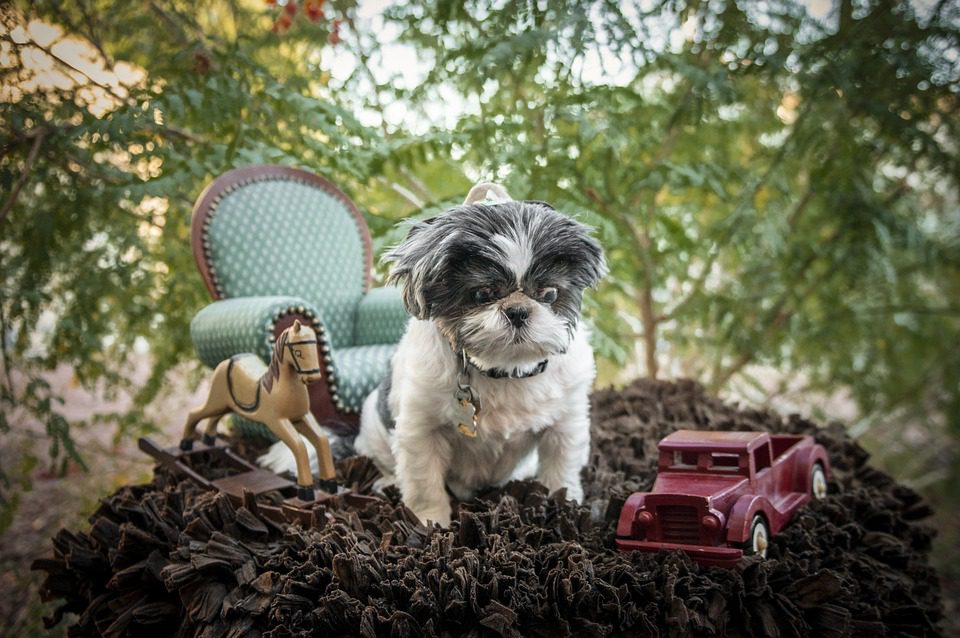
Shih Tzu are a small and lovable breed of dog that are known for their long, silky coats and friendly personalities. Unfortunately, they can also be prone to allergies. It is important to know what foods your Shih Tzu is allergic to in order to ensure their health and wellbeing. In this article, we will look at the common foods that Shih Tzu are allergic to and how to identify an allergy in your pup.
What Food Can Cause an Allergic Reaction for a Shih Tzu?
Table of Contents
Shih Tzus are a toy breed of dog that originated in China. They are known for their loyal and affectionate personalities, as well as their long, luxurious coats. One thing that owners of Shih Tzus must be aware of is the potential for allergies. Just like humans, dogs can develop allergies to certain foods, and it is important to know which foods can cause an allergic reaction in a Shih Tzu.
Common Allergens
The most common allergens for Shih Tzus are proteins, such as beef, chicken, eggs, and dairy. Some dogs are also allergic to grains, such as wheat and corn. These allergens can be found in many commercial dog foods, so it is important to read the labels and choose foods that are free of these ingredients.
Signs of an Allergic Reaction
It is important to be aware of the signs of an allergic reaction in a Shih Tzu. The most common signs are itchy skin and rashes, as well as vomiting and diarrhea. If you notice any of these symptoms, it is important to take your dog to the vet for an examination.
Diagnosing Food Allergies in Shih Tzus
If your veterinarian suspects that your Shih Tzu may have a food allergy, they may recommend a food trial. This involves feeding your dog a limited ingredient diet for several weeks. If your dog’s symptoms improve, it suggests a food allergy. To confirm the diagnosis, your vet may recommend allergy tests.
Treating Food Allergies in Shih Tzus
If your Shih Tzu is diagnosed with a food allergy, the first step is to avoid feeding them the food that is causing the reaction. Your vet may suggest switching to a limited ingredient diet, or they may recommend a prescription diet. Your vet may also recommend supplements to help your dog’s skin and coat.
Preventing Allergic Reactions in Shih Tzus
The best way to prevent an allergic reaction in a Shih Tzu is to avoid feeding them foods that may trigger an allergic reaction. This means avoiding foods that contain common allergens, such as beef, chicken, eggs, dairy, and grains. It is also important to read the labels of commercial dog foods and choose foods that do not contain these ingredients.
In addition to avoiding certain foods, it is also important to keep your Shih Tzu’s environment clean. This means regular bathing and brushing to remove allergens, as well as vacuuming and dusting to get rid of dust and other allergens that may be present in the home.
By following these simple steps, you can help to keep your Shih Tzu healthy and happy.
##### Common Myths about Shih Tzu Allergies
1. Myth: All Shih Tzu are allergic to the same foods.
Fact: All Shih Tzu may be sensitive to different foods, so it is important to determine which foods your specific Shih Tzu is allergic to.
2. Myth: Shih Tzu are only allergic to specific dog food brands.
Fact: Shih Tzu can be allergic to all kinds of foods, not just dog food brands. Common food allergies for Shih Tzu include chicken, beef, dairy, wheat, corn, and soy.
3. Myth: There is no way to prevent Shih Tzu allergies.
Fact: Allergies can be managed by limiting the amount of allergen-containing food your dog is exposed to, and by preventing contact with allergens such as pollen, dust mites, and mold.
Frequently Asked Questions
What food is Shih Tzu allergic to?
Answer: Shih Tzu can be allergic to wheat, corn, soy, dairy, and beef.
What should my Shih Tzu eat?
Answer: A balanced diet of grain-free high-quality dog food, fresh fruits and vegetables, and occasional treats is recommended for a healthy Shih Tzu. A veterinarian can provide guidance on the best diet for your particular dog.
Conclusion
:
Shih Tzus are a toy breed of dog that can develop allergies to certain foods, such as proteins (e.g. beef, chicken, eggs, dairy), grains (e.g. wheat, corn), and others. Symptoms of an allergic reaction may include itchy skin, rashes, vomiting, and diarrhea. To diagnose a food allergy, your vet may recommend a food trial or allergy tests. To prevent an allergic reaction, owners should avoid feeding their Shih Tzu foods that contain common allergens, and keep their environment clean.
Get our latest guides, news, and insights highlighted in your Google Search & AI Overviews.
Keep reading about the same coat and cut.


Popular grooming guides
Bath vs clip, first grooms, and salon how-tos.