How do groomers calm dogs?
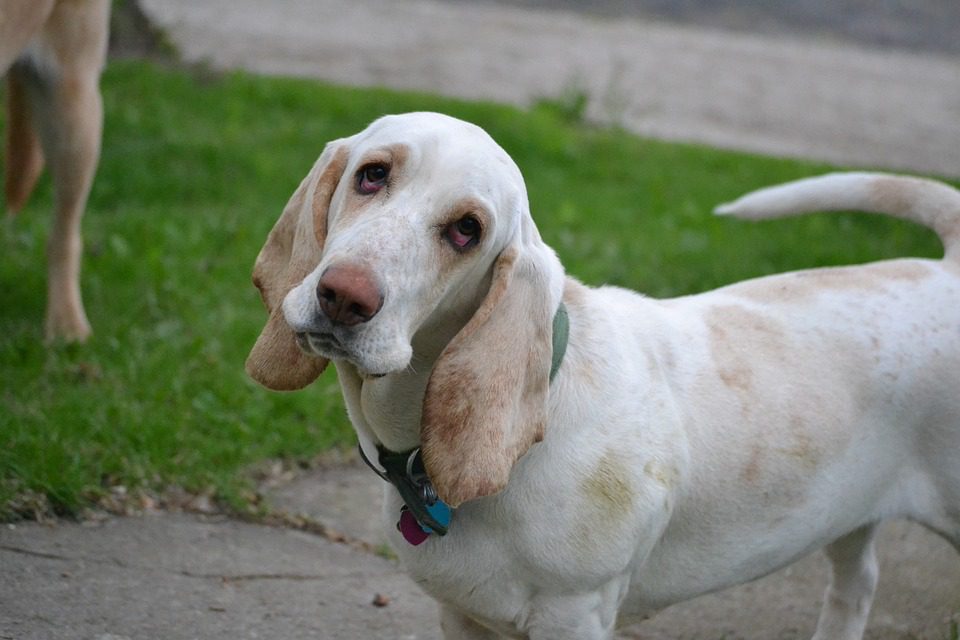
Groomers often have to work with dogs that may be shy, scared, or uncooperative. To ensure a positive experience for the dog, groomers must know how to properly handle and calm the dog. There are a variety of techniques that groomers use to calm dogs and make the grooming process as stress-free as possible. From providing treats to talking in soothing tones, groomers can help make the grooming process a positive experience for the dog.
When it comes to taking care of our beloved canine friends, the importance of proper grooming cannot be overstated. Dogs need regular grooming to stay healthy, comfortable, and happy. But for many dogs, the grooming process can be fraught with anxiety and fear. Thankfully, there are a variety of techniques that groomers can use to help calm and relax a dog during the grooming process.
Understanding Dog Anxiety
Before discussing methods for calming dogs during grooming, it is important to understand the source of their anxiety. Dogs are highly sensitive to their environment and can become unsettled by changes in routine, unfamiliar people, and unfamiliar places. For some dogs, the act of being groomed itself can cause distress. The sound of clippers, the sensation of water and shampoo, and the unfamiliar touch of a brush can all contribute to a dog’s anxiety.
For dogs that are particularly anxious, the grooming process can become overwhelming. This can lead to a range of undesirable behaviors such as barking, growling, snapping, and even biting. It is important to recognize these signs of anxiety and take steps to make the grooming process as stress-free as possible.
Creating a Calming Environment
One of the most important steps that a groomer can take to calm a dog is to create a calming environment. This means putting the dog in a quiet and comfortable area where they can feel safe and secure. This can be achieved by using calming music, dim lighting, and providing the dog with a comfortable bed or blanket if possible.
The groomer should also take time to get to know the dog they are working with. This can help the groomer to become more familiar with the dog’s personality and help them to anticipate the dog’s reactions. This can also help the groomer to build a relationship of trust with the dog, which can make the grooming process much more pleasant.
Using Positive Reinforcement
Positive reinforcement is a powerful tool for calming dogs during grooming. This involves rewarding the dog with treats and praise for desirable behaviors. This helps to reinforce the behavior and make the grooming process more enjoyable for the dog.
Groomers can also use calming aids such as calming sprays, pheromone diffusers, and calming music to help soothe a dog’s anxiety. These aids can help to create a more relaxed atmosphere and make the grooming process more pleasant for the dog.
Providing Comfort and Security
In addition to providing a calming environment and using positive reinforcement, groomers can also help to make the grooming process more comfortable and secure for the dog. This can be achieved by using gentle handling techniques and taking time to get to know the dog’s body language.
Grooming can also be made more comfortable by using specialized tools such as no-slip mats, grooming loops, and grooming muzzles. These tools can help to keep the dog still during the grooming process and help to reduce the risk of injury or distress.
Conclusion
Groomers can use a variety of techniques to help calm and relax dogs during the grooming process. This includes creating a calming environment, using positive reinforcement, and providing comfort and security. By taking the time to understand the source of a dog’s anxiety and using these techniques, groomers can make the grooming process a pleasant and stress-free experience for both the dog and the groomer.
## Common Myths About Calming Dogs During Grooming
1. Myth: Giving dogs treats during grooming will help them stay calm.
Fact: While treats can be a great reward for dogs, they will not always have a calming effect. Dogs can become overstimulated or anxious when they are given too many treats during grooming, which may have the opposite effect.
2. Myth: Dogs will eventually get used to grooming and stay calm.
Fact: While some dogs may become more comfortable with grooming over time, it is important to remember that every dog is different and some may never feel completely relaxed during grooming. It is important to take the time to get to know your dog and understand their individual needs when it comes to grooming.
3. Myth: Grooming is always stressful for dogs.
Fact: Grooming can be a positive experience for dogs if it is done in a calm and comfortable environment. Taking the time to get to know your dog and their individual needs before grooming can help ensure that they stay relaxed and calm.
Frequently Asked Questions
Table of Contents
How do groomers calm nervous dogs?
Groomers use calming techniques such as gentle massage, speaking in a soothing voice, and providing treats to help soothe the dog during the grooming process. Additionally, providing the dog with a comfortable environment and familiar items like toys can help the dog feel more relaxed.
What safety measures do groomers take to protect themselves when grooming a dog?
Groomers use safety equipment such as muzzles and safety loops to ensure that both the groomer and the dog stay safe during the grooming process. Additionally, groomers will use protective gloves, long aprons, and suitable footgear to protect themselves from any potential harm.
Conclusion
.
Grooming is an important part of keeping our canine friends healthy and happy, but it can be stressful for some dogs. Groomers can use a variety of techniques to help calm and relax dogs during the process, such as creating a calming environment, using positive reinforcement, and providing comfort and security. Understanding the source of a dog’s anxiety and using these techniques can help make the experience stress-free for both the dog and the groomer.
Get our latest guides, news, and insights highlighted in your Google Search & AI Overviews.
Keep reading about the same coat and cut.
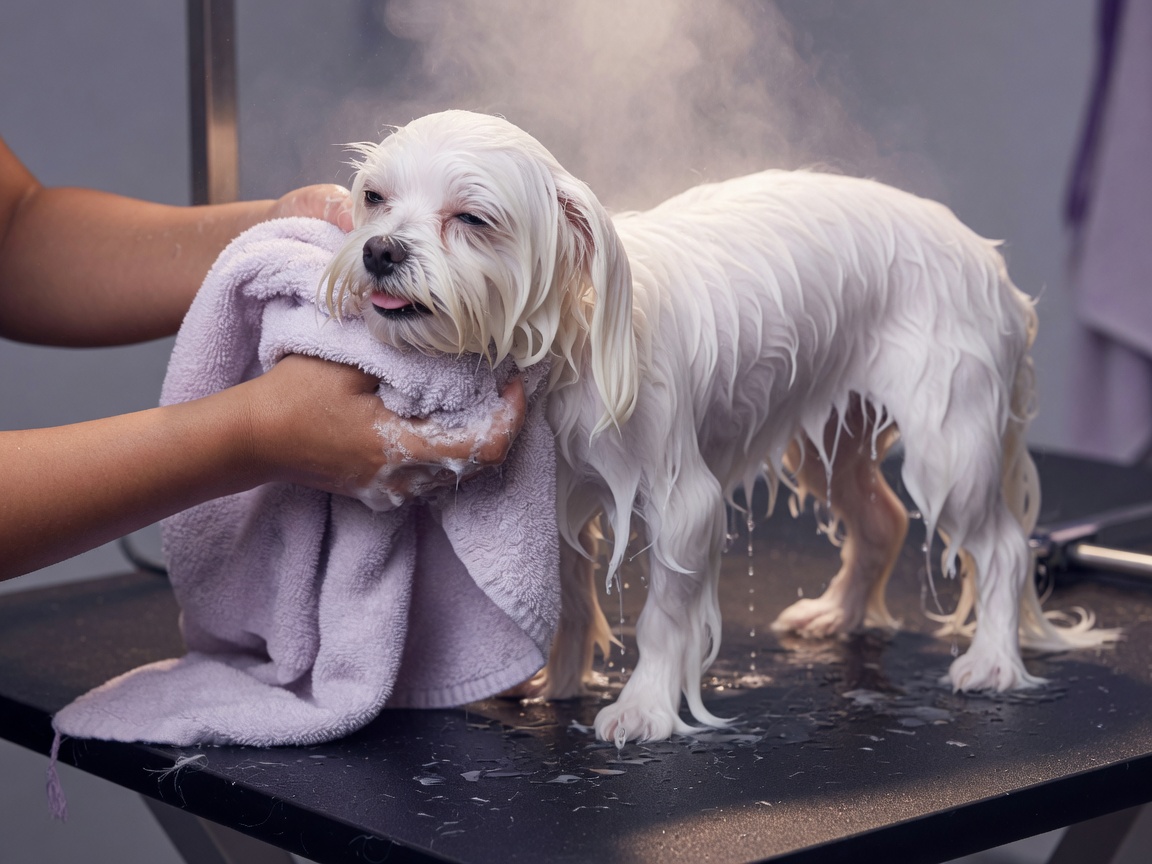
Popular grooming guides
Bath vs clip, first grooms, and salon how-tos.