Will Groomers Groom Dogs with Fleas? Treatment Options
It’s a common worry for many dog owners: what happens if my pup has fleas-will groomers still take them? The simple answer is yes, but wiht careful steps to keep your dog safe and cozy. Groomers often start with a specialized flea treatment bath to remove pests gently while soothing itchy skin. Understanding how groomers handle fleas can ease your mind and help you prepare your furry friend for a stress-free grooming experience. Whether you’re facing a sudden flea outbreak or managing ongoing prevention, learning about treatment options, practical grooming techniques, and when to involve your vet can make all the difference.Let’s explore how groomers carefully balance pet welfare with effective flea control, so your dog feels cared for, not judged, every step of the way.
Can Groomers Safely Groom Dogs with Fleas? What to Expect
Table of Contents
- 1 Can Groomers Safely Groom Dogs with Fleas? What to Expect
- 2 how Fleas impact Dog Grooming sessions
- 3 Signs of Fleas Groomers Look For Before Service
- 4 Essential Flea Treatments Before Grooming
- 5 At-Home Flea Control Tips for Grooming Day
- 6 Professional Flea Treatment Options Explained
- 7 Choosing the Right Flea Shampoo and Tools
- 8 When to Postpone Grooming Due to Fleas
- 9 How Groomers Handle Flea-Infested Dogs Step-by-Step
- 10 Preventing Flea Reinfestation After Grooming
- 11 Balancing Comfort and Safety During flea Treatment
- 12 Veterinarian vs. Groomer: When to seek Medical Help
- 13 FAQ
- 13.1 Q: How can groomers safely groom dogs that have been exposed to fleas but show no signs?
- 13.2 Q: What flea treatment options do groomers recommend for sensitive or allergic dogs?
- 13.3 Q: Why do some groomers refuse to groom dogs with active flea infestations?
- 13.4 Q: How soon after flea treatment is it safe to bring a dog to the groomer?
- 13.5 Q: What steps should owners take on grooming day to help control fleas?
- 13.6 Q: Can grooming alone eliminate a dog’s flea problem without additional treatments?
- 13.7 Q: How do groomers handle flea infestations in multi-dog households?
- 13.8 Q: When should I seek veterinary care instead of just professional grooming for flea issues?
- 14 Final Thoughts
Ther’s no one-size-fits-all answer when it comes to grooming dogs with fleas-each situation is unique and depends on the dog’s coat type, flea severity, and your groomer’s policies. Many professional groomers approach this with care and clear steps, prioritizing your dog’s comfort and health over just a quick clean-up. Fleas can not only irritate your pet but also pose a risk of spreading to othre animals and the grooming surroundings.Because of this, groomers often carefully evaluate each case before agreeing to proceed.
Dogs with a light flea presence might safely undergo a grooming session that focuses on a soothing, flea-killing bath combined with gentle brushing, ensuring that fleas are removed gradually without stressing the dog. However, thick or double coats like those of Great Pyrenees or Huskies require extra patience and specialized tools to fully reach the skin and remove fleas effectively.Groomers use flea shampoos containing safe insecticides,flea combs,and sometimes spot treatments right in the salon to manage infestations on the spot.
- Bath: A gentle flea shampoo with insecticidal properties is used first, often requiring two rounds to knock down flea populations.
- Brush & comb: Flea combs help remove adult fleas and eggs from fur following the bath.
- Environment Safety: equipment and the grooming area are sanitized to prevent flea spread.
Some groomers may suggest postponing full grooming if fleas are heavy, recommending a veterinary-approved flea treatment or topical medicine first to protect all pets in the salon. This patient approach protects your dog and others from discomfort or secondary infections. Groomers who accommodate flea-infested dogs usually communicate openly about what to expect, from extra charges for flea baths to potential need for follow-up treatments.
Encouragingly, many groomers offer treatment options beyond just cutting or drying hair-they become part of your flea control team, guiding you with practical at-home tips or collaboration with your vet for prescription treatments when necessary. This compassionate partnership helps you feel confident knowing your dog is cared for with kindness and expertise, even when the challenge of fleas arises. Remember, safety and comfort always come first, and professional groomers are here to support you through the process with patience and gentle handling.
how Fleas impact Dog Grooming sessions
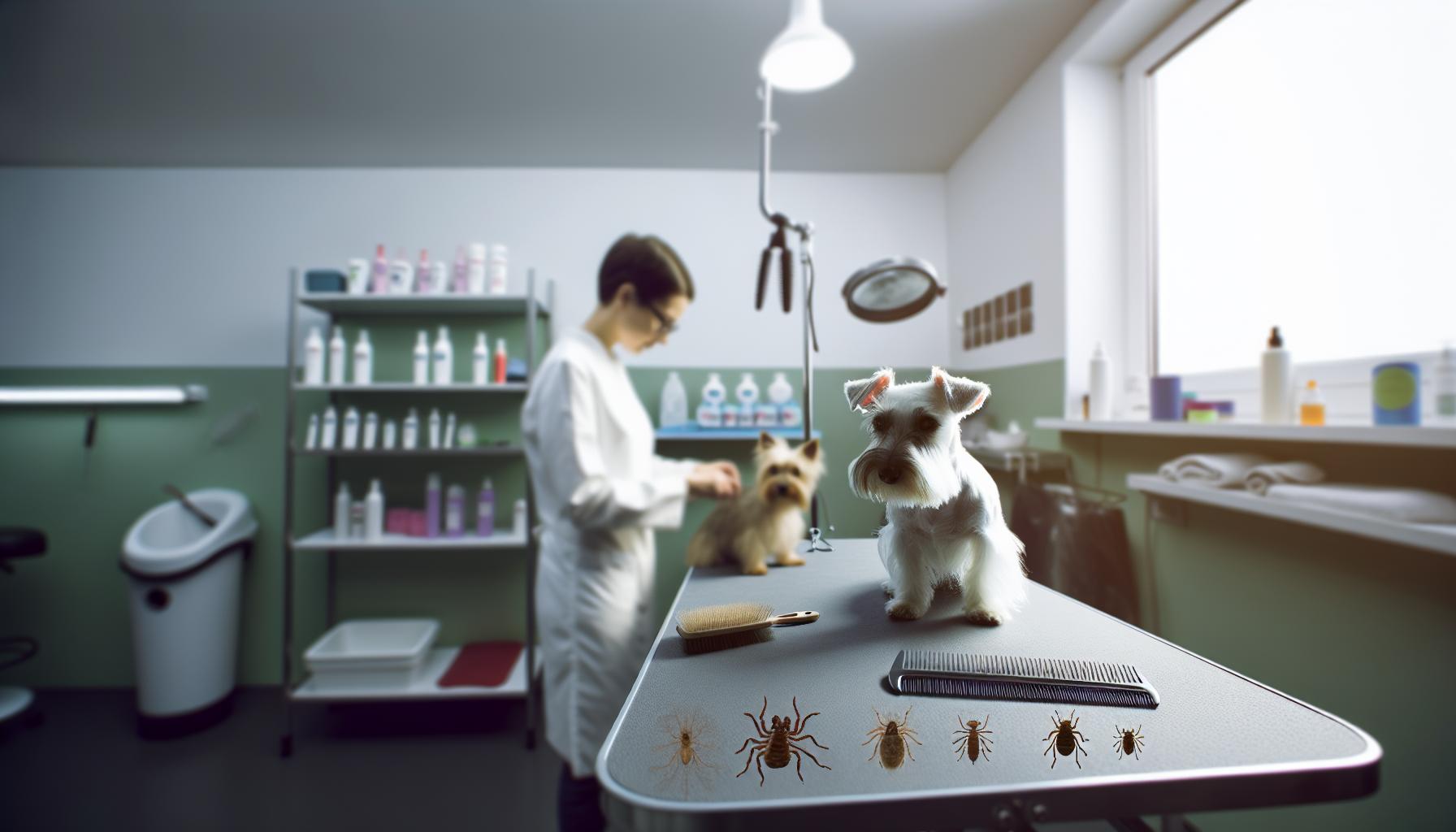
Fleas can turn what should be a calming grooming experience into a more challenging and delicate session-for both your dog and the groomer. when a dog arrives with fleas, it’s not just about managing itchy skin; the infestation affects how the groomer approaches everything from bathing to brushing, requiring extra care and patience. Fleas thrive not only on the dog’s skin but frequently enough hide deep within thick or double coats, especially in breeds like Great Pyrenees or Huskies.That means simple combing won’t always suffice, and specialized tools alongside gentle handling become essential.
- Bathing: The initial bath isn’t just to clean dirt but to deliver a careful dose of insecticide via flea shampoo. sometimes a second bath is necessary to really knock down fleas, especially if the flea load is heavier than expected.
- Brushing and Combing: Following the bath, the groomer uses flea combs to carefully remove adult fleas, eggs, and debris. This stage can be time-consuming, particularly for dogs with dense fur, and requires a gentle touch to avoid irritating sensitive, flea-bitten skin.
- Sanitizing the Environment: Groomers must be diligent in cleaning their tools, grooming tables, and salon spaces after working with a flea-infested dog to prevent spreading parasites to other pets.
Sometimes, the presence of fleas leads groomers to adjust or even postpone certain parts of the grooming routine, such as trimming or nail clipping if the dog is too uncomfortable or agitated. Owners might notice this when groomers suggest breaking up the session or focusing first on flea control before a full groom. Groomers also communicate transparently about potential extra fees for flea baths or follow-ups to manage the issue professionally and fairly.
Practical Tips for Supporting a Flea-Impacted Grooming Day
If your dog has fleas, helping your groomer by starting flea treatments at home can make the grooming session smoother. Use vet-recommended topical flea treatments or oral preventatives ahead of the appointment, if possible. On grooming day, maintaining calm and offering gentle reassurance can soothe your pet’s anxiety-remember that dogs with fleas are often stressed or itchy, which can heighten sensitivity to being handled. A groomer who loves animals understands this and will prioritize comfort over cosmetic perfection.
By collaborating closely with your groomer, you set your dog up for success, ensuring that fleas are handled carefully without causing undue stress. This partnership,coupled with professional tools and specialized shampoos,helps turn a flea challenge into a manageable part of your dog’s care routine-always with kindness and safety at the forefront.
For a safe, compassionate approach to flea control during grooming, patience and the right tools are key. When groomers take the time to work gently through flea issues, your dog not only leaves looking better but feeling better too.
Signs of Fleas Groomers Look For Before Service
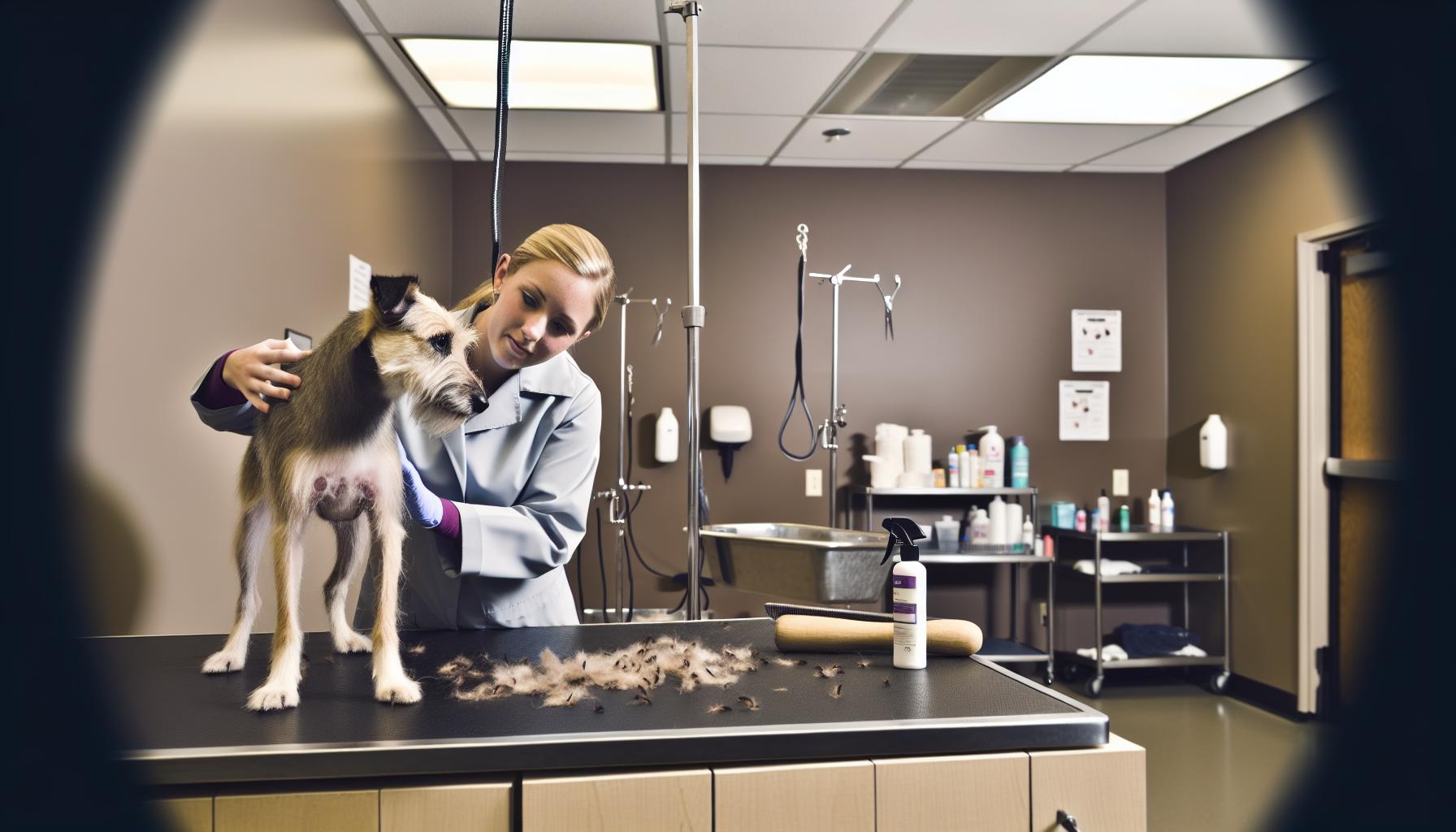
Few things signal a flea problem as clearly as the telltale signs groomers look for before touching those scissors or brushes. Before starting any grooming session,a careful,calm inspection helps identify whether fleas are present-and how severe the infestation might be. This quick but thorough check isn’t just about spotting nuisance pests; it’s the foundation for safely planning the entire grooming process while prioritizing your dog’s comfort and well-being.
Groomers begin by feeling and observing key areas were fleas love to hide, especially on dogs with thick, double coats or longer fur. Common flea hotspots include the neck, behind the ears, around the tail base, and under the belly. These spots often reveal subtle clues-like small moving black or brown dots (adult fleas), flea dirt (which looks like tiny black pepper-like specks), or even egg casings stuck to fur strands. A handy trick is to comb through a small patch of fur with a fine-toothed flea comb over a white towel-this makes spotting fleas and flea dirt easier as they fall out.
- Visual Inspection: Groomers look carefully for redness, inflamed patches, or scabs caused by flea bites. These signs can show up even if no live fleas are immediately visible, especially on sensitive or allergic skin.
- Using Tools: A flea comb is essential. Passed slowly through the fur, it helps capture live fleas, eggs, and droppings. Groomers frequently enough demonstrate this technique to owners so they can do routine home checks too.
- Observing Behavior: Dogs with fleas may show signs of discomfort or itchiness during greeting or while settling in. Restlessness, scratching, or biting at certain areas can hint flea activity beneath the surface.
It’s important to recognize that flea detection can be trickier with certain breeds and coats. for example, dense double coats on Huskies or Great Pyrenees can shield fleas well, so careful parting and palpating are required. Conversely, short-haired dogs might show flea signs more clearly but still warrant gentle handling to avoid stress.
What Groomers Consider Before Accepting a Dog for Service
Before proceeding, a groomer weighs the flea findings against the dog’s overall comfort and grooming needs. If fleas are spotted but the dog is calm and the infestation mild, a groomer may decide to proceed with a flea bath and a slower, more cautious grooming routine. However, if the dog is overly irritated, scratching vigorously, or the flea burden is heavy, the groomer may suggest postponing certain techniques like clipping or nail trims until flea control improves.
Groomers also communicate openly with owners about what they’ve found and recommend starting or continuing flea prevention treatments at home. This fosters a cooperative relationship focused on the pet’s health, not just superficial grooming goals.understanding these signs and what they mean empowers pet parents to partner effectively with groomers. Early detection and treatment help make grooming days less stressful, protecting both your pup and the salon environment from a multiplying flea problem.
Essential Flea Treatments Before Grooming
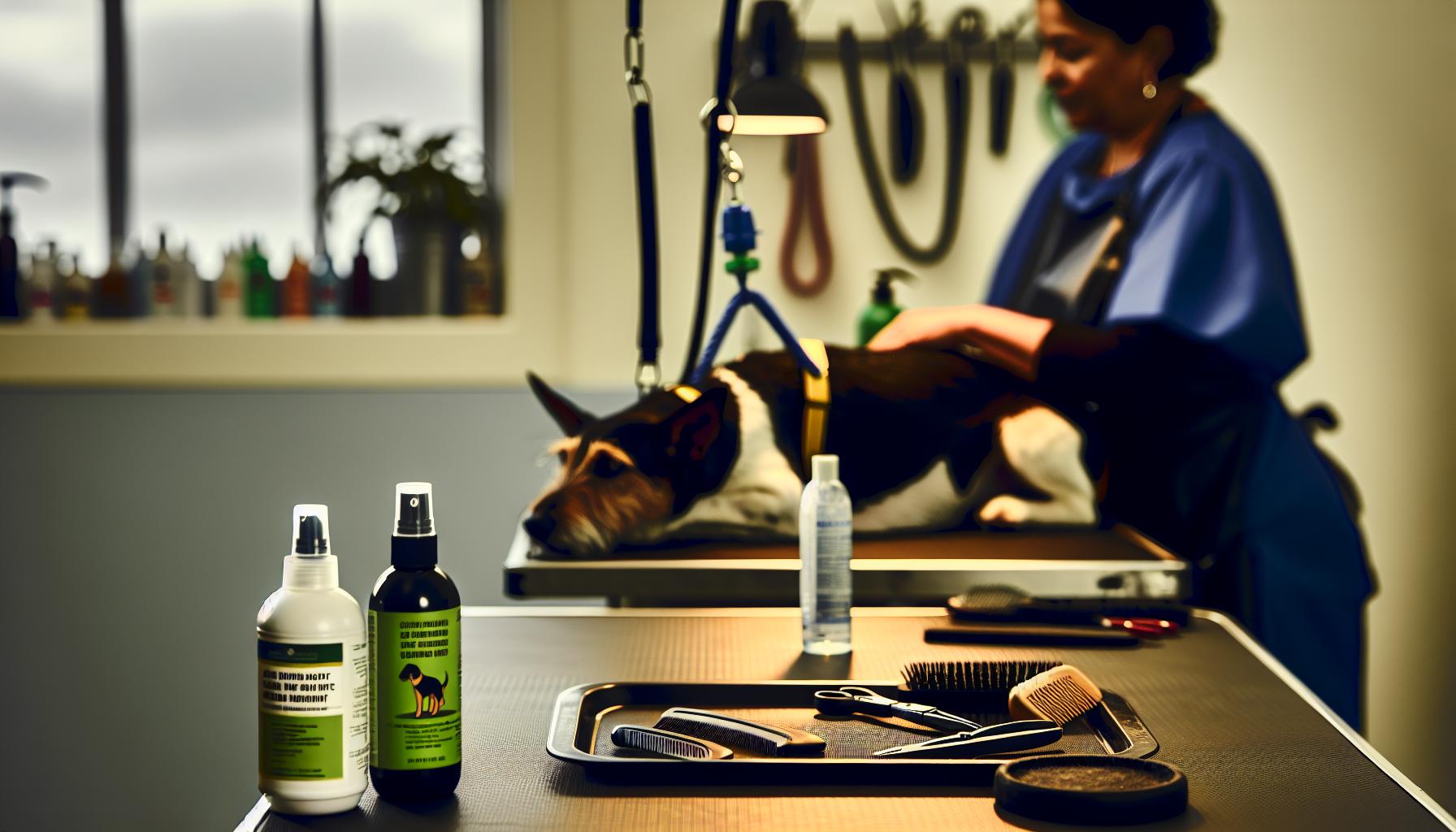
Fleas can turn an ordinary grooming day into a challenging experience for both your dog and the groomer. That’s why addressing flea issues beforehand not only protects your pet’s comfort but also helps maintain a calm, safe environment in the salon. Before booking that grooming session, a simple, thorough flea treatment routine at home can dramatically ease the process-so your dog feels relaxed, and the groomer can focus on gentle styling rather than battling bugs.
Starting with a targeted flea bath is frequently enough the most effective step. Choose a high-quality, vet-approved flea shampoo designed for your dog’s coat type-whether short, thick, or curly-paying close attention to instructions to avoid skin irritation. Warm water and gentle lathering help dislodge fleas and soothe your dog’s skin, but be mindful to avoid getting shampoo in their eyes and ears. If your dog is sensitive or fearful, breaking the bath into small, calm steps with plenty of praise will keep anxiety low. After rinsing thoroughly,using a fine-toothed flea comb over a white towel to comb through wet fur helps remove any lingering fleas or eggs,especially in tricky spots like behind the ears and under the belly.
For dogs with thick double coats, such as Huskies or Great Pyrenees, pre-brushing with a flea comb before the bath can untangle mats where fleas love to hide. It also helps expose flea dirt so shampoo can reach the skin better. Nail care and ear cleaning should usually wait until the flea problem is under control unless absolutely necessary, as irritating inflamed or itchy areas could increase your dog’s stress and discomfort.
- Consult a professional: If fleas persist despite home treatment, ask your groomer for recommendations or consult your veterinarian for effective topical or oral flea preventives.
- Avoid harsh chemicals: Stick to flea products labeled safe for your dog’s age and health condition-never use flea treatments meant for other animals or humans.
- Timing matters: Schedule grooming after your dog has received at least one full flea treatment course at home to minimize stress and reduce reinfestation risk.
When you arrive at the salon, your groomer will appreciate the effort you’ve made.It often means they can offer a gentler, more focused grooming experience, boosting your dog’s comfort and safety. Remember, treating fleas at home isn’t about achieving a “perfect look” but ensuring your dog feels secure, calm, and cared for during grooming. Working together,you and your groomer can make a visit something to look forward to-even when fleas try to make it arduous.
At-Home Flea Control Tips for Grooming Day
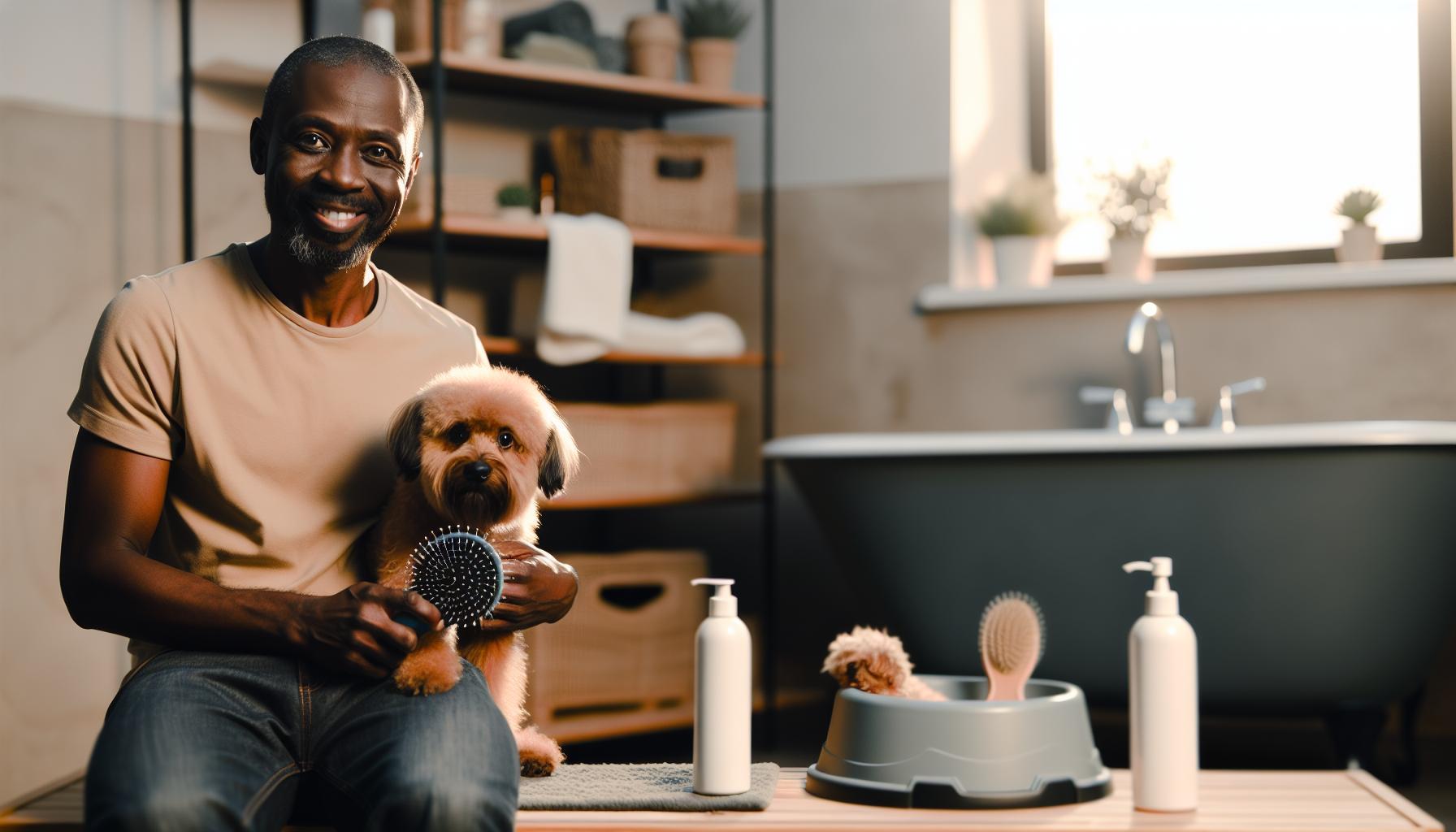
Fleas can be incredibly frustrating, but with a little preparation, you can transform grooming day from a stressful ordeal into a smooth, comfortable experience for your dog.The key is starting early and taking a gentle, consistent approach tailored to your pet’s coat type and temperament. For example, dogs with thick, double coats like Siberian Huskies often need extra pre-bath combing to break up mats where fleas hide. Short-haired breeds may require more attention during bathing since fleas tend to cling closer to the skin.
Preparing for the Flea Bath
Warm water and a vet-approved flea shampoo are your allies here. Choose a shampoo that suits your dog’s age, coat, and skin sensitivity, keeping in mind that harsher products can cause irritation rather than relief. Slowly introduce your dog to the bath, praising and soothing them throughout. Avoid getting shampoo in sensitive areas like the eyes and ears to prevent discomfort. A gentle lather with focused attention on typical flea hotspots - under the belly, behind the ears, and around the neck - helps loosen and wash away fleas and their eggs.
Effective Brushing and Combing
Once rinsed, a fine-toothed flea comb against a white towel or sheet is an essential next step. This lets you see small black flea dirt or eggs as you groom and gives you a tactile connection to your pet’s needs.For thick or curly coats, a pre-bath combing session helps untangle knots so shampoo gets deeper access to the skin. Be patient and calm, breaking this into short sessions if your dog gets restless.Nail and ear care should generally wait until flea control is effective, as these areas can be extra sensitive and may trigger stress if irritated.
- Consult a Vet or Groomer: If after several at-home treatments fleas persist, reach out to your groomer for advice or your veterinarian for safe, effective oral or topical remedies.
- Use Safe Products Only: never use flea treatments designed for other animals or humans. Always select products labeled safe for your dog’s age and health status.
- Timing Is Critical: Schedule your grooming appointment only after completing at least one full flea treatment at home to reduce stress and avoid disrupting the grooming salon environment.
Taking these careful steps not only helps keep your dog comfortable but also shows your groomer you’re invested in making their job easier. Together, this teamwork creates a calm atmosphere where your pet can truly feel cared for-bugs aside. Remember, flea treatments at home aren’t about a flawless look but about nurturing your dog’s comfort and wellbeing every step of the way.
Professional Flea Treatment Options Explained
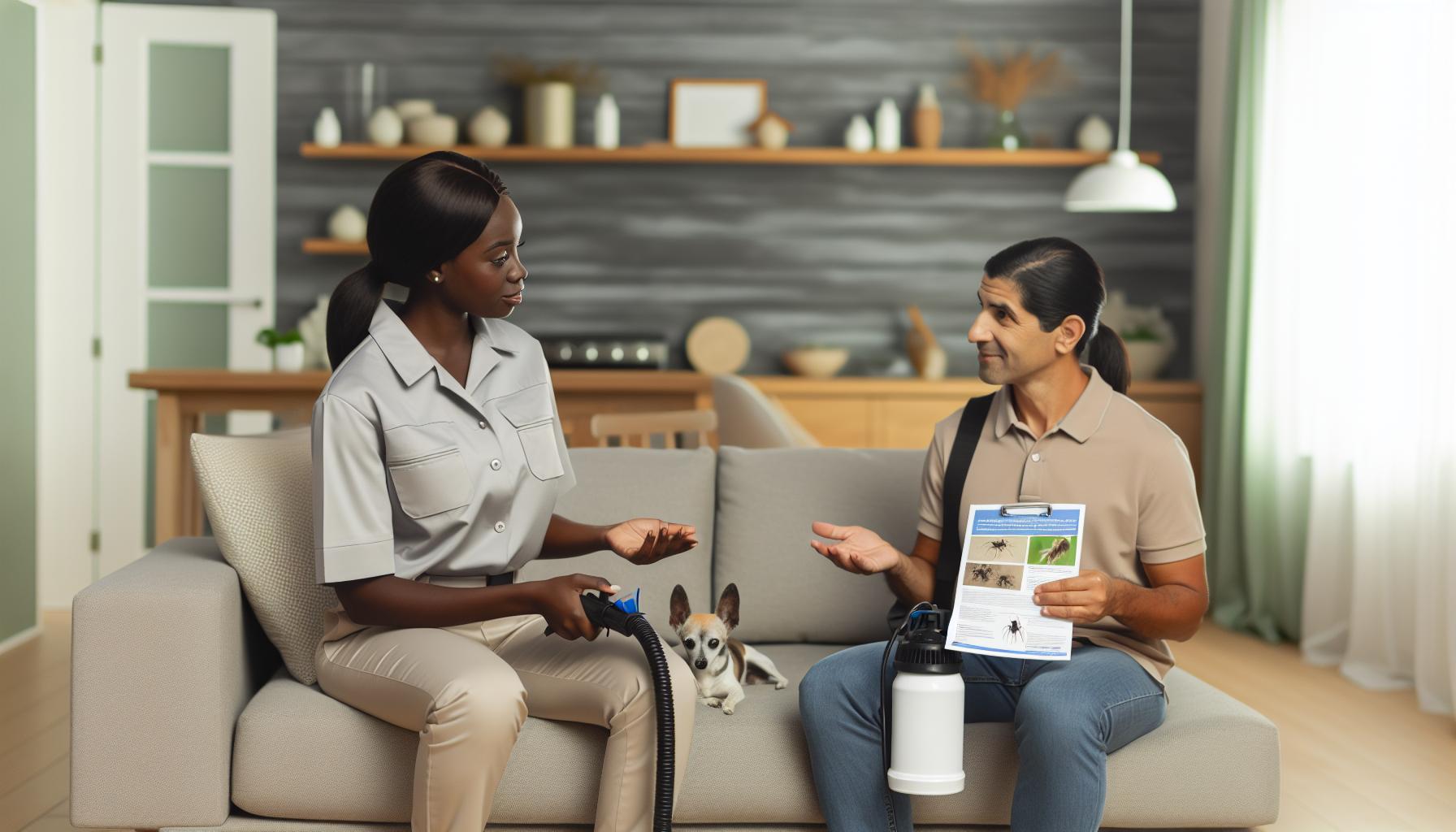
Fleas are persistent little pests, but the good news is that professional-grade treatments can effectively support your dog’s comfort and health when handled correctly. Many grooming salons collaborate closely with veterinarians or use vet-approved products tailored to each pet’s unique coat type, health, and sensitivity. These treatments don’t just kill fleas on contact-they frequently enough interrupt the flea life cycle, reducing eggs and larvae while being gentle enough to keep your dog calm during grooming.
Choosing the Right Treatment for Your Dog’s Coat and Skin
Different breeds and coat types need different approaches. For example, a thick-coated dog like a Golden Retriever requires thorough soaking and working flea shampoo deeply into the fur to reach skin where fleas hide.Conversely, a dog with a short, thin coat like a Boxer might respond better to fast-acting sprays combined with topical treatments. Salons typically use shampoos containing active ingredients such as pyrethrins or fipronil, but always select products that suit your dog’s age and health. Sensitive skin may require conditioners or oatmeal-based formulas to avoid irritation.
Step-by-Step Professional Flea Treatment Process
- Initial Inspection: groomers carefully comb through the coat with a fine-toothed flea comb to confirm and assess flea presence.
- Flea Bath: A slow, patient bath using a flea-specific shampoo targets adult fleas and loosens eggs and debris. emphasis is placed on hotspots like the belly, ears, and tail base.
- Rinse and Comb: Rinsing thoroughly prevents residue irritation. Post-bath combing helps remove any remaining fleas or flea dirt.
- Drying and Spot Treatments: Gentle drying avoids stressing the dog. Some salons apply vet-approved topical spot treatments for longer protection.
- Follow-Up Advice: groomers often recommend ongoing home treatments and environmental control to prevent reinfestation,emphasizing the importance of consistency.
Balancing Safety, Comfort, and Effectiveness
Professional flea treatments require patience, especially with timid or anxious dogs. A groomer’s priority is ensuring no rough handling or harsh chemicals upset your pet’s wellbeing. Treatments are paced to avoid overwhelming your dog-for example, breaking combing sessions into shorter intervals and offering breaks if your dog shows stress. Moreover,if a grooming salon identifies a severe flea infestation,they typically advise pausing full grooming services until your pet’s flea load is clinically reduced at home or with veterinary help.
When to Consult Your Vet vs. Rely on Groomer Treatments
Professional groomers excel in mechanical flea removal and supportive topical treatment, but persistent or severe infestations may require oral medications or prescription flea control products only a vet can provide safely. If your dog shows signs of allergic reactions, skin infections, or anemia from flea bites, immediate veterinary consultation is essential. Groomers and vets frequently enough work hand-in-hand-groomers manage the visible fleas and care during grooming, while vets address the underlying health and systemic control.
Adopting these professional options gives your dog the best chance at relief with compassion and expertise. With teamwork between you,your groomer,and your vet,fleas become manageable-allowing grooming sessions to be relaxing and enjoyable again.
Choosing the Right Flea Shampoo and Tools
Fleas are incredibly tenacious, hiding deep within a dog’s coat and often evading quick fixes. That’s why selecting the right shampoo and grooming tools isn’t just about killing fleas on contact-it’s about creating a calming, thorough process that respects your dog’s comfort and coat type while effectively breaking the flea life cycle. The best flea shampoos combine potent ingredients with gentle formulations, ensuring your furry friend isn’t stressed or irritated during treatment.
Matching Shampoo to Coat Type and Skin Sensitivity
Dogs with thick, dense fur-like Huskies or Golden retrievers-need shampoos that can penetrate into the undercoat to reach fleas lurking near the skin. A flea shampoo with active ingredients such as pyrethrins or fipronil works well here but must be paired with patient, deep massaging during the bath. On the other hand, short-haired breeds such as Boxers or Beagles often respond better to sprays or foams designed to kill fleas quickly without prolonged wetting that could stress them.
For dogs with sensitive skin or allergies, it’s crucial to look for flea shampoos enriched with soothing agents like oatmeal, aloe vera, or calendula. These help calm itching and dryness while targeting the pests. Always test any new product on a small patch first and avoid human flea shampoos, as they can contain harsh ingredients unsafe for dogs.
Essential Tools Beyond Shampoo: What Every Groomer Uses
A fine-toothed flea comb is indispensable for mechanical removal. These combs not only trap adult fleas but also uncover flea dirt and eggs trapped in your dog’s coat. Combing should be slow and gentle, section by section, especially around flea hotspots such as the neck, behind ears, and tail base.Other helpful tools include:
- Non-irritating conditioners: to detangle thick coats post-bath and reduce stress from matting or brushing.
- Flea sprays or spot treatments: for targeted control after shampooing, especially when you need longer-lasting protection.
- Soft-bristled brushes: to soothe the skin and coat after treatment,helping the dog relax.
Practical tips from Groomers for Home and Salon Use
One groomer shared that for her nervous Border Collie mix, she breaks baths into smaller sessions-lather face and front half first, rinse, then the back half-to avoid overwhelming the dog. She also recommends warm water and using a cup rather than a direct spray nozzle around the face to keep things calm.
If your dog is resistant to baths, flea shampoos with a pleasant smell and conditioners help make the experience less clinical and more inviting. Groomers usually recommend waiting several days after treatment before brushing harshly to allow the skin to recover.
| Breed/Coat Type | Recommended Flea shampoo Type | Key Tools | Grooming Difficulty |
|---|---|---|---|
| Thick/coarse (Golden Retriever, Husky) | Deep-penetrating shampoo with pyrethrins or fipronil + conditioner | Fine-toothed flea comb, detangling brush | Moderate to High (due to dense coat) |
| Short/thin (Boxer, Beagle) | Fast-acting shampoo or spray with natural repellents | Flea comb, soft brush | low to Moderate |
| Sensitive skin/allergies | Oatmeal/soothing flea shampoos, hypoallergenic | Gentle flea comb, soft bristle brush | Moderate (due to skin care needs) |
Remember, some flea shampoos are safe for regular use, while others are designed as spot treatments only or require vet supervision. A good groomer will know these boundaries and recommend when a vet’s prescription product is necessary. This teamwork ensures your pup gets effective treatment without sacrificing comfort or safety.
ultimately means tailoring everything to your dog’s unique needs. With patience, a gentle touch, and the right products, you can transform flea treatment from a stressful ordeal into a loving, manageable routine.
When to Postpone Grooming Due to Fleas
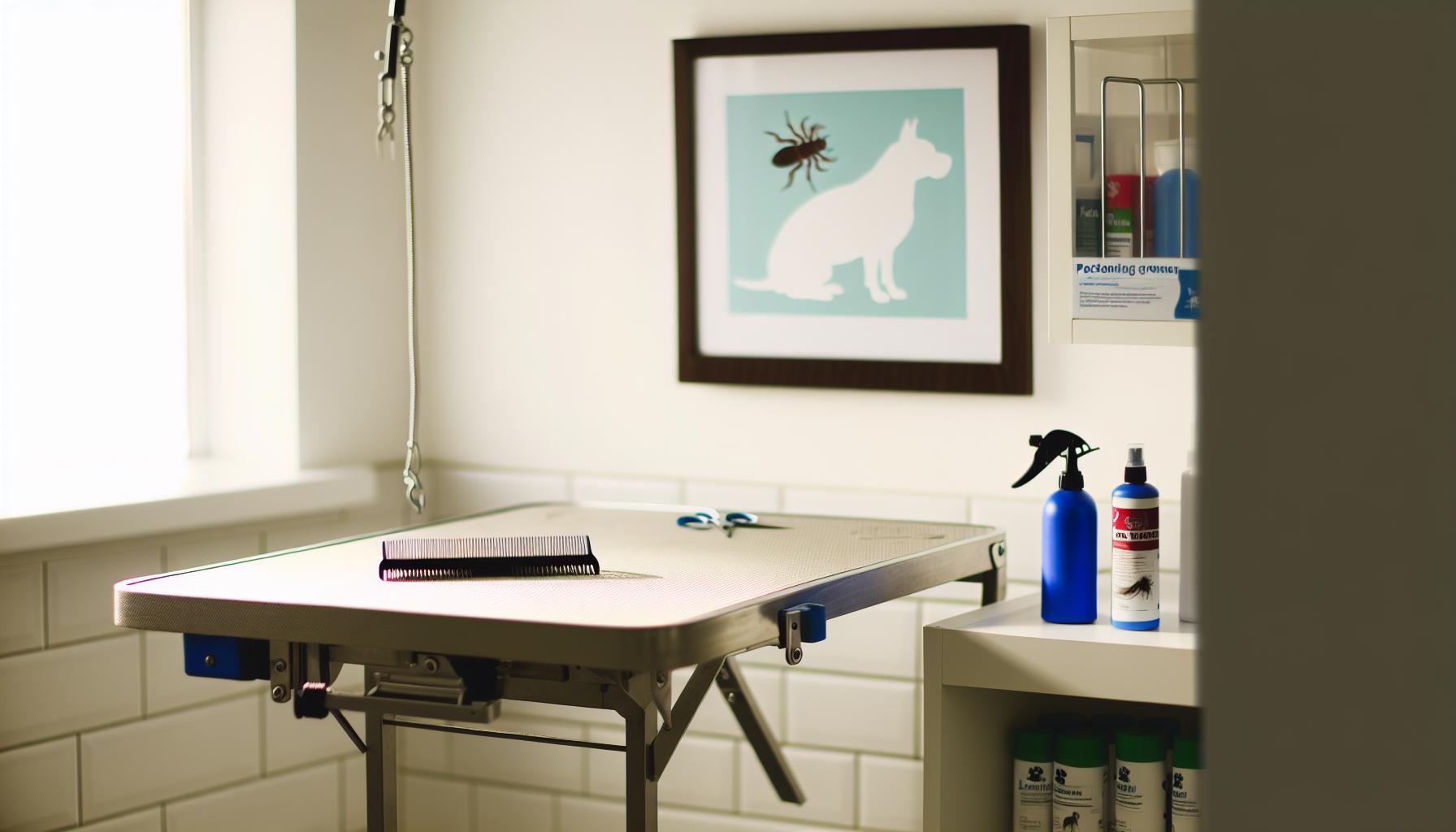
Fleas can turn an ordinary grooming appointment into a stressful experience-not only for your dog but also for the groomer.While it might potentially be tempting to push through and get the job done, there are key moments when postponing grooming is the kindest and safest choice for everyone involved. When flea infestations are severe or the dog is showing signs of skin irritation or discomfort, pausing the grooming session allows time for proper treatment and recovery, ensuring future visits are calmer and more effective.
Groomers carefully assess flea presence and the dog’s overall condition before deciding whether to proceed. If a dog arrives heavily infested,with visible flea dirt,bites,or open sores,it’s often best to delay bathing and clipping until a vet-cleared flea treatment plan takes effect. Trying to groom under these conditions can worsen skin damage, increase discomfort, and risk spreading fleas to other pets in the salon. Such as, a Golden Retriever with thick undercoat may hide vast numbers of fleas that only reveal themselves through persistent scratching or sensitive skin areas - grooming without treatment can cause needless distress.
Signs to Watch For That Signal a Postponement
- Persistent scratching or biting indicating intense irritation
- Open wounds, bleeding, or inflamed skin that require healing
- Visible flea dirt or numerous live fleas discovered during the initial comb-out
- General signs of distress such as shaking, whining, or rebound anxiety
In these cases, groomers often advise owners to begin a veterinary-recommended flea protocol before rescheduling the grooming appointment. This approach ensures that treatment breaks the flea life cycle at the source rather than temporarily masking symptoms. For sensitive breeds like Boxers or dogs prone to allergies, additional healing time may be necessary to calm the skin and prevent worsening irritation.
Why Waiting Benefits Your Dog
Giving your pet time before grooming offers several benefits:
- Reduces skin inflammation so grooming tools don’t cause pain
- Increases comfort by eliminating fleas, allowing your dog to relax during grooming
- Stops flea transfer protecting other animals at the salon
- Improves outcomes since deep coats without heavy infestation are faster and safer to groom
such as, a Senior dog with a flea allergy might need both veterinary intervention and gentle home care before condensing grooming into manageable sessions. This staged approach can turn anxiety and pain into calm cooperation.
Knowing the Difference: Groomer vs. Veterinarian’s Role
Sometimes, flea issues go beyond a salon’s scope. If you notice signs of infection, fever, lethargy, or severe scratching, consult your veterinarian first. They’ll prescribe the right flea medicines-topical treatments,oral medications,or injections-that are safe and effective for your dog’s specific health needs. Once the vet gives the OK, groomers can take over with confidence, using the right shampoos and tools optimized for the dog’s coat type and sensitivity, ensuring a comfortable grooming experience without the stress of active infestation.
Remember, delaying grooming isn’t about punishment or neglect-it’s a compassionate, responsible choice that prioritizes your pet’s health above all else. With the right treatment plan and teamwork between you, your groomer, and your vet, future appointments will be far more positive and rewarding for your furry friend.
| Condition | Recommended Action | Reason |
|---|---|---|
| Heavy flea infestation with skin irritation | Postpone grooming; start vet-approved flea treatment | Prevents worsening skin damage; ensures comfort and safety |
| Minor flea presence, no skin damage | Proceed with grooming using flea shampoo and combing | Control fleas while grooming; treatment can be combined |
| Open wounds or infection | Seek veterinary care before grooming | Treat infection first; grooming tools can aggravate wounds |
| Severe anxiety or pain from fleas | Delay grooming until flea load is reduced and comfort improved | Supports mental and physical wellness; reduces stress |
How Groomers Handle Flea-Infested Dogs Step-by-Step
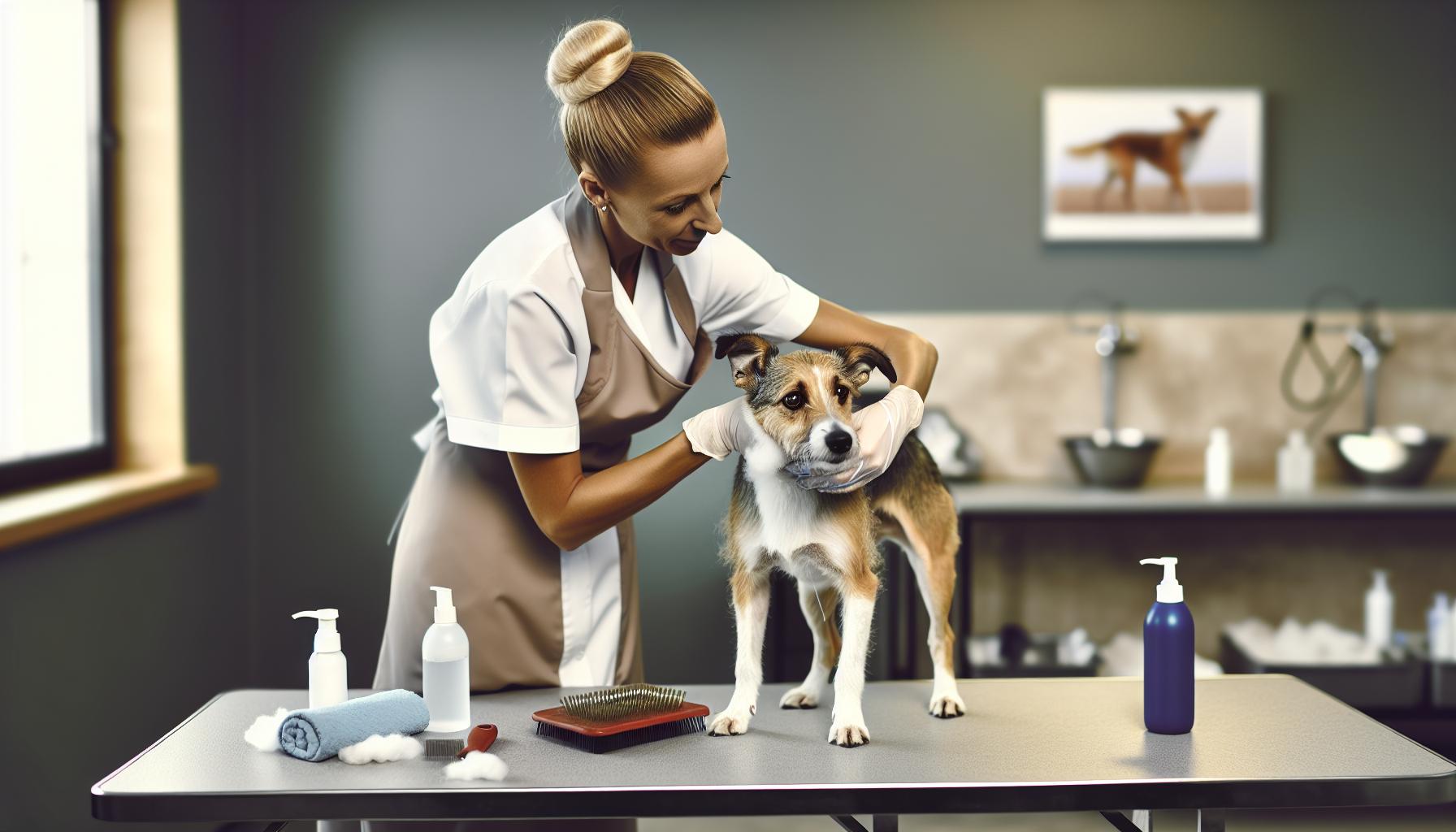
Few situations challenge a groomer’s skill and patience quite like working with a dog troubled by fleas.The key is to balance the pet’s comfort and safety with effective flea control, without turning the grooming into a source of further stress. Each step is intentional, and compassionate care guides the process from greeting to final brush. Whether the dog sports a thick Golden Retriever coat or a fine, short-haired Boxer, the approach adapts to breed, coat type, and the severity of infestation.
Initial Assessment and Preparation
Before touching a comb or scissors, a groomer will take time to calmly observe the dog’s behavior and coat condition. Flea dirt-tiny black specs resembling ground pepper-and live fleas can be spotted by parting the hair and inspecting skin folds, especially around the neck, belly, and tail base. If fleas are present but the skin looks healthy with no redness or wounds, the groomer may decide to proceed, using flea-repelling tools and shampoos carefully.However, if the dog shows signs of scratching, inflamed skin, or open sores, the grooming is often paused and the owner advised to consult their vet first.
Bathing: The First Line of Defense
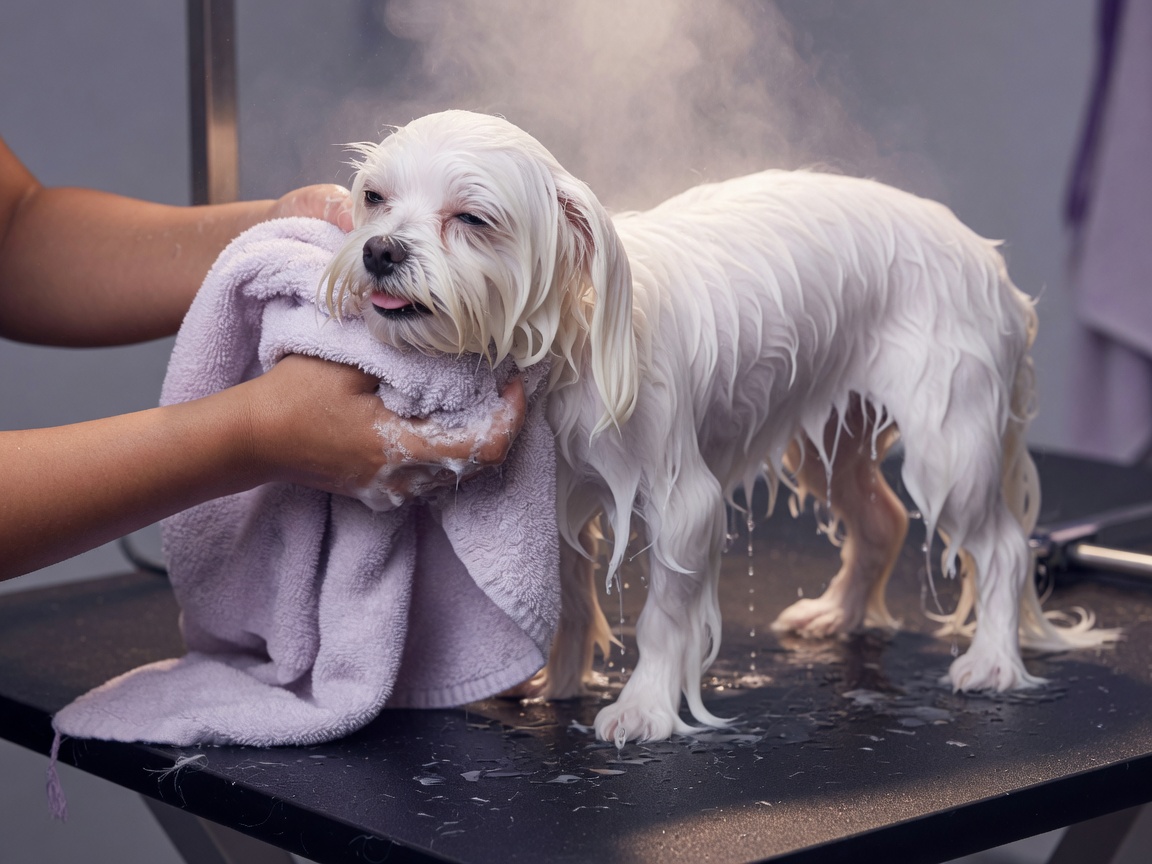
once cleared to groom, bathing becomes the pivotal step in flea removal. A high-quality,veterinarian-approved flea shampoo is chosen based on the dog’s coat and skin sensitivity. These shampoos often contain insecticides or natural flea control agents. Warm water and gentle massage help loosen fleas, flea dirt, and debris. the groomer pays special attention to problem areas like the tail, groin, and underarms. Multiple rinses ensure no residue lodges in the coat.
During the bath, groomers stay vigilant. Fleas may jump into the water or cling tightly to the fur,so rinsing thoroughly and repeating on stubborn cases helps reduce the flea load immediately. For dogs with thick or double coats, using a flea comb in the tub can help remove flushed-out fleas and flea dirt-which not only improves comfort but prevents re-infestation during drying.
Brushing,Combing,and Coat Care
After the bath,the dog is gently towel-dried or blow-dried on a low,cool setting to avoid skin irritation. Then begins the meticulous coat work using metal flea combs with fine teeth.These combs are invaluable tools for trapping and removing fleas and their eggs. Depending on coat length and density, this step can take extra time. In breeds with dense undercoats, such as Huskies or Golden Retrievers, special attention is paid to avoid matting, which can hide fleas and irritate skin.
During combing, groomers watch closely for any residual flea dirt or live insects and keep the dog calm with soothing words and gentle touch. Regular breaks and treats help nervous pets endure the process. Sometimes, a groomer might apply a flea spray or spot treatment recommended by the vet to further discourage fleas without causing discomfort.
Finishing Touches and Owner Education
Nail trimming, ear cleaning, and other grooming tasks come last, approached with extra care to prevent stress on an already uncomfortable dog. Some groomers use gentle ear wipes instead of deep cleaning if the skin looks irritated. Throughout this phase,the pet’s demeanor guides the pace.
Before sending the dog home,groomers often review flea prevention strategies with owners to keep pests at bay until the next visit. These may include suggestions for at-home flea combing routines, ongoing use of vet-recommended flea preventatives, or environmental treatments in the home. Timely interaction between groomer, owner, and vet ensures the dog’s continued health and comfort beyond the salon.
| Step | Key Actions | Tips for Success |
|---|---|---|
| Assessment | Check coat for flea dirt, live fleas, skin condition | Use luminous light and flea comb; observe dog’s behavior |
| Bathing | Use flea shampoo; rinse thoroughly; target trouble spots | Choose products safe for breed/age; avoid water in ears/eyes |
| Combing and Brushing | Flea comb to remove fleas and eggs; detangle coat gently | Take breaks; praise dog; focus on dense or prone areas |
| Finishing Care | trim nails; clean ears gently; check skin comfort | Modify routine if skin is sensitive or inflamed |
| Owner Guidance | Advise on flea prevention; recommend follow-up vet care | Empower owners with tools; stress patience and consistency |
Remember, while groomers can reduce fleas and improve coat health, veterinary input is essential in severe cases or when skin infections arise. The groomer’s role is supportive and skilled, but secondary to medical intervention when needed. Through patience, knowledge, and kindness, groomers help transform flea-infested dogs into happier, healthier companions – one thoughtful grooming at a time.
Preventing Flea Reinfestation After Grooming
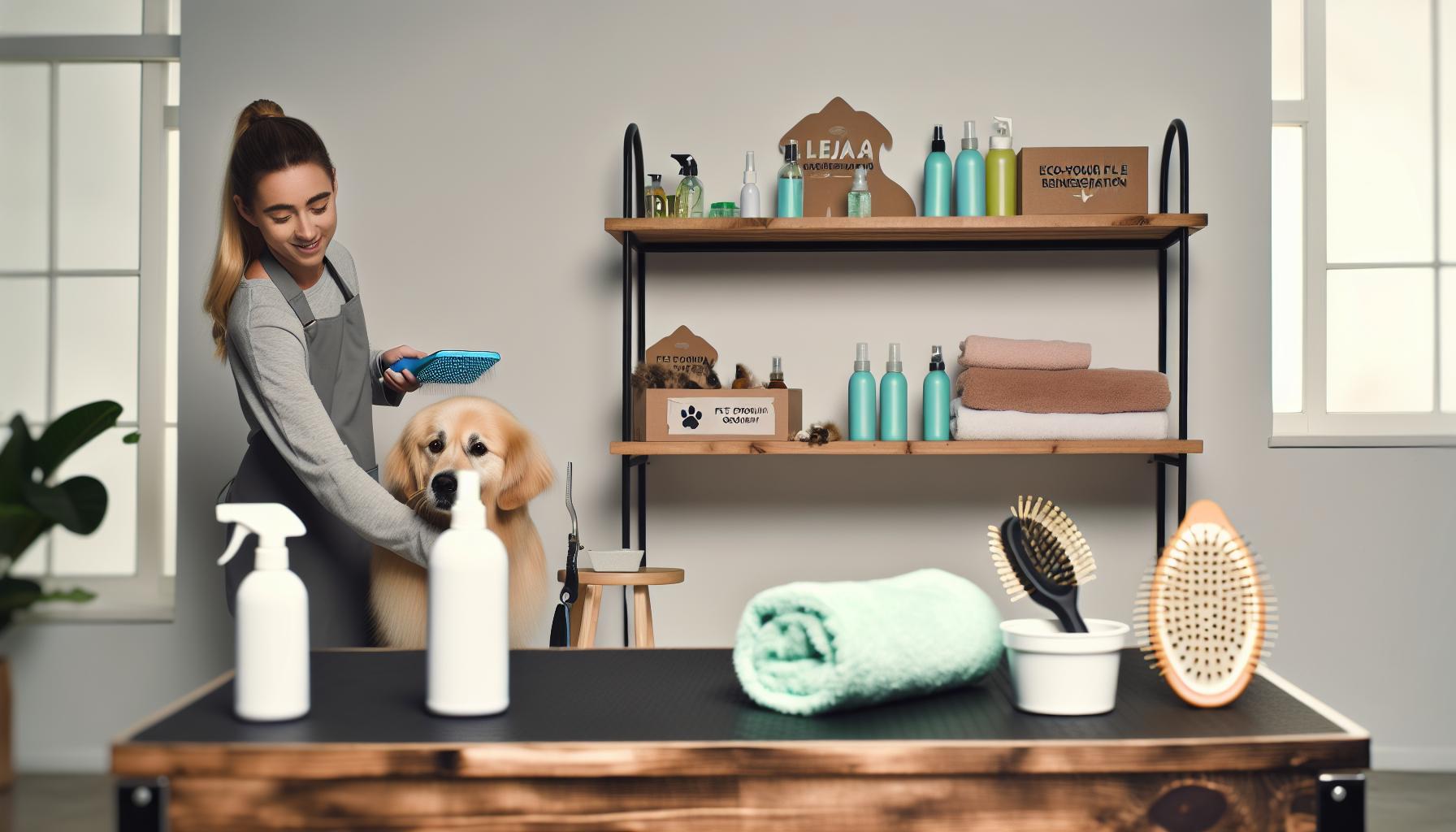
Few challenges in pet care are as persistent as preventing fleas from returning after a grooming session. Even when the grooming has been thorough and the fleas seemingly gone, tiny eggs or larvae lurking in your home environment can quickly reignite an infestation if left unchecked. The good news is that with consistent, mindful actions, pet owners can break the flea life cycle and keep their furry companions comfortable and pest-free long after the salon visit.
Consistent Flea prevention at Home
After professional grooming, maintaining a daily or weekly routine using a fine-toothed flea comb tailored to your dog’s coat type is a simple but powerful tool.Breeds with dense or long coats, such as Golden Retrievers or Huskies, benefit from more frequent combing to detect any hitchhiking fleas early on. Regular removal of fleas and eggs this way reduces the chance they hatch and start the cycle again. Pair combing with gentle praise and short sessions so your pet stays calm and willing.
- Continue using vet-approved flea preventatives: These might potentially be oral tablets, spot-on treatments, or collars, chosen based on your pet’s health and lifestyle.
- regular baths with mild, flea-repellent shampoos: Not too frequent to avoid drying sensitive skin but just enough to discourage flea survival on the coat.
- Keep bedding and favorite spots clean: Wash dog beds,blankets,and any washable toys in hot water weekly to kill flea eggs and larvae.
home Environment Management
Fleas spend much of their life off your pet, hiding in carpets, upholstery, and cracks in floors. To reduce reinfestation risk, vacuum thoroughly and regularly, paying particular attention to areas where your dog naps or plays. Immediately empty the vacuum contents into a sealed bag outside your home to prevent fleas escaping back indoors. Using environmental sprays or foggers recommended by your vet or groomer can also target developing flea stages in your home safely.
When to Consult Your Veterinarian
Despite best efforts, some infestations are stubborn. If you notice continued scratching, hair loss, or irritated skin, this might mean fleas are persisting in the environment or your dog needs stronger treatment. Your veterinarian can evaluate your pet’s health and recommend additional therapies - including prescription medications, allergy treatments, or medicated shampoos – to complement your grooming and cleaning regimen.
| Task | Key Actions | Helpful Tips |
|---|---|---|
| Flea Combing | Daily or every other day; focus on neck, belly, tail | Use metal comb; dip comb in soapy water to kill fleas |
| Bedding Care | Wash weekly in hot water with pet-safe detergent | Dry thoroughly; consider multiple dog beds if needed |
| Home Cleaning | Vacuum carpets and furniture often; discard vacuum contents outdoors | Use flea control sprays as recommended by vet |
| Flea Preventative Use | Follow vet guidance; apply consistently year-round if possible | Adjust product choice for breed, age, and health concerns |
Remember, preventing flea reinfestation is a marathon, not a sprint. Patience and kindness-for both your pet and yourself-are essential. With regular grooming, environmental care, and professional advice, your dog can enjoy a comfortable, itch-free life, making every salon visit a fresh start rather than a temporary fix.
Balancing Comfort and Safety During flea Treatment
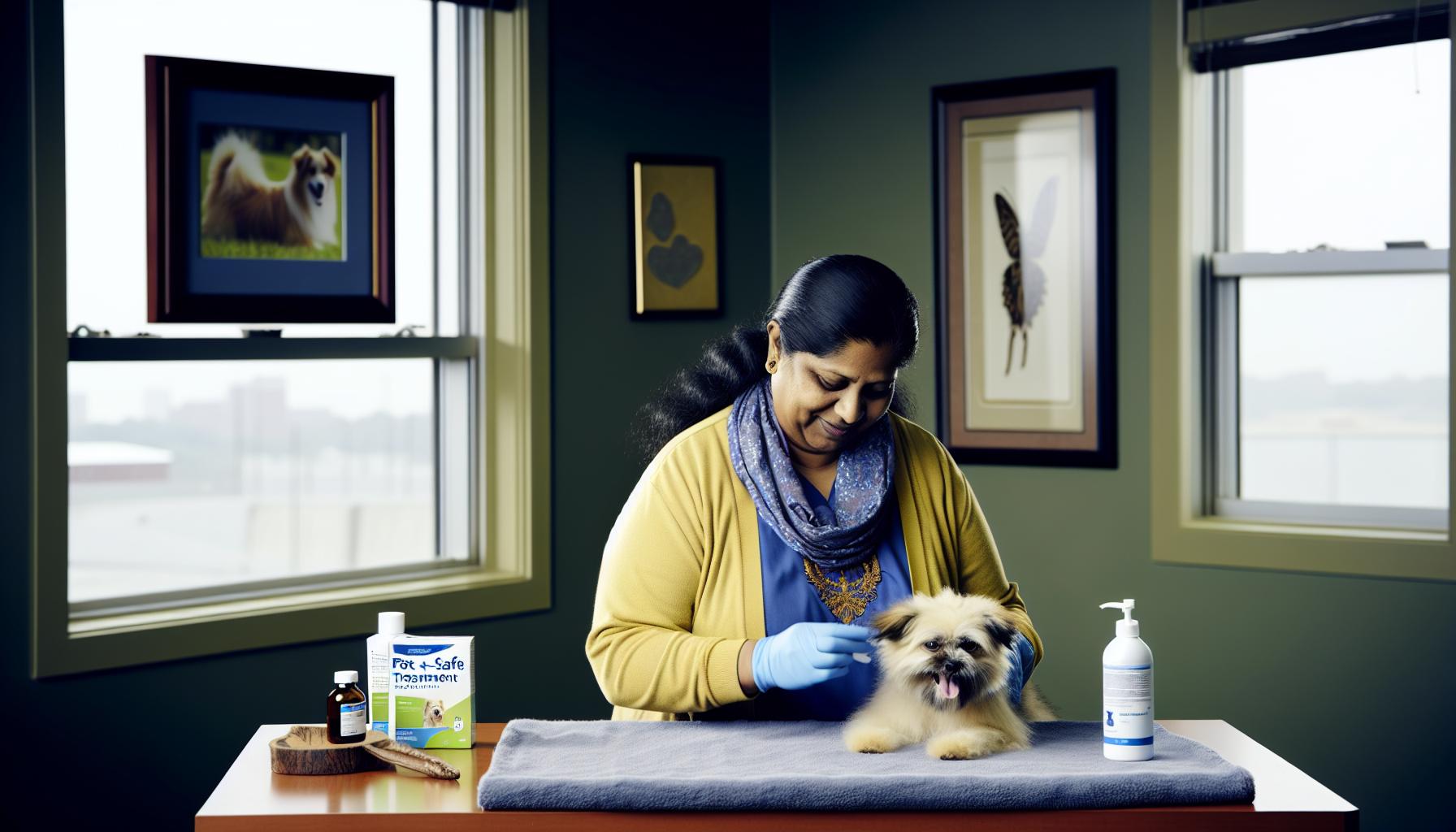
Fleas may be tiny, but the discomfort and health risks they bring to dogs are notable, making thorough yet gentle treatment essential during grooming. When dealing with a dog that has fleas,the groomer’s priority shifts from achieving purely aesthetic results to ensuring the pet’s comfort and safety while managing the infestation effectively. This balancing act requires patience, a calm approach, and carefully chosen tools and products tailored to the dog’s breed, coat type, and temperament.
Creating a Stress-Free Spa Experience
dogs with fleas often feel itchy,restless,or even sensitive to touch,so starting with a soft,reassuring touch sets the tone. For breeds with dense or long coats like Poodles or Huskies, the grooming process can be tricky-fleas hide deep in their fur, and mats or tangles may shelter eggs and larvae. Using a gentle flea comb, groomers patiently part the hair, slowly working through the coat to avoid causing discomfort or agitation. Frequent breaks and soothing verbal praise keep the dog relaxed throughout.
Bathing is the next critical step. choosing a vet-approved flea shampoo with soothing ingredients such as oatmeal or aloe vera helps calm irritated skin while effectively killing fleas.Water temperature should be lukewarm-not too hot to avoid drying out delicate skin. After shampooing, thorough rinsing removes residues that might cause irritation. For extremely sensitive dogs, leave-in flea sprays recommended by veterinarians can provide ongoing relief when used carefully.
Step-by-Step Grooming with Comfort in Mind
- start with a gentle brush: This removes loose hair and flea debris without hurting tender spots.
- Use a metal flea comb: Focus on common flea hotspots like the neck, belly, and tail base; dip the comb in soapy water to kill fleas instantly.
- Trim mats cautiously: mats can hide flea eggs, but cutting them requires care-using blunt-tipped scissors or clippers, groomers often work slowly to prevent nicks and stress.
- Check ears and nails: Fleas can hide in ear folds or under nails, so gentle inspection and cleaning are important parts of the session.
Groomers know when a pet’s infestation requires extra care and when to advise owners to consult a veterinarian before proceeding with grooming. For example, dogs showing signs of flea allergy dermatitis, open sores, or severe irritation need medical evaluation to prevent worsening discomfort.
Tools,Products,and Safety Tips
Selecting the right products is vital. Not all flea shampoos suit every dog, especially those with allergies or sensitive skin. Groomers often rely on mild, vet-approved options and avoid harsh insecticides that might overwhelm an anxious pet. Using flea sprays or powders in well-ventilated areas helps reduce airborne particles that could irritate both the dog and groomer. Wearing gloves and taking care to protect the pet’s eyes and nose during treatment also boosts safety on both ends.
| Task | Key actions | Helpful Tips |
|---|---|---|
| Flea Combing | Slow,methodical strokes especially around neck & tail | dip comb in soapy water frequently to kill fleas; praise pet often |
| Bathing | Use lukewarm water; apply flea shampoo gently | Rinse thoroughly; avoid the face area; use soothing formulas |
| Mats & Tangles | Trim carefully with blunt scissors or electric clippers | stop if dog shows distress; separate mat removal over multiple sessions if needed |
| Post-Treatment | Dry dog gently with towel or low-heat dryer | Offer treats and calm praise; monitor for skin irritation |
Ultimately,focusing on welfare over perfection ensures the dog’s wellbeing comes first. This compassionate approach encourages owners to trust the grooming process while giving their pets the kindness and relief they need during a stressful time. The groomer is not just tidying fur but also acting as a partner in the dog’s health journey, working hand-in-hand with vets and owners for the best outcomes.
Veterinarian vs. Groomer: When to seek Medical Help
Fleas may seem like a simple nuisance, but sometimes their presence on a pet signals deeper health concerns that need professional medical care beyond a grooming session. While groomers play an important role in managing minor flea infestations with gentle combing, bathing, and topical treatments, there are clear signs indicating when a veterinarian’s expert attention is essential for your dog’s well-being. Understanding these boundaries helps keep your dog safe, comfortable, and on the right track toward recovery.
Knowing When Groomers can Help
Groomers are skilled at performing thorough flea combing,applying vet-approved flea shampoos,and using gentle handling techniques to ease your dog through the treatment. For healthy dogs with a light to moderate flea load, a groomer can provide significant relief by removing fleas and their eggs during combing and bathing. This is especially true for breeds with single coats or shorter hair where fleas are more visible and accessible. However, groomers focus on the surface level – relieving discomfort and managing infestation - rather than diagnosing or treating medical complications.
Clear Signs to See a Veterinarian First
When fleas cause more than just an itch, it’s time to consult a veterinarian promptly. If your dog exhibits any of the following, a medical evaluation is critical before grooming:
- Flea allergy dermatitis: Intense itching, inflammation, open wounds, or skin infections caused by allergic reactions to flea bites require vet-prescribed medications to safely reduce inflammation and infection risk.
- Severe flea load or anemia: Puppies, small breeds, or elderly dogs with heavy flea infestations risk anemia from blood loss-these dogs need immediate veterinary care for stabilization.
- Secondary infections: Redness, swelling, crusts, or oozing sores indicate bacterial or fungal infections that necessitate antibiotics or specialized treatment only vets can provide.
- General weakness or behavioral changes: Lethargy, decreased appetite, or unexplained pain suggest complications beyond simple flea bites.
Veterinarians may prescribe fast-acting flea treatments,antibiotics,anti-itch medications,or supportive care tailored to your dog’s condition. attempting grooming before these issues are addressed could worsen discomfort or stress your dog further.
How Groomers and Vets Work Together for Your Dog’s Health
The best approach balances grooming and medical care. A compassionate groomer recognizes when to pause or postpone grooming and refers clients to their vet when needed. Such as:
- Before bathing: If skin is too raw or irritated,a groomer might delay shampooing to avoid aggravating sores.
- After vet treatment: Once your vet has cleared your dog’s health concerns, a groomer uses safe, soothing flea shampoos and combing techniques to complete the treatment.
- Ongoing communication: Groomers often ask owners for veterinary history and flea control protocols to tailor grooming treatments diligently.
This teamwork ensures your dog receives focused medical care when needed and a stress-free grooming experience when healthy enough.
Practical Tips for Owners
- Observe carefully: Look for signs like excessive scratching, sores, or unusual behavior before your appointment.
- Inform your groomer: be honest about your dog’s flea history and any vet treatments underway.
- Schedule a vet visit: If your dog has open wounds or severe irritation, don’t delay a vet consult-this step protects your pet’s comfort first.
- Follow vet recommendations: Use prescribed flea medications consistently to complement grooming efforts and prevent reinfestation.
By respecting these boundaries and embracing a compassionate, informed approach, you make grooming a safe, soothing part of your dog’s life, even when fleas are involved. Remember, a groomer’s touch and a vet’s care together make the ultimate team in protecting your furry friend’s health and happiness.
FAQ
Q: How can groomers safely groom dogs that have been exposed to fleas but show no signs?
A: Groomers can safely groom dogs exposed to fleas by performing a thorough pre-groom flea check and using preventive flea treatments like medicated shampoos during the session. It’s also critically important to maintain a clean grooming environment to prevent spreading. For guidance, see our section on Essential Flea Treatments Before Grooming and How Groomers Handle Flea-Infested Dogs.
Q: What flea treatment options do groomers recommend for sensitive or allergic dogs?
A: Groomers often suggest gentle, hypoallergenic flea shampoos and natural flea control methods such as oatmeal baths or essential oil blends safe for dogs with sensitive skin. Always consult your vet before trying new treatments, especially if your dog has flea allergies. Learn more in Choosing the Right Flea Shampoo and Tools.
Q: Why do some groomers refuse to groom dogs with active flea infestations?
A: Many groomers refuse flea-infested dogs to protect other pets and staff from infestation and to maintain a healthy facility. This policy prevents flea spread and ensures safety. If your dog has fleas, treatment before grooming is essential, as detailed in when to Postpone Grooming Due to Fleas.
Q: How soon after flea treatment is it safe to bring a dog to the groomer?
A: It’s best to wait at least 24-48 hours after flea treatment before grooming to let products settle and maximize effectiveness. This waiting period also helps reduce irritation during grooming. Check the Professional Flea treatment Options Explained section for timing details.
Q: What steps should owners take on grooming day to help control fleas?
A: Before grooming day, owners should bathe their dog with a flea shampoo, thoroughly comb out fleas, and regularly clean bedding and living areas. Bringing proof of flea treatment can definitely help groomers prepare appropriately. See At-Home Flea Control Tips for Grooming Day for practical advice.
Q: Can grooming alone eliminate a dog’s flea problem without additional treatments?
A: Grooming helps remove adult fleas but cannot eliminate fleas entirely. Effective flea control requires ongoing treatments like topical preventatives or oral medications combined with cleaning the pet’s environment. For a full approach, refer to Preventing flea Reinfestation After Grooming.
Q: How do groomers handle flea infestations in multi-dog households?
A: Groomers recommend treating all pets concurrently and maintaining strict hygienic grooming practices to prevent cross-contamination. Scheduling separate appointments and thorough facility cleaning help control fleas in multi-dog homes. See Balancing Comfort and Safety During Flea Treatment for detailed handling techniques.
Q: When should I seek veterinary care instead of just professional grooming for flea issues?
A: Seek veterinary care if your dog shows signs of heavy flea infestation,allergic reactions,or secondary infections. Vets can prescribe medications beyond typical groomer treatments. For clear boundaries, review our section on Veterinarian vs. Groomer: When to Seek Medical Help to ensure your dog’s health and comfort.
For more detailed guidance, don’t hesitate to explore our full article sections and maintain your dog’s comfort and safety at every grooming visit.
Final Thoughts
If you’re wondering whether groomers will groom dogs with fleas,remember that prioritizing your pup’s comfort and health is key-most groomers require treatment before grooming to ensure safety for all pets. Flea treatment options vary by coat type and severity, so starting with a vet-approved regimen can make grooming smoother and more effective.For practical steps, explore our guides on “At-Home Flea Treatments” and “Preparing Your Dog for Grooming: Coat Care and Tools” to boost your confidence before your next appointment.
To keep your furry friend flea-free and happy, act promptly-delaying treatment can cause discomfort and complicate grooming. Curious about the differences between vet-led treatment, professional grooming care, and DIY options? Check out our detailed comparison to find what suits your dog’s breed and coat best. Don’t forget to subscribe for expert tips and updates, and share your grooming questions or experiences below-we love hearing from caring pet parents like you!
Together, we can keep your dog healthy and looking their best while navigating fleas and grooming with compassion and care. For more on flea prevention and safe grooming tools, keep exploring our site for trusted advice tailored just for you and your dog.
Get our latest guides, news, and insights highlighted in your Google Search & AI Overviews.
More grooming guides
Other how-tos people open after this one.




Browse by breed
Jump into a breed desk if you came here for a specific coat.