What is the most common problem in German Shepherds?

German Shepherds are one of the most beloved and popular dog breeds in the world. They are known for their intelligence, loyalty, and affectionate nature. However, as with any breed of dog, German Shepherds can have certain issues or health problems. The most common problem in German Shepherds is hip and elbow dysplasia, a genetic disorder that causes cartilage and joint damage. This can lead to arthritis, pain, and mobility issues. Other common problems in German Shepherds include allergies, skin problems, digestive issues, and bloat. In this article, we will discuss the most common problems in German Shepherds and how to prevent and treat them.
Overview of German Shepherds
Table of Contents
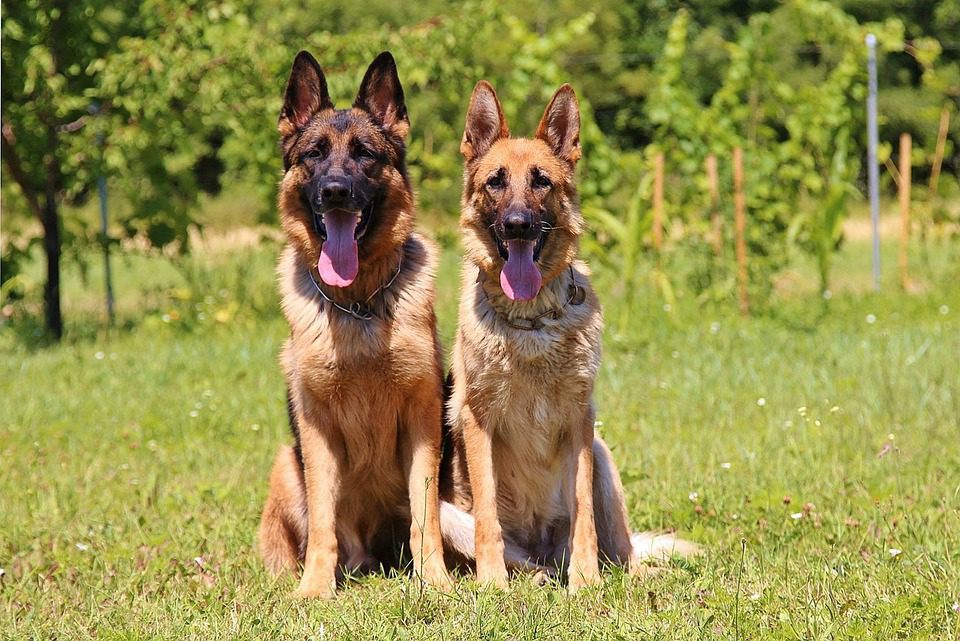
The German Shepherd is a breed of large-sized working dog that originated in Germany. They are known for their intelligence, loyalty, and strength, and are used for a variety of tasks, including police and military work, search and rescue, herding, and guard dog duties. German Shepherds are highly trainable and are often trained for specific duties, such as drug and bomb detection or search and rescue.
Common Problems in German Shepherds
German Shepherds are generally healthy and hardy dogs, but they are not immune to certain health problems. The most common problems seen in German Shepherds are hip and elbow dysplasia, degenerative myelopathy, and bloat. Other health issues that can affect German Shepherds include allergies, epilepsy, eye problems, and skin problems.
Hip and Elbow Dysplasia
Hip and elbow dysplasia are inherited conditions that cause the joints of the hip and elbow to become malformed. This can result in pain and lameness, as well as arthritis and other joint problems. It is important to note that hip and elbow dysplasia are not always inherited, but can also be caused by environmental factors such as diet or exercise.
Degenerative Myelopathy
Degenerative myelopathy is a neurological disease that usually affects older German Shepherds. It causes progressive paralysis of the hind limbs and is eventually fatal. There is no cure for degenerative myelopathy, but the progression of the disease can be slowed with diet and exercise.
Bloat
Bloat is a serious condition in which the stomach becomes distended with gas and can twist on itself, cutting off its own blood supply. It is a life-threatening condition and requires immediate veterinary attention. German Shepherds are at an increased risk for bloat, due to their deep chest and high energy levels.
Allergies
Allergies are a common problem in German Shepherds. Allergies can cause skin irritation, itching, and rashes. They can also cause sneezing and eye discharge. Allergies can be caused by environmental factors such as pollen, dust, and mold, as well as food allergies.
Epilepsy
Epilepsy is a neurological disorder that causes seizures in dogs. German Shepherds are prone to epilepsy, and it can be managed with medication.
Eye Problems
Eye problems are another common problem in German Shepherds. They can be caused by inherited conditions, such as progressive retinal atrophy, or by environmental factors, such as allergies or injuries.
Skin Problems
Skin problems are also common in German Shepherds. They can be caused by allergies, parasites, infections, or other skin conditions. These can cause itching, hair loss, and other skin issues.
In conclusion, German Shepherds are generally healthy and hardy dogs, but they are prone to certain health problems. The most common problems seen in German Shepherds are hip and elbow dysplasia, degenerative myelopathy, bloat, allergies, epilepsy, eye problems, and skin problems. It is important to bring your German Shepherd to the vet for regular check-ups and to be aware of any signs of health problems. With proper care and attention, German Shepherds can live long and healthy lives.
## Common Myths About German Shepherd Problems
Many people have a lot of misconceptions about German Shepherds and the most common problems they face. Let’s debunk some of these myths.
Myth: German Shepherds are prone to aggression.
Fact: German Shepherds are loyal and protective dogs, but with proper training and socialization, they can be calm and gentle. Aggression is not a trait that is inherent in the breed.
Myth: German Shepherds have a lot of health issues.
Fact: German Shepherds can have some health issues, but they are generally a healthy breed. With proper care, nutrition and exercise, they can live a long, healthy life.
Myth: German Shepherds are difficult to train.
Fact: German Shepherds are actually quite intelligent and eager to learn. With consistent training and positive reinforcement, they can be easily trained.
Myth: German Shepherds don’t get along with other animals.
Fact: With proper socialization, German Shepherds can get along well with other animals in the home, such as cats and other dogs.
Frequently Asked Questions
What is the most common health problem in German Shepherds?
Answer: The most common health problem in German Shepherds is hip and elbow dysplasia, which is an inherited joint disorder that can lead to pain and lameness.
What can I do to help prevent health issues in my German Shepherd?
Answer: To help prevent health issues in your German Shepherd, make sure you are providing them with the proper diet and exercise, as well as regular veterinary checkups and preventive health care. Additionally, it is important to purchase German Shepherds from reputable breeders who health test their breeding stock for genetic conditions.
Conclusion
German Shepherds are a breed of large-sized working dog originating from Germany, admired for their intelligence and loyalty. Common health problems seen in German Shepherds include hip and elbow dysplasia, degenerative myelopathy, bloat, allergies, epilepsy, eye problems and skin problems. For proper care and attention, it is important to bring your German Shepherd to the vet regularly, and be aware of any signs of health problems. With the right care, German Shepherds can live long and healthy lives.
Get our latest guides, news, and insights highlighted in your Google Search & AI Overviews.
Keep reading about the same coat and cut.


Popular grooming guides
Bath vs clip, first grooms, and salon how-tos.