What does catnip do to cats brains?
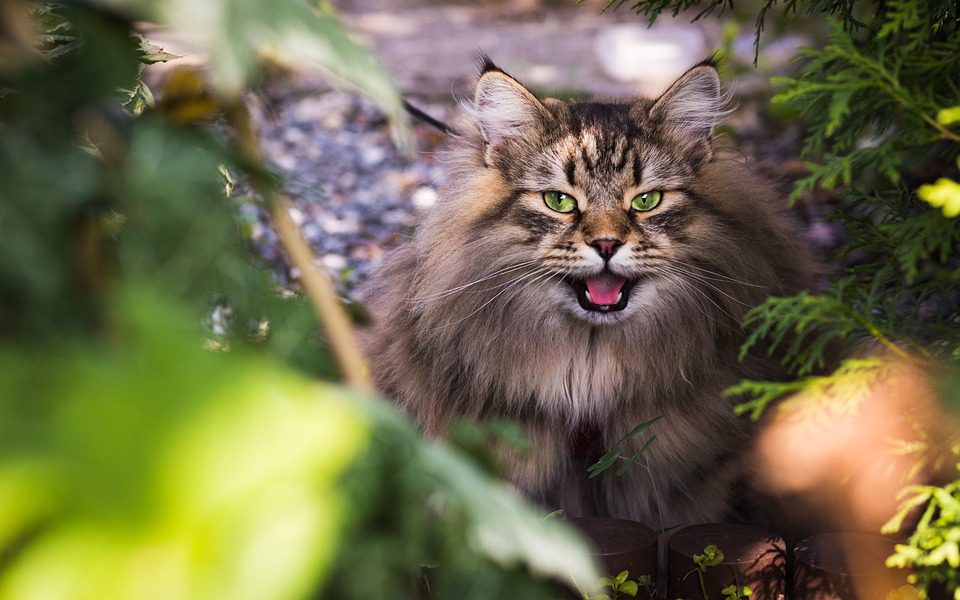
Catnip is a perennial herb from the mint family that has long been known to have a powerful effect on cats. When cats inhale the scent of catnip, it triggers a reaction in their brain that can cause a range of reactions from euphoria to aggression. So, what does catnip do to cats brains? In this article, we will explore the science behind how catnip affects cats and why cats react the way they do when exposed to it.
What Does Catnip Do To Cats Brains?
Cats have been known to have a love affair with catnip for centuries, but until recently, scientists have been uncertain about why it has such a strong effect on cats. While it’s not completely understood, research has revealed that catnip does have a physiological effect on cats’ brains, releasing neurochemicals that produce a state of euphoria.
The History of Catnip
Catnip, also known as catmint, is an herb in the mint family, and is native to Europe, Asia, and Africa. It has a long history as a natural remedy for humans, and it is believed to be the first herb to be used by cats. While it’s not known exactly when cats first encountered the herb, it is thought that they began to use it thousands of years ago.
The Chemistry Behind Catnip
The active ingredient in catnip is called nepetalactone, and it is a volatile essential oil. When cats come into contact with this substance, it binds to the receptors in their noses, stimulating the olfactory system. This triggers the release of hormones like dopamine and serotonin, which produce a feeling of euphoria in cats.
Cats’ Reactions to Catnip
Cats typically respond to catnip by rolling around, rubbing their face against it, and even drooling. While these reactions may seem strange to humans, they are actually normal behavior for cats. It’s thought that cats use the herb as a way to relieve stress and anxiety.
How Long Does the Effect Last?
The effects of catnip typically last for about 10 minutes before the cat’s brain returns to its normal state. After that, the cat will usually lose interest in the herb and won’t be affected by it again for at least an hour. It’s important to note that not all cats are affected by catnip, as it depends on their individual genetic makeup.
Is Catnip Safe for Cats?
Catnip is generally safe for cats, and it has even been used as a natural remedy for certain ailments in cats. However, it’s important to remember that cats can become addicted to it if they are exposed to it too often. In addition, it can cause digestive issues if ingested in large amounts, so it’s best to use it sparingly.
The Bottom Line
Catnip is an herb that has a strong effect on cats’ brains, and it can produce a state of euphoria in cats. While it is generally safe for cats, it’s important to remember that cats can become addicted to it if they are exposed to it too often. In addition, it can have adverse effects if ingested in large amounts, so it’s best to use it sparingly.
#### Common Myths About Catnip and Its Effects on Cats’ Brains
1. Myth: Catnip makes cats go crazy.
Fact: Catnip doesn’t actually make cats go crazy, but it does cause them to exhibit a variety of behaviors, including rolling around, salivating, and purring. This is due to the chemical compound nepetalactone, which cats respond to in various ways.
2. Myth: Catnip is a drug for cats.
Fact: Catnip is not a drug, but rather a plant that contains a chemical compound that cats are naturally drawn to. It doesn’t have an intoxicating effect and is considered safe for cats to consume in small amounts.
3. Myth: All cats respond to catnip.
Fact: Not all cats respond to catnip in the same way, and some cats may not respond at all. In addition, kittens under 8 weeks old are not affected by catnip.
Frequently Asked Questions
What does catnip do to cats brains?
Catnip has an effect on cats brains that is similar to how certain drugs affect humans. It binds to certain receptors in the brain and causes a temporary state of euphoria. This is why cats often become more active and playful when exposed to catnip.
Is catnip safe for cats?
Yes, catnip is generally safe for cats. It is not known to cause any adverse effects, and cats usually do not consume enough of it to cause any harm. However, some cats may have an adverse reaction to catnip, so it is always best to consult with a veterinarian before giving your cat catnip.
Conclusion
.
Catnip has been used by cats for centuries, and research has shown that its active ingredient, nepetalactone, binds to receptors in cats’ noses and triggers the release of hormones like dopamine and serotonin, producing a feeling of euphoria. The effects usually last for 10 minutes and cats may become addicted to the herb if exposed too often. It can also cause digestive issues if ingested in large amounts, so it should be used sparingly.
Get our latest guides, news, and insights highlighted in your Google Search & AI Overviews.
Keep reading about the same coat and cut.


Popular grooming guides
Bath vs clip, first grooms, and salon how-tos.