Will Groomers Groom a Dog in Heat? Policy Guidelines
Did you know many dog owners wonder if professional groomers will handle a dog in heat? It’s a common concern as a dog’s comfort and safety during this sensitive time are top priorities. Understanding groomers’ policies about servicing dogs in heat helps you plan the best care for your pet while keeping stress and mess to a minimum. Whether you have a long-haired breed needing gentle brushing or a short-coated dog due for a bath and nail trim, navigating grooming during a heat cycle requires patience and clear interaction between you and your groomer. This guide will walk you through typical salon practices, what to expect, and how to decide when to book or delay grooming-always putting your dog’s well-being first. Let’s explore how thoughtful grooming can keep your girl feeling fresh,comfortable,and safe,even during her heat cycle.
Understanding Why Dogs in Heat Need Special grooming Care
Table of Contents
- 1 Understanding Why Dogs in Heat Need Special grooming Care
- 2 Health and Safety Risks When Grooming a Dog in Heat
- 3 Typical Grooming Salon Policies for Dogs in Heat
- 4 How Groomers Assess Readiness to Groom a Dog in Heat
- 5 Step-by-Step Grooming Tips for Dogs in Heat at Home
- 6 Communicating with Your Groomer About Your Dog’s Heat Cycle
- 7 Tools and Techniques for Comfortable Grooming During Heat
- 8 Signs Your Dog Should Wait Before Grooming During Heat
- 9 When to Consult Your Veterinarian Instead of a Groomer
- 10 Managing Behavior Challenges in Dogs During Heat
- 11 Alternative Grooming Options if Professional groomers Decline
- 12 Tips for Keeping Your Dog Calm and Comfortable During Grooming
- 13 Q&A
- 13.1 Q: Can groomers refuse to groom a dog in heat, and why?
- 13.2 Q: how do groomers safely manage grooming dogs that are in heat?
- 13.3 Q: Are there special grooming products recommended for dogs in heat?
- 13.4 Q: What should I communicate to my groomer before booking if my dog is in heat?
- 13.5 Q: Are there alternatives if a professional groomer declines to groom a dog in heat?
- 13.6 Q: How do grooming policies vary for different dog breeds during heat?
- 13.7 Q: Can grooming during heat affect my dog’s behavior post-appointment?
- 13.8 Q: When should I consult a vet instead of a groomer for grooming needs in dogs during heat?
- 14 In Summary
Few owners realize that grooming a dog during her heat cycle isn’t just about handling the mess or avoiding awkward moments-it’s an critically important matter of her comfort, health, and emotional well-being. During heat, a female dog’s body undergoes hormonal shifts that can make her more sensitive, unpredictable, and prone to stress. This means standard grooming routines need thoughtful adjustments to meet her unique needs safely and compassionately.
Why does this matter so much? For starters, the swelling and discharge common in heat can increase the risk of infections if hygiene isn’t managed carefully. Plus, the hormonal surge affects her mood-she may be more anxious, agitated, or defensive, making grooming more challenging and stressing the dog unnecessarily. Imagine trying to brush or trim a dog who feels vulnerable or easily startled; patience and gentleness become paramount.
Key Considerations for grooming during Heat
- Coat and Skin Sensitivity: The vulva area is naturally swollen and tender. Groomers avoid trimming too close or shaving that region,as it can cause irritation or open wounds that risk infection.
- Behavioral Shifts: Heat can make a dog less predictable. Even a normally patient pooch might snap, wiggle excessively, or try to avoid touch. Recognizing these signs helps groomers adjust their approach or pause the session.
- Hygiene Management: Frequent wiping or delicate trims (rather than full shaves) help control discharge without provoking discomfort or injury.
One real-world example: A long-haired spaniel in heat may develop mats around the hindquarters where discharge collects. Instead of a full shave, a groomer might opt for gentle deshedding and spot trims combined with frequent at-home cleaning, which respects the dog’s sensitivity and reduces health risks.
Balancing Expertise and Empathy
Groomers who love dogs know that the goal during heat isn’t perfect aesthetics but creating a safe, calming experience. They often recommend deferring full grooming if the dog shows high stress or discomfort, suggesting at-home maintenance like light brushing or spot cleaning instead. This approach not only protects the dog but builds trust between the pet and the grooming environment.
ultimately, special grooming care during heat is about prioritizing your dog’s welfare above all. It requires keen observation, gentle handling, and sometimes collaboration with your veterinarian to make sure grooming supports her health and comfort throughout this sensitive time.
Health and Safety Risks When Grooming a Dog in Heat
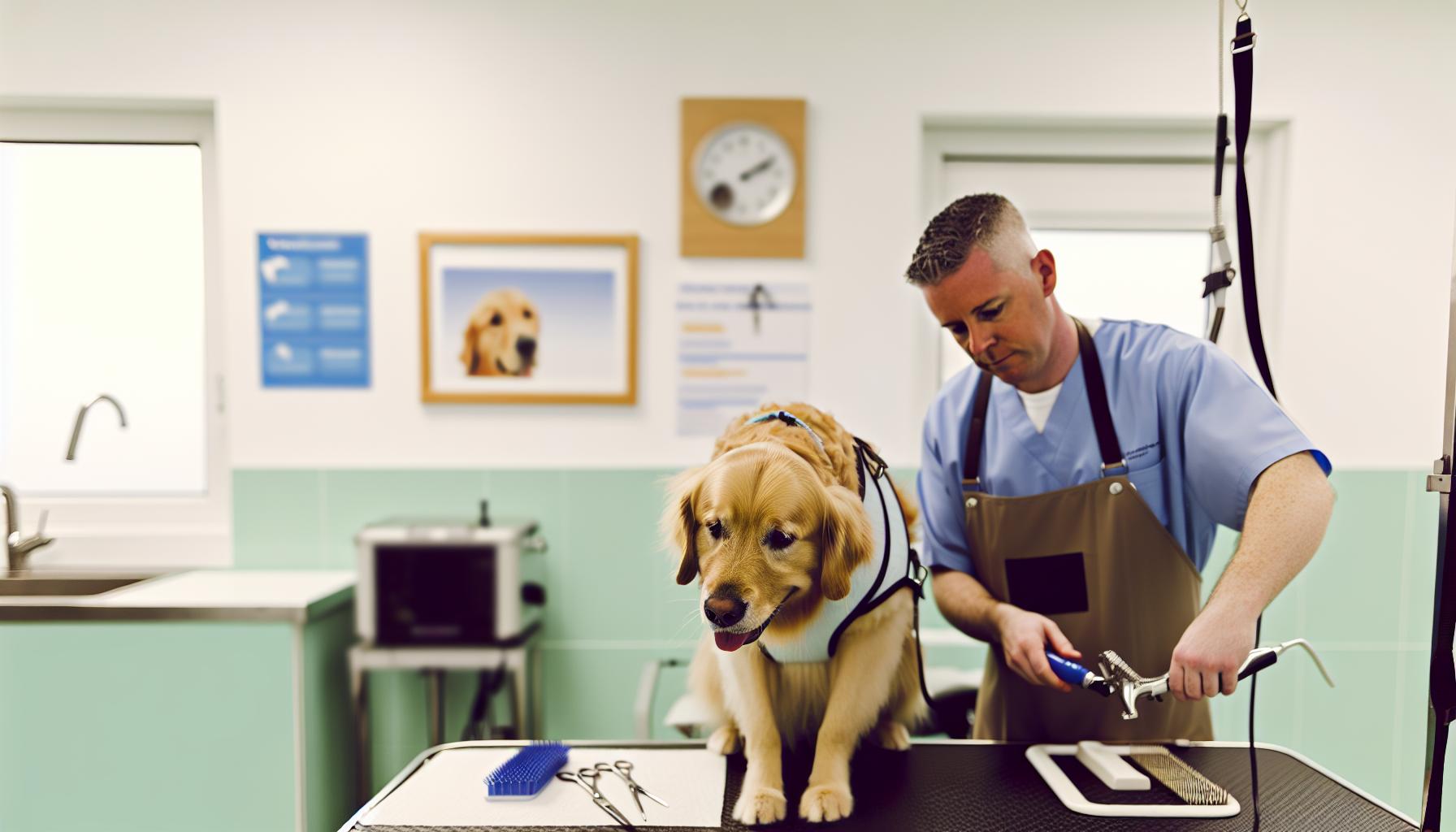
Grooming a dog during her heat cycle requires more than just extra patience-it involves vigilance to avoid health and safety pitfalls that can arise during this sensitive time. The vulva’s natural swelling and increased discharge not only make grooming uncomfortable for your dog but can also create an environment ripe for bacterial infections if hygiene isn’t carefully managed. Trimming too close or shaving the tender areas can inadvertently cause micro-abrasions, opening the door to irritation or infection. This is especially crucial for breeds with thick or long hair around the rear, such as spaniels or retrievers, where discharge tends to accumulate and cause mats or skin irritation.
Besides physical vulnerabilities, the surge of hormones influences your dog’s behavior in ways that can impact safety.A dog in heat may become more anxious, defensive, or unpredictable, which increases the risk of accidental nips or scratches both for the pet and the groomer. Even well-socialized dogs might try to squirm away or act snappy when touched near sensitive spots. This is why gentle handling and recognizing early signs of distress are essential. For example, if a usually calm poodle suddenly stiffens or growls when you approach the hindquarters, it’s a clear signal to pause and reassess your approach, preventing unnecessary stress or injury.
Key Safety Precautions
- Avoid Close Shaving: Use scissors or clipper guards for spot trims rather than bare blades around swollen areas.
- Maintain Cleanliness: Wipe discharge frequently during grooming to reduce moisture build-up and bacterial growth.
- Observe Behavior: Watch for subtle signals of discomfort-tail tucking, lip licking, or pawing at the face-and be ready to give breaks or stop if needed.
- Minimize Stress: Use calming techniques such as gentle talking, slow movements, and positive reinforcement.
A real-world example involves a golden retriever with a dense double coat. When in heat, her undercoat would trap discharge around the rear, leading to matting and skin irritation. Rather of a full shave, her groomer performed careful de-matting around the area combined with warm baths and gentle wiping at home. This balance kept her skin healthy without causing irritation or emotional upset.
Remember: While grooming is critically important for health, the priority during heat cycles is your dog’s comfort and safety. If your dog shows signs of high anxiety or physical sensitivity, it may be best to postpone a full grooming session, focusing instead on light brushing and hygiene maintenance at home or consulting your vet if there are concerns about infections or skin issues. Your veterinarian can provide guidance when wounds or irritation require medical attention beyond what grooming should handle.
Typical Grooming Salon Policies for Dogs in Heat
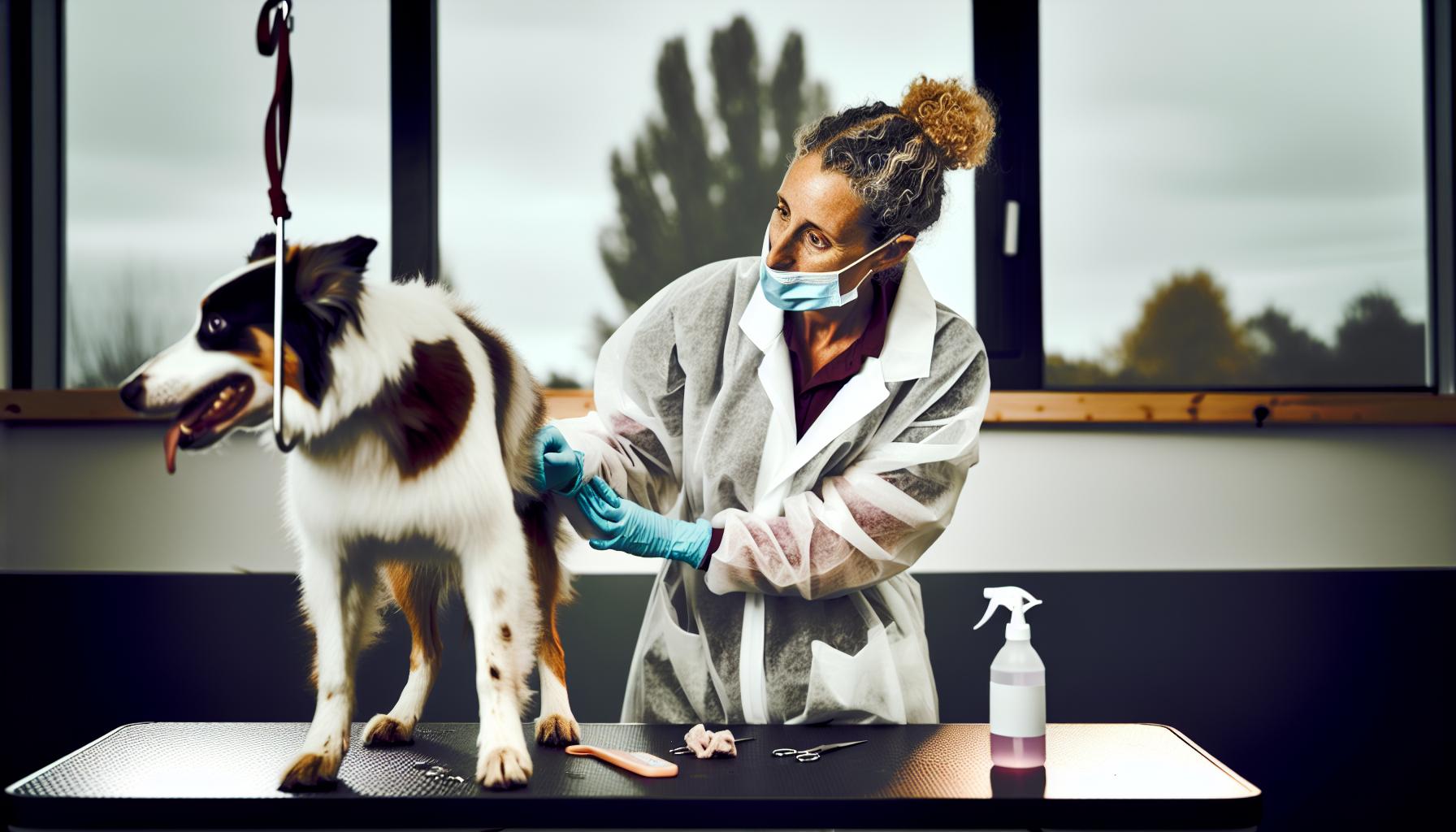
Many grooming salons approach dogs in heat with a careful balance of compassion and caution. It’s common to find salons that prefer to reschedule grooming appointments until after the heat cycle has passed. This preference isn’t about inconvenience-it’s deeply rooted in concerns for both the dog’s well-being and the safety of grooming staff. The natural swelling,increased discharge,and heightened hormonal activity during a heat cycle can make grooming messy,uncomfortable,and sometimes risky.
Each salon’s policy can vary widely depending on location, staff experience, and the types of services offered. Some groomers may accept dogs in heat but limit the scope of the grooming-opting for gentle brushing, nail trims, or ear cleaning rather than full haircuts or sanitary trims near sensitive areas.In contrast, other salons have strict “no heat” policies to minimize stress and prevent possible infection or irritation. As an example, a groomer experienced with spaniels or retrievers, breeds prone to thick undercoats and mats, might insist on postponing full grooming if the dog is in the midst of her cycle, particularly if discharge is heavy.
Understanding Salon Policies
- Pre-Appointment Screening: Many groomers ask owners upfront whether their dog is in heat when scheduling, encouraging honesty to set appropriate expectations and plan accordingly.
- Limited Grooming Options: Some salons offer modified services like only bathing, brushing, or nail trims during heat to reduce stress and avoid sensitive trimming.
- Extra Fees or Time Reserved: Groomers sometimes apply additional charges or special appointments (e.g., end-of-day slots) to manage the extra cleaning and care required when grooming dogs in heat.
- Hygiene Protocols: to protect other dogs and staff, salons maintain rigorous sanitation procedures, including cleaning grooming areas instantly after visits from dogs in heat.
Here’s a practical example: A boutique salon owner shared that when a small poodle came in heat, they focused solely on a gentle bath and light brushing, deliberately avoiding clipping around the rear. They also scheduled the appointment during a quieter part of the day to give their team extra time and attention. The owner was informed about at-home care tips to maintain cleanliness until the full grooming could resume.
Why These Policies Matter
Grooming during heat is not simply about aesthetics but about prioritizing your dog’s health and comfort. Increased anxiety and hormone-related mood changes can make otherwise manageable grooming tasks more challenging for dogs and handlers alike.Clear communication about your dog’s cycle and a respectful salon policy empower you as an owner to make the best choice for your pet’s care.
When in doubt, if your regular groomer declines to handle a dog in heat, this is often a sign that the situation requires patience, and possibly a vet consultation if hygiene or skin integrity is compromised. you can still maintain your dog’s comfort at home with light hygiene care, leaving the more intensive grooming until she’s ready.
How Groomers Assess Readiness to Groom a Dog in Heat
Determining if a dog is ready to be groomed while in heat is a nuanced process that blends keen observation, experience, and clear communication. Groomers know that each dog’s heat cycle is unique, and the decision to proceed isn’t just about the calendar – it’s about assessing physical signs, temperament, and overall health to ensure safety and comfort for both pet and handler.
At the outset, a thorough visual and behavioral assessment is essential.A groomer will look for physical indicators such as vaginal swelling and discharge, which vary depending on the stage of the heat cycle. Dogs with heavy,fresh discharge or pronounced swelling are typically not good candidates for full grooming,particularly for sanitary trims,since this can increase the risk of irritation or infection. Though, if discharge is minimal and the dog remains calm, light grooming tasks like gentle brushing, ear cleaning, or nail trims might potentially be acceptable.
key Factors Groomers Consider
- Breed and Coat Type: Thick-coated breeds or dogs prone to mats, such as Golden retrievers or spaniels, often require more extensive grooming. If a dog in heat shows signs of matting or discomfort, groomers may recommend deferring full cutting until the cycle ends to avoid stressing sensitive areas.
- Behavior and Temperament: Hormonal surges can make dogs anxious or irritable. Groomers watch for signs of stress, agitation, or excessive restlessness. A cooperative and relaxed dog is a good candidate for grooming; if the dog is visibly distressed, postponement is often the kinder choice.
- Owner Communication: An open dialog about the dog’s heat status before arrival helps groomers prepare. Honest answers allow for tailored services or scheduling around less busy salon hours to minimize stress and provide extra attention when needed.
practical experience teaches groomers to identify subtle cues, like frequency of licking, changes in posture, or signs of discomfort during handling, which can tip the balance toward postponing versus proceeding.For example, a groomer shared that once a dachshund in heat came in for a scheduled bath and clip, but during the initial exam, the dog showed excessive sensitivity near the hindquarters, so the groomer limited work to just bathing and light brushing to keep the dog comfortable without aggravating sensitive areas.
Setting boundaries: What Groomers Will and Won’t Do
It’s critically important to understand that grooming professionals are not veterinarians. When hygiene issues like odor, infection signs, or severe irritation emerge, or if the dog’s behavior suggests pain or extreme anxiety, groomers will advise consulting a vet first. Their role is to maintain comfort and appearance safely, but medical concerns require expert medical attention outside the grooming suite.
readiness to groom a dog in heat is a thoughtful balance between physical condition, emotional state, and appropriate client communication. This careful evaluation process protects your dog’s dignity and health, ensuring a positive experience and establishing trust between you, your dog, and your groomer.
Step-by-Step Grooming Tips for Dogs in Heat at Home
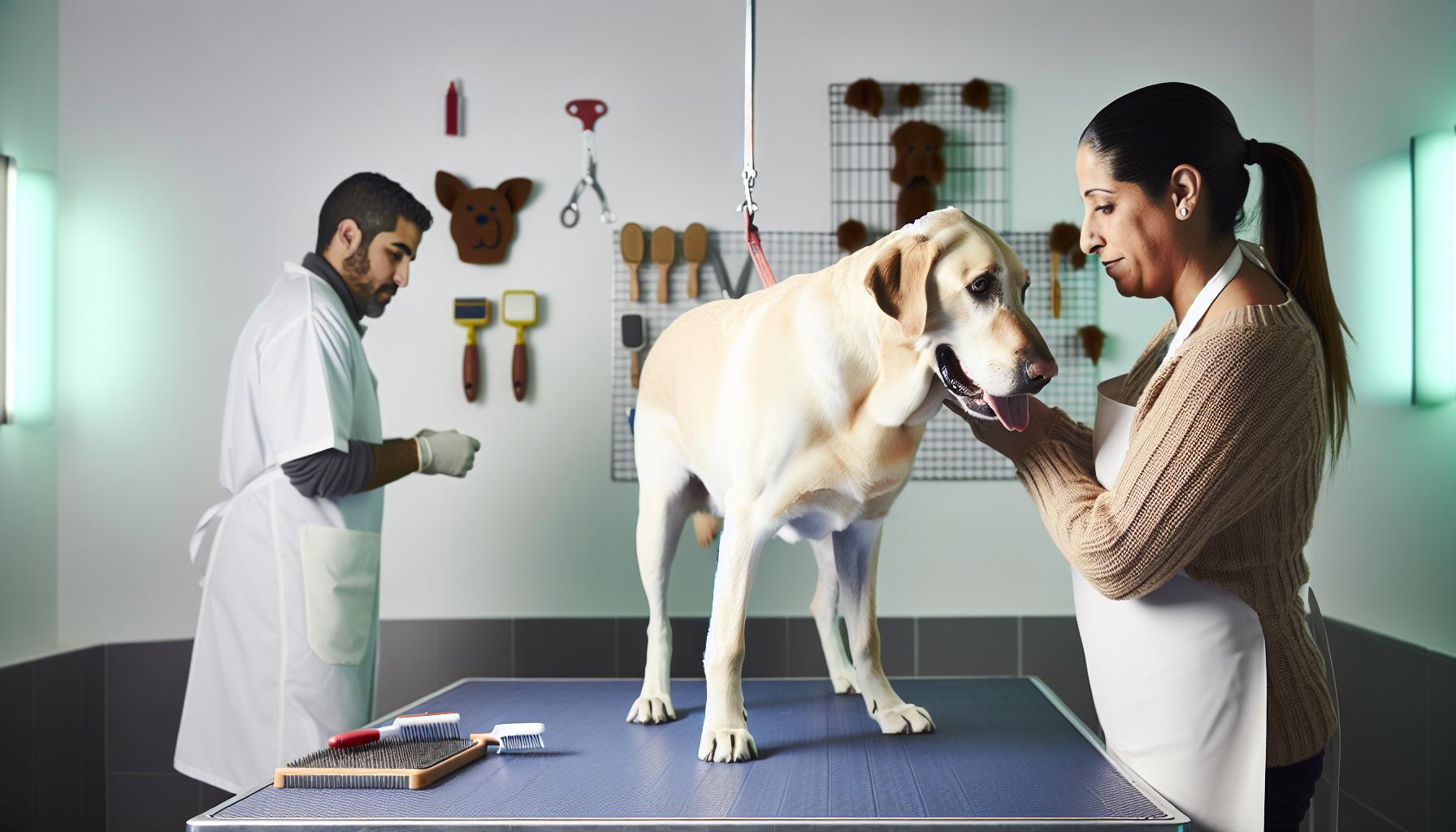
Caring for a dog in heat requires a gentle, patient touch and an awareness of her unique needs during this sensitive time. Grooming at home can be a comforting alternative when professional salons postpone services, allowing you to keep your dog clean and comfortable without overwhelming her. The key is to prioritize her welfare over aesthetics, adapting each step to her mood, breed, and coat type.
Bathing with Care
Start with a warm, soothing bath using a gentle, hypoallergenic shampoo designed for sensitive skin. Avoid harsh scrubbing, especially around the vulva, where inflammation and sensitivity are common. Use a soft washcloth to gently cleanse this area, placing it warm for a few seconds to calm irritation-a trick many groomers recommend for dogs in heat. Rinse thoroughly to remove all shampoo residue, which can cause discomfort if left behind.
brushing and detangling
Choose a brush suited to your dog’s coat-slicker brushes for fine or medium coats, dematting combs for thicker fur. Brush in slow,calm strokes to prevent startling your dog,stopping immediately if she shows signs of stress or sensitivity,particularly near her hindquarters. Regular brushing between baths helps prevent mats,which can worsen discomfort during heat,especially in long-haired breeds like spaniels or Golden Retrievers.
nail and Ear Care
Trimming nails at home can be less stressful than a full groom.Use a quiet, sharp nail trimmer and only clip small amounts at a time to avoid causing pain. Reward her with treats to create positive associations. Ear cleaning should be gentle; use vet-approved ear wipes or solutions,avoiding deep insertion,as ears may be more tender during hormonal changes.
Recognizing When to Pause
Observe your dog’s behavior throughout grooming. Signs like excessive licking of the vulva, restlessness, growling, or attempts to escape signal the need to pause or stop. If you notice swelling, discharge with odor, or signs of infection, consult your veterinarian rather than attempting to groom sensitive areas yourself.
- Tip: If your dog is highly anxious, consider short grooming sessions spread over several days rather than a marathon routine.
- Example: One owner found success brushing their Labrador mix in heat for just five minutes each evening, which kept mats at bay and avoided irritability.
- Remember: Grooming during heat is about comfort first, not perfection. Skip styling or trimming sensitive zones until after the cycle.
In all steps, maintain calm vocal tones, reassuring touch, and plenty of breaks. If your dog shows extreme discomfort or medical signs, defer grooming and seek veterinary advice. This approach not only safeguards her health but deepens your trust and understanding during an understandably challenging time.
Communicating with Your Groomer About Your Dog’s Heat Cycle
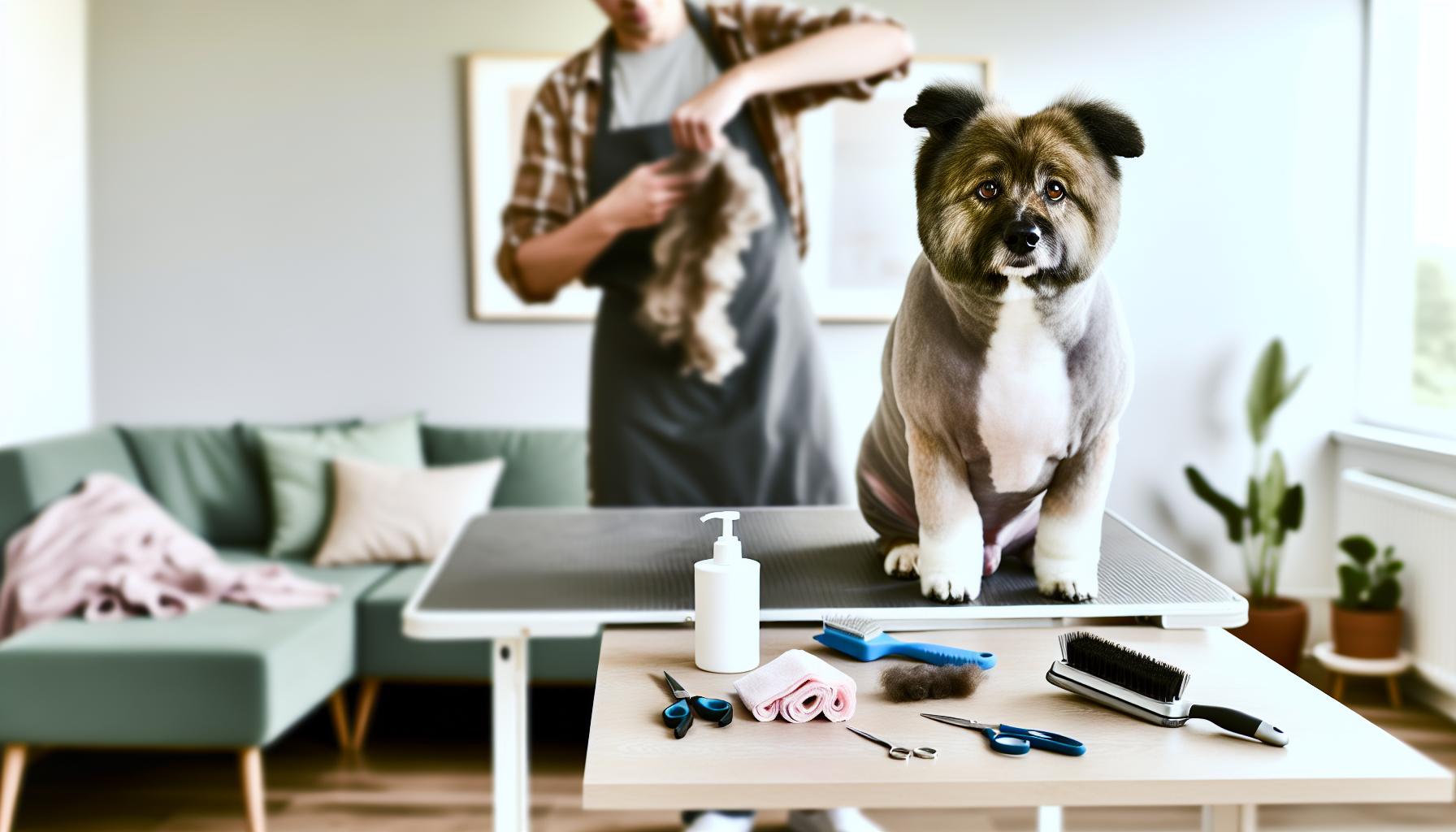
it’s surprisingly common for pet owners to feel uncertain about how-or even whether-to talk openly with their groomer when their female dog is in heat. clear, honest communication helps ensure everyone’s comfort and safety, setting the stage for a positive experience whether your dog gets groomed in the salon or at home. Groomers appreciate when owners provide upfront details as it allows them to tailor care appropriately or advise when postponement might be best for your dog’s wellbeing.
Sharing specifics like your dog’s breed, coat type, and current behavior can make all the difference. For example, a long-haired spaniel in heat may need gentle detangling without full trimming, while a short-coated terrier might only require a light bath and nail trim. Mention if your dog seems anxious, restless, or especially sensitive around her hindquarters. This helps groomers prepare calming tools or schedule shorter sessions, preventing unnecessary stress.
Key Points to Discuss Before Your Appointment
- Current stage of heat: Is she just beginning, at peak, or nearing the end? Some salons refuse to groom dogs actively in heat due to sanitary and behavioral reasons, while others might offer limited services.
- Behavioral cues: Share any signs of irritability, aggression, or nervousness you’ve noticed. Groomers can then adjust handling techniques or recommend deferring grooming if your dog is too distressed.
- Previous grooming history during heat: If your dog has been groomed during prior heat cycles, note what worked or didn’t help. This context offers groomers valuable direction and builds trust.
- Health concerns and vet advice: If your veterinarian has provided instructions or cautions about grooming during heat, relay these so everyone is on the same page about boundaries and safety.
How to Frame the Conversation
Approach the dialogue like a partner in your dog’s care, with shared goals of comfort and safety. Beginning with something simple like, “My dog Maya is currently in heat and has been a bit more sensitive around her hind end,” invites the groomer to ask questions and offer solutions without feeling blindsided. Many groomers will appreciate your openness and might share guidelines they follow-such as not grooming female dogs in heat for sanitary reasons-which helps set realistic expectations. As an example, salons like Groombuggy have strict policies and usually decline grooming dogs in heat to protect both pets and staff [[3]].
If your groomer cannot provide full grooming services, ask about partial grooming options or advice for at-home care during this time. Some groomers might be willing to help with baths or nail trims, which can keep your dog comfortable until full grooming is safe again.
Example Scenario
One owner of a Golden Retriever who typically requires detailed coat maintenance explained their dog was in heat and feeling more irritable. The groomer suggested a gentle bath and light brushing, postponing trims or clipping around sensitive areas. The owner followed these recommendations, which kept the dog comfortable and avoided triggering stress or aggression, demonstrating how clear communication creates personalized, compassionate care.Ultimately, approaching the conversation with empathy for your dog’s emotional and physical state, combined with clear, detailed data for the groomer, empowers you to make wise grooming decisions.Your groomer becomes an ally in maintaining your dog’s health and happiness during a sensitive time. Always remember, patience and understanding are as vital as the grooming tools themselves.[2], [3]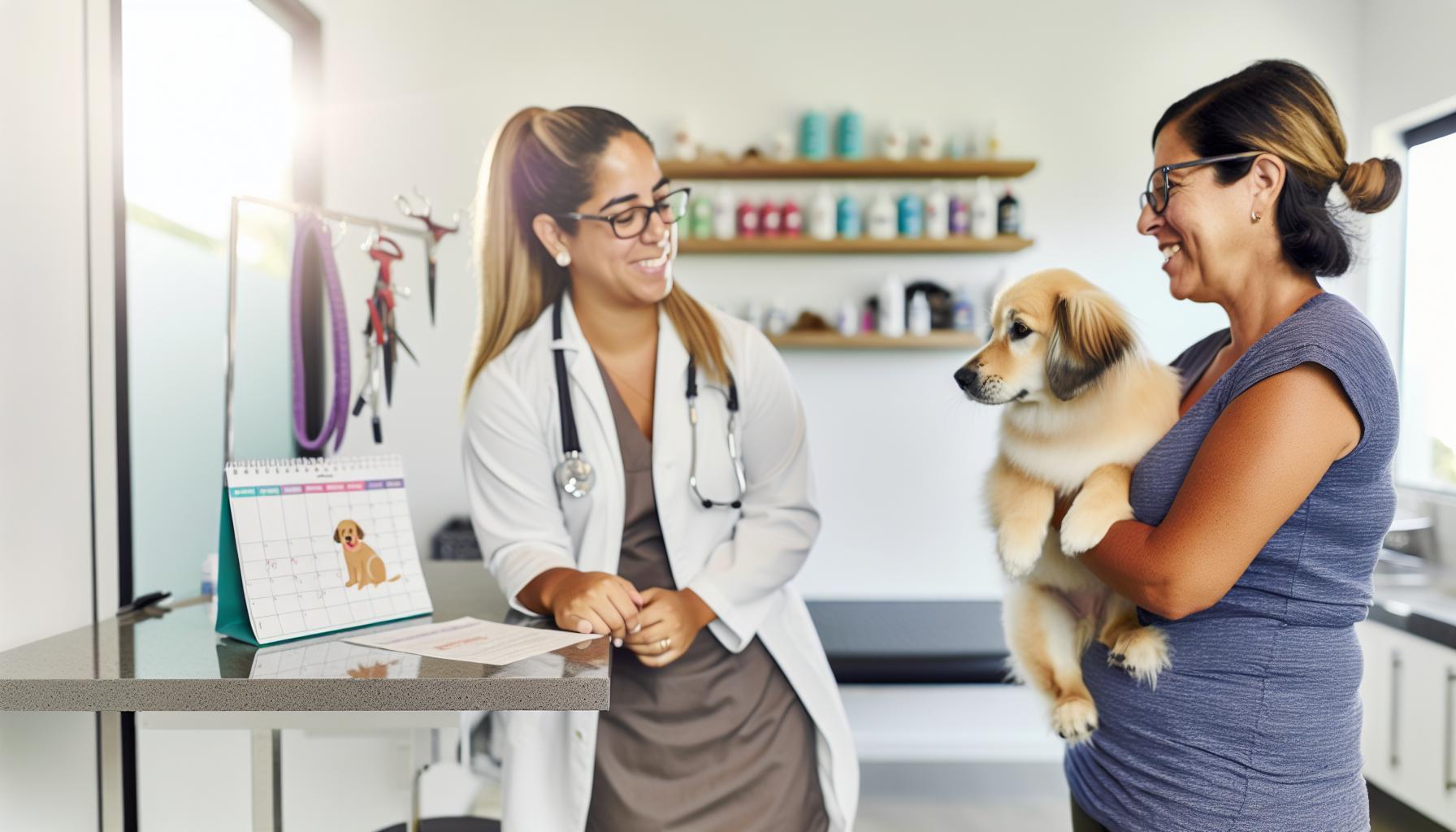
Tools and Techniques for Comfortable Grooming During Heat
There’s a delicate art to grooming a dog in heat that blends patience with the right tools and gentle techniques to keep her safe and comfortable. Since female dogs during their heat cycle may be more sensitive,especially around their hindquarters,the emphasis shifts from shaping a perfect cut to prioritizing calm and care. Using appropriate grooming tools designed for precision and comfort helps avoid unnecessary stress or irritation.
Essential Grooming Tools to Have on Hand
- Gentle brushes and combs: Slicker brushes with soft bristles or wide-tooth combs work well on tangled or longer coats without pulling. For sensitive skin,avoid metal pin brushes that can prick or scratch.
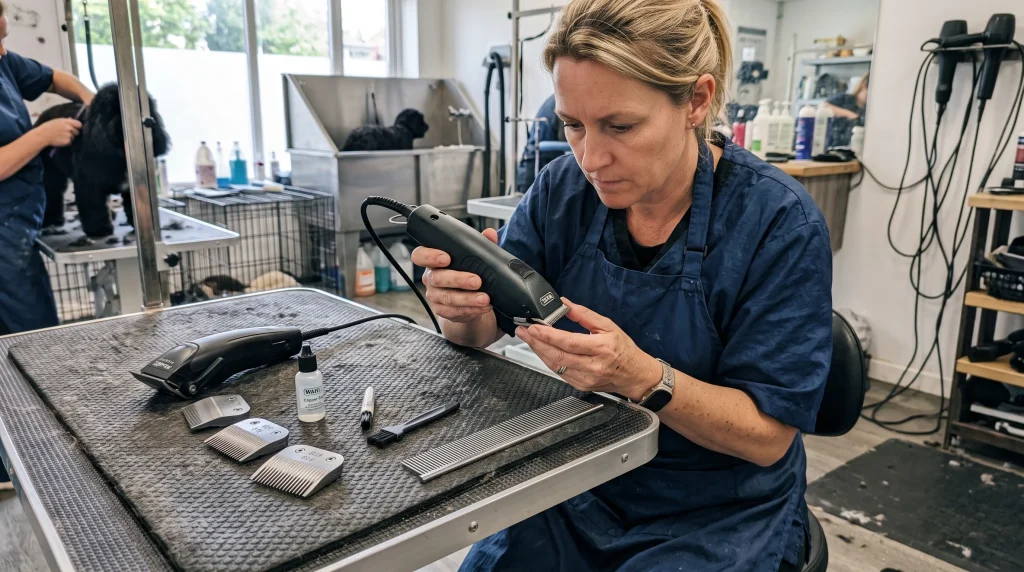
- Quiet, low-vibration clippers/trimmers: Choose models designed for sensitive pets, reducing noise and discomfort. If trimming is necessary, focus only on easy-to-reach areas away from the rear.
- Non-slip grooming mats and tables: These prevent slipping and help your dog feel more secure during grooming, minimizing anxiety.
- Soft washcloths or gentle shampoo applicators: When bathing, using a soft cloth around sensitive parts reduces the chance of irritation or accidental scrapes.
Techniques that Prioritize Comfort and Safety
Keep grooming sessions short and frequent rather than long and intense, especially if your dog shows signs of irritability or restlessness. Start with a calm, quiet environment and allow your dog to settle before beginning. Always approach sensitive areas last,using slow,reassuring strokes. If your dog has a thick or matted coat, try detangling gently with fingers before brushing, or consider a light bath first to loosen fur.
When trimming near the abdomen or groin, opt for scissors with rounded tips rather than clippers to minimize injury risk.Nail trimming should be done carefully,ensuring your dog is calm to avoid sudden movements. ear cleaning with a vet-approved gentle solution and cotton balls can be soothing when done delicately. If your dog resists, stop and try again later to maintain a positive association.
Example Approach for a Long-Haired Spaniel in Heat
Maria noticed her English Springer Spaniel became more sensitive during her heat cycle, especially around her tail and hind legs. Instead of a full haircut, maria focused on bathing with a conditioner formulated for sensitive skin, then gently brushed mats free with a slicker brush, avoiding any trimming around the rear.She used a grooming table with a soft mat and took breaks every 5-10 minutes to let her dog relax. This approach respected her dog’s comfort while maintaining hygiene, demonstrating how tailoring tools and techniques to your dog’s needs can make a big difference.
Understanding the boundary between what a groomer or owner can do versus when to seek veterinary advice is also crucial-any unexplained behavioral changes or signs of discomfort warrant a vet check before grooming [[1]](https://www.aspca.org/news/heat-wave-approaching-should-you-shave-your-pet). By combining the right tools with gentle techniques and clear observation, you create a grooming experience built on trust and care that respects your dog’s unique needs during heat.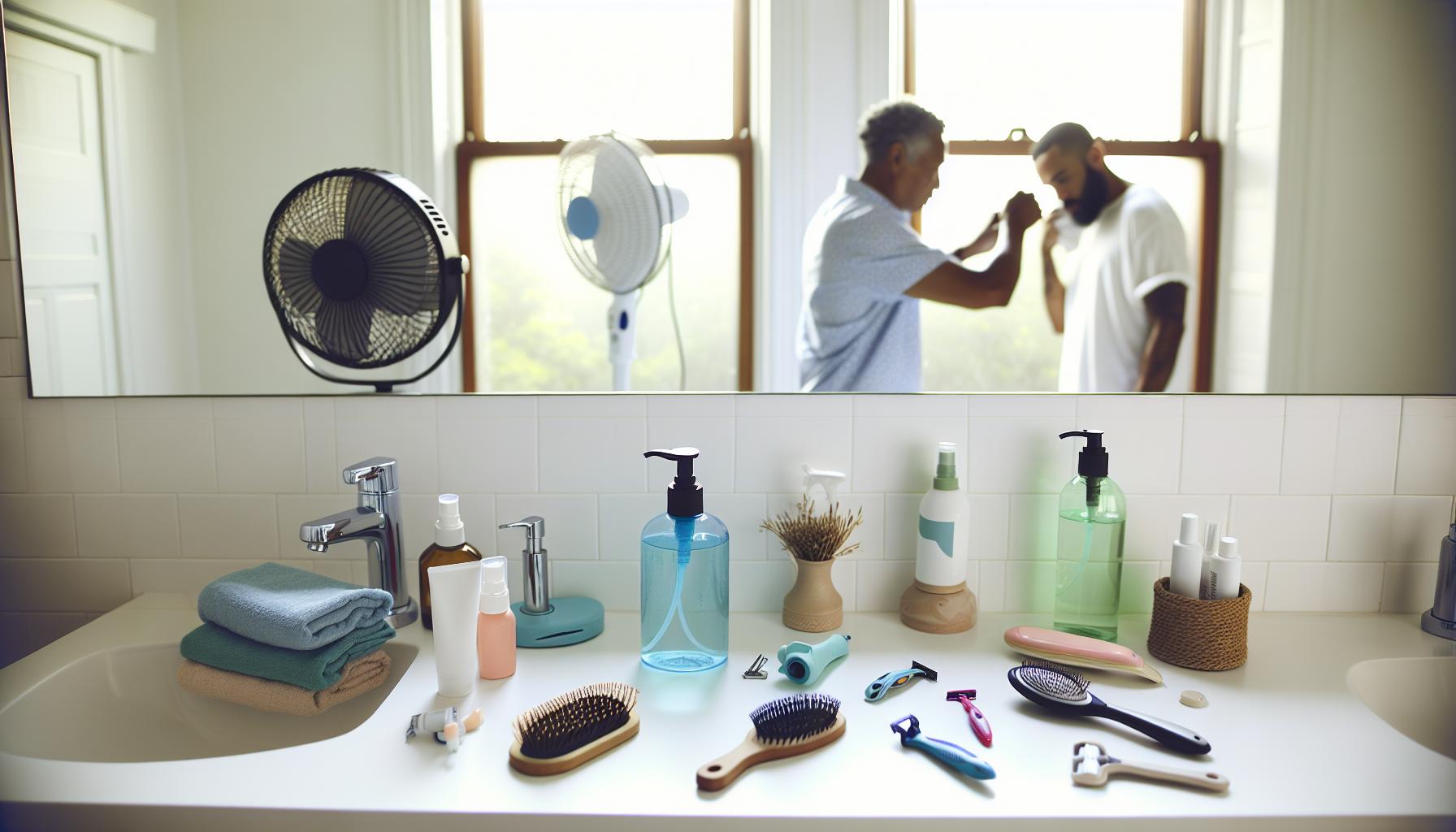
Signs Your Dog Should Wait Before Grooming During Heat
Sometimes, patience truly is the kindest part of grooming a dog in heat. Even the most gentle,experienced groomer knows that pushing a session when your dog is uncomfortable or showing signs of stress can do more harm than good. Recognizing when to pause and wait not only protects your dog’s well-being but also preserves trust for future grooming visits. Here’s how you can tell if it’s best to hold off.
Dogs in heat often become more sensitive, especially around their hindquarters and belly.If you notice that your dog is consistently snapping, growling, or withdrawing when you approach these areas-even with gentle touch-it’s a strong signal to delay grooming.Other common signs include excessive panting, trembling, or attempts to escape the grooming area.These behaviors indicate that your dog’s stress levels are elevated, and forcing the session could lead to injury or lasting fear.
Practical examples might look like a long-haired Spaniel who normally enjoys brushing but suddenly stiffens and pulls away during their heat cycle, or a smaller breed with thick undercoat that refuses to stand still for nail trimming. In these cases, focus on light brushing away from sensitive areas and postpone trimming or baths that involve rubbing around the abdomen. Remember, some grooming tasks like ear cleaning or gentle paw care may still be okay if your dog is calm and cooperative.
When to give grooming a rain check:
- Behavioral distress: Growling, snapping, panting, trembling, or hiding from grooming tools.
- physical tenderness: apparent soreness, redness, or swelling around the groin or tail area.
- Health concerns: Unusual discharge, bleeding beyond normal heat spotting, or signs of infection.
- Fatigue or sluggishness: Low energy levels or refusing to stand for brushing or trimming.
Knowing when to wait also means respecting your dog’s unique heat cycle rhythm. Such as, the early and late phases often bring more mood swings and physical discomfort, making grooming trickier than mid-cycle, when she might be a little more tolerant. If any of the above signs appear, it’s perfectly okay-and recommended-to postpone full grooming sessions until your dog is physically and emotionally ready.
Vet vs.Groomer Boundaries
If you detect worrying symptoms such as abnormal swelling, discharge, or sudden behavioral shifts unrelated to stress, these may be signs of infections or complications. In those cases, grooming should be deferred entirely, and a veterinary visit prioritized to assess your dog’s health.Groomers are skilled in care but are not equipped to diagnose or treat medical issues.
Taking a step back when needed ensures you protect your dog’s safety while nurturing her trust. Remember, grooming during heat is about comfort and care-not speeding toward picture-perfect coats. A calm, patient approach, combined with awareness of your dog’s signals, will turn grooming days into positive experiences, even during such a sensitive time.
When to Consult Your Veterinarian Instead of a Groomer
One of the most important things to remember is that not every situation involving a dog in heat can-or should-be handled by a groomer. While experienced groomers can manage many aspects of care during your dog’s cycle, certain signs signal that your dog needs medical attention rather than a haircut. Recognizing these red flags early protects your dog’s health and helps avoid complications that might worsen with grooming attempts.
If you notice symptoms beyond typical heat behavior-such as persistent or heavy bleeding, foul-smelling or colored discharge, swelling that seems inflamed or painful, or your dog exhibiting unusual lethargy and reluctance to move-these are clear indicators to seek veterinary care immediately. For example, a female dog showing signs of infection like a fever or painful abdomen may have pyometra, a serious uterine infection requiring prompt medical intervention. Groomers are not equipped or trained to treat these conditions,and attempting grooming could intensify your dog’s discomfort or put her at risk.
Also, sudden behavioral changes unrelated to the usual stress or sensitivity of heat-such as extreme aggression, repeated attempts to escape despite gentle restraint, or signs of neurological distress-should prompt a vet visit to rule out underlying health issues. Grooming tools and environments can be overwhelming when combined with serious illness, so deferring grooming until your dog is medically cleared is the kindest choice.
practical Signs That Signal a Veterinary Visit
- Excessive or abnormal vaginal discharge: Especially if it’s green, yellow, bloody beyond spotting, or foul-smelling.
- Swelling, redness, or heat around the vulva or abdomen: Signs of infection or inflammation.
- Unexplained lethargy or weakness: Refusal to eat, drink, or move comfortably.
- Persistent vomiting, diarrhea, or fever: Indications of systemic illness beyond heat physiology.
- Behavioral extremes: Sudden aggressive outbursts or severe anxiety out of character for your dog.
Understanding the limits of professional grooming versus veterinary care empowers you to make the best choices for your dog’s welfare. While groomers excel at keeping coats healthy and handling mild behavioral sensitivities, they are not diagnosticians or emergency care providers. When in doubt, err on the side of caution and call your vet. They can perform exams, run necessary tests, and provide treatments that support your dog’s recovery and comfort.Remember,a peaceful grooming session depends first on your dog feeling physically well and emotionally secure. Prioritizing veterinary care at the right time ensures your furry friend stays safe, reduces stress in the grooming process, and helps you build trust in the care team-whether groomers or veterinarians-over time. Taking this balanced, compassionate approach shows your dog that her comfort and health always come first.
Managing Behavior Challenges in Dogs During Heat
Dogs going through their heat cycle can experience a rollercoaster of emotions and behaviors that challenge even the calmest pet parent or professional groomer. During this time, your dog’s sensitivity rises, making grooming sessions more delicate than usual. Understanding these behavior shifts helps you approach grooming with extra patience and compassion, transforming what could be a stressful chore into a comforting experience for both of you.Some dogs become clingier and more anxious, seeking reassurance through touch and gentle praise. Others may show signs of irritability or even mild aggression-not out of defiance, but from discomfort and hormonal changes. For example, a typically relaxed Labrador Retriever might suddenly flinch when you attempt to brush her belly or around the sensitive vulva area. Recognizing these subtle cues early can help you adjust your approach: slow down, use softer strokes, and speak in a calm tone to ease tension.
Practical Strategies for Managing Behavior during Grooming
- Start with short, positive sessions: Break grooming into smaller steps-bath, brush, nails-and reward generously with treats and praise. This builds trust and reduces overwhelm.
- Choose the right tools: Use gentle brushes such as slicker or rubber ones suited for your dog’s coat type to minimize discomfort.For sensitive areas, opt for soft towels or disposable grooming wipes for cleanliness without pressure.
- Monitor body language closely: Look for signs like lip licking, yawning, or turning away, which may indicate stress before it escalates. When these appear, pause or switch to a calming activity.
- Use calming aids cautiously: Background white noise or pheromone diffusers can soothe your dog, but always consult your vet before using supplements or medications during heat.
Behavioral examples and Troubleshooting
As an example, a small breed with a fine coat such as a Miniature Schnauzer might get easily distracted or restless during brushing. In this case, try grooming in a quiet, familiar room with minimal distractions.If your dog resists nail trims due to soreness or anxiety, consider trimming just one or two nails per session rather than a full set at once. This gradual method can prevent fear buildup and encourage cooperation.
Remember that some behavior changes during heat-like increased marking or attempts to escape-are natural and not a sign of misbehavior. These moments call for patience, not punishment. If your dog lashes out unexpectedly, stop immediately and give space before trying again another day.
Knowing When to Pause and Seek Help
If aggressive or fearful behavior escalates substantially, making grooming unsafe, it’s okay to postpone until hormonal fluctuations stabilize. Groomers are trained to assess when a dog’s emotional state may compromise safety, and many will communicate openly with owners about the best timing for care. In cases where behavior challenges persist or worsen, connecting with a veterinarian or animal behaviorist can provide valuable guidance tailored to your dog’s needs.
By prioritizing your dog’s comfort and emotional well-being during their heat cycle, grooming can remain a positive, even bonding experience. With patience, keen observation, and thoughtful adjustments, you can navigate the challenges and keep your furry friend looking and feeling her best.
Alternative Grooming Options if Professional groomers Decline
It can be disappointing when a trusted grooming professional gently declines grooming your dog during her heat cycle, but this pause frequently enough reflects a commitment to your pet’s safety and emotional well-being.Luckily, there are several compassionate and practical ways to keep your dog comfortable and cared for at home until she’s ready for the salon again. With the right approach, you can effectively manage basic grooming tasks and even reduce the stress that comes with this sensitive time.
At-Home grooming Made Simple
Start by focusing on the essentials-bath,brushing,nail care,and ear cleaning-tailored to your dog’s breed and coat type. For example, a long-haired breed like a Shih Tzu requires gentle, regular brushing to prevent mats, while a short-coated dog such as a Beagle benefits from a simple rubber curry brush to remove loose hair. Use lukewarm water and mild, dog-specific shampoos to avoid irritation during baths. Limiting baths to every 2-3 weeks is usually ideal unless your dog is particularly dirty.
- Bathing: Use a calm, quiet space. Apply gentle strokes and avoid sensitive areas, especially around the vulva. Dry with a soft towel rather than a noisy, hot dryer to reduce anxiety.
- Brushing: Opt for soft rubber or slicker brushes depending on coat type. Brush slowly, pausing often to reward your dog with treats to build positive associations.
- Nail trimming: If nails are sore or your dog resists, trim just a couple per session to keep things manageable and prevent fear buildup.
- ear care: Use vet-recommended ear wipes gently without inserting anything deep into the ear canal.
Temporary Alternatives and Support
If you feel at all uncertain about handling grooming safely or your dog shows significant discomfort, consider asking your veterinary clinic if they offer professional grooming as part of wellness visits. Vets are trained to work with sensitive dogs and can frequently enough perform essential grooming tasks in a controlled medical environment. Additionally, some pet owners turn to mobile groomers who specialize in anxious or special-care pets-they may offer more flexible scheduling or tailored services during heat cycles.
Behavior and Comfort tips During Home Grooming
Managing your dog’s comfort is key. Schedule grooming sessions during quiet times when she feels most relaxed, and keep sessions short to avoid overwhelm. Use soothing tones and frequent breaks, pairing grooming with favorite toys or treats. If your dog is particularly reactive around sensitive areas, such as the belly or inner thighs, try massaging a calming balm recommended by your vet (never apply any product without veterinary approval).
Understanding When to Wait and Seek Help
Remember, it’s perfectly okay to delay full grooming during heat to prioritize your dog’s emotional state and physical comfort. If your dog’s behavior is highly unpredictable or aggressive during grooming attempts,consult your veterinarian or a qualified animal behaviorist for guidance and possible treatments to ease anxiety or pain.
Your role as a caring pet parent during this time is invaluable. Taking an active, gentle role in grooming not only helps maintain your dog’s hygiene but also strengthens your bond, setting a foundation for smoother professional grooming sessions once she’s out of heat. With patience,practical tools,and a calm approach,you can confidently navigate this period together.
Tips for Keeping Your Dog Calm and Comfortable During Grooming
Sometimes the key to a smoother grooming experience during your dog’s heat cycle lies in embracing calmness and tailoring the session specifically to her needs. Dogs in heat can feel more sensitive and easily overwhelmed,so your gentle approach can make all the difference. Drawing from years of grooming experience, it’s essential to create a relaxing environment that prioritizes your dog’s emotional safety as much as her physical comfort.
Prepare a Soothing Space
Set up a quiet, familiar area free from loud noises and distractions. Use natural light when possible, and add soft blankets or beds that your dog associates with calmness. For long-haired breeds, like a Maltese or Afghan Hound, detangle gently with a slicker brush, pausing frequently to give treats. Short-haired breeds, such as Boxers or Beagles, respond well to rubber curry brushes that aren’t intimidating but effectively remove loose undercoat.
Break Tasks Into Manageable Steps
Rather of attempting a full grooming session all at once, divide it into short, focused segments. Start with brushing while speaking softly to your dog.Then move to nail trims, only clipping a few nails per sitting-this limits stress and helps avoid accidental cuts. When bathing, use lukewarm water with a mild, vet-approved shampoo, carefully avoiding the sensitive belly and vulva areas. Dry gently using a towel rather than a noisy hairdryer, as the latter can escalate anxiety.
- Brushing: Go slow and use gentle strokes, offering praise or a favorite chew toy to reward patience.
- Nail trimming: Take breaks if your dog shows signs of distress.Keep clippers handy but don’t rush.
- Bathing: Avoid rush; use calming words and refrain from sudden movements near sensitive spots.
- Ear cleaning: use only recommended wipes, and never insert anything deep inside the ear canal.
Use Positive Associations
Turning grooming into a positive experience builds your dog’s confidence. Bring out special treats or toys she loves before and after each task. Speak in a calm, encouraging tone and offer short breaks to avoid overwhelming her. If your dog resists touch near her abdomen or inner thighs, try gentle massages away from those areas or apply a vet-approved calming balm to reduce tension.
Know When to Seek Help
If your dog becomes highly anxious or shows signs of aggression, it’s absolutely okay to pause and consult your vet or a specialist in canine behavior. Some veterinary clinics offer grooming during wellness checks, which can be a gentler environment for sensitive dogs. Mobile groomers who specialize in anxious pets may also provide more patient, adaptable services during heat cycles.
Your calm presence, paired with careful pacing and thoughtful tools, helps your dog feel safe and cared for, even when a full professional grooming isn’t an option. Remember, prioritizing your dog’s comfort during this sensitive time strengthens your bond and prepares her for easier grooming when she’s ready again.
Q&A
Q: Can groomers refuse to groom a dog in heat, and why?
A: Yes, many groomers may refuse to groom a dog in heat due to health concerns and safety risks such as increased stress, potential for bleeding, and behavioral changes. This policy helps prevent accidental injury and ensures a clean, calm grooming environment. Always check your groomer’s specific guidelines in advance.
Q: how do groomers safely manage grooming dogs that are in heat?
A: Groomers who work with dogs in heat often use gentle handling techniques, extra hygiene measures, and appropriate tools to avoid irritation. they may also schedule sessions during less active heat phases and monitor temperament closely,promoting comfort and safety throughout the grooming process.
Q: Are there special grooming products recommended for dogs in heat?
A: Yes, groomers may recommend hypoallergenic shampoos and soothing sprays to minimize skin irritation during heat. Using mild, fragrance-free formulas helps maintain cleanliness without aggravating sensitive skin, ensuring your dog stays comfortable during grooming.
Q: What should I communicate to my groomer before booking if my dog is in heat?
A: Inform your groomer about your dog’s heat cycle status, including the stage and any behavioral changes. Clear communication aids in scheduling and allows groomers to prepare specialized care or advise postponing the appointment to ensure your dog’s wellbeing.
Q: Are there alternatives if a professional groomer declines to groom a dog in heat?
A: Yes, alternatives include at-home grooming with gentle tools, visits to a veterinarian for certain procedures, or waiting until the heat cycle ends. Using our article’s step-by-step grooming tips for dogs in heat at home can empower you with safe, practical grooming solutions.
Q: How do grooming policies vary for different dog breeds during heat?
A: Grooming policies often vary by breed because coat type, size, and temperament affect a dog’s stress level and grooming needs during heat. Long-haired or brachycephalic breeds might require more careful handling or delayed grooming compared to short-haired, calm breeds.
Q: Can grooming during heat affect my dog’s behavior post-appointment?
A: Yes,grooming during heat can temporarily increase anxiety or irritability in some dogs. Groomers experienced with dogs in heat use calming techniques to reduce stress, but pet owners should monitor behavior after grooming and provide a quiet recovery space.
Q: When should I consult a vet instead of a groomer for grooming needs in dogs during heat?
A: Consult your veterinarian if your dog in heat shows signs of infection, extreme discomfort, or abnormal bleeding. Vets can safely address medical concerns and provide grooming assistance in cases where professional groomers might not perform services during heat.
For more detailed care techniques and communication tips, explore our sections on [Communicating with Your Groomer About Your Dog’s Heat Cycle] and [Step-by-Step Grooming Tips for Dogs in Heat at Home]. Prioritize comfort and safety to keep your furry friend happy during this sensitive time.
In Summary
Understanding a groomer’s policy on grooming a dog in heat is key to keeping your pet safe and comfortable. While some groomers may pause services during this time to prioritize your dog’s health and hygiene, many offer alternatives or reschedule to ensure stress-free care. If you’re wondering about the best approach, exploring our Complete Grooming Safety Tips and How to Prepare Your Dog for Grooming can help you plan ahead with confidence. Remember, every dog’s coat, breed, and temperament influences what tools and techniques work best-consulting with your groomer or vet ensures the right care for your furry friend.
Don’t wait until your dog is uncomfortable-book a consultation or sign up for our newsletter to receive timely grooming insights and personalized advice. Got questions or personal experiences about grooming a dog in heat? Share them below to help fellow pet owners navigate this sensitive period. For more in-depth guidance, check out our resources on Seasonal Grooming Challenges and DIY grooming safety. Prioritize your dog’s comfort with patient, expert care, and let us support you every step of the way.
Get our latest guides, news, and insights highlighted in your Google Search & AI Overviews.
Keep reading about the same coat and cut.


Popular grooming guides
Bath vs clip, first grooms, and salon how-tos.