Importance of Walks for Senior Pomeranians: Health & Mobility Guide
✨ This article was AI edited. Editorial responsibility: Perfect Pooches Grooming.
Produced with AI. This article was artificially generated. Editorial responsibility: Perfect Pooches Grooming.
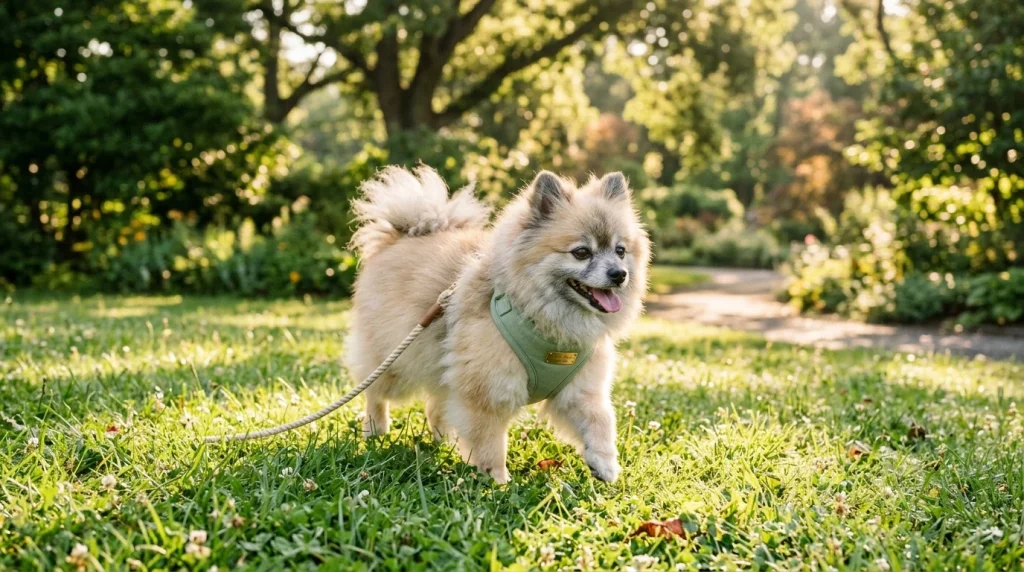
The importance of walks for senior Pomeranians centers on maintaining synovial joint lubrication, preserving lean muscle mass, preventing cognitive dysfunction syndrome (canine dementia), and stimulating digestive peristalsis. Daily low-impact 10- to 15-minute walks protect aging Pomeranians (ages 9+) from premature muscular atrophy without overloading arthritic stifle joints.
As Pomeranians enter their senior and geriatric years (typically beginning between 8 and 10 years of age), their physical endurance and metabolic rate decline. However, completely retiring an older Pomeranian to a sedentary lifestyle accelerates muscle wasting, stiffens arthritic joints, leads to obesity, and causes sensory deprivation. Adapting walking routines to match senior physiology provides essential holistic vitality while respecting delicate aging cartilage.
Physiological Benefits of Routine Walking for Aging Pomeranians
Table of Contents
Maintaining gentle, regular daily mobility delivers systemic wellness benefits across multiple body systems:
| Body System | Senior Pomeranian Vulnerability | Walking Mechanism & Benefit | Clinical Outcome |
|---|---|---|---|
| Articular Joints & Cartilage | Loss of proteoglycans, osteoarthritis, cartilage thinning | Weight-bearing movement circulates synovial fluid | Reduces morning stiffness and relieves chronic arthritic discomfort |
| Cognitive & Neurological Health | Canine Cognitive Dysfunction (CCD / sun-downing) | Olfactory enrichment through varied outdoor scent trails | Maintains neuroplasticity and calms nighttime pacing anxiety |
| Gastrointestinal & Bladder | Sluggish bowel motility, constipation, urinary incontinence | Gentle muscular contraction stimulates natural peristalsis | Promotes regular elimination habits and prevents fecal impaction |
| Cardiovascular & Metabolic | Decreased cardiac output, sarcopenic obesity | Aerobic circulation supports healthy heart function | Maintains optimal body condition score without joint stress |
| Spinal Stability & Posture | Loss of core spinal extensor muscle tone | Even ground walking strengthens dorsal musculature | Prevents spinal swayback posture and intervertebral disc strain |
Senior Walking Guidelines: Pacing, Distance, and Frequency
Senior Pomeranians benefit most from multiple micro-walks rather than single long, exhausting treks:
- The 10-to-15 Minute Rule: Structure outings into two gentle 10- to 15-minute walks per day on flat, cushioned turf or smooth paved paths.
- Sniffari Pacing (Olfactory Enrichment): Allow your senior dog to dictate the pace, pausing frequently to sniff grass, trees, and fire hydrants. The mental stimulation of scent analysis burns cognitive energy safely.
- Weather Window Management: Avoid exercising senior dogs during midday heat or damp freezing mornings. Senior poodles and spitz breeds struggle with thermoregulation; walk during warm afternoons or cool summer mornings.
- Use Padded Chest Harnesses: Aging tracheal cartilage becomes brittle. Never pull on a neck collar; always use a lightweight, padded step-in Y-harness.
- Terrain Selection: Choose soft grassy parks, packed dirt trails, or flat neighborhood sidewalks. Avoid steep inclines, loose gravel, and deep sand that stress slipping kneecaps.
Supportive Gear for Mobility-Challenged Senior Pomeranians
- Shock-Absorbing Pet Strollers / Carrier Packs: Bring a pet stroller on neighborhood walks so your Pomeranian can walk until tired and then ride comfortably while enjoying fresh outdoor air.
- Anti-Slip Paw Grip Wax or Booties: Apply non-toxic paw balm or traction booties to prevent rear paws from slipping on smooth hardwood floors and pavement.
- Joint Support Supplements (Omega-3 & Green-Lipped Mussel): Daily administration of EPA/DHA fatty acids and glucosamine supports cartilage hydration and reduces inflammatory cytokines.
- Veterinary Laser Therapy & Hydrotherapy: Low-level cold laser therapy and warm underwater treadmill sessions relieve localized chronic stifle pain.
- Ramps and Low Pet Stairs: Place non-slip carpeted ramps next to sofas and vehicles to eliminate high-impact jumping injuries entirely.
Warning Signs to Stop and Rest Immediately
Stop walking and carry your senior Pomeranian home if you observe any of the following clinical signs:
- Sudden hind leg trembling or knuckling under of paws
- Audible tracheal honking, wheezing, or labored abdominal breathing
- Lagging behind and refusing to take another step forward
- Pale or bluish mucous membranes (gums and tongue) requiring immediate veterinary attention
- Stumbling, ataxia, or dragging of toe nails on pavement
Frequently Asked Questions (FAQ)
How often should a senior Pomeranian go for a walk?
Two short 10- to 15-minute walks per day provide optimal joint mobility, mental enrichment, and metabolic stimulation without causing excessive fatigue.
Can walking worsen my Pomeranian’s arthritis?
Gentle, low-impact walking actually improves arthritis by circulating lubricating synovial fluid through the joints. Complete rest causes stiffness and accelerates muscle loss.
What should I do if my senior Pomeranian refuses to walk?
Sudden reluctance to walk indicates acute pain, patellar luxation flare-up, spinal disc discomfort, or cardiovascular fatigue. Schedule a veterinary pain assessment to review arthritis medications.
Is a dog stroller good for an older Pomeranian?
Yes. A stroller allows senior pets with limited stamina to explore the neighborhood safely, combining short walking intervals with relaxing rolling sensory stimulation.
How do I know if the walk was too long for my senior dog?
If your Pomeranian sleeps excessively for the rest of the day, shows difficulty rising from their bed, or limps the next morning, reduce the walk duration by 5 minutes.
Get our latest guides, news, and insights highlighted in your Google Search & AI Overviews.
More grooming guides
Other how-tos people open after this one.

Browse by breed
Jump into a breed desk if you came here for a specific coat.