How Much Do Groomers Charge to Cut Dog’s Nails: Nail Trim Cost
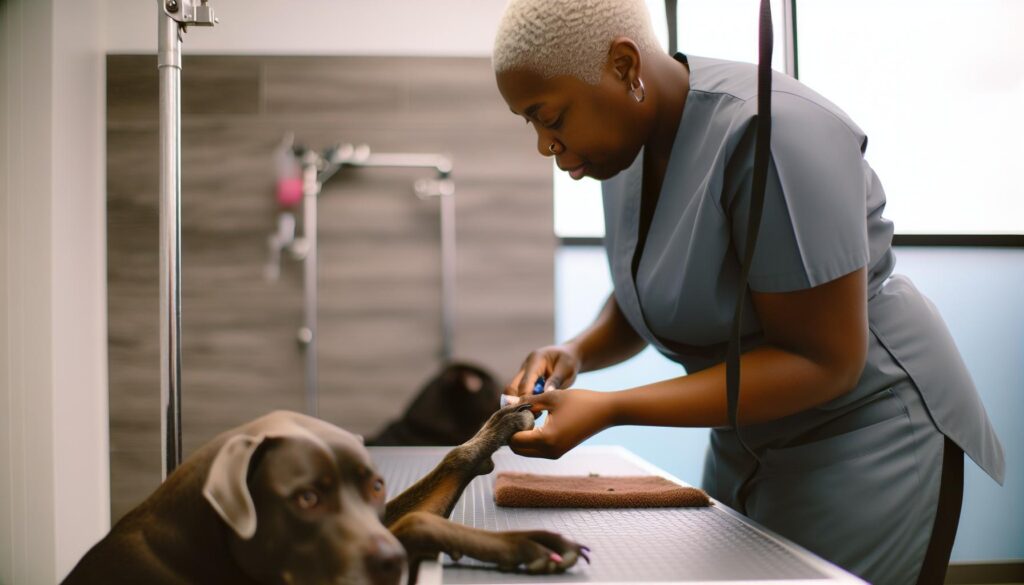
Did you know that keeping your dog’s nails trimmed isn’t just about neatness-it’s crucial for their comfort and health? But many pet owners wonder, “How much does a professional nail trim cost?” Whether your pup is a tiny Chihuahua or a larger breed, nail trimming needs and pricing can vary widely. As a groomer who truly cares, I understand how crucial it is to balance your dog’s safety and ease with affordable care. In this guide, we’ll break down typical costs, what influences price differences, and when it makes sense to visit a groomer versus trying a DIY trim at home. You’ll also discover tips to keep your dog calm and happy during nail care, helping you feel confident no matter your experience level.Let’s explore the real value behind those nail trims and how you can keep your furry friend cozy,safe,and healthy-while making smart,informed choices for your budget.
How Groomers Determine Nail Trim Prices
Table of Contents
- 1 How Groomers Determine Nail Trim Prices
- 2 Average cost Range for Dog Nail Trimming Services
- 3 Factors That Influence Nail Trim Costs
- 4 Comparing Groomer, Vet, and DIY Nail Trims
- 5 What’s Included in a Professional Nail Trim Visit
- 6 Tips to Save Money on Nail Trimming Services
- 7 how Often Should You schedule Nail Trims?
- 8 Signs Your Dog Needs a Professional Nail Trim
- 9 How Breed, Size, and Nail Type Affect Pricing
- 10 Avoiding Hidden Fees When Booking a Nail Trim
- 11 Choosing the Right Groomer for Your Dog’s Nails
- 12 Safety and Comfort During Professional Nail Trims
- 13 FAQ
- 13.1 Q: Why do some groomers charge extra for nail trimming services?
- 13.2 Q: How can I estimate the nail trim cost based on my dog’s size or breed?
- 13.3 Q: Is it cheaper to get my dog’s nails trimmed during regular grooming sessions?
- 13.4 Q: What should I ask a groomer about nail trimming before booking an appointment?
- 13.5 Q: Can frequent nail trims reduce the overall grooming cost in the long run?
- 13.6 Q: Do mobile groomers charge more for nail trimming than salon-based groomers?
- 13.7 Q: Are nail grinding services typically included in the nail trimming cost?
- 13.8 Q: How soon can I get a nail trim appointment if my dog’s nails need urgent care?
- 14 In Summary
A dog’s nail trim might seem straightforward, but from a groomer’s viewpoint, pricing reflects much more than just clipping nails. It starts with assessing your dog’s breed, size, and temperament, as these factors influence how much time and effort the grooming session will require. As a notable example, a small, calm Chihuahua with clear nails frequently enough needs less time and skill than a large, anxious Labrador with thick, dark nails that require extra care to avoid causing pain or discomfort.
Groomers also consider the tools and techniques involved. Clippers, grinders, styptic powder for rapid bleeding fixes, and specialized handling equipment all represent investments that factor into the overall price.If a dog is especially nervous or has nail or paw health issues-like overgrown, split, or infected nails-this raises the challenge, requiring more patience, gentler approaches, and sometimes extra help from an assistant. Think of it like a tailor: a standard shirt is quicker to alter than a complex suit.
- Breed and Size: Larger or heavier dogs often have thicker, tougher nails that take longer to trim.
- Behavior and Temperament: An anxious dog may need calming time or gentle restraint to ensure safety.
- Health and Nail Condition: Overgrown or damaged nails require careful attention and may involve trimming gradually over multiple visits.
- Tools and Products Used: High-quality nail grinders or premium clippers increase costs, as does the use of soothing balms or disinfectants.
Beyond the physical task, pricing also covers the groomer’s expertise and the habitat they provide-a quiet, soothing space designed to reduce stress. Some groomers include trimming calluses or paw pad maintenance as part of the service, which adds value though might not appear as line items on a bill. Remember, the aim is never just a quick cut but ensuring your dog leaves feeling comfortable and safe, which sometimes means the price reflects compassionate care as much as it does time spent.
In short, when you pay for a nail trim, you’re investing in skilled hands, a calm atmosphere, and tools precisely matched to your dog’s needs.That extra attentiveness is what sets professional groomers apart from quick trims done elsewhere or at home.
Average cost Range for Dog Nail Trimming Services
It’s surprising how much thoght and care go into a simple nail trim, and this naturally influences the cost you can expect. For most dog owners, nail trimming services typically fall within a moderate price range that reflects not just the length of the trim but the individual needs of your furry friend. On average, you might see prices from $15 to $40 per session, though this varies with location, the dog’s size, and any additional care required.
Typical Cost Breakdown by Dog Size and Complexity
| Dog Size & Nail Type | Average Price Range | What Influences Cost Hear? |
|---|---|---|
| Small Breeds (chihuahua, Toy Poodle) | $15 – $25 | Smaller nails, usually easier to trim; calmer dogs may need less time. |
| Medium Breeds (Beagle, Cocker Spaniel) | $20 – $30 | Moderate nail thickness, may require more caution or gentle restraint. |
| Large Breeds (Lab, German Shepherd) | $30 – $40+ | Thicker, tougher nails; potential for anxious behavior needing extra patience. |
| Special Cases (Overgrown or Damaged Nails) | $35 – $60+ | Extra care, possible multiple visits, use of specialized tools and balms. |
Many groomers factor in additional elements such as the dog’s temperament-nervous pooches may require longer sessions with soothing breaks, which naturally raises the price. When a dog has dark nails or overgrowth that demands careful trimming to avoid pain, the skill and patience involved justify a slightly higher fee. One real-life example: a fearful German Shepherd with thick, dark nails may need calming techniques, perhaps even mild sedation consultation, pushing the cost above the average.
Additional Services that Affect Pricing
- Use of premium tools: High-quality grinders or styptic powders improve safety but add to costs.
- Paw pad maintenance: Trimming calluses or moisturizing paw pads frequently enough comes bundled in professional trims.
- Time for behavioral handling: Time spent managing anxiety or safety precautions goes beyond a quick clip.
For perspective, vet offices may charge a bit more than groomers due to medical oversight, while DIY nail trims cost only your time and equipment, but lack the professional experience that ensures safety and comfort. this range gives you enough adaptability to choose a care approach that suits both your budget and your dog’s unique needs.
Choosing a trustworthy groomer who understands the importance of a gentle, stress-free experience ensures that the cost you pay supports not just a service, but a positive visit that builds your dog’s trust over time. Remember, these prices are investments in your dog’s comfort, safety, and long-term paw health.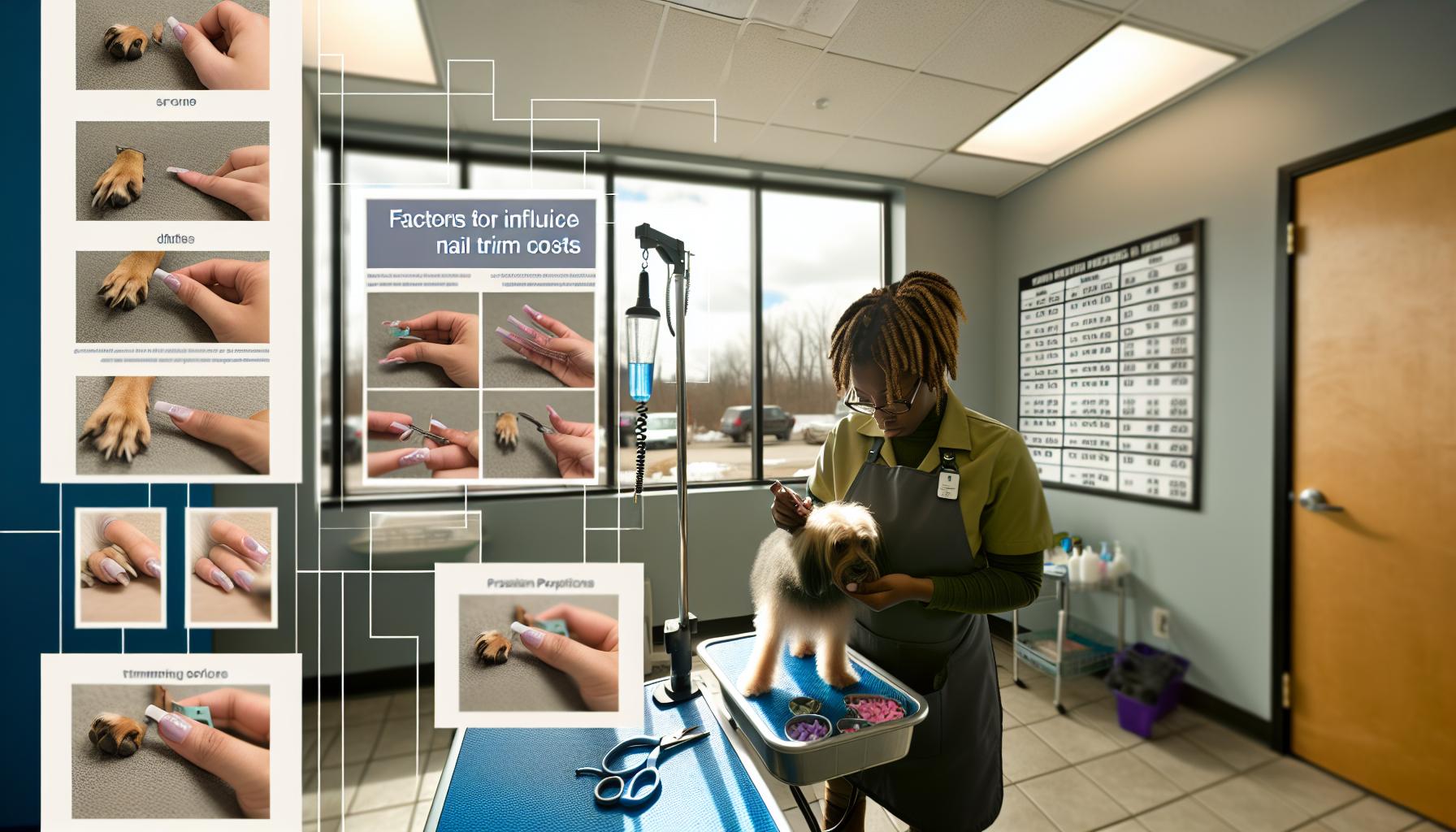
Factors That Influence Nail Trim Costs
It’s frequently enough said that not all nail trims are created equal-and that truth plays a big role in what you’ll pay. When groomers set their prices, they’re thinking about much more than just clipping nail tips. Every dog is unique, with individual needs that can affect how long, how carefully, and with what tools a nail trim must be done. For example, a calm Chihuahua with thin nails is a quick, simple job compared to a large, anxious German Shepherd with thick, dark nails that require extra patience and precision to avoid pain or injury.
Key Elements Affecting the Price
- dog’s Size and Nail Thickness: Larger breeds naturally have bigger, tougher nails. This means the groomer needs more time and often sturdier equipment like special grinders or heavy-duty clippers. Small dogs usually cost less because their nails are easier and faster to handle.
- Temperament and Behavioral Needs: An anxious or fearful dog may need gentle handling, breaks, or even the presence of the owner to feel safe. This extra time and care raise costs but are vital to a stress-free experience. Groomers who specialize in nervous pets might charge more, but it’s an investment in your dog’s emotional well-being.
- Condition of the Nails: Normal, healthy nails differ greatly from overgrown, cracked, or infected nails. Nails that haven’t been trimmed in a while can be painful and tricky to cut without causing bleeding or injury. Groomers may also apply soothing ointments or perform treatments during the session, increasing price.
- Tools and Techniques Used: high-quality grooming salons use premium tools like electric grinders,styptic powders to stop bleeding instantly,and moisturizing treatments for paw pads. These extras improve safety and comfort but also factor into the overall price.
Real-Life Perspective
Consider how a groomer approaches a fearful Labrador Retriever with dark, thick nails. The groomer might use a quiet room, distraction treats, and gentle restraint techniques to keep the dog calm.This requires more time and expertise than a quick trim, thus increasing the fee. On the other hand, a bouncy small terrier with healthy nails might be handled swiftly with no extra tools.
Price Influences Wrapped Up
The costs reflect a balance between efficiency and care-quality nail trims prioritize your pet’s comfort over speed. When choosing between groomers, vets, or DIY, understanding these factors helps you appreciate why prices vary and encourages selecting professionals who respect your dog’s unique needs and temperament. Remember, a gentle, safe trim done right is worth every penny for long-term paw health and your dog’s happiness.
Comparing Groomer, Vet, and DIY Nail Trims
It’s surprising how the choice between a professional groomer, a vet, or going the DIY route can influence not just the price but your dog’s comfort and safety during nail trims. Each option offers benefits and potential challenges, depending on your dog’s breed, temperament, and your own experience. Understanding these differences helps you make the best choice for your furry friend’s well-being.
Professional groomers specialize in nail care as part of a full grooming service. They bring experience with all dog sizes-from tiny Terriers to hefty Labradors-and have tools tailored for varying nail types like grinders for thick, dark nails or quick-safe clippers for delicate paws. Groomers often create a calm environment with gentle restraint techniques or even breaks to soothe anxious pets. Such as,a groomer might take extra time when trimming an older dog with brittle nails,applying paw moisturizers afterward to prevent cracking.Because they’re focused on pet comfort and precision, groomers may charge more for challenging trims, but this investment supports painless, stress-free sessions.
Veterinarians also trim nails, often during routine health visits or when there’s an underlying issue like infection or injury. While vet nail trims tend to cost more, vets bring medical expertise and can handle complicated cases safely, such as nails that bleed easily or are severely overgrown. If your dog is fearful or has a health condition that complicates nail care, a vet’s office is equipped to manage pain or sedation if necessary. However, vet visits that focus solely on nail trimming without other treatments may not always be the most cost-effective choice for routine maintenance.
Many dog owners consider trimming nails themselves at home.DIY trims are the most budget-friendly option and can strengthen your bond with your dog, especially if started when pets are young and calm.Though, the key is proper technique and tools-using dedicated dog nail clippers or grinders, working in a well-lit area, and knowing where the quick is to avoid pain or bleeding.Some breeds,like those with dark nails where the quick is hard to see,pose a particular challenge for beginners. In such cases, owners may find the experience stressful and might unintentionally cause discomfort or injury. If you choose DIY, start slowly, reward your dog generously, and consider watching tutorial videos or consulting your groomer for guidance.
Making the Right Choice for Your Dog
- Professional Groomer: Ideal for routine trims, anxious dogs, or those needing expert care and patience.Expect grooming-specific tools, calming techniques, and sometimes pampering extras.
- Veterinarian: Best for medically complex cases, painful nails, or when sedation might be required. More costly,but worth it for health-related nail issues.
- DIY Nail Trimming: Great for budget-minded owners with calm dogs and time to learn proper trimming methods. Safety is paramount-never hesitate to seek professional help if unsure.
Remember, whichever option you choose, your dog’s emotional comfort and paw health should always come first.A stress-free, safe nail trim builds trust and keeps tails wagging!
What’s Included in a Professional Nail Trim Visit
A professional nail trim visit is much more than simply clipping your dog’s nails; it’s a carefully crafted experience tailored to your dog’s comfort, health, and unique needs. When your pup steps into a groomer’s care, the process begins with a gentle assessment-evaluating the nail length, thickness, and condition, paying close attention to any signs of discomfort or abnormalities. This initial examination guides the groomer’s choice of tools and approach. For instance, thick or dark nails often require a nail grinder instead of customary clippers to avoid accidentally cutting into the quick, reducing the risk of pain or bleeding.
During the trim, a groomer employs specialized clippers or grinders designed specifically for dogs. Calm,confident handling is key. Many groomers use soothing restraint techniques,sometimes allowing breaks or distractions-like treats or gentle petting-to keep anxious dogs relaxed. This personalized care is especially critically important for older dogs or those with brittle nails, where extra caution prevents cracking or splintering. For example,a groomer might trim a little at a time,checking for stress signals and making the process as gentle as possible.
Extra Care Beyond the Clippers
- Paw Inspection and Cleaning: Often included is a quick check and cleaning of the paws to remove dirt, debris, or mats that can harbor irritation. Healthy paws not only feel better but also promote secure footing during trimming.
- Moisturizing Treatments: Some groomers apply paw balms or moisturizers post-trim, especially for dogs with dry or cracked pads. This small luxury helps maintain skin health and comfort.
- Advice and Follow-Up: A professional visit usually includes helpful tips tailored to your dog’s specific needs-how frequently enough to trim based on activity level and breed, or recommendations for home care tools and techniques.
While vets tend to provide nail trims with a medical focus-addressing infection or injury-groomers offer a blend of skilled craftsmanship and compassionate handling aimed at routine maintenance and positive grooming experiences. This makes the grooming visit a safe haven for your pet’s nail health. Most importantly, skilled groomers can recognize when a nail trim is beyond routine care, suggesting veterinary attention if they detect signs like severe overgrowth or nail bed issues. Your dog walks out not just with neat nails, but with a happier, more confident step-and you gain peace of mind knowing their comfort and safety where the top priority.
Tips to Save Money on Nail Trimming Services
nail trims are a vital part of your dog’s health routine-but they don’t have to break the bank. Many pet owners find that a little planning and know-how can go a long way toward keeping nail care affordable while still prioritizing their pup’s comfort and safety. Whether your dog is a small Chihuahua or a larger breed with thick nails, understanding your options and being proactive can save you money and stress down the road.
Plan Ahead with Regular Maintenance
Consistent nail trimming helps avoid overgrown nails that require extra time and effort to fix-sometimes leading to higher charges. Try to schedule trims every 3-4 weeks, depending on your dog’s activity level and nail growth. Frequent light trims prevent painful splits or breaks and generally cost less because the groomer spends less time on each visit. When your dog’s nails are well maintained, the process is smoother and stress for both pup and groomer is minimized, which could also mean fewer extra fees.
Use Package Deals and Loyalty Programs
many groomers and pet salons offer discounts for bundling services or repeat visits. Look for prepaid packages that include nail trims combined with baths or other grooming essentials. This often works out cheaper than paying per visit. Some pet care facilities also run loyalty programs or reward points that add up to free or discounted trims over time. It’s always worth asking when you book your appointment.
Learn Basic At-Home Care to Complement Professional Visits
Doing simple maintenance at home can reduce how often you need professional trims. Invest in a quality nail grinder designed for dogs-these are safer than clippers for beginners and great for smoothing edges between appointments. Gradually introducing your dog to this tool in short, positive sessions helps keep nails healthy and prevents those “emergency” trims that can cost more due to stress or extra handling.Remember, if your dog has dark nails or medical issues, vet or groomer visits are still essential to avoid hurting the quick.
Consider Mobile Groomers or Community Clinics
Mobile groomers who come to your home can sometimes offer competitive pricing by saving salon overhead costs. Similarly, low-cost clinics or community pet events frequently enough have subsidized nail trim services by certified professionals. These options are especially helpful if your dog is anxious about travel or busy schedules. Just be sure to verify the groomer’s credentials and experience to keep care safe and comfortable for your furry friend.
- Ask about what’s included: Some groomers add fees for de-matting or thick nails. Clarify pricing upfront to avoid surprises.
- Schedule during off-peak times: Mid-week or midday appointments can sometimes be cheaper or more flexible.
- Combine trips: if you visit the vet regularly,see if they offer nail trims,or if your groomer can trim nails during baths.
Taking a thoughtful approach helps you save money without compromising your dog’s paw health or comfort. A calm, confident routine backed by good communication with your groomer can turn nail trims into a positive, stress-free experience for everyone involved.
how Often Should You schedule Nail Trims?
Nail care isn’t just cosmetic-it’s a crucial part of your dog’s comfort and mobility. But how frequently enough you should schedule those trims depends on several factors, including your dog’s breed, activity level, and individual nail growth. On average, most dogs do well with nail trims every 3 to 4 weeks. This frequency helps prevent nails from becoming too long, which can lead to discomfort, altered gait, or even painful splits.
Some dogs naturally wear down their nails through daily walks on pavement or rough surfaces, which might mean you can stretch the trimming intervals a bit longer. In contrast, less active dogs or those who mostly stroll on soft grass usually need trims more frequently enough. Puppies, too, may require more frequent attention since their nails grow quickly and they are still getting used to grooming routines.
Pay Attention to Your Dog’s Needs
each pup’s nails grow at their own pace, so it’s critically important to monitor them regularly.Visual signs like clicking sounds when your dog walks on hard floors or nails touching the ground are good indicators it’s time for a trim.Also, watch for your dog’s reactions-if they start limping or avoiding walks, overgrown nails might be the culprit.
- Small breeds: Often need more frequent trims due to faster nail growth and delicate paws.
- Large breeds: While their nails might grow slower, extra weight can make long nails more painful, so regular trims are essential.
- Dark nails: Require extra care during trims, so professional groomers can definitely help avoid cutting the quick.
Balancing Professional and At-home Care
For many owners,striking a balance between at-home maintenance and professional grooming is key. You might trim or file nails yourself every couple of weeks to keep them smooth and short, then schedule professional trims every 6-8 weeks for a thorough check and safe cut. This approach supports your dog’s comfort and helps reduce grooming stress, especially for anxious pets.Remember, if your dog has health issues or extremely thick nails, more frequent professional care is wise, as specialized tools and experience prevent injury.Quality nail care is a journey that evolves with your dog’s age and lifestyle.Staying attentive and forging a calm, trusting grooming routine will keep those paws happy and healthy for years to come.
Signs Your Dog Needs a Professional Nail Trim
Long nails can silently cause discomfort before you even realise it. Many dog owners don’t notice the subtle signs that point to nail trimming being overdue until their furry friend starts showing changes in behavior or movement. as nails directly affect your dog’s balance and gait, keeping an eye (and ear) out for certain clues can definitely help you catch the need for a professional trim early-before discomfort turns into pain.
- Clicking sounds on hard floors: If you hear a distinct clicking as your dog walks, it’s a clear sign the nails are too long. This noise happens when the nail tips hit the floor, causing unnatural pressure on the toes.
- Reluctance to walk or limp: If your dog suddenly slows down, avoids walks, or begins limping, overgrown nails might be causing pain or sensitivity. These subtle changes in activity should prompt an inspection or visit to a groomer or vet.
- visible curling or splitting: Nails that start curling under or splitting are not just unsightly-they can cause serious injury or infections. Such nails frequently enough require professional trimming to ensure the quick isn’t damaged.
- Difficulty standing or shifting weight: Long nails can cause your dog to shift their weight awkwardly to avoid pressure. This may lead to secondary joint or muscle soreness if left unchecked.
Why Professional Care Matters
Some dogs have dark or thick nails where it’s tough to see the quick-the sensitive part inside the nail-making trimming at home risky. Professional groomers use specialized tools and techniques to safely trim these nails, minimizing bleeding and stress. For breeds like Dachshunds or Greyhounds, whose nail types vary widely, a groomer’s expertise ensures each cut is tailored to comfort and safety.if your dog is particularly nervous or wiggly during nail trims,a groomer can also help reduce anxiety through gentle handling and positive reinforcement.
Trusting a professional also protects you and your pup from accidentally trimming nails too short, which causes painful bleeding and a stressful cleanup.Keeping up with regular professional trims avoids drastic length differences that can intimidate both you and your dog during at-home maintenance.
When to Ask for Help
If you notice nails touching or curling beneath your dog’s paw pads,persistent clicking noises,limping,or visible cracks,it’s time to book a professional nail trim-even if it’s more frequent than usual. Puppies and senior dogs particularly benefit from professional trims, since their nails grow rapidly or may be more brittle. Dogs recovering from injury or with mobility challenges should also rely on groomers or vets skilled in gentle, safe nail care.
Ultimately, knowing these signs empowers you, the caring owner, to proactively schedule nail trims that keep your dog comfortable, mobile, and happy-without anxiety or harm. Regular visits with a trusted groomer create a positive experience that your dog will learn to enjoy over time.
How Breed, Size, and Nail Type Affect Pricing
It might surprise many pet parents how much a dog’s breed, size, and the specific characteristics of their nails can influence the price of a nail trimming service. Larger breeds typically have thicker,tougher nails that require specialized clippers and more time to trim safely. Small dogs like Chihuahuas or Maltese, on the other hand, may have more delicate nails that need a gentler touch to avoid cracking or splitting. Groomers often adjust pricing accordingly, reflecting the length, thickness, and growth rate of the nails, which ties closely to your dog’s breed and size.
Some breeds come with quirks that add complexity to a nail trim. Such as, working breeds like German Shepherds or Labradors usually have strong, dense nails that grow quickly and need regular attention. Meanwhile, breeds with unusually shaped paws or nail arrangements, such as Greyhounds with their narrow toes or Bulldogs with thicker, curved nails, might require more patience and expertise during trimming. These variations mean your groomer might take extra care to prevent cutting too close to the quick-the sensitive part inside the nail-especially if your dog’s nails are dark or pigmented, where it’s harder to see the quick clearly.
- Breed-specific nail traits: Some dogs have nails prone to splitting or curling, which can increase the difficulty and time needed for a safe trim.
- Size and temperament: Larger dogs often need two-person handling or specialized equipment, impacting the session’s length and cost.
- Nail color and quick visibility: Clear or light-colored nails are easier to trim, while dark nails require extra caution and skill.
Understanding these factors helps explain why your groomer’s price may differ from another salon or from what you expect. As a notable example, a grooming shop may charge slightly more for a Great Dane’s nails compared to a Toy Poodle’s, not as of the brand of service, but because the time, tools, and handling required differ considerably. As loving owners, it’s worth remembering that investing in a groomer experienced with your dog’s breed and nail type means prioritizing your pet’s comfort and safety above all. This expertise ultimately reduces stress for everyone involved and promotes a more positive grooming experience.

Avoiding Hidden Fees When Booking a Nail Trim
Nail trimming might seem straightforward, but many pet owners are surprised to learn the final bill can include unexpected charges. These hidden fees frequently enough stem from additional services, complexity related to your dog’s breed or temperament, or late cancellations. Knowing what to ask upfront can save you from unwelcome surprises and help you plan better for your dog’s grooming needs.
Common Extras That Affect the Price
Some groomers quote a base price for nail trims but add fees for specific situations, such as:
- Handling nervous or aggressive dogs: Dogs who are fearful or resist nail trimming may require a calmer, slower approach or even a second person to help safely manage them. This extra care sometimes results in a surcharge.
- Dealing with overgrown or damaged nails: When nails are very long, cracked, or infected, trimming takes more skill and time. Groomers might charge extra for this specialized attention.
- Including additional grooming during the visit: Some salons bill separately for services like nail grinding, paw pad trimming, or applying nail caps. Make sure you know which extras are included in the initial price.
- Travel or mobile service fees: If your groomer visits your home, travel distance or time can add to the cost.
- Cancellation or no-show policies: Many groomers have fees for late cancellations or missed appointments which owners sometimes overlook.
Questions to Ask Before Booking
To avoid any hidden fees, here are practical questions to guide your conversation with the groomer:
- What exactly does the nail trim include? For example, is filing or grinding part of the service, or only clipping?
- Are there fees for tough trims or anxious dogs? Inform your groomer about your dog’s personality and nail condition so they can provide an accurate estimate.
- Will there be any extra cost if my dog has very long or pigmented nails? Since dark nails require more careful trimming to avoid cutting the quick, ask if this impacts pricing.
- Is there a policy for cancellations or rescheduling? Knowing this upfront helps prevent unexpected charges if your plans change.
Real-World Example
Consider Max,a friendly but skittish Labrador with thick,dark nails that had grown out unusually long during the winter months.His groomer initially quoted $20 for a nail trim, but when Max’s anxiety required two people to assist, and extra time was needed to safely trim damaged nails, the final cost was $35. knowing why these extra charges existed helped Max’s owner feel comfortable with the price and trusting the groomer’s care.
Remember,a clear and honest conversation with your groomer not only helps you understand costs but also strengthens the trust needed for a smooth and positive experience that puts your dog’s safety and comfort first. When you’re empowered with this knowledge, you’re more likely to avoid surprises and make better decisions that benefit your furry friend’s well-being.
Choosing the Right Groomer for Your Dog’s Nails
Finding a groomer who truly understands your dog’s unique needs can transform a routine nail trim into a stress-free, even enjoyable experience. Every dog is different-whether it’s a petite Chihuahua with delicate nails or a large Akita with thick, tough claws-and the right groomer knows how to adjust their approach accordingly. Beyond just clipping nails, a skilled groomer values patience and gentle handling, especially for dogs that are nervous, squirmy, or unfamiliar with trimming. Choosing someone who radiates calm confidence sets the stage for your dog’s comfort and safety.when interviewing potential groomers, consider their experience with your dog’s breed and temperament. For example, small breeds often have fragile nails and require precision tools, while larger breeds may need sturdier equipment and a firmer, but careful hold. asking whether the groomer uses nail grinders or just clippers can also alert you to their grooming style-some dogs benefit greatly from smoothing edges to avoid scratches or snagging.Don’t hesitate to discuss your dog’s history: if they’ve had reactions to trimming before or have sensitive paws, sharing these details helps the groomer prepare and prevent undue stress.
Questions That Help You Choose
- What methods do you use to keep dogs calm during nail trims? (e.g., breaks, gentle restraint, positive reinforcement)
- Have you worked with dogs similar to mine in size, coat, and temperament? This insight assures you they understand breed-specific challenges.
- What tools and techniques do you use for dark or overgrown nails? As trimming those safely requires skill and patience.
- can you describe the process step-by-step so I know what to expect? transparency fosters trust and makes your dog feel more secure.
take, for example, Bella, a shy Maltese with extra-sensitive paws who previously flinched at nail trims. Her owner found a groomer who prioritized slow introductions and used a combination of clipping and gentle grinding. Over a few sessions,Bella’s anxiety eased,and her trims became quicker and less stressful. This highlights how the “right” groomer doesn’t just focus on speed or price-they build rapport, adjust techniques, and put your dog’s welfare first.
Remember,veterinarians often provide nail trims for dogs with medical needs,while groomers specialize in regular maintenance and style.If your dog has nail infections, injuries, or chronic issues, consult your vet first. Otherwise, a compassionate groomer, chosen with care and communication, is your best ally in maintaining healthy, comfortable paws. Prioritizing safety, comfort, and kindness ultimately saves time, money, and worry while keeping your best friend happy and healthy.
Safety and Comfort During Professional Nail Trims
Nail trimming can be a stressful experience for many dogs-and for their owners. The key to a positive visit lies in how the professional groomer approaches the task, balancing safety and comfort with skill and patience. Dogs of different breeds and sizes require tailored care; such as, a tiny toy breed’s nails can be fragile and prone to splitting, while a large breed’s claws might be thick and tough, requiring the right tools and technique to avoid discomfort or injury.
A calming environment is fundamental.Experienced groomers often create a soothing setting by speaking softly, offering gentle reassurance, and allowing short breaks if the dog shows signs of stress. They use appropriate restraint that protects the dog without causing panic, sometimes employing a calming touch method that mimics a gentle hug. This attention to emotional well-being can make a world of difference,especially for dogs who have previously had negative experiences.
Tools and Techniques Tailored for Comfort
Not all nail trims are created equal-a groomer’s choice of tools matters greatly. Clippers designed specifically for dogs, with sharp, precise blades, reduce the risk of crushing or splintering nails. Many groomers also use nail grinders, which gently file down nails to a smooth finish, minimizing sharp edges that can snag or scratch. For dark or overgrown nails where the quick (the sensitive blood vessel inside the nail) isn’t easily visible, grinders provide a safer approach by allowing gradual shaping.Before trimming, groomers usually assess each nail’s length and thickness to determine the best cutting angle and depth. With dogs that are anxious or squirmy, small incremental trims with frequent breaks help avoid accidental cuts. If a nail is accidentally cut too short, many professionals keep styptic powder handy to quickly stop bleeding and soothe discomfort.
Connecting with Your Dog’s Needs
Groomers who prioritize safety and comfort ask owners about their dog’s behavior and previous trimming experiences before starting. Sharing details about sensitive paws, fear triggers, or medical conditions allows the groomer to prepare accordingly and tailor their approach. As an example, Bella, a timid Maltese with sensitive nails, benefited greatly when her groomer combined clipping with gentle grinding and gave her breaks to reduce anxiety.
Ultimately,vet clinics provide nail trims that focus on dogs with special medical needs,while groomers specialize in routine care that promotes comfort and ease. If your dog has injuries or chronic issues, always consult your vet first. But for regular maintenance, a compassionate groomer who listens, adapts, and values your dog’s well-being makes nail trims a safer, more comfortable experience-for your dog and for you.
- Stay Calm and Positive: Dogs pick up on your energy, so remain relaxed to help your pet feel safe.
- Communicate Clearly: Let the groomer know about your dog’s history to customize care.
- ask About Tools: Nail grinders can be gentler, especially for older dogs or those with dark nails.
- Watch for Signs: Restlessness, whining, or paw withdrawal indicate it’s time to pause or slow down.
Prioritizing your dog’s safety and comfort during nail trims isn’t just about preventing pain-it’s about building trust and making grooming a positive part of their routine. This thoughtful approach not only safeguards your dog’s health but also supports their overall happiness and your peace of mind.
FAQ
Q: Why do some groomers charge extra for nail trimming services?
A: Groomers may charge extra for nail trimming if your dog is anxious, difficult, or has overgrown nails requiring extra care. Additional fees cover the time and specialized handling needed to ensure safety and comfort. For *budget-friendly options*, consider combining nail trims with full grooming sessions as described in our tips to save money.
Q: How can I estimate the nail trim cost based on my dog’s size or breed?
A: Nail trim costs frequently enough increase with larger breeds or dogs with thicker, tougher nails.Small breeds typically incur lower fees compared to medium or large dogs. To get an accurate estimate, mention your dog’s *breed and nail type* when booking, helping groomers prepare the right tools and time needed.
Q: Is it cheaper to get my dog’s nails trimmed during regular grooming sessions?
A: Yes, scheduling nail trims as part of a full grooming service usually lowers the overall cost compared to standalone nail trims.Many groomers offer bundled pricing, making it a cost-effective way to maintain your dog’s nail health regularly-see our section on *tips to save money on nail trimming*.
Q: What should I ask a groomer about nail trimming before booking an appointment?
A: Ask about the *exact cost*,whether nail grinding or trimming is included,and if there are any extra fees for anxious or large dogs. Also, inquire about their safety protocols and equipment used to ensure your pet’s comfort, as discussed in *choosing the right groomer* and *safety during trims*.
Q: Can frequent nail trims reduce the overall grooming cost in the long run?
A: Yes, regular nail trims help prevent overgrowth and damage, which can lead to more costly vet visits or intensive grooming. Maintaining a schedule can *minimize nail-related discomfort* and reduce grooming time, keeping your expenses manageable over time.
Q: Do mobile groomers charge more for nail trimming than salon-based groomers?
A: Mobile groomers often charge a premium for convenience and travel time, so nail trims may cost more compared to salon visits. however, for anxious pets or busy owners, the personalized, stress-free environment can be worth the extra fee. Always check pricing details before booking.
Q: Are nail grinding services typically included in the nail trimming cost?
A: Nail grinding is sometimes offered as an add-on service and may increase the price. It provides a smoother finish and is less likely to cause splits. Confirm with your groomer if grinding is included or available,especially for dogs sensitive to clipping.
Q: How soon can I get a nail trim appointment if my dog’s nails need urgent care?
A: Many groomers offer same-day or next-day appointments for urgent nail trims, especially if your dog’s nails are causing discomfort or injury.Call ahead to explain your situation and prioritize your pet’s well-being, aligning with *signs your dog needs a professional nail trim*.—
For more detailed guidance, be sure to explore the sections in our main article covering *how to choose the right groomer* and *tips to save on nail trims*. Regular nail care not only keeps your dog comfortable but also strengthens your bond with them-start scheduling with confidence today!
In Summary
Understanding the average cost of nail trims helps you make informed decisions for your dog’s care-and remember, prices can vary by breed, coat type, and location. Whether you choose a professional groomer,a vet,or prefer safe DIY trimming at home,prioritizing your pet’s comfort and safety is key. If you’re ready to explore more on at-home grooming tips or common dog grooming costs, check out our guides on basic dog grooming tools and how to manage anxious pets during grooming.
Don’t wait until your pup’s nails become uncomfortable or cause health issues-regular trims support their mobility and wellbeing. For personalized advice or to stay updated on grooming best practices, consider subscribing to our newsletter or booking a consultation with a certified groomer. Questions or experiences about nail trimming? Share them in the comments below-we love hearing from fellow pet lovers and providing helpful support. Remember, keeping your dog’s nails healthy is a small task with a big impact on their happiness and your peace of mind.
Get our latest guides, news, and insights highlighted in your Google Search & AI Overviews.
Keep reading about the same coat and cut.




Popular grooming guides
Bath vs clip, first grooms, and salon how-tos.