What does a dog groomer do?

Pet owners discovering pet care careers often ask about the authentic dog groomers meaning and what clinical scope of work stylists perform daily. Professional canine healthcare educators and master stylists clarify: the true dog groomers meaning defines a certified pet hygiene specialist who cleans, conditions, desheds, hand-scissors, clips, and sanitizes a dog’s coat, skin, nails, and ears in accordance with AKC breed standards and physical wellness guidelines; acting as first-line preventative healthcare triage by detecting hidden tumors, ear infections, parasitic infestations, periodontal decay, and acute dermatological lesions before they escalate into medical emergencies.
Professional Canine Styling: True Dog Groomers Meaning and Complete Clinical Responsibilities
Table of Contents
Far beyond a simple bath and haircut, the clinical dog groomers meaning encompasses an essential multi-step healthcare and aesthetic routine. Review the complete breakdown of professional grooming duties below:
| Grooming Phase | Clinical & Aesthetic Procedures | Specialized Equipment Used | Canine Health & Hygiene Benefit |
|---|---|---|---|
| 1. Pre-Groom Health Triage | Head-to-tail physical inspection for lumps, fleas, ticks, ear hematomas, matting | High-intensity examination light, flea comb | Early detection of medical conditions before bath begins |
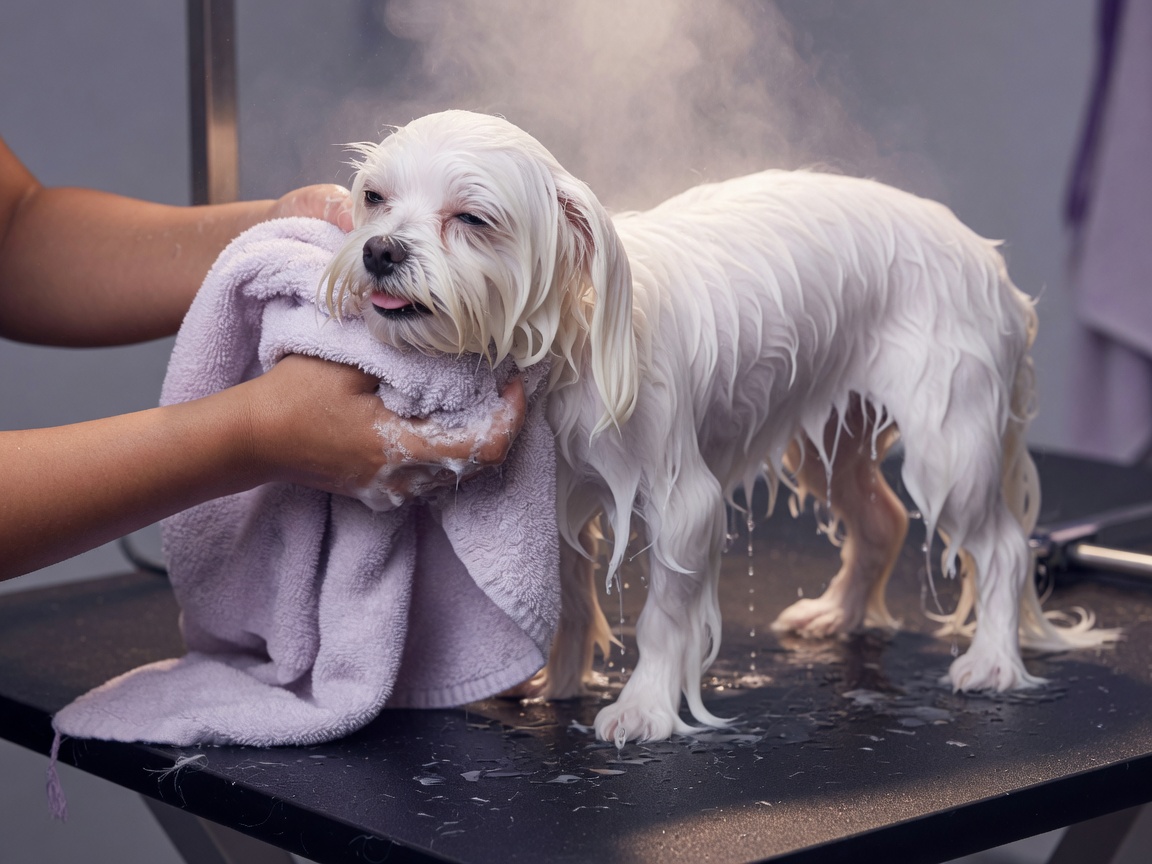
| 2. Hydrotherapy & Skin Care | Deep clarifying wash, oatmeal/medicated conditioning, tearless facial scrub | Bathing beauty power-pump, variable water mixer | Flushes environmental allergens, removes excess sebum, soothes pruritus |
| 3. High-Velocity Velocity Drying | Targeted moisture extraction, straightening curls, blasting loose undercoat | Variable-speed forced-air dryer, Happy Hoodie snood | Lifts hair follicles perpendicular to skin; prevents hot spots from damp trapped fur |
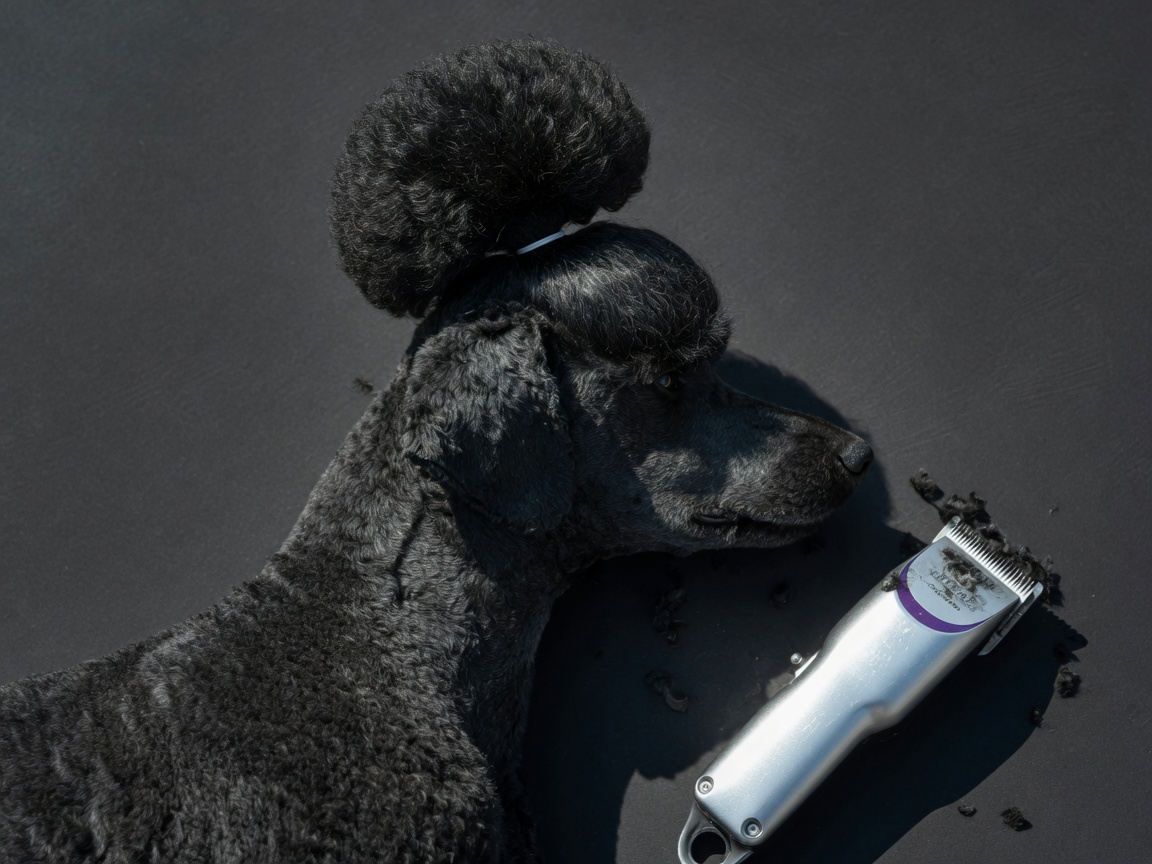
| 4. Precision Styling & Scissoring | Breed-standard outline clipping, hand-scissoring legs/head, sanitary hygiene shave | Professional clippers (#10, #7F, #4F), curved and chunker shears | Maintains breed profile, keeps vision clear, prevents fecal/urine staining |
| 5. Nail, Paw & Ear Maintenance | Nail trimming/rotary grinding, paw pad hair clearing, ear hair plucking & flush | Diamond Dremel grinder, safety shears, enzymatic ear wash | Prevents skeletal gait deformities, pad slipping on hardwood, and painful otitis externa |
Top 3 Reasons to Use a Professional Dog Groomer
- First-Line Medical Detection: Groomers frequently discover early mast cell tumors, hidden ticks, and ear infections before owners or veterinarians notice them.
- Safe Handling of Anxious Pets: Professional equipment like hydraulic grooming tables and soothing force dryers ensure pets remain secure and injury-free.
- Specialized Coat Maintenance: Double-coated, wire-haired, and curly Doodle coats require specific tools and techniques that cannot be replicated with human hair products.
Frequently Asked Questions (FAQ)
How often does a dog need to visit a groomer?
Most long-haired and curly breeds require grooming every 4 to 6 weeks, while short-haired double-coated dogs benefit from a visit every 8 to 12 weeks.
Do dog groomers express anal glands?
Many salons offer external anal gland expression upon request, though internal expression should always be performed by a veterinarian.
Can groomers handle aggressive or biting dogs?
Experienced groomers use low-stress handling, towel wraps, and basket muzzles for mildly anxious dogs, but dangerously aggressive pets may require veterinary clinic sedation grooming.
Get our latest guides, news, and insights highlighted in your Google Search & AI Overviews.
More grooming guides
Other how-tos people open after this one.



Browse by breed
Jump into a breed desk if you came here for a specific coat.