Dog Grooming Guides
Dog Grooming Guides provides comprehensive professional technical protocols, tool benchmarks, salon safety guidelines, and clinical coat handling methodologies for professional pet stylists and dedicated home groomers.
Foundational Guides & Core Pillars
7 Best Cowboy Magic Detangler & Dematting Alternatives
Detailed breakdown of detangler chemical formulations, slip factors, and safe coat hydration sprays.
Dog Sanitary Trim: #10 Blade vs #15 Blade Safety (2026)
Blade safety analysis comparing #10 and #15 surgical lengths for safe sanitary, paw pad, and ear canal trimming.
Bathing Dog Before Haircut vs Cutting Dirty Coat First (2026)
Professional salon debate: bathing clean coats before styling versus clipping dirty coats first to preserve expensive clipper blade edges.
Dremel 7300 — PT Grinder vs Safari Dog Nail Clipper (2026)
Hands-on comparison of rotary diamond nail grinders versus scissor nail clippers for receding the living vascular quick.
Master Groomer Playbook: Salon Workflows, Blade Chemistry & Equipment Benchmarks
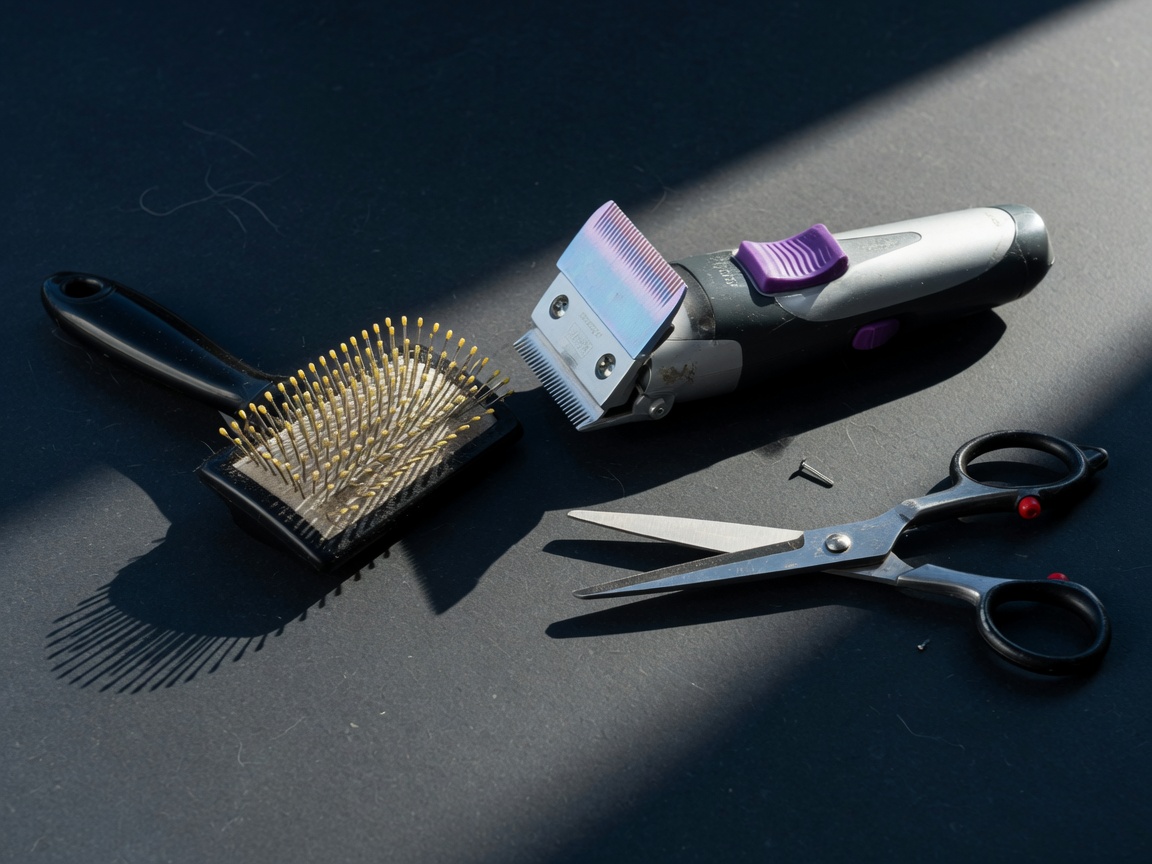
Modern dog grooming relies on precision equipment engineered for repetitive salon endurance and animal safety. Professional clippers feature brushless rotary motors running between 2,800 and 3,800 strokes per minute (SPM). Operating high-speed clippers requires constant thermal monitoring: carbon steel blades generate intense friction heat within 15 minutes of continuous use, reaching temperatures capable of causing thermal burns on sensitive canine skin. Utilizing coolants, ceramic cutting edges, and rotating blade sets is mandatory.
Bathing chemistry forms the cornerstone of every quality finish. Applying professional shampoos directly from the bottle leaves concentrated surfactant residues that dull coats and cause flaky pruritus. Groomers utilize hydro-surge bathing systems or 16:1 dilution mixing bottles to aerate shampoos, allowing micro-bubbles to penetrate dense undercoat down to the dermal layer. Conditioners containing botanical keratins, silk amino acids, and panthenol seal hair cuticles, dramatically reducing drying times and preventing dirt adhesion.
Sanitary trims and paw maintenance demand meticulous technique. The perianal and inguinal regions must always be shaved with a cool #10 blade held flat against taut skin, moving away from delicate anatomical openings. Paw pads require inverted scooping between the central metacarpal pad and digital pads: clearing overgrown fur prevents moisture retention, eliminates mud/burr compaction, and restores natural grip on slick residential flooring.
| Equipment / Technique | Technical Specification | Operational Standard | Maintenance & Safety Objective |
|---|---|---|---|
| Rotary Clipper Operation | Brushless Motor / A5 Snap-On | Blade temp < 104°F / 40°C | Prevents friction heat burns; provides consistent torque through matted coats |
| Sanitary Trimming Angle | #10 Surgical Blade (1.5mm length) | Flat-blade flush glide | Prevents nicking genital/anal mucosa while ensuring maximum hygiene clearance |
| Hydro-Surge Coat Bathing | 16:1 Shampoo Dilution (pH 7.0) | Warm 98°F water wash | Flushes deep dermal dander without leaving alkaline soap residue on the skin |
| Velocity Force Drying | Dual-Motor Variable Blast Dryer | Air blast at 45° angle from skin | Forces water out from roots without tangling hair into friction knots |
| Rotary Diamond Nail Filing | Cordless 8V Grinder (8,000 RPM) | 3–5 second pulses per nail | Smooths rough edges; encourages blood quick to recede naturally |
Topic Directory & Specialized Workflows
Clipper Blades & Equipment Benchmarks
Sanitary Protocols & Technical Workflows
Frequently Asked Questions: Dog Grooming Guides
Should you bathe a dog before or after cutting its hair?
Groomers perform a rough ‘pre-cut’ on heavily overgrown or matted dogs before the bath to remove bulk fur. However, the final precision haircut is always performed on a squeaky-clean, blown-dry, fluff-brushed coat to prevent dirt from dulling clipper blades and to ensure an even finish.
What blade size is used for paw pad trimming?
A #10 or #30 blade attached to a cordless mini-trimmer is the industry standard for scooping paw pads. It safely clears hair flush with the pad leather without slicing webbed skin between toes.
How do professional groomers keep clipper blades from overheating?
Groomers use blade cooling aerosol sprays, place warm blades on cold granite or ceramic cooling slabs, switch to ceramic cutter blades, and rotate between 2 or 3 identical blades during a single haircut session.
Is nail grinding better than traditional nail clippers?
Yes. Rotary diamond grinders file nails smooth without the crushing pressure of guillotine clippers that can pinch the sensitive inner quick. Grinding also allows the groomer to work millimeter by millimeter, cauterizing edges and gradually receding the quick over time.
 Should I ignore my dog if he growls at me?
 How much do you tip a dog groomer in PA?
 What should my dog do all day?
 Can dogs be put to sleep for grooming?
 What does a dog groomer do?
 How much do self-employed dog groomers make?
 What is positive grooming?
 Who usually pays for indemnity insurance?
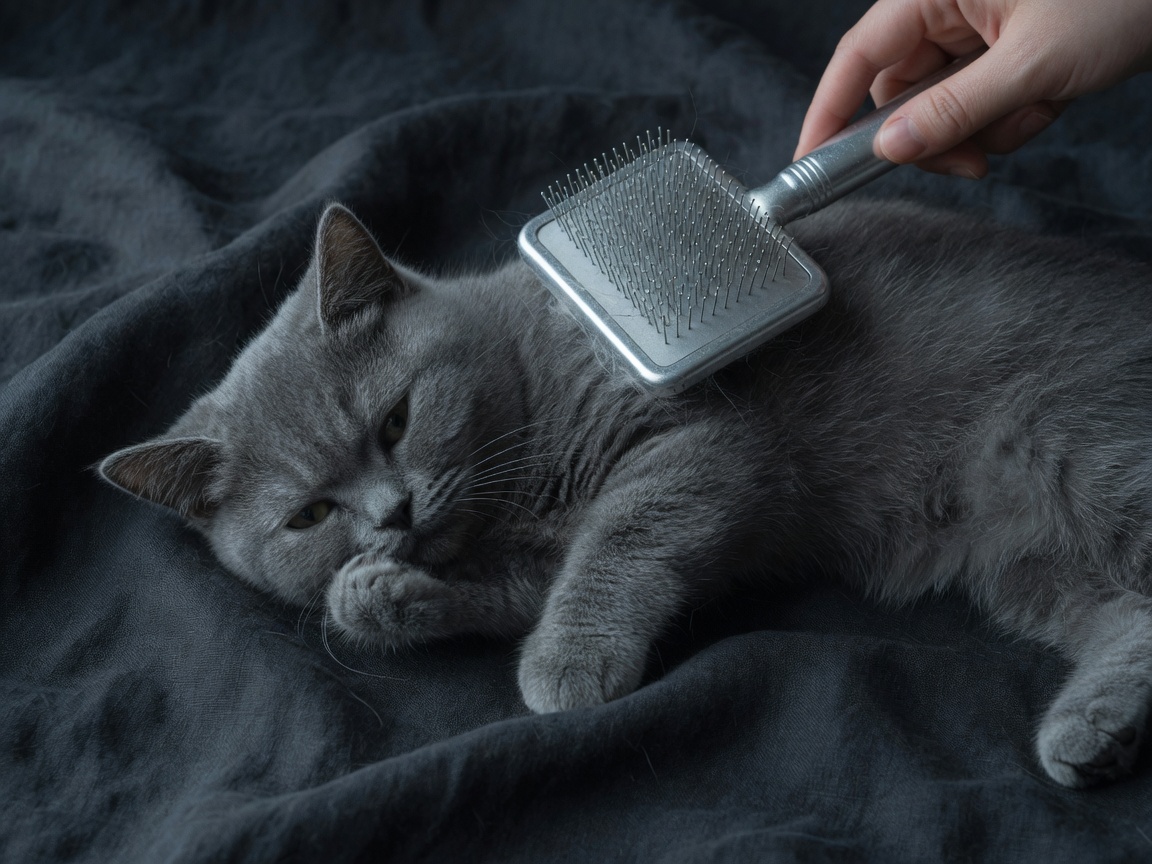
 Do dogs feel better when brushed?
 What tools do you need to start a dog grooming business?
Salon-order questions this cluster owns
Guides answer process, risk, and license questions that are not breed-specific. Bathe-or-cut, diseases that move through a salon, and groomer lung sit here so breed hubs can stay on coat work.
- Do you bathe or cut a dog first?
- Bathe and dry first. Clipper work on a dirty coat slides and leaves tracks. Bathe or cut first.
- What diseases can dogs get from groomers?
- Kennel-type infections travel on tables, tubs, and shared tools. Ask what is disinfected between dogs. Diseases from groomers.
- What is groomers lung?
- Groomers lung is an occupational dust and dander problem in poorly vented salons. It is a worker-health topic, not a pet haircut style. Groomer lung.
- Do you need a license to be a pet groomer in Florida?
- Florida license rules sit on their own guide. Read that URL before treating this hub as legal advice. Florida groomer license.
Next read
Keep going with guides, puppies, or cats.