Are Cavaliers nervous dogs?
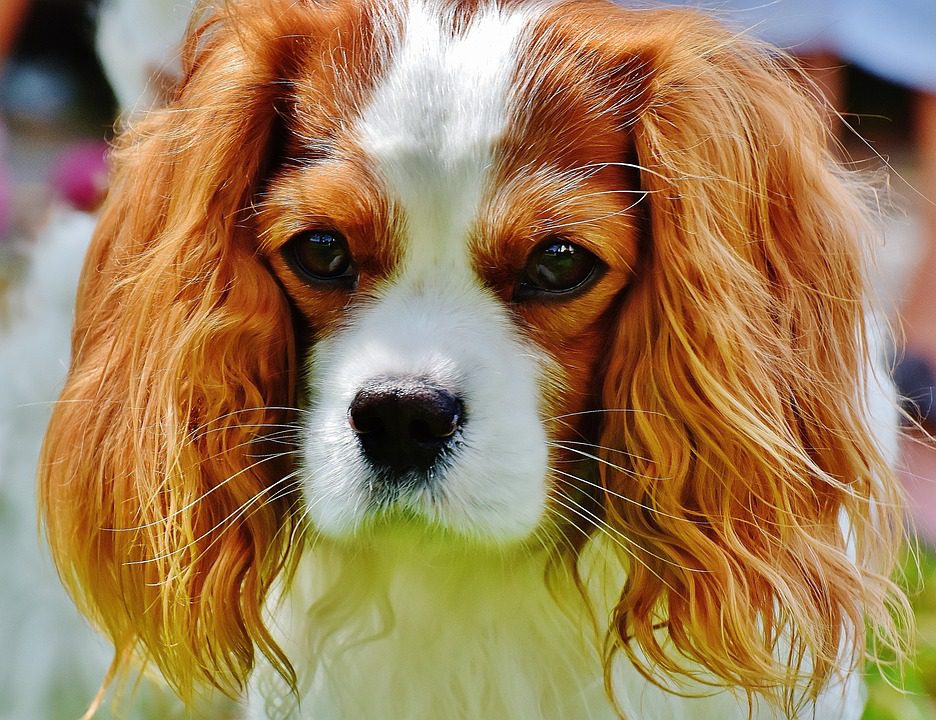
Cavalier King Charles Spaniels (or Cavaliers) are a popular breed of small dog that have been beloved by pet owners for centuries. They are known for their gentle and friendly nature, but they can also be quite timid and nervous. If you’re considering adding a Cavalier to your family, it’s important to understand their temperament and how they may react to different situations. This article will provide an overview of the breed and discuss why Cavaliers may be nervous dogs.
Are Cavaliers Nervous Dogs?
Table of Contents
The Cavalier King Charles Spaniel is a small, friendly, and gentle breed that has become increasingly popular in recent years. But are Cavaliers nervous dogs? The answer is both yes and no. It really depends on the individual dog and how it is raised and trained.
Temperament
The Cavalier King Charles Spaniel is generally an even-tempered breed that is friendly, affectionate, and gentle. They tend to get along well with other dogs and people, and they make excellent companion animals. They are often referred to as the “lap dogs” of the Spaniel breeds, as they love to be close to their owners and are content to just sit and cuddle.
However, some Cavaliers may be more prone to nervousness than others. This can be due to genetics, the environment, or a combination of the two. It is important to remember that all dogs are individuals, and some may be more laid-back and relaxed than others.
Environmental Factors
Environmental factors can play a role in a dog’s level of nervousness. If a Cavalier is not exposed to many different people and situations while they are puppies, they may develop a fear of the unknown and become anxious when exposed to new things.
It is also important to remember that Cavaliers are sensitive souls who can be easily overwhelmed. If they are constantly exposed to loud noises, given too much attention, or scolded harshly, they may become nervous and skittish.
Training and Socialization
The key to helping a Cavalier become a confident, well-adjusted dog is to provide them with proper socialization and training. It is important to expose them to different people, animals, and environments while they are young, so they can learn how to cope with new situations and be comfortable in a variety of settings.
It is also important to provide a Cavalier with consistent training, as this will help them to understand what is expected of them and learn how to behave appropriately. Positive reinforcement training is best, as this will help a Cavalier to develop good behaviors and build their confidence.
Conclusion
Cavaliers are generally friendly, gentle, and affectionate dogs. However, some may be more prone to nervousness than others. The key to helping a Cavalier become a confident, well-adjusted dog is to provide them with proper socialization and training. With patience, consistency, and positive reinforcement, a Cavalier can learn to become an outgoing and confident companion.
## Common Myths about Cavaliers
1. Myth: Cavaliers are nervous dogs.
Fact: Cavaliers are not necessarily nervous dogs. They are considered to be one of the most affectionate and loyal breeds of dogs, and can be quite calm and gentle. However, they may become anxious if they are not properly socialized or trained.
2. Myth: Cavaliers are high maintenance.
Fact: Cavaliers are not necessarily high maintenance. They require regular grooming, exercise, and mental stimulation, but they are generally low-maintenance when it comes to other needs such as food and veterinary care.
3. Myth: Cavaliers are difficult to train.
Fact: Cavaliers are actually quite easy to train as long as they are given consistent, positive reinforcement. They are highly intelligent and will respond well to positive reinforcement.
4. Myth: Cavaliers are not suitable for apartment living.
Fact: Cavaliers are actually well-suited for apartment living. They are small to medium in size, and do not require extensive amounts of exercise. They are also relatively quiet, making them a great companion for apartment-dwellers.
Frequently Asked Questions
Are Cavaliers nervous dogs?
No, Cavaliers are not naturally nervous dogs. Cavaliers are known for having an even temperment and are generally outgoing and friendly. They are easy to train, making them great family pets. They do, however, have a tendency to form close bonds with their owners, so it is important to socialize them early on to ensure they do not become too clingy or anxious.
Conclusion
.
Cavalier King Charles Spaniels are generally friendly, gentle, and affectionate dogs, but some may be more prone to nervousness than others. Positive reinforcement training and socialization can help to boost their confidence. It is important to expose them to different people, animals, and environments while they are young, and provide them with consistent training. With patience and consistency, a Cavalier can learn to be an outgoing and confident companion.
Get our latest guides, news, and insights highlighted in your Google Search & AI Overviews.
Keep reading about the same coat and cut.


Popular grooming guides
Bath vs clip, first grooms, and salon how-tos.